

MrRUHUL
13.6k Publications
MrRUHUL
 Compte Square Vérifié+
Signaler
Bloquer l’utilisateur
Twitter X:( @MrRUHUL77 ) News, Memes, Charts, Hopium, Market analysis and Latest crypto updates !
Ouvert au trading
Trade fréquemment
4.2 an(s)
301 Suivis
84.4K+ Abonnés
68.9K J’aime
Publications
Portefeuille
Tous
Citations
Vidéos
Direct
PINNED
·
--
Article
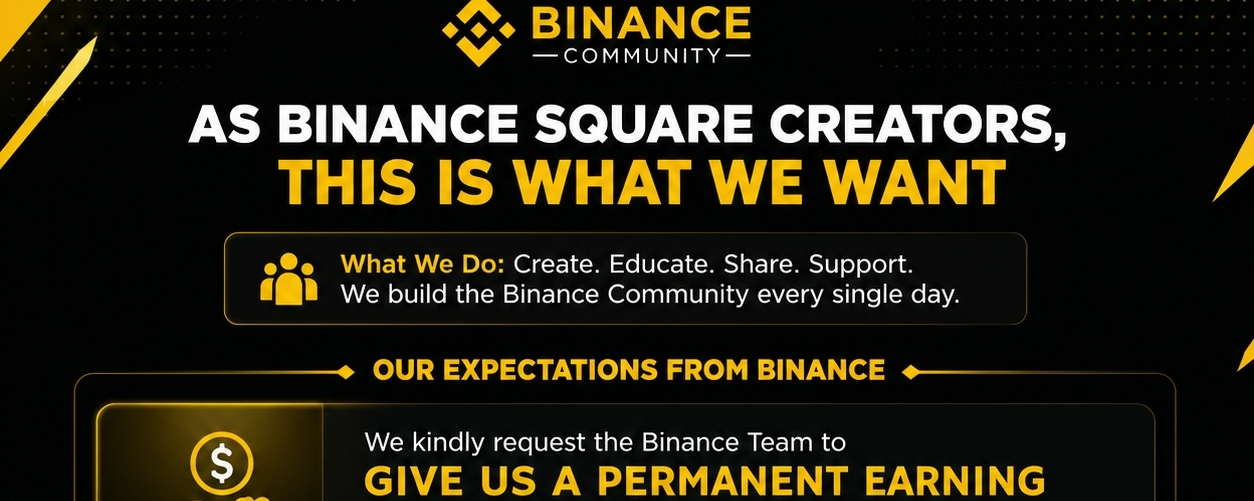
As a Binance square Creator What we want... What our Expectations From BinanceGuys today I'm going to say something important to the binance team after hearing lot's of creator opinion... So
Dear Binance we as a consistent creator we spend and we give 24/7 hours time to the Binance Day after day months after month year after years with a expectation that We as a creator We can Earn lots of money Form square as a creator we expect that Binance give us some permanent earning solution but our hope and expectations completely going to breaking.
We know that there is a creator pad there is a alpha section write to earn but those are not a permanent solution and we also know what's going on behind the creator paid or alpha section and write to earn etc.
We also see binance always give more priority to the new user and ignore old creator that's why lots of old creator day by day inactive.... But binance forgot that community makes community.
So our Request to the Binance team that Give us a permanent Earning Like Monitization or something like that and the Creator feel more energetic and we will create more Quality Contant..
As a world Largest Exchange Its very easy to solve this issue and one more thing that is if creator getting earning then Binance with the creator will make history...
@Binance_Margin @binance_south_africa
@Binance_Square_Official @CZ @ETHcryptohub @Aslam72karbalayi @undefined @jenni_aura @Flicky123Nohawn @happynaccy @crypto-first21 @itachi_uhciha @Nadeem_Bisharat
As a Binance square Creator What we want... What our Expectations From Binance
Guys today I'm going to say something important to the binance team after hearing lot's of creator opinion... So
Dear Binance we as a consistent creator we spend and we give 24/7 hours time to the Binance Day after day months after month year after years with a expectation that We as a creator We can Earn lots of money Form square as a creator we expect that Binance give us some permanent earning solution but our hope and expectations completely going to breaking.
We know that there is a creator pad there is a alpha section write to earn but those are not a permanent solution and we also know what's going on behind the creator paid or alpha section and write to earn etc.
We also see binance always give more priority to the new user and ignore old creator that's why lots of old creator day by day inactive.... But binance forgot that community makes community.
So our Request to the Binance team that Give us a permanent Earning Like Monitization or something like that and the Creator feel more energetic and we will create more Quality Contant..
As a world Largest Exchange Its very easy to solve this issue and one more thing that is if creator getting earning then Binance with the creator will make history...
@Binance Margin @Binance South Africa Official
@Binance Square Official @CZ @ETHcryptohub @AloNe72 @undefined @Jia Lilly @Dr Nohawn @Naccy小妹 @Crypto-First21 @Triple_S @Nadyisom
Dear Binance we as a consistent creator we spend and we give 24/7 hours time to the Binance Day after day months after month year after years with a expectation that We as a creator We can Earn lots of money Form square as a creator we expect that Binance give us some permanent earning solution but our hope and expectations completely going to breaking.
We know that there is a creator pad there is a alpha section write to earn but those are not a permanent solution and we also know what's going on behind the creator paid or alpha section and write to earn etc.
We also see binance always give more priority to the new user and ignore old creator that's why lots of old creator day by day inactive.... But binance forgot that community makes community.
So our Request to the Binance team that Give us a permanent Earning Like Monitization or something like that and the Creator feel more energetic and we will create more Quality Contant..
As a world Largest Exchange Its very easy to solve this issue and one more thing that is if creator getting earning then Binance with the creator will make history...
@Binance Margin @Binance South Africa Official
@Binance Square Official @CZ @ETHcryptohub @AloNe72 @undefined @Jia Lilly @Dr Nohawn @Naccy小妹 @Crypto-First21 @Triple_S @Nadyisom
34
14
68
6.2k
·
--
Long Setup (Recommended on Dips)
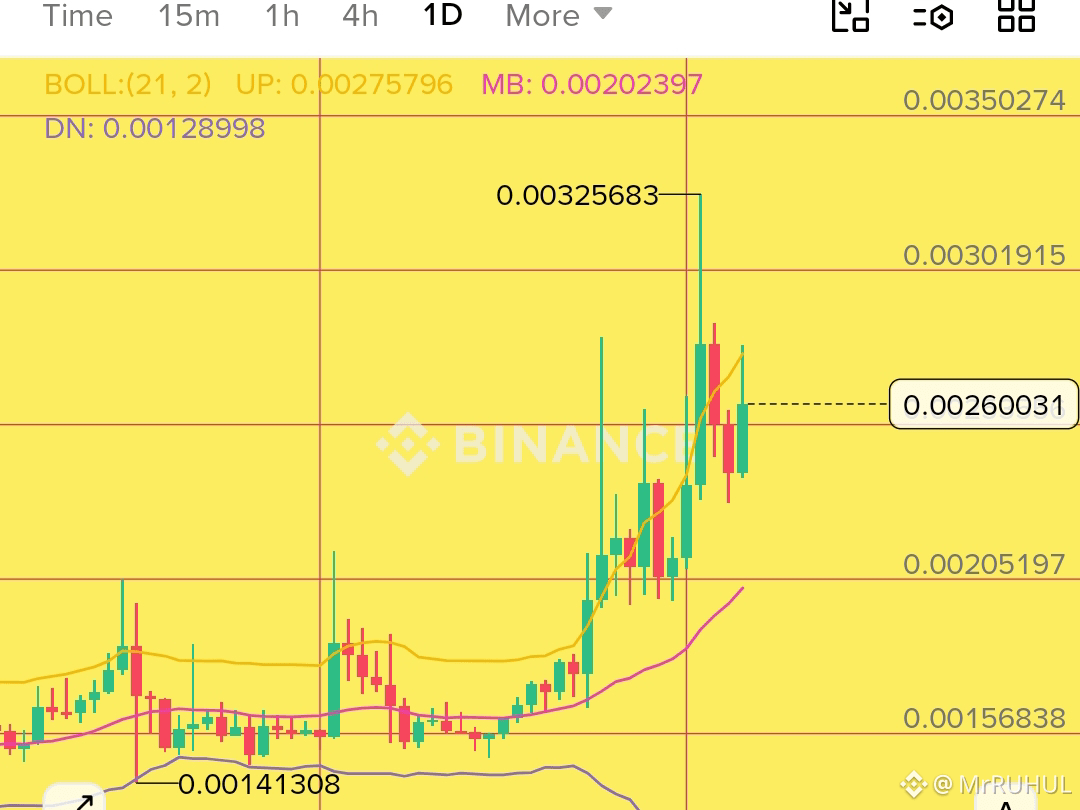
This $NOM pulled back from 0.00326 after the spike. Still holding above the middle Bollinger, StochRSI around 38.
Entry $NOM : 0.00230 – 0.00245
SL: 0.00210
TP1: 0.00290
TP2: 0.00320
Long Setup (Recommended on Dips)
This $NOM pulled back from 0.00326 after the spike. Still holding above the middle Bollinger, StochRSI around 38.
Entry $NOM : 0.00230 – 0.00245
SL: 0.00210
TP1: 0.00290
TP2: 0.00320
This $NOM pulled back from 0.00326 after the spike. Still holding above the middle Bollinger, StochRSI around 38.
Entry $NOM : 0.00230 – 0.00245
SL: 0.00210
TP1: 0.00290
TP2: 0.00320
1
483
·
--
Long Setup (Recommended on Dips)
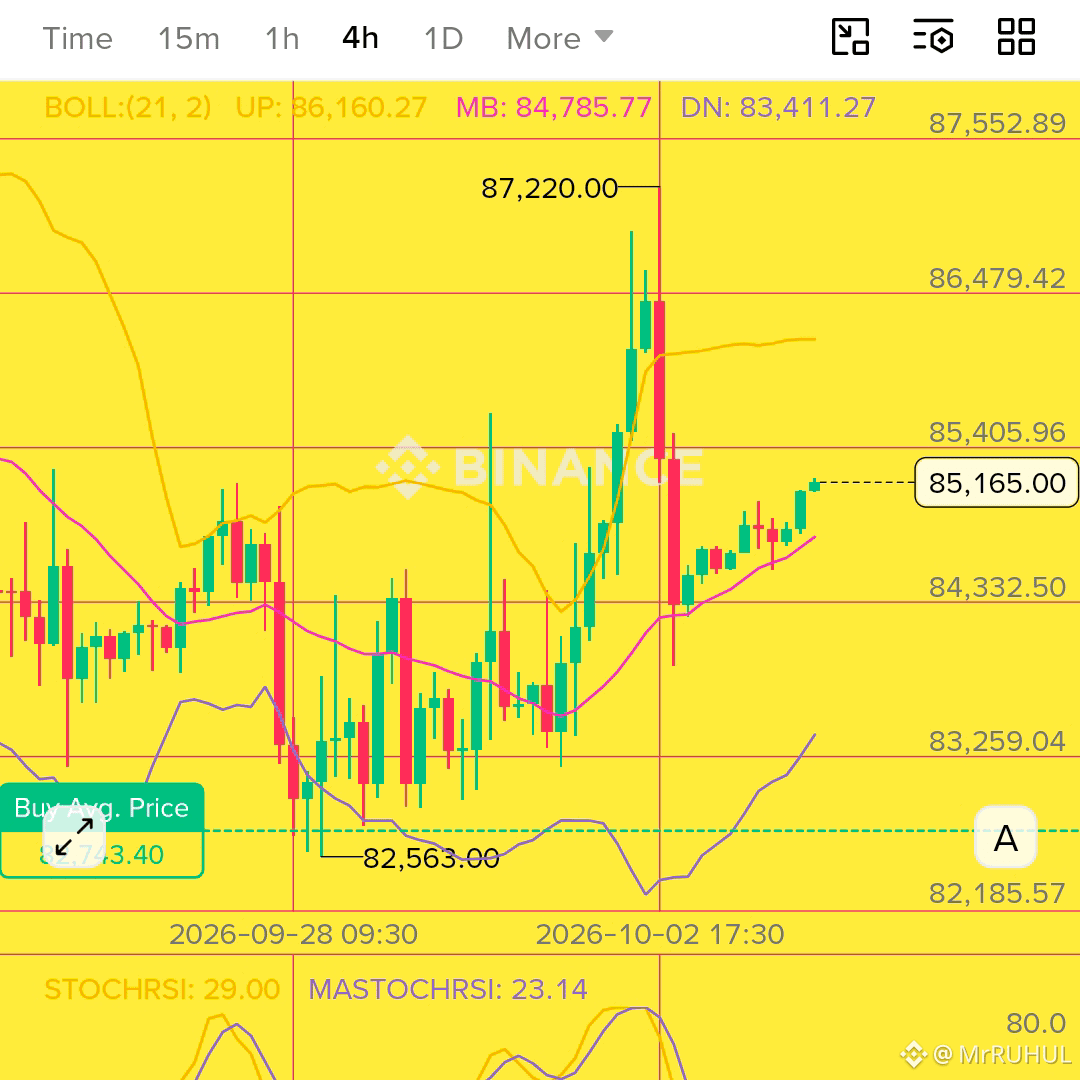
This $BTC cooled off from 87,220 and is sitting near the middle Bollinger. StochRSI is around 29 — looking for a dip entry.
Entry $BTC : 83,800 – 84,600
SL: 82,800
TP1: 87,200
TP2: 89,500
Long Setup (Recommended on Dips)
This $BTC cooled off from 87,220 and is sitting near the middle Bollinger. StochRSI is around 29 — looking for a dip entry.
Entry $BTC : 83,800 – 84,600
SL: 82,800
TP1: 87,200
TP2: 89,500
This $BTC cooled off from 87,220 and is sitting near the middle Bollinger. StochRSI is around 29 — looking for a dip entry.
Entry $BTC : 83,800 – 84,600
SL: 82,800
TP1: 87,200
TP2: 89,500
3
251
·
--
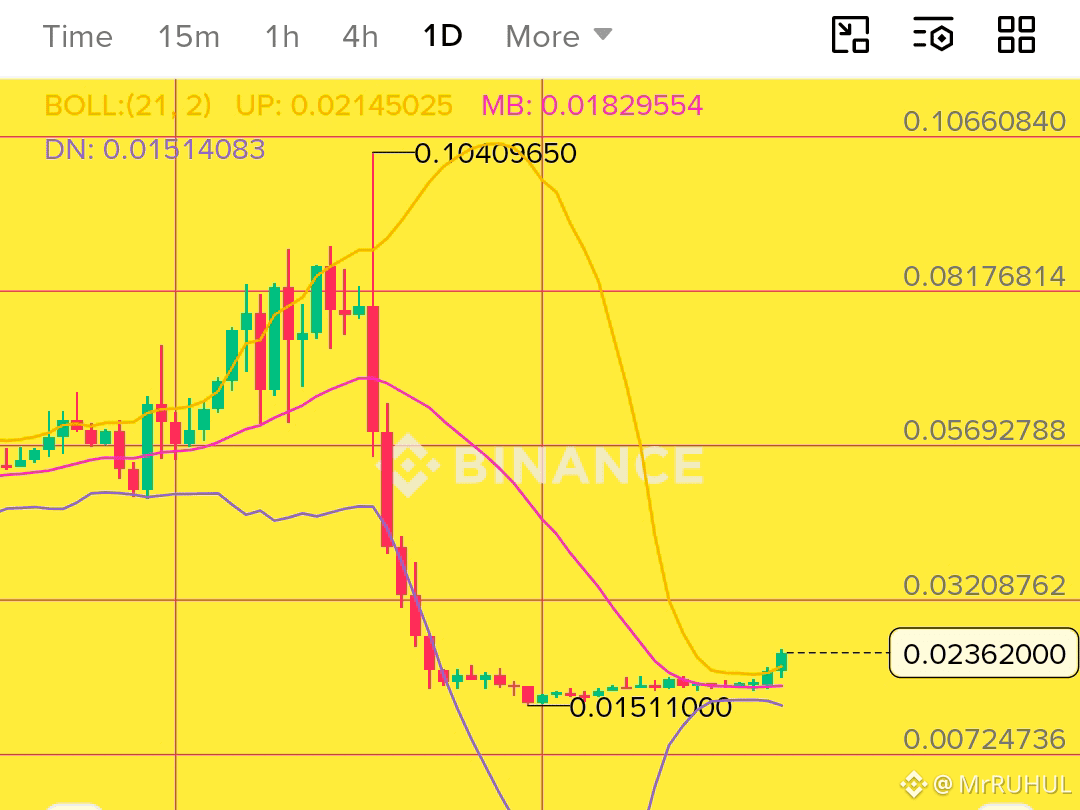
guys u can take a quick entry long on
$COLLECT and take tp 0.03++
guys u can take a quick entry long on
$COLLECT and take tp 0.03++
$COLLECT and take tp 0.03++
459
·
--
Democrats are projected to retake the U.S. House on November 3... $BTC $NVDAB
Democrats are projected to retake the U.S. House on November 3... $BTC $NVDAB
404
·
--
Long Setup (Recommended on Dips) $PAXG
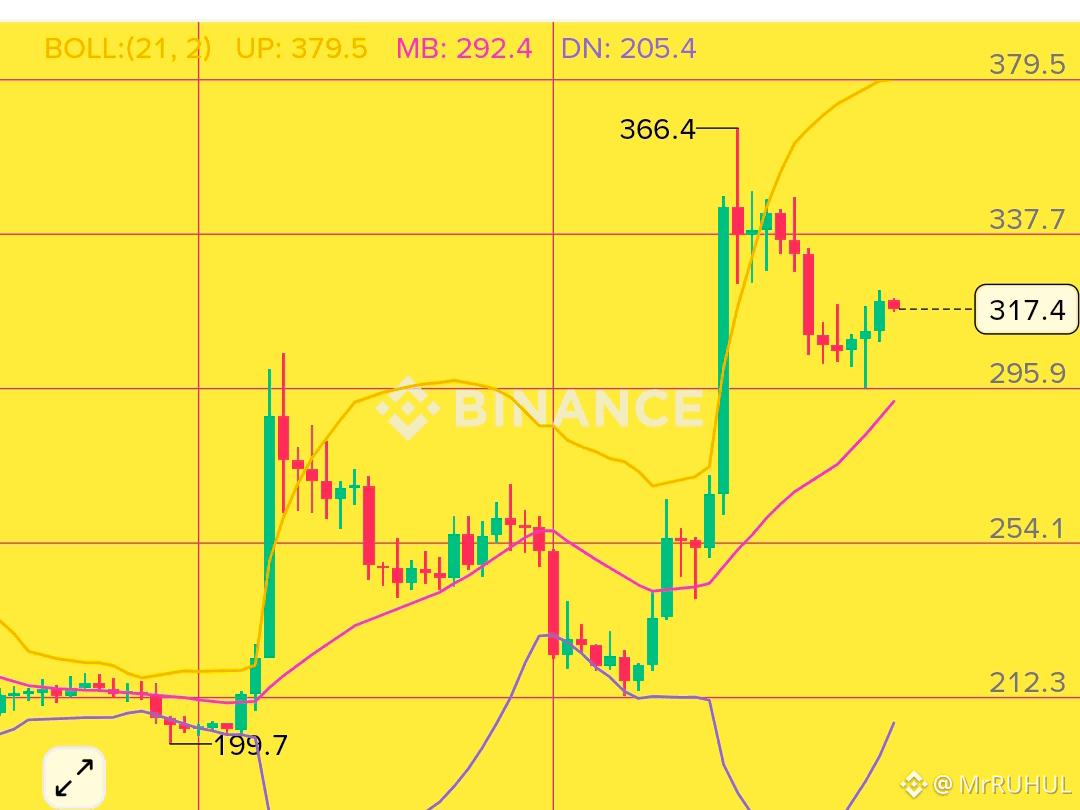
This $BCH pulled back from 366 and StochRSI is oversold at 20. Structure is still above the middle Bollinger.
Entry $BCH : 305 – 315
SL: 290
TP1: 350
TP2: 375
Long Setup (Recommended on Dips) $PAXG
This $BCH pulled back from 366 and StochRSI is oversold at 20. Structure is still above the middle Bollinger.
Entry $BCH : 305 – 315
SL: 290
TP1: 350
TP2: 375
This $BCH pulled back from 366 and StochRSI is oversold at 20. Structure is still above the middle Bollinger.
Entry $BCH : 305 – 315
SL: 290
TP1: 350
TP2: 375
3
888
·
--
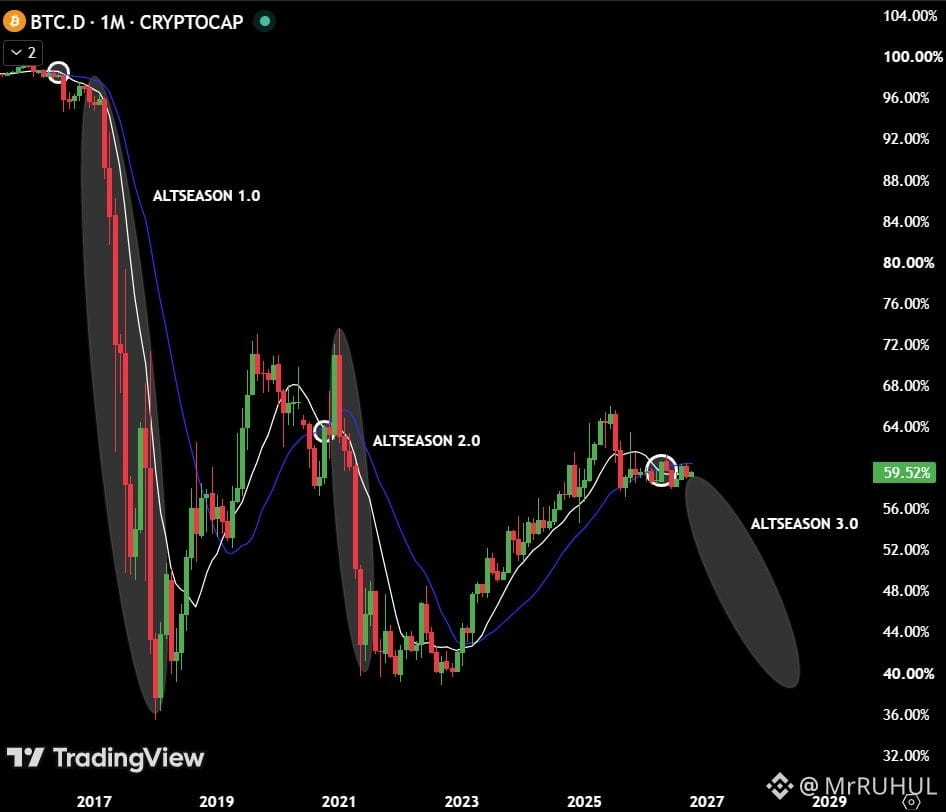
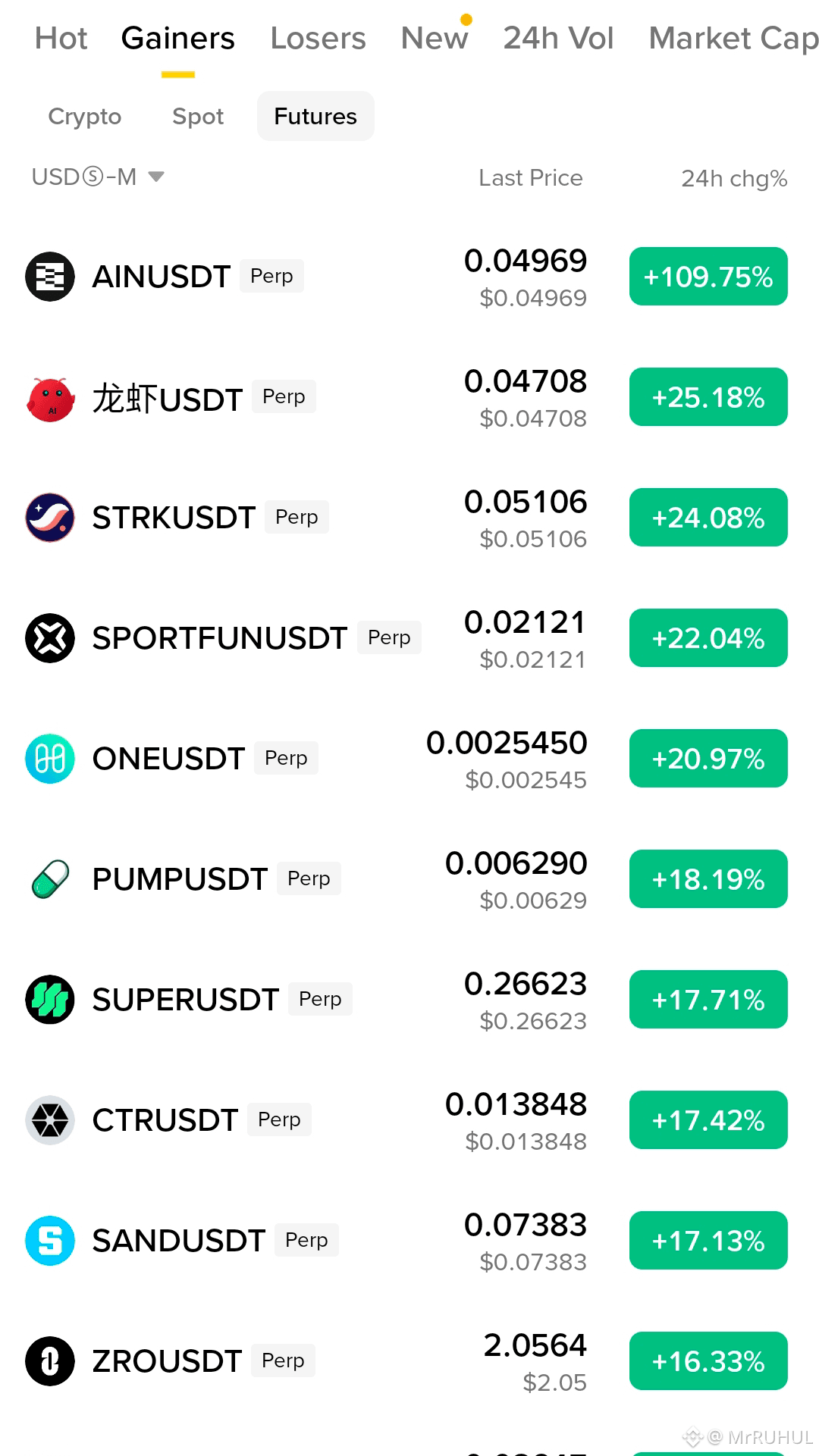
ALTSEASON 3.0 IS COMING 🚀 $ETH $SOL $BNB
The next few years could be huge for altcoins.
ALTSEASON 3.0 IS COMING 🚀 $ETH $SOL $BNB
The next few years could be huge for altcoins.
The next few years could be huge for altcoins.
1
1
732
·
--
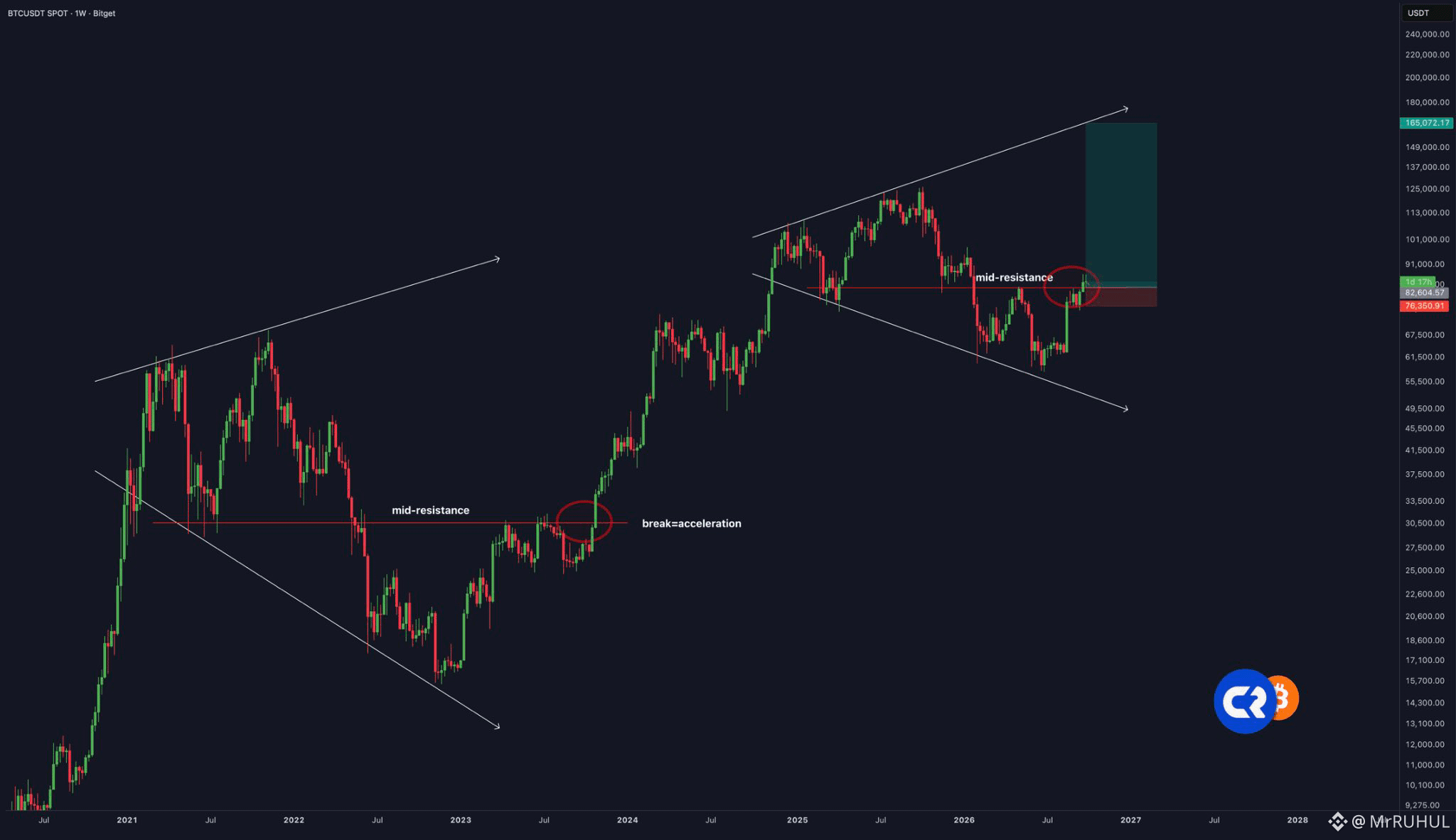
Bitcoin LONG swing trade setup $BTC
The next 6–12 months could be a life-changing opportunity.
Bitcoin LONG swing trade setup $BTC
The next 6–12 months could be a life-changing opportunity.
The next 6–12 months could be a life-changing opportunity.
2
319
·
--
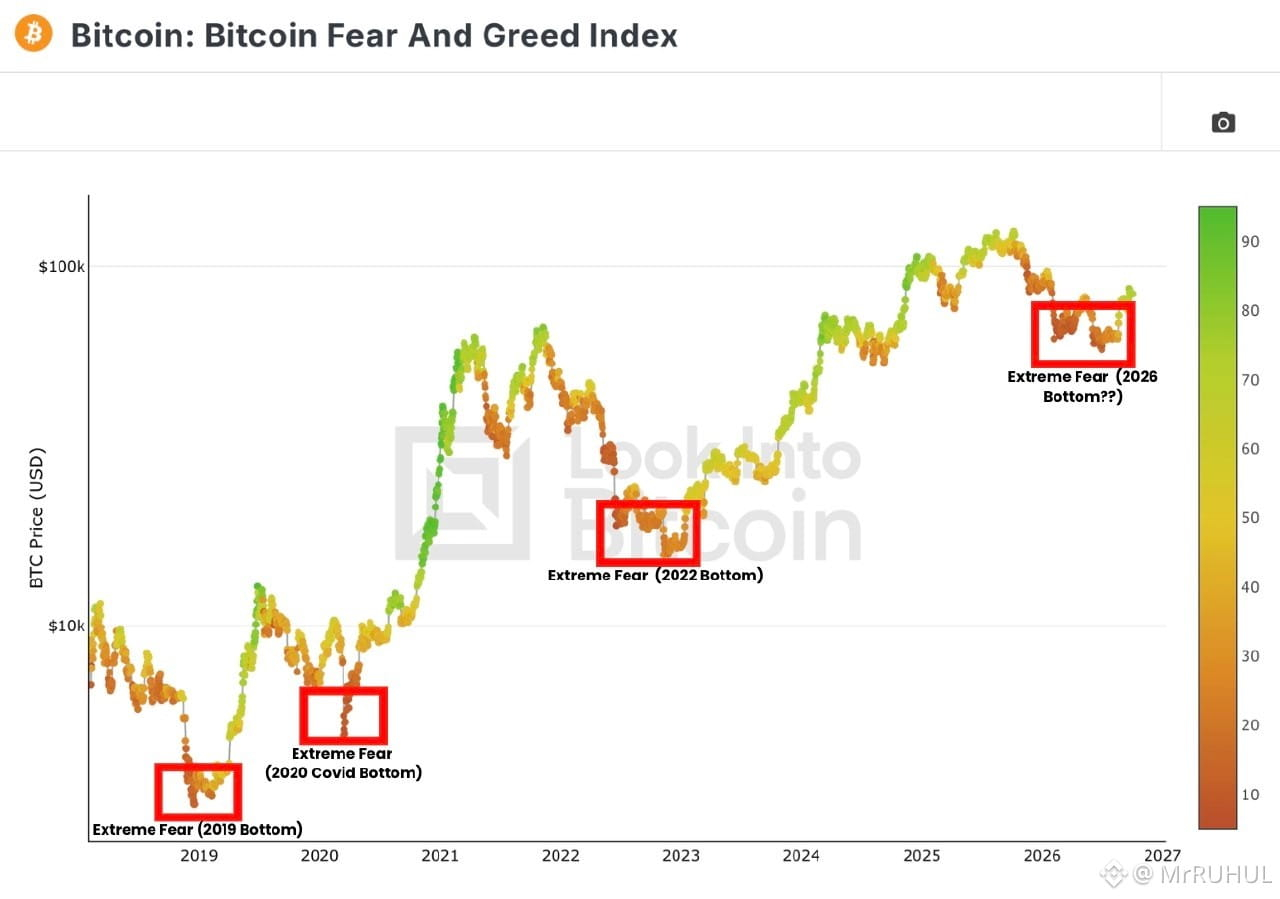
$BTC Bitcoin has historically found major bottoms when fear reached extreme levels.
2019: Fear & Greed — 5
2022: Fear & Greed — 6
2026: Fear & Greed — 5
With $BTC hitting $57,800, the big question is:
Was that the bottom this time? 👀
$BTC Bitcoin has historically found major bottoms when fear reached extreme levels.
2019: Fear & Greed — 5
2022: Fear & Greed — 6
2026: Fear & Greed — 5
With $BTC hitting $57,800, the big question is:
Was that the bottom this time? 👀
2019: Fear & Greed — 5
2022: Fear & Greed — 6
2026: Fear & Greed — 5
With $BTC hitting $57,800, the big question is:
Was that the bottom this time? 👀
1
342
·
--
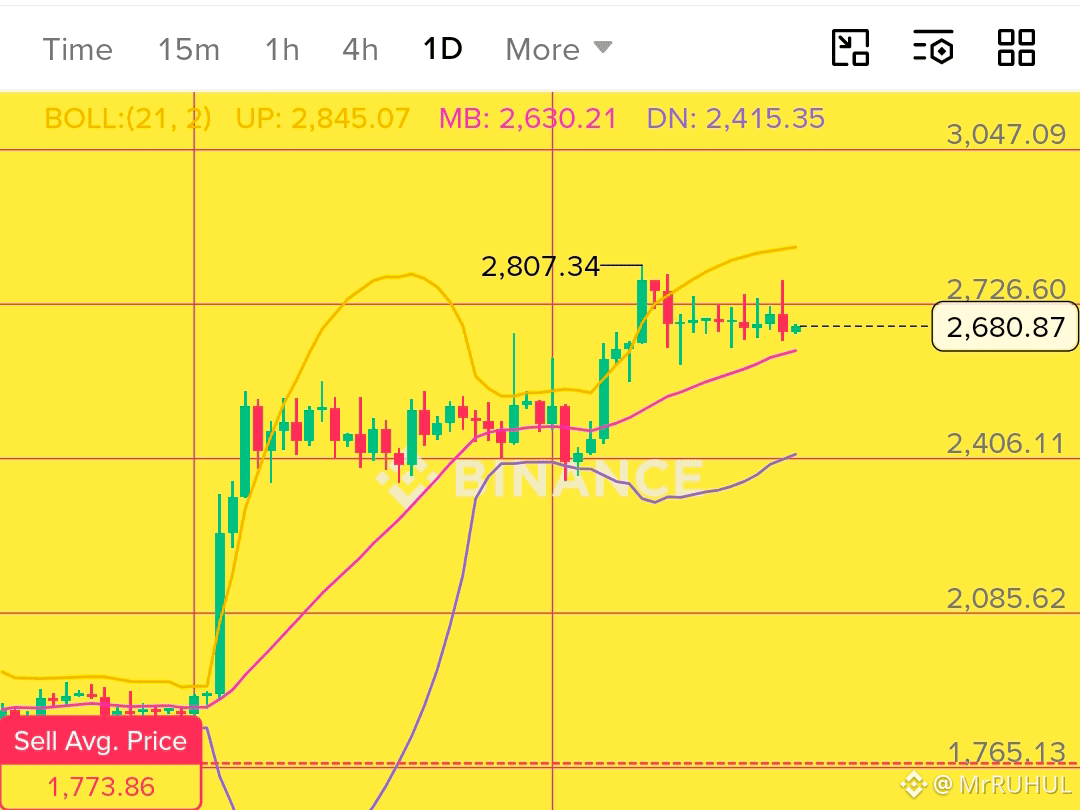
Market is going sideways so it's hard to predict now...$ETH what do you think 🤔 guys ?
Market is going sideways so it's hard to predict now...$ETH what do you think 🤔 guys ?
1
393
·
--
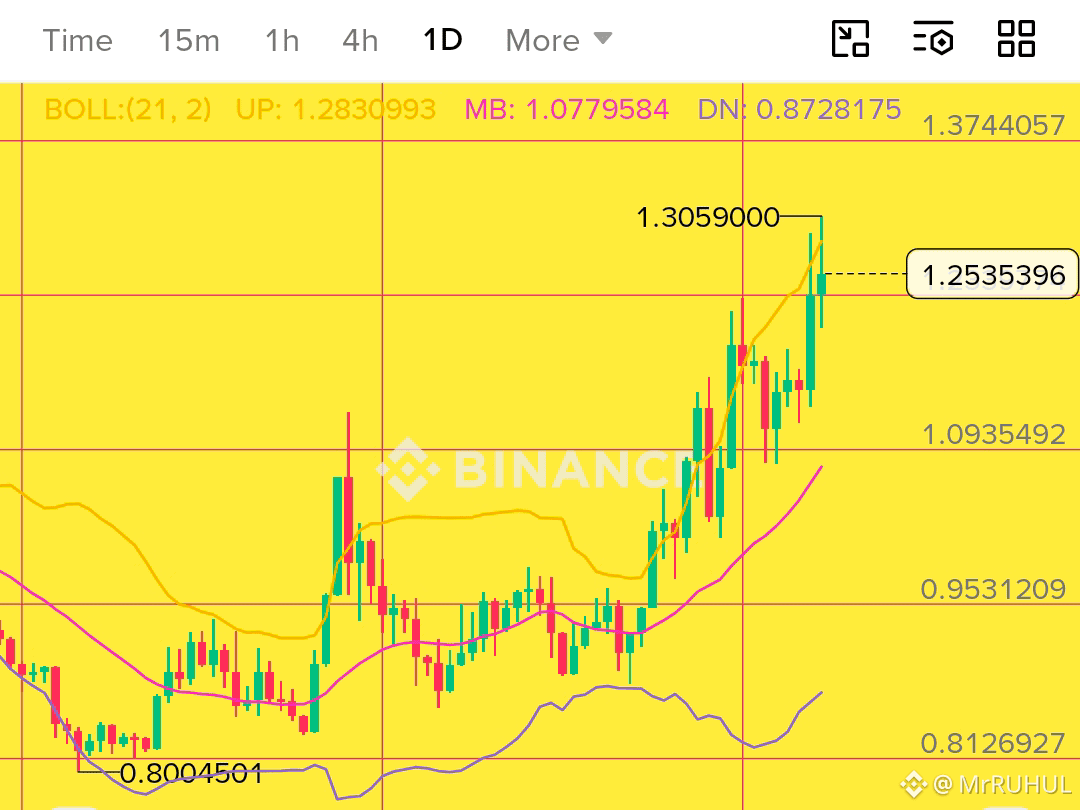
$AXS still looks fine, just a bit hot.
Ran from 0.80 to 1.31, now sitting at 1.25. Trend’s up, but that last push got rejected a bit. Stoch cooled off, so it’s resting, not dead.
Above 1.20 it can still grind higher. Lose that and the easy move is over. Don’t chase 1.31 dip or clean break, otherwise sit.
$AXS still looks fine, just a bit hot.
Ran from 0.80 to 1.31, now sitting at 1.25. Trend’s up, but that last push got rejected a bit. Stoch cooled off, so it’s resting, not dead.
Above 1.20 it can still grind higher. Lose that and the easy move is over. Don’t chase 1.31 dip or clean break, otherwise sit.
Ran from 0.80 to 1.31, now sitting at 1.25. Trend’s up, but that last push got rejected a bit. Stoch cooled off, so it’s resting, not dead.
Above 1.20 it can still grind higher. Lose that and the easy move is over. Don’t chase 1.31 dip or clean break, otherwise sit.
2
633
·
--
Long Setup (Recommended on Dips) $MAGMA
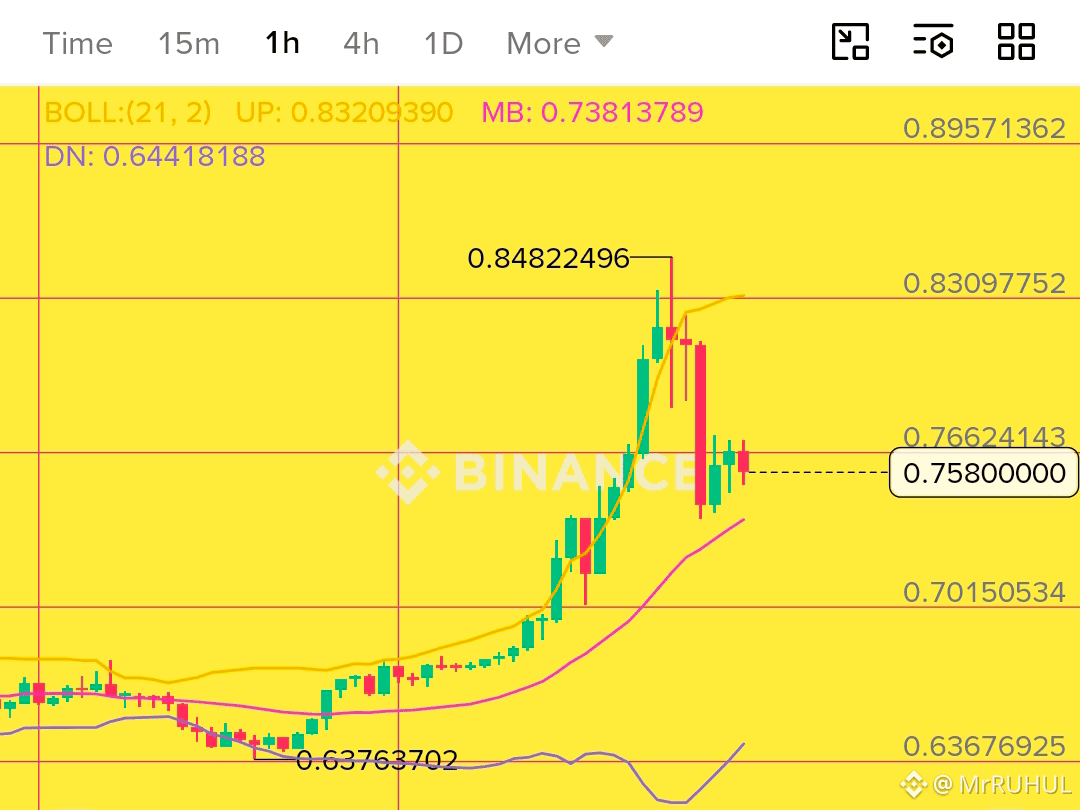
This $EVAA pulled back from 0.848 and StochRSI is oversold at 12. Looking for a bounce off this dip.
Entry $EVAA : 0.730 – 0.750
SL: 0.690
TP1: 0.820
TP2: 0.880
Long Setup (Recommended on Dips) $MAGMA
This $EVAA pulled back from 0.848 and StochRSI is oversold at 12. Looking for a bounce off this dip.
Entry $EVAA : 0.730 – 0.750
SL: 0.690
TP1: 0.820
TP2: 0.880
This $EVAA pulled back from 0.848 and StochRSI is oversold at 12. Looking for a bounce off this dip.
Entry $EVAA : 0.730 – 0.750
SL: 0.690
TP1: 0.820
TP2: 0.880
1
765
·
--
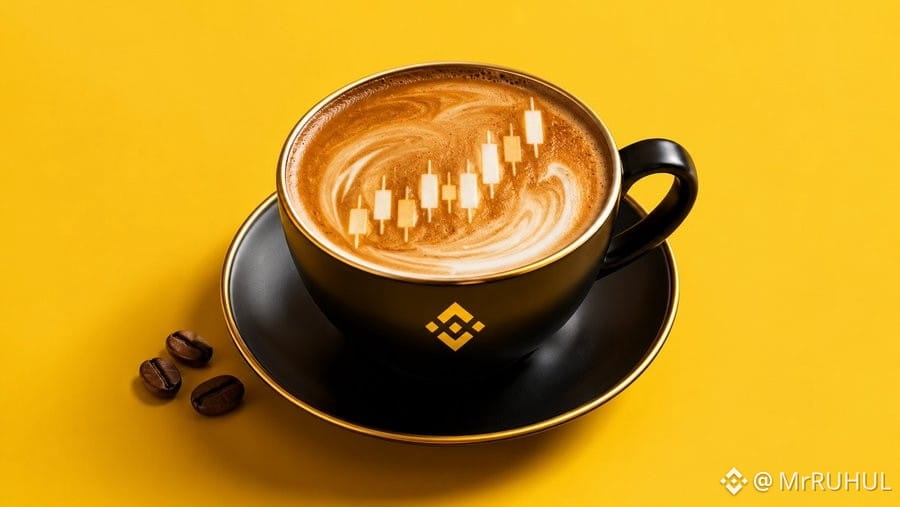
why are the weekend charts already in my latte?
why are the weekend charts already in my latte?
422
9
23
422
·
--
Long Setup (Recommended on Dips)
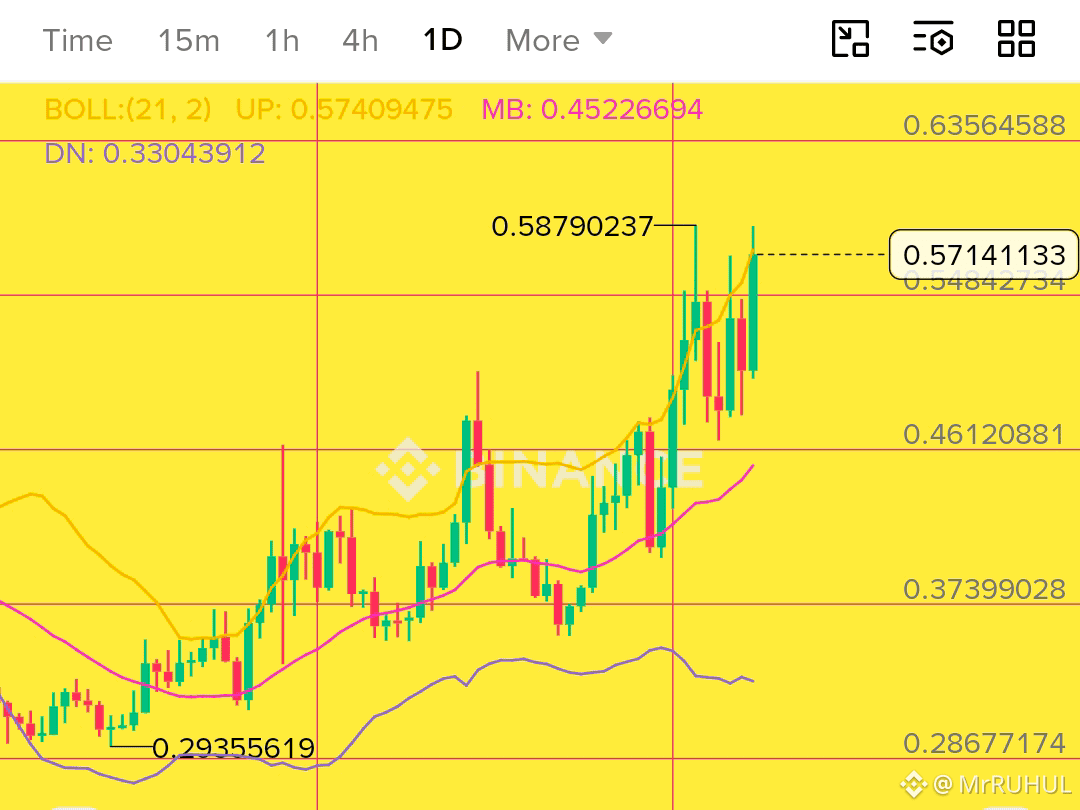
This $WLD pulled back from 0.588 after a strong run. StochRSI is neutral around 65 — structure still looks bullish.
Entry $WLD : 0.530 – 0.555
SL: 0.495
TP1: 0.620
TP2: 0.680
Long Setup (Recommended on Dips)
This $WLD pulled back from 0.588 after a strong run. StochRSI is neutral around 65 — structure still looks bullish.
Entry $WLD : 0.530 – 0.555
SL: 0.495
TP1: 0.620
TP2: 0.680
This $WLD pulled back from 0.588 after a strong run. StochRSI is neutral around 65 — structure still looks bullish.
Entry $WLD : 0.530 – 0.555
SL: 0.495
TP1: 0.620
TP2: 0.680
2
401
·
--
Long Setup (Recommended on Dips) $WBTC
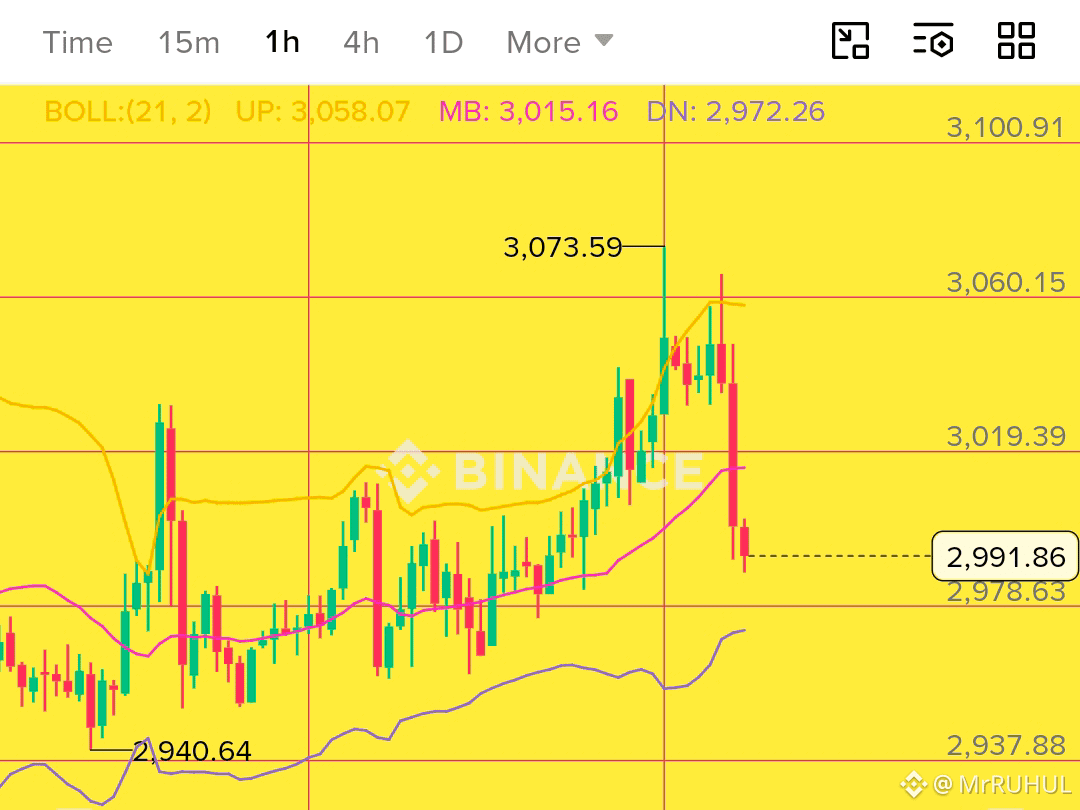
This $WBETH pulled back from 3,073 and StochRSI is oversold at 10. Looking for a bounce.
Entry $WBETH : 2,960 – 2,985
SL: 2,920
TP1: 3,080
TP2: 3,150
Long Setup (Recommended on Dips) $WBTC
This $WBETH pulled back from 3,073 and StochRSI is oversold at 10. Looking for a bounce.
Entry $WBETH : 2,960 – 2,985
SL: 2,920
TP1: 3,080
TP2: 3,150
This $WBETH pulled back from 3,073 and StochRSI is oversold at 10. Looking for a bounce.
Entry $WBETH : 2,960 – 2,985
SL: 2,920
TP1: 3,080
TP2: 3,150
3
439
·
--
Long Setup (Recommended on Dips) $ETH
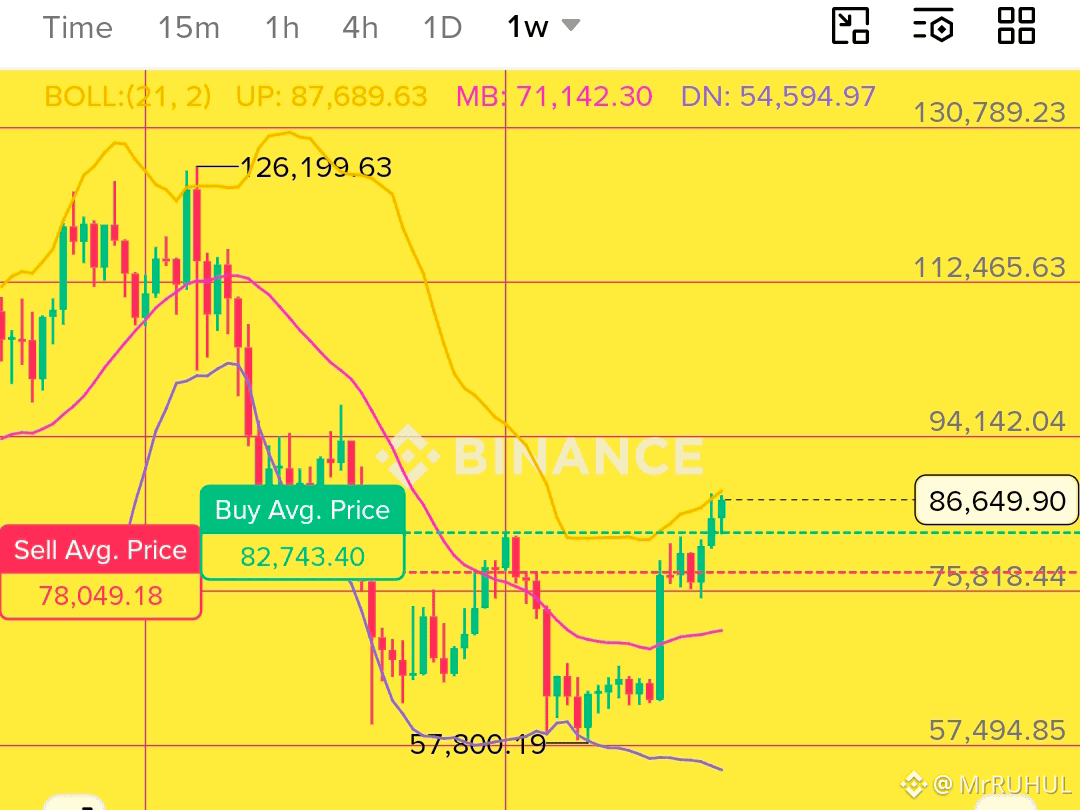
This $BTC is recovering on the weekly from the 57.8k low and is sitting just under the upper Bollinger. StochRSI is maxed at 99 — better entries on a pullback.
Entry $BTC : 82,000 – 84,500
SL: 78,500
TP1: 92,000
TP2: 98,000
Long Setup (Recommended on Dips) $ETH
This $BTC is recovering on the weekly from the 57.8k low and is sitting just under the upper Bollinger. StochRSI is maxed at 99 — better entries on a pullback.
Entry $BTC : 82,000 – 84,500
SL: 78,500
TP1: 92,000
TP2: 98,000
This $BTC is recovering on the weekly from the 57.8k low and is sitting just under the upper Bollinger. StochRSI is maxed at 99 — better entries on a pullback.
Entry $BTC : 82,000 – 84,500
SL: 78,500
TP1: 92,000
TP2: 98,000
1
5
754
Connectez-vous pour découvrir plus de contenu
Rejoignez la communauté mondiale des adeptes de cryptomonnaies sur Binance Square
⚡️ Suviez les dernières informations importantes sur les cryptomonnaies.
💬 Jugé digne de confiance par la plus grande plateforme d’échange de cryptomonnaies au monde.
👍 Découvrez les connaissances que partagent les créateurs vérifiés.
Adresse e-mail/Nº de téléphone
Sujets d’actualité
BNBSurpasses$790
6,817 vues
67 mentions
$BNB strategic long plan -> FOCUS NOW
BNB has created 2 strong lows after taking out internal liquidity
I'm expecting a move towards swing high $815-$830 and looking for a long on a retest of the green box
#BNBSurpasses$790 #bnb
Ghost Writer
·3 mentions J’aime
·3.1k vues
ZamaRises15.99%ToIntradayHigh$0.09
2,144 vues
61 mentions
BitcoinSpotETFsDraw$6.34BInflowsInQ3
2,820 vues
50 mentions