

Shaheen Star
9.2k Publications

Shaheen Star
Signaler
Bloquer l’utilisateur
373 Suivis
22.2K+ Abonnés
7.6K+ J’aime
Publications
Tous
Citations
Direct
·
--
Haussier
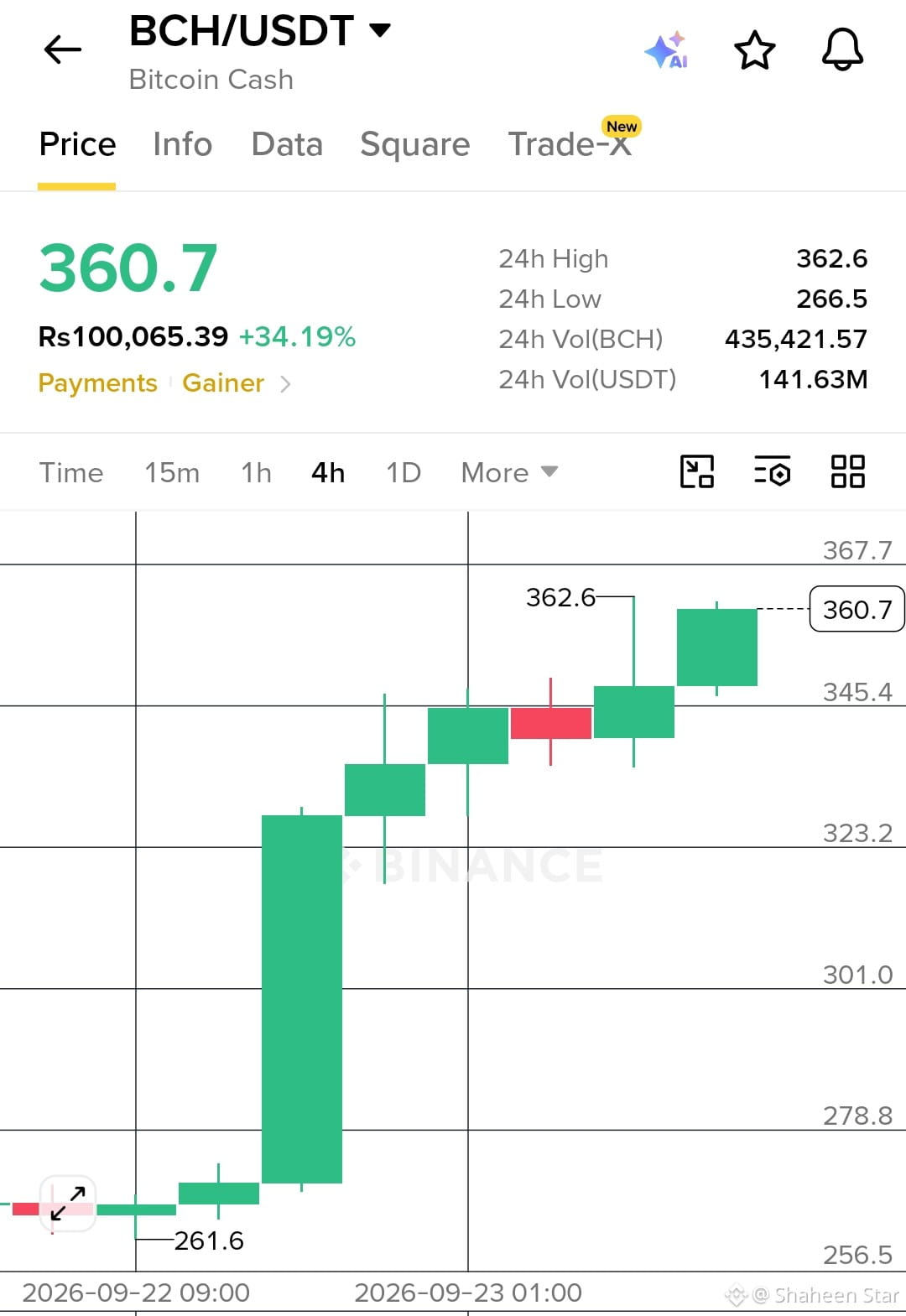
🚀 $BCH /USDT LONG SIGNAL 💯🔥
🟢 Entry: 356–360
🎯 TP1: 363
🎯 TP2: 375
🎯 TP3: 390
🛑 SL: 348
📈 Strong bullish momentum + ~$1.14B USDT volume!
⚡ Resistance: 362.73 — a clean breakout & hold above 363 could open further upside.
❌ Below 348 = Setup Invalid
Trade with proper risk management. ⚠️
#BCH #BitcoinCash #Crypto #Trading #Binance
🚀 $BCH /USDT LONG SIGNAL 💯🔥
🟢 Entry: 356–360
🎯 TP1: 363
🎯 TP2: 375
🎯 TP3: 390
🛑 SL: 348
📈 Strong bullish momentum + ~$1.14B USDT volume!
⚡ Resistance: 362.73 — a clean breakout & hold above 363 could open further upside.
❌ Below 348 = Setup Invalid
Trade with proper risk management. ⚠️
#BCH #BitcoinCash #Crypto #Trading #Binance
🟢 Entry: 356–360
🎯 TP1: 363
🎯 TP2: 375
🎯 TP3: 390
🛑 SL: 348
📈 Strong bullish momentum + ~$1.14B USDT volume!
⚡ Resistance: 362.73 — a clean breakout & hold above 363 could open further upside.
❌ Below 348 = Setup Invalid
Trade with proper risk management. ⚠️
#BCH #BitcoinCash #Crypto #Trading #Binance
73
·
--
Haussier
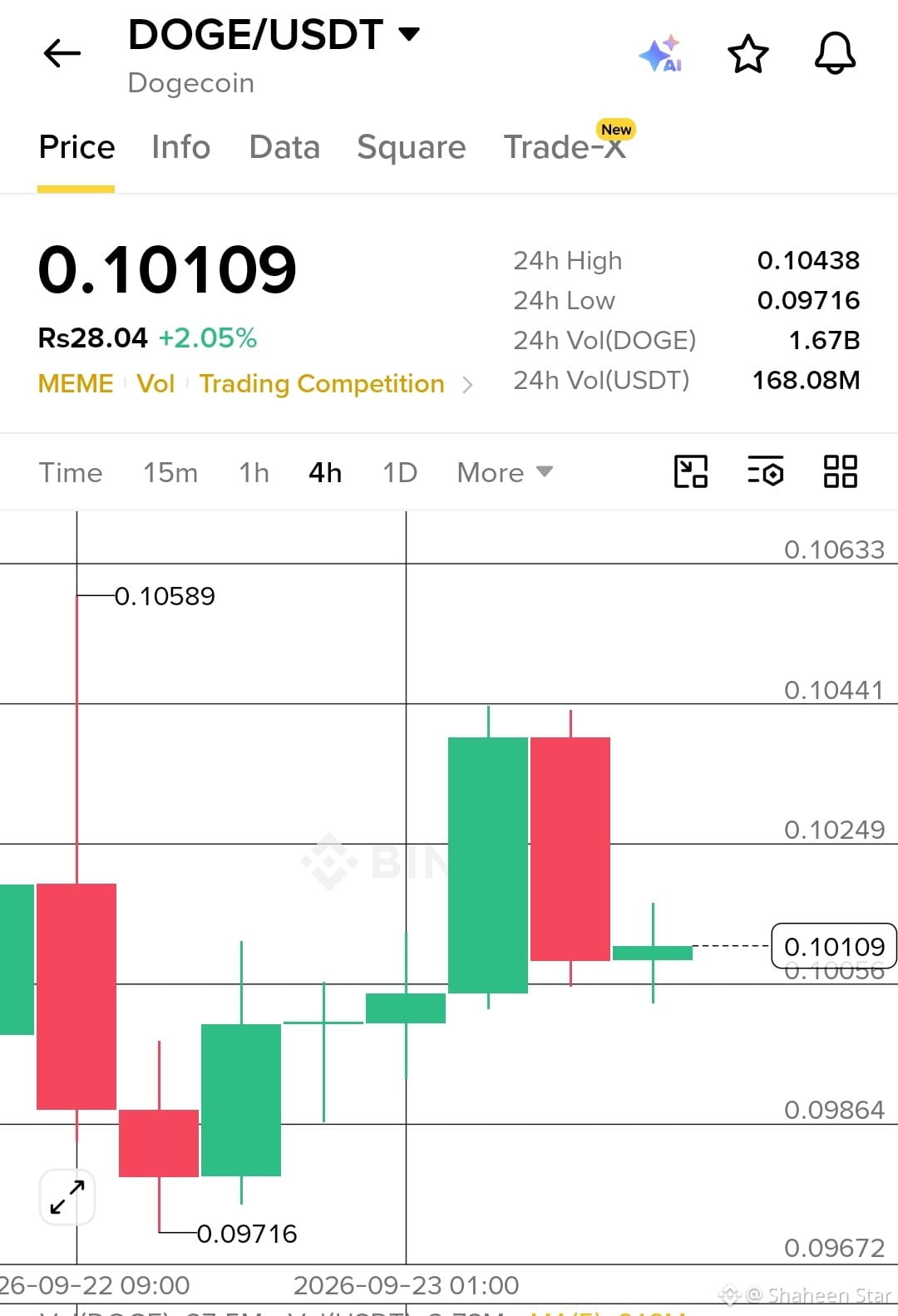
🚀 $DOGE HOLDING STRONG! 🐕🔥
From ~$0.085 → now ~$0.1025, bulls are eyeing another breakout! 👀
📍 Resistance: $0.104–$0.105
🎯 Breakout Targets: $0.108 → $0.110 → $0.115
🔄 Retest Zone: $0.098–$0.100
Momentum is strong — but don’t chase near resistance. ⚠️
🔥 Buy & Trade $DOGE
#DOGE #Dogecoin #Crypto #Trading #Binance
🚀 $DOGE HOLDING STRONG! 🐕🔥
From ~$0.085 → now ~$0.1025, bulls are eyeing another breakout! 👀
📍 Resistance: $0.104–$0.105
🎯 Breakout Targets: $0.108 → $0.110 → $0.115
🔄 Retest Zone: $0.098–$0.100
Momentum is strong — but don’t chase near resistance. ⚠️
🔥 Buy & Trade $DOGE
#DOGE #Dogecoin #Crypto #Trading #Binance
From ~$0.085 → now ~$0.1025, bulls are eyeing another breakout! 👀
📍 Resistance: $0.104–$0.105
🎯 Breakout Targets: $0.108 → $0.110 → $0.115
🔄 Retest Zone: $0.098–$0.100
Momentum is strong — but don’t chase near resistance. ⚠️
🔥 Buy & Trade $DOGE
#DOGE #Dogecoin #Crypto #Trading #Binance
112
·
--
Haussier
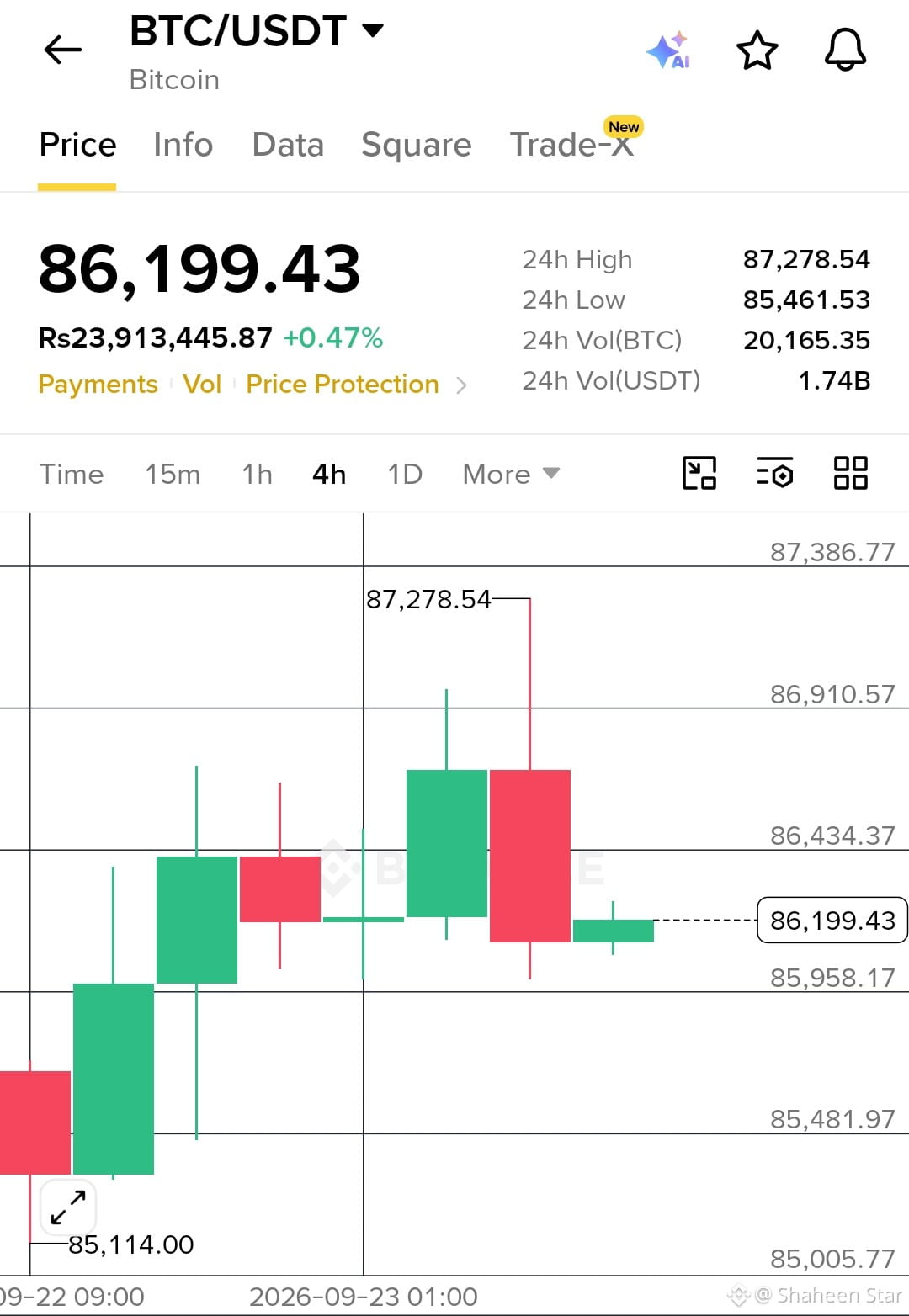
🚨 $BTC LONG SETUP 🚨
Trust the setup — watching for the next push 📈🔥
🟢 Entry: $86,200 – $86,300
🎯 TP1: $86,500
🎯 TP2: $86,650
🎯 TP3: $86,840
🛑 SL: $85,897
Manage risk. Trade your own plan. ⚠️
#BTC #Bitcoin #Crypto #Trading #Binance
🚨 $BTC LONG SETUP 🚨
Trust the setup — watching for the next push 📈🔥
🟢 Entry: $86,200 – $86,300
🎯 TP1: $86,500
🎯 TP2: $86,650
🎯 TP3: $86,840
🛑 SL: $85,897
Manage risk. Trade your own plan. ⚠️
#BTC #Bitcoin #Crypto #Trading #Binance
Trust the setup — watching for the next push 📈🔥
🟢 Entry: $86,200 – $86,300
🎯 TP1: $86,500
🎯 TP2: $86,650
🎯 TP3: $86,840
🛑 SL: $85,897
Manage risk. Trade your own plan. ⚠️
#BTC #Bitcoin #Crypto #Trading #Binance
106
·
--
Haussier
Vérifié
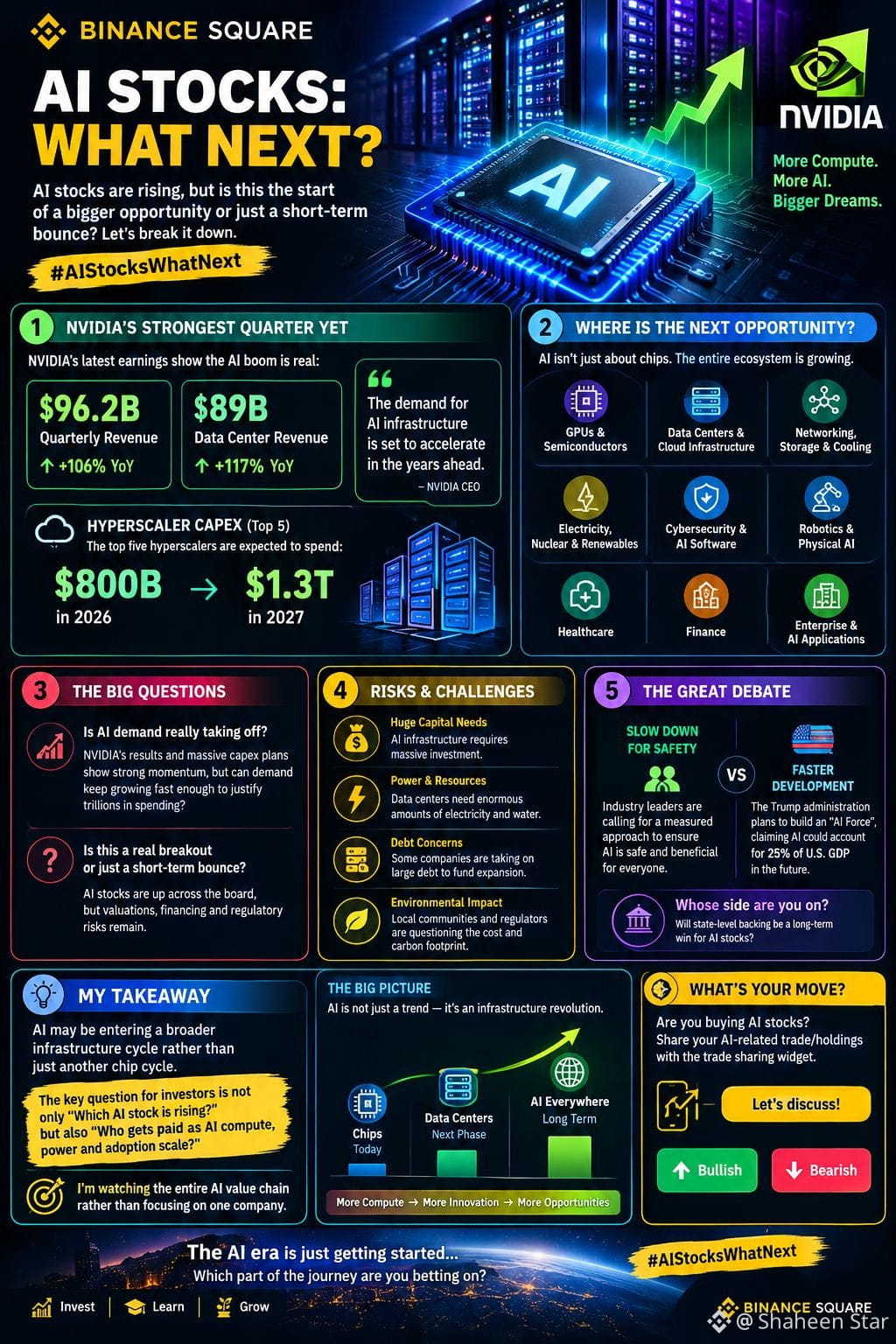
AI Stocks Are Rising, But Where Is the Next Opportunity?
I’m cautiously bullish on the long-term AI theme, but I think the next phase may be much bigger than simply buying semiconductor stocks.
NVIDIA’s latest numbers show how powerful the demand cycle has become: quarterly revenue reached $96.2B, up 106% year over year, while Data Center revenue hit $89B, up 117%. At the same time, hyperscalers are preparing enormous infrastructure budgets, with the top five expected to spend nearly $800B on capex in 2026 and around $1.3T in 2027.
But here is the important question: can AI demand keep growing fast enough to justify this level of spending?
The opportunity is expanding across the AI supply chain:
🔹 GPUs & advanced semiconductors
🔹 Data centers & AI cloud infrastructure
🔹 Networking, storage and cooling
🔹 Electricity, nuclear and renewable power
🔹 Cybersecurity and AI software
🔹 Robotics and physical AI
🔹 AI applications in healthcare, finance and enterprise
There are also real risks. AI infrastructure requires huge amounts of capital, electricity and data-center capacity. Some companies are already raising large amounts of debt to finance expansion, while regulators and local communities are increasingly questioning the cost and environmental impact of data centers.
Another major debate is developing: should AI development accelerate or be paced for safety? Several major AI leaders have recently supported stronger safety measures, while U.S. policymakers are emphasizing technological leadership and competition.
My takeaway: AI may be entering a broader infrastructure cycle rather than simply another chip cycle. The key question for investors is not only “Which AI stock is rising?” but also “Who gets paid as AI compute, power and adoption scale?”
📊 I’m watching the entire AI value chain rather than focusing on one company.
What’s your view — bullish or bearish on AI stocks from here?
#AIStocksWhatNext
$MUBARAK
{spot}(MUBARAKUSDT)
$KERNEL
{spot}(KERNELUSDT)
$COOKIE
{spot}(COOKIEUSDT)
AI Stocks Are Rising, But Where Is the Next Opportunity?
I’m cautiously bullish on the long-term AI theme, but I think the next phase may be much bigger than simply buying semiconductor stocks.
NVIDIA’s latest numbers show how powerful the demand cycle has become: quarterly revenue reached $96.2B, up 106% year over year, while Data Center revenue hit $89B, up 117%. At the same time, hyperscalers are preparing enormous infrastructure budgets, with the top five expected to spend nearly $800B on capex in 2026 and around $1.3T in 2027.
But here is the important question: can AI demand keep growing fast enough to justify this level of spending?
The opportunity is expanding across the AI supply chain:
🔹 GPUs & advanced semiconductors
🔹 Data centers & AI cloud infrastructure
🔹 Networking, storage and cooling
🔹 Electricity, nuclear and renewable power
🔹 Cybersecurity and AI software
🔹 Robotics and physical AI
🔹 AI applications in healthcare, finance and enterprise
There are also real risks. AI infrastructure requires huge amounts of capital, electricity and data-center capacity. Some companies are already raising large amounts of debt to finance expansion, while regulators and local communities are increasingly questioning the cost and environmental impact of data centers.
Another major debate is developing: should AI development accelerate or be paced for safety? Several major AI leaders have recently supported stronger safety measures, while U.S. policymakers are emphasizing technological leadership and competition.
My takeaway: AI may be entering a broader infrastructure cycle rather than simply another chip cycle. The key question for investors is not only “Which AI stock is rising?” but also “Who gets paid as AI compute, power and adoption scale?”
📊 I’m watching the entire AI value chain rather than focusing on one company.
What’s your view — bullish or bearish on AI stocks from here?
#AIStocksWhatNext
$MUBARAK
$KERNEL
$COOKIE
I’m cautiously bullish on the long-term AI theme, but I think the next phase may be much bigger than simply buying semiconductor stocks.
NVIDIA’s latest numbers show how powerful the demand cycle has become: quarterly revenue reached $96.2B, up 106% year over year, while Data Center revenue hit $89B, up 117%. At the same time, hyperscalers are preparing enormous infrastructure budgets, with the top five expected to spend nearly $800B on capex in 2026 and around $1.3T in 2027.
But here is the important question: can AI demand keep growing fast enough to justify this level of spending?
The opportunity is expanding across the AI supply chain:
🔹 GPUs & advanced semiconductors
🔹 Data centers & AI cloud infrastructure
🔹 Networking, storage and cooling
🔹 Electricity, nuclear and renewable power
🔹 Cybersecurity and AI software
🔹 Robotics and physical AI
🔹 AI applications in healthcare, finance and enterprise
There are also real risks. AI infrastructure requires huge amounts of capital, electricity and data-center capacity. Some companies are already raising large amounts of debt to finance expansion, while regulators and local communities are increasingly questioning the cost and environmental impact of data centers.
Another major debate is developing: should AI development accelerate or be paced for safety? Several major AI leaders have recently supported stronger safety measures, while U.S. policymakers are emphasizing technological leadership and competition.
My takeaway: AI may be entering a broader infrastructure cycle rather than simply another chip cycle. The key question for investors is not only “Which AI stock is rising?” but also “Who gets paid as AI compute, power and adoption scale?”
📊 I’m watching the entire AI value chain rather than focusing on one company.
What’s your view — bullish or bearish on AI stocks from here?
#AIStocksWhatNext
$MUBARAK
$KERNEL
$COOKIE
1
6
550
·
--
Haussier
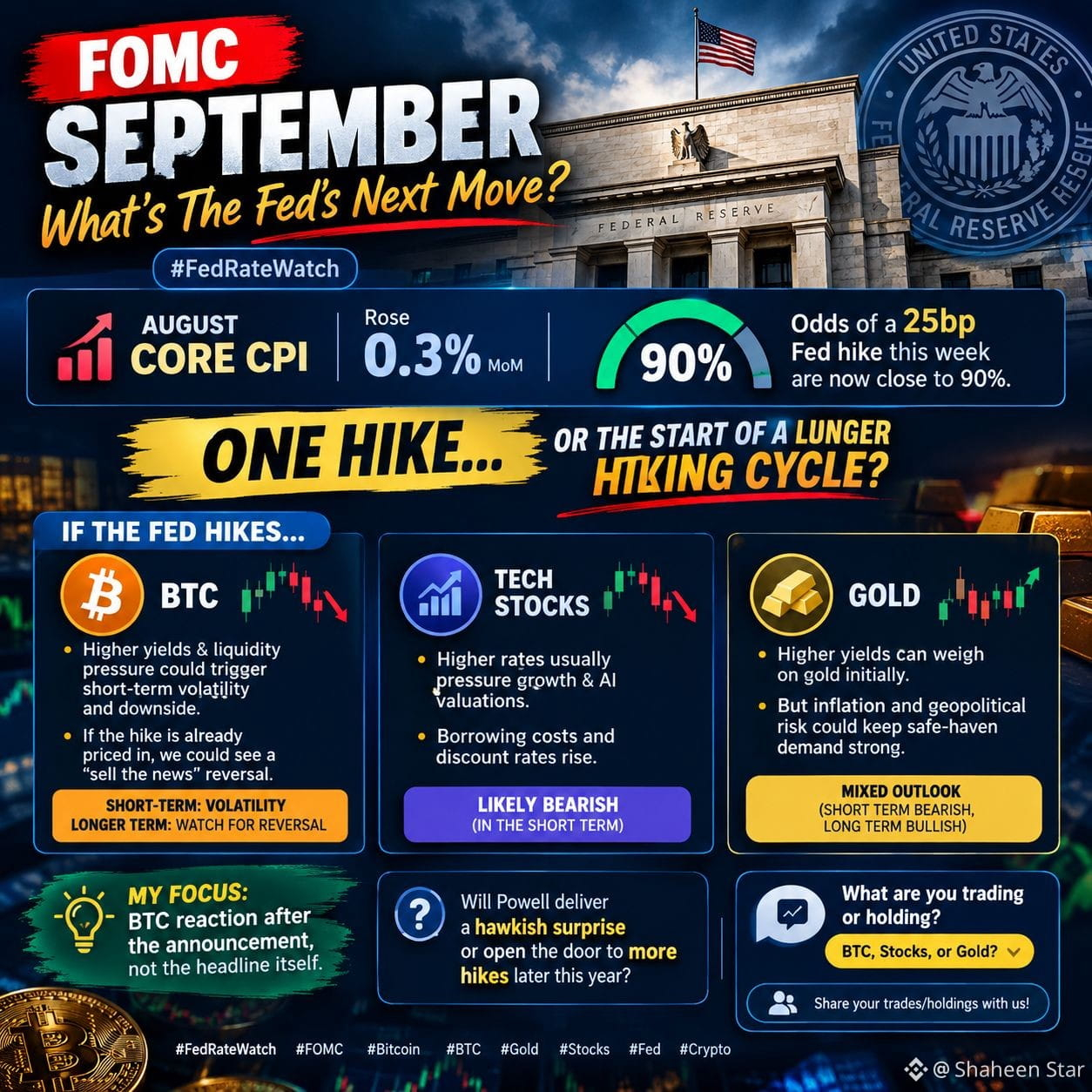
FOMC SEPTEMBER: THE NEXT BIG MARKET MOVE?
August Core CPI came in hot at +0.3% MoM, pushing market expectations for a 25bp Fed hike this week toward 90%.
But the real question is: ONE HIKE… OR THE START OF A NEW HIKING CYCLE? 👀
If the Fed hikes:
₿ BTC: Higher yields/liquidity pressure could trigger short-term volatility and downside, but a hawkish move already priced in could create a “sell the news” reversal.
Tech Stocks: Higher rates usually pressure growth/AI valuations as borrowing costs and discount rates rise.
Gold: Higher yields can weigh on gold initially, but inflation and geopolitical risk could keep safe-haven demand strong.
My focus: BTC reaction after the announcement, not the headline itself.
Will Powell deliver a hawkish surprise or open the door to more hikes later this year?
👇 What are you trading or holding: BTC, Stocks, or Gold?
#FedRateWatch
$AKE
{future}(AKEUSDT)
$AIN
{future}(AINUSDT)
$POWER
{future}(POWERUSDT)
FOMC SEPTEMBER: THE NEXT BIG MARKET MOVE?
August Core CPI came in hot at +0.3% MoM, pushing market expectations for a 25bp Fed hike this week toward 90%.
But the real question is: ONE HIKE… OR THE START OF A NEW HIKING CYCLE? 👀
If the Fed hikes:
₿ BTC: Higher yields/liquidity pressure could trigger short-term volatility and downside, but a hawkish move already priced in could create a “sell the news” reversal.
Tech Stocks: Higher rates usually pressure growth/AI valuations as borrowing costs and discount rates rise.
Gold: Higher yields can weigh on gold initially, but inflation and geopolitical risk could keep safe-haven demand strong.
My focus: BTC reaction after the announcement, not the headline itself.
Will Powell deliver a hawkish surprise or open the door to more hikes later this year?
👇 What are you trading or holding: BTC, Stocks, or Gold?
#FedRateWatch
$AKE
$AIN
$POWER
August Core CPI came in hot at +0.3% MoM, pushing market expectations for a 25bp Fed hike this week toward 90%.
But the real question is: ONE HIKE… OR THE START OF A NEW HIKING CYCLE? 👀
If the Fed hikes:
₿ BTC: Higher yields/liquidity pressure could trigger short-term volatility and downside, but a hawkish move already priced in could create a “sell the news” reversal.
Tech Stocks: Higher rates usually pressure growth/AI valuations as borrowing costs and discount rates rise.
Gold: Higher yields can weigh on gold initially, but inflation and geopolitical risk could keep safe-haven demand strong.
My focus: BTC reaction after the announcement, not the headline itself.
Will Powell deliver a hawkish surprise or open the door to more hikes later this year?
👇 What are you trading or holding: BTC, Stocks, or Gold?
#FedRateWatch
$AKE
$AIN
$POWER
9
13
106
·
--
Haussier
🔥 Nonfarm Payrolls Just Blew the Lid Off — Is the Fed About to Hike? #CPIWatch
August payrolls came in at 162K vs. a consensus of just 55K — nearly triple expectations, with prior months revised up too. Unemployment is holding near 4.1%. That's not the picture of a cooling economy the market was pricing in a few weeks ago.
Add in CPI running around 3.4% YoY, still well above the Fed's 2% target, and futures markets are now leaning toward roughly 70% odds of a 25bp hike at the September 15–16 FOMC meeting under Chair Warsh. If the next CPI print comes in hot, that number could climb fast.
My take: a hawkish surprise here hits risk assets first — gold could see a knee-jerk dip on rate-hike fear before its safe-haven bid reasserts if equities wobble. Stocks likely feel more direct pressure since higher rates hit valuations. I'm watching CPI day closely before committing size either way.
Bullish or bearish? Drop your call below and share your trade 👇
#CPIWatch
$NES
{alpha}(560x097acf27503753e77bca940277806156c5925b81)
$4Stock
{alpha}(560xd270d4e1ec6e6e0d28c0ecb8be966ec75997ffff)
$MEME
{future}(MEMEUSDT)
🔥 Nonfarm Payrolls Just Blew the Lid Off — Is the Fed About to Hike? #CPIWatch
August payrolls came in at 162K vs. a consensus of just 55K — nearly triple expectations, with prior months revised up too. Unemployment is holding near 4.1%. That's not the picture of a cooling economy the market was pricing in a few weeks ago.
Add in CPI running around 3.4% YoY, still well above the Fed's 2% target, and futures markets are now leaning toward roughly 70% odds of a 25bp hike at the September 15–16 FOMC meeting under Chair Warsh. If the next CPI print comes in hot, that number could climb fast.
My take: a hawkish surprise here hits risk assets first — gold could see a knee-jerk dip on rate-hike fear before its safe-haven bid reasserts if equities wobble. Stocks likely feel more direct pressure since higher rates hit valuations. I'm watching CPI day closely before committing size either way.
Bullish or bearish? Drop your call below and share your trade 👇
#CPIWatch
$NES
$4Stock
$MEME
August payrolls came in at 162K vs. a consensus of just 55K — nearly triple expectations, with prior months revised up too. Unemployment is holding near 4.1%. That's not the picture of a cooling economy the market was pricing in a few weeks ago.
Add in CPI running around 3.4% YoY, still well above the Fed's 2% target, and futures markets are now leaning toward roughly 70% odds of a 25bp hike at the September 15–16 FOMC meeting under Chair Warsh. If the next CPI print comes in hot, that number could climb fast.
My take: a hawkish surprise here hits risk assets first — gold could see a knee-jerk dip on rate-hike fear before its safe-haven bid reasserts if equities wobble. Stocks likely feel more direct pressure since higher rates hit valuations. I'm watching CPI day closely before committing size either way.
Bullish or bearish? Drop your call below and share your trade 👇
#CPIWatch
$NES
$4Stock
$MEME

11
17
2.9k
·
--
Haussier
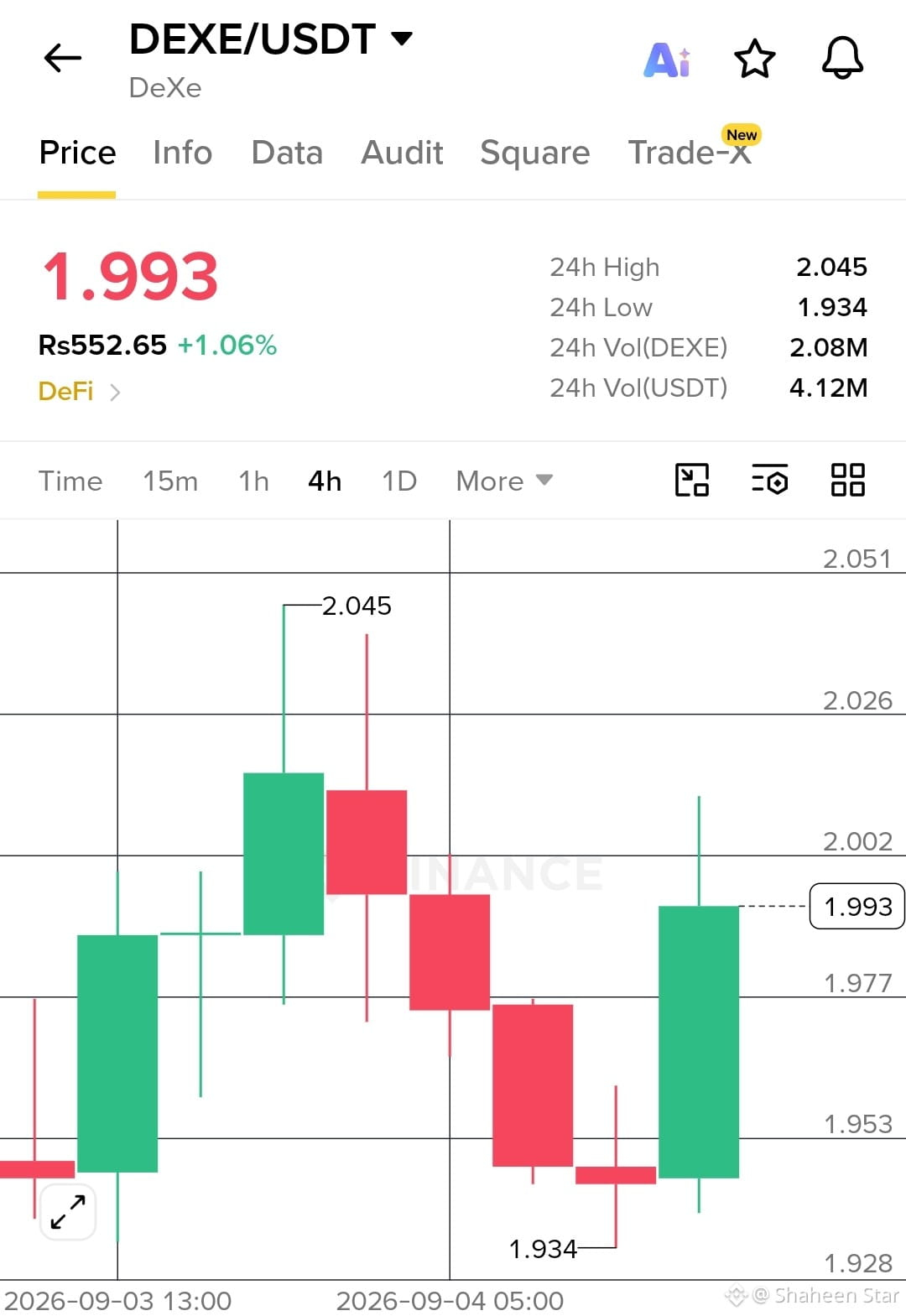
🚨 $DEXE BREAKOUT INCOMING! 🔥
$DEXE is breaking above the key $2.000 resistance! If buyers hold this level, the next upside targets could come quickly. 📈⚡️
🟢 Entry: $1.995–$2.010
🎯 TP1: $2.030
🎯 TP2: $2.060
🎯 TP3: $2.100
🛡️ SL: $1.960
💥 Hold above $2.000 = bullish continuation setup!
Buy & Trade $DEXE — stay alert! 👀🚀
⚠️ NFA. DYOR. Manage your risk.
#DEXE #Crypto #Altcoins #Trading #Breakout #CryptoTrading
🚨 $DEXE BREAKOUT INCOMING! 🔥
$DEXE is breaking above the key $2.000 resistance! If buyers hold this level, the next upside targets could come quickly. 📈⚡️
🟢 Entry: $1.995–$2.010
🎯 TP1: $2.030
🎯 TP2: $2.060
🎯 TP3: $2.100
🛡️ SL: $1.960
💥 Hold above $2.000 = bullish continuation setup!
Buy & Trade $DEXE — stay alert! 👀🚀
⚠️ NFA. DYOR. Manage your risk.
#DEXE #Crypto #Altcoins #Trading #Breakout #CryptoTrading
$DEXE is breaking above the key $2.000 resistance! If buyers hold this level, the next upside targets could come quickly. 📈⚡️
🟢 Entry: $1.995–$2.010
🎯 TP1: $2.030
🎯 TP2: $2.060
🎯 TP3: $2.100
🛡️ SL: $1.960
💥 Hold above $2.000 = bullish continuation setup!
Buy & Trade $DEXE — stay alert! 👀🚀
⚠️ NFA. DYOR. Manage your risk.
#DEXE #Crypto #Altcoins #Trading #Breakout #CryptoTrading
2
224
·
--
Haussier
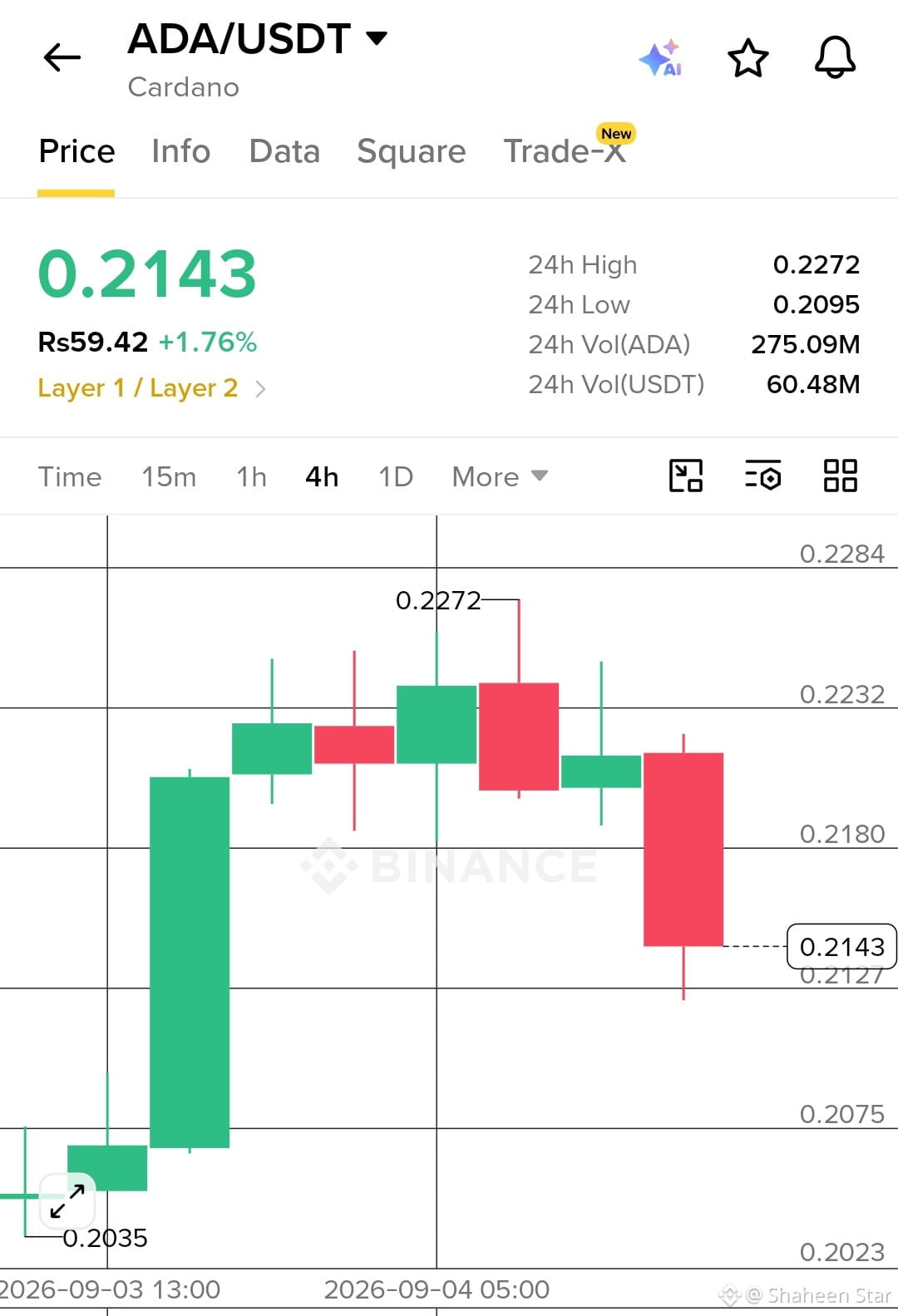
🚨 LISTEN UP, GUYS! 🔥
A scalping opportunity is here on $ADA! 💯
🟢 Position: LONG $ADA
⚡ Leverage: 125x
🎯 Risk: 1%
🛡️ SL: Will trail once the trade moves into profit
The plan is simple: protect capital, secure profits, and let momentum work. 👀📈
Who’s riding this $ADA long with me? 🚀
⚠️ NFA. DYOR. High leverage = high risk.
#ADA #Cardano #Crypto #Scalping #Futures #Trading
🚨 LISTEN UP, GUYS! 🔥
A scalping opportunity is here on $ADA ! 💯
🟢 Position: LONG $ADA
⚡ Leverage: 125x
🎯 Risk: 1%
🛡️ SL: Will trail once the trade moves into profit
The plan is simple: protect capital, secure profits, and let momentum work. 👀📈
Who’s riding this $ADA long with me? 🚀
⚠️ NFA. DYOR. High leverage = high risk.
#ADA #Cardano #Crypto #Scalping #Futures #Trading
A scalping opportunity is here on $ADA ! 💯
🟢 Position: LONG $ADA
⚡ Leverage: 125x
🎯 Risk: 1%
🛡️ SL: Will trail once the trade moves into profit
The plan is simple: protect capital, secure profits, and let momentum work. 👀📈
Who’s riding this $ADA long with me? 🚀
⚠️ NFA. DYOR. High leverage = high risk.
#ADA #Cardano #Crypto #Scalping #Futures #Trading
86
·
--
Haussier
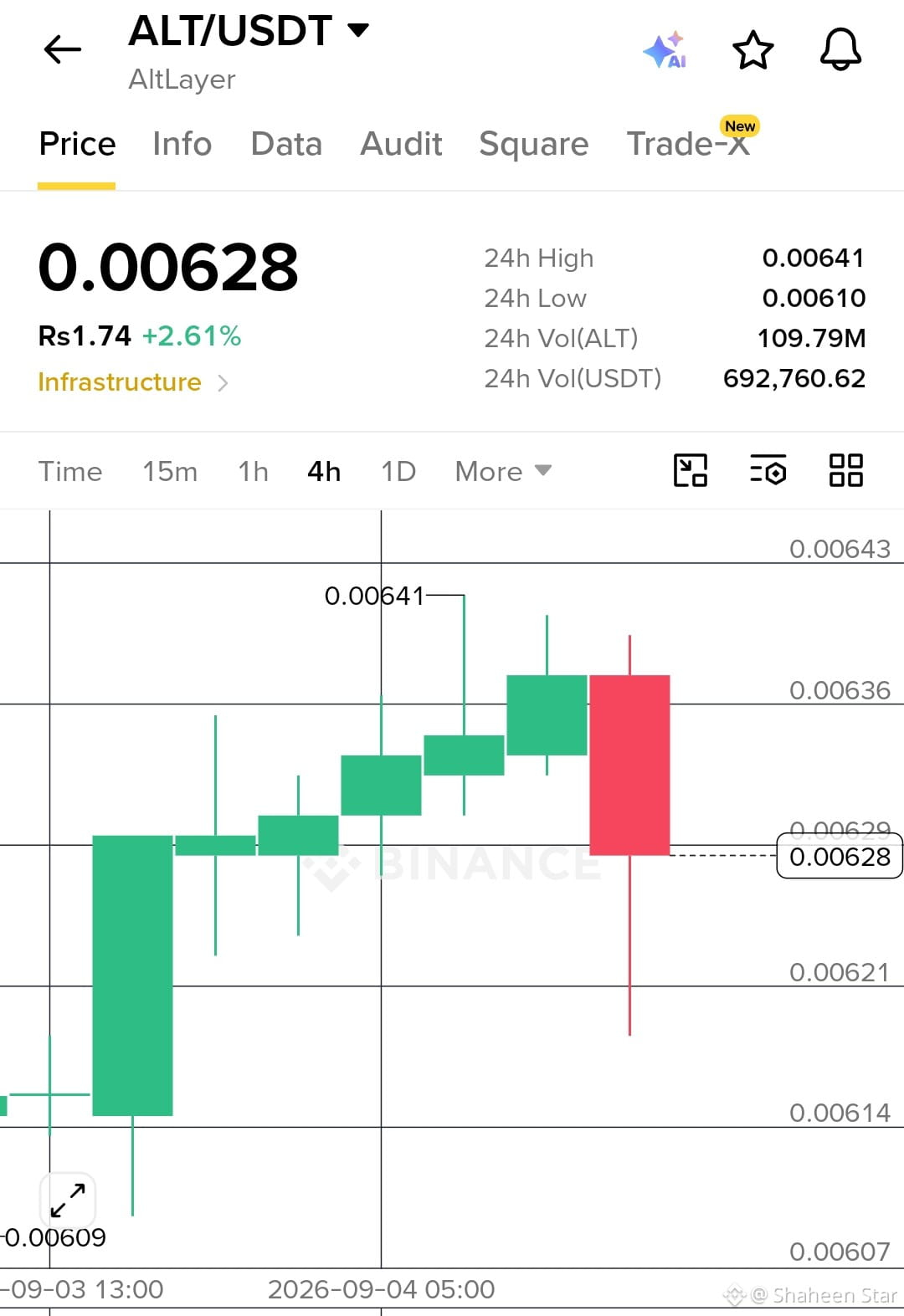
🚨 $ALT IS WAKING UP! 🔥
$ALT is tightening inside a descending structure and now pushing toward a potential breakout! Momentum is building, and buyers are starting to step in. 👀
🎯 Target 1: $0.00634
🚀 Target 2: $0.00660
A clean breakout + continuation could trigger a strong upside move. ⚡️
$ALT could reach those upper targets soon—keep it on watch! 👁️
#ALT #Crypto #Altcoins #Trading #CryptoTrading #Breakout
🚨 $ALT IS WAKING UP! 🔥
$ALT is tightening inside a descending structure and now pushing toward a potential breakout! Momentum is building, and buyers are starting to step in. 👀
🎯 Target 1: $0.00634
🚀 Target 2: $0.00660
A clean breakout + continuation could trigger a strong upside move. ⚡️
$ALT could reach those upper targets soon—keep it on watch! 👁️
#ALT #Crypto #Altcoins #Trading #CryptoTrading #Breakout
$ALT is tightening inside a descending structure and now pushing toward a potential breakout! Momentum is building, and buyers are starting to step in. 👀
🎯 Target 1: $0.00634
🚀 Target 2: $0.00660
A clean breakout + continuation could trigger a strong upside move. ⚡️
$ALT could reach those upper targets soon—keep it on watch! 👁️
#ALT #Crypto #Altcoins #Trading #CryptoTrading #Breakout
132
·
--
Haussier
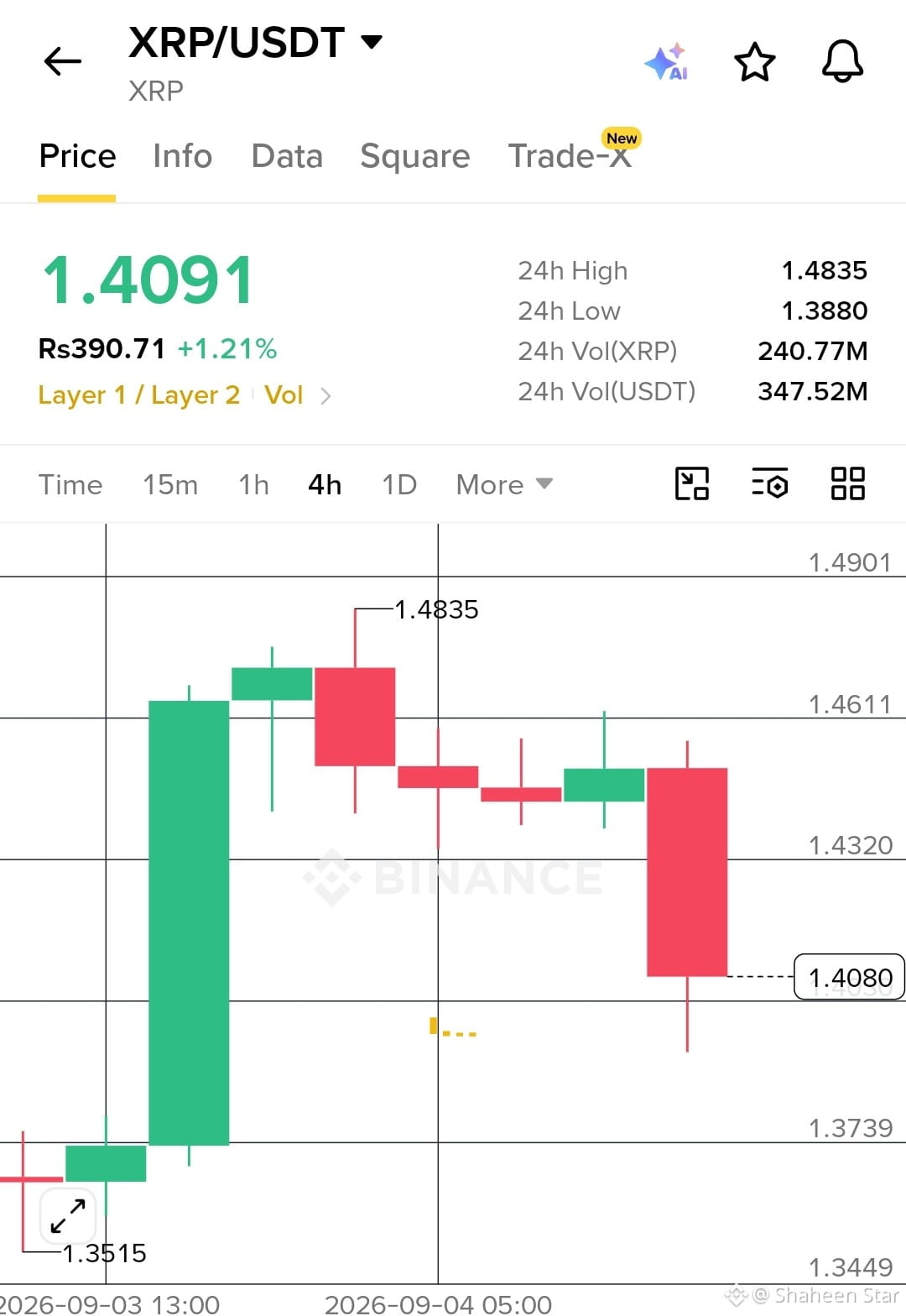
🚨 $XRP BREAKDOWN ALERT! ⚡️
$XRP just dropped sharply from ~$1.45 and is now testing the critical $1.40–$1.41 support zone. 👀
🔻 Bearish Scenario:
If $XRP fails to reclaim $1.42–$1.43, sellers could target:
🎯 $1.40 → $1.39 → $1.38
🔄 Bullish Reclaim:
A strong reclaim of $1.43+ could weaken the bearish setup and send XRP back toward $1.45.
⚠️ Don’t chase the dump! Let price react at support and wait for confirmation before taking the next move.
#XRP #Crypto #XRPArmy #Trading #Altcoins #CryptoTrading
🚨 $XRP BREAKDOWN ALERT! ⚡️
$XRP just dropped sharply from ~$1.45 and is now testing the critical $1.40–$1.41 support zone. 👀
🔻 Bearish Scenario:
If $XRP fails to reclaim $1.42–$1.43, sellers could target:
🎯 $1.40 → $1.39 → $1.38
🔄 Bullish Reclaim:
A strong reclaim of $1.43+ could weaken the bearish setup and send XRP back toward $1.45.
⚠️ Don’t chase the dump! Let price react at support and wait for confirmation before taking the next move.
#XRP #Crypto #XRPArmy #Trading #Altcoins #CryptoTrading
$XRP just dropped sharply from ~$1.45 and is now testing the critical $1.40–$1.41 support zone. 👀
🔻 Bearish Scenario:
If $XRP fails to reclaim $1.42–$1.43, sellers could target:
🎯 $1.40 → $1.39 → $1.38
🔄 Bullish Reclaim:
A strong reclaim of $1.43+ could weaken the bearish setup and send XRP back toward $1.45.
⚠️ Don’t chase the dump! Let price react at support and wait for confirmation before taking the next move.
#XRP #Crypto #XRPArmy #Trading #Altcoins #CryptoTrading
89
·
--
Haussier
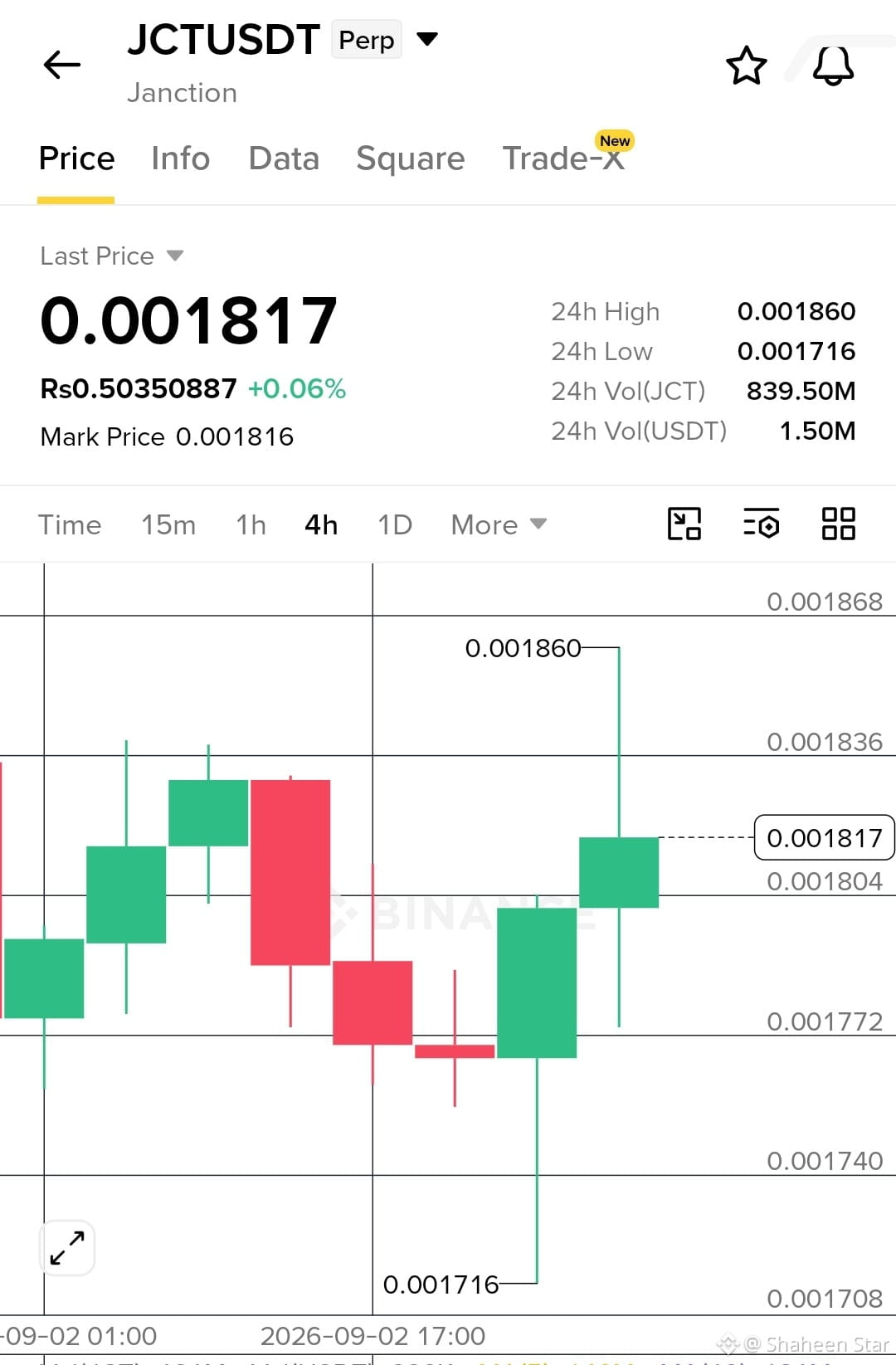
🚨 $JCT /USDT — SUPPORT BOUNCE LONG SETUP 📈🔥
⏱️ Timeframe: 4H
💰 Entry: $0.00180–$0.00185
🛑 SL: $0.00168
🎯 TP1: $0.00200
🎯 TP2: $0.00225
🎯 TP3: $0.00255
💥 After a brutal dump from the $0.005 area, $JCT is now holding a key demand zone around $0.0018. Sellers are losing momentum as buyers absorb the pressure. 🟢
🔥 Hold $0.00180 = relief-bounce potential toward $0.00200 → $0.00255!
⚠️ Below $0.00168 = setup invalidated.
👉 Trade Here: $JCT
NFA | DYOR ⚠️
#JCT #JCTUSDT #Crypto #Long #Futures #Trading
🚨 $JCT /USDT — SUPPORT BOUNCE LONG SETUP 📈🔥
⏱️ Timeframe: 4H
💰 Entry: $0.00180–$0.00185
🛑 SL: $0.00168
🎯 TP1: $0.00200
🎯 TP2: $0.00225
🎯 TP3: $0.00255
💥 After a brutal dump from the $0.005 area, $JCT is now holding a key demand zone around $0.0018. Sellers are losing momentum as buyers absorb the pressure. 🟢
🔥 Hold $0.00180 = relief-bounce potential toward $0.00200 → $0.00255!
⚠️ Below $0.00168 = setup invalidated.
👉 Trade Here: $JCT
NFA | DYOR ⚠️
#JCT #JCTUSDT #Crypto #Long #Futures #Trading
⏱️ Timeframe: 4H
💰 Entry: $0.00180–$0.00185
🛑 SL: $0.00168
🎯 TP1: $0.00200
🎯 TP2: $0.00225
🎯 TP3: $0.00255
💥 After a brutal dump from the $0.005 area, $JCT is now holding a key demand zone around $0.0018. Sellers are losing momentum as buyers absorb the pressure. 🟢
🔥 Hold $0.00180 = relief-bounce potential toward $0.00200 → $0.00255!
⚠️ Below $0.00168 = setup invalidated.
👉 Trade Here: $JCT
NFA | DYOR ⚠️
#JCT #JCTUSDT #Crypto #Long #Futures #Trading
179
·
--
Haussier
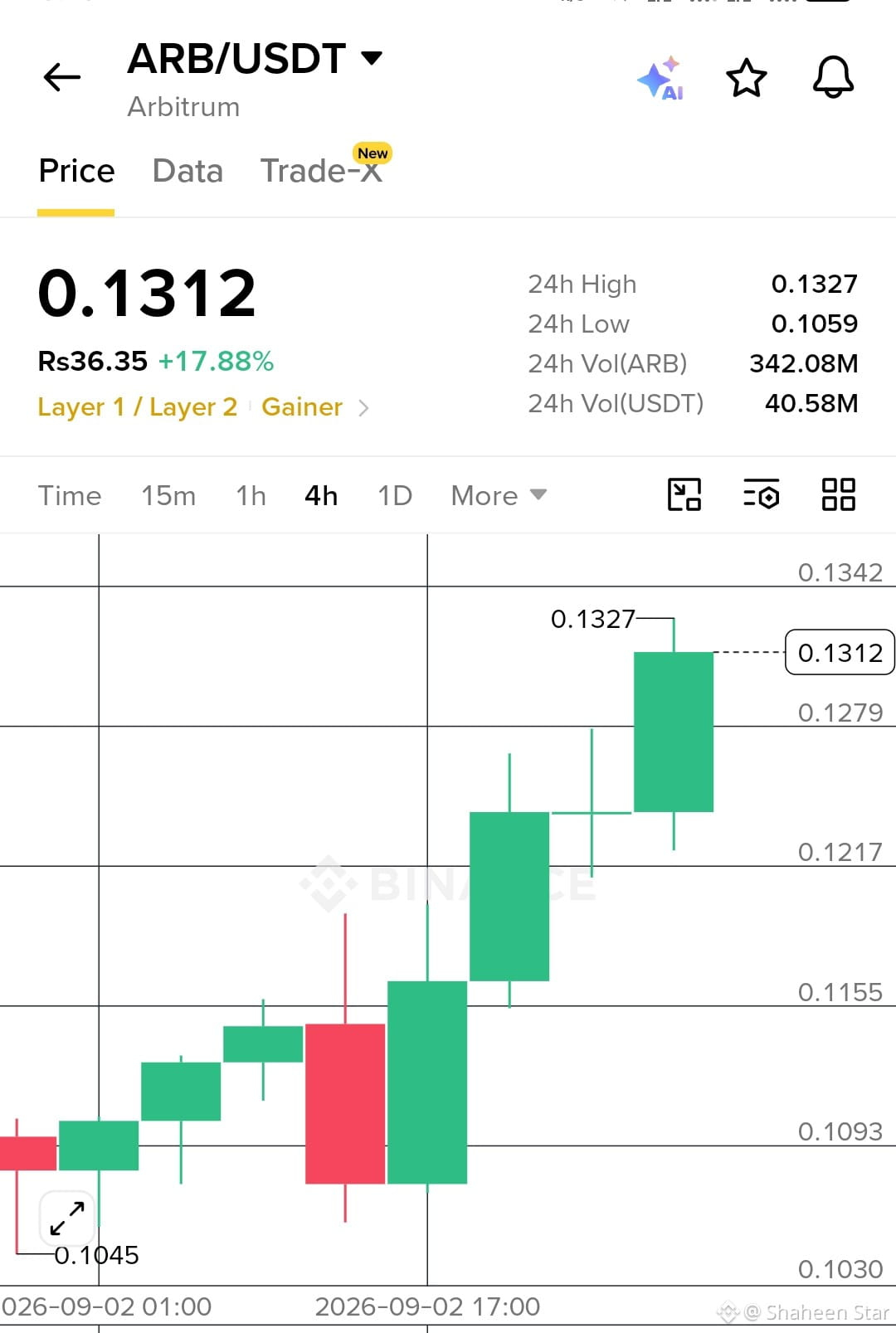
🚀 $ARB /USDT BULLISH BREAKOUT SETUP 🔥📈
💰 Entry: $0.1240–$0.1300
🎯 TP1: $0.1360
🎯 TP2: $0.1430
🎯 TP3: $0.1520
🛑 SL: $0.1175
🔥 Strong buying pressure + massive volume!
⚡ Price is holding near the 24H high, signaling continued buyer strength.
🚀 Key Breakout: $0.1326
A clean break & hold above $0.1326 could accelerate the next bullish leg toward $0.1430 → $0.1520 💥
⚠️ Lose $0.1175 = setup invalidated.
NFA | DYOR 🔥
#ARB #ARBUSDT #Crypto #Breakout #Long #Futures #Trading
🚀 $ARB /USDT BULLISH BREAKOUT SETUP 🔥📈
💰 Entry: $0.1240–$0.1300
🎯 TP1: $0.1360
🎯 TP2: $0.1430
🎯 TP3: $0.1520
🛑 SL: $0.1175
🔥 Strong buying pressure + massive volume!
⚡ Price is holding near the 24H high, signaling continued buyer strength.
🚀 Key Breakout: $0.1326
A clean break & hold above $0.1326 could accelerate the next bullish leg toward $0.1430 → $0.1520 💥
⚠️ Lose $0.1175 = setup invalidated.
NFA | DYOR 🔥
#ARB #ARBUSDT #Crypto #Breakout #Long #Futures #Trading
💰 Entry: $0.1240–$0.1300
🎯 TP1: $0.1360
🎯 TP2: $0.1430
🎯 TP3: $0.1520
🛑 SL: $0.1175
🔥 Strong buying pressure + massive volume!
⚡ Price is holding near the 24H high, signaling continued buyer strength.
🚀 Key Breakout: $0.1326
A clean break & hold above $0.1326 could accelerate the next bullish leg toward $0.1430 → $0.1520 💥
⚠️ Lose $0.1175 = setup invalidated.
NFA | DYOR 🔥
#ARB #ARBUSDT #Crypto #Breakout #Long #Futures #Trading
111
·
--
Haussier
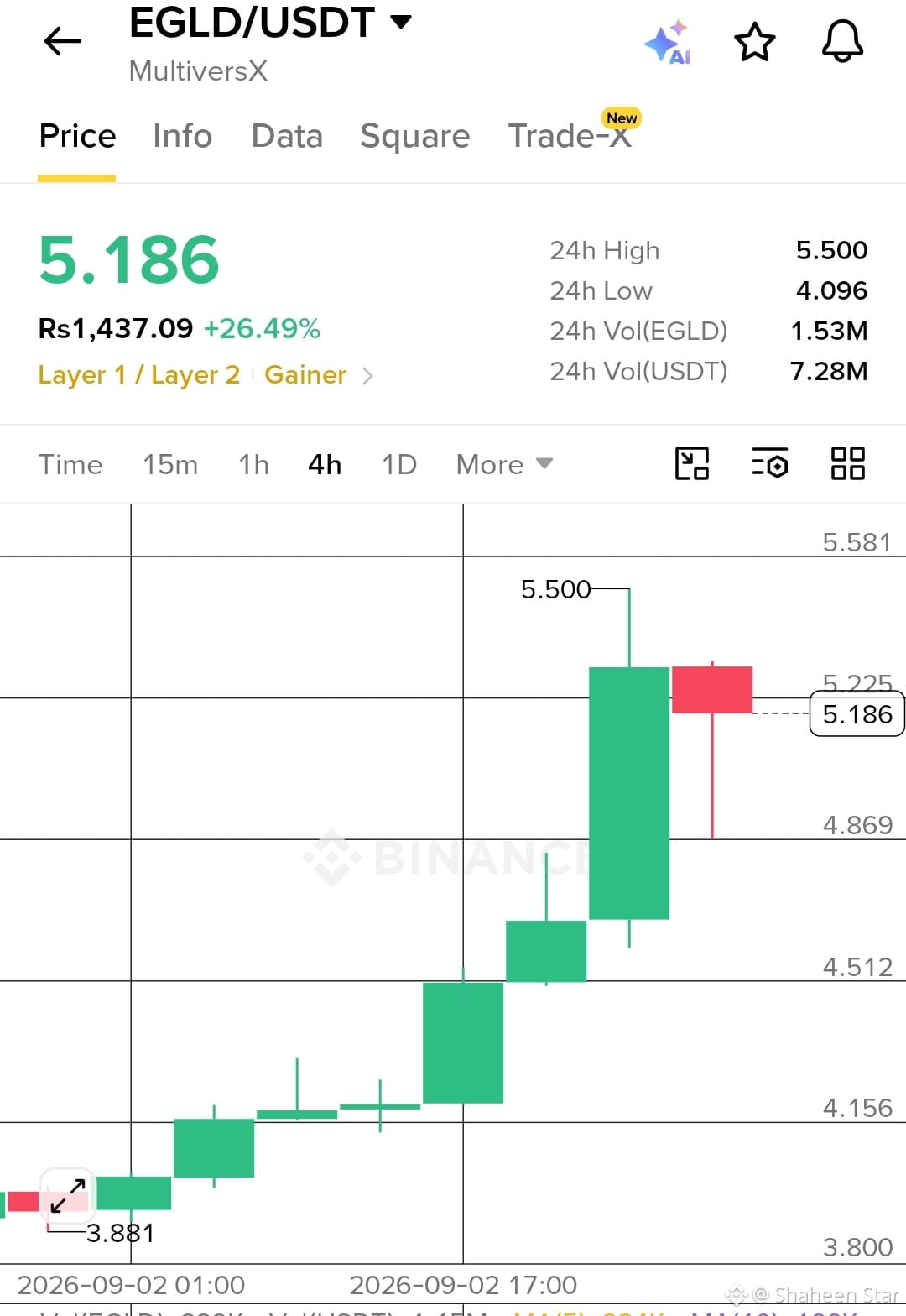
🚀 $EGLD /USDT LONG SIGNAL 🔥📈
⚡ 10X LEVERAGE
💰 Entry: $5.00–$5.20
🎯 TP1: $5.30
🎯 TP2: $5.40
🎯 TP3: $5.50
🎯 TP4: $5.70
🛑 SL: $4.80
🔥 EGLDUSDT: $5.157 | +26.05%
📌 Key Entry: $5.10
💪 Holding above $5.00 keeps the bullish structure alive!
Momentum is building… 🚀💥
Breakout continuation could send EGLD toward $5.70!
👇 Click below & take the trade now!
⚠️ NFA | DYOR | Manage Risk
#EGLD #EGLDUSDT #Crypto #Long #Futures #Trading
🚀 $EGLD /USDT LONG SIGNAL 🔥📈
⚡ 10X LEVERAGE
💰 Entry: $5.00–$5.20
🎯 TP1: $5.30
🎯 TP2: $5.40
🎯 TP3: $5.50
🎯 TP4: $5.70
🛑 SL: $4.80
🔥 EGLDUSDT: $5.157 | +26.05%
📌 Key Entry: $5.10
💪 Holding above $5.00 keeps the bullish structure alive!
Momentum is building… 🚀💥
Breakout continuation could send EGLD toward $5.70!
👇 Click below & take the trade now!
⚠️ NFA | DYOR | Manage Risk
#EGLD #EGLDUSDT #Crypto #Long #Futures #Trading
⚡ 10X LEVERAGE
💰 Entry: $5.00–$5.20
🎯 TP1: $5.30
🎯 TP2: $5.40
🎯 TP3: $5.50
🎯 TP4: $5.70
🛑 SL: $4.80
🔥 EGLDUSDT: $5.157 | +26.05%
📌 Key Entry: $5.10
💪 Holding above $5.00 keeps the bullish structure alive!
Momentum is building… 🚀💥
Breakout continuation could send EGLD toward $5.70!
👇 Click below & take the trade now!
⚠️ NFA | DYOR | Manage Risk
#EGLD #EGLDUSDT #Crypto #Long #Futures #Trading
108
·
--
Haussier
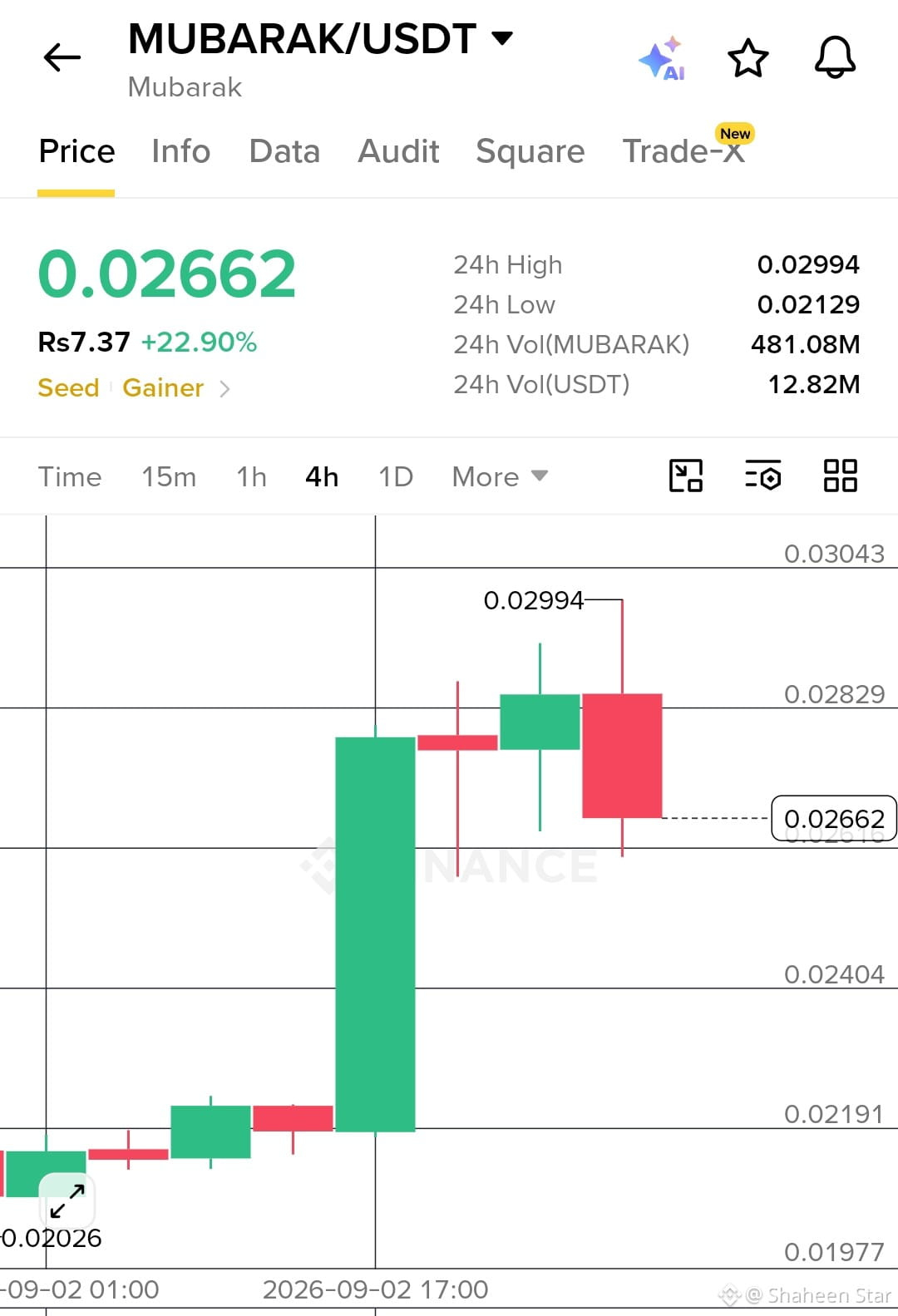
🚀 $MUBARAK /USDT LONG SIGNAL 📈🔥
💰 Entry: $0.02850–$0.02920
🎯 TP1: $0.03000
🎯 TP2: $0.03200
🎯 TP3: $0.03500
🛑 SL: $0.02680
🔥 +37.27% Momentum | 💵 $92.54M Volume
⚡ 3.43B $MUBARAK traded — serious market activity!
A clean breakout & hold above $0.03000 could ignite the next move toward $0.03200 → $0.03500 🚀
❌ Lose $0.02680 = Setup invalidated.
NFA | DYOR ⚠️
#MUBARAK #USDT #Crypto #Long #Futures #Trading
🚀 $MUBARAK /USDT LONG SIGNAL 📈🔥
💰 Entry: $0.02850–$0.02920
🎯 TP1: $0.03000
🎯 TP2: $0.03200
🎯 TP3: $0.03500
🛑 SL: $0.02680
🔥 +37.27% Momentum | 💵 $92.54M Volume
⚡ 3.43B $MUBARAK traded — serious market activity!
A clean breakout & hold above $0.03000 could ignite the next move toward $0.03200 → $0.03500 🚀
❌ Lose $0.02680 = Setup invalidated.
NFA | DYOR ⚠️
#MUBARAK #USDT #Crypto #Long #Futures #Trading
💰 Entry: $0.02850–$0.02920
🎯 TP1: $0.03000
🎯 TP2: $0.03200
🎯 TP3: $0.03500
🛑 SL: $0.02680
🔥 +37.27% Momentum | 💵 $92.54M Volume
⚡ 3.43B $MUBARAK traded — serious market activity!
A clean breakout & hold above $0.03000 could ignite the next move toward $0.03200 → $0.03500 🚀
❌ Lose $0.02680 = Setup invalidated.
NFA | DYOR ⚠️
#MUBARAK #USDT #Crypto #Long #Futures #Trading
163
·
--
Haussier
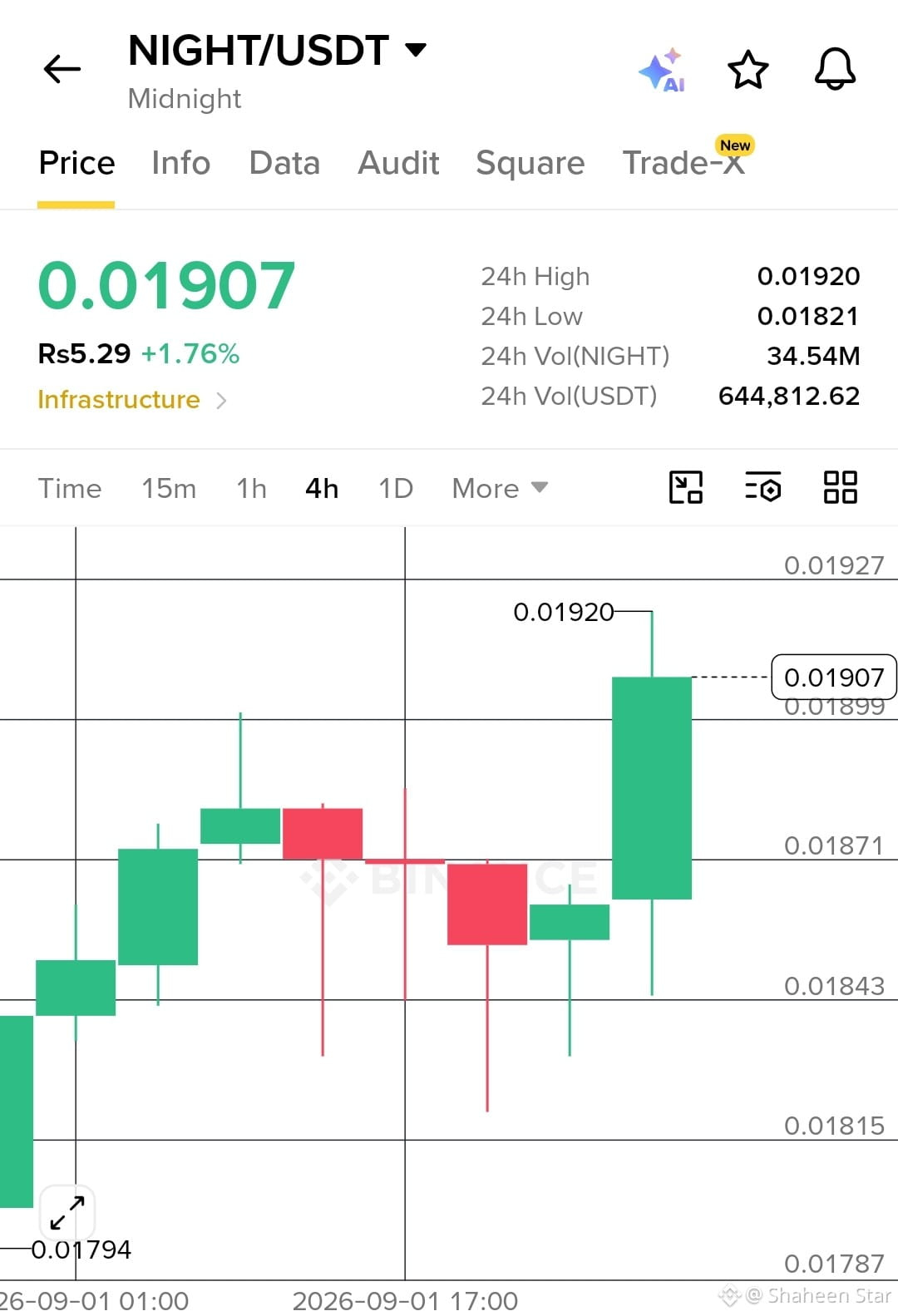
🚀🔥 $NIGHT $ BREAKOUT ALERT!
$NIGHT is pushing out of the range as bulls reclaim 0.01900 after bouncing from 0.01800. Buyers are now testing the key 0.01920 resistance! 👀
🟢 Entry: 0.01900–0.01915
🎯 TP1: 0.01930
🎯 TP2: 0.01945
🎯 TP3: 0.01960
🛑 SL: 0.01875
⚡ Break 0.01920 cleanly → next leg higher could ignite! 🚀
NFA. DYOR & manage risk.
#NIGHT #Crypto #Altcoins #Trading #Futures $ACE
🚀🔥 $NIGHT $ BREAKOUT ALERT!
$NIGHT is pushing out of the range as bulls reclaim 0.01900 after bouncing from 0.01800. Buyers are now testing the key 0.01920 resistance! 👀
🟢 Entry: 0.01900–0.01915
🎯 TP1: 0.01930
🎯 TP2: 0.01945
🎯 TP3: 0.01960
🛑 SL: 0.01875
⚡ Break 0.01920 cleanly → next leg higher could ignite! 🚀
NFA. DYOR & manage risk.
#NIGHT #Crypto #Altcoins #Trading #Futures $ACE
$NIGHT is pushing out of the range as bulls reclaim 0.01900 after bouncing from 0.01800. Buyers are now testing the key 0.01920 resistance! 👀
🟢 Entry: 0.01900–0.01915
🎯 TP1: 0.01930
🎯 TP2: 0.01945
🎯 TP3: 0.01960
🛑 SL: 0.01875
⚡ Break 0.01920 cleanly → next leg higher could ignite! 🚀
NFA. DYOR & manage risk.
#NIGHT #Crypto #Altcoins #Trading #Futures $ACE
44
·
--
Haussier
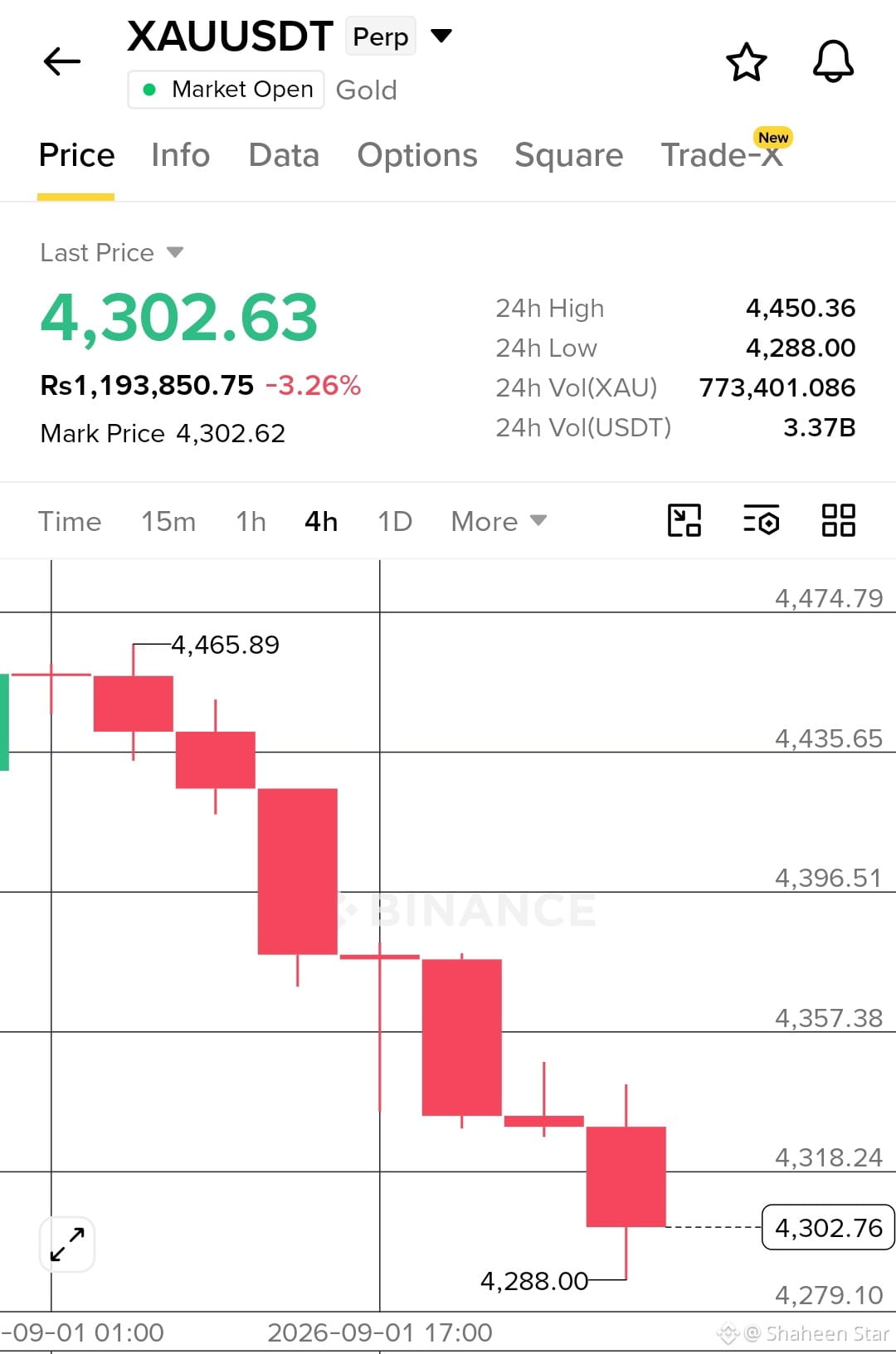
🔥 $XAU / USDT PERP — BUYERS WATCH THIS ZONE! 👀
Gold is pulling back 3.1% and trading near 4,307.01, but the sell-off appears to be slowing around the key support zone. 📉➡️📈
🟢 Entry: 4,295–4,315
🎯 TP1: 4,380
🎯 TP2: 4,440
🎯 TP3: 4,500
🛑 SL: 4,250
⚡ If buyers step in with strong volume, $XAU could recover toward recent highs. Confirmation matters—don’t chase.
NFA. DYOR & manage risk.
#XAU #XAUUSDT #Gold #Perp #Trading #Crypto
🔥 $XAU / USDT PERP — BUYERS WATCH THIS ZONE! 👀
Gold is pulling back 3.1% and trading near 4,307.01, but the sell-off appears to be slowing around the key support zone. 📉➡️📈
🟢 Entry: 4,295–4,315
🎯 TP1: 4,380
🎯 TP2: 4,440
🎯 TP3: 4,500
🛑 SL: 4,250
⚡ If buyers step in with strong volume, $XAU could recover toward recent highs. Confirmation matters—don’t chase.
NFA. DYOR & manage risk.
#XAU #XAUUSDT #Gold #Perp #Trading #Crypto
Gold is pulling back 3.1% and trading near 4,307.01, but the sell-off appears to be slowing around the key support zone. 📉➡️📈
🟢 Entry: 4,295–4,315
🎯 TP1: 4,380
🎯 TP2: 4,440
🎯 TP3: 4,500
🛑 SL: 4,250
⚡ If buyers step in with strong volume, $XAU could recover toward recent highs. Confirmation matters—don’t chase.
NFA. DYOR & manage risk.
#XAU #XAUUSDT #Gold #Perp #Trading #Crypto
149
·
--
Haussier
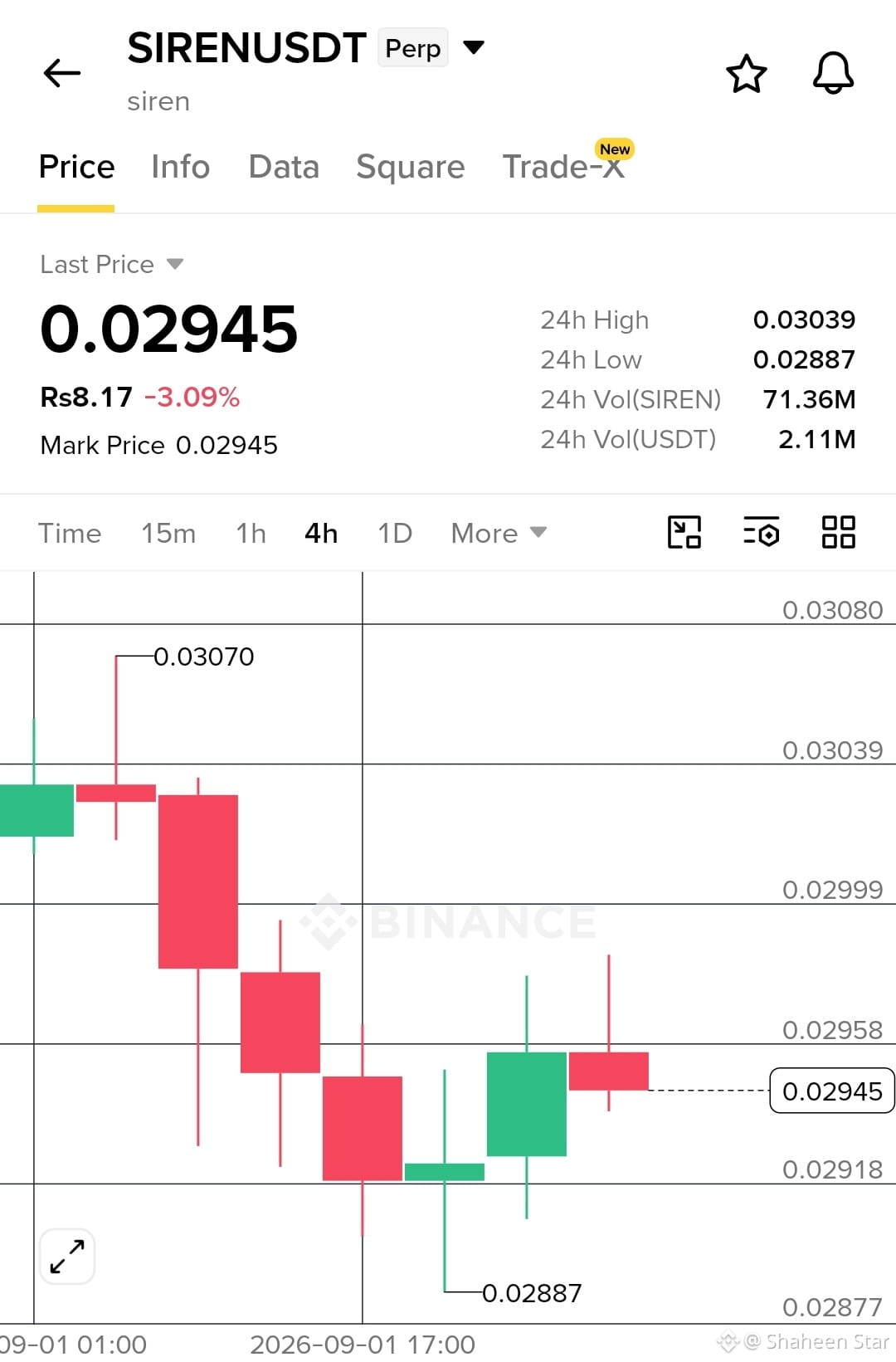
🚨👀 $SIREN TRADE UPDATE!
Still watching $SIREN closely! 🔥
💰 Current Price: ~$0.0294
🎯 Goal: Another 5 USDT worth 😂💸
No FOMO. ❌
No chasing pumps. ❌
Just waiting for the right entry + volume confirmation. 📊⚡
$SIREN stays firmly on the watchlist. 👀
Patience now… opportunity later! 🚀
DYOR & manage your risk.
#SIREN #Crypto #Altcoins #Trading
🚨👀 $SIREN TRADE UPDATE!
Still watching $SIREN closely! 🔥
💰 Current Price: ~$0.0294
🎯 Goal: Another 5 USDT worth 😂💸
No FOMO. ❌
No chasing pumps. ❌
Just waiting for the right entry + volume confirmation. 📊⚡
$SIREN stays firmly on the watchlist. 👀
Patience now… opportunity later! 🚀
DYOR & manage your risk.
#SIREN #Crypto #Altcoins #Trading
Still watching $SIREN closely! 🔥
💰 Current Price: ~$0.0294
🎯 Goal: Another 5 USDT worth 😂💸
No FOMO. ❌
No chasing pumps. ❌
Just waiting for the right entry + volume confirmation. 📊⚡
$SIREN stays firmly on the watchlist. 👀
Patience now… opportunity later! 🚀
DYOR & manage your risk.
#SIREN #Crypto #Altcoins #Trading
142
·
--
Haussier
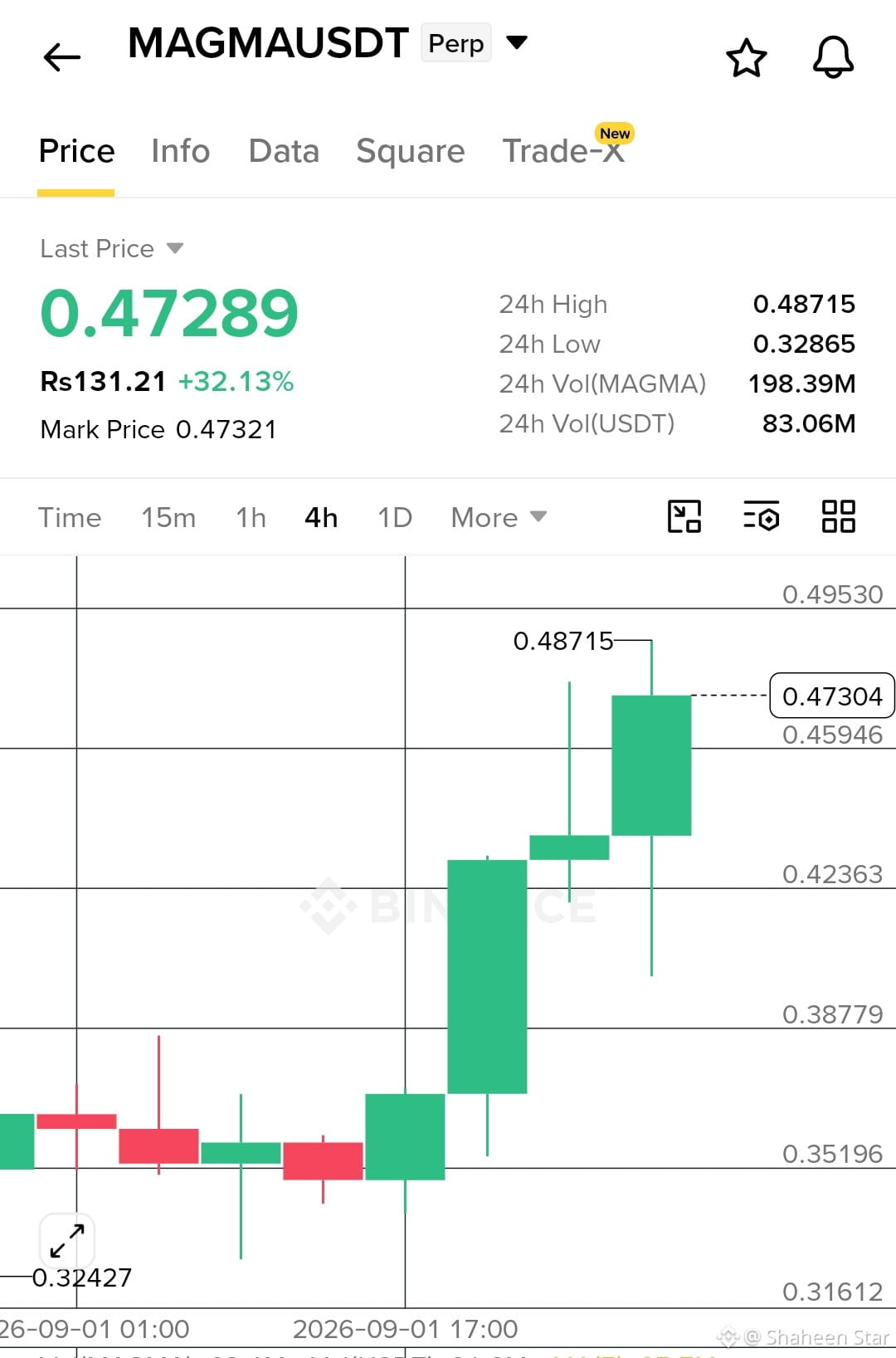
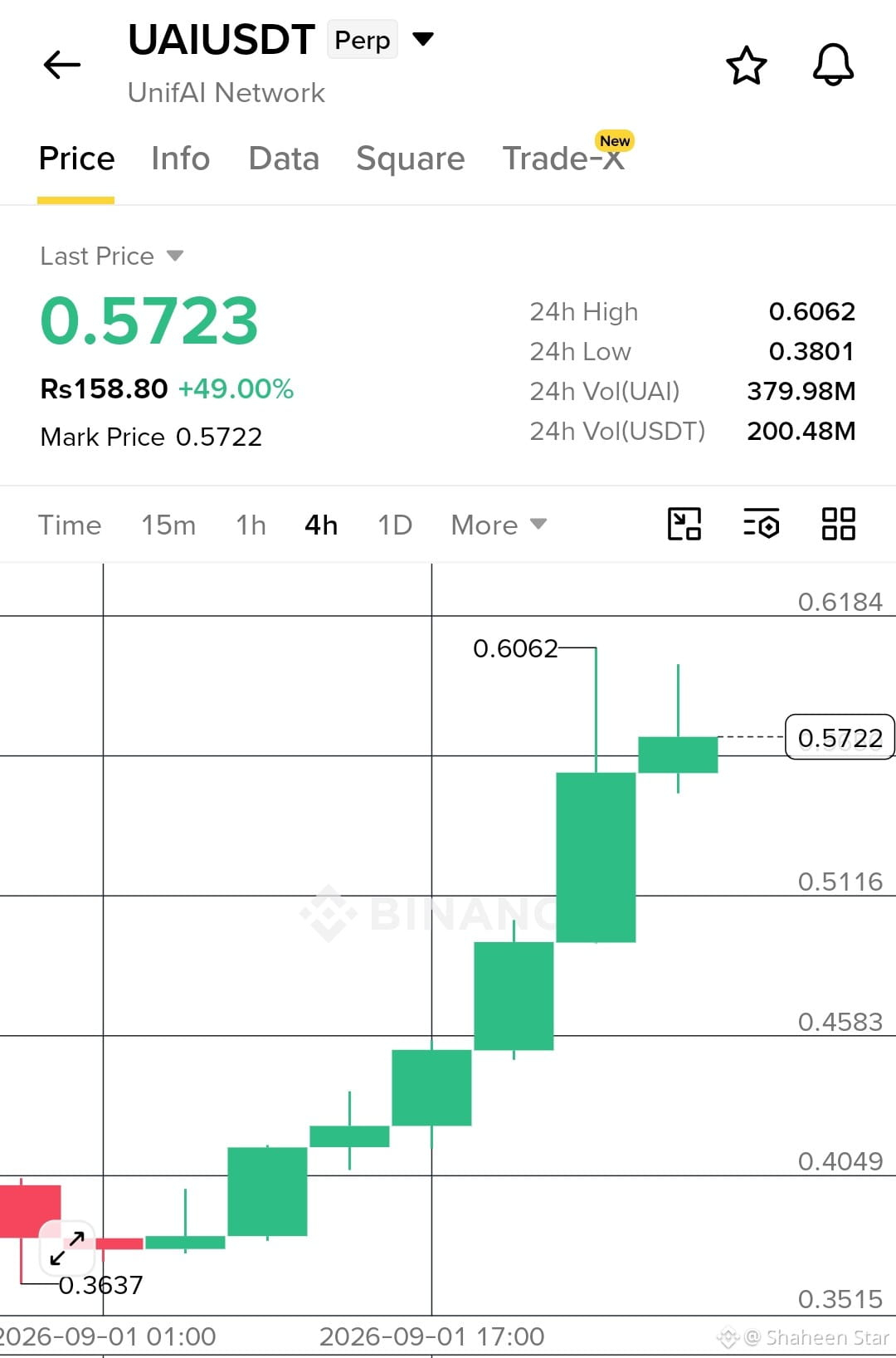
🔥🚨 3 LONGS. 3 TARGETS. WHO MOVES FIRST? 👀
🟠 $MAGMA → 🎯 $0.75
🟣 $UNI → 🎯 $6.50
🔵 $UAI → 🎯 $0.65
Three different setups, but the same mission: CATCH THE MOMENTUM! 🚀
If buyers keep the pressure alive, these targets could come into play fast. ⚡
👀 Which one hits TP FIRST?
$MAGMA, $UNI, or $UAI?
NFA. DYOR.
#Crypto #MAGMA #UNI #UAI #Altcoins #Trading
🔥🚨 3 LONGS. 3 TARGETS. WHO MOVES FIRST? 👀
🟠 $MAGMA → 🎯 $0.75
🟣 $UNI → 🎯 $6.50
🔵 $UAI → 🎯 $0.65
Three different setups, but the same mission: CATCH THE MOMENTUM! 🚀
If buyers keep the pressure alive, these targets could come into play fast. ⚡
👀 Which one hits TP FIRST?
$MAGMA , $UNI , or $UAI ?
NFA. DYOR.
#Crypto #MAGMA #UNI #UAI #Altcoins #Trading
🟠 $MAGMA → 🎯 $0.75
🟣 $UNI → 🎯 $6.50
🔵 $UAI → 🎯 $0.65
Three different setups, but the same mission: CATCH THE MOMENTUM! 🚀
If buyers keep the pressure alive, these targets could come into play fast. ⚡
👀 Which one hits TP FIRST?
$MAGMA , $UNI , or $UAI ?
NFA. DYOR.
#Crypto #MAGMA #UNI #UAI #Altcoins #Trading
163
·
--
Haussier
🔥🚨 TOP TRENDING COINS TODAY — WATCHLIST IS HOT! 👀
The market is buzzing around these names right now:
🥇 $UAI
🥈 $HYPER
🥉 $ARB
4️⃣ $BTC
5️⃣ $UP
6️⃣ $USELESS
7️⃣ $ETH
8️⃣ $LIT
9️⃣ $CASHCAT
🔟 $PENGU
1️⃣1️⃣ $HYPE
1️⃣2️⃣ $UNI
1️⃣3️⃣ $ZEC
1️⃣4️⃣ $PUMP
1️⃣5️⃣ $ENA
⚡ Trending = Attention → Attention = Volatility!
One of these could be preparing for the NEXT BIG MOVE. 🚀🔥
👀 Which coin are you watching? Drop your pick below!
NFA. DYOR.
#Crypto #Trending #Altcoins #BTC #ETH #Trading
🔥🚨 TOP TRENDING COINS TODAY — WATCHLIST IS HOT! 👀
The market is buzzing around these names right now:
🥇 $UAI
🥈 $HYPER
🥉 $ARB
4️⃣ $BTC
5️⃣ $UP
6️⃣ $USELESS
7️⃣ $ETH
8️⃣ $LIT
9️⃣ $CASHCAT
🔟 $PENGU
1️⃣1️⃣ $HYPE
1️⃣2️⃣ $UNI
1️⃣3️⃣ $ZEC
1️⃣4️⃣ $PUMP
1️⃣5️⃣ $ENA
⚡ Trending = Attention → Attention = Volatility!
One of these could be preparing for the NEXT BIG MOVE. 🚀🔥
👀 Which coin are you watching? Drop your pick below!
NFA. DYOR.
#Crypto #Trending #Altcoins #BTC #ETH #Trading
The market is buzzing around these names right now:
🥇 $UAI
🥈 $HYPER
🥉 $ARB
4️⃣ $BTC
5️⃣ $UP
6️⃣ $USELESS
7️⃣ $ETH
8️⃣ $LIT
9️⃣ $CASHCAT
🔟 $PENGU
1️⃣1️⃣ $HYPE
1️⃣2️⃣ $UNI
1️⃣3️⃣ $ZEC
1️⃣4️⃣ $PUMP
1️⃣5️⃣ $ENA
⚡ Trending = Attention → Attention = Volatility!
One of these could be preparing for the NEXT BIG MOVE. 🚀🔥
👀 Which coin are you watching? Drop your pick below!
NFA. DYOR.
#Crypto #Trending #Altcoins #BTC #ETH #Trading
201
·
--
Haussier
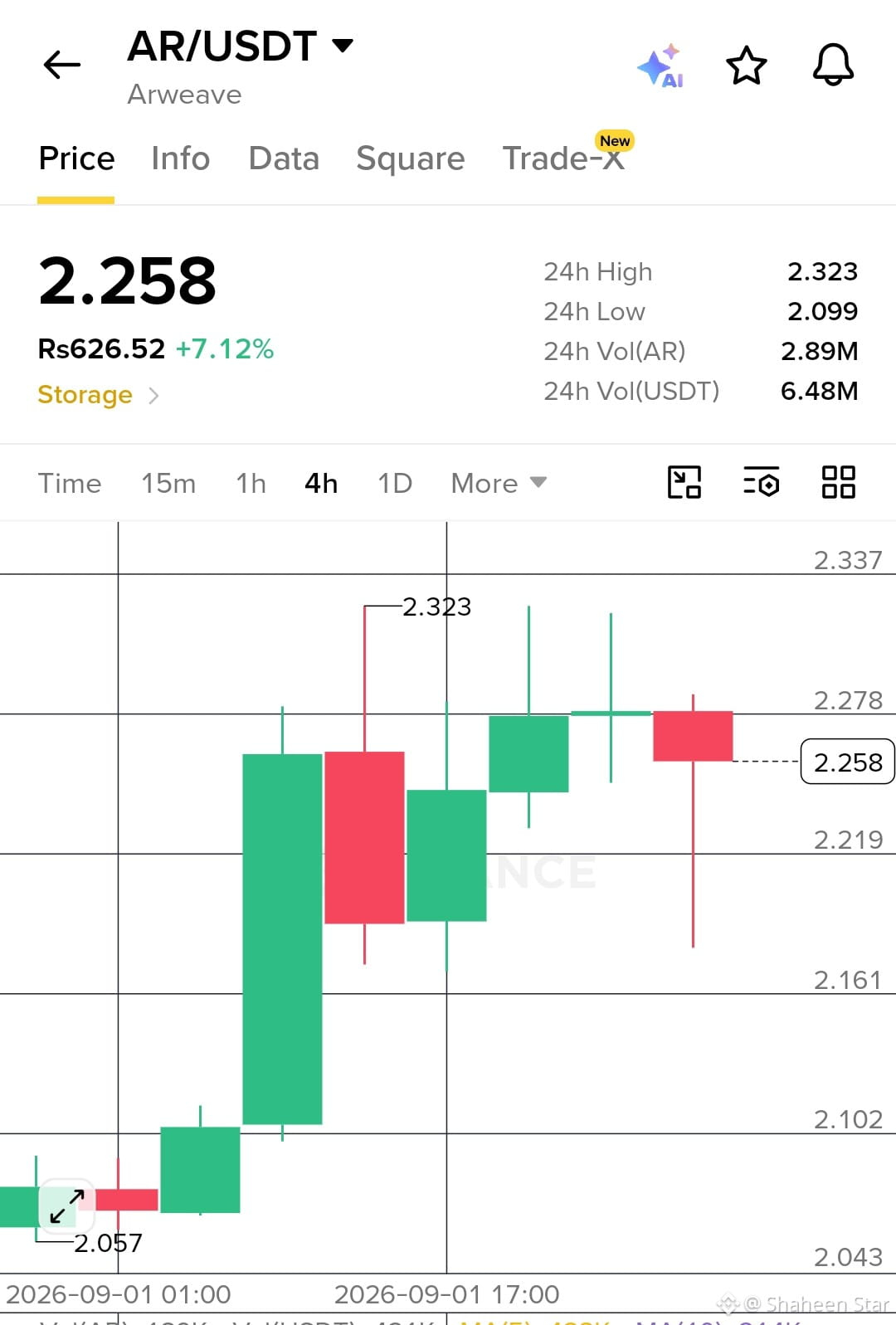
🚀 $AR BULLS ARE BACK IN CONTROL! 🔥
$AR bounced hard from 2.18 and reclaimed the breakout zone, pushing back toward 2.26. The 1H structure remains bullish as buyers defend the pullback. 💪
📍 Entry: 2.250–2.275
🎯 TP1: 2.290
🎯 TP2: 2.320
🎯 TP3: 2.350
🛑 SL: 2.210
⚡ A clean breakout above 2.30 could trigger another push toward the recent high!
NFA. DYOR. 🚨
#AR #Crypto #Altcoins #Trading #Futures
🚀 $AR BULLS ARE BACK IN CONTROL! 🔥
$AR bounced hard from 2.18 and reclaimed the breakout zone, pushing back toward 2.26. The 1H structure remains bullish as buyers defend the pullback. 💪
📍 Entry: 2.250–2.275
🎯 TP1: 2.290
🎯 TP2: 2.320
🎯 TP3: 2.350
🛑 SL: 2.210
⚡ A clean breakout above 2.30 could trigger another push toward the recent high!
NFA. DYOR. 🚨
#AR #Crypto #Altcoins #Trading #Futures
$AR bounced hard from 2.18 and reclaimed the breakout zone, pushing back toward 2.26. The 1H structure remains bullish as buyers defend the pullback. 💪
📍 Entry: 2.250–2.275
🎯 TP1: 2.290
🎯 TP2: 2.320
🎯 TP3: 2.350
🛑 SL: 2.210
⚡ A clean breakout above 2.30 could trigger another push toward the recent high!
NFA. DYOR. 🚨
#AR #Crypto #Altcoins #Trading #Futures
168
Connectez-vous pour découvrir plus de contenu
Rejoignez la communauté mondiale des adeptes de cryptomonnaies sur Binance Square
⚡️ Suviez les dernières informations importantes sur les cryptomonnaies.
💬 Jugé digne de confiance par la plus grande plateforme d’échange de cryptomonnaies au monde.
👍 Découvrez les connaissances que partagent les créateurs vérifiés.
Adresse e-mail/Nº de téléphone
Sujets d’actualité
BNBSurpasses$790
13,773 vues
115 mentions
$BNB strategic long plan -> FOCUS NOW
BNB has created 2 strong lows after taking out internal liquidity
I'm expecting a move towards swing high $815-$830 and looking for a long on a retest of the green box
#BNBSurpasses$790 #bnb
Ghost Writer
·5 mentions J’aime
·6.6k vues
ZamaRises15.99%ToIntradayHigh$0.09
9,651 vues
92 mentions
BitcoinSpotETFsDraw$6.34BInflowsInQ3
4,694 vues
78 mentions