

MAYA_
41.1k Publications

MAYA_
 Compte Square Vérifié+
Alhamdulillah always and forever.
Trade régulièrement
4 an(s)
1.1K+ Suivis
46.9K+ Abonnés
203.1K+ J’aime
Publications
Tous
Citations
Vidéos
Direct
PINNED

燕寶Melissa
·
--
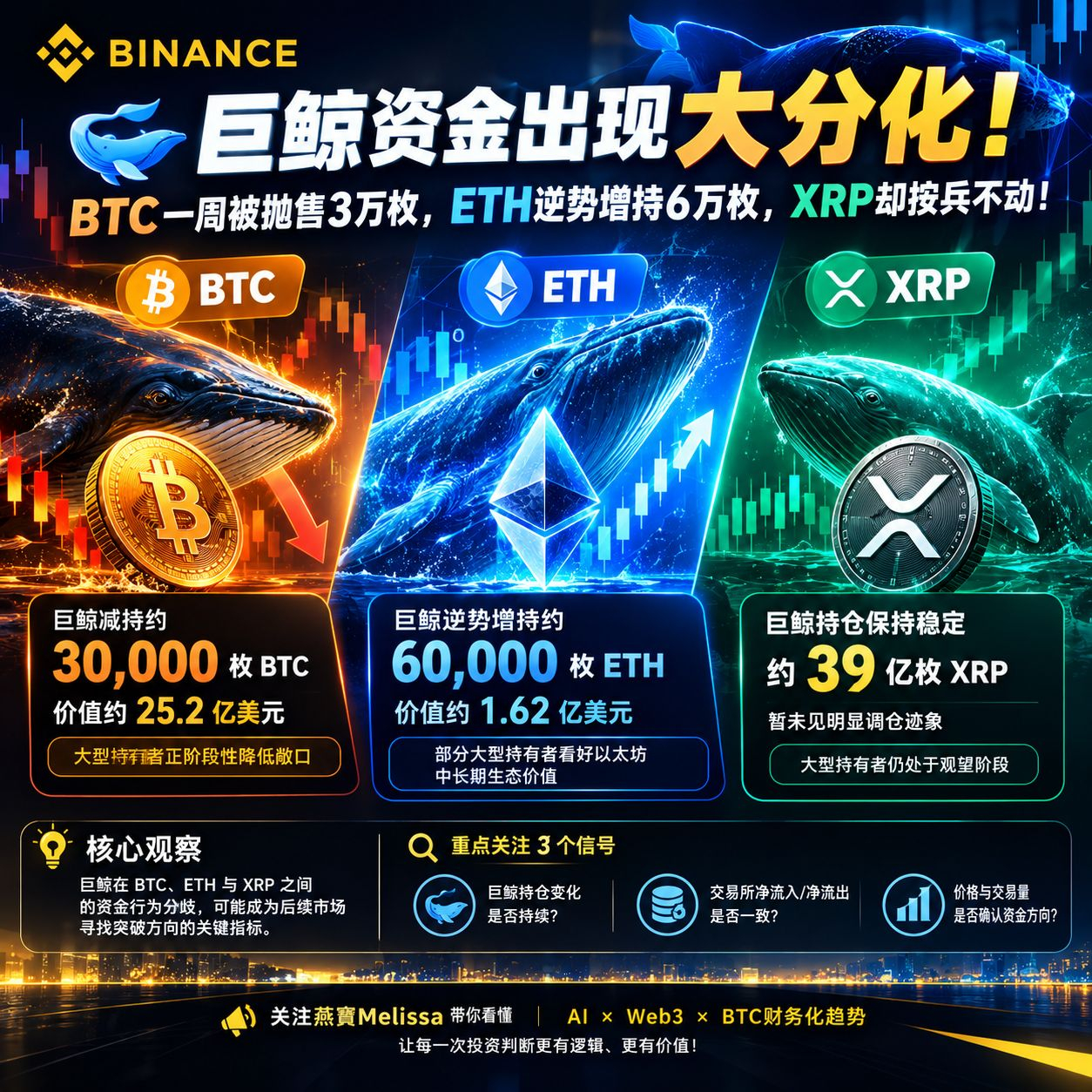
Haussier🚨 巨鲸资金出现大分化!
BTC一周被抛售3万枚,ETH逆势增持6万枚,XRP却按兵不动!
市场横盘,巨鲸却已经开始悄悄调整仓位!
加密分析师 Ali 援引 Santiment 数据指出,过去一周,BTC、ETH 和 XRP 三大主流资产的巨鲸持仓出现明显分化。
这组数据,或许正在透露市场资金布局的新变化。🐋
📊 三大主流币,巨鲸正在做什么?
🟠 BTC:巨鲸减持约30,000枚
过去一周,比特币巨鲸持仓减少约 30,000 枚 BTC,价值约 25.2 亿美元。
🔵 ETH:逆势增持约60,000枚
与 BTC 形成鲜明对比的是,以太坊巨鲸在市场横盘期间,累计增持约 60,000 枚 ETH,价值约 1.62 亿美元。
🟢 XRP:约39亿枚持仓保持稳定
相比 BTC 的减持和 ETH 的增持,XRP 巨鲸则表现得相对平静。
目前,巨鲸整体持仓维持在约 39 亿枚 XRP 左右,暂时没有明显的调仓迹象。
这组数据最值得研究的,并不是哪一种资产被买入或卖出,而是巨鲸在不同资产之间表现出的差异。
📉 BTC: 巨鲸阶段性减持,需关注抛压能否被市场承接。
📈 ETH: 巨鲸逆势增持,需观察资金是否持续流入,以及链上活跃度能否配合。
⏸️ XRP: 持仓相对稳定,后续需要等待更明确的资金方向。
当市场整体横盘,而大型地址的持仓行为出现分歧时,链上数据可以帮助我们更细致地观察市场结构。
#比特币冲击8.7万美元遇阻回落
$BTC
$ETH
$BNB
BTC一周被抛售3万枚,ETH逆势增持6万枚,XRP却按兵不动!
市场横盘,巨鲸却已经开始悄悄调整仓位!
加密分析师 Ali 援引 Santiment 数据指出,过去一周,BTC、ETH 和 XRP 三大主流资产的巨鲸持仓出现明显分化。
这组数据,或许正在透露市场资金布局的新变化。🐋
📊 三大主流币,巨鲸正在做什么?
🟠 BTC:巨鲸减持约30,000枚
过去一周,比特币巨鲸持仓减少约 30,000 枚 BTC,价值约 25.2 亿美元。
🔵 ETH:逆势增持约60,000枚
与 BTC 形成鲜明对比的是,以太坊巨鲸在市场横盘期间,累计增持约 60,000 枚 ETH,价值约 1.62 亿美元。
🟢 XRP:约39亿枚持仓保持稳定
相比 BTC 的减持和 ETH 的增持,XRP 巨鲸则表现得相对平静。
目前,巨鲸整体持仓维持在约 39 亿枚 XRP 左右,暂时没有明显的调仓迹象。
这组数据最值得研究的,并不是哪一种资产被买入或卖出,而是巨鲸在不同资产之间表现出的差异。
📉 BTC: 巨鲸阶段性减持,需关注抛压能否被市场承接。
📈 ETH: 巨鲸逆势增持,需观察资金是否持续流入,以及链上活跃度能否配合。
⏸️ XRP: 持仓相对稳定,后续需要等待更明确的资金方向。
当市场整体横盘,而大型地址的持仓行为出现分歧时,链上数据可以帮助我们更细致地观察市场结构。
#比特币冲击8.7万美元遇阻回落
$BTC
$ETH
$BNB
NVDAUS+1,45%
Ayan -X
·
--
34K FOLLOWERS 🎉❤️
This one feels special.
When I started sharing my crypto thoughts and market updates here on Binance Square, I never imagined the community would grow this much.
34,000 people chose to follow, read, like, comment and repost my content. That support means more than just a number.
I’ll keep sharing my market views, setups, ideas and lessons along the way. No promises of perfect calls, just honest market observations and the journey.
Thank you to everyone who has been here from the beginning and everyone who recently joined. 🙏
34K complete. Now let’s see where 35K takes us. 🚀
Like ❤️ Repost 🔁 Follow 👤
This one feels special.
When I started sharing my crypto thoughts and market updates here on Binance Square, I never imagined the community would grow this much.
34,000 people chose to follow, read, like, comment and repost my content. That support means more than just a number.
I’ll keep sharing my market views, setups, ideas and lessons along the way. No promises of perfect calls, just honest market observations and the journey.
Thank you to everyone who has been here from the beginning and everyone who recently joined. 🙏
34K complete. Now let’s see where 35K takes us. 🚀
Like ❤️ Repost 🔁 Follow 👤

NVDAUS+1,45%

分析师尤斯1688
·
--
Comment to claim your bonus. 🧧🎁

AAPLUS+0,95%
Ahli Hidaya ALLAH Raman
·
--
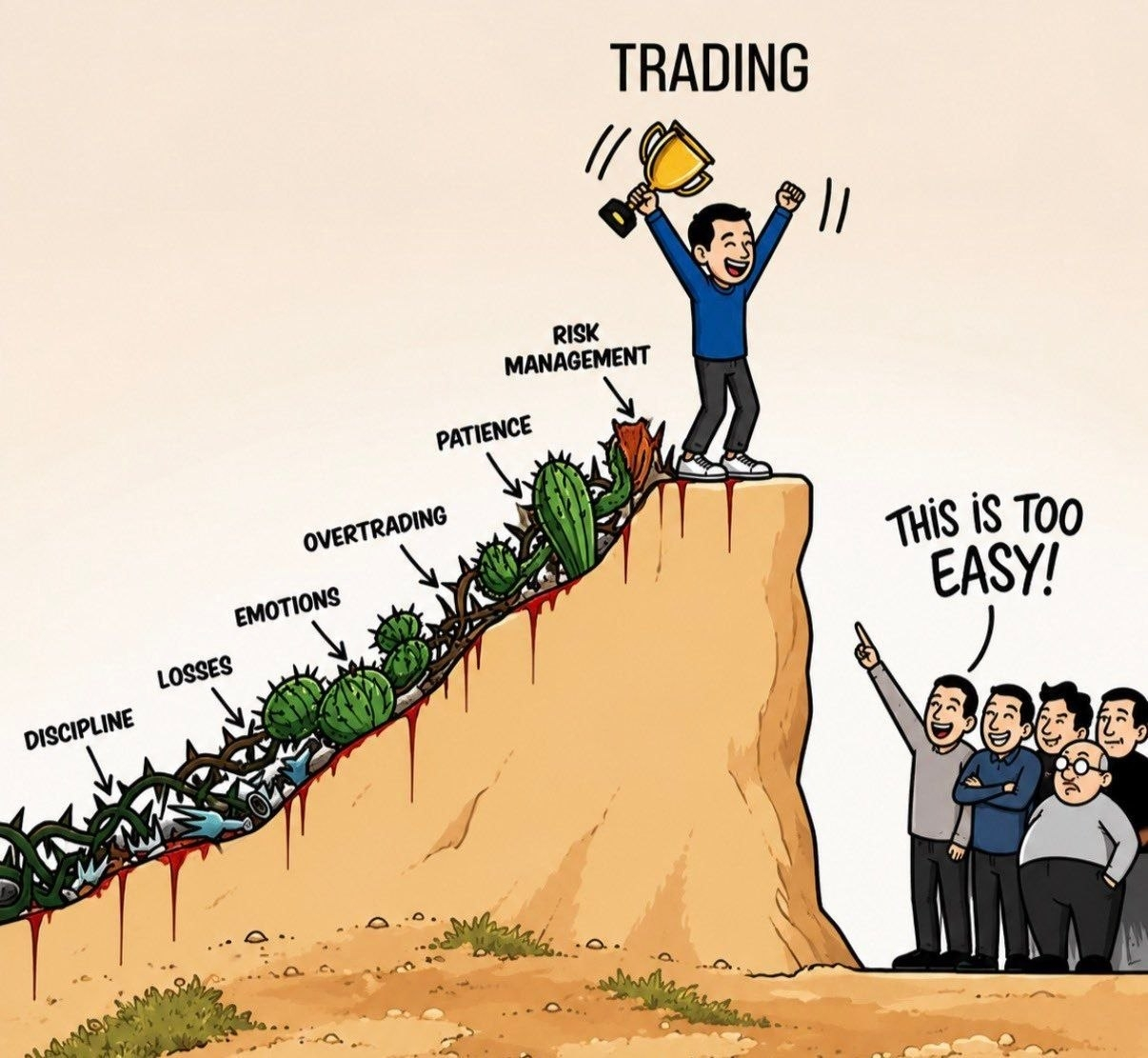
Haussier📊 The Hard Truth About Trading: Why "This is Too Easy" is a Trap
Many beginners look at successful traders from the outside and say, "This is Too Easy!" But they only see the victory, not the scars left behind by the journey.
Trading isn’t a get-rich-quick scheme; it's a brutal battlefield that tests every ounce of your mental strength. Before reaching the peak, a trader has to crawl through a painful path filled with:
Discipline & Losses
Overcoming Emotions & Overtrading
Mastering Patience
Strict Risk Management
If you skip these steps and ignore risk management, the market will teach you an expensive lesson. Respect the process, protect your capital, and focus on long-term growth rather than overnight riches.
What’s the hardest lesson the market has taught you so far? Let’s discuss in the comments! 👇
#BinanceSquare #CryptoTrading #RiskManagement #TradingPsychology #SpotTrading #CryptoEducation$XLM $XRP $RAY
#dyor
Many beginners look at successful traders from the outside and say, "This is Too Easy!" But they only see the victory, not the scars left behind by the journey.
Trading isn’t a get-rich-quick scheme; it's a brutal battlefield that tests every ounce of your mental strength. Before reaching the peak, a trader has to crawl through a painful path filled with:
Discipline & Losses
Overcoming Emotions & Overtrading
Mastering Patience
Strict Risk Management
If you skip these steps and ignore risk management, the market will teach you an expensive lesson. Respect the process, protect your capital, and focus on long-term growth rather than overnight riches.
What’s the hardest lesson the market has taught you so far? Let’s discuss in the comments! 👇
#BinanceSquare #CryptoTrading #RiskManagement #TradingPsychology #SpotTrading #CryptoEducation$XLM $XRP $RAY
#dyor




Àimàn-crypto⁰⁹
·
--
🎁🎀 RED PACKET GIVEAWAY 🎀🎁
Let’s spread some crypto love today! 🎊🎉💚❤️💖
🧧 Want to join? ❤️ Like this post
🔄 Repost it
👤 Follow me
💬 Comment “Hello everyone”
Good luck everyone! 🍀🚀
Let’s grow together and keep supporting each other! 🤝💚
$AIN
$SAND
$BNB
#BinanceSquare #Crypto #RedPacket #Web3 #CryptoCommunity
Let’s spread some crypto love today! 🎊🎉💚❤️💖
🧧 Want to join? ❤️ Like this post
🔄 Repost it
👤 Follow me
💬 Comment “Hello everyone”
Good luck everyone! 🍀🚀
Let’s grow together and keep supporting each other! 🤝💚
$AIN
$SAND
$BNB
#BinanceSquare #Crypto #RedPacket #Web3 #CryptoCommunity

NVDAUS+1,45%
长风Nova
·
--
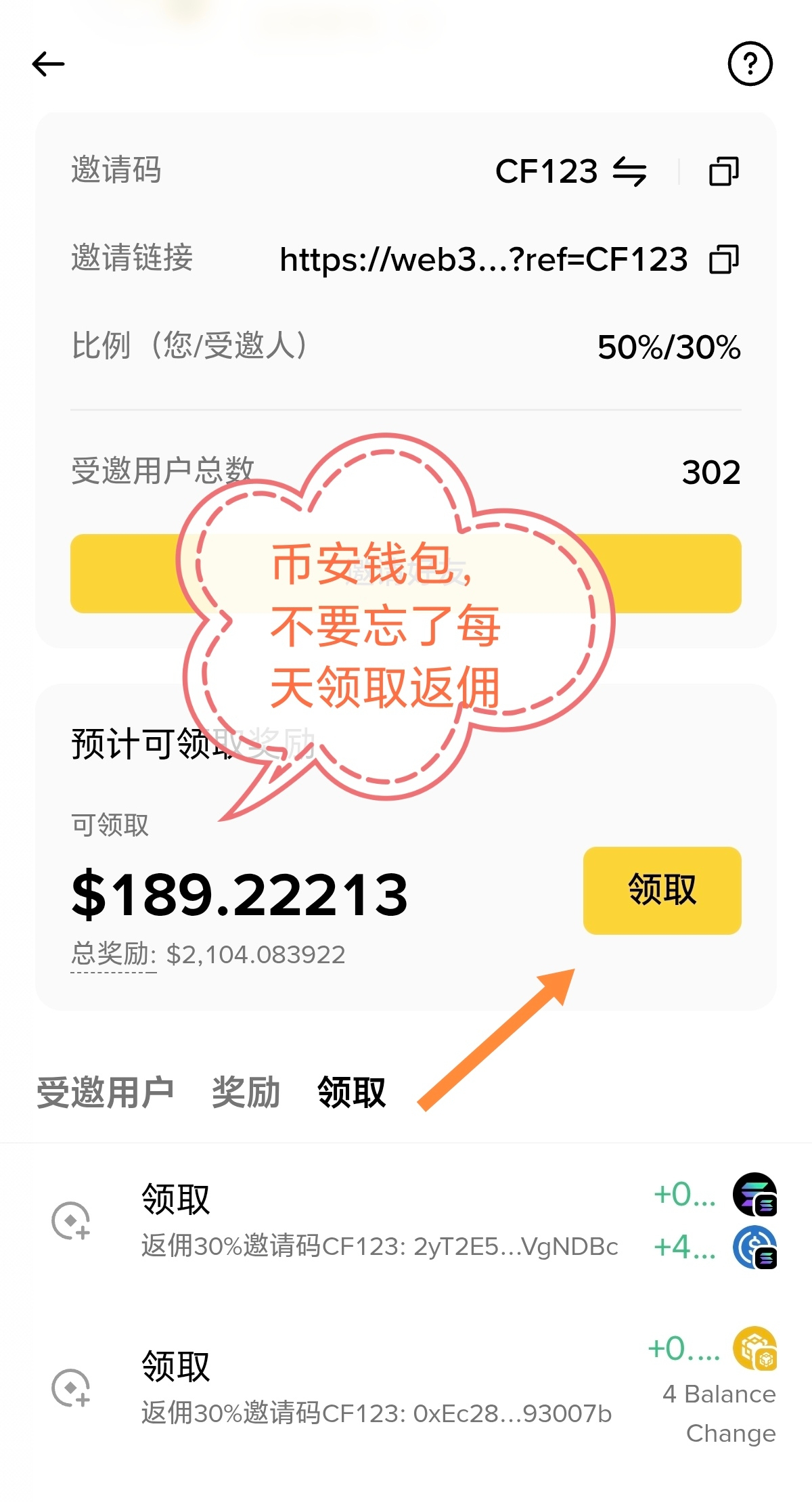
🧧🧧2026.10.03 #币安钱包 打狗日记。
🔥🔥🔥🔥🔥【附上20U红包🧧】
1.$金鱼 ,叙事来自官推:他买了50000个代币,自称为鲸鱼。最高拉到300多K,最后浇了,保本离场。挺能引起共鸣的一个叙事,倘若七八年前大家珍惜几百刀的大饼,五年珍惜六七个0的狗狗,现在何尝不是🐋?
2.$AI 隐私赛道的meme,分流严重,虽然买到了龙头,最高拉到1.4M,最后也快速浇了下来,小赚一点离场,还是太格局了,不然爽吃。这个名字取得不行。
3.各种🐵,最高峰的时候热门里出现三只猴子,碰都不带碰的,全是科技发币,没有好下场。
4.$GM ,来源@CZ 的推文配图,我一向是对这种人物肖像作为meme的很看不好,几百K的时候嫌贵,没进,结果昨天爆拉到12M,错过几十倍大肉。
🔥🔥🔥🔥🔥🔥🔥
大胆猜测特朗普晚宴的3位神秘嘉宾,是孙割、景田和凉夕大将军。
🔥🔥🔥🔥🔥🔥🔥
提示:使用币安钱包的兄弟,每天在主界面邀请好友界面最下面,手动领取服务费返现,显示领取金额为0的话,可以填一下邀请码CF1234,立省30%手续费。
主页聊天室【土狗大王】共享最新行情。
🔥🔥🔥🔥🔥【附上20U红包🧧】
1.$金鱼 ,叙事来自官推:他买了50000个代币,自称为鲸鱼。最高拉到300多K,最后浇了,保本离场。挺能引起共鸣的一个叙事,倘若七八年前大家珍惜几百刀的大饼,五年珍惜六七个0的狗狗,现在何尝不是🐋?
2.$AI 隐私赛道的meme,分流严重,虽然买到了龙头,最高拉到1.4M,最后也快速浇了下来,小赚一点离场,还是太格局了,不然爽吃。这个名字取得不行。
3.各种🐵,最高峰的时候热门里出现三只猴子,碰都不带碰的,全是科技发币,没有好下场。
4.$GM ,来源@CZ 的推文配图,我一向是对这种人物肖像作为meme的很看不好,几百K的时候嫌贵,没进,结果昨天爆拉到12M,错过几十倍大肉。
🔥🔥🔥🔥🔥🔥🔥
大胆猜测特朗普晚宴的3位神秘嘉宾,是孙割、景田和凉夕大将军。
🔥🔥🔥🔥🔥🔥🔥
提示:使用币安钱包的兄弟,每天在主界面邀请好友界面最下面,手动领取服务费返现,显示领取金额为0的话,可以填一下邀请码CF1234,立省30%手续费。
主页聊天室【土狗大王】共享最新行情。

Shaheen 69
·
--
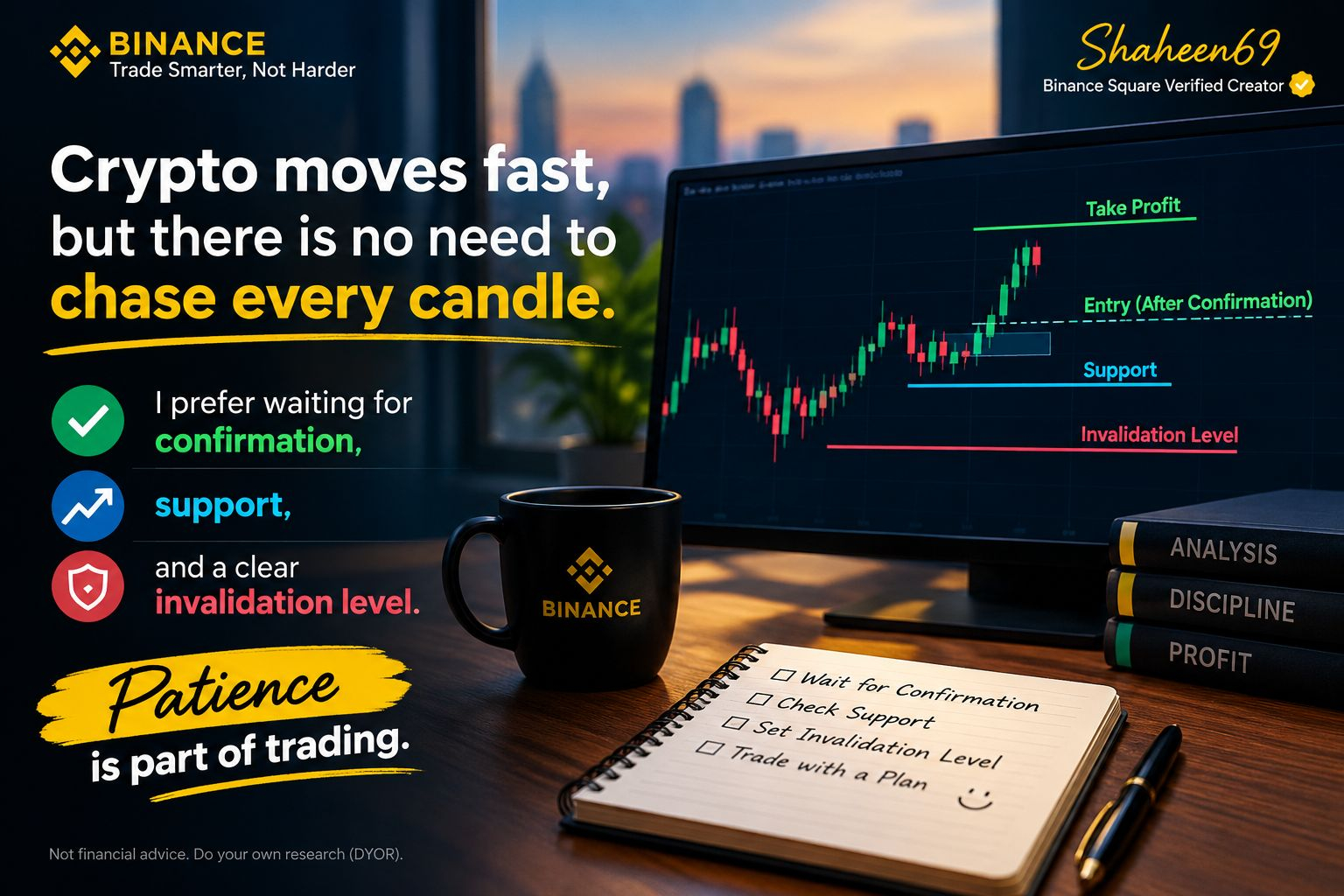
Crypto moves fast, but there is no need to chase every candle.
I prefer waiting for confirmation, support, and a clear invalidation level.
Patience is part of trading.
$NIGHT $SAND $GALA
I prefer waiting for confirmation, support, and a clear invalidation level.
Patience is part of trading.
$NIGHT $SAND $GALA
NVDAUS+1,45%
BIPLOB_BD 99
·
--
follow me everyone 🎁🎁🎁🎁🎁🎁🎁🎁🎁


Z O N E P R I M E
·
--
Haussier🎉 SPECIAL BTC GIFT BY ZONE PRIME! 🎁✨
A big surprise for my active Binance family!
Claim your free BTC Red Packets before they run out. 💛
📌 Rules to Participate:
✅ Follow ZONE PRIME
✅ Like & Repost
✅ Claim your Red Packet! 🧧
Type "BTC" in the comments below! 👇⚡
#Binance #RedPacket #BTC #ZONEPRIME #CryptoGiveaway
A big surprise for my active Binance family!
Claim your free BTC Red Packets before they run out. 💛
📌 Rules to Participate:
✅ Follow ZONE PRIME
✅ Like & Repost
✅ Claim your Red Packet! 🧧
Type "BTC" in the comments below! 👇⚡
#Binance #RedPacket #BTC #ZONEPRIME #CryptoGiveaway


圣克斯Lucky1688
·
--
🧧🎁🌹🧧🎁🌹
监管与政策动向
美国推出重磅数字资产税收法案(ADAPT Act)
美国参议员 Steve Daines 于10月1日正式提出了一项长达56页的《使数字资产与稅收原则相一致法案》(ADAPT Act)。该法案旨在为稳定幣支付、網路費用(Gas费)、質押與借貸建立清晰的税务规则,并拟对用于支付10美元及以下的网络、交易或Gas费用的数字资产免于确认损益,对合规的美元稳定币购买商品和服务也做出了免税或简化申报的规定。
市场行情与机构动态
宏观与市场表现
进入10月,市场正密切关注美国9月非农就业、CPI數據及联准会货币政策走向。虽然加密市场近期迎来一波资金流入与季度反彈(如比特币在過去一季有所回暖),但分析指出,多数主流资产从年线来看仍面临宏观高利率(如美債殖利率維持在相對高位)的压力,市场整体在“碎片式修复”与合規化轉型中寻找方向。
现实世界资产(RWA)代币化平台上市
OpenWorld 与 VerifyMe 正式宣布完成业务合并,建立现实世界资产数字化代币化平台,并于10月1日起在纳斯达克以代码“OPNW”开盘交易,推动机构级RWA代币化落地。
关注我,回答答案1带走$SOL 红包!
监管与政策动向
美国推出重磅数字资产税收法案(ADAPT Act)
美国参议员 Steve Daines 于10月1日正式提出了一项长达56页的《使数字资产与稅收原则相一致法案》(ADAPT Act)。该法案旨在为稳定幣支付、網路費用(Gas费)、質押與借貸建立清晰的税务规则,并拟对用于支付10美元及以下的网络、交易或Gas费用的数字资产免于确认损益,对合规的美元稳定币购买商品和服务也做出了免税或简化申报的规定。
市场行情与机构动态
宏观与市场表现
进入10月,市场正密切关注美国9月非农就业、CPI數據及联准会货币政策走向。虽然加密市场近期迎来一波资金流入与季度反彈(如比特币在過去一季有所回暖),但分析指出,多数主流资产从年线来看仍面临宏观高利率(如美債殖利率維持在相對高位)的压力,市场整体在“碎片式修复”与合規化轉型中寻找方向。
现实世界资产(RWA)代币化平台上市
OpenWorld 与 VerifyMe 正式宣布完成业务合并,建立现实世界资产数字化代币化平台,并于10月1日起在纳斯达克以代码“OPNW”开盘交易,推动机构级RWA代币化落地。
关注我,回答答案1带走$SOL 红包!

NVDAUS+1,45%

大饼哥VIP
·
--
Haussier#兄弟们牛市开启不要割肉
谨记谨记,长线拿好$BTC 别噶在黎明前
$BNB
$ETH
谨记谨记,长线拿好$BTC 别噶在黎明前
$BNB
$ETH

NVDAUS+1,45%
生蚝哥Oyster
·
--
加密速递 | 2026年10月4日
📊 今日行情速览:
BTC 稳守 8.5 万美元附近(约 +0.5%),早前冲高 8.7 万后进入窄幅整理;ETH 逼近 2700 美元;SOL 小幅上涨。全市场总市值微跌,情绪偏贪婪。
🔥 今日重点新闻:
• Glassnode:比特币长期持有者本轮周期全程保持盈利,自2015年以来首次打破熊市常规!
• 上市矿企上半年削减约15亿美元矿机投入,部分算力转向AI业务。
• Citi 上调BTC 12个月目标价至11.3万美元。
• Solana生态代币Agency 24h暴涨超11倍,市值突破2000万美元。
• 俄罗斯财政部首次用数字卢布发放部分员工工资;萨尔瓦多获IMF 1.38亿美元资金(附比特币相关豁免)。
Uptober 才刚开始,机构资金仍在流入。周末你们怎么看后市?🐂还是继续震荡?
#btc
📊 今日行情速览:
BTC 稳守 8.5 万美元附近(约 +0.5%),早前冲高 8.7 万后进入窄幅整理;ETH 逼近 2700 美元;SOL 小幅上涨。全市场总市值微跌,情绪偏贪婪。
🔥 今日重点新闻:
• Glassnode:比特币长期持有者本轮周期全程保持盈利,自2015年以来首次打破熊市常规!
• 上市矿企上半年削减约15亿美元矿机投入,部分算力转向AI业务。
• Citi 上调BTC 12个月目标价至11.3万美元。
• Solana生态代币Agency 24h暴涨超11倍,市值突破2000万美元。
• 俄罗斯财政部首次用数字卢布发放部分员工工资;萨尔瓦多获IMF 1.38亿美元资金(附比特币相关豁免)。
Uptober 才刚开始,机构资金仍在流入。周末你们怎么看后市?🐂还是继续震荡?
#btc

NVDAUS+1,45%
Ahli Hidaya ALLAH Raman
·
--
Haussier📊 The Hard Truth About Trading: Why "This is Too Easy" is a Trap
Many beginners look at successful traders from the outside and say, "This is Too Easy!" But they only see the victory, not the scars left behind by the journey.
Trading isn’t a get-rich-quick scheme; it's a brutal battlefield that tests every ounce of your mental strength. Before reaching the peak, a trader has to crawl through a painful path filled with:
Discipline & Losses
Overcoming Emotions & Overtrading
Mastering Patience
Strict Risk Management
If you skip these steps and ignore risk management, the market will teach you an expensive lesson. Respect the process, protect your capital, and focus on long-term growth rather than overnight riches.
What’s the hardest lesson the market has taught you so far? Let’s discuss in the comments! 👇
#BinanceSquare #CryptoTrading #RiskManagement #TradingPsychology #SpotTrading #CryptoEducation$XLM $XRP $RAY
#dyor
Many beginners look at successful traders from the outside and say, "This is Too Easy!" But they only see the victory, not the scars left behind by the journey.
Trading isn’t a get-rich-quick scheme; it's a brutal battlefield that tests every ounce of your mental strength. Before reaching the peak, a trader has to crawl through a painful path filled with:
Discipline & Losses
Overcoming Emotions & Overtrading
Mastering Patience
Strict Risk Management
If you skip these steps and ignore risk management, the market will teach you an expensive lesson. Respect the process, protect your capital, and focus on long-term growth rather than overnight riches.
What’s the hardest lesson the market has taught you so far? Let’s discuss in the comments! 👇
#BinanceSquare #CryptoTrading #RiskManagement #TradingPsychology #SpotTrading #CryptoEducation$XLM $XRP $RAY
#dyor

Javed Official 07
·
--
🎁 Red Pocket is live! Claim your reward now! 🔥
🪙 Your reward is waiting — claim it fast! 🚀
🎁 Don’t miss the Red Pocket! Claim & enjoy! ⚡
🔥 Claim your share before it’s gone!
💎 Red Pocket drop is here — grab your reward!
🚀 Claim now, don’t miss out! 🎁
❤️ Follow me & share the post — good luck!
🪙 Your reward is waiting — claim it fast! 🚀
🎁 Don’t miss the Red Pocket! Claim & enjoy! ⚡
🔥 Claim your share before it’s gone!
💎 Red Pocket drop is here — grab your reward!
🚀 Claim now, don’t miss out! 🎁
❤️ Follow me & share the post — good luck!

Àimàn-crypto⁰⁹
·
--
🎁🎀 RED PACKET GIVEAWAY 🎀🎁
Let’s spread some crypto love today! 🎊🎉💚❤️💖
🧧 Want to join? ❤️ Like this post
🔄 Repost it
👤 Follow me
💬 Comment “Hello everyone”
Good luck everyone! 🍀🚀
Let’s grow together and keep supporting each other! 🤝💚
$AIN
$SAND
$BNB
#BinanceSquare #Crypto #RedPacket #Web3 #CryptoCommunity
Let’s spread some crypto love today! 🎊🎉💚❤️💖
🧧 Want to join? ❤️ Like this post
🔄 Repost it
👤 Follow me
💬 Comment “Hello everyone”
Good luck everyone! 🍀🚀
Let’s grow together and keep supporting each other! 🤝💚
$AIN
$SAND
$BNB
#BinanceSquare #Crypto #RedPacket #Web3 #CryptoCommunity
AAPLUS+0,95%

易琳Ten
·
--
Haussier#BTC 比特币冲击 8.7 万美元后出现回落。
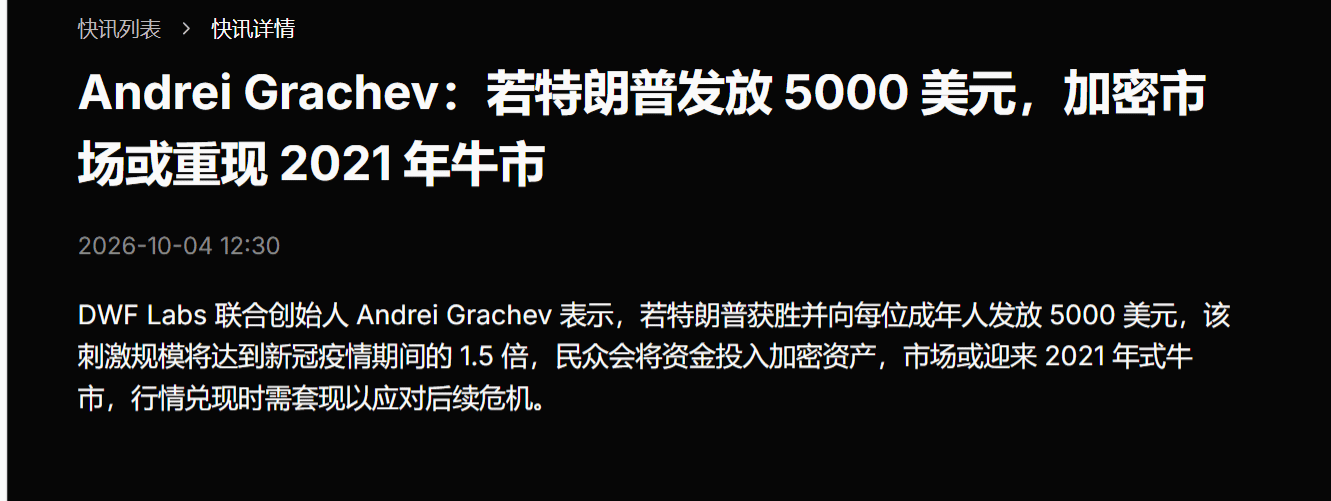
今天,知名做市商 DWF Labs 联合创始人提到:如果特朗普向美国成年人发放 5000 美元,加密市场或有可能重现 2021 年的牛市行情。
当然,这只是一个假设,并不代表一定会发生。
但交易最怕的不是行情没来,而是行情真的来了,你却没有提前上车。
如果今年真的出现类似 2021 年的超级行情,机会可能不会给你太多反应时间。
所以,不管这个预期最终能不能兑现,提前布局、做好仓位管理,总比等行情启动后再追高要主动。
万一牛市真的来了,最遗憾的不是少赚一点,而是你根本不在车上。
今天,知名做市商 DWF Labs 联合创始人提到:如果特朗普向美国成年人发放 5000 美元,加密市场或有可能重现 2021 年的牛市行情。
当然,这只是一个假设,并不代表一定会发生。
但交易最怕的不是行情没来,而是行情真的来了,你却没有提前上车。
如果今年真的出现类似 2021 年的超级行情,机会可能不会给你太多反应时间。
所以,不管这个预期最终能不能兑现,提前布局、做好仓位管理,总比等行情启动后再追高要主动。
万一牛市真的来了,最遗憾的不是少赚一点,而是你根本不在车上。

Connectez-vous pour découvrir plus de contenu