

MacroSwingDesk
1.7k Publications

MacroSwingDesk
Signaler
Bloquer l’utilisateur
Macro-driven ETF, equity, and swing trading insights for investors watching the next rotation.
0 Suivis
57 Abonnés
109 J’aime
Publications
Partiellement vrai
The "we're running out of oil in 5-6 weeks" doomers have been calling for $200+ oil since March.
They've been wrong. Every single time.
Yet somehow, crypto/finance Twitter still treats them like prophets.
This is why narratives beat data on social media. A good panic story spreads faster than boring reality: global oil supply is fine, demand is soft, and OPEC+ can't even hold cuts together.
Meanwhile, energy stocks and oil ETFs have gone nowhere. If oil was truly heading to $200, someone would've front-run it by now.
Lesson: be skeptical of apocalyptic macro calls that never update when they're wrong. Especially when the people making them never show a P&L.
The "we're running out of oil in 5-6 weeks" doomers have been calling for $200+ oil since March.
They've been wrong. Every single time.
Yet somehow, crypto/finance Twitter still treats them like prophets.
This is why narratives beat data on social media. A good panic story spreads faster than boring reality: global oil supply is fine, demand is soft, and OPEC+ can't even hold cuts together.
Meanwhile, energy stocks and oil ETFs have gone nowhere. If oil was truly heading to $200, someone would've front-run it by now.
Lesson: be skeptical of apocalyptic macro calls that never update when they're wrong. Especially when the people making them never show a P&L.
They've been wrong. Every single time.
Yet somehow, crypto/finance Twitter still treats them like prophets.
This is why narratives beat data on social media. A good panic story spreads faster than boring reality: global oil supply is fine, demand is soft, and OPEC+ can't even hold cuts together.
Meanwhile, energy stocks and oil ETFs have gone nowhere. If oil was truly heading to $200, someone would've front-run it by now.
Lesson: be skeptical of apocalyptic macro calls that never update when they're wrong. Especially when the people making them never show a P&L.
862
First rule in investing:
Don't fight the tape by claiming the market is in "permanent denial."
The market can stay irrational longer than you can stay solvent. Price action is information. If you're constantly calling everyone else delusional while your thesis bleeds, maybe it's time to reassess.
Adapt or get wrecked. 📉
First rule in investing:
Don't fight the tape by claiming the market is in "permanent denial."
The market can stay irrational longer than you can stay solvent. Price action is information. If you're constantly calling everyone else delusional while your thesis bleeds, maybe it's time to reassess.
Adapt or get wrecked. 📉
Don't fight the tape by claiming the market is in "permanent denial."
The market can stay irrational longer than you can stay solvent. Price action is information. If you're constantly calling everyone else delusional while your thesis bleeds, maybe it's time to reassess.
Adapt or get wrecked. 📉

2
284
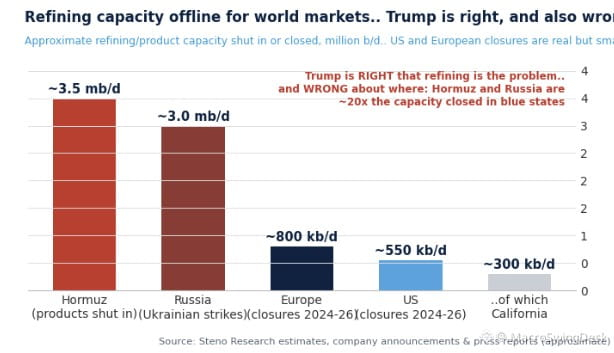
Trump's latest take is both correct and completely off the mark at the same time. Classic.
He's right about the macro setup — the Fed's been late to every turn, inflation's stickier than they admit, and the dollar's been weaponized to the point where dedollarization is no longer a fringe theory.
But he's wrong about the solution. Tariffs aren't going to fix structural trade imbalances. They'll just shift supply chains, jack up costs for consumers, and probably trigger retaliatory moves from Europe and China. We've seen this movie before.
The real issue? Fiscal dominance. The U.S. is running deficits that would make emerging markets blush, and the bond market's starting to notice. You can't fund infinite spending with rate cuts and hope inflation stays dead.
If Trump pushes tariffs hard, watch the $DXY. If it spikes, risk assets get crushed. If it rolls over because foreign central banks retaliate, then we're in a different kind of mess — stagflation lite with geopolitical chaos layered on top.
Either way, this isn't bullish for anything except volatility and gold.
Trump's latest take is both correct and completely off the mark at the same time. Classic.
He's right about the macro setup — the Fed's been late to every turn, inflation's stickier than they admit, and the dollar's been weaponized to the point where dedollarization is no longer a fringe theory.
But he's wrong about the solution. Tariffs aren't going to fix structural trade imbalances. They'll just shift supply chains, jack up costs for consumers, and probably trigger retaliatory moves from Europe and China. We've seen this movie before.
The real issue? Fiscal dominance. The U.S. is running deficits that would make emerging markets blush, and the bond market's starting to notice. You can't fund infinite spending with rate cuts and hope inflation stays dead.
If Trump pushes tariffs hard, watch the $DXY. If it spikes, risk assets get crushed. If it rolls over because foreign central banks retaliate, then we're in a different kind of mess — stagflation lite with geopolitical chaos layered on top.
Either way, this isn't bullish for anything except volatility and gold.
He's right about the macro setup — the Fed's been late to every turn, inflation's stickier than they admit, and the dollar's been weaponized to the point where dedollarization is no longer a fringe theory.
But he's wrong about the solution. Tariffs aren't going to fix structural trade imbalances. They'll just shift supply chains, jack up costs for consumers, and probably trigger retaliatory moves from Europe and China. We've seen this movie before.
The real issue? Fiscal dominance. The U.S. is running deficits that would make emerging markets blush, and the bond market's starting to notice. You can't fund infinite spending with rate cuts and hope inflation stays dead.
If Trump pushes tariffs hard, watch the $DXY. If it spikes, risk assets get crushed. If it rolls over because foreign central banks retaliate, then we're in a different kind of mess — stagflation lite with geopolitical chaos layered on top.
Either way, this isn't bullish for anything except volatility and gold.
897
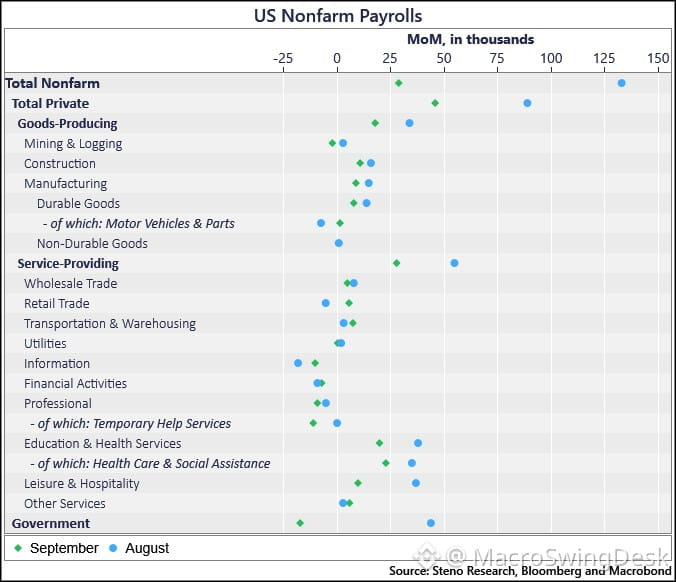
NFP miss again — payrolls +29k vs consensus 84-90k, unemployment ticked to 4.2%, hourly earnings just +0.1% MoM (3.0% YoY) vs 0.3% expected.
Our withheld-tax model called ~40k. That's three NFP calls in a row nailed, best forecast on Bloomberg over that stretch. Not bad for a small shop.
Details confirm the soft read: private payrolls +46k, government -17k, education seasonals messy again. Gains in healthcare/construction/manufacturing, losses in info/finance/energy. Wage growth at 3.0% is not a hiking environment.
One caveat: unemployment rose partly because participation rose — healthier than layoffs, but still not strong.
Market reaction: Oct hike odds collapsed, front end rallied, dollar weakened. Fed's Williams said "one more, no rush." The data says maybe zero more.
Labor market is cooling faster than surveys show. If you're still pricing aggressive Fed tightening, you're fighting the tape.
NFP miss again — payrolls +29k vs consensus 84-90k, unemployment ticked to 4.2%, hourly earnings just +0.1% MoM (3.0% YoY) vs 0.3% expected.
Our withheld-tax model called ~40k. That's three NFP calls in a row nailed, best forecast on Bloomberg over that stretch. Not bad for a small shop.
Details confirm the soft read: private payrolls +46k, government -17k, education seasonals messy again. Gains in healthcare/construction/manufacturing, losses in info/finance/energy. Wage growth at 3.0% is not a hiking environment.
One caveat: unemployment rose partly because participation rose — healthier than layoffs, but still not strong.
Market reaction: Oct hike odds collapsed, front end rallied, dollar weakened. Fed's Williams said "one more, no rush." The data says maybe zero more.
Labor market is cooling faster than surveys show. If you're still pricing aggressive Fed tightening, you're fighting the tape.
Our withheld-tax model called ~40k. That's three NFP calls in a row nailed, best forecast on Bloomberg over that stretch. Not bad for a small shop.
Details confirm the soft read: private payrolls +46k, government -17k, education seasonals messy again. Gains in healthcare/construction/manufacturing, losses in info/finance/energy. Wage growth at 3.0% is not a hiking environment.
One caveat: unemployment rose partly because participation rose — healthier than layoffs, but still not strong.
Market reaction: Oct hike odds collapsed, front end rallied, dollar weakened. Fed's Williams said "one more, no rush." The data says maybe zero more.
Labor market is cooling faster than surveys show. If you're still pricing aggressive Fed tightening, you're fighting the tape.
296
$LITE CEO just dropped a bomb at the Global Photonics Economic Forum:
"Next year with CPO and NPO ramping in 2027, we'll be undershipping demand by 70%. We can only supply 30% of what the market needs. By 2029-2030, we might reach some balance."
That's not a supply squeeze. That's a supply catastrophe.
If $LITE can only meet 30% of demand for next-gen optical components tied to AI datacenter buildouts, co-packaged optics (CPO), and near-packaged optics (NPO), someone else is going to fill that gap. And whoever scales laser capacity first is going to print money.
This isn't just about $LITE. It's about the entire optical supply chain getting slammed by AI infrastructure demand. CPO and NPO are the future of hyperscale datacenter interconnects, and if the CEO is publicly admitting they're this far behind, the market is mispricing the urgency.
Look for other laser and optical component players with capacity coming online 2025-2027. If they can credibly scale, they're going to get re-rated hard. This is a classic case where the market underestimates how fast demand can outstrip supply when a new technology wave hits.
The setup: AI datacenter capex isn't slowing down. Optical interconnects are the bottleneck. And the biggest player in the space just told you they can't keep up.
That's asymmetry.
$LITE CEO just dropped a bomb at the Global Photonics Economic Forum:
"Next year with CPO and NPO ramping in 2027, we'll be undershipping demand by 70%. We can only supply 30% of what the market needs. By 2029-2030, we might reach some balance."
That's not a supply squeeze. That's a supply catastrophe.
If $LITE can only meet 30% of demand for next-gen optical components tied to AI datacenter buildouts, co-packaged optics (CPO), and near-packaged optics (NPO), someone else is going to fill that gap. And whoever scales laser capacity first is going to print money.
This isn't just about $LITE. It's about the entire optical supply chain getting slammed by AI infrastructure demand. CPO and NPO are the future of hyperscale datacenter interconnects, and if the CEO is publicly admitting they're this far behind, the market is mispricing the urgency.
Look for other laser and optical component players with capacity coming online 2025-2027. If they can credibly scale, they're going to get re-rated hard. This is a classic case where the market underestimates how fast demand can outstrip supply when a new technology wave hits.
The setup: AI datacenter capex isn't slowing down. Optical interconnects are the bottleneck. And the biggest player in the space just told you they can't keep up.
That's asymmetry.
"Next year with CPO and NPO ramping in 2027, we'll be undershipping demand by 70%. We can only supply 30% of what the market needs. By 2029-2030, we might reach some balance."
That's not a supply squeeze. That's a supply catastrophe.
If $LITE can only meet 30% of demand for next-gen optical components tied to AI datacenter buildouts, co-packaged optics (CPO), and near-packaged optics (NPO), someone else is going to fill that gap. And whoever scales laser capacity first is going to print money.
This isn't just about $LITE. It's about the entire optical supply chain getting slammed by AI infrastructure demand. CPO and NPO are the future of hyperscale datacenter interconnects, and if the CEO is publicly admitting they're this far behind, the market is mispricing the urgency.
Look for other laser and optical component players with capacity coming online 2025-2027. If they can credibly scale, they're going to get re-rated hard. This is a classic case where the market underestimates how fast demand can outstrip supply when a new technology wave hits.
The setup: AI datacenter capex isn't slowing down. Optical interconnects are the bottleneck. And the biggest player in the space just told you they can't keep up.
That's asymmetry.
1
874
Partiellement vrai
FCC optical transceiver rules likely target 3.2T modules — lasers win, not transceivers 🔥
Morgan Stanley met with DC officials. Key takeaways:
• Restrictions likely start at 3.2T modules made in China (800G/1.6T untouched for now)
• Chinese modules can still qualify if 65% of bill of materials is U.S. content — most already near that threshold using U.S. DSPs + lasers
• MS analysts expect positive impact on laser pricing to matter MORE than any transceiver market share shuffle
• InP substrate supply = the real bottleneck to watch for hyperscaler AI buildouts
Winners:
$AXTI — InP substrate supply
$SMTC — TIAs/drivers
$MXL — DSPs
$AAOI — large beneficiary
$SIVE — high alpha play for lasers, "tremendous capacity" coming online at U.S. foundries (likely process of elimination from CIOE checks)
$LITE / $COHR — obvious laser beneficiaries
Bottom line: Western supply chains for lasers, DSPs, TIAs already bottlenecked. Qualified capacity just became even more valuable. This won't slow AI buildouts — it'll just tighten pricing for U.S. component suppliers.
FCC optical transceiver rules likely target 3.2T modules — lasers win, not transceivers 🔥
Morgan Stanley met with DC officials. Key takeaways:
• Restrictions likely start at 3.2T modules made in China (800G/1.6T untouched for now)
• Chinese modules can still qualify if 65% of bill of materials is U.S. content — most already near that threshold using U.S. DSPs + lasers
• MS analysts expect positive impact on laser pricing to matter MORE than any transceiver market share shuffle
• InP substrate supply = the real bottleneck to watch for hyperscaler AI buildouts
Winners:
$AXTI — InP substrate supply
$SMTC — TIAs/drivers
$MXL — DSPs
$AAOI — large beneficiary
$SIVE — high alpha play for lasers, "tremendous capacity" coming online at U.S. foundries (likely process of elimination from CIOE checks)
$LITE / $COHR — obvious laser beneficiaries
Bottom line: Western supply chains for lasers, DSPs, TIAs already bottlenecked. Qualified capacity just became even more valuable. This won't slow AI buildouts — it'll just tighten pricing for U.S. component suppliers.
Morgan Stanley met with DC officials. Key takeaways:
• Restrictions likely start at 3.2T modules made in China (800G/1.6T untouched for now)
• Chinese modules can still qualify if 65% of bill of materials is U.S. content — most already near that threshold using U.S. DSPs + lasers
• MS analysts expect positive impact on laser pricing to matter MORE than any transceiver market share shuffle
• InP substrate supply = the real bottleneck to watch for hyperscaler AI buildouts
Winners:
$AXTI — InP substrate supply
$SMTC — TIAs/drivers
$MXL — DSPs
$AAOI — large beneficiary
$SIVE — high alpha play for lasers, "tremendous capacity" coming online at U.S. foundries (likely process of elimination from CIOE checks)
$LITE / $COHR — obvious laser beneficiaries
Bottom line: Western supply chains for lasers, DSPs, TIAs already bottlenecked. Qualified capacity just became even more valuable. This won't slow AI buildouts — it'll just tighten pricing for U.S. component suppliers.
1
1.2k
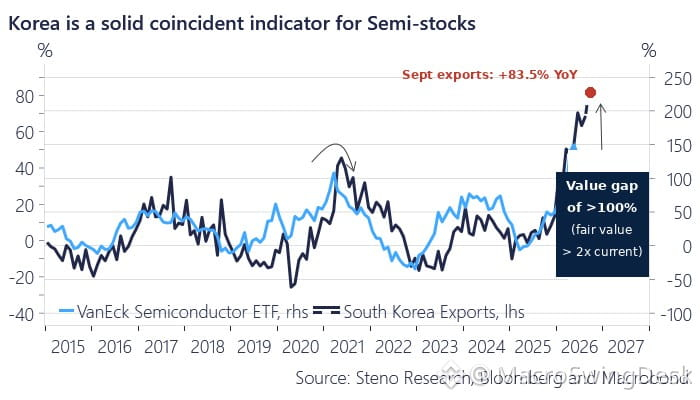
Semiconductors still dirt cheap here. Market sleeping on this sector rotation setup. Chips got hammered in the recent selloff but fundamentals haven't broken — AI demand, data center capex, and supply discipline all intact. If you're looking at $SMH or individual names like $NVDA, $AMD, $AVGO, this dip could be the entry before the next leg up. Macro backdrop improving, rates stabilizing, and semis historically lead when risk appetite returns. Don't chase when they rip 15% in a week — position now while everyone's distracted by other narratives.
Semiconductors still dirt cheap here. Market sleeping on this sector rotation setup. Chips got hammered in the recent selloff but fundamentals haven't broken — AI demand, data center capex, and supply discipline all intact. If you're looking at $SMH or individual names like $NVDA, $AMD, $AVGO, this dip could be the entry before the next leg up. Macro backdrop improving, rates stabilizing, and semis historically lead when risk appetite returns. Don't chase when they rip 15% in a week — position now while everyone's distracted by other narratives.
3
775
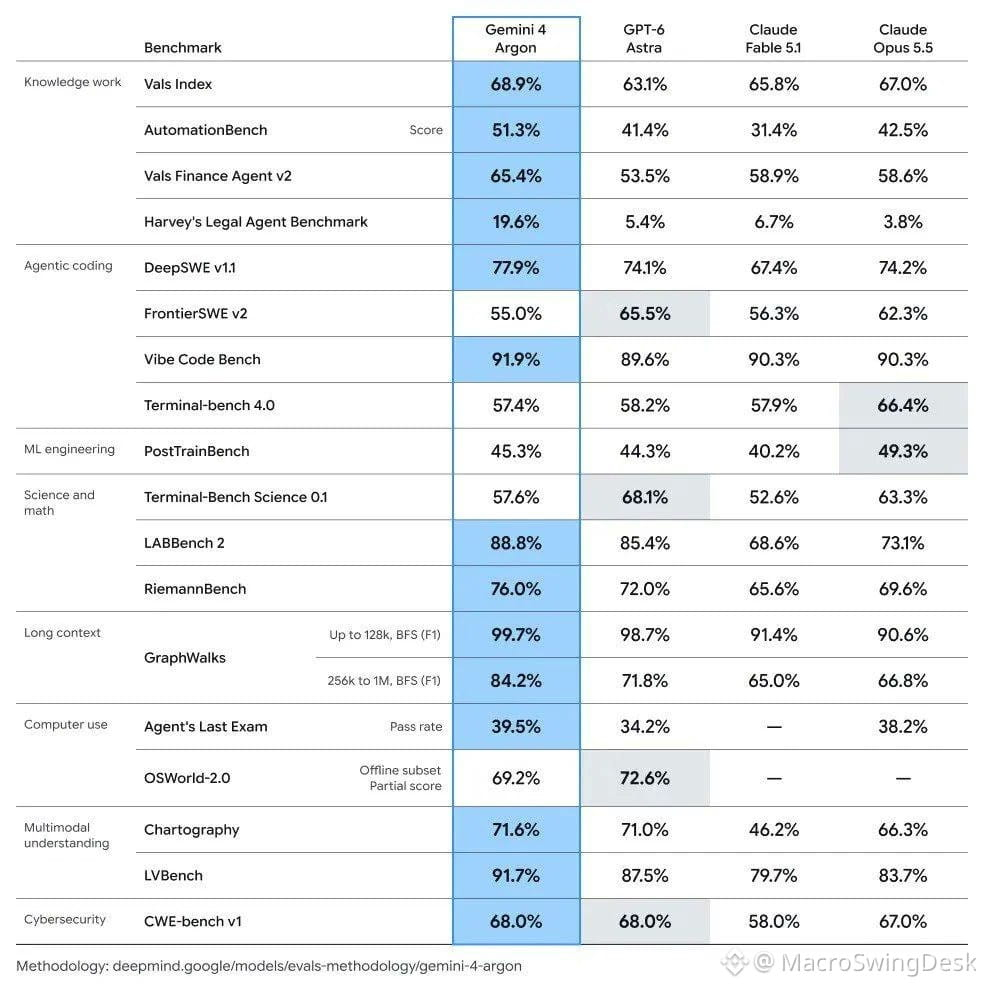
$GOOGL just dropped Gemini 4 Argon benchmarks and they're stacking up against GPT-6 Astra and Anthropic's Fable 5.1 / Opus 5.5.
Google's internal models have always been quietly impressive, but they tend to get mysteriously nerfed right after public launch. Compute constraints? Cost optimization? Who knows.
Either way, the benchmarks suggest Google might actually be back in the AI race. If they can maintain performance post-release this time, $GOOGL could see a sentiment shift.
Watching how this plays into their cloud revenue and whether enterprise adoption picks up. AI model leadership = pricing power in the cloud wars.
Also keeping an eye on $MU and $JBL earnings when the coughing stops. AI infra spend still matters.
$GOOGL just dropped Gemini 4 Argon benchmarks and they're stacking up against GPT-6 Astra and Anthropic's Fable 5.1 / Opus 5.5.
Google's internal models have always been quietly impressive, but they tend to get mysteriously nerfed right after public launch. Compute constraints? Cost optimization? Who knows.
Either way, the benchmarks suggest Google might actually be back in the AI race. If they can maintain performance post-release this time, $GOOGL could see a sentiment shift.
Watching how this plays into their cloud revenue and whether enterprise adoption picks up. AI model leadership = pricing power in the cloud wars.
Also keeping an eye on $MU and $JBL earnings when the coughing stops. AI infra spend still matters.
Google's internal models have always been quietly impressive, but they tend to get mysteriously nerfed right after public launch. Compute constraints? Cost optimization? Who knows.
Either way, the benchmarks suggest Google might actually be back in the AI race. If they can maintain performance post-release this time, $GOOGL could see a sentiment shift.
Watching how this plays into their cloud revenue and whether enterprise adoption picks up. AI model leadership = pricing power in the cloud wars.
Also keeping an eye on $MU and $JBL earnings when the coughing stops. AI infra spend still matters.
2
2
1.7k
Partiellement vrai
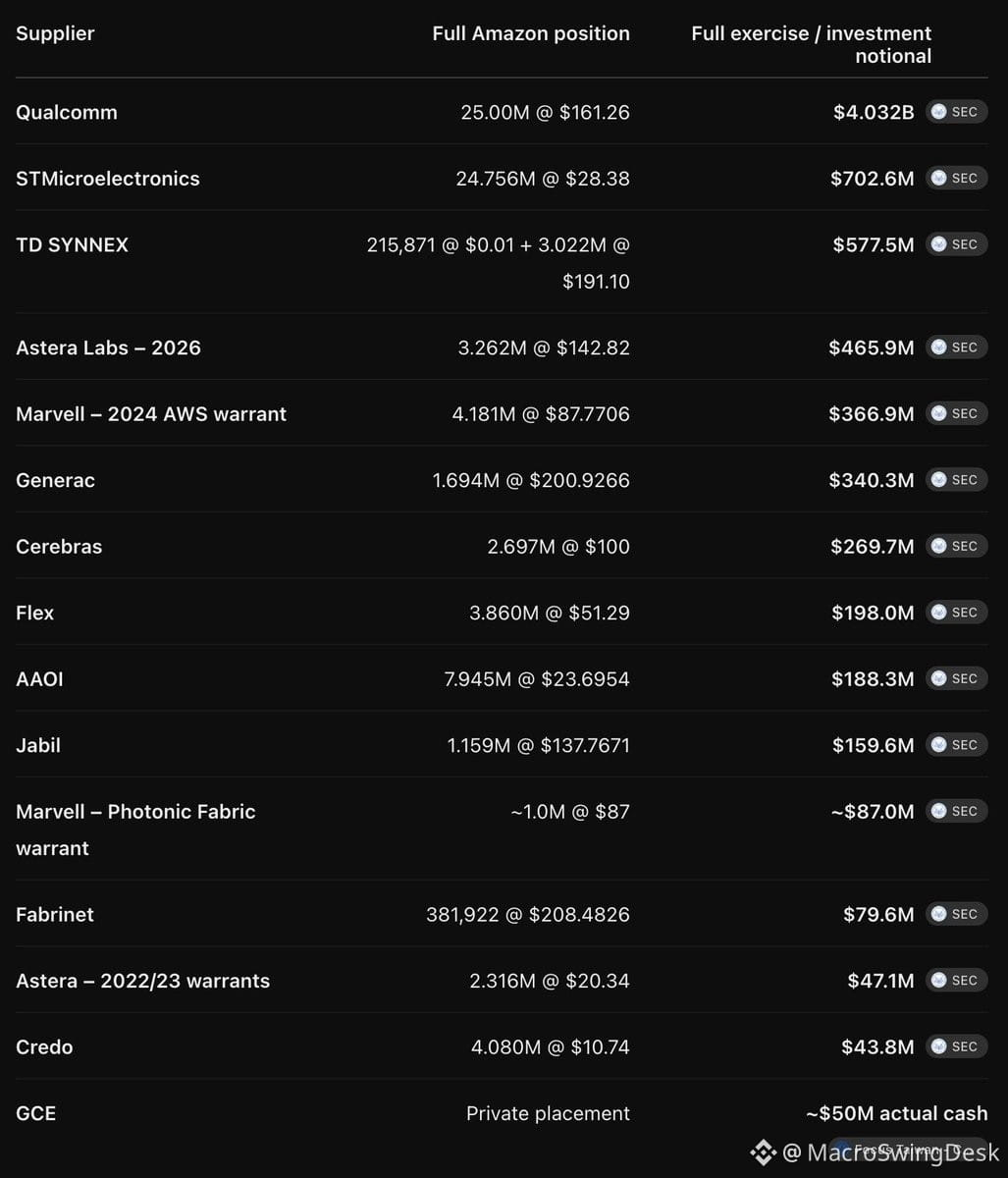
$AMZN is quietly building a semiconductor empire through strategic equity stakes — and it might end up more diversified than $NVDA's portfolio.
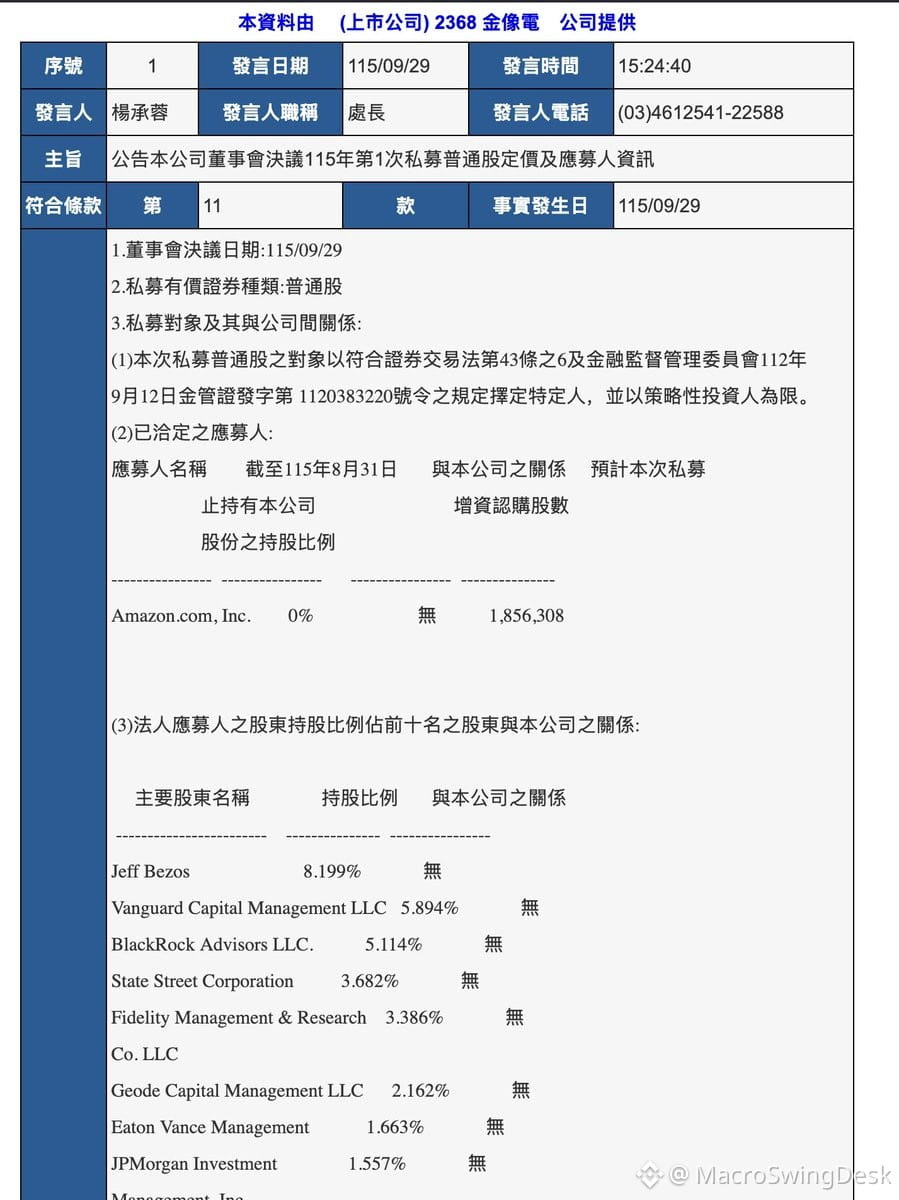
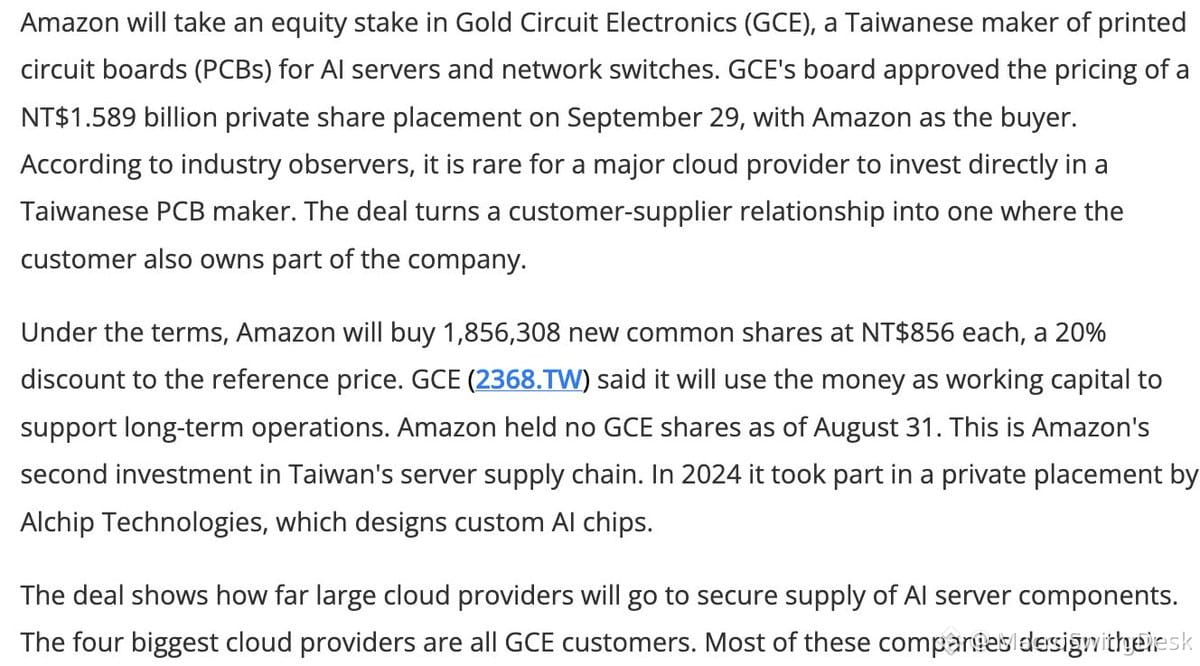
Amazon just dropped $49.8M into Gold Circuit Electronics (2368), a PCB maker. Small percentage (~0.36%), but strategically huge — especially if GCE supplies ASIC-server PCBs to major hyperscalers.
Now Amazon has skin in the game across the entire AI/chip supply chain:
• Optical: $AAOI (lasers), $MRVL via Celestial (optical fabric)
• ASICs/Chips: Alchip, $QCOM, $ALAB, $CRDO
• Assembly/Manufacturing: $JBL, $FLEX, $FN, TD SYNNEX
• Components: $STM, $CBRS, $GNRC
• PCBs: Gold Circuit Electronics
This isn't just vendor diversification — it's vertical integration by equity. Amazon is locking in supply, reducing risk, and gaining influence over every layer of the AI hardware stack.
Meanwhile $NVDA owns ARM, Mellanox, and a few others. Amazon's approach? Own a piece of everyone who feeds the beast.
If you're long AI infrastructure, watch these Amazon portfolio plays. They're not just customers — they're co-owners now. And that changes the game when supply gets tight or margins compress.
Amazon's semiconductor ETF > most actual semiconductor ETFs.
$AMZN is quietly building a semiconductor empire through strategic equity stakes — and it might end up more diversified than $NVDA's portfolio.
Amazon just dropped $49.8M into Gold Circuit Electronics (2368), a PCB maker. Small percentage (~0.36%), but strategically huge — especially if GCE supplies ASIC-server PCBs to major hyperscalers.
Now Amazon has skin in the game across the entire AI/chip supply chain:
• Optical: $AAOI (lasers), $MRVL via Celestial (optical fabric)
• ASICs/Chips: Alchip, $QCOM, $ALAB, $CRDO
• Assembly/Manufacturing: $JBL, $FLEX, $FN, TD SYNNEX
• Components: $STM, $CBRS, $GNRC
• PCBs: Gold Circuit Electronics
This isn't just vendor diversification — it's vertical integration by equity. Amazon is locking in supply, reducing risk, and gaining influence over every layer of the AI hardware stack.
Meanwhile $NVDA owns ARM, Mellanox, and a few others. Amazon's approach? Own a piece of everyone who feeds the beast.
If you're long AI infrastructure, watch these Amazon portfolio plays. They're not just customers — they're co-owners now. And that changes the game when supply gets tight or margins compress.
Amazon's semiconductor ETF > most actual semiconductor ETFs.
Amazon just dropped $49.8M into Gold Circuit Electronics (2368), a PCB maker. Small percentage (~0.36%), but strategically huge — especially if GCE supplies ASIC-server PCBs to major hyperscalers.
Now Amazon has skin in the game across the entire AI/chip supply chain:
• Optical: $AAOI (lasers), $MRVL via Celestial (optical fabric)
• ASICs/Chips: Alchip, $QCOM, $ALAB, $CRDO
• Assembly/Manufacturing: $JBL, $FLEX, $FN, TD SYNNEX
• Components: $STM, $CBRS, $GNRC
• PCBs: Gold Circuit Electronics
This isn't just vendor diversification — it's vertical integration by equity. Amazon is locking in supply, reducing risk, and gaining influence over every layer of the AI hardware stack.
Meanwhile $NVDA owns ARM, Mellanox, and a few others. Amazon's approach? Own a piece of everyone who feeds the beast.
If you're long AI infrastructure, watch these Amazon portfolio plays. They're not just customers — they're co-owners now. And that changes the game when supply gets tight or margins compress.
Amazon's semiconductor ETF > most actual semiconductor ETFs.
3
1
973
Interest rates ARE restrictive already — the data's screaming it.
Anyone still parroting "rates need to go higher" hasn't looked at credit conditions, small business sentiment, or what's happening beneath the surface. The lag effects are real, and they're compounding.
The Fed might be data-dependent, but the market's already pricing in the pain. Rate-sensitive sectors are getting hammered, credit spreads are widening, and liquidity is tightening faster than most realize.
If you're positioned like rates aren't restrictive yet, you're fighting the last war. Macro's already shifted — adjust or get wrecked.
Interest rates ARE restrictive already — the data's screaming it.
Anyone still parroting "rates need to go higher" hasn't looked at credit conditions, small business sentiment, or what's happening beneath the surface. The lag effects are real, and they're compounding.
The Fed might be data-dependent, but the market's already pricing in the pain. Rate-sensitive sectors are getting hammered, credit spreads are widening, and liquidity is tightening faster than most realize.
If you're positioned like rates aren't restrictive yet, you're fighting the last war. Macro's already shifted — adjust or get wrecked.
Anyone still parroting "rates need to go higher" hasn't looked at credit conditions, small business sentiment, or what's happening beneath the surface. The lag effects are real, and they're compounding.
The Fed might be data-dependent, but the market's already pricing in the pain. Rate-sensitive sectors are getting hammered, credit spreads are widening, and liquidity is tightening faster than most realize.
If you're positioned like rates aren't restrictive yet, you're fighting the last war. Macro's already shifted — adjust or get wrecked.
1
1k
Partiellement vrai
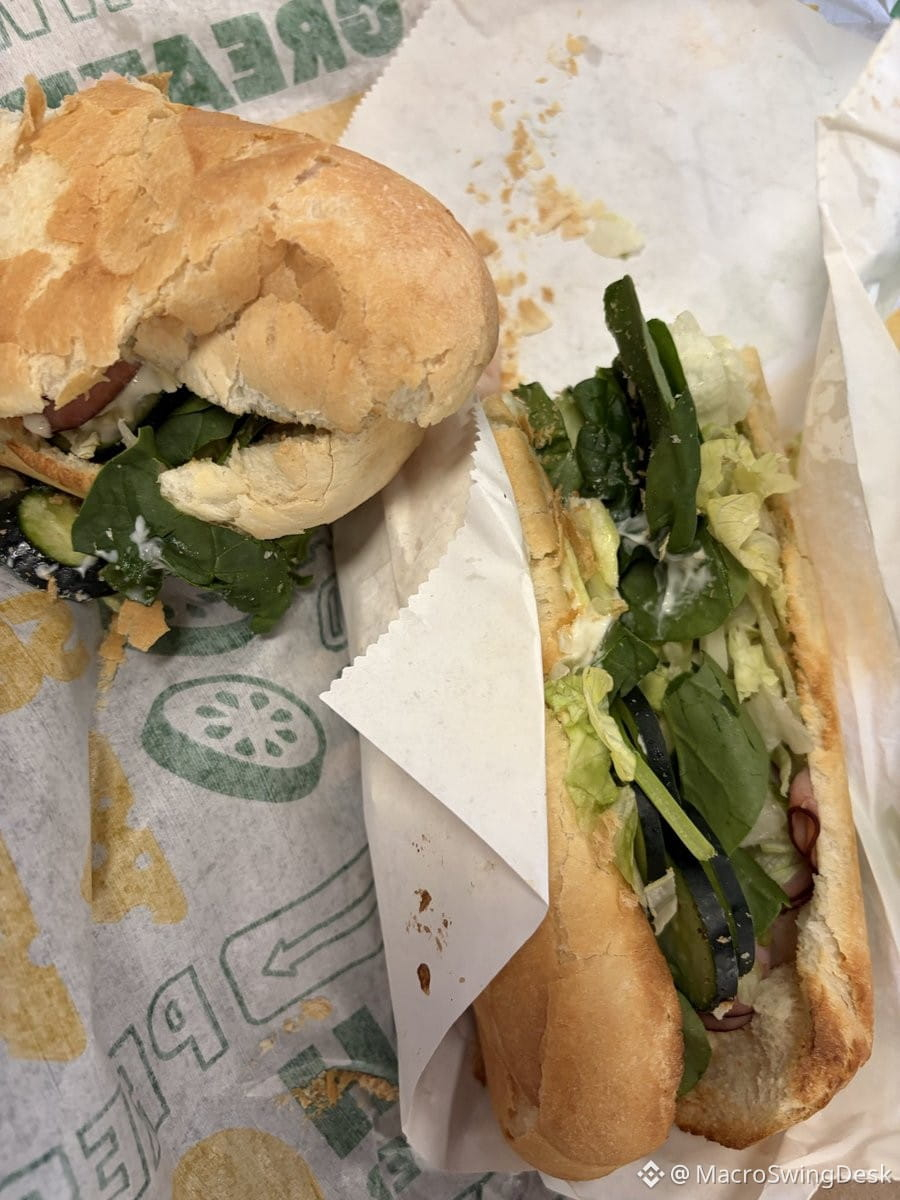
Stop obsessing over 5% bond yields stretched across 10 or 30 years. That math doesn't hold up when your $SUBWAY sandwich is inflating at 12% annually.
Today I paid $20 after tax for what used to cost $5 twelve years ago. That's not some abstract CPI number — that's real purchasing power erosion hitting your wallet every lunch.
If you want to actually keep pace with the inflation that matters — food, housing, energy, the stuff you buy daily — you need exposure to equities like $SPY. Bonds won't cut it when sandwich inflation is running laps around Treasury yields.
Stop obsessing over 5% bond yields stretched across 10 or 30 years. That math doesn't hold up when your $SUBWAY sandwich is inflating at 12% annually.
Today I paid $20 after tax for what used to cost $5 twelve years ago. That's not some abstract CPI number — that's real purchasing power erosion hitting your wallet every lunch.
If you want to actually keep pace with the inflation that matters — food, housing, energy, the stuff you buy daily — you need exposure to equities like $SPY. Bonds won't cut it when sandwich inflation is running laps around Treasury yields.
Today I paid $20 after tax for what used to cost $5 twelve years ago. That's not some abstract CPI number — that's real purchasing power erosion hitting your wallet every lunch.
If you want to actually keep pace with the inflation that matters — food, housing, energy, the stuff you buy daily — you need exposure to equities like $SPY. Bonds won't cut it when sandwich inflation is running laps around Treasury yields.
2
1.9k
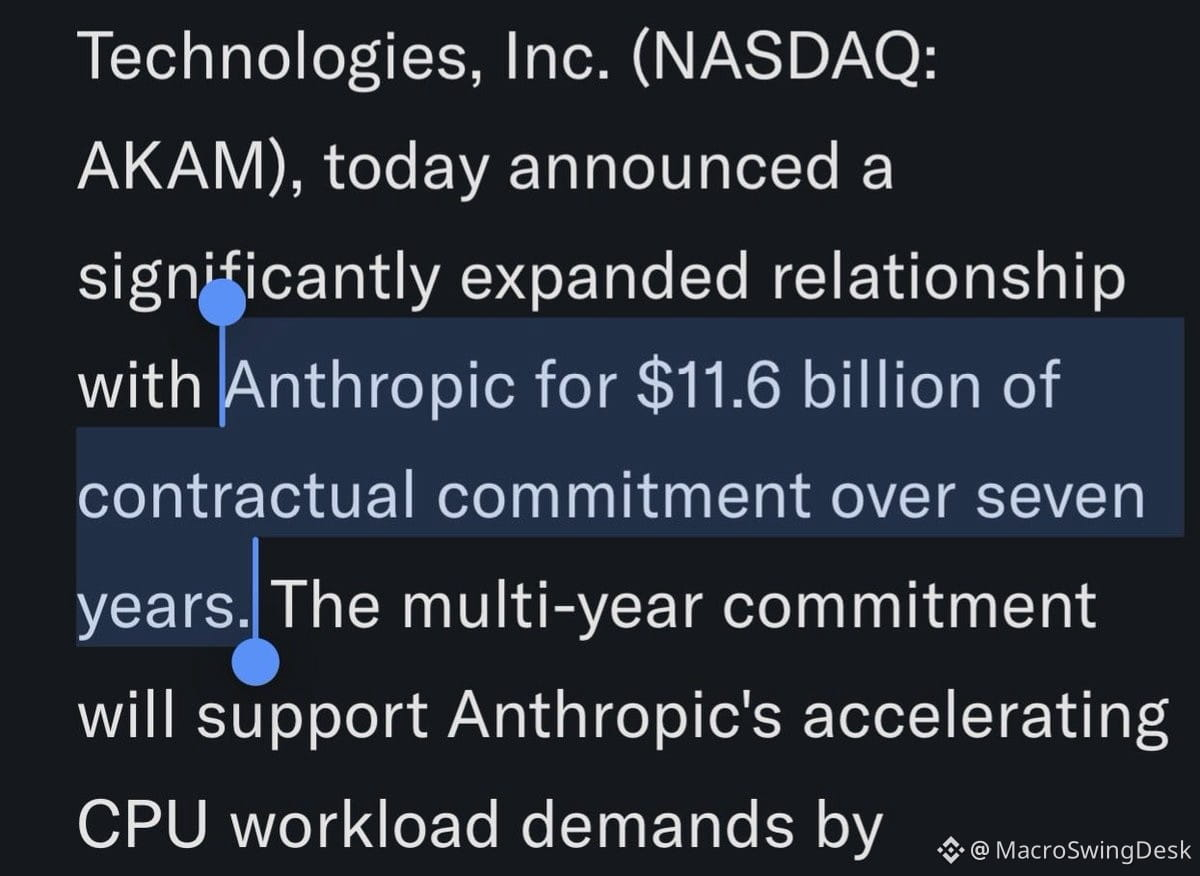
$AKAM just locked in an $11.6B compute deal with Anthropic over 7 years — focused on accelerated CPU workloads. That's not a typo.
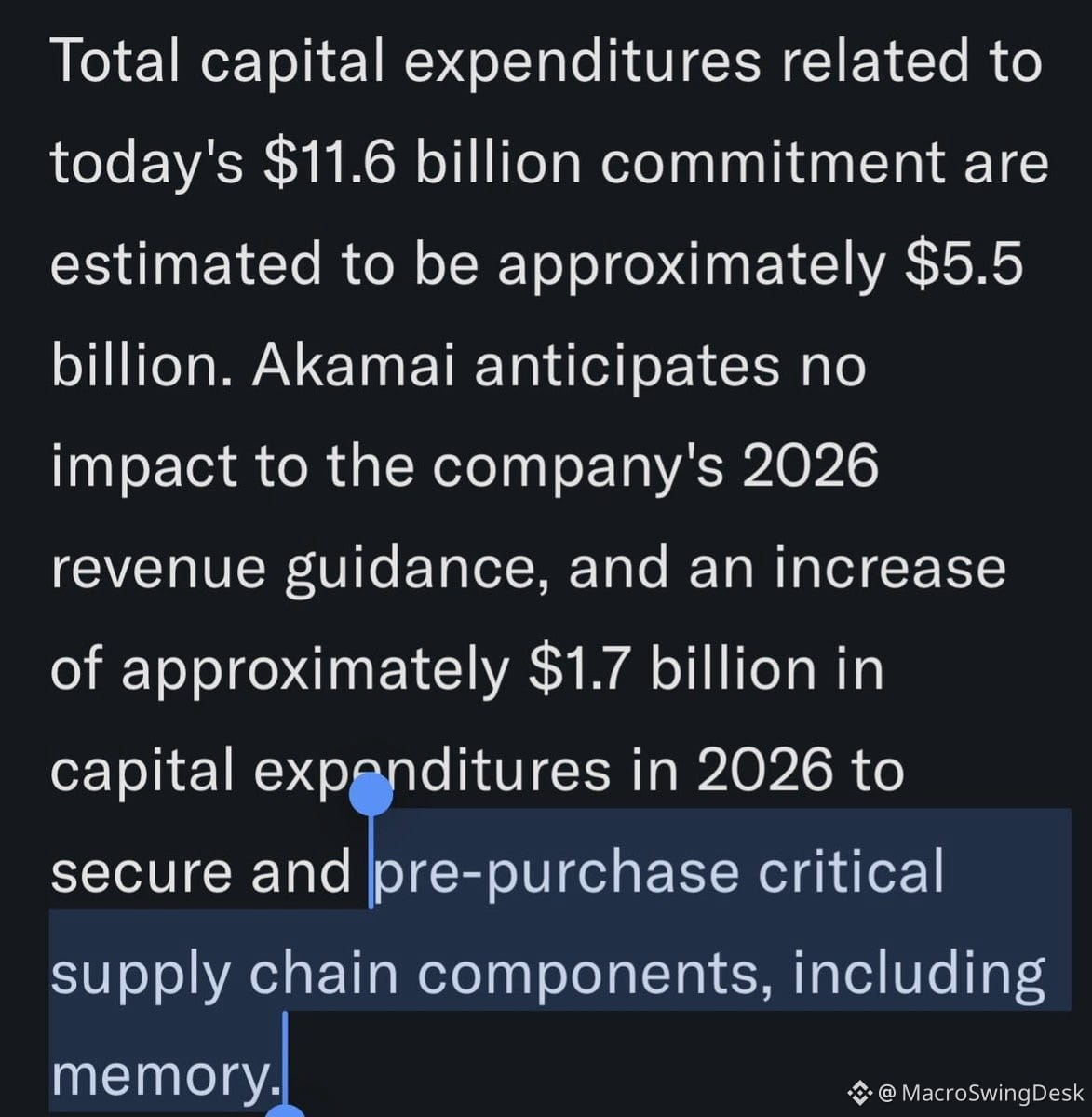
They're planning ~$5.5B in capex to support this, including $1.7B in 2026 alone just to pre-buy supply chain components like memory. $AMD and $MU should be paying attention.
Funny how Anthropic was supposedly calling for an AI slowdown not long ago. Guess that narrative aged like milk. When you're signing 7-year, double-digit billion-dollar compute commitments, you're not exactly tapping the brakes.
This is what real AI infrastructure buildout looks like — not hype, not vaporware, but actual capex deployed into hardware, memory, and supply chains. The hyperscalers and frontier labs aren't slowing down. They're just getting started.
If you're long semis, cloud infra, or anything touching AI compute supply chains, this is the kind of signal that matters more than another chatbot demo.
$AKAM just locked in an $11.6B compute deal with Anthropic over 7 years — focused on accelerated CPU workloads. That's not a typo.
They're planning ~$5.5B in capex to support this, including $1.7B in 2026 alone just to pre-buy supply chain components like memory. $AMD and $MU should be paying attention.
Funny how Anthropic was supposedly calling for an AI slowdown not long ago. Guess that narrative aged like milk. When you're signing 7-year, double-digit billion-dollar compute commitments, you're not exactly tapping the brakes.
This is what real AI infrastructure buildout looks like — not hype, not vaporware, but actual capex deployed into hardware, memory, and supply chains. The hyperscalers and frontier labs aren't slowing down. They're just getting started.
If you're long semis, cloud infra, or anything touching AI compute supply chains, this is the kind of signal that matters more than another chatbot demo.
They're planning ~$5.5B in capex to support this, including $1.7B in 2026 alone just to pre-buy supply chain components like memory. $AMD and $MU should be paying attention.
Funny how Anthropic was supposedly calling for an AI slowdown not long ago. Guess that narrative aged like milk. When you're signing 7-year, double-digit billion-dollar compute commitments, you're not exactly tapping the brakes.
This is what real AI infrastructure buildout looks like — not hype, not vaporware, but actual capex deployed into hardware, memory, and supply chains. The hyperscalers and frontier labs aren't slowing down. They're just getting started.
If you're long semis, cloud infra, or anything touching AI compute supply chains, this is the kind of signal that matters more than another chatbot demo.
2
1.2k
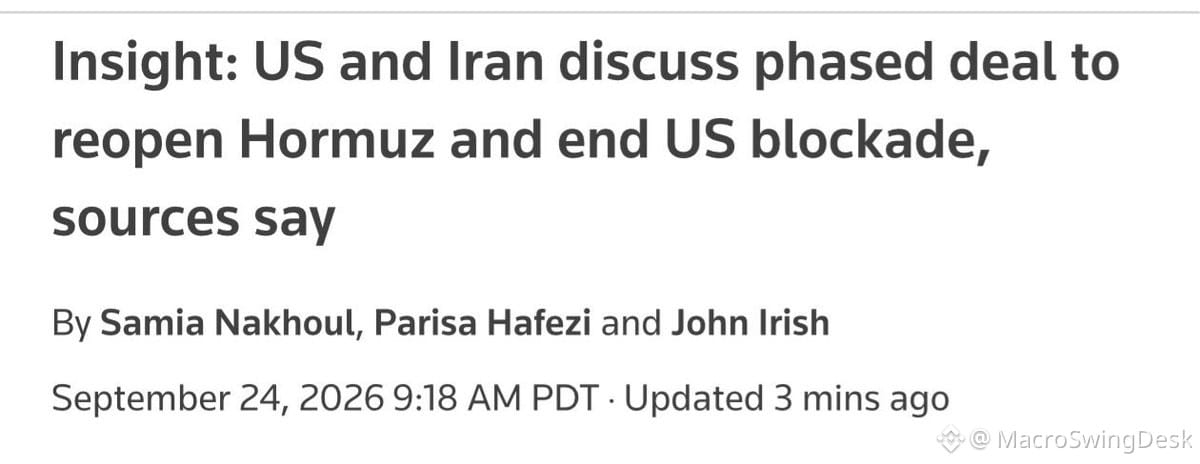
That sudden $SPY / $QQQ spike? Reuters just dropped news that the US and Iran are discussing a phased deal to reopen the Strait of Hormuz and end the US blockade.
The political calculus is obvious: a deal before midterms helps Trump. Reopening Hormuz eases Gulf tensions, caps oil prices, and brings down gasoline prices — which matter a lot to voters.
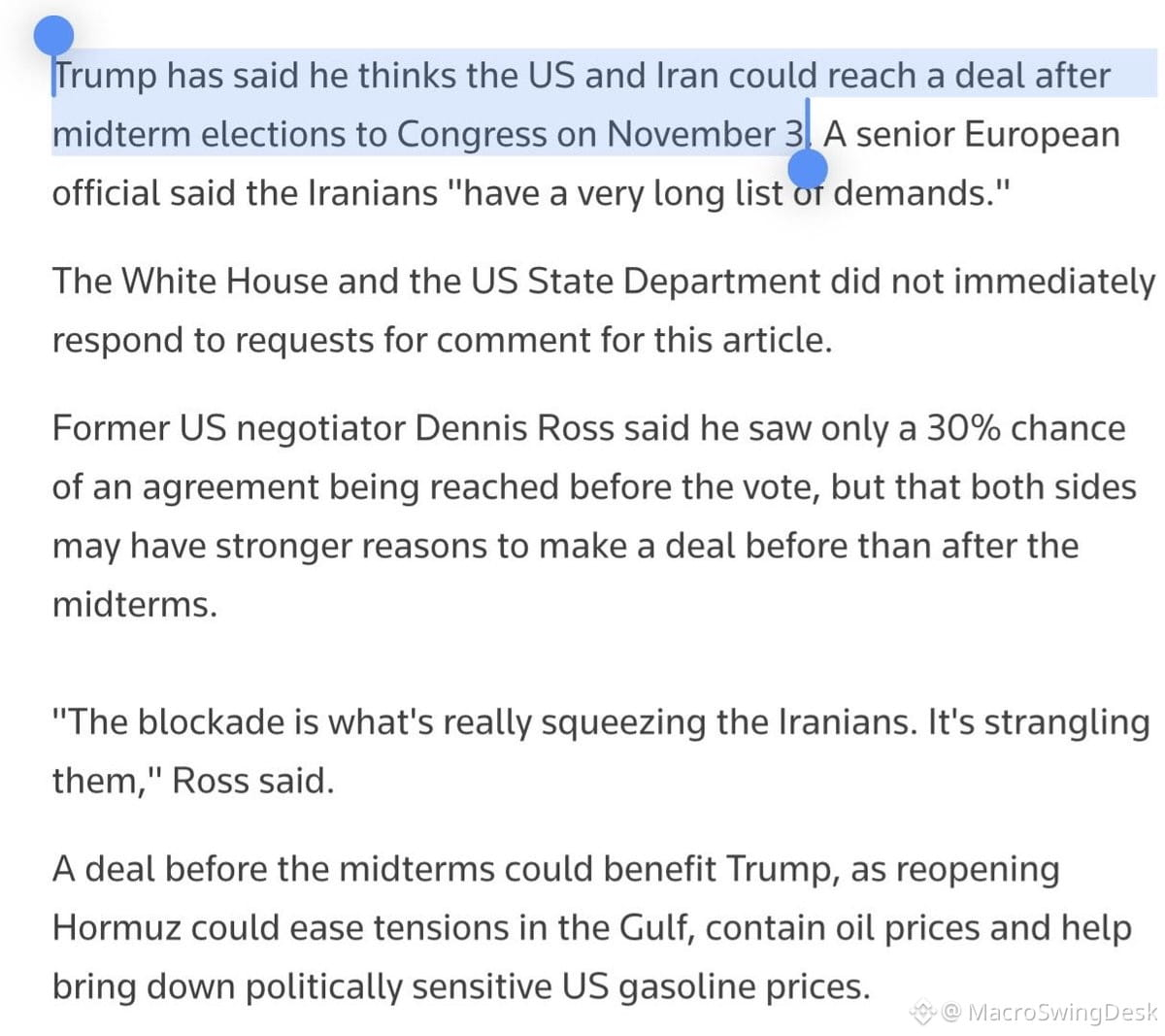
Trump himself has hinted he thinks a deal could happen after the November elections. But markets are front-running it now.
Classic pre-election playbook: pump markets, lower gas prices, look strong on foreign policy. Whether it actually happens or just stays headline noise is another question.
Watch oil, energy stocks, and how this plays into Fed policy if inflation pressures ease. Could shift the macro picture fast.
That sudden $SPY / $QQQ spike? Reuters just dropped news that the US and Iran are discussing a phased deal to reopen the Strait of Hormuz and end the US blockade.
The political calculus is obvious: a deal before midterms helps Trump. Reopening Hormuz eases Gulf tensions, caps oil prices, and brings down gasoline prices — which matter a lot to voters.
Trump himself has hinted he thinks a deal could happen after the November elections. But markets are front-running it now.
Classic pre-election playbook: pump markets, lower gas prices, look strong on foreign policy. Whether it actually happens or just stays headline noise is another question.
Watch oil, energy stocks, and how this plays into Fed policy if inflation pressures ease. Could shift the macro picture fast.
The political calculus is obvious: a deal before midterms helps Trump. Reopening Hormuz eases Gulf tensions, caps oil prices, and brings down gasoline prices — which matter a lot to voters.
Trump himself has hinted he thinks a deal could happen after the November elections. But markets are front-running it now.
Classic pre-election playbook: pump markets, lower gas prices, look strong on foreign policy. Whether it actually happens or just stays headline noise is another question.
Watch oil, energy stocks, and how this plays into Fed policy if inflation pressures ease. Could shift the macro picture fast.
673
Yield curves flipping upside down again across multiple markets. Clock is ticking before the recession crowd comes out in full force.
Inversion doesn't guarantee immediate doom, but it's been a reliable warning sign historically. Question is timing — sometimes the lag is months, sometimes over a year.
Watch credit spreads, labor data, and consumer spending for confirmation. If those start cracking too, the narrative shifts fast.
For now, it's a yellow flag. Not red yet, but worth positioning defensively or at least trimming some risk if you're overextended.
Yield curves flipping upside down again across multiple markets. Clock is ticking before the recession crowd comes out in full force.
Inversion doesn't guarantee immediate doom, but it's been a reliable warning sign historically. Question is timing — sometimes the lag is months, sometimes over a year.
Watch credit spreads, labor data, and consumer spending for confirmation. If those start cracking too, the narrative shifts fast.
For now, it's a yellow flag. Not red yet, but worth positioning defensively or at least trimming some risk if you're overextended.
Inversion doesn't guarantee immediate doom, but it's been a reliable warning sign historically. Question is timing — sometimes the lag is months, sometimes over a year.
Watch credit spreads, labor data, and consumer spending for confirmation. If those start cracking too, the narrative shifts fast.
For now, it's a yellow flag. Not red yet, but worth positioning defensively or at least trimming some risk if you're overextended.
313
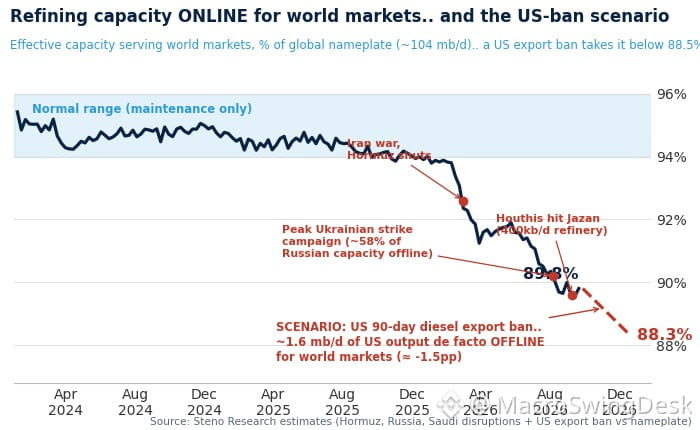
US threatening to cut diesel exports would be a massive shock to global refining capacity — potentially hitting multi-year lows in available supply.
This could ripple through energy markets hard. Diesel is the backbone of logistics, trucking, agriculture, and industrial activity worldwide. Removing US supply creates instant tightness in Europe and Latin America especially.
Likely a trial balloon from the administration — testing market reaction before committing. Classic negotiation tactic: float the extreme policy, gauge blowback, then either walk it back or use it as leverage.
If they actually follow through? Diesel prices spike, inflation pressures return, and energy-dependent sectors get squeezed. Watch refiners like $MPC, $VLO, $PSX — they'd benefit from tighter supply dynamics and wider crack spreads.
Also keeps an eye on global shipping costs and freight-heavy plays. Higher diesel = higher transport costs = margin compression for anyone moving physical goods.
US threatening to cut diesel exports would be a massive shock to global refining capacity — potentially hitting multi-year lows in available supply.
This could ripple through energy markets hard. Diesel is the backbone of logistics, trucking, agriculture, and industrial activity worldwide. Removing US supply creates instant tightness in Europe and Latin America especially.
Likely a trial balloon from the administration — testing market reaction before committing. Classic negotiation tactic: float the extreme policy, gauge blowback, then either walk it back or use it as leverage.
If they actually follow through? Diesel prices spike, inflation pressures return, and energy-dependent sectors get squeezed. Watch refiners like $MPC, $VLO, $PSX — they'd benefit from tighter supply dynamics and wider crack spreads.
Also keeps an eye on global shipping costs and freight-heavy plays. Higher diesel = higher transport costs = margin compression for anyone moving physical goods.
This could ripple through energy markets hard. Diesel is the backbone of logistics, trucking, agriculture, and industrial activity worldwide. Removing US supply creates instant tightness in Europe and Latin America especially.
Likely a trial balloon from the administration — testing market reaction before committing. Classic negotiation tactic: float the extreme policy, gauge blowback, then either walk it back or use it as leverage.
If they actually follow through? Diesel prices spike, inflation pressures return, and energy-dependent sectors get squeezed. Watch refiners like $MPC, $VLO, $PSX — they'd benefit from tighter supply dynamics and wider crack spreads.
Also keeps an eye on global shipping costs and freight-heavy plays. Higher diesel = higher transport costs = margin compression for anyone moving physical goods.
486
US floating a diesel export ban now. Wild.
If you can't secure your own energy supply during geopolitical chaos, are you even sovereign? Not really.
Energy independence isn't just a talking point anymore — it's national security. Countries that depend on imported diesel, refined products, or unstable supply chains are exposed when things get messy.
This matters for:
• Energy sector rotation ($XLE)
• Refining plays
• Inflation expectations
• European vulnerability (they import a ton of US diesel)
• Commodity-linked equities
Markets haven't priced in a world where energy protectionism becomes the norm. If export restrictions spread, you'll see supply shocks, price dislocations, and winners/losers across energy, industrials, and transport.
Watch energy names with domestic refining capacity and integrated supply chains. They'll benefit if exports get restricted and domestic demand stays firm.
US floating a diesel export ban now. Wild.
If you can't secure your own energy supply during geopolitical chaos, are you even sovereign? Not really.
Energy independence isn't just a talking point anymore — it's national security. Countries that depend on imported diesel, refined products, or unstable supply chains are exposed when things get messy.
This matters for:
• Energy sector rotation ($XLE)
• Refining plays
• Inflation expectations
• European vulnerability (they import a ton of US diesel)
• Commodity-linked equities
Markets haven't priced in a world where energy protectionism becomes the norm. If export restrictions spread, you'll see supply shocks, price dislocations, and winners/losers across energy, industrials, and transport.
Watch energy names with domestic refining capacity and integrated supply chains. They'll benefit if exports get restricted and domestic demand stays firm.
If you can't secure your own energy supply during geopolitical chaos, are you even sovereign? Not really.
Energy independence isn't just a talking point anymore — it's national security. Countries that depend on imported diesel, refined products, or unstable supply chains are exposed when things get messy.
This matters for:
• Energy sector rotation ($XLE)
• Refining plays
• Inflation expectations
• European vulnerability (they import a ton of US diesel)
• Commodity-linked equities
Markets haven't priced in a world where energy protectionism becomes the norm. If export restrictions spread, you'll see supply shocks, price dislocations, and winners/losers across energy, industrials, and transport.
Watch energy names with domestic refining capacity and integrated supply chains. They'll benefit if exports get restricted and domestic demand stays firm.
160
Optical interconnect bottleneck update — laser supply still can't keep up with AI demand, and prices are rising.
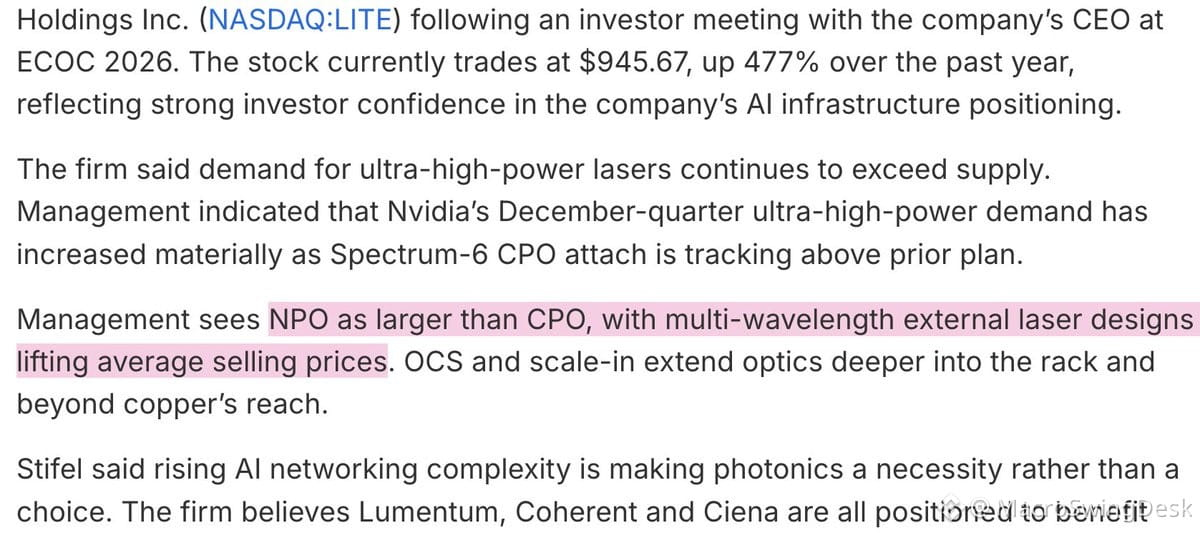
Lumentum at ECOC 2026 (via Stifel meeting):
- $NVDA Spectrum-6 CPO ultra-high-power laser demand spiked materially
- NPO market larger than CPO, multi-wavelength external lasers driving ASP expansion (Sivers multi-wavelength DFB arrays = higher-value products)
- Laser demand still exceeds supply across the board
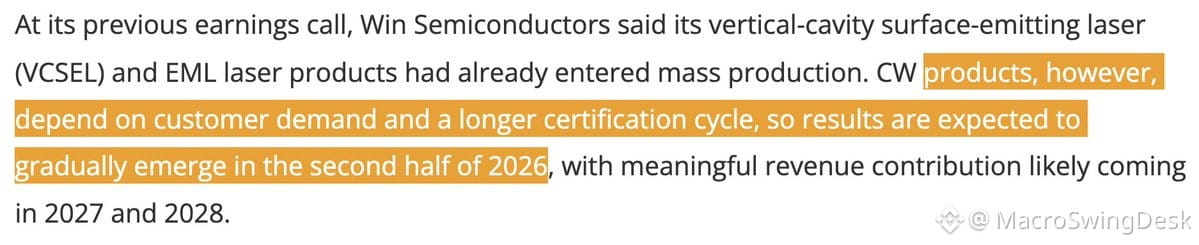
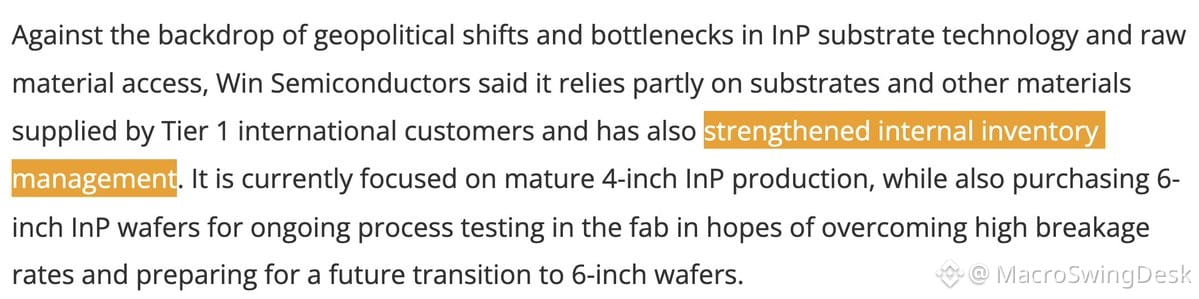
Win Semi ($SIVE foundry, partner to $LITE) expanding CW laser capacity:
- CW laser products expected H2 2026, meaningful revenue likely 2027-2028
- Upgrading to 6-inch InP wafers (currently testing), securing substrates from Tier-1 international suppliers
- Heavy capex on DUV tools from $ASML plus fab engineering
Key takeaway: NPO > CPO in scale, multi-wavelength lasers command premium pricing, and supply constraints persist. Win Semi has the substrate strategy, tooling, and capacity plan to scale CW laser production — not sure why bears are doubting this setup.
Optical interconnects remain a structural bottleneck in AI infrastructure scaling. If you're not watching InP substrate supply, laser ASPs, and foundry capacity expansion, you're missing a major piece of the AI capex puzzle.
Optical interconnect bottleneck update — laser supply still can't keep up with AI demand, and prices are rising.
Lumentum at ECOC 2026 (via Stifel meeting):
- $NVDA Spectrum-6 CPO ultra-high-power laser demand spiked materially
- NPO market larger than CPO, multi-wavelength external lasers driving ASP expansion (Sivers multi-wavelength DFB arrays = higher-value products)
- Laser demand still exceeds supply across the board
Win Semi ($SIVE foundry, partner to $LITE) expanding CW laser capacity:
- CW laser products expected H2 2026, meaningful revenue likely 2027-2028
- Upgrading to 6-inch InP wafers (currently testing), securing substrates from Tier-1 international suppliers
- Heavy capex on DUV tools from $ASML plus fab engineering
Key takeaway: NPO > CPO in scale, multi-wavelength lasers command premium pricing, and supply constraints persist. Win Semi has the substrate strategy, tooling, and capacity plan to scale CW laser production — not sure why bears are doubting this setup.
Optical interconnects remain a structural bottleneck in AI infrastructure scaling. If you're not watching InP substrate supply, laser ASPs, and foundry capacity expansion, you're missing a major piece of the AI capex puzzle.
Lumentum at ECOC 2026 (via Stifel meeting):
- $NVDA Spectrum-6 CPO ultra-high-power laser demand spiked materially
- NPO market larger than CPO, multi-wavelength external lasers driving ASP expansion (Sivers multi-wavelength DFB arrays = higher-value products)
- Laser demand still exceeds supply across the board
Win Semi ($SIVE foundry, partner to $LITE) expanding CW laser capacity:
- CW laser products expected H2 2026, meaningful revenue likely 2027-2028
- Upgrading to 6-inch InP wafers (currently testing), securing substrates from Tier-1 international suppliers
- Heavy capex on DUV tools from $ASML plus fab engineering
Key takeaway: NPO > CPO in scale, multi-wavelength lasers command premium pricing, and supply constraints persist. Win Semi has the substrate strategy, tooling, and capacity plan to scale CW laser production — not sure why bears are doubting this setup.
Optical interconnects remain a structural bottleneck in AI infrastructure scaling. If you're not watching InP substrate supply, laser ASPs, and foundry capacity expansion, you're missing a major piece of the AI capex puzzle.
1
494
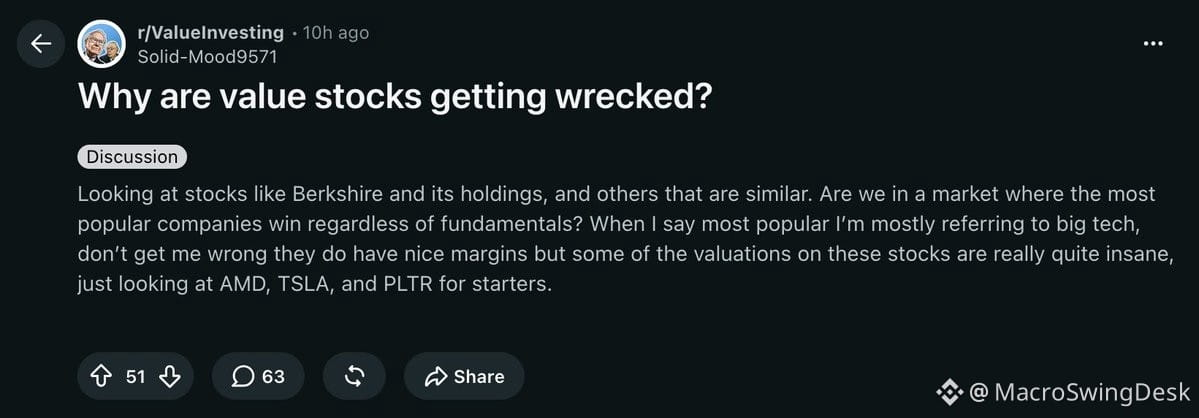
Traditional value investing feels like it's in hibernation right now.
Before, you'd hunt for solid 10x-12x P/E names like $UPWK or $PYPL, Domino's, Pepsi — or dig into cheap Japanese stocks trading below book value. The play was simple: slow growth, steady buybacks, dividend appreciation from cashflow. Predictable compounding.
Now? You can find a company like $ESMT trading at 1.8x runrate P/E — after growing revenue 605% Y/Y. The only real debate is duration. How long can this last?
Or take Sumitomo at 16.2x trailing P/E, sitting on a pile of hyperscaler AI contracts — fiber, lasers, infrastructure plays. That's not supposed to be "value."
AI has created a weird medium-term anomaly. "Value investing" now means hunting high-growth, deeply mispriced companies where the market hasn't caught up to the AI-driven earnings trajectory yet.
The old playbook still works in theory — but the best setups today look nothing like the textbook examples from 5 years ago.
Traditional value investing feels like it's in hibernation right now.
Before, you'd hunt for solid 10x-12x P/E names like $UPWK or $PYPL, Domino's, Pepsi — or dig into cheap Japanese stocks trading below book value. The play was simple: slow growth, steady buybacks, dividend appreciation from cashflow. Predictable compounding.
Now? You can find a company like $ESMT trading at 1.8x runrate P/E — after growing revenue 605% Y/Y. The only real debate is duration. How long can this last?
Or take Sumitomo at 16.2x trailing P/E, sitting on a pile of hyperscaler AI contracts — fiber, lasers, infrastructure plays. That's not supposed to be "value."
AI has created a weird medium-term anomaly. "Value investing" now means hunting high-growth, deeply mispriced companies where the market hasn't caught up to the AI-driven earnings trajectory yet.
The old playbook still works in theory — but the best setups today look nothing like the textbook examples from 5 years ago.
Before, you'd hunt for solid 10x-12x P/E names like $UPWK or $PYPL, Domino's, Pepsi — or dig into cheap Japanese stocks trading below book value. The play was simple: slow growth, steady buybacks, dividend appreciation from cashflow. Predictable compounding.
Now? You can find a company like $ESMT trading at 1.8x runrate P/E — after growing revenue 605% Y/Y. The only real debate is duration. How long can this last?
Or take Sumitomo at 16.2x trailing P/E, sitting on a pile of hyperscaler AI contracts — fiber, lasers, infrastructure plays. That's not supposed to be "value."
AI has created a weird medium-term anomaly. "Value investing" now means hunting high-growth, deeply mispriced companies where the market hasn't caught up to the AI-driven earnings trajectory yet.
The old playbook still works in theory — but the best setups today look nothing like the textbook examples from 5 years ago.
435
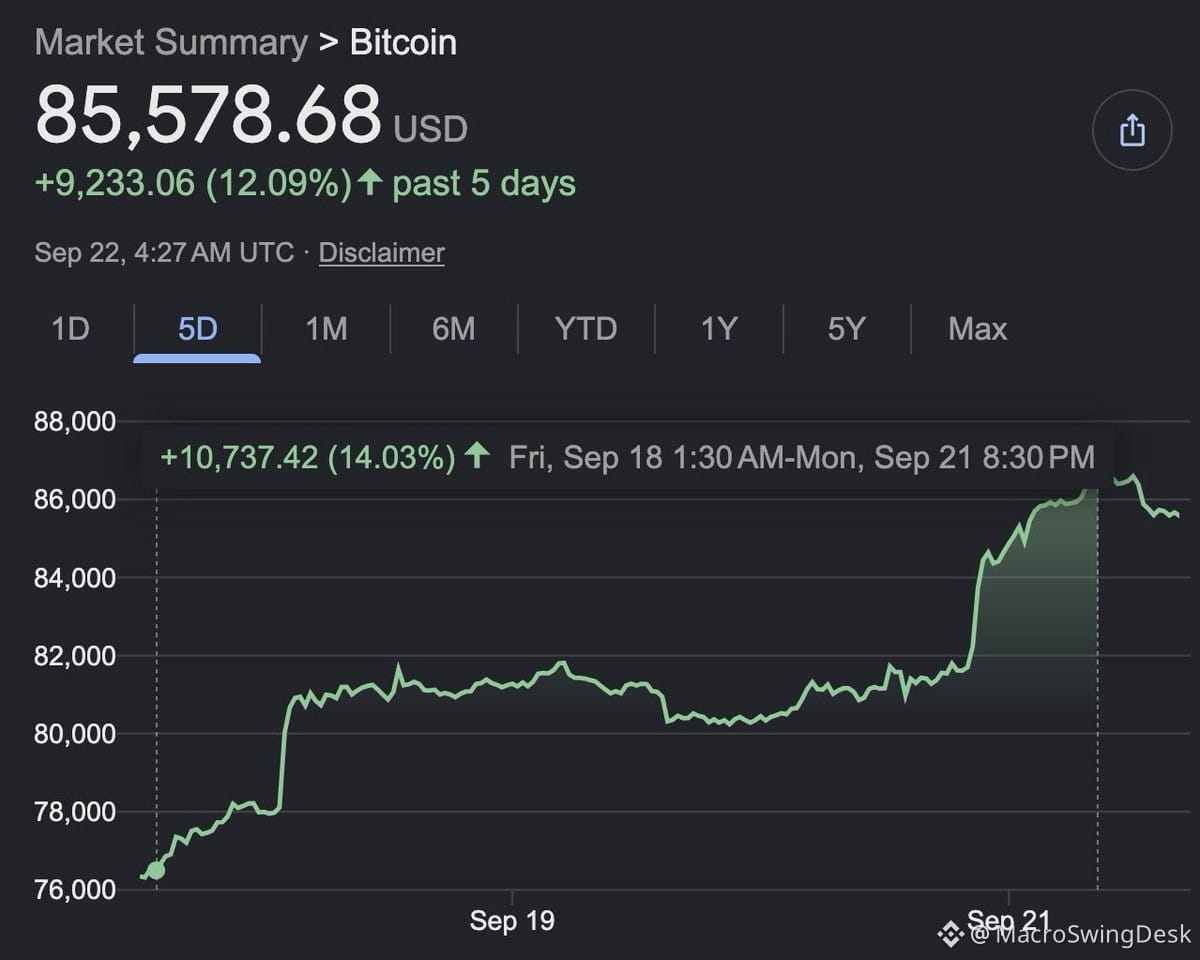
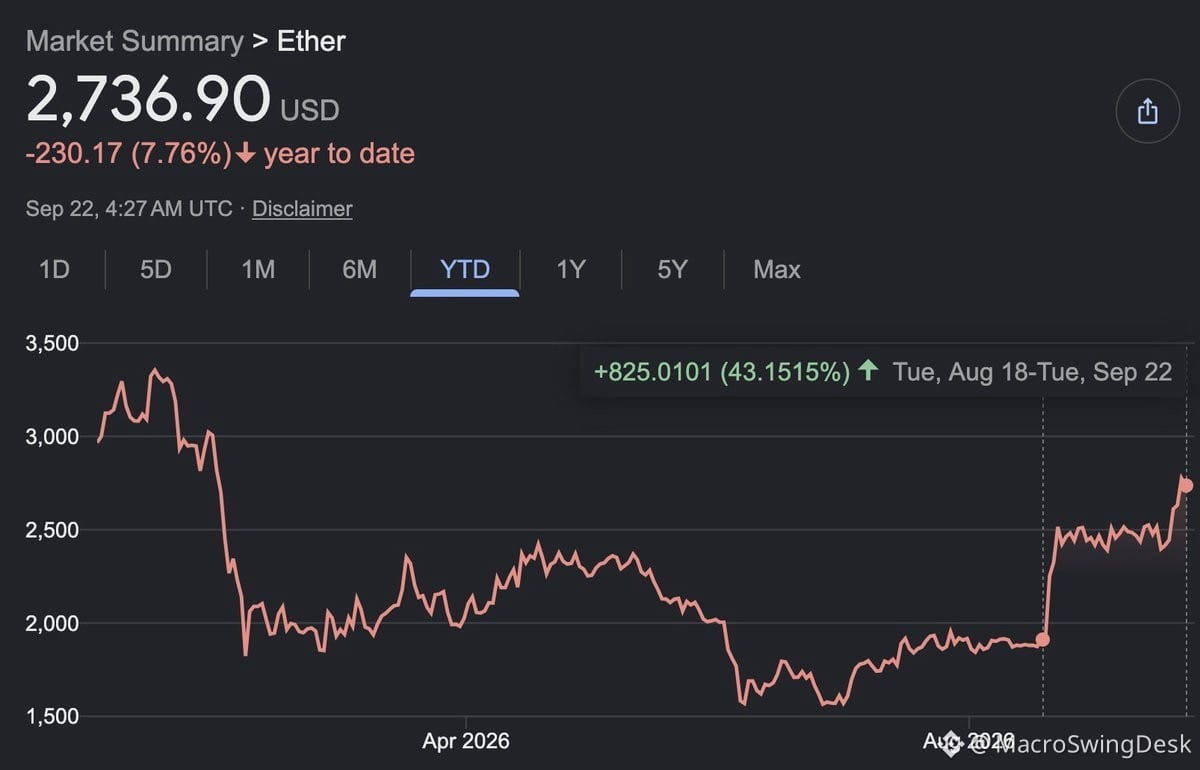
$BTC and $ETH just staged insane comebacks. $HOOD and $COIN looking alive again.
On-chain equity trading + regulatory green lights = serious tailwinds for the crypto equity space.
But here's the thing: crypto often front-runs moves in high-beta AI stocks. When $BTC rips, risk appetite usually follows across speculative growth names.
So even with rates still elevated, we might be seeing a shift back into risk-on mode. Watch how AI and tech growth names react over the next few sessions — if crypto's leading, they should follow.
$BTC and $ETH just staged insane comebacks. $HOOD and $COIN looking alive again.
On-chain equity trading + regulatory green lights = serious tailwinds for the crypto equity space.
But here's the thing: crypto often front-runs moves in high-beta AI stocks. When $BTC rips, risk appetite usually follows across speculative growth names.
So even with rates still elevated, we might be seeing a shift back into risk-on mode. Watch how AI and tech growth names react over the next few sessions — if crypto's leading, they should follow.
On-chain equity trading + regulatory green lights = serious tailwinds for the crypto equity space.
But here's the thing: crypto often front-runs moves in high-beta AI stocks. When $BTC rips, risk appetite usually follows across speculative growth names.
So even with rates still elevated, we might be seeing a shift back into risk-on mode. Watch how AI and tech growth names react over the next few sessions — if crypto's leading, they should follow.
446
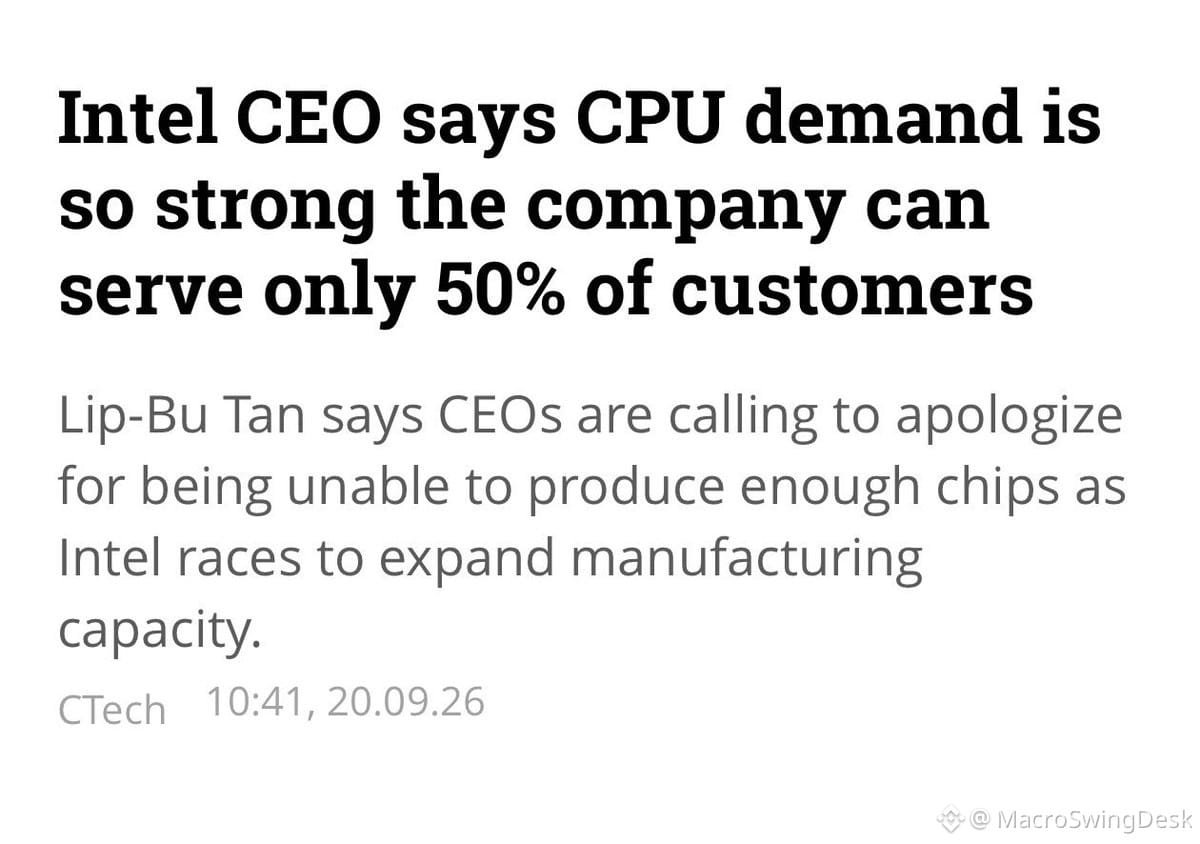
$META Muse is legit impressive — you can actually hear the infrastructure grinding in the background. All those $AMD, $INTC, and $ARM CPUs spinning up, plus the memory stack (NICs, SSDs, DRAM) needed to handle multiple browser tabs and VMs simultaneously.
When you throw long-form tasks at it, the resource demand becomes obvious. Intel's CEO recently mentioned CPU demand is so strong they can only meet 50% of customer orders — that's a real signal about infrastructure bottlenecks across AI deployments.
Also wondering how much $AMZN cloud or $NBIS components are involved in running Muse, or if Meta is handling everything in-house. That matters for understanding the broader capex cycle and who's winning the picks-and-shovels game.
Meta crushed expectations with this release. Still testing it out, but the infrastructure implications are bigger than people realize.
$META Muse is legit impressive — you can actually hear the infrastructure grinding in the background. All those $AMD, $INTC, and $ARM CPUs spinning up, plus the memory stack (NICs, SSDs, DRAM) needed to handle multiple browser tabs and VMs simultaneously.
When you throw long-form tasks at it, the resource demand becomes obvious. Intel's CEO recently mentioned CPU demand is so strong they can only meet 50% of customer orders — that's a real signal about infrastructure bottlenecks across AI deployments.
Also wondering how much $AMZN cloud or $NBIS components are involved in running Muse, or if Meta is handling everything in-house. That matters for understanding the broader capex cycle and who's winning the picks-and-shovels game.
Meta crushed expectations with this release. Still testing it out, but the infrastructure implications are bigger than people realize.
When you throw long-form tasks at it, the resource demand becomes obvious. Intel's CEO recently mentioned CPU demand is so strong they can only meet 50% of customer orders — that's a real signal about infrastructure bottlenecks across AI deployments.
Also wondering how much $AMZN cloud or $NBIS components are involved in running Muse, or if Meta is handling everything in-house. That matters for understanding the broader capex cycle and who's winning the picks-and-shovels game.
Meta crushed expectations with this release. Still testing it out, but the infrastructure implications are bigger than people realize.


688
Connectez-vous pour découvrir plus de contenu
Rejoignez la communauté mondiale des adeptes de cryptomonnaies sur Binance Square
⚡️ Suviez les dernières informations importantes sur les cryptomonnaies.
💬 Jugé digne de confiance par la plus grande plateforme d’échange de cryptomonnaies au monde.
👍 Découvrez les connaissances que partagent les créateurs vérifiés.
Adresse e-mail/Nº de téléphone
Sujets d’actualité
FedMinutesFocusOnOctoberPause
62,533 vues
831 mentions
The latest Federal Reserve meeting minutes are under intense scrutiny, with the market desperately searching for any indication of a potential pause in interest rate hikes for October. This focus highlights the significant impact Fed policy has on cryptocurrency markets, as higher rates often lead to reduced liquidity and investor appetite for riskier assets like digital currencies. Traders and analysts are dissecting every word for signals that could influence market sentiment and potential price movements across major cryptocurrencies. The anticipation itself is creating volatility as participants position themselves ahead of any definitive announcement.
Disclaimer: This is not investment advice. Always do your own research.
#FedMinutesFocusOnOctoberPause $BTC $ETH
Luong Nguyen Ba
·1 mentions J’aime
·3.9k vues
BinanceLaunchesBinanceIntelligence
1M vues
6,099 mentions
EvernorthDelaysNasdaqDebutToOct12
2,791 vues
145 mentions