

J A S M I N E
5.2k Publications
J A S M I N E
Signaler
Bloquer l’utilisateur
Ouvert au trading
Trade occasionnellement
4.4 an(s)
157 Suivis
4.5K+ Abonnés
9.4K+ J’aime
Publications
Portefeuille
Tous
Citations
Vidéos
PINNED
2025 Market Prediction: 🔥🚀🚀
🚀 Bitcoin (BTC): $125,000
🚀 Ethereum (ETH): $9,000
🚀 Cardano (ADA): $4.00
🚀 Polygon (MATIC): $3.50
🚀 Avalanche (AVAX): $180
🚀 Polkadot (DOT): $25
🚀 Shiba Inu (SHIB): $0.000015
🚀 Arbitrum (ARB): $10
🚀 Decentraland (MANA): $6
🚀 Trump Coin (TRUMP): $0.9
🚀 Solana (SOL): $300
#VoteToListOnBinance $BTC
2025 Market Prediction: 🔥🚀🚀
🚀 Bitcoin (BTC): $125,000
🚀 Ethereum (ETH): $9,000
🚀 Cardano (ADA): $4.00
🚀 Polygon (MATIC): $3.50
🚀 Avalanche (AVAX): $180
🚀 Polkadot (DOT): $25
🚀 Shiba Inu (SHIB): $0.000015
🚀 Arbitrum (ARB): $10
🚀 Decentraland (MANA): $6
🚀 Trump Coin (TRUMP): $0.9
🚀 Solana (SOL): $300
#VoteToListOnBinance $BTC
🚀 Bitcoin (BTC): $125,000
🚀 Ethereum (ETH): $9,000
🚀 Cardano (ADA): $4.00
🚀 Polygon (MATIC): $3.50
🚀 Avalanche (AVAX): $180
🚀 Polkadot (DOT): $25
🚀 Shiba Inu (SHIB): $0.000015
🚀 Arbitrum (ARB): $10
🚀 Decentraland (MANA): $6
🚀 Trump Coin (TRUMP): $0.9
🚀 Solana (SOL): $300
#VoteToListOnBinance $BTC
120
83
353
454.6k
PINNED
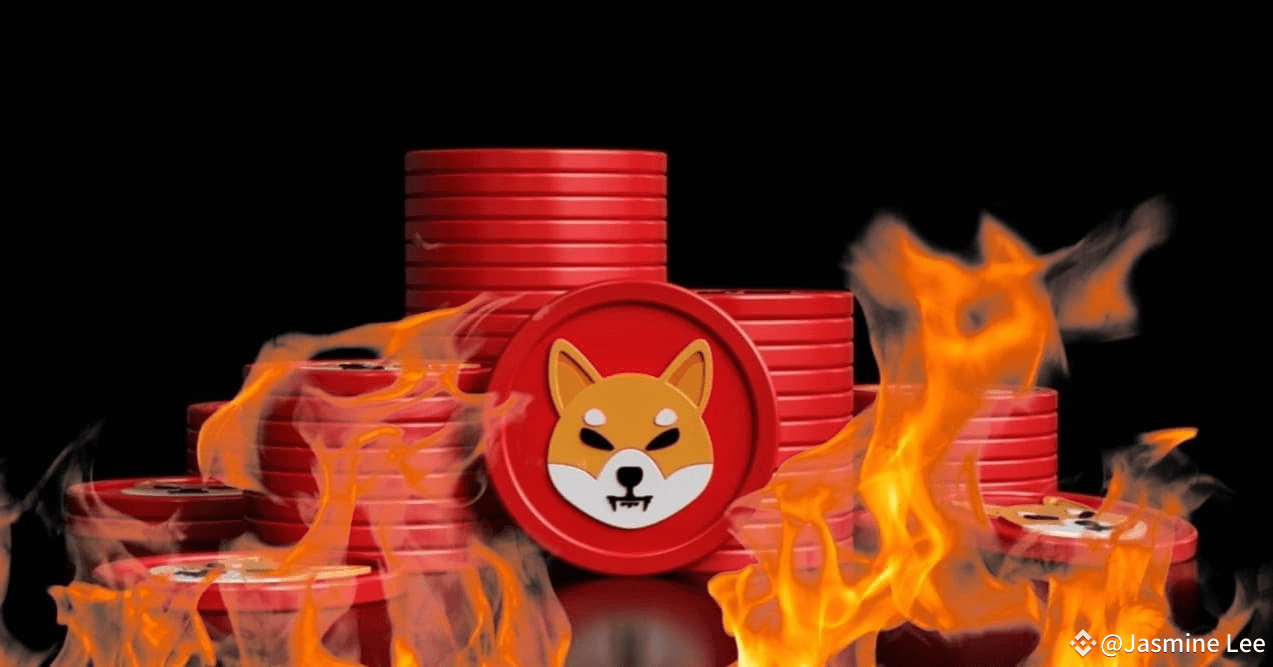
$SHIB HIB's burn strategy is 🔥! Key facts:
1. Vitalik Buterin burned 410T $SHIB in 2021.
2. Shibarium burns $SHIB per transaction.
3. Daily burns: millions to billions of tokens.
Buy zones:
- $0.00001-$0.000015 (accumulation)
- $0.000025-$0.00003 (momentum)
Long-term upside potential, but $0.01 requires 99% supply reduction. Are you buying the dip or waiting for more burns?
$SHIB HIB's burn strategy is 🔥! Key facts:
1. Vitalik Buterin burned 410T $SHIB in 2021.
2. Shibarium burns $SHIB per transaction.
3. Daily burns: millions to billions of tokens.
Buy zones:
- $0.00001-$0.000015 (accumulation)
- $0.000025-$0.00003 (momentum)
Long-term upside potential, but $0.01 requires 99% supply reduction. Are you buying the dip or waiting for more burns?
1. Vitalik Buterin burned 410T $SHIB in 2021.
2. Shibarium burns $SHIB per transaction.
3. Daily burns: millions to billions of tokens.
Buy zones:
- $0.00001-$0.000015 (accumulation)
- $0.000025-$0.00003 (momentum)
Long-term upside potential, but $0.01 requires 99% supply reduction. Are you buying the dip or waiting for more burns?

29
20
151
79.9k
What if the next phase of AI runs on phones instead of massive data centers?
That’s the direction Acurast is exploring with System One, bringing AI workloads to a decentralized network of connected smartphones.
From spam filtering and content moderation to request routing and prompt safety, the goal is to handle tasks quickly while keeping privacy in focus.
⚡ Open models
⚡ Distributed computing
⚡ Decision-making in as little as 0.2 seconds
AI infrastructure doesn’t have to depend entirely on centralized servers.
There’s another way to grow, using the devices already in our hands.
$ACU is bringing a different perspective to the future of decentralized AI.
#Acurast
What if the next phase of AI runs on phones instead of massive data centers?
That’s the direction Acurast is exploring with System One, bringing AI workloads to a decentralized network of connected smartphones.
From spam filtering and content moderation to request routing and prompt safety, the goal is to handle tasks quickly while keeping privacy in focus.
⚡ Open models
⚡ Distributed computing
⚡ Decision-making in as little as 0.2 seconds
AI infrastructure doesn’t have to depend entirely on centralized servers.
There’s another way to grow, using the devices already in our hands.
$ACU is bringing a different perspective to the future of decentralized AI.
#Acurast
That’s the direction Acurast is exploring with System One, bringing AI workloads to a decentralized network of connected smartphones.
From spam filtering and content moderation to request routing and prompt safety, the goal is to handle tasks quickly while keeping privacy in focus.
⚡ Open models
⚡ Distributed computing
⚡ Decision-making in as little as 0.2 seconds
AI infrastructure doesn’t have to depend entirely on centralized servers.
There’s another way to grow, using the devices already in our hands.
$ACU is bringing a different perspective to the future of decentralized AI.
#Acurast
5
5
116
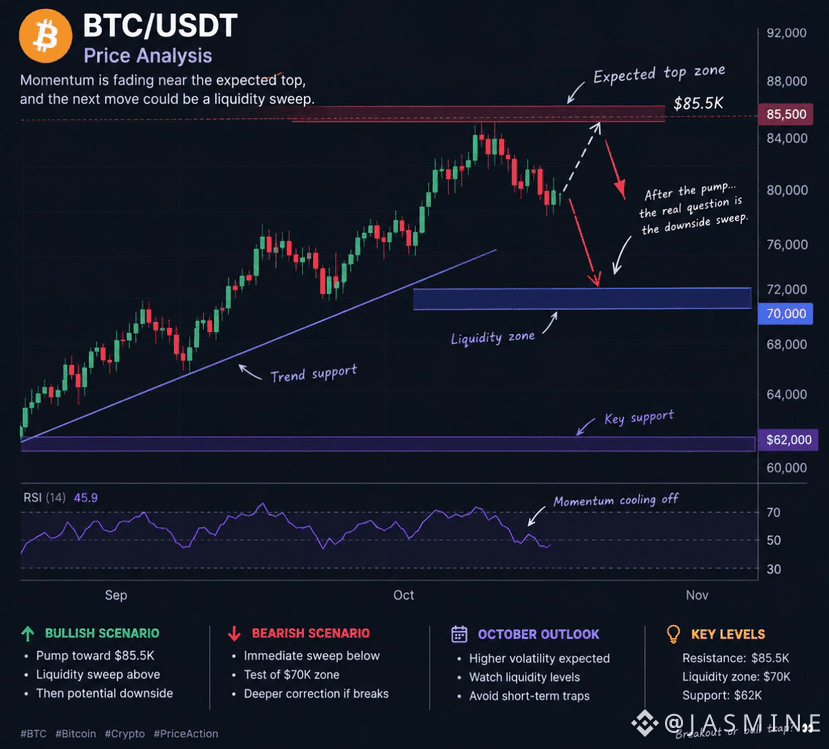
$BTC might give the bulls one last taste of hope before the real game begins 🔥
A pump toward $85.5K could pull everyone back in, but what if it’s just liquidity bait before the next downside sweep?
October could get brutal if this setup plays out. Smart money watches liquidity while retail celebrates every green candle.
One question: breakout incoming or bull trap loading? 👀
#BTC #Bitcoin #CryptoTradin
$BTC might give the bulls one last taste of hope before the real game begins 🔥
A pump toward $85.5K could pull everyone back in, but what if it’s just liquidity bait before the next downside sweep?
October could get brutal if this setup plays out. Smart money watches liquidity while retail celebrates every green candle.
One question: breakout incoming or bull trap loading? 👀
#BTC #Bitcoin #CryptoTradin
A pump toward $85.5K could pull everyone back in, but what if it’s just liquidity bait before the next downside sweep?
October could get brutal if this setup plays out. Smart money watches liquidity while retail celebrates every green candle.
One question: breakout incoming or bull trap loading? 👀
#BTC #Bitcoin #CryptoTradin
74
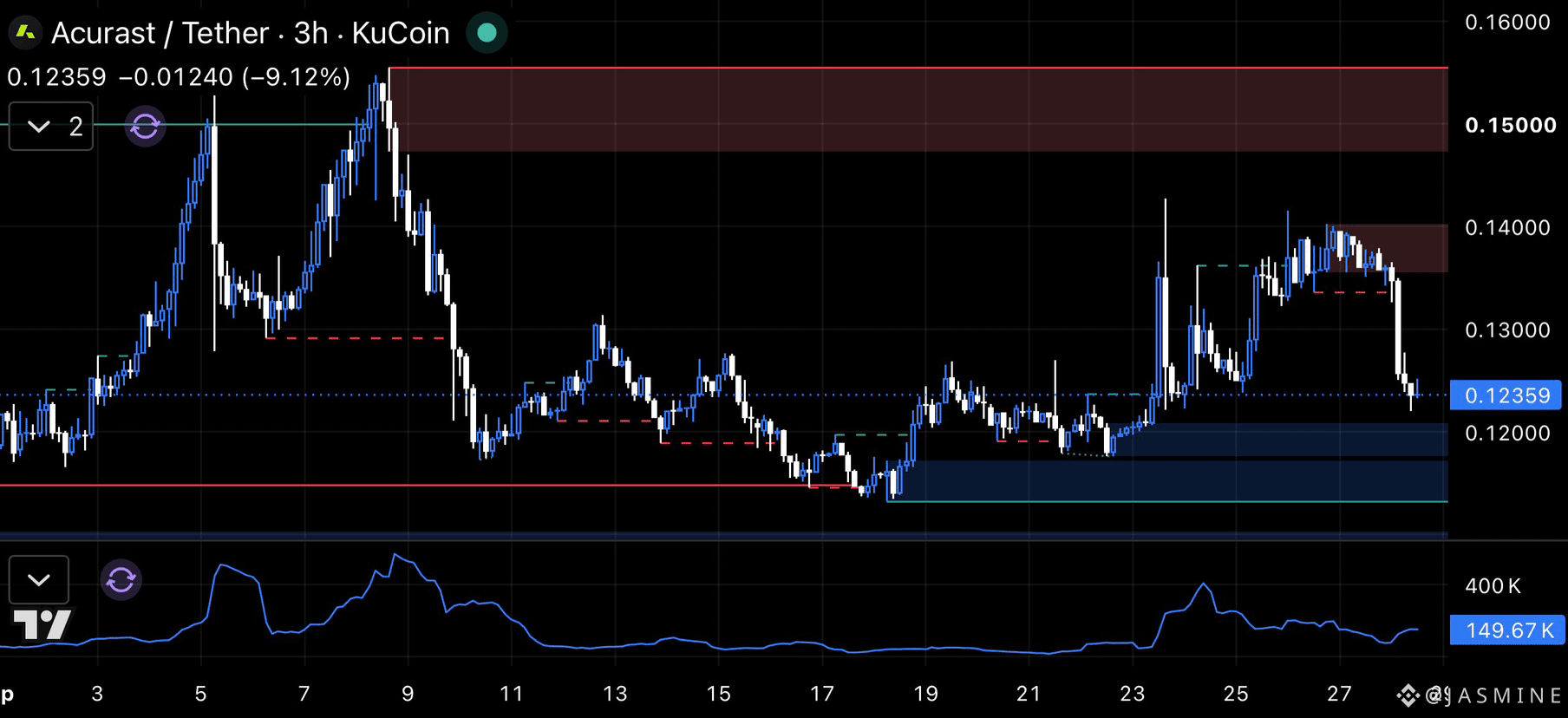
$ACU is holding strong around $0.1235 after a healthy pullback from the $0.1400 supply zone 🔥
The $0.1180–$0.1200 area remains an important demand zone, and buyers are showing potential strength here.
If this support continues to hold, $0.1400 could come back into focus soon. The setup remains promising as long as $ACU stays above key support.
Keeping a close eye on $ACU as it prepares for its next move
$ACU is holding strong around $0.1235 after a healthy pullback from the $0.1400 supply zone 🔥
The $0.1180–$0.1200 area remains an important demand zone, and buyers are showing potential strength here.
If this support continues to hold, $0.1400 could come back into focus soon. The setup remains promising as long as $ACU stays above key support.
Keeping a close eye on $ACU as it prepares for its next move
The $0.1180–$0.1200 area remains an important demand zone, and buyers are showing potential strength here.
If this support continues to hold, $0.1400 could come back into focus soon. The setup remains promising as long as $ACU stays above key support.
Keeping a close eye on $ACU as it prepares for its next move
6
6
164
Token2049 week in Singapore is always full of energy!! 🇸🇬
#Acurast and #BeldexCoin are hosting an evening at The Vantage together with EAK, Sigma VC and The Best Event.
A chance to meet people from across the space, have some good conversations and enjoy the Marina Bay view.
If you’re around for Token2049, come through.
Spots are limited.
$ACU 💚
{future}(ACUUSDT)
Token2049 week in Singapore is always full of energy!! 🇸🇬
#Acurast and #BeldexCoin are hosting an evening at The Vantage together with EAK, Sigma VC and The Best Event.
A chance to meet people from across the space, have some good conversations and enjoy the Marina Bay view.
If you’re around for Token2049, come through.
Spots are limited.
$ACU 💚
#Acurast and #BeldexCoin are hosting an evening at The Vantage together with EAK, Sigma VC and The Best Event.
A chance to meet people from across the space, have some good conversations and enjoy the Marina Bay view.
If you’re around for Token2049, come through.
Spots are limited.
$ACU 💚

5
5
172
·
--
Haussier
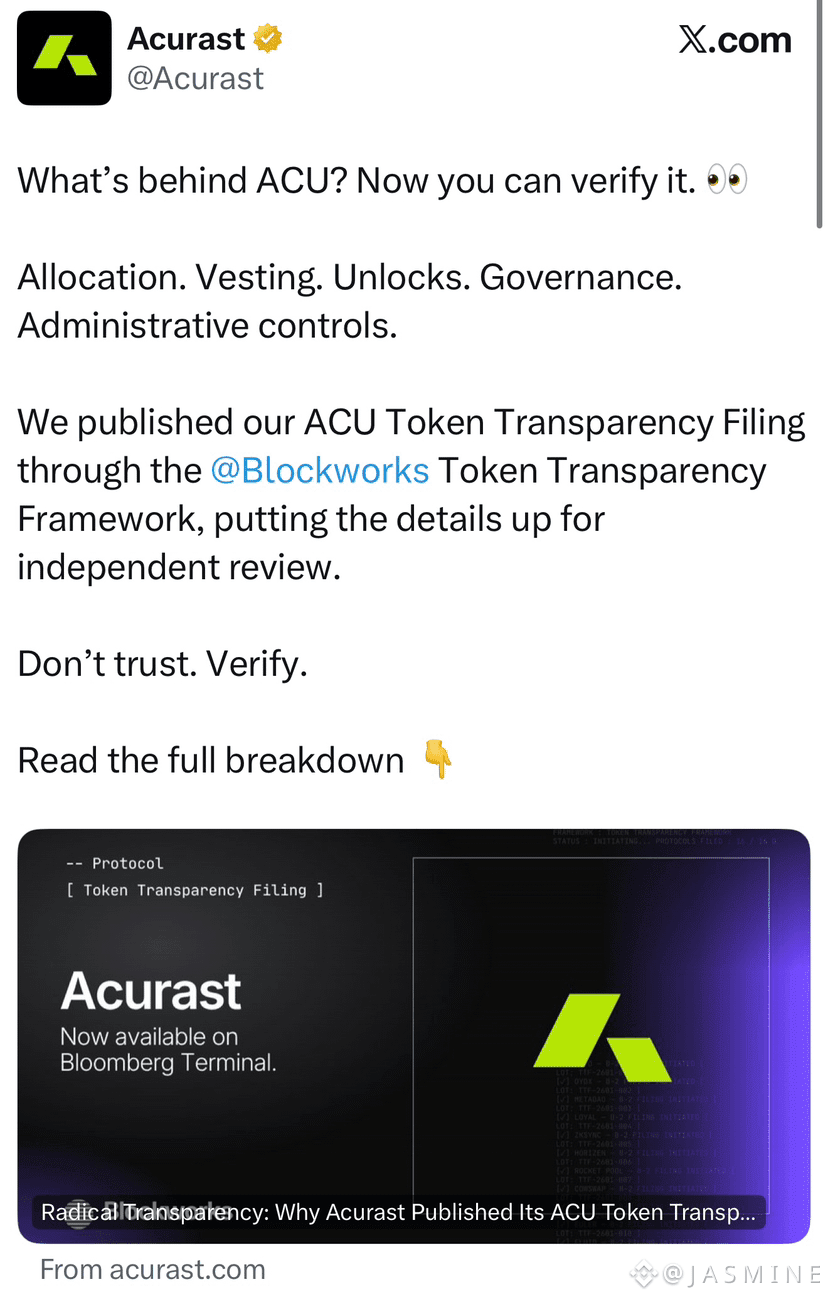
$ACU is putting more of its token details on the table.
Acurast has released its Token Transparency Filing through the Blockworks framework, making key information easier to find and review.
It covers everything from token allocation and vesting to unlocks, governance, holder rights and administrative controls.
That matters because understanding the structure behind a token is just as important as watching the price.
More information, fewer assumptions.
Now it’s up to the community to dig in and verify the details.
$ACU is putting more of its token details on the table.
Acurast has released its Token Transparency Filing through the Blockworks framework, making key information easier to find and review.
It covers everything from token allocation and vesting to unlocks, governance, holder rights and administrative controls.
That matters because understanding the structure behind a token is just as important as watching the price.
More information, fewer assumptions.
Now it’s up to the community to dig in and verify the details.
Acurast has released its Token Transparency Filing through the Blockworks framework, making key information easier to find and review.
It covers everything from token allocation and vesting to unlocks, governance, holder rights and administrative controls.
That matters because understanding the structure behind a token is just as important as watching the price.
More information, fewer assumptions.
Now it’s up to the community to dig in and verify the details.
11
7
84
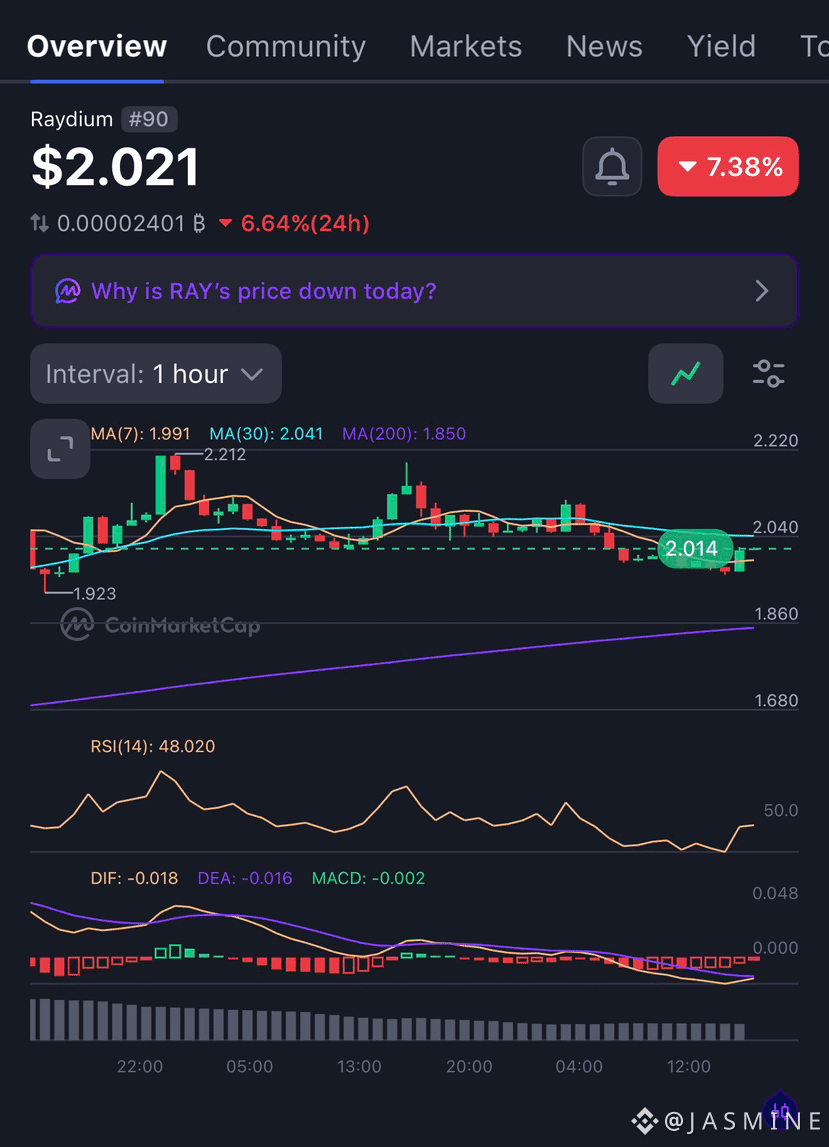
$RAY RAY is taking a breather on the 1H chart, trading around $2.02 after a 7.38% pullback. 📊
• Price is hovering around the MA(7) & MA(30) zone
• MA(200) sits near $1.85 as the key lower support
• RSI has cooled back to around 48, keeping momentum neutral 👀
Is this just healthy consolidation, or could we see another leg lower?
What’s your setup here? 👇
#Raydium #RAY #Solana #Crypto #Trading
$RAY RAY is taking a breather on the 1H chart, trading around $2.02 after a 7.38% pullback. 📊
• Price is hovering around the MA(7) & MA(30) zone
• MA(200) sits near $1.85 as the key lower support
• RSI has cooled back to around 48, keeping momentum neutral 👀
Is this just healthy consolidation, or could we see another leg lower?
What’s your setup here? 👇
#Raydium #RAY #Solana #Crypto #Trading
• Price is hovering around the MA(7) & MA(30) zone
• MA(200) sits near $1.85 as the key lower support
• RSI has cooled back to around 48, keeping momentum neutral 👀
Is this just healthy consolidation, or could we see another leg lower?
What’s your setup here? 👇
#Raydium #RAY #Solana #Crypto #Trading
1
1
278
Tokenized stocks just hit a $3.6B market cap, up 22.4% 📈
Leading the RWA race:
🥇 BNB Chain — $1.03B
🥈 Ethereum — $783M
🥉 Solana — $740M
Tokenized equities are clearly gaining momentum.
Which chain do you think will lead the next phase of tokenized stocks? 👀
#Crypto #RWA #BNBChain #Ethereum #Solana
Tokenized stocks just hit a $3.6B market cap, up 22.4% 📈
Leading the RWA race:
🥇 BNB Chain — $1.03B
🥈 Ethereum — $783M
🥉 Solana — $740M
Tokenized equities are clearly gaining momentum.
Which chain do you think will lead the next phase of tokenized stocks? 👀
#Crypto #RWA #BNBChain #Ethereum #Solana
Leading the RWA race:
🥇 BNB Chain — $1.03B
🥈 Ethereum — $783M
🥉 Solana — $740M
Tokenized equities are clearly gaining momentum.
Which chain do you think will lead the next phase of tokenized stocks? 👀
#Crypto #RWA #BNBChain #Ethereum #Solana
1
146
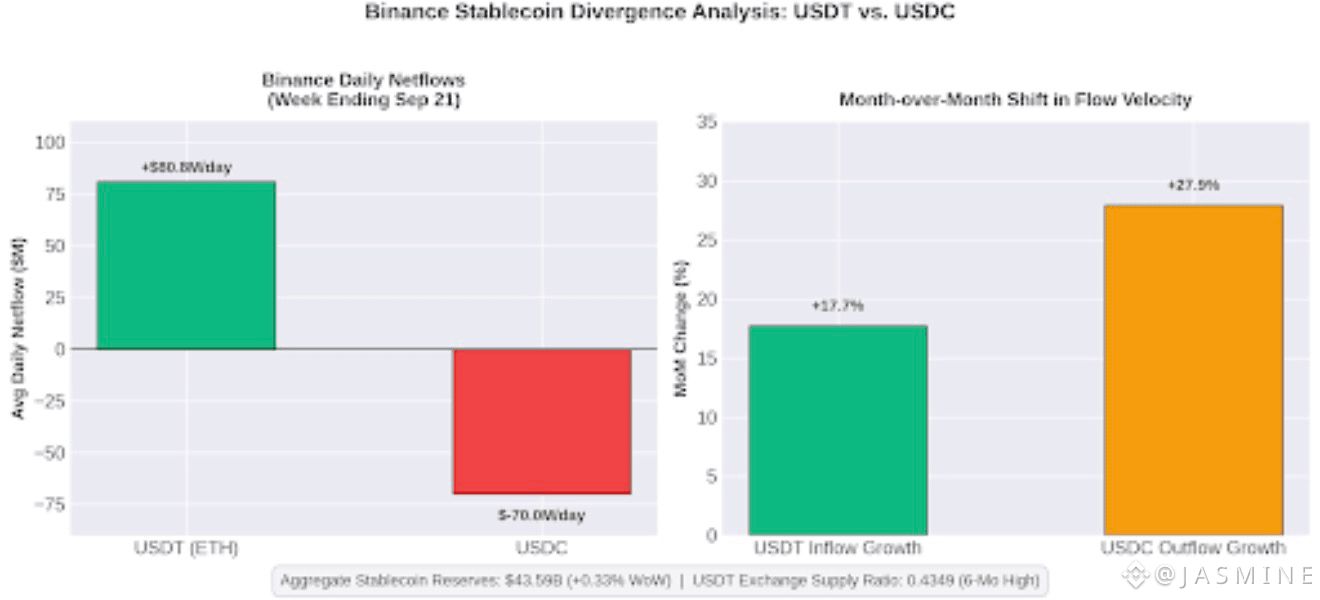
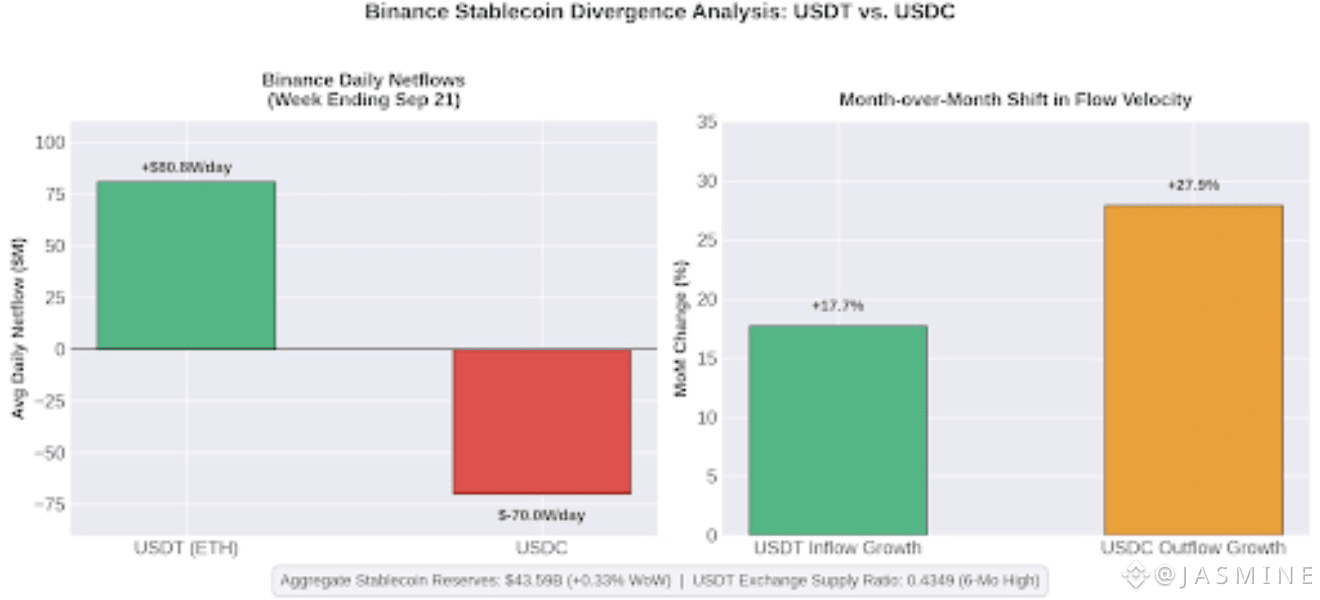
Binance saw a notable stablecoin divergence for the week ending Sep. 21 👀
• $USDT on ETH hit a 6-month netflow high, averaging +$80.8M/day
• $USDC outflows accelerated to -$70M/day
• Total stablecoin reserves still rose 0.33% WoW to $43.59B
The bigger picture? Capital doesn’t appear to be leaving crypto — it may simply be rotating between stablecoin rails. 🔄
#Bitcoin #Stablecoins #Binance
Binance saw a notable stablecoin divergence for the week ending Sep. 21 👀
• $USDT on ETH hit a 6-month netflow high, averaging +$80.8M/day
• $USDC outflows accelerated to -$70M/day
• Total stablecoin reserves still rose 0.33% WoW to $43.59B
The bigger picture? Capital doesn’t appear to be leaving crypto — it may simply be rotating between stablecoin rails. 🔄
#Bitcoin #Stablecoins #Binance
• $USDT on ETH hit a 6-month netflow high, averaging +$80.8M/day
• $USDC outflows accelerated to -$70M/day
• Total stablecoin reserves still rose 0.33% WoW to $43.59B
The bigger picture? Capital doesn’t appear to be leaving crypto — it may simply be rotating between stablecoin rails. 🔄
#Bitcoin #Stablecoins #Binance
1
2
172
Vérifié
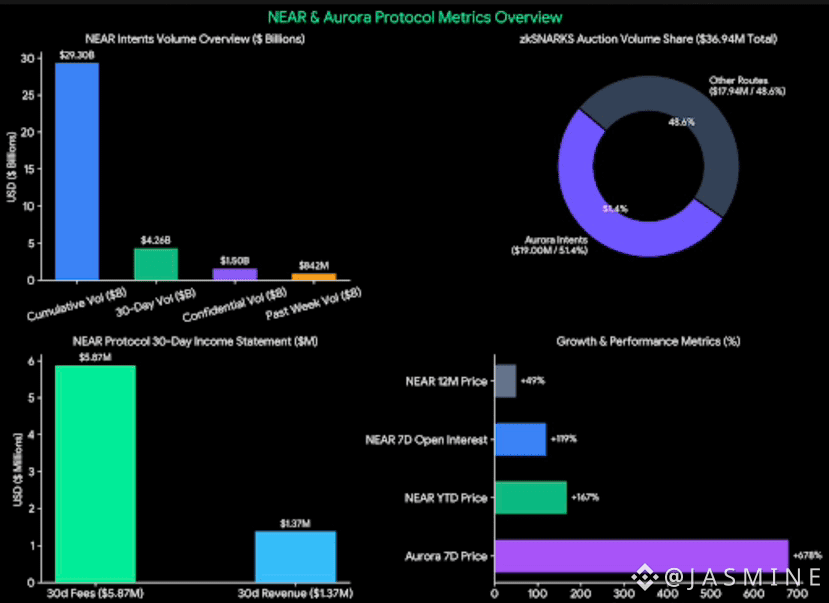
The fundamentals around NEAR and AURORA are accelerating fast
🔹 NEAR Intents: $4.26B monthly volume across 26 chains, $29.3B cumulative, plus $1.37M in protocol revenue. 42% moved to confidential mode soon after launch.
🔹 Self-custody upgrade: Top Level Accounts and recovery keys are now live, adding a stronger layer against lost-key failures.
🔹 $AURORA: Up 678% this week, with $19M+ in zkSNARKS auction swaps, Sui integration, and powering the new Solflare bridge.
The interesting part? Usage seems to be showing up before the crowd.
NEAR × AURORA
The fundamentals around NEAR and AURORA are accelerating fast
🔹 NEAR Intents: $4.26B monthly volume across 26 chains, $29.3B cumulative, plus $1.37M in protocol revenue. 42% moved to confidential mode soon after launch.
🔹 Self-custody upgrade: Top Level Accounts and recovery keys are now live, adding a stronger layer against lost-key failures.
🔹 $AURORA: Up 678% this week, with $19M+ in zkSNARKS auction swaps, Sui integration, and powering the new Solflare bridge.
The interesting part? Usage seems to be showing up before the crowd.
NEAR × AURORA
🔹 NEAR Intents: $4.26B monthly volume across 26 chains, $29.3B cumulative, plus $1.37M in protocol revenue. 42% moved to confidential mode soon after launch.
🔹 Self-custody upgrade: Top Level Accounts and recovery keys are now live, adding a stronger layer against lost-key failures.
🔹 $AURORA: Up 678% this week, with $19M+ in zkSNARKS auction swaps, Sui integration, and powering the new Solflare bridge.
The interesting part? Usage seems to be showing up before the crowd.
NEAR × AURORA
1
605
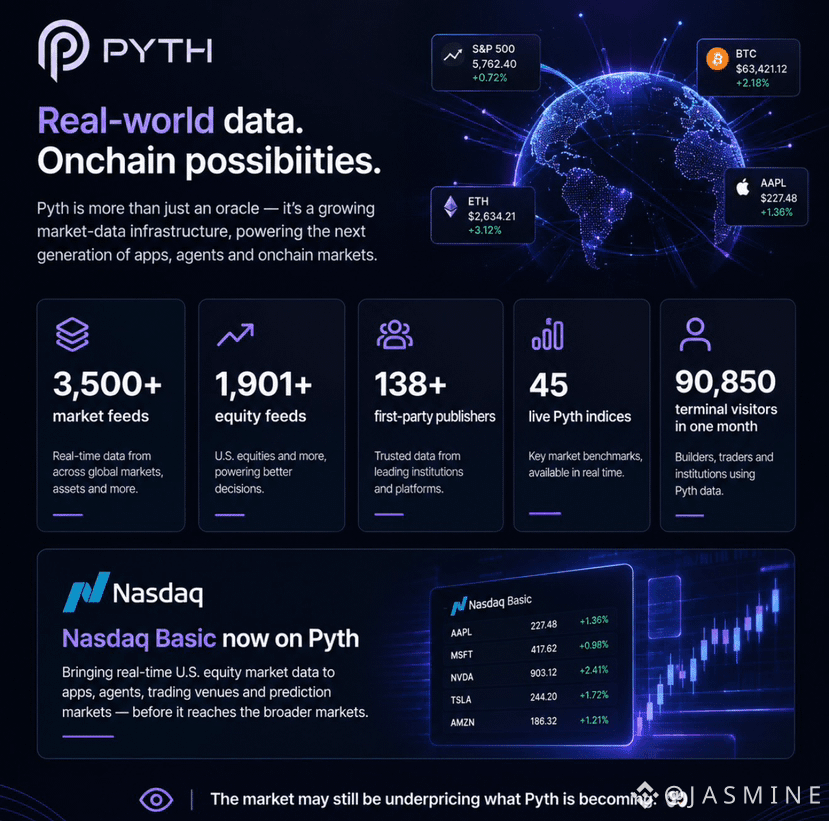
$PYTH is starting to look a lot bigger than the usual oracle narrative.
With 3,500+ market feeds, 1,900+ equity feeds, 138+ publishers and 45 live indices, Pyth is building serious market-data infrastructure.
The Nasdaq Basic integration adds another layer, bringing real-time U.S. equity data closer to apps, agents and onchain markets.
The interesting part? The market may still be underpricing what Pyth is becoming. 👀
$PYTH @PythNetwork #Crypto
$PYTH is starting to look a lot bigger than the usual oracle narrative.
With 3,500+ market feeds, 1,900+ equity feeds, 138+ publishers and 45 live indices, Pyth is building serious market-data infrastructure.
The Nasdaq Basic integration adds another layer, bringing real-time U.S. equity data closer to apps, agents and onchain markets.
The interesting part? The market may still be underpricing what Pyth is becoming. 👀
$PYTH @Pyth Network #Crypto
With 3,500+ market feeds, 1,900+ equity feeds, 138+ publishers and 45 live indices, Pyth is building serious market-data infrastructure.
The Nasdaq Basic integration adds another layer, bringing real-time U.S. equity data closer to apps, agents and onchain markets.
The interesting part? The market may still be underpricing what Pyth is becoming. 👀
$PYTH @Pyth Network #Crypto
1
64
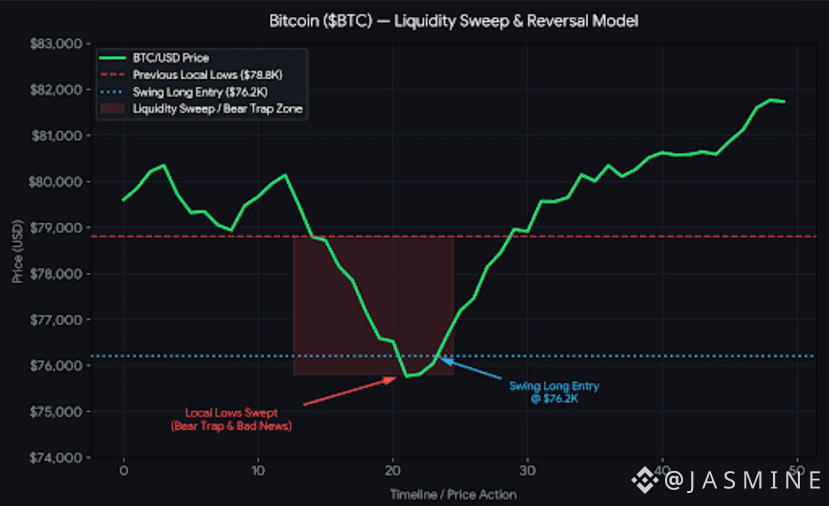
$BTC really loves making the crowd emotional.
Bad news hits → bears pile in → liquidity gets swept → price starts doing the exact opposite of what everyone expected.
That $76.2K swing long is sitting pretty. 👀
Sometimes the news isn’t the signal.
The reaction is.
#BTC #Crypto #Marketpsychology
$BTC really loves making the crowd emotional.
Bad news hits → bears pile in → liquidity gets swept → price starts doing the exact opposite of what everyone expected.
That $76.2K swing long is sitting pretty. 👀
Sometimes the news isn’t the signal.
The reaction is.
#BTC #Crypto #Marketpsychology
Bad news hits → bears pile in → liquidity gets swept → price starts doing the exact opposite of what everyone expected.
That $76.2K swing long is sitting pretty. 👀
Sometimes the news isn’t the signal.
The reaction is.
#BTC #Crypto #Marketpsychology
1
70
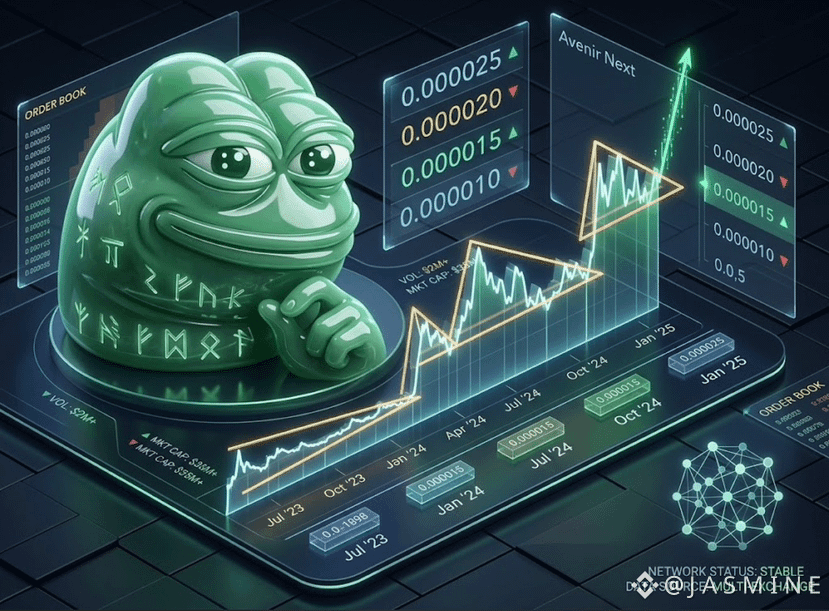
I actually went for it and picked up some $PEPE 👀🐸
Put $4,000 in for around 1 billion tokens, and now I’m wondering… could $PEPE ever reach $1 by 2030? 🚀
Bold move or one of those bets that looks very different years later?
I actually went for it and picked up some $PEPE 👀🐸
Put $4,000 in for around 1 billion tokens, and now I’m wondering… could $PEPE ever reach $1 by 2030? 🚀
Bold move or one of those bets that looks very different years later?
Put $4,000 in for around 1 billion tokens, and now I’m wondering… could $PEPE ever reach $1 by 2030? 🚀
Bold move or one of those bets that looks very different years later?
3
4
117
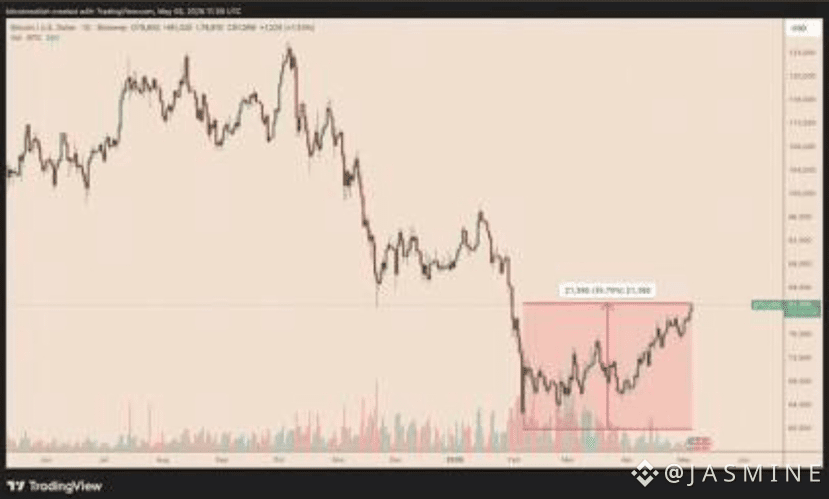
$BTC just reclaimed $81K! Following almost a year of continuous lower highs and stalled momentum, can Bitcoin finally break the trend? Real trend reversal or just another fakeout rally?
#Bitcoin #BTC #Crypto
$BTC just reclaimed $81K! Following almost a year of continuous lower highs and stalled momentum, can Bitcoin finally break the trend? Real trend reversal or just another fakeout rally?
#Bitcoin #BTC #Crypto
#Bitcoin #BTC #Crypto
1
101
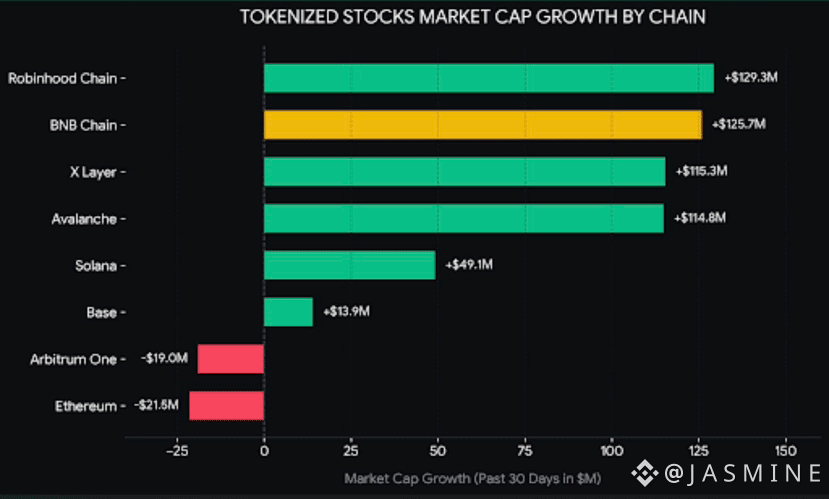
Tokenized stocks are exploding onchain!
Over the last 30 days:
• Robinhood Chain: +$129.3M
• $BNB Chain: +$125.7M 🔥
• X Layer: +$115.3M
• Avalanche: +$114.8M
• Solana: +$49.1M
Meanwhile, $ETH experienced a -$21.5M decline.
Traditional finance is moving onchain fast—and @BNBCHAIN is leading the charge right near the top!
#BNBChain #Crypto #RWA #Web3 #Tokenization $BNB
Tokenized stocks are exploding onchain!
Over the last 30 days:
• Robinhood Chain: +$129.3M
• $BNB Chain: +$125.7M 🔥
• X Layer: +$115.3M
• Avalanche: +$114.8M
• Solana: +$49.1M
Meanwhile, $ETH experienced a -$21.5M decline.
Traditional finance is moving onchain fast—and @BNBCHAIN is leading the charge right near the top!
#BNBChain #Crypto #RWA #Web3 #Tokenization $BNB
Over the last 30 days:
• Robinhood Chain: +$129.3M
• $BNB Chain: +$125.7M 🔥
• X Layer: +$115.3M
• Avalanche: +$114.8M
• Solana: +$49.1M
Meanwhile, $ETH experienced a -$21.5M decline.
Traditional finance is moving onchain fast—and @BNBCHAIN is leading the charge right near the top!
#BNBChain #Crypto #RWA #Web3 #Tokenization $BNB
1
1
161
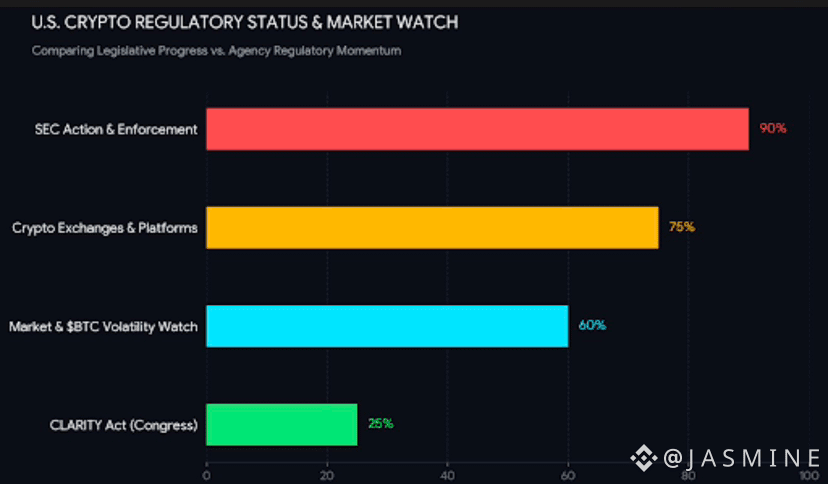
The CLARITY Act may be facing delays in Congress, but crypto regulation isn’t standing still.
While lawmakers continue negotiating a broader framework, the SEC is moving forward within its existing authority.
Current picture 👇
🔴 CLARITY Act → Delayed as negotiations continue
🔴 SEC → Continuing regulatory actions
🔴 Crypto exchanges → Navigating an evolving rulebook
Washington may be moving slowly, but the crypto market keeps moving.
Keep an eye on the next regulatory developments. $BTC Crypto #Bitcoin #Regulation
The CLARITY Act may be facing delays in Congress, but crypto regulation isn’t standing still.
While lawmakers continue negotiating a broader framework, the SEC is moving forward within its existing authority.
Current picture 👇
🔴 CLARITY Act → Delayed as negotiations continue
🔴 SEC → Continuing regulatory actions
🔴 Crypto exchanges → Navigating an evolving rulebook
Washington may be moving slowly, but the crypto market keeps moving.
Keep an eye on the next regulatory developments. $BTC Crypto #Bitcoin #Regulation
While lawmakers continue negotiating a broader framework, the SEC is moving forward within its existing authority.
Current picture 👇
🔴 CLARITY Act → Delayed as negotiations continue
🔴 SEC → Continuing regulatory actions
🔴 Crypto exchanges → Navigating an evolving rulebook
Washington may be moving slowly, but the crypto market keeps moving.
Keep an eye on the next regulatory developments. $BTC Crypto #Bitcoin #Regulation
4
4
1.1k
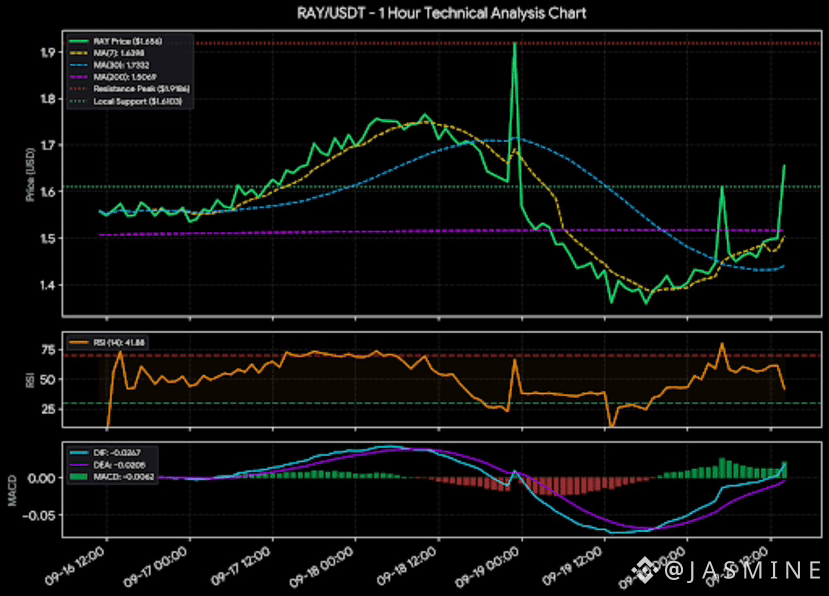
$RAY just got rejected after pushing up to $1.91 and now we’re seeing a decent cooldown around $1.65.
That’s roughly a 10.5% pullback, but the interesting part is RSI has already reset to 41. Momentum has cooled, while $1.61 is sitting right below as the immediate support to watch.
If $1.61 holds and buyers start stepping back in, the setup gets interesting again. But I’d want to see the hourly trend flip before calling the dip fully absorbed.
Personally, I’m watching the reaction here more than chasing the move. 👀
$RAY #Raydium #Solana
$RAY just got rejected after pushing up to $1.91 and now we’re seeing a decent cooldown around $1.65.
That’s roughly a 10.5% pullback, but the interesting part is RSI has already reset to 41. Momentum has cooled, while $1.61 is sitting right below as the immediate support to watch.
If $1.61 holds and buyers start stepping back in, the setup gets interesting again. But I’d want to see the hourly trend flip before calling the dip fully absorbed.
Personally, I’m watching the reaction here more than chasing the move. 👀
$RAY #Raydium #Solana
That’s roughly a 10.5% pullback, but the interesting part is RSI has already reset to 41. Momentum has cooled, while $1.61 is sitting right below as the immediate support to watch.
If $1.61 holds and buyers start stepping back in, the setup gets interesting again. But I’d want to see the hourly trend flip before calling the dip fully absorbed.
Personally, I’m watching the reaction here more than chasing the move. 👀
$RAY #Raydium #Solana
4
3
84
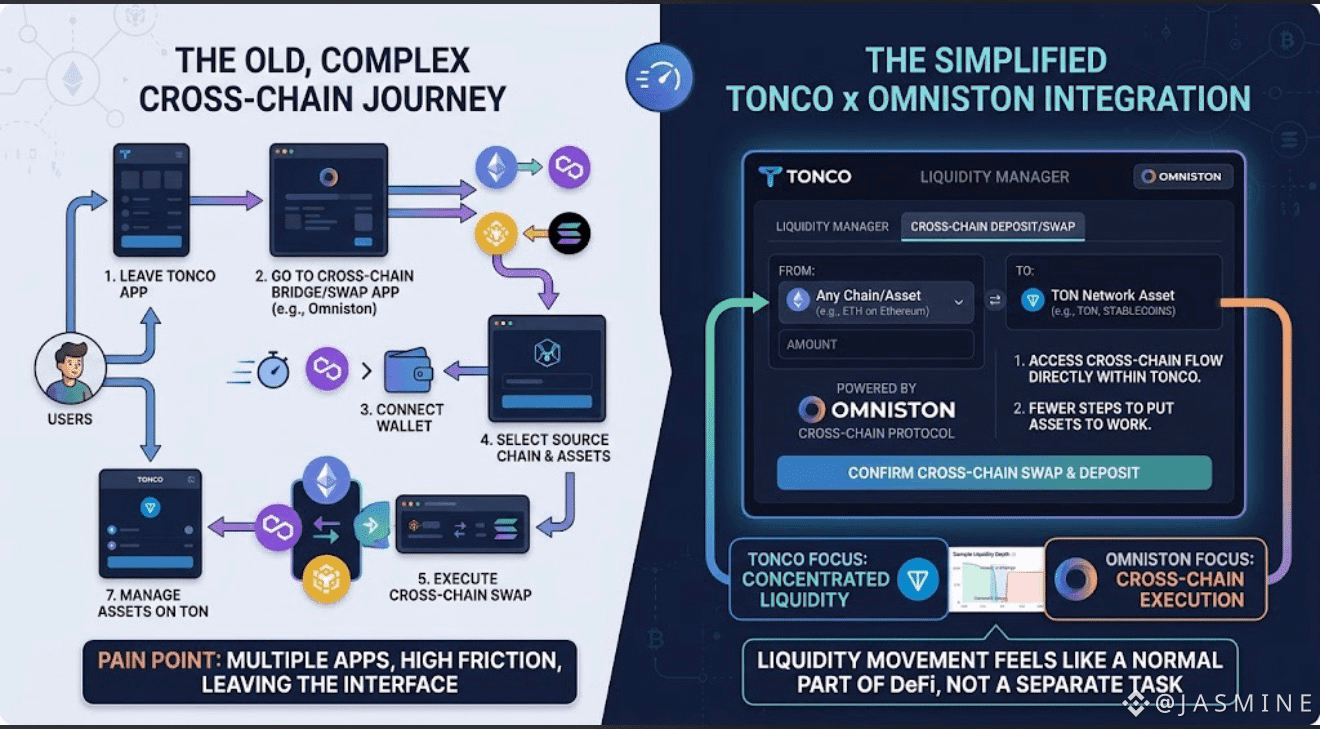
One common DeFi pain point is having to leave the app you’re using just to move assets across chains.
TONCO is making that process simpler by integrating Omniston’s cross-chain swaps directly into its interface.
So instead of switching between platforms just to bring assets onto TON, users can access the cross-chain flow within TONCO itself.
It’s an interesting combination too TONCO focuses on concentrated liquidity, while Omniston handles cross-chain execution.
For traders, fewer steps between assets sitting on another network and actually putting them to work in TON DeFi is a meaningful improvement.
If more TON apps bring cross-chain functionality directly into their interfaces, moving liquidity could start feeling like a normal part of using DeFi rather than a separate task.
@Toncoiner $TON #ton
One common DeFi pain point is having to leave the app you’re using just to move assets across chains.
TONCO is making that process simpler by integrating Omniston’s cross-chain swaps directly into its interface.
So instead of switching between platforms just to bring assets onto TON, users can access the cross-chain flow within TONCO itself.
It’s an interesting combination too TONCO focuses on concentrated liquidity, while Omniston handles cross-chain execution.
For traders, fewer steps between assets sitting on another network and actually putting them to work in TON DeFi is a meaningful improvement.
If more TON apps bring cross-chain functionality directly into their interfaces, moving liquidity could start feeling like a normal part of using DeFi rather than a separate task.
@Toncoiner $TON #ton
TONCO is making that process simpler by integrating Omniston’s cross-chain swaps directly into its interface.
So instead of switching between platforms just to bring assets onto TON, users can access the cross-chain flow within TONCO itself.
It’s an interesting combination too TONCO focuses on concentrated liquidity, while Omniston handles cross-chain execution.
For traders, fewer steps between assets sitting on another network and actually putting them to work in TON DeFi is a meaningful improvement.
If more TON apps bring cross-chain functionality directly into their interfaces, moving liquidity could start feeling like a normal part of using DeFi rather than a separate task.
@Toncoiner $TON #ton
2
2
66
Connectez-vous pour découvrir plus de contenu
Rejoignez la communauté mondiale des adeptes de cryptomonnaies sur Binance Square
⚡️ Suviez les dernières informations importantes sur les cryptomonnaies.
💬 Jugé digne de confiance par la plus grande plateforme d’échange de cryptomonnaies au monde.
👍 Découvrez les connaissances que partagent les créateurs vérifiés.
Adresse e-mail/Nº de téléphone
Sujets d’actualité
EarningsSeason
107,718 vues
1,039 mentions
Earnings Season: Micron Q4 Earnings — Bullish or Bearish?
Binance Square Official
·223 mentions J’aime
·355.4k vues
ECBToTestAIAgentsInDigitalEuroPayments
3,290 vues
190 mentions
JapanFSABacksFourthStablecoinTradeSettlementPilot
4,647 vues
268 mentions