

Ghost Writer
7.7k Publications
Ghost Writer
Signaler
Bloquer l’utilisateur
Research & summarize the latest Crypto market news | BNB Holder | Web 3 Airdrop | X: @GhostxWriterx
Ouvert au trading
Trade régulièrement
5.6 an(s)
763 Suivis
15.6K+ Abonnés
24.4K+ J’aime
Publications
Portefeuille
Tous
Citations
Vidéos
Direct
PINNED
·
--
Haussier
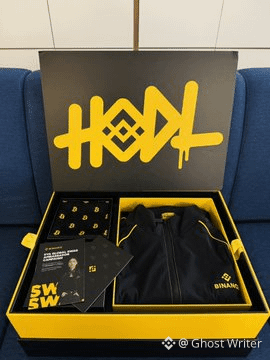
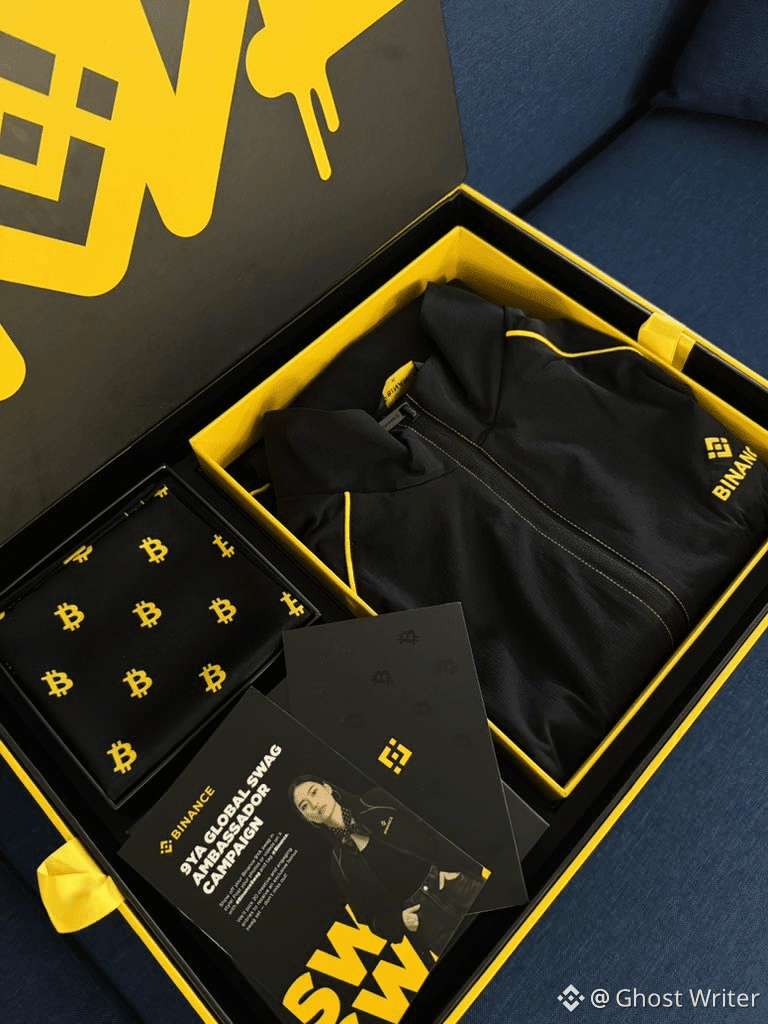
Thanks @Binance_Vietnam , @Binance_Square_Official for the beautiful 9YA swag box 🎁
Keep building on Square then you can get many guys
#GiftBoxes #crypto
Thanks @Binance Vietnam , @Binance Square Official for the beautiful 9YA swag box 🎁
Keep building on Square then you can get many guys
#GiftBoxes #crypto
Keep building on Square then you can get many guys
#GiftBoxes #crypto
36
2
99
31.2k
·
--
Haussier
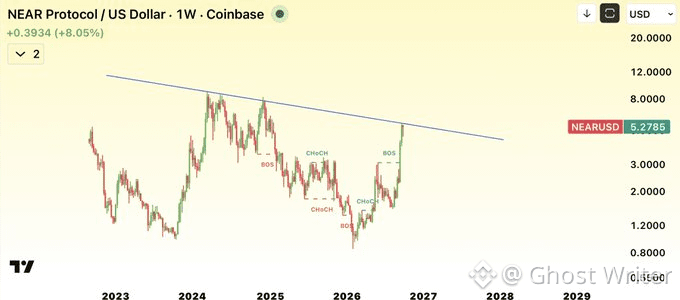
$NEAR is getting very close to its ATH 👀
In a bull market, I believe $NEAR could reach $19
More than 200M NEAR changed hands over the past 24 hours, pushing trading volume above $1B.
That comes as #Near continues to attract attention following its ETF launch and major tokenomics developments.
#BitcoinClears$85200
$NEAR is getting very close to its ATH 👀
In a bull market, I believe $NEAR could reach $19
More than 200M NEAR changed hands over the past 24 hours, pushing trading volume above $1B.
That comes as #Near continues to attract attention following its ETF launch and major tokenomics developments.
#BitcoinClears$85200
In a bull market, I believe $NEAR could reach $19
More than 200M NEAR changed hands over the past 24 hours, pushing trading volume above $1B.
That comes as #Near continues to attract attention following its ETF launch and major tokenomics developments.
#BitcoinClears$85200
244
·
--
Haussier
Vừa nhận tin vui từ @Binance_Vietnam !
Mình được chọn làm Winner chương trình Affiliate Recognition H1/2026 – hạng Brand Amplifier
Cảm ơn Binance đã ghi nhận những nội dung mình làm suốt nửa năm qua. Cảm ơn ae community đã luôn đọc, share và ủng hộ. Không có các bạn thì không có cột mốc này.
Tiếp tục cùng nhau cuối năm thật mạnh nhé!
Anh em trade trên Binance/Wallet nhớ dùng link của mình để nhận 30% giảm phí giao dịch vĩnh viễn:
⭐[https://binance.com/join?ref=VNBCGHOST](https://binance.com/join?ref=VNBCGHOST)
⭐[https://web3.binance.com/en/referral?ref=VNBCGHOST](https://web3.binance.com/en/referral?ref=VNBCGHOST)
Người dùng cũ cũng rebind code "VNBCGHOST" được bình thường nhé!
[https://binance.com/activity/referral/bind-ref](https://binance.com/activity/referral/bind-ref)
Vừa nhận tin vui từ @Binance Vietnam !
Mình được chọn làm Winner chương trình Affiliate Recognition H1/2026 – hạng Brand Amplifier
Cảm ơn Binance đã ghi nhận những nội dung mình làm suốt nửa năm qua. Cảm ơn ae community đã luôn đọc, share và ủng hộ. Không có các bạn thì không có cột mốc này.
Tiếp tục cùng nhau cuối năm thật mạnh nhé!
Anh em trade trên Binance/Wallet nhớ dùng link của mình để nhận 30% giảm phí giao dịch vĩnh viễn:
⭐https://binance.com/join?ref=VNBCGHOST
⭐https://web3.binance.com/en/referral?ref=VNBCGHOST
Người dùng cũ cũng rebind code "VNBCGHOST" được bình thường nhé!
https://binance.com/activity/referral/bind-ref
Mình được chọn làm Winner chương trình Affiliate Recognition H1/2026 – hạng Brand Amplifier
Cảm ơn Binance đã ghi nhận những nội dung mình làm suốt nửa năm qua. Cảm ơn ae community đã luôn đọc, share và ủng hộ. Không có các bạn thì không có cột mốc này.
Tiếp tục cùng nhau cuối năm thật mạnh nhé!
Anh em trade trên Binance/Wallet nhớ dùng link của mình để nhận 30% giảm phí giao dịch vĩnh viễn:
⭐https://binance.com/join?ref=VNBCGHOST
⭐https://web3.binance.com/en/referral?ref=VNBCGHOST
Người dùng cũ cũng rebind code "VNBCGHOST" được bình thường nhé!
https://binance.com/activity/referral/bind-ref

4
1
180
·
--
Dropping some $BNB gift in this Group for you guys: [https://app.binance.com/uni-qr/5cXjDPYn](https://app.binance.com/uni-qr/5cXjDPYn)
Join and Claim it - FCFS
Dropping some $BNB gift in this Group for you guys: https://app.binance.com/uni-qr/5cXjDPYn
Join and Claim it - FCFS
Join and Claim it - FCFS

FCFS BNB
De Ghost Writer
2
2
15
218
·
--
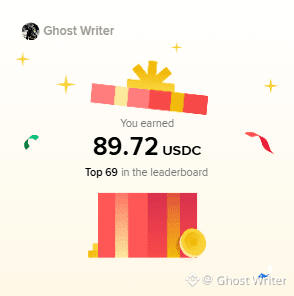
I earned 89.72 USDC in profits from Write to Earn last week
Join my group to learn how to get it: [https://app.binance.com/uni-qr/49UN8oNR](https://app.binance.com/uni-qr/49UN8oNR)
I earned 89.72 USDC in profits from Write to Earn last week
Join my group to learn how to get it: https://app.binance.com/uni-qr/49UN8oNR
Join my group to learn how to get it: https://app.binance.com/uni-qr/49UN8oNR
8
1
10
2.5k
·
--
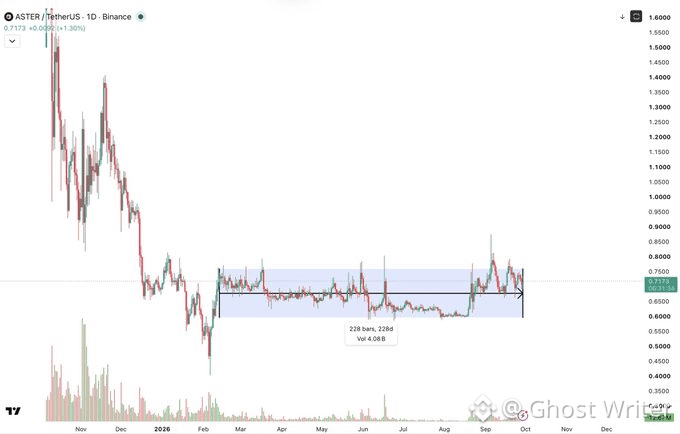
This guys is giving free $BNB by commenting on his post 👇
Be quick guys, FCFS
This guys is giving free $BNB by commenting on his post 👇
Be quick guys, FCFS
Be quick guys, FCFS
Votre contenu coté a été supprimé
270
·
--
Baissier
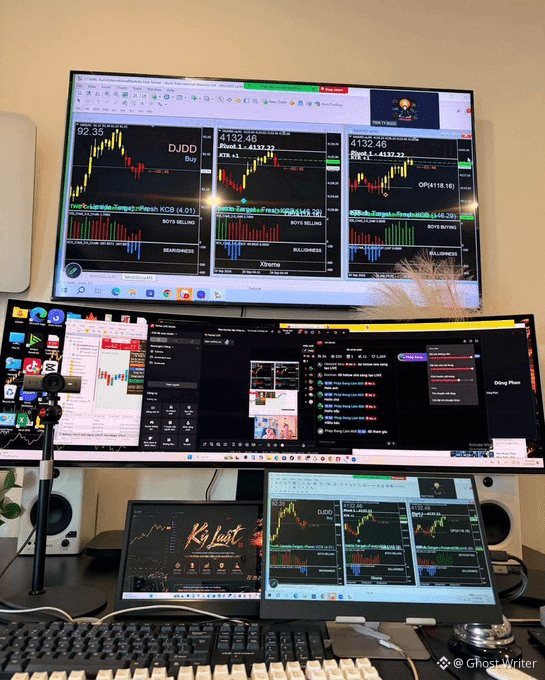
This is my trade setup before I Long $XAU 😵
I think I have to sell everything now T T
Can someone explain why #GOLD is so bad now?
This is my trade setup before I Long $XAU 😵
I think I have to sell everything now T T
Can someone explain why #GOLD is so bad now?
I think I have to sell everything now T T
Can someone explain why #GOLD is so bad now?
2
1
1.4k
·
--
Haussier
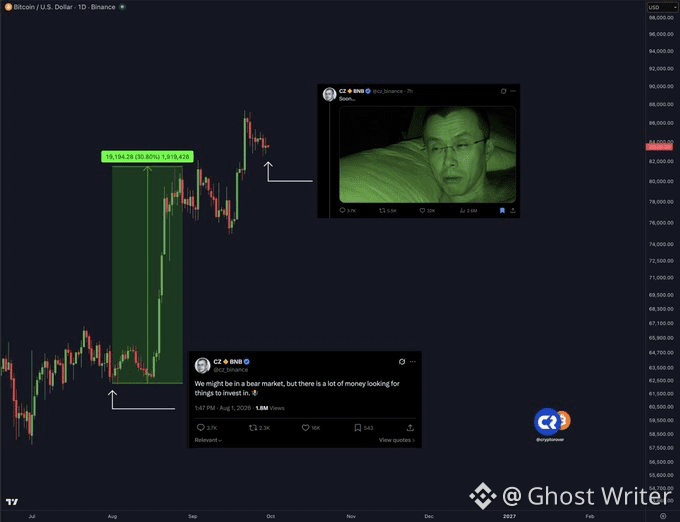
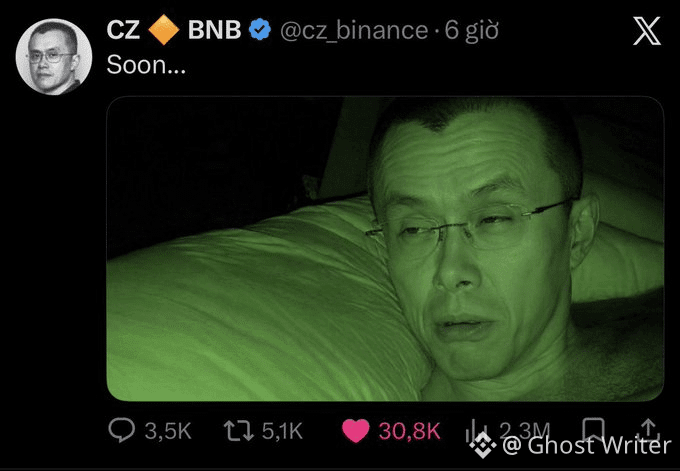
The last time CZ told you it was a good time to invest, Bitcoin $BTC pumped +30% shortly after.
Are you fading him this time?
Soon…👀
{spot}(BTCUSDT)
{future}(BTCUSDT)
#CZ #uptrend #EarningsSeason
The last time CZ told you it was a good time to invest, Bitcoin $BTC pumped +30% shortly after.
Are you fading him this time?
Soon…👀
#CZ #uptrend #EarningsSeason
Are you fading him this time?
Soon…👀
#CZ #uptrend #EarningsSeason
Ghost Writer
·
--
HaussierSoon for what CZ?
$BNB season 👀
$BNB season 👀
1
1
266
·
--
Haussier
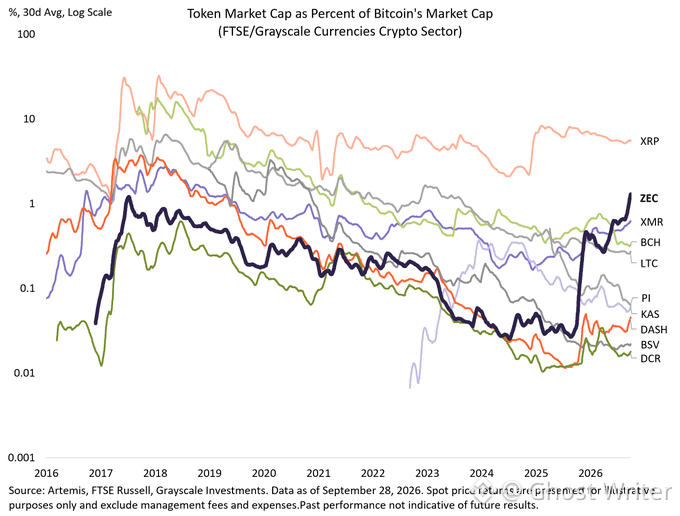
Assets with digital currency use case: $XRP , $LTC , $BTC, and $ZEC
Zcash has continued to capture market share, going from ~0.1% of Bitcoin's market cap a year ago (ZEC price: ~$60) to ~1.5% today (ZEC
price: ~$1,500).
As demand for privacy grows, Grayscale Research believes Zcash can keep capturing market share.
Assets with digital currency use case: $XRP , $LTC , $BTC, and $ZEC
Zcash has continued to capture market share, going from ~0.1% of Bitcoin's market cap a year ago (ZEC price: ~$60) to ~1.5% today (ZEC
price: ~$1,500).
As demand for privacy grows, Grayscale Research believes Zcash can keep capturing market share.
Zcash has continued to capture market share, going from ~0.1% of Bitcoin's market cap a year ago (ZEC price: ~$60) to ~1.5% today (ZEC
price: ~$1,500).
As demand for privacy grows, Grayscale Research believes Zcash can keep capturing market share.
3
3
1.7k
·
--
50 slots left 👇Be quick and comment "Btc" in the post below
FCFS
50 slots left 👇Be quick and comment "Btc" in the post below
FCFS
FCFS
Ghost Writer
·
--
HaussierJust comment "Btc" 👇🏼
And join my group: https://app.binance.com/uni-qr/7iXXfzUE
I see so many of you love Bitcoin more than everything
So I'm giving it more -> Follow @Ghost Writer
And join my group: https://app.binance.com/uni-qr/7iXXfzUE
I see so many of you love Bitcoin more than everything
So I'm giving it more -> Follow @Ghost Writer
80
·
--
Haussier
🚨HUGE: 15 BILLION Bitwise has launched the FIRST U.S. spot NEAR ETF, giving investors direct exposure to $NEAR through NYSE Arca.
The new NRR ETF charges a 0.75% fee and will STAKE its NEAR holdings in-house, with staking rewards flowing back to shareholders through NAV.
NEAR now joins Bitcoin, Ethereum, Solana, $XRP and Hyperliquid $HYPE in Bitwise’s expanding single-asset crypto ETF lineup.
#EarningsSeason
#BitwiseLaunchesFirstSpotNEARETF
#Near
🚨HUGE: 15 BILLION Bitwise has launched the FIRST U.S. spot NEAR ETF, giving investors direct exposure to $NEAR through NYSE Arca.
The new NRR ETF charges a 0.75% fee and will STAKE its NEAR holdings in-house, with staking rewards flowing back to shareholders through NAV.
NEAR now joins Bitcoin, Ethereum, Solana, $XRP and Hyperliquid $HYPE in Bitwise’s expanding single-asset crypto ETF lineup.
#EarningsSeason
#BitwiseLaunchesFirstSpotNEARETF
#Near
The new NRR ETF charges a 0.75% fee and will STAKE its NEAR holdings in-house, with staking rewards flowing back to shareholders through NAV.
NEAR now joins Bitcoin, Ethereum, Solana, $XRP and Hyperliquid $HYPE in Bitwise’s expanding single-asset crypto ETF lineup.
#EarningsSeason
#BitwiseLaunchesFirstSpotNEARETF
#Near


237
·
--
Haussier
$AAVE — @Aave
Aave is one of the biggest DeFi lending protocols in crypto.
The idea is simple:
Deposit crypto to earn yield, or use your assets as collateral to borrow on-chain.
Current numbers:
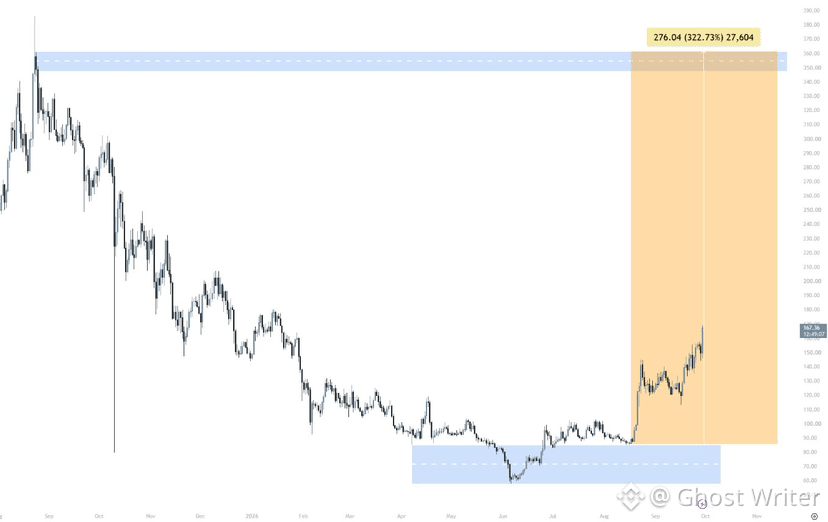
Price: ~$167
Market cap: ~$2.5B
24h volume: ~$250M+
Max supply: 16M AAVE
$AAVE is used for:
Governance
Staking
Protocol security
Ecosystem incentives
The interesting part is real revenue.
Aave uses protocol revenue to buy AAVE from the open market, with an annual buyback budget of up to $50M.
DeFi.
Lending.
Real fees.
Token buybacks.
RWA exposure.
The main risk is competition and smart-contract risk, but Aave remains one of the strongest brands in DeFi lending.
If DeFi gets another major rotation, $AAVE is definitely one I’d keep on the radar.
{future}(AAVEUSDT)
#EarningsSeason #aave
$AAVE — @Aave
Aave is one of the biggest DeFi lending protocols in crypto.
The idea is simple:
Deposit crypto to earn yield, or use your assets as collateral to borrow on-chain.
Current numbers:
Price: ~$167
Market cap: ~$2.5B
24h volume: ~$250M+
Max supply: 16M AAVE
$AAVE is used for:
Governance
Staking
Protocol security
Ecosystem incentives
The interesting part is real revenue.
Aave uses protocol revenue to buy AAVE from the open market, with an annual buyback budget of up to $50M.
DeFi.
Lending.
Real fees.
Token buybacks.
RWA exposure.
The main risk is competition and smart-contract risk, but Aave remains one of the strongest brands in DeFi lending.
If DeFi gets another major rotation, $AAVE is definitely one I’d keep on the radar.
#EarningsSeason #aave
Aave is one of the biggest DeFi lending protocols in crypto.
The idea is simple:
Deposit crypto to earn yield, or use your assets as collateral to borrow on-chain.
Current numbers:
Price: ~$167
Market cap: ~$2.5B
24h volume: ~$250M+
Max supply: 16M AAVE
$AAVE is used for:
Governance
Staking
Protocol security
Ecosystem incentives
The interesting part is real revenue.
Aave uses protocol revenue to buy AAVE from the open market, with an annual buyback budget of up to $50M.
DeFi.
Lending.
Real fees.
Token buybacks.
RWA exposure.
The main risk is competition and smart-contract risk, but Aave remains one of the strongest brands in DeFi lending.
If DeFi gets another major rotation, $AAVE is definitely one I’d keep on the radar.
#EarningsSeason #aave
Direct: 13:00 Oct 04
Rappelez-moi
1
375
·
--
🎙️ VN - Tất cả mọi thứ bạn cần biết để xây dựng nhóm chat trên Binance

Aperçu
13:00 Oct 04
2
1
0
·
--
Haussier
Just comment "Btc" 👇🏼
And join my group: [https://app.binance.com/uni-qr/7iXXfzUE](https://app.binance.com/uni-qr/7iXXfzUE)
I see so many of you love Bitcoin more than everything
So I'm giving it more -> Follow @Ghost Writer
Just comment "Btc" 👇🏼
And join my group: https://app.binance.com/uni-qr/7iXXfzUE
I see so many of you love Bitcoin more than everything
So I'm giving it more -> Follow @Ghost Writer
And join my group: https://app.binance.com/uni-qr/7iXXfzUE
I see so many of you love Bitcoin more than everything
So I'm giving it more -> Follow @Ghost Writer
1.6k
6
83
1.6k
·
--


dinhthang_97
·
--
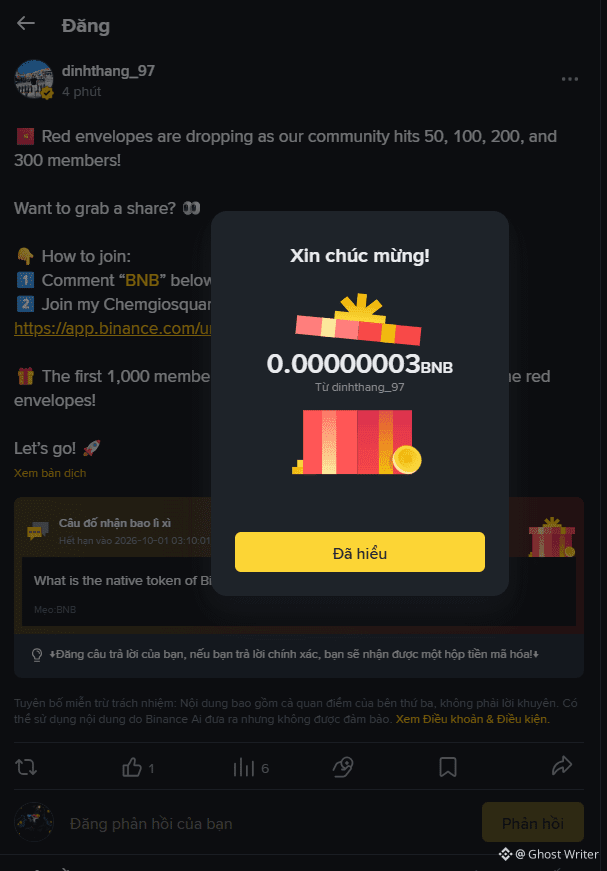
🧧 Red envelopes are dropping as our community hits 50, 100, 200, and 300 members!
Want to grab a share? 👀
👇 How to join:
1️⃣ Comment “BNB” below
2️⃣ Join my Chemgiosquare group:
https://app.binance.com/uni-qr/KHgFyUTA
🎁 The first 1,000 members to join will have a chance to receive the red envelopes!
Let’s go! 🚀
Want to grab a share? 👀
👇 How to join:
1️⃣ Comment “BNB” below
2️⃣ Join my Chemgiosquare group:
https://app.binance.com/uni-qr/KHgFyUTA
🎁 The first 1,000 members to join will have a chance to receive the red envelopes!
Let’s go! 🚀
4
3
163
·
--
Baissier
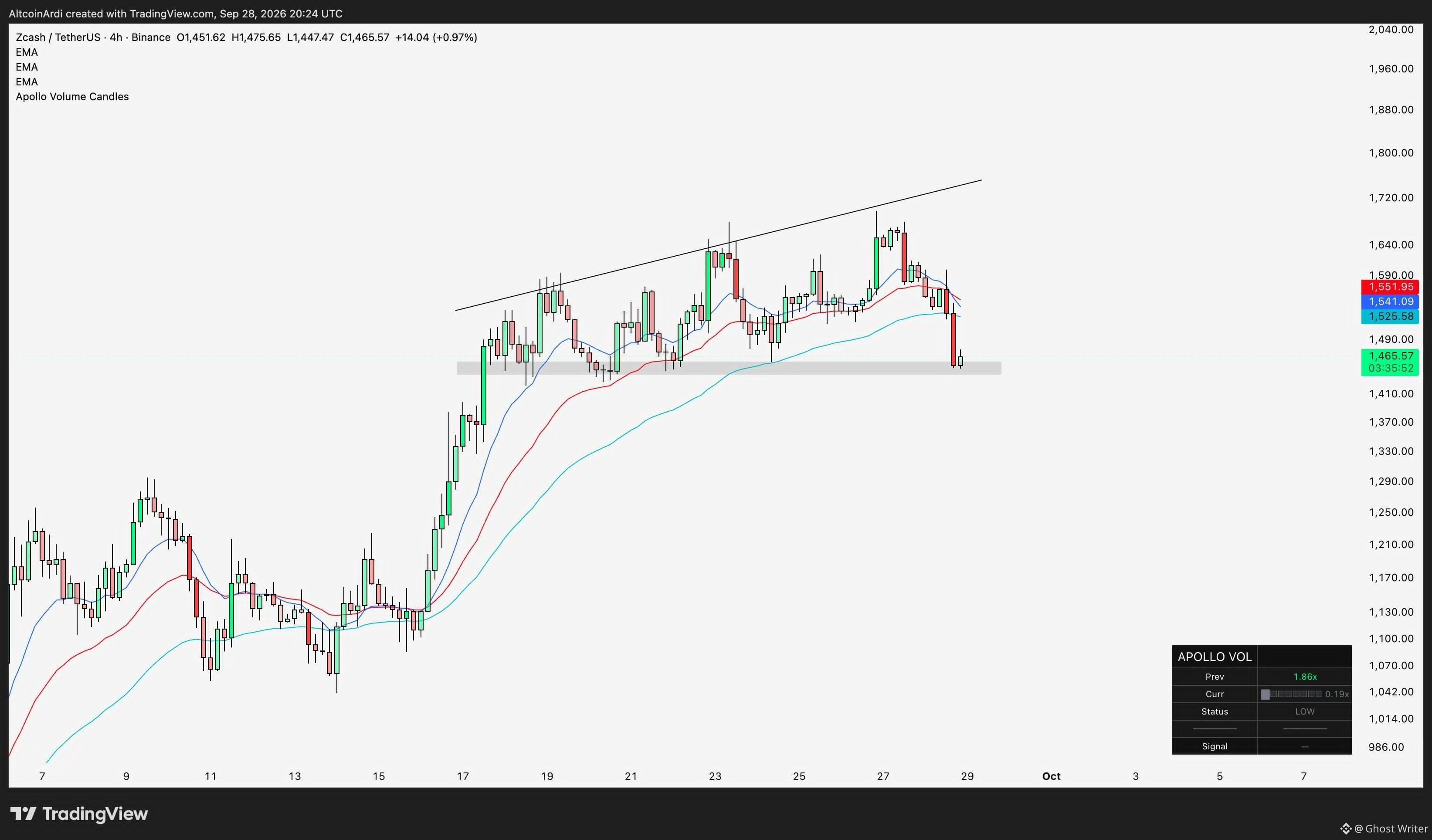
I’m bullish on $ZEC , but I’m not going to pretend losing $1,420 wouldn’t matter for this phase of price discovery.
I’ve been clear about that all week.
That support is still holding the local structure together. If it breaks, I expect the next move to be a sweep toward $1,250 and below, regardless of where I think Zcash goes this cycle.
Then we’ll see how badly people actually wanted an entry.
It’s easy to say you’ll buy a correction while price is rallying. Once it starts dumping, the same people who thought they’d missed the move suddenly become convinced it has much further to fall.
They get the lower price. Then they lower their bids again.
{spot}(ZECUSDT)
{future}(ZECUSDT)
#zec #ZECUSDT
I’m bullish on $ZEC , but I’m not going to pretend losing $1,420 wouldn’t matter for this phase of price discovery.
I’ve been clear about that all week.
That support is still holding the local structure together. If it breaks, I expect the next move to be a sweep toward $1,250 and below, regardless of where I think Zcash goes this cycle.
Then we’ll see how badly people actually wanted an entry.
It’s easy to say you’ll buy a correction while price is rallying. Once it starts dumping, the same people who thought they’d missed the move suddenly become convinced it has much further to fall.
They get the lower price. Then they lower their bids again.
#zec #ZECUSDT
I’ve been clear about that all week.
That support is still holding the local structure together. If it breaks, I expect the next move to be a sweep toward $1,250 and below, regardless of where I think Zcash goes this cycle.
Then we’ll see how badly people actually wanted an entry.
It’s easy to say you’ll buy a correction while price is rallying. Once it starts dumping, the same people who thought they’d missed the move suddenly become convinced it has much further to fall.
They get the lower price. Then they lower their bids again.
#zec #ZECUSDT
1
560
·
--
Haussier
$HBAR - The race has begun🚀
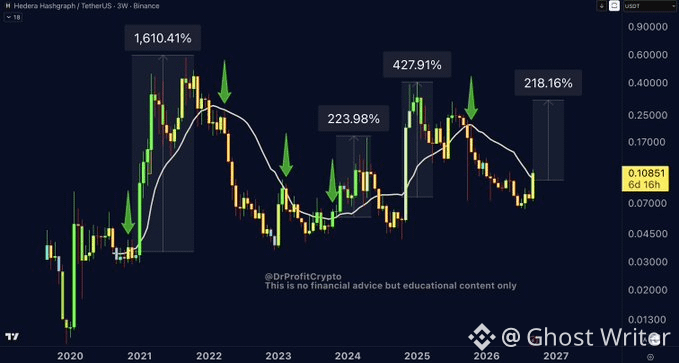
Every time HBAR crossed the MA50 weekly, it saw strong upside moves afterwards. With the growing focus on tokenized finance, coins such as $QNT or $ONDO pumped very strong recently. I am buying as its breaking out right now
The price broke above the descending trendline, gained +70% in just a few days, and continues to move higher!
Right now, you can secure part of your position and move your stop-loss to breakeven.
In the medium term, I expect the price to move towards a new ATH at 0.40$. I think we’ll reach it pretty quickly!
{future}(ONDOUSDT)
{future}(QNTUSDT)
{future}(HBARUSDT)
#QNTFallsOver40%FromMorningHigh
#hbar
#BTCFallsBelow$83000
$HBAR - The race has begun🚀
Every time HBAR crossed the MA50 weekly, it saw strong upside moves afterwards. With the growing focus on tokenized finance, coins such as $QNT or $ONDO pumped very strong recently. I am buying as its breaking out right now
The price broke above the descending trendline, gained +70% in just a few days, and continues to move higher!
Right now, you can secure part of your position and move your stop-loss to breakeven.
In the medium term, I expect the price to move towards a new ATH at 0.40$. I think we’ll reach it pretty quickly!
#QNTFallsOver40%FromMorningHigh
#hbar
#BTCFallsBelow$83000
Every time HBAR crossed the MA50 weekly, it saw strong upside moves afterwards. With the growing focus on tokenized finance, coins such as $QNT or $ONDO pumped very strong recently. I am buying as its breaking out right now
The price broke above the descending trendline, gained +70% in just a few days, and continues to move higher!
Right now, you can secure part of your position and move your stop-loss to breakeven.
In the medium term, I expect the price to move towards a new ATH at 0.40$. I think we’ll reach it pretty quickly!
#QNTFallsOver40%FromMorningHigh
#hbar
#BTCFallsBelow$83000
2
1.6k
Connectez-vous pour découvrir plus de contenu
Rejoignez la communauté mondiale des adeptes de cryptomonnaies sur Binance Square
⚡️ Suviez les dernières informations importantes sur les cryptomonnaies.
💬 Jugé digne de confiance par la plus grande plateforme d’échange de cryptomonnaies au monde.
👍 Découvrez les connaissances que partagent les créateurs vérifiés.
Adresse e-mail/Nº de téléphone
Sujets d’actualité
BitcoinClears$85200
3,900 vues
127 mentions
We got the move, and $BTC is standing exactly where we were before the data. That’s what actual patience for a trade looks like.
The data came in mixed but with some important numbers. ADP Non-Farm Employment Change came at 90K vs 73K forecast, while Core PCE came in at 0.2% vs 0.3% expected. Final GDP was also stronger at 2.2% vs 1.5% forecast, while Personal Spending came in at 0.9% vs 0.8% expected. At the same time, Personal Income missed at 0.2% vs 0.5% forecast.
BTC initially surged to $85,600 and is now back where it needs to be. I’m still looking toward the lower ranges at $82,759 and the $80,000 liquidity, because the overhead liquidity is done and dusted.
We had a live session during the data, and during that session we saw the market at $83,800, then $85,600, and then back toward $83,000 and we still didn’t enter a trade.
That’s what patience is.
We can’t force an entry when the market has no clear direction. The same range is still in focus, and we’ll wait for the market to give us the setup.
Let me know, guys, how was the session? And should we have more regular sessions with our respected members so we can have proper discussions regarding the market?
#BitcoinClears$85200 #AltcoinSeasonIndexHoldsAbove60For5Days #USADPAdds90000JobsInSeptember #BitcoinSlipsBelow$84000 #SECToClarifyOnChainFundraisingRules
Crypto_LUX
·23 mentions J’aime
·8.8k vues
AltcoinSeasonIndexHoldsAbove60For5Days
24,533 vues
824 mentions
USADPAdds90000JobsInSeptember
9,673 vues
470 mentions