

Liz Ann Sonders Re-poster
1.6k Publications

Liz Ann Sonders Re-poster
Signaler
Bloquer l’utilisateur
Chief Investment Strategist, Schwab Center for Financial Research.
0 Suivis
385 Abonnés
920 J’aime
Publications
Rather than joining the widespread concern about artificial intelligence causing human extinction, @KevRGordon and I decided to focus our attention on how AI is actually changing the landscape of employment. You can find our complete analysis regarding the labor market at this link: https://www.schwab.com/learn/story/inside-jobs-ais-labor-market-impact
Rather than joining the widespread concern about artificial intelligence causing human extinction, @KevRGordon and I decided to focus our attention on how AI is actually changing the landscape of employment. You can find our complete analysis regarding the labor market at this link: https://www.schwab.com/learn/story/inside-jobs-ais-labor-market-impact
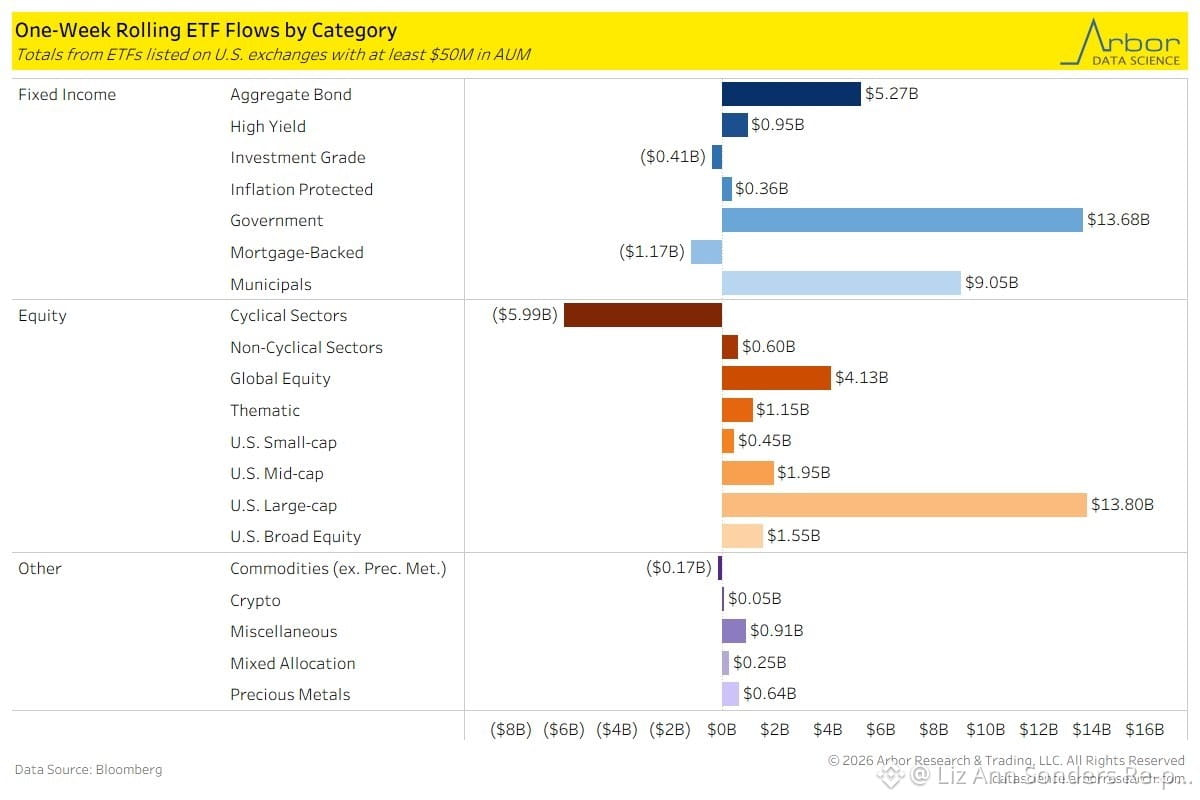
During the week that concluded on 10/2/26, the majority of ETF categories experienced positive capital inflows. This influx of investment was primarily driven by government bonds and U.S. large caps, which took the lead. On the other end of the spectrum, cyclical sectors recorded the most significant outflows for that period.
@DataArbor
During the week that concluded on 10/2/26, the majority of ETF categories experienced positive capital inflows. This influx of investment was primarily driven by government bonds and U.S. large caps, which took the lead. On the other end of the spectrum, cyclical sectors recorded the most significant outflows for that period.
@DataArbor
@DataArbor
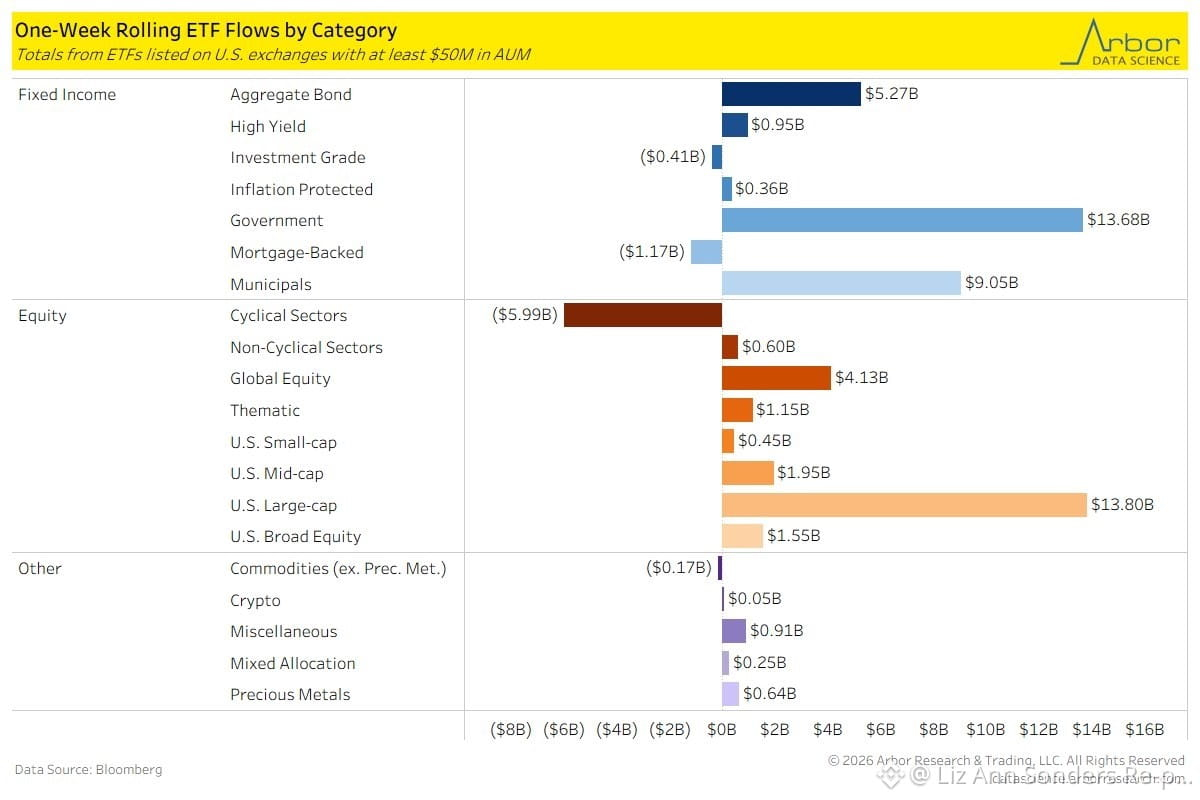
During the week wrapping up on 10/2/26, most ETF categories enjoyed an influx of new capital. Government bonds and U.S. large caps emerged as the frontrunners for these positive inflows. In contrast, the heaviest outflows for the week were concentrated within the cyclical sectors.
During the week wrapping up on 10/2/26, most ETF categories enjoyed an influx of new capital. Government bonds and U.S. large caps emerged as the frontrunners for these positive inflows. In contrast, the heaviest outflows for the week were concentrated within the cyclical sectors.
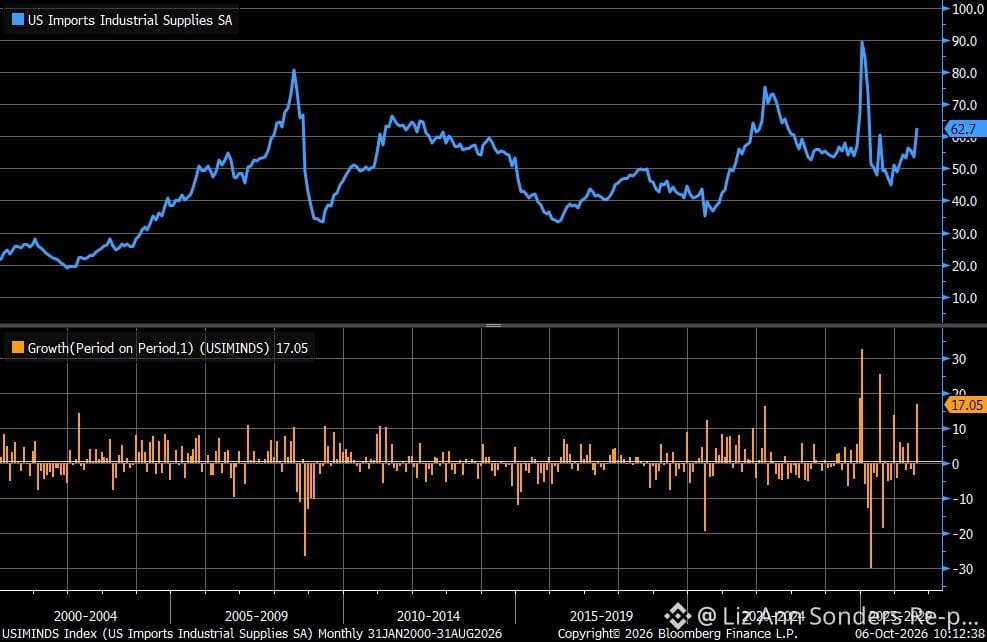
During August, the import of industrial supplies, including petroleum, crude oil, chemicals, and metals, experienced a 17% jump from the preceding month. This growth translated to an increase of $9.1B, which ultimately helped drive the overall trade deficit up to $105.6B.
During August, the import of industrial supplies, including petroleum, crude oil, chemicals, and metals, experienced a 17% jump from the preceding month. This growth translated to an increase of $9.1B, which ultimately helped drive the overall trade deficit up to $105.6B.
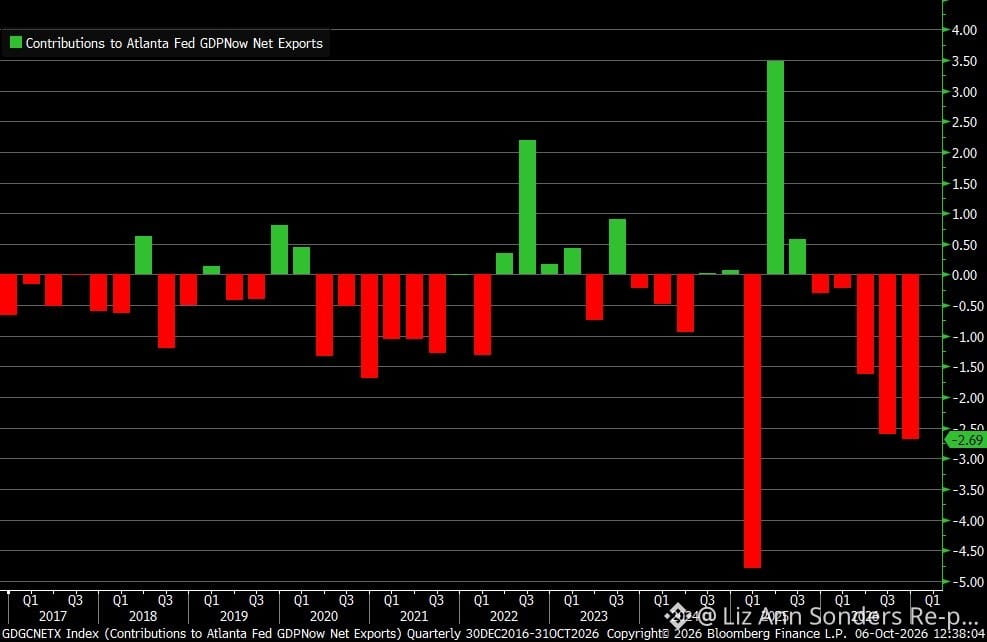
Economic expansion is anticipated to face a downward drag from net exports, according to the newest insights provided by the @AtlantaFed GDPNow model. Specifically, current estimates show that this component will deduct 2.69 percentage points from the calculation for the 3Q26 GDP.
Economic expansion is anticipated to face a downward drag from net exports, according to the newest insights provided by the @AtlantaFed GDPNow model. Specifically, current estimates show that this component will deduct 2.69 percentage points from the calculation for the 3Q26 GDP.
Below is an overview of how various market sectors and indexes performed yesterday, alongside their MTD and YTD results.
Below is an overview of how various market sectors and indexes performed yesterday, alongside their MTD and YTD results.
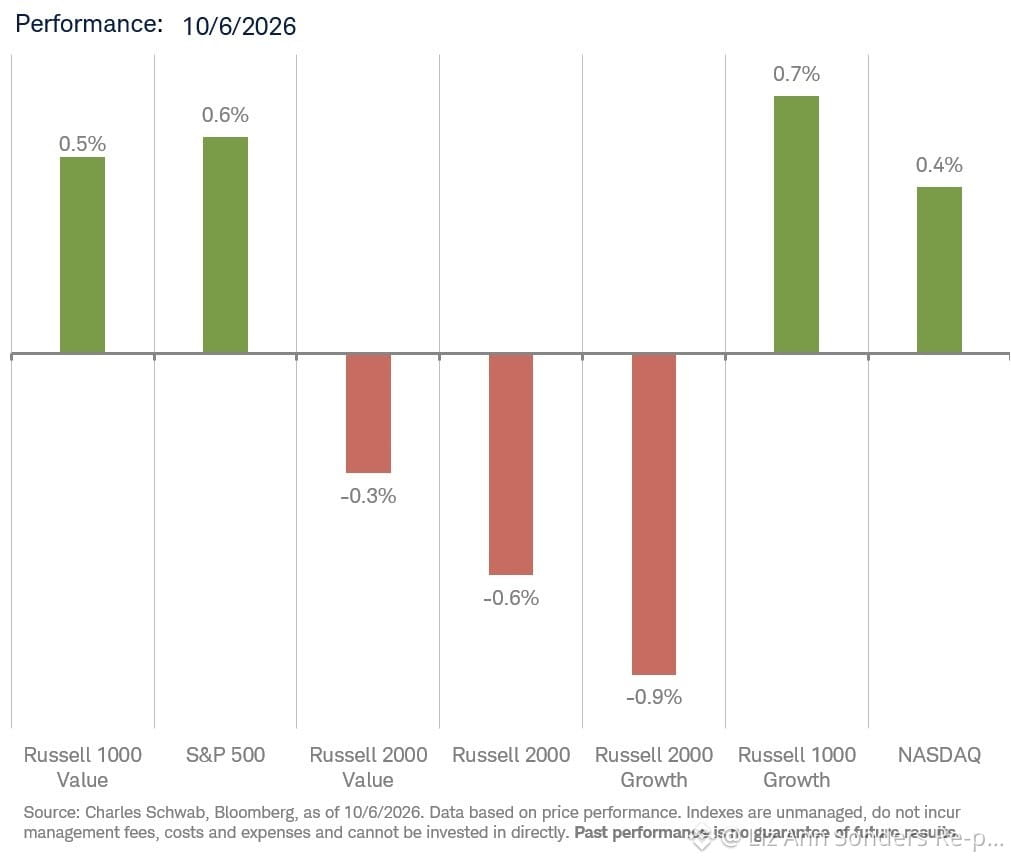
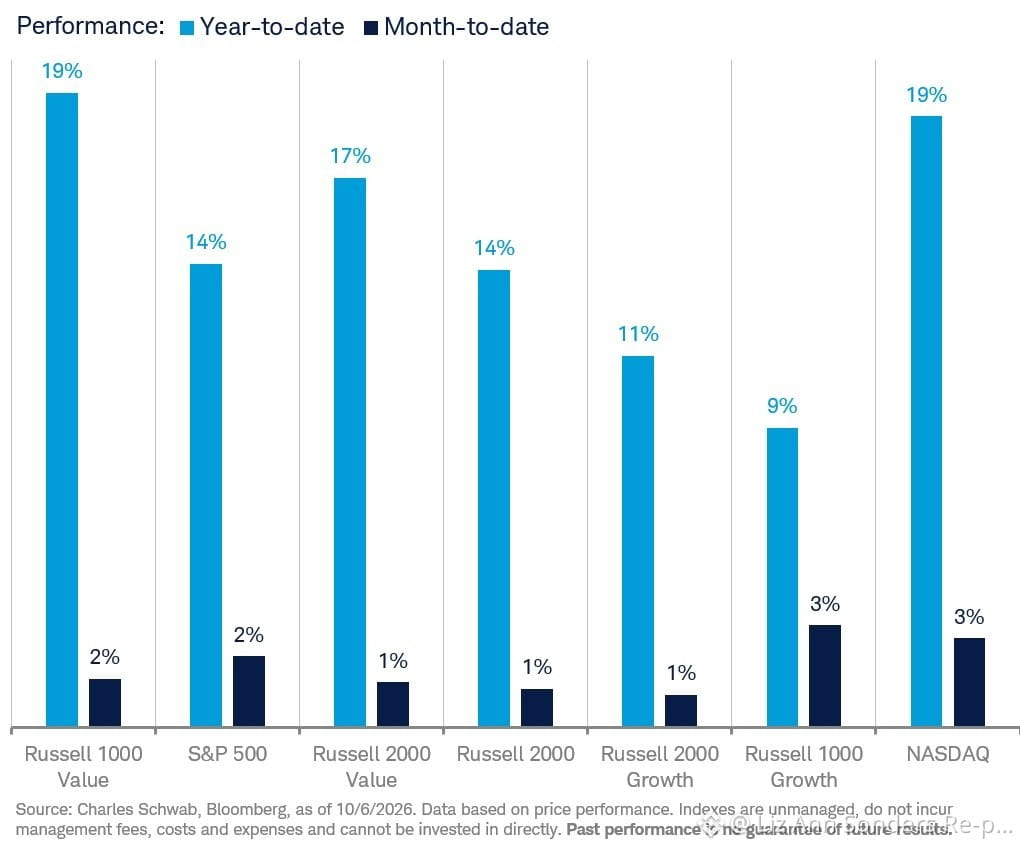
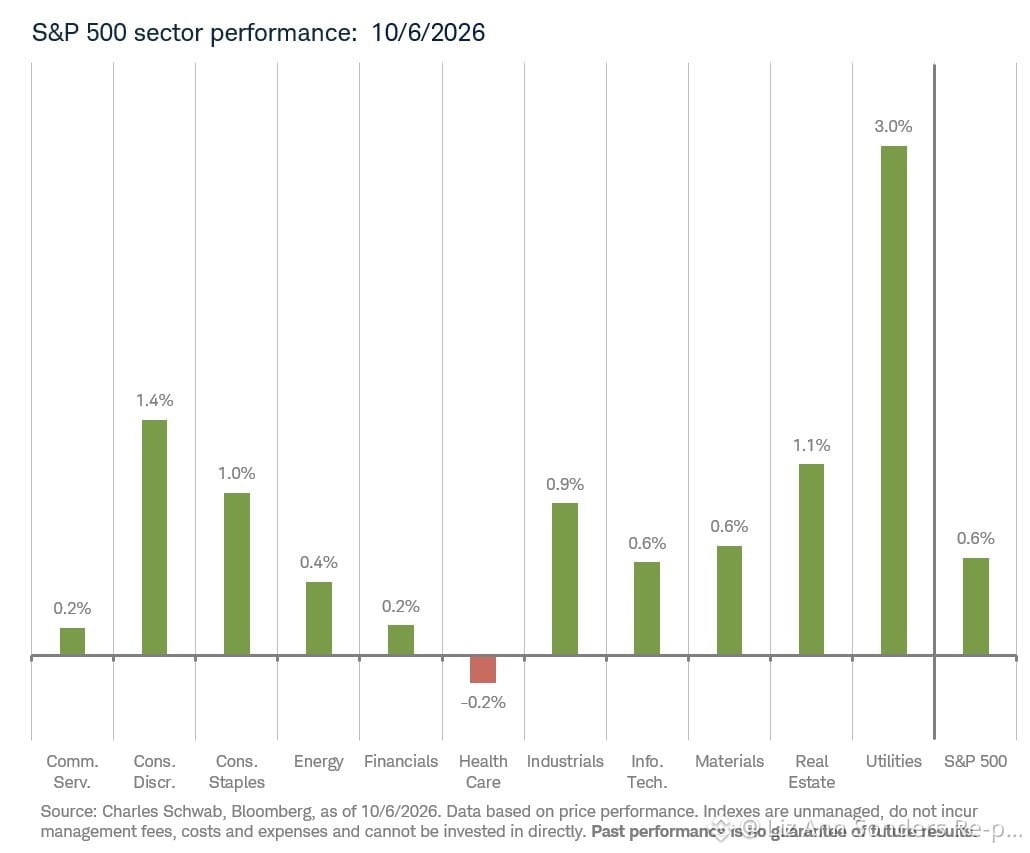
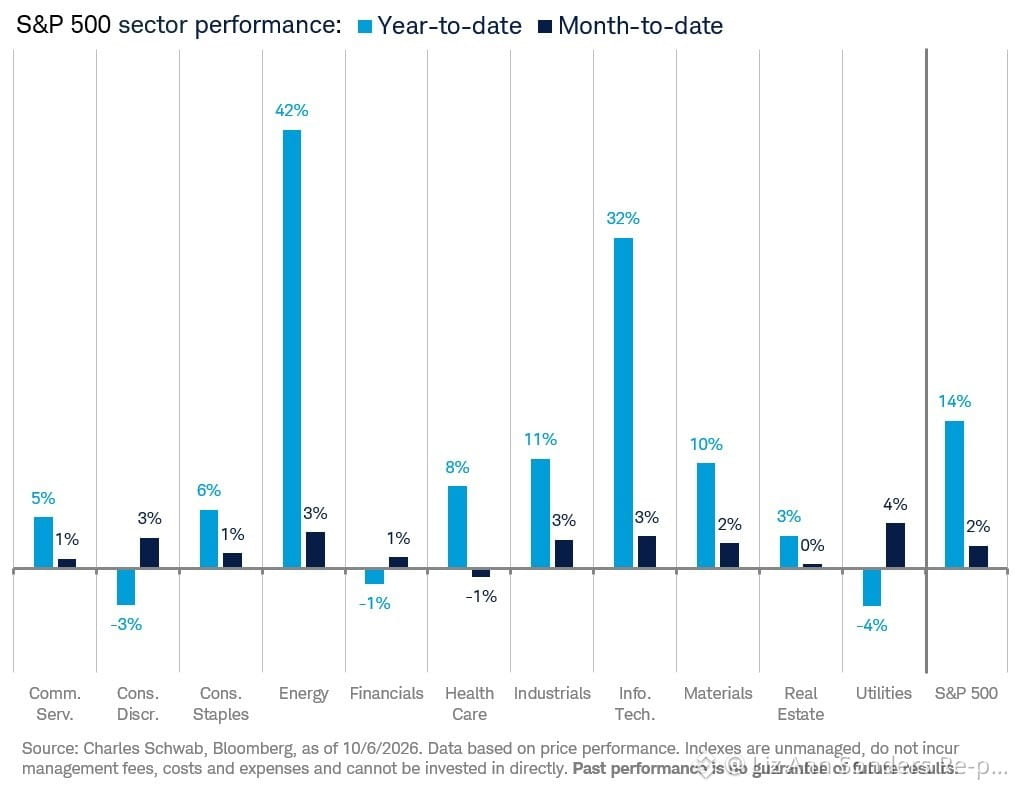
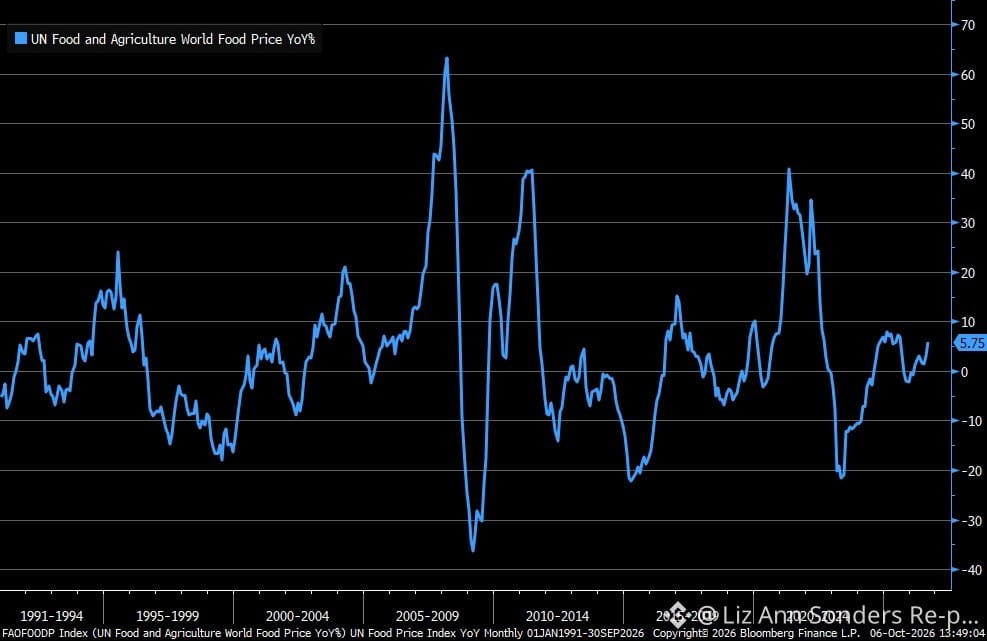
Global food costs have experienced a noticeable climb recently. According to the Price Index tracked by the @FAO (Food & Agriculture Organization), overall rates in September reached their highest peak in nearly four years. This shift reflects a 5.8% increase compared to a year ago. Looking at the individual categories, there was an upward trend in the cost of cereals, vegetable oils, and sugars. At the same time, meat prices actually decreased, while dairy prices held perfectly stable.
Global food costs have experienced a noticeable climb recently. According to the Price Index tracked by the @FAO (Food & Agriculture Organization), overall rates in September reached their highest peak in nearly four years. This shift reflects a 5.8% increase compared to a year ago. Looking at the individual categories, there was an upward trend in the cost of cereals, vegetable oils, and sugars. At the same time, meat prices actually decreased, while dairy prices held perfectly stable.
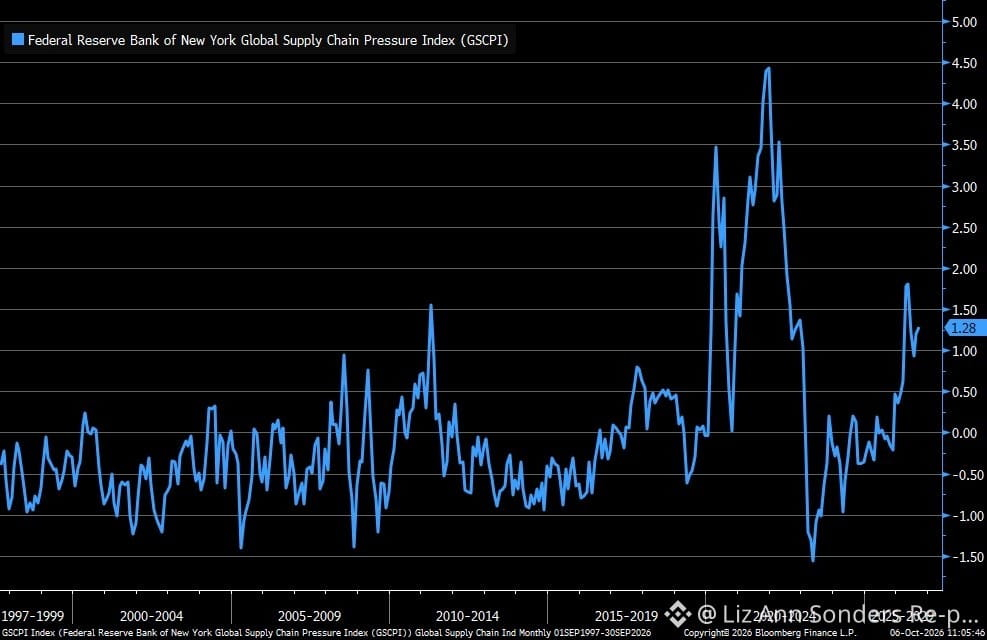
Serving as a gauge for worldwide economic supply disruptions, the Global Supply Chain Pressure Index from the @NewYorkFed climbed to 1.28 for the month of September. This marks an increase compared to the previous reading of 1.20, a number that had been adjusted higher from its original estimate of 1.06.
Serving as a gauge for worldwide economic supply disruptions, the Global Supply Chain Pressure Index from the @NewYorkFed climbed to 1.28 for the month of September. This marks an increase compared to the previous reading of 1.20, a number that had been adjusted higher from its original estimate of 1.06.
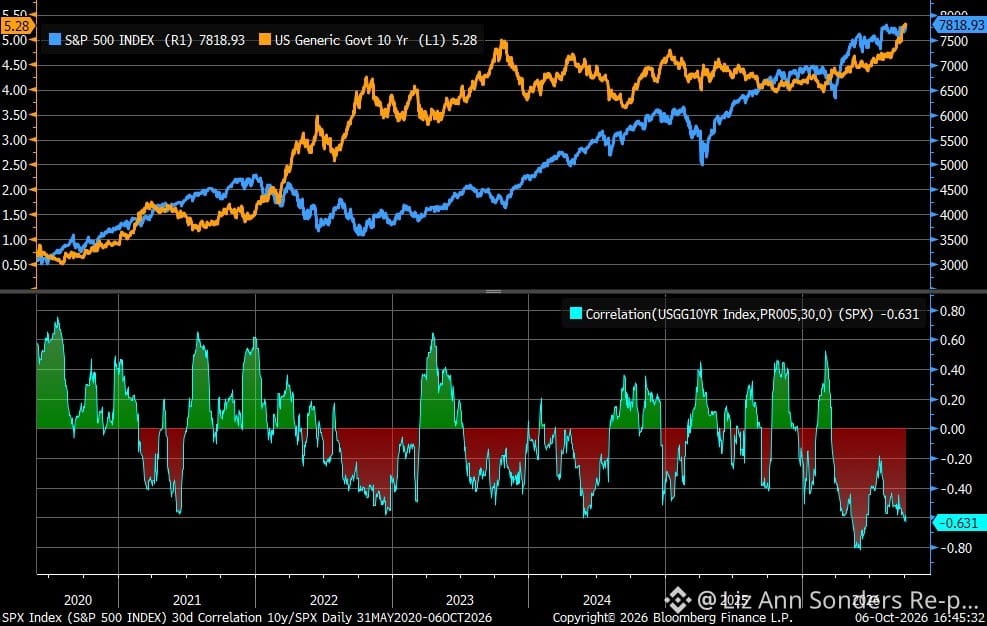
The relationship between the 10y yield and the S&P 500 continues to be strongly negative. In fact, we can see that this inverse connection becomes even more pronounced whenever yields experience a decline.
The relationship between the 10y yield and the S&P 500 continues to be strongly negative. In fact, we can see that this inverse connection becomes even more pronounced whenever yields experience a decline.
IEFETF-0,17%
SPYB-0,58%
1
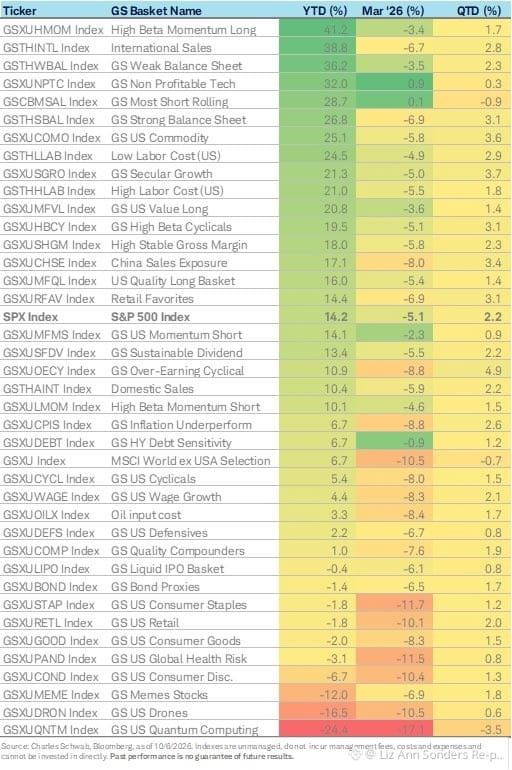
Reviewing the Performance of the Baskets
Reviewing the Performance of the Baskets
11
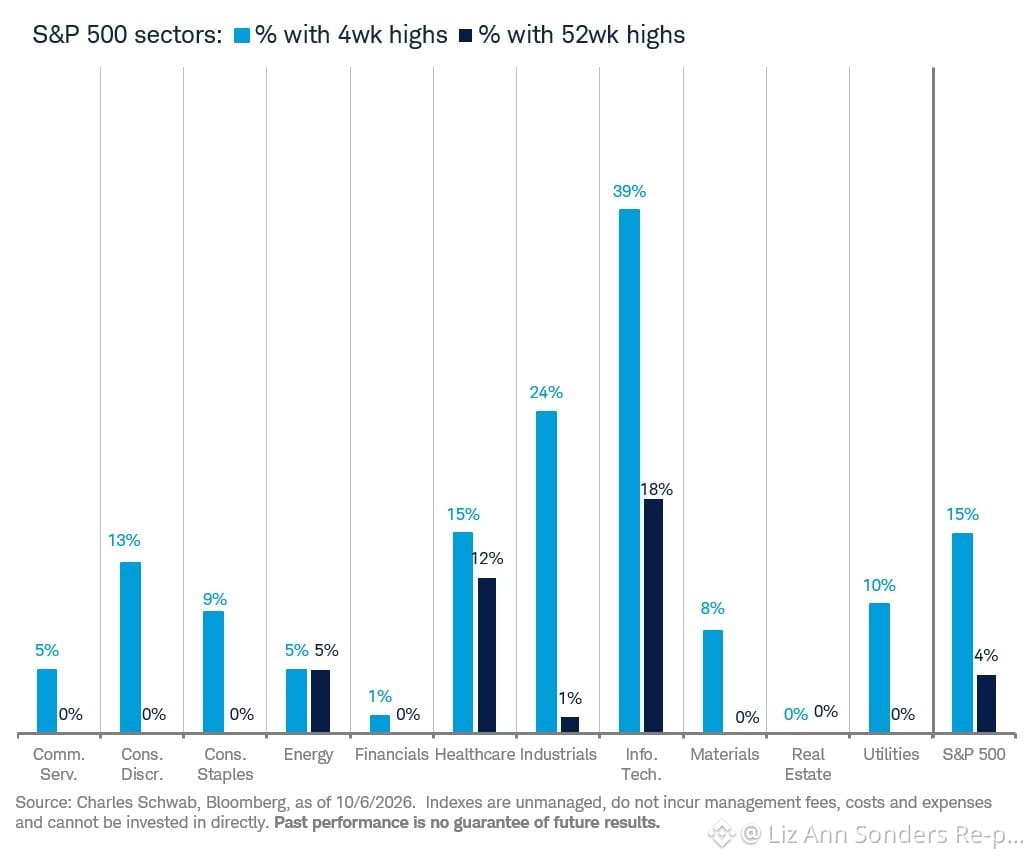
A sector-by-sector breakdown detailing the percentage of stocks currently reaching their 4w and 52w highs
A sector-by-sector breakdown detailing the percentage of stocks currently reaching their 4w and 52w highs
11
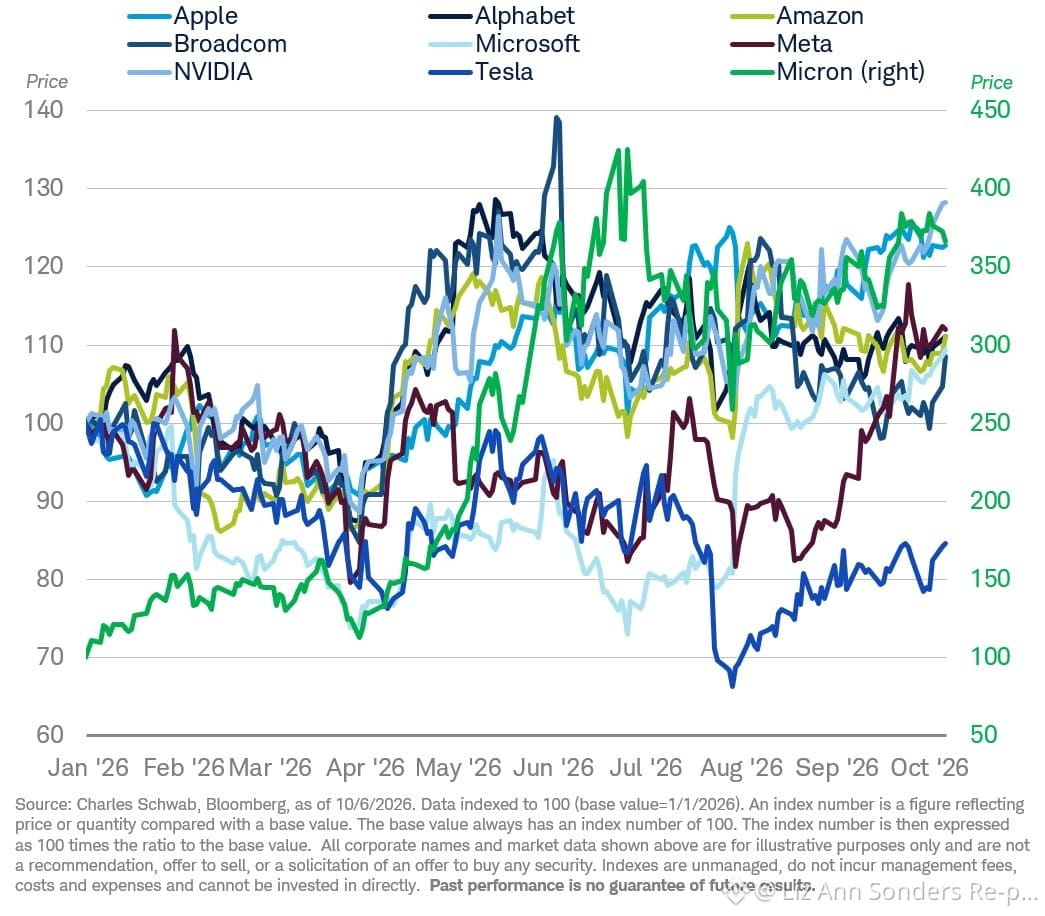
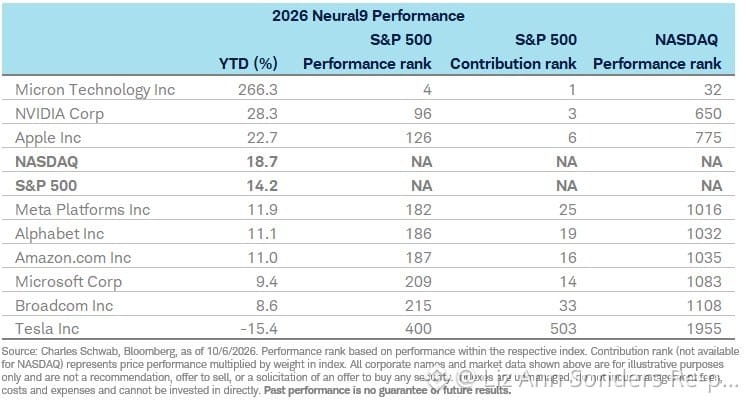
The following is a visual graph and tabular data overview detailing Neural9.
The following is a visual graph and tabular data overview detailing Neural9.
17
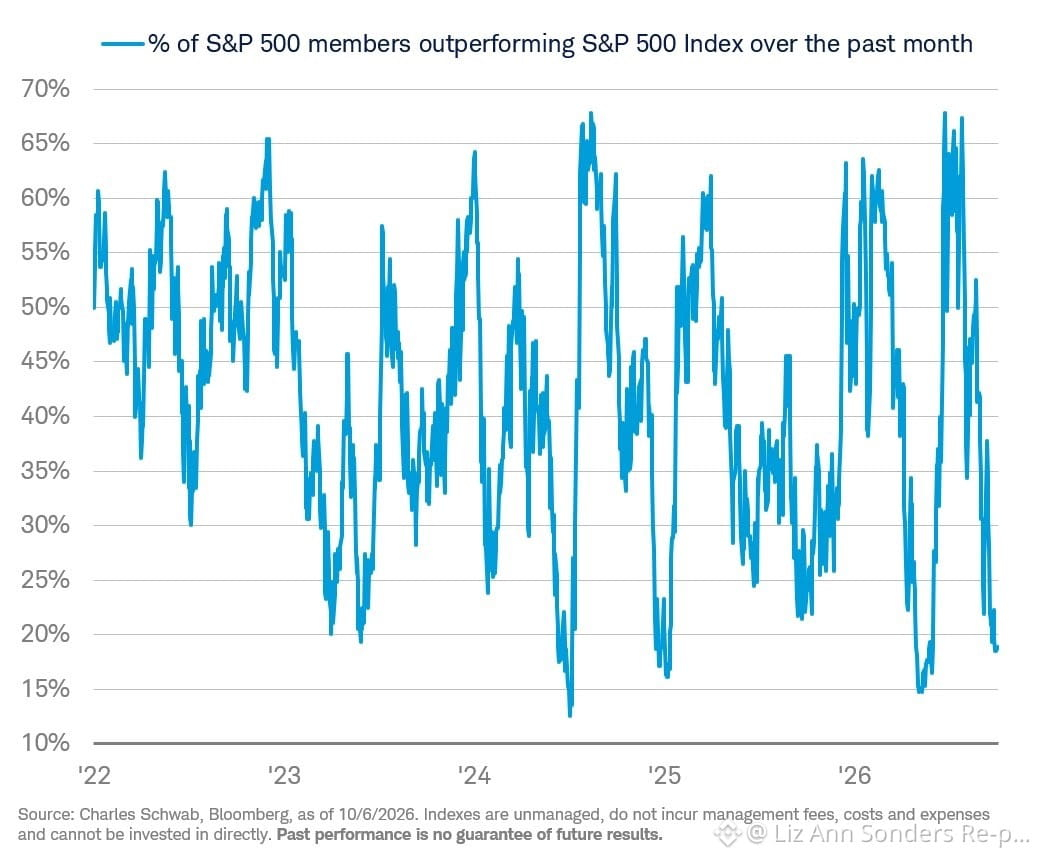
Understanding index declines and the proportion of assets beating the benchmark.
Understanding index declines and the proportion of assets beating the benchmark.
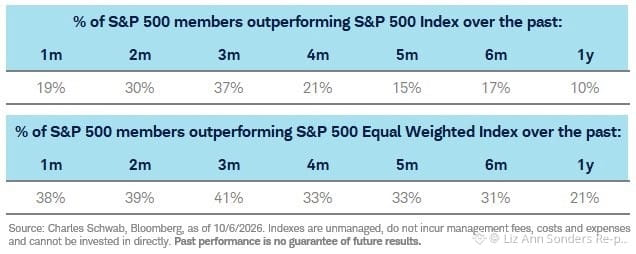
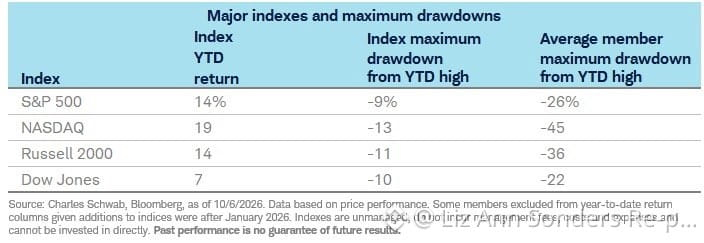
22
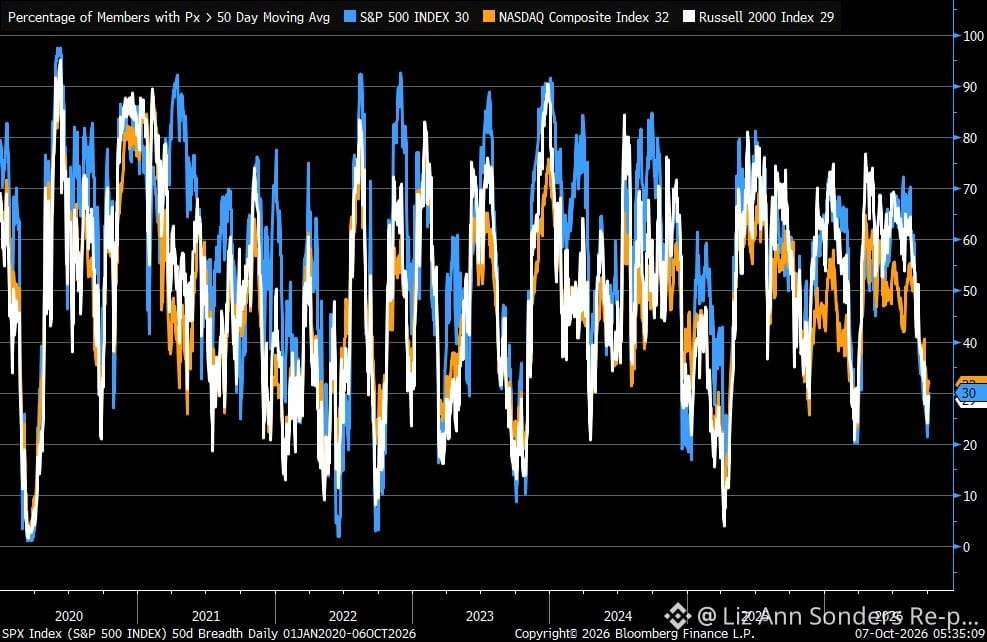
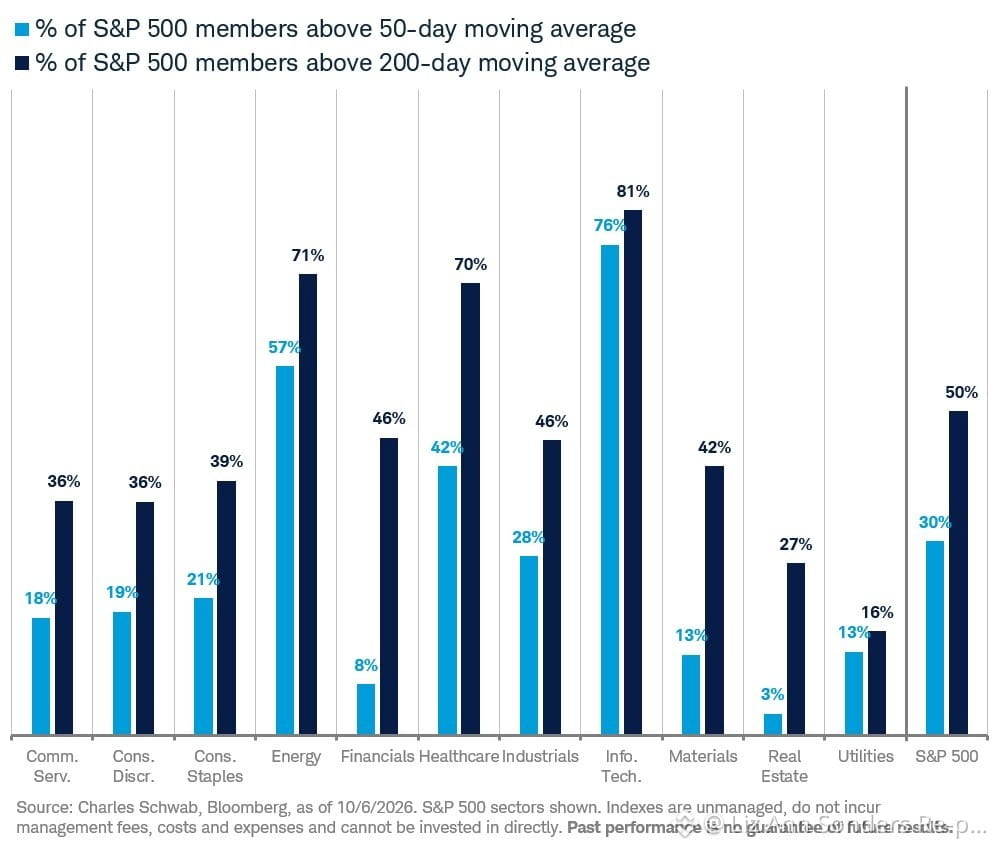
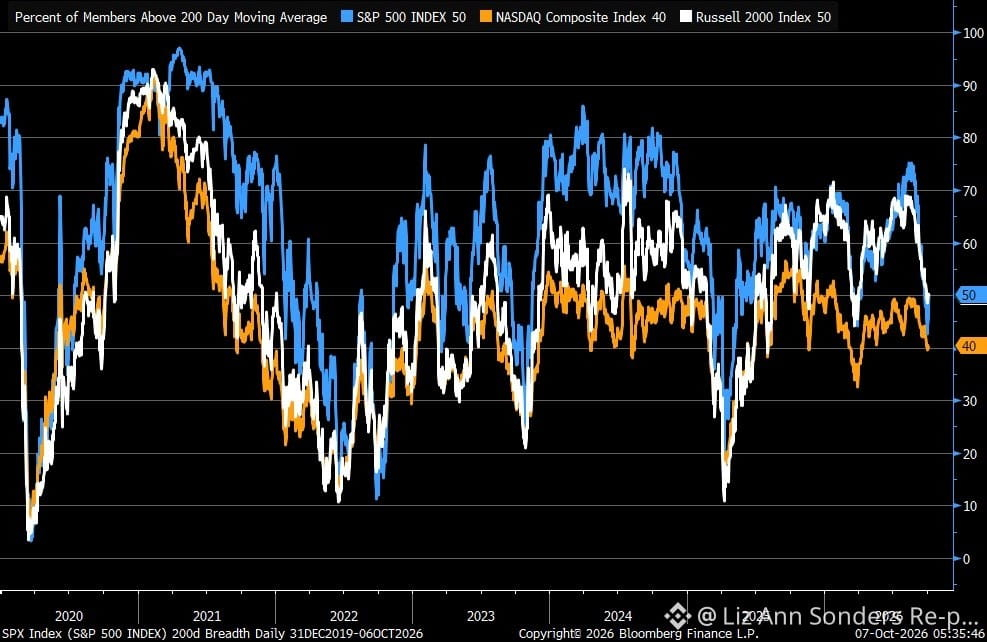
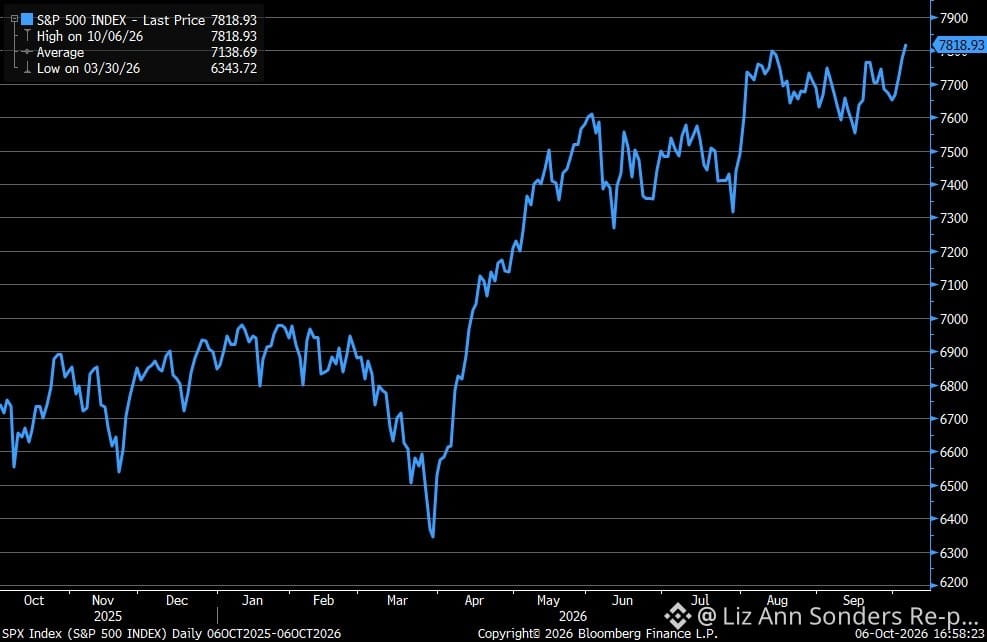
Reaching its 28th record close of the year, the S&P 500 ended today at a brand-new all-time high. This milestone marks the first time the index has achieved a record finish since August 13. As always, please remember that past performance is no guarantee of future results.
Reaching its 28th record close of the year, the S&P 500 ended today at a brand-new all-time high. This milestone marks the first time the index has achieved a record finish since August 13. As always, please remember that past performance is no guarantee of future results.
5
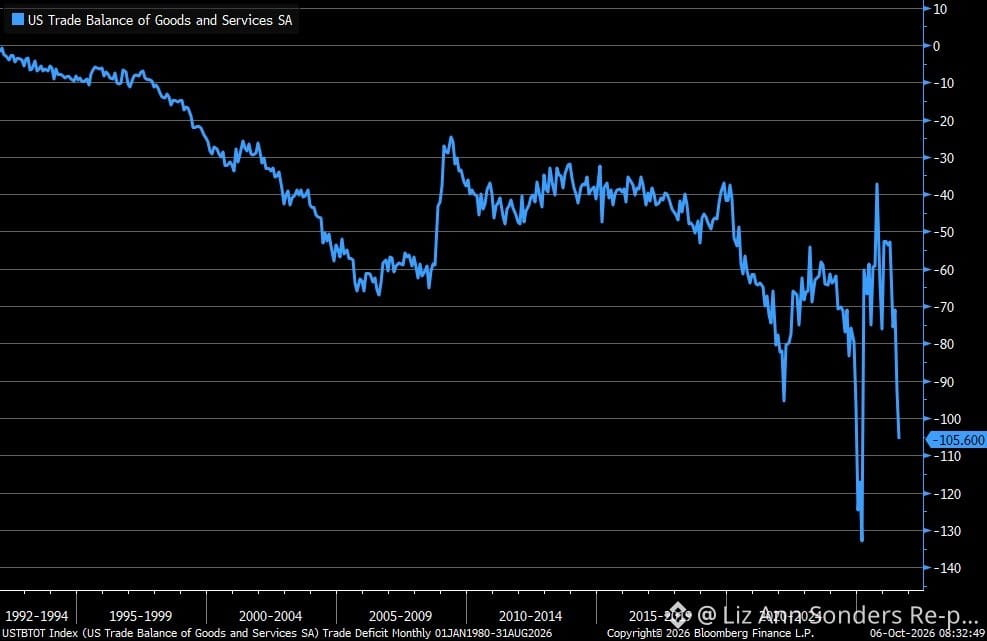
During August, the trade deficit experienced a sharp expansion, reaching $105.6B. This figure came in noticeably higher than the estimated $102.1B and shows a substantial increase from the $92.8B recorded during the previous month. It is worth highlighting that this represents the largest deficit observed since Liberation Day. When looking at the specific trade categories, imports grew by 4.3%, while exports saw a smaller increase of 1.4%.
During August, the trade deficit experienced a sharp expansion, reaching $105.6B. This figure came in noticeably higher than the estimated $102.1B and shows a substantial increase from the $92.8B recorded during the previous month. It is worth highlighting that this represents the largest deficit observed since Liberation Day. When looking at the specific trade categories, imports grew by 4.3%, while exports saw a smaller increase of 1.4%.
7
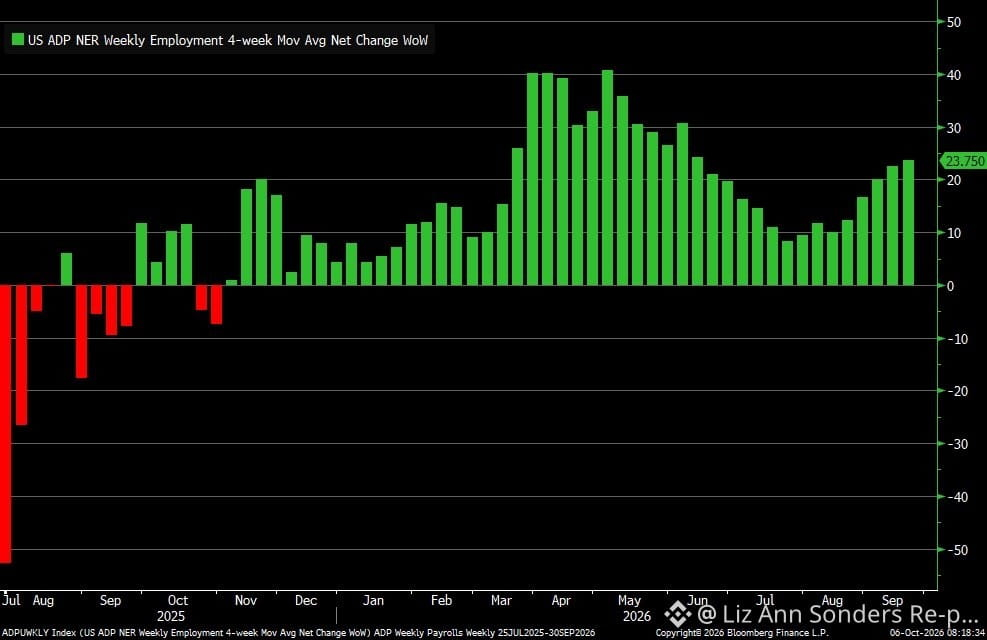
According to the latest figures shared by @adpresearch, private payrolls have successfully recorded their fifth consecutive week of growth. During the four-week period concluding on Sept 19, the private sector expanded by adding an average of 23,750 jobs.
According to the latest figures shared by @adpresearch, private payrolls have successfully recorded their fifth consecutive week of growth. During the four-week period concluding on Sept 19, the private sector expanded by adding an average of 23,750 jobs.
10
Based on the newest CFO Survey, top corporate finance professionals have identified inflation and monetary policy as their primary concerns looking ahead to 3Q26.
@DukeU @RichmondFed @AtlantaFed
Based on the newest CFO Survey, top corporate finance professionals have identified inflation and monetary policy as their primary concerns looking ahead to 3Q26.
@DukeU @RichmondFed @AtlantaFed
@DukeU @RichmondFed @AtlantaFed
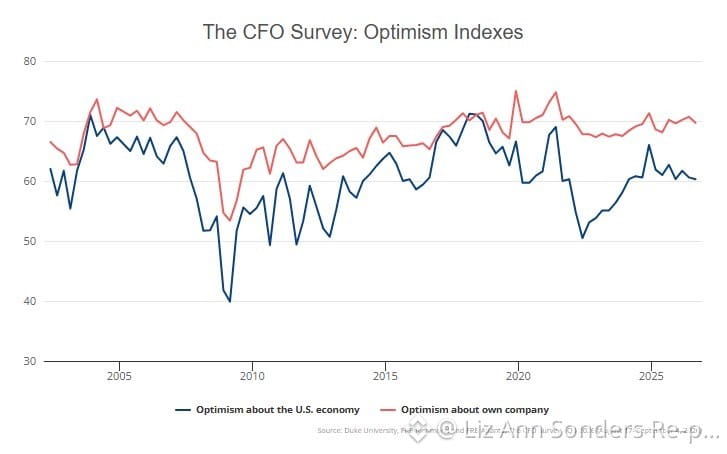
The recent 3Q26 CFO Survey from @DukeU, @RichmondFed, and @AtlantaFed reveals a minor dip in the overall confidence of CFOs concerning both the broader U.S. economy and their own companies. Although larger enterprises reported a welcome boost in optimism, this upward shift was ultimately balanced out by a fading outlook among small and financially constrained firms.
The recent 3Q26 CFO Survey from @DukeU, @RichmondFed, and @AtlantaFed reveals a minor dip in the overall confidence of CFOs concerning both the broader U.S. economy and their own companies. Although larger enterprises reported a welcome boost in optimism, this upward shift was ultimately balanced out by a fading outlook among small and financially constrained firms.
3
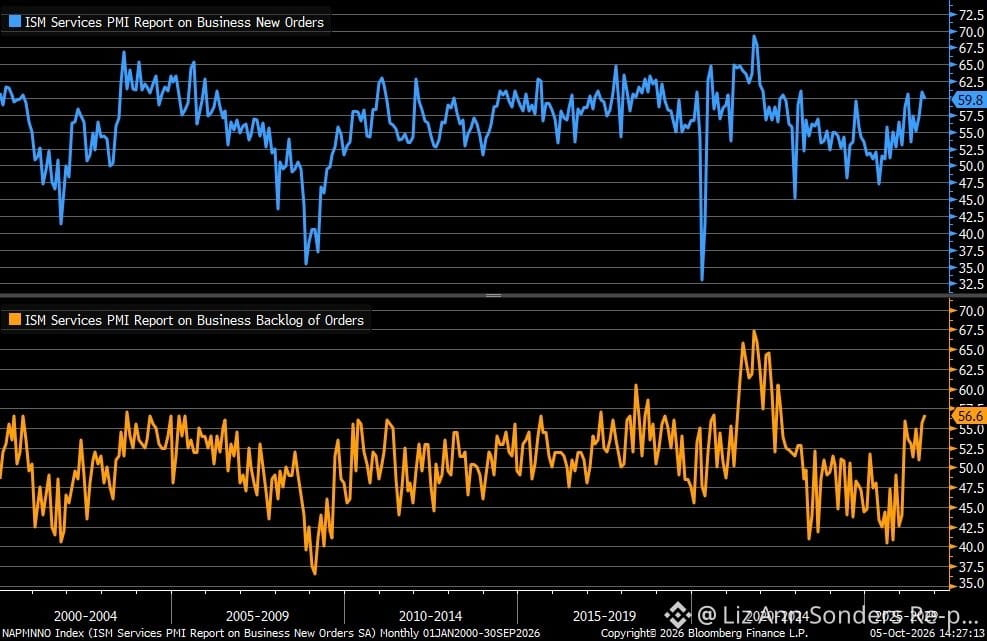
Throughout September, the @ISM services sector continued to record a robust volume of new orders. At the same time, the backlog for these orders climbed to a four-year peak. This trend clearly highlights that while customer demand remains strong, supply chains are currently experiencing significant strain.
Throughout September, the @ISM services sector continued to record a robust volume of new orders. At the same time, the backlog for these orders climbed to a four-year peak. This trend clearly highlights that while customer demand remains strong, supply chains are currently experiencing significant strain.
Connectez-vous pour découvrir plus de contenu
Rejoignez la communauté mondiale des adeptes de cryptomonnaies sur Binance Square
⚡️ Suviez les dernières informations importantes sur les cryptomonnaies.
💬 Jugé digne de confiance par la plus grande plateforme d’échange de cryptomonnaies au monde.
👍 Découvrez les connaissances que partagent les créateurs vérifiés.
Adresse e-mail/Nº de téléphone
Sujets d’actualité
FedMinutesFocusOnOctoberPause
11,219 vues
310 mentions
#fedminutesfocusonoctoberpause
🚨 OCTOBER FED HIKE ODDS COLLAPSE TO 21.6%… Is $BTC About to React? 👀
The Fed is about to give markets another major clue.
Investors are waiting for today’s FOMC minutes — and the biggest question is whether October brings another rate hike… or a pause.
Right now, the odds of a 25-basis-point October hike have fallen to just 21.6%.
That’s a huge shift in expectations.
But here’s what makes this interesting… 👀
The Fed raised rates to 3.75%–4.00% in September, but recent weakness in jobs data and softer inflation have made another immediate hike look less certain.
And for crypto, this matters.
A Fed pause could reduce pressure on financial conditions and potentially improve risk appetite.
That could become a tailwind for BTC
But there’s a catch…
Bitcoin is already under pressure as the dollar and Treasury yields move higher.
So tonight’s minutes could become a volatility trigger.
Dovish Fed → liquidity hopes → bullish .
BTC narrative?
Hawkish Fed → higher-rate fears → more pressure on risk assets?
The real question:
Is October becoming the pause Bitcoin bulls have been waiting for… or could the Fed surprise the market again? 👀
Watch BTC + Fed expectations + Treasury yields closely.
#FederalReserve #Fed #Crypto #InterestRates
$ETH
$SOL
Shae Cassler Sw9r
·11 mentions J’aime
·24.9k vues
BinanceLaunchesBinanceIntelligence
917,526 vues
5,570 mentions
RobinhoodAdds$25MInBitcoinToBalanceSheet
650 vues
25 mentions