

Spider_BNB1
19.3k Publications

Spider_BNB1
 Compte Square Vérifié+
Signaler
Bloquer l’utilisateur
Spider_BNB1
Ouvert au trading
Trade fréquemment
2.1 an(s)
17 Suivis
44.4K+ Abonnés
24.1K+ J’aime
Publications
Portefeuille
Tous
Citations
Vidéos
Direct
·
--
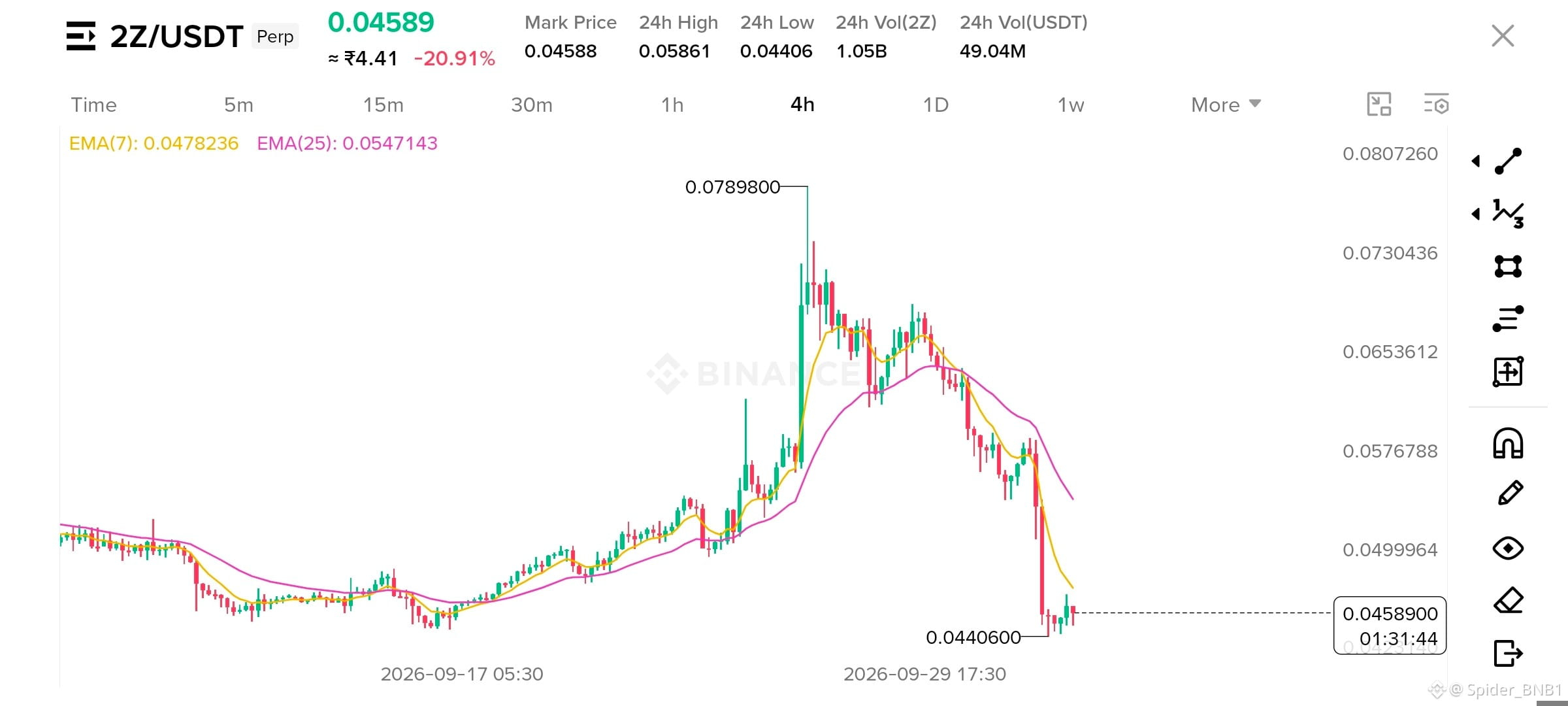
SMART MONEY 👀🔥 — 2Z IS SHOWING A REACTION ZONE
$2Z USDT — LONG 🟢
Entry: 0.04510 – 0.04565
TP1: 0.04800
TP2: 0.05000
TP3: 0.05300
SL: 0.04380
⚠️ Wait for 0.04600 reclaim/hold before entry.
I am doing Long here👇
{future}(2ZUSDT)
$XAU
{future}(XAUUSDT)
$ZEC
{future}(ZECUSDT)
SMART MONEY 👀🔥 — 2Z IS SHOWING A REACTION ZONE
$2Z USDT — LONG 🟢
Entry: 0.04510 – 0.04565
TP1: 0.04800
TP2: 0.05000
TP3: 0.05300
SL: 0.04380
⚠️ Wait for 0.04600 reclaim/hold before entry.
I am doing Long here👇
$XAU
$ZEC
$2Z USDT — LONG 🟢
Entry: 0.04510 – 0.04565
TP1: 0.04800
TP2: 0.05000
TP3: 0.05300
SL: 0.04380
⚠️ Wait for 0.04600 reclaim/hold before entry.
I am doing Long here👇
$XAU
$ZEC
4
6
3.1k
·
--
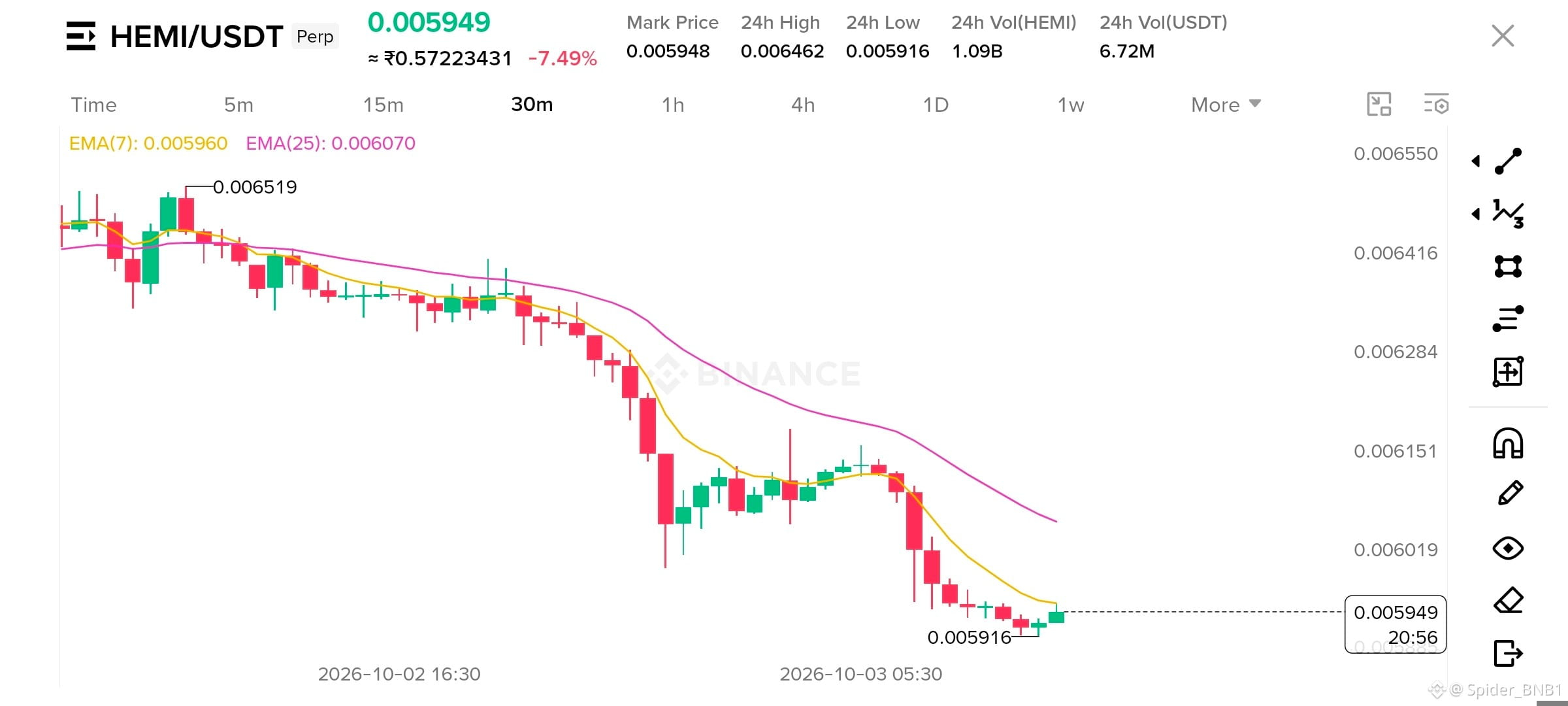
EVERYONE 👀🔥 — HEMI IS TRYING TO BUILD A BOTTOM
$HEMI USDT — LONG 🟢
Entry: 0.00595 – 0.00600
TP1: 0.00610
TP2: 0.00625
TP3: 0.00640
SL: 0.005542
⚠️ Long only if 0.00600 holds/reclaims.
I am doing Long here👇
{future}(HEMIUSDT)
$XAU
{future}(XAUUSDT)
$ZEC
{future}(ZECUSDT)
EVERYONE 👀🔥 — HEMI IS TRYING TO BUILD A BOTTOM
$HEMI USDT — LONG 🟢
Entry: 0.00595 – 0.00600
TP1: 0.00610
TP2: 0.00625
TP3: 0.00640
SL: 0.005542
⚠️ Long only if 0.00600 holds/reclaims.
I am doing Long here👇
$XAU
$ZEC
$HEMI USDT — LONG 🟢
Entry: 0.00595 – 0.00600
TP1: 0.00610
TP2: 0.00625
TP3: 0.00640
SL: 0.005542
⚠️ Long only if 0.00600 holds/reclaims.
I am doing Long here👇
$XAU
$ZEC
14
3
1.7k
·
--
$龙虾 All TP done and still long positions open guy's big move waiting
{alpha}(560xeccbb861c0dda7efd964010085488b69317e4444)
$ZEC
{future}(ZECUSDT)
$XAU
{future}(XAUUSDT)
$龙虾 All TP done and still long positions open guy's big move waiting
$ZEC
$XAU
$ZEC
$XAU
Spider_BNB1
·
--
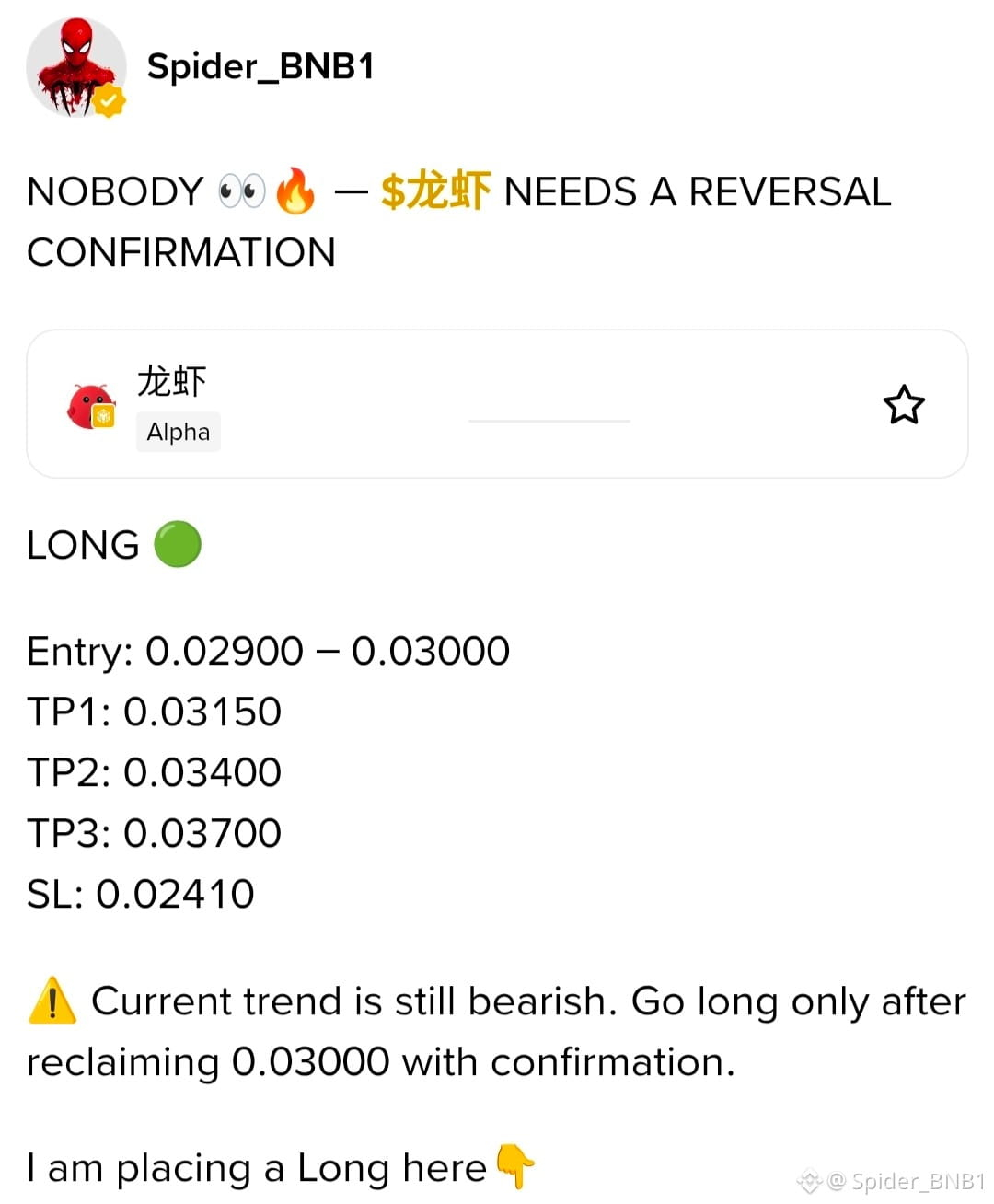
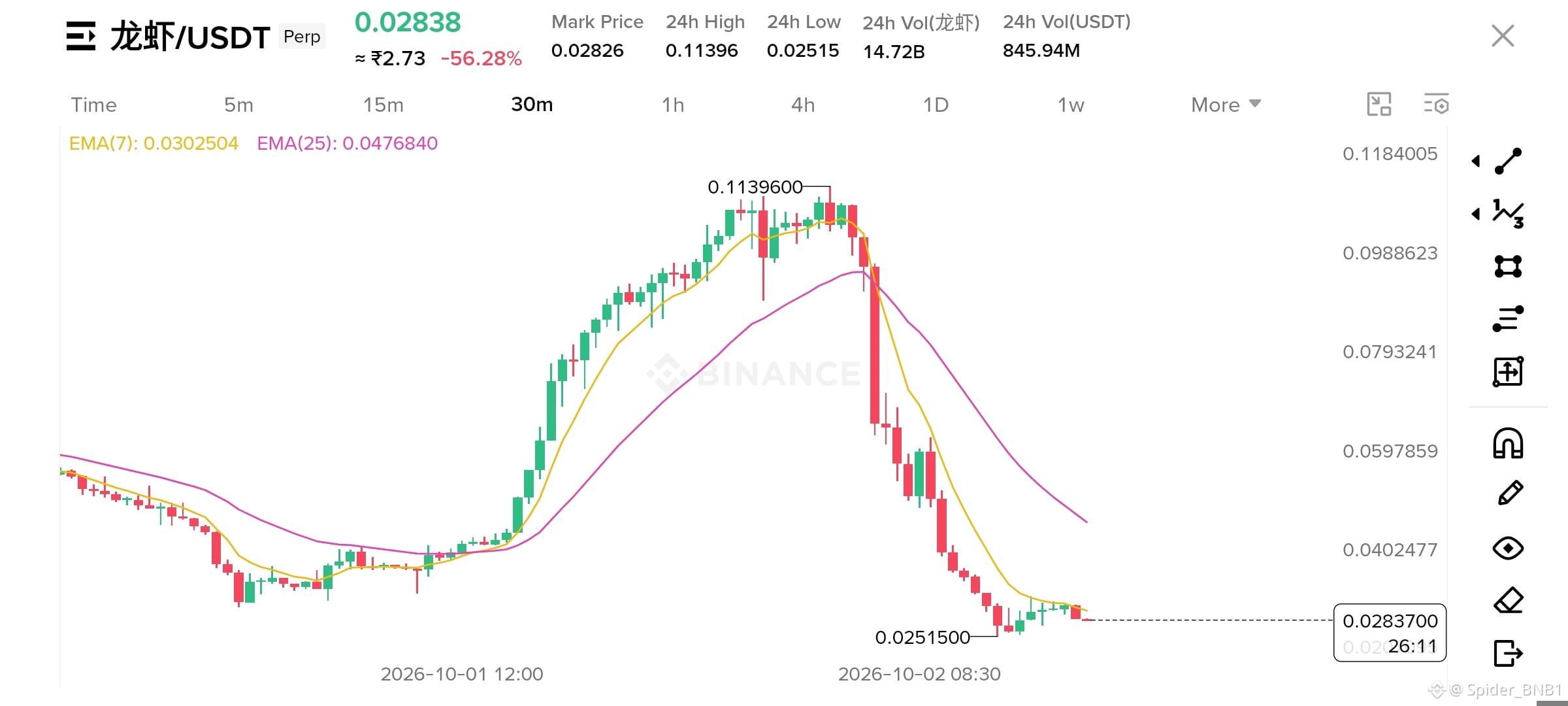
NOBODY 👀🔥 — $龙虾 NEEDS A REVERSAL CONFIRMATION
LONG 🟢
Entry: 0.02900 – 0.03000
TP1: 0.03150
TP2: 0.03400
TP3: 0.03700
SL: 0.02410
⚠️ Current trend is still bearish. Long only after reclaiming 0.03000 with confirmation.
I am doing Long here👇
$ZEC
LONG 🟢
Entry: 0.02900 – 0.03000
TP1: 0.03150
TP2: 0.03400
TP3: 0.03700
SL: 0.02410
⚠️ Current trend is still bearish. Long only after reclaiming 0.03000 with confirmation.
I am doing Long here👇
$ZEC
2
2
1.6k
·
--
NOBODY 👀🔥 — $龙虾 NEEDS A REVERSAL CONFIRMATION
{alpha}(560xeccbb861c0dda7efd964010085488b69317e4444)
LONG 🟢
Entry: 0.02900 – 0.03000
TP1: 0.03150
TP2: 0.03400
TP3: 0.03700
SL: 0.02410
⚠️ Current trend is still bearish. Long only after reclaiming 0.03000 with confirmation.
I am doing Long here👇
{future}(XAUUSDT)
$ZEC
{future}(ZECUSDT)
NOBODY 👀🔥 — $龙虾 NEEDS A REVERSAL CONFIRMATION
LONG 🟢
Entry: 0.02900 – 0.03000
TP1: 0.03150
TP2: 0.03400
TP3: 0.03700
SL: 0.02410
⚠️ Current trend is still bearish. Long only after reclaiming 0.03000 with confirmation.
I am doing Long here👇
$ZEC
LONG 🟢
Entry: 0.02900 – 0.03000
TP1: 0.03150
TP2: 0.03400
TP3: 0.03700
SL: 0.02410
⚠️ Current trend is still bearish. Long only after reclaiming 0.03000 with confirmation.
I am doing Long here👇
$ZEC
17
1
7
3.4k
·
--
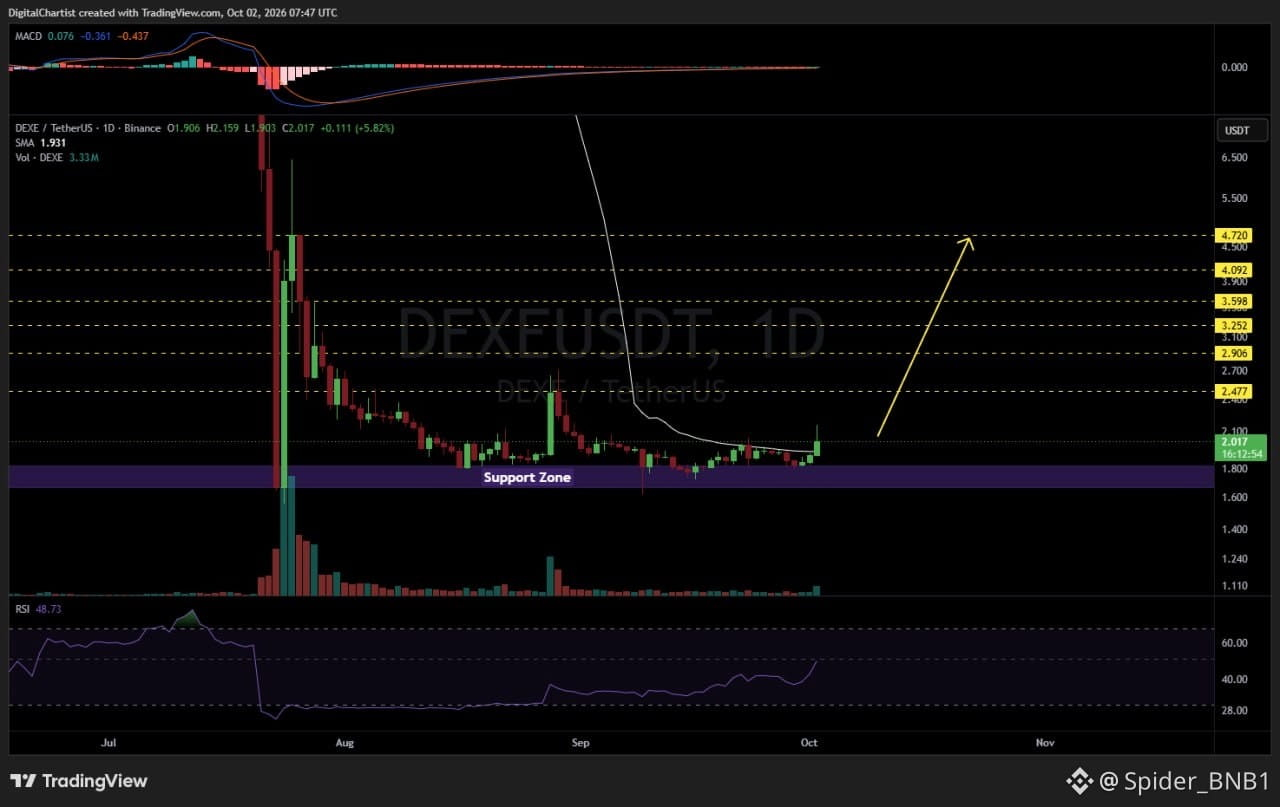
$DEXE USDT 1D
#DEXE has bounced off the support zone and is currently breaking above the daily SMA50. Looks promising. Buy a small bag and be patient. The potential upside targets are:
🎯 $2.477
🎯 $2.906
🎯 $3.252
🎯 $3.598
🎯 $4.092
🎯 $4.720
⚠️ Always remember to use a tight stop-loss and maintain proper risk management.$ZEC
{future}(ZECUSDT)
$XAU
{future}(XAUUSDT)
$DEXE USDT 1D
#DEXE has bounced off the support zone and is currently breaking above the daily SMA50. Looks promising. Buy a small bag and be patient. The potential upside targets are:
🎯 $2.477
🎯 $2.906
🎯 $3.252
🎯 $3.598
🎯 $4.092
🎯 $4.720
⚠️ Always remember to use a tight stop-loss and maintain proper risk management.$ZEC
$XAU
#DEXE has bounced off the support zone and is currently breaking above the daily SMA50. Looks promising. Buy a small bag and be patient. The potential upside targets are:
🎯 $2.477
🎯 $2.906
🎯 $3.252
🎯 $3.598
🎯 $4.092
🎯 $4.720
⚠️ Always remember to use a tight stop-loss and maintain proper risk management.$ZEC
$XAU
1
1k
·
--
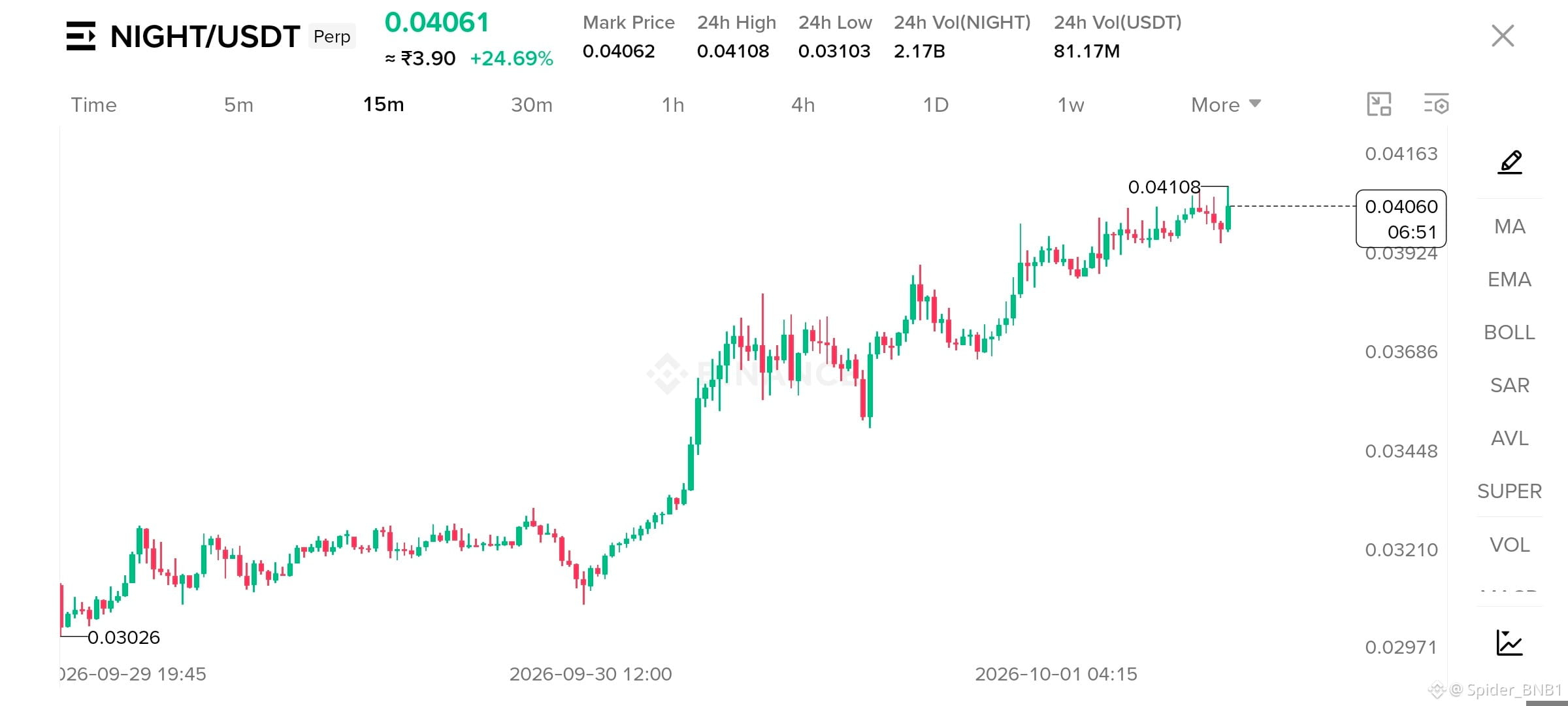
WAIT 👀🔥 — NIGHT IS HOLDING THE BREAKOUT
$NIGHT USDT — LONG 🟢
Entry: 0.03970 – 0.04000
TP1: 0.04080
TP2: 0.04150
TP3: 0.04230
SL: 0.03620
⚠️ Don’t chase at 0.04060+; wait for the entry zone.
I am doing Long here👇
{future}(NIGHTUSDT)
$XAU
{future}(XAUUSDT)
$ZEC
{future}(ZECUSDT)
WAIT 👀🔥 — NIGHT IS HOLDING THE BREAKOUT
$NIGHT USDT — LONG 🟢
Entry: 0.03970 – 0.04000
TP1: 0.04080
TP2: 0.04150
TP3: 0.04230
SL: 0.03620
⚠️ Don’t chase at 0.04060+; wait for the entry zone.
I am doing Long here👇
$XAU
$ZEC
$NIGHT USDT — LONG 🟢
Entry: 0.03970 – 0.04000
TP1: 0.04080
TP2: 0.04150
TP3: 0.04230
SL: 0.03620
⚠️ Don’t chase at 0.04060+; wait for the entry zone.
I am doing Long here👇
$XAU
$ZEC
1
318
·
--
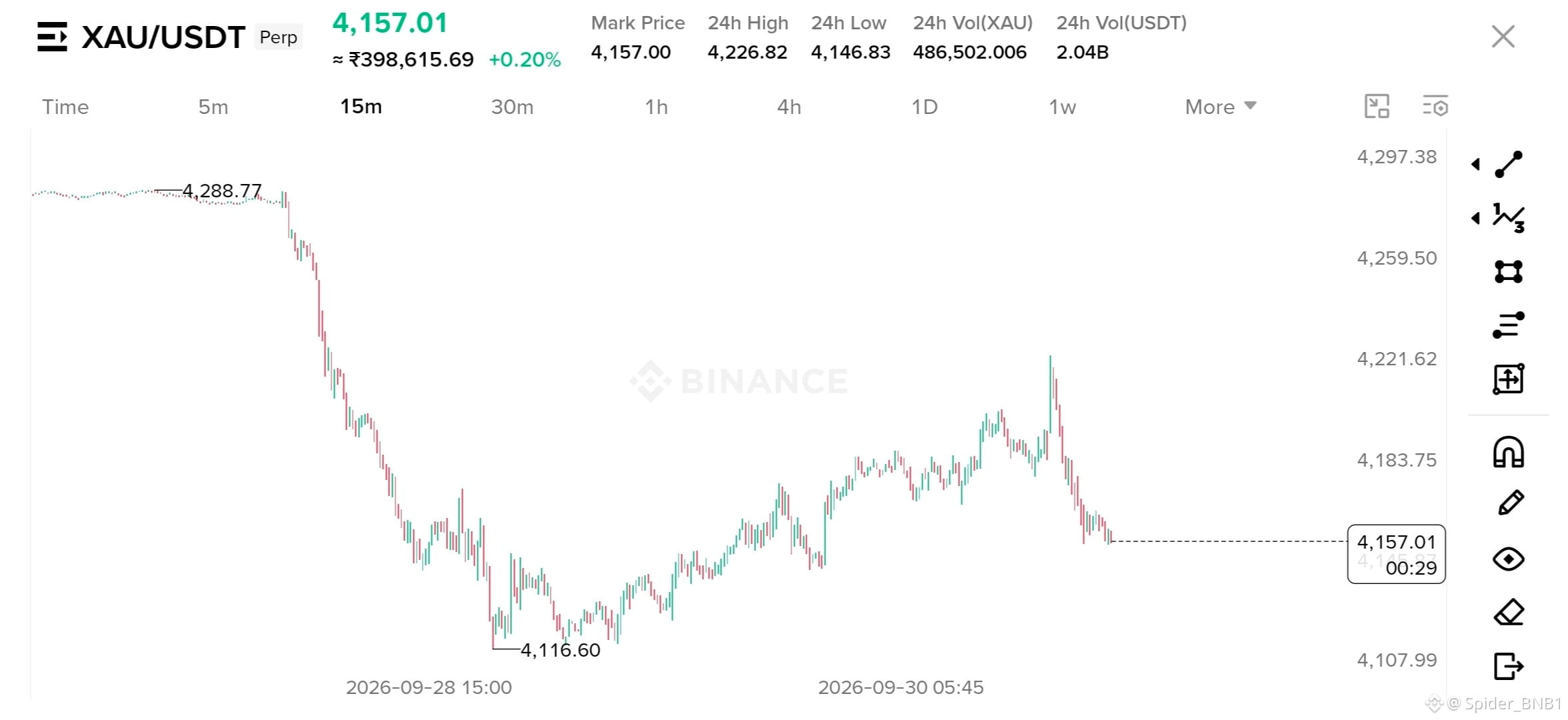
NOBODY SAW THIS BOUNCE COMING 👀🔥
$XAU USDT — LONG 🟢
Entry: 4150 – 4151
TP1: 4175
TP2: 4195
TP3: 4220
SL: 4132
I am doing Long here👇
{future}(XAUUSDT)
$ZEC
{future}(ZECUSDT)
NOBODY SAW THIS BOUNCE COMING 👀🔥
$XAU USDT — LONG 🟢
Entry: 4150 – 4151
TP1: 4175
TP2: 4195
TP3: 4220
SL: 4132
I am doing Long here👇
$ZEC
$XAU USDT — LONG 🟢
Entry: 4150 – 4151
TP1: 4175
TP2: 4195
TP3: 4220
SL: 4132
I am doing Long here👇
$ZEC
3
760
·
--
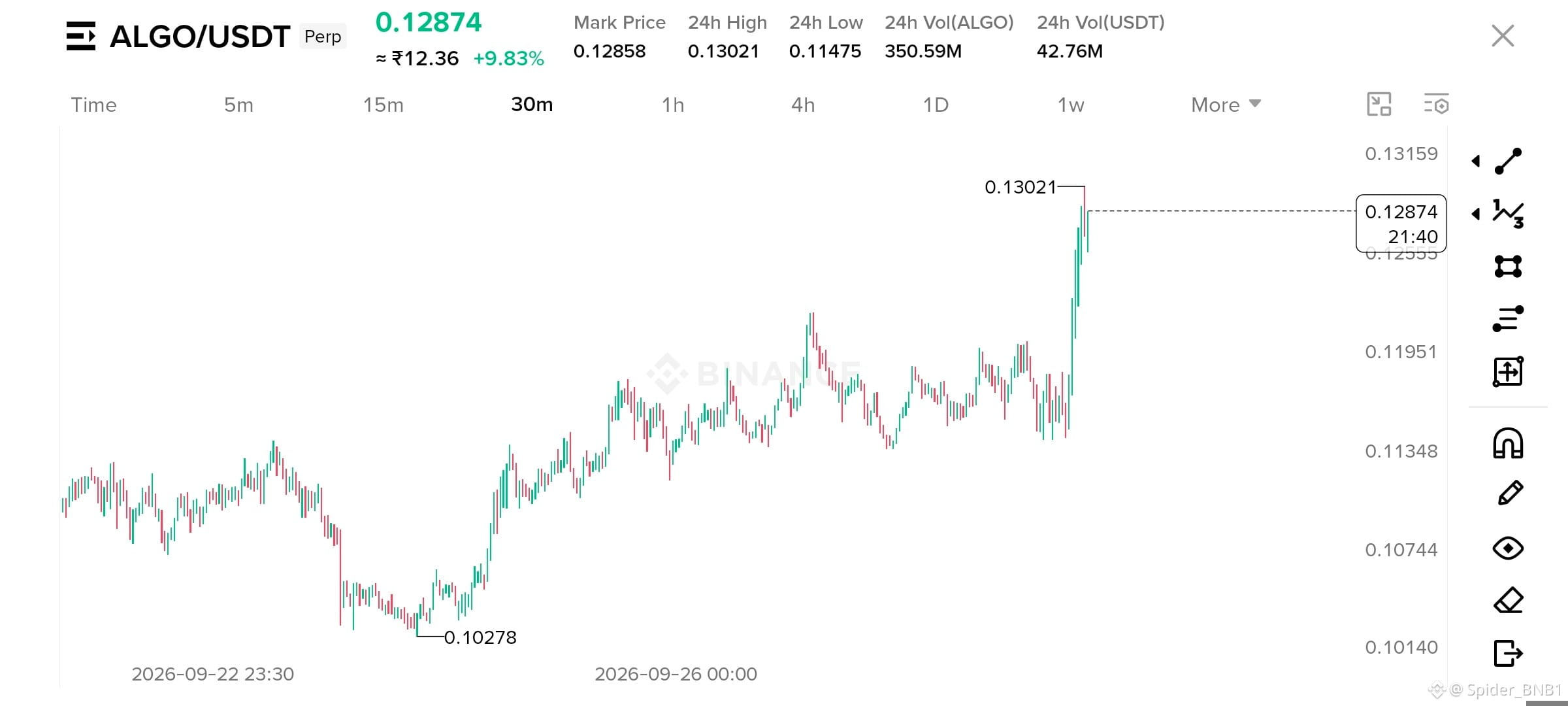
CAUGHT THE BREAKOUT 🚀👀 — ALGO JUST LEFT THE RANGE!
$ALGO USDT — LONG 🟢
Entry: 0.1275 – 0.1290
TP1: 0.1315
TP2: 0.1350
TP3: 0.1400
SL: 0.1245
I am doing Long here👇
{future}(ALGOUSDT)
$QNT
{future}(QNTUSDT)
$RHEA
{alpha}(560x4c067de26475e1cefee8b8d1f6e2266b33a2372e)
CAUGHT THE BREAKOUT 🚀👀 — ALGO JUST LEFT THE RANGE!
$ALGO USDT — LONG 🟢
Entry: 0.1275 – 0.1290
TP1: 0.1315
TP2: 0.1350
TP3: 0.1400
SL: 0.1245
I am doing Long here👇
$QNT
$RHEA
$ALGO USDT — LONG 🟢
Entry: 0.1275 – 0.1290
TP1: 0.1315
TP2: 0.1350
TP3: 0.1400
SL: 0.1245
I am doing Long here👇
$QNT
$RHEA
1
453
·
--
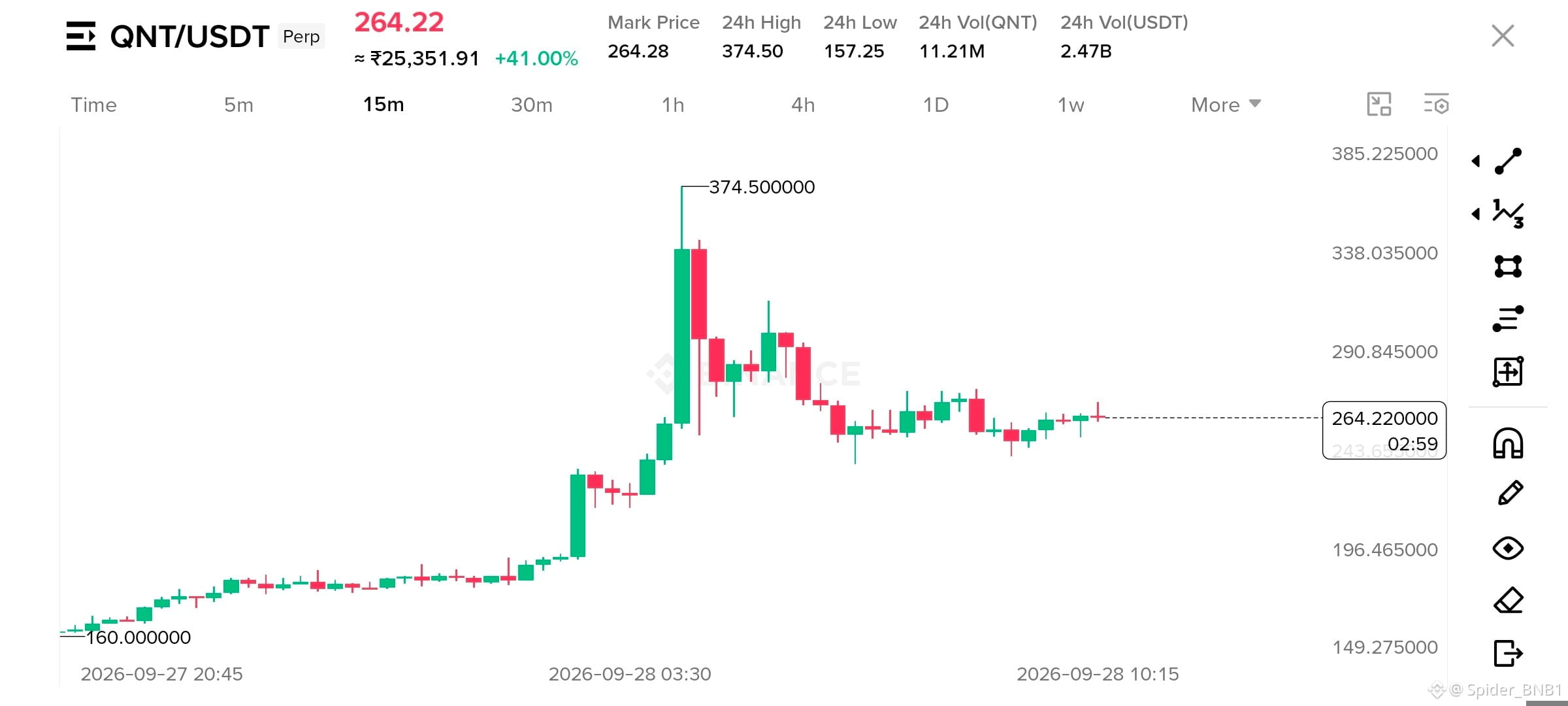
BOOM 💥 EVERYONE MISSED THE BREAKOUT — QNT IS CONSOLIDATING FOR THE NEXT MOVE!
$QNT USDT — LONG 🟢
Entry: 258 – 266
TP1: 280
TP2: 295
TP3: 315
SL: 240
I am doing Long here👇
{future}(QNTUSDT)
$BTW
{alpha}(560x444045b0ee1ee319a660a5e3d604ca0ffa35acaa)
$RHEA
{alpha}(560x4c067de26475e1cefee8b8d1f6e2266b33a2372e)
BOOM 💥 EVERYONE MISSED THE BREAKOUT — QNT IS CONSOLIDATING FOR THE NEXT MOVE!
$QNT USDT — LONG 🟢
Entry: 258 – 266
TP1: 280
TP2: 295
TP3: 315
SL: 240
I am doing Long here👇
$BTW
$RHEA
$QNT USDT — LONG 🟢
Entry: 258 – 266
TP1: 280
TP2: 295
TP3: 315
SL: 240
I am doing Long here👇
$BTW
$RHEA
2
399
·
--
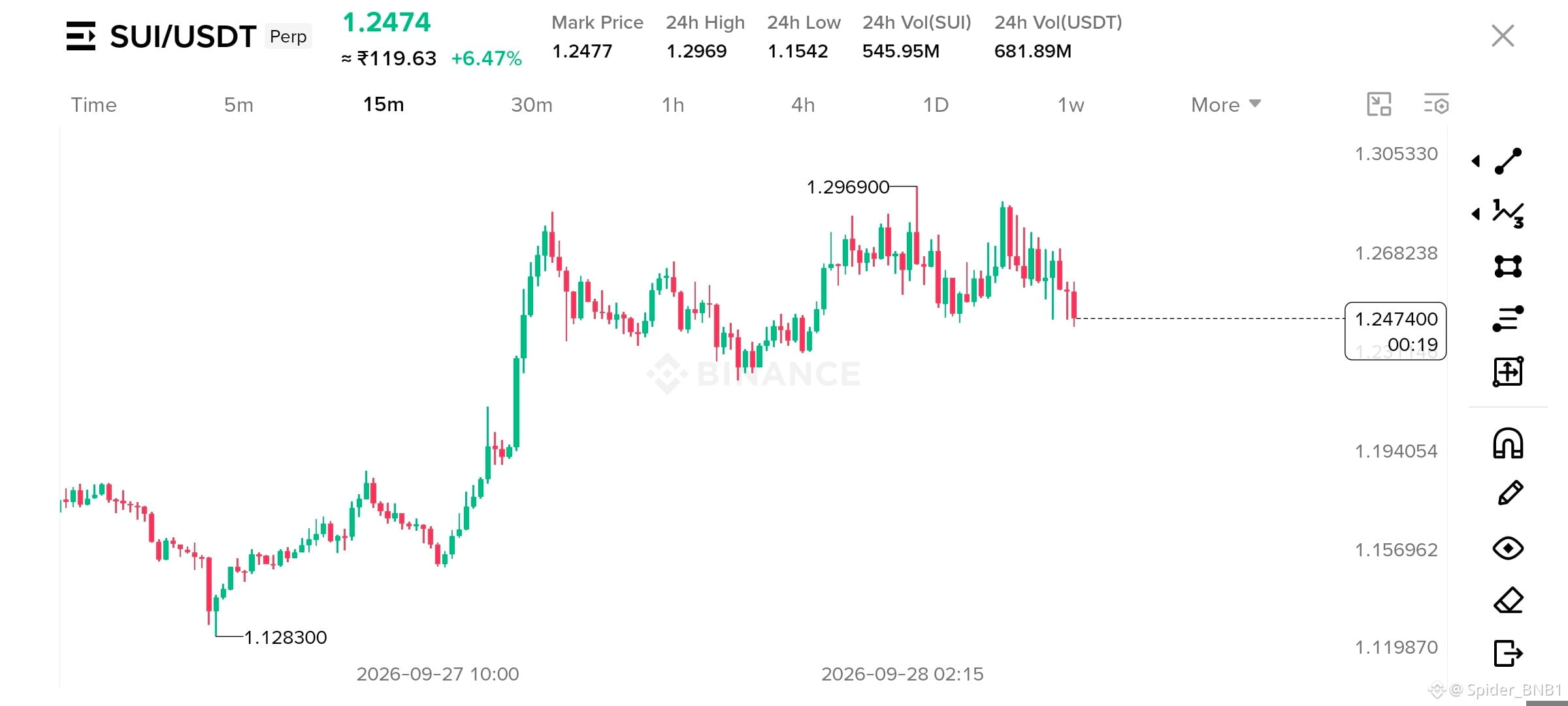
SMART MONEY IS WATCHING THIS RETEST 👀🔥 — SUI STILL HAS ROOM TO PUSH!
$SUI USDT — LONG 🟢
Entry: 1.240 – 1.250
TP1: 1.270
TP2: 1.295
TP3: 1.320
SL: 1.1500
I am doing Long here👇
{future}(SUIUSDT)
$QNT
{future}(QNTUSDT)
$RHEA
{alpha}(560x4c067de26475e1cefee8b8d1f6e2266b33a2372e)
SMART MONEY IS WATCHING THIS RETEST 👀🔥 — SUI STILL HAS ROOM TO PUSH!
$SUI USDT — LONG 🟢
Entry: 1.240 – 1.250
TP1: 1.270
TP2: 1.295
TP3: 1.320
SL: 1.1500
I am doing Long here👇
$QNT
$RHEA
$SUI USDT — LONG 🟢
Entry: 1.240 – 1.250
TP1: 1.270
TP2: 1.295
TP3: 1.320
SL: 1.1500
I am doing Long here👇
$QNT
$RHEA
1
397
·
--
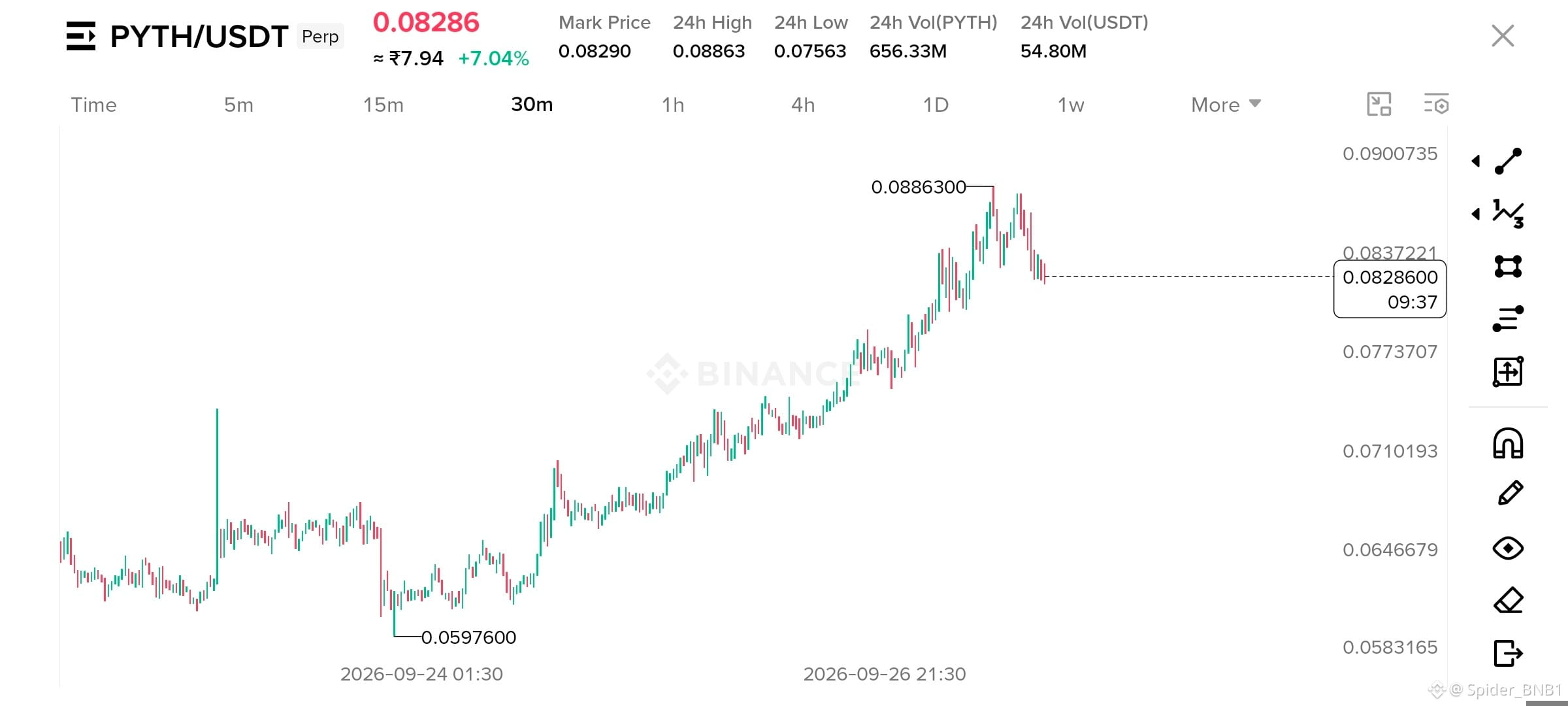
WAIT 👀 — PYTH IS SHOWING REJECTION NEAR THE HIGH! ⚠️
$PYTH USDT — SHORT 🔴
Entry: 0.0828 – 0.0836
TP1: 0.0805
TP2: 0.0780
TP3: 0.0758
SL: 0.08910
I am doing Short here👇
{future}(PYTHUSDT)
{future}(QNTUSDT)
$AKE
{alpha}(560x2c3a8ee94ddd97244a93bc48298f97d2c412f7db)
WAIT 👀 — PYTH IS SHOWING REJECTION NEAR THE HIGH! ⚠️
$PYTH USDT — SHORT 🔴
Entry: 0.0828 – 0.0836
TP1: 0.0805
TP2: 0.0780
TP3: 0.0758
SL: 0.08910
I am doing Short here👇
$AKE
$PYTH USDT — SHORT 🔴
Entry: 0.0828 – 0.0836
TP1: 0.0805
TP2: 0.0780
TP3: 0.0758
SL: 0.08910
I am doing Short here👇
$AKE
1
1
322
·
--
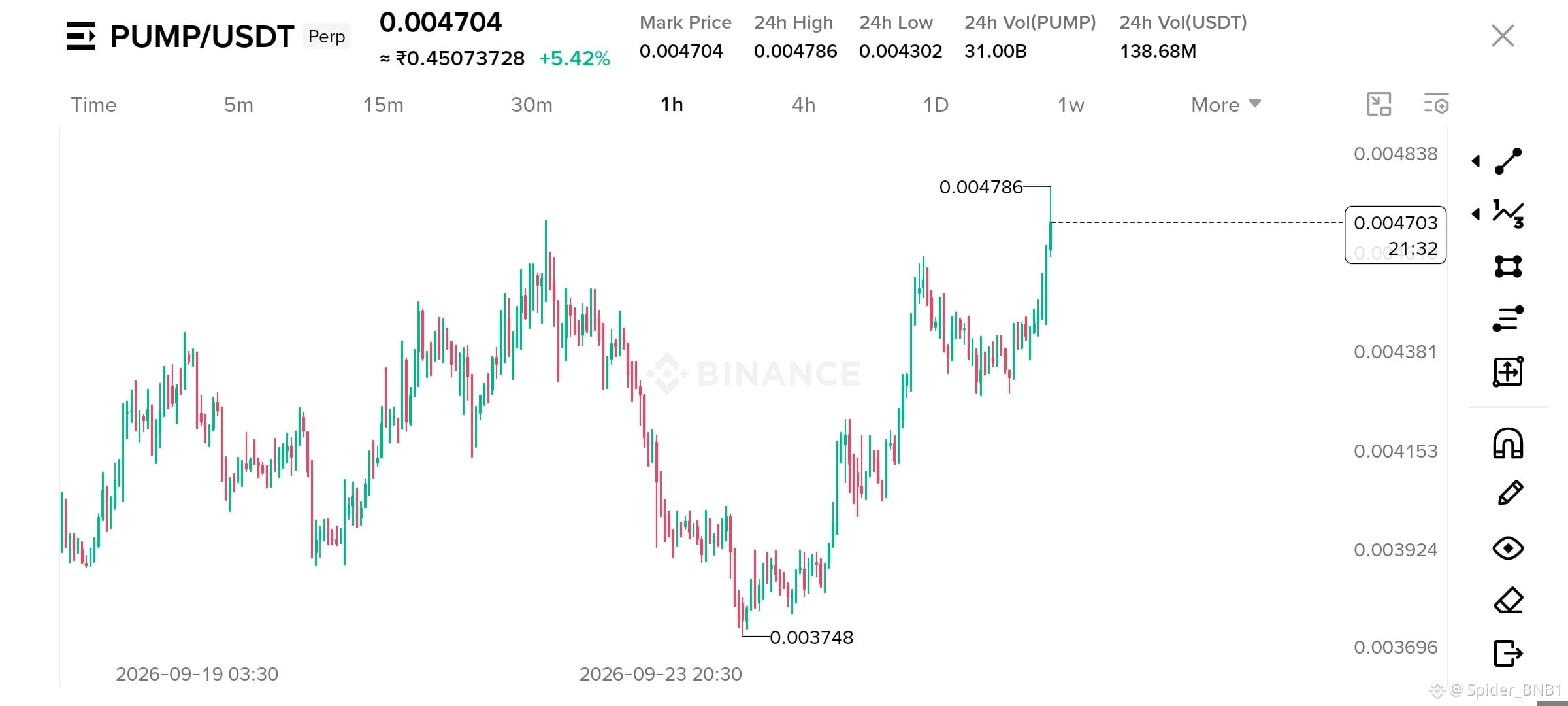
NOBODY WANTS TO MISS THIS PUMP 👀🔥 — PUMP IS PUSHING INTO THE HIGHS!
$PUMP USDT — LONG 🟢
Entry: 0.00465 – 0.00472
TP1: 0.00480
TP2: 0.00495
TP3: 0.00510
SL: 0.004210
I am doing Long here👇
{future}(PUMPUSDT)
$WLD
{future}(WLDUSDT)
$RHEA
{alpha}(560x4c067de26475e1cefee8b8d1f6e2266b33a2372e)
NOBODY WANTS TO MISS THIS PUMP 👀🔥 — PUMP IS PUSHING INTO THE HIGHS!
$PUMP USDT — LONG 🟢
Entry: 0.00465 – 0.00472
TP1: 0.00480
TP2: 0.00495
TP3: 0.00510
SL: 0.004210
I am doing Long here👇
$WLD
$RHEA
$PUMP USDT — LONG 🟢
Entry: 0.00465 – 0.00472
TP1: 0.00480
TP2: 0.00495
TP3: 0.00510
SL: 0.004210
I am doing Long here👇
$WLD
$RHEA
1
257
·
--
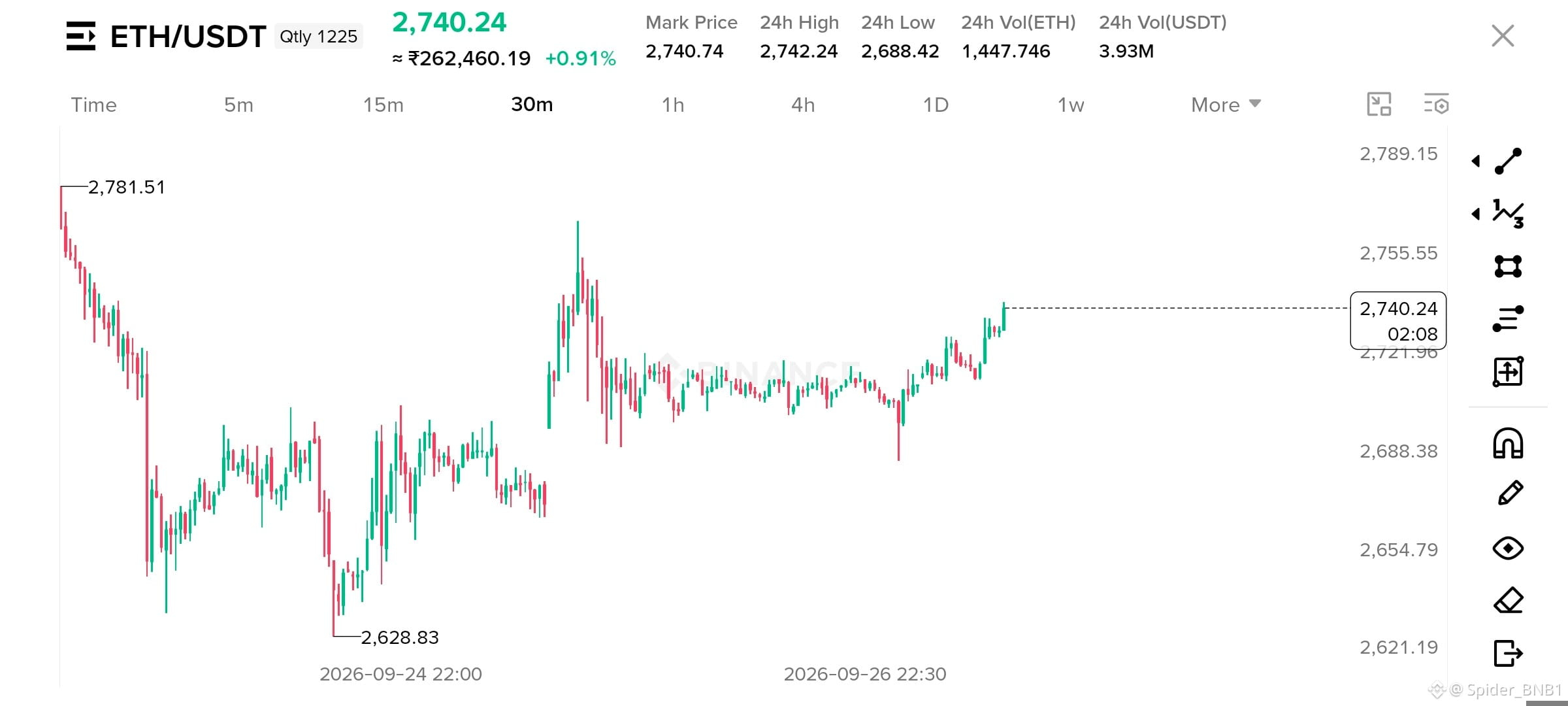
POV: ETH JUST BROKE OUT OF THE RANGE 🚀👀 — NOW THE NEXT MOVE MATTERS!
$ETH USDT — LONG 🟢
Entry: 2710 – 2715
TP1: 2735
TP2: 2755
TP3: 2800
SL: 2665
I am doing Long here👇
{future}(ETHUSDT)
$Q
{alpha}(560xc07e1300dc138601fa6b0b59f8d0fa477e690589)
$US
{alpha}(CT_7840xee962a61432231c2ede6946515beb02290cb516ad087bb06a731e922b2a5f57a::us::US)
POV: ETH JUST BROKE OUT OF THE RANGE 🚀👀 — NOW THE NEXT MOVE MATTERS!
$ETH USDT — LONG 🟢
Entry: 2710 – 2715
TP1: 2735
TP2: 2755
TP3: 2800
SL: 2665
I am doing Long here👇
$Q
$US
$ETH USDT — LONG 🟢
Entry: 2710 – 2715
TP1: 2735
TP2: 2755
TP3: 2800
SL: 2665
I am doing Long here👇
$Q
$US
1
318
·
--
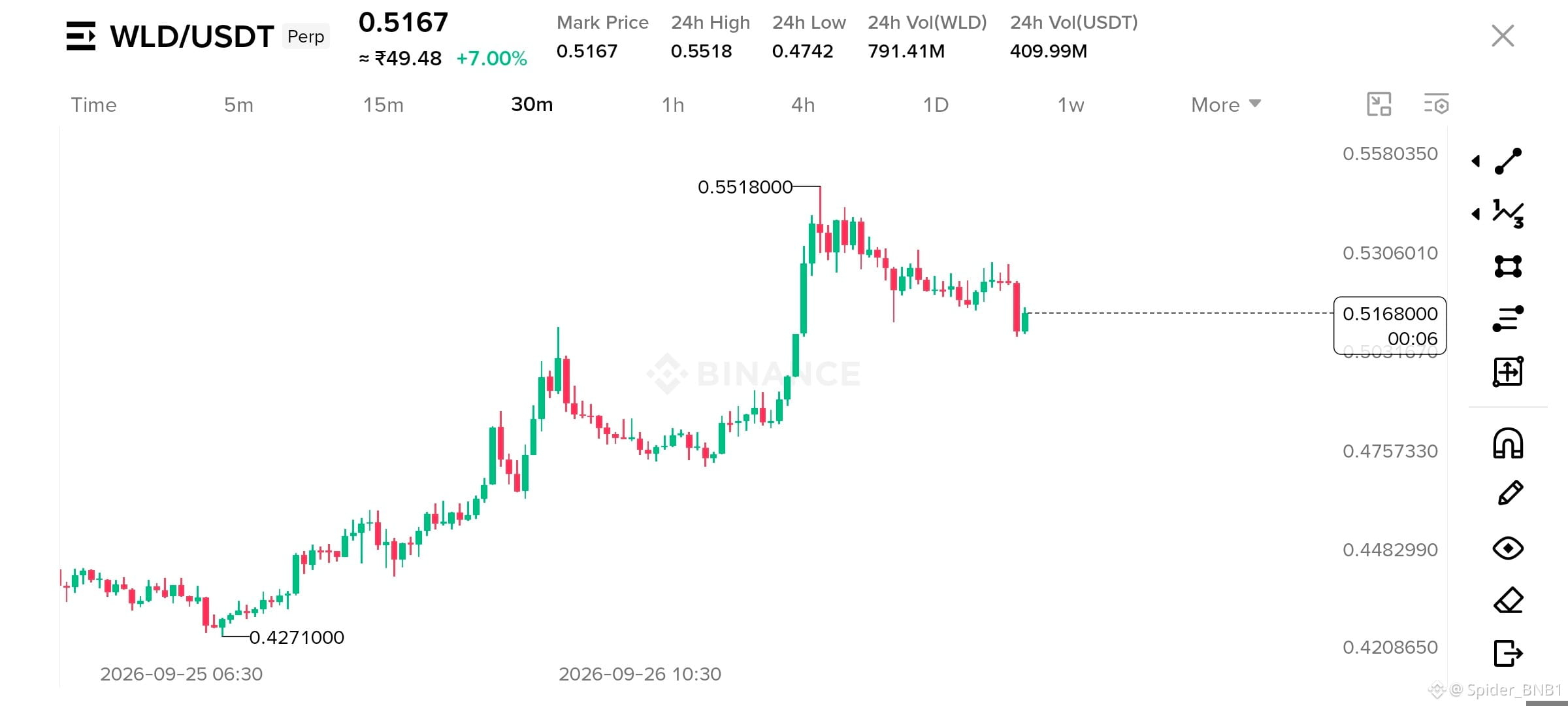
EVERYONE IS WATCHING THE PUMP 👀🔥 — WLD IS STILL HOLDING THE BREAKOUT!
$WLD USDT — LONG 🟢
Entry: 0.512 – 0.518
TP1: 0.530
TP2: 0.545
TP3: 0.560
SL: 0.4630
I am doing Long here👇
{future}(WLDUSDT)
$Q
{alpha}(560xc07e1300dc138601fa6b0b59f8d0fa477e690589)
$SOON
{alpha}(560xb9e1fd5a02d3a33b25a14d661414e6ed6954a721)
EVERYONE IS WATCHING THE PUMP 👀🔥 — WLD IS STILL HOLDING THE BREAKOUT!
$WLD USDT — LONG 🟢
Entry: 0.512 – 0.518
TP1: 0.530
TP2: 0.545
TP3: 0.560
SL: 0.4630
I am doing Long here👇
$Q
$SOON
$WLD USDT — LONG 🟢
Entry: 0.512 – 0.518
TP1: 0.530
TP2: 0.545
TP3: 0.560
SL: 0.4630
I am doing Long here👇
$Q
$SOON
1
378
·
--
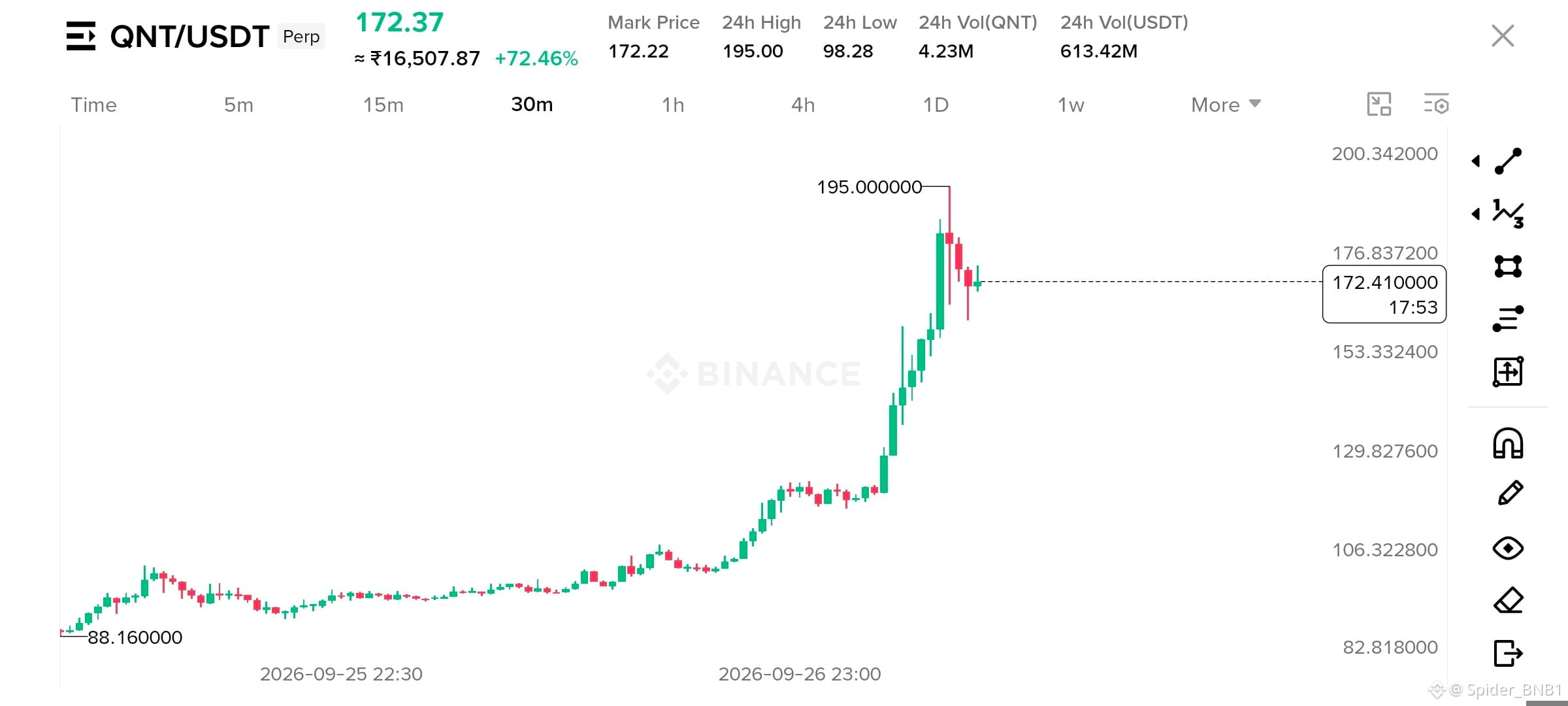
NOBODY WANTS TO CHASE THIS MOVE 😮💨🔥 — BUT QNT IS STILL HOLDING STRONG!
$QNT USDT — LONG 🟢
Entry: 168 – 172
TP1: 180
TP2: 188
TP3: 195
SL: 152
⚠️ Huge 30m pump already happened — safer to avoid chasing if 168 support breaks.
I am doing Long here👇
{future}(QNTUSDT)
$Q
{alpha}(560xc07e1300dc138601fa6b0b59f8d0fa477e690589)
$SOON
{alpha}(560xb9e1fd5a02d3a33b25a14d661414e6ed6954a721)
NOBODY WANTS TO CHASE THIS MOVE 😮💨🔥 — BUT QNT IS STILL HOLDING STRONG!
$QNT USDT — LONG 🟢
Entry: 168 – 172
TP1: 180
TP2: 188
TP3: 195
SL: 152
⚠️ Huge 30m pump already happened — safer to avoid chasing if 168 support breaks.
I am doing Long here👇
$Q
$SOON
$QNT USDT — LONG 🟢
Entry: 168 – 172
TP1: 180
TP2: 188
TP3: 195
SL: 152
⚠️ Huge 30m pump already happened — safer to avoid chasing if 168 support breaks.
I am doing Long here👇
$Q
$SOON
1
426
·
--
Haussier
$RARE
{future}(RAREUSDT)
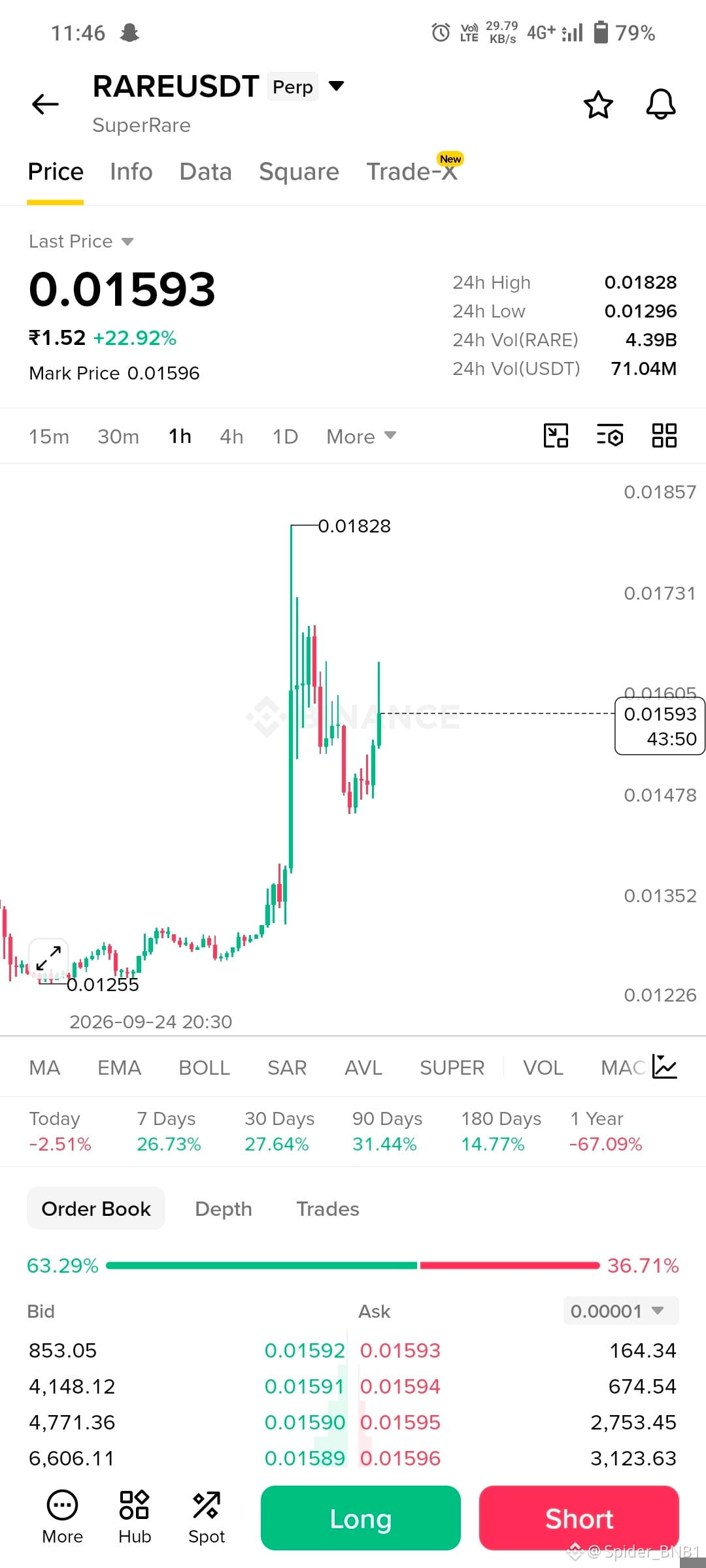
Trade plan
LONG Entry: 0.01555 – 0.01575
SL: 0.01470
TP1: 0.01657
TP2: 0.01730
TP3: 0.01820
Entry condition: Let price retrace into the entry zone and show a bullish 5M reaction. If it doesn't retrace, skip the trade.
⚠️ RARE has already made a large intraday move, so volatility is high.
Verdict: 🟢 LONG on confirmed retracement — NOT at 0.01599.
$BREW
{alpha}(560xfa6d9b504848606eb9aec04ccc161d169b3f2159)
$ZEC
{future}(ZECUSDT)
$RARE
Trade plan
LONG Entry: 0.01555 – 0.01575
SL: 0.01470
TP1: 0.01657
TP2: 0.01730
TP3: 0.01820
Entry condition: Let price retrace into the entry zone and show a bullish 5M reaction. If it doesn't retrace, skip the trade.
⚠️ RARE has already made a large intraday move, so volatility is high.
Verdict: 🟢 LONG on confirmed retracement — NOT at 0.01599.
$BREW
$ZEC
Trade plan
LONG Entry: 0.01555 – 0.01575
SL: 0.01470
TP1: 0.01657
TP2: 0.01730
TP3: 0.01820
Entry condition: Let price retrace into the entry zone and show a bullish 5M reaction. If it doesn't retrace, skip the trade.
⚠️ RARE has already made a large intraday move, so volatility is high.
Verdict: 🟢 LONG on confirmed retracement — NOT at 0.01599.
$BREW
$ZEC
1
236
·
--
$SEI
{future}(SEIUSDT)
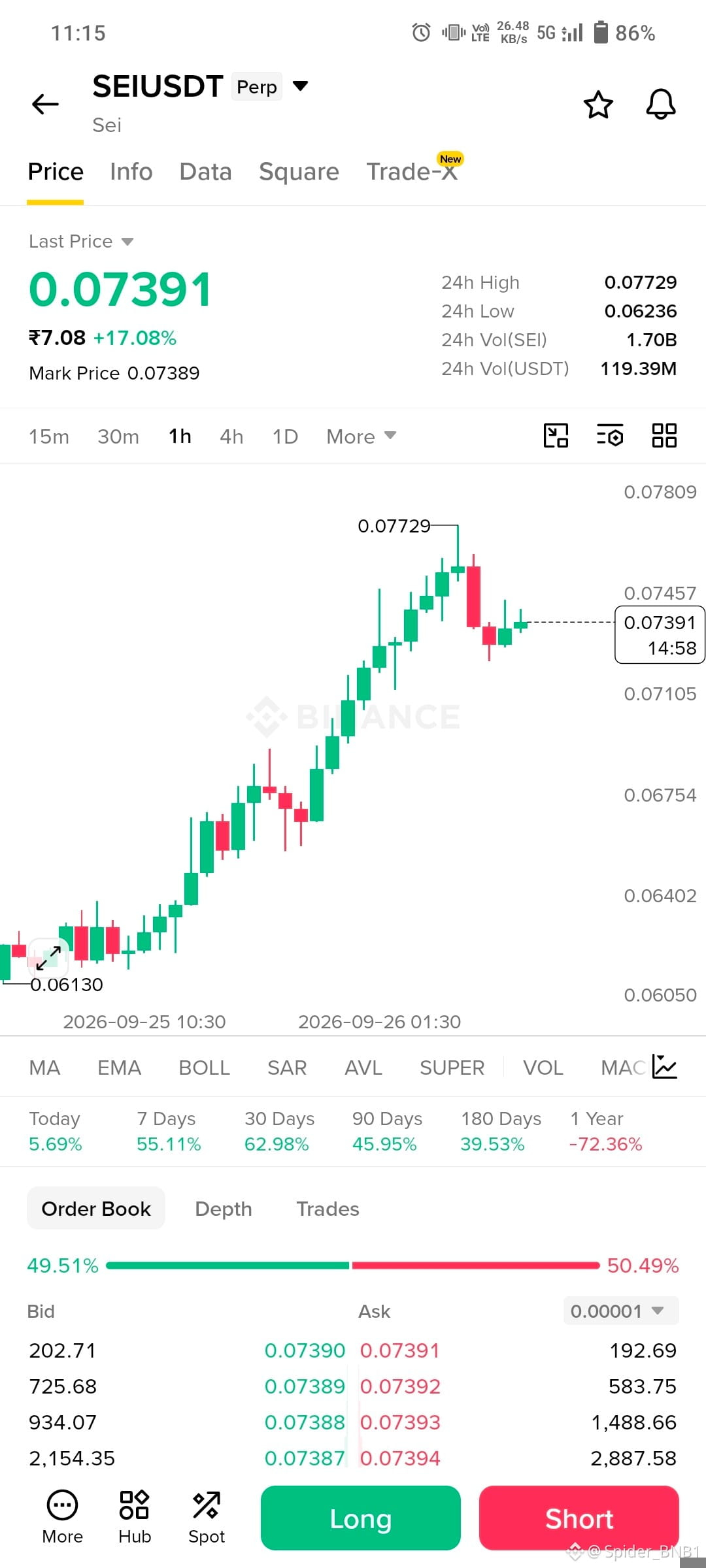
Trade plan
LONG Entry: 0.07345 – 0.07365
SL: 0.07225
TP1: 0.07470
TP2: 0.07600
TP3: 0.07720
Current price: ~0.07386
⚠️ Do not chase at 0.07386. Wait for the retracement into the entry zone.
Invalidation: 5M closes below the swept-low area / SL zone → cancel the LONG.
Verdict: LONG on retracement only.$BREW
{alpha}(560xfa6d9b504848606eb9aec04ccc161d169b3f2159)
$AKE
{alpha}(560x2c3a8ee94ddd97244a93bc48298f97d2c412f7db)
$SEI
Trade plan
LONG Entry: 0.07345 – 0.07365
SL: 0.07225
TP1: 0.07470
TP2: 0.07600
TP3: 0.07720
Current price: ~0.07386
⚠️ Do not chase at 0.07386. Wait for the retracement into the entry zone.
Invalidation: 5M closes below the swept-low area / SL zone → cancel the LONG.
Verdict: LONG on retracement only.$BREW
$AKE
Trade plan
LONG Entry: 0.07345 – 0.07365
SL: 0.07225
TP1: 0.07470
TP2: 0.07600
TP3: 0.07720
Current price: ~0.07386
⚠️ Do not chase at 0.07386. Wait for the retracement into the entry zone.
Invalidation: 5M closes below the swept-low area / SL zone → cancel the LONG.
Verdict: LONG on retracement only.$BREW
$AKE
1
250
·
--
$PHA
{future}(PHAUSDT)
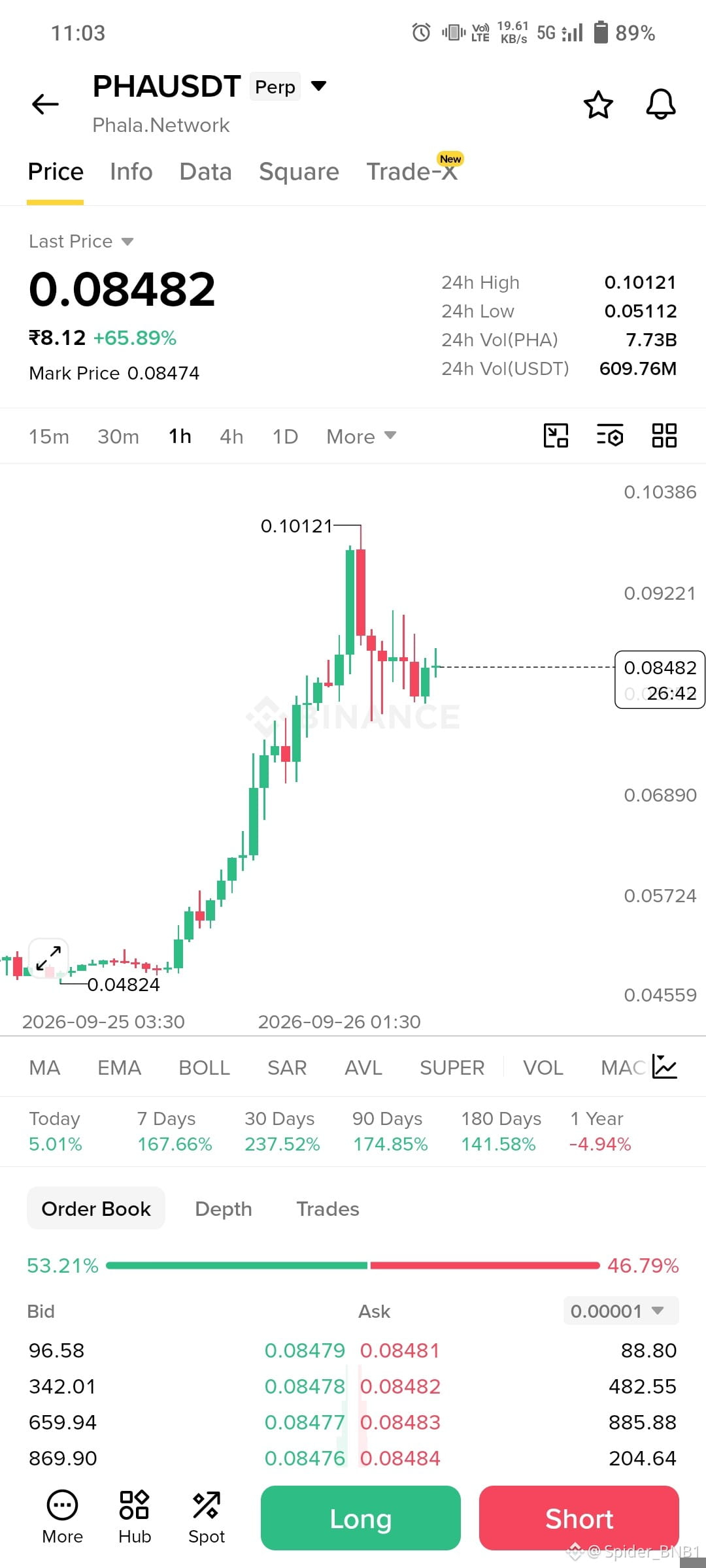
Trade plan — don't chase current price:
LONG Entry: 0.0838 – 0.0843
SL: 0.0803
TP1: 0.0885
TP2: 0.0922
TP3: 0.1000 – 0.1012
Current price: ~0.08482
⚠️ Important: I would wait for the 0.0838–0.0843 retracement rather than entering at 0.08482. If price breaks below 0.0803, the setup is invalid.$BREW
{alpha}(560xfa6d9b504848606eb9aec04ccc161d169b3f2159)
$AKE
{alpha}(560x2c3a8ee94ddd97244a93bc48298f97d2c412f7db)
$PHA
Trade plan — don't chase current price:
LONG Entry: 0.0838 – 0.0843
SL: 0.0803
TP1: 0.0885
TP2: 0.0922
TP3: 0.1000 – 0.1012
Current price: ~0.08482
⚠️ Important: I would wait for the 0.0838–0.0843 retracement rather than entering at 0.08482. If price breaks below 0.0803, the setup is invalid.$BREW
$AKE
Trade plan — don't chase current price:
LONG Entry: 0.0838 – 0.0843
SL: 0.0803
TP1: 0.0885
TP2: 0.0922
TP3: 0.1000 – 0.1012
Current price: ~0.08482
⚠️ Important: I would wait for the 0.0838–0.0843 retracement rather than entering at 0.08482. If price breaks below 0.0803, the setup is invalid.$BREW
$AKE
1
257
·
--
Haussier
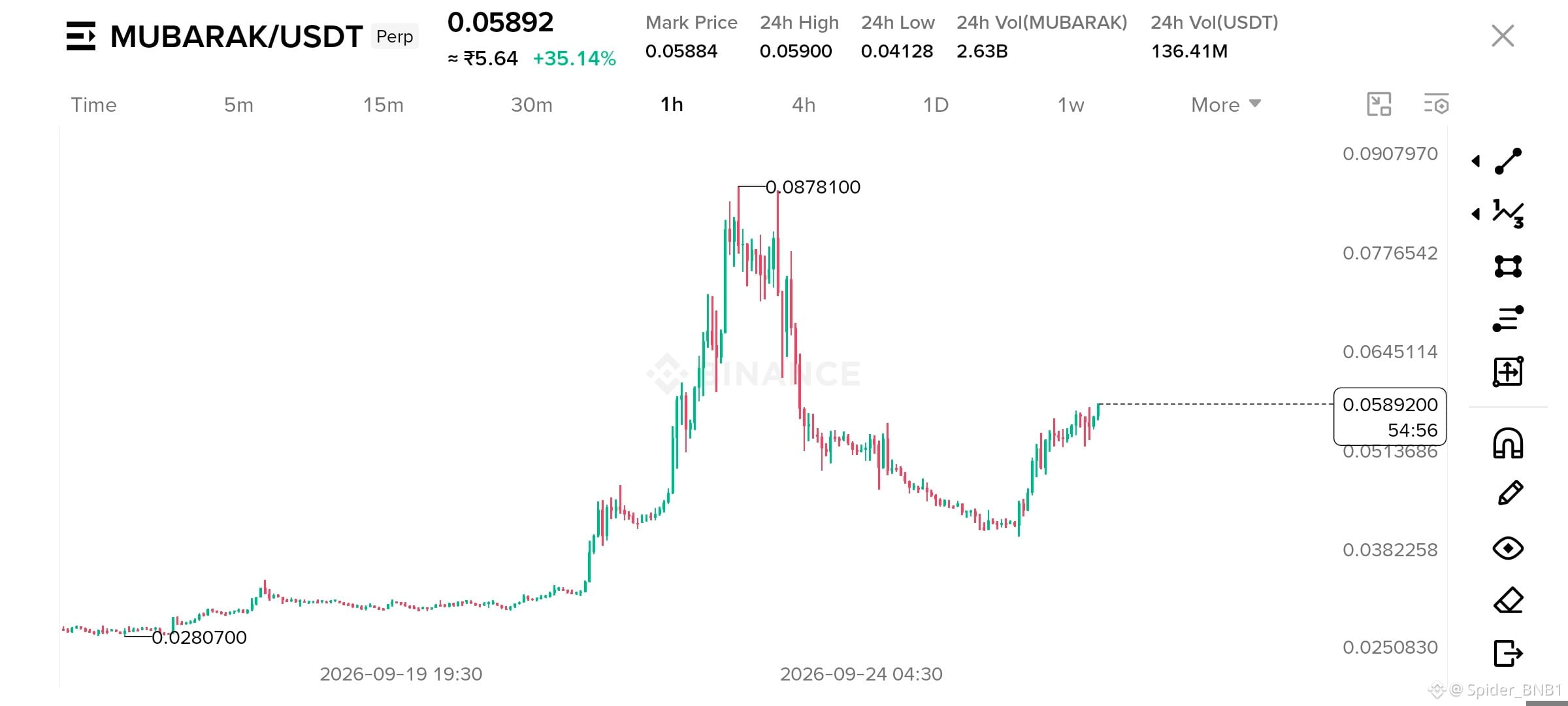
CAUGHT THE REVERSAL 👀🔥 — MUBARAK IS KNOCKING ON RESISTANCE!
$MUBARAK USDT — LONG 🟢
Entry: 0.0565 – 0.0580
TP1: 0.0620
TP2: 0.0660
TP3: 0.0710
SL: 0.0525
I am doing Long here👇
{future}(MUBARAKUSDT)
$BREW
{alpha}(560xfa6d9b504848606eb9aec04ccc161d169b3f2159)
$AKE
{alpha}(560x2c3a8ee94ddd97244a93bc48298f97d2c412f7db)
CAUGHT THE REVERSAL 👀🔥 — MUBARAK IS KNOCKING ON RESISTANCE!
$MUBARAK USDT — LONG 🟢
Entry: 0.0565 – 0.0580
TP1: 0.0620
TP2: 0.0660
TP3: 0.0710
SL: 0.0525
I am doing Long here👇
$BREW
$AKE
$MUBARAK USDT — LONG 🟢
Entry: 0.0565 – 0.0580
TP1: 0.0620
TP2: 0.0660
TP3: 0.0710
SL: 0.0525
I am doing Long here👇
$BREW
$AKE
2
1
334
·
--
Haussier
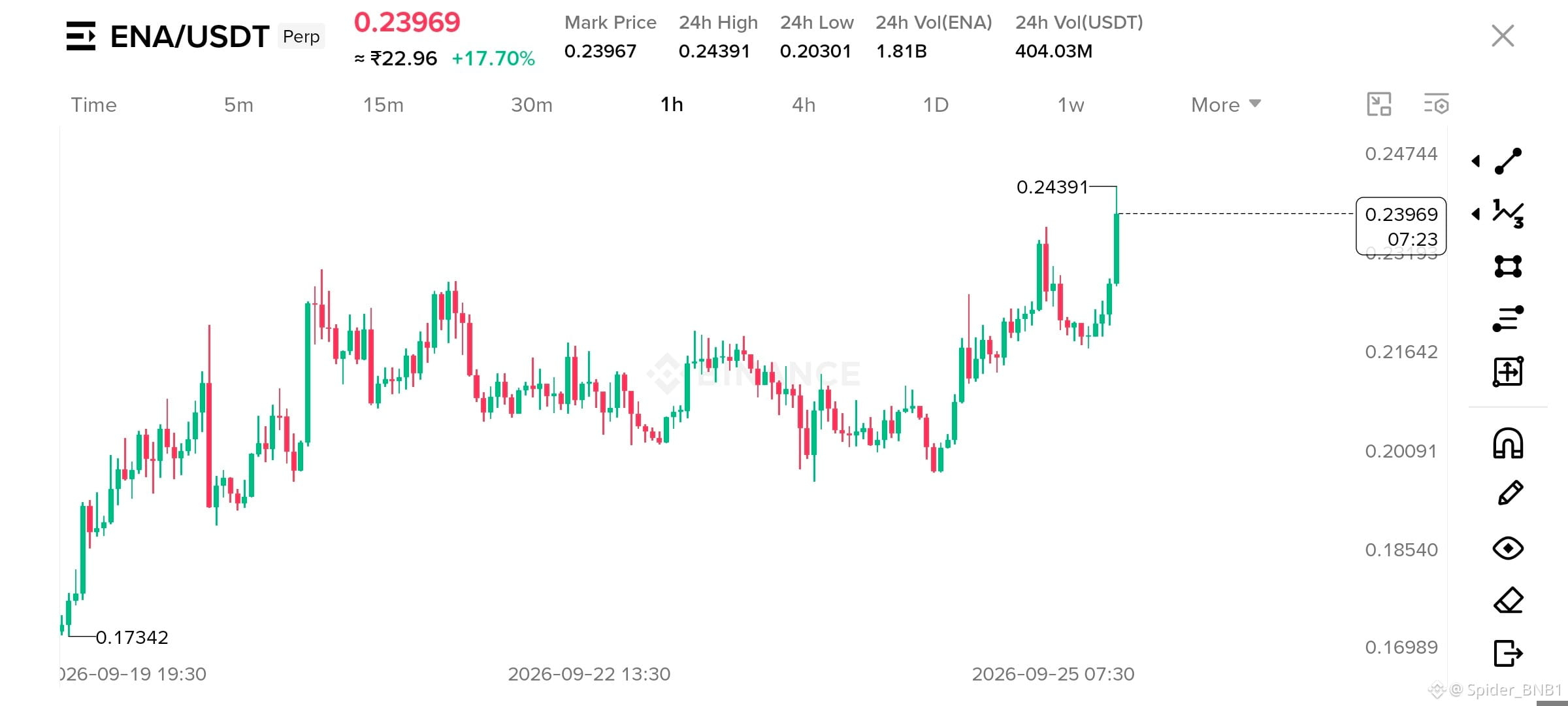
POV: ENA JUST BROKE OUT 🚀🔥 — NOW WATCH THE RETEST!
$ENA USDT — LONG 🟢
Entry: 0.2340 – 0.2380
TP1: 0.2440
TP2: 0.2520
TP3: 0.2600
SL: 0.217
I am doing Long here👇
{future}(ENAUSDT)
$BREW
{alpha}(560xfa6d9b504848606eb9aec04ccc161d169b3f2159)
$QNT
{future}(QNTUSDT)
POV: ENA JUST BROKE OUT 🚀🔥 — NOW WATCH THE RETEST!
$ENA USDT — LONG 🟢
Entry: 0.2340 – 0.2380
TP1: 0.2440
TP2: 0.2520
TP3: 0.2600
SL: 0.217
I am doing Long here👇
$BREW
$QNT
$ENA USDT — LONG 🟢
Entry: 0.2340 – 0.2380
TP1: 0.2440
TP2: 0.2520
TP3: 0.2600
SL: 0.217
I am doing Long here👇
$BREW
$QNT
1
374
Connectez-vous pour découvrir plus de contenu
Rejoignez la communauté mondiale des adeptes de cryptomonnaies sur Binance Square
⚡️ Suviez les dernières informations importantes sur les cryptomonnaies.
💬 Jugé digne de confiance par la plus grande plateforme d’échange de cryptomonnaies au monde.
👍 Découvrez les connaissances que partagent les créateurs vérifiés.
Adresse e-mail/Nº de téléphone
Sujets d’actualité
FedMinutesFocusOnOctoberPause
192,603 vues
1,362 mentions
🚨 HIGH ALERT ‼️ PLEASE DON’T TRADE BLINDLY FOR THE NEXT HOUR 🚨
Guys, we have FOMC Minutes coming in less than 1 hour.
And after the kind of volatility we already saw today, I really don’t want anyone opening random high-leverage positions just before this release.
The biggest reaction I’m watching will be in Gold (XAU), Silver (XAG), BTC and ETH. Then coins like SOL and other highly leveraged mid/low-cap alts can exaggerate whatever move BTC makes.
Gold and Silver are especially sensitive tonight because the market is already reacting to the US dollar + Treasury yields, and both metals have been under heavy pressure ahead of the Fed minutes.
Briefly speaking
📉Hawkish Fed Minutes → Dollar/yields can push higher → pressure on BTC, crypto, Gold & silver
📈Dovish Fed Minutes → Dollar/yields can cool → BTC, Gold, Silver and risk assets can bounce hard.
And please remember the first candle can be a trap. We can get a pump, immediate dump, liquidations on both sides, and then the real direction.
So for now, protect your positions, reduce unnecessary leverage and don’t FOMO into the first move.
Tonight I’m watching $XAU , $XAG and $BTC first. These will tell us very quickly how the market is reading the Fed.
I will Update you guys on time
Follow @Panda Traders and Turn on Your notifications right now
#FedMinutesFocusOnOctoberPause
Panda Traders
·19 mentions J’aime
·4.1k vues
BinanceLaunchesBinanceIntelligence
1.1M vues
6,561 mentions
EvernorthDelaysNasdaqDebutToOct12
16,578 vues
315 mentions