
Eddie Walker
8k Publications

Eddie Walker
 Compte Square Vérifié+
Signaler
Bloquer l’utilisateur
No excuses,Just progress X: @Eddie_Walker_
Ouvert au trading
Trade régulièrement
2.4 an(s)
29 Suivis
33.8K+ Abonnés
58.7K+ J’aime
Publications
Portefeuille
Tous
Citations
Direct
PINNED
·
--
Haussier
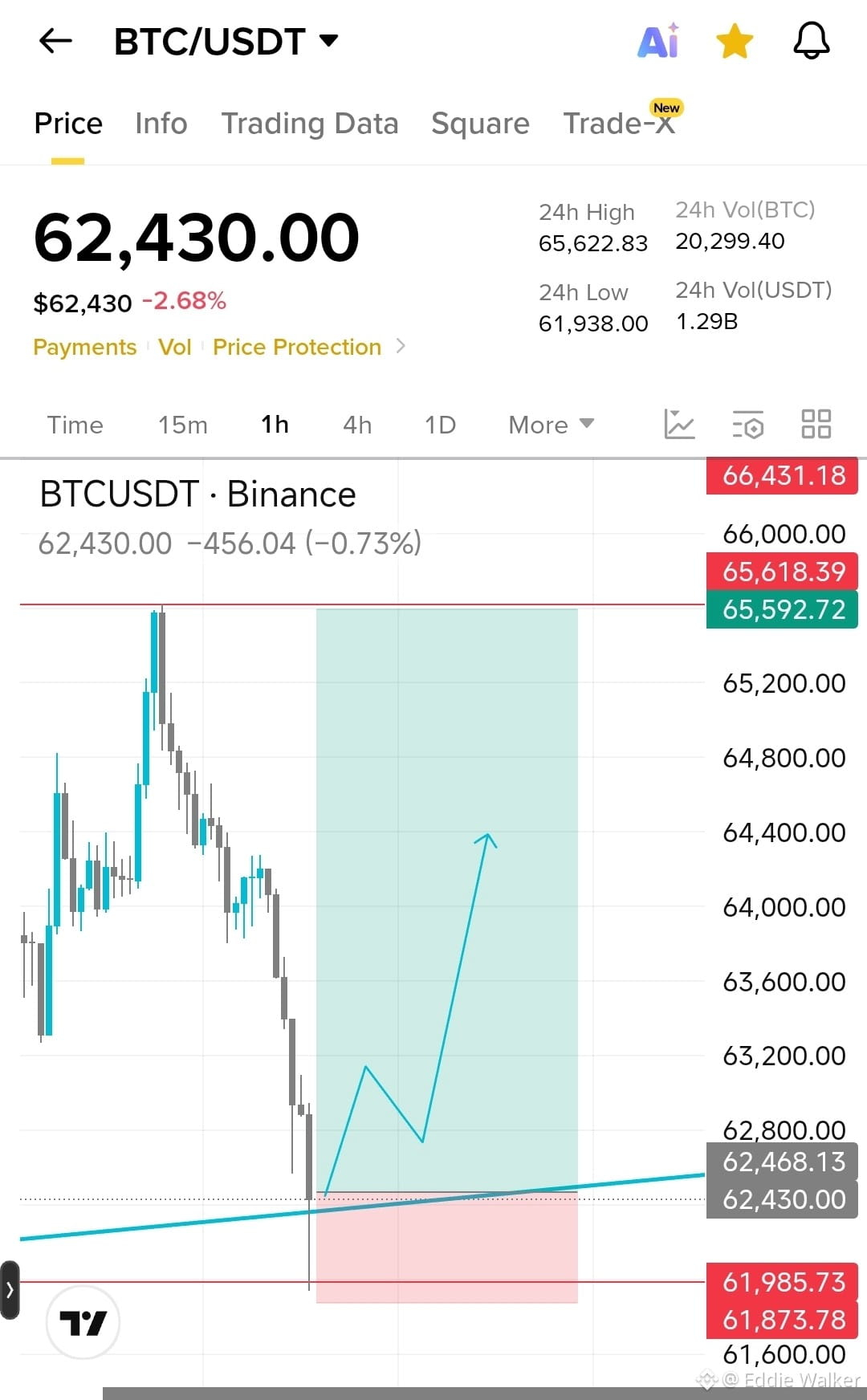
$BTC / USDT Configuration Long
Entrée : 62 300 $ – 62 600 $
Stop Loss : 61 850 $
TP1 : 63 200 $
TP2 : 64 300 $
TP3 : 65 500 $ – 65 600 $
Le BTC se situe près de la ligne de tendance/support. Si les acheteurs défendent cette zone, un rebond vers 64K–65.5K est possible. Mais si 61.8K casse, la configuration est invalide.
$BTC / USDT Configuration Long
Entrée : 62 300 $ – 62 600 $
Stop Loss : 61 850 $
TP1 : 63 200 $
TP2 : 64 300 $
TP3 : 65 500 $ – 65 600 $
Le BTC se situe près de la ligne de tendance/support. Si les acheteurs défendent cette zone, un rebond vers 64K–65.5K est possible. Mais si 61.8K casse, la configuration est invalide.
Entrée : 62 300 $ – 62 600 $
Stop Loss : 61 850 $
TP1 : 63 200 $
TP2 : 64 300 $
TP3 : 65 500 $ – 65 600 $
Le BTC se situe près de la ligne de tendance/support. Si les acheteurs défendent cette zone, un rebond vers 64K–65.5K est possible. Mais si 61.8K casse, la configuration est invalide.
66
89
86.7k
·
--
Haussier
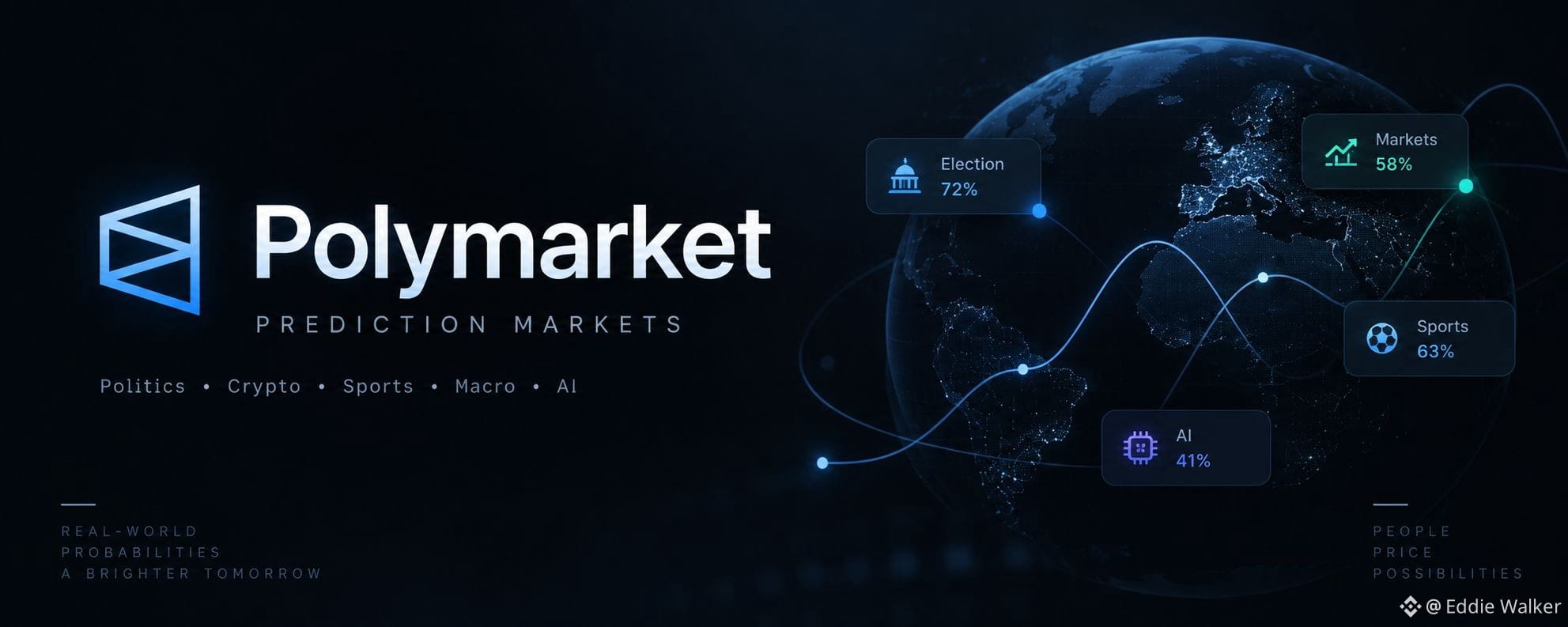
@polymarket rend les marchés de prédiction beaucoup plus passionnants.
Au lieu de se contenter de suivre l’actualité, vous pouvez explorer des événements du monde réel et voir comment les gens évaluent différents résultats.
Et il y a beaucoup de choses à explorer :
→ Politique & grandes élections
→ Crypto & étapes clés du prix du Bitcoin
→ Sports & tournois mondiaux
→ Décisions de la Fed & événements économiques
→ IA, technologie & affaires mondiales
Ce que j’aime le plus, c’est à quelle vitesse les choses peuvent changer. Une annonce inattendue, un grand titre ou de nouvelles données économiques peuvent faire évoluer les probabilités en quelques minutes.
Vous pouvez suivre des marchés que vous comprenez, observer les attentes évoluer en temps réel et prendre des positions sur des résultats possibles.
C’est ce qui rend Polymarket intéressant pour moi. Chaque événement a une histoire, et chaque nouvelle mise à jour peut changer la façon dont cette histoire se termine.
#polymarket #DogecoinRises15% #BNBMarketCapPassesBNYMellon
@Polymarket rend les marchés de prédiction beaucoup plus passionnants.
Au lieu de se contenter de suivre l’actualité, vous pouvez explorer des événements du monde réel et voir comment les gens évaluent différents résultats.
Et il y a beaucoup de choses à explorer :
→ Politique & grandes élections
→ Crypto & étapes clés du prix du Bitcoin
→ Sports & tournois mondiaux
→ Décisions de la Fed & événements économiques
→ IA, technologie & affaires mondiales
Ce que j’aime le plus, c’est à quelle vitesse les choses peuvent changer. Une annonce inattendue, un grand titre ou de nouvelles données économiques peuvent faire évoluer les probabilités en quelques minutes.
Vous pouvez suivre des marchés que vous comprenez, observer les attentes évoluer en temps réel et prendre des positions sur des résultats possibles.
C’est ce qui rend Polymarket intéressant pour moi. Chaque événement a une histoire, et chaque nouvelle mise à jour peut changer la façon dont cette histoire se termine.
#polymarket #DogecoinRises15% #BNBMarketCapPassesBNYMellon
Au lieu de se contenter de suivre l’actualité, vous pouvez explorer des événements du monde réel et voir comment les gens évaluent différents résultats.
Et il y a beaucoup de choses à explorer :
→ Politique & grandes élections
→ Crypto & étapes clés du prix du Bitcoin
→ Sports & tournois mondiaux
→ Décisions de la Fed & événements économiques
→ IA, technologie & affaires mondiales
Ce que j’aime le plus, c’est à quelle vitesse les choses peuvent changer. Une annonce inattendue, un grand titre ou de nouvelles données économiques peuvent faire évoluer les probabilités en quelques minutes.
Vous pouvez suivre des marchés que vous comprenez, observer les attentes évoluer en temps réel et prendre des positions sur des résultats possibles.
C’est ce qui rend Polymarket intéressant pour moi. Chaque événement a une histoire, et chaque nouvelle mise à jour peut changer la façon dont cette histoire se termine.
#polymarket #DogecoinRises15% #BNBMarketCapPassesBNYMellon
21
16
3.8k
·
--
Haussier
Vérifié
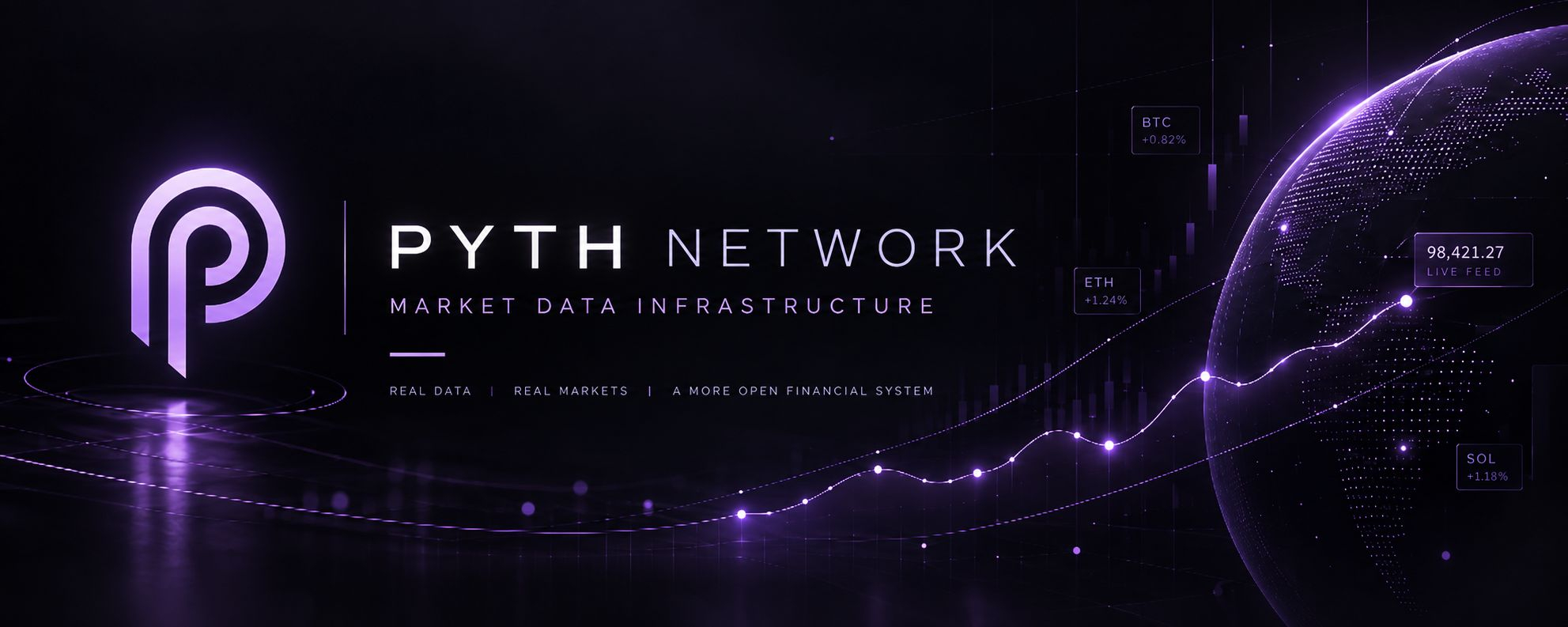
@PythNetwork fait quelque chose d’intéressant que la plupart des gens remarquent à peine. Chaque transaction, chaque liquidation et chaque règlement de marché dépendent d’une seule chose : des données de prix fiables.
Et Pyth apporte ces données directement depuis les institutions qui les créent.
L’ampleur est déjà difficile à ignorer :
→ 3,25 T$+ volume cumulé sécurisé
→ 710+ entreprises utilisant les données Pyth
→ 125+ éditeurs institutionnels
Ce qui m’enthousiasme, c’est la direction que cela prend. Les crypto-actifs, les RWA, les matières premières et les marchés de prédiction évoluent tous vers une infrastructure financière plus rapide, toujours active.
Et derrière toute cette activité, quelqu’un doit fournir les prix.
C’est la partie du marché que Pyth construit.
#PythNetwork
@Pyth Network fait quelque chose d’intéressant que la plupart des gens remarquent à peine. Chaque transaction, chaque liquidation et chaque règlement de marché dépendent d’une seule chose : des données de prix fiables.
Et Pyth apporte ces données directement depuis les institutions qui les créent.
L’ampleur est déjà difficile à ignorer :
→ 3,25 T$+ volume cumulé sécurisé
→ 710+ entreprises utilisant les données Pyth
→ 125+ éditeurs institutionnels
Ce qui m’enthousiasme, c’est la direction que cela prend. Les crypto-actifs, les RWA, les matières premières et les marchés de prédiction évoluent tous vers une infrastructure financière plus rapide, toujours active.
Et derrière toute cette activité, quelqu’un doit fournir les prix.
C’est la partie du marché que Pyth construit.
#PythNetwork
Et Pyth apporte ces données directement depuis les institutions qui les créent.
L’ampleur est déjà difficile à ignorer :
→ 3,25 T$+ volume cumulé sécurisé
→ 710+ entreprises utilisant les données Pyth
→ 125+ éditeurs institutionnels
Ce qui m’enthousiasme, c’est la direction que cela prend. Les crypto-actifs, les RWA, les matières premières et les marchés de prédiction évoluent tous vers une infrastructure financière plus rapide, toujours active.
Et derrière toute cette activité, quelqu’un doit fournir les prix.
C’est la partie du marché que Pyth construit.
#PythNetwork
18
13
7.7k
·
--
Haussier
Ce que j’aime dans @polymarket , c’est que cela rend les événements du monde réel beaucoup plus intéressants.
Ce n’est pas seulement lire des prédictions : vous pouvez réellement voir comment le marché price différents scénarios.
Et les chiffres issus de sa croissance racontent une histoire intéressante :
→ 250K–500K traders actifs mensuels
→ 17M+ visites mensuelles du site Web
→ Des milliers de marchés à explorer
Les bénéfices sont assez simples. Vous pouvez suivre des probabilités en direct, explorer des sujets que vous comprenez, et prendre des positions à mesure que de nouvelles informations modifient les attentes du marché.
Pour moi, c’est ce qui fait que Polymarket mérite d’être exploré. Des événements réels, des marchés en direct et une façon différente de mettre votre savoir à profit.
#Polymarket
Ce que j’aime dans @Polymarket , c’est que cela rend les événements du monde réel beaucoup plus intéressants.
Ce n’est pas seulement lire des prédictions : vous pouvez réellement voir comment le marché price différents scénarios.
Et les chiffres issus de sa croissance racontent une histoire intéressante :
→ 250K–500K traders actifs mensuels
→ 17M+ visites mensuelles du site Web
→ Des milliers de marchés à explorer
Les bénéfices sont assez simples. Vous pouvez suivre des probabilités en direct, explorer des sujets que vous comprenez, et prendre des positions à mesure que de nouvelles informations modifient les attentes du marché.
Pour moi, c’est ce qui fait que Polymarket mérite d’être exploré. Des événements réels, des marchés en direct et une façon différente de mettre votre savoir à profit.
#Polymarket
Ce n’est pas seulement lire des prédictions : vous pouvez réellement voir comment le marché price différents scénarios.
Et les chiffres issus de sa croissance racontent une histoire intéressante :
→ 250K–500K traders actifs mensuels
→ 17M+ visites mensuelles du site Web
→ Des milliers de marchés à explorer
Les bénéfices sont assez simples. Vous pouvez suivre des probabilités en direct, explorer des sujets que vous comprenez, et prendre des positions à mesure que de nouvelles informations modifient les attentes du marché.
Pour moi, c’est ce qui fait que Polymarket mérite d’être exploré. Des événements réels, des marchés en direct et une façon différente de mettre votre savoir à profit.
#Polymarket
24
18
7.3k
·
--
Haussier
Vérifié
La plupart des traders continuent de répartir leur carnet sur plusieurs plateformes.
Ici, les perps.
Là-bas, les options.
Une marge (collatéral) éparpillée partout.
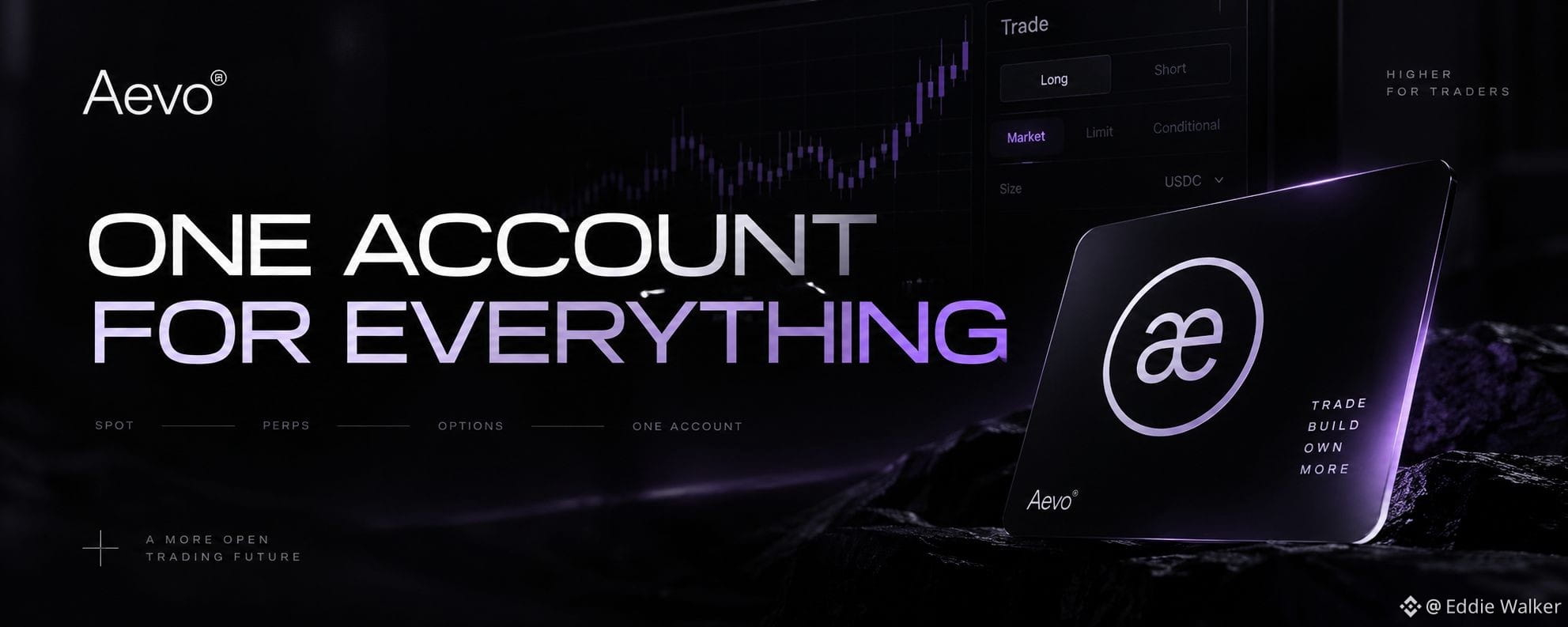
@Aevoxyz le garde plus propre.
→ Perps crypto
→ Options
→ Perps actions
→ Commodities
Tout depuis un seul compte et un seul pool de collatéral.
Au-dessus de 5K $, le Portfolio Margin peut aussi tenir compte de positions qui se compensent, afin de réduire l’utilisation inutile de marge.
Moins de fragmentation du capital.
Gestion des risques plus claire.
Un seul compte pour l’ensemble du carnet de dérivés.
Voilà une configuration que les traders actifs peuvent vraiment apprécier.
#Aevo
La plupart des traders continuent de répartir leur carnet sur plusieurs plateformes.
Ici, les perps.
Là-bas, les options.
Une marge (collatéral) éparpillée partout.
@Aevo le garde plus propre.
→ Perps crypto
→ Options
→ Perps actions
→ Commodities
Tout depuis un seul compte et un seul pool de collatéral.
Au-dessus de 5K $, le Portfolio Margin peut aussi tenir compte de positions qui se compensent, afin de réduire l’utilisation inutile de marge.
Moins de fragmentation du capital.
Gestion des risques plus claire.
Un seul compte pour l’ensemble du carnet de dérivés.
Voilà une configuration que les traders actifs peuvent vraiment apprécier.
#Aevo
Ici, les perps.
Là-bas, les options.
Une marge (collatéral) éparpillée partout.
@Aevo le garde plus propre.
→ Perps crypto
→ Options
→ Perps actions
→ Commodities
Tout depuis un seul compte et un seul pool de collatéral.
Au-dessus de 5K $, le Portfolio Margin peut aussi tenir compte de positions qui se compensent, afin de réduire l’utilisation inutile de marge.
Moins de fragmentation du capital.
Gestion des risques plus claire.
Un seul compte pour l’ensemble du carnet de dérivés.
Voilà une configuration que les traders actifs peuvent vraiment apprécier.
#Aevo
18
16
5.3k
·
--
Haussier
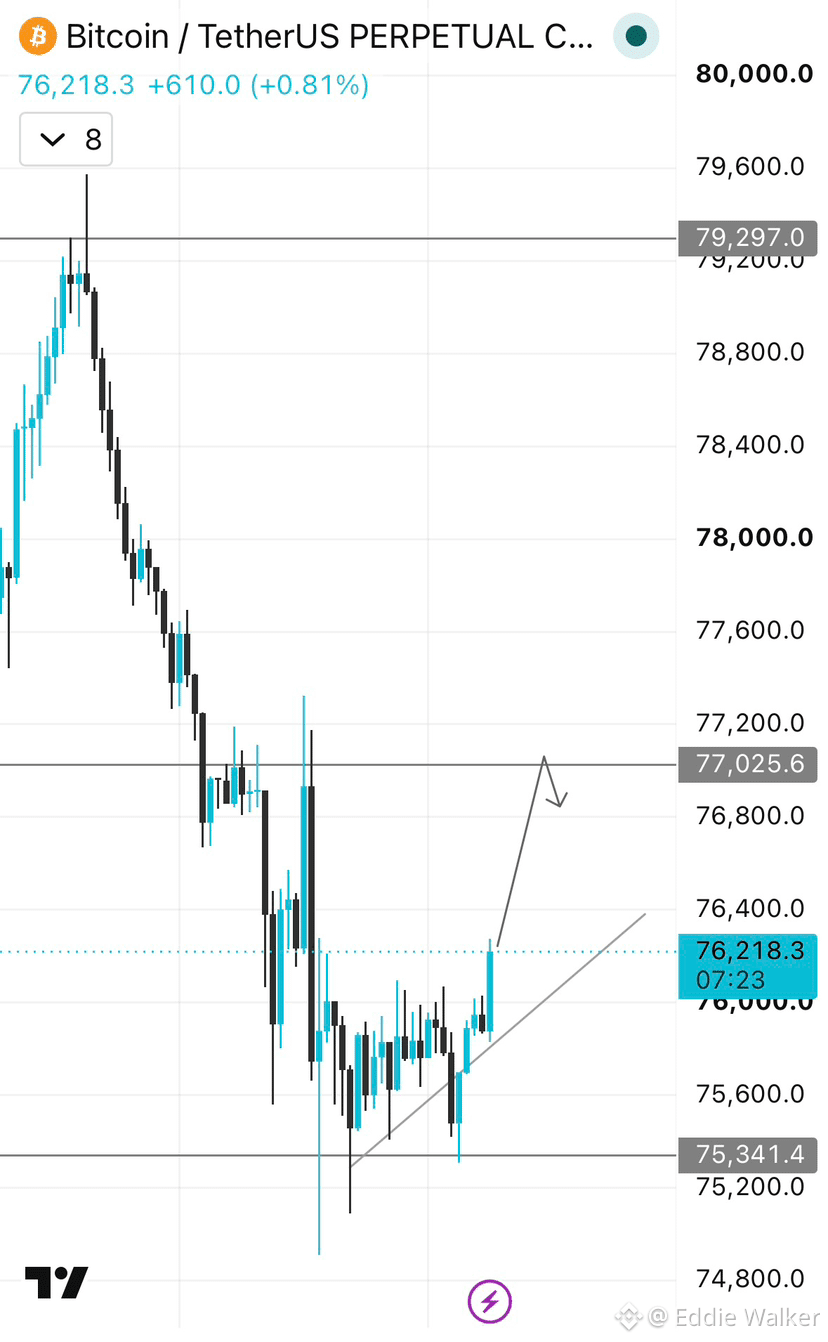
$BTC commence à former des plus bas plus élevés depuis le support des 75,3 K$, et le prix repousse désormais au-dessus de la ligne de tendance ascendante. Tant que les acheteurs continuent de défendre la zone des 75,8 K$–76 K$, je m’attends à une poursuite vers la prochaine résistance.
Entrée : 76 000–76 250
Objectifs :
TP1 : 76 600
TP2 : 77 025
TP3 : 77 300
Stop : 75 650
Pour moi, 75,8 K$ est le niveau clé ici. Tenez au-dessus et le scénario long reste d’actualité. Une cassure nette en dessous de 75,650 invaliderait l’idée.
#btc
$BTC commence à former des plus bas plus élevés depuis le support des 75,3 K$, et le prix repousse désormais au-dessus de la ligne de tendance ascendante. Tant que les acheteurs continuent de défendre la zone des 75,8 K$–76 K$, je m’attends à une poursuite vers la prochaine résistance.
Entrée : 76 000–76 250
Objectifs :
TP1 : 76 600
TP2 : 77 025
TP3 : 77 300
Stop : 75 650
Pour moi, 75,8 K$ est le niveau clé ici. Tenez au-dessus et le scénario long reste d’actualité. Une cassure nette en dessous de 75,650 invaliderait l’idée.
#btc
Entrée : 76 000–76 250
Objectifs :
TP1 : 76 600
TP2 : 77 025
TP3 : 77 300
Stop : 75 650
Pour moi, 75,8 K$ est le niveau clé ici. Tenez au-dessus et le scénario long reste d’actualité. Une cassure nette en dessous de 75,650 invaliderait l’idée.
#btc
10
674
·
--
Haussier
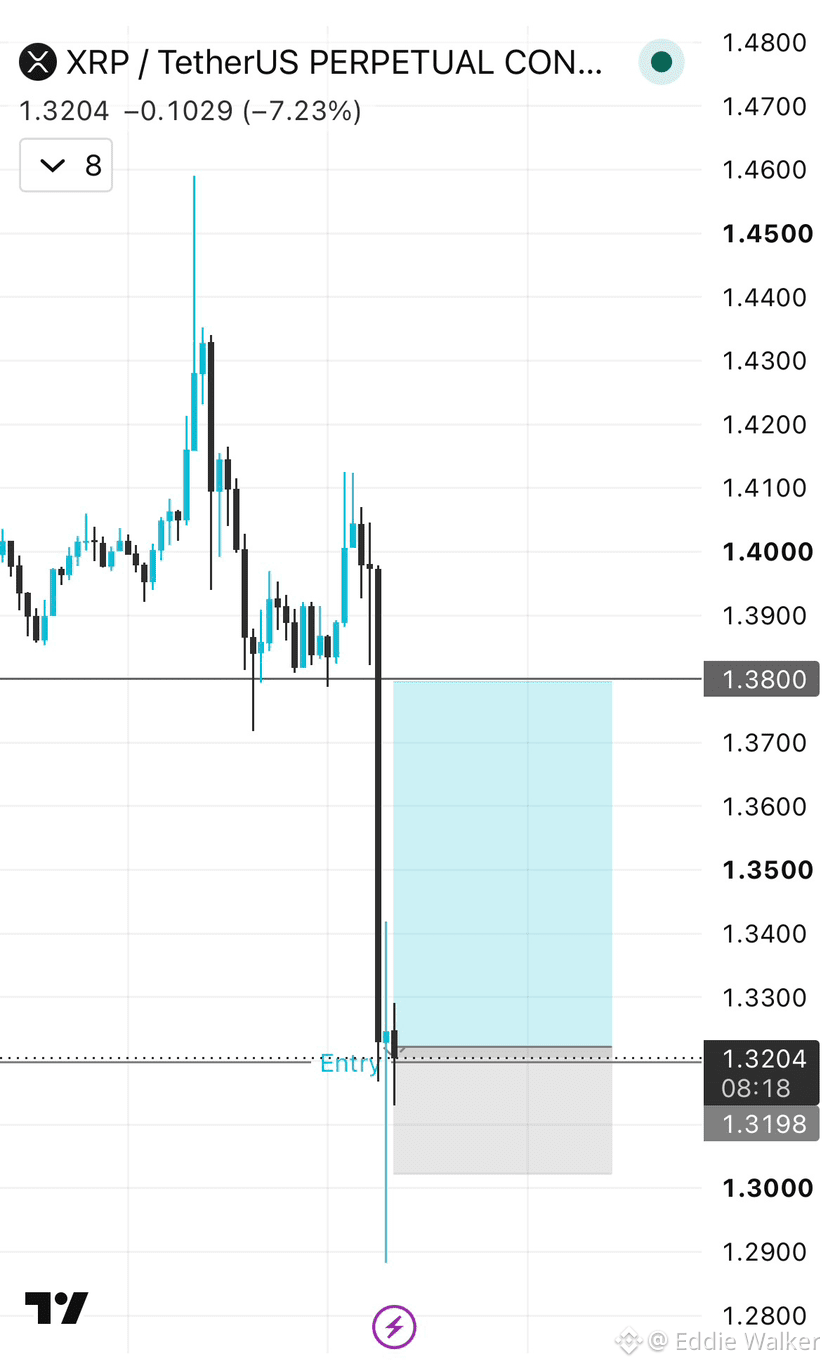
Les gars, je regarde $XRP ici pour une longue durée avec un effet de levier 100x et une marge de 30 USDT. Le prix a déjà subi une forte purge et essaie maintenant de récupérer depuis la zone de 1,32 ; donc si cette zone tient, on pourrait obtenir un bon rebond à partir d’ici.
Entrée : 1,3190 – 1,3230
TP1 : 1,3400
TP2 : 1,3600
TP3 : 1,3800
Stop : 1,3040
Tant que XRP tient cette zone de support, la position longue semble toujours valable. S’il perd la zone de 1,30, je considérerais cette configuration comme invalide.
#Xrp
Les gars, je regarde $XRP ici pour une longue durée avec un effet de levier 100x et une marge de 30 USDT. Le prix a déjà subi une forte purge et essaie maintenant de récupérer depuis la zone de 1,32 ; donc si cette zone tient, on pourrait obtenir un bon rebond à partir d’ici.
Entrée : 1,3190 – 1,3230
TP1 : 1,3400
TP2 : 1,3600
TP3 : 1,3800
Stop : 1,3040
Tant que XRP tient cette zone de support, la position longue semble toujours valable. S’il perd la zone de 1,30, je considérerais cette configuration comme invalide.
#Xrp
Entrée : 1,3190 – 1,3230
TP1 : 1,3400
TP2 : 1,3600
TP3 : 1,3800
Stop : 1,3040
Tant que XRP tient cette zone de support, la position longue semble toujours valable. S’il perd la zone de 1,30, je considérerais cette configuration comme invalide.
#Xrp
2
11
2.1k
·
--
Haussier
Les marchés de prédiction ne servent plus seulement à deviner ce qui se passera ensuite.
@polymarket transforme des événements du monde réel en marchés en direct, où les probabilités peuvent changer dès qu’une nouvelle information arrive.
→ 250K–500K traders actifs mensuels
→ 17M+ visites mensuelles sur le site
→ Des milliers de marchés dans les domaines de la politique, de la crypto, du sport et des événements mondiaux
Ce qui est intéressant, c’est d’observer où se déplace la conviction réelle. Au lieu de ne se fier qu’aux gros titres ou aux opinions sur les réseaux sociaux, vous pouvez voir l’évolution du sentiment et des probabilités en temps réel.
Un seul titre peut faire bouger les cotes. Une mise à jour inattendue peut faire basculer l’ensemble du marché.
C’est pourquoi je continue de suivre les événements réels de Polymarket, les probabilités en direct et les opportunités susceptibles d’évoluer en quelques minutes.
#Polymarket
Les marchés de prédiction ne servent plus seulement à deviner ce qui se passera ensuite.
@Polymarket transforme des événements du monde réel en marchés en direct, où les probabilités peuvent changer dès qu’une nouvelle information arrive.
→ 250K–500K traders actifs mensuels
→ 17M+ visites mensuelles sur le site
→ Des milliers de marchés dans les domaines de la politique, de la crypto, du sport et des événements mondiaux
Ce qui est intéressant, c’est d’observer où se déplace la conviction réelle. Au lieu de ne se fier qu’aux gros titres ou aux opinions sur les réseaux sociaux, vous pouvez voir l’évolution du sentiment et des probabilités en temps réel.
Un seul titre peut faire bouger les cotes. Une mise à jour inattendue peut faire basculer l’ensemble du marché.
C’est pourquoi je continue de suivre les événements réels de Polymarket, les probabilités en direct et les opportunités susceptibles d’évoluer en quelques minutes.
#Polymarket
@Polymarket transforme des événements du monde réel en marchés en direct, où les probabilités peuvent changer dès qu’une nouvelle information arrive.
→ 250K–500K traders actifs mensuels
→ 17M+ visites mensuelles sur le site
→ Des milliers de marchés dans les domaines de la politique, de la crypto, du sport et des événements mondiaux
Ce qui est intéressant, c’est d’observer où se déplace la conviction réelle. Au lieu de ne se fier qu’aux gros titres ou aux opinions sur les réseaux sociaux, vous pouvez voir l’évolution du sentiment et des probabilités en temps réel.
Un seul titre peut faire bouger les cotes. Une mise à jour inattendue peut faire basculer l’ensemble du marché.
C’est pourquoi je continue de suivre les événements réels de Polymarket, les probabilités en direct et les opportunités susceptibles d’évoluer en quelques minutes.
#Polymarket

16
18
5.5k
·
--
Haussier
La chose la plus intéressante à propos de @polymarket n’est pas seulement de faire une prédiction.
C’est de voir le marché changer d’avis en temps réel.
Un titre tombe → les probabilités bougent.
De nouvelles données sortent → les traders se repositionnent.
Une mise à jour inattendue → l’ensemble du marché peut s’inverser en quelques minutes.
C’est ce qui rend les marchés de prédiction si captivants à observer.
Politique, crypto, macro, sport, IA : chaque marché devient un affrontement en direct entre les attentes et la réalité.
Au lieu de défiler des centaines d’avis, vous pouvez voir comment les gens évaluent réellement les chances d’un résultat.
Et plus l’information entre sur le marché, plus ces probabilités peuvent évoluer.
Parfois lentement.
Parfois en quelques minutes.
C’est ce qui me pousse à vérifier Polymarket.
Vous ne lisez pas seulement ce que les gens pensent.
Vous observez où la conviction se déplace réellement.
Pour moi, cela fait de Polymarket plus qu’un simple endroit pour prédire des issues.
Cela devient une fenêtre en direct sur la façon dont la foule réagit à ce qui pourrait se produire ensuite.
Et parfois, cela raconte une histoire bien meilleure que le titre lui-même.
#polymarket
La chose la plus intéressante à propos de @Polymarket n’est pas seulement de faire une prédiction.
C’est de voir le marché changer d’avis en temps réel.
Un titre tombe → les probabilités bougent.
De nouvelles données sortent → les traders se repositionnent.
Une mise à jour inattendue → l’ensemble du marché peut s’inverser en quelques minutes.
C’est ce qui rend les marchés de prédiction si captivants à observer.
Politique, crypto, macro, sport, IA : chaque marché devient un affrontement en direct entre les attentes et la réalité.
Au lieu de défiler des centaines d’avis, vous pouvez voir comment les gens évaluent réellement les chances d’un résultat.
Et plus l’information entre sur le marché, plus ces probabilités peuvent évoluer.
Parfois lentement.
Parfois en quelques minutes.
C’est ce qui me pousse à vérifier Polymarket.
Vous ne lisez pas seulement ce que les gens pensent.
Vous observez où la conviction se déplace réellement.
Pour moi, cela fait de Polymarket plus qu’un simple endroit pour prédire des issues.
Cela devient une fenêtre en direct sur la façon dont la foule réagit à ce qui pourrait se produire ensuite.
Et parfois, cela raconte une histoire bien meilleure que le titre lui-même.
#polymarket
C’est de voir le marché changer d’avis en temps réel.
Un titre tombe → les probabilités bougent.
De nouvelles données sortent → les traders se repositionnent.
Une mise à jour inattendue → l’ensemble du marché peut s’inverser en quelques minutes.
C’est ce qui rend les marchés de prédiction si captivants à observer.
Politique, crypto, macro, sport, IA : chaque marché devient un affrontement en direct entre les attentes et la réalité.
Au lieu de défiler des centaines d’avis, vous pouvez voir comment les gens évaluent réellement les chances d’un résultat.
Et plus l’information entre sur le marché, plus ces probabilités peuvent évoluer.
Parfois lentement.
Parfois en quelques minutes.
C’est ce qui me pousse à vérifier Polymarket.
Vous ne lisez pas seulement ce que les gens pensent.
Vous observez où la conviction se déplace réellement.
Pour moi, cela fait de Polymarket plus qu’un simple endroit pour prédire des issues.
Cela devient une fenêtre en direct sur la façon dont la foule réagit à ce qui pourrait se produire ensuite.
Et parfois, cela raconte une histoire bien meilleure que le titre lui-même.
#polymarket

22
17
6.8k
·
--
Vérifié
Le marché entre dans un moment très sensible alors que tous les regards se tournent vers le prochain rapport sur l’IPC. Après des créations d’emplois hors secteur agricole (nonfarm payrolls) plus solides que prévu, la grande question est désormais de savoir si l’inflation restera suffisamment élevée pour maintenir la Réserve fédérale sous pression.
À mon avis, ce relevé de l’IPC pourrait devenir le déclencheur clé du prochain mouvement à court terme sur les actions, l’or et d’autres actifs à risque. Si l’IPC ressort plus chaud que prévu, les anticipations de hausses de taux pourraient remonter, ce qui pourrait peser sur les actions et créer une nouvelle incertitude sur le marché.
En revanche, si l’inflation montre des signes de refroidissement, les investisseurs pourraient commencer à intégrer une position plus accommodante de la Fed, ce qui pourrait soutenir une réaction haussière sur les actions et améliorer le sentiment général.
L’or pourrait lui aussi connaître une forte volatilité selon la manière dont le marché interprète l’inflation et les anticipations de politique monétaire. Je pense que c’est l’un de ces événements où un seul chiffre peut rapidement faire évoluer la direction du marché ; les traders devraient donc rester vigilants et gérer le risque avec soin.
Pour l’instant, l’IPC n’est pas seulement une donnée : c’est un catalyseur potentiel susceptible de faire bouger le marché.
#CPIWatch $BTC $ETH $SOL
Le marché entre dans un moment très sensible alors que tous les regards se tournent vers le prochain rapport sur l’IPC. Après des créations d’emplois hors secteur agricole (nonfarm payrolls) plus solides que prévu, la grande question est désormais de savoir si l’inflation restera suffisamment élevée pour maintenir la Réserve fédérale sous pression.
À mon avis, ce relevé de l’IPC pourrait devenir le déclencheur clé du prochain mouvement à court terme sur les actions, l’or et d’autres actifs à risque. Si l’IPC ressort plus chaud que prévu, les anticipations de hausses de taux pourraient remonter, ce qui pourrait peser sur les actions et créer une nouvelle incertitude sur le marché.
En revanche, si l’inflation montre des signes de refroidissement, les investisseurs pourraient commencer à intégrer une position plus accommodante de la Fed, ce qui pourrait soutenir une réaction haussière sur les actions et améliorer le sentiment général.
L’or pourrait lui aussi connaître une forte volatilité selon la manière dont le marché interprète l’inflation et les anticipations de politique monétaire. Je pense que c’est l’un de ces événements où un seul chiffre peut rapidement faire évoluer la direction du marché ; les traders devraient donc rester vigilants et gérer le risque avec soin.
Pour l’instant, l’IPC n’est pas seulement une donnée : c’est un catalyseur potentiel susceptible de faire bouger le marché.
#CPIWatch $BTC $ETH $SOL
À mon avis, ce relevé de l’IPC pourrait devenir le déclencheur clé du prochain mouvement à court terme sur les actions, l’or et d’autres actifs à risque. Si l’IPC ressort plus chaud que prévu, les anticipations de hausses de taux pourraient remonter, ce qui pourrait peser sur les actions et créer une nouvelle incertitude sur le marché.
En revanche, si l’inflation montre des signes de refroidissement, les investisseurs pourraient commencer à intégrer une position plus accommodante de la Fed, ce qui pourrait soutenir une réaction haussière sur les actions et améliorer le sentiment général.
L’or pourrait lui aussi connaître une forte volatilité selon la manière dont le marché interprète l’inflation et les anticipations de politique monétaire. Je pense que c’est l’un de ces événements où un seul chiffre peut rapidement faire évoluer la direction du marché ; les traders devraient donc rester vigilants et gérer le risque avec soin.
Pour l’instant, l’IPC n’est pas seulement une donnée : c’est un catalyseur potentiel susceptible de faire bouger le marché.
#CPIWatch $BTC $ETH $SOL

3
11
1.4k
·
--
Haussier
Partiellement vrai
IMPORTANT : 🇺🇸 Quelque chose de majeur se passe sur le marché des obligations.
Le Trésor américain vient juste de racheter encore 12,5 MILLIARDS de dollars de sa propre dette.
Cela porte le total des rachats ce mois-ci à 25 MILLIARDS de dollars.
La liquidité circule discrètement.
Les marchés ne pourront peut-être pas l’ignorer encore longtemps.
#BitcoinSurpasses$79K #RippleLobbiesToAdvanceCLARITYActVote
IMPORTANT : 🇺🇸 Quelque chose de majeur se passe sur le marché des obligations.
Le Trésor américain vient juste de racheter encore 12,5 MILLIARDS de dollars de sa propre dette.
Cela porte le total des rachats ce mois-ci à 25 MILLIARDS de dollars.
La liquidité circule discrètement.
Les marchés ne pourront peut-être pas l’ignorer encore longtemps.
#BitcoinSurpasses$79K #RippleLobbiesToAdvanceCLARITYActVote
Le Trésor américain vient juste de racheter encore 12,5 MILLIARDS de dollars de sa propre dette.
Cela porte le total des rachats ce mois-ci à 25 MILLIARDS de dollars.
La liquidité circule discrètement.
Les marchés ne pourront peut-être pas l’ignorer encore longtemps.
#BitcoinSurpasses$79K #RippleLobbiesToAdvanceCLARITYActVote

10
736
·
--
Vérifié
Quelque chose a changé avec @Aevoxyz que la plupart des traders ont probablement raté.
L’ancien modèle de token crypto était simple :
→ Grand calendrier de déblocage
→ Allocations aux VC en attente
→ Inflation via les récompenses
→ Détenteurs qui surveillent constamment le prochain événement d’offre
@Aevoxyz a pris une autre direction.
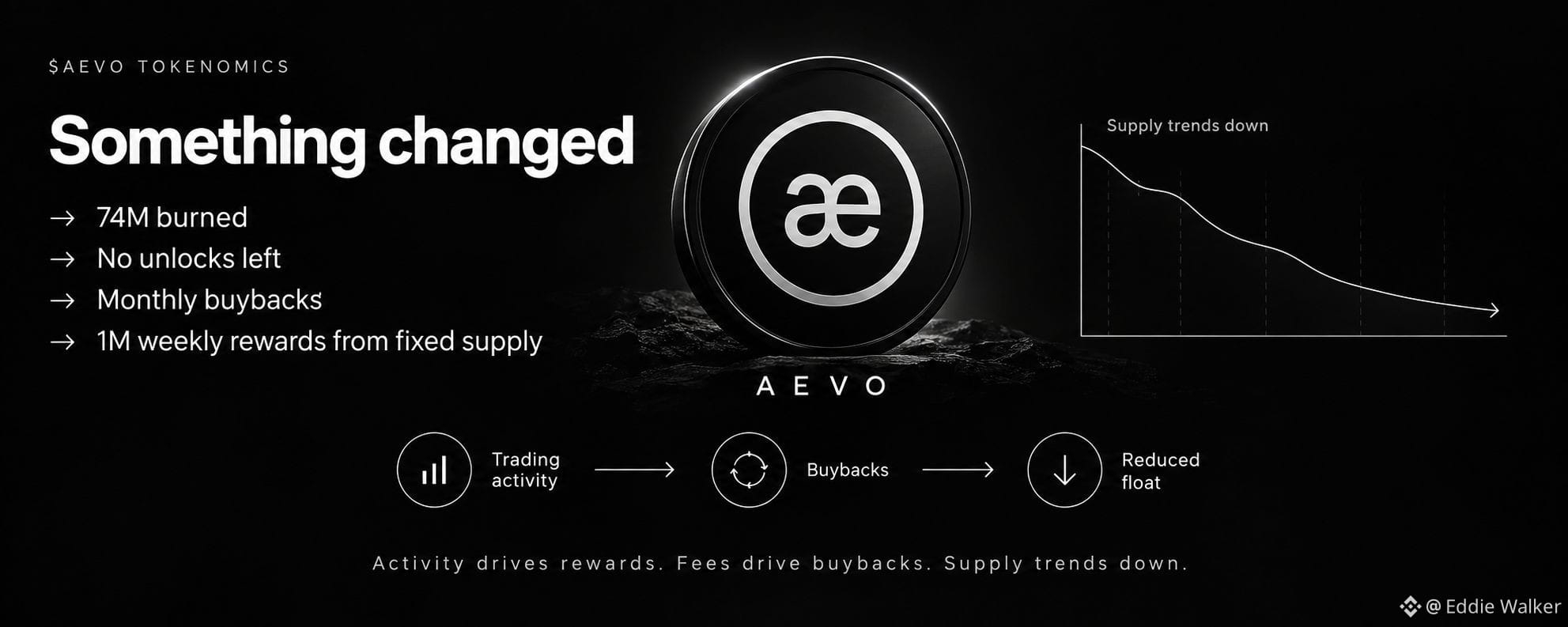
AGP-3 a complètement modifié la structure.
→ 74M AEVO brûlés jusqu’à présent
→ Plus aucun déblocage programmé
→ Rachats mensuels financés par des frais de négociation réels sur la bourse
→ Les tokens rachetés sont retirés définitivement
Et voici la partie qu’il faut comprendre.
Aevo distribue encore 1M AEVO chaque semaine aux traders actifs.
Mais ces tokens proviennent de l’offre fixe existante de 1B.
Ils ne sont pas nouvellement émis.
Pendant ce temps, l’activité de trading génère des frais.
Ces frais financent le rachat mensuel.
Plus d’activité sur la plateforme → plus de frais
Plus de frais → plus de rachats
Plus de rachats → plus d’AEVO retirés de la circulation
Cela crée une boucle mécanique assez intéressante.
La même activité de trading qui récompense les utilisateurs alimente aussi le mécanisme qui réduit le flottant du token.
Pas d’histoire d’inflation nouvelle.
Pas de “falaise” de déblocage à venir qui plane sur le token.
Juste un modèle de token de plus en plus lié à ce qui se passe réellement sur la bourse.
C’est un Aevo très différent de celui que beaucoup de traders se rappellent encore. Je peux aussi rendre l’angle PERPS+ beaucoup plus agressif, façon trader, avec $BTC / $ETH , des setups, une protection contre les mèches, et des flèches.
#Aevo
Quelque chose a changé avec @Aevo que la plupart des traders ont probablement raté.
L’ancien modèle de token crypto était simple :
→ Grand calendrier de déblocage
→ Allocations aux VC en attente
→ Inflation via les récompenses
→ Détenteurs qui surveillent constamment le prochain événement d’offre
@Aevo a pris une autre direction.
AGP-3 a complètement modifié la structure.
→ 74M AEVO brûlés jusqu’à présent
→ Plus aucun déblocage programmé
→ Rachats mensuels financés par des frais de négociation réels sur la bourse
→ Les tokens rachetés sont retirés définitivement
Et voici la partie qu’il faut comprendre.
Aevo distribue encore 1M AEVO chaque semaine aux traders actifs.
Mais ces tokens proviennent de l’offre fixe existante de 1B.
Ils ne sont pas nouvellement émis.
Pendant ce temps, l’activité de trading génère des frais.
Ces frais financent le rachat mensuel.
Plus d’activité sur la plateforme → plus de frais
Plus de frais → plus de rachats
Plus de rachats → plus d’AEVO retirés de la circulation
Cela crée une boucle mécanique assez intéressante.
La même activité de trading qui récompense les utilisateurs alimente aussi le mécanisme qui réduit le flottant du token.
Pas d’histoire d’inflation nouvelle.
Pas de “falaise” de déblocage à venir qui plane sur le token.
Juste un modèle de token de plus en plus lié à ce qui se passe réellement sur la bourse.
C’est un Aevo très différent de celui que beaucoup de traders se rappellent encore. Je peux aussi rendre l’angle PERPS+ beaucoup plus agressif, façon trader, avec $BTC / $ETH , des setups, une protection contre les mèches, et des flèches.
#Aevo
L’ancien modèle de token crypto était simple :
→ Grand calendrier de déblocage
→ Allocations aux VC en attente
→ Inflation via les récompenses
→ Détenteurs qui surveillent constamment le prochain événement d’offre
@Aevo a pris une autre direction.
AGP-3 a complètement modifié la structure.
→ 74M AEVO brûlés jusqu’à présent
→ Plus aucun déblocage programmé
→ Rachats mensuels financés par des frais de négociation réels sur la bourse
→ Les tokens rachetés sont retirés définitivement
Et voici la partie qu’il faut comprendre.
Aevo distribue encore 1M AEVO chaque semaine aux traders actifs.
Mais ces tokens proviennent de l’offre fixe existante de 1B.
Ils ne sont pas nouvellement émis.
Pendant ce temps, l’activité de trading génère des frais.
Ces frais financent le rachat mensuel.
Plus d’activité sur la plateforme → plus de frais
Plus de frais → plus de rachats
Plus de rachats → plus d’AEVO retirés de la circulation
Cela crée une boucle mécanique assez intéressante.
La même activité de trading qui récompense les utilisateurs alimente aussi le mécanisme qui réduit le flottant du token.
Pas d’histoire d’inflation nouvelle.
Pas de “falaise” de déblocage à venir qui plane sur le token.
Juste un modèle de token de plus en plus lié à ce qui se passe réellement sur la bourse.
C’est un Aevo très différent de celui que beaucoup de traders se rappellent encore. Je peux aussi rendre l’angle PERPS+ beaucoup plus agressif, façon trader, avec $BTC / $ETH , des setups, une protection contre les mèches, et des flèches.
#Aevo
15
15
6.3k
·
--
Haussier
Partiellement vrai
Et si les batailles de chars classiques rencontraient le Web3 ?
C’est l’idée que BattleTown est en train d’explorer.
Le projet s’inspire des jeux de combats de chars familiers avec lesquels beaucoup de joueurs ont grandi et combine cette idée avec un écosystème Web3 moderne.
Imaginez :
Combat de chars
🎮 Jouabilité d’inspiration rétro
Progression des chars
Objets de collection numériques
🌐 Mécaniques blockchain
Et un autre détail attire l’attention :
BattleTown annonce une hausse des prix de la prévente lors des tours ultérieurs
Cela signifie que le projet a également mis en place une structure tarifaire par paliers en parallèle de sa feuille de route de jeu.
Mais la vraie question est de savoir si BattleTown peut réussir à marier son expérience de jeu avec son économie Web3.
Car, au bout du compte, un projet GameFi a besoin de plus qu’un token.
Il lui faut un jeu auquel les gens ont réellement envie de jouer. Suivez BattleTown.
DYOR.
Et si les batailles de chars classiques rencontraient le Web3 ?
C’est l’idée que BattleTown est en train d’explorer.
Le projet s’inspire des jeux de combats de chars familiers avec lesquels beaucoup de joueurs ont grandi et combine cette idée avec un écosystème Web3 moderne.
Imaginez :
Combat de chars
🎮 Jouabilité d’inspiration rétro
Progression des chars
Objets de collection numériques
🌐 Mécaniques blockchain
Et un autre détail attire l’attention :
BattleTown annonce une hausse des prix de la prévente lors des tours ultérieurs
Cela signifie que le projet a également mis en place une structure tarifaire par paliers en parallèle de sa feuille de route de jeu.
Mais la vraie question est de savoir si BattleTown peut réussir à marier son expérience de jeu avec son économie Web3.
Car, au bout du compte, un projet GameFi a besoin de plus qu’un token.
Il lui faut un jeu auquel les gens ont réellement envie de jouer. Suivez BattleTown.
DYOR.
C’est l’idée que BattleTown est en train d’explorer.
Le projet s’inspire des jeux de combats de chars familiers avec lesquels beaucoup de joueurs ont grandi et combine cette idée avec un écosystème Web3 moderne.
Imaginez :
Combat de chars
🎮 Jouabilité d’inspiration rétro
Progression des chars
Objets de collection numériques
🌐 Mécaniques blockchain
Et un autre détail attire l’attention :
BattleTown annonce une hausse des prix de la prévente lors des tours ultérieurs
Cela signifie que le projet a également mis en place une structure tarifaire par paliers en parallèle de sa feuille de route de jeu.
Mais la vraie question est de savoir si BattleTown peut réussir à marier son expérience de jeu avec son économie Web3.
Car, au bout du compte, un projet GameFi a besoin de plus qu’un token.
Il lui faut un jeu auquel les gens ont réellement envie de jouer. Suivez BattleTown.
DYOR.

3
14
3.5k
·
--
Haussier
Les marchés de prédiction ne servent plus seulement à deviner ce qui va se passer ensuite.
@polymarket transforme des événements du monde réel en véritables opportunités de marché.
Et les chiffres expliquent pourquoi il devient difficile de l’ignorer :
→ 250K–500K traders actifs mensuels
→ Plus de 17M de visites mensuelles sur le site
→ Des milliers de marchés à travers la politique, la crypto, le sport et les événements mondiaux
Le plus grand avantage ?
Vous pouvez voir où se concentre la conviction réelle au lieu de vous fier uniquement aux gros titres ou aux opinions sur les réseaux sociaux.
Les probabilités évoluent à mesure que de nouvelles informations arrivent.
Le sentiment change en temps réel.
Et les traders peuvent se positionner sur l’issue qu’ils jugent la plus probable.
C’est ce qui rend Polymarket intéressant pour moi.
Des événements réels.
Des probabilités réelles.
De vraies opportunités.
#Polymarket
Les marchés de prédiction ne servent plus seulement à deviner ce qui va se passer ensuite.
@Polymarket transforme des événements du monde réel en véritables opportunités de marché.
Et les chiffres expliquent pourquoi il devient difficile de l’ignorer :
→ 250K–500K traders actifs mensuels
→ Plus de 17M de visites mensuelles sur le site
→ Des milliers de marchés à travers la politique, la crypto, le sport et les événements mondiaux
Le plus grand avantage ?
Vous pouvez voir où se concentre la conviction réelle au lieu de vous fier uniquement aux gros titres ou aux opinions sur les réseaux sociaux.
Les probabilités évoluent à mesure que de nouvelles informations arrivent.
Le sentiment change en temps réel.
Et les traders peuvent se positionner sur l’issue qu’ils jugent la plus probable.
C’est ce qui rend Polymarket intéressant pour moi.
Des événements réels.
Des probabilités réelles.
De vraies opportunités.
#Polymarket
@Polymarket transforme des événements du monde réel en véritables opportunités de marché.
Et les chiffres expliquent pourquoi il devient difficile de l’ignorer :
→ 250K–500K traders actifs mensuels
→ Plus de 17M de visites mensuelles sur le site
→ Des milliers de marchés à travers la politique, la crypto, le sport et les événements mondiaux
Le plus grand avantage ?
Vous pouvez voir où se concentre la conviction réelle au lieu de vous fier uniquement aux gros titres ou aux opinions sur les réseaux sociaux.
Les probabilités évoluent à mesure que de nouvelles informations arrivent.
Le sentiment change en temps réel.
Et les traders peuvent se positionner sur l’issue qu’ils jugent la plus probable.
C’est ce qui rend Polymarket intéressant pour moi.
Des événements réels.
Des probabilités réelles.
De vraies opportunités.
#Polymarket
31
17
6k
·
--
Baissier
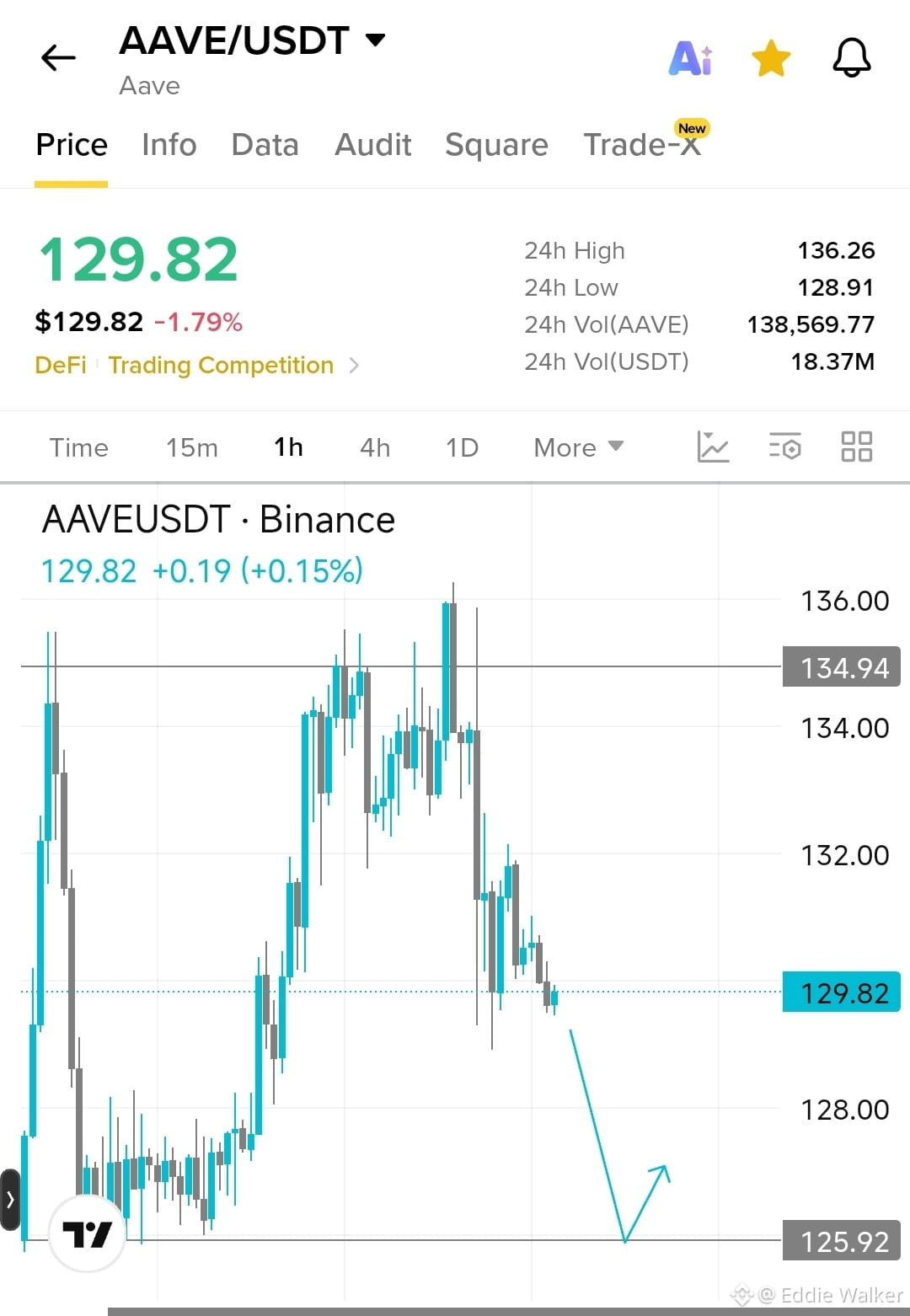
Je surveille $AAVE pour un short ici.
AAVE a été fortement rejeté de la zone des 136 $, et le graphique 1H affiche désormais des sommets de plus en plus bas tandis que le prix continue de passer sous les 131 $. Les vendeurs semblent toujours avoir la main, à moins que ce niveau ne soit reconquis.
Entrée : 129,70 $–130,30 $
Objectifs :
TP1 : 128,60 $
TP2 : 127,90 $
TP3 : 126,20 $
Stop : 131,30 $
Pour moi, 131 $ est le niveau clé. Tant qu’AAVE reste en dessous, je vise une poursuite à la baisse. Une reconquête nette au-dessus de 131,3 $ invaliderait l’idée du short.
Je surveille $AAVE pour un short ici.
AAVE a été fortement rejeté de la zone des 136 $, et le graphique 1H affiche désormais des sommets de plus en plus bas tandis que le prix continue de passer sous les 131 $. Les vendeurs semblent toujours avoir la main, à moins que ce niveau ne soit reconquis.
Entrée : 129,70 $–130,30 $
Objectifs :
TP1 : 128,60 $
TP2 : 127,90 $
TP3 : 126,20 $
Stop : 131,30 $
Pour moi, 131 $ est le niveau clé. Tant qu’AAVE reste en dessous, je vise une poursuite à la baisse. Une reconquête nette au-dessus de 131,3 $ invaliderait l’idée du short.
AAVE a été fortement rejeté de la zone des 136 $, et le graphique 1H affiche désormais des sommets de plus en plus bas tandis que le prix continue de passer sous les 131 $. Les vendeurs semblent toujours avoir la main, à moins que ce niveau ne soit reconquis.
Entrée : 129,70 $–130,30 $
Objectifs :
TP1 : 128,60 $
TP2 : 127,90 $
TP3 : 126,20 $
Stop : 131,30 $
Pour moi, 131 $ est le niveau clé. Tant qu’AAVE reste en dessous, je vise une poursuite à la baisse. Une reconquête nette au-dessus de 131,3 $ invaliderait l’idée du short.
9
402
·
--
Les marchés de prédiction deviennent l’une des façons les plus intéressantes d’échanger des événements du monde réel.
C’est pourquoi je continue de surveiller @polymarket
→ Politique
→ Crypto
→ Sports
→ Événements macro
→ Titres mondiaux
Au lieu de vous contenter de lire l’actualité, vous pouvez réellement prendre position sur ce que vous pensez qu’il va se passer ensuite.
Le meilleur dans tout ça ? Les prix du marché montrent, en temps réel, ce que les gens croient collectivement concernant la probabilité.
Pour moi, cela fait de Polymarket plus qu’une simple plateforme de paris.
C’est un marché d’informations en direct où se rencontrent opinions, probabilités et capitaux.
#Polymarket
Les marchés de prédiction deviennent l’une des façons les plus intéressantes d’échanger des événements du monde réel.
C’est pourquoi je continue de surveiller @Polymarket
→ Politique
→ Crypto
→ Sports
→ Événements macro
→ Titres mondiaux
Au lieu de vous contenter de lire l’actualité, vous pouvez réellement prendre position sur ce que vous pensez qu’il va se passer ensuite.
Le meilleur dans tout ça ? Les prix du marché montrent, en temps réel, ce que les gens croient collectivement concernant la probabilité.
Pour moi, cela fait de Polymarket plus qu’une simple plateforme de paris.
C’est un marché d’informations en direct où se rencontrent opinions, probabilités et capitaux.
#Polymarket
C’est pourquoi je continue de surveiller @Polymarket
→ Politique
→ Crypto
→ Sports
→ Événements macro
→ Titres mondiaux
Au lieu de vous contenter de lire l’actualité, vous pouvez réellement prendre position sur ce que vous pensez qu’il va se passer ensuite.
Le meilleur dans tout ça ? Les prix du marché montrent, en temps réel, ce que les gens croient collectivement concernant la probabilité.
Pour moi, cela fait de Polymarket plus qu’une simple plateforme de paris.
C’est un marché d’informations en direct où se rencontrent opinions, probabilités et capitaux.
#Polymarket

22
18
8.3k
·
--
Vérifié
@Midnight_Network fait partie de ces projets qui rendent la confidentialité réellement utile.
Il s’agit d’une couche 1 autonome conçue pour une confidentialité programmable, permettant aux utilisateurs de prouver qu’une affirmation est vraie sans exposer toutes leurs données personnelles.
Cela signifie :
→ Une meilleure confidentialité sans tout masquer
→ Divulgation sélective pour la KYC et la conformité
→ Utile pour les banques, les paiements, l’identité et les RWA
→ Coordination publique des transactions avec exécution privée
→ $NIGHT et DUST travaillent ensemble dans un modèle à double jeton
Ce qui, pour moi, distingue Midnight, c’est que le projet ne se contente pas de parler de la confidentialité.
Google Cloud, MoneyGram, eToro, Worldpay et d’autres grands acteurs font déjà partie de son écosystème de validateurs, tandis que Monument Bank travaille à tokeniser jusqu’à 250 M£ de dépôts clients.
La confidentialité, mais pensée pour le monde réel.
C’est ce qui rend #Midnight cela vaut la peine d’en apprendre davantage.
Contenu informatif uniquement. Pas un conseil financier.
@Midnight Network fait partie de ces projets qui rendent la confidentialité réellement utile.
Il s’agit d’une couche 1 autonome conçue pour une confidentialité programmable, permettant aux utilisateurs de prouver qu’une affirmation est vraie sans exposer toutes leurs données personnelles.
Cela signifie :
→ Une meilleure confidentialité sans tout masquer
→ Divulgation sélective pour la KYC et la conformité
→ Utile pour les banques, les paiements, l’identité et les RWA
→ Coordination publique des transactions avec exécution privée
→ $NIGHT et DUST travaillent ensemble dans un modèle à double jeton
Ce qui, pour moi, distingue Midnight, c’est que le projet ne se contente pas de parler de la confidentialité.
Google Cloud, MoneyGram, eToro, Worldpay et d’autres grands acteurs font déjà partie de son écosystème de validateurs, tandis que Monument Bank travaille à tokeniser jusqu’à 250 M£ de dépôts clients.
La confidentialité, mais pensée pour le monde réel.
C’est ce qui rend #Midnight cela vaut la peine d’en apprendre davantage.
Contenu informatif uniquement. Pas un conseil financier.
Il s’agit d’une couche 1 autonome conçue pour une confidentialité programmable, permettant aux utilisateurs de prouver qu’une affirmation est vraie sans exposer toutes leurs données personnelles.
Cela signifie :
→ Une meilleure confidentialité sans tout masquer
→ Divulgation sélective pour la KYC et la conformité
→ Utile pour les banques, les paiements, l’identité et les RWA
→ Coordination publique des transactions avec exécution privée
→ $NIGHT et DUST travaillent ensemble dans un modèle à double jeton
Ce qui, pour moi, distingue Midnight, c’est que le projet ne se contente pas de parler de la confidentialité.
Google Cloud, MoneyGram, eToro, Worldpay et d’autres grands acteurs font déjà partie de son écosystème de validateurs, tandis que Monument Bank travaille à tokeniser jusqu’à 250 M£ de dépôts clients.
La confidentialité, mais pensée pour le monde réel.
C’est ce qui rend #Midnight cela vaut la peine d’en apprendre davantage.
Contenu informatif uniquement. Pas un conseil financier.
18
18
6.2k
·
--
Une chose que j’apprécie au @polymarket , c’est que cela transforme des opinions en marchés réels.
Au lieu de se contenter de débattre de ce qui pourrait se passer ensuite, les gens peuvent réellement explorer différents événements, comparer les probabilités et prendre position selon leur propre point de vue.
Voici ce qui rend les marchés de prédiction particulièrement intéressants pour moi :
→ Explorer des opportunités à travers la politique, la crypto, la macro, le sport et les événements mondiaux
→ Voir ce que la foule s’attend actuellement à voir se produire
→ Observer l’évolution des probabilités au fur et à mesure que de nouvelles informations arrivent
→ Comparer votre propre vision avec le sentiment réel du marché
→ Négocier autour des événements avant que l’issue finale ne soit connue
C’est ce qui rend Polymarket plus intéressant que le simple fait de suivre des titres.
Chaque mise à jour peut changer les cotes, faire évoluer le sentiment et créer une nouvelle opportunité.
Vous ne regardez pas seulement ce qui va se passer ensuite.
Vous observez le prix du marché l’intégrer en temps réel.
#polymarket
Une chose que j’apprécie au @Polymarket , c’est que cela transforme des opinions en marchés réels.
Au lieu de se contenter de débattre de ce qui pourrait se passer ensuite, les gens peuvent réellement explorer différents événements, comparer les probabilités et prendre position selon leur propre point de vue.
Voici ce qui rend les marchés de prédiction particulièrement intéressants pour moi :
→ Explorer des opportunités à travers la politique, la crypto, la macro, le sport et les événements mondiaux
→ Voir ce que la foule s’attend actuellement à voir se produire
→ Observer l’évolution des probabilités au fur et à mesure que de nouvelles informations arrivent
→ Comparer votre propre vision avec le sentiment réel du marché
→ Négocier autour des événements avant que l’issue finale ne soit connue
C’est ce qui rend Polymarket plus intéressant que le simple fait de suivre des titres.
Chaque mise à jour peut changer les cotes, faire évoluer le sentiment et créer une nouvelle opportunité.
Vous ne regardez pas seulement ce qui va se passer ensuite.
Vous observez le prix du marché l’intégrer en temps réel.
#polymarket
Au lieu de se contenter de débattre de ce qui pourrait se passer ensuite, les gens peuvent réellement explorer différents événements, comparer les probabilités et prendre position selon leur propre point de vue.
Voici ce qui rend les marchés de prédiction particulièrement intéressants pour moi :
→ Explorer des opportunités à travers la politique, la crypto, la macro, le sport et les événements mondiaux
→ Voir ce que la foule s’attend actuellement à voir se produire
→ Observer l’évolution des probabilités au fur et à mesure que de nouvelles informations arrivent
→ Comparer votre propre vision avec le sentiment réel du marché
→ Négocier autour des événements avant que l’issue finale ne soit connue
C’est ce qui rend Polymarket plus intéressant que le simple fait de suivre des titres.
Chaque mise à jour peut changer les cotes, faire évoluer le sentiment et créer une nouvelle opportunité.
Vous ne regardez pas seulement ce qui va se passer ensuite.
Vous observez le prix du marché l’intégrer en temps réel.
#polymarket
19
19
5.9k
·
--
Haussier
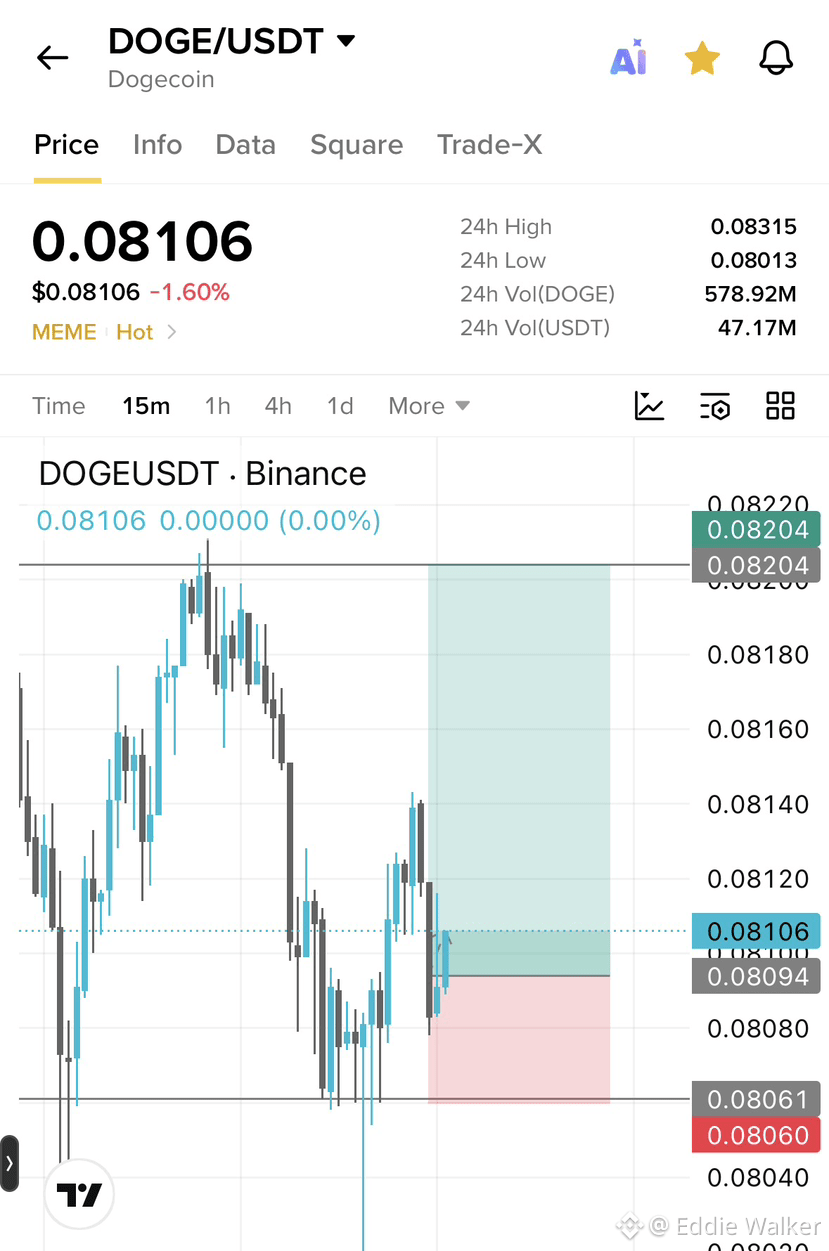
Je surveille $DOGE pour une configuration longue ici.
Le prix a rebondi depuis la zone de support de 0,0806 $ et essaie désormais de se maintenir au-dessus de 0,0810 $. Les acheteurs montrent une certaine réaction ici, et si ce niveau continue de tenir, je surveillerais un nouvel essai vers les récents plus hauts.
Entrée : 0,08095–0,08105 $
Objectifs :
TP1 : 0,08140 $
TP2 : 0,08180 $
TP3 : 0,08204 $
SL : Sous 0,08060 $
Pour moi, 0,0806 $ est le niveau clé d’invalidation. Tant que DOGE reste au-dessus, la configuration de rebond reste valide. Un mouvement clair au-dessus de 0,0814 rendrait la continuation vers 0,082 beaucoup plus propre.
Je surveille $DOGE pour une configuration longue ici.
Le prix a rebondi depuis la zone de support de 0,0806 $ et essaie désormais de se maintenir au-dessus de 0,0810 $. Les acheteurs montrent une certaine réaction ici, et si ce niveau continue de tenir, je surveillerais un nouvel essai vers les récents plus hauts.
Entrée : 0,08095–0,08105 $
Objectifs :
TP1 : 0,08140 $
TP2 : 0,08180 $
TP3 : 0,08204 $
SL : Sous 0,08060 $
Pour moi, 0,0806 $ est le niveau clé d’invalidation. Tant que DOGE reste au-dessus, la configuration de rebond reste valide. Un mouvement clair au-dessus de 0,0814 rendrait la continuation vers 0,082 beaucoup plus propre.
Le prix a rebondi depuis la zone de support de 0,0806 $ et essaie désormais de se maintenir au-dessus de 0,0810 $. Les acheteurs montrent une certaine réaction ici, et si ce niveau continue de tenir, je surveillerais un nouvel essai vers les récents plus hauts.
Entrée : 0,08095–0,08105 $
Objectifs :
TP1 : 0,08140 $
TP2 : 0,08180 $
TP3 : 0,08204 $
SL : Sous 0,08060 $
Pour moi, 0,0806 $ est le niveau clé d’invalidation. Tant que DOGE reste au-dessus, la configuration de rebond reste valide. Un mouvement clair au-dessus de 0,0814 rendrait la continuation vers 0,082 beaucoup plus propre.
10
310
·
--
Baissier
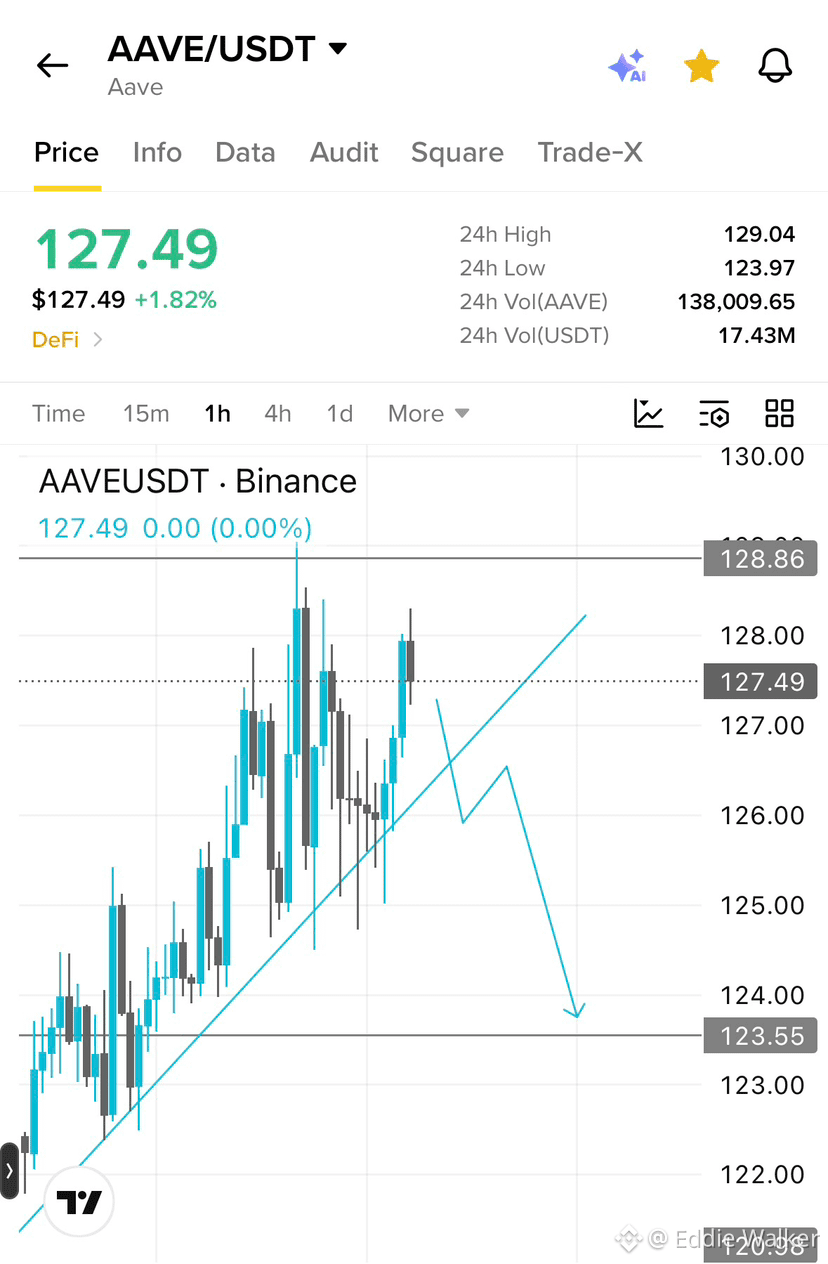
Je regarde aussi $AAVE pendant un court moment.
Le prix repousse vers la zone de résistance comprise entre 128$ et 128,8$, mais c’est précisément à cet endroit que je m’attendrais à voir les vendeurs réapparaître. La structure reste encore vulnérable si cette hausse du support commence à se rompre.
Entrée : 127,50 $–128,30 $
Objectifs :
TP1 : 126,00 $
TP2 : 125,00 $
TP3 : 123,55 $
SL : au-dessus de 128,90 $
Pour moi, 128,86 $ correspond au niveau d’invalidation. Si AAVE continue d’échouer en dessous de cette zone, un repli vers 126 $ et, finalement, vers 123,5 $ reste possible.
Je regarde aussi $AAVE pendant un court moment.
Le prix repousse vers la zone de résistance comprise entre 128$ et 128,8$, mais c’est précisément à cet endroit que je m’attendrais à voir les vendeurs réapparaître. La structure reste encore vulnérable si cette hausse du support commence à se rompre.
Entrée : 127,50 $–128,30 $
Objectifs :
TP1 : 126,00 $
TP2 : 125,00 $
TP3 : 123,55 $
SL : au-dessus de 128,90 $
Pour moi, 128,86 $ correspond au niveau d’invalidation. Si AAVE continue d’échouer en dessous de cette zone, un repli vers 126 $ et, finalement, vers 123,5 $ reste possible.
Le prix repousse vers la zone de résistance comprise entre 128$ et 128,8$, mais c’est précisément à cet endroit que je m’attendrais à voir les vendeurs réapparaître. La structure reste encore vulnérable si cette hausse du support commence à se rompre.
Entrée : 127,50 $–128,30 $
Objectifs :
TP1 : 126,00 $
TP2 : 125,00 $
TP3 : 123,55 $
SL : au-dessus de 128,90 $
Pour moi, 128,86 $ correspond au niveau d’invalidation. Si AAVE continue d’échouer en dessous de cette zone, un repli vers 126 $ et, finalement, vers 123,5 $ reste possible.
10
267
Connectez-vous pour découvrir plus de contenu
Rejoignez la communauté mondiale des adeptes de cryptomonnaies sur Binance Square
⚡️ Suviez les dernières informations importantes sur les cryptomonnaies.
💬 Jugé digne de confiance par la plus grande plateforme d’échange de cryptomonnaies au monde.
👍 Découvrez les connaissances que partagent les créateurs vérifiés.
Adresse e-mail/Nº de téléphone
Sujets d’actualité
AIStocksWhatNext
748,135 vues
5,714 mentions
Partagez et gagnez une récompense de trafic dans notre campagne de hashtag tendance
✨Sujet : Quelles autres opportunités d’investissement restent-elles alors que les actions liées à l’IA continuent de grimper ?
👉Comment participer :
Publiez une courte publication ou un article avec le hashtag #AIStocksWhatNext
Partagez si vous êtes plutôt haussier ou baissier, et publiez vos avoirs en actions IA ou votre transaction — utiliser le widget de trading peut améliorer votre éligibilité.
Vous pouvez aussi renforcer votre publication en partageant des données ou des graphiques, et en évitant les images générées par l’IA.
✍️Créez du contenu à partir des angles ci-dessous :
- Nvidia affirme que les ventes de puces vont doubler l’an prochain, et que les principaux acteurs de l’IA continuent d’enregistrer des revenus records ; les dépenses en calcul qui soutiennent tout cela sont tout aussi impressionnantes. La demande en IA décolle-t-elle vraiment ? Et combien de temps cela peut-il durer ? Les actions IA montent partout. Est-ce une vraie cassure, ou juste un rebond à court terme ?
- Des leaders de l’industrie appellent à ralentir le développement de l’IA, tandis que Trump prévoit de construire une « Force IA », affirmant que l’IA pourrait représenter 25 % du PIB américain à l’avenir. De quel côté êtes-vous ? Le soutien au niveau des États sera-t-il un gain de long terme pour les actions IA ?
- Achetez-vous des actions liées à l’IA ? Partagez votre transaction/position liée à l’IA avec notre widget de partage de trading.
⏰Période de la campagne :
- 2026-09-22 7:00 - 2026-09-24 4:00 UTC
🎁Récompense :
- Les publications qualifiées qui respectent les consignes ci-dessus et contiennent plus de 100 mots seront examinées et pourront recevoir un boost aléatoire de trafic de 500 à 3 000 vues. Vous recevrez une notification de la part de votre secrétaire de flux si votre publication est sélectionnée.
- Ayez une chance de voir votre article mis en avant sur Binance Square Official
Vous cherchez des idées pour votre publication ? Visitez la page du sujet #AIStocksWhatNext ou la page Square Guide on How to Post for Better Reach.
Binance Square Official
·547 mentions J’aime
·1.5M vues
BitcoinRejectedAt$87,300Twice
0 vues
0 mentions
BCHJumps28%OnCMEFuturesListing
276 vues
109 mentions