
Crypto Universe official
14.2k Publications

Crypto Universe official
 Compte Square Vérifié+
Signaler
Bloquer l’utilisateur
Crypto Trader| Crypto Influencer|• Analyst • Actively Analyzing All Crypto Market| Blockchain| WEB 3| AI | New Projects| NEWS | LEARNING| ACCOUNT & ADVISER
Ouvert au trading
Trade régulièrement
5.2 an(s)
328 Suivis
61.4K+ Abonnés
80.8K+ J’aime
Publications
Portefeuille
Tous
Citations
Vidéos
Direct

·
--
Haussier
🚨 $VTHO AFFICHE UNE FORTE PUISSANCE 🚨
Les gars, VTHO/USDT vient de faire un énorme mouvement sur le graphique journalier, gagnant plus de 53% grâce à un volume important derrière.
{future}(VTHOUSDT)
La partie intéressante, c’est que le prix a finalement cassé la fourchette qui durait depuis plusieurs semaines autour de 0,000381 $–0,000450 $. Cette cassure s’est accompagnée d’une énorme bougie verte, ce qui montre clairement que les acheteurs entrent en action.
Le prix a déjà touché 0,000749 $ et se situe maintenant autour de 0,000672 $ après une prise de profits. Honnêtement, après un mouvement aussi fort, une petite correction ne serait pas surprenante. En fait, elle pourrait être saine avant la prochaine impulsion.
📌 NIVEAUX QUE JE SURVEILLE :
🔥 Résistance : 0,000749 $
Une cassure et un maintien au-dessus de ce niveau pourraient ouvrir la voie vers :
🎯 TP1 : 0,000850 $
🎯 TP2 : 0,000920 $
🚀 Objectif majeur : 0,001000 $
À la baisse :
🟢 Premier support : 0,000576 $
🟢 Support majeur : 0,000450 $
La zone des 0,000450 $ est particulièrement importante car c’était une résistance précédente et elle peut maintenant servir de support.
⚠️ Un point à ne pas ignorer : poursuivre une crypto juste après une bougie journalière à +50% peut être risqué. La volatilité peut être folle ici, donc je préfère attendre une vraie correction ou une confirmation plutôt que de foncer en mode FOMO.
Si $VTHO conserve la structure de cassure, la zone des 0,001 $ pourrait devenir le prochain grand champ de bataille.
Vous achèteriez la correction ou vous attendriez d’abord la cassure des 0,000749 $ ? 👀
🚨 $VTHO AFFICHE UNE FORTE PUISSANCE 🚨
Les gars, VTHO/USDT vient de faire un énorme mouvement sur le graphique journalier, gagnant plus de 53% grâce à un volume important derrière.
La partie intéressante, c’est que le prix a finalement cassé la fourchette qui durait depuis plusieurs semaines autour de 0,000381 $–0,000450 $. Cette cassure s’est accompagnée d’une énorme bougie verte, ce qui montre clairement que les acheteurs entrent en action.
Le prix a déjà touché 0,000749 $ et se situe maintenant autour de 0,000672 $ après une prise de profits. Honnêtement, après un mouvement aussi fort, une petite correction ne serait pas surprenante. En fait, elle pourrait être saine avant la prochaine impulsion.
📌 NIVEAUX QUE JE SURVEILLE :
🔥 Résistance : 0,000749 $
Une cassure et un maintien au-dessus de ce niveau pourraient ouvrir la voie vers :
🎯 TP1 : 0,000850 $
🎯 TP2 : 0,000920 $
🚀 Objectif majeur : 0,001000 $
À la baisse :
🟢 Premier support : 0,000576 $
🟢 Support majeur : 0,000450 $
La zone des 0,000450 $ est particulièrement importante car c’était une résistance précédente et elle peut maintenant servir de support.
⚠️ Un point à ne pas ignorer : poursuivre une crypto juste après une bougie journalière à +50% peut être risqué. La volatilité peut être folle ici, donc je préfère attendre une vraie correction ou une confirmation plutôt que de foncer en mode FOMO.
Si $VTHO conserve la structure de cassure, la zone des 0,001 $ pourrait devenir le prochain grand champ de bataille.
Vous achèteriez la correction ou vous attendriez d’abord la cassure des 0,000749 $ ? 👀
Les gars, VTHO/USDT vient de faire un énorme mouvement sur le graphique journalier, gagnant plus de 53% grâce à un volume important derrière.
La partie intéressante, c’est que le prix a finalement cassé la fourchette qui durait depuis plusieurs semaines autour de 0,000381 $–0,000450 $. Cette cassure s’est accompagnée d’une énorme bougie verte, ce qui montre clairement que les acheteurs entrent en action.
Le prix a déjà touché 0,000749 $ et se situe maintenant autour de 0,000672 $ après une prise de profits. Honnêtement, après un mouvement aussi fort, une petite correction ne serait pas surprenante. En fait, elle pourrait être saine avant la prochaine impulsion.
📌 NIVEAUX QUE JE SURVEILLE :
🔥 Résistance : 0,000749 $
Une cassure et un maintien au-dessus de ce niveau pourraient ouvrir la voie vers :
🎯 TP1 : 0,000850 $
🎯 TP2 : 0,000920 $
🚀 Objectif majeur : 0,001000 $
À la baisse :
🟢 Premier support : 0,000576 $
🟢 Support majeur : 0,000450 $
La zone des 0,000450 $ est particulièrement importante car c’était une résistance précédente et elle peut maintenant servir de support.
⚠️ Un point à ne pas ignorer : poursuivre une crypto juste après une bougie journalière à +50% peut être risqué. La volatilité peut être folle ici, donc je préfère attendre une vraie correction ou une confirmation plutôt que de foncer en mode FOMO.
Si $VTHO conserve la structure de cassure, la zone des 0,001 $ pourrait devenir le prochain grand champ de bataille.
Vous achèteriez la correction ou vous attendriez d’abord la cassure des 0,000749 $ ? 👀

3
927

·
--
Haussier
Ankr Forte Hausse Potentiel de hausse 0.005$ Opportunité d'achat ici 👇
Ankr Forte Hausse Potentiel de hausse 0.005$ Opportunité d'achat ici 👇
2
527
·
--
Haussier
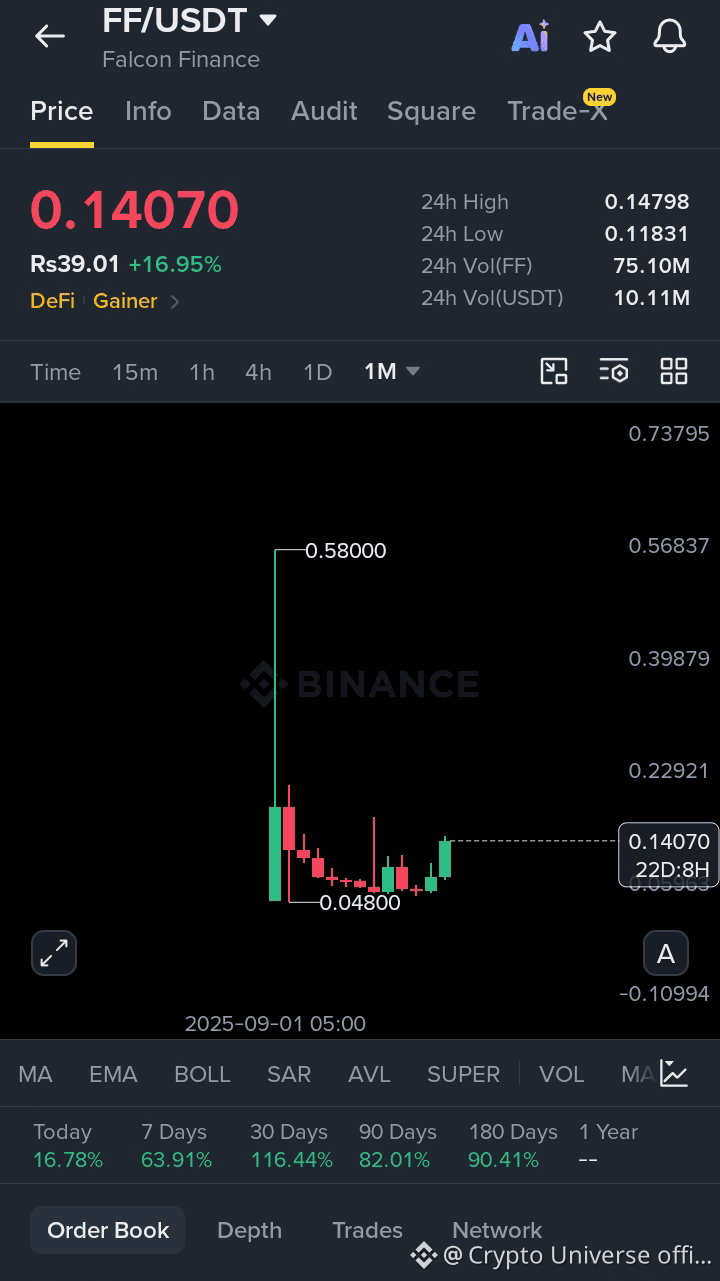
🚀 Analyse technique mensuelle de FF/USDT (Falcon Finance) & objectifs haussiers
Le graphique mensuel (1M) montre une base en double creux claire autour de 0,0480 $, suivie d’une forte bougie mensuelle de renversement verte. Les volumes d’achat augmentent, signalant une forte accumulation et un potentiel retournement macro.
Paramètres techniques clés
* Prix actuel : 0,1407 $
* Zone de support clé : 0,1000 – 0,1180 $
* Creux macro : 0,0480 $
* Orientation du marché : renversement haussier
Résistances à la hausse & objectifs
* Objectif 1 : 0,2290 $ (première zone de résistance majeure)
* Objectif 2 : 0,3980 $ (objectif de liquidité à mi-parcours)
* Objectif 3 : 0,5800 $ (ancien plus haut majeur)
🔥 Configuration de trading & signal post
$FF / USDT — Expansion haussière mensuelle en cours ! 📈
Après une longue consolidation près de 0,0480 $, Falcon Finance (FF) a imprimé une forte bougie de renversement mensuelle, confirmant la domination des acheteurs !
Niveaux techniques clés :
📥 Zone d’entrée : 0,1300 – 0,1410 $
🛡️ Invalidation / Support : 0,0980 $
Objectifs de prise de profit :
🎯 TP1 : 0,2290 $
🎯 TP2 : 0,3980 $
🎯 TP3 : 0,5800 $
Se maintenir au-dessus de 0,1200 $ permet de conserver la structure haussière entièrement intacte. Préparez-vous au prochain mouvement à la hausse ! 🚀
$FF
{future}(FFUSDT)
🚀 Analyse technique mensuelle de FF/USDT (Falcon Finance) & objectifs haussiers
Le graphique mensuel (1M) montre une base en double creux claire autour de 0,0480 $, suivie d’une forte bougie mensuelle de renversement verte. Les volumes d’achat augmentent, signalant une forte accumulation et un potentiel retournement macro.
Paramètres techniques clés
* Prix actuel : 0,1407 $
* Zone de support clé : 0,1000 – 0,1180 $
* Creux macro : 0,0480 $
* Orientation du marché : renversement haussier
Résistances à la hausse & objectifs
* Objectif 1 : 0,2290 $ (première zone de résistance majeure)
* Objectif 2 : 0,3980 $ (objectif de liquidité à mi-parcours)
* Objectif 3 : 0,5800 $ (ancien plus haut majeur)
🔥 Configuration de trading & signal post
$FF / USDT — Expansion haussière mensuelle en cours ! 📈
Après une longue consolidation près de 0,0480 $, Falcon Finance (FF) a imprimé une forte bougie de renversement mensuelle, confirmant la domination des acheteurs !
Niveaux techniques clés :
📥 Zone d’entrée : 0,1300 – 0,1410 $
🛡️ Invalidation / Support : 0,0980 $
Objectifs de prise de profit :
🎯 TP1 : 0,2290 $
🎯 TP2 : 0,3980 $
🎯 TP3 : 0,5800 $
Se maintenir au-dessus de 0,1200 $ permet de conserver la structure haussière entièrement intacte. Préparez-vous au prochain mouvement à la hausse ! 🚀
$FF
Le graphique mensuel (1M) montre une base en double creux claire autour de 0,0480 $, suivie d’une forte bougie mensuelle de renversement verte. Les volumes d’achat augmentent, signalant une forte accumulation et un potentiel retournement macro.
Paramètres techniques clés
* Prix actuel : 0,1407 $
* Zone de support clé : 0,1000 – 0,1180 $
* Creux macro : 0,0480 $
* Orientation du marché : renversement haussier
Résistances à la hausse & objectifs
* Objectif 1 : 0,2290 $ (première zone de résistance majeure)
* Objectif 2 : 0,3980 $ (objectif de liquidité à mi-parcours)
* Objectif 3 : 0,5800 $ (ancien plus haut majeur)
🔥 Configuration de trading & signal post
$FF / USDT — Expansion haussière mensuelle en cours ! 📈
Après une longue consolidation près de 0,0480 $, Falcon Finance (FF) a imprimé une forte bougie de renversement mensuelle, confirmant la domination des acheteurs !
Niveaux techniques clés :
📥 Zone d’entrée : 0,1300 – 0,1410 $
🛡️ Invalidation / Support : 0,0980 $
Objectifs de prise de profit :
🎯 TP1 : 0,2290 $
🎯 TP2 : 0,3980 $
🎯 TP3 : 0,5800 $
Se maintenir au-dessus de 0,1200 $ permet de conserver la structure haussière entièrement intacte. Préparez-vous au prochain mouvement à la hausse ! 🚀
$FF
1
2
543
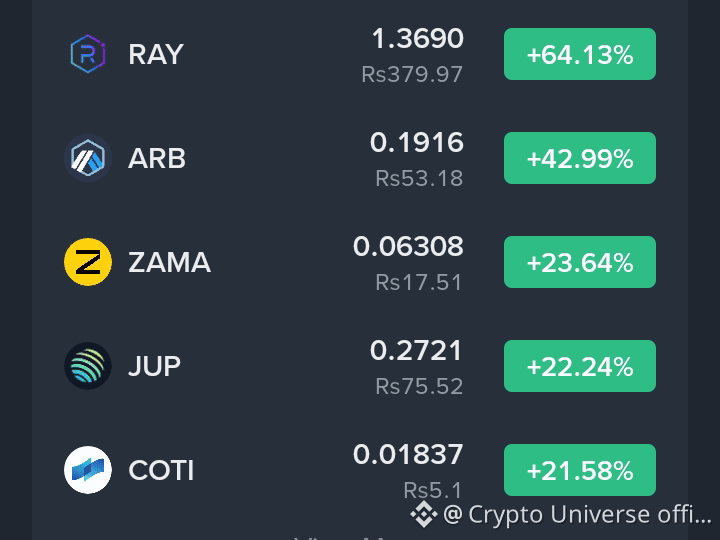
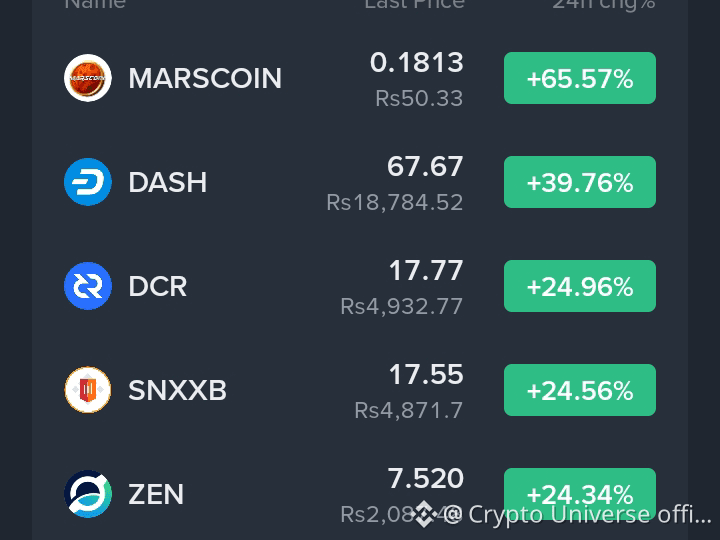
·
--
Haussier
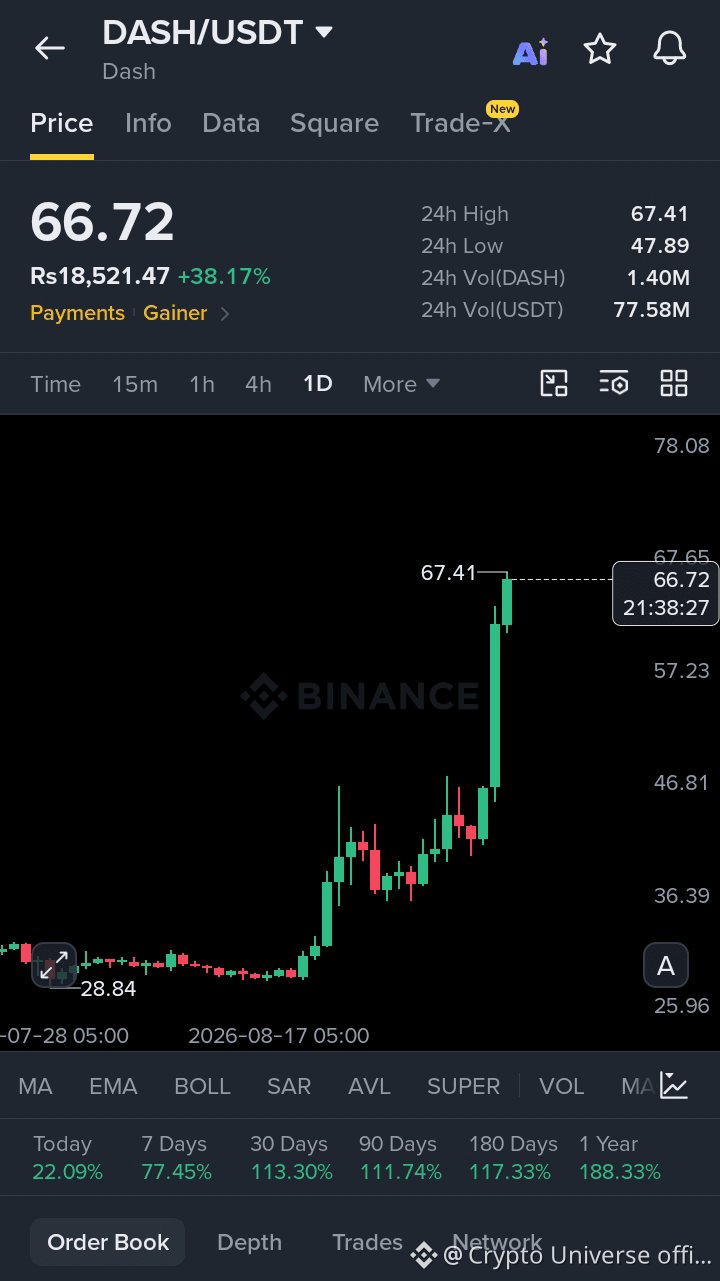
🚀 $DASH Structure haussière !
DASH montre une forte structure haussière, et une cassure pourrait débloquer davantage de hausse. 📈
{future}(DASHUSDT)
🎯 Objectif : 100 $+
Sur le plan fondamental, DASH a une solide histoire dans la crypto avec un accent sur des paiements rapides et à faible coût. Son réseau de masternodes prend en charge InstantSend, ChainLocks, la gouvernance et le financement de la trésorerie.
Le projet poursuit également le développement de Dash Platform, avec d’autres mises à niveau prévues jusqu’en 2026–2027.
Si l’élan haussier se poursuit, 100 $+ pourrait devenir une zone de hausse réaliste.
DYOR. 🚀
#DASH
🚀 $DASH Structure haussière !
DASH montre une forte structure haussière, et une cassure pourrait débloquer davantage de hausse. 📈
🎯 Objectif : 100 $+
Sur le plan fondamental, DASH a une solide histoire dans la crypto avec un accent sur des paiements rapides et à faible coût. Son réseau de masternodes prend en charge InstantSend, ChainLocks, la gouvernance et le financement de la trésorerie.
Le projet poursuit également le développement de Dash Platform, avec d’autres mises à niveau prévues jusqu’en 2026–2027.
Si l’élan haussier se poursuit, 100 $+ pourrait devenir une zone de hausse réaliste.
DYOR. 🚀
#DASH
DASH montre une forte structure haussière, et une cassure pourrait débloquer davantage de hausse. 📈
🎯 Objectif : 100 $+
Sur le plan fondamental, DASH a une solide histoire dans la crypto avec un accent sur des paiements rapides et à faible coût. Son réseau de masternodes prend en charge InstantSend, ChainLocks, la gouvernance et le financement de la trésorerie.
Le projet poursuit également le développement de Dash Platform, avec d’autres mises à niveau prévues jusqu’en 2026–2027.
Si l’élan haussier se poursuit, 100 $+ pourrait devenir une zone de hausse réaliste.
DYOR. 🚀
#DASH
4
2k
·
--
Haussier
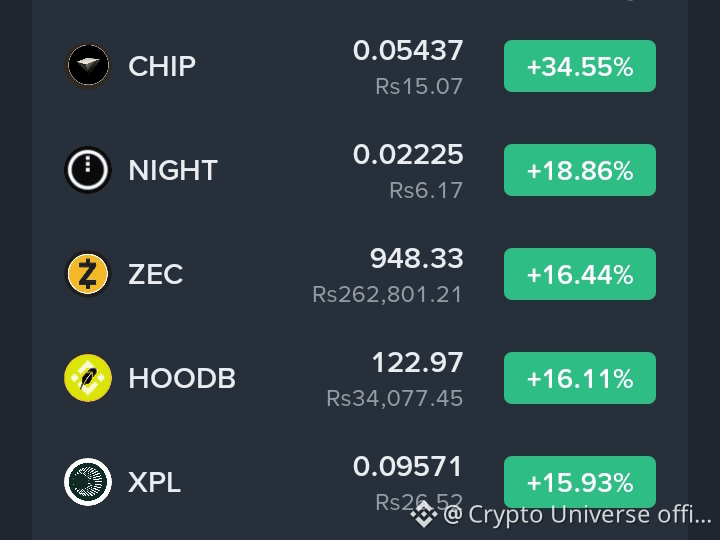
Les gars, aujourd’hui la meilleure opportunité d’achat ici 👇 Long maintenant 😶🌫️
$CHIP , $NIGHT , $ZEC
{future}(ZECUSDT)
{future}(NIGHTUSDT)
{future}(CHIPUSDT)
Les gars, aujourd’hui la meilleure opportunité d’achat ici 👇 Long maintenant 😶🌫️
$CHIP , $NIGHT , $ZEC
$CHIP , $NIGHT , $ZEC
1
1.4k
·
--
Haussier
3 mouvements majeurs aujourd’hui Marché Green 💚 ...
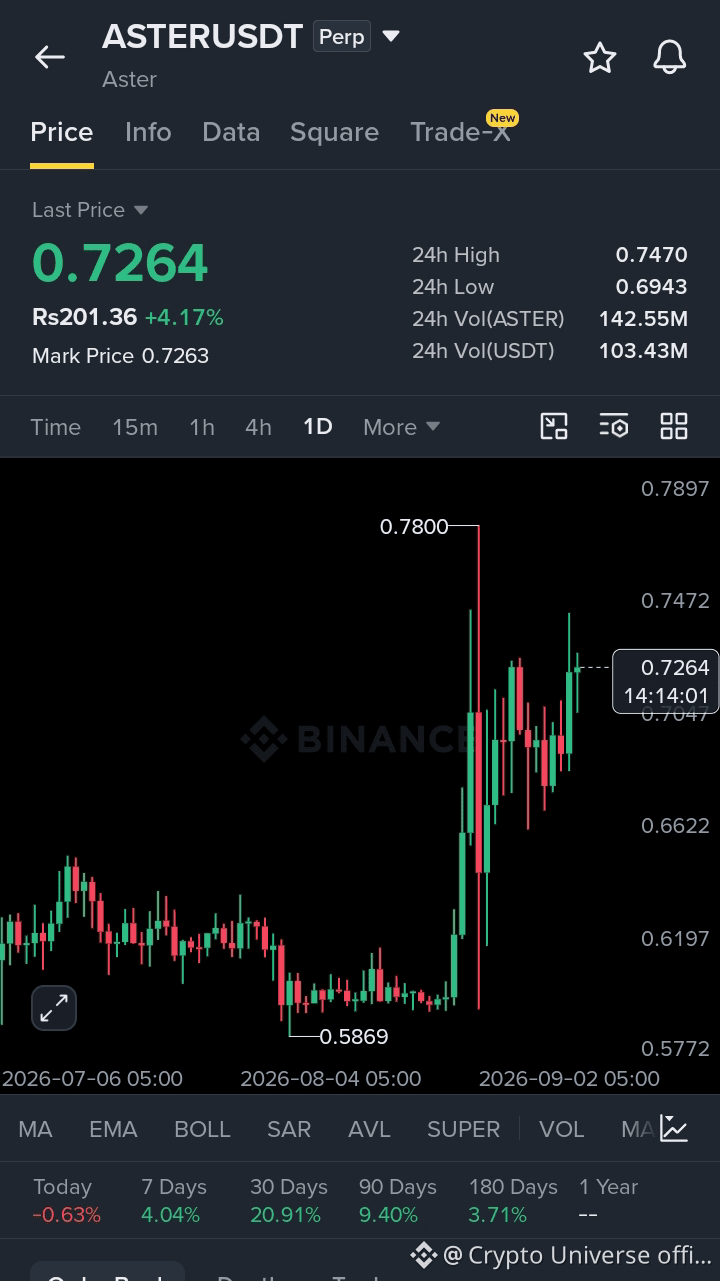
$ASTER , $HEMI $GOOGL.US
Peut à nouveau exploser ...
Mon avis ici 👇 Regarde maintenant et place ton opportunité de trading ....
{stock_us}(GOOGL.US)
{future}(HEMIUSDT)
{future}(ASTERUSDT)
3 mouvements majeurs aujourd’hui Marché Green 💚 ...
$ASTER , $HEMI $GOOGL.US
Peut à nouveau exploser ...
Mon avis ici 👇 Regarde maintenant et place ton opportunité de trading ....
$ASTER , $HEMI $GOOGL.US
Peut à nouveau exploser ...
Mon avis ici 👇 Regarde maintenant et place ton opportunité de trading ....
1
523
·
--
Baissier
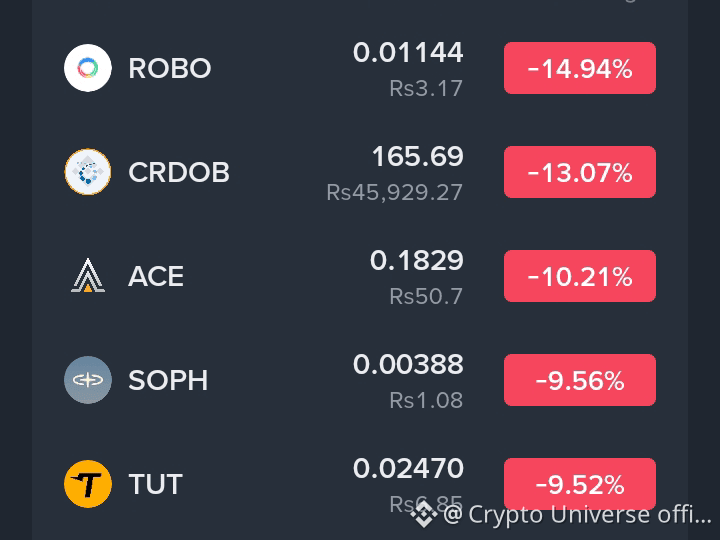
5 MONSTER AAL 🎋 Sur 🔥 🔥
CHAUD 💫 COMME $ROBO IDIOT -14,94%
#CRDOB & $ACE & $SOPH & $TUT .......
Peut Remonter Encore regardez ici 👇
{future}(SOPHUSDT)
{future}(ROBOUSDT)
5 MONSTER AAL 🎋 Sur 🔥 🔥
CHAUD 💫 COMME $ROBO IDIOT -14,94%
#CRDOB & $ACE & $SOPH & $TUT .......
Peut Remonter Encore regardez ici 👇
CHAUD 💫 COMME $ROBO IDIOT -14,94%
#CRDOB & $ACE & $SOPH & $TUT .......
Peut Remonter Encore regardez ici 👇
2
1.1k
·
--
Haussier
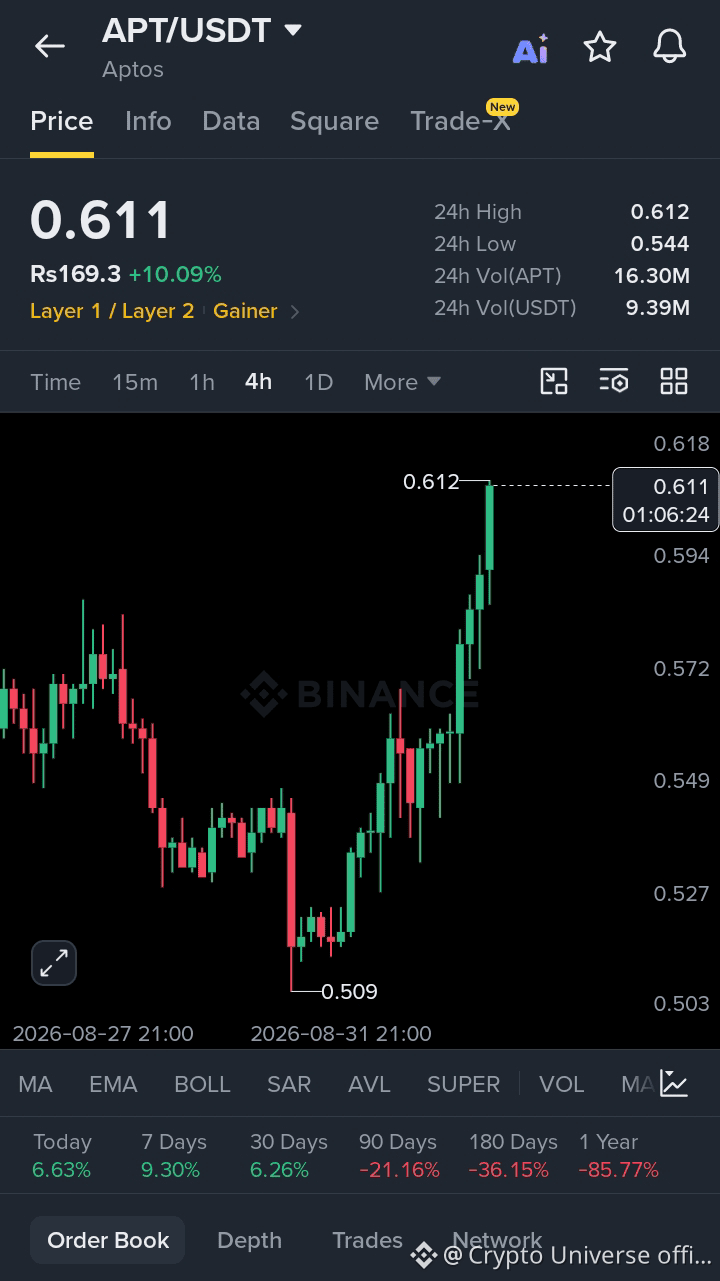
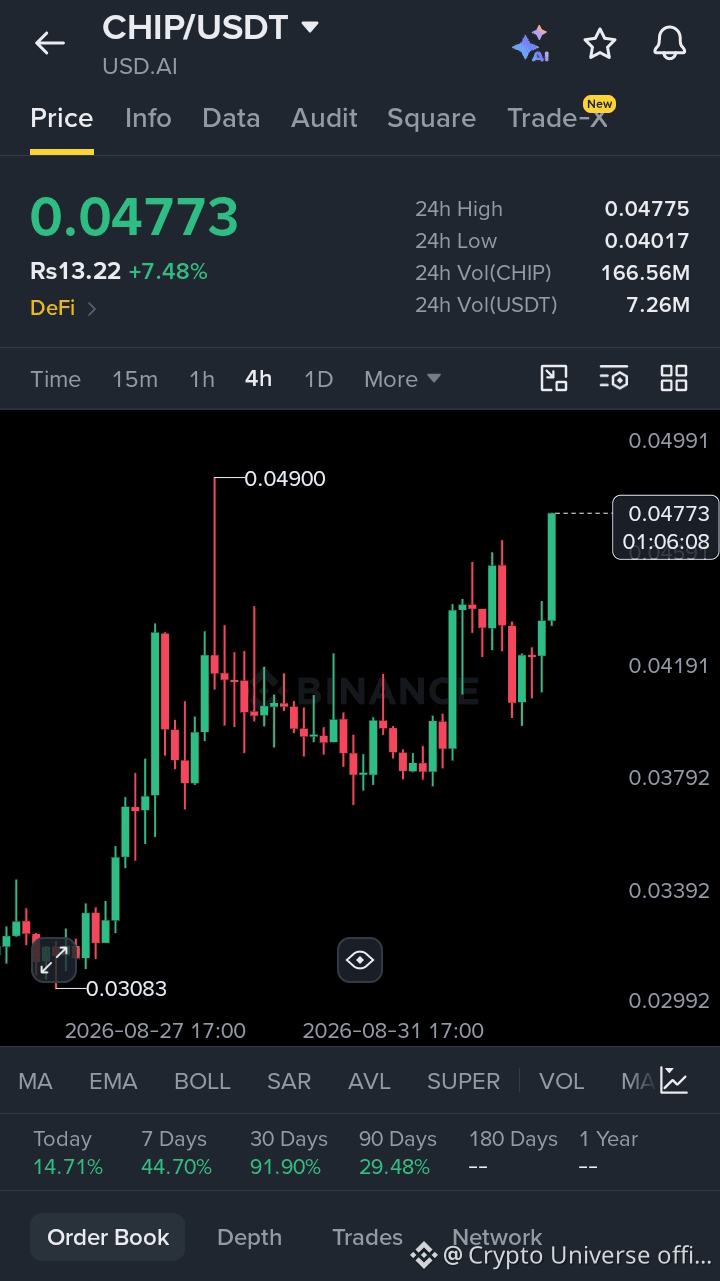
Prochaine grande liste de gains ici 👇 Long Et acheter maintenant ...
$APT , $CHIP , $HEMI
{future}(HEMIUSDT)
{future}(CHIPUSDT)
{future}(APTUSDT)
Prochaine grande liste de gains ici 👇 Long Et acheter maintenant ...
$APT , $CHIP , $HEMI
$APT , $CHIP , $HEMI
1
1k
·
--
Haussier
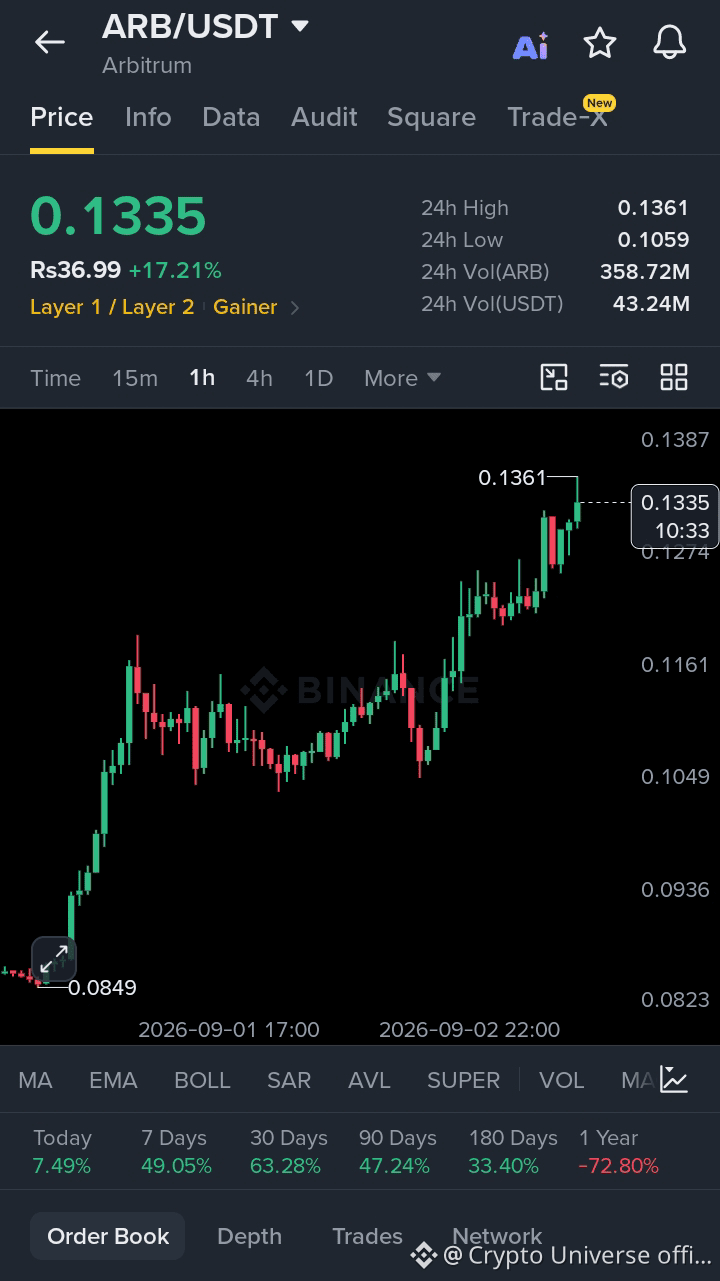
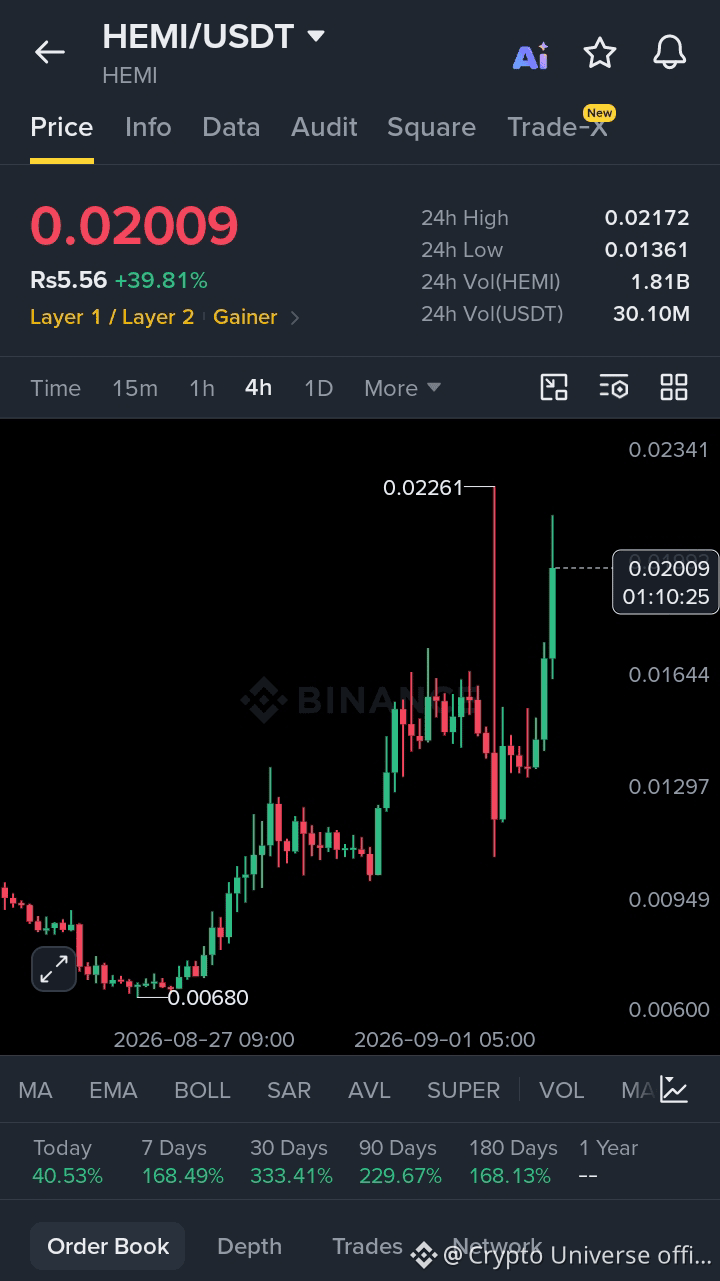
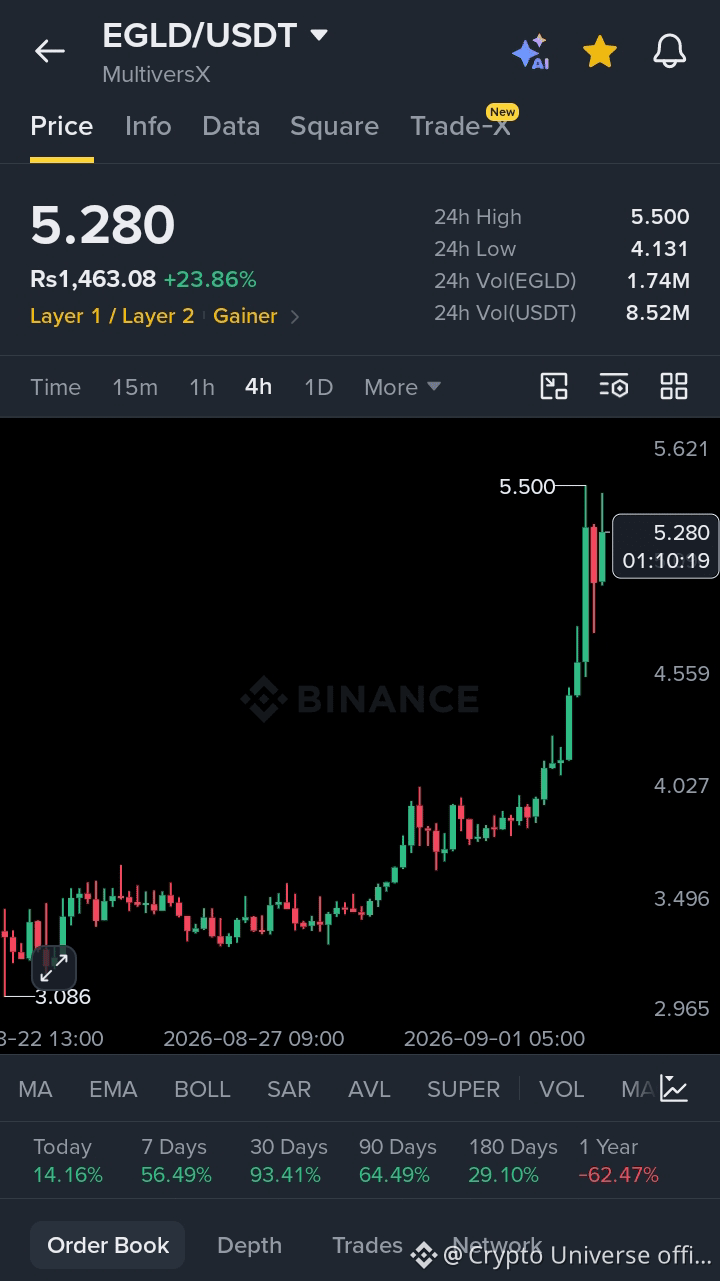
les gars Ces pièces montrent les mêmes motifs
mouvement haussier attendu ...
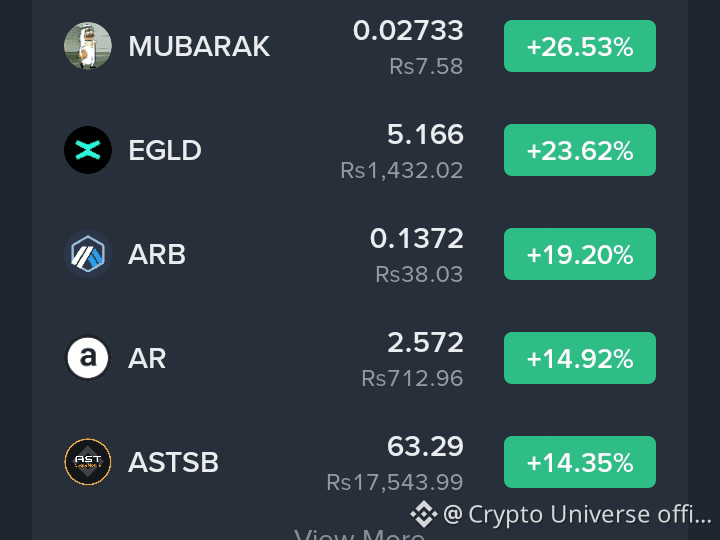
$HEMI , $EGLD , $ARB
{future}(ARBUSDT)
{future}(EGLDUSDT)
{future}(HEMIUSDT)
les gars Ces pièces montrent les mêmes motifs
mouvement haussier attendu ...
$HEMI , $EGLD , $ARB
mouvement haussier attendu ...
$HEMI , $EGLD , $ARB
1
605
·
--
Haussier
Les gars aujourd’hui, pièces haussières $HEMI , $EGLD ,$CLO
{future}(CLOUSDT)
{future}(EGLDUSDT)
{future}(HEMIUSDT)
Les gars aujourd’hui, pièces haussières $HEMI , $EGLD ,$CLO
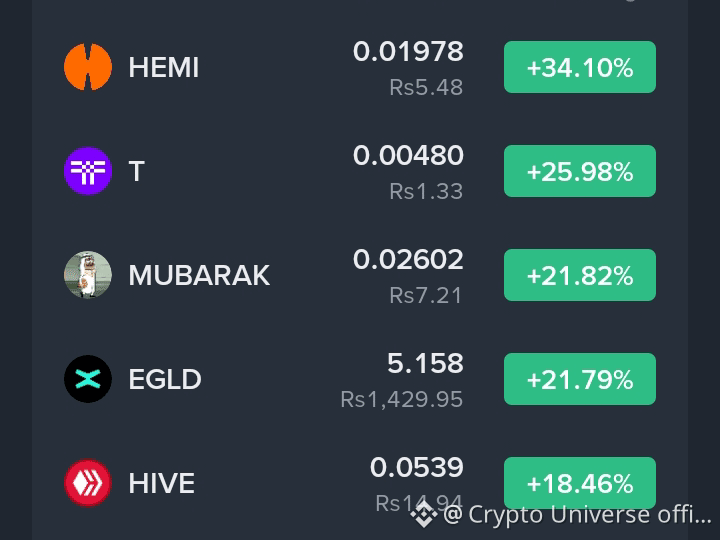
3
797
·
--
Haussier
Les gars, je suis haussier sur $HEMI ... En train de construire une structure haussière...
Long $ARB Long $NVDAB
{spot}(NVDABUSDT)
{future}(ARBUSDT)
{future}(HEMIUSDT)
Les gars, je suis haussier sur $HEMI ... En train de construire une structure haussière...
Long $ARB Long $NVDAB
Long $ARB Long $NVDAB
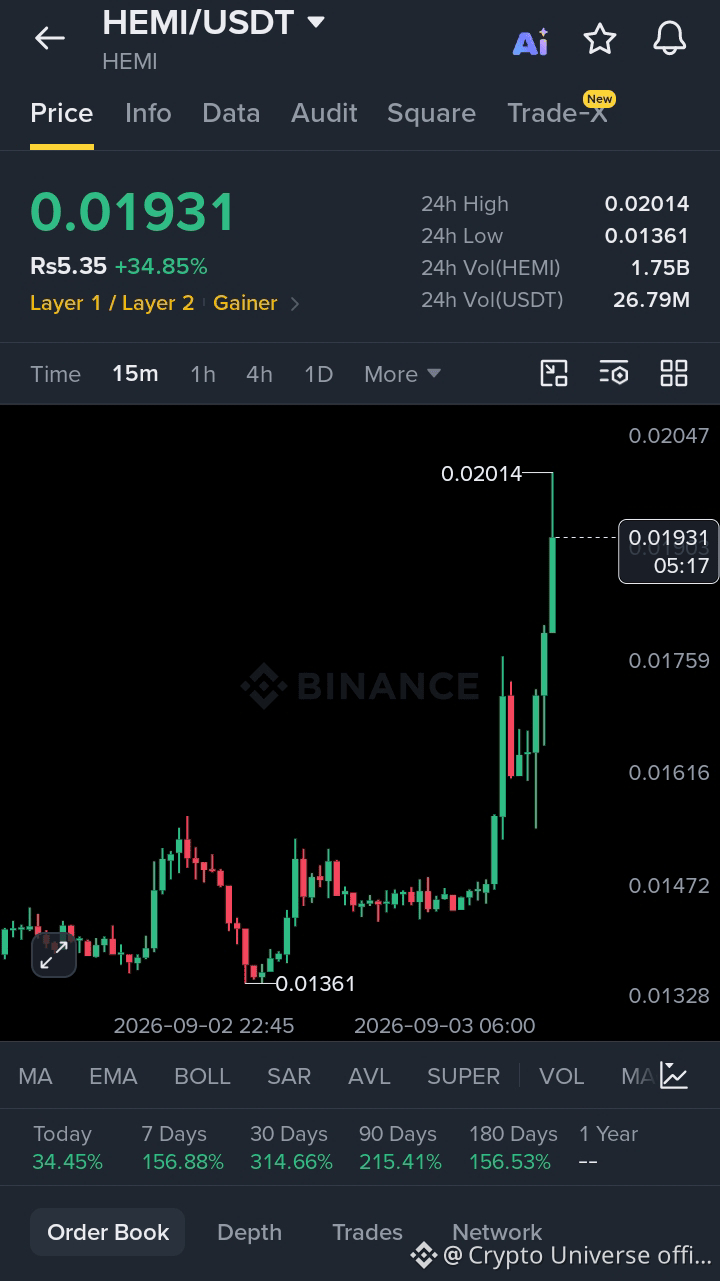
1
2
2.1k
·
--
Haussier
Les gars, la tendance à la hausse des pièces aujourd’hui 👇...
$CLO $HEMI $ARB
{future}(ARBUSDT)
{future}(HEMIUSDT)
{future}(CLOUSDT)
Les gars, la tendance à la hausse des pièces aujourd’hui 👇...
$CLO $HEMI $ARB
$CLO $HEMI $ARB
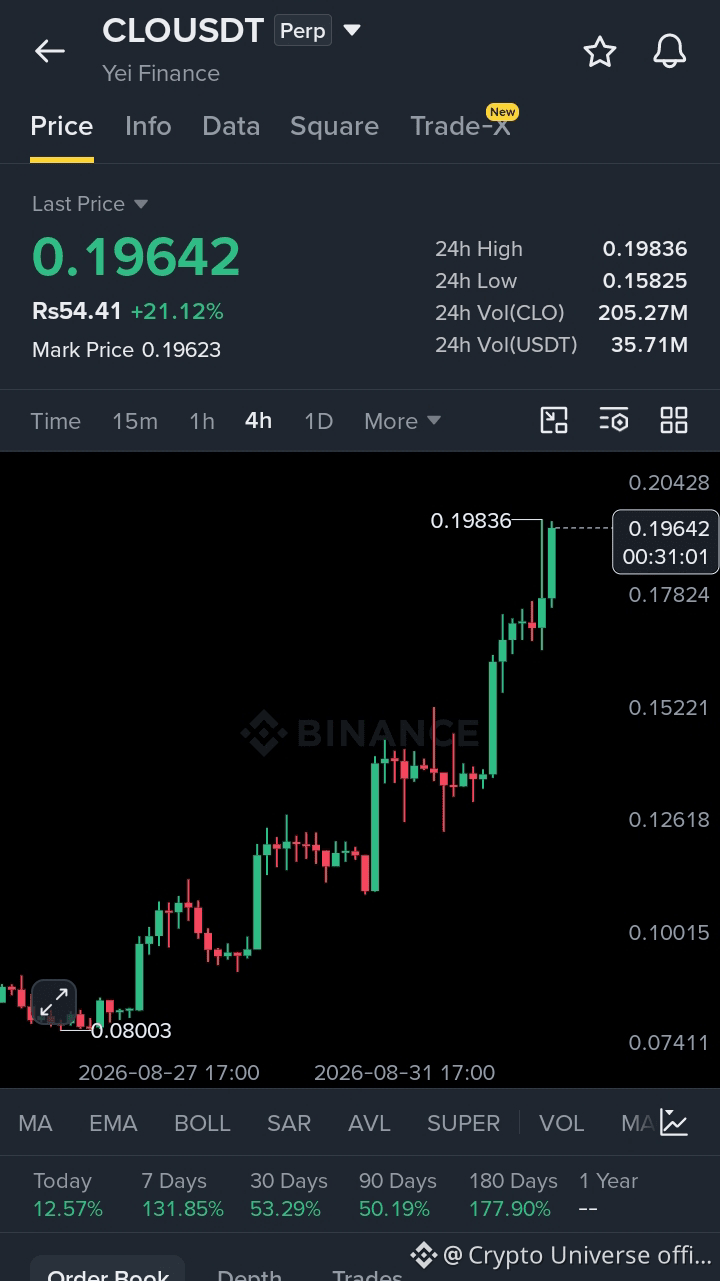
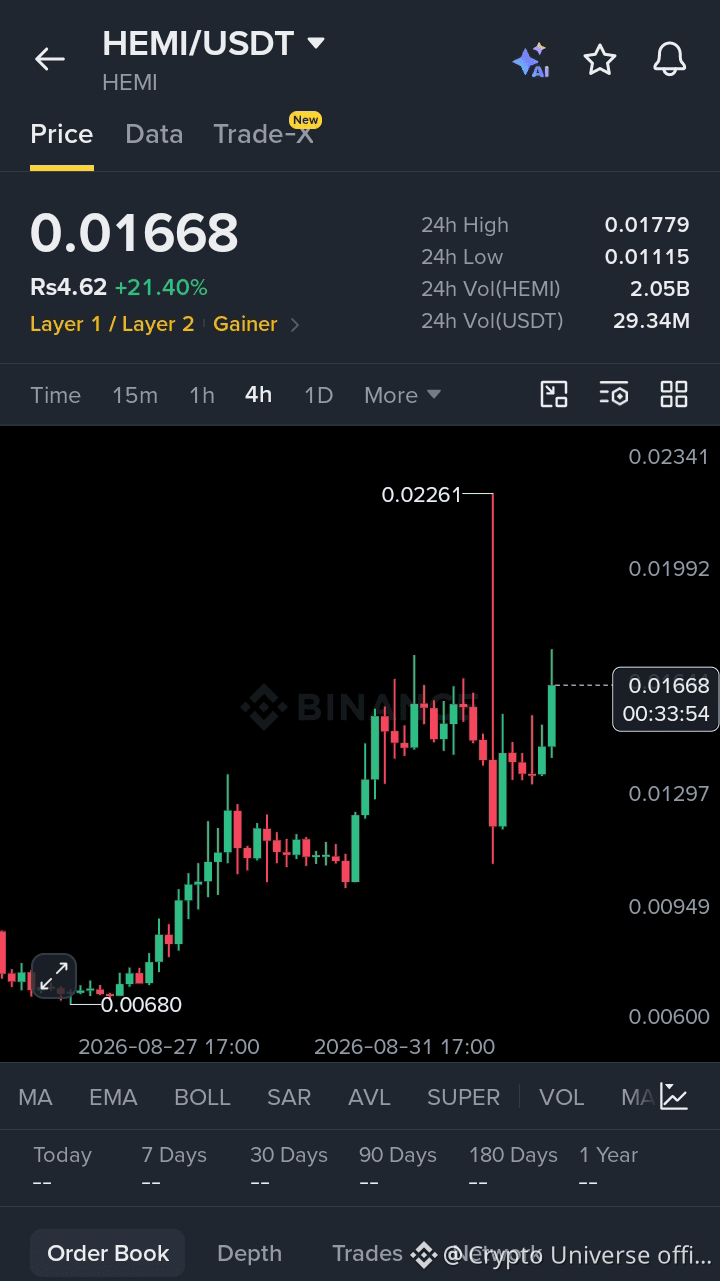
1
952
Connectez-vous pour découvrir plus de contenu
Rejoignez la communauté mondiale des adeptes de cryptomonnaies sur Binance Square
⚡️ Suviez les dernières informations importantes sur les cryptomonnaies.
💬 Jugé digne de confiance par la plus grande plateforme d’échange de cryptomonnaies au monde.
👍 Découvrez les connaissances que partagent les créateurs vérifiés.
Adresse e-mail/Nº de téléphone
Sujets d’actualité
CPIWatch
86.1M vues
499,377 mentions
Partagez et gagnez des récompenses en trafic dans notre campagne de hashtag tendance
✨Sujet : Le CPI déclenchera-t-il une hausse du taux ?
👉Comment participer :
Publiez une courte publication ou un article avec le hashtag #CPIWatch
Créez du contenu à partir des deux angles ci-dessous :
- Les créations d’emplois non agricoles dépassent les attentes et le CPI arrive bientôt : selon vous, la Fed va-t-elle augmenter le taux ou le maintenir ?
- Bullish ou bearish ? Partagez votre avis et mettez en avant vos actions ou votre trading/portefeuille sur l’or grâce à notre widget de partage des transactions.
🚀Période de la campagne :
- 2026-09-11 3:00 - 2026-09-12 9:00 UTC
🎁Récompense :
- Les publications éligibles conformes aux consignes ci-dessus et contenant plus de 100 mots seront examinées et peuvent recevoir un boost aléatoire de trafic de 500 à 3 000 vues. Vous recevrez une notification de la part de votre secrétaire de flux si votre publication est sélectionnée.
- Ayez une chance de voir votre article mis en avant sur Binance Square Officiel
Vous cherchez des idées pour votre publication ? Visitez la page du sujet #CPIWatch ou la Square Guide on How to Post for Better Reach.
Binance Square Official
·250 mentions J’aime
·402k vues
LiquidNetworkResumesBlocksAfter$320MExploit
0 vues
19 mentions
USToSanctionBigBankMonday
1,872 vues
123 mentions