

Marouan47
18.3k Publications
Marouan47
 Compte Square Vérifié+
Signaler
Bloquer l’utilisateur
Digital Assets Updates
642 Suivis
57.4K+ Abonnés
80.2K+ J’aime
Publications
Tous
Citations
Vidéos
Direct
PINNED
·
--
Haussier
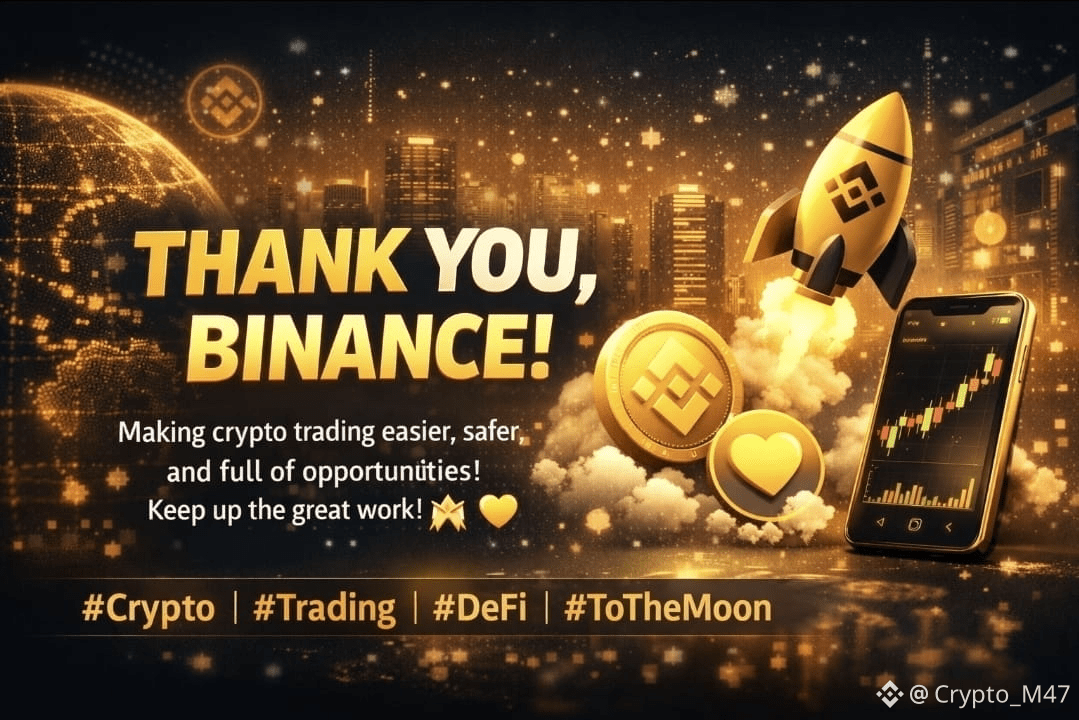
✨ تحية من القلب لفريق #Binance … الفريق الذي لا يكتفي بتقديم خدمات، بل يصنع معايير جديدة للابتكار والثقة في عالم التداول.
🚀 مع كل أداة جديدة… مع كل تحديث… ومع كل ميزة تُطلقونها، تؤكدون لنا أن المستقبل يبدأ من هنا، وأن صناعة الكريبتو يمكن أن تكون أكثر أمانًا، أكثر احترافية، وأكثر وضوحًا من أي وقت مضى.
💛 منصّتكم لم تعد مجرد مكان للتداول…
بل أصبحت بوابة للفرص، ومساحة للتعلم، وميدانًا يبني فيه المتداول مستقبله بثقة وقوة.
🌹 شكري وامتناني الكبير لكم على هذا الجهد المتواصل وهذه الجودة التي ترفع سقف التوقعات يومًا بعد يوم.
❤️ وإلى عائلتي الجميلة في Binance Square…
أنتم الوقود الحقيقي لهذا المجتمع، أنتم الروح، أنتم القيمة، وبدونكم لن يكتمل هذا المشهد الرائع.
شكرًا لكل كلمة، لكل تفاعل، ولكل روح جميلة تشاركنا الشغف والرحلة. 🙏🔥🌹
#Crypto #trading #DeFi #ToTheMoon
@Binance_Square_Official
✨ تحية من القلب لفريق #Binance … الفريق الذي لا يكتفي بتقديم خدمات، بل يصنع معايير جديدة للابتكار والثقة في عالم التداول.
🚀 مع كل أداة جديدة… مع كل تحديث… ومع كل ميزة تُطلقونها، تؤكدون لنا أن المستقبل يبدأ من هنا، وأن صناعة الكريبتو يمكن أن تكون أكثر أمانًا، أكثر احترافية، وأكثر وضوحًا من أي وقت مضى.
💛 منصّتكم لم تعد مجرد مكان للتداول…
بل أصبحت بوابة للفرص، ومساحة للتعلم، وميدانًا يبني فيه المتداول مستقبله بثقة وقوة.
🌹 شكري وامتناني الكبير لكم على هذا الجهد المتواصل وهذه الجودة التي ترفع سقف التوقعات يومًا بعد يوم.
❤️ وإلى عائلتي الجميلة في Binance Square…
أنتم الوقود الحقيقي لهذا المجتمع، أنتم الروح، أنتم القيمة، وبدونكم لن يكتمل هذا المشهد الرائع.
شكرًا لكل كلمة، لكل تفاعل، ولكل روح جميلة تشاركنا الشغف والرحلة. 🙏🔥🌹
#Crypto #trading #DeFi #ToTheMoon
@Binance Square Official
🚀 مع كل أداة جديدة… مع كل تحديث… ومع كل ميزة تُطلقونها، تؤكدون لنا أن المستقبل يبدأ من هنا، وأن صناعة الكريبتو يمكن أن تكون أكثر أمانًا، أكثر احترافية، وأكثر وضوحًا من أي وقت مضى.
💛 منصّتكم لم تعد مجرد مكان للتداول…
بل أصبحت بوابة للفرص، ومساحة للتعلم، وميدانًا يبني فيه المتداول مستقبله بثقة وقوة.
🌹 شكري وامتناني الكبير لكم على هذا الجهد المتواصل وهذه الجودة التي ترفع سقف التوقعات يومًا بعد يوم.
❤️ وإلى عائلتي الجميلة في Binance Square…
أنتم الوقود الحقيقي لهذا المجتمع، أنتم الروح، أنتم القيمة، وبدونكم لن يكتمل هذا المشهد الرائع.
شكرًا لكل كلمة، لكل تفاعل، ولكل روح جميلة تشاركنا الشغف والرحلة. 🙏🔥🌹
#Crypto #trading #DeFi #ToTheMoon
@Binance Square Official
81
15
687
1.2k
·
--
Haussier
PROVE ارتفاعه إلى 0.2403$ بنسبة 6.37% بالنسبة لي أقل أهمية من الجملة التي تختصر فكرته كلها: لا أريد منك أن تخبرني أن الحساب صحيح، أعطني دليلًا أستطيع التحقق منه. هذه هي روح Zero-Knowledge Proofs. Succinct تعمل على جعل إنتاج هذه البراهين أسهل وأسرع عبر SP1، وهنا أرى مستقبلًا مثيرًا فعلًا: بدل أن تضطر الشبكة إلى معرفة كل شيء، يكفي أحيانًا أن تحصل على برهان رياضي بأن النتيجة صحيحة. هذا ليس مجرد تحسين تقني؛ هذه طريقة مختلفة تمامًا في بناء الثقة.
#prove #EarningsSeason @SuccinctLabs
$PROVE
{spot}(PROVEUSDT)
PROVE ارتفاعه إلى 0.2403$ بنسبة 6.37% بالنسبة لي أقل أهمية من الجملة التي تختصر فكرته كلها: لا أريد منك أن تخبرني أن الحساب صحيح، أعطني دليلًا أستطيع التحقق منه. هذه هي روح Zero-Knowledge Proofs. Succinct تعمل على جعل إنتاج هذه البراهين أسهل وأسرع عبر SP1، وهنا أرى مستقبلًا مثيرًا فعلًا: بدل أن تضطر الشبكة إلى معرفة كل شيء، يكفي أحيانًا أن تحصل على برهان رياضي بأن النتيجة صحيحة. هذا ليس مجرد تحسين تقني؛ هذه طريقة مختلفة تمامًا في بناء الثقة.
#prove #EarningsSeason @Succinct
$PROVE
#prove #EarningsSeason @Succinct
$PROVE
2
596
·
--
Haussier
ROSE تتداول 0.00901$ مع +7.13% يأخذني إلى موضوع مختلف تمامًا: الخصوصية. ليس خصوصية المعاملة فقط، بل خصوصية البيانات أثناء استخدامها. Oasis تبني حول Confidential Computing، وهذه نقطة أراها مهمة جدًا مع صعود الذكاء الاصطناعي. لأننا نريد نماذج أذكى، لكننا في الوقت نفسه لا نريد تسليم كل بياناتنا لها مكشوفة. لذلك أجد سؤال ROSE أكبر من الشبكة نفسها: هل يمكن أن نستخدم البيانات دون أن نتخلى عنها؟
#ROSE #BitMineETHHoldingsTop6Million #EarningsSeason $ROSE
{spot}(ROSEUSDT)
ROSE تتداول 0.00901$ مع +7.13% يأخذني إلى موضوع مختلف تمامًا: الخصوصية. ليس خصوصية المعاملة فقط، بل خصوصية البيانات أثناء استخدامها. Oasis تبني حول Confidential Computing، وهذه نقطة أراها مهمة جدًا مع صعود الذكاء الاصطناعي. لأننا نريد نماذج أذكى، لكننا في الوقت نفسه لا نريد تسليم كل بياناتنا لها مكشوفة. لذلك أجد سؤال ROSE أكبر من الشبكة نفسها: هل يمكن أن نستخدم البيانات دون أن نتخلى عنها؟
#ROSE #BitMineETHHoldingsTop6Million #EarningsSeason $ROSE
#ROSE #BitMineETHHoldingsTop6Million #EarningsSeason $ROSE

2
530
·
--
Haussier
أما AXTIB الذي وصل إلى 78.75$ بعد +7.20%، فأنا أراه من زاوية مختلفة تمامًا. نحن أمام محاولة لإخراج المشتقات والأصول المالية من ساعات وأسوار الأسواق التقليدية إلى بيئة رقمية تعمل باستمرار. هذا يبدو جذابًا على الورق، لكنني دائمًا أعود لنفس النقطة: السيولة هي التي تعطي هذه الفكرة معناها. إذا لم توجد سيولة حقيقية، فإن التداول على مدار 24 ساعة يبقى مجرد خاصية تقنية جميلة.
$AXTIB #AXTIB #OpenAIDelaysGPT6.1OverSafetyIssues
{spot}(AXTIBUSDT)
أما AXTIB الذي وصل إلى 78.75$ بعد +7.20%، فأنا أراه من زاوية مختلفة تمامًا. نحن أمام محاولة لإخراج المشتقات والأصول المالية من ساعات وأسوار الأسواق التقليدية إلى بيئة رقمية تعمل باستمرار. هذا يبدو جذابًا على الورق، لكنني دائمًا أعود لنفس النقطة: السيولة هي التي تعطي هذه الفكرة معناها. إذا لم توجد سيولة حقيقية، فإن التداول على مدار 24 ساعة يبقى مجرد خاصية تقنية جميلة.
$AXTIB #AXTIB #OpenAIDelaysGPT6.1OverSafetyIssues
$AXTIB #AXTIB #OpenAIDelaysGPT6.1OverSafetyIssues

1
245
·
--
Haussier
#Babylon عند 0.01413$ مرتفعًا 7.29% يطرح سؤالًا أحب أن أراه في سوق الكريبتو: ماذا لو لم يكن المطلوب إنشاء رأس مال جديد، بل استخدام رأس المال الموجود أصلًا؟ المشروع يحاول الاستفادة من BTC عبر Staking لتأمين شبكات أخرى. الفكرة فيها شيء ذكي من الناحية المعمارية؛ البيتكوين يبقى هو الأصل، لكن أمانه الاقتصادي يمكن أن يدخل في منظومات أخرى. ومع توسع إيداعات BTC، يبدأ الاختبار الحقيقي للفكرة.
#baby @babylonlabs_io #marouan47 #EarningsSeason
$BABY
{spot}(BABYUSDT)
#Babylon عند 0.01413$ مرتفعًا 7.29% يطرح سؤالًا أحب أن أراه في سوق الكريبتو: ماذا لو لم يكن المطلوب إنشاء رأس مال جديد، بل استخدام رأس المال الموجود أصلًا؟ المشروع يحاول الاستفادة من BTC عبر Staking لتأمين شبكات أخرى. الفكرة فيها شيء ذكي من الناحية المعمارية؛ البيتكوين يبقى هو الأصل، لكن أمانه الاقتصادي يمكن أن يدخل في منظومات أخرى. ومع توسع إيداعات BTC، يبدأ الاختبار الحقيقي للفكرة.
#baby @BabylonLabs_io #marouan47 #EarningsSeason
$BABY
#baby @BabylonLabs_io #marouan47 #EarningsSeason
$BABY
2
547
·
--
Haussier
Lumentum عبر نموذج bStocks يفتح قصة مختلفة. 971.43$ مع ارتفاع 7.59% لا تكفي وحدها لفهم الأصل؛ الفكرة هي تحويل أصل مالي تقليدي إلى شكل يمكن التعامل معه داخل البنية الرقمية. ما أراقبه هنا هو السيولة والشفافية وآلية إثبات ملكية الأصل المرمّز. لأن تحويل السهم إلى توكن ليس الجزء الصعب وحده؛ الأصعب هو أن تبقى الثقة والحقوق واضحة خلف هذا التوكن.
$LITEB #Lumentum #marouan47 #BitMineETHHoldingsTop6Million
{spot}(LITEBUSDT)
Lumentum عبر نموذج bStocks يفتح قصة مختلفة. 971.43$ مع ارتفاع 7.59% لا تكفي وحدها لفهم الأصل؛ الفكرة هي تحويل أصل مالي تقليدي إلى شكل يمكن التعامل معه داخل البنية الرقمية. ما أراقبه هنا هو السيولة والشفافية وآلية إثبات ملكية الأصل المرمّز. لأن تحويل السهم إلى توكن ليس الجزء الصعب وحده؛ الأصعب هو أن تبقى الثقة والحقوق واضحة خلف هذا التوكن.
$LITEB #Lumentum #marouan47 #BitMineETHHoldingsTop6Million
$LITEB #Lumentum #marouan47 #BitMineETHHoldingsTop6Million
2
630
·
--
Haussier
AVAX بسعر 11.31$، بارتفاع 7.91%، تذكرني @Avalanche بفكرة لا تزال مهمة: ربما لا تحتاج كل التطبيقات إلى العيش داخل سلسلة واحدة. بنية الشبكات المخصصة وSubnets أعطت المشروع طريقًا لبناء بيئات أكثر تخصصًا، والاهتمام بترميز أصول العالم الحقيقي والمؤسسات يضيف جانبًا عمليًا لهذه الفكرة. بالنسبة لي، الاختبار الحقيقي هنا هو: هل تستطيع هذه البنية أن تجعل البلوكشين أقرب إلى البنية التحتية المالية اليومية؟
#AVAX #EarningsSeason #BitwiseLaunchesFirstSpotNEARETF
$AVAX
{spot}(AVAXUSDT)
AVAX بسعر 11.31$، بارتفاع 7.91%، تذكرني @Avalanche بفكرة لا تزال مهمة: ربما لا تحتاج كل التطبيقات إلى العيش داخل سلسلة واحدة. بنية الشبكات المخصصة وSubnets أعطت المشروع طريقًا لبناء بيئات أكثر تخصصًا، والاهتمام بترميز أصول العالم الحقيقي والمؤسسات يضيف جانبًا عمليًا لهذه الفكرة. بالنسبة لي، الاختبار الحقيقي هنا هو: هل تستطيع هذه البنية أن تجعل البلوكشين أقرب إلى البنية التحتية المالية اليومية؟
#AVAX #EarningsSeason #BitwiseLaunchesFirstSpotNEARETF
$AVAX
#AVAX #EarningsSeason #BitwiseLaunchesFirstSpotNEARETF
$AVAX
1
658
·
--
Haussier
Flux يجعلني أفكر في شيء أكبر من حركة 0.0737$ و+8.22%. نحن نتحدث عن الحوسبة نفسها: من يملك الأجهزة، ومن يملك القدرة على تشغيل التطبيقات؟ Flux يحاول أخذ هذه القوة من نموذج السحابة المركزية وتوزيعها عبر شبكة من العقد. ومع FluxOS وتطوير Proof-of-Useful-Work، الفكرة تصبح أكثر إثارة بالنسبة لي: التعدين هنا لا يُنظر إليه فقط كحماية للشبكة، بل كموارد حوسبة يمكن أن تجد لها وظيفة حقيقية.
$FLUX #flux #marouan47 @runonflux
{spot}(FLUXUSDT)
Flux يجعلني أفكر في شيء أكبر من حركة 0.0737$ و+8.22%. نحن نتحدث عن الحوسبة نفسها: من يملك الأجهزة، ومن يملك القدرة على تشغيل التطبيقات؟ Flux يحاول أخذ هذه القوة من نموذج السحابة المركزية وتوزيعها عبر شبكة من العقد. ومع FluxOS وتطوير Proof-of-Useful-Work، الفكرة تصبح أكثر إثارة بالنسبة لي: التعدين هنا لا يُنظر إليه فقط كحماية للشبكة، بل كموارد حوسبة يمكن أن تجد لها وظيفة حقيقية.
$FLUX #flux #marouan47 @Flux Web3 Cloud
$FLUX #flux #marouan47 @Flux Web3 Cloud
4
650
·
--
Haussier
Algorand فأراه من زاوية أكثر هدوءًا. ارتفاع ALGO إلى 0.1337$ بنسبة 12.07% هو الجزء الظاهر فقط؛ خلفه تصميم يعتمد على Pure Proof-of-Stake ومحاولة الوصول إلى حسم سريع دون النموذج التقليدي للتعدين. ومع استمرار تحسين الأداء والحوكمة والمشاركة عبر العقد، أجد نفسي أعود للسؤال القديم نفسه: التقنية تستطيع أن تكون سريعة وأنيقة، لكن هل تستطيع أن تجعل الناس يريدون استخدامها؟ هنا تحديدًا أرى أن اختبار Algorand الحقيقي يتجاوز السعر بكثير.
#ALGO #UKFCAWinsCourtOrderToRecover851400Pounds
$ALGO
{spot}(ALGOUSDT)
Algorand فأراه من زاوية أكثر هدوءًا. ارتفاع ALGO إلى 0.1337$ بنسبة 12.07% هو الجزء الظاهر فقط؛ خلفه تصميم يعتمد على Pure Proof-of-Stake ومحاولة الوصول إلى حسم سريع دون النموذج التقليدي للتعدين. ومع استمرار تحسين الأداء والحوكمة والمشاركة عبر العقد، أجد نفسي أعود للسؤال القديم نفسه: التقنية تستطيع أن تكون سريعة وأنيقة، لكن هل تستطيع أن تجعل الناس يريدون استخدامها؟ هنا تحديدًا أرى أن اختبار Algorand الحقيقي يتجاوز السعر بكثير.
#ALGO #UKFCAWinsCourtOrderToRecover851400Pounds
$ALGO
#ALGO #UKFCAWinsCourtOrderToRecover851400Pounds
$ALGO
2
1.1k
·
--
Haussier
هنا القصة مختلفة تمامًا. AMCB عند 3.31$ بعد ارتفاع 12.97% يدخل في مساحة لا أحب اختصارها بكلمة "كريبتو". الفكرة أقرب إلى جسر بين سوق الأسهم التقليدي والبنية الرقمية، عبر تمثيل أسهم الشركات كأصول قابلة للتداول ضمن بيئة كريبتو. وهذا يجعل حركة الأصل مرتبطة بأكثر من عامل: السهم نفسه، والسيولة، وآلية التداول الرقمية. بالنسبة لي، هذه التجربة تطرح سؤالًا مهمًا: عندما يصبح الأصل التقليدي رقميًا، هل تتغير طبيعته فعلًا أم يتغير فقط شكل ملكيته وتداوله؟
#AMCB #marouan47 #UKFCAWinsCourtOrderToRecover851400Pounds
$AMCB
{spot}(AMCBUSDT)
هنا القصة مختلفة تمامًا. AMCB عند 3.31$ بعد ارتفاع 12.97% يدخل في مساحة لا أحب اختصارها بكلمة "كريبتو". الفكرة أقرب إلى جسر بين سوق الأسهم التقليدي والبنية الرقمية، عبر تمثيل أسهم الشركات كأصول قابلة للتداول ضمن بيئة كريبتو. وهذا يجعل حركة الأصل مرتبطة بأكثر من عامل: السهم نفسه، والسيولة، وآلية التداول الرقمية. بالنسبة لي، هذه التجربة تطرح سؤالًا مهمًا: عندما يصبح الأصل التقليدي رقميًا، هل تتغير طبيعته فعلًا أم يتغير فقط شكل ملكيته وتداوله؟
#AMCB #marouan47 #UKFCAWinsCourtOrderToRecover851400Pounds
$AMCB
#AMCB #marouan47 #UKFCAWinsCourtOrderToRecover851400Pounds
$AMCB

3
543
·
--
Haussier
ما يهمني في Harmony ليس أن ONE صعدت 18.59% إلى 0.002647$، بل المشكلة التي حاول المشروع حلها من البداية. تقسيم حالة الشبكة عبر Sharding مع EPoS كان محاولة لجعل التوسع مسألة هندسية بدل أن يكون مجرد زيادة في قدرة المعالجة. ومع استمرار العمل على أداء المعاملات والتواصل بين الشرائح، أراقب شيئًا واحدًا: هل تستطيع هذه البنية تحويل السرعة النظرية إلى استخدام فعلي ومستمر؟
#one #QNTFallsOver40%FromMorningHigh #marouan47
$ONE
{spot}(ONEUSDT)
ما يهمني في Harmony ليس أن ONE صعدت 18.59% إلى 0.002647$، بل المشكلة التي حاول المشروع حلها من البداية. تقسيم حالة الشبكة عبر Sharding مع EPoS كان محاولة لجعل التوسع مسألة هندسية بدل أن يكون مجرد زيادة في قدرة المعالجة. ومع استمرار العمل على أداء المعاملات والتواصل بين الشرائح، أراقب شيئًا واحدًا: هل تستطيع هذه البنية تحويل السرعة النظرية إلى استخدام فعلي ومستمر؟
#one #QNTFallsOver40%FromMorningHigh #marouan47
$ONE
#one #QNTFallsOver40%FromMorningHigh #marouan47
$ONE
5
1.9k
·
--
Haussier
Vérifié
Marscoin عندي من المشاريع التي تجعلني أتوقف قليلًا أمام الفكرة قبل السعر. وصوله إلى 0.1557$ بارتفاع 21.55% لافت، لكن المثير فعلًا هو محاولة ربط العملة بفكرة اقتصاد مستقبلي خارج الأرض، مع اعتماد Scrypt وإمكانية التعدين المشترك. ومع تحديثات الكود وإدخال تقنيات تشفير مقاومة للحوسبة الكوانتية، أجد أن التجربة هنا ليست عن المريخ فقط، بل عن اختبار قدرة شبكة صغيرة على الاستمرار تقنيًا مع تغير الزمن.
#marscoin #marouan47
Marscoin عندي من المشاريع التي تجعلني أتوقف قليلًا أمام الفكرة قبل السعر. وصوله إلى 0.1557$ بارتفاع 21.55% لافت، لكن المثير فعلًا هو محاولة ربط العملة بفكرة اقتصاد مستقبلي خارج الأرض، مع اعتماد Scrypt وإمكانية التعدين المشترك. ومع تحديثات الكود وإدخال تقنيات تشفير مقاومة للحوسبة الكوانتية، أجد أن التجربة هنا ليست عن المريخ فقط، بل عن اختبار قدرة شبكة صغيرة على الاستمرار تقنيًا مع تغير الزمن.
#marscoin #marouan47
#marscoin #marouan47
2
1.1k
·
--
Haussier
ارتفاع SAGA إلى $0.02714 بنسبة 3.04% جعلني أعود لفكرة Chainlets. أكثر ما يعجبني هنا أن المشروع لا يحاول إجبار كل التطبيقات على العيش في نفس المكان؛ كل تطبيق يمكن أن يأخذ مساحته الخاصة. هذا مهم جداً للألعاب، لأن اللعبة التي تنتظر الشبكة كل مرة لتنفذ عملية تفقد جزءاً من متعتها. لكن في النهاية، كثرة السلاسل وحدها لا تعني شيئاً بالنسبة لي… ما يهمني هو من سيستخدمها فعلاً.
#Saga
$SAGA
{spot}(SAGAUSDT)
ارتفاع SAGA إلى $0.02714 بنسبة 3.04% جعلني أعود لفكرة Chainlets. أكثر ما يعجبني هنا أن المشروع لا يحاول إجبار كل التطبيقات على العيش في نفس المكان؛ كل تطبيق يمكن أن يأخذ مساحته الخاصة. هذا مهم جداً للألعاب، لأن اللعبة التي تنتظر الشبكة كل مرة لتنفذ عملية تفقد جزءاً من متعتها. لكن في النهاية، كثرة السلاسل وحدها لا تعني شيئاً بالنسبة لي… ما يهمني هو من سيستخدمها فعلاً.
#Saga
$SAGA
#Saga
$SAGA
2
1.8k
·
--
Haussier
IMX
$0.1713 و+2.03% هي حركة اليوم، لكن IMX بالنسبة لي قصة مختلفة. أتذكر دائماً أن ألعاب البلوكشين كانت تعاني من مشكلة بسيطة جداً: التقنية كانت أحياناً أوضح من اللعبة نفسها. Immutable تحاول قلب المعادلة؛ اللاعب يلعب أولاً، والبلوكشين يبقى في الخلفية. Layer 2 وZK-EVM والشراكات مع استوديوهات الألعاب كلها أدوات لهذا الهدف. وإذا وصل المشروع إلى مرحلة لا يحتاج فيها اللاعب إلى التفكير في الغاز والشبكة والمحفظة كل خمس دقائق، عندها فقط أرى أن الفكرة بدأت تأخذ شكلها الحقيقي.
$IMX #QNTFallsOver40%FromMorningHigh
{spot}(IMXUSDT)
IMX
$0.1713 و+2.03% هي حركة اليوم، لكن IMX بالنسبة لي قصة مختلفة. أتذكر دائماً أن ألعاب البلوكشين كانت تعاني من مشكلة بسيطة جداً: التقنية كانت أحياناً أوضح من اللعبة نفسها. Immutable تحاول قلب المعادلة؛ اللاعب يلعب أولاً، والبلوكشين يبقى في الخلفية. Layer 2 وZK-EVM والشراكات مع استوديوهات الألعاب كلها أدوات لهذا الهدف. وإذا وصل المشروع إلى مرحلة لا يحتاج فيها اللاعب إلى التفكير في الغاز والشبكة والمحفظة كل خمس دقائق، عندها فقط أرى أن الفكرة بدأت تأخذ شكلها الحقيقي.
$IMX #QNTFallsOver40%FromMorningHigh
$0.1713 و+2.03% هي حركة اليوم، لكن IMX بالنسبة لي قصة مختلفة. أتذكر دائماً أن ألعاب البلوكشين كانت تعاني من مشكلة بسيطة جداً: التقنية كانت أحياناً أوضح من اللعبة نفسها. Immutable تحاول قلب المعادلة؛ اللاعب يلعب أولاً، والبلوكشين يبقى في الخلفية. Layer 2 وZK-EVM والشراكات مع استوديوهات الألعاب كلها أدوات لهذا الهدف. وإذا وصل المشروع إلى مرحلة لا يحتاج فيها اللاعب إلى التفكير في الغاز والشبكة والمحفظة كل خمس دقائق، عندها فقط أرى أن الفكرة بدأت تأخذ شكلها الحقيقي.
$IMX #QNTFallsOver40%FromMorningHigh
2
652
·
--
Haussier
XLM سعر $0.2187 بعد ارتفاع 2.01% يعطيني سبباً لأتوقف عند الفكرة القديمة للمشروع بدل مطاردة الحركة اليومية. Stellar منذ البداية تنظر إلى المال كشيء يجب أن ينتقل بسهولة، حتى عندما تتغير الدولة أو العملة أو النظام المالي. ومع توسع Soroban والعقود الذكية، بدأت الشبكة تضيف طبقة برمجية فوق هذه الفكرة. وهذا ما أراه مثيراً هنا: هل تتحول Stellar من مجرد طريق لنقل القيمة إلى بنية مالية يمكن بناء خدمات كاملة فوقها؟
#XLM
$XLM @StellarOrg
{spot}(XLMUSDT)
XLM سعر $0.2187 بعد ارتفاع 2.01% يعطيني سبباً لأتوقف عند الفكرة القديمة للمشروع بدل مطاردة الحركة اليومية. Stellar منذ البداية تنظر إلى المال كشيء يجب أن ينتقل بسهولة، حتى عندما تتغير الدولة أو العملة أو النظام المالي. ومع توسع Soroban والعقود الذكية، بدأت الشبكة تضيف طبقة برمجية فوق هذه الفكرة. وهذا ما أراه مثيراً هنا: هل تتحول Stellar من مجرد طريق لنقل القيمة إلى بنية مالية يمكن بناء خدمات كاملة فوقها؟
#XLM
$XLM @Stellar
#XLM
$XLM @Stellar
3
1.1k
·
--
Haussier
السعر هنا $230.45 مع ارتفاع 2.52%، لكن الرقم ليس أكثر ما يثير فضولي. NVDAB يدخل من باب مختلف تماماً: أخذ أصل من السوق التقليدي وتحويله إلى أصل قابل للتعامل بمنطق التوكنات. بالنسبة لي، هذه واحدة من الأفكار التي تكشف أين يمكن أن يلتقي عالم الأسهم مع البلوكشين فعلياً. ومع استمرار توسع الأصول المرمزة، يصبح السؤال أهم من حركة السعر نفسها: هل التوكنة ستغير طريقة الوصول إلى الأصول، أم ستبقى مجرد طبقة جديدة فوق النظام القديم؟
$NVDAB #NVDIA #ChainlinkLaunchesCCIP2WithEnterpriseVerification
{spot}(NVDABUSDT)
السعر هنا $230.45 مع ارتفاع 2.52%، لكن الرقم ليس أكثر ما يثير فضولي. NVDAB يدخل من باب مختلف تماماً: أخذ أصل من السوق التقليدي وتحويله إلى أصل قابل للتعامل بمنطق التوكنات. بالنسبة لي، هذه واحدة من الأفكار التي تكشف أين يمكن أن يلتقي عالم الأسهم مع البلوكشين فعلياً. ومع استمرار توسع الأصول المرمزة، يصبح السؤال أهم من حركة السعر نفسها: هل التوكنة ستغير طريقة الوصول إلى الأصول، أم ستبقى مجرد طبقة جديدة فوق النظام القديم؟
$NVDAB #NVDIA #ChainlinkLaunchesCCIP2WithEnterpriseVerification
$NVDAB #NVDIA #ChainlinkLaunchesCCIP2WithEnterpriseVerification
2
400
·
--
Haussier
Vérifié
Wormhole عندي تشبه محاولة بناء طرق بين مدن لا تتحدث اللغة نفسها. Ethereum، Solana وغيرها تملك قواعدها الخاصة، والمشكلة ليست في وجودها منفصلة، بل في نقل الرسائل والأصول والمعلومات بينها. السعر وصل إلى 0.01525$ بارتفاع 19.14%، بينما يستمر المشروع في توسيع البنية العابرة للسلاسل وتطوير تقنيات التحقق. وكلما زادت قيمة ما ينتقل عبر هذه الطرق، أصبحت مسألة الأمان أهم من مجرد سرعة النقل.
$W
{spot}(WUSDT)
Wormhole عندي تشبه محاولة بناء طرق بين مدن لا تتحدث اللغة نفسها. Ethereum، Solana وغيرها تملك قواعدها الخاصة، والمشكلة ليست في وجودها منفصلة، بل في نقل الرسائل والأصول والمعلومات بينها. السعر وصل إلى 0.01525$ بارتفاع 19.14%، بينما يستمر المشروع في توسيع البنية العابرة للسلاسل وتطوير تقنيات التحقق. وكلما زادت قيمة ما ينتقل عبر هذه الطرق، أصبحت مسألة الأمان أهم من مجرد سرعة النقل.
$W
$W
1
3
738
·
--
Haussier
Vérifié
AUDIO يدخل من باب الموسيقى، ولهذا لا أحب أن أقارنه مباشرة ببقية القائمة. الفكرة منذ البداية كانت بسيطة: لماذا يحتاج الفنان إلى هذا العدد من الوسطاء حتى يصل إلى جمهوره؟ Audius حاولت نقل جزء من هذه العلاقة إلى بنية لامركزية. الآن السعر عند 0.01861$ بعد ارتفاع 27.73%، بينما يستمر المشروع في تطوير بنيته الموسيقية وربطها باقتصاد Web3. هنا أراقب الفنان والمستخدم قبل أن أراقب الشارت؛ لأن نجاح الفكرة يتوقف على الاثنين.
#audio #SECSaysTokenBuybacksNotAutoSecurities
$AUDIO
{spot}(AUDIOUSDT)
AUDIO يدخل من باب الموسيقى، ولهذا لا أحب أن أقارنه مباشرة ببقية القائمة. الفكرة منذ البداية كانت بسيطة: لماذا يحتاج الفنان إلى هذا العدد من الوسطاء حتى يصل إلى جمهوره؟ Audius حاولت نقل جزء من هذه العلاقة إلى بنية لامركزية. الآن السعر عند 0.01861$ بعد ارتفاع 27.73%، بينما يستمر المشروع في تطوير بنيته الموسيقية وربطها باقتصاد Web3. هنا أراقب الفنان والمستخدم قبل أن أراقب الشارت؛ لأن نجاح الفكرة يتوقف على الاثنين.
#audio #SECSaysTokenBuybacksNotAutoSecurities
$AUDIO
#audio #SECSaysTokenBuybacksNotAutoSecurities
$AUDIO

2
1k
·
--
Haussier
Vérifié
GLMR عند 0.00925$ (+31.79%) تبدو لي كقصة إعادة ولادة أكثر من كونها مجرد ارتفاع سعري. Moonbeam غادرت نموذج الـparachain القديم في Polkadot واتجهت إلى Base، والهوية الجديدة واضحة: شبكة لتسوية تعاملات AI Agents. الوصف الجديد للمشروع يتحدث عن وكلاء يكتشفون بعضهم، يتفاوضون على المهام ثم ينهون التسوية على السلسلة. فلسفيًا، هذا انتقال من عقود تتفاعل مع البشر إلى آلات تتعامل مع آلات.
#GLMR #CircleTetherFreezeBitgetHackerWallet
$GLMR
{spot}(GLMRUSDT)
GLMR عند 0.00925$ (+31.79%) تبدو لي كقصة إعادة ولادة أكثر من كونها مجرد ارتفاع سعري. Moonbeam غادرت نموذج الـparachain القديم في Polkadot واتجهت إلى Base، والهوية الجديدة واضحة: شبكة لتسوية تعاملات AI Agents. الوصف الجديد للمشروع يتحدث عن وكلاء يكتشفون بعضهم، يتفاوضون على المهام ثم ينهون التسوية على السلسلة. فلسفيًا، هذا انتقال من عقود تتفاعل مع البشر إلى آلات تتعامل مع آلات.
#GLMR #CircleTetherFreezeBitgetHackerWallet
$GLMR
#GLMR #CircleTetherFreezeBitgetHackerWallet
$GLMR

1
3
1.1k
·
--
Haussier
Vérifié
ما يجذبني في QNT ليس ارتفاعها إلى 178.05$ (+51.36%) بحد ذاته، بل المكان الذي تحاول أن تقف فيه: بين المال التقليدي والبلوكشين. التطور الأبرز الآن هو اختيار The Clearing House لتقنية Quant كطبقة للتشغيل البيني وإدارة المعاملات في شبكة للودائع المرمزة، مع استهداف إتاحة الشبكة للمؤسسات خلال النصف الأول من 2027. هنا تبدأ الفكرة تتحول من كلام عن البلوكشين إلى بنية مصرفية فعلية.
#QNT #StrategyStriveAdd2305BitcoinThisWeek @quant_network
$QNT
{spot}(QNTUSDT)
ما يجذبني في QNT ليس ارتفاعها إلى 178.05$ (+51.36%) بحد ذاته، بل المكان الذي تحاول أن تقف فيه: بين المال التقليدي والبلوكشين. التطور الأبرز الآن هو اختيار The Clearing House لتقنية Quant كطبقة للتشغيل البيني وإدارة المعاملات في شبكة للودائع المرمزة، مع استهداف إتاحة الشبكة للمؤسسات خلال النصف الأول من 2027. هنا تبدأ الفكرة تتحول من كلام عن البلوكشين إلى بنية مصرفية فعلية.
#QNT #StrategyStriveAdd2305BitcoinThisWeek @Quant
$QNT
#QNT #StrategyStriveAdd2305BitcoinThisWeek @Quant
$QNT
3
11
8.9k
Connectez-vous pour découvrir plus de contenu
Rejoignez la communauté mondiale des adeptes de cryptomonnaies sur Binance Square
⚡️ Suviez les dernières informations importantes sur les cryptomonnaies.
💬 Jugé digne de confiance par la plus grande plateforme d’échange de cryptomonnaies au monde.
👍 Découvrez les connaissances que partagent les créateurs vérifiés.
Adresse e-mail/Nº de téléphone