

CillionaireMind
921 Publications

CillionaireMind
Signaler
Bloquer l’utilisateur
Highly Invested to #RWA | 1M impressions on Binance YTD | @CillionaireMind on X
8 Suivis
4.8K+ Abonnés
3.4K+ J’aime
Publications
Tous
Citations
Vidéos
·
--
Haussier
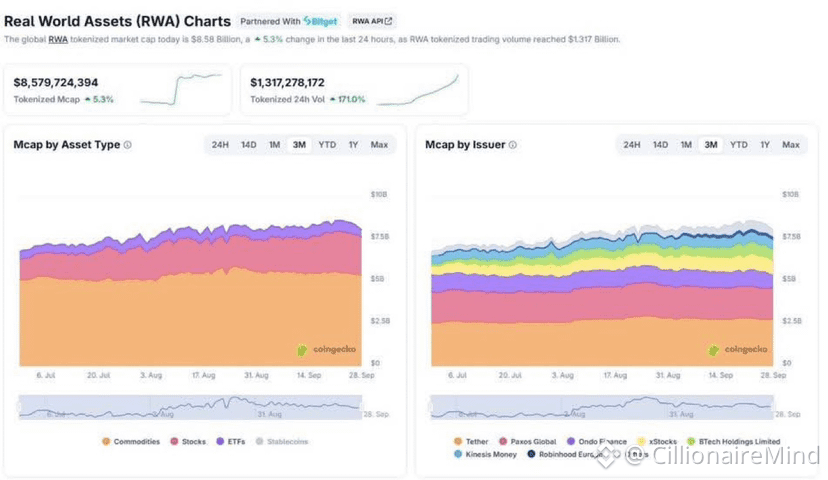
RWA quietly crossed $8.5B while everyone was watching everything else.
I was looking through the 3-month RWA data and what caught my attention was the activity underneath it.
Tokenized market cap is now around $8.58B, while 24H volume hit $1.32B, up 171%.
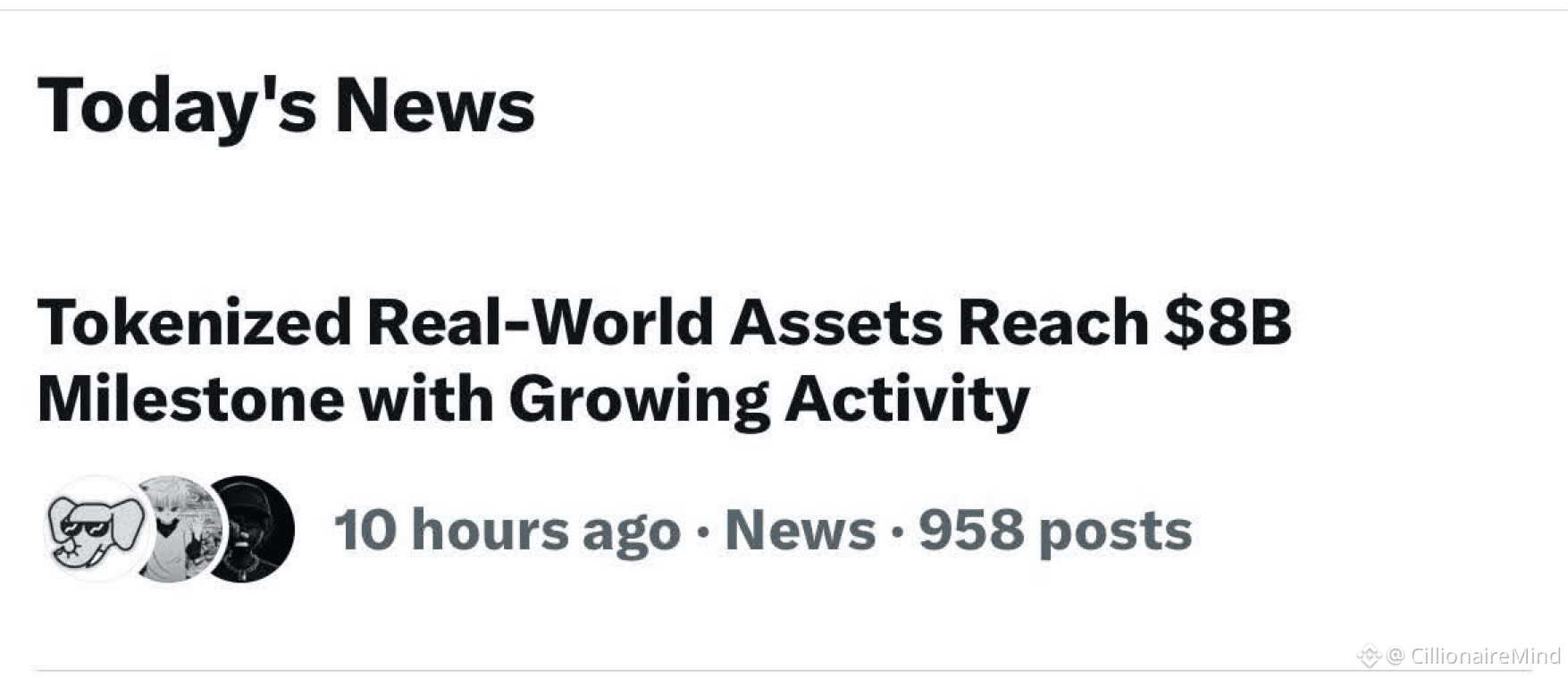
And now it’s trending on X too.
To me, this is less about hitting another arbitrary milestone and more about RWA starting to look like an actual market.
More assets.
More issuers.
More liquidity.
More infrastructure being built around them.
That’s also why I keep watching @Brickken.
I’ve been following the RWA space since 2024, and Brickken is one of the communities I’ve seen consistently focused on the infrastructure behind tokenization
150+ clients, $660M+ in total tokenized value, 40+ countries served, and a solid RWA community
$8.58B is the headline.
The infrastructure being built around that number is the part I’m watching
$BKN
#Brickken #RealWorldAsset
RWA quietly crossed $8.5B while everyone was watching everything else.
I was looking through the 3-month RWA data and what caught my attention was the activity underneath it.
Tokenized market cap is now around $8.58B, while 24H volume hit $1.32B, up 171%.
And now it’s trending on X too.
To me, this is less about hitting another arbitrary milestone and more about RWA starting to look like an actual market.
More assets.
More issuers.
More liquidity.
More infrastructure being built around them.
That’s also why I keep watching @Brickken.
I’ve been following the RWA space since 2024, and Brickken is one of the communities I’ve seen consistently focused on the infrastructure behind tokenization
150+ clients, $660M+ in total tokenized value, 40+ countries served, and a solid RWA community
$8.58B is the headline.
The infrastructure being built around that number is the part I’m watching
$BKN
#Brickken #RealWorldAsset
I was looking through the 3-month RWA data and what caught my attention was the activity underneath it.
Tokenized market cap is now around $8.58B, while 24H volume hit $1.32B, up 171%.
And now it’s trending on X too.
To me, this is less about hitting another arbitrary milestone and more about RWA starting to look like an actual market.
More assets.
More issuers.
More liquidity.
More infrastructure being built around them.
That’s also why I keep watching @Brickken.
I’ve been following the RWA space since 2024, and Brickken is one of the communities I’ve seen consistently focused on the infrastructure behind tokenization
150+ clients, $660M+ in total tokenized value, 40+ countries served, and a solid RWA community
$8.58B is the headline.
The infrastructure being built around that number is the part I’m watching
$BKN
#Brickken #RealWorldAsset
1
476
·
--
Haussier
$39B+ in RWAs is already onchain.
What I’m watching now is the infrastructure being built around them.
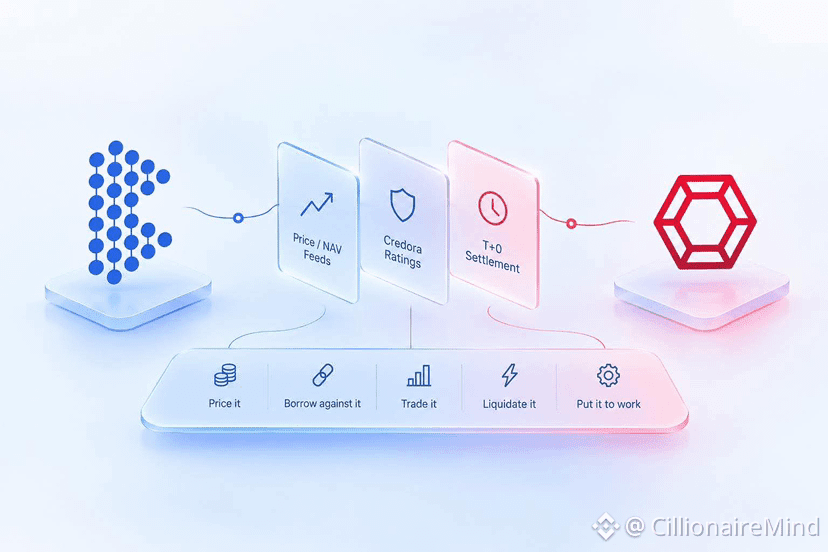
@Brickken is partnering with @redstone_defi to give eligible tokenized assets access to:
→ Price / NAV feeds
→ @CredoraNetwork risk ratings
→ T+0 redemptions & liquidations
This is important because tokenization alone doesn’t create a functioning market.
An RWA needs reliable pricing, risk data, liquidity and settlement before it can really move through onchain capital markets.
I like this direction for RWAs.
Not just putting real-world assets onchain, but building the rails that allow them to actually participate in markets.
$BKN $RED
#Brickken #RedStone
{spot}(REDUSDT)
$39B+ in RWAs is already onchain.
What I’m watching now is the infrastructure being built around them.
@Brickken is partnering with @redstone_defi to give eligible tokenized assets access to:
→ Price / NAV feeds
→ @CredoraNetwork risk ratings
→ T+0 redemptions & liquidations
This is important because tokenization alone doesn’t create a functioning market.
An RWA needs reliable pricing, risk data, liquidity and settlement before it can really move through onchain capital markets.
I like this direction for RWAs.
Not just putting real-world assets onchain, but building the rails that allow them to actually participate in markets.
$BKN $RED
#Brickken #RedStone
What I’m watching now is the infrastructure being built around them.
@Brickken is partnering with @redstone_defi to give eligible tokenized assets access to:
→ Price / NAV feeds
→ @CredoraNetwork risk ratings
→ T+0 redemptions & liquidations
This is important because tokenization alone doesn’t create a functioning market.
An RWA needs reliable pricing, risk data, liquidity and settlement before it can really move through onchain capital markets.
I like this direction for RWAs.
Not just putting real-world assets onchain, but building the rails that allow them to actually participate in markets.
$BKN $RED
#Brickken #RedStone
3
1.1k
·
--
Haussier
Vérifié
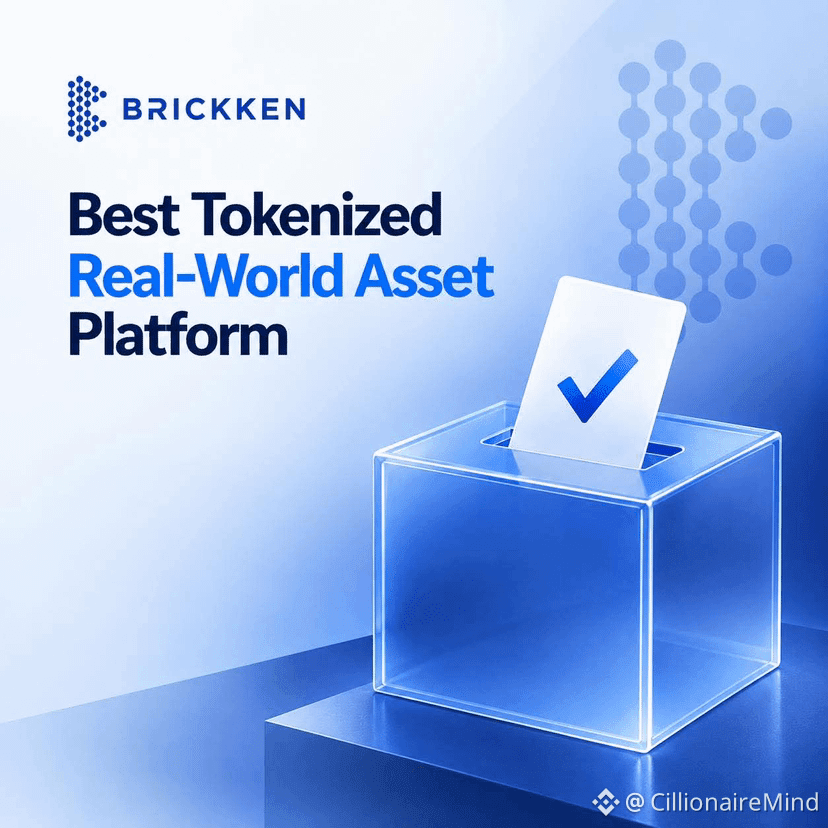
Best Tokenized Real-World Asset Platform?
@Brickken no doubt.
They’ve been building the infrastructure for RWAs while growing a strong global community around it, and the numbers are already speaking:
➠ 150+ clients
➠ $660M+ Total Tokenized Value
➠ 40+ countries served
Brickken is actually shipping the infrastructure to bring real-world assets onchain and making tokenization accessible across markets.
Now @Brickken is shortlisted for Best Tokenized Real-World Asset Platform at the @CoinGapeMedia Global Onchain Awards 2026.
Voting closes today at September 27.
If you believe in what Brickken is building for the next phase of RWA adoption, make your vote count
#Brickken #Tokenization
Best Tokenized Real-World Asset Platform?
@Brickken no doubt.
They’ve been building the infrastructure for RWAs while growing a strong global community around it, and the numbers are already speaking:
➠ 150+ clients
➠ $660M+ Total Tokenized Value
➠ 40+ countries served
Brickken is actually shipping the infrastructure to bring real-world assets onchain and making tokenization accessible across markets.
Now @Brickken is shortlisted for Best Tokenized Real-World Asset Platform at the @CoinGapeMedia Global Onchain Awards 2026.
Voting closes today at September 27.
If you believe in what Brickken is building for the next phase of RWA adoption, make your vote count
#Brickken #Tokenization
@Brickken no doubt.
They’ve been building the infrastructure for RWAs while growing a strong global community around it, and the numbers are already speaking:
➠ 150+ clients
➠ $660M+ Total Tokenized Value
➠ 40+ countries served
Brickken is actually shipping the infrastructure to bring real-world assets onchain and making tokenization accessible across markets.
Now @Brickken is shortlisted for Best Tokenized Real-World Asset Platform at the @CoinGapeMedia Global Onchain Awards 2026.
Voting closes today at September 27.
If you believe in what Brickken is building for the next phase of RWA adoption, make your vote count
#Brickken #Tokenization
4
769
·
--
Haussier
Vérifié
$BKN was trending on 𝕏 Last week
But wth is Brickken?
@Brickken is building the infrastructure to bring real-world assets onchain, giving institutions the tools to issue, manage, tokenize and scale assets like real estate, funds, private credit and other financial instruments.
And the numbers are already there:
➠ +150 clients
➠ +$660M Total Tokenized Value
➠ +40 countries served
➠ +28M $BKN staked by the community
What gets me more interested is where @Brickken is going next.
It’s not just about tokenizing assets.
Brickken is building the asset and coordination layer for Agentic Capital Markets, where AI agents can work with machine-readable assets, verifiable claims, capital mandates and defined permissions.
RWA brings assets onchain.
Agentic infrastructure makes them usable by the next generation of financial systems.
$BKN
#RWA #BKN
$BKN was trending on 𝕏 Last week
But wth is Brickken?
@Brickken is building the infrastructure to bring real-world assets onchain, giving institutions the tools to issue, manage, tokenize and scale assets like real estate, funds, private credit and other financial instruments.
And the numbers are already there:
➠ +150 clients
➠ +$660M Total Tokenized Value
➠ +40 countries served
➠ +28M $BKN staked by the community
What gets me more interested is where @Brickken is going next.
It’s not just about tokenizing assets.
Brickken is building the asset and coordination layer for Agentic Capital Markets, where AI agents can work with machine-readable assets, verifiable claims, capital mandates and defined permissions.
RWA brings assets onchain.
Agentic infrastructure makes them usable by the next generation of financial systems.
$BKN
#RWA #BKN
But wth is Brickken?
@Brickken is building the infrastructure to bring real-world assets onchain, giving institutions the tools to issue, manage, tokenize and scale assets like real estate, funds, private credit and other financial instruments.
And the numbers are already there:
➠ +150 clients
➠ +$660M Total Tokenized Value
➠ +40 countries served
➠ +28M $BKN staked by the community
What gets me more interested is where @Brickken is going next.
It’s not just about tokenizing assets.
Brickken is building the asset and coordination layer for Agentic Capital Markets, where AI agents can work with machine-readable assets, verifiable claims, capital mandates and defined permissions.
RWA brings assets onchain.
Agentic infrastructure makes them usable by the next generation of financial systems.
$BKN
#RWA #BKN
3
670
·
--
Haussier
Partiellement vrai
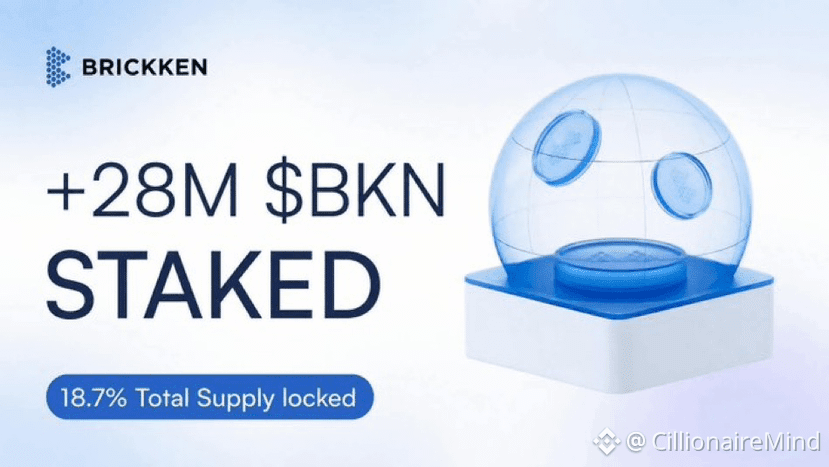
28M $BKN is now staked
@Brickken has one of the strongest RWA communities I’ve come across and I think numbers like this show that people aren’t here just for the narrative.
I think $BKN holders understand where RWA is heading and, more importantly, what @Brickken is actually building to be part of that future.
Staked $BKN has grown from 25M to 28M through the BKN 2.0 migration, now representing 18.7% of total supply
I’m staking my $BKN too.
Trillions of dollars of real-world assets are still waiting to move onchain. The infrastructure being built today will matter when that capital starts flowing.
#Brickken #RWA
28M $BKN is now staked
@Brickken has one of the strongest RWA communities I’ve come across and I think numbers like this show that people aren’t here just for the narrative.
I think $BKN holders understand where RWA is heading and, more importantly, what @Brickken is actually building to be part of that future.
Staked $BKN has grown from 25M to 28M through the BKN 2.0 migration, now representing 18.7% of total supply
I’m staking my $BKN too.
Trillions of dollars of real-world assets are still waiting to move onchain. The infrastructure being built today will matter when that capital starts flowing.
#Brickken #RWA
@Brickken has one of the strongest RWA communities I’ve come across and I think numbers like this show that people aren’t here just for the narrative.
I think $BKN holders understand where RWA is heading and, more importantly, what @Brickken is actually building to be part of that future.
Staked $BKN has grown from 25M to 28M through the BKN 2.0 migration, now representing 18.7% of total supply
I’m staking my $BKN too.
Trillions of dollars of real-world assets are still waiting to move onchain. The infrastructure being built today will matter when that capital starts flowing.
#Brickken #RWA
2
956
·
--
Haussier
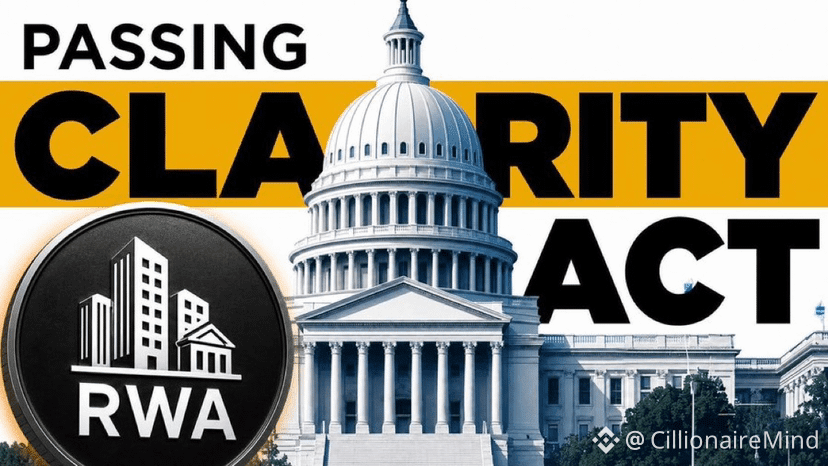
THE CLARITY ACT FAILED THE VOTE.
But the story didn’t end there.
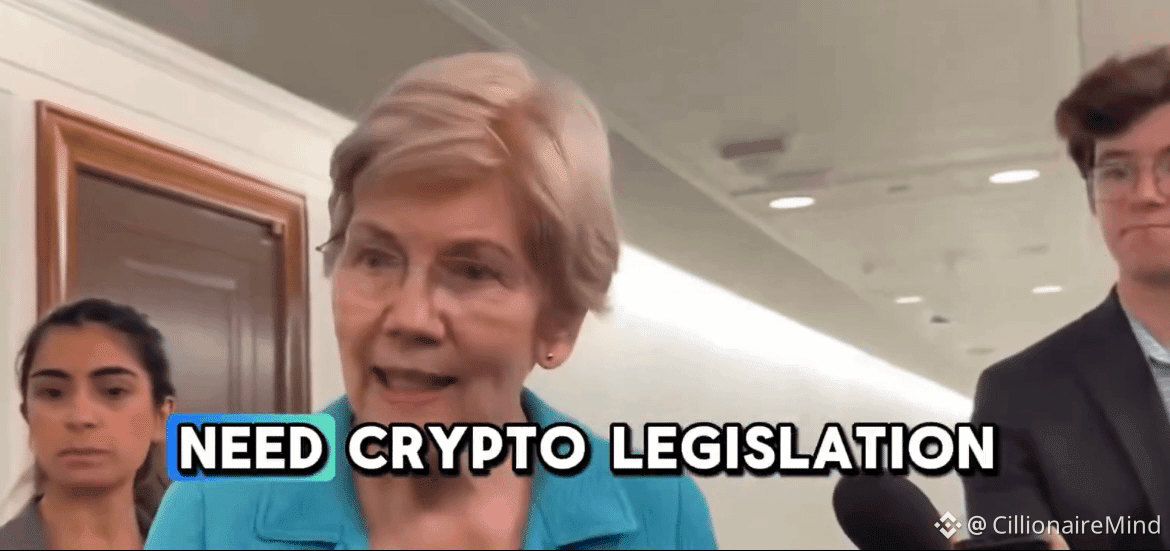
Now we’re seeing Democrats signaling they’re willing to work with Republicans on crypto legislation, while the White House has made clear it wants a framework it can sign. That matters because getting actual rules on the books will require bipartisan support.
For me, this reinforces one thing:
Crypto regulation is becoming a question of “when,” not whether the U.S. will build a framework.
And that’s exactly why I keep watching the infrastructure being built underneath the headlines.
@Brickken is working toward Agentic Capital Markets and bringing tokenized assets, programmable finance and autonomous agents together onchain so capital markets can operate more efficiently and transparently.
The Birth of Agentic Capital Markets.
$BKN
#ClarityAct #CryptoRegulation
THE CLARITY ACT FAILED THE VOTE.
But the story didn’t end there.
Now we’re seeing Democrats signaling they’re willing to work with Republicans on crypto legislation, while the White House has made clear it wants a framework it can sign. That matters because getting actual rules on the books will require bipartisan support.
For me, this reinforces one thing:
Crypto regulation is becoming a question of “when,” not whether the U.S. will build a framework.
And that’s exactly why I keep watching the infrastructure being built underneath the headlines.
@Brickken is working toward Agentic Capital Markets and bringing tokenized assets, programmable finance and autonomous agents together onchain so capital markets can operate more efficiently and transparently.
The Birth of Agentic Capital Markets.
$BKN
#ClarityAct #CryptoRegulation
But the story didn’t end there.
Now we’re seeing Democrats signaling they’re willing to work with Republicans on crypto legislation, while the White House has made clear it wants a framework it can sign. That matters because getting actual rules on the books will require bipartisan support.
For me, this reinforces one thing:
Crypto regulation is becoming a question of “when,” not whether the U.S. will build a framework.
And that’s exactly why I keep watching the infrastructure being built underneath the headlines.
@Brickken is working toward Agentic Capital Markets and bringing tokenized assets, programmable finance and autonomous agents together onchain so capital markets can operate more efficiently and transparently.
The Birth of Agentic Capital Markets.
$BKN
#ClarityAct #CryptoRegulation
2
7k
·
--
Haussier
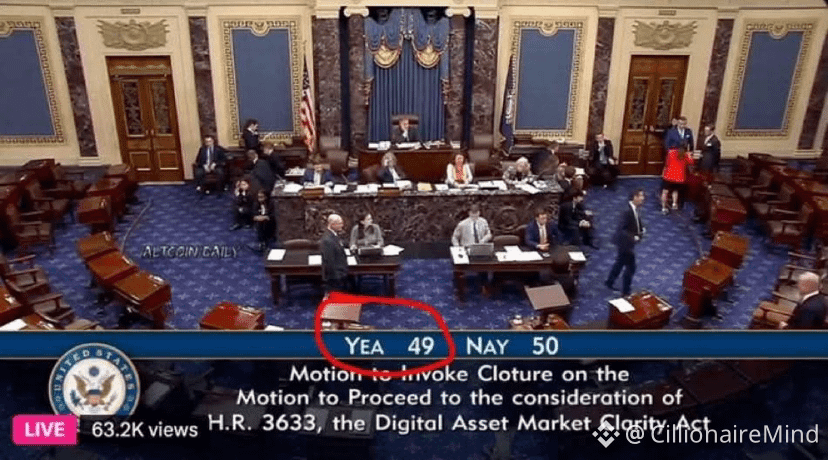
CLARITY Act failed to secure the 60 Senate votes needed.
It can definitely shake the market in the short term. Expect volatility, sentiment will shift, traders will overreact, and we could see some ugly wicks.
But RWA is still RWA.
Capital is still moving onchain. Institutions are still exploring tokenization. Real-world assets are still being brought onto public infrastructure.
Trillions are still coming. The world will still be tokenized.
I’m still positioned for RWA to make multiple ATHs as adoption compounds.
This is also why I keep paying attention to what @Brickken is building.
They’re not just riding the RWA narrative. They’re working toward the infrastructure for Agentic Capital Markets, where capital markets can become more automated, programmable and accessible through onchain rails.
That’s the part I find interesting.
The headlines will change every week. The infrastructure being built underneath them is what I’m watching.
Still bullish on RWA. Still bullish on the builders positioning early.
$BKN
#CLARITYAct #RWA
CLARITY Act failed to secure the 60 Senate votes needed.
It can definitely shake the market in the short term. Expect volatility, sentiment will shift, traders will overreact, and we could see some ugly wicks.
But RWA is still RWA.
Capital is still moving onchain. Institutions are still exploring tokenization. Real-world assets are still being brought onto public infrastructure.
Trillions are still coming. The world will still be tokenized.
I’m still positioned for RWA to make multiple ATHs as adoption compounds.
This is also why I keep paying attention to what @Brickken is building.
They’re not just riding the RWA narrative. They’re working toward the infrastructure for Agentic Capital Markets, where capital markets can become more automated, programmable and accessible through onchain rails.
That’s the part I find interesting.
The headlines will change every week. The infrastructure being built underneath them is what I’m watching.
Still bullish on RWA. Still bullish on the builders positioning early.
$BKN
#CLARITYAct #RWA
It can definitely shake the market in the short term. Expect volatility, sentiment will shift, traders will overreact, and we could see some ugly wicks.
But RWA is still RWA.
Capital is still moving onchain. Institutions are still exploring tokenization. Real-world assets are still being brought onto public infrastructure.
Trillions are still coming. The world will still be tokenized.
I’m still positioned for RWA to make multiple ATHs as adoption compounds.
This is also why I keep paying attention to what @Brickken is building.
They’re not just riding the RWA narrative. They’re working toward the infrastructure for Agentic Capital Markets, where capital markets can become more automated, programmable and accessible through onchain rails.
That’s the part I find interesting.
The headlines will change every week. The infrastructure being built underneath them is what I’m watching.
Still bullish on RWA. Still bullish on the builders positioning early.
$BKN
#CLARITYAct #RWA
1
643
·
--
Haussier
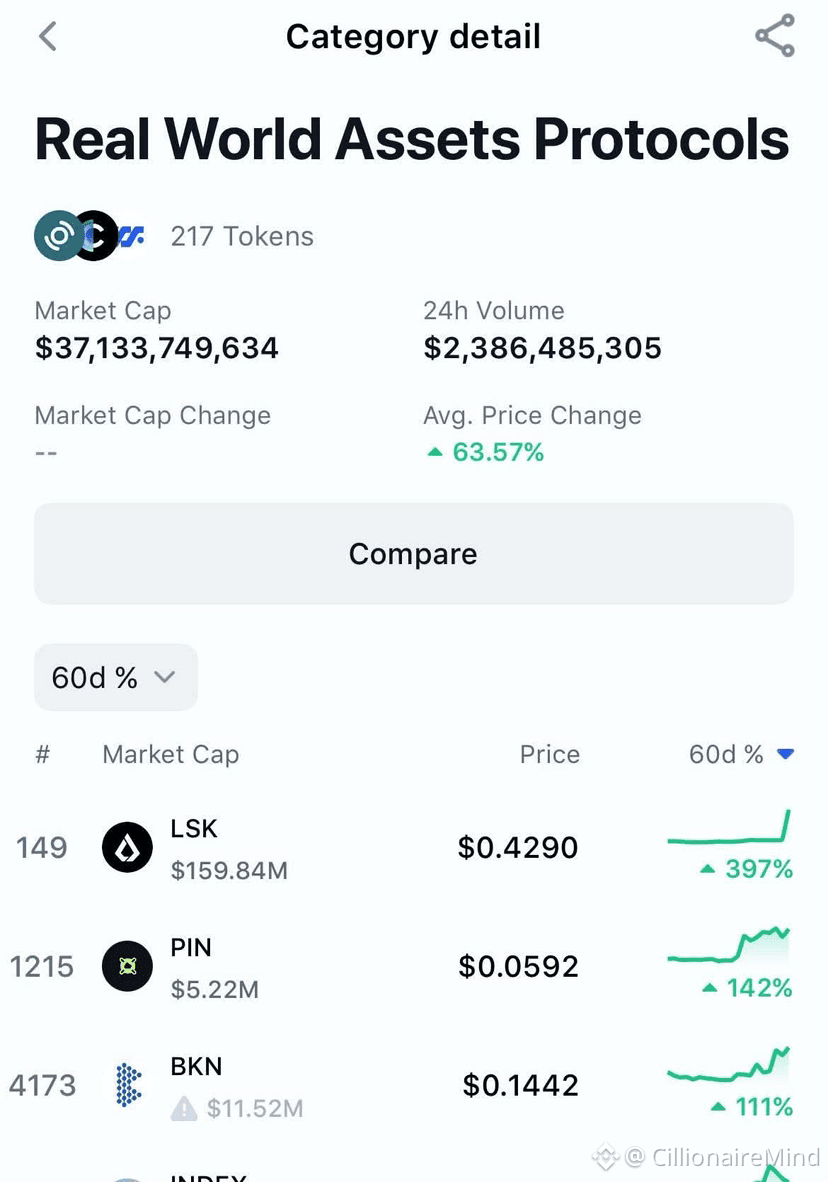
$BKN is now sitting in the Top 3 RWA gainers on CMC over the last 60 days
I honestly think the market is still sleeping on it.
One thing worth noting: CMC is still displaying outdated/inaccurate information for Brickken. If the verified figures were reflected correctly, $BKN would already rank below #1,000 in the overall crypto market.
That matters because market cap ranking heavily influences how people discover and value projects.
And I’m not bullish on $BKN just because it’s pumping.
I’m bullish because the underlying RWA thesis is getting bigger by the day.
RWA is already a $45B+ market, institutions are increasingly moving toward tokenization, and the long-term opportunity is measured in trillions of dollars of assets coming onchain.
When that capital starts flowing at scale, I want exposure to the teams that are already building the infrastructure for it.
For me, @Brickken is one of those teams.
The market can keep discovering $BKN one step at a time.
I’m positioning before the trillion-dollar RWA market becomes obvious to everyone.
NFA. DYOR.
#Brickken #realworldassets
$BKN is now sitting in the Top 3 RWA gainers on CMC over the last 60 days
I honestly think the market is still sleeping on it.
One thing worth noting: CMC is still displaying outdated/inaccurate information for Brickken. If the verified figures were reflected correctly, $BKN would already rank below #1,000 in the overall crypto market.
That matters because market cap ranking heavily influences how people discover and value projects.
And I’m not bullish on $BKN just because it’s pumping.
I’m bullish because the underlying RWA thesis is getting bigger by the day.
RWA is already a $45B+ market, institutions are increasingly moving toward tokenization, and the long-term opportunity is measured in trillions of dollars of assets coming onchain.
When that capital starts flowing at scale, I want exposure to the teams that are already building the infrastructure for it.
For me, @Brickken is one of those teams.
The market can keep discovering $BKN one step at a time.
I’m positioning before the trillion-dollar RWA market becomes obvious to everyone.
NFA. DYOR.
#Brickken #realworldassets
I honestly think the market is still sleeping on it.
One thing worth noting: CMC is still displaying outdated/inaccurate information for Brickken. If the verified figures were reflected correctly, $BKN would already rank below #1,000 in the overall crypto market.
That matters because market cap ranking heavily influences how people discover and value projects.
And I’m not bullish on $BKN just because it’s pumping.
I’m bullish because the underlying RWA thesis is getting bigger by the day.
RWA is already a $45B+ market, institutions are increasingly moving toward tokenization, and the long-term opportunity is measured in trillions of dollars of assets coming onchain.
When that capital starts flowing at scale, I want exposure to the teams that are already building the infrastructure for it.
For me, @Brickken is one of those teams.
The market can keep discovering $BKN one step at a time.
I’m positioning before the trillion-dollar RWA market becomes obvious to everyone.
NFA. DYOR.
#Brickken #realworldassets
1
3
509
·
--
Haussier
Vérifié
This is what makes me bullish on $BKN
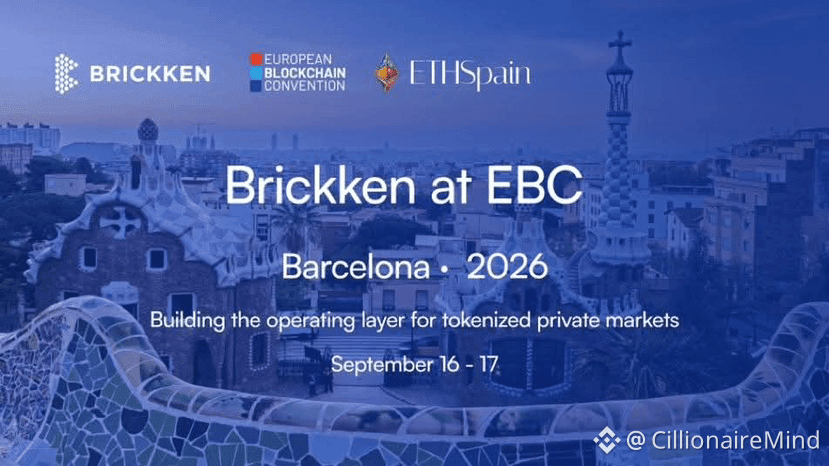
The @Brickken team isn’t just talking about global tokenization. They’re putting the team everywhere the RWA conversation is happening
And now they’re back home in Barcelona for two major European blockchain gatherings:
🇪🇸 EBlockchainCon — Sept. 16–17
🇪🇸 ETHSpain_ — Sept. 17
Both just a short walk from the Brickken office.
That might sound like a small detail, but I actually like this kind of execution.
They’re building the infrastructure and getting directly in front of the builders, institutions and businesses that will use it.
Honestly, I don’t see many RWA teams executing as aggressively as @Brickken right now.
RWA is becoming a global market.
And the more places I see tokenization being discussed, the more I keep seeing @Brickken there.
That’s the kind of execution that keeps me bullish on $BKN
#Brickken #RWA
This is what makes me bullish on $BKN
The @Brickken team isn’t just talking about global tokenization. They’re putting the team everywhere the RWA conversation is happening
And now they’re back home in Barcelona for two major European blockchain gatherings:
🇪🇸 EBlockchainCon — Sept. 16–17
🇪🇸 ETHSpain_ — Sept. 17
Both just a short walk from the Brickken office.
That might sound like a small detail, but I actually like this kind of execution.
They’re building the infrastructure and getting directly in front of the builders, institutions and businesses that will use it.
Honestly, I don’t see many RWA teams executing as aggressively as @Brickken right now.
RWA is becoming a global market.
And the more places I see tokenization being discussed, the more I keep seeing @Brickken there.
That’s the kind of execution that keeps me bullish on $BKN
#Brickken #RWA
The @Brickken team isn’t just talking about global tokenization. They’re putting the team everywhere the RWA conversation is happening
And now they’re back home in Barcelona for two major European blockchain gatherings:
🇪🇸 EBlockchainCon — Sept. 16–17
🇪🇸 ETHSpain_ — Sept. 17
Both just a short walk from the Brickken office.
That might sound like a small detail, but I actually like this kind of execution.
They’re building the infrastructure and getting directly in front of the builders, institutions and businesses that will use it.
Honestly, I don’t see many RWA teams executing as aggressively as @Brickken right now.
RWA is becoming a global market.
And the more places I see tokenization being discussed, the more I keep seeing @Brickken there.
That’s the kind of execution that keeps me bullish on $BKN
#Brickken #RWA
2
627
·
--
Haussier
Vérifié
I think it’s time to start loading #RWA bags again
➠ RWA market cap just hit a new ATH at $45B.
➠ The CLARITY Act is getting closer, potentially giving digital assets and tokenization a much clearer regulatory path in the US.
➠ Institutions are moving deeper into RWA tokenization, exploring how traditional assets can be issued, managed and distributed onchain.
And one of the RWA bags I’m watching most closely right now is $BKN
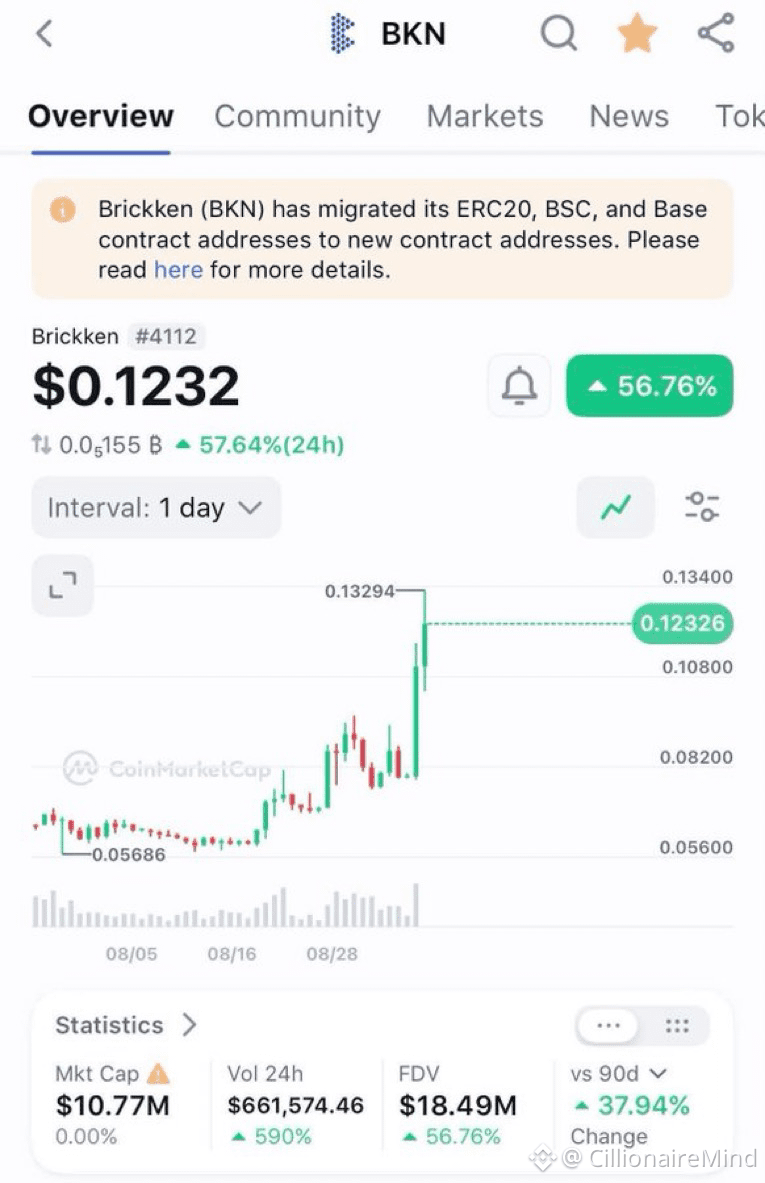
Brickken just ripped 30%+ today and is now the top #1 RWA gainers.
But the price action isn’t what makes me bullish. The infrastructure does.
@Brickken is building the rails for businesses and institutions to bring real-world assets onchain. It's from token issuance and compliance to investor onboarding, distribution and full asset lifecycle management, while its APIs and SDKs make the infrastructure accessible to developers.
And I think this is where the market is still massively underestimating the opportunity:
RWA isn’t just about putting assets onchain.
It’s about building the infrastructure that can make trillions of dollars in traditionally illiquid assets programmable, compliant and globally accessible.
$45B today.
Institutions moving in.
Regulation catching up.
Infrastructure being built.
And the market is only starting to price in what this could become.
I’d rather accumulate the builders laying the rails now than chase them after the trillion-dollar narrative is already obvious.
$BKN remains one of my highest-conviction RWA plays.
NFA. DYOR.
#Brickken #RWA板块涨势强劲
I think it’s time to start loading #RWA bags again
➠ RWA market cap just hit a new ATH at $45B.
➠ The CLARITY Act is getting closer, potentially giving digital assets and tokenization a much clearer regulatory path in the US.
➠ Institutions are moving deeper into RWA tokenization, exploring how traditional assets can be issued, managed and distributed onchain.
And one of the RWA bags I’m watching most closely right now is $BKN
Brickken just ripped 30%+ today and is now the top #1 RWA gainers.
But the price action isn’t what makes me bullish. The infrastructure does.
@Brickken is building the rails for businesses and institutions to bring real-world assets onchain. It's from token issuance and compliance to investor onboarding, distribution and full asset lifecycle management, while its APIs and SDKs make the infrastructure accessible to developers.
And I think this is where the market is still massively underestimating the opportunity:
RWA isn’t just about putting assets onchain.
It’s about building the infrastructure that can make trillions of dollars in traditionally illiquid assets programmable, compliant and globally accessible.
$45B today.
Institutions moving in.
Regulation catching up.
Infrastructure being built.
And the market is only starting to price in what this could become.
I’d rather accumulate the builders laying the rails now than chase them after the trillion-dollar narrative is already obvious.
$BKN remains one of my highest-conviction RWA plays.
NFA. DYOR.
#Brickken #RWA板块涨势强劲
➠ RWA market cap just hit a new ATH at $45B.
➠ The CLARITY Act is getting closer, potentially giving digital assets and tokenization a much clearer regulatory path in the US.
➠ Institutions are moving deeper into RWA tokenization, exploring how traditional assets can be issued, managed and distributed onchain.
And one of the RWA bags I’m watching most closely right now is $BKN
Brickken just ripped 30%+ today and is now the top #1 RWA gainers.
But the price action isn’t what makes me bullish. The infrastructure does.
@Brickken is building the rails for businesses and institutions to bring real-world assets onchain. It's from token issuance and compliance to investor onboarding, distribution and full asset lifecycle management, while its APIs and SDKs make the infrastructure accessible to developers.
And I think this is where the market is still massively underestimating the opportunity:
RWA isn’t just about putting assets onchain.
It’s about building the infrastructure that can make trillions of dollars in traditionally illiquid assets programmable, compliant and globally accessible.
$45B today.
Institutions moving in.
Regulation catching up.
Infrastructure being built.
And the market is only starting to price in what this could become.
I’d rather accumulate the builders laying the rails now than chase them after the trillion-dollar narrative is already obvious.
$BKN remains one of my highest-conviction RWA plays.
NFA. DYOR.
#Brickken #RWA板块涨势强劲
1
2
748
·
--
Haussier
RWAs could become the next liquidity channel for the entire market
The previous cycles had ICOs → stablecoins → ETFs/DATs.
Now capital is moving on-chain through Treasuries, funds, equities, credit and real-world assets.
And the important part?
This capital doesn’t have to stay inside the RWA wrapper.
Once tokenized assets become collateral, settle onchain, and interact with DeFi, the line between traditional finance and crypto gets thinner every day.
That’s why I’ve been paying so much attention to the infrastructure layer.
Projects like @Brickken are building the rails that make this transition possible: issuance, compliance, investor onboarding and lifecycle management.
I’m increasingly convinced the next crypto bull market won’t just be about more people buying crypto.
It will be about trillions in traditional capital finally becoming programmable onchain.
RWA is one of the strongest candidates to bring that liquidity in.
And honestly, we’re still early.
$BKN
#Brickken #RWA
RWAs could become the next liquidity channel for the entire market
The previous cycles had ICOs → stablecoins → ETFs/DATs.
Now capital is moving on-chain through Treasuries, funds, equities, credit and real-world assets.
And the important part?
This capital doesn’t have to stay inside the RWA wrapper.
Once tokenized assets become collateral, settle onchain, and interact with DeFi, the line between traditional finance and crypto gets thinner every day.
That’s why I’ve been paying so much attention to the infrastructure layer.
Projects like @Brickken are building the rails that make this transition possible: issuance, compliance, investor onboarding and lifecycle management.
I’m increasingly convinced the next crypto bull market won’t just be about more people buying crypto.
It will be about trillions in traditional capital finally becoming programmable onchain.
RWA is one of the strongest candidates to bring that liquidity in.
And honestly, we’re still early.
$BKN
#Brickken #RWA
The previous cycles had ICOs → stablecoins → ETFs/DATs.
Now capital is moving on-chain through Treasuries, funds, equities, credit and real-world assets.
And the important part?
This capital doesn’t have to stay inside the RWA wrapper.
Once tokenized assets become collateral, settle onchain, and interact with DeFi, the line between traditional finance and crypto gets thinner every day.
That’s why I’ve been paying so much attention to the infrastructure layer.
Projects like @Brickken are building the rails that make this transition possible: issuance, compliance, investor onboarding and lifecycle management.
I’m increasingly convinced the next crypto bull market won’t just be about more people buying crypto.
It will be about trillions in traditional capital finally becoming programmable onchain.
RWA is one of the strongest candidates to bring that liquidity in.
And honestly, we’re still early.
$BKN
#Brickken #RWA

2
1k
·
--
Haussier
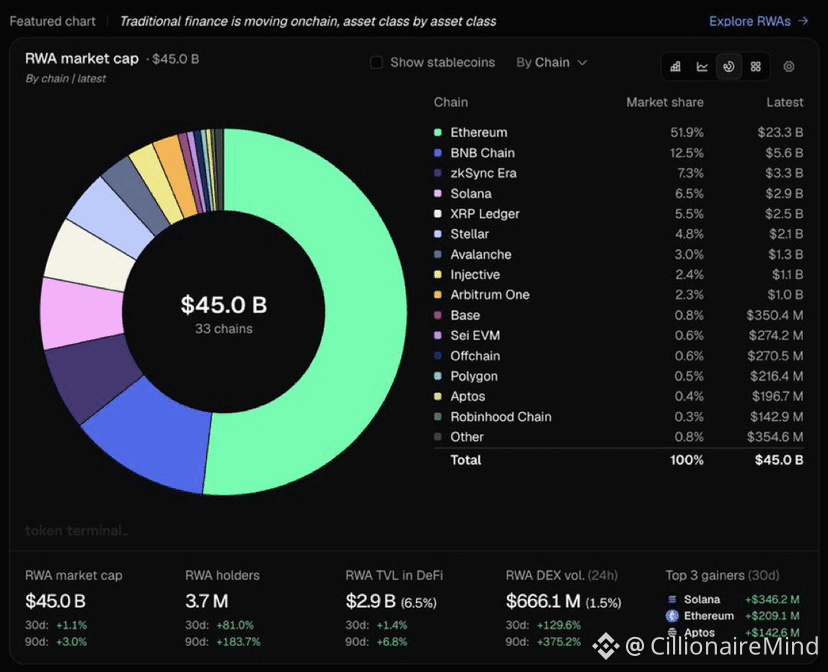
RWA market cap just hit a new ATH of $45B
And I honestly think we’re still ridiculously early.
What’s getting interesting isn’t just the growth in tokenized assets.
RWA DeFi TVL is up 6.8% over 90 days, while daily DEX volume has exploded 375.2% to $666M
That tells me RWA is moving beyond simply putting assets onchain.
We’re starting to see real financial activity happen onchain.
This is why I’m especially bullish on RWA builders like Brickken.
@Brickken is building the infrastructure to bring traditional assets onchain covering token issuance, compliance, investor management, asset lifecycle, APIs, SDKs and tools that make tokenization easier to scale.
The market is at $45B today.
The opportunity ahead is measured in trillions.
The builders laying the rails before that capital arrives are the ones I’m paying attention to 🔥
$BKN
#Tokenization #RWA
RWA market cap just hit a new ATH of $45B
And I honestly think we’re still ridiculously early.
What’s getting interesting isn’t just the growth in tokenized assets.
RWA DeFi TVL is up 6.8% over 90 days, while daily DEX volume has exploded 375.2% to $666M
That tells me RWA is moving beyond simply putting assets onchain.
We’re starting to see real financial activity happen onchain.
This is why I’m especially bullish on RWA builders like Brickken.
@Brickken is building the infrastructure to bring traditional assets onchain covering token issuance, compliance, investor management, asset lifecycle, APIs, SDKs and tools that make tokenization easier to scale.
The market is at $45B today.
The opportunity ahead is measured in trillions.
The builders laying the rails before that capital arrives are the ones I’m paying attention to 🔥
$BKN
#Tokenization #RWA
And I honestly think we’re still ridiculously early.
What’s getting interesting isn’t just the growth in tokenized assets.
RWA DeFi TVL is up 6.8% over 90 days, while daily DEX volume has exploded 375.2% to $666M
That tells me RWA is moving beyond simply putting assets onchain.
We’re starting to see real financial activity happen onchain.
This is why I’m especially bullish on RWA builders like Brickken.
@Brickken is building the infrastructure to bring traditional assets onchain covering token issuance, compliance, investor management, asset lifecycle, APIs, SDKs and tools that make tokenization easier to scale.
The market is at $45B today.
The opportunity ahead is measured in trillions.
The builders laying the rails before that capital arrives are the ones I’m paying attention to 🔥
$BKN
#Tokenization #RWA
1
1
443
·
--
Haussier
CLARITY ACT THIS SEPTEMBER
I don’t think people fully understand how big the next cycle could get once the rules around crypto finally become clearer.
$16T+ of potential capital tied to RWAs, tokenization and stablecoin payments.
Meanwhile, the entire crypto market is around $2.2T.
The U.S. stock market alone is worth $75T+.
Think about that gap.
This is why I’m increasingly bullish on RWA.
Because traditional capital is already massive and tokenization gives it a new way to move onchain.
And I’m paying close attention to the infrastructure being built before that capital arrives.
That’s where @Brickken stands out to me.
Brickken is building the infrastructure for institutions to tokenize, issue and manage real-world assets onchain.
If CLARITY becomes reality and institutional adoption accelerates, I want to be positioned around the companies building the rails. Bullish on projects that are building early for this sh
RWA is still early.
$BKN
#RWA #CLARITYAct
CLARITY ACT THIS SEPTEMBER
I don’t think people fully understand how big the next cycle could get once the rules around crypto finally become clearer.
$16T+ of potential capital tied to RWAs, tokenization and stablecoin payments.
Meanwhile, the entire crypto market is around $2.2T.
The U.S. stock market alone is worth $75T+.
Think about that gap.
This is why I’m increasingly bullish on RWA.
Because traditional capital is already massive and tokenization gives it a new way to move onchain.
And I’m paying close attention to the infrastructure being built before that capital arrives.
That’s where @Brickken stands out to me.
Brickken is building the infrastructure for institutions to tokenize, issue and manage real-world assets onchain.
If CLARITY becomes reality and institutional adoption accelerates, I want to be positioned around the companies building the rails. Bullish on projects that are building early for this sh
RWA is still early.
$BKN
#RWA #CLARITYAct
I don’t think people fully understand how big the next cycle could get once the rules around crypto finally become clearer.
$16T+ of potential capital tied to RWAs, tokenization and stablecoin payments.
Meanwhile, the entire crypto market is around $2.2T.
The U.S. stock market alone is worth $75T+.
Think about that gap.
This is why I’m increasingly bullish on RWA.
Because traditional capital is already massive and tokenization gives it a new way to move onchain.
And I’m paying close attention to the infrastructure being built before that capital arrives.
That’s where @Brickken stands out to me.
Brickken is building the infrastructure for institutions to tokenize, issue and manage real-world assets onchain.
If CLARITY becomes reality and institutional adoption accelerates, I want to be positioned around the companies building the rails. Bullish on projects that are building early for this sh
RWA is still early.
$BKN
#RWA #CLARITYAct

1
10
1.4k
·
--
Haussier
CLARITY ACT expected to move forward this September.
🏦 BlackRock
🏦 JPMorgan
🏦 Grayscale
The biggest institutions are leaning into tokenization. Trillions of dollars are looking for a path onchain.
Honestly, RWA is one of the clearest sectors to watch as traditional finance moves onchain.
I’m especially bullish on the projects building the infrastructure before the capital arrives.
@Brickken has been building the rails for institutions to tokenize, issue and manage real-world assets onchain.
The regulatory clarity is catching up. The institutional capital is coming.
Now the infrastructure needs to be ready. @Brickken is already building for that future.
I’m watching this one closely.
$BKN
#ClarityAct #USClarityAct
CLARITY ACT expected to move forward this September.
🏦 BlackRock
🏦 JPMorgan
🏦 Grayscale
The biggest institutions are leaning into tokenization. Trillions of dollars are looking for a path onchain.
Honestly, RWA is one of the clearest sectors to watch as traditional finance moves onchain.
I’m especially bullish on the projects building the infrastructure before the capital arrives.
@Brickken has been building the rails for institutions to tokenize, issue and manage real-world assets onchain.
The regulatory clarity is catching up. The institutional capital is coming.
Now the infrastructure needs to be ready. @Brickken is already building for that future.
I’m watching this one closely.
$BKN
#ClarityAct #USClarityAct
🏦 BlackRock
🏦 JPMorgan
🏦 Grayscale
The biggest institutions are leaning into tokenization. Trillions of dollars are looking for a path onchain.
Honestly, RWA is one of the clearest sectors to watch as traditional finance moves onchain.
I’m especially bullish on the projects building the infrastructure before the capital arrives.
@Brickken has been building the rails for institutions to tokenize, issue and manage real-world assets onchain.
The regulatory clarity is catching up. The institutional capital is coming.
Now the infrastructure needs to be ready. @Brickken is already building for that future.
I’m watching this one closely.
$BKN
#ClarityAct #USClarityAct
1
4
1.2k
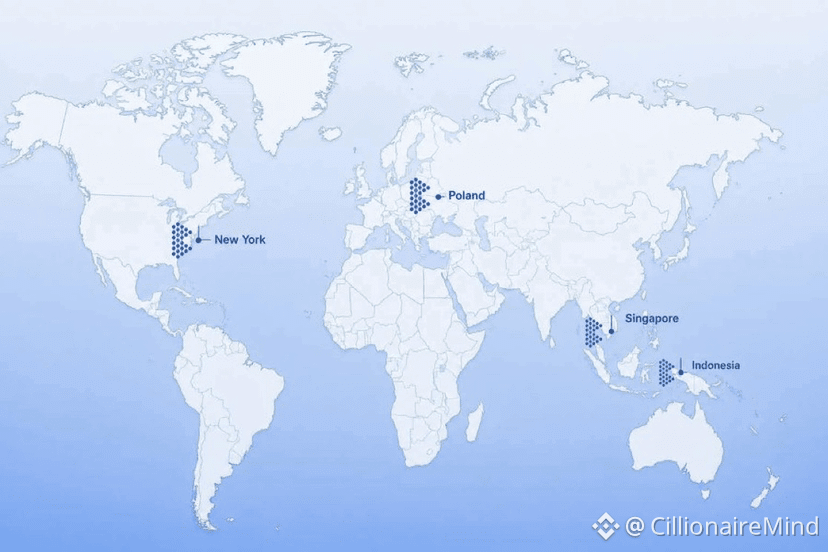
Brickken is starting to look truly global.
What caught my attention is how quickly the footprint is expanding across completely different markets:
🇮🇩 Indonesia — Bali
Already done.
Brickken backed @tbvxyz’s room at @CoinfestAsia, putting the brand directly in front of Southeast Asia’s builders, investors and businesses exploring the future of on-chain assets.
🇵🇱 Poland — Warsaw
Next stop.
Brickken is heading to @web3_warsaw, where CEO & co-founder @edwin_mata will join the event as part of the 2026 World Tour.
Another market. Another group of builders and institutions. Another opportunity to push the tokenization conversation forward.
🇸🇬 Singapore — RWA Summit
Brickken is already a finalist for the @rwaweek Awards 2026 in the Tokenization Platform category.
The ceremony takes place in Singapore on October 9.
They haven’t won yet, but being a finalist puts Brickken right in the room with some of the biggest names in the RWA space and I wouldn’t be surprised to see the Brickken team there.
🇺🇸 New York
And then there’s Times Square.
The @Brickken shield has already been put in front of one of the world’s biggest financial audiences.
New York represents exactly the kind of market Brickken is targeting: institutions, capital, businesses and financial infrastructure.
It looks like Brickken is deliberately putting its infrastructure, brand and people in front of the markets that matter for the next phase of tokenization.
I’ve watched Brickken go from building the rails to increasingly showing up where those rails can actually be put to work.
And honestly, that’s one of the things that makes me excited about $BKN Phase 2
#Brickken #BKN
Brickken is starting to look truly global.
What caught my attention is how quickly the footprint is expanding across completely different markets:
🇮🇩 Indonesia — Bali
Already done.
Brickken backed @tbvxyz’s room at @CoinfestAsia, putting the brand directly in front of Southeast Asia’s builders, investors and businesses exploring the future of on-chain assets.
🇵🇱 Poland — Warsaw
Next stop.
Brickken is heading to @web3_warsaw, where CEO & co-founder @edwin_mata will join the event as part of the 2026 World Tour.
Another market. Another group of builders and institutions. Another opportunity to push the tokenization conversation forward.
🇸🇬 Singapore — RWA Summit
Brickken is already a finalist for the @rwaweek Awards 2026 in the Tokenization Platform category.
The ceremony takes place in Singapore on October 9.
They haven’t won yet, but being a finalist puts Brickken right in the room with some of the biggest names in the RWA space and I wouldn’t be surprised to see the Brickken team there.
🇺🇸 New York
And then there’s Times Square.
The @Brickken shield has already been put in front of one of the world’s biggest financial audiences.
New York represents exactly the kind of market Brickken is targeting: institutions, capital, businesses and financial infrastructure.
It looks like Brickken is deliberately putting its infrastructure, brand and people in front of the markets that matter for the next phase of tokenization.
I’ve watched Brickken go from building the rails to increasingly showing up where those rails can actually be put to work.
And honestly, that’s one of the things that makes me excited about $BKN Phase 2
#Brickken #BKN
What caught my attention is how quickly the footprint is expanding across completely different markets:
🇮🇩 Indonesia — Bali
Already done.
Brickken backed @tbvxyz’s room at @CoinfestAsia, putting the brand directly in front of Southeast Asia’s builders, investors and businesses exploring the future of on-chain assets.
🇵🇱 Poland — Warsaw
Next stop.
Brickken is heading to @web3_warsaw, where CEO & co-founder @edwin_mata will join the event as part of the 2026 World Tour.
Another market. Another group of builders and institutions. Another opportunity to push the tokenization conversation forward.
🇸🇬 Singapore — RWA Summit
Brickken is already a finalist for the @rwaweek Awards 2026 in the Tokenization Platform category.
The ceremony takes place in Singapore on October 9.
They haven’t won yet, but being a finalist puts Brickken right in the room with some of the biggest names in the RWA space and I wouldn’t be surprised to see the Brickken team there.
🇺🇸 New York
And then there’s Times Square.
The @Brickken shield has already been put in front of one of the world’s biggest financial audiences.
New York represents exactly the kind of market Brickken is targeting: institutions, capital, businesses and financial infrastructure.
It looks like Brickken is deliberately putting its infrastructure, brand and people in front of the markets that matter for the next phase of tokenization.
I’ve watched Brickken go from building the rails to increasingly showing up where those rails can actually be put to work.
And honestly, that’s one of the things that makes me excited about $BKN Phase 2
#Brickken #BKN
2
696
·
--
Haussier
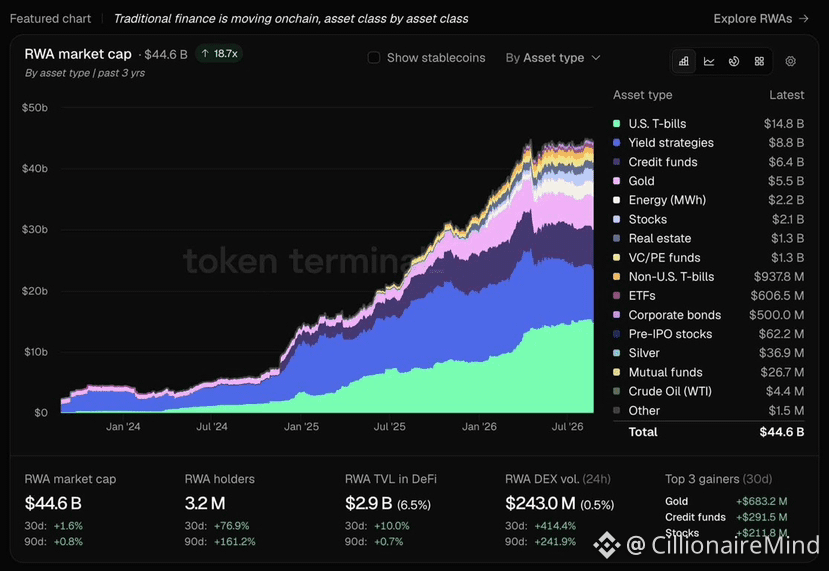
This is what makes me even more bullish on RWAs.
The tokenized RWA market has grown 18.7x in just three years to $44.6B
stablecoins not included
And look at what’s happening underneath:
- $14.8B in T-bills
- $8.8B in yield strategies.
- $6.4B in credit funds
- $5.5B in gold
- $2.1B in stocks
Real estate, energy, ETFs, bonds and more.
This is no longer one asset class being put onchain. It’s the financial system being rebuilt, asset class by asset class.
Personally, this is why I’m paying much more attention to the infrastructure behind tokenization.
Because when the market goes from $44.6B to hundreds of billions eventually trillions, the winners won’t just be the assets being tokenized.
They’ll be the infrastructure providers making all of this issuable, compliant, verifiable and scalable.
That’s where @Brickken stands out to me.
They’ve been building the rails for institutional-grade tokenization with programmable compliance and cryptographic verifiability at the core.
The RWA market is already growing 18.7x. But I don’t think we’ve even seen the real acceleration yet.
$BKN
#Brickken #RWA #Tokenization
This is what makes me even more bullish on RWAs.
The tokenized RWA market has grown 18.7x in just three years to $44.6B
stablecoins not included
And look at what’s happening underneath:
- $14.8B in T-bills
- $8.8B in yield strategies.
- $6.4B in credit funds
- $5.5B in gold
- $2.1B in stocks
Real estate, energy, ETFs, bonds and more.
This is no longer one asset class being put onchain. It’s the financial system being rebuilt, asset class by asset class.
Personally, this is why I’m paying much more attention to the infrastructure behind tokenization.
Because when the market goes from $44.6B to hundreds of billions eventually trillions, the winners won’t just be the assets being tokenized.
They’ll be the infrastructure providers making all of this issuable, compliant, verifiable and scalable.
That’s where @Brickken stands out to me.
They’ve been building the rails for institutional-grade tokenization with programmable compliance and cryptographic verifiability at the core.
The RWA market is already growing 18.7x. But I don’t think we’ve even seen the real acceleration yet.
$BKN
#Brickken #RWA #Tokenization
The tokenized RWA market has grown 18.7x in just three years to $44.6B
stablecoins not included
And look at what’s happening underneath:
- $14.8B in T-bills
- $8.8B in yield strategies.
- $6.4B in credit funds
- $5.5B in gold
- $2.1B in stocks
Real estate, energy, ETFs, bonds and more.
This is no longer one asset class being put onchain. It’s the financial system being rebuilt, asset class by asset class.
Personally, this is why I’m paying much more attention to the infrastructure behind tokenization.
Because when the market goes from $44.6B to hundreds of billions eventually trillions, the winners won’t just be the assets being tokenized.
They’ll be the infrastructure providers making all of this issuable, compliant, verifiable and scalable.
That’s where @Brickken stands out to me.
They’ve been building the rails for institutional-grade tokenization with programmable compliance and cryptographic verifiability at the core.
The RWA market is already growing 18.7x. But I don’t think we’ve even seen the real acceleration yet.
$BKN
#Brickken #RWA #Tokenization
3
525
·
--
Haussier
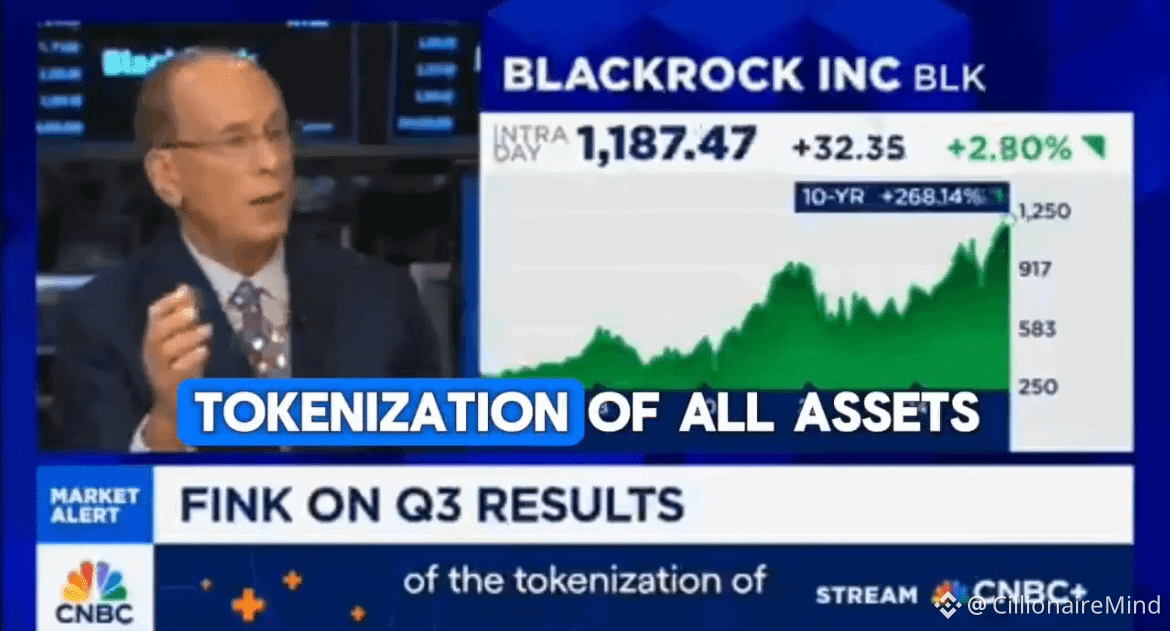
The financial system is being rebuilt around tokenization.
@BlackRock CEO Larry Fink says we’re only at the beginning of tokenizing everything from real estate and equities to bonds.
And the part that really stood out to me:
There’s already $4.1T sitting in digital wallets globally.
The opportunity isn’t just putting traditional assets onchain.
It’s bringing the next generation of investors into traditional financial products through a digital ecosystem.
That’s a massive shift.
Personally, this is why I keep paying attention to @Brickken.
If tokenization is going to touch every major asset class, the industry will need infrastructure built for the scale, compliance, and institutional requirements that come with it.
@Brickken is already building in that direction.
Tokenization of everything sounds ambitious.
But when BlackRock is talking about it as a decades-long opportunity, I think we should start treating it as inevitable.
We keep seeing the same signal from the biggest names in finance
#Blackrock #Tokenization
The financial system is being rebuilt around tokenization.
@BlackRock CEO Larry Fink says we’re only at the beginning of tokenizing everything from real estate and equities to bonds.
And the part that really stood out to me:
There’s already $4.1T sitting in digital wallets globally.
The opportunity isn’t just putting traditional assets onchain.
It’s bringing the next generation of investors into traditional financial products through a digital ecosystem.
That’s a massive shift.
Personally, this is why I keep paying attention to @Brickken.
If tokenization is going to touch every major asset class, the industry will need infrastructure built for the scale, compliance, and institutional requirements that come with it.
@Brickken is already building in that direction.
Tokenization of everything sounds ambitious.
But when BlackRock is talking about it as a decades-long opportunity, I think we should start treating it as inevitable.
We keep seeing the same signal from the biggest names in finance
#Blackrock #Tokenization
@BlackRock CEO Larry Fink says we’re only at the beginning of tokenizing everything from real estate and equities to bonds.
And the part that really stood out to me:
There’s already $4.1T sitting in digital wallets globally.
The opportunity isn’t just putting traditional assets onchain.
It’s bringing the next generation of investors into traditional financial products through a digital ecosystem.
That’s a massive shift.
Personally, this is why I keep paying attention to @Brickken.
If tokenization is going to touch every major asset class, the industry will need infrastructure built for the scale, compliance, and institutional requirements that come with it.
@Brickken is already building in that direction.
Tokenization of everything sounds ambitious.
But when BlackRock is talking about it as a decades-long opportunity, I think we should start treating it as inevitable.
We keep seeing the same signal from the biggest names in finance
#Blackrock #Tokenization
4
684
·
--
Haussier
Tokenization is going to take over the entire financial system.
- @RobinhoodCrypto CEO Vlad Tenev.
And honestly, that might be one of the biggest signals yet that tokenization is moving from a crypto narrative to a financial reality.
It’s the infrastructure shift.
- 24/7 markets
- Global access
- Assets moving onchain
- Traditional financial exposure becoming programmable
We’re still ridiculously early.
I think Brickken is ready for that shift.
They’ve been building infrastructure for global tokenization, with institutional use in mind.
For institutions, compliance isn’t an afterthought. It’s a prerequisite.
Brickken’s architecture is built around programmable compliance and cryptographic verifiability, designed to align tokenized assets with global regulatory requirements.
The interesting question now isn’t whether tokenization happens.
It’s who builds the rails for it.
The infrastructure race is already underway.
$BKN looks ready for it
#ROBINHOOD #TOKENIZATION
Tokenization is going to take over the entire financial system.
- @RobinhoodCrypto CEO Vlad Tenev.
And honestly, that might be one of the biggest signals yet that tokenization is moving from a crypto narrative to a financial reality.
It’s the infrastructure shift.
- 24/7 markets
- Global access
- Assets moving onchain
- Traditional financial exposure becoming programmable
We’re still ridiculously early.
I think Brickken is ready for that shift.
They’ve been building infrastructure for global tokenization, with institutional use in mind.
For institutions, compliance isn’t an afterthought. It’s a prerequisite.
Brickken’s architecture is built around programmable compliance and cryptographic verifiability, designed to align tokenized assets with global regulatory requirements.
The interesting question now isn’t whether tokenization happens.
It’s who builds the rails for it.
The infrastructure race is already underway.
$BKN looks ready for it
#ROBINHOOD #TOKENIZATION
- @RobinhoodCrypto CEO Vlad Tenev.
And honestly, that might be one of the biggest signals yet that tokenization is moving from a crypto narrative to a financial reality.
It’s the infrastructure shift.
- 24/7 markets
- Global access
- Assets moving onchain
- Traditional financial exposure becoming programmable
We’re still ridiculously early.
I think Brickken is ready for that shift.
They’ve been building infrastructure for global tokenization, with institutional use in mind.
For institutions, compliance isn’t an afterthought. It’s a prerequisite.
Brickken’s architecture is built around programmable compliance and cryptographic verifiability, designed to align tokenized assets with global regulatory requirements.
The interesting question now isn’t whether tokenization happens.
It’s who builds the rails for it.
The infrastructure race is already underway.
$BKN looks ready for it
#ROBINHOOD #TOKENIZATION
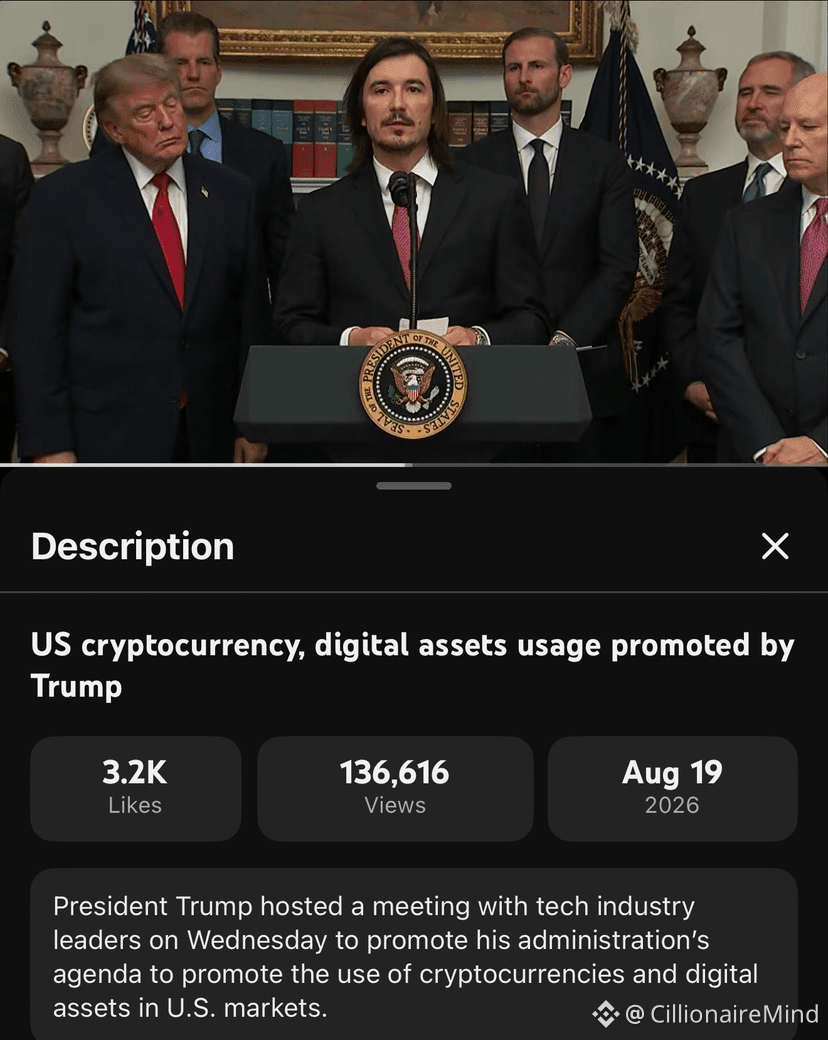
1
308
·
--
Haussier
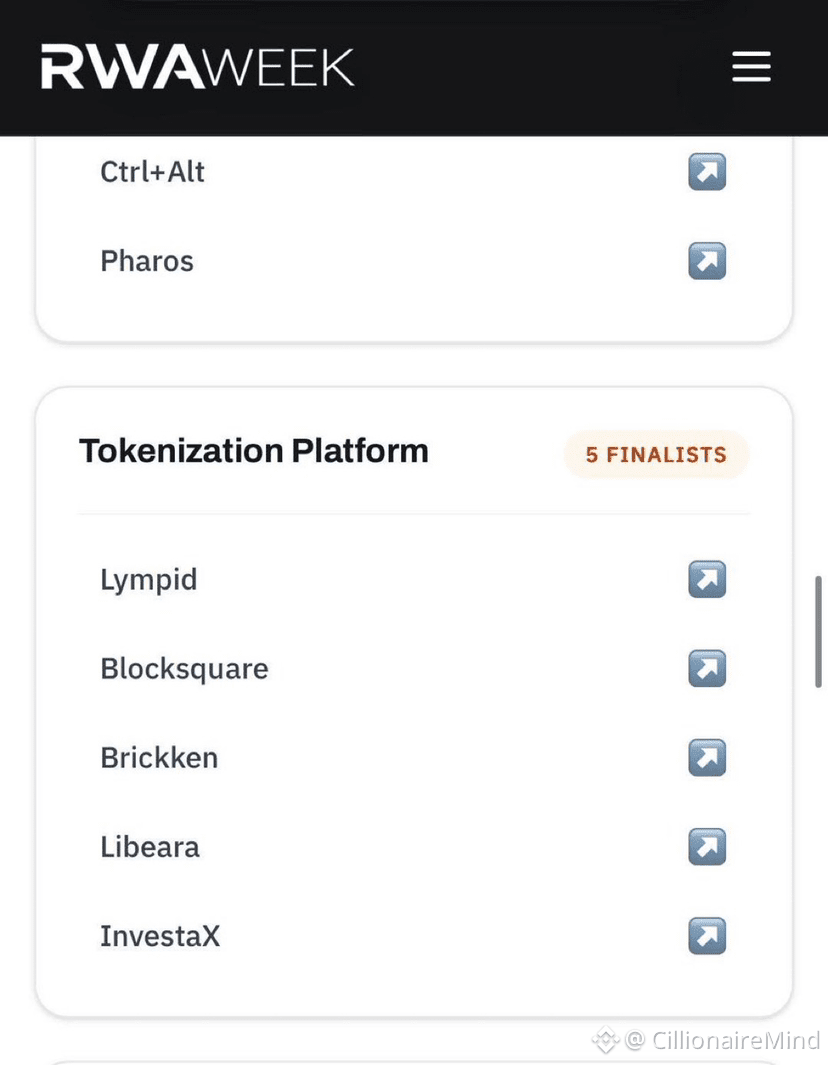
Just saw the finalists for the rwaweek Awards 2026 and Brickken made the Top 5 for Tokenization Platform. 🏆
Honestly, this one makes sense.
I’ve been watching @Brickken consistently show up across the RWA space. From the biggest conversations in Paris, Miami, Cannes, New York, Monaco, Milan, and Amsterdam to the actual infrastructure being built behind institutional tokenization.
Issuer infrastructure. Compliance. Asset lifecycle management. And now pushing toward Agentic Capital Markets.
What stands out to me is the consistency. Brickken keeps building while helping grow one of the strongest communities around RWA. For me, They deserve the recognition.
See you in Singapore, Brickken 🇸🇬
$BKN
#RWAWEEK #RealWorldAssets
Just saw the finalists for the rwaweek Awards 2026 and Brickken made the Top 5 for Tokenization Platform. 🏆
Honestly, this one makes sense.
I’ve been watching @Brickken consistently show up across the RWA space. From the biggest conversations in Paris, Miami, Cannes, New York, Monaco, Milan, and Amsterdam to the actual infrastructure being built behind institutional tokenization.
Issuer infrastructure. Compliance. Asset lifecycle management. And now pushing toward Agentic Capital Markets.
What stands out to me is the consistency. Brickken keeps building while helping grow one of the strongest communities around RWA. For me, They deserve the recognition.
See you in Singapore, Brickken 🇸🇬
$BKN
#RWAWEEK #RealWorldAssets
Honestly, this one makes sense.
I’ve been watching @Brickken consistently show up across the RWA space. From the biggest conversations in Paris, Miami, Cannes, New York, Monaco, Milan, and Amsterdam to the actual infrastructure being built behind institutional tokenization.
Issuer infrastructure. Compliance. Asset lifecycle management. And now pushing toward Agentic Capital Markets.
What stands out to me is the consistency. Brickken keeps building while helping grow one of the strongest communities around RWA. For me, They deserve the recognition.
See you in Singapore, Brickken 🇸🇬
$BKN
#RWAWEEK #RealWorldAssets
2
200
·
--
Haussier
Vérifié
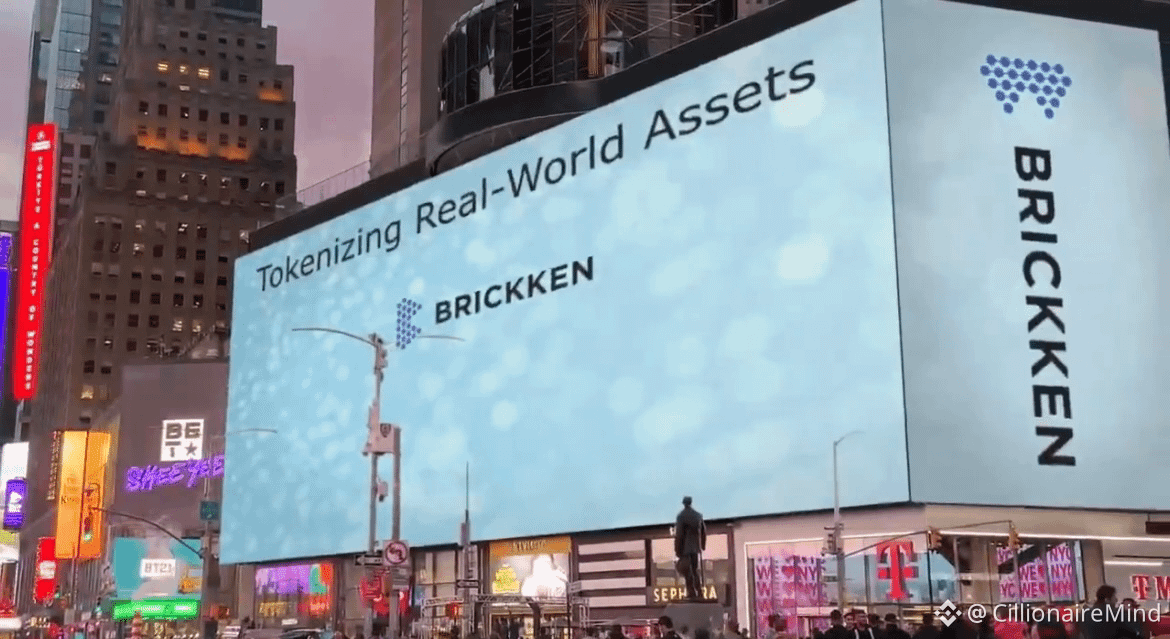
BREAKING: @Brickken SPOTTED ON A MASSIVE TIMES SQUARE BILLBOARD 🇺🇸
Honestly, seeing @Brickken put RWA tokenization on one of the biggest stages in the world is wild.
The US is one of the biggest markets for RWA tokenization, and New York sits right at the intersection of capital, institutions, finance, and technology.
@Brickken was already at SmartCon New York last year.
Now the brand is literally in Times Square.
The next phase of Brickken is looking very different.
$BKN Phase 2 is a new chapter focused on institutional expansion, global partnerships, and technological evolution.
What I like about @Brickken is that they deliver on what they promise.
They’ve been building the infrastructure for global tokenization, and now they’re putting that infrastructure directly in front of one of the world’s biggest financial audiences.
Even Brickken CEO @edwin_mata has talked about how much he loves New York’s energy, everyone building, doing business, moving fast, and trying to succeed.
And from a business perspective, this is where it gets interesting for me.
Times Square is a massive exposure.
It puts @Brickken in front of the institutions, businesses, investors, and potential clients that are actively thinking about bringing real-world assets on-chain.
That could mean more conversations.
- More partnerships.
- More assets entering the platform
- And potentially a much bigger tokenization pipeline for Brickken.
So I’m looking at it as a glimpse of where Brickken is taking the next chapter.
$BKN 2.0
#Brickken #Tokenization
BREAKING: @Brickken SPOTTED ON A MASSIVE TIMES SQUARE BILLBOARD 🇺🇸
Honestly, seeing @Brickken put RWA tokenization on one of the biggest stages in the world is wild.
The US is one of the biggest markets for RWA tokenization, and New York sits right at the intersection of capital, institutions, finance, and technology.
@Brickken was already at SmartCon New York last year.
Now the brand is literally in Times Square.
The next phase of Brickken is looking very different.
$BKN Phase 2 is a new chapter focused on institutional expansion, global partnerships, and technological evolution.
What I like about @Brickken is that they deliver on what they promise.
They’ve been building the infrastructure for global tokenization, and now they’re putting that infrastructure directly in front of one of the world’s biggest financial audiences.
Even Brickken CEO @edwin_mata has talked about how much he loves New York’s energy, everyone building, doing business, moving fast, and trying to succeed.
And from a business perspective, this is where it gets interesting for me.
Times Square is a massive exposure.
It puts @Brickken in front of the institutions, businesses, investors, and potential clients that are actively thinking about bringing real-world assets on-chain.
That could mean more conversations.
- More partnerships.
- More assets entering the platform
- And potentially a much bigger tokenization pipeline for Brickken.
So I’m looking at it as a glimpse of where Brickken is taking the next chapter.
$BKN 2.0
#Brickken #Tokenization
Honestly, seeing @Brickken put RWA tokenization on one of the biggest stages in the world is wild.
The US is one of the biggest markets for RWA tokenization, and New York sits right at the intersection of capital, institutions, finance, and technology.
@Brickken was already at SmartCon New York last year.
Now the brand is literally in Times Square.
The next phase of Brickken is looking very different.
$BKN Phase 2 is a new chapter focused on institutional expansion, global partnerships, and technological evolution.
What I like about @Brickken is that they deliver on what they promise.
They’ve been building the infrastructure for global tokenization, and now they’re putting that infrastructure directly in front of one of the world’s biggest financial audiences.
Even Brickken CEO @edwin_mata has talked about how much he loves New York’s energy, everyone building, doing business, moving fast, and trying to succeed.
And from a business perspective, this is where it gets interesting for me.
Times Square is a massive exposure.
It puts @Brickken in front of the institutions, businesses, investors, and potential clients that are actively thinking about bringing real-world assets on-chain.
That could mean more conversations.
- More partnerships.
- More assets entering the platform
- And potentially a much bigger tokenization pipeline for Brickken.
So I’m looking at it as a glimpse of where Brickken is taking the next chapter.
$BKN 2.0
#Brickken #Tokenization
2
1.1k
Connectez-vous pour découvrir plus de contenu
Rejoignez la communauté mondiale des adeptes de cryptomonnaies sur Binance Square
⚡️ Suviez les dernières informations importantes sur les cryptomonnaies.
💬 Jugé digne de confiance par la plus grande plateforme d’échange de cryptomonnaies au monde.
👍 Découvrez les connaissances que partagent les créateurs vérifiés.
Adresse e-mail/Nº de téléphone
Sujets d’actualité
SECHaltsCryptoETFReviewsAmidFundingLapse
83,419 vues
828 mentions
🚨 SEC FREEZES CRYPTO ETF REVIEWS!
A major development is shaking the crypto market!
Due to the U.S. government funding crisis, the SEC has reportedly paused reviews of more than 90 crypto ETF applications. #SECHaltsCryptoETFReviewsAmidFundingLapse
This could have a serious impact on the market.
$SOL , $DOGE and other altcoins waiting for ETF approvals may face significant delays.
ETF approvals are one of the biggest potential catalysts for institutional money entering crypto. Any delay could weaken short-term expectations and increase market uncertainty.
However, this is not a rejection. Once the funding situation is resolved, reviews could resume.
Personally, I think this is a development worth watching closely. The longer the uncertainty continues, the greater the potential impact on altcoin sentiment.
DYOR.
Kripto Kurdu
·4 mentions J’aime
·743 vues
ZcashETFPostsFirstWeeklyOutflow$93.6M
68,059 vues
214 mentions
GreekPoliceBustCryptoScamRingArrest17
233,128 vues
1,618 mentions