

eyes of 火
11.4k Publications

eyes of 火
 Compte Square Vérifié+
Signaler
Bloquer l’utilisateur
Ouvert au trading
Trade régulièrement
10.8 mois
4 Suivis
31.0K+ Abonnés
10.4K+ J’aime
Publications
Portefeuille
Tous
Direct
·
--
Haussier
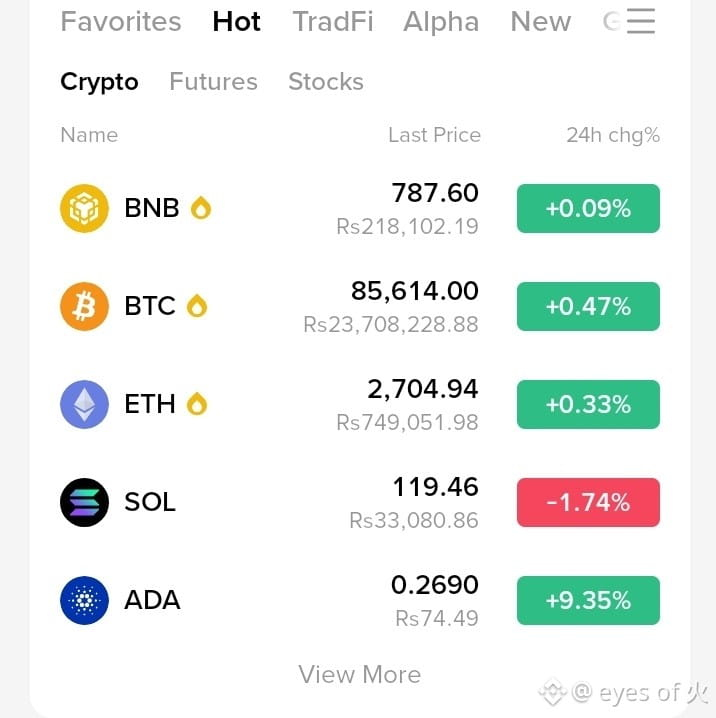
🔥 Quick Crypto Market Check 👀
BNB, BTC, and ETH are all holding in the green right now — a nice little sign of strength from the big names. 📊
🟡 $BNB : $787.60 (+0.09%)
₿ $BTC : $85,614 (+0.47%)
🔷 $ETH : $2,704.94 (+0.33%)
Nothing crazy yet, but BTC and ETH are showing steady momentum while BNB continues to hold strong. I’m definitely keeping an eye on these three. 👀🚀
Which one are you watching right now — BNB, BTC, or ETH? 💬
#EthereumValidatorExitQueueJumps392% #ETHUp70%InQ3ButLiquidityFalls #DriftHackVictimsBeginClaims #EthStakingExitQueueHits2026High #Nikkei225Jumps2.5%ToThreeMonthHigh
{future}(ETHUSDT)
{future}(BTCUSDT)
{future}(BNBUSDT)
🔥 Quick Crypto Market Check 👀
BNB, BTC, and ETH are all holding in the green right now — a nice little sign of strength from the big names. 📊
🟡 $BNB : $787.60 (+0.09%)
₿ $BTC : $85,614 (+0.47%)
🔷 $ETH : $2,704.94 (+0.33%)
Nothing crazy yet, but BTC and ETH are showing steady momentum while BNB continues to hold strong. I’m definitely keeping an eye on these three. 👀🚀
Which one are you watching right now — BNB, BTC, or ETH? 💬
#EthereumValidatorExitQueueJumps392% #ETHUp70%InQ3ButLiquidityFalls #DriftHackVictimsBeginClaims #EthStakingExitQueueHits2026High #Nikkei225Jumps2.5%ToThreeMonthHigh
BNB, BTC, and ETH are all holding in the green right now — a nice little sign of strength from the big names. 📊
🟡 $BNB : $787.60 (+0.09%)
₿ $BTC : $85,614 (+0.47%)
🔷 $ETH : $2,704.94 (+0.33%)
Nothing crazy yet, but BTC and ETH are showing steady momentum while BNB continues to hold strong. I’m definitely keeping an eye on these three. 👀🚀
Which one are you watching right now — BNB, BTC, or ETH? 💬
#EthereumValidatorExitQueueJumps392% #ETHUp70%InQ3ButLiquidityFalls #DriftHackVictimsBeginClaims #EthStakingExitQueueHits2026High #Nikkei225Jumps2.5%ToThreeMonthHigh
1
135
·
--
Haussier
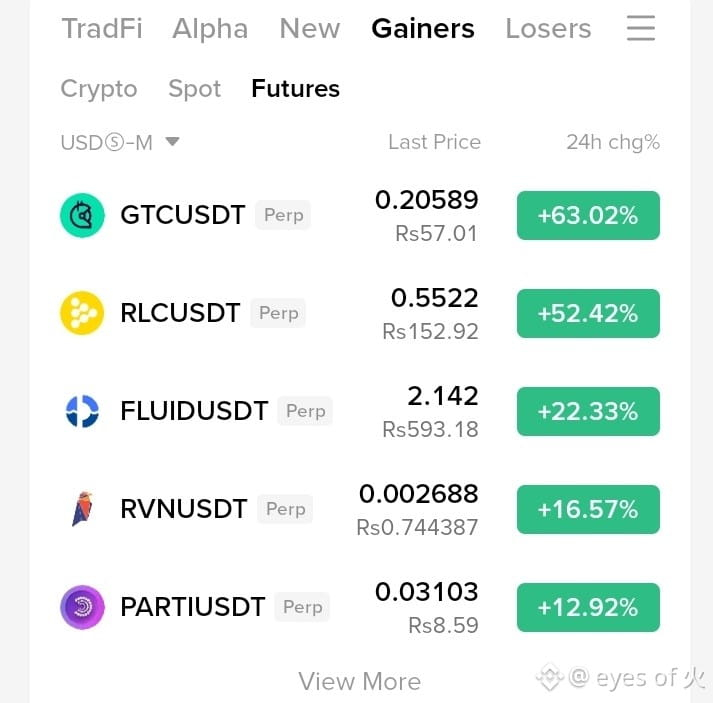
🚀 Futures Market Is Moving Fast! 📈🔥
Some serious momentum is showing up in the Futures market today! 👀
🥇 $GTC USDT: +63.02% 🚀
🥈 $RLC USDT: +52.42% 🔥
🥉 $FLUID USDT: +22.33% ⚡
GTC is clearly leading the move, while RLC is also putting up a strong performance. FLUID is following with a solid gain. 📊
These kinds of moves can be exciting, but they can also turn quickly. ⚠️ Always manage your risk and do your own research before entering a trade.
Which one would you keep on your watchlist? 👀
#EthereumValidatorExitQueueJumps392% #ETHUp70%InQ3ButLiquidityFalls #EthStakingExitQueueHits2026High #Nikkei225Jumps2.5%ToThreeMonthHigh #DriftHackVictimsBeginClaims
{future}(GTCUSDT)
{future}(RLCUSDT)
{future}(FLUIDUSDT)
🚀 Futures Market Is Moving Fast! 📈🔥
Some serious momentum is showing up in the Futures market today! 👀
🥇 $GTC USDT: +63.02% 🚀
🥈 $RLC USDT: +52.42% 🔥
🥉 $FLUID USDT: +22.33% ⚡
GTC is clearly leading the move, while RLC is also putting up a strong performance. FLUID is following with a solid gain. 📊
These kinds of moves can be exciting, but they can also turn quickly. ⚠️ Always manage your risk and do your own research before entering a trade.
Which one would you keep on your watchlist? 👀
#EthereumValidatorExitQueueJumps392% #ETHUp70%InQ3ButLiquidityFalls #EthStakingExitQueueHits2026High #Nikkei225Jumps2.5%ToThreeMonthHigh #DriftHackVictimsBeginClaims
Some serious momentum is showing up in the Futures market today! 👀
🥇 $GTC USDT: +63.02% 🚀
🥈 $RLC USDT: +52.42% 🔥
🥉 $FLUID USDT: +22.33% ⚡
GTC is clearly leading the move, while RLC is also putting up a strong performance. FLUID is following with a solid gain. 📊
These kinds of moves can be exciting, but they can also turn quickly. ⚠️ Always manage your risk and do your own research before entering a trade.
Which one would you keep on your watchlist? 👀
#EthereumValidatorExitQueueJumps392% #ETHUp70%InQ3ButLiquidityFalls #EthStakingExitQueueHits2026High #Nikkei225Jumps2.5%ToThreeMonthHigh #DriftHackVictimsBeginClaims
268
·
--
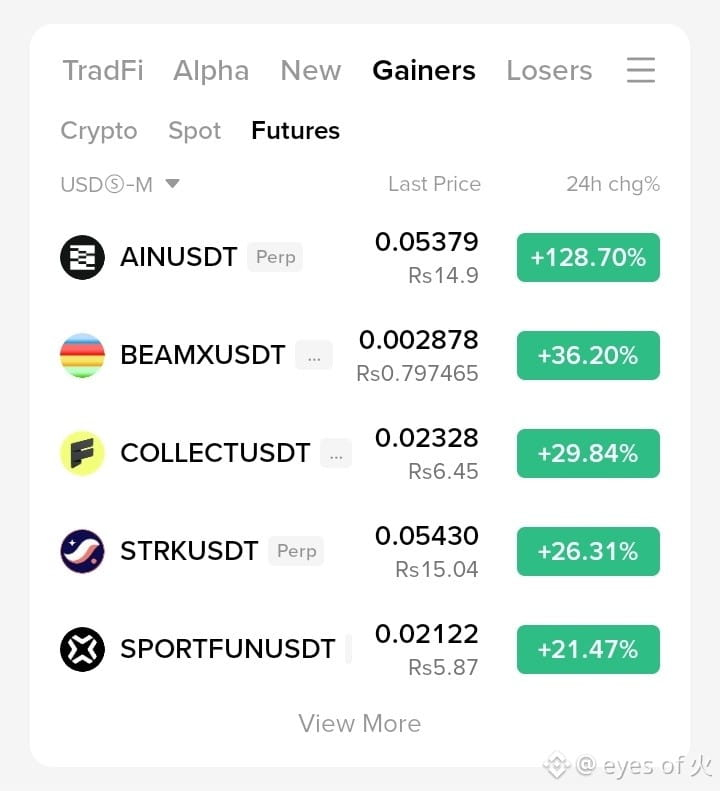
🥇 $AIN USDT — +128.70%
AIN is showing massive momentum, making it the strongest gainer among the three. The price is around 0.05379 USDT. Strong buying activity has pushed AIN into the spotlight. 👀🚀
🥈 $BEAMX USDT — +36.20%
BEAMX is also making a strong move, currently around 0.002878 USDT with a +36.20% 24H gain. 📈🔥 This is definitely a coin traders are watching closely.
🥉 $COLLECT USDT — +29.84%
COLLECT is showing solid upward momentum, trading around 0.02328 USDT and gaining +29.84% in 24 hours. ⚡📊
🔥 Three coins, three strong moves!
AIN leads the pack with an impressive +128.70%, while BEAMX and COLLECT are also showing significant momentum. 🚀
⚠️ Remember: Strong price increases can also mean high volatility. Always manage risk and do your own research before trading. 🧠📊.#SECProposesCryptoCustodyRules #SECHaltsCryptoETFReviewsAmidFundingLapse #CerebrasSinksNearly20%OnReportNvidiaToPowerOpenAI #NvidiaHitsRecordHighUp2.4% #FedOctoberRateHikeOddsFallTo17%
🥇 $AIN USDT — +128.70%
AIN is showing massive momentum, making it the strongest gainer among the three. The price is around 0.05379 USDT. Strong buying activity has pushed AIN into the spotlight. 👀🚀
🥈 $BEAMX USDT — +36.20%
BEAMX is also making a strong move, currently around 0.002878 USDT with a +36.20% 24H gain. 📈🔥 This is definitely a coin traders are watching closely.
🥉 $COLLECT USDT — +29.84%
COLLECT is showing solid upward momentum, trading around 0.02328 USDT and gaining +29.84% in 24 hours. ⚡📊
🔥 Three coins, three strong moves!
AIN leads the pack with an impressive +128.70%, while BEAMX and COLLECT are also showing significant momentum. 🚀
⚠️ Remember: Strong price increases can also mean high volatility. Always manage risk and do your own research before trading. 🧠📊.#SECProposesCryptoCustodyRules #SECHaltsCryptoETFReviewsAmidFundingLapse #CerebrasSinksNearly20%OnReportNvidiaToPowerOpenAI #NvidiaHitsRecordHighUp2.4% #FedOctoberRateHikeOddsFallTo17%
AIN is showing massive momentum, making it the strongest gainer among the three. The price is around 0.05379 USDT. Strong buying activity has pushed AIN into the spotlight. 👀🚀
🥈 $BEAMX USDT — +36.20%
BEAMX is also making a strong move, currently around 0.002878 USDT with a +36.20% 24H gain. 📈🔥 This is definitely a coin traders are watching closely.
🥉 $COLLECT USDT — +29.84%
COLLECT is showing solid upward momentum, trading around 0.02328 USDT and gaining +29.84% in 24 hours. ⚡📊
🔥 Three coins, three strong moves!
AIN leads the pack with an impressive +128.70%, while BEAMX and COLLECT are also showing significant momentum. 🚀
⚠️ Remember: Strong price increases can also mean high volatility. Always manage risk and do your own research before trading. 🧠📊.#SECProposesCryptoCustodyRules #SECHaltsCryptoETFReviewsAmidFundingLapse #CerebrasSinksNearly20%OnReportNvidiaToPowerOpenAI #NvidiaHitsRecordHighUp2.4% #FedOctoberRateHikeOddsFallTo17%
244
·
--
Haussier
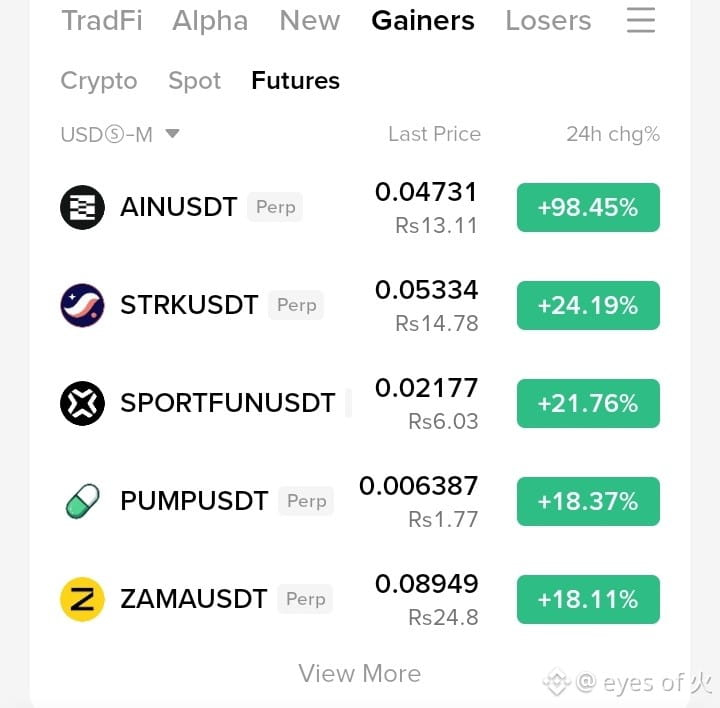
🚀 Top 3 Gainers Right Now!
The market is moving fast today 👀📈
🥇 $AIN USDT is leading the pack with an impressive +98.45% move. That’s a huge jump! 🔥
🥈 $STRK USDT is also having a strong run, up +24.19% ⚡
🥉 $SPORTFUN USDT follows with +21.76%, showing some solid momentum 💪
These moves definitely caught my attention. 👀
Let’s see if this momentum continues or if we get a pullback.
Trade carefully and don’t chase the pump. 🛡️📊
#SECProposesCryptoCustodyRules #SECHaltsCryptoETFReviewsAmidFundingLapse #GreekPoliceBustCryptoScamRingArrest17 #NvidiaHitsRecordHighUp2.4% #CerebrasSinksNearly20%OnReportNvidiaToPowerOpenAI
{future}(AINUSDT)
{future}(STRKUSDT)
{future}(SPORTFUNUSDT)
🚀 Top 3 Gainers Right Now!
The market is moving fast today 👀📈
🥇 $AIN USDT is leading the pack with an impressive +98.45% move. That’s a huge jump! 🔥
🥈 $STRK USDT is also having a strong run, up +24.19% ⚡
🥉 $SPORTFUN USDT follows with +21.76%, showing some solid momentum 💪
These moves definitely caught my attention. 👀
Let’s see if this momentum continues or if we get a pullback.
Trade carefully and don’t chase the pump. 🛡️📊
#SECProposesCryptoCustodyRules #SECHaltsCryptoETFReviewsAmidFundingLapse #GreekPoliceBustCryptoScamRingArrest17 #NvidiaHitsRecordHighUp2.4% #CerebrasSinksNearly20%OnReportNvidiaToPowerOpenAI
The market is moving fast today 👀📈
🥇 $AIN USDT is leading the pack with an impressive +98.45% move. That’s a huge jump! 🔥
🥈 $STRK USDT is also having a strong run, up +24.19% ⚡
🥉 $SPORTFUN USDT follows with +21.76%, showing some solid momentum 💪
These moves definitely caught my attention. 👀
Let’s see if this momentum continues or if we get a pullback.
Trade carefully and don’t chase the pump. 🛡️📊
#SECProposesCryptoCustodyRules #SECHaltsCryptoETFReviewsAmidFundingLapse #GreekPoliceBustCryptoScamRingArrest17 #NvidiaHitsRecordHighUp2.4% #CerebrasSinksNearly20%OnReportNvidiaToPowerOpenAI
144
·
--
Haussier
You’ve got $1,000 to put into crypto today 👀
Only ONE choice:
$QNT
$SAND
$PUMP
Which one are you betting on for the next big move? 🚀
And more importantly… what’s your reason? 👀
{future}(PUMPUSDT)
{future}(SANDUSDT)
{future}(QNTUSDT)
You’ve got $1,000 to put into crypto today 👀
Only ONE choice:
$QNT
$SAND
$PUMP
Which one are you betting on for the next big move? 🚀
And more importantly… what’s your reason? 👀
Only ONE choice:
$QNT
$SAND
$PUMP
Which one are you betting on for the next big move? 🚀
And more importantly… what’s your reason? 👀
$PUMP
30%
$SAND
29%
$QNT
41%
88 Votes • Vote fermé
1.8k
·
--
Haussier
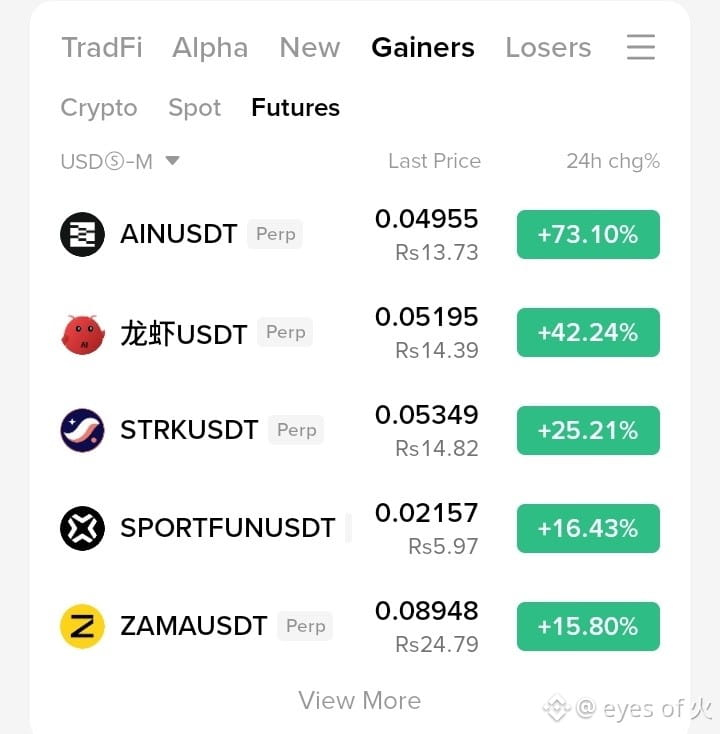
Three coins that caught my attention today: AIN, 龙虾 and STRK.
$AIN is clearly leading the move with a very strong breakout, while $龙虾 and $STRK are also showing solid buying momentum.
What stands out to me is that all three are moving strongly at the same time. AIN is the one getting the most attention right now, but 龙虾 and STRK are definitely worth watching as well.
The important thing after moves like these is to watch whether the momentum can hold instead of simply chasing the green candles.
Let’s see how these three perform from here. 📈
#SECProposesCryptoCustodyRules #GreekPoliceBustCryptoScamRingArrest17 #NvidiaHitsRecordHighUp2.4% #CerebrasSinksNearly20%OnReportNvidiaToPowerOpenAI #CerebrasSinksNearly20%OnReportNvidiaToPowerOpenAI
Three coins that caught my attention today: AIN, 龙虾 and STRK.
$AIN is clearly leading the move with a very strong breakout, while $龙虾 and $STRK are also showing solid buying momentum.
What stands out to me is that all three are moving strongly at the same time. AIN is the one getting the most attention right now, but 龙虾 and STRK are definitely worth watching as well.
The important thing after moves like these is to watch whether the momentum can hold instead of simply chasing the green candles.
Let’s see how these three perform from here. 📈
#SECProposesCryptoCustodyRules #GreekPoliceBustCryptoScamRingArrest17 #NvidiaHitsRecordHighUp2.4% #CerebrasSinksNearly20%OnReportNvidiaToPowerOpenAI #CerebrasSinksNearly20%OnReportNvidiaToPowerOpenAI
$AIN is clearly leading the move with a very strong breakout, while $龙虾 and $STRK are also showing solid buying momentum.
What stands out to me is that all three are moving strongly at the same time. AIN is the one getting the most attention right now, but 龙虾 and STRK are definitely worth watching as well.
The important thing after moves like these is to watch whether the momentum can hold instead of simply chasing the green candles.
Let’s see how these three perform from here. 📈
#SECProposesCryptoCustodyRules #GreekPoliceBustCryptoScamRingArrest17 #NvidiaHitsRecordHighUp2.4% #CerebrasSinksNearly20%OnReportNvidiaToPowerOpenAI #CerebrasSinksNearly20%OnReportNvidiaToPowerOpenAI
366
·
--
Haussier
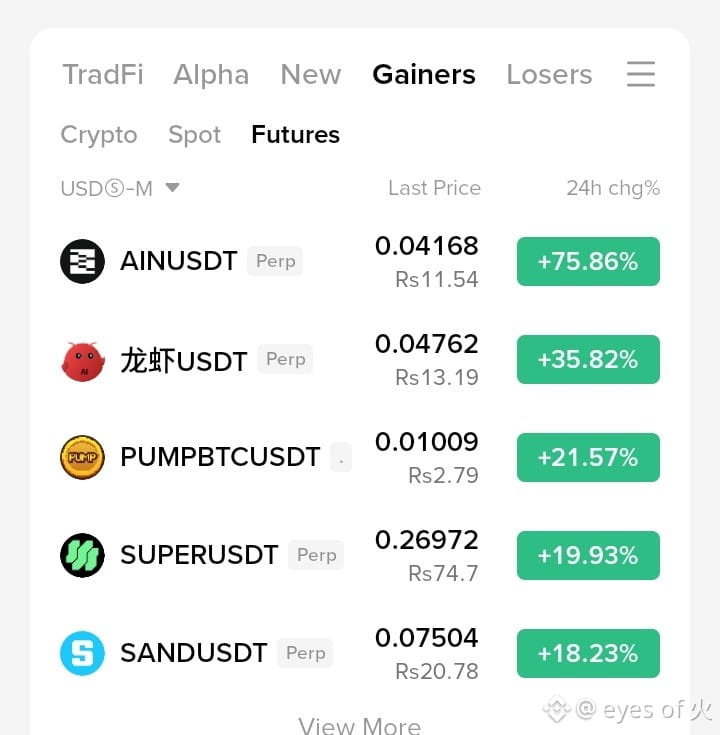
🔥 Top 3 Movers to Watch Today! 🚀
$AIN USDT 🟡 +75.86%
$龙虾 USDT 🦞 +35.82%
$PUMPBTC USDT 🟠 +21.57%
The market is showing some serious momentum today! 📈⚡ These three coins are standing out with strong 24H moves and attracting plenty of attention. 👀🔥
Let’s see which one can keep the momentum going! 🚀💰
#SECProposesCryptoCustodyRules #GreekPoliceBustCryptoScamRingArrest17 #USRussiaUkraineTalksReportedlyIncludeLukoilOilDeal #FedOctoberRateHikeOddsFallTo17% #NvidiaHitsRecordHighUp2.4%
{future}(龙虾USDT)
{future}(AINUSDT)
{future}(PUMPBTCUSDT)
🔥 Top 3 Movers to Watch Today! 🚀
$AIN USDT 🟡 +75.86%
$龙虾 USDT 🦞 +35.82%
$PUMPBTC USDT 🟠 +21.57%
The market is showing some serious momentum today! 📈⚡ These three coins are standing out with strong 24H moves and attracting plenty of attention. 👀🔥
Let’s see which one can keep the momentum going! 🚀💰
#SECProposesCryptoCustodyRules #GreekPoliceBustCryptoScamRingArrest17 #USRussiaUkraineTalksReportedlyIncludeLukoilOilDeal #FedOctoberRateHikeOddsFallTo17% #NvidiaHitsRecordHighUp2.4%
$AIN USDT 🟡 +75.86%
$龙虾 USDT 🦞 +35.82%
$PUMPBTC USDT 🟠 +21.57%
The market is showing some serious momentum today! 📈⚡ These three coins are standing out with strong 24H moves and attracting plenty of attention. 👀🔥
Let’s see which one can keep the momentum going! 🚀💰
#SECProposesCryptoCustodyRules #GreekPoliceBustCryptoScamRingArrest17 #USRussiaUkraineTalksReportedlyIncludeLukoilOilDeal #FedOctoberRateHikeOddsFallTo17% #NvidiaHitsRecordHighUp2.4%
261
·
--
Haussier
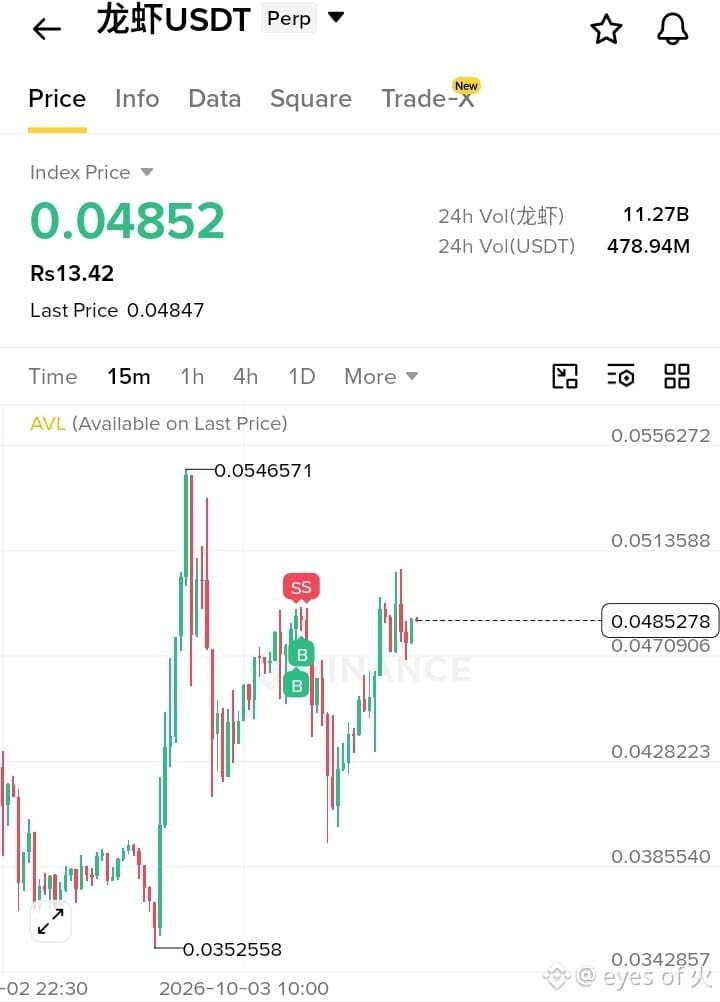
$龙虾 /USDT is showing strong movement on the 15-minute chart. The price has bounced from around 0.0353 and reached nearly 0.0547 before pulling back toward 0.0485.
At the moment, LOBSTER is holding around the 0.048–0.049 area. If buyers step in again, 0.0514 could be an important level to watch, while 0.0471 may act as nearby support.
The volume is also quite high, which shows strong interest in LOBSTER. The next move could be interesting, so I’m keeping a close eye on the price action. 📈
#SECApproves3xLongCryptoCommodityETPs #FedOctoberRateHikeOddsFallTo17% #CanaryFilesAmendedS1ForPEPEETF #USRussiaUkraineTalksReportedlyIncludeLukoilOilDeal #CerebrasSinksNearly20%OnReportNvidiaToPowerOpenAI
$龙虾 /USDT is showing strong movement on the 15-minute chart. The price has bounced from around 0.0353 and reached nearly 0.0547 before pulling back toward 0.0485.
At the moment, LOBSTER is holding around the 0.048–0.049 area. If buyers step in again, 0.0514 could be an important level to watch, while 0.0471 may act as nearby support.
The volume is also quite high, which shows strong interest in LOBSTER. The next move could be interesting, so I’m keeping a close eye on the price action. 📈
#SECApproves3xLongCryptoCommodityETPs #FedOctoberRateHikeOddsFallTo17% #CanaryFilesAmendedS1ForPEPEETF #USRussiaUkraineTalksReportedlyIncludeLukoilOilDeal #CerebrasSinksNearly20%OnReportNvidiaToPowerOpenAI
At the moment, LOBSTER is holding around the 0.048–0.049 area. If buyers step in again, 0.0514 could be an important level to watch, while 0.0471 may act as nearby support.
The volume is also quite high, which shows strong interest in LOBSTER. The next move could be interesting, so I’m keeping a close eye on the price action. 📈
#SECApproves3xLongCryptoCommodityETPs #FedOctoberRateHikeOddsFallTo17% #CanaryFilesAmendedS1ForPEPEETF #USRussiaUkraineTalksReportedlyIncludeLukoilOilDeal #CerebrasSinksNearly20%OnReportNvidiaToPowerOpenAI
138
·
--
Haussier
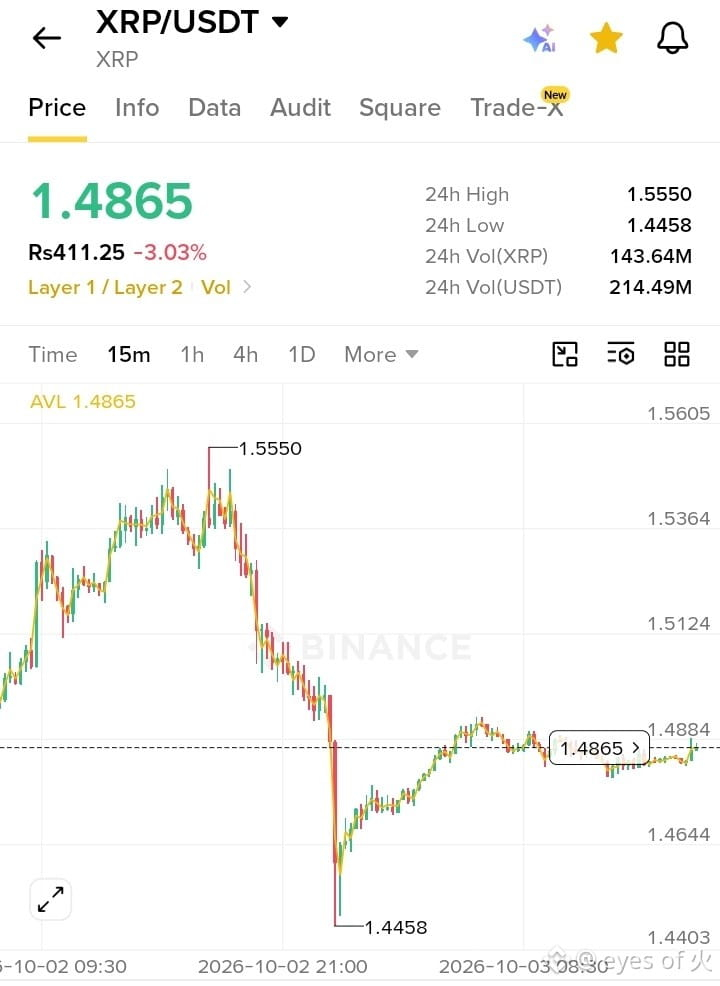
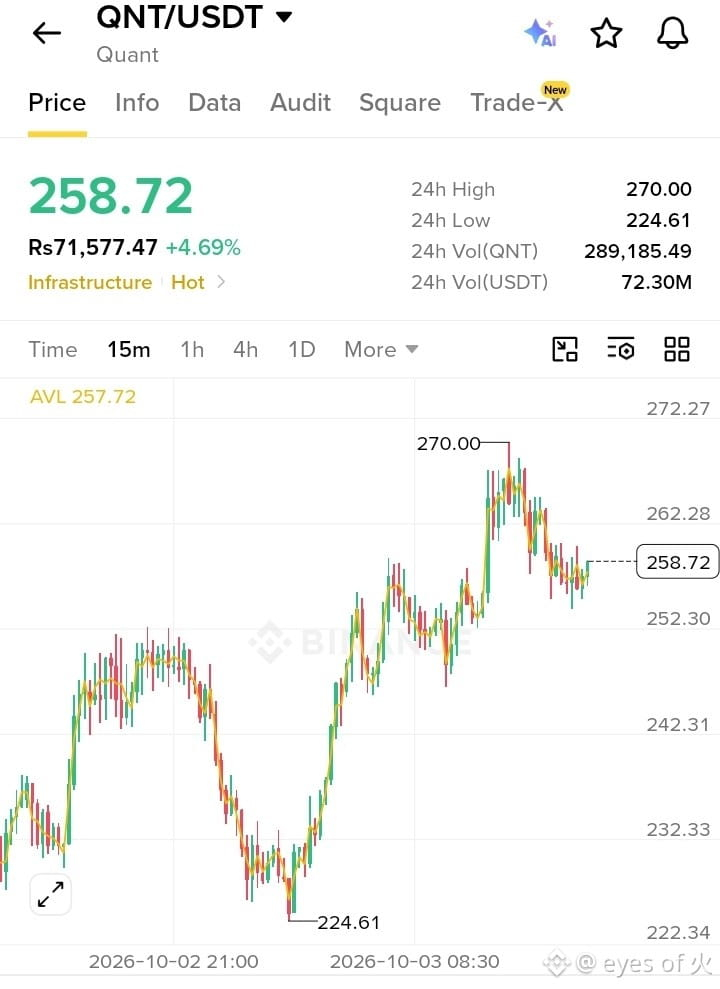
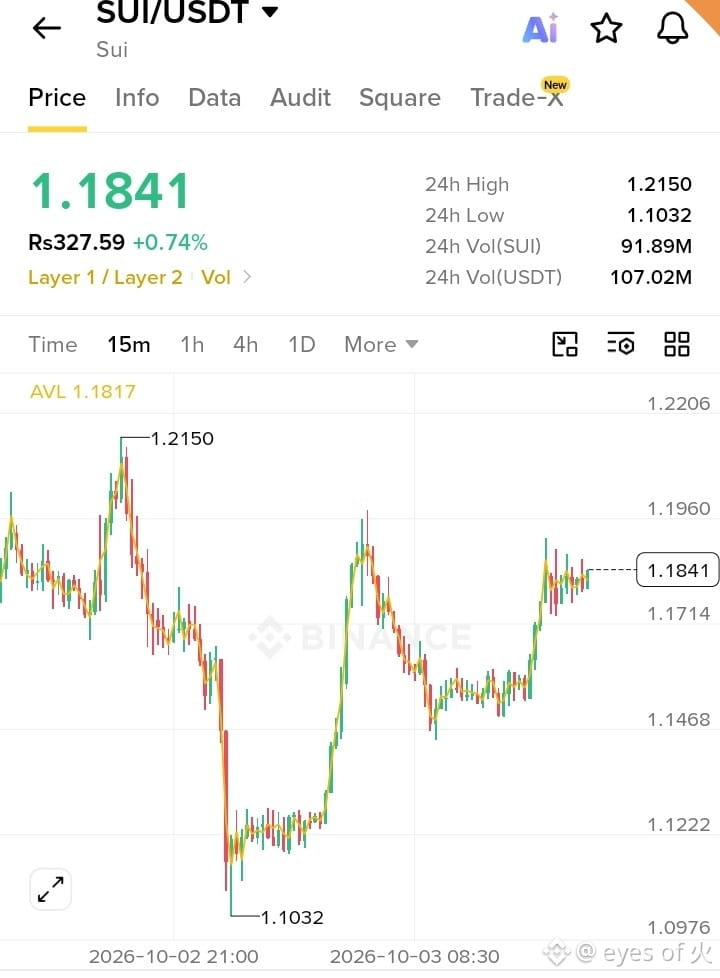
Watching $QNT , $SUI and $XRP today.
QNT has made a big move recently, so I’m watching if the momentum can continue or if we get another pullback.
SUI is also looking interesting after a strong week. I want to see if buyers can keep the momentum going from here.
XRP is a little different right now, but still worth watching. Waiting to see if buyers step back in.
Not chasing anything. Just watching the market and waiting for a clean move.
Which one are you watching?
#G7PlansToReleaseUpTo100MBarrelsOilDiesel #FedOctoberRateHikeOddsFallTo17% #NvidiaHitsRecordHighUp2.4% #CanaryFilesAmendedS1ForPEPEETF #CerebrasSinksNearly20%OnReportNvidiaToPowerOpenAI
{future}(XRPUSDT)
{future}(SUIUSDT)
{future}(QNTUSDT)
Watching $QNT , $SUI and $XRP today.
QNT has made a big move recently, so I’m watching if the momentum can continue or if we get another pullback.
SUI is also looking interesting after a strong week. I want to see if buyers can keep the momentum going from here.
XRP is a little different right now, but still worth watching. Waiting to see if buyers step back in.
Not chasing anything. Just watching the market and waiting for a clean move.
Which one are you watching?
#G7PlansToReleaseUpTo100MBarrelsOilDiesel #FedOctoberRateHikeOddsFallTo17% #NvidiaHitsRecordHighUp2.4% #CanaryFilesAmendedS1ForPEPEETF #CerebrasSinksNearly20%OnReportNvidiaToPowerOpenAI
QNT has made a big move recently, so I’m watching if the momentum can continue or if we get another pullback.
SUI is also looking interesting after a strong week. I want to see if buyers can keep the momentum going from here.
XRP is a little different right now, but still worth watching. Waiting to see if buyers step back in.
Not chasing anything. Just watching the market and waiting for a clean move.
Which one are you watching?
#G7PlansToReleaseUpTo100MBarrelsOilDiesel #FedOctoberRateHikeOddsFallTo17% #NvidiaHitsRecordHighUp2.4% #CanaryFilesAmendedS1ForPEPEETF #CerebrasSinksNearly20%OnReportNvidiaToPowerOpenAI
77
·
--
Haussier
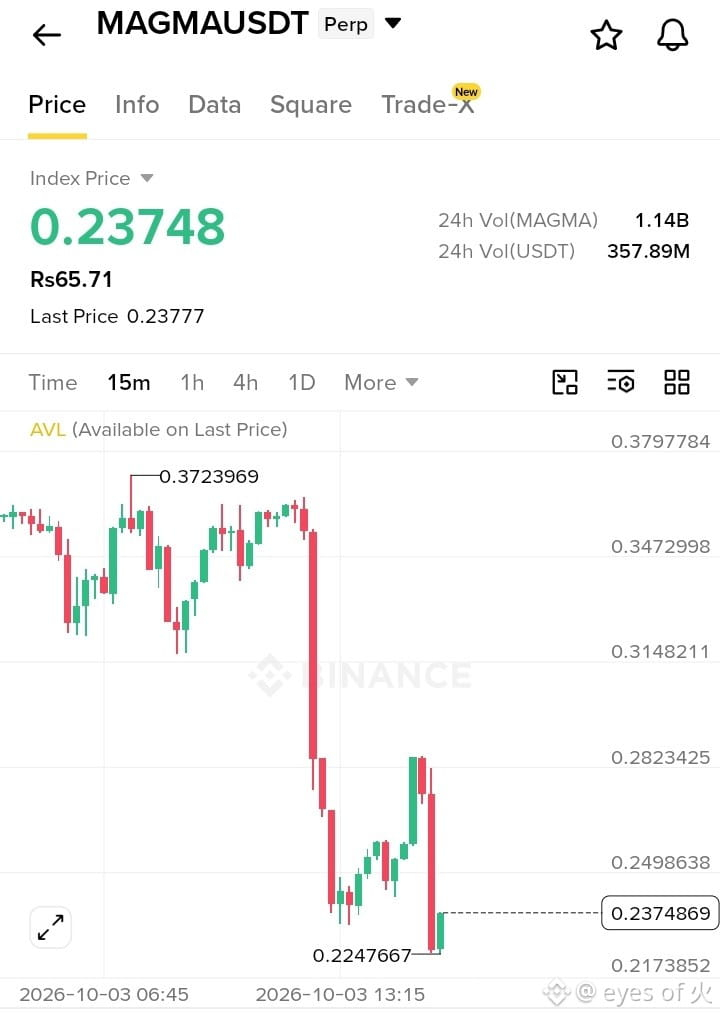
🚨 $MAGMA (MAGMAUSDT) is showing some serious volatility today! 📉 The price dropped from around $0.3724 to a low near $0.2248, marking a sharp decline. 😰 From that low, MAGMA bounced back toward $0.2823 before pulling back again, now trading around $0.2375. 📊 That means the coin remains roughly 36% below its recent high, while still recovering about 5.7% from the low. ⚡ High risk, high volatility, but the price action is definitely worth watching 👀🔥 in the short term.
#AnchorageReportedlyCuts17%Workforce #USRussiaUkraineTalksReportedlyIncludeLukoilOilDeal #SECProposesCryptoCustodyRules #G7PlansToReleaseUpTo100MBarrelsOilDiesel #ICBASuesOCCOverCryptoBankCharters
{future}(MAGMAUSDT)
🚨 $MAGMA (MAGMAUSDT) is showing some serious volatility today! 📉 The price dropped from around $0.3724 to a low near $0.2248, marking a sharp decline. 😰 From that low, MAGMA bounced back toward $0.2823 before pulling back again, now trading around $0.2375. 📊 That means the coin remains roughly 36% below its recent high, while still recovering about 5.7% from the low. ⚡ High risk, high volatility, but the price action is definitely worth watching 👀🔥 in the short term.
#AnchorageReportedlyCuts17%Workforce #USRussiaUkraineTalksReportedlyIncludeLukoilOilDeal #SECProposesCryptoCustodyRules #G7PlansToReleaseUpTo100MBarrelsOilDiesel #ICBASuesOCCOverCryptoBankCharters
#AnchorageReportedlyCuts17%Workforce #USRussiaUkraineTalksReportedlyIncludeLukoilOilDeal #SECProposesCryptoCustodyRules #G7PlansToReleaseUpTo100MBarrelsOilDiesel #ICBASuesOCCOverCryptoBankCharters
161
·
--
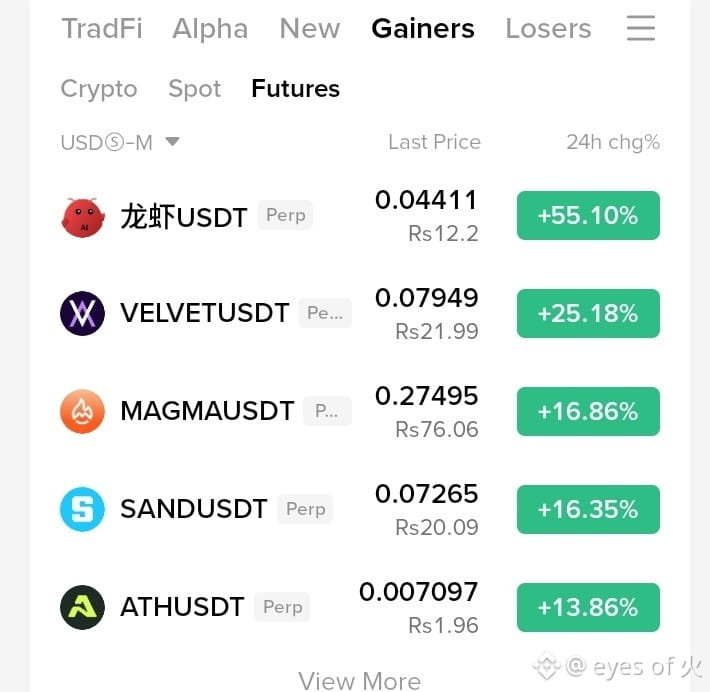
🔥 FUTURES WATCHLIST 🔥
🦞 $龙虾 USDT — Strong pump
⚠️ SHORT on rejection
💜 $VELVET USDT — Bullish momentum
🟢 LONG on pullback confirmation
🌋 $MAGMA USDT — Positive momentum
🟢 LONG while support holds
⚡ High volatility — use a stop-loss and avoid high leverage.
#ICBASuesOCCOverCryptoBankCharters #CerebrasSinksNearly20%OnReportNvidiaToPowerOpenAI #SECProposesCryptoCustodyRules #SECApproves3xLongCryptoCommodityETPs #ICBASuesOCCOverCryptoBankCharters
🔥 FUTURES WATCHLIST 🔥
🦞 $龙虾 USDT — Strong pump
⚠️ SHORT on rejection
💜 $VELVET USDT — Bullish momentum
🟢 LONG on pullback confirmation
🌋 $MAGMA USDT — Positive momentum
🟢 LONG while support holds
⚡ High volatility — use a stop-loss and avoid high leverage.
#ICBASuesOCCOverCryptoBankCharters #CerebrasSinksNearly20%OnReportNvidiaToPowerOpenAI #SECProposesCryptoCustodyRules #SECApproves3xLongCryptoCommodityETPs #ICBASuesOCCOverCryptoBankCharters
🦞 $龙虾 USDT — Strong pump
⚠️ SHORT on rejection
💜 $VELVET USDT — Bullish momentum
🟢 LONG on pullback confirmation
🌋 $MAGMA USDT — Positive momentum
🟢 LONG while support holds
⚡ High volatility — use a stop-loss and avoid high leverage.
#ICBASuesOCCOverCryptoBankCharters #CerebrasSinksNearly20%OnReportNvidiaToPowerOpenAI #SECProposesCryptoCustodyRules #SECApproves3xLongCryptoCommodityETPs #ICBASuesOCCOverCryptoBankCharters
1
259
·
--
Haussier
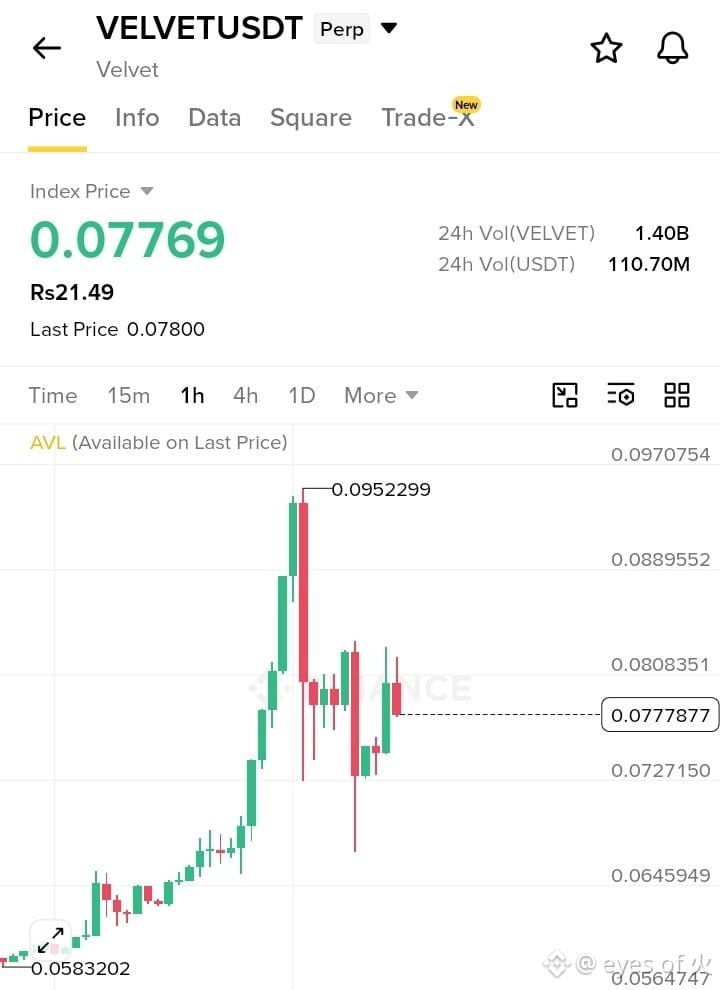
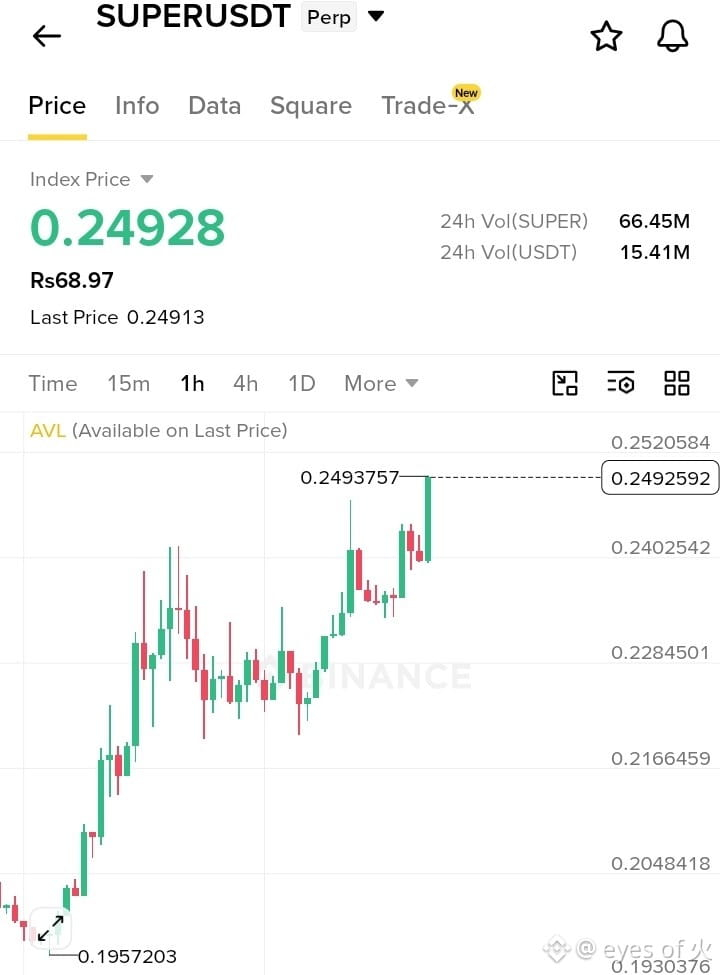
🚀 Binance Futures Watchlist: VELVET & SUPER 🚀
🔥 Both $VELVET USDT and $SUPER USDT are showing strong bullish momentum on the 1H chart. 📈 The price action is making higher moves, and buyers are currently showing strength. 💪
🟢 VELVETUSDT — LONG setup
🟢 SUPERUSDT — LONG setup
Watch the key support levels and manage your risk carefully. ⚠️ Don’t chase sudden pumps; wait for confirmation before entering. 🎯
💎 Long setup on both coins — trade smart and use proper risk management! 🚀📊
#NFPWatch #CerebrasSinksNearly20%OnReportNvidiaToPowerOpenAI #SECProposesCryptoCustodyRules #SECApproves3xLongCryptoCommodityETPs #G7PlansToReleaseUpTo100MBarrelsOilDiesel
{future}(SUPERUSDT)
{future}(VELVETUSDT)
🚀 Binance Futures Watchlist: VELVET & SUPER 🚀
🔥 Both $VELVET USDT and $SUPER USDT are showing strong bullish momentum on the 1H chart. 📈 The price action is making higher moves, and buyers are currently showing strength. 💪
🟢 VELVETUSDT — LONG setup
🟢 SUPERUSDT — LONG setup
Watch the key support levels and manage your risk carefully. ⚠️ Don’t chase sudden pumps; wait for confirmation before entering. 🎯
💎 Long setup on both coins — trade smart and use proper risk management! 🚀📊
#NFPWatch #CerebrasSinksNearly20%OnReportNvidiaToPowerOpenAI #SECProposesCryptoCustodyRules #SECApproves3xLongCryptoCommodityETPs #G7PlansToReleaseUpTo100MBarrelsOilDiesel
🔥 Both $VELVET USDT and $SUPER USDT are showing strong bullish momentum on the 1H chart. 📈 The price action is making higher moves, and buyers are currently showing strength. 💪
🟢 VELVETUSDT — LONG setup
🟢 SUPERUSDT — LONG setup
Watch the key support levels and manage your risk carefully. ⚠️ Don’t chase sudden pumps; wait for confirmation before entering. 🎯
💎 Long setup on both coins — trade smart and use proper risk management! 🚀📊
#NFPWatch #CerebrasSinksNearly20%OnReportNvidiaToPowerOpenAI #SECProposesCryptoCustodyRules #SECApproves3xLongCryptoCommodityETPs #G7PlansToReleaseUpTo100MBarrelsOilDiesel
1
186
·
--
Baissier
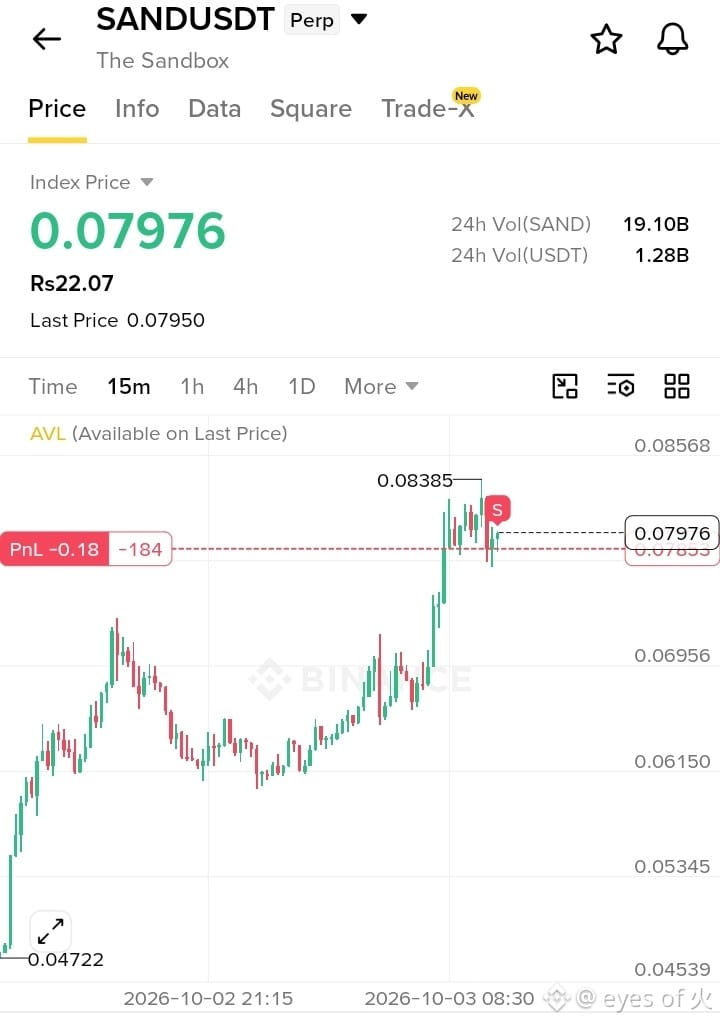
$SAND USDT is currently around 0.0797 on the 15-minute chart. Price recently pumped strongly from the 0.06 area and reached about 0.08385, then pulled back toward 0.0795–0.0800. The order book currently shows more bids than asks, but that can change quickly. The main support areas to watch are around 0.078, 0.0695 and 0.0615, while 0.0838–0.0857 is the important resistance zone. Your screenshot shows an open short that is currently slightly negative. Because SAND has moved very quickly, volatility is high, so using a clear stop-loss and managing leverage is important.
#NFPWatch #AnchorageReportedlyCuts17%Workforce #USStocksCloseHigherOnWeakJobsData #CerebrasSinksNearly20%OnReportNvidiaToPowerOpenAI #SECProposesCryptoCustodyRules
$SAND USDT is currently around 0.0797 on the 15-minute chart. Price recently pumped strongly from the 0.06 area and reached about 0.08385, then pulled back toward 0.0795–0.0800. The order book currently shows more bids than asks, but that can change quickly. The main support areas to watch are around 0.078, 0.0695 and 0.0615, while 0.0838–0.0857 is the important resistance zone. Your screenshot shows an open short that is currently slightly negative. Because SAND has moved very quickly, volatility is high, so using a clear stop-loss and managing leverage is important.
#NFPWatch #AnchorageReportedlyCuts17%Workforce #USStocksCloseHigherOnWeakJobsData #CerebrasSinksNearly20%OnReportNvidiaToPowerOpenAI #SECProposesCryptoCustodyRules
#NFPWatch #AnchorageReportedlyCuts17%Workforce #USStocksCloseHigherOnWeakJobsData #CerebrasSinksNearly20%OnReportNvidiaToPowerOpenAI #SECProposesCryptoCustodyRules
152
·
--
Haussier
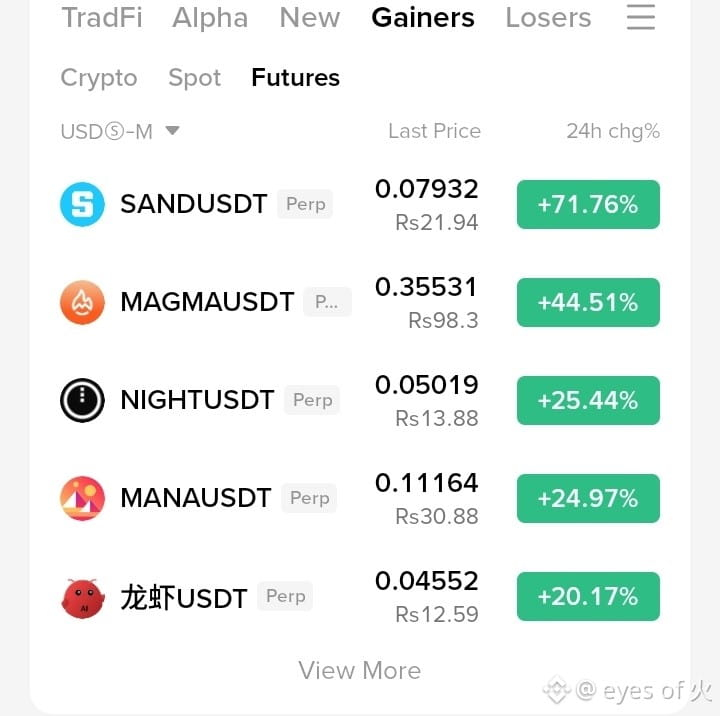
🔥 Top 3 Coins to Watch on Binance Futures 🚀
🌙 $NIGHT USDT — +25.44%
🏜️ $MANA USDT — +24.97%
🐉 $龙虾 USDT — +20.17%
⚡ Strong momentum is building in these 3 futures pairs!
📊 Keep an eye on volume and price action.
🛡️ Always manage your risk when trading leverage.
#SECProposesCryptoCustodyRules #NFPWatch #AnchorageReportedlyCuts17%Workforce #USStocksCloseHigherOnWeakJobsData #ICBASuesOCCOverCryptoBankCharters
🔥 Top 3 Coins to Watch on Binance Futures 🚀
🌙 $NIGHT USDT — +25.44%
🏜️ $MANA USDT — +24.97%
🐉 $龙虾 USDT — +20.17%
⚡ Strong momentum is building in these 3 futures pairs!
📊 Keep an eye on volume and price action.
🛡️ Always manage your risk when trading leverage.
#SECProposesCryptoCustodyRules #NFPWatch #AnchorageReportedlyCuts17%Workforce #USStocksCloseHigherOnWeakJobsData #ICBASuesOCCOverCryptoBankCharters
🌙 $NIGHT USDT — +25.44%
🏜️ $MANA USDT — +24.97%
🐉 $龙虾 USDT — +20.17%
⚡ Strong momentum is building in these 3 futures pairs!
📊 Keep an eye on volume and price action.
🛡️ Always manage your risk when trading leverage.
#SECProposesCryptoCustodyRules #NFPWatch #AnchorageReportedlyCuts17%Workforce #USStocksCloseHigherOnWeakJobsData #ICBASuesOCCOverCryptoBankCharters
203
·
--
Haussier
🚀 Binance Alpha Market Update 🚀
Three tokens are catching attention in the Binance Alpha market today! 👀📈
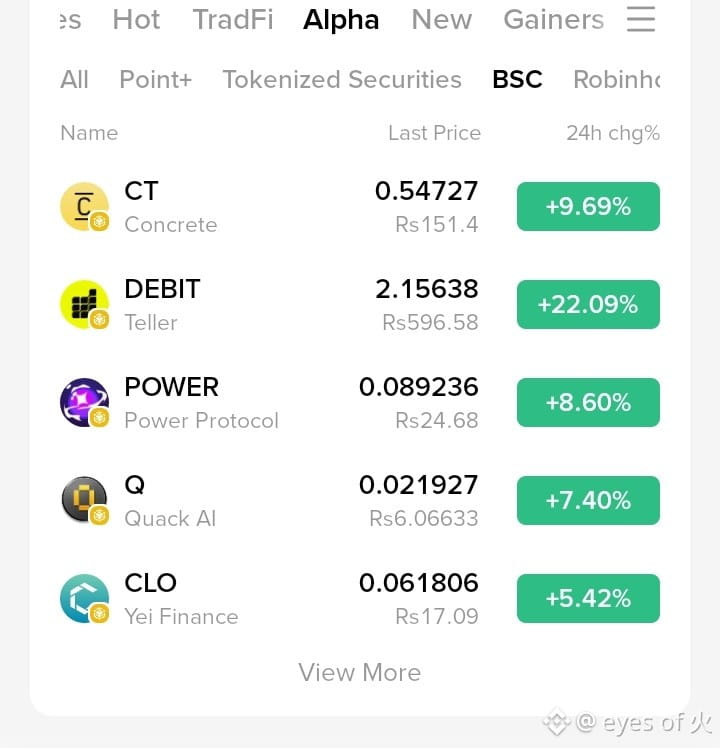
🟡$CT (Concrete) — showing strong momentum with +9.69%.
🟢 $DEBIT (Teller) — leading the move with an impressive +22.09%.
🟣 $POWER (Power Protocol) — also gaining with +8.60%.
These numbers show strong market activity and make these tokens worth watching closely. 🔥📊
💬 Which one are you watching?
❤️ Like, 🔄 share this post, and follow for more Binance Alpha updates!
#BitcoinFundingRateTriplesTo10% #G7PlansToReleaseUpTo100MBarrelsOilDiesel #ICBASuesOCCOverCryptoBankCharters #BlastToGraduallyShutDownItsL2Network #SECProposesCryptoCustodyRules
{alpha}(560x9dc44ae5be187eca9e2a67e33f27a4c91cea1223)
{alpha}(560x66661c7229901f568f16bd1551b3ba826f83ce49)
{alpha}(560x0a092e544da31150b439a1aaa1a3a2214a867f46)
🚀 Binance Alpha Market Update 🚀
Three tokens are catching attention in the Binance Alpha market today! 👀📈
🟡$CT (Concrete) — showing strong momentum with +9.69%.
🟢 $DEBIT (Teller) — leading the move with an impressive +22.09%.
🟣 $POWER (Power Protocol) — also gaining with +8.60%.
These numbers show strong market activity and make these tokens worth watching closely. 🔥📊
💬 Which one are you watching?
❤️ Like, 🔄 share this post, and follow for more Binance Alpha updates!
#BitcoinFundingRateTriplesTo10% #G7PlansToReleaseUpTo100MBarrelsOilDiesel #ICBASuesOCCOverCryptoBankCharters #BlastToGraduallyShutDownItsL2Network #SECProposesCryptoCustodyRules
Three tokens are catching attention in the Binance Alpha market today! 👀📈
🟡$CT (Concrete) — showing strong momentum with +9.69%.
🟢 $DEBIT (Teller) — leading the move with an impressive +22.09%.
🟣 $POWER (Power Protocol) — also gaining with +8.60%.
These numbers show strong market activity and make these tokens worth watching closely. 🔥📊
💬 Which one are you watching?
❤️ Like, 🔄 share this post, and follow for more Binance Alpha updates!
#BitcoinFundingRateTriplesTo10% #G7PlansToReleaseUpTo100MBarrelsOilDiesel #ICBASuesOCCOverCryptoBankCharters #BlastToGraduallyShutDownItsL2Network #SECProposesCryptoCustodyRules
185
·
--
Baissier
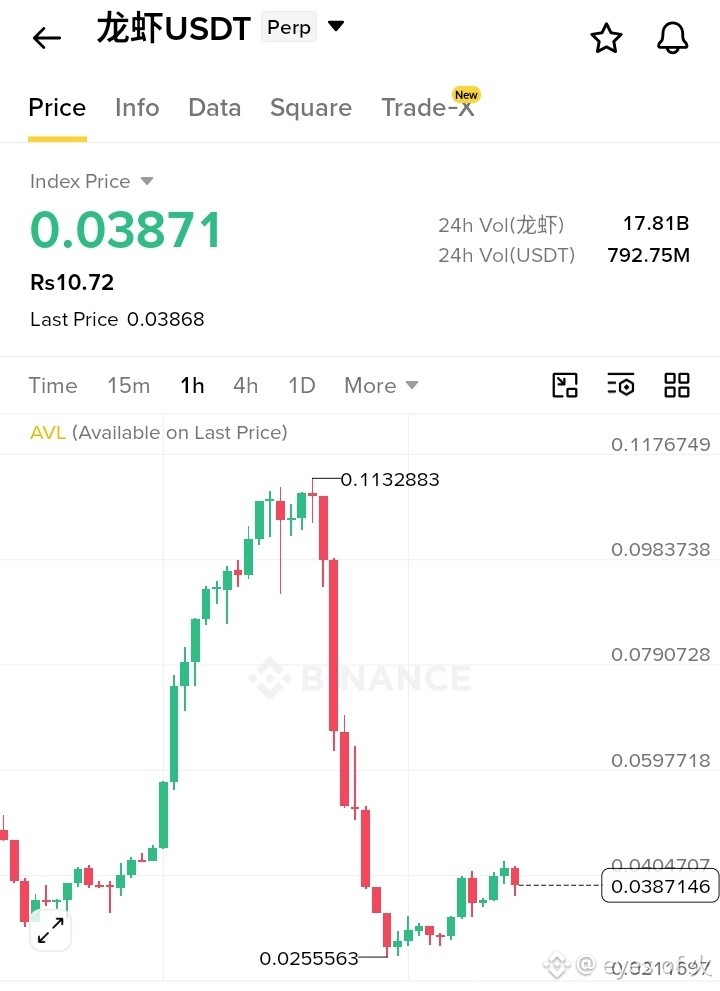
$龙虾 (LONGX) USDT is looking interesting right now 👀
After falling hard from around 0.1133 to 0.0255, the price has started to recover and is now around 0.0387. On the 1H chart, we can see some buying strength coming back, and the MACD is also starting to turn positive.
For me, the 0.040–0.044 area is important. If price can break and hold above it with good volume, the recovery could become stronger. But this coin is extremely volatile, so I’d keep risk management in mind.
Watching closely. DYOR.
#NFPWatch #BitcoinFundingRateTriplesTo10% #ZcashFalls21%FromSeptemberPeak #USSeptemberPayrollsAdd29KUnemploymentRises4.2% #XRPPostsFirstThreeGreenMonthsInQ3
{alpha}(560xeccbb861c0dda7efd964010085488b69317e4444)
$龙虾 (LONGX) USDT is looking interesting right now 👀
After falling hard from around 0.1133 to 0.0255, the price has started to recover and is now around 0.0387. On the 1H chart, we can see some buying strength coming back, and the MACD is also starting to turn positive.
For me, the 0.040–0.044 area is important. If price can break and hold above it with good volume, the recovery could become stronger. But this coin is extremely volatile, so I’d keep risk management in mind.
Watching closely. DYOR.
#NFPWatch #BitcoinFundingRateTriplesTo10% #ZcashFalls21%FromSeptemberPeak #USSeptemberPayrollsAdd29KUnemploymentRises4.2% #XRPPostsFirstThreeGreenMonthsInQ3
After falling hard from around 0.1133 to 0.0255, the price has started to recover and is now around 0.0387. On the 1H chart, we can see some buying strength coming back, and the MACD is also starting to turn positive.
For me, the 0.040–0.044 area is important. If price can break and hold above it with good volume, the recovery could become stronger. But this coin is extremely volatile, so I’d keep risk management in mind.
Watching closely. DYOR.
#NFPWatch #BitcoinFundingRateTriplesTo10% #ZcashFalls21%FromSeptemberPeak #USSeptemberPayrollsAdd29KUnemploymentRises4.2% #XRPPostsFirstThreeGreenMonthsInQ3
163
·
--
Haussier
🔥 Top 3 Futures Gainers to Watch! 🚀
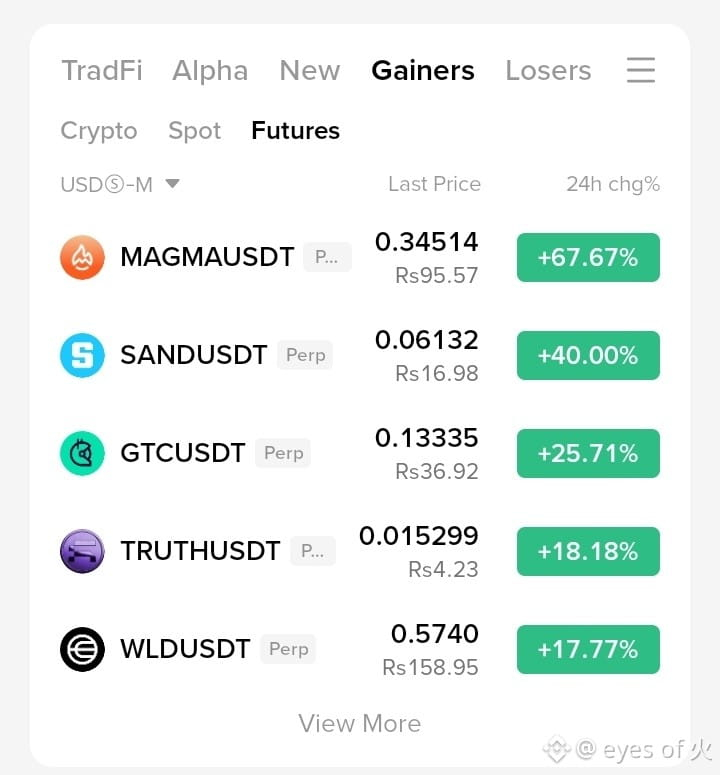
📈 1️⃣ MAGMAUSDT — +67.67% 🔥
💎 $MAGMA is leading the gainers with a powerful move in the last 24 hours!
📈 2️⃣ $SAND USDT — +40.00% 🟢
🚀 SAND is showing strong momentum and impressive buying activity.
📈 3️⃣ $GTC USDT — +25.71% ⚡
💥 GTC is also making a notable move, gaining over 25% in 24H.
👀 These are among the biggest current Futures movers — volatility is high, so always manage risk carefully. 🛡️
#NFPWatch #XRPPostsFirstThreeGreenMonthsInQ3 #USSeptemberPayrollsAdd29KUnemploymentRises4.2% #ZcashFalls21%FromSeptemberPeak #BitcoinFundingRateTriplesTo10%
{future}(SANDUSDT)
{future}(GTCUSDT)
{future}(MAGMAUSDT)
🔥 Top 3 Futures Gainers to Watch! 🚀
📈 1️⃣ MAGMAUSDT — +67.67% 🔥
💎 $MAGMA is leading the gainers with a powerful move in the last 24 hours!
📈 2️⃣ $SAND USDT — +40.00% 🟢
🚀 SAND is showing strong momentum and impressive buying activity.
📈 3️⃣ $GTC USDT — +25.71% ⚡
💥 GTC is also making a notable move, gaining over 25% in 24H.
👀 These are among the biggest current Futures movers — volatility is high, so always manage risk carefully. 🛡️
#NFPWatch #XRPPostsFirstThreeGreenMonthsInQ3 #USSeptemberPayrollsAdd29KUnemploymentRises4.2% #ZcashFalls21%FromSeptemberPeak #BitcoinFundingRateTriplesTo10%
📈 1️⃣ MAGMAUSDT — +67.67% 🔥
💎 $MAGMA is leading the gainers with a powerful move in the last 24 hours!
📈 2️⃣ $SAND USDT — +40.00% 🟢
🚀 SAND is showing strong momentum and impressive buying activity.
📈 3️⃣ $GTC USDT — +25.71% ⚡
💥 GTC is also making a notable move, gaining over 25% in 24H.
👀 These are among the biggest current Futures movers — volatility is high, so always manage risk carefully. 🛡️
#NFPWatch #XRPPostsFirstThreeGreenMonthsInQ3 #USSeptemberPayrollsAdd29KUnemploymentRises4.2% #ZcashFalls21%FromSeptemberPeak #BitcoinFundingRateTriplesTo10%
242
·
--
Haussier
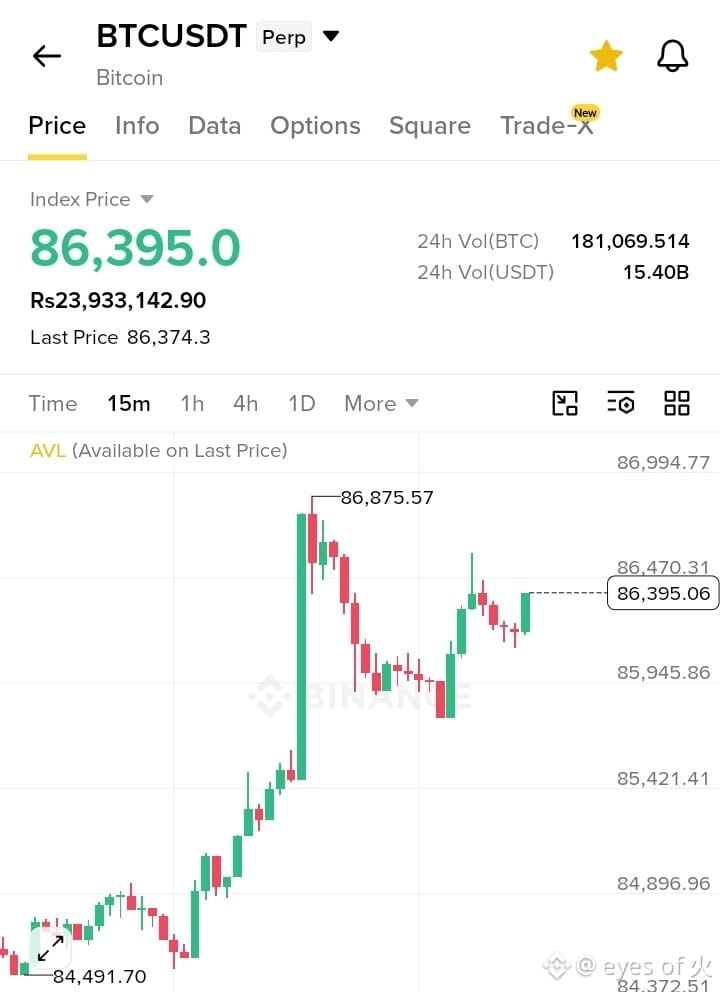
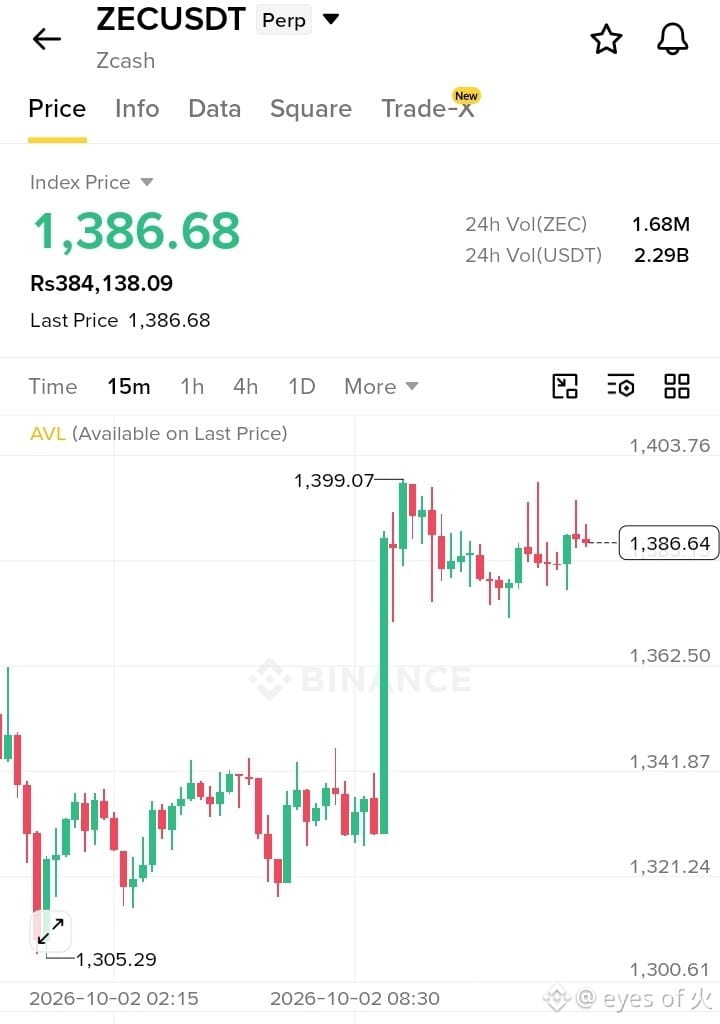
$BTC and $ZEC are both making some interesting moves right now. 👀
BTC is trading around $86.4K, after touching nearly $86.9K, while ZEC is around $1,386 after reaching about $1,399. Both have shown strong buying momentum after the recent pullbacks.
For me, the key now is whether buyers can hold these levels and push higher. The market is moving fast, so I’d avoid chasing sudden pumps and keep risk management in mind.
What are you watching more closely today — BTC or ZEC? 🚀📊
#EtherGains70.9%InQ3 #NFPWatch #AnthropicTargetsIPOAsSoonAsMidNovember #EthereumFoundationLaunchesZkAPIOnMainnet #SECProposesCryptoCustodyFramework
{future}(ZECUSDT)
{future}(BTCUSDT)
$BTC and $ZEC are both making some interesting moves right now. 👀
BTC is trading around $86.4K, after touching nearly $86.9K, while ZEC is around $1,386 after reaching about $1,399. Both have shown strong buying momentum after the recent pullbacks.
For me, the key now is whether buyers can hold these levels and push higher. The market is moving fast, so I’d avoid chasing sudden pumps and keep risk management in mind.
What are you watching more closely today — BTC or ZEC? 🚀📊
#EtherGains70.9%InQ3 #NFPWatch #AnthropicTargetsIPOAsSoonAsMidNovember #EthereumFoundationLaunchesZkAPIOnMainnet #SECProposesCryptoCustodyFramework
BTC is trading around $86.4K, after touching nearly $86.9K, while ZEC is around $1,386 after reaching about $1,399. Both have shown strong buying momentum after the recent pullbacks.
For me, the key now is whether buyers can hold these levels and push higher. The market is moving fast, so I’d avoid chasing sudden pumps and keep risk management in mind.
What are you watching more closely today — BTC or ZEC? 🚀📊
#EtherGains70.9%InQ3 #NFPWatch #AnthropicTargetsIPOAsSoonAsMidNovember #EthereumFoundationLaunchesZkAPIOnMainnet #SECProposesCryptoCustodyFramework
125
·
--
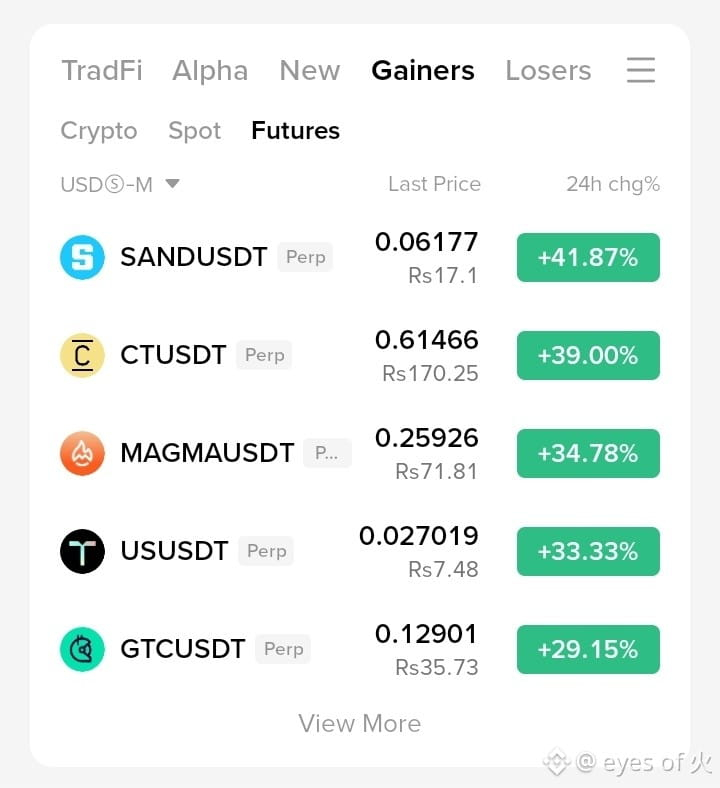
🚀 Top 3 Futures Gainers Today! 📈🔥
The Futures market is showing some serious momentum! 💥 Here are the Top 3 gainers from the list:
🥇 $SAND USDT — 🔥 +41.87%
💰 Price: 0.06177
🥈 $CT USDT — 🚀 +39.00%
💰 Price: 0.61466
🥉 $MAGMA USDT — 📈 +34.78%
💰 Price: 0.25926
⚡ Strong moves, strong momentum!
👀 Keep an eye on volume, volatility, and market structure before entering any trade.
💎 Trade smart. Manage your risk. Stay disciplined.
#EtherGains70.9%InQ3 #NFPWatch #EthereumFoundationLaunchesZkAPIOnMainnet #EvernorthPlansNasdaqListingOct8 #SECProposesCryptoCustodyFramework
🚀 Top 3 Futures Gainers Today! 📈🔥
The Futures market is showing some serious momentum! 💥 Here are the Top 3 gainers from the list:
🥇 $SAND USDT — 🔥 +41.87%
💰 Price: 0.06177
🥈 $CT USDT — 🚀 +39.00%
💰 Price: 0.61466
🥉 $MAGMA USDT — 📈 +34.78%
💰 Price: 0.25926
⚡ Strong moves, strong momentum!
👀 Keep an eye on volume, volatility, and market structure before entering any trade.
💎 Trade smart. Manage your risk. Stay disciplined.
#EtherGains70.9%InQ3 #NFPWatch #EthereumFoundationLaunchesZkAPIOnMainnet #EvernorthPlansNasdaqListingOct8 #SECProposesCryptoCustodyFramework
The Futures market is showing some serious momentum! 💥 Here are the Top 3 gainers from the list:
🥇 $SAND USDT — 🔥 +41.87%
💰 Price: 0.06177
🥈 $CT USDT — 🚀 +39.00%
💰 Price: 0.61466
🥉 $MAGMA USDT — 📈 +34.78%
💰 Price: 0.25926
⚡ Strong moves, strong momentum!
👀 Keep an eye on volume, volatility, and market structure before entering any trade.
💎 Trade smart. Manage your risk. Stay disciplined.
#EtherGains70.9%InQ3 #NFPWatch #EthereumFoundationLaunchesZkAPIOnMainnet #EvernorthPlansNasdaqListingOct8 #SECProposesCryptoCustodyFramework
95
·
--
Haussier
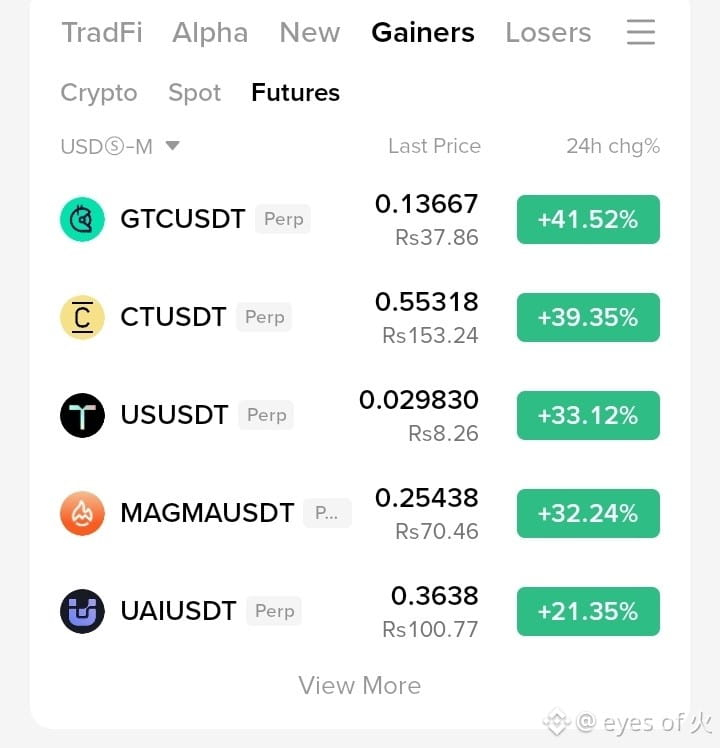
🚀 Crypto is moving today!
Three coins are catching attention on Binance Futures right now 👀📈
🔥 $GTC USDT: +41.52%
🔥 $CT USDT: +39.35%
🔥 $US USDT: +33.12%
That’s some serious movement in just 24 hours! 😮💨🚀
If you’re watching the market, these are definitely worth keeping an eye on. But remember — big pumps can also mean big volatility, so trade smart and manage your risk. 🛡️💰
#US10YearYieldNears5.3% #EthereumFoundationLaunchesZkAPIOnMainnet #EvernorthPlansNasdaqListingOct8 #AnthropicTargetsIPOAsSoonAsMidNovember #US10YearYieldNears5.3%
🚀 Crypto is moving today!
Three coins are catching attention on Binance Futures right now 👀📈
🔥 $GTC USDT: +41.52%
🔥 $CT USDT: +39.35%
🔥 $US USDT: +33.12%
That’s some serious movement in just 24 hours! 😮💨🚀
If you’re watching the market, these are definitely worth keeping an eye on. But remember — big pumps can also mean big volatility, so trade smart and manage your risk. 🛡️💰
#US10YearYieldNears5.3% #EthereumFoundationLaunchesZkAPIOnMainnet #EvernorthPlansNasdaqListingOct8 #AnthropicTargetsIPOAsSoonAsMidNovember #US10YearYieldNears5.3%
Three coins are catching attention on Binance Futures right now 👀📈
🔥 $GTC USDT: +41.52%
🔥 $CT USDT: +39.35%
🔥 $US USDT: +33.12%
That’s some serious movement in just 24 hours! 😮💨🚀
If you’re watching the market, these are definitely worth keeping an eye on. But remember — big pumps can also mean big volatility, so trade smart and manage your risk. 🛡️💰
#US10YearYieldNears5.3% #EthereumFoundationLaunchesZkAPIOnMainnet #EvernorthPlansNasdaqListingOct8 #AnthropicTargetsIPOAsSoonAsMidNovember #US10YearYieldNears5.3%
366
Connectez-vous pour découvrir plus de contenu
Rejoignez la communauté mondiale des adeptes de cryptomonnaies sur Binance Square
⚡️ Suviez les dernières informations importantes sur les cryptomonnaies.
💬 Jugé digne de confiance par la plus grande plateforme d’échange de cryptomonnaies au monde.
👍 Découvrez les connaissances que partagent les créateurs vérifiés.
Adresse e-mail/Nº de téléphone
Sujets d’actualité
ADAGains10%Above$0.27
12,090 vues
164 mentions
$ADA is making a strong move today jumping over 10 percent to around 027 and breaking into a new 90 day high
Trading volume has also surged above 1 billion showing strong market activity
The move comes as $ADA continues its recovery from the June lows while its recent technical structure has turned more bullish
The 027 to 028 zone is now the key area to watch A sustained breakout could open the door toward higher resistance levels
But after such a sharp daily move volatility could remain high
#ADAGains10%Above$0.27 #crypto #ADA #Cardano #crypto #Write2Earn
AbdullahAbid_7
·0 mentions J’aime
·339 vues
ETHUp70%InQ3ButLiquidityFalls
135,327 vues
983 mentions
EthStakingExitQueueHits2026High
47,783 vues
710 mentions