Binance Square
ARI ZAIM
3.5k Publications

ARI ZAIM

Binance Square Vérifié
BINANCE KOL
5 Suivis
28.2K+ Abonnés
39.0K+ J’aime
Publications
PINNED
·
--
Haussier
I keep staring at the Newton Protocol same problem in onchain finance. Most risk systems still feel too late. They explain what happened after the transaction has already settled, after the capital has moved, after the damage has a permanent record. I get why people focus there. Post-mortems are easier to understand. Reports feel concrete. Dashboards make risk look measurable. But I keep wondering if the more important question is not what went wrong. It is why the transaction was allowed through in the first place. That is where Newton Protocol $NEWT catches my attention. I do not see it as just another monitoring layer. I see it trying to move the decision point closer to execution, where a policy can check the transaction before it becomes final. For automated vaults, AI agents, and onchain strategies, that feels important. These systems are not built to pause and wait for human review. They move fast, and sometimes the rules around them move slower than the capital itself. Newton’s approach seems to ask a harder question. Can finance become more automated without becoming more careless? I can see both sides. More enforcement before settlement could make onchain systems safer and more accountable. But it also raises the bar for how well those policies are written, updated, and trusted. Still, I keep coming back to the same thought. The next serious shift in onchain finance may not be about finding risk faster. It may be about refusing the transaction before risk becomes history. #Newt @NewtonProtocol $NEWT {future}(NEWTUSDT)
I keep staring at the Newton Protocol same problem in onchain finance.

Most risk systems still feel too late.

They explain what happened after the transaction has already settled, after the capital has moved, after the damage has a permanent record.

I get why people focus there.

Post-mortems are easier to understand.

Reports feel concrete.

Dashboards make risk look measurable.

But I keep wondering if the more important question is not what went wrong.

It is why the transaction was allowed through in the first place.

That is where Newton Protocol $NEWT catches my attention.

I do not see it as just another monitoring layer.

I see it trying to move the decision point closer to execution, where a policy can check the transaction before it becomes final.

For automated vaults, AI agents, and onchain strategies, that feels important.

These systems are not built to pause and wait for human review.

They move fast, and sometimes the rules around them move slower than the capital itself.

Newton’s approach seems to ask a harder question.

Can finance become more automated without becoming more careless?

I can see both sides.

More enforcement before settlement could make onchain systems safer and more accountable.

But it also raises the bar for how well those policies are written, updated, and trusted.

Still, I keep coming back to the same thought.

The next serious shift in onchain finance may not be about finding risk faster.

It may be about refusing the transaction before risk becomes history.

#Newt @NewtonProtocol $NEWT
Article
Newton Protocol Is Not Selling Speed, It Is Selling Control Before ExecutionNewton Protocol (NEWT) is trying to deal with one of those problems crypto usually ignores until money has already moved and everyone is pretending they saw the risk coming. I’ve seen this pattern too many times. A wallet gives too much permission. A vault says it has rules, but the rules live in a document nobody reads when the market starts moving. An automated strategy gets handed control because the demo looked clean. Then something slips. Not always a hack. Sometimes it is just poor limits, bad assumptions, lazy permissions, or the usual grind of crypto systems being asked to do more than they were designed to handle. Newton is working on the permission layer before execution. That is the part I care about here. Not the slogan. Not the AI angle. Not the token chart. The actual question is simple: before an onchain action happens, can the system check whether that action is allowed? That sounds obvious. It is not. Most of crypto still treats permission like a blunt object. Approve this contract. Trust this wallet. Let this bot trade. Give this strategy access. Hope the limits hold. Hope the operator behaves. Hope the front end catches the issue. Hope nobody bypasses the clean interface and goes straight to the contract. Hope is not infrastructure. Newton’s idea is to put rules between the transaction request and the final action. A user, vault, agent, or automated system tries to do something. Newton checks that action against a policy. If it fits the rules, it can go through. If it does not, it should be stopped before the damage becomes permanent. That is the useful part. It is not glamorous. It is friction by design. And honestly, crypto needs more of that kind of friction in the right places. The project makes more sense when you look at where the market is heading. We are not only dealing with people clicking swap buttons anymore. We now have smart wallets, automated trading systems, vault strategies, AI agents, and onchain tools that can move faster than a human can review. Speed is impressive until it starts making mistakes at machine pace. An AI trading agent, for example, should not be treated like some magical assistant that deserves unlimited access to funds. That is how people get wrecked. It should have a box around it. Trade only these assets. Stay under this limit. Avoid certain contracts. Stop if conditions look wrong. Do not touch anything outside the job you were given. Newton is trying to make that box enforceable. Same with vaults. A vault can claim it follows risk rules, but I have learned to distrust claims that depend on everyone behaving correctly forever. Markets get ugly. People reach. Systems drift. Incentives bend the rules before the rules officially break. If a vault is supposed to avoid certain assets, stay inside certain exposure limits, or pause under bad conditions, those restrictions need to be part of the execution flow, not just nice language written above a deposit button. This is where Newton’s policy model comes in. A policy is basically the rulebook for what a transaction is allowed to do. It can define limits, permissions, required checks, and conditions. The proposed action is compared against that rulebook before the contract lets it happen. Simple idea. Heavy implementation. That is usually where I start getting suspicious. Crypto is full of simple ideas wrapped in fragile machinery. Newton has to make the checking process reliable, decentralized enough to matter, and easy enough for developers to use without creating new failure points. That is a hard mix. If the policy is badly written, the system can allow the wrong action or block the right one. If the integration is weak, users may think they are protected when they are not. If the data behind the policy is stale or messy, the rule can be clean and still produce a bad result. I’m not looking for perfect safety here. That does not exist. I’m looking for the moment this actually breaks, because every serious system eventually does. The question is whether it breaks in a controlled way or whether it becomes another black box people trusted because the branding sounded technical. The token, NEWT, sits inside the network’s design. It is tied to participation, fees, security incentives, and governance. That part is worth noting, but I would not over-romanticize it. Tokens always arrive with long lists of intended utility. Some of that becomes real. Some of it stays in pitch decks. What matters is whether the protocol actually needs the token for security and coordination, and whether governance becomes more than a decorative word attached to supply. There is also the usual market noise around supply, unlocks, liquidity, and early pricing. I have no interest in pretending that does not matter. It does. A strong technical idea can still trade badly. A useful protocol can still punish impatient holders. Token structure is not separate from the project’s reality; it becomes part of the pressure around it. Still, Newton has a cleaner reason to exist than many projects I come across. It is not recycling the same empty promise about making finance easier, faster, or more open. It is dealing with a narrow problem that becomes more serious as automation grows: who decides what an automated system is allowed to do before it does it? That question is going to matter. AI agents sound exciting until they are holding private keys. Automated vaults look efficient until risk moves faster than the controls. Smart wallets feel convenient until permissions become too broad. The more crypto hands over execution to software, the more it needs hard boundaries around that software. Newton’s bet is that authorization becomes a real layer of onchain infrastructure. Not a warning screen. Not a centralized filter. Not a promise from a team. A rule-checking system that contracts can actually use before they execute. I like the direction. I do not trust it yet. That is not an insult. Trust has to be earned in production, with real users, real value, ugly edge cases, and enough time for the shiny parts to wear off. The project needs adoption that goes beyond examples and early integrations. It needs developers to build with it because it solves a painful problem, not because it fits the current AI narrative. It needs policies that are understandable, secure, and boring enough to rely on. Boring is underrated in crypto. Most of the market is exhausted because it keeps being sold excitement when it needs durability. Newton Protocol may become useful if it can stay focused on that quiet job: checking whether an action should be allowed before the chain makes it final. No drama. No magic. Just a stricter gate before the irreversible part. And maybe that is enough, if the system can hold when the market stops being polite. #Newt @NewtonProtocol $NEWT

Newton Protocol Is Not Selling Speed, It Is Selling Control Before Execution

Newton Protocol (NEWT) is trying to deal with one of those problems crypto usually ignores until money has already moved and everyone is pretending they saw the risk coming.
I’ve seen this pattern too many times. A wallet gives too much permission. A vault says it has rules, but the rules live in a document nobody reads when the market starts moving. An automated strategy gets handed control because the demo looked clean. Then something slips. Not always a hack. Sometimes it is just poor limits, bad assumptions, lazy permissions, or the usual grind of crypto systems being asked to do more than they were designed to handle.
Newton is working on the permission layer before execution. That is the part I care about here. Not the slogan. Not the AI angle. Not the token chart. The actual question is simple: before an onchain action happens, can the system check whether that action is allowed?
That sounds obvious. It is not.
Most of crypto still treats permission like a blunt object. Approve this contract. Trust this wallet. Let this bot trade. Give this strategy access. Hope the limits hold. Hope the operator behaves. Hope the front end catches the issue. Hope nobody bypasses the clean interface and goes straight to the contract.
Hope is not infrastructure.
Newton’s idea is to put rules between the transaction request and the final action. A user, vault, agent, or automated system tries to do something. Newton checks that action against a policy. If it fits the rules, it can go through. If it does not, it should be stopped before the damage becomes permanent.
That is the useful part. It is not glamorous. It is friction by design. And honestly, crypto needs more of that kind of friction in the right places.
The project makes more sense when you look at where the market is heading. We are not only dealing with people clicking swap buttons anymore. We now have smart wallets, automated trading systems, vault strategies, AI agents, and onchain tools that can move faster than a human can review. Speed is impressive until it starts making mistakes at machine pace.
An AI trading agent, for example, should not be treated like some magical assistant that deserves unlimited access to funds. That is how people get wrecked. It should have a box around it. Trade only these assets. Stay under this limit. Avoid certain contracts. Stop if conditions look wrong. Do not touch anything outside the job you were given.
Newton is trying to make that box enforceable.
Same with vaults. A vault can claim it follows risk rules, but I have learned to distrust claims that depend on everyone behaving correctly forever. Markets get ugly. People reach. Systems drift. Incentives bend the rules before the rules officially break. If a vault is supposed to avoid certain assets, stay inside certain exposure limits, or pause under bad conditions, those restrictions need to be part of the execution flow, not just nice language written above a deposit button.
This is where Newton’s policy model comes in. A policy is basically the rulebook for what a transaction is allowed to do. It can define limits, permissions, required checks, and conditions. The proposed action is compared against that rulebook before the contract lets it happen.
Simple idea. Heavy implementation.
That is usually where I start getting suspicious. Crypto is full of simple ideas wrapped in fragile machinery. Newton has to make the checking process reliable, decentralized enough to matter, and easy enough for developers to use without creating new failure points. That is a hard mix. If the policy is badly written, the system can allow the wrong action or block the right one. If the integration is weak, users may think they are protected when they are not. If the data behind the policy is stale or messy, the rule can be clean and still produce a bad result.
I’m not looking for perfect safety here. That does not exist. I’m looking for the moment this actually breaks, because every serious system eventually does. The question is whether it breaks in a controlled way or whether it becomes another black box people trusted because the branding sounded technical.
The token, NEWT, sits inside the network’s design. It is tied to participation, fees, security incentives, and governance. That part is worth noting, but I would not over-romanticize it. Tokens always arrive with long lists of intended utility. Some of that becomes real. Some of it stays in pitch decks. What matters is whether the protocol actually needs the token for security and coordination, and whether governance becomes more than a decorative word attached to supply.
There is also the usual market noise around supply, unlocks, liquidity, and early pricing. I have no interest in pretending that does not matter. It does. A strong technical idea can still trade badly. A useful protocol can still punish impatient holders. Token structure is not separate from the project’s reality; it becomes part of the pressure around it.
Still, Newton has a cleaner reason to exist than many projects I come across. It is not recycling the same empty promise about making finance easier, faster, or more open. It is dealing with a narrow problem that becomes more serious as automation grows: who decides what an automated system is allowed to do before it does it?
That question is going to matter.
AI agents sound exciting until they are holding private keys. Automated vaults look efficient until risk moves faster than the controls. Smart wallets feel convenient until permissions become too broad. The more crypto hands over execution to software, the more it needs hard boundaries around that software.
Newton’s bet is that authorization becomes a real layer of onchain infrastructure. Not a warning screen. Not a centralized filter. Not a promise from a team. A rule-checking system that contracts can actually use before they execute.
I like the direction. I do not trust it yet.
That is not an insult. Trust has to be earned in production, with real users, real value, ugly edge cases, and enough time for the shiny parts to wear off. The project needs adoption that goes beyond examples and early integrations. It needs developers to build with it because it solves a painful problem, not because it fits the current AI narrative. It needs policies that are understandable, secure, and boring enough to rely on.
Boring is underrated in crypto. Most of the market is exhausted because it keeps being sold excitement when it needs durability.
Newton Protocol may become useful if it can stay focused on that quiet job: checking whether an action should be allowed before the chain makes it final. No drama. No magic. Just a stricter gate before the irreversible part.
And maybe that is enough, if the system can hold when the market stops being polite.
#Newt @NewtonProtocol $NEWT
·
--
Haussier
🚨 HUGEEE: Russia’s Central Bank moves to legalize #Bitcoin and crypto for international trade! 🇷🇺₿ Global adoption is accelerating fast. 🌍🚀 Crypto is entering the big leagues. 🔥
🚨 HUGEEE: Russia’s Central Bank moves to legalize #Bitcoin and crypto for international trade! 🇷🇺₿

Global adoption is accelerating fast. 🌍🚀

Crypto is entering the big leagues. 🔥
·
--
Haussier
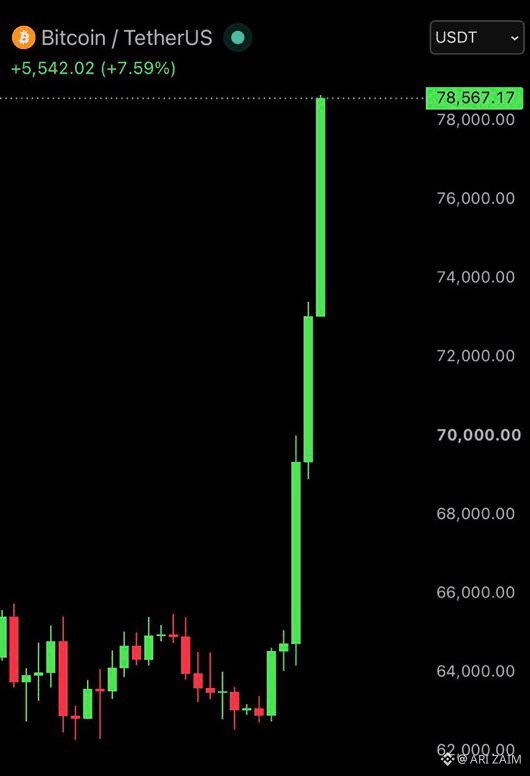
🚨 HUGE: U.S. banks can now officially buy and sell #Bitcoin 🇺🇸₿ The next wave of institutional adoption is here. 🔥 Bitcoin is going mainstream. 🚀
🚨 HUGE: U.S. banks can now officially buy and sell #Bitcoin 🇺🇸₿

The next wave of institutional adoption is here. 🔥

Bitcoin is going mainstream. 🚀
Article
Newton Protocol and the Uncomfortable Problem of Giving Software Too Much ControlNewton Protocol lands in a market that already looks half-asleep from too many AI coins, too many automation pitches, too many teams pretending a wallet with a script attached is the future of finance. I get why people roll their eyes. Most of this sector has been recycling the same story for years: faster execution, smarter strategies, better access, more efficiency. Nice words. Usually not enough. But Newton is at least pointing at a real wound. The problem is not that crypto lacks automation. It has plenty of that. Too much, sometimes. The problem is that once software gets permission to move money, the limits around that permission are often weak, vague, or buried somewhere outside the actual transaction flow. A wallet signs. A contract executes. Funds move. Then everyone starts asking what went wrong. I’ve seen that movie. Newton Protocol is trying to make the permission layer harder to ignore. The basic idea is that an automated system should not be able to act just because it has a signature or access route. It should have to pass rules first. Not marketing rules. Actual rules. Spending limits. Asset restrictions. Contract boundaries. Strategy limits. Conditions that say, “No, this action is outside the box.” That sounds obvious. It should be obvious. Crypto has a habit of discovering obvious things only after people lose money. The AI angle here is where the project can either become useful or drown in noise. An AI-driven strategy that can read conditions and adjust positions quickly is not impressive by itself anymore. Speed is cheap. Everyone sells speed. What matters is whether that system can be stopped when it starts doing something stupid, excessive, or simply outside the user’s intent. Because an agent does not feel hesitation. It does not get a bad feeling in its stomach before clicking confirm. It just runs. Newton’s pitch is that these agents need boundaries before they need more intelligence. I agree with that part. Take a simple trading setup. A user wants an automated strategy to manage a small portfolio, maybe rebalance between approved assets, reduce exposure when volatility gets ugly, and avoid touching unknown contracts. Without a proper permission structure, that setup can become too broad very quickly. The user thinks they gave the system a job. The system may effectively have a blank check. Newton wants to narrow that gap by making the strategy operate inside rules that are checked before execution. That is the useful version. The less useful version is the one every crypto project is tempted to sell: a shiny marketplace full of AI strategies, developers, agents, and dashboards, all wrapped in language that makes risk sound manageable because it has been given a new interface. I’m not interested in that version. Marketplaces are easy to announce. Real accountability is the grind. Where Newton becomes more serious is in vaults and managed onchain systems. A vault can claim it follows a strategy. It can publish limits. It can explain risk controls. Fine. But if those limits are not tied to execution, the user is still trusting someone or something to behave. Newton’s model tries to push those limits closer to the transaction itself. If a vault is supposed to avoid too much exposure to one asset, or stop under certain conditions, then the action should be blocked when it violates that rule. Not flagged later. Blocked. That is a big difference. I do not want another alert system pretending to be security. Alerts are useful, but they often arrive when the damage has already started. The harder question is whether a protocol can stop a bad action before the chain accepts it. Newton is trying to answer that question with policy enforcement. The NEWT token fits into this system through staking, operator participation, policy checks, disputes, and future governance. That gives it a cleaner purpose than many tokens attached to AI narratives. Operators have incentives to evaluate whether actions match the required rules. If they fail or act dishonestly, the design is supposed to create consequences. Supposed to. That is where I slow down. Token utility always looks neat in documentation. I’ve read enough of it to stop being impressed by diagrams. The real test is whether applications actually need Newton often enough for the token to matter. If automated wallets, vaults, and agent-based systems route meaningful activity through Newton, then NEWT has something to do. If usage stays thin, the utility becomes another quiet paragraph nobody reads after the first unlock cycle. And yes, supply matters. It always does. A project can have a decent idea and still grind through months of token pressure, low liquidity, and bored holders staring at charts that refuse to move. Infrastructure tokens are especially painful because the product may take time while the market wants proof now. Not a roadmap. Not a thread. Proof. I’m also looking for the moment this actually breaks. Not because I want it to fail. That is just where the truth usually shows up. A policy system sounds clean until markets become messy. What happens when a data source lags? What happens when a rule is written badly? What happens when a transaction should be blocked but slips through, or should pass but gets stuck? What happens when builders decide the extra security is not worth the integration friction? These are not small questions. They are the project. Newton is trying to sit between two uncomfortable realities. Users want automation because manual crypto is exhausting. At the same time, unlimited automation is dangerous. Nobody wants to approve every little action forever, but nobody should hand a strategy open access and hope it behaves. Newton’s value, if it finds any, sits in that middle space. There is something sensible here. Not glamorous. Sensible. The project’s better future is not as another loud AI coin. It is as a quiet control layer that developers use because they are tired of pretending trust assumptions disappear just because something is onchain. If Newton becomes boring infrastructure, that would probably be a good sign. Most useful crypto infrastructure is boring when it works. But it is early. Very early. The idea is stronger than the usual noise, yet the market has buried stronger ideas before. Adoption will decide more than branding. Security will decide more than token design. Real integrations will decide more than any clean explanation I can write. For now, I’m watching the same thing I always watch: not whether Newton sounds good, but whether people keep using it after the first wave of attention fades. #Newt @NewtonProtocol $NEWT

Newton Protocol and the Uncomfortable Problem of Giving Software Too Much Control

Newton Protocol lands in a market that already looks half-asleep from too many AI coins, too many automation pitches, too many teams pretending a wallet with a script attached is the future of finance. I get why people roll their eyes. Most of this sector has been recycling the same story for years: faster execution, smarter strategies, better access, more efficiency. Nice words. Usually not enough.
But Newton is at least pointing at a real wound.
The problem is not that crypto lacks automation. It has plenty of that. Too much, sometimes. The problem is that once software gets permission to move money, the limits around that permission are often weak, vague, or buried somewhere outside the actual transaction flow. A wallet signs. A contract executes. Funds move. Then everyone starts asking what went wrong.
I’ve seen that movie.
Newton Protocol is trying to make the permission layer harder to ignore. The basic idea is that an automated system should not be able to act just because it has a signature or access route. It should have to pass rules first. Not marketing rules. Actual rules. Spending limits. Asset restrictions. Contract boundaries. Strategy limits. Conditions that say, “No, this action is outside the box.”
That sounds obvious. It should be obvious. Crypto has a habit of discovering obvious things only after people lose money.
The AI angle here is where the project can either become useful or drown in noise. An AI-driven strategy that can read conditions and adjust positions quickly is not impressive by itself anymore. Speed is cheap. Everyone sells speed. What matters is whether that system can be stopped when it starts doing something stupid, excessive, or simply outside the user’s intent. Because an agent does not feel hesitation. It does not get a bad feeling in its stomach before clicking confirm. It just runs.
Newton’s pitch is that these agents need boundaries before they need more intelligence. I agree with that part.
Take a simple trading setup. A user wants an automated strategy to manage a small portfolio, maybe rebalance between approved assets, reduce exposure when volatility gets ugly, and avoid touching unknown contracts. Without a proper permission structure, that setup can become too broad very quickly. The user thinks they gave the system a job. The system may effectively have a blank check. Newton wants to narrow that gap by making the strategy operate inside rules that are checked before execution.
That is the useful version.
The less useful version is the one every crypto project is tempted to sell: a shiny marketplace full of AI strategies, developers, agents, and dashboards, all wrapped in language that makes risk sound manageable because it has been given a new interface. I’m not interested in that version. Marketplaces are easy to announce. Real accountability is the grind.
Where Newton becomes more serious is in vaults and managed onchain systems. A vault can claim it follows a strategy. It can publish limits. It can explain risk controls. Fine. But if those limits are not tied to execution, the user is still trusting someone or something to behave. Newton’s model tries to push those limits closer to the transaction itself. If a vault is supposed to avoid too much exposure to one asset, or stop under certain conditions, then the action should be blocked when it violates that rule. Not flagged later. Blocked.
That is a big difference.
I do not want another alert system pretending to be security. Alerts are useful, but they often arrive when the damage has already started. The harder question is whether a protocol can stop a bad action before the chain accepts it. Newton is trying to answer that question with policy enforcement.
The NEWT token fits into this system through staking, operator participation, policy checks, disputes, and future governance. That gives it a cleaner purpose than many tokens attached to AI narratives. Operators have incentives to evaluate whether actions match the required rules. If they fail or act dishonestly, the design is supposed to create consequences.
Supposed to.
That is where I slow down. Token utility always looks neat in documentation. I’ve read enough of it to stop being impressed by diagrams. The real test is whether applications actually need Newton often enough for the token to matter. If automated wallets, vaults, and agent-based systems route meaningful activity through Newton, then NEWT has something to do. If usage stays thin, the utility becomes another quiet paragraph nobody reads after the first unlock cycle.
And yes, supply matters. It always does. A project can have a decent idea and still grind through months of token pressure, low liquidity, and bored holders staring at charts that refuse to move. Infrastructure tokens are especially painful because the product may take time while the market wants proof now. Not a roadmap. Not a thread. Proof.
I’m also looking for the moment this actually breaks.
Not because I want it to fail. That is just where the truth usually shows up. A policy system sounds clean until markets become messy. What happens when a data source lags? What happens when a rule is written badly? What happens when a transaction should be blocked but slips through, or should pass but gets stuck? What happens when builders decide the extra security is not worth the integration friction? These are not small questions. They are the project.
Newton is trying to sit between two uncomfortable realities. Users want automation because manual crypto is exhausting. At the same time, unlimited automation is dangerous. Nobody wants to approve every little action forever, but nobody should hand a strategy open access and hope it behaves. Newton’s value, if it finds any, sits in that middle space.
There is something sensible here. Not glamorous. Sensible.
The project’s better future is not as another loud AI coin. It is as a quiet control layer that developers use because they are tired of pretending trust assumptions disappear just because something is onchain. If Newton becomes boring infrastructure, that would probably be a good sign. Most useful crypto infrastructure is boring when it works.
But it is early. Very early. The idea is stronger than the usual noise, yet the market has buried stronger ideas before. Adoption will decide more than branding. Security will decide more than token design. Real integrations will decide more than any clean explanation I can write.
For now, I’m watching the same thing I always watch: not whether Newton sounds good, but whether people keep using it after the first wave of attention fades.
#Newt @NewtonProtocol $NEWT
·
--
Haussier
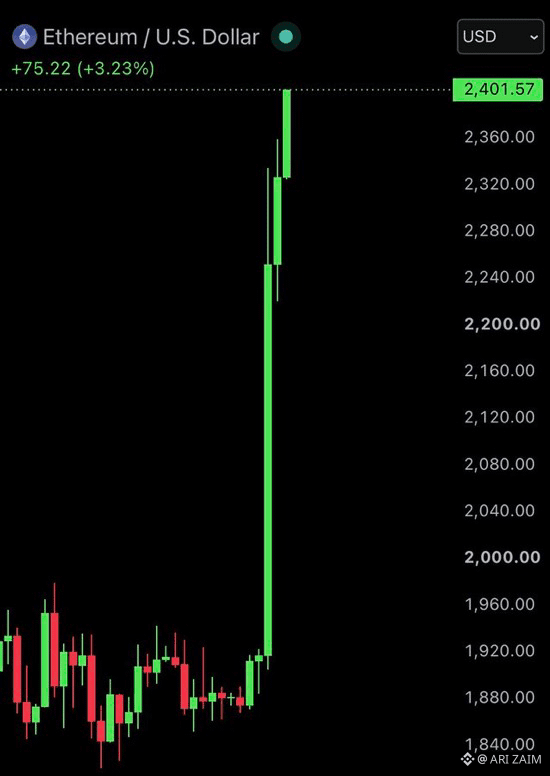
☕️ Coffee is outperforming $ETH … for now. 👀 Markets change fast. One strong move can flip the narrative. ⚡️🚀
☕️ Coffee is outperforming $ETH … for now. 👀

Markets change fast. One strong move can flip the narrative. ⚡️🚀
·
--
Haussier
🚨 HUGEEE 🇺🇸 “I’m a big fan of crypto.” 👀 The bullish momentum just keeps growing. 🚀🔥
🚨 HUGEEE 🇺🇸

“I’m a big fan of crypto.” 👀

The bullish momentum just keeps growing. 🚀🔥
·
--
Haussier
🚨 HUGE 🇺🇸 If this happens… No taxes on #Bitcoin and crypto transactions? 👀 That would be a massive win for adoption. Bullish times ahead. 🔥🚀
🚨 HUGE 🇺🇸

If this happens…

No taxes on #Bitcoin and crypto transactions? 👀

That would be a massive win for adoption. Bullish times ahead. 🔥🚀
·
--
Haussier
Vérifié
I like that Newton Protocol is chain-agnostic instead of trying to force every project onto a brand-new chain. That feels practical. Projects already have contracts, users, liquidity, integrations, and operations across EVM networks like Ethereum and Base. Nobody serious wants to rebuild everything just because a new infrastructure layer shows up with a shiny pitch. Newton lets teams plug in a policy client around what already works. I like that because useful infrastructure usually fits into existing systems instead of demanding a full rebuild just to prove a point. #Newt @NewtonProtocol $NEWT {future}(NEWTUSDT)
I like that Newton Protocol is chain-agnostic instead of trying to force every project onto a brand-new chain.

That feels practical.

Projects already have contracts, users, liquidity, integrations, and operations across EVM networks like Ethereum and Base. Nobody serious wants to rebuild everything just because a new infrastructure layer shows up with a shiny pitch.

Newton lets teams plug in a policy client around what already works.

I like that because useful infrastructure usually fits into existing systems instead of demanding a full rebuild just to prove a point.

#Newt @NewtonProtocol $NEWT
Article
Newton Protocol Is Quietly Tackling Crypto’s Biggest Automation Risk Before It ScalesNewton Protocol shows up in a market that already feels overfed on AI stories. I have seen this pattern too many times now. A project arrives with agents, automation, trading, developer marketplaces, some security language, a token, and a pitch that sounds just clean enough to pass through the noise. Most of them do not survive the grind. Some were never meant to. They recycle the same language, attach themselves to whatever narrative is moving, and hope the market is too tired to ask basic questions. Newton Protocol is a little harder to dismiss, but I am not giving it a free pass. The project is built around a real problem: if AI agents are going to touch crypto assets, they cannot be left wandering around with open permissions. That is not paranoia. That is just experience. Crypto already punishes small mistakes. Add automation to the mix and the mistake does not just happen once. It repeats, scales, routes through contracts, signs something ugly, and only then does everyone start pretending the risk was obvious. This is where Newton is trying to place itself. Not as another shiny agent that promises to trade better than humans, but as a layer that decides what an agent is allowed to do before it does it. That part matters. A lot of projects talk about intelligence. Fewer talk about restraint. And restraint is where the whole AI-in-crypto story either becomes useful or turns into another expensive mess. The basic idea is simple enough. A user or developer can define rules around automated activity. Maybe an agent can only spend up to a certain amount. Maybe it can only interact with approved contracts. Maybe it cannot send funds to unknown addresses. Maybe a larger transaction needs extra approval. Maybe certain behavior gets blocked before the transaction reaches the point of no return. That is not flashy. Good. Crypto has had enough flashy. The more interesting part of Newton Protocol is that it treats automation as something that needs a fence around it. That sounds obvious, but this industry has a long habit of giving dangerous tools to users and then blaming them when the tools behave exactly as designed. Wallet approvals, unlimited allowances, bridge risks, bad contracts, fake interfaces, rushed signatures — the list is long and boring now. Painfully boring. AI agents add another layer of friction because the user is no longer pressing every button. They are delegating. That word is doing a lot of work. Delegation means trust, and trust in crypto usually means somebody is about to find the weak point. Newton’s policy-based model is an attempt to narrow that trust. Instead of handing an agent broad access and hoping for the best, the project wants permissions to be written into clear rules. The agent can act, but only inside those rules. It can move, but not freely. It can automate, but not disappear into the dark with the keys. That is the strongest argument for the project. Not the AI angle. Not the marketplace angle. Not the token. The control layer. If Newton can make automated crypto activity more controlled without making it painful to use, then there is something here. But that “if” is heavy. It always is. I am looking for the moment this actually breaks. Not because I want it to fail, but because every infrastructure idea sounds clean before it meets real users, rushed developers, bad documentation, market volatility, and weird edge cases at 3 a.m. A policy system can look solid on paper and still fail because someone wrote the wrong rule, misunderstood the risk, trusted bad data, or made the setup too complicated for normal teams to use properly. That is where my doubt sits. Rules are only as good as the people writing them and the system enforcing them. A weak policy can create the worst kind of comfort: the feeling that something is protected when it is not. That is more dangerous than obvious risk. Obvious risk makes people nervous. Fake safety makes them lazy. Newton Protocol has to avoid becoming another layer of false confidence. For automated trading, the use case is easy to understand. An AI-driven strategy might scan markets, move assets, rebalance positions, or react to changing conditions. Without limits, that kind of system is a loaded weapon. Maybe it works most of the time. Maybe it works until liquidity dries up, a contract changes, a route gets manipulated, or the agent follows a signal it should have ignored. With Newton, the hope is that the agent’s action gets checked before execution. Does it match the allowed strategy? Is the amount within limits? Is the destination approved? Is the contract acceptable? If not, the action stops. That sounds practical. It also sounds like the kind of thing that will only matter if developers actually use it when there is no marketing campaign pushing them to do so. The real test, though, is not whether Newton can describe good safeguards. The real test is whether builders can integrate those safeguards without slowing themselves to death. Crypto developers are impatient. Traders are worse. If the system adds too much delay, too much cost, or too much configuration friction, they will route around it. They always do. Security loses when it feels like paperwork. That is the line Newton has to walk. Strong enough to matter. Light enough to be used. The project also has a wider role beyond trading. That may actually be where it becomes more believable. Automated treasury management, controlled payments, agent permissions, safer wallet workflows, developer marketplaces, restricted contract access — these are less exciting than “AI trading,” but they are probably more durable. The boring use cases tend to last longer. They have less narrative sugar and more actual need. A project treasury does not need a dramatic agent. It needs something that will not send funds somewhere stupid. A user does not need magic. They need limits. A developer does not need another slogan. They need tools that do not collapse under real conditions. This is why I keep coming back to Newton’s focus on permissioned automation. It is one of the few parts of the AI-crypto conversation that does not immediately feel like recycled noise. If agents are going to operate onchain, someone has to define what they cannot do. That negative space matters. The blocked transaction may be more valuable than the successful one. Still, there is a token here, and tokens always complicate the story. NEWT is meant to support participation, security incentives, fee activity, and governance. That makes sense as a design. Operators need incentives. The network needs coordination. Users and developers need a way to access the system. Fine. But I have watched too many tokens become a distraction from the thing they were supposed to support. Token charts move faster than infrastructure adoption. Unlocks, emissions, liquidity, early allocations, market makers, and speculative flows can bury the actual question for months: is anyone using the protocol because they need it? That is what I care about. Not whether the market can pump another AI-related asset for a few days. It can. It has. It will again. I want to see whether Newton becomes something developers rely on when real money is at stake. I want to see whether its policy system gets used in live products, not just demos. I want to see whether teams trust it enough to place permissions inside it. I want to see what happens when the market gets ugly and automated systems start behaving under stress. That is when infrastructure reveals itself. Newton Protocol has a decent thesis because the problem is real. Crypto automation is coming whether people are ready or not. AI agents will manage funds, execute transactions, interact with contracts, and make mistakes at machine speed. The industry can either pretend intelligence solves everything, or it can admit that automated systems need hard boundaries. Newton is betting on boundaries. That is the part I respect. But respect is not conviction. Not yet. The project still has to prove that its rules are usable, its security model holds up, its developer experience is not a grind, and its token has demand beyond narrative chasing. It has to prove that permissioned automation is not just a clean phrase, but a working habit across real crypto products. The market does not need another AI label pasted onto old machinery. It needs fewer disasters. Maybe Newton helps with that. Maybe it becomes one more serious attempt buried under the usual noise. For now, I am watching the permissions, not the promises. #Newt @NewtonProtocol $NEWT

Newton Protocol Is Quietly Tackling Crypto’s Biggest Automation Risk Before It Scales

Newton Protocol shows up in a market that already feels overfed on AI stories.
I have seen this pattern too many times now. A project arrives with agents, automation, trading, developer marketplaces, some security language, a token, and a pitch that sounds just clean enough to pass through the noise. Most of them do not survive the grind. Some were never meant to. They recycle the same language, attach themselves to whatever narrative is moving, and hope the market is too tired to ask basic questions.
Newton Protocol is a little harder to dismiss, but I am not giving it a free pass.
The project is built around a real problem: if AI agents are going to touch crypto assets, they cannot be left wandering around with open permissions. That is not paranoia. That is just experience. Crypto already punishes small mistakes. Add automation to the mix and the mistake does not just happen once. It repeats, scales, routes through contracts, signs something ugly, and only then does everyone start pretending the risk was obvious.
This is where Newton is trying to place itself. Not as another shiny agent that promises to trade better than humans, but as a layer that decides what an agent is allowed to do before it does it. That part matters. A lot of projects talk about intelligence. Fewer talk about restraint.
And restraint is where the whole AI-in-crypto story either becomes useful or turns into another expensive mess.
The basic idea is simple enough. A user or developer can define rules around automated activity. Maybe an agent can only spend up to a certain amount. Maybe it can only interact with approved contracts. Maybe it cannot send funds to unknown addresses. Maybe a larger transaction needs extra approval. Maybe certain behavior gets blocked before the transaction reaches the point of no return.
That is not flashy. Good.
Crypto has had enough flashy.
The more interesting part of Newton Protocol is that it treats automation as something that needs a fence around it. That sounds obvious, but this industry has a long habit of giving dangerous tools to users and then blaming them when the tools behave exactly as designed. Wallet approvals, unlimited allowances, bridge risks, bad contracts, fake interfaces, rushed signatures — the list is long and boring now. Painfully boring.
AI agents add another layer of friction because the user is no longer pressing every button. They are delegating. That word is doing a lot of work. Delegation means trust, and trust in crypto usually means somebody is about to find the weak point.
Newton’s policy-based model is an attempt to narrow that trust. Instead of handing an agent broad access and hoping for the best, the project wants permissions to be written into clear rules. The agent can act, but only inside those rules. It can move, but not freely. It can automate, but not disappear into the dark with the keys.
That is the strongest argument for the project.
Not the AI angle. Not the marketplace angle. Not the token.
The control layer.
If Newton can make automated crypto activity more controlled without making it painful to use, then there is something here. But that “if” is heavy. It always is.
I am looking for the moment this actually breaks. Not because I want it to fail, but because every infrastructure idea sounds clean before it meets real users, rushed developers, bad documentation, market volatility, and weird edge cases at 3 a.m. A policy system can look solid on paper and still fail because someone wrote the wrong rule, misunderstood the risk, trusted bad data, or made the setup too complicated for normal teams to use properly.
That is where my doubt sits.
Rules are only as good as the people writing them and the system enforcing them. A weak policy can create the worst kind of comfort: the feeling that something is protected when it is not. That is more dangerous than obvious risk. Obvious risk makes people nervous. Fake safety makes them lazy.
Newton Protocol has to avoid becoming another layer of false confidence.
For automated trading, the use case is easy to understand. An AI-driven strategy might scan markets, move assets, rebalance positions, or react to changing conditions. Without limits, that kind of system is a loaded weapon. Maybe it works most of the time. Maybe it works until liquidity dries up, a contract changes, a route gets manipulated, or the agent follows a signal it should have ignored.
With Newton, the hope is that the agent’s action gets checked before execution. Does it match the allowed strategy? Is the amount within limits? Is the destination approved? Is the contract acceptable? If not, the action stops.
That sounds practical. It also sounds like the kind of thing that will only matter if developers actually use it when there is no marketing campaign pushing them to do so.
The real test, though, is not whether Newton can describe good safeguards. The real test is whether builders can integrate those safeguards without slowing themselves to death. Crypto developers are impatient. Traders are worse. If the system adds too much delay, too much cost, or too much configuration friction, they will route around it. They always do.
Security loses when it feels like paperwork.
That is the line Newton has to walk. Strong enough to matter. Light enough to be used.
The project also has a wider role beyond trading. That may actually be where it becomes more believable. Automated treasury management, controlled payments, agent permissions, safer wallet workflows, developer marketplaces, restricted contract access — these are less exciting than “AI trading,” but they are probably more durable. The boring use cases tend to last longer. They have less narrative sugar and more actual need.
A project treasury does not need a dramatic agent. It needs something that will not send funds somewhere stupid.
A user does not need magic. They need limits.
A developer does not need another slogan. They need tools that do not collapse under real conditions.
This is why I keep coming back to Newton’s focus on permissioned automation. It is one of the few parts of the AI-crypto conversation that does not immediately feel like recycled noise. If agents are going to operate onchain, someone has to define what they cannot do. That negative space matters. The blocked transaction may be more valuable than the successful one.
Still, there is a token here, and tokens always complicate the story.
NEWT is meant to support participation, security incentives, fee activity, and governance. That makes sense as a design. Operators need incentives. The network needs coordination. Users and developers need a way to access the system. Fine.
But I have watched too many tokens become a distraction from the thing they were supposed to support. Token charts move faster than infrastructure adoption. Unlocks, emissions, liquidity, early allocations, market makers, and speculative flows can bury the actual question for months: is anyone using the protocol because they need it?
That is what I care about.
Not whether the market can pump another AI-related asset for a few days. It can. It has. It will again.
I want to see whether Newton becomes something developers rely on when real money is at stake. I want to see whether its policy system gets used in live products, not just demos. I want to see whether teams trust it enough to place permissions inside it. I want to see what happens when the market gets ugly and automated systems start behaving under stress.
That is when infrastructure reveals itself.
Newton Protocol has a decent thesis because the problem is real. Crypto automation is coming whether people are ready or not. AI agents will manage funds, execute transactions, interact with contracts, and make mistakes at machine speed. The industry can either pretend intelligence solves everything, or it can admit that automated systems need hard boundaries.
Newton is betting on boundaries.
That is the part I respect.
But respect is not conviction. Not yet. The project still has to prove that its rules are usable, its security model holds up, its developer experience is not a grind, and its token has demand beyond narrative chasing. It has to prove that permissioned automation is not just a clean phrase, but a working habit across real crypto products.
The market does not need another AI label pasted onto old machinery.
It needs fewer disasters.
Maybe Newton helps with that. Maybe it becomes one more serious attempt buried under the usual noise. For now, I am watching the permissions, not the promises.
#Newt @NewtonProtocol $NEWT
·
--
Haussier
🚨 BLACKROCK IS BUYING AGAIN! After 11 straight days of selling, BlackRock’s Bitcoin ETF just scooped up $209.39M in $BTC The biggest player is back. 👀🔥
🚨 BLACKROCK IS BUYING AGAIN!

After 11 straight days of selling, BlackRock’s Bitcoin ETF just scooped up $209.39M in $BTC

The biggest player is back. 👀🔥
·
--
Haussier
Partiellement vrai
🚨 BLOODBATH IN KOREA! SK Hynix & Samsung just plunged ~9%, wiping out nearly ₩280 TRILLION in market value in a single day. When nearly half the Korean market gets hit at once… the world pays attention. 📉🔥
🚨 BLOODBATH IN KOREA!

SK Hynix & Samsung just plunged ~9%, wiping out nearly ₩280 TRILLION in market value in a single day.

When nearly half the Korean market gets hit at once… the world pays attention. 📉🔥
·
--
Haussier
🚨 CZ: “US banks are buying Bitcoin.” When institutions move, markets follow. The next bull run could be legendary. 🚀🔥
🚨 CZ: “US banks are buying Bitcoin.”

When institutions move, markets follow. The next bull run could be legendary. 🚀🔥
·
--
Haussier
Vérifié
🚨 $74M more in ETH. Over 5.74M ETH now held. Conviction at this scale speaks volumes. The long-term Ethereum story is just getting started. 🚀🔥
🚨 $74M more in ETH. Over 5.74M ETH now held.

Conviction at this scale speaks volumes. The long-term Ethereum story is just getting started. 🚀🔥
·
--
Haussier
I looked at Newton Protocol token design, and the fixed supply makes the structure easier to understand. NEWT has a capped supply of 1 billion tokens. But the more important part, at least for me, is what the token actually does inside the network. It is used for network operator rewards, staking, governance, and paying for compliance compute fees. That gives NEWT a role beyond just being a chart people watch all day. The big question I keep coming back to is simple: can compliance compute become a real fee market? That is the part I am watching closely. #Newt @NewtonProtocol $NEWT {future}(NEWTUSDT)
I looked at Newton Protocol token design, and the fixed supply makes the structure easier to understand.

NEWT has a capped supply of 1 billion tokens. But the more important part, at least for me, is what the token actually does inside the network.

It is used for network operator rewards, staking, governance, and paying for compliance compute fees.

That gives NEWT a role beyond just being a chart people watch all day.

The big question I keep coming back to is simple: can compliance compute become a real fee market?

That is the part I am watching closely.

#Newt @NewtonProtocol $NEWT
·
--
Haussier
🇺🇸 BREAKING: The White House says the U.S. government is now setting up its Strategic Bitcoin Reserve and crypto stockpile. This isn’t just another headline—it’s a historic shift. Bitcoin is entering a whole new era. 🚀🔥
🇺🇸 BREAKING: The White House says the U.S. government is now setting up its Strategic Bitcoin Reserve and crypto stockpile.

This isn’t just another headline—it’s a historic shift.

Bitcoin is entering a whole new era. 🚀🔥
Article
Newton Protocol Is Trying to Put Brakes on Automated Onchain FinanceI have seen enough crypto infrastructure pitches to know the pattern by now. New token, new chart, new technical language, same old promise wearing a cleaner shirt. The market gives it attention for a while. Liquidity shows up. Early holders talk like they have found the missing piece of the whole industry. Then the first wave runs out of air, and the chart starts looking tired. So when I look at Newton Protocol and NEWT, I do not start from excitement. I start from doubt. That is probably the only honest way to look at any early crypto infrastructure token. The market has been through too much recycled storytelling. Too many layers. Too many networks. Too many systems claiming they will fix what the last system failed to fix. After a while, the words blur together. Automation. Agents. Intents. Rollups. Permissions. Security. Marketplace. It becomes noise. Newton does have one advantage, though. It is pointing at a real problem. Crypto is very good at moving money. Sometimes too good. A wallet can send funds in seconds. A contract can execute without asking anyone twice. A strategy can move assets while the user is asleep. That speed used to feel like the whole point. Now it also feels like a warning. The industry built fast rails before it built enough brakes. That is the part Newton is trying to deal with. The idea is not just to make automated systems act faster. The idea is to make them act only when they are allowed to act. That sounds boring until you remember how much money has been lost because users signed the wrong approval, trusted the wrong tool, or gave a strategy more access than it should have had. Permission is not exciting. Permission is not a hype cycle. But permission is where a lot of crypto risk actually lives. A user should be able to say, “This automated strategy can trade this asset, but only up to this limit.” A treasury should be able to say, “Payments can go out, but not above this amount and not to unknown addresses.” A developer should be able to build an automated tool without asking users to hand over wide-open wallet access. If the rule is broken, the transaction should not go through. Simple idea. Hard to build properly. That is where Newton Protocol becomes interesting. It is trying to create an authorization layer for onchain activity. In plain language, it wants rules to be checked before money moves. Not after. Not in a report. Not through some messy manual review. Before execution. I like the direction. I do not trust it yet. There is a difference. NEWT is still trading like an early-stage infrastructure token. It has liquidity, but it is not being treated like a proven network. The token has already gone through the usual early excitement and correction cycle. That matters because the easy phase is over. A new token can live on attention for a while. It cannot live on attention forever. Now comes the grind. Who is using it? Are developers building useful things with it? Are real permissions being created, updated, and enforced? Is there actual demand for the token inside the system, or is the market still trading a future that has not arrived yet? Those are the questions that matter. The problem Newton is working on is not imaginary. Automated crypto activity already exists everywhere. Trading strategies, treasury tools, yield systems, rebalancing scripts, payment flows, liquidation engines, and wallet-based agents are already part of the market. Some are useful. Some are dangerous. Some are dressed up as advanced tools when they are really just risky shortcuts. The ugly truth is that many users do not understand what they are approving. They connect a wallet. They sign. They move on. Maybe nothing bad happens. Maybe the tool works. Maybe the strategy makes money. Or maybe that one approval becomes the open door someone walks through later. This is not a theory. It has happened again and again. Newton’s pitch is that automated systems need tighter boundaries. A strategy should not get full freedom just because the user wants convenience. It should get a narrow job. One task. One limit. One set of conditions. One expiry if needed. If it tries to move outside that box, it should fail. That is a healthier version of automation. A trading bot with broad wallet access is not “smart finance.” It is a loaded risk sitting quietly until something goes wrong. Maybe it behaves for months. Maybe it even performs well. But if it breaks, the blockchain will not care. There is no undo button. No friendly support team reversing the transaction. No one coming in to clean up the mess because the user “did not mean it that way.” Finality sounds elegant when everything works. It feels brutal when it does not. A controlled permission system gives the risk a shape. That is important. Most crypto losses feel worse because the risk had no edges. Unlimited approvals. Unclear contract paths. Hidden execution logic. Strategies that are calm in normal markets and chaotic when volatility hits. A user thinks they allowed one thing, but the system can do much more. Newton is trying to make those edges clearer. Its structure is built around the idea that permissions can be stored, updated, and enforced in a more organized way. There is a registry concept for automated models or trigger-based contracts. There is a dedicated permission layer for managing what users allow. There are instructions that define what should happen when certain conditions are met. The technical parts matter, but I care more about the practical result. Can a user revoke permission cleanly? Can a strategy be stopped before it crosses a limit? Can a treasury rule be enforced without trusting one tired signer to catch every detail? Can developers build useful automated tools without asking users for too much control? That is where this either becomes real or disappears into the pile. Permissions in crypto are messy right now. They live everywhere and nowhere. A wallet approval sits in one place. A rule inside an app sits somewhere else. A session key might remain active long after the user forgot about it. A governance vote may approve a policy, but execution still depends on people manually doing the right thing. A trading team may have internal limits, but the wallet itself has no idea those limits exist. That gap between policy and execution is dangerous. Newton wants to close some of that gap. If it can, the value is obvious. Not flashy. Not loud. Just useful. Think about a small protocol treasury. Nothing glamorous. Just a team trying to survive the market cycle. It holds some stablecoins, some native tokens, maybe some ETH for fees. Contributors need to be paid. Idle funds need to be managed. A few positions need to be rebalanced. Today, that usually means multisigs, spreadsheets, manual checks, and messages asking who is handling what. A better permission system would make that less fragile. Payments could be capped. Addresses could be pre-approved. Yield venues could be restricted. Rebalancing could happen only inside a set range. No improvising at midnight. No accidental transfer because someone copied the wrong address while half asleep. No giving one tool more authority than it needs. That is not glamorous infrastructure. That is useful infrastructure. Retail traders need the same kind of protection, maybe even more. A user may want a strategy to manage a position automatically. Fine. But handing that strategy broad wallet access is madness dressed as convenience. The safer setup is narrow. One asset. One strategy. One spending limit. One expiry. If the condition is not met, nothing happens. If the trade is too large, nothing happens. If the permission has expired, nothing happens. Sometimes nothing happening is the best possible outcome. The marketplace idea around Newton is where I get more cautious. The dream is easy to understand. Developers publish automated strategies or agents. Users choose what they want. Permissions keep everything controlled. In theory, this creates a safer place for useful tools to exist. In theory. Crypto marketplaces also attract junk. That is the part nobody likes to say too loudly. Open systems bring good builders, but they also bring copycats, rushed experiments, fake sophistication, and yield promises that look fine until they are tested by real volatility. A permission layer can limit what a bad tool is allowed to touch. It cannot make a bad tool good. It cannot make a careless developer careful. It cannot force users to understand risk. So Newton’s marketplace will need quality control. Reputation. Clear warnings. Strong defaults. Maybe audits. Maybe community review. Maybe all of it. Without that, it becomes another crowded shelf of tools nobody should trust. Still, the need is real. Right now, developers who build automated crypto products often have to ask for too much trust. Users connect wallets, approve contracts, and hope the tool behaves. That setup creates friction for honest developers and danger for users. A cleaner permission system could help both sides. Developers get a safer way to distribute tools. Users get tighter control. That is the part I can respect. Less magic. More boundaries. The token side is where the story gets heavier. NEWT is meant to be used for things like staking, network fees, permission updates, operator collateral, and governance. That sounds reasonable on paper. Most token utility sounds reasonable on paper. I have read too many token models where every bullet point makes sense until you ask the only question that matters: who is paying, how often, and because of what real need? That is what NEWT has to prove. If Newton becomes a system people actually use, then fee demand could matter. If operators need to stake NEWT to participate, that could matter. If developers need collateral, that could matter. If users are constantly creating, updating, and revoking permissions, that could matter too. But until that activity is visible, the token is still mostly trading on expectation. And expectation is thin. It does not take much to tear it. Supply is another issue. NEWT has a fixed maximum supply, but not all of it is circulating. More tokens are scheduled to unlock over time. That does not automatically make the token bad. Serious projects usually have vesting schedules. Teams, backers, ecosystem funds, and community rewards all need allocation plans. But unlocks become heavy when demand is weak. If usage grows while more supply enters the market, the token has a better chance of absorbing it. If usage stays unclear, every unlock becomes another thing traders worry about. That is just how this market works. People can pretend fundamentals are all that matter, but token supply has crushed plenty of decent stories. A project can be useful and still be a bad trade for a long time. A token can pump and still be attached to nothing. Both things are true. Newton does have some credibility because it is not coming from nowhere. The team behind it has experience in wallet infrastructure, and that matters because wallet permissions are exactly where this problem becomes visible. Approvals, delegated access, session keys, user onboarding, transaction limits — these are not random topics. They sit close to what Newton is trying to build. But experience is not adoption. That is the real test. Will wallets integrate it? Will apps rely on it? Will DAOs use it for treasury flows? Will developers publish tools people actually want? Will users care enough about safer automation to use a new permission layer instead of just clicking through whatever is easiest? That last part worries me. Crypto users say they want safety, but they often choose speed until the loss happens. Then everyone wants better controls. Then the memory fades, and the cycle starts again. Newton needs to make safety feel natural, not like homework. If using it feels heavy, users will avoid it. If developers find integration annoying, they will skip it. If the system adds friction without clear protection, it will lose. Useful friction is good. Pointless friction kills products. The timing may help Newton. Stablecoins are being used for more than trading now. Treasuries, payments, payroll experiments, remittances, and settlement flows are becoming more common. Tokenized assets are also pulling more serious expectations into onchain markets. As more real financial activity moves through crypto rails, permission systems become harder to ignore. Old finance understood this a long time ago, even if it buried everything under paperwork. Spending limits. Approval chains. Trade restrictions. Fraud checks. Account controls. Crypto removed a lot of that and gained speed, openness, and self-custody. It also created a world where one bad signature can be enough to ruin someone. Now the industry is slowly rebuilding guardrails. The better version of that is not copying banks. It is making controls programmable. Different users need different rules. A retail trader does not need the same setup as a DAO. A payment app does not need the same rules as a trading desk. A developer marketplace does not need the same permissions as a payroll system. That flexibility is where Newton’s idea makes sense. Still, being right about the problem is not enough. I have seen too many projects correctly identify a real issue and still fail. They failed because the product was too hard to use. Because integrations never came. Because incentives attracted farmers instead of builders. Because the token became the main story and the software became background noise. Because another team shipped something simpler. Because the market moved on. Crypto is a grind. Most projects are not built for the grind. The strongest version of Newton would be quiet. Users would not talk about its architecture. They would not care about the technical pieces behind it. They would just know that an automated strategy cannot drain more than it is allowed to drain. A treasury rule cannot be ignored casually. A permission can be revoked without hunting through five different tools. A developer can offer automation without asking for reckless trust. That would be enough. Not exciting enough for a hype thread, maybe. But enough to matter. For NEWT, I would watch the boring signals. Actual integrations. Useful developer activity. Permission usage. Fee activity. Marketplace quality. Whether unlocks are absorbed or become a drag. Whether real teams use Newton when nobody is paying them to announce it. Whether the system becomes infrastructure people rely on quietly, or another token people remember only when volume spikes. The market is exhausted because it has been fed too many clean stories attached to messy products. Newton at least starts from a problem that feels real. Onchain automation does need better permissioning. Users should not have to choose between doing everything manually and giving a bot too much control. There has to be a middle layer where a user can say yes without handing over the whole house. Maybe Newton becomes part of that layer. Maybe it becomes another name in the pile. For now, I’m watching the same thing I always watch after the first hype fades: whether anyone keeps using it when the noise moves somewhere else. #Newt @NewtonProtocol $NEWT

Newton Protocol Is Trying to Put Brakes on Automated Onchain Finance

I have seen enough crypto infrastructure pitches to know the pattern by now. New token, new chart, new technical language, same old promise wearing a cleaner shirt. The market gives it attention for a while. Liquidity shows up. Early holders talk like they have found the missing piece of the whole industry. Then the first wave runs out of air, and the chart starts looking tired.
So when I look at Newton Protocol and NEWT, I do not start from excitement.
I start from doubt.
That is probably the only honest way to look at any early crypto infrastructure token. The market has been through too much recycled storytelling. Too many layers. Too many networks. Too many systems claiming they will fix what the last system failed to fix. After a while, the words blur together. Automation. Agents. Intents. Rollups. Permissions. Security. Marketplace. It becomes noise.
Newton does have one advantage, though.
It is pointing at a real problem.
Crypto is very good at moving money. Sometimes too good. A wallet can send funds in seconds. A contract can execute without asking anyone twice. A strategy can move assets while the user is asleep. That speed used to feel like the whole point. Now it also feels like a warning. The industry built fast rails before it built enough brakes.
That is the part Newton is trying to deal with.
The idea is not just to make automated systems act faster. The idea is to make them act only when they are allowed to act. That sounds boring until you remember how much money has been lost because users signed the wrong approval, trusted the wrong tool, or gave a strategy more access than it should have had.
Permission is not exciting. Permission is not a hype cycle. But permission is where a lot of crypto risk actually lives.
A user should be able to say, “This automated strategy can trade this asset, but only up to this limit.” A treasury should be able to say, “Payments can go out, but not above this amount and not to unknown addresses.” A developer should be able to build an automated tool without asking users to hand over wide-open wallet access. If the rule is broken, the transaction should not go through.
Simple idea.
Hard to build properly.
That is where Newton Protocol becomes interesting. It is trying to create an authorization layer for onchain activity. In plain language, it wants rules to be checked before money moves. Not after. Not in a report. Not through some messy manual review. Before execution.
I like the direction. I do not trust it yet.
There is a difference.
NEWT is still trading like an early-stage infrastructure token. It has liquidity, but it is not being treated like a proven network. The token has already gone through the usual early excitement and correction cycle. That matters because the easy phase is over. A new token can live on attention for a while. It cannot live on attention forever.
Now comes the grind.
Who is using it? Are developers building useful things with it? Are real permissions being created, updated, and enforced? Is there actual demand for the token inside the system, or is the market still trading a future that has not arrived yet?
Those are the questions that matter.
The problem Newton is working on is not imaginary. Automated crypto activity already exists everywhere. Trading strategies, treasury tools, yield systems, rebalancing scripts, payment flows, liquidation engines, and wallet-based agents are already part of the market. Some are useful. Some are dangerous. Some are dressed up as advanced tools when they are really just risky shortcuts.
The ugly truth is that many users do not understand what they are approving.
They connect a wallet. They sign. They move on. Maybe nothing bad happens. Maybe the tool works. Maybe the strategy makes money. Or maybe that one approval becomes the open door someone walks through later.
This is not a theory. It has happened again and again.
Newton’s pitch is that automated systems need tighter boundaries. A strategy should not get full freedom just because the user wants convenience. It should get a narrow job. One task. One limit. One set of conditions. One expiry if needed. If it tries to move outside that box, it should fail.
That is a healthier version of automation.
A trading bot with broad wallet access is not “smart finance.” It is a loaded risk sitting quietly until something goes wrong. Maybe it behaves for months. Maybe it even performs well. But if it breaks, the blockchain will not care. There is no undo button. No friendly support team reversing the transaction. No one coming in to clean up the mess because the user “did not mean it that way.”
Finality sounds elegant when everything works.
It feels brutal when it does not.
A controlled permission system gives the risk a shape. That is important. Most crypto losses feel worse because the risk had no edges. Unlimited approvals. Unclear contract paths. Hidden execution logic. Strategies that are calm in normal markets and chaotic when volatility hits. A user thinks they allowed one thing, but the system can do much more.
Newton is trying to make those edges clearer.
Its structure is built around the idea that permissions can be stored, updated, and enforced in a more organized way. There is a registry concept for automated models or trigger-based contracts. There is a dedicated permission layer for managing what users allow. There are instructions that define what should happen when certain conditions are met.
The technical parts matter, but I care more about the practical result.
Can a user revoke permission cleanly?
Can a strategy be stopped before it crosses a limit?
Can a treasury rule be enforced without trusting one tired signer to catch every detail?
Can developers build useful automated tools without asking users for too much control?
That is where this either becomes real or disappears into the pile.
Permissions in crypto are messy right now. They live everywhere and nowhere. A wallet approval sits in one place. A rule inside an app sits somewhere else. A session key might remain active long after the user forgot about it. A governance vote may approve a policy, but execution still depends on people manually doing the right thing. A trading team may have internal limits, but the wallet itself has no idea those limits exist.
That gap between policy and execution is dangerous.
Newton wants to close some of that gap. If it can, the value is obvious. Not flashy. Not loud. Just useful.
Think about a small protocol treasury. Nothing glamorous. Just a team trying to survive the market cycle. It holds some stablecoins, some native tokens, maybe some ETH for fees. Contributors need to be paid. Idle funds need to be managed. A few positions need to be rebalanced. Today, that usually means multisigs, spreadsheets, manual checks, and messages asking who is handling what.
A better permission system would make that less fragile. Payments could be capped. Addresses could be pre-approved. Yield venues could be restricted. Rebalancing could happen only inside a set range. No improvising at midnight. No accidental transfer because someone copied the wrong address while half asleep. No giving one tool more authority than it needs.
That is not glamorous infrastructure.
That is useful infrastructure.
Retail traders need the same kind of protection, maybe even more. A user may want a strategy to manage a position automatically. Fine. But handing that strategy broad wallet access is madness dressed as convenience. The safer setup is narrow. One asset. One strategy. One spending limit. One expiry. If the condition is not met, nothing happens. If the trade is too large, nothing happens. If the permission has expired, nothing happens.
Sometimes nothing happening is the best possible outcome.
The marketplace idea around Newton is where I get more cautious.
The dream is easy to understand. Developers publish automated strategies or agents. Users choose what they want. Permissions keep everything controlled. In theory, this creates a safer place for useful tools to exist. In theory.
Crypto marketplaces also attract junk.
That is the part nobody likes to say too loudly. Open systems bring good builders, but they also bring copycats, rushed experiments, fake sophistication, and yield promises that look fine until they are tested by real volatility. A permission layer can limit what a bad tool is allowed to touch. It cannot make a bad tool good. It cannot make a careless developer careful. It cannot force users to understand risk.
So Newton’s marketplace will need quality control. Reputation. Clear warnings. Strong defaults. Maybe audits. Maybe community review. Maybe all of it.
Without that, it becomes another crowded shelf of tools nobody should trust.
Still, the need is real. Right now, developers who build automated crypto products often have to ask for too much trust. Users connect wallets, approve contracts, and hope the tool behaves. That setup creates friction for honest developers and danger for users. A cleaner permission system could help both sides. Developers get a safer way to distribute tools. Users get tighter control.
That is the part I can respect.
Less magic. More boundaries.
The token side is where the story gets heavier.
NEWT is meant to be used for things like staking, network fees, permission updates, operator collateral, and governance. That sounds reasonable on paper. Most token utility sounds reasonable on paper. I have read too many token models where every bullet point makes sense until you ask the only question that matters: who is paying, how often, and because of what real need?
That is what NEWT has to prove.
If Newton becomes a system people actually use, then fee demand could matter. If operators need to stake NEWT to participate, that could matter. If developers need collateral, that could matter. If users are constantly creating, updating, and revoking permissions, that could matter too.
But until that activity is visible, the token is still mostly trading on expectation.
And expectation is thin.
It does not take much to tear it.
Supply is another issue. NEWT has a fixed maximum supply, but not all of it is circulating. More tokens are scheduled to unlock over time. That does not automatically make the token bad. Serious projects usually have vesting schedules. Teams, backers, ecosystem funds, and community rewards all need allocation plans.
But unlocks become heavy when demand is weak.
If usage grows while more supply enters the market, the token has a better chance of absorbing it. If usage stays unclear, every unlock becomes another thing traders worry about. That is just how this market works. People can pretend fundamentals are all that matter, but token supply has crushed plenty of decent stories.
A project can be useful and still be a bad trade for a long time.
A token can pump and still be attached to nothing.
Both things are true.
Newton does have some credibility because it is not coming from nowhere. The team behind it has experience in wallet infrastructure, and that matters because wallet permissions are exactly where this problem becomes visible. Approvals, delegated access, session keys, user onboarding, transaction limits — these are not random topics. They sit close to what Newton is trying to build.
But experience is not adoption.
That is the real test.
Will wallets integrate it? Will apps rely on it? Will DAOs use it for treasury flows? Will developers publish tools people actually want? Will users care enough about safer automation to use a new permission layer instead of just clicking through whatever is easiest?
That last part worries me.
Crypto users say they want safety, but they often choose speed until the loss happens. Then everyone wants better controls. Then the memory fades, and the cycle starts again. Newton needs to make safety feel natural, not like homework. If using it feels heavy, users will avoid it. If developers find integration annoying, they will skip it. If the system adds friction without clear protection, it will lose.
Useful friction is good.
Pointless friction kills products.
The timing may help Newton. Stablecoins are being used for more than trading now. Treasuries, payments, payroll experiments, remittances, and settlement flows are becoming more common. Tokenized assets are also pulling more serious expectations into onchain markets. As more real financial activity moves through crypto rails, permission systems become harder to ignore.
Old finance understood this a long time ago, even if it buried everything under paperwork. Spending limits. Approval chains. Trade restrictions. Fraud checks. Account controls. Crypto removed a lot of that and gained speed, openness, and self-custody. It also created a world where one bad signature can be enough to ruin someone.
Now the industry is slowly rebuilding guardrails.
The better version of that is not copying banks. It is making controls programmable. Different users need different rules. A retail trader does not need the same setup as a DAO. A payment app does not need the same rules as a trading desk. A developer marketplace does not need the same permissions as a payroll system.
That flexibility is where Newton’s idea makes sense.
Still, being right about the problem is not enough. I have seen too many projects correctly identify a real issue and still fail. They failed because the product was too hard to use. Because integrations never came. Because incentives attracted farmers instead of builders. Because the token became the main story and the software became background noise. Because another team shipped something simpler. Because the market moved on.
Crypto is a grind.
Most projects are not built for the grind.
The strongest version of Newton would be quiet. Users would not talk about its architecture. They would not care about the technical pieces behind it. They would just know that an automated strategy cannot drain more than it is allowed to drain. A treasury rule cannot be ignored casually. A permission can be revoked without hunting through five different tools. A developer can offer automation without asking for reckless trust.
That would be enough.
Not exciting enough for a hype thread, maybe.
But enough to matter.
For NEWT, I would watch the boring signals. Actual integrations. Useful developer activity. Permission usage. Fee activity. Marketplace quality. Whether unlocks are absorbed or become a drag. Whether real teams use Newton when nobody is paying them to announce it. Whether the system becomes infrastructure people rely on quietly, or another token people remember only when volume spikes.
The market is exhausted because it has been fed too many clean stories attached to messy products. Newton at least starts from a problem that feels real. Onchain automation does need better permissioning. Users should not have to choose between doing everything manually and giving a bot too much control. There has to be a middle layer where a user can say yes without handing over the whole house.
Maybe Newton becomes part of that layer.
Maybe it becomes another name in the pile.
For now, I’m watching the same thing I always watch after the first hype fades: whether anyone keeps using it when the noise moves somewhere else.
#Newt @NewtonProtocol $NEWT
·
--
Haussier
🚨 AI stocks may be entering a danger zone. Institutional selling is rising, fund outflows are surging, and cracks are starting to show in the AI trade. Next week could be a major test for the market. 👀📉
🚨 AI stocks may be entering a danger zone.

Institutional selling is rising, fund outflows are surging, and cracks are starting to show in the AI trade.

Next week could be a major test for the market. 👀📉
·
--
Haussier
🚨 JUST IN: 🇺🇸 Markets are waking up. Kalshi traders now see a 15% chance that President Trump creates a U.S. Strategic Bitcoin Reserve before 2027. 👀₿ The odds are climbing. 🚀
🚨 JUST IN: 🇺🇸 Markets are waking up.

Kalshi traders now see a 15% chance that President Trump creates a U.S. Strategic Bitcoin Reserve before 2027. 👀₿

The odds are climbing. 🚀
Connectez-vous pour découvrir plus de contenu
Rejoignez la communauté mondiale des adeptes de cryptomonnaies sur Binance Square
⚡️ Suviez les dernières informations importantes sur les cryptomonnaies.
💬 Jugé digne de confiance par la plus grande plateforme d’échange de cryptomonnaies au monde.
👍 Découvrez les connaissances que partagent les créateurs vérifiés.
Adresse e-mail/Nº de téléphone
Plan du site
Préférences de cookies
CGU de la plateforme