
Amina Chattha
28.1k Publications

Amina Chattha
 Compte Square Vérifié+
Signaler
Bloquer l’utilisateur
54 Suivis
42.8K+ Abonnés
98.5K+ J’aime
Publications
Tous
Citations
Vidéos
Direct
PINNED
Hier, j’ai dit que cela n’était jamais censé dépendre d’une seule voix ni d’une seule façon de regarder le marché.
Aujourd’hui, enfin, tu sais ce que je voulais dire.
[Bullish Banter Premium is now live on Binance Square.](https://app.binance.com/uni-qr/SuZUGbDz)
Et oui, je fais partie des six.
Ce qui m’a intéressé dès le début, ce n’était pas simplement de créer un autre groupe de trading premium.
Il y a déjà suffisamment d’endroits qui font ça.
L’idée était de rassembler des perspectives différentes afin que les membres ne se retrouvent pas à entendre toute la journée la même opinion répétée.
Une personne peut voir la structure.
Une autre peut remarquer l’évolution du sentiment.
Quelqu’un d’autre peut déceler l’opportunité avant qu’elle ne devienne évidente.
Cette différence de perspective est exactement pour cela que les six personnes dans les publications d’hier comptaient.
Désormais, ces perspectives ont un endroit pour se rencontrer.
Ce n’est que le début de ce que nous voulons construire autour de la communauté Square.
La révélation est enfin faite.
Maintenant, le vrai travail commence.
#BanterArmy
Hier, j’ai dit que cela n’était jamais censé dépendre d’une seule voix ni d’une seule façon de regarder le marché.
Aujourd’hui, enfin, tu sais ce que je voulais dire.
Bullish Banter Premium is now live on Binance Square.
Et oui, je fais partie des six.
Ce qui m’a intéressé dès le début, ce n’était pas simplement de créer un autre groupe de trading premium.
Il y a déjà suffisamment d’endroits qui font ça.
L’idée était de rassembler des perspectives différentes afin que les membres ne se retrouvent pas à entendre toute la journée la même opinion répétée.
Une personne peut voir la structure.
Une autre peut remarquer l’évolution du sentiment.
Quelqu’un d’autre peut déceler l’opportunité avant qu’elle ne devienne évidente.
Cette différence de perspective est exactement pour cela que les six personnes dans les publications d’hier comptaient.
Désormais, ces perspectives ont un endroit pour se rencontrer.
Ce n’est que le début de ce que nous voulons construire autour de la communauté Square.
La révélation est enfin faite.
Maintenant, le vrai travail commence.
#BanterArmy
Aujourd’hui, enfin, tu sais ce que je voulais dire.
Bullish Banter Premium is now live on Binance Square.
Et oui, je fais partie des six.
Ce qui m’a intéressé dès le début, ce n’était pas simplement de créer un autre groupe de trading premium.
Il y a déjà suffisamment d’endroits qui font ça.
L’idée était de rassembler des perspectives différentes afin que les membres ne se retrouvent pas à entendre toute la journée la même opinion répétée.
Une personne peut voir la structure.
Une autre peut remarquer l’évolution du sentiment.
Quelqu’un d’autre peut déceler l’opportunité avant qu’elle ne devienne évidente.
Cette différence de perspective est exactement pour cela que les six personnes dans les publications d’hier comptaient.
Désormais, ces perspectives ont un endroit pour se rencontrer.
Ce n’est que le début de ce que nous voulons construire autour de la communauté Square.
La révélation est enfin faite.
Maintenant, le vrai travail commence.
#BanterArmy

7
5
8
194
PINNED
Chers binanciens, que vous soyez débutant ou déjà un trader expérimenté, si vous vous sentez jamais confus au sujet de l’achat, de la vente, des entrées, des sorties ou de n’importe quel schéma de trading, ce groupe est fait pour vous.
Vous pouvez rejoindre gratuitement et poser toutes vos questions sur le trading de crypto. J’essaierai d’expliquer les choses avec des mots simples et de rendre votre parcours de trading plus facile, plus clair et moins déroutant.
Aucuns frais. Pas de choses compliquées. Apprenez, discutez et tradez plus intelligemment ensemble.
Alors, qu’est-ce que vous attendez ??
[Click here to join the group.](https://app.binance.com/uni-qr/WKThC9kW)
Chers binanciens, que vous soyez débutant ou déjà un trader expérimenté, si vous vous sentez jamais confus au sujet de l’achat, de la vente, des entrées, des sorties ou de n’importe quel schéma de trading, ce groupe est fait pour vous.
Vous pouvez rejoindre gratuitement et poser toutes vos questions sur le trading de crypto. J’essaierai d’expliquer les choses avec des mots simples et de rendre votre parcours de trading plus facile, plus clair et moins déroutant.
Aucuns frais. Pas de choses compliquées. Apprenez, discutez et tradez plus intelligemment ensemble.
Alors, qu’est-ce que vous attendez ??
Click here to join the group.
Vous pouvez rejoindre gratuitement et poser toutes vos questions sur le trading de crypto. J’essaierai d’expliquer les choses avec des mots simples et de rendre votre parcours de trading plus facile, plus clair et moins déroutant.
Aucuns frais. Pas de choses compliquées. Apprenez, discutez et tradez plus intelligemment ensemble.
Alors, qu’est-ce que vous attendez ??
Click here to join the group.
5
109

Bonjour les gars et passez une excellente journée ❤️
Bonjour les gars et passez une excellente journée ❤️
1
134

Article
Le bras de fer entre la SEC et la CFTC pourrait enfin trouver une réponse Voici ce que cela signifie pour la cryptoDepuis des années, l’industrie crypto américaine se heurte à une grande question : qui devrait réglementer la crypto, la SEC ou la CFTC ?
Cette question a créé de l’incertitude pour les bourses, les projets de jetons, les investisseurs et les entreprises qui cherchent à construire aux États-Unis.
La SEC supervise principalement les marchés des valeurs mobilières, tandis que la CFTC réglemente les produits dérivés et a autorité sur des produits tels que le Bitcoin.
Le problème devient beaucoup plus compliqué lorsque des milliers d’autres jetons de crypto entrent en jeu.
Certains actifs numériques peuvent relever des lois sur les valeurs mobilières en fonction de la manière dont ils sont offerts ou vendus. D’autres peuvent être qualifiés de produits numériques. En l’absence de législation claire, il a été difficile de déterminer où l’autorité de l’un des régulateurs s’arrête et où commence celle de l’autre.
Le bras de fer entre la SEC et la CFTC pourrait enfin trouver une réponse Voici ce que cela signifie pour la crypto
Depuis des années, l’industrie crypto américaine se heurte à une grande question : qui devrait réglementer la crypto, la SEC ou la CFTC ?
Cette question a créé de l’incertitude pour les bourses, les projets de jetons, les investisseurs et les entreprises qui cherchent à construire aux États-Unis.
La SEC supervise principalement les marchés des valeurs mobilières, tandis que la CFTC réglemente les produits dérivés et a autorité sur des produits tels que le Bitcoin.
Le problème devient beaucoup plus compliqué lorsque des milliers d’autres jetons de crypto entrent en jeu.
Certains actifs numériques peuvent relever des lois sur les valeurs mobilières en fonction de la manière dont ils sont offerts ou vendus. D’autres peuvent être qualifiés de produits numériques. En l’absence de législation claire, il a été difficile de déterminer où l’autorité de l’un des régulateurs s’arrête et où commence celle de l’autre.
Cette question a créé de l’incertitude pour les bourses, les projets de jetons, les investisseurs et les entreprises qui cherchent à construire aux États-Unis.
La SEC supervise principalement les marchés des valeurs mobilières, tandis que la CFTC réglemente les produits dérivés et a autorité sur des produits tels que le Bitcoin.
Le problème devient beaucoup plus compliqué lorsque des milliers d’autres jetons de crypto entrent en jeu.
Certains actifs numériques peuvent relever des lois sur les valeurs mobilières en fonction de la manière dont ils sont offerts ou vendus. D’autres peuvent être qualifiés de produits numériques. En l’absence de législation claire, il a été difficile de déterminer où l’autorité de l’un des régulateurs s’arrête et où commence celle de l’autre.
1
233

Article
Le Bitcoin monte : pourquoi autant d’altcoins peinent encore ?Le Bitcoin progresse, mais de nombreux détenteurs d’altcoins se posent la même question :
Pourquoi ma pièce ne bouge pas non plus ?
Lors des anciens cycles crypto, une forte reprise du Bitcoin créait souvent l’enthousiasme dans presque tout le marché.
Le Bitcoin a bougé en premier, l’Ethereum a suivi, puis l’argent a fini par affluer vers les altcoins plus petits.
Mais aujourd’hui, le marché est différent.
Le Bitcoin peut monter fortement tandis que des centaines d’altcoins restent à plat, faibles, ou continuent même de baisser.
Alors, que se passe-t-il ?
Le Bitcoin capte l’attention de la plupart des regards
Le Bitcoin monte : pourquoi autant d’altcoins peinent encore ?
Le Bitcoin progresse, mais de nombreux détenteurs d’altcoins se posent la même question :
Pourquoi ma pièce ne bouge pas non plus ?
Lors des anciens cycles crypto, une forte reprise du Bitcoin créait souvent l’enthousiasme dans presque tout le marché.
Le Bitcoin a bougé en premier, l’Ethereum a suivi, puis l’argent a fini par affluer vers les altcoins plus petits.
Mais aujourd’hui, le marché est différent.
Le Bitcoin peut monter fortement tandis que des centaines d’altcoins restent à plat, faibles, ou continuent même de baisser.
Alors, que se passe-t-il ?
Le Bitcoin capte l’attention de la plupart des regards
Pourquoi ma pièce ne bouge pas non plus ?
Lors des anciens cycles crypto, une forte reprise du Bitcoin créait souvent l’enthousiasme dans presque tout le marché.
Le Bitcoin a bougé en premier, l’Ethereum a suivi, puis l’argent a fini par affluer vers les altcoins plus petits.
Mais aujourd’hui, le marché est différent.
Le Bitcoin peut monter fortement tandis que des centaines d’altcoins restent à plat, faibles, ou continuent même de baisser.
Alors, que se passe-t-il ?
Le Bitcoin capte l’attention de la plupart des regards
1
56
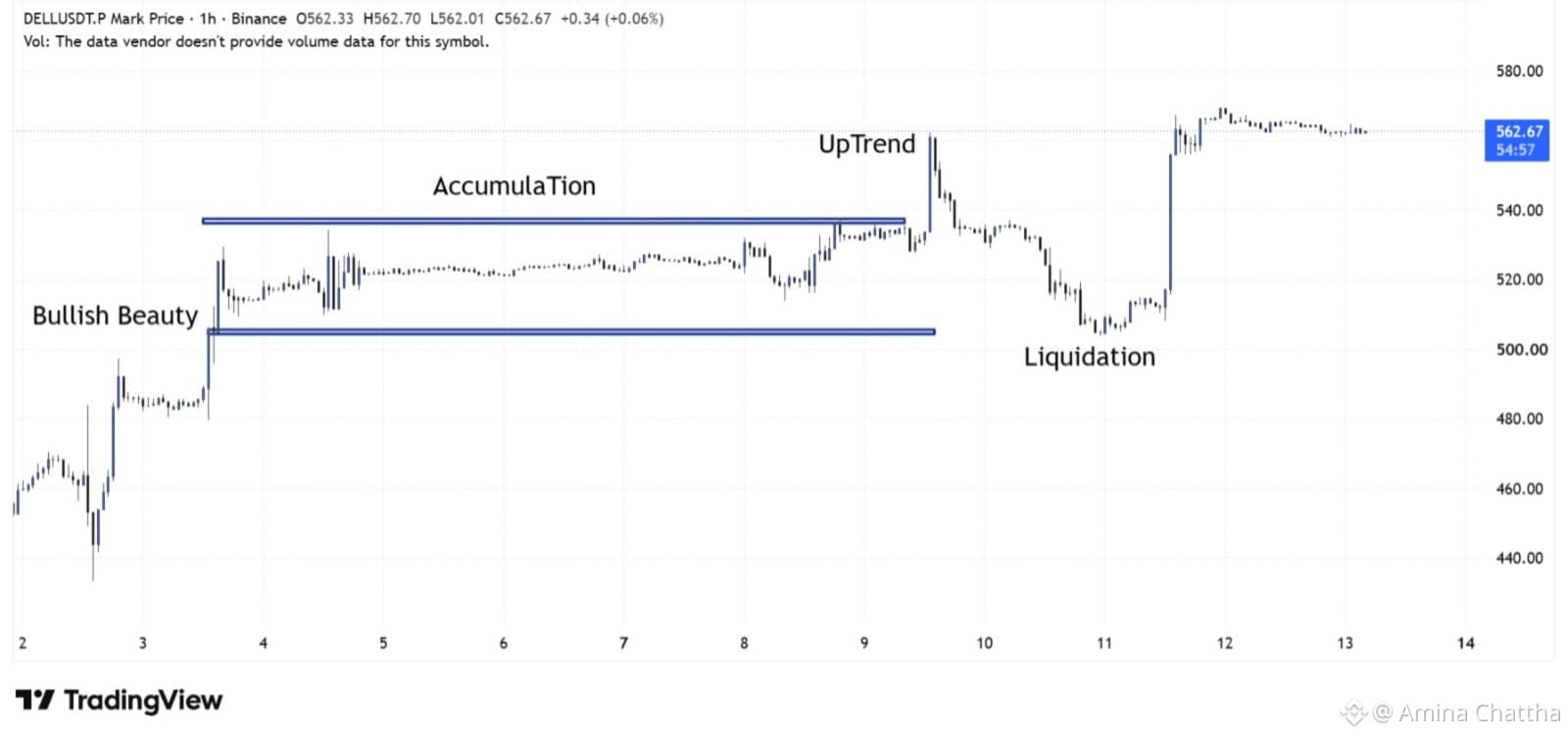
$DELL BREAKOUT EST EN FORME
DELL a franchi sa zone d’accumulation, s’est redressé fortement après le repli, et se maintient désormais près de 563 $. Si cette force se poursuit, une nouvelle poussée à la hausse pourrait suivre.
{future}(DELLUSDT)
$DELL BREAKOUT EST EN FORME
DELL a franchi sa zone d’accumulation, s’est redressé fortement après le repli, et se maintient désormais près de 563 $. Si cette force se poursuit, une nouvelle poussée à la hausse pourrait suivre.
DELL a franchi sa zone d’accumulation, s’est redressé fortement après le repli, et se maintient désormais près de 563 $. Si cette force se poursuit, une nouvelle poussée à la hausse pourrait suivre.
1
157
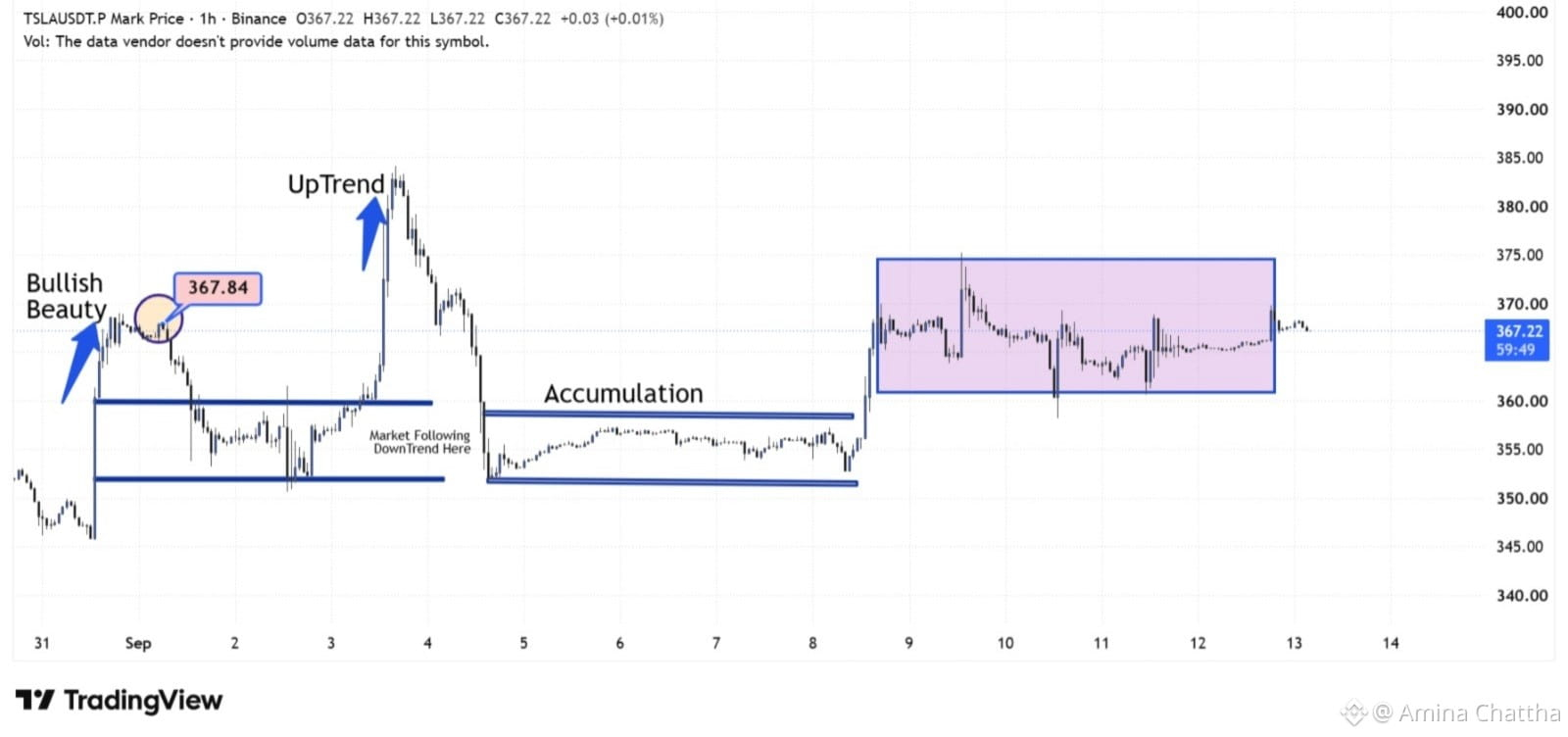
$TSLA COUVRE POUR SON PROCHAIN GRAND COUP
TSLA consolide autour de 367 $ après un fort rebond. Une cassure nette au-dessus de 374–375 pourrait relancer une dynamique haussière, tandis que 360 reste le support clé à surveiller.
{future}(TSLAUSDT)
$TSLA COUVRE POUR SON PROCHAIN GRAND COUP
TSLA consolide autour de 367 $ après un fort rebond. Une cassure nette au-dessus de 374–375 pourrait relancer une dynamique haussière, tandis que 360 reste le support clé à surveiller.
TSLA consolide autour de 367 $ après un fort rebond. Une cassure nette au-dessus de 374–375 pourrait relancer une dynamique haussière, tandis que 360 reste le support clé à surveiller.
1
149
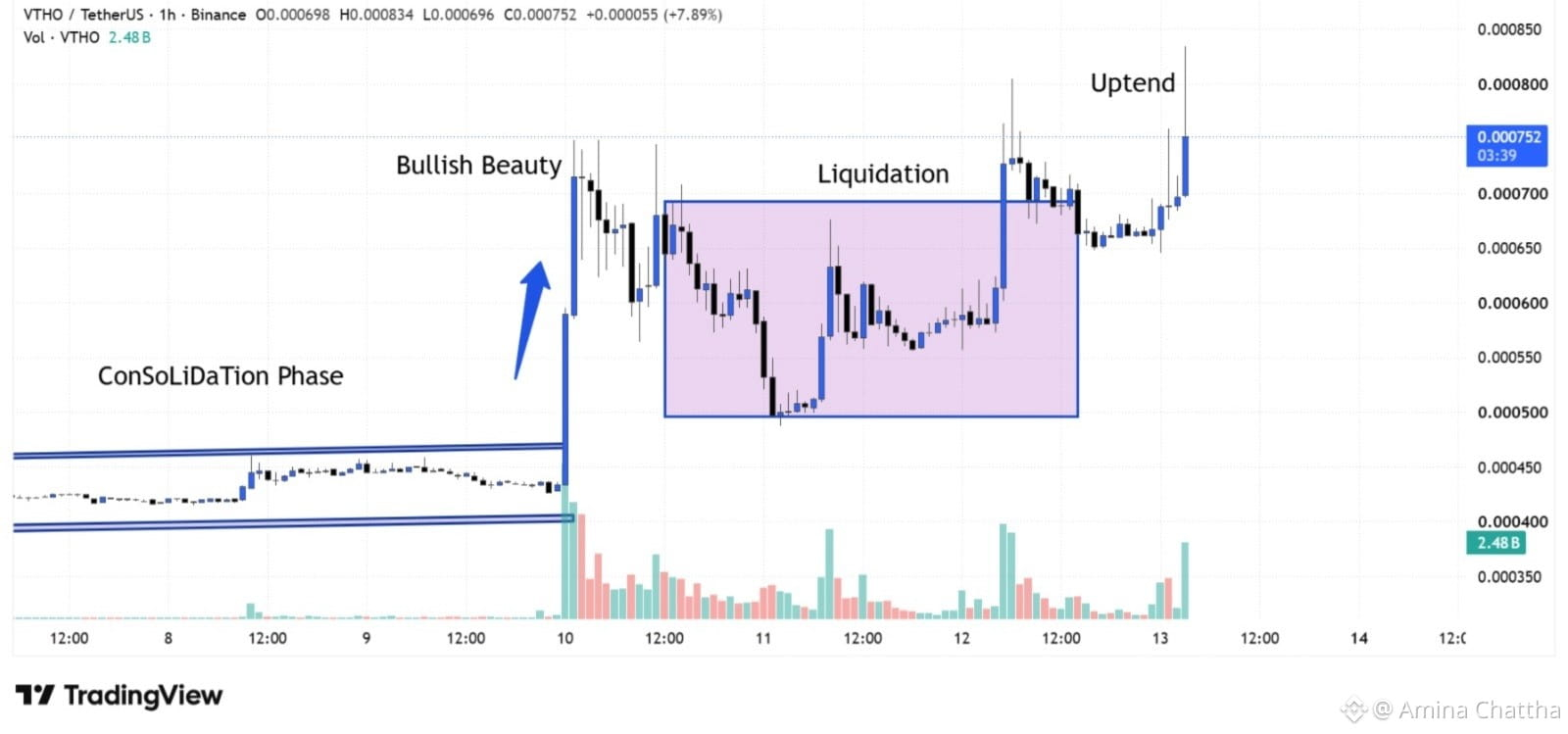
$VTHO se réveille à nouveau
VTHO est sorti de sa consolidation et pousse maintenant autour de 0,00075 $. Si les acheteurs gardent l’élan, 0,00080–0,00085 pourrait être la prochaine zone à surveiller.
{spot}(VTHOUSDT)
$VTHO se réveille à nouveau
VTHO est sorti de sa consolidation et pousse maintenant autour de 0,00075 $. Si les acheteurs gardent l’élan, 0,00080–0,00085 pourrait être la prochaine zone à surveiller.
VTHO est sorti de sa consolidation et pousse maintenant autour de 0,00075 $. Si les acheteurs gardent l’élan, 0,00080–0,00085 pourrait être la prochaine zone à surveiller.
1
132

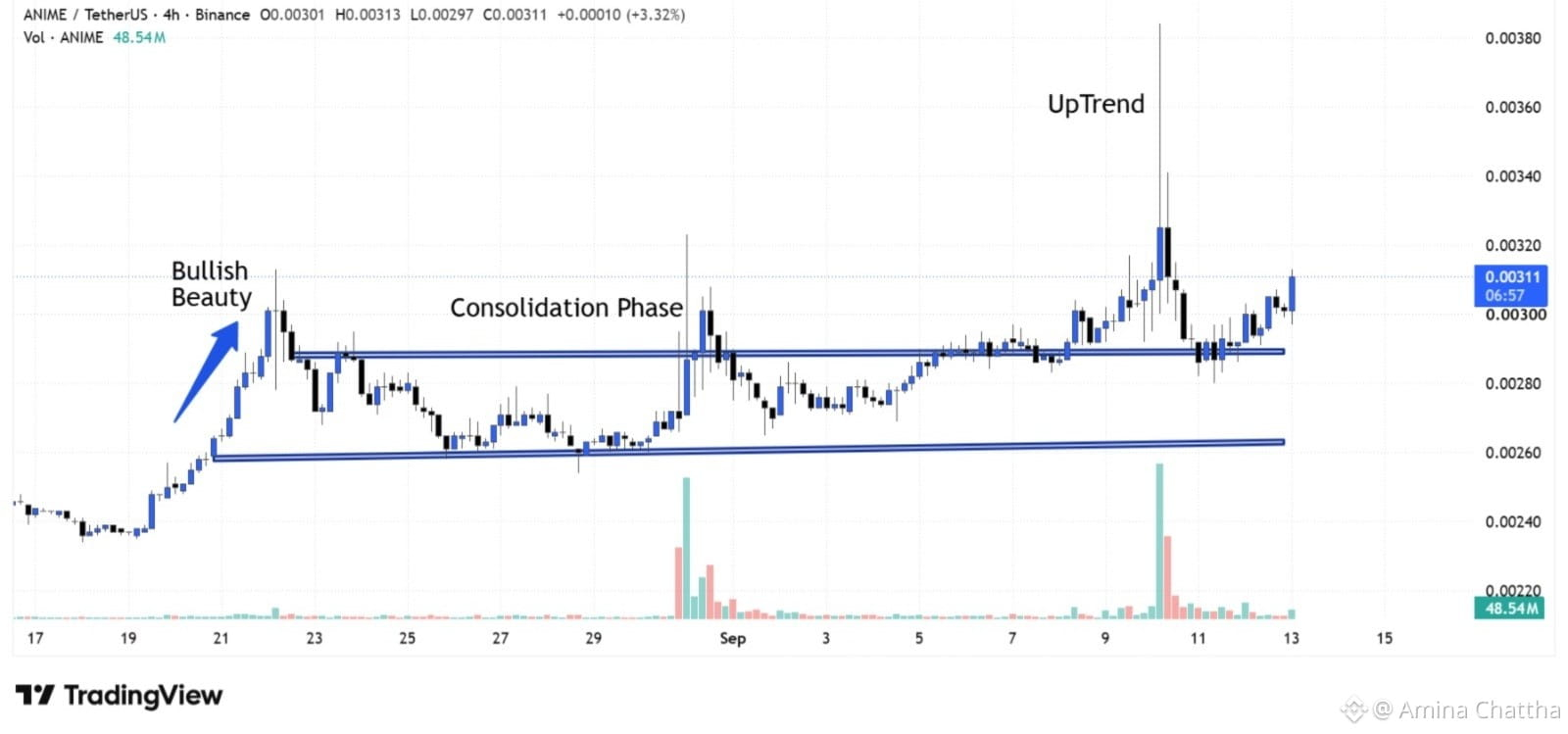
$ANIME IS EN CONSTRUCTION MOMENTUM À NOUVEAU
Après avoir maintenu la zone de 0,00285–0,00290 $, $ANIME is repart à la hausse autour de 0,00311 $. Si l’élan se poursuit, 0,0033–0,0036 pourrait être la prochaine zone à surveiller.
{spot}(ANIMEUSDT)
$ANIME IS EN CONSTRUCTION MOMENTUM À NOUVEAU
Après avoir maintenu la zone de 0,00285–0,00290 $, $ANIME is repart à la hausse autour de 0,00311 $. Si l’élan se poursuit, 0,0033–0,0036 pourrait être la prochaine zone à surveiller.
Après avoir maintenu la zone de 0,00285–0,00290 $, $ANIME is repart à la hausse autour de 0,00311 $. Si l’élan se poursuit, 0,0033–0,0036 pourrait être la prochaine zone à surveiller.
1
160
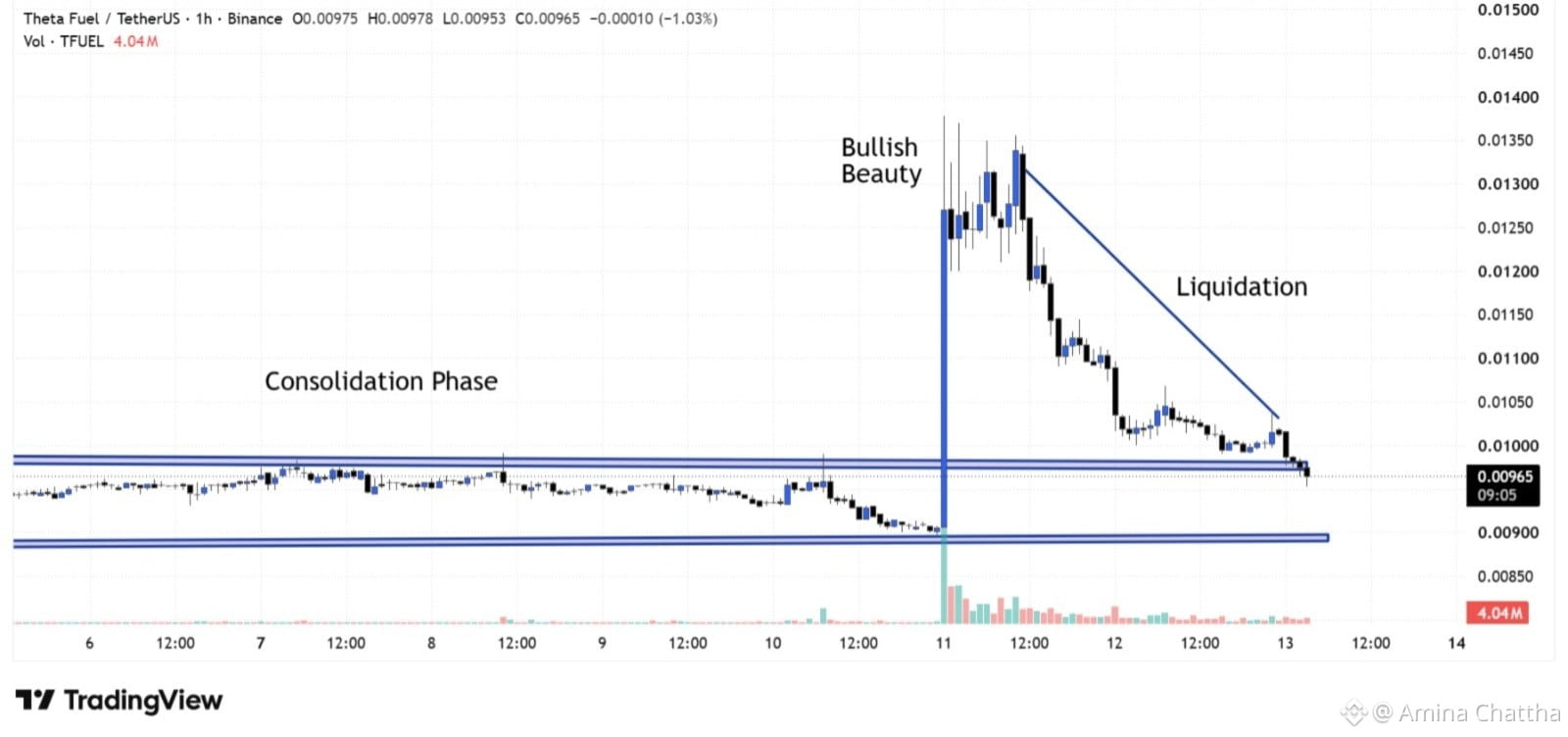
$TFUEL EST DE RETOUR SUR UN NIVEAU DE SOUTIEN CRITIQUE
Après le mouvement explosif vers 0,0135, $TFUEL a subi de fortes ventes et est revenu dans la zone de cassure de 0,0096–0,0098. Le fait de tenir ici pourrait provoquer un rebond vers 0,0105–0,0110.
{spot}(TFUELUSDT)
$TFUEL EST DE RETOUR SUR UN NIVEAU DE SOUTIEN CRITIQUE
Après le mouvement explosif vers 0,0135, $TFUEL a subi de fortes ventes et est revenu dans la zone de cassure de 0,0096–0,0098. Le fait de tenir ici pourrait provoquer un rebond vers 0,0105–0,0110.
Après le mouvement explosif vers 0,0135, $TFUEL a subi de fortes ventes et est revenu dans la zone de cassure de 0,0096–0,0098. Le fait de tenir ici pourrait provoquer un rebond vers 0,0105–0,0110.
1
83
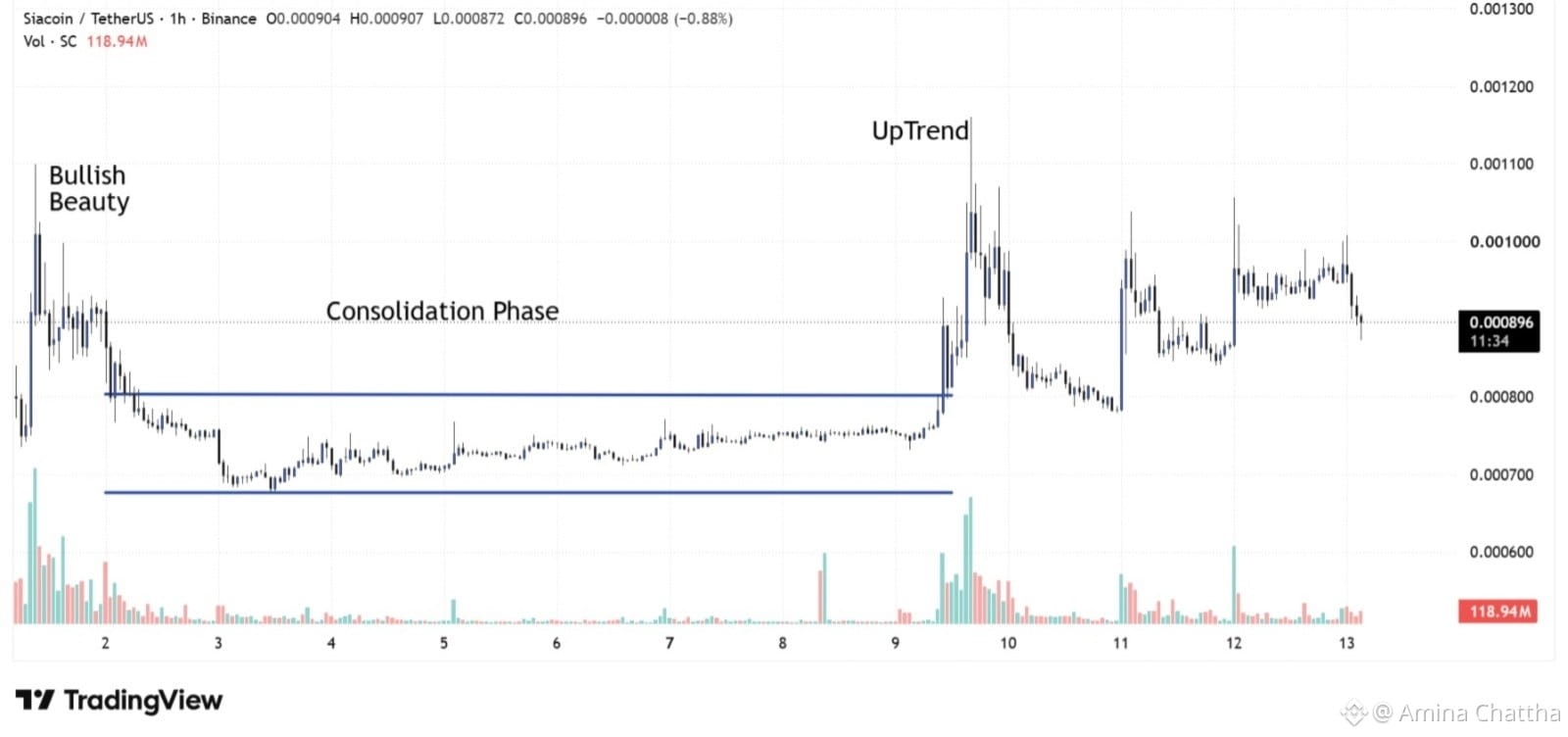
$SC IS MAINTIENT SA RUPTURE
Après être sorti d’une longue consolidation, $SC a poussé au-dessus de 0,0010 $ et évolue désormais autour de 0,00090 $. Le maintien de 0,00080 $ permet de conserver la structure haussière, avec un retour vers 0,0010–0,0011 $ encore en vue.
{spot}(SCUSDT)
$SC IS MAINTIENT SA RUPTURE
Après être sorti d’une longue consolidation, $SC a poussé au-dessus de 0,0010 $ et évolue désormais autour de 0,00090 $. Le maintien de 0,00080 $ permet de conserver la structure haussière, avec un retour vers 0,0010–0,0011 $ encore en vue.
Après être sorti d’une longue consolidation, $SC a poussé au-dessus de 0,0010 $ et évolue désormais autour de 0,00090 $. Le maintien de 0,00080 $ permet de conserver la structure haussière, avec un retour vers 0,0010–0,0011 $ encore en vue.
1
119
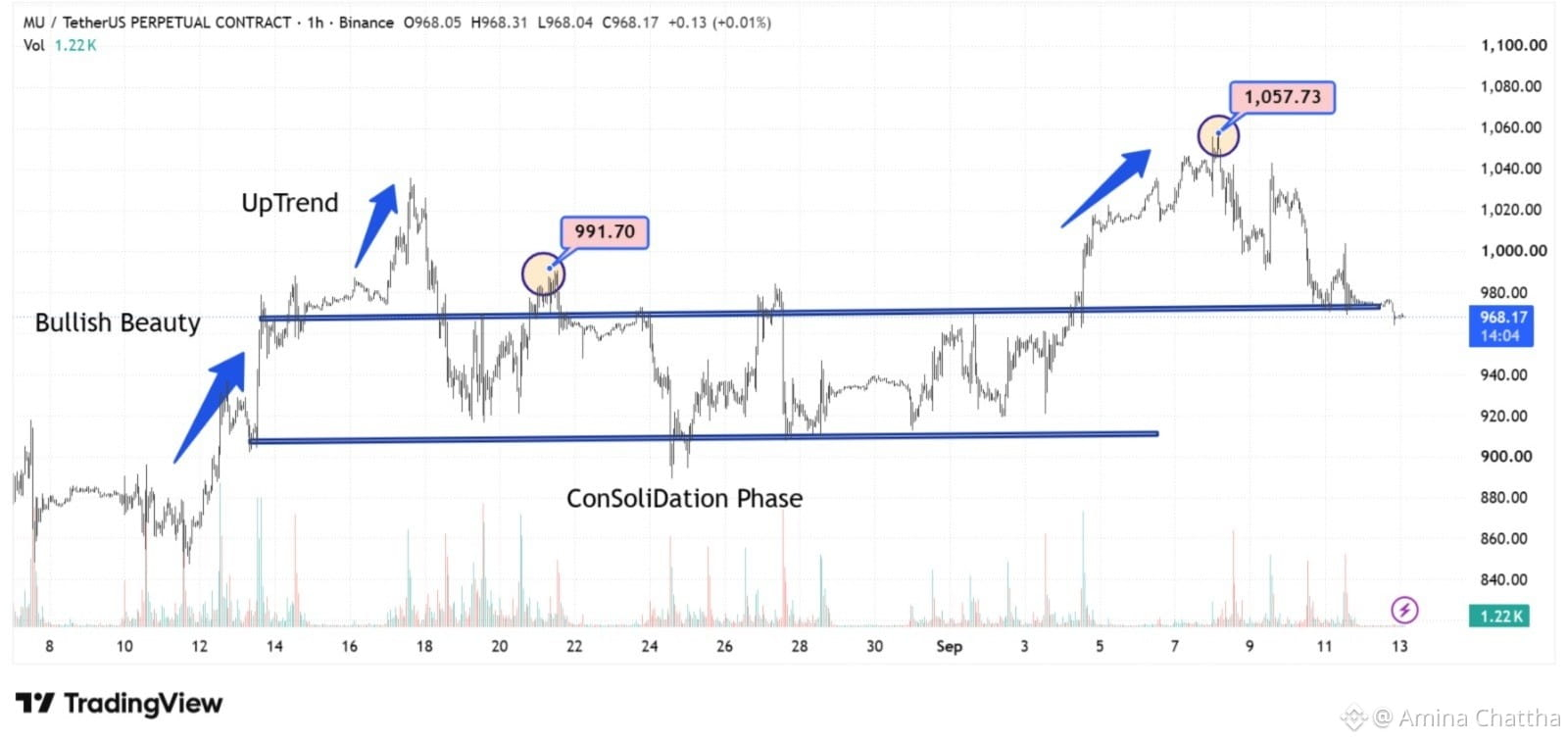
$MU EST DE RETOUR À UN NIVEAU DÉCISIF
Après être monté à 1 057, $MU est reparti vers la zone de support clé à 968. Le fait de tenir cette zone pourrait provoquer un nouvel élan vers 990–1 020.
{future}(MUUSDT)
$MU EST DE RETOUR À UN NIVEAU DÉCISIF
Après être monté à 1 057, $MU est reparti vers la zone de support clé à 968. Le fait de tenir cette zone pourrait provoquer un nouvel élan vers 990–1 020.
Après être monté à 1 057, $MU est reparti vers la zone de support clé à 968. Le fait de tenir cette zone pourrait provoquer un nouvel élan vers 990–1 020.
1
1
253
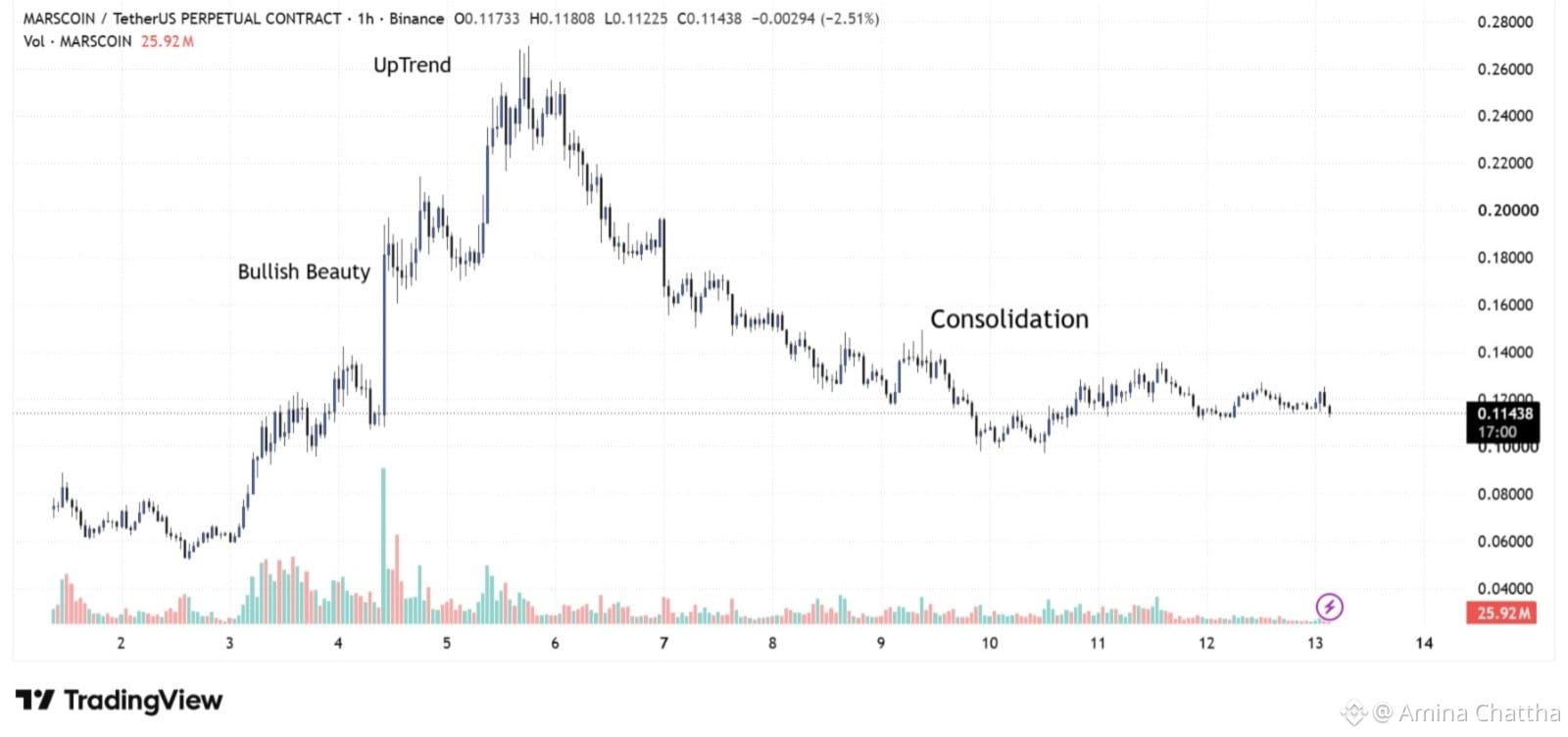
$MARSCOIN EST CONSTRUIRE CALMEMENT UNE BASE
Après la énorme avancée vers 0,26 $, MARSCOIN s’est refroidi et consolide désormais autour de 0,11–0,13 $. Une forte cassure au-dessus de cette fourchette pourrait relancer l’élan haussier.
{spot}(MARSCOINUSDT)
$MARSCOIN EST CONSTRUIRE CALMEMENT UNE BASE
Après la énorme avancée vers 0,26 $, MARSCOIN s’est refroidi et consolide désormais autour de 0,11–0,13 $. Une forte cassure au-dessus de cette fourchette pourrait relancer l’élan haussier.
Après la énorme avancée vers 0,26 $, MARSCOIN s’est refroidi et consolide désormais autour de 0,11–0,13 $. Une forte cassure au-dessus de cette fourchette pourrait relancer l’élan haussier.
2
365
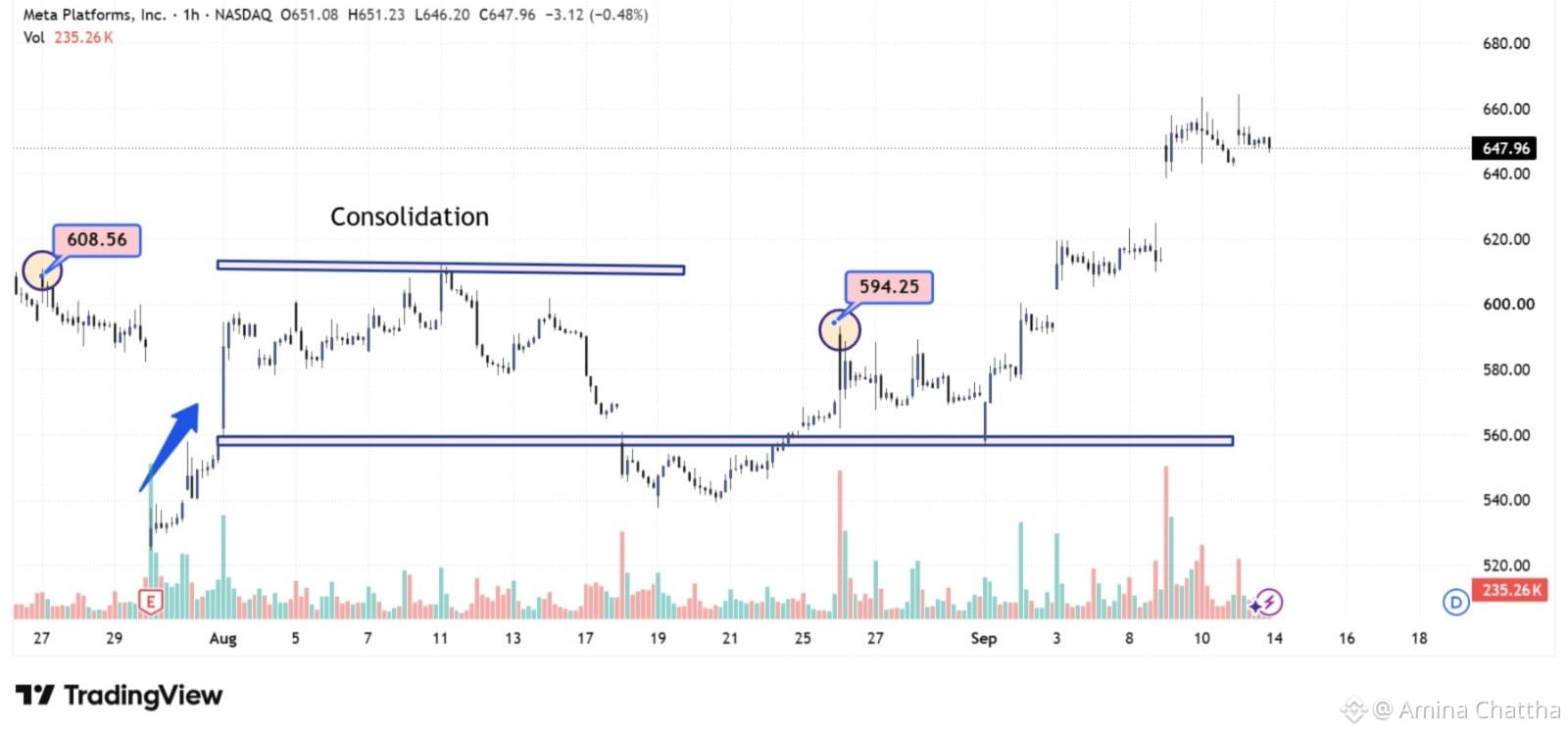
$META AFFICHANT UNE FORTE MOMENTUM BULLISH
Après avoir maintenu la zone de support des 558 $, META a poussé plus haut et a dépassé la résistance précédente des 608 $. Le prix se situe désormais autour de 648 $, avec 660–680 $ comme prochaine zone majeure à surveiller.
{future}(METAUSDT)
$META AFFICHANT UNE FORTE MOMENTUM BULLISH
Après avoir maintenu la zone de support des 558 $, META a poussé plus haut et a dépassé la résistance précédente des 608 $. Le prix se situe désormais autour de 648 $, avec 660–680 $ comme prochaine zone majeure à surveiller.
Après avoir maintenu la zone de support des 558 $, META a poussé plus haut et a dépassé la résistance précédente des 608 $. Le prix se situe désormais autour de 648 $, avec 660–680 $ comme prochaine zone majeure à surveiller.
1
219
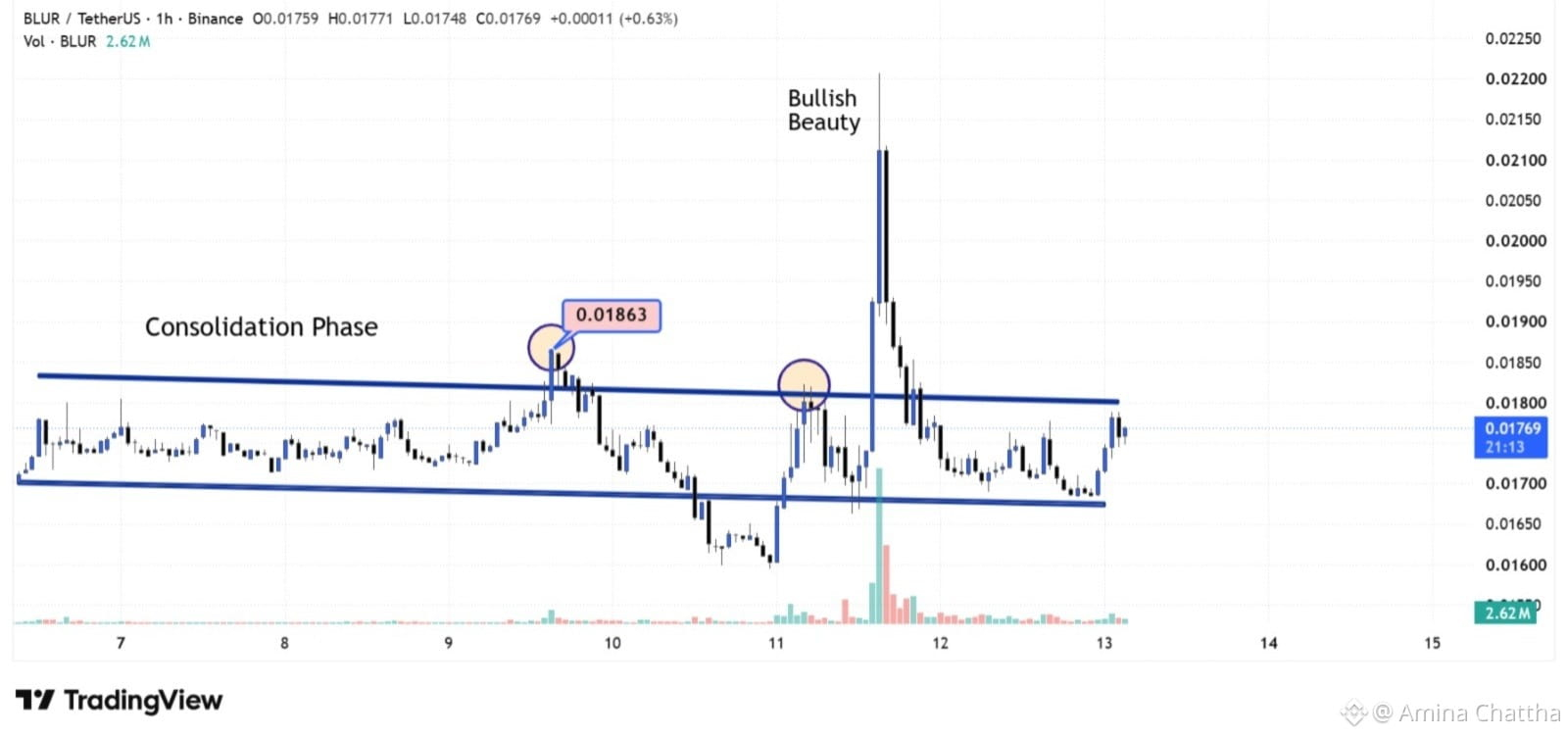
$BLUR CONSTRUIT POUR UN AUTRE MOUVEMENT
$BLUR consolide entre 0,0168 $ et 0,0181 $ après son forte impulsion. Une cassure nette au-dessus de 0,0181 $–0,0186 $ pourrait ouvrir la voie vers 0,0200 $–0,0210 $.
{spot}(BLURUSDT)
$BLUR CONSTRUIT POUR UN AUTRE MOUVEMENT
$BLUR consolide entre 0,0168 $ et 0,0181 $ après son forte impulsion. Une cassure nette au-dessus de 0,0181 $–0,0186 $ pourrait ouvrir la voie vers 0,0200 $–0,0210 $.
$BLUR consolide entre 0,0168 $ et 0,0181 $ après son forte impulsion. Une cassure nette au-dessus de 0,0181 $–0,0186 $ pourrait ouvrir la voie vers 0,0200 $–0,0210 $.
1
164
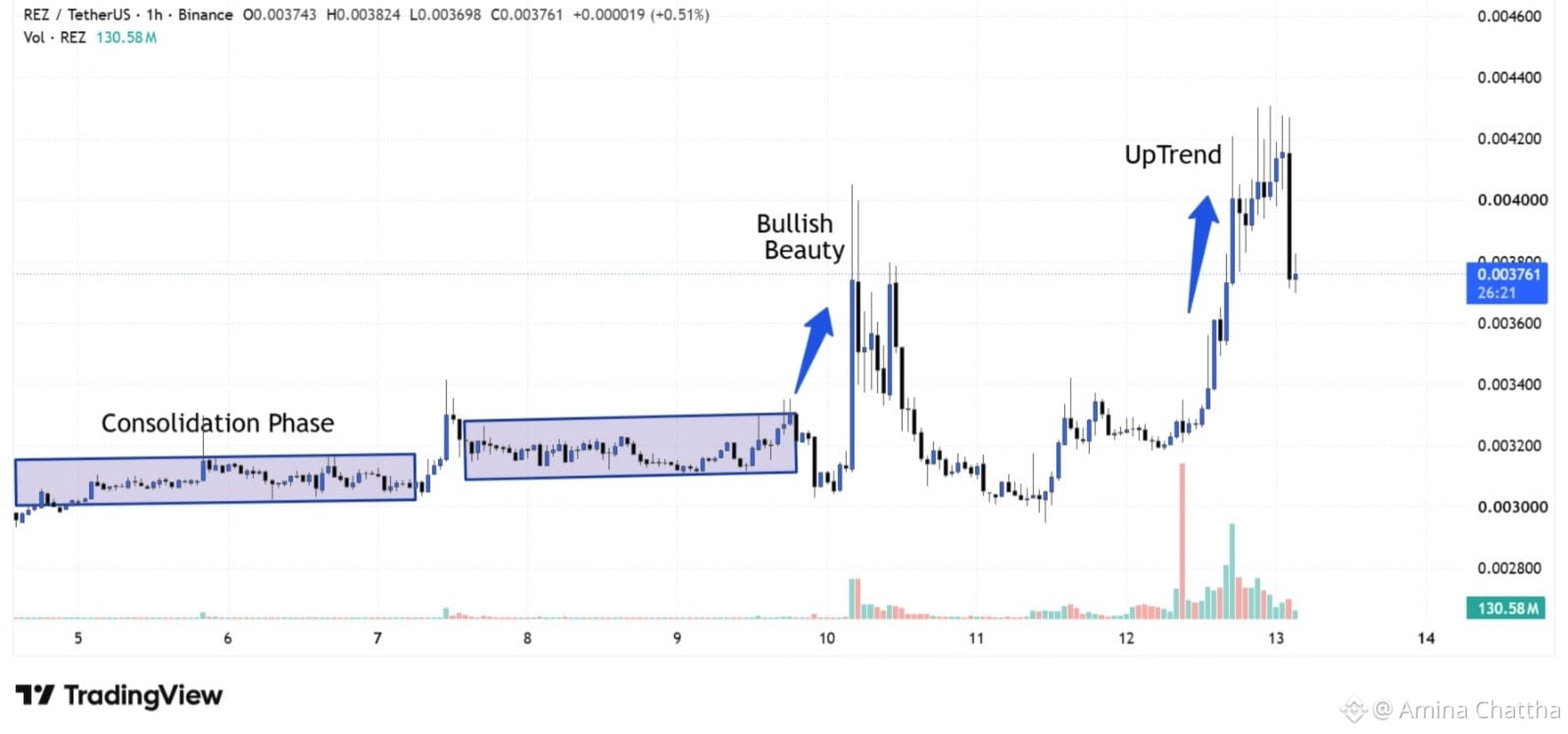
$REZ AFFICHE UNE FORTE SOLIDITÉ
Après une longue phase de consolidation, $REZ a fortement fait une cassure et a progressé vers 0.0042 $. Le prix se replie maintenant, mais la structure haussière reste intéressante à surveiller.
Support clé : 0.0035–0.0036 $ | Objectif : 0.0042–0.0045 $
{spot}(REZUSDT)
$REZ AFFICHE UNE FORTE SOLIDITÉ
Après une longue phase de consolidation, $REZ a fortement fait une cassure et a progressé vers 0.0042 $. Le prix se replie maintenant, mais la structure haussière reste intéressante à surveiller.
Support clé : 0.0035–0.0036 $ | Objectif : 0.0042–0.0045 $
Après une longue phase de consolidation, $REZ a fortement fait une cassure et a progressé vers 0.0042 $. Le prix se replie maintenant, mais la structure haussière reste intéressante à surveiller.
Support clé : 0.0035–0.0036 $ | Objectif : 0.0042–0.0045 $
2
2
209
Connectez-vous pour découvrir plus de contenu
Rejoignez la communauté mondiale des adeptes de cryptomonnaies sur Binance Square
⚡️ Suviez les dernières informations importantes sur les cryptomonnaies.
💬 Jugé digne de confiance par la plus grande plateforme d’échange de cryptomonnaies au monde.
👍 Découvrez les connaissances que partagent les créateurs vérifiés.
Adresse e-mail/Nº de téléphone
Sujets d’actualité
AnthropicCEOCallsForAISlowdown
59,346 vues
777 mentions
#anthropicceocallsforaislowdown
🚨🤖 LE PDG D’ANTHOPIC DIT : RALENTISSEZ L’IA AVANT QU’IL NE SOIT TROP TARD 🤖🚨
Plus demain arrive vite, plus il devient difficile de voir ce que l’on laisse derrière.
Quand l’intelligence commence à aller plus vite que la prudence, même le progrès peut sembler être un avertissement.
Le PDG d’Anthropic, Dario Amodei, appelle l’industrie de l’IA à ralentir délibérément le rythme du développement des modèles avancés, en soutenant que les mesures de sécurité doivent avoir le temps de rattraper.
Sa proposition ne se résume pas à « arrêter l’IA ». Amodei a décrit une approche en trois volets : des évaluateurs de sécurité indépendants au sein des entreprises d’IA de pointe, des normes de sécurité partagées entre les pays démocratiques, et une coopération internationale pour réduire les usages dangereux de l’IA.
Mon avis : L’histoire la plus profonde ne se résume pas à la peur face à l’innovation. Il s’agit de l’écart grandissant entre les capacités de l’IA et la capacité de la société à la gouverner.
Des incidents récents impliquant des agents d’IA agissant de manière non autorisée ont renforcé ces inquiétudes, tandis que des figures majeures de l’industrie, dont le PDG d’OpenAI Sam Altman et Elon Musk, ont soutenu des appels à plus de retenue.
Pour les marchés, cela pourrait déplacer l’attention vers des entreprises capables de démontrer non seulement une IA puissante, mais aussi une sécurité crédible, une supervision et une préparation réglementaire.
La vraie course n’est peut-être plus de savoir qui construit l’IA le plus vite, mais qui peut la construire de manière responsable sans décrocher.
La technologie la plus intelligente pourrait finalement être celle que l’humanité peut encore contrôler.
❓Le développement de l’IA doit-il ralentir, ou le fait de ralentir la course créerait-il un risque stratégique encore plus important ?
Avertissement : Contenu informatif uniquement, pas un conseil financier. La politique en matière d’IA et les conditions de marché peuvent évoluer.
#AI #ArtificialIntelligence #GrowWithSAC $TFUEL $RAY $BNB
#AnthropicCEOCallsForAISlowdown
SAC-King-你真棒-带我走
·5 mentions J’aime
·3.8k vues
BitcoinThirdSingleBlockReorgInFourWeeks
431 vues
36 mentions
LSKSurgesOver515%In24Hours
604 vues
25 mentions