
Amina-Islam
3.4k Publications

Amina-Islam
 Compte Square Vérifié+
Market Analyst || Spot Trader || Investor || Crypto Addict || X : @amina19960 ✨🍀🚀
1.5K+ Suivis
39.0K+ Abonnés
30.4K+ J’aime
Publications
Tous
Citations
Vidéos
PINNED
Partiellement vrai
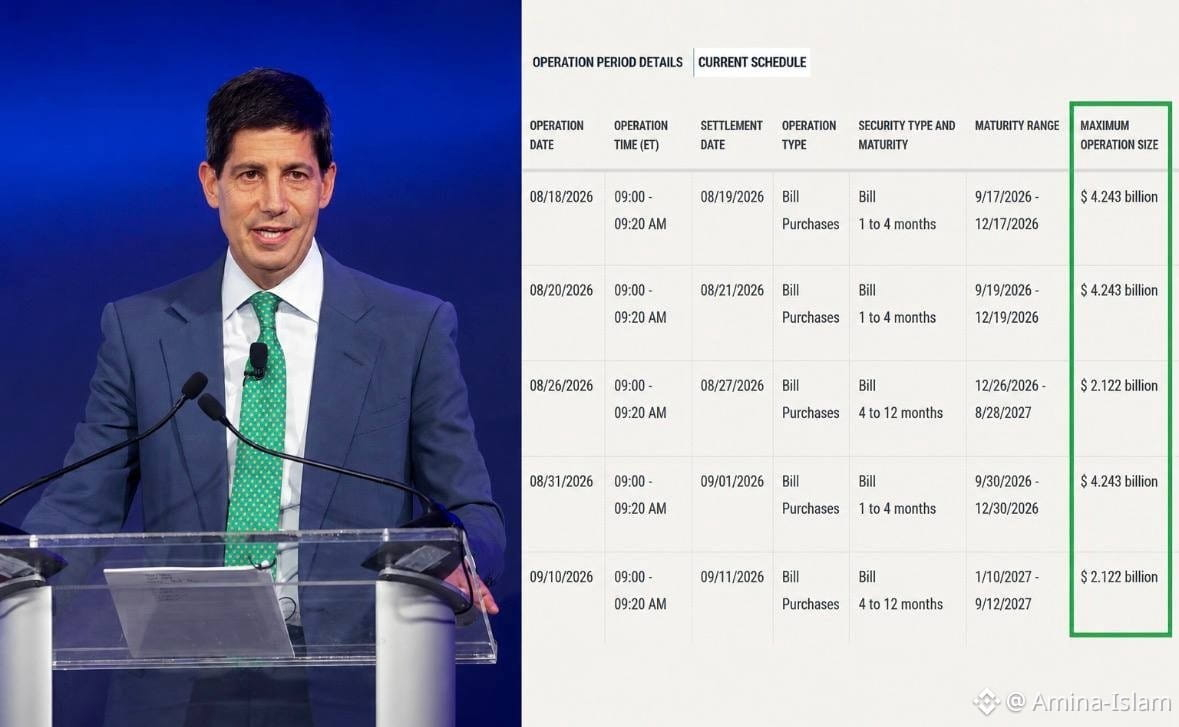
HUGE: Fed will inject $16.97 BILLION into the market starting next week.
Liquidity will hit the market for 3 consecutive weeks, which is good for crypto.
Bullish for crypto...
Liquidity will hit the market for 3 consecutive weeks, which is good for crypto.
Bullish for crypto...
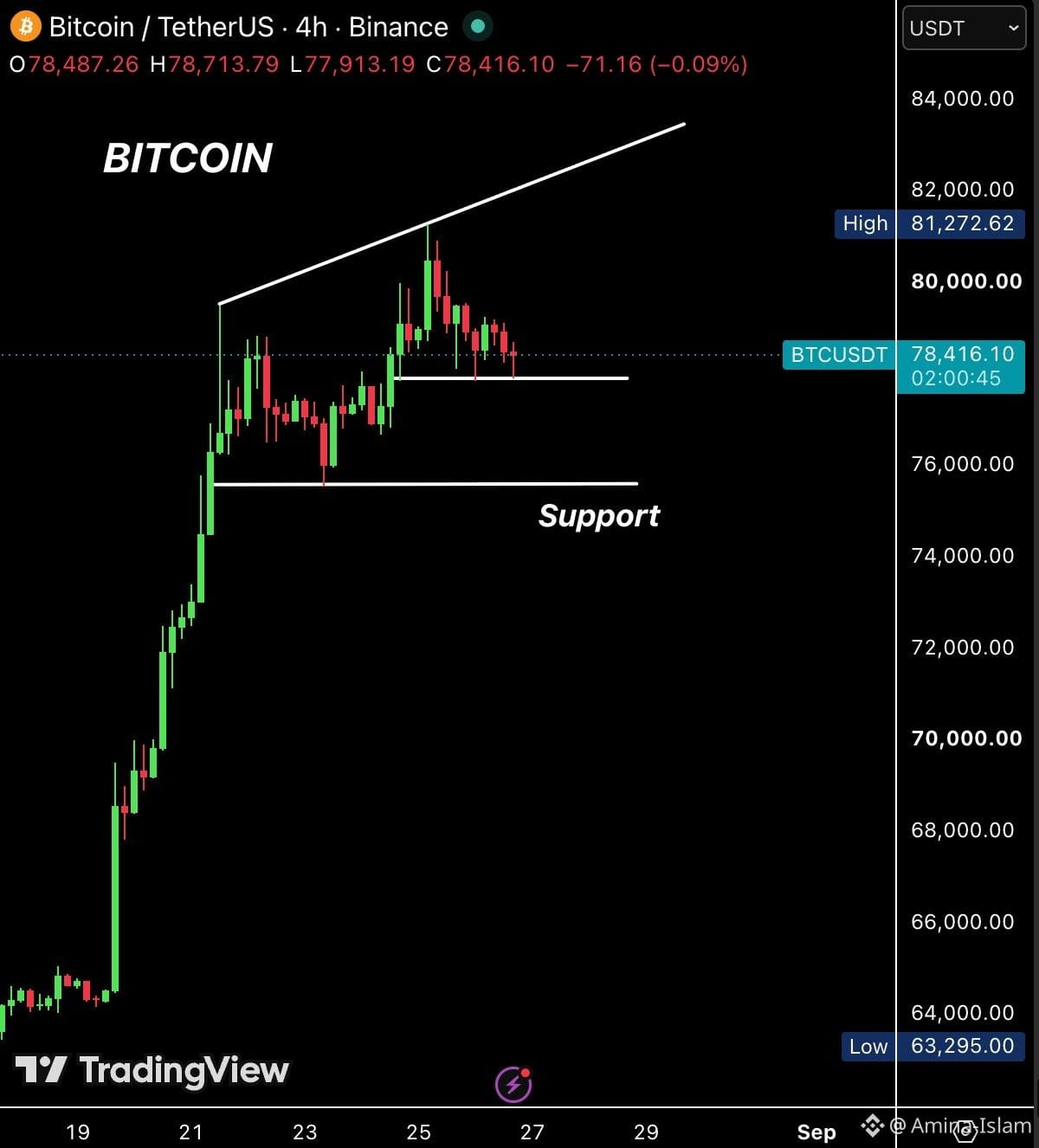
$BTC is consolidating near 78200 after bouncing 15000 from 63300.
The chart is still printing higher highs and higher lows.
Local support: 77800
Stronger support: 75500 - 76000
Resistance: 81270, which is also the weekly MA 50
Two paths from here
Hold 78000 and break the trendline 83000 is next.
Lose 78000 - 76000 gets tested before Friday.
Jackson Hole is in two days and this range will not last long.
I am seeing bullish and breakout. Let see
The chart is still printing higher highs and higher lows.
Local support: 77800
Stronger support: 75500 - 76000
Resistance: 81270, which is also the weekly MA 50
Two paths from here
Hold 78000 and break the trendline 83000 is next.
Lose 78000 - 76000 gets tested before Friday.
Jackson Hole is in two days and this range will not last long.
I am seeing bullish and breakout. Let see
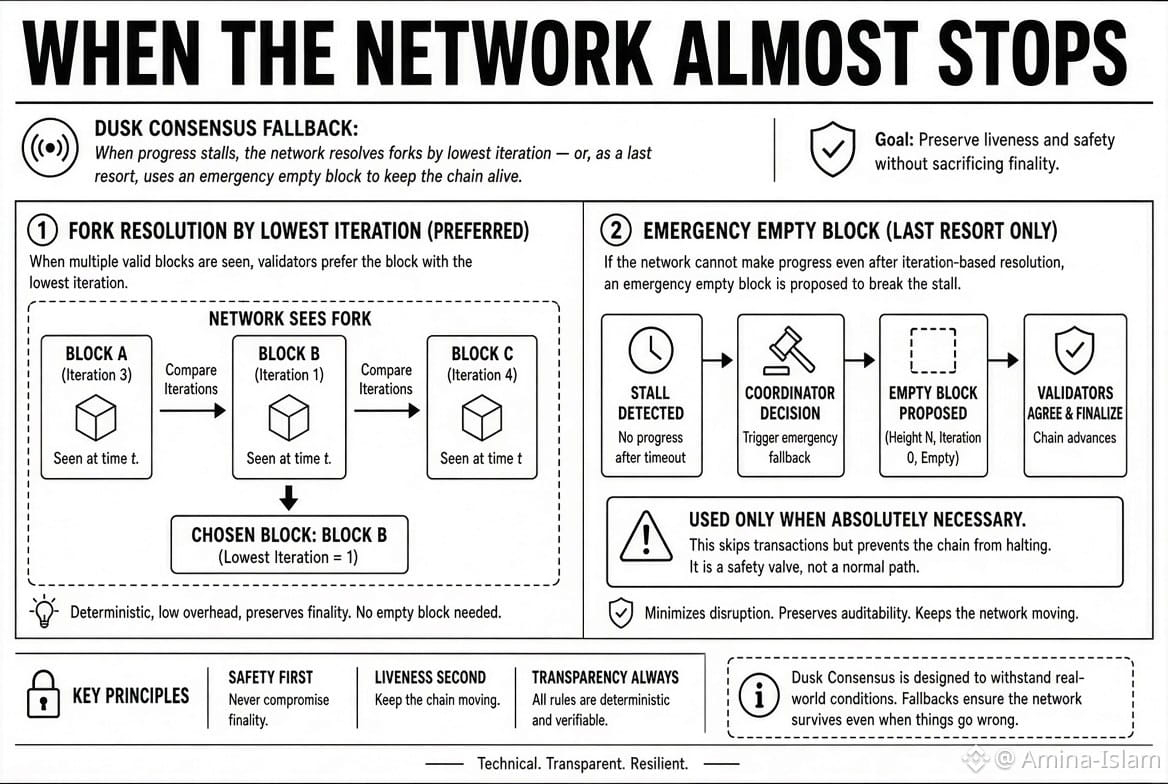
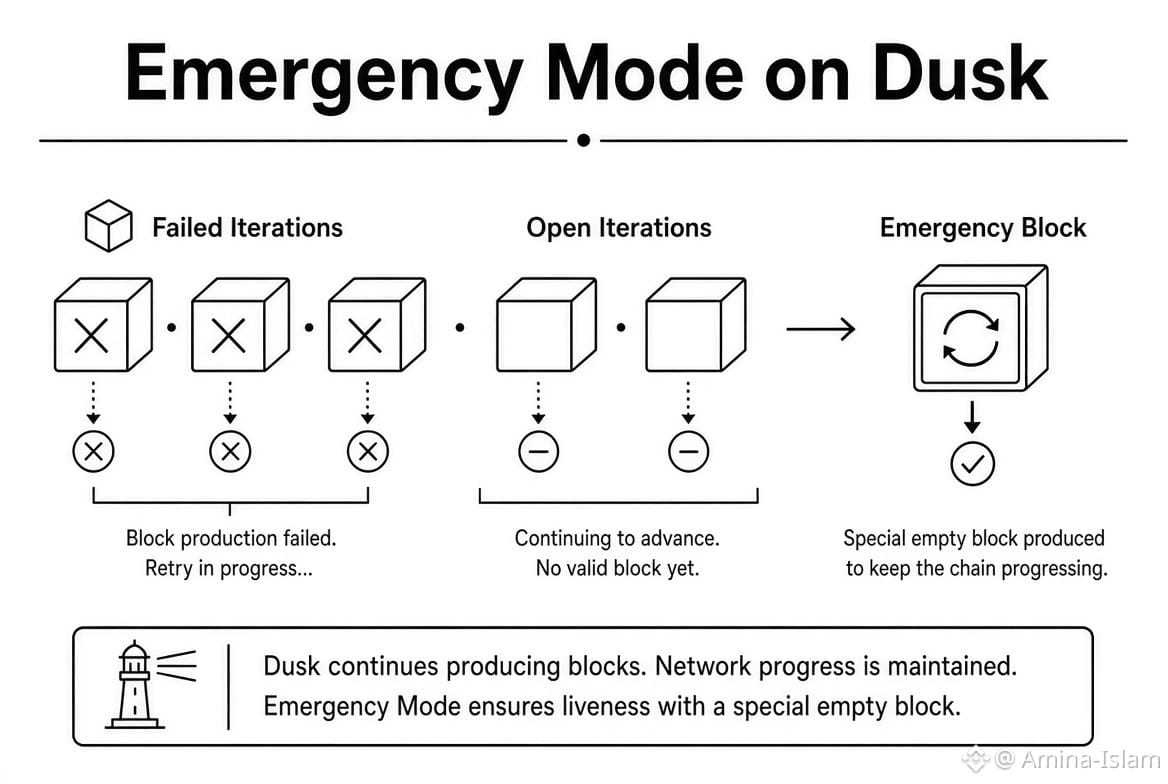
Are you fully responsible for what you did or have you seen any thing like that?? Most blockchains never admit what they will do when almost everyone goes offline. Dusk actually wrote it into the protocol. After enough failed iterations the network enters emergency mode. Timeouts are dropped, multiple open iterations can run at once,and if nothing else works provisioners holding a majority of stake can request a special empty emergency block signed by Dusk itself just to keep the chain moving. Forks are then settled by taking the lowest iteration. That is not a pretty marketing story. It is an honest design choice that says financial networks fail in messy ways and the protocol should still produce a block instead of freezing. It is the type where it actually took responsibility. Whether you like the idea of an emergency empty block or not, it is one of the few places Dusk looks more like infrastructure than a slogan. and thats the reason from now on i like and remember this project for. Looking forward to hear from you .
@Dusk $DUSK #dusk
@Dusk $DUSK #dusk
Vérifié
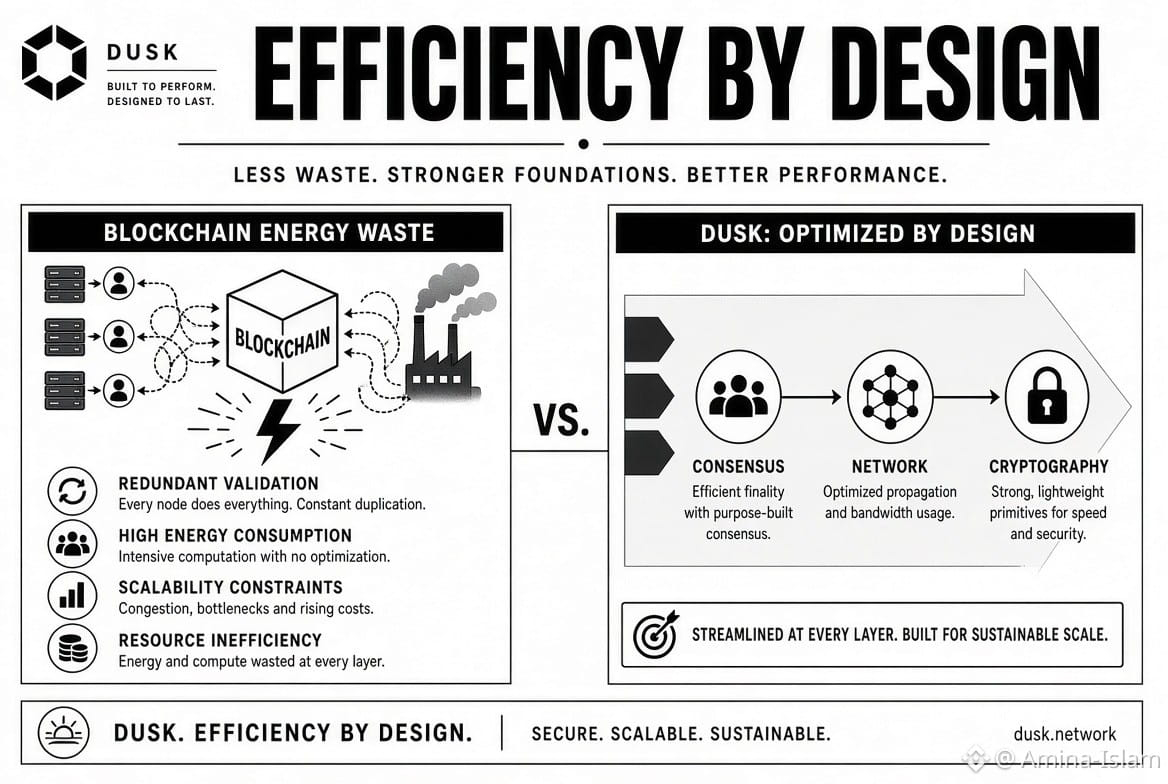
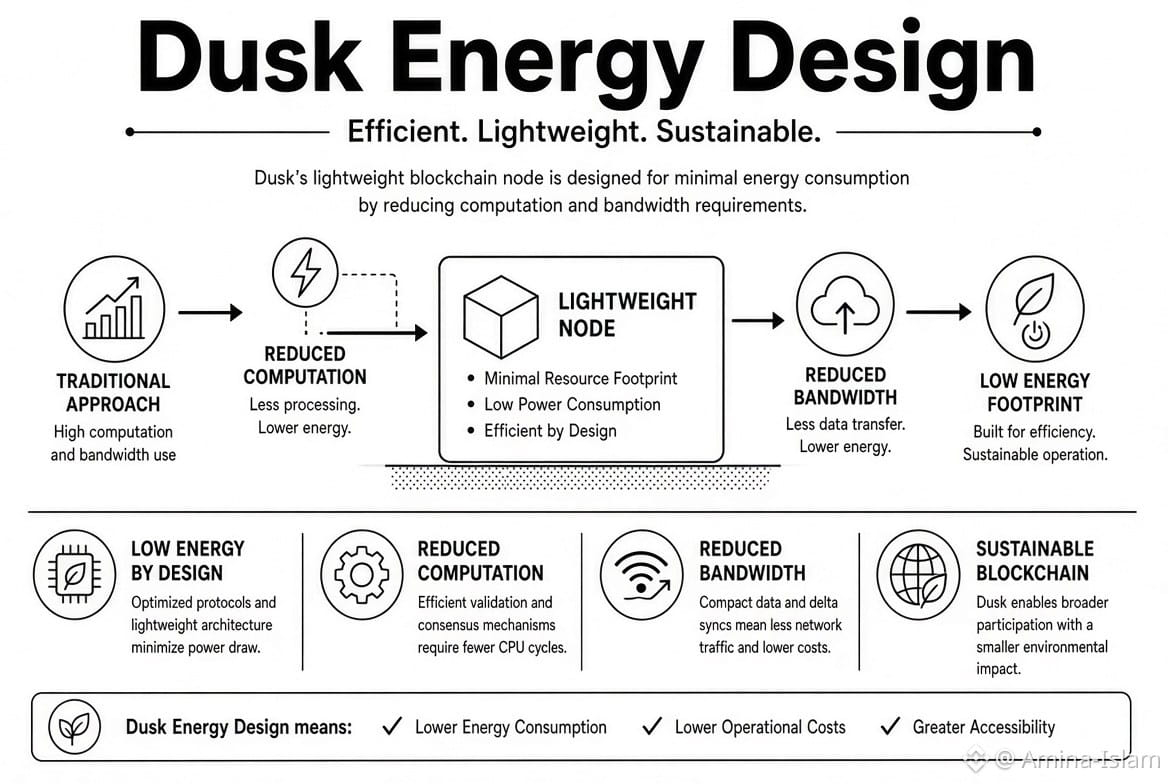
Most “green blockchain” claims are just marketing. Dusk actually designed the entire stack to waste less energy because regulated finance cannot afford the optics of a power-hungry network.The consensus avoids the wasteful work of proof-of-work, the Kadcast network cuts redundant message flooding and heavy cryptographic checks are pushed to native host functions instead of being forced through a slow virtual machine. The result is a chain that stays light even while handling private financial transactions. It is not the loudest sustainability story in crypto. It is one of the few that was built into the protocol from the start instead of being added later for good PR.
@Dusk $DUSK #dusk
@Dusk $DUSK #dusk
Have you heard strange justice system in crypto ever before?? no?? Let me tell you ..
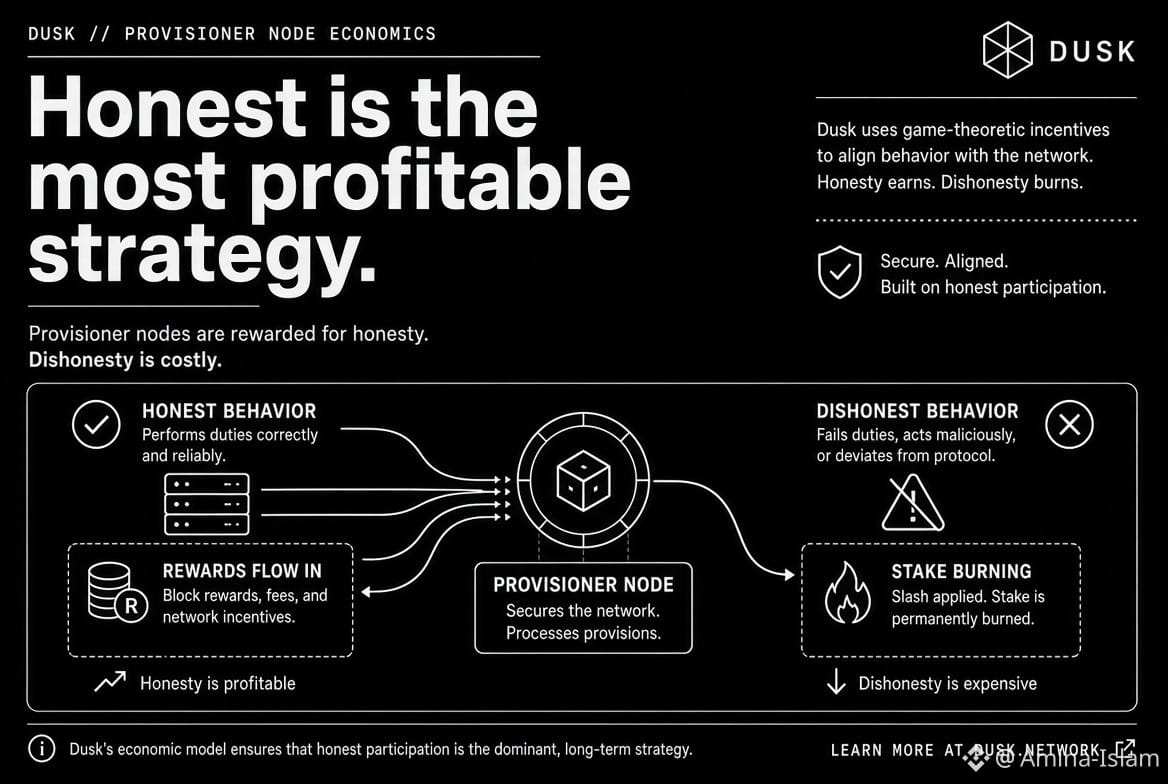
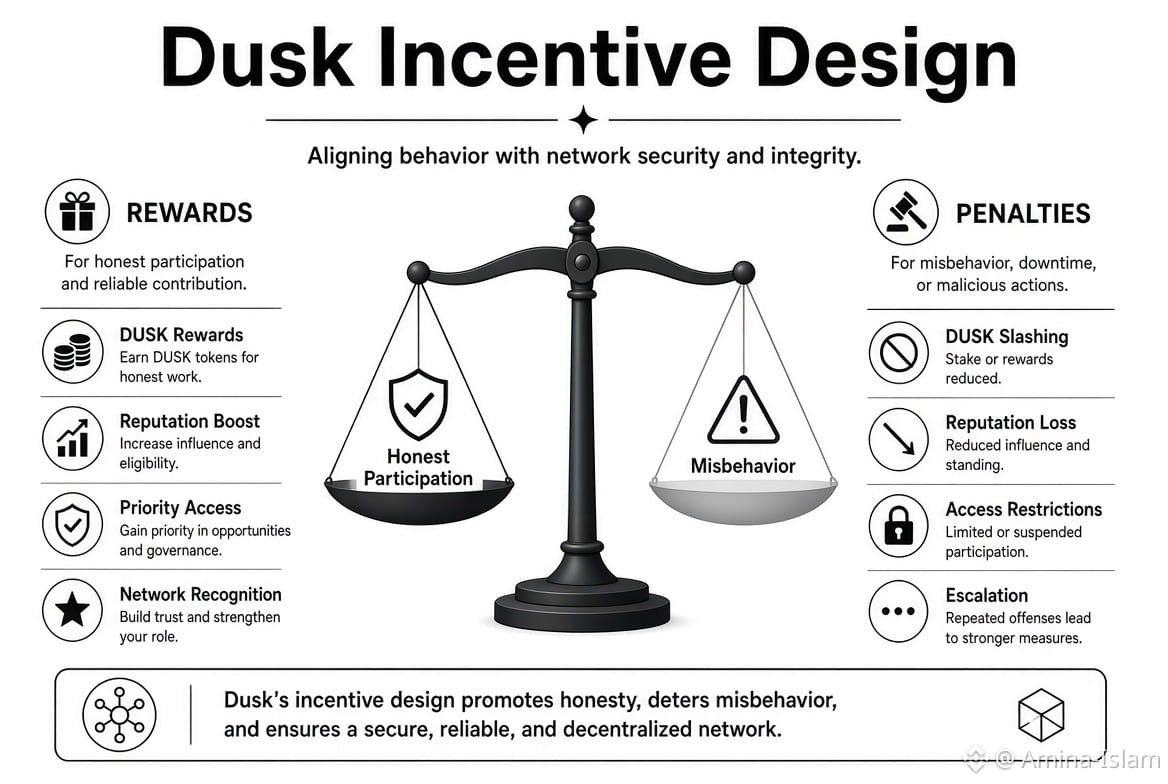
Most networks just throw rewards at validators and hope for the best. Dusk actually designed the incentive system so that the easiest way to make money is to stay honest. Provisioners get paid for voting, generators only unlock the full reward if they include as many votes as possible and the next generator is deliberately locked out of voting so they cannot sabotage earlier rounds. Soft faults quietly reduce your power. Serious faults burn part of your stake. It is not the usual “stake and collect” story. The protocol is structured so that trying to game it costs you more than playing fair. That is a rare and slightly uncomfortable design choice in crypto but it is exactly the kind of thing a network built for real finance needs. how you find this justice system right or wrong??? tell me in comments your thoughts on this...
@Dusk $DUSK #dusk
Most networks just throw rewards at validators and hope for the best. Dusk actually designed the incentive system so that the easiest way to make money is to stay honest. Provisioners get paid for voting, generators only unlock the full reward if they include as many votes as possible and the next generator is deliberately locked out of voting so they cannot sabotage earlier rounds. Soft faults quietly reduce your power. Serious faults burn part of your stake. It is not the usual “stake and collect” story. The protocol is structured so that trying to game it costs you more than playing fair. That is a rare and slightly uncomfortable design choice in crypto but it is exactly the kind of thing a network built for real finance needs. how you find this justice system right or wrong??? tell me in comments your thoughts on this...
@Dusk $DUSK #dusk
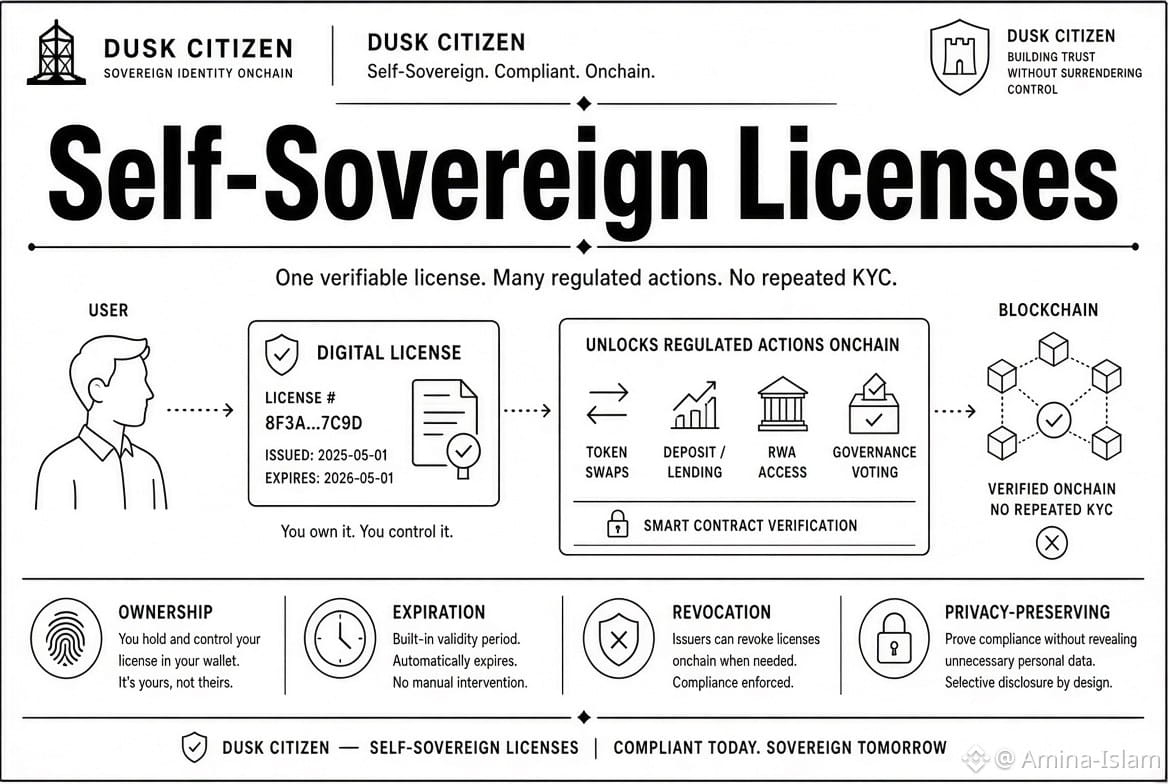
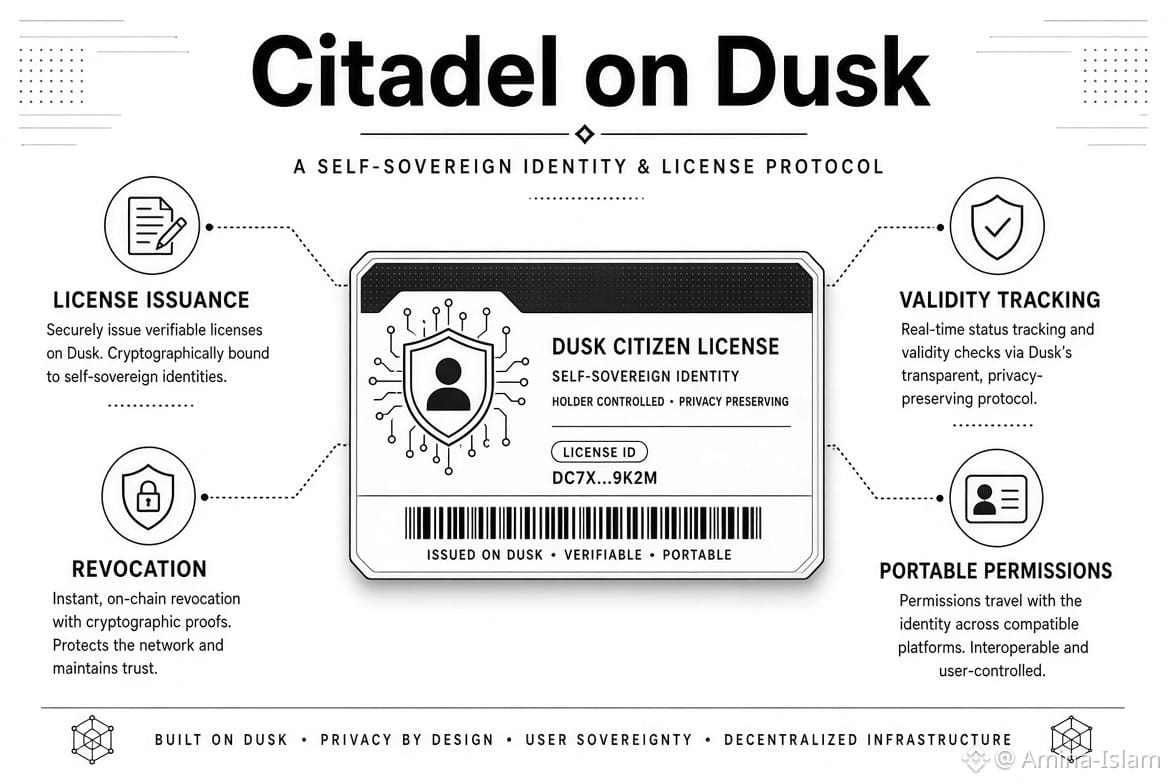
Ok hear me out... Most people talk about privacy or compliance on Dusk. and previously in one of my post i also cover that topic whole but almost nobody talks about Citadel. Citadel is the license layer that sits underneath everything. It lets users hold self-sovereign licenses that prove they are allowed to do certain things ... trade, issue or interact with regulated products , without constantly handing over personal data. The contract tracks who holds a valid license, when it expires and whether it has been revoked. Only active licenses unlock specific actions on the network. It’s a quiet but powerful piece of infrastructure. Instead of forcing every user to do full KYC for every interaction, Citadel makes permission portable and privacy preserving. That’s the kind of detail that shows Dusk was built for real institutions, not just for whitepapers. At the end it always comes to privacy. 😀
@Dusk $DUSK #dusk
@Dusk $DUSK #dusk
THIS WAS INSANE WEEK IN CRYPTO.
1. President Trump met crypto leaders to discuss the Clarity Act and said the US is considering buying large amounts of BTC and altcoins.
2. SEC proposed the first-ever crypto rules, while the CFTC said they will create a regulatory framework if the Clarity Act fails to pass.
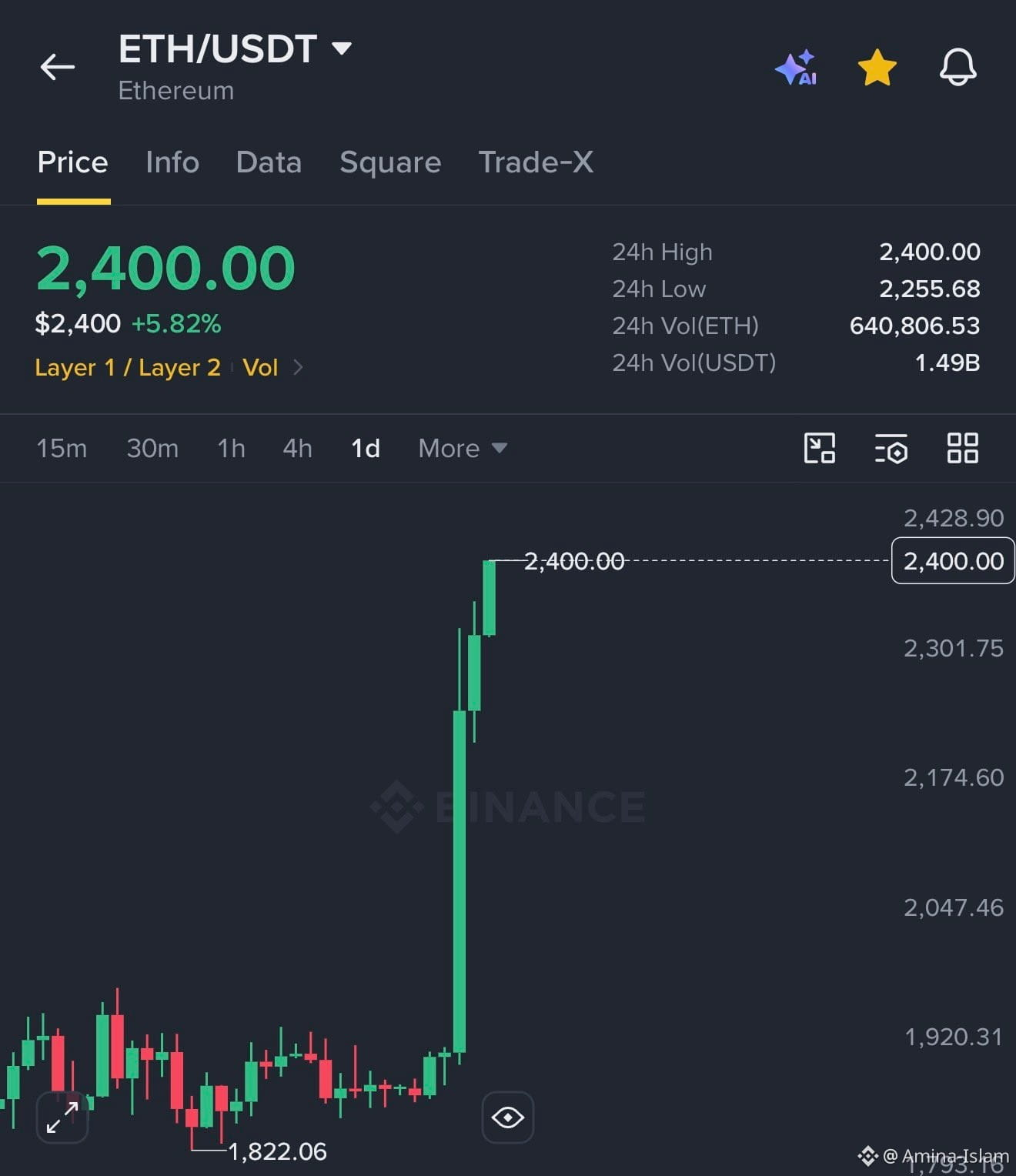
3. BTC pumped +28% ($17,000) from $62.3K to $79.5K and reclaimed the 200-day MA, while ETH pumped +36% and hit a 7-month high of $2,546.
4. ETFs bought $1.92 billion in BTC and $697 million in ETH, the largest inflow in 10 months (Oct 2025).
5. $500 billion added to the crypto market.
1. President Trump met crypto leaders to discuss the Clarity Act and said the US is considering buying large amounts of BTC and altcoins.
2. SEC proposed the first-ever crypto rules, while the CFTC said they will create a regulatory framework if the Clarity Act fails to pass.
3. BTC pumped +28% ($17,000) from $62.3K to $79.5K and reclaimed the 200-day MA, while ETH pumped +36% and hit a 7-month high of $2,546.
4. ETFs bought $1.92 billion in BTC and $697 million in ETH, the largest inflow in 10 months (Oct 2025).
5. $500 billion added to the crypto market.
Vérifié
In previous posts i told you all about Kadcast protocol in Dusk but now i am gonna tell you all about precision of it. Most blockchains talk about finality.
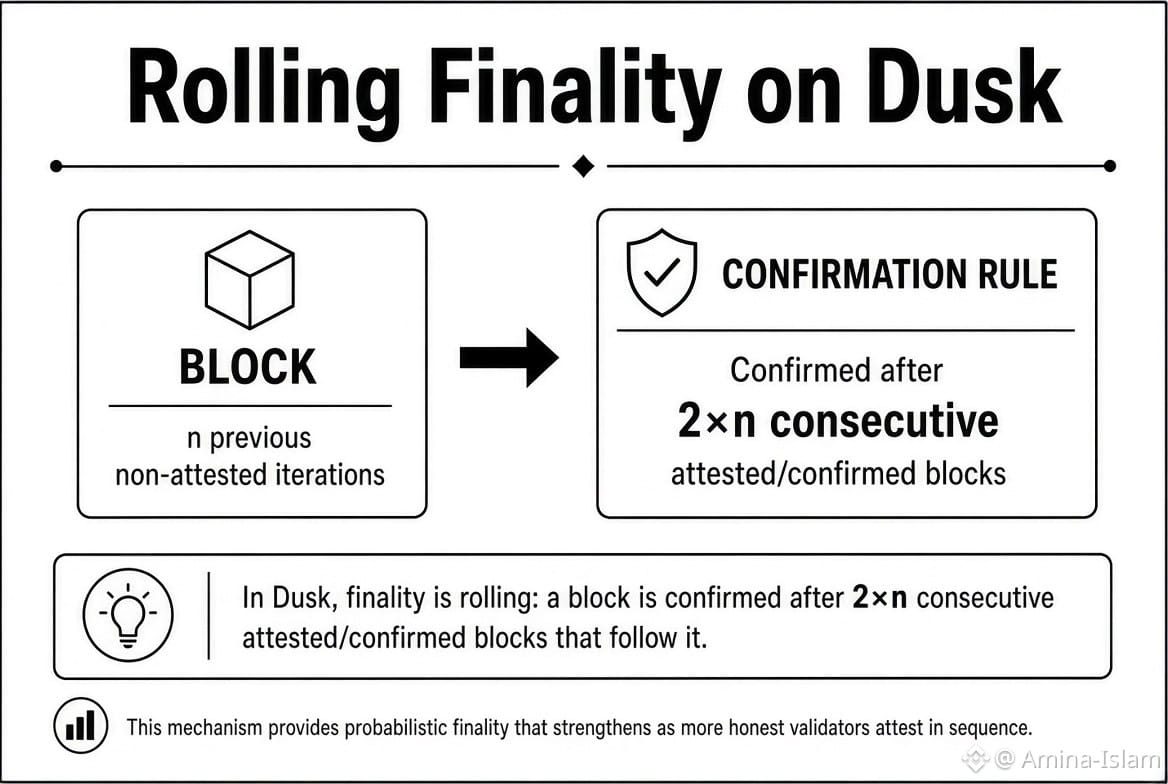
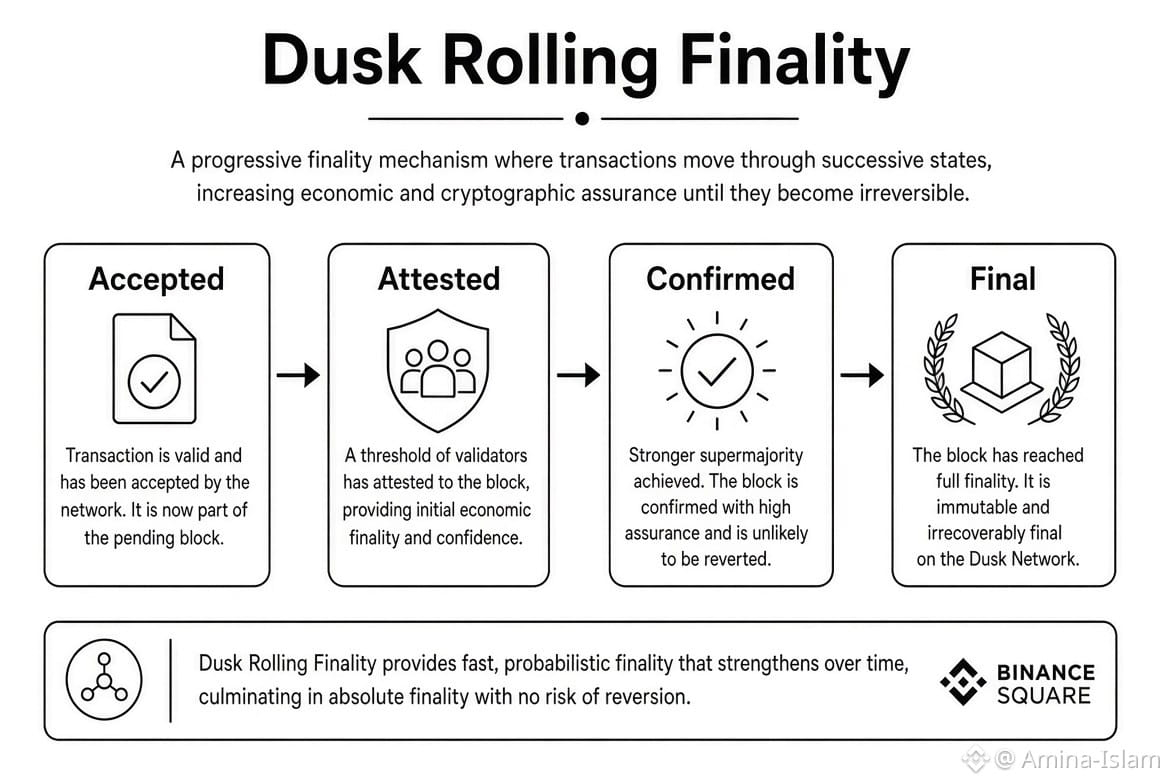
But you know what?? Dusk actually defines it with precision. In the Succinct Attestation consensus, every block moves through four clear states under Rolling Finality.....
Accepted , has a success attestation but can still be replaced by a lower-iteration block...
Attested , cannot be replaced by any lower-iteration block...
Confirmed , highly unlikely to be reverted...
Final , irreversible under any circumstances...
The transition depends on a simple rule: how many previous iterations lacked a fail attestation (n). Complicated right?? but thats how precision calculated.
An accepted block becomes confirmed only after 2 × n consecutive attested or confirmed blocks appear after it. Once confirmed, it becomes final when its parent is also final.
This design gives the network both speed and safety ... blocks can reach practical finality quickly while still protecting against rare network partitions. I find this very much interesting and want to know your experience about it.. Do you already know about it or just heard from my post right now.. tell me in comment section on whats your opinion on this.
@Dusk
$DUSK #dusk
But you know what?? Dusk actually defines it with precision. In the Succinct Attestation consensus, every block moves through four clear states under Rolling Finality.....
Accepted , has a success attestation but can still be replaced by a lower-iteration block...
Attested , cannot be replaced by any lower-iteration block...
Confirmed , highly unlikely to be reverted...
Final , irreversible under any circumstances...
The transition depends on a simple rule: how many previous iterations lacked a fail attestation (n). Complicated right?? but thats how precision calculated.
An accepted block becomes confirmed only after 2 × n consecutive attested or confirmed blocks appear after it. Once confirmed, it becomes final when its parent is also final.
This design gives the network both speed and safety ... blocks can reach practical finality quickly while still protecting against rare network partitions. I find this very much interesting and want to know your experience about it.. Do you already know about it or just heard from my post right now.. tell me in comment section on whats your opinion on this.
@Dusk
$DUSK #dusk
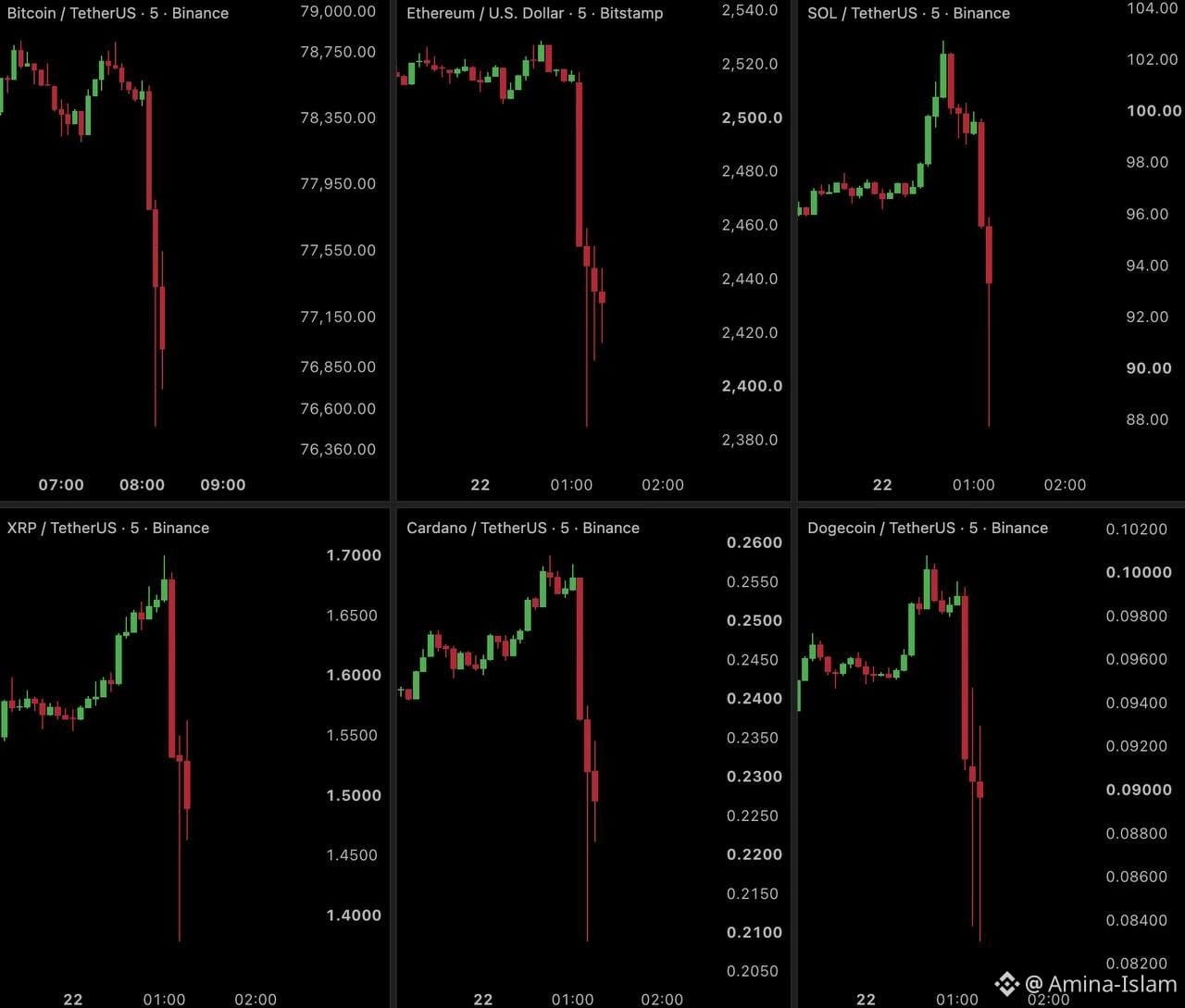
If you held through:
- October 10th crash
- US and Iran war
- February dump
- Saylor FUD
- Quantum FUD
- Exchanges shutting down
- Clarity Act delays
- Hardware wallets getting hacked
You deserve this pump.
#pump #CLARITYAct $BTC $ETH
- October 10th crash
- US and Iran war
- February dump
- Saylor FUD
- Quantum FUD
- Exchanges shutting down
- Clarity Act delays
- Hardware wallets getting hacked
You deserve this pump.
#pump #CLARITYAct $BTC $ETH
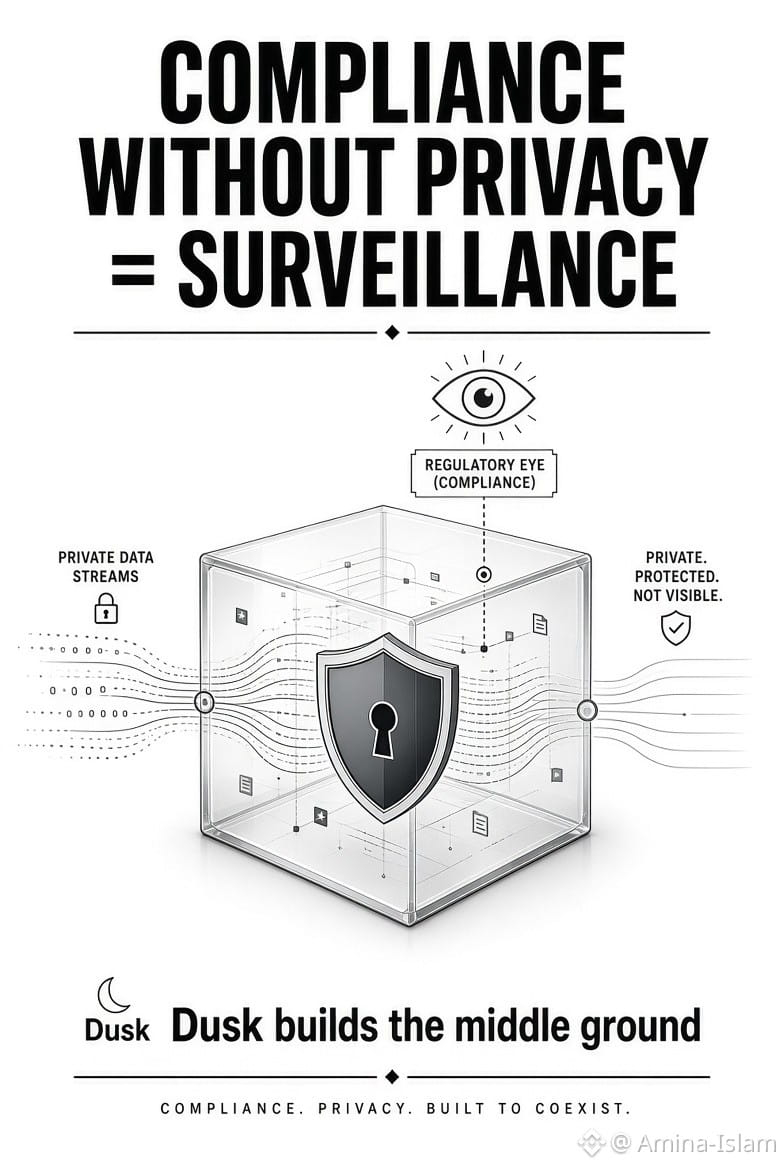
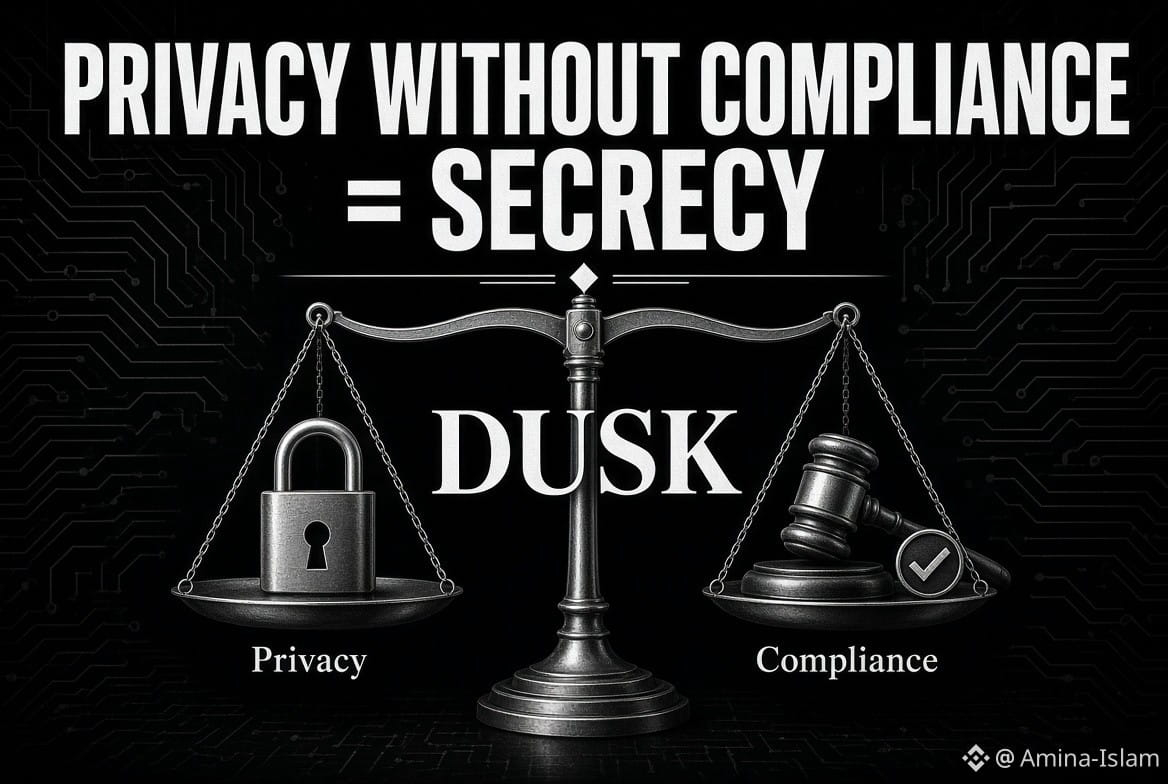
Privacy without compliance is just secrecy.
Compliance without privacy is just surveillance.
Dusk is building the rare middle ground: institutional-grade finance that keeps data confidential while still satisfying regulators. That’s why the current CreatorPad campaign rewards real thinking, not recycled posts.
Original thoughts about privacy + compliance win. #dusk $DUSK
@Dusk
Compliance without privacy is just surveillance.
Dusk is building the rare middle ground: institutional-grade finance that keeps data confidential while still satisfying regulators. That’s why the current CreatorPad campaign rewards real thinking, not recycled posts.
Original thoughts about privacy + compliance win. #dusk $DUSK
@Dusk
Vérifié
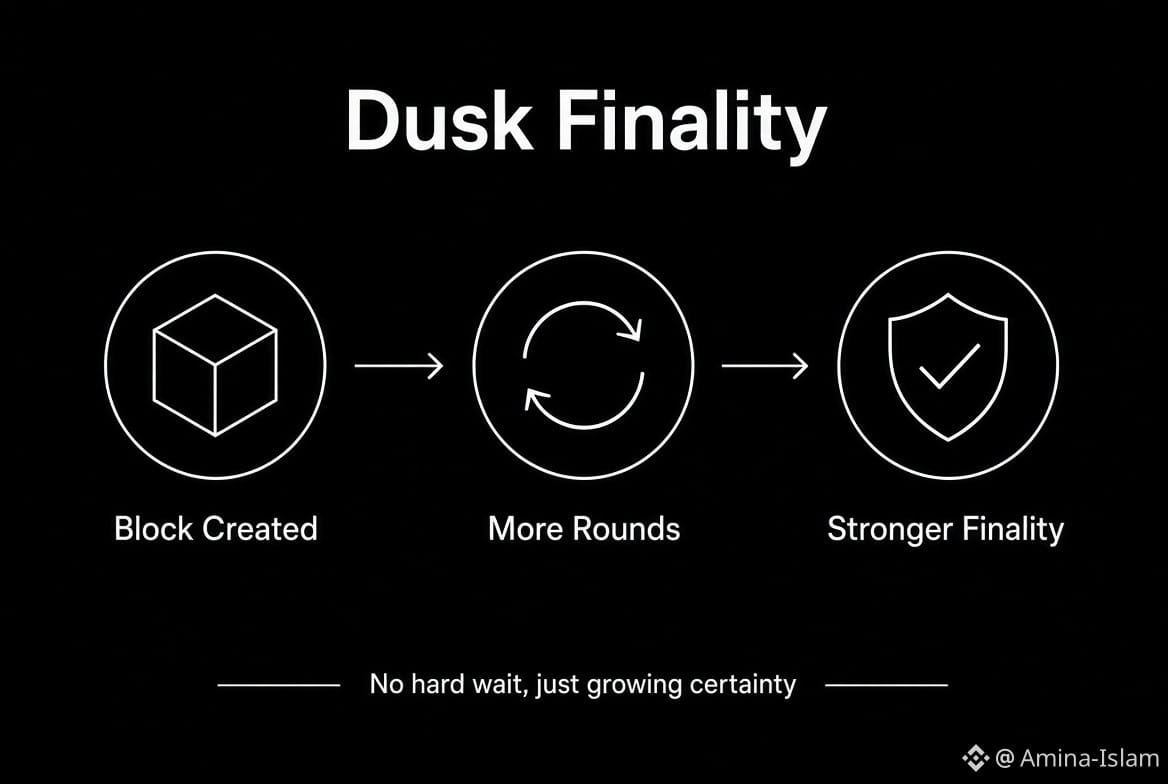
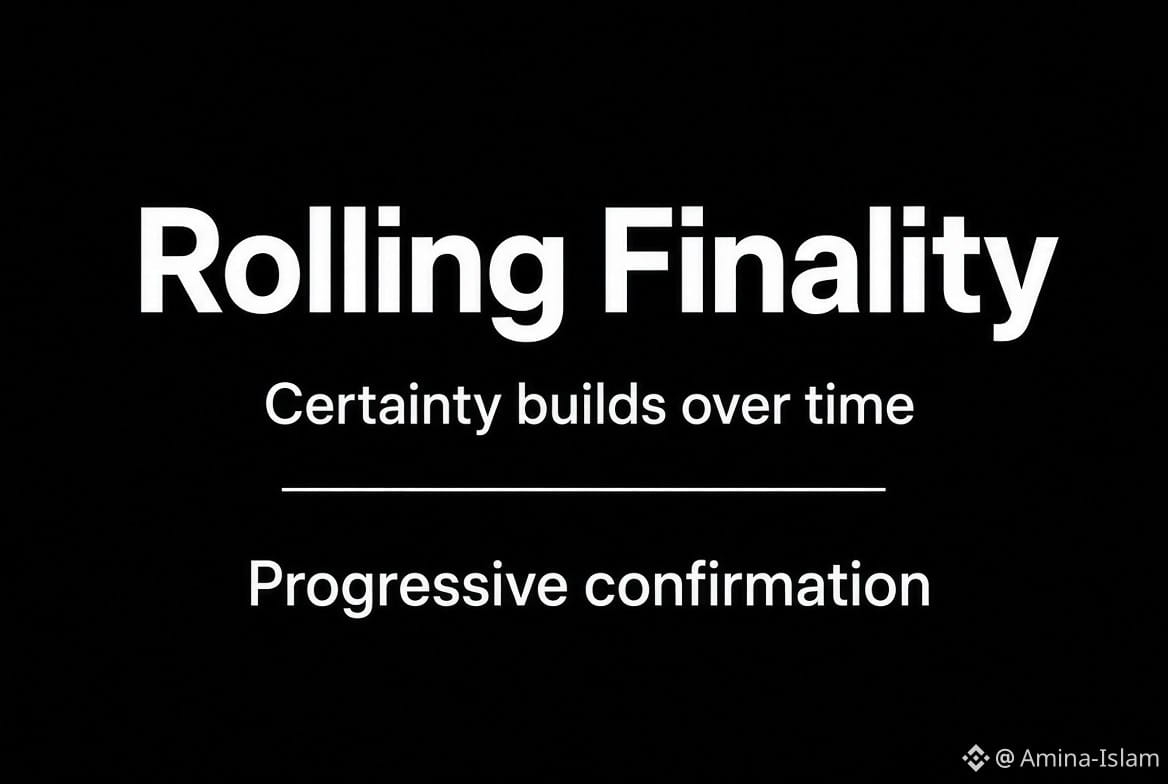
One of the more interesting parts of the Dusk whitepaper is their Rolling Finality approach. you wont believe this , Instead of waiting for a hard finality checkpoint, blocks gain finality gradually as more consensus rounds pass. Each new successful iteration strengthens the finality of previous blocks. It’s a quieter way of handling confirmation ... less “all or nothing” more progressive certainty. Its like something is better than nothing... Feels better suited for financial applications where you want reliability without long waiting periods.
@Dusk $DUSK #dusk
@Dusk $DUSK #dusk
Vérifié
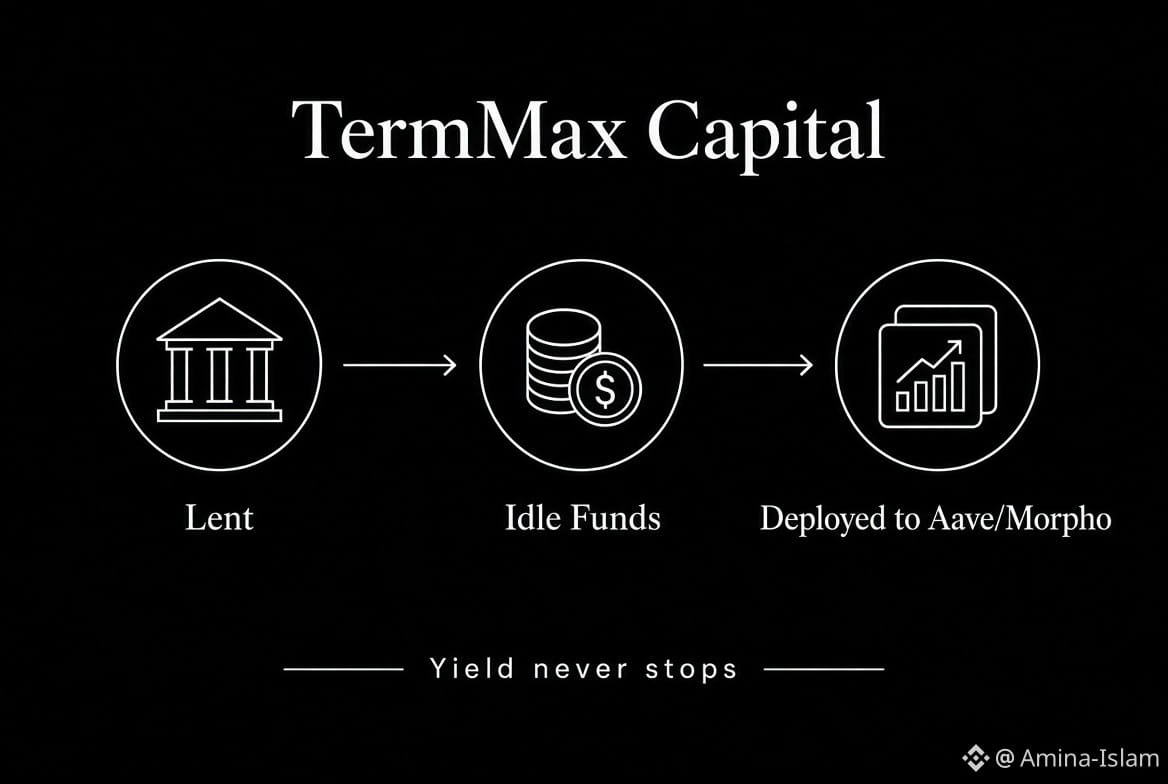
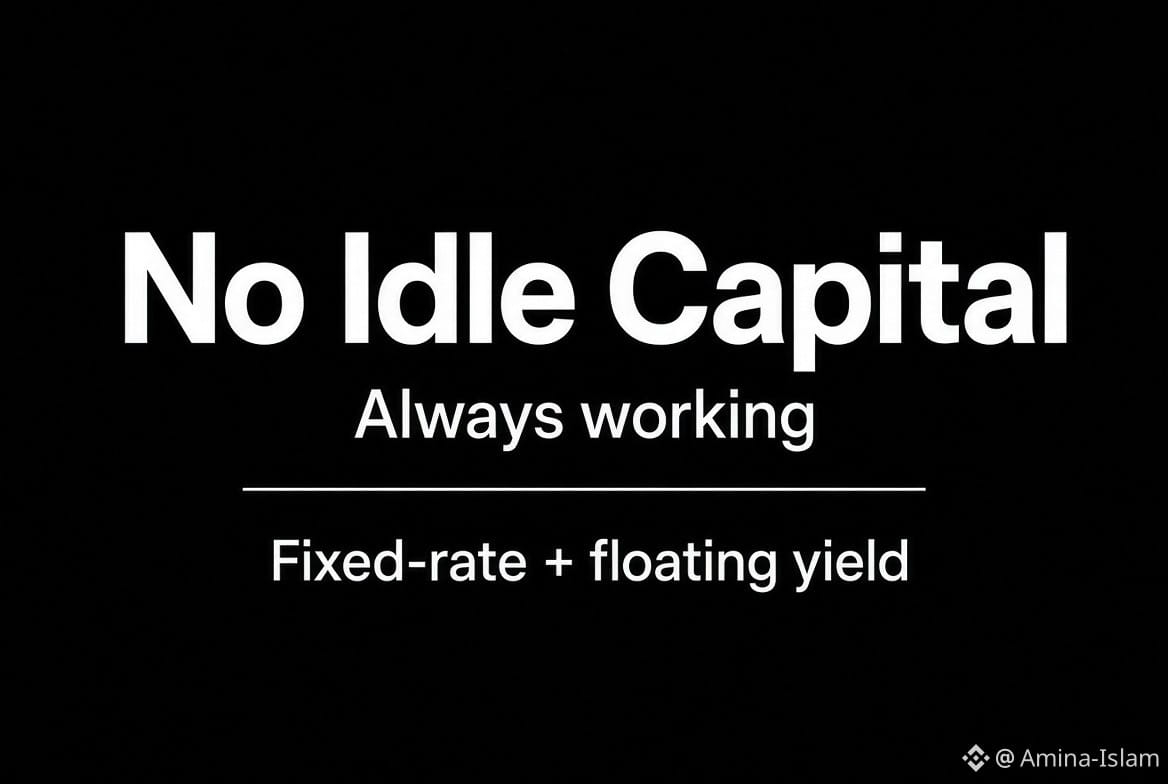
One thing that stands out with TermMax is how idle capital is handled. I have seen no such rhing in crypto but somehow TermMax is achieving this. When funds aren’t being borrowed, they don’t just sit there earning nothing. The protocol automatically deploys them into floating-rate markets like Aave or Morpho to keep generating yield while waiting. It’s a small design detail but it removes one of the usual inefficiencies in fixed-rate lending. Capital stays productive even in quieter periods. That’s the kind of practical thinking that makes
@TermMax worth watching. #TermMax
@TermMax worth watching. #TermMax
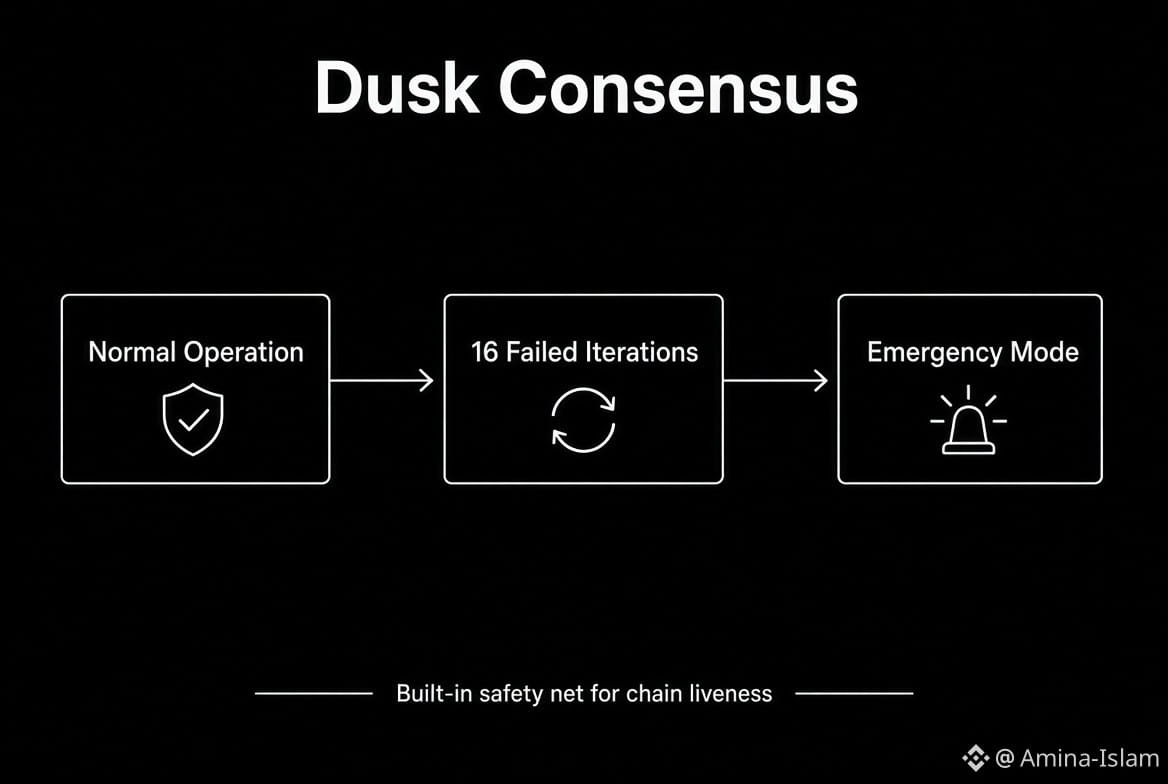
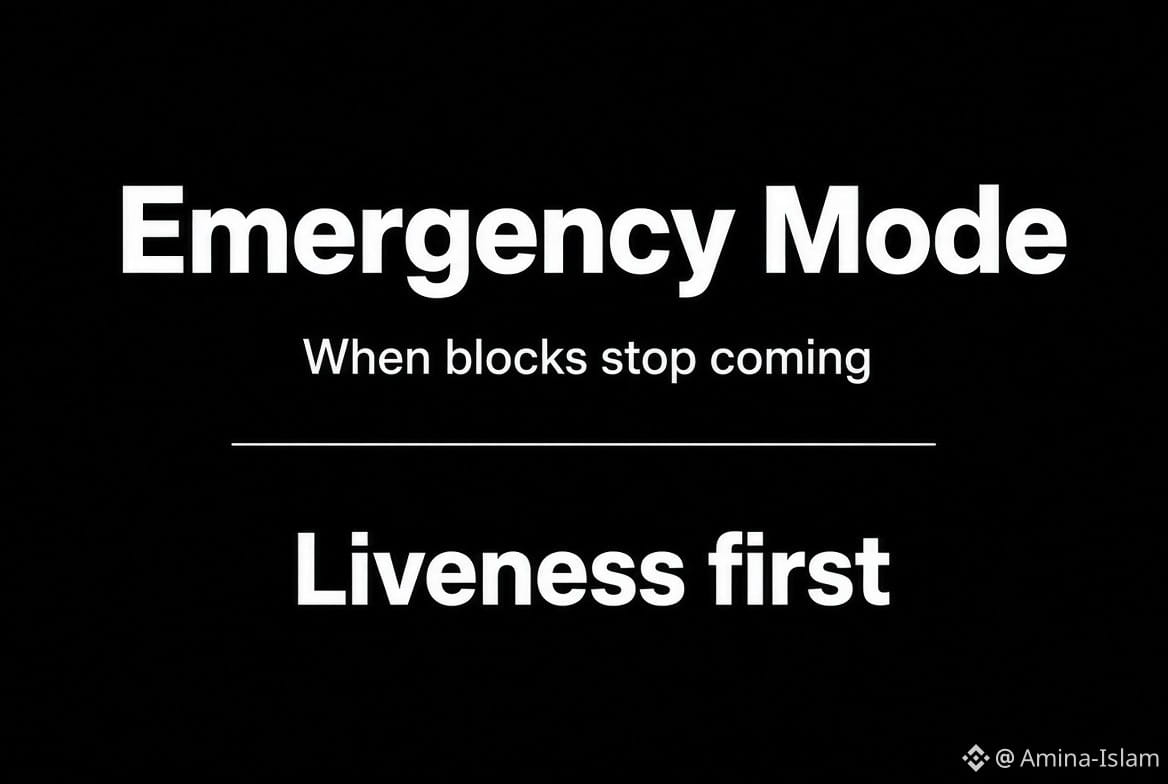
One part of the Dusk whitepaper that genuinely surprised me is the Emergency Mode in their consensus. Like seriously.. I mean if the network fails to produce a block for too many iterations (after 16 failed ones), it switches into a special mode. Timeouts are disabled, more flexible voting is allowed and the system prioritizes getting a block out to keep the chain alive. It’s clearly built as a last-resort safety net for liveness. Because safety always comes first. Most chains don’t openly design for this kind of extreme failure scenario. That level of contingency planning feels rare. What do you say about this safety measure??
@Dusk $DUSK #dusk
@Dusk $DUSK #dusk
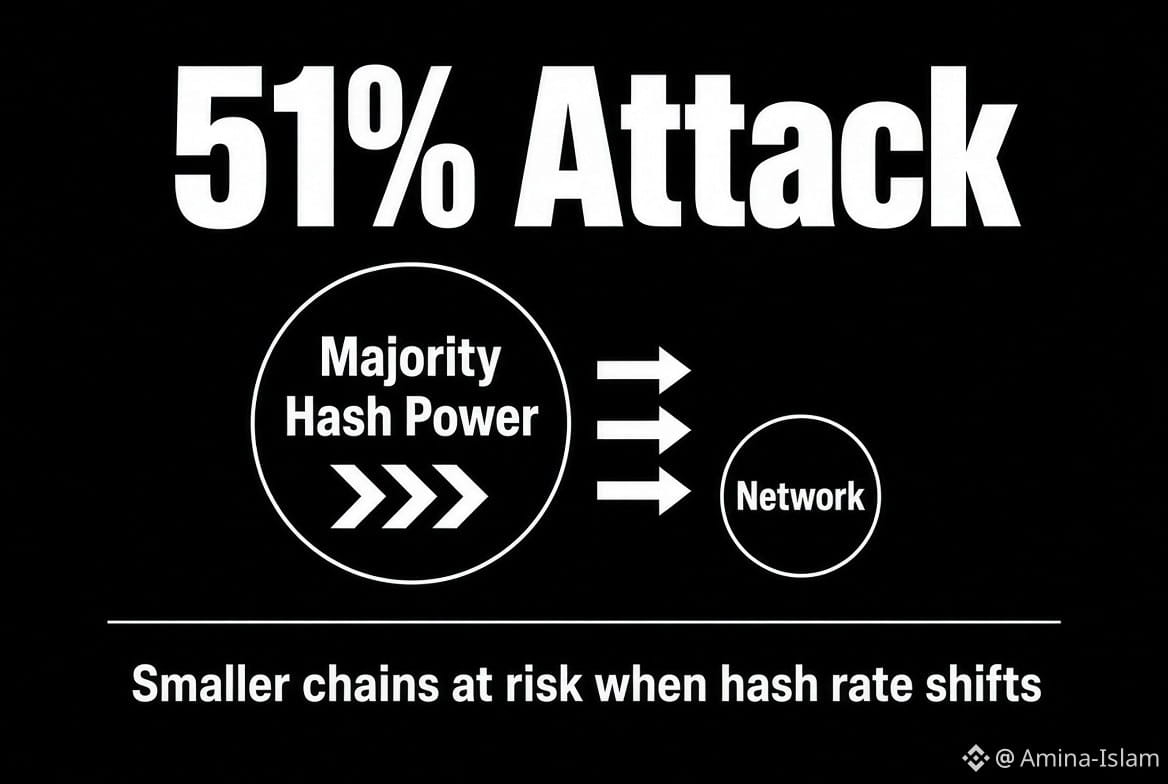
A 51% attack happens when one entity controls more than half of a blockchain’s mining/hash power. With that majority, they can rewrite recent transactions, double-spend coins, and disrupt the network.When a large amount of global hash rate suddenly moves (for example after a big coin’s reward drops or a ban), smaller networks become easy targets. Their total hash power is low, so even a fraction of the redirected miners can quickly dominate them and launch an attack.Smaller PoW chains are especially vulnerable during these hash rate shifts.
#51attack #scam
$BTW $BTC $ETH
#51attack #scam
$BTW $BTC $ETH
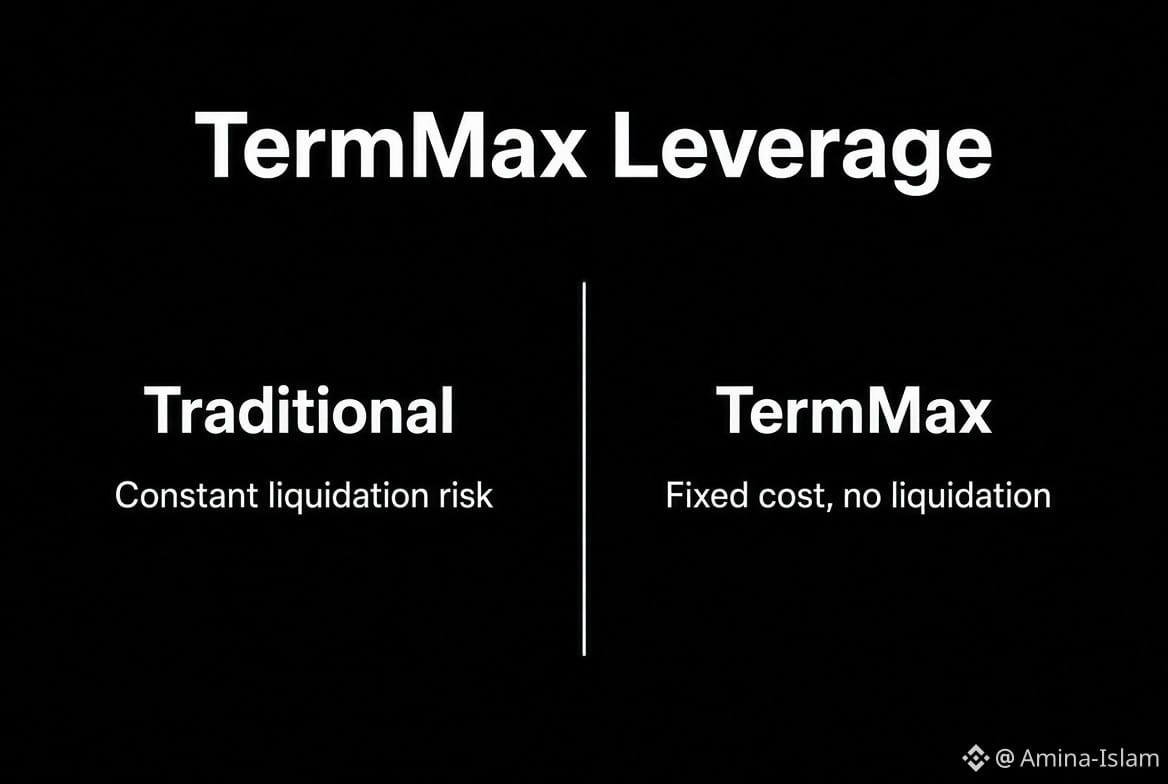
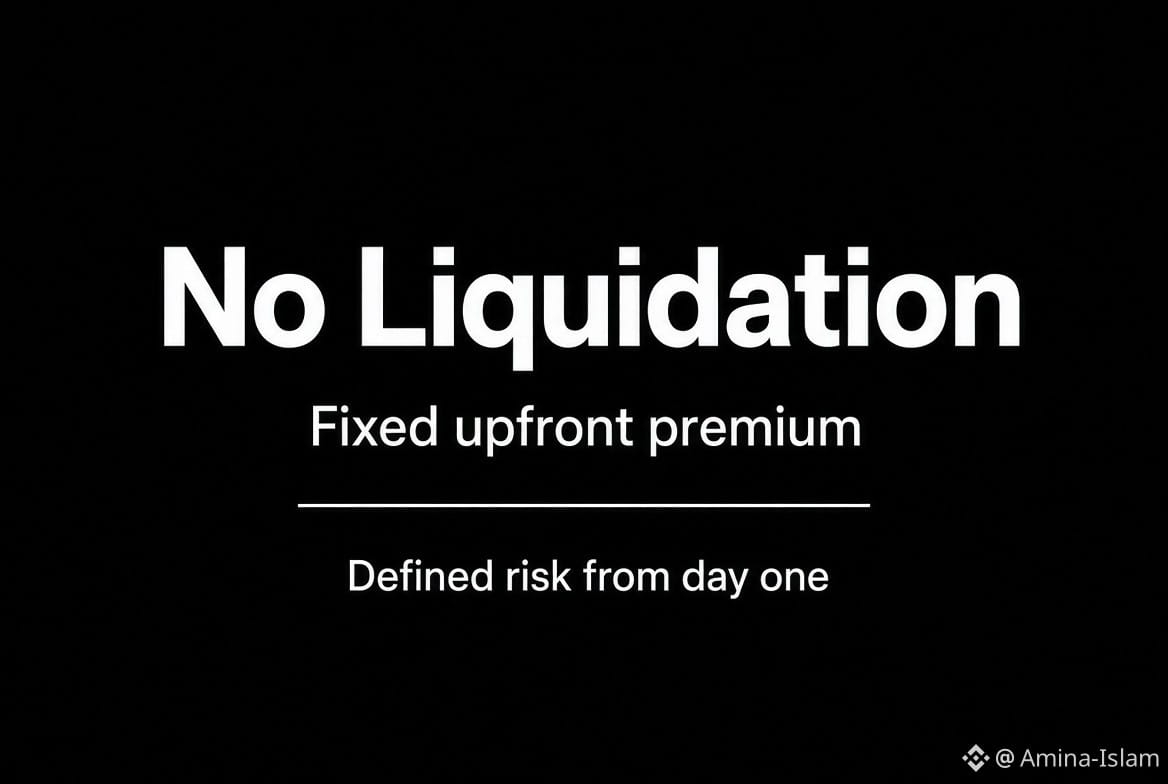
Most leverage in DeFi still comes with the constant fear of liquidation. TermMax does it differently. You pay a fixed upfront premium and get leveraged exposure without the usual liquidation risk hanging over you. The position is locked in from the start, so your downside is defined instead of being wiped out by a sudden move. Sudden move like 0n 11 october 2025 there was sudden move and mostly wiped out ... the biggest crash in crypto history. That shift from “hope the price doesn’t dump” to “I already know my max cost” feels like a real upgrade for anyone who’s been liquidated before. Isn't it great? As it gives you confidence to trade. Curious to see how people use this model on @TermMax #TermMax
Partiellement vrai
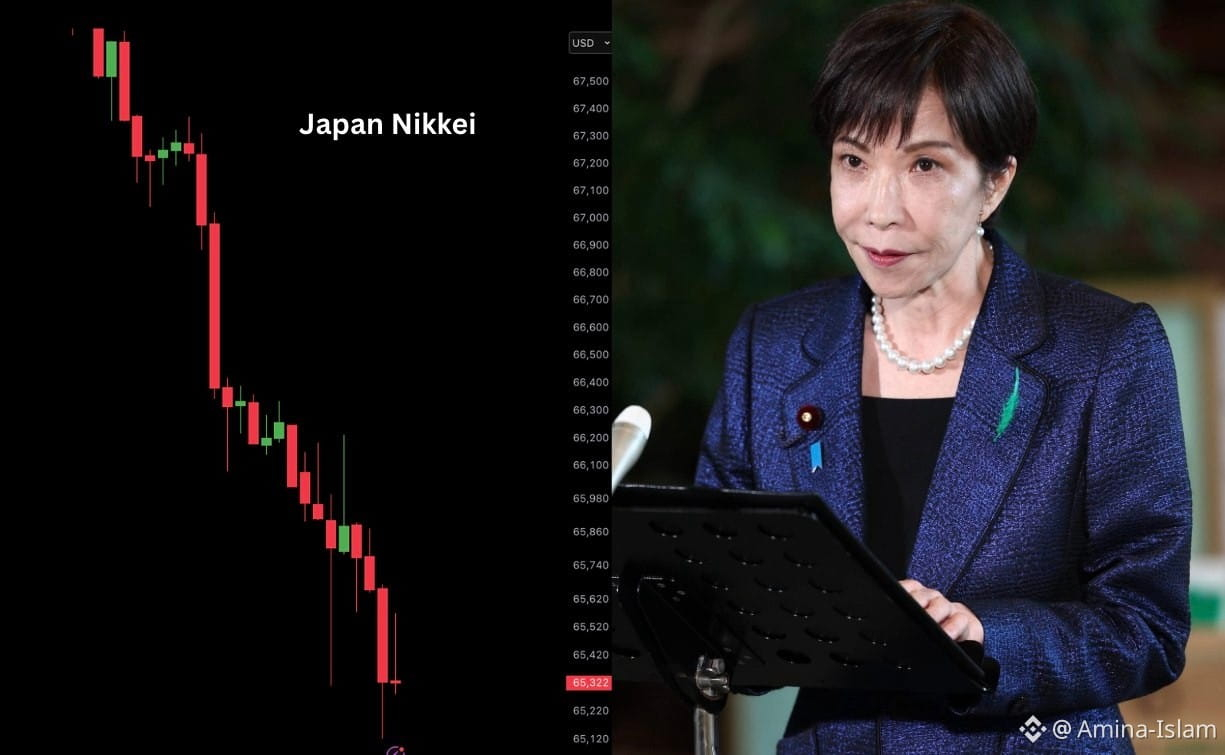
CRASH: Over $230 BILLION wiped out from Japanese stocks today.
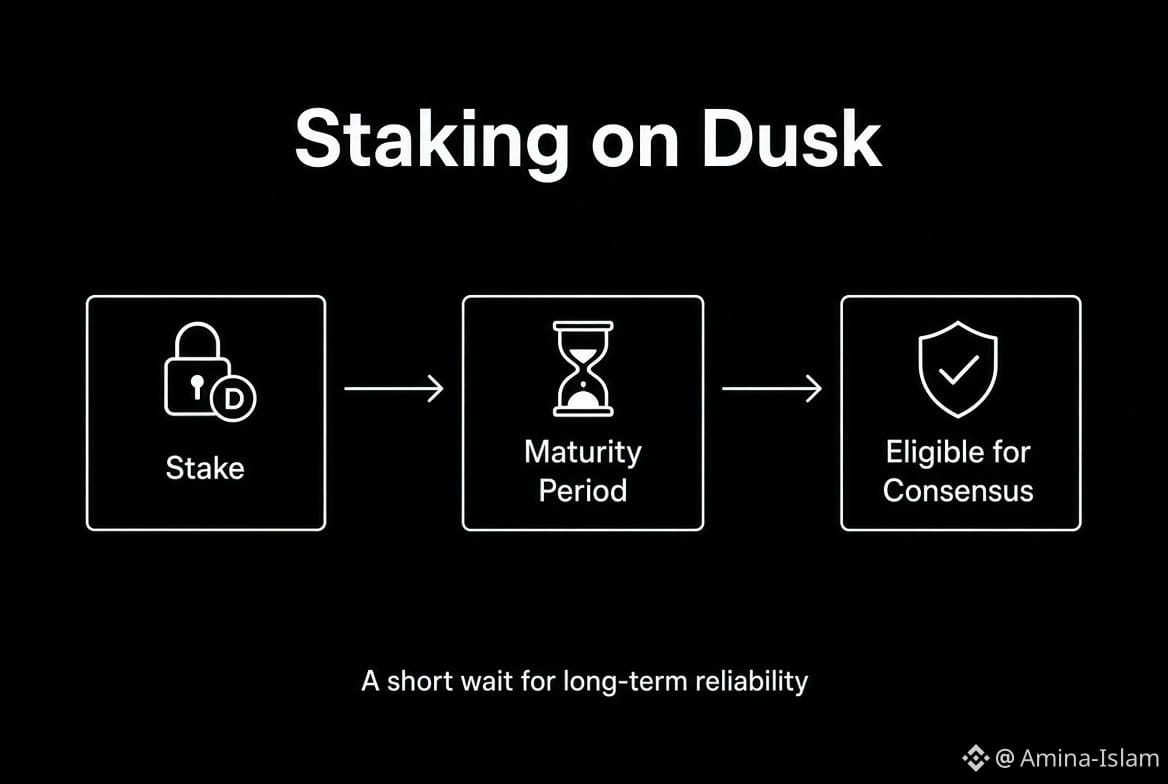
One detail from the Dusk whitepaper that stood out is the provisioner maturity period. When you stake, your stake doesn’t become eligible for consensus right away. It has to wait through a maturity window (tied to the epoch) before it can start participating. It’s clearly designed for network stability, but it does create a short-term capital lock-up. I keep wondering how much that friction actually matters for bigger participants. Quiet design choices like this show they’re thinking about long-term reliability over pure speed of entry.
@Dusk $DUSK #dusk
@Dusk $DUSK #dusk
Connectez-vous pour découvrir plus de contenu