
Ali_shayan
1.3k Publications

Ali_shayan
Signaler
Bloquer l’utilisateur
Crypto Strategist | Daily Market Signals | Follow For Latest And Authentic Crypto News
7 Suivis
241 Abonnés
1.2K+ J’aime
Publications
Tous
Citations
·
--
#skhynixstudiesjapanmemorychipventure SK Hynix examine un nouveau partenariat afin de construire une usine de puces mémoire au Japon. Le géant de la technologie souhaite augmenter sa production, car les outils d’intelligence artificielle ont besoin de quantités énormes de mémoire spécialisée. La demande mondiale pour ces puces augmente rapidement, et ce nouveau projet pourrait contribuer à éviter d’éventuelles pénuries futures. Les dirigeants de l’entreprise étudient encore l’emplacement exact, les coûts et les partenaires locaux avant de faire un choix final.
CLIQUEZ CI-DESSOUS POUR ÉCHANGER : $SKHYB $BTC $MU
{future}(MUUSDT)
{future}(BTCUSDT)
{spot}(SKHYBUSDT)
#skhynixstudiesjapanmemorychipventure SK Hynix examine un nouveau partenariat afin de construire une usine de puces mémoire au Japon. Le géant de la technologie souhaite augmenter sa production, car les outils d’intelligence artificielle ont besoin de quantités énormes de mémoire spécialisée. La demande mondiale pour ces puces augmente rapidement, et ce nouveau projet pourrait contribuer à éviter d’éventuelles pénuries futures. Les dirigeants de l’entreprise étudient encore l’emplacement exact, les coûts et les partenaires locaux avant de faire un choix final.
CLIQUEZ CI-DESSOUS POUR ÉCHANGER : $SKHYB $BTC $MU
CLIQUEZ CI-DESSOUS POUR ÉCHANGER : $SKHYB $BTC $MU

23
·
--
#skhynixstudiesjapanmemorychipventure SK Hynix cherche à construire une nouvelle usine de puces mémoire au Japon. L’entreprise veut augmenter sa production, car la technologie de l’intelligence artificielle a besoin de beaucoup de nouvelles puces. Le président du groupe SK, Chey Tae-won, a déclaré qu’ils recherchaient partout au Japon un bon emplacement disposant d’une grande quantité d’eau et d’électricité. Ils n’ont pas encore décidé d’un site final ni d’un partenaire commercial, mais cette démarche les aidera à se développer et à répondre à la forte demande mondiale.
CLIQUEZ CI-DESSOUS POUR ÉCHANGER : $SKHYB $BTC $VELVET
{future}(VELVETUSDT)
{future}(BTCUSDT)
{spot}(SKHYBUSDT)
#skhynixstudiesjapanmemorychipventure SK Hynix cherche à construire une nouvelle usine de puces mémoire au Japon. L’entreprise veut augmenter sa production, car la technologie de l’intelligence artificielle a besoin de beaucoup de nouvelles puces. Le président du groupe SK, Chey Tae-won, a déclaré qu’ils recherchaient partout au Japon un bon emplacement disposant d’une grande quantité d’eau et d’électricité. Ils n’ont pas encore décidé d’un site final ni d’un partenaire commercial, mais cette démarche les aidera à se développer et à répondre à la forte demande mondiale.
CLIQUEZ CI-DESSOUS POUR ÉCHANGER : $SKHYB $BTC $VELVET
CLIQUEZ CI-DESSOUS POUR ÉCHANGER : $SKHYB $BTC $VELVET

159
·
--
#skhynixstudiesjapanmemorychipventure SK hynix étudie une nouvelle coentreprise visant à construire une usine de puces mémoire au Japon. Les dirigeants déclarent que l’entreprise souhaite répondre à la hausse massive de la demande mondiale de puces pour l’intelligence artificielle. Le président du SK Group, Chey Tae-won, a indiqué qu’ils recherchent activement à travers le Japon des sites disposant d’une bonne alimentation en électricité et en eau. Cette démarche aidera également l’entreprise à renforcer ses partenariats avec les fournisseurs et clients technologiques locaux afin d’augmenter la production.
CLIQUEZ CI-DESSOUS POUR ÉCHANGER : $BTC $SKHYB $MU
{future}(MUUSDT)
{spot}(SKHYBUSDT)
{future}(BTCUSDT)
#skhynixstudiesjapanmemorychipventure SK hynix étudie une nouvelle coentreprise visant à construire une usine de puces mémoire au Japon. Les dirigeants déclarent que l’entreprise souhaite répondre à la hausse massive de la demande mondiale de puces pour l’intelligence artificielle. Le président du SK Group, Chey Tae-won, a indiqué qu’ils recherchent activement à travers le Japon des sites disposant d’une bonne alimentation en électricité et en eau. Cette démarche aidera également l’entreprise à renforcer ses partenariats avec les fournisseurs et clients technologiques locaux afin d’augmenter la production.
CLIQUEZ CI-DESSOUS POUR ÉCHANGER : $BTC $SKHYB $MU
CLIQUEZ CI-DESSOUS POUR ÉCHANGER : $BTC $SKHYB $MU

341
·
--
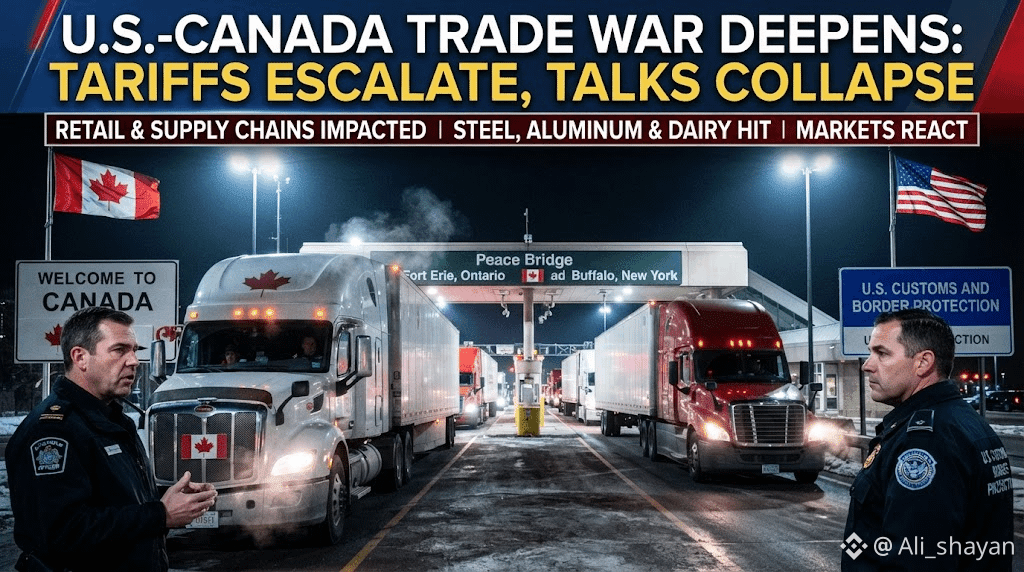
#uscanadatradewardeepens La guerre commerciale entre les États-Unis et le Canada a subi un sérieux revers après l’échec de pourparlers de dernière minute. Les États-Unis ont imposé des droits de douane particulièrement élevés de 50 % sur des milliards de dollars de produits canadiens, notamment l’acier, l’aluminium et les automobiles. En réponse, le Canada a riposté en appliquant des droits de douane de représailles équivalents sur des produits américains tels que les produits laitiers, les appareils électroménagers et le matériel agricole. Les dirigeants des deux camps sont actuellement dans l’impasse, ce qui suscite de sérieuses inquiétudes pour les chaînes d’approvisionnement nord-américaines et les consommateurs du quotidien.
CLIQUEZ CI-DESSOUS POUR ÉCHANGER : $BTC $BNB $HUMA
{future}(HUMAUSDT)
{future}(BNBUSDT)
{future}(BTCUSDT)
#uscanadatradewardeepens La guerre commerciale entre les États-Unis et le Canada a subi un sérieux revers après l’échec de pourparlers de dernière minute. Les États-Unis ont imposé des droits de douane particulièrement élevés de 50 % sur des milliards de dollars de produits canadiens, notamment l’acier, l’aluminium et les automobiles. En réponse, le Canada a riposté en appliquant des droits de douane de représailles équivalents sur des produits américains tels que les produits laitiers, les appareils électroménagers et le matériel agricole. Les dirigeants des deux camps sont actuellement dans l’impasse, ce qui suscite de sérieuses inquiétudes pour les chaînes d’approvisionnement nord-américaines et les consommateurs du quotidien.
CLIQUEZ CI-DESSOUS POUR ÉCHANGER : $BTC $BNB $HUMA
CLIQUEZ CI-DESSOUS POUR ÉCHANGER : $BTC $BNB $HUMA
26
·
--
Vérifié
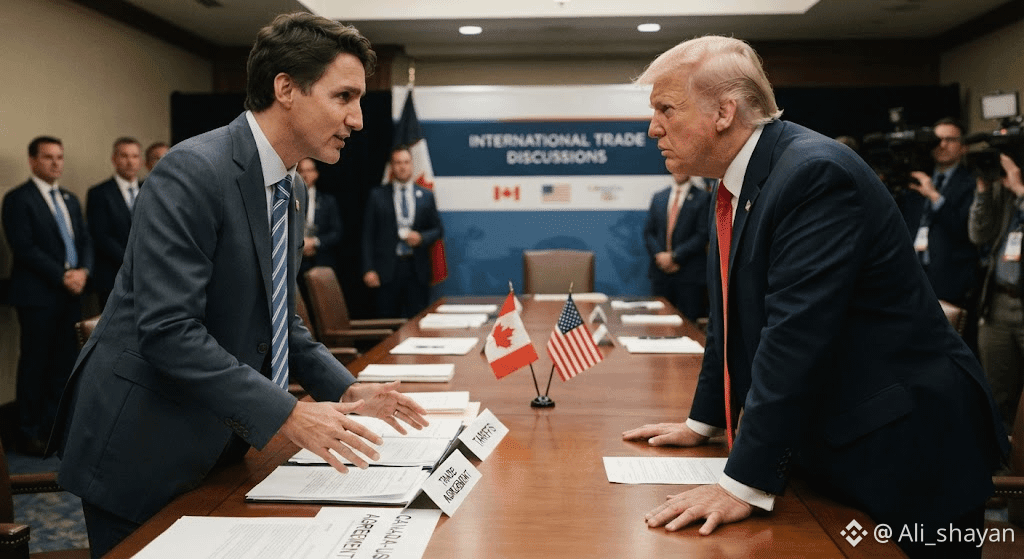
#uscanadatradewardeepens La guerre commerciale entre les États-Unis et le Canada s’aggrave. Les États-Unis ont imposé des droits de douane élevés sur les produits canadiens après l’échec des négociations commerciales. En réponse, le Canada prévoit de riposter avec ses propres taxes lourdes sur les produits américains. Ce bras de fer rend des articles du quotidien plus chers pour les gens ordinaires des deux côtés de la frontière. Les dirigeants continuent de s’affronter, et aucune solution n’est encore en vue.
CLIQUEZ CI-DESSOUS POUR ÉCHANGER : $BTC $KORU $BZ
{future}(BZUSDT)
{future}(KORUUSDT)
{future}(BTCUSDT)
#uscanadatradewardeepens La guerre commerciale entre les États-Unis et le Canada s’aggrave. Les États-Unis ont imposé des droits de douane élevés sur les produits canadiens après l’échec des négociations commerciales. En réponse, le Canada prévoit de riposter avec ses propres taxes lourdes sur les produits américains. Ce bras de fer rend des articles du quotidien plus chers pour les gens ordinaires des deux côtés de la frontière. Les dirigeants continuent de s’affronter, et aucune solution n’est encore en vue.
CLIQUEZ CI-DESSOUS POUR ÉCHANGER : $BTC $KORU $BZ
CLIQUEZ CI-DESSOUS POUR ÉCHANGER : $BTC $KORU $BZ
1
613
·
--
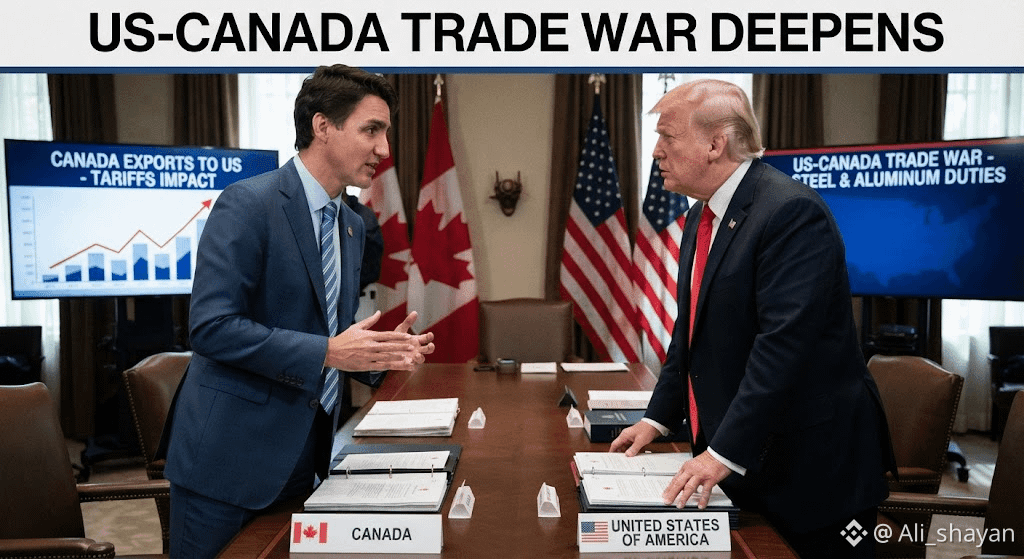
#uscanadatradewardeepens La guerre commerciale entre les États-Unis et le Canada s’aggrave. Les deux pays ont imposé de lourdes taxes de cinquante pour cent sur de nombreux produits comme l’acier, la nourriture et les articles du quotidien. Les pourparlers entre dirigeants ont cessé après leur échec à conclure un accord équitable. À présent, les gens ordinaires paieront des prix plus élevés pour les produits du quotidien, tandis que les entreprises peinent face à la hausse des coûts. Des experts affirment que ce bras de fer fera du mal aux travailleurs et aux clients des deux côtés de la frontière.
CLIQUEZ CI-DESSOUS POUR ÉCHANGER : $BTC $ETH $HEMI
{future}(HEMIUSDT)
{future}(ETHUSDT)
{future}(BTCUSDT)
#uscanadatradewardeepens La guerre commerciale entre les États-Unis et le Canada s’aggrave. Les deux pays ont imposé de lourdes taxes de cinquante pour cent sur de nombreux produits comme l’acier, la nourriture et les articles du quotidien. Les pourparlers entre dirigeants ont cessé après leur échec à conclure un accord équitable. À présent, les gens ordinaires paieront des prix plus élevés pour les produits du quotidien, tandis que les entreprises peinent face à la hausse des coûts. Des experts affirment que ce bras de fer fera du mal aux travailleurs et aux clients des deux côtés de la frontière.
CLIQUEZ CI-DESSOUS POUR ÉCHANGER : $BTC $ETH $HEMI
CLIQUEZ CI-DESSOUS POUR ÉCHANGER : $BTC $ETH $HEMI
1
83
·
--
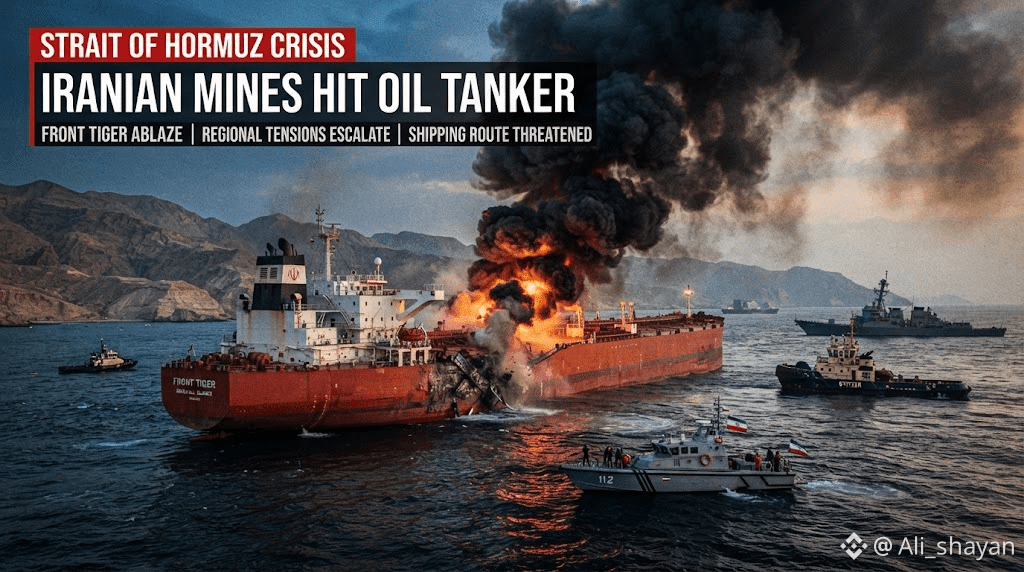
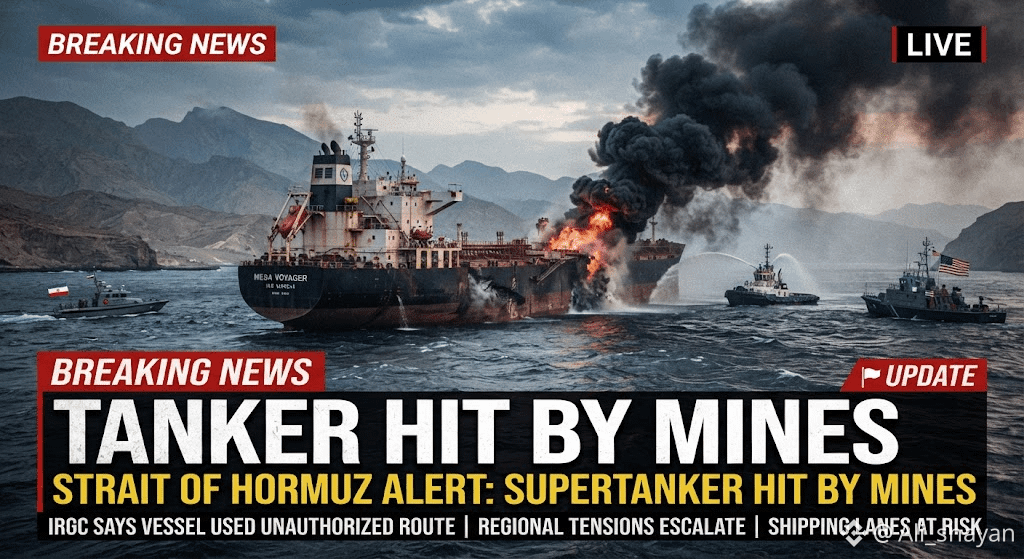
#tankerhitsminesinstraitofhormuz A major supertanker pétrolier a pris feu et s’est complètement immobilisé après avoir heurté deux mines marines dans le détroit d’Hormuz. Les Gardiens de la Révolution iraniens ont déclaré que le navire empruntait une route non autorisée à travers la voie navigable stratégique. Des responsables ont averti toutes les compagnies maritimes de respecter strictement les règles de sécurité, ou de s’exposer au même sort dangereux. Cet incident tendu fait suite à des affrontements militaires récents entre les forces américaines et iraniennes dans la région, entraînant une hausse des prix mondiaux du pétrole.
CLIQUEZ CI-DESSOUS POUR ÉCHANGER : $BTC $SOL $NATGAS
{future}(NATGASUSDT)
{future}(SOLUSDT)
{future}(BTCUSDT)
#tankerhitsminesinstraitofhormuz A major supertanker pétrolier a pris feu et s’est complètement immobilisé après avoir heurté deux mines marines dans le détroit d’Hormuz. Les Gardiens de la Révolution iraniens ont déclaré que le navire empruntait une route non autorisée à travers la voie navigable stratégique. Des responsables ont averti toutes les compagnies maritimes de respecter strictement les règles de sécurité, ou de s’exposer au même sort dangereux. Cet incident tendu fait suite à des affrontements militaires récents entre les forces américaines et iraniennes dans la région, entraînant une hausse des prix mondiaux du pétrole.
CLIQUEZ CI-DESSOUS POUR ÉCHANGER : $BTC $SOL $NATGAS
CLIQUEZ CI-DESSOUS POUR ÉCHANGER : $BTC $SOL $NATGAS
17
·
--
Un supertanker de #tankerhitsminesinstraitofhormuz s’est enflammé et a cessé de bouger après avoir heurté deux mines en mer dans le détroit d’Hormuz. Les Gardiens de la révolution iranienne ont déclaré que le navire empruntait une route non autorisée. Cet incident dangereux survient après des affrontements militaires récents dans la région, suscitant de grandes inquiétudes quant à la sécurité des voies de transport maritime du pétrole dans le monde. Les autorités appellent tous les navires commerciaux à respecter strictement les règles officielles de passage afin d’éviter de nouveaux désastres.
CLIQUEZ CI-DESSOUS POUR ÉCHANGER : $BTC $BNB $BZ
{future}(BZUSDT)
{future}(BNBUSDT)
{future}(BTCUSDT)
Un supertanker de #tankerhitsminesinstraitofhormuz s’est enflammé et a cessé de bouger après avoir heurté deux mines en mer dans le détroit d’Hormuz. Les Gardiens de la révolution iranienne ont déclaré que le navire empruntait une route non autorisée. Cet incident dangereux survient après des affrontements militaires récents dans la région, suscitant de grandes inquiétudes quant à la sécurité des voies de transport maritime du pétrole dans le monde. Les autorités appellent tous les navires commerciaux à respecter strictement les règles officielles de passage afin d’éviter de nouveaux désastres.
CLIQUEZ CI-DESSOUS POUR ÉCHANGER : $BTC $BNB $BZ
CLIQUEZ CI-DESSOUS POUR ÉCHANGER : $BTC $BNB $BZ
1
768
·
--
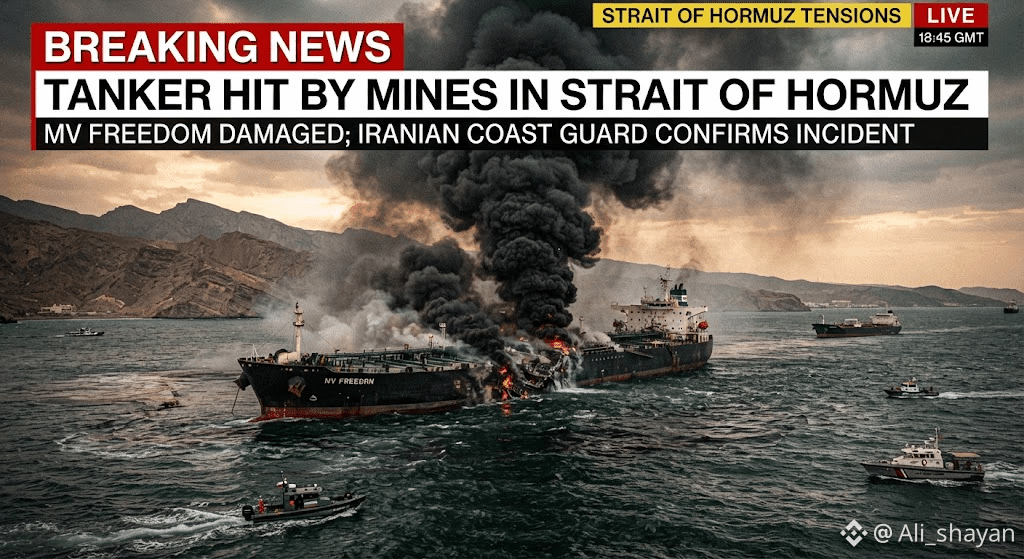
#tankerhitsminesinstraitofhormuz Un énorme pétrolier a pris feu et s’est immobilisé complètement après avoir heurté deux mines marines dans le détroit d’Ormuz. Les Gardiens de la révolution iraniens ont déclaré que le navire empruntait une route non autorisée. Des responsables ont averti tous les navires commerciaux de respecter strictement les règles locales de sécurité, sous peine de subir le même danger. Cet incident grave survient juste après de récents affrontements militaires entre les forces américaines et iraniennes dans la région. Les compagnies maritimes s’inquiètent désormais beaucoup pour la sécurité.
CLIQUEZ CI-DESSOUS POUR ÉCHANGER : $BTC $ETH $CL
{future}(CLUSDT)
{future}(ETHUSDT)
{future}(BTCUSDT)
#tankerhitsminesinstraitofhormuz Un énorme pétrolier a pris feu et s’est immobilisé complètement après avoir heurté deux mines marines dans le détroit d’Ormuz. Les Gardiens de la révolution iraniens ont déclaré que le navire empruntait une route non autorisée. Des responsables ont averti tous les navires commerciaux de respecter strictement les règles locales de sécurité, sous peine de subir le même danger. Cet incident grave survient juste après de récents affrontements militaires entre les forces américaines et iraniennes dans la région. Les compagnies maritimes s’inquiètent désormais beaucoup pour la sécurité.
CLIQUEZ CI-DESSOUS POUR ÉCHANGER : $BTC $ETH $CL
CLIQUEZ CI-DESSOUS POUR ÉCHANGER : $BTC $ETH $CL
3
1.6k
·
--
#SaudiArabiaSeeksAbout$8BLoan L’Arabie saoudite cherche à lever au moins huit milliards de dollars via un nouveau prêt bancaire. Le royaume subit une pression financière supplémentaire, car des conflits régionaux ont perturbé le commerce et touché son secteur pétrolier. Dans le même temps, le gouvernement souhaite continuer de financer ses grands projets de transformation économique. Des discussions avec les banques sont actuellement en cours afin d’obtenir ce financement supplémentaire.
CLIQUEZ CI-DESSOUS POUR ÉCHANGER : $BTC $ETH $CL
{future}(CLUSDT)
{future}(ETHUSDT)
{future}(BTCUSDT)
#SaudiArabiaSeeksAbout$8BLoan L’Arabie saoudite cherche à lever au moins huit milliards de dollars via un nouveau prêt bancaire. Le royaume subit une pression financière supplémentaire, car des conflits régionaux ont perturbé le commerce et touché son secteur pétrolier. Dans le même temps, le gouvernement souhaite continuer de financer ses grands projets de transformation économique. Des discussions avec les banques sont actuellement en cours afin d’obtenir ce financement supplémentaire.
CLIQUEZ CI-DESSOUS POUR ÉCHANGER : $BTC $ETH $CL
CLIQUEZ CI-DESSOUS POUR ÉCHANGER : $BTC $ETH $CL

9
·
--
#SaudiArabiaSeeksAbout$8BLoan L’Arabie saoudite cherche à emprunter au moins 8 milliards de dollars via un nouveau prêt. Le royaume fait face à des tensions financières car les conflits régionaux ont freiné le commerce et touché son secteur pétrolier. Même avec ces contraintes budgétaires, Riyad veut continuer de financer ses grands projets de transformation économique. Le centre de la dette publique et le géant pétrolier public Aramco discutent actuellement avec des banques de ces nouveaux fonds.
CLIQUEZ CI-DESSOUS POUR ÉCHANGER : $BTC $NATGAS $HYPE
{future}(HYPEUSDT)
{future}(NATGASUSDT)
{future}(BTCUSDT)
#SaudiArabiaSeeksAbout$8BLoan L’Arabie saoudite cherche à emprunter au moins 8 milliards de dollars via un nouveau prêt. Le royaume fait face à des tensions financières car les conflits régionaux ont freiné le commerce et touché son secteur pétrolier. Même avec ces contraintes budgétaires, Riyad veut continuer de financer ses grands projets de transformation économique. Le centre de la dette publique et le géant pétrolier public Aramco discutent actuellement avec des banques de ces nouveaux fonds.
CLIQUEZ CI-DESSOUS POUR ÉCHANGER : $BTC $NATGAS $HYPE
CLIQUEZ CI-DESSOUS POUR ÉCHANGER : $BTC $NATGAS $HYPE

10
·
--
#SaudiArabiaSeeksAbout$8BLoan L’Arabie saoudite cherche à emprunter environ huit milliards de dollars via un nouveau prêt bancaire. Le pays subit une pression financière croissante, car les conflits régionaux en cours ont perturbé les échanges et touché son secteur pétrolier. Même avec ces difficultés économiques grandissantes, le royaume souhaite continuer à financer ses importants projets de développement à long terme. Les discussions avec les prêteurs en sont actuellement à un stade précoce.
CLIQUEZ CI-DESSOUS POUR TRADER : $BTC $XAU $BZ
{future}(BZUSDT)
{future}(XAUUSDT)
{future}(BTCUSDT)
#SaudiArabiaSeeksAbout$8BLoan L’Arabie saoudite cherche à emprunter environ huit milliards de dollars via un nouveau prêt bancaire. Le pays subit une pression financière croissante, car les conflits régionaux en cours ont perturbé les échanges et touché son secteur pétrolier. Même avec ces difficultés économiques grandissantes, le royaume souhaite continuer à financer ses importants projets de développement à long terme. Les discussions avec les prêteurs en sont actuellement à un stade précoce.
CLIQUEZ CI-DESSOUS POUR TRADER : $BTC $XAU $BZ
CLIQUEZ CI-DESSOUS POUR TRADER : $BTC $XAU $BZ

163
·
--
Vérifié
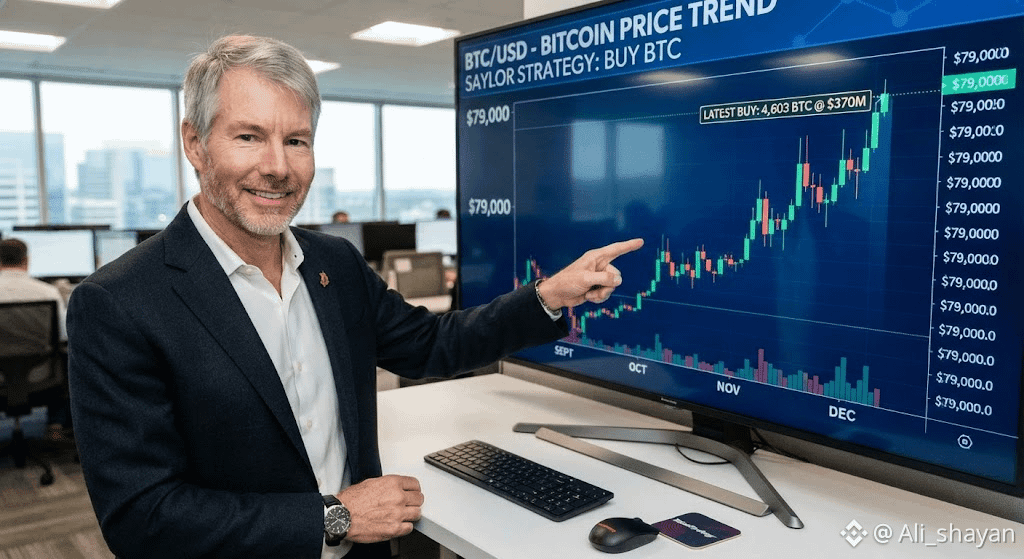
#saylorhintsstrategybitcoinbuy Michael Saylor vient de laisser entendre que la stratégie est de retour : acheter du bitcoin. Après une pause de deux mois, l’entreprise a réduit de 370 millions de dollars pour obtenir 4 603 nouvelles pièces. Leur réserve totale a maintenant atteint un niveau massif de 845 050 bitcoins. Les prix du bitcoin ont récemment grimpé près du seuil des 79 000 dollars, ce qui a ramené leurs avoirs en bonne position dans le vert. Saylor a publié « Nous sommes de retour » en ligne, prouvant qu’ils sont prêts à empiler encore plus de crypto.
CLIQUEZ CI-DESSOUS POUR ÉCHANGER : $BTC $US
{future}(USUSDT)
{future}(BTCUSDT)
#saylorhintsstrategybitcoinbuy Michael Saylor vient de laisser entendre que la stratégie est de retour : acheter du bitcoin. Après une pause de deux mois, l’entreprise a réduit de 370 millions de dollars pour obtenir 4 603 nouvelles pièces. Leur réserve totale a maintenant atteint un niveau massif de 845 050 bitcoins. Les prix du bitcoin ont récemment grimpé près du seuil des 79 000 dollars, ce qui a ramené leurs avoirs en bonne position dans le vert. Saylor a publié « Nous sommes de retour » en ligne, prouvant qu’ils sont prêts à empiler encore plus de crypto.
CLIQUEZ CI-DESSOUS POUR ÉCHANGER : $BTC $US
CLIQUEZ CI-DESSOUS POUR ÉCHANGER : $BTC $US
2
4k
·
--
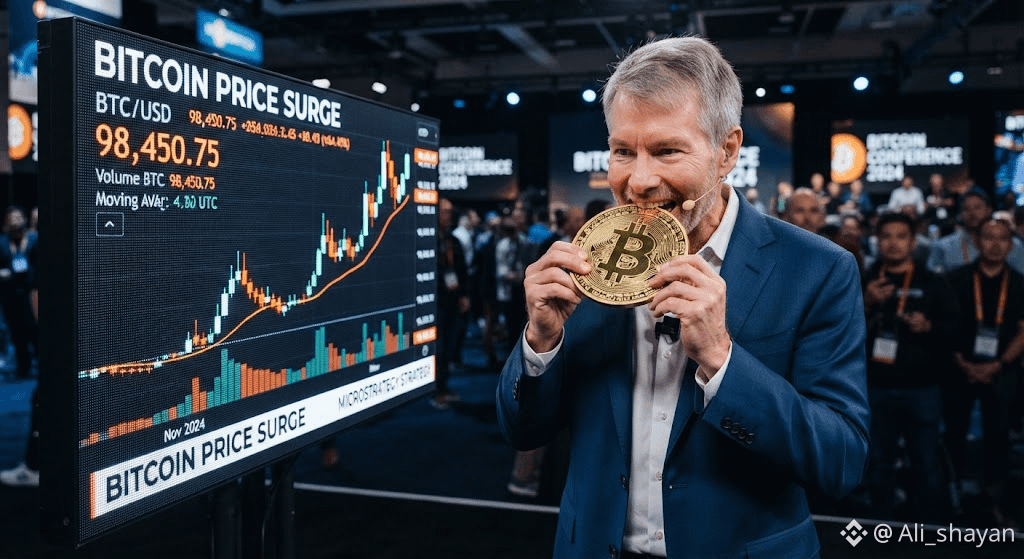
#saylorhintsstrategybitcoinbuy Michael Saylor vient de laisser tomber un nouvel indice massif au sujet de l’achat de plus de bitcoins. La stratégie de sa société ne cesse de prendre de l’ampleur, et tout le marché regarde si un énorme nouvel achat est imminent aujourd’hui. Même quand les prix montent et descendent, le plan ne change jamais : continuez à accumuler. Vous détenez votre crypto ou vous attendez une plus grosse baisse ?
CLIQUEZ CI-DESSOUS POUR TRADER : $BTC $CL
{future}(CLUSDT)
{future}(BTCUSDT)
#saylorhintsstrategybitcoinbuy Michael Saylor vient de laisser tomber un nouvel indice massif au sujet de l’achat de plus de bitcoins. La stratégie de sa société ne cesse de prendre de l’ampleur, et tout le marché regarde si un énorme nouvel achat est imminent aujourd’hui. Même quand les prix montent et descendent, le plan ne change jamais : continuez à accumuler. Vous détenez votre crypto ou vous attendez une plus grosse baisse ?
CLIQUEZ CI-DESSOUS POUR TRADER : $BTC $CL
CLIQUEZ CI-DESSOUS POUR TRADER : $BTC $CL
1
1
6.1k
·
--
Vérifié
#saylorhintsstrategybitcoinbuy Michael Saylor vient de laisser entendre qu’une stratégie est de retour sur le marché. Après une courte pause, la société a officiellement racheté davantage de bitcoin. Elle vient d’ajouter des milliers de pièces à sa trésorerie. Quand le plus grand détenteur d’actions d’entreprise signale un achat, tout le marché prête attention. Le mode d’accumulation est officiellement réactivé. Êtes-vous prêt pour le prochain mouvement?
CLIQUEZ CI-DESSOUS POUR TRADER : $BTC $HEMI
{future}(HEMIUSDT)
{future}(BTCUSDT)
#saylorhintsstrategybitcoinbuy Michael Saylor vient de laisser entendre qu’une stratégie est de retour sur le marché. Après une courte pause, la société a officiellement racheté davantage de bitcoin. Elle vient d’ajouter des milliers de pièces à sa trésorerie. Quand le plus grand détenteur d’actions d’entreprise signale un achat, tout le marché prête attention. Le mode d’accumulation est officiellement réactivé. Êtes-vous prêt pour le prochain mouvement?
CLIQUEZ CI-DESSOUS POUR TRADER : $BTC $HEMI
CLIQUEZ CI-DESSOUS POUR TRADER : $BTC $HEMI

1
5.6k
·
--
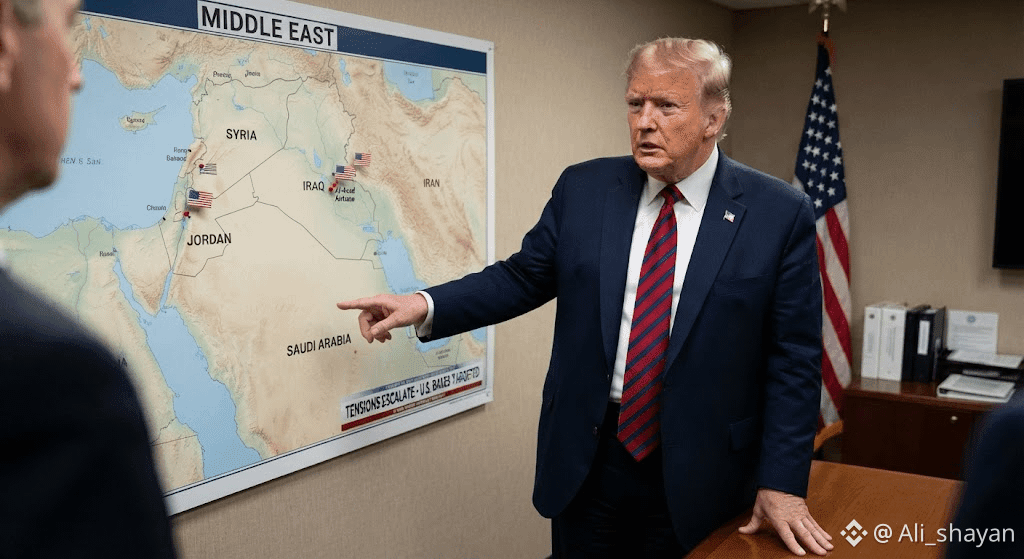
#iranstrikesusbasesinjordan Les tensions ont éclaté au Moyen-Orient après que l’Iran a lancé des missiles balistiques visant des bases militaires des États-Unis en Jordanie. Cette attaque est intervenue directement en réponse à des frappes aériennes américaines ayant touché des lance-roquettes iraniens sur l’île de Larak, près du détroit d’Ormuz. Les forces armées jordaniennes ont indiqué avoir réussi à intercepter plusieurs missiles entrant dans leur espace aérien. Cette brusque escalade rompt un calme de plusieurs semaines dans les combats, suscitant de nouvelles inquiétudes concernant la sécurité régionale et les routes maritimes internationales du pétrole.
CLIQUEZ CI-DESSOUS POUR ACHETER : $BTC $SOL $BTR
{alpha}(560xfed13d0c40790220fbde712987079eda1ed75c51)
{future}(SOLUSDT)
{future}(BTCUSDT)
#iranstrikesusbasesinjordan Les tensions ont éclaté au Moyen-Orient après que l’Iran a lancé des missiles balistiques visant des bases militaires des États-Unis en Jordanie. Cette attaque est intervenue directement en réponse à des frappes aériennes américaines ayant touché des lance-roquettes iraniens sur l’île de Larak, près du détroit d’Ormuz. Les forces armées jordaniennes ont indiqué avoir réussi à intercepter plusieurs missiles entrant dans leur espace aérien. Cette brusque escalade rompt un calme de plusieurs semaines dans les combats, suscitant de nouvelles inquiétudes concernant la sécurité régionale et les routes maritimes internationales du pétrole.
CLIQUEZ CI-DESSOUS POUR ACHETER : $BTC $SOL $BTR
CLIQUEZ CI-DESSOUS POUR ACHETER : $BTC $SOL $BTR
1
2.6k
·
--
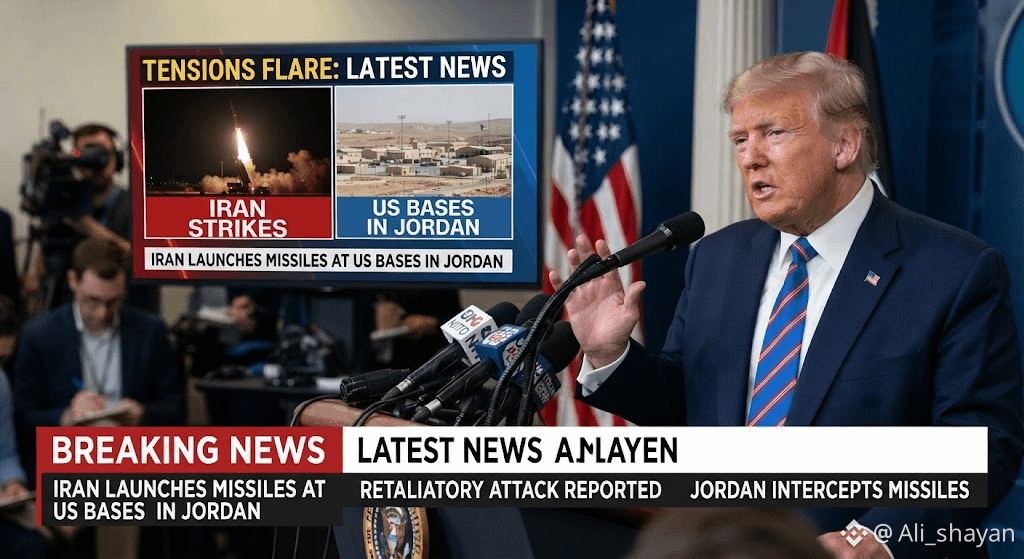
#iranstrikesusbasesinjordan L’Iran a tiré des missiles balistiques sur des bases militaires américaines en Jordanie. Cela s’est produit après que des forces américaines ont frappé des lance-roquettes iraniens sur l’île de Larak. L’armée jordanienne a déclaré avoir réussi à intercepter huit missiles entrants dans le ciel. Les Gardiens de la révolution iraniens ont affirmé que l’attaque était une riposte aux frappes américaines. Cet affrontement soudain est le premier échange militaire majeur entre les deux parties en un mois, faisant craindre une escalade régionale plus large.
CLIQUEZ CI-DESSOUS POUR ÉCHANGER : $BTC $BNB $MAGMA
{future}(MAGMAUSDT)
{future}(BNBUSDT)
{future}(BTCUSDT)
#iranstrikesusbasesinjordan L’Iran a tiré des missiles balistiques sur des bases militaires américaines en Jordanie. Cela s’est produit après que des forces américaines ont frappé des lance-roquettes iraniens sur l’île de Larak. L’armée jordanienne a déclaré avoir réussi à intercepter huit missiles entrants dans le ciel. Les Gardiens de la révolution iraniens ont affirmé que l’attaque était une riposte aux frappes américaines. Cet affrontement soudain est le premier échange militaire majeur entre les deux parties en un mois, faisant craindre une escalade régionale plus large.
CLIQUEZ CI-DESSOUS POUR ÉCHANGER : $BTC $BNB $MAGMA
CLIQUEZ CI-DESSOUS POUR ÉCHANGER : $BTC $BNB $MAGMA
1
1.3k
·
--
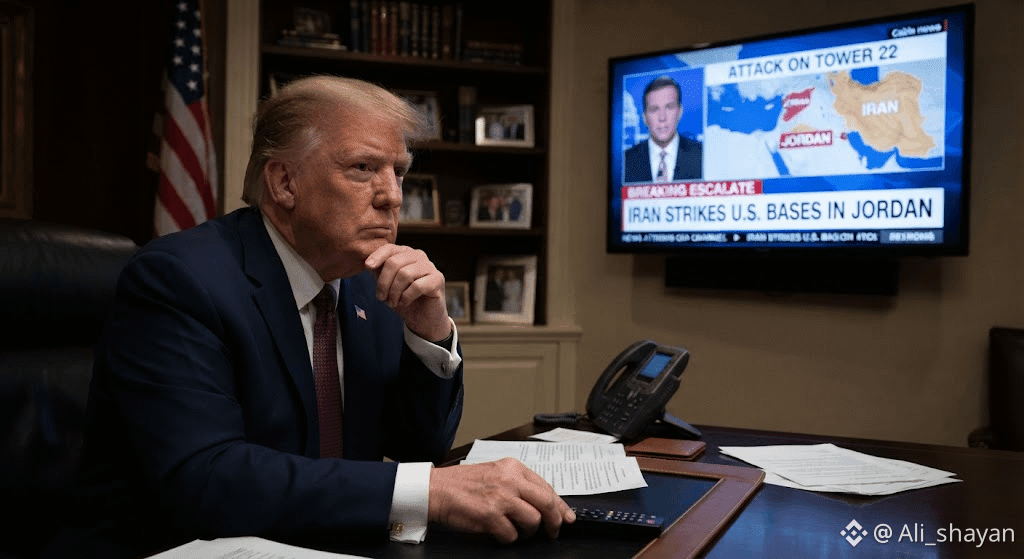
#iranstrikesusbasesinjordan Les tensions montent fortement au Moyen-Orient après que les forces militaires américaines ont lancé des frappes aériennes sur des lance-roquettes iraniens à l’île de Larak. En représailles immédiates, l’Iran a tiré des missiles balistiques sur des bases aériennes américaines situées en Jordanie.
Les défenses aériennes jordaniennes ont réussi à intercepter huit missiles entrants dans leur espace aérien, et des responsables ont indiqué que la plupart des attaques ont été bloquées sans dégâts majeurs. Cette brusque escalade met fin à une accalmie d’un mois, replongeant la région dans un conflit actif.
CLIQUEZ CI-DESSOUS POUR ACHETER : $BTC $ETH $DEXE
{future}(DEXEUSDT)
{future}(ETHUSDT)
{future}(BTCUSDT)
#iranstrikesusbasesinjordan Les tensions montent fortement au Moyen-Orient après que les forces militaires américaines ont lancé des frappes aériennes sur des lance-roquettes iraniens à l’île de Larak. En représailles immédiates, l’Iran a tiré des missiles balistiques sur des bases aériennes américaines situées en Jordanie.
Les défenses aériennes jordaniennes ont réussi à intercepter huit missiles entrants dans leur espace aérien, et des responsables ont indiqué que la plupart des attaques ont été bloquées sans dégâts majeurs. Cette brusque escalade met fin à une accalmie d’un mois, replongeant la région dans un conflit actif.
CLIQUEZ CI-DESSOUS POUR ACHETER : $BTC $ETH $DEXE
Les défenses aériennes jordaniennes ont réussi à intercepter huit missiles entrants dans leur espace aérien, et des responsables ont indiqué que la plupart des attaques ont été bloquées sans dégâts majeurs. Cette brusque escalade met fin à une accalmie d’un mois, replongeant la région dans un conflit actif.
CLIQUEZ CI-DESSOUS POUR ACHETER : $BTC $ETH $DEXE
234
·
--
Vérifié
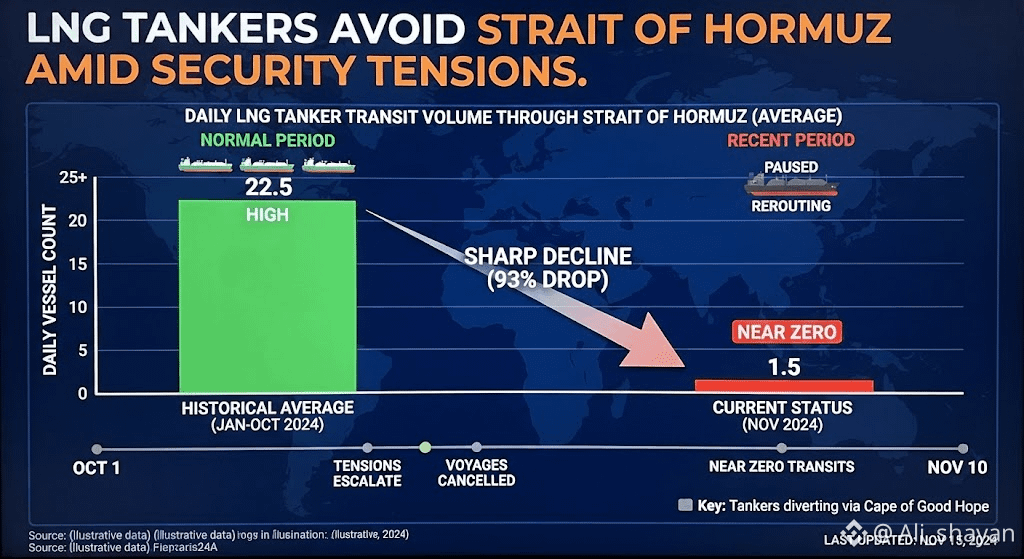
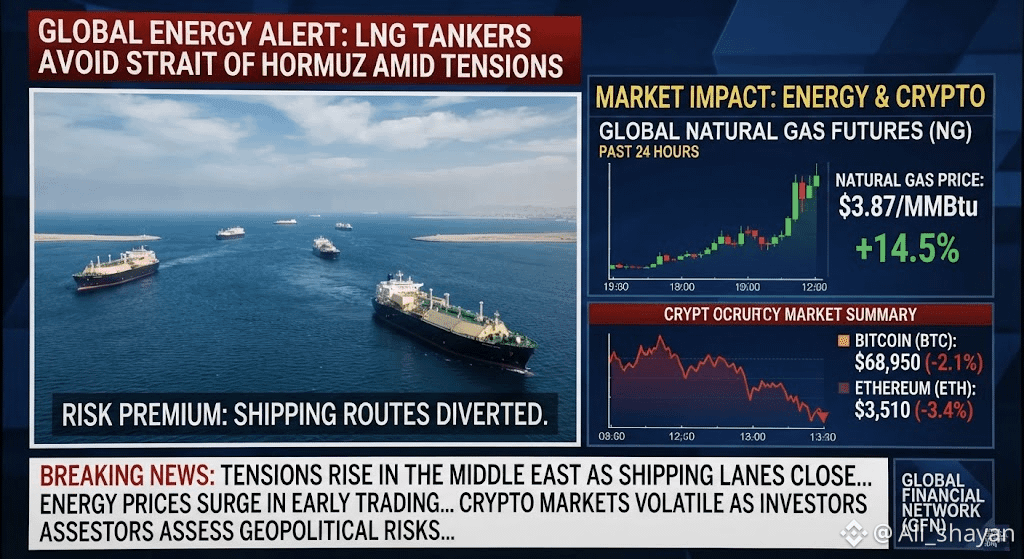
#lngtankersstayoutofhormuz LNG pétroliers-citernes restent pour l’instant très éloignés du détroit d’Ormuz. De récents affrontements militaires et des menaces pour la sécurité dans cette voie maritime vitale ont contraint les compagnies d’énergie à suspendre les expéditions. Seule une infime poignée de navires-citernes à gaz ose passer par là, tandis que la plupart des navires choisissent des itinéraires plus sûrs et plus longs. Cet engorgement soudain fait grimper rapidement les prix mondiaux du gaz naturel, mettant sous pression les marchés énergétiques et poussant les grands importateurs à se démener pour trouver des sources de carburant alternatives avant l’hiver.
CLIQUEZ CI-DESSOUS POUR ÉCHANGER : $BTC $SOL $LISTA
{future}(LISTAUSDT)
{future}(SOLUSDT)
{future}(BTCUSDT)
#lngtankersstayoutofhormuz LNG pétroliers-citernes restent pour l’instant très éloignés du détroit d’Ormuz. De récents affrontements militaires et des menaces pour la sécurité dans cette voie maritime vitale ont contraint les compagnies d’énergie à suspendre les expéditions. Seule une infime poignée de navires-citernes à gaz ose passer par là, tandis que la plupart des navires choisissent des itinéraires plus sûrs et plus longs. Cet engorgement soudain fait grimper rapidement les prix mondiaux du gaz naturel, mettant sous pression les marchés énergétiques et poussant les grands importateurs à se démener pour trouver des sources de carburant alternatives avant l’hiver.
CLIQUEZ CI-DESSOUS POUR ÉCHANGER : $BTC $SOL $LISTA
CLIQUEZ CI-DESSOUS POUR ÉCHANGER : $BTC $SOL $LISTA
769
·
--
Vérifié
#lngtankersstayoutofhormuz Les marchés de l’énergie sont secoués, tandis que les tensions régionales maintiennent une pression élevée au Moyen-Orient. De grandes autorités maritimes ont inscrit plusieurs navires sur liste noire, obligeant de nombreux transporteurs de gaz naturel liquéfié à rester à l’écart du détroit d’Ormuz pour éviter des risques graves. Avec cette voie commerciale essentielle fortement restreinte, les prix mondiaux du gaz montent rapidement : l’Europe et l’Asie se disputent des approvisionnements alternatifs. Les exploitants choisissent la sécurité plutôt que le transit, gardant les flottes à l’arrêt jusqu’à ce que la situation sécuritaire s’améliore.
CLIQUEZ CI-DESSOUS POUR COMMERCER : $BTC $XRP $ZORA
{future}(ZORAUSDT)
{future}(XRPUSDT)
{future}(BTCUSDT)
#lngtankersstayoutofhormuz Les marchés de l’énergie sont secoués, tandis que les tensions régionales maintiennent une pression élevée au Moyen-Orient. De grandes autorités maritimes ont inscrit plusieurs navires sur liste noire, obligeant de nombreux transporteurs de gaz naturel liquéfié à rester à l’écart du détroit d’Ormuz pour éviter des risques graves. Avec cette voie commerciale essentielle fortement restreinte, les prix mondiaux du gaz montent rapidement : l’Europe et l’Asie se disputent des approvisionnements alternatifs. Les exploitants choisissent la sécurité plutôt que le transit, gardant les flottes à l’arrêt jusqu’à ce que la situation sécuritaire s’améliore.
CLIQUEZ CI-DESSOUS POUR COMMERCER : $BTC $XRP $ZORA
CLIQUEZ CI-DESSOUS POUR COMMERCER : $BTC $XRP $ZORA
902
Connectez-vous pour découvrir plus de contenu
Rejoignez la communauté mondiale des adeptes de cryptomonnaies sur Binance Square
⚡️ Suviez les dernières informations importantes sur les cryptomonnaies.
💬 Jugé digne de confiance par la plus grande plateforme d’échange de cryptomonnaies au monde.
👍 Découvrez les connaissances que partagent les créateurs vérifiés.
Adresse e-mail/Nº de téléphone
Sujets d’actualité
BOJRaisesRatesTo31YearHigh
59,258 vues
1,037 mentions
#bojraisesratesto31yearhigh
🌏 LA BOJ SURPREND LES MARCHÉS : LES TAUX ATTEIGNENT UN SOMMET EN 31 ANS 🌏
Pendant des décennies, le Japon a été le pays de l’argent bon marché.
Désormais, la tendance s’inverse et les capitaux mondiaux écoutent.
La Banque du Japon a relevé son taux directeur de 1 % à 1,25 %, son niveau le plus élevé depuis 1995. La décision de 7 voix contre 2 traduit une inquiétude croissante quant au risque de voir l’inflation dépasser l’objectif de 2 % de la BOJ.
L’histoire la plus importante ne concerne pas, en soi, la hausse de 25 points de base. Le Japon s’éloigne davantage de l’environnement de taux ultra-bas qui a fait du yen une grande devise de financement à l’échelle mondiale.
Mon avis : Cela compte au-delà du Japon. Des rendements japonais plus élevés peuvent, progressivement, modifier l’endroit où les capitaux cherchent des rendements, ce qui pourrait avoir un impact sur les obligations mondiales, les devises, les actions et les actifs risqués, y compris la crypto.
Mais la réaction immédiate a été inhabituelle. Au lieu de se renforcer, le yen a baissé après la décision, en partie parce que deux responsables politiques s’opposaient à la hausse et que les marchés ont jugé le mouvement moins agressif que certains ne l’avaient anticipé.
Cette nuance compte. Un relèvement des taux ne signifie pas automatiquement des conditions financières plus strictes partout, du jour au lendemain. Le rythme des futures hausses, l’inflation, les prix du pétrole et la réaction du yen pourraient compter davantage que cette seule décision.
L’ère d’une monnaie facile et bon marché s’éloigne progressivement pour laisser place à un autre récit.
❓Le cycle de resserrement du Japon pourrait-il devenir un facteur, passé sous le radar, de la liquidité crypto mondiale ?
Avertissement : Ceci est une analyse de marché, pas un conseil financier.
#BOJ #CryptoMarket #GrowWithSAC $AR $G $STRK
#BOJRaisesRatesTo31YearHigh
SAC-King-你真棒-带我走
·3 mentions J’aime
·2.9k vues
BuffettStepsDownAsBerkshireChairman
25,146 vues
477 mentions
XRPExchangeReservesHitSevenYearLow
31,049 vues
449 mentions