

Cryptology_7
2.7k Publications
Cryptology_7
Signaler
Bloquer l’utilisateur
🧠 Quantitative Trader | Binance Sqaure Post Creator | Crypto Insights | Your Go-To Path to Profit
Trade fréquemment
3.5 an(s)
805 Suivis
20.4K+ Abonnés
7.0K+ J’aime
Publications
Tous
Citations
Direct
PINNED
·
--
Trading sur 30 j de 937.5 USDT en $LSK
1.1k
43
63
1.1k
·
--

Àimàn-crypto⁰⁹
·
--
🎁🎁🧧 RED PACKET FOR ALL KIND PEOPLE! 🧧🎁
Please Follow, Repost, Like & Comment 💖💞
Thank you so much to everyone for your amazing support! 🎉🤝
🧧 Good luck and enjoy! ❤️✨
#Binance #BinanceSquareTalks #Crypto #RedPacket #CryptoCommunity
Please Follow, Repost, Like & Comment 💖💞
Thank you so much to everyone for your amazing support! 🎉🤝
🧧 Good luck and enjoy! ❤️✨
#Binance #BinanceSquareTalks #Crypto #RedPacket #CryptoCommunity
2
105
·
--
Ahli Hidaya ALLAH Raman
·
--
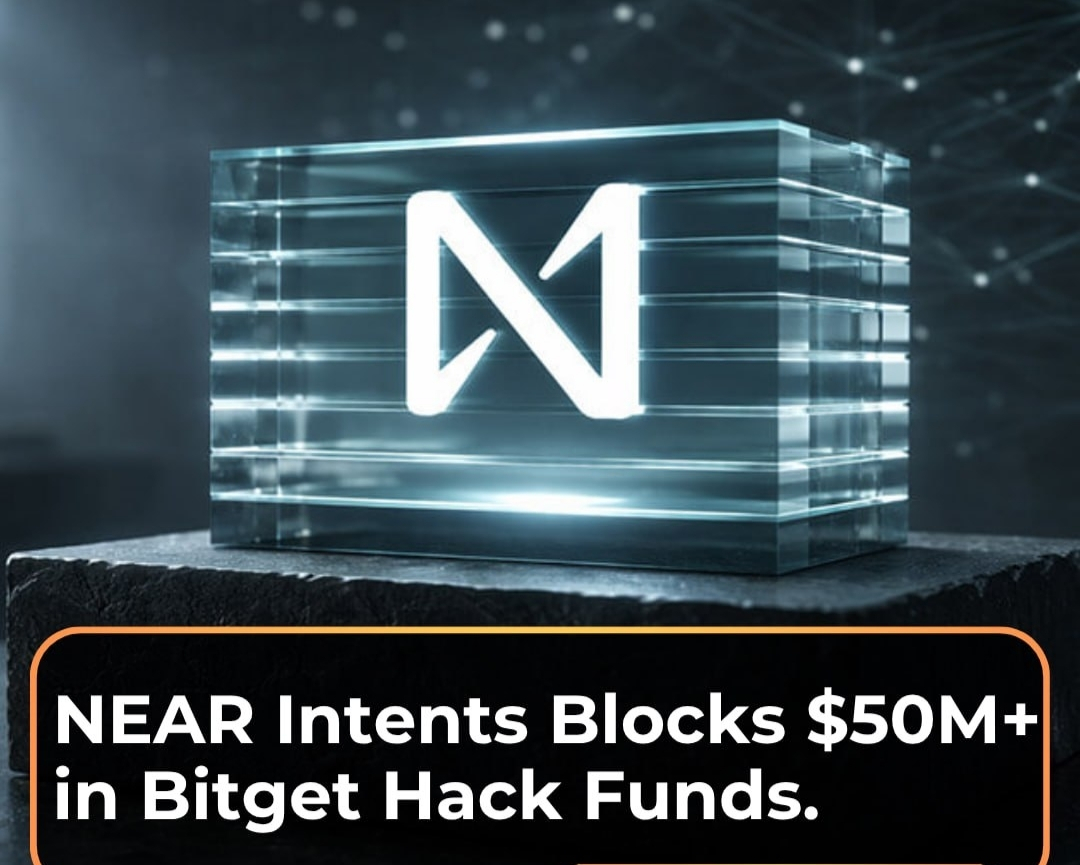
Haussier🛡️ NEAR Intents SHIELD Stops $50M+ Laundering Attempt from Bitget Hack!
Cross-chain security got a massive win today! 🚀 Following the recent major exploit on Bitget, hackers attempted to launder over $50 million in stolen funds through NEAR Intents.
However, the platform's advanced SHIELD security system stepped up big time:
$50M+ Blocked: Successfully detected and stopped the vast majority of the illicit transfer attempts.
$503K Frozen: Physically locked down mid-execution during the transaction process.
Bounty Waived: In a commendable move, NEAR Intents decided to waive its recovery bounty entirely, ensuring that maximum funds flow straight back to Bitget for user recovery.
Bitget CEO Gracy Chen and the broader crypto community praised this swift cross-chain collaboration. Incidents like this prove how crucial robust, protocol-level risk layers are in protecting decentralized ecosystems from bad actors.
What are your thoughts on protocols stepping up to freeze hacker funds? Let's discuss below! 👇
#NEAR #Bitget #CryptoSecurity #DeFi #BlockchainSafety #BinanceSquare$USDC $NEAR
#DYOR!!
Cross-chain security got a massive win today! 🚀 Following the recent major exploit on Bitget, hackers attempted to launder over $50 million in stolen funds through NEAR Intents.
However, the platform's advanced SHIELD security system stepped up big time:
$50M+ Blocked: Successfully detected and stopped the vast majority of the illicit transfer attempts.
$503K Frozen: Physically locked down mid-execution during the transaction process.
Bounty Waived: In a commendable move, NEAR Intents decided to waive its recovery bounty entirely, ensuring that maximum funds flow straight back to Bitget for user recovery.
Bitget CEO Gracy Chen and the broader crypto community praised this swift cross-chain collaboration. Incidents like this prove how crucial robust, protocol-level risk layers are in protecting decentralized ecosystems from bad actors.
What are your thoughts on protocols stepping up to freeze hacker funds? Let's discuss below! 👇
#NEAR #Bitget #CryptoSecurity #DeFi #BlockchainSafety #BinanceSquare$USDC $NEAR
#DYOR!!
115
·
--


Elena神话MUA
·
--
#MUA
$SOL
- 盘面:波动放大,资金进出节奏快
- 支撑:重点看下方关键支撑区间,跌破则走弱
- 阻力:上方压力位,站稳才能打开反弹空间
- 看点:链上活跃度、生态项目消息影响短期情绪
- 风险:币种波动率极高,行情反转速度快
$SOL
- 盘面:波动放大,资金进出节奏快
- 支撑:重点看下方关键支撑区间,跌破则走弱
- 阻力:上方压力位,站稳才能打开反弹空间
- 看点:链上活跃度、生态项目消息影响短期情绪
- 风险:币种波动率极高,行情反转速度快
250
·
--

圣克斯Lucky1688
·
--
🧧🎁🌹🧧🎁🌹
9.29日我们持续关注在底层技术架构、合规工具以及资产运作模式上的以下核心创新与变革方向:
1. 零知识身份认证(ZK Identity)与链上合规的深度结合
创新看点:围绕如何解决去中心化与监管合规的冲突,行业在 9 月末密集探讨并推进 ZK KYC(零知识证明身份验证) 技术的实用化落地。
技术价值:交易所、稳定币发行方以及许可制 DeFi(Permissioned DeFi)开始利用 ZK 证明在不泄露用户隐私数据(如真实姓名、国籍等原始证件信息)的前提下,实现链上合规资格验证。这使得用户能够生成一次凭证并在多个 Web3 服务中重复使用,大幅降低了隐私数据泄露的风险。
2. 传统银行间代币化存款(Tokenized Deposits)的规模化实验
创新看点:在传统金融与 Web3 融合的赛道上,多国头部银行(如英国 Barclays、NatWest、HSBC 以及加拿大银行业)在 9 月末集中公布或测试了跨行代币化存款网络。
技术价值:通过利用区块链技术实现传统法定货币存款的代币化,银行间结算正从传统的 T+1 或漫长电汇走向“即时结算(Instant Settlement)”,这是传统金融向链上金融基础设施迈出的实质性创新步伐。
3. 交易所资产账户架构革新:加密与股票代币化(bStocks)的物理隔离
创新看点:以头部交易所币安在 9 月底(9月29日起)推动的资金账户(Funding Account)与现货账户(Spot Account)及“股票账户(Stocks Account)”拆分为代表,平台级账户架构正在演进。
技术价值:随着美股代币化(bStocks)等 RWA 业务的爆发,合规链上资产与非标/传统经纪业务(如通过 Alpaca 进行的 T+1 股票结算)需要更严密的隔离与独立清算体系。这种账户重构标志着超级 App 正从单纯的“纯加密交易”走向“多资产综合金融(Crypto + Tokenized Equities)”的新阶段。
关注我,回答答案1带走$SOL 红包!
9.29日我们持续关注在底层技术架构、合规工具以及资产运作模式上的以下核心创新与变革方向:
1. 零知识身份认证(ZK Identity)与链上合规的深度结合
创新看点:围绕如何解决去中心化与监管合规的冲突,行业在 9 月末密集探讨并推进 ZK KYC(零知识证明身份验证) 技术的实用化落地。
技术价值:交易所、稳定币发行方以及许可制 DeFi(Permissioned DeFi)开始利用 ZK 证明在不泄露用户隐私数据(如真实姓名、国籍等原始证件信息)的前提下,实现链上合规资格验证。这使得用户能够生成一次凭证并在多个 Web3 服务中重复使用,大幅降低了隐私数据泄露的风险。
2. 传统银行间代币化存款(Tokenized Deposits)的规模化实验
创新看点:在传统金融与 Web3 融合的赛道上,多国头部银行(如英国 Barclays、NatWest、HSBC 以及加拿大银行业)在 9 月末集中公布或测试了跨行代币化存款网络。
技术价值:通过利用区块链技术实现传统法定货币存款的代币化,银行间结算正从传统的 T+1 或漫长电汇走向“即时结算(Instant Settlement)”,这是传统金融向链上金融基础设施迈出的实质性创新步伐。
3. 交易所资产账户架构革新:加密与股票代币化(bStocks)的物理隔离
创新看点:以头部交易所币安在 9 月底(9月29日起)推动的资金账户(Funding Account)与现货账户(Spot Account)及“股票账户(Stocks Account)”拆分为代表,平台级账户架构正在演进。
技术价值:随着美股代币化(bStocks)等 RWA 业务的爆发,合规链上资产与非标/传统经纪业务(如通过 Alpaca 进行的 T+1 股票结算)需要更严密的隔离与独立清算体系。这种账户重构标志着超级 App 正从单纯的“纯加密交易”走向“多资产综合金融(Crypto + Tokenized Equities)”的新阶段。
关注我,回答答案1带走$SOL 红包!


75
·
--
𝑪 𝑹 𝒀 𝑷 𝑻 𝑶 𝑳 𝑶 𝑮 𝒀 💙
每一支蜡烛都讲述着一个故事。每一次失败都教会我们 课。每 次东山再起都增强我们的决心。💯📜
$ONE
#BinanceSquareFamily #Cryptology_7
𝑪 𝑹 𝒀 𝑷 𝑻 𝑶 𝑳 𝑶 𝑮 𝒀 💙
每一支蜡烛都讲述着一个故事。每一次失败都教会我们 课。每 次东山再起都增强我们的决心。💯📜
$ONE
#BinanceSquareFamily #Cryptology_7
每一支蜡烛都讲述着一个故事。每一次失败都教会我们 课。每 次东山再起都增强我们的决心。💯📜
$ONE
#BinanceSquareFamily #Cryptology_7
5k
98
212
5k
·
--
$ONE Showing a Bullish Momentum 📈
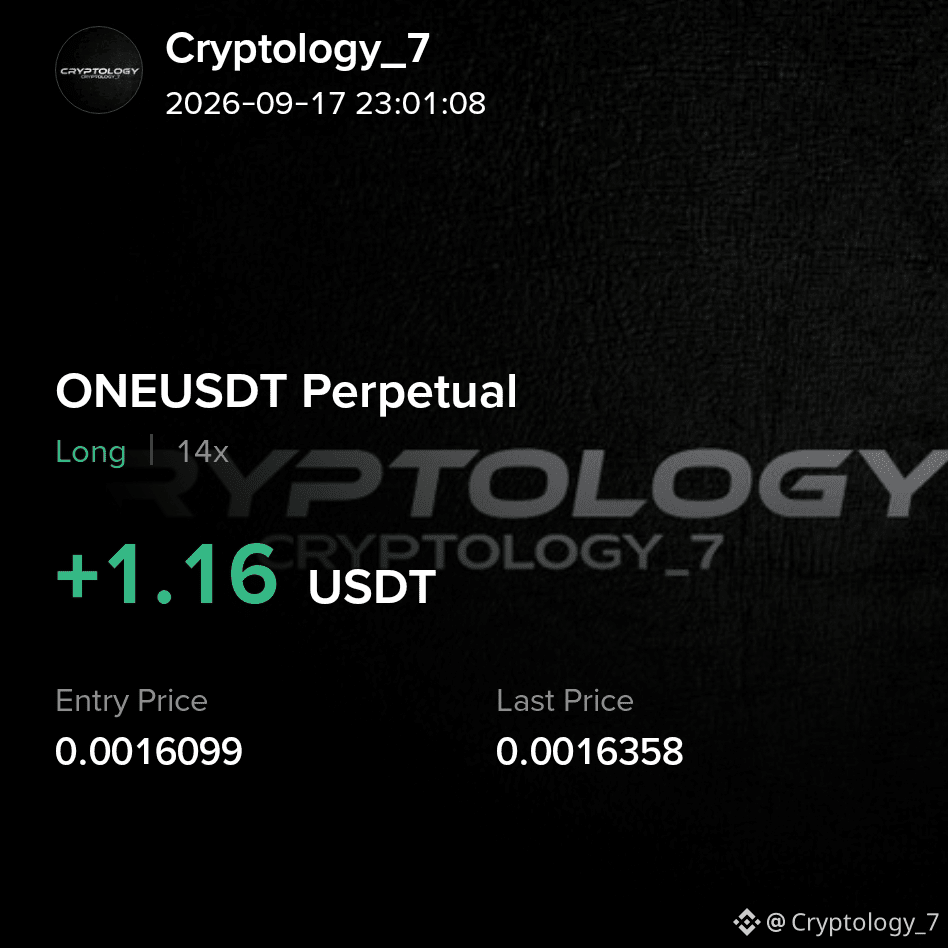
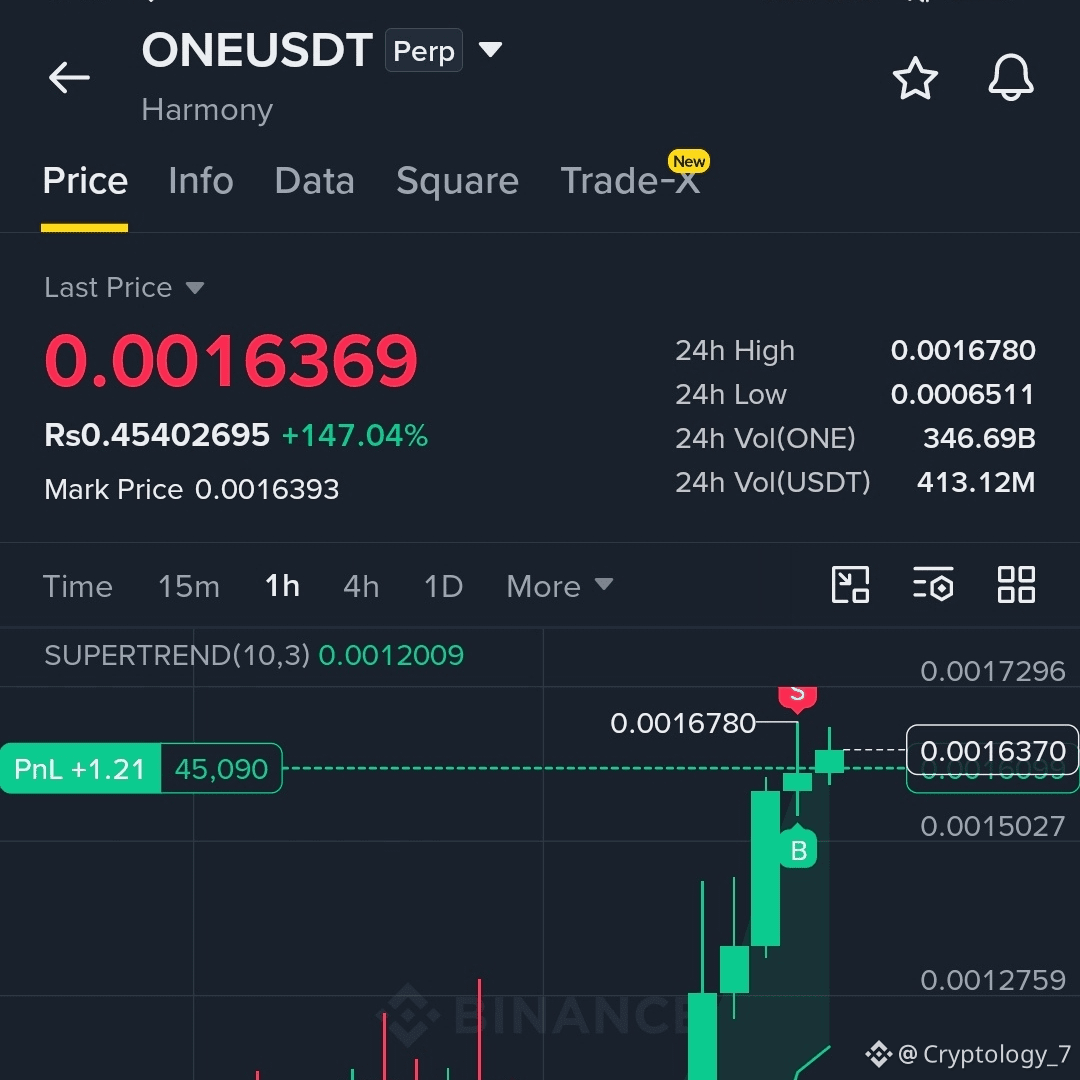
I opened a 14x Long on ONEUSDT around 0.0016099, and the position moved to 0.0016358, giving me +1.16 USDT unrealized profit.
The reason for the trade was simple: I was watching for upside momentum around the entry area rather than chasing a large move after it had already happened.
⚡Entry around 0.00157/0.0016078
⚡TP 1 0.0016437
⚡TP 2 0.0016915
⚡TP 3 0.0017119
⚡SL 0.0015026
My focus here is not just the green number. I’m watching whether ONE can maintain momentum and continue making higher prices. 📈
Trade $ONE Here 👇
{future}(ONEUSDT)
#BinanceFutureTrading #Oneusdt #FutureTarding
$ONE Showing a Bullish Momentum 📈
I opened a 14x Long on ONEUSDT around 0.0016099, and the position moved to 0.0016358, giving me +1.16 USDT unrealized profit.
The reason for the trade was simple: I was watching for upside momentum around the entry area rather than chasing a large move after it had already happened.
⚡Entry around 0.00157/0.0016078
⚡TP 1 0.0016437
⚡TP 2 0.0016915
⚡TP 3 0.0017119
⚡SL 0.0015026
My focus here is not just the green number. I’m watching whether ONE can maintain momentum and continue making higher prices. 📈
Trade $ONE Here 👇
#BinanceFutureTrading #Oneusdt #FutureTarding
I opened a 14x Long on ONEUSDT around 0.0016099, and the position moved to 0.0016358, giving me +1.16 USDT unrealized profit.
The reason for the trade was simple: I was watching for upside momentum around the entry area rather than chasing a large move after it had already happened.
⚡Entry around 0.00157/0.0016078
⚡TP 1 0.0016437
⚡TP 2 0.0016915
⚡TP 3 0.0017119
⚡SL 0.0015026
My focus here is not just the green number. I’m watching whether ONE can maintain momentum and continue making higher prices. 📈
Trade $ONE Here 👇
#BinanceFutureTrading #Oneusdt #FutureTarding
1
2
14
394
·
--
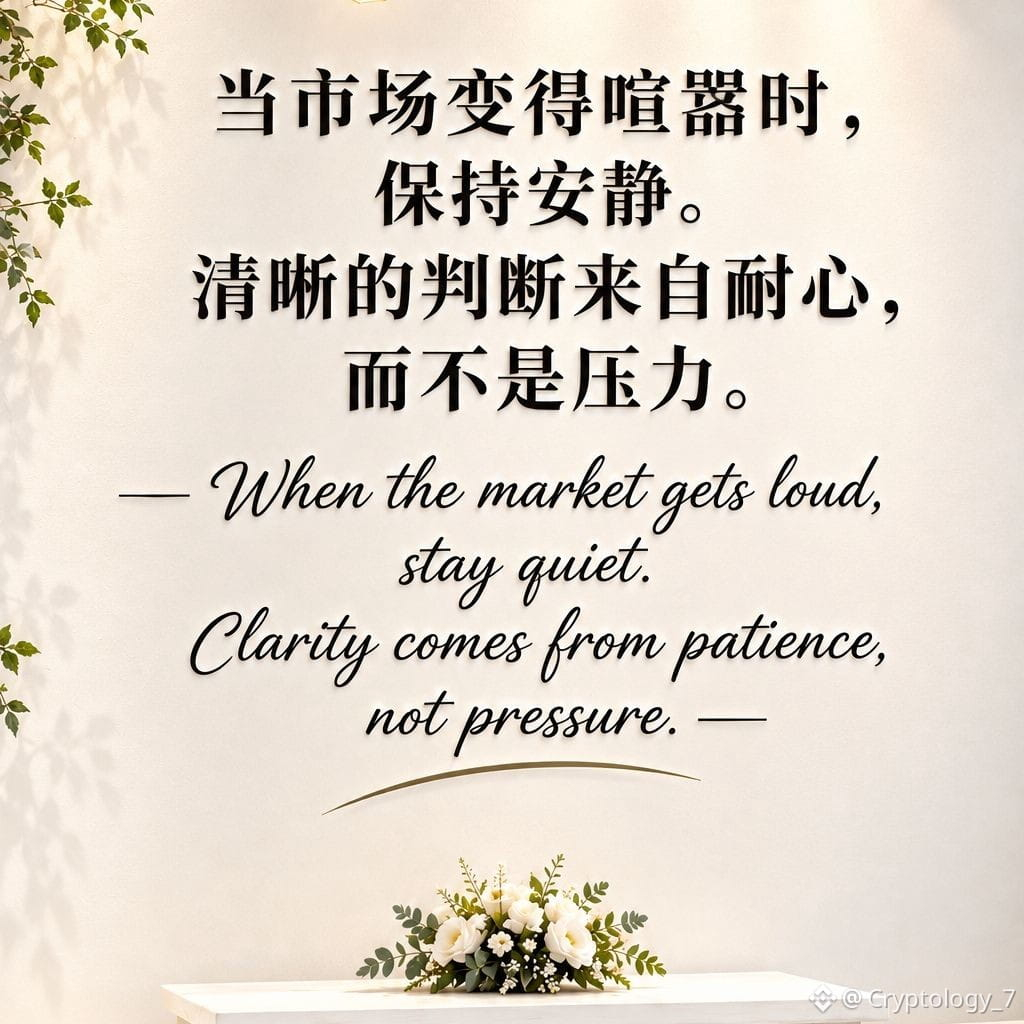
𝙒𝙃𝙀𝙉 𝙏𝙃𝙀 𝙈𝘼𝙍𝙆𝙀𝙏 𝙂𝙀𝙏𝙎 𝙇𝙊𝙐𝘿, 𝙎𝙏𝘼𝙔 𝙌𝙐𝙄𝙀𝙏. 🤍🎀
𝘾𝙇𝘼𝙍𝙄𝙏𝙔 𝘾𝙊𝙈𝙀𝙎 𝙁𝙍𝙊𝙈 𝙋𝘼𝙏𝙄𝙀𝙉𝘾𝙀, 𝙉𝙊𝙏 𝙋𝙍𝙀𝙎𝙎𝙐𝙍𝙀. 🔥
#BinanceSquareFamily #CryptoPatience #Cryptology_7
$LSK
𝙒𝙃𝙀𝙉 𝙏𝙃𝙀 𝙈𝘼𝙍𝙆𝙀𝙏 𝙂𝙀𝙏𝙎 𝙇𝙊𝙐𝘿, 𝙎𝙏𝘼𝙔 𝙌𝙐𝙄𝙀𝙏. 🤍🎀
𝘾𝙇𝘼𝙍𝙄𝙏𝙔 𝘾𝙊𝙈𝙀𝙎 𝙁𝙍𝙊𝙈 𝙋𝘼𝙏𝙄𝙀𝙉𝘾𝙀, 𝙉𝙊𝙏 𝙋𝙍𝙀𝙎𝙎𝙐𝙍𝙀. 🔥
#BinanceSquareFamily #CryptoPatience #Cryptology_7
$LSK
𝘾𝙇𝘼𝙍𝙄𝙏𝙔 𝘾𝙊𝙈𝙀𝙎 𝙁𝙍𝙊𝙈 𝙋𝘼𝙏𝙄𝙀𝙉𝘾𝙀, 𝙉𝙊𝙏 𝙋𝙍𝙀𝙎𝙎𝙐𝙍𝙀. 🔥
#BinanceSquareFamily #CryptoPatience #Cryptology_7
$LSK
2.9k
40
163
2.9k
·
--
Trading sur 30 j de 72.7 USDT en $SAGA
𝙏𝙃𝙀 𝙎𝙏𝙍𝙊𝙉𝙂𝙀𝙎𝙏 𝘾𝙍𝙔𝙋𝙏𝙊 𝙈𝙄𝙉𝘿𝙎𝙀𝙏 🤍🎀
𝙎𝙏𝘼𝙔𝙎 𝘾𝘼𝙇𝙈 𝙒𝙃𝙀𝙉 𝙀𝙑𝙀𝙍𝙔𝙊𝙉𝙀 𝙀𝙇𝙎𝙀 𝙋𝘼𝙉𝙄𝘾𝙎.
𝙎𝙈𝘼𝙇𝙇 𝘿𝙄𝙎𝘾𝙄𝙋𝙇𝙄𝙉𝙀𝘿 𝘿𝙀𝘾𝙄𝙎𝙄𝙊𝙉𝙎 𝙏𝙊𝘿𝘼𝙔 𝘾𝘼𝙉 𝘽𝙐𝙄𝙇𝘿 𝙈𝘼𝙎𝙎𝙄𝙑𝙀 𝙍𝙀𝙎𝙐𝙇𝙏𝙎 𝙊𝙑𝙀𝙍 𝙏𝙄𝙈𝙀. 💫
$SAGA
{future}(SAGAUSDT)
$ETH
{future}(ETHUSDT)
#BinanceSquareFamily #PatiencePaysOff #Cryptology_7
𝙏𝙃𝙀 𝙎𝙏𝙍𝙊𝙉𝙂𝙀𝙎𝙏 𝘾𝙍𝙔𝙋𝙏𝙊 𝙈𝙄𝙉𝘿𝙎𝙀𝙏 🤍🎀
𝙎𝙏𝘼𝙔𝙎 𝘾𝘼𝙇𝙈 𝙒𝙃𝙀𝙉 𝙀𝙑𝙀𝙍𝙔𝙊𝙉𝙀 𝙀𝙇𝙎𝙀 𝙋𝘼𝙉𝙄𝘾𝙎.
𝙎𝙈𝘼𝙇𝙇 𝘿𝙄𝙎𝘾𝙄𝙋𝙇𝙄𝙉𝙀𝘿 𝘿𝙀𝘾𝙄𝙎𝙄𝙊𝙉𝙎 𝙏𝙊𝘿𝘼𝙔 𝘾𝘼𝙉 𝘽𝙐𝙄𝙇𝘿 𝙈𝘼𝙎𝙎𝙄𝙑𝙀 𝙍𝙀𝙎𝙐𝙇𝙏𝙎 𝙊𝙑𝙀𝙍 𝙏𝙄𝙈𝙀. 💫
$SAGA
$ETH
#BinanceSquareFamily #PatiencePaysOff #Cryptology_7
𝙎𝙏𝘼𝙔𝙎 𝘾𝘼𝙇𝙈 𝙒𝙃𝙀𝙉 𝙀𝙑𝙀𝙍𝙔𝙊𝙉𝙀 𝙀𝙇𝙎𝙀 𝙋𝘼𝙉𝙄𝘾𝙎.
𝙎𝙈𝘼𝙇𝙇 𝘿𝙄𝙎𝘾𝙄𝙋𝙇𝙄𝙉𝙀𝘿 𝘿𝙀𝘾𝙄𝙎𝙄𝙊𝙉𝙎 𝙏𝙊𝘿𝘼𝙔 𝘾𝘼𝙉 𝘽𝙐𝙄𝙇𝘿 𝙈𝘼𝙎𝙎𝙄𝙑𝙀 𝙍𝙀𝙎𝙐𝙇𝙏𝙎 𝙊𝙑𝙀𝙍 𝙏𝙄𝙈𝙀. 💫
$SAGA
$ETH
#BinanceSquareFamily #PatiencePaysOff #Cryptology_7

2.6k
43
173
2.6k
·
--
Trading sur 30 j de 5.7K USDT en $BTC
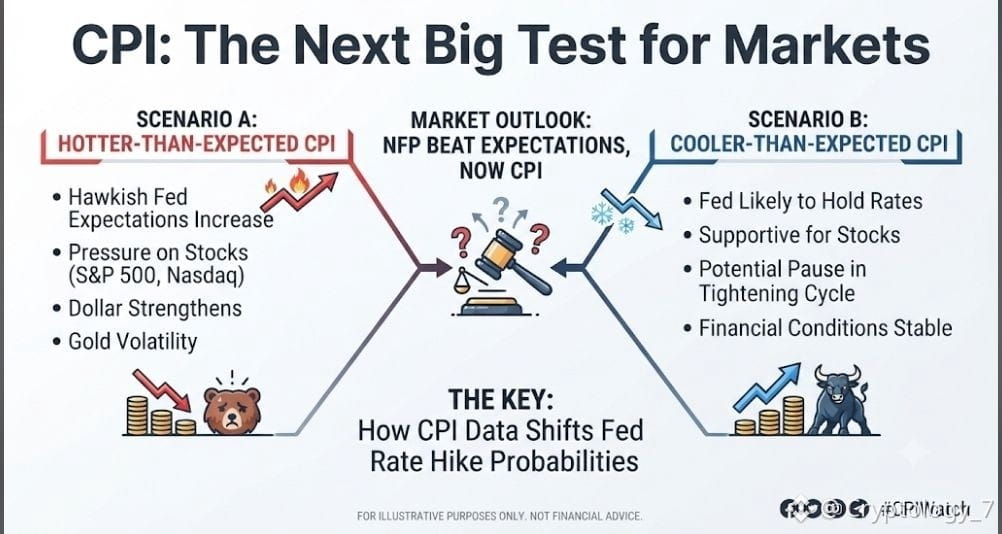
CPI is the next big test for markets. After Nonfarm Payrolls beat expectations, the Fed faces a tougher decision: hike, hold, or wait for more evidence? 🔥
My view is that a strong jobs market alone may not be enough for another rate hike. CPI will matter more. If inflation comes in hotter than expected, markets could price in a more hawkish Fed, putting pressure on stocks and supporting gold volatility. But if CPI cools, the Fed may have more room to hold rates and keep financial conditions stable.
I’m watching both scenarios rather than chasing one prediction. For me, the key is how CPI changes expectations for the next Fed move.
$BTC Bullish or bearish?
What are you watching?
#CPIWatch
CPI is the next big test for markets. After Nonfarm Payrolls beat expectations, the Fed faces a tougher decision: hike, hold, or wait for more evidence? 🔥
My view is that a strong jobs market alone may not be enough for another rate hike. CPI will matter more. If inflation comes in hotter than expected, markets could price in a more hawkish Fed, putting pressure on stocks and supporting gold volatility. But if CPI cools, the Fed may have more room to hold rates and keep financial conditions stable.
I’m watching both scenarios rather than chasing one prediction. For me, the key is how CPI changes expectations for the next Fed move.
$BTC Bullish or bearish?
What are you watching?
#CPIWatch
My view is that a strong jobs market alone may not be enough for another rate hike. CPI will matter more. If inflation comes in hotter than expected, markets could price in a more hawkish Fed, putting pressure on stocks and supporting gold volatility. But if CPI cools, the Fed may have more room to hold rates and keep financial conditions stable.
I’m watching both scenarios rather than chasing one prediction. For me, the key is how CPI changes expectations for the next Fed move.
$BTC Bullish or bearish?
What are you watching?
#CPIWatch
5
1
12
343
·
--
Trading sur 30 j de 31.2 USDT en $HEMI
𝐅𝐎𝐂𝐔𝐒 𝐎𝐍 𝐈𝐌𝐏𝐑𝐎𝐕𝐈𝐍𝐆 ✨
𝐍𝐎𝐓 𝐏𝐑𝐎𝐕𝐈𝐍𝐆 𝐘𝐎𝐔𝐑𝐒𝐄𝐋𝐅 🎀
𝐃𝐎𝐍’𝐓 𝐂𝐎𝐌𝐏𝐀𝐑𝐄 𝐘𝐎𝐔𝐑 𝐏𝐎𝐑𝐓𝐅𝐎𝐋𝐈𝐎 𝐖𝐈𝐓𝐇 𝐒𝐎𝐌𝐄𝐎𝐍𝐄 𝐄𝐋𝐒𝐄’𝐒 $𝟏𝐌.
𝐘𝐎𝐔 𝐃𝐎𝐍’𝐓 𝐊𝐍𝐎𝐖 𝐓𝐇𝐄𝐈𝐑 𝐉𝐎𝐔𝐑𝐍𝐄𝐘, 𝐑𝐈𝐒𝐊, 𝐋𝐎𝐒𝐒𝐄𝐒, 𝐎𝐑 𝐒𝐓𝐀𝐑𝐓𝐈𝐍𝐆 𝐏𝐎𝐈𝐍𝐓 ❤️🩹
$HEMI
{future}(HEMIUSDT)
#CryptoPatience #BinanceSquareTalks
#Cryptology_7
𝐅𝐎𝐂𝐔𝐒 𝐎𝐍 𝐈𝐌𝐏𝐑𝐎𝐕𝐈𝐍𝐆 ✨
𝐍𝐎𝐓 𝐏𝐑𝐎𝐕𝐈𝐍𝐆 𝐘𝐎𝐔𝐑𝐒𝐄𝐋𝐅 🎀
𝐃𝐎𝐍’𝐓 𝐂𝐎𝐌𝐏𝐀𝐑𝐄 𝐘𝐎𝐔𝐑 𝐏𝐎𝐑𝐓𝐅𝐎𝐋𝐈𝐎 𝐖𝐈𝐓𝐇 𝐒𝐎𝐌𝐄𝐎𝐍𝐄 𝐄𝐋𝐒𝐄’𝐒 $𝟏𝐌.
𝐘𝐎𝐔 𝐃𝐎𝐍’𝐓 𝐊𝐍𝐎𝐖 𝐓𝐇𝐄𝐈𝐑 𝐉𝐎𝐔𝐑𝐍𝐄𝐘, 𝐑𝐈𝐒𝐊, 𝐋𝐎𝐒𝐒𝐄𝐒, 𝐎𝐑 𝐒𝐓𝐀𝐑𝐓𝐈𝐍𝐆 𝐏𝐎𝐈𝐍𝐓 ❤️🩹
$HEMI
#CryptoPatience #BinanceSquareTalks
#Cryptology_7
𝐍𝐎𝐓 𝐏𝐑𝐎𝐕𝐈𝐍𝐆 𝐘𝐎𝐔𝐑𝐒𝐄𝐋𝐅 🎀
𝐃𝐎𝐍’𝐓 𝐂𝐎𝐌𝐏𝐀𝐑𝐄 𝐘𝐎𝐔𝐑 𝐏𝐎𝐑𝐓𝐅𝐎𝐋𝐈𝐎 𝐖𝐈𝐓𝐇 𝐒𝐎𝐌𝐄𝐎𝐍𝐄 𝐄𝐋𝐒𝐄’𝐒 $𝟏𝐌.
𝐘𝐎𝐔 𝐃𝐎𝐍’𝐓 𝐊𝐍𝐎𝐖 𝐓𝐇𝐄𝐈𝐑 𝐉𝐎𝐔𝐑𝐍𝐄𝐘, 𝐑𝐈𝐒𝐊, 𝐋𝐎𝐒𝐒𝐄𝐒, 𝐎𝐑 𝐒𝐓𝐀𝐑𝐓𝐈𝐍𝐆 𝐏𝐎𝐈𝐍𝐓 ❤️🩹
$HEMI
#CryptoPatience #BinanceSquareTalks
#Cryptology_7
4.7k
37
147
4.7k
·
--
“Think beyond the candles.” 💙
Decode the market with patience.
Trust your strategy through volatility.
Control emotions protect your capital. 🎀
KEEP LEARNING
KEEP GROWING
KEEP W I N N I N G ✨
$SKR
{future}(SKRUSDT)
#CryptoPatience #Cryptology_7
“Think beyond the candles.” 💙
Decode the market with patience.
Trust your strategy through volatility.
Control emotions protect your capital. 🎀
KEEP LEARNING
KEEP GROWING
KEEP W I N N I N G ✨
$SKR
#CryptoPatience #Cryptology_7
Decode the market with patience.
Trust your strategy through volatility.
Control emotions protect your capital. 🎀
KEEP LEARNING
KEEP GROWING
KEEP W I N N I N G ✨
$SKR
#CryptoPatience #Cryptology_7
3.1k
26
92
3.1k
·
--
Détention de 0.6 USDT en $ETH
𝐂𝐫𝐲𝐩𝐭𝐨 𝐫𝐞𝐰𝐚𝐫𝐝𝐬 𝐭𝐡𝐨𝐬𝐞 𝐰𝐡𝐨 𝐬𝐮𝐫𝐯𝐢𝐯𝐞 𝐥𝐨𝐧𝐠 𝐞𝐧𝐨𝐮𝐠𝐡 𝐭𝐨 𝐥𝐞𝐚𝐫𝐧, 𝐚𝐝𝐚𝐩𝐭, 𝐚𝐧𝐝 𝐠𝐫𝐨𝐰. 🤍🌱
$O $ETH
{future}(ETHUSDT)
#Ethereum #CryptoPatience
#Cryptology_7
𝐂𝐫𝐲𝐩𝐭𝐨 𝐫𝐞𝐰𝐚𝐫𝐝𝐬 𝐭𝐡𝐨𝐬𝐞 𝐰𝐡𝐨 𝐬𝐮𝐫𝐯𝐢𝐯𝐞 𝐥𝐨𝐧𝐠 𝐞𝐧𝐨𝐮𝐠𝐡 𝐭𝐨 𝐥𝐞𝐚𝐫𝐧, 𝐚𝐝𝐚𝐩𝐭, 𝐚𝐧𝐝 𝐠𝐫𝐨𝐰. 🤍🌱
$O $ETH
#Ethereum #CryptoPatience
#Cryptology_7
$O $ETH
#Ethereum #CryptoPatience
#Cryptology_7
4.5k
36
146
4.5k
·
--
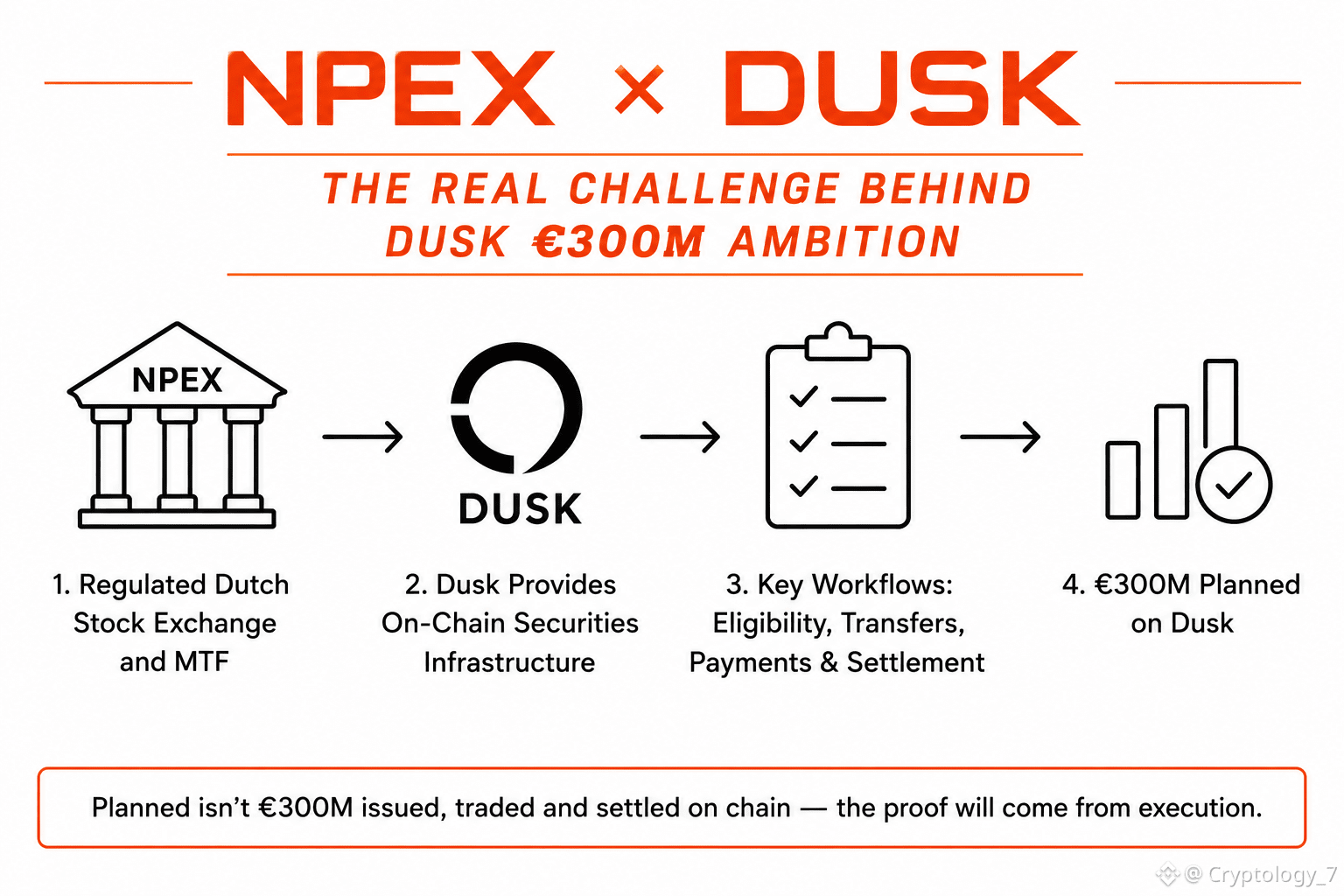
#dusk $DUSK @Dusk_Foundation A regulated Dutch exchange plans to bring €300M in assets under management on-chain through Dusk.
That sounds impressive.. But the number isn't what caught my attention. The real question is what has to work underneath it.
NPEX operates within regulated market infrastructure, while Dusk aims to bring those same financial workflows on-chain.
Real tokenization requires more than putting an asset on a blockchain. Investor eligibility, wallet binding, controlled transfers, payment coordination and compliant settlement all need to work together.
That’s where Dusk Trade becomes interesting.
If these workflows can operate together, tokenized securities could move closer to functioning like real financial products rather than simple blockchain representations.
But there is still an important distinction.
€300M planned for Dusk is not the same as €300M issued, traded and settled on-chain.
The partnership is promising. The real proof will come from execution.
Can Dusk turn this €300M ambition into functioning regulated on-chain markets?
#dusk
#dusk $DUSK @Dusk A regulated Dutch exchange plans to bring €300M in assets under management on-chain through Dusk.
That sounds impressive.. But the number isn't what caught my attention. The real question is what has to work underneath it.
NPEX operates within regulated market infrastructure, while Dusk aims to bring those same financial workflows on-chain.
Real tokenization requires more than putting an asset on a blockchain. Investor eligibility, wallet binding, controlled transfers, payment coordination and compliant settlement all need to work together.
That’s where Dusk Trade becomes interesting.
If these workflows can operate together, tokenized securities could move closer to functioning like real financial products rather than simple blockchain representations.
But there is still an important distinction.
€300M planned for Dusk is not the same as €300M issued, traded and settled on-chain.
The partnership is promising. The real proof will come from execution.
Can Dusk turn this €300M ambition into functioning regulated on-chain markets?
#dusk
That sounds impressive.. But the number isn't what caught my attention. The real question is what has to work underneath it.
NPEX operates within regulated market infrastructure, while Dusk aims to bring those same financial workflows on-chain.
Real tokenization requires more than putting an asset on a blockchain. Investor eligibility, wallet binding, controlled transfers, payment coordination and compliant settlement all need to work together.
That’s where Dusk Trade becomes interesting.
If these workflows can operate together, tokenized securities could move closer to functioning like real financial products rather than simple blockchain representations.
But there is still an important distinction.
€300M planned for Dusk is not the same as €300M issued, traded and settled on-chain.
The partnership is promising. The real proof will come from execution.
Can Dusk turn this €300M ambition into functioning regulated on-chain markets?
#dusk
1
5
561
·
--
Vérifié
#dusk $DUSK @Dusk_Foundation One truth keeps surfacing every time I explore Dusk. Privacy depends on more than just saying “zero knowledge.”
Most blockchain conversations focus on what a proof can hide. Far fewer look at the cryptographic machinery making those proofs practical.
That's where JubJub caught my attention.
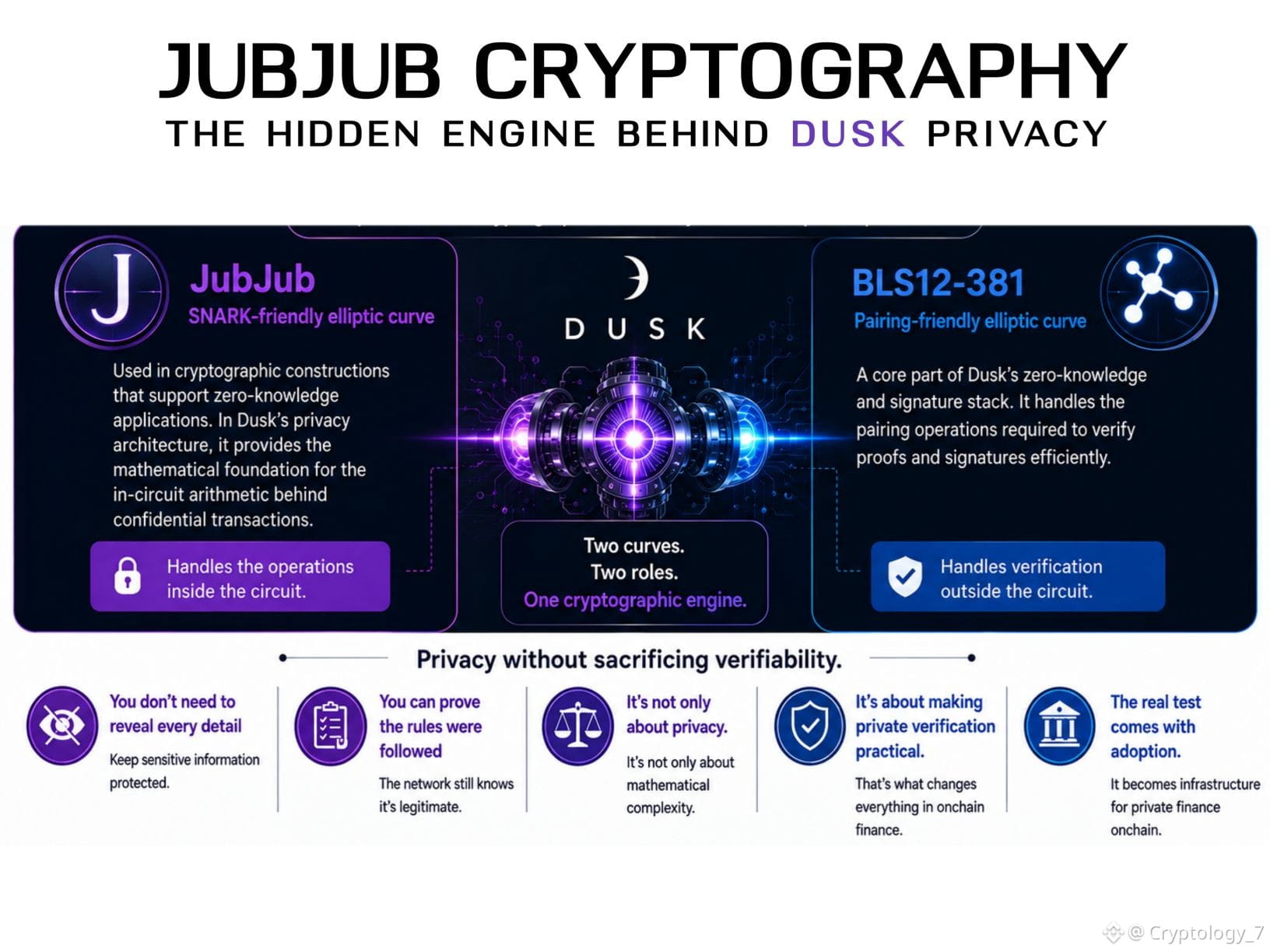
JubJub is a SNARK-friendly elliptic curve used in cryptographic constructions that support zero-knowledge applications.. In Dusk's privacy architecture, it provides an important mathematical foundation for handliNg the operations behind confidential transactions.
JubJub doesn't do this alone. Dusk also relies on BLS12-381 a pairing friendly elliptic curve at the core of its ZK and signature stack. While JubJub handles the in-circuit arithmetic for confidential transactions, BLS12-381 handles the pairing operations required to verify proofs and signatures efficiently. Together, they form two complementary halves of the same cryptographic engine.
That may sound like a small technical detail.
I DON'T THINK IT IS.. The interesting part isn't simply that @Dusk_Foundation uses advanced cryptography. It's how these different pieces work together to create privacy without sacrificing verifiability.
You don't need to reveal every transaction detail for the network to know something is legitimate.
You can prove the rules were followed while keeping sensitive information protected.
Not “only about privacy.”
Not “only about mathematical complexity.”
It’s about making private verification practical. That changes how I think about privacy in on-chain finance.
But the real test comes with adoption.
The future of institutional finance may not depend on choosing between transparency and privacy, but on cryptography that finally makes both possible. Could JubJub be part of that foundation?
#dusk $DUSK
#dusk $DUSK @Dusk One truth keeps surfacing every time I explore Dusk. Privacy depends on more than just saying “zero knowledge.”
Most blockchain conversations focus on what a proof can hide. Far fewer look at the cryptographic machinery making those proofs practical.
That's where JubJub caught my attention.
JubJub is a SNARK-friendly elliptic curve used in cryptographic constructions that support zero-knowledge applications.. In Dusk's privacy architecture, it provides an important mathematical foundation for handliNg the operations behind confidential transactions.
JubJub doesn't do this alone. Dusk also relies on BLS12-381 a pairing friendly elliptic curve at the core of its ZK and signature stack. While JubJub handles the in-circuit arithmetic for confidential transactions, BLS12-381 handles the pairing operations required to verify proofs and signatures efficiently. Together, they form two complementary halves of the same cryptographic engine.
That may sound like a small technical detail.
I DON'T THINK IT IS.. The interesting part isn't simply that @Dusk uses advanced cryptography. It's how these different pieces work together to create privacy without sacrificing verifiability.
You don't need to reveal every transaction detail for the network to know something is legitimate.
You can prove the rules were followed while keeping sensitive information protected.
Not “only about privacy.”
Not “only about mathematical complexity.”
It’s about making private verification practical. That changes how I think about privacy in on-chain finance.
But the real test comes with adoption.
The future of institutional finance may not depend on choosing between transparency and privacy, but on cryptography that finally makes both possible. Could JubJub be part of that foundation?
#dusk $DUSK
Most blockchain conversations focus on what a proof can hide. Far fewer look at the cryptographic machinery making those proofs practical.
That's where JubJub caught my attention.
JubJub is a SNARK-friendly elliptic curve used in cryptographic constructions that support zero-knowledge applications.. In Dusk's privacy architecture, it provides an important mathematical foundation for handliNg the operations behind confidential transactions.
JubJub doesn't do this alone. Dusk also relies on BLS12-381 a pairing friendly elliptic curve at the core of its ZK and signature stack. While JubJub handles the in-circuit arithmetic for confidential transactions, BLS12-381 handles the pairing operations required to verify proofs and signatures efficiently. Together, they form two complementary halves of the same cryptographic engine.
That may sound like a small technical detail.
I DON'T THINK IT IS.. The interesting part isn't simply that @Dusk uses advanced cryptography. It's how these different pieces work together to create privacy without sacrificing verifiability.
You don't need to reveal every transaction detail for the network to know something is legitimate.
You can prove the rules were followed while keeping sensitive information protected.
Not “only about privacy.”
Not “only about mathematical complexity.”
It’s about making private verification practical. That changes how I think about privacy in on-chain finance.
But the real test comes with adoption.
The future of institutional finance may not depend on choosing between transparency and privacy, but on cryptography that finally makes both possible. Could JubJub be part of that foundation?
#dusk $DUSK
3
8
491
·
--
Vérifié
#dusk $DUSK @Dusk_Foundation
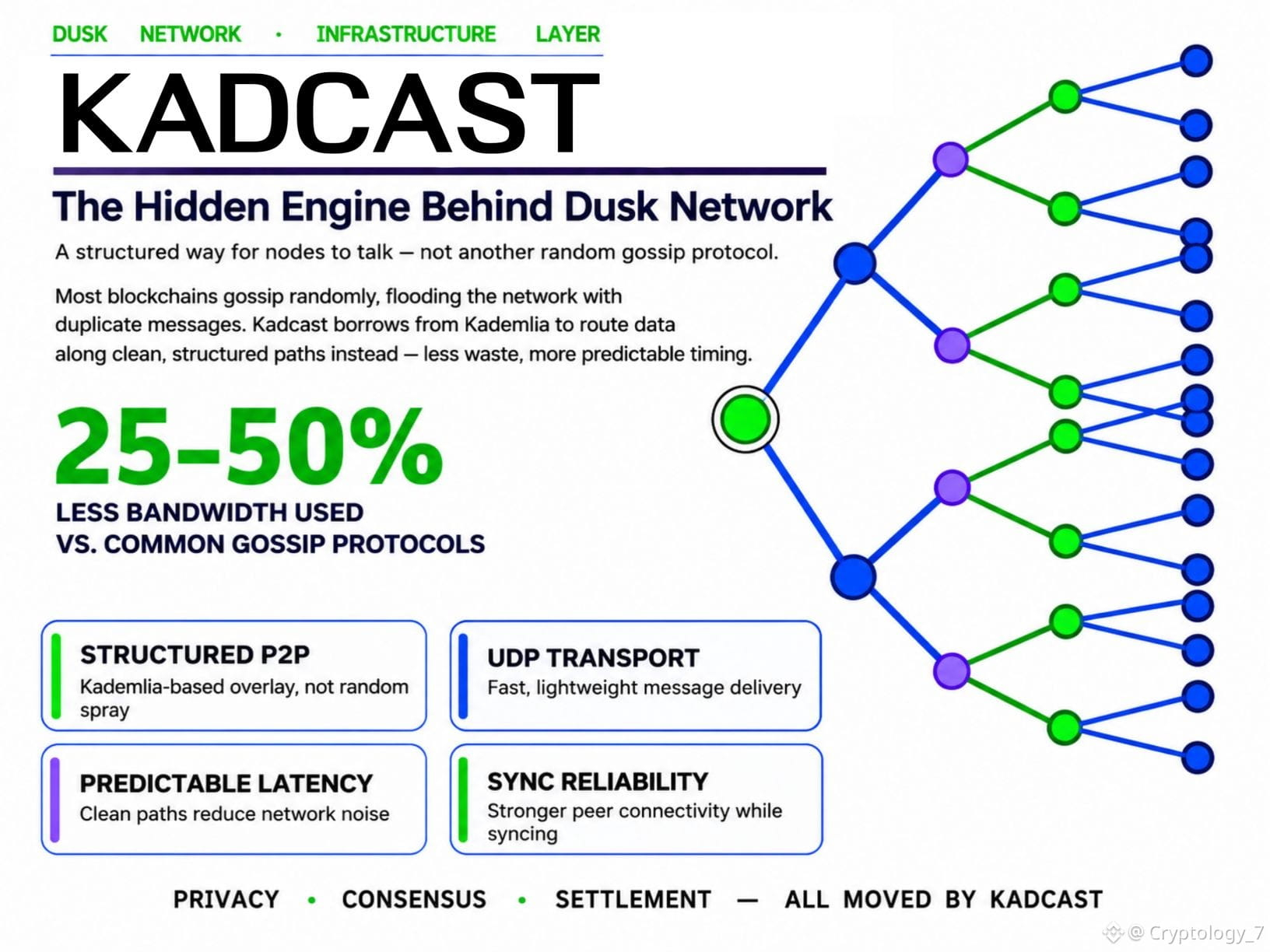
Honestly, I didn’t expect Kadcast to catch my attention. I thought it was just another way for blockchain nodes to gossip. Then I found something that changed how I see Dusk’s network layer differently. Kadcast can cut bandwidth use by 25–50% compared with common protocols.
How do you move information across a growing network without wasting bandwidth or creating unnecessary delays?
In a traditional gossip-style network, the same message can travel thrOugh many peers, creating extra network traffic. Depending on the design, this overhead can be significant.
Kadcast takes a smarter route.
Instead of letting messages spread through an unstructured web of connections, Dusk uses a structured P2P overlay designed to make communication more efficient and latency more predictable.. Kadcast builds on Kademlia, using XOR distance to organize peer routing.
And it gets more interesting.
Kadcast uses UDP, while @Dusk_Foundation has also worked on things like routing improvements, UDP message size controls, network version checks, message flow tracking, and stronger peer connectivity during synchronization.
To me, this shows that Kadcast isn’t just some technical feature buried in the docs. It’s part of the foundation that keeps Dusk communicating.
Privacy protects sensitive information.
Consensus creates agreement.
Settlement moves value.
Kadcast helps move the information that makes all of it possible.
Sometimes, the technology doing the most important work is the technology users never notice.
If the best network layer is invisible to users, how far can Dusk go as its infrastructure becomes smarter and more efficient?
#dusk
#dusk $DUSK @Dusk
Honestly, I didn’t expect Kadcast to catch my attention. I thought it was just another way for blockchain nodes to gossip. Then I found something that changed how I see Dusk’s network layer differently. Kadcast can cut bandwidth use by 25–50% compared with common protocols.
How do you move information across a growing network without wasting bandwidth or creating unnecessary delays?
In a traditional gossip-style network, the same message can travel thrOugh many peers, creating extra network traffic. Depending on the design, this overhead can be significant.
Kadcast takes a smarter route.
Instead of letting messages spread through an unstructured web of connections, Dusk uses a structured P2P overlay designed to make communication more efficient and latency more predictable.. Kadcast builds on Kademlia, using XOR distance to organize peer routing.
And it gets more interesting.
Kadcast uses UDP, while @Dusk has also worked on things like routing improvements, UDP message size controls, network version checks, message flow tracking, and stronger peer connectivity during synchronization.
To me, this shows that Kadcast isn’t just some technical feature buried in the docs. It’s part of the foundation that keeps Dusk communicating.
Privacy protects sensitive information.
Consensus creates agreement.
Settlement moves value.
Kadcast helps move the information that makes all of it possible.
Sometimes, the technology doing the most important work is the technology users never notice.
If the best network layer is invisible to users, how far can Dusk go as its infrastructure becomes smarter and more efficient?
#dusk
Honestly, I didn’t expect Kadcast to catch my attention. I thought it was just another way for blockchain nodes to gossip. Then I found something that changed how I see Dusk’s network layer differently. Kadcast can cut bandwidth use by 25–50% compared with common protocols.
How do you move information across a growing network without wasting bandwidth or creating unnecessary delays?
In a traditional gossip-style network, the same message can travel thrOugh many peers, creating extra network traffic. Depending on the design, this overhead can be significant.
Kadcast takes a smarter route.
Instead of letting messages spread through an unstructured web of connections, Dusk uses a structured P2P overlay designed to make communication more efficient and latency more predictable.. Kadcast builds on Kademlia, using XOR distance to organize peer routing.
And it gets more interesting.
Kadcast uses UDP, while @Dusk has also worked on things like routing improvements, UDP message size controls, network version checks, message flow tracking, and stronger peer connectivity during synchronization.
To me, this shows that Kadcast isn’t just some technical feature buried in the docs. It’s part of the foundation that keeps Dusk communicating.
Privacy protects sensitive information.
Consensus creates agreement.
Settlement moves value.
Kadcast helps move the information that makes all of it possible.
Sometimes, the technology doing the most important work is the technology users never notice.
If the best network layer is invisible to users, how far can Dusk go as its infrastructure becomes smarter and more efficient?
#dusk
1
7
633
·
--
#dusk
I wouldn't feel comfortable knowing every dollar I move could be seen by anyone watching my transactions. No secrets. No privacy. Just you, exposed, one transaction at a time.
Now imagine a bank, or a fund, or an institution trying to operate that way on a public chain. That's not a business model. That's a liability waiting to happen. And that's exactly the problem @Dusk_Foundation Core was built to solve.
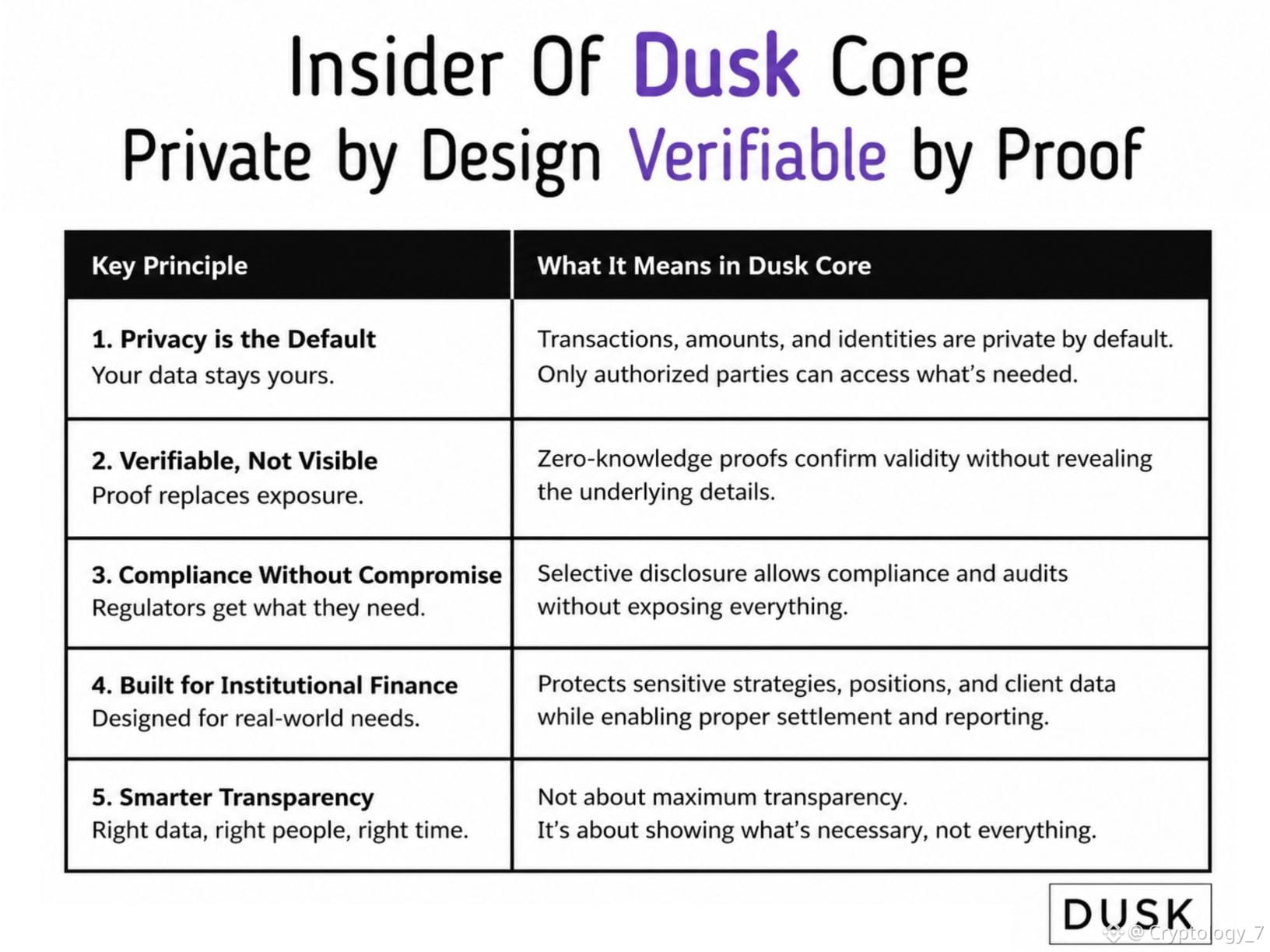
Here's the thing I didn't get at first while learning about Dusk Core: privacy isn't about hiding everything. It's about choosing what gets shown and to whom, without breaking trust in the system.. BIG DIFFERENCE.
Public blockchains work great for a lot of things NFTs, memes, open communities. But finance isn't like that. Trading desks, asset managers, and regulated institutions can't just broadcast every transaction, balance, and trade to the entire internet. That's not transparency. That's exposure.
So how does $DUSK solve this?
Instead of choosing between "fully open" or "fully hidden," Dusk asks a smarter question: what if a transaction could be private and provably valid at the same time? What if regulators could still verify compliance, without seeing every private detail?
That's the real unlock. Privacy and verification, working together instead of against each other.
Once you see it this way, blockchain infrastructure stops being just "process the transaction." It starts being "process it privately, keep it compliant, and make it settle correctly." That's a much bigger job and honestly, it's the job real financial systems actually need.
So maybe the future of institutional blockchain isn't about showing everything to everyone. It's about showing the right things to the right people. Not Maximum Transparency. Smarter Transparency.
That's DUSK Core. Quietly building the kind of trust crypto was always meant to have.
#dusk
#dusk
I wouldn't feel comfortable knowing every dollar I move could be seen by anyone watching my transactions. No secrets. No privacy. Just you, exposed, one transaction at a time.
Now imagine a bank, or a fund, or an institution trying to operate that way on a public chain. That's not a business model. That's a liability waiting to happen. And that's exactly the problem @Dusk Core was built to solve.
Here's the thing I didn't get at first while learning about Dusk Core: privacy isn't about hiding everything. It's about choosing what gets shown and to whom, without breaking trust in the system.. BIG DIFFERENCE.
Public blockchains work great for a lot of things NFTs, memes, open communities. But finance isn't like that. Trading desks, asset managers, and regulated institutions can't just broadcast every transaction, balance, and trade to the entire internet. That's not transparency. That's exposure.
So how does $DUSK solve this?
Instead of choosing between "fully open" or "fully hidden," Dusk asks a smarter question: what if a transaction could be private and provably valid at the same time? What if regulators could still verify compliance, without seeing every private detail?
That's the real unlock. Privacy and verification, working together instead of against each other.
Once you see it this way, blockchain infrastructure stops being just "process the transaction." It starts being "process it privately, keep it compliant, and make it settle correctly." That's a much bigger job and honestly, it's the job real financial systems actually need.
So maybe the future of institutional blockchain isn't about showing everything to everyone. It's about showing the right things to the right people. Not Maximum Transparency. Smarter Transparency.
That's DUSK Core. Quietly building the kind of trust crypto was always meant to have.
#dusk
I wouldn't feel comfortable knowing every dollar I move could be seen by anyone watching my transactions. No secrets. No privacy. Just you, exposed, one transaction at a time.
Now imagine a bank, or a fund, or an institution trying to operate that way on a public chain. That's not a business model. That's a liability waiting to happen. And that's exactly the problem @Dusk Core was built to solve.
Here's the thing I didn't get at first while learning about Dusk Core: privacy isn't about hiding everything. It's about choosing what gets shown and to whom, without breaking trust in the system.. BIG DIFFERENCE.
Public blockchains work great for a lot of things NFTs, memes, open communities. But finance isn't like that. Trading desks, asset managers, and regulated institutions can't just broadcast every transaction, balance, and trade to the entire internet. That's not transparency. That's exposure.
So how does $DUSK solve this?
Instead of choosing between "fully open" or "fully hidden," Dusk asks a smarter question: what if a transaction could be private and provably valid at the same time? What if regulators could still verify compliance, without seeing every private detail?
That's the real unlock. Privacy and verification, working together instead of against each other.
Once you see it this way, blockchain infrastructure stops being just "process the transaction." It starts being "process it privately, keep it compliant, and make it settle correctly." That's a much bigger job and honestly, it's the job real financial systems actually need.
So maybe the future of institutional blockchain isn't about showing everything to everyone. It's about showing the right things to the right people. Not Maximum Transparency. Smarter Transparency.
That's DUSK Core. Quietly building the kind of trust crypto was always meant to have.
#dusk
1
9
835
Connectez-vous pour découvrir plus de contenu
Rejoignez la communauté mondiale des adeptes de cryptomonnaies sur Binance Square
⚡️ Suviez les dernières informations importantes sur les cryptomonnaies.
💬 Jugé digne de confiance par la plus grande plateforme d’échange de cryptomonnaies au monde.
👍 Découvrez les connaissances que partagent les créateurs vérifiés.
Adresse e-mail/Nº de téléphone
Sujets d’actualité
NvidiaApproves$150BBuyback
1,342 vues
32 mentions
#NvidiaApproves$150BBuyback
Nvidia’s $150 Billion Buyback Shockwave: Is AI Cash Flow Driving the Next Market Rally? 🚀
The AI supercycle just sent shockwaves across tradfi and crypto markets! NVIDIA's Board of Directors authorized a massive $150 Billion increase to its share repurchase program, expanding the company's total remaining buyback authorization to $235 Billion.
This marks the largest share buyback authorization in U.S. corporate history, surpassing Apple’s $110 billion benchmark.
📰 Key Headlines & Market Breakdown
Record-Breaking Capital Return: NVIDIA founder and CEO Jensen Huang cited "once-in-a-generation platform shift to AI" and strong corporate cash flow as the main drivers behind returning capital to shareholders.
Defying Market Downturns: Despite broader equity pressure and rising U.S. Treasury yields, $NVDA shares surged over 3% on the announcement, showing institutional confidence in tech assets.
Spillover into Decentralized AI: Historically, major bullish headlines for NVIDIA trigger positive sentiment for decentralized AI infrastructure protocols (such as NEAR, RENDER, and FET), as web3 AI projects track broader AI sector valuations.
❓ Discussion Point
Nvidia announces a massive $150B buyback! Will tech stock gains bleed over into Bitcoin and AI tokens?
$RENDER
📊 Related Crypto Trade Signal: RENDER/USDT
Trade Bias: Bullish
Entry Zone: $5.20 – $5.45
Target 1 (TP1): $6.10
Target 2 (TP2): $6.85
Stop Loss (SL): $4.85
Leverage (Futures): 3x – 5x (Isolated)
Technical Rationale: RENDER tends to react strongly to Nvidia hardware and AI capital developments. Price is consolidating near key moving average support with rising spot volume following the $NVDAB
news.
#HackersDrainOver12.4MXRPFromDCENTWallets #CryptoNews #AITokens #TradingSignals
Lily星星
·1 mentions J’aime
·126 vues
OpenAIDelaysGPT6.1OverSafetyIssues
6,530 vues
295 mentions
AMDToAcquireWorldLabsFor$8.2B
847 vues
31 mentions