


If you want to know whether an oracle is real infrastructure or just a data pipe, don’t look at uptime dashboards. Look at disputes.
Two venues publish two “valid” numbers. They’re close, both defensible, both sourced correctly. But only one of them will be chosen by the protocol. And once that choice is made, money moves, positions liquidate, markets settle, collateral eligibility changes.
After everything explodes or survives, there is only one question that matters:
Why did this number count?
Most protocols can’t answer that cleanly.
They say things like:
“The oracle updated.”
“That’s what the feed returned.”
“Markets were volatile.”
Those aren’t explanations. Those are excuses.
The Oracle Is Not One Thing (And Treating It As One Is A Mistake)
This is where APRO’s framing is actually useful.
An oracle is not a single object. It has at least two distinct jobs:
Transport – getting a claim or value into the system
Verification – deciding whether that claim is binding right now
Transport is easy. Everyone can monitor it. Logs, txs, timestamps. Most oracle projects stop here and call it reliability.
Verification is where things get ugly.
Verification is where protocols quietly improvise.
Which source counts?
Which timestamp is “fresh enough”?
What happens if one venue is live and another is still settling yesterday’s session?
What do you do with technically valid prints that make zero economic sense?
What if the attestation is current, but the underlying document changed?
A number arriving on-chain answers none of that.
An update is not a policy.
Why Oracle-as-a-Service Helps — And Where It Can Still Fail
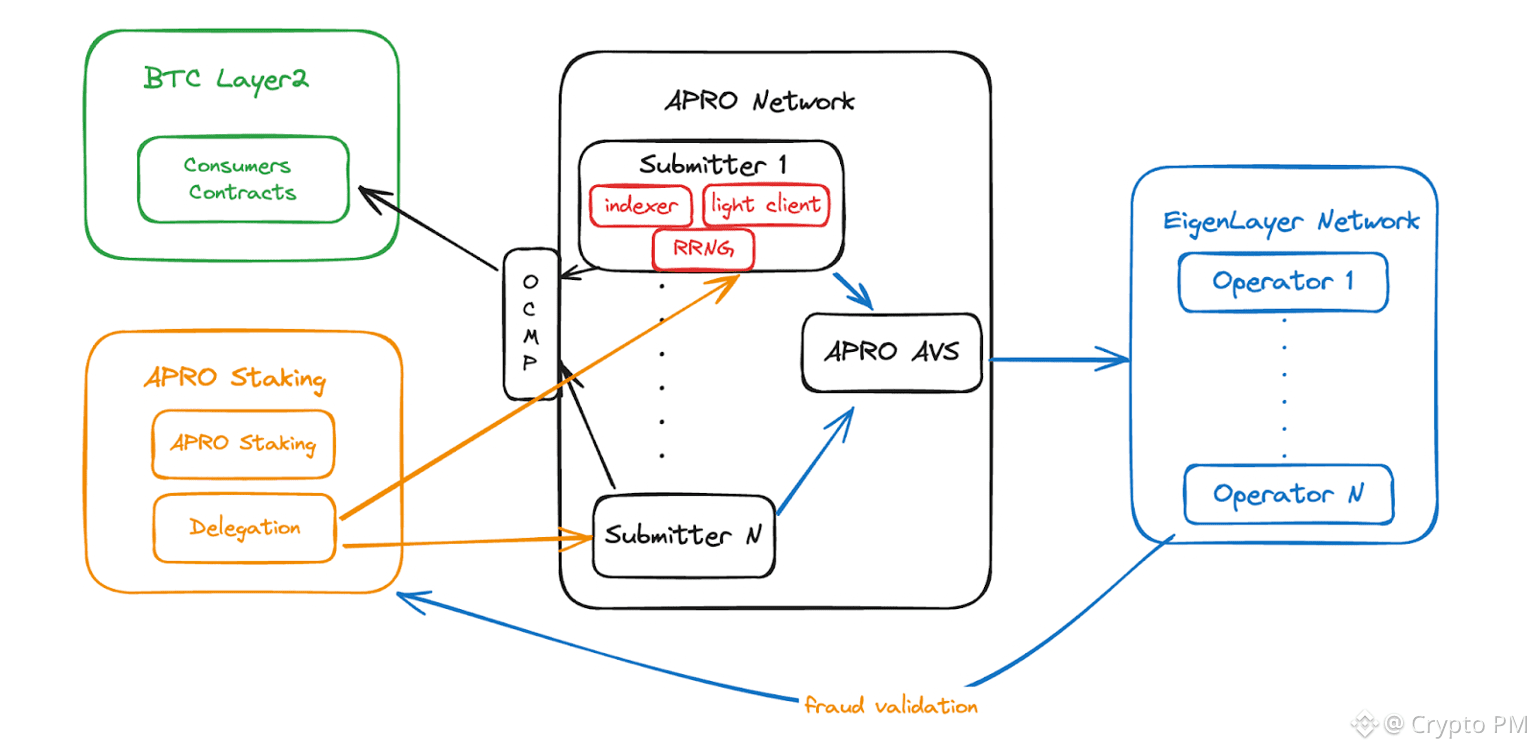
APRO’s Oracle-as-a-Service model genuinely helps with the boring but real pain: integration, plumbing, maintenance. Transport becomes smooth. Developers don’t burn months rebuilding pipes.
That’s good.
But under dispute pressure, transport stops being the question. The question becomes:
Where does validation logic live, and who owns the rules?
APRO makes that division visible, which is actually uncomfortable — and that’s a good thing. Because now the protocol can’t hide behind “the oracle.”
APRO can give you:
quality signals
confidence indicators
deviation flags
timing alignment
That turns a raw value into a value with context.
But here’s the part people like to ignore:
APRO can give you the dial.
You still choose where to draw the line.
That line is your policy. Whether you admit it or not.
Verification Debt: The Silent Protocol Killer
Here’s how protocols actually break — not with hacks, but with inconsistency.
One module treats low confidence as fatal.
Another treats it as noise.
Governance scripts use one threshold.
Liquidation paths use another.
Keepers set their own “safe defaults” because they don’t trust yours.
Nothing is technically broken.
Everything “works.”
Until a dispute happens.
Then:
one path pauses
another continues
users get different outcomes from the same world state
And suddenly nobody can point to a single rulebook.
This is verification debt.
It builds quietly. And users pay for it before you name it.
Why This Matters For APRO Specifically
APRO’s real value is not “better prices” or “more feeds.”
Its real test is whether protocols using it can answer the ugliest question in DeFi without hand-waving:
Why was this value allowed to move funds at that moment?
If APRO helps teams:
expose confidence explicitly
design state-dependent behavior (not just pass/fail)
keep verification rules consistent across modules
then it lowers the hidden fear premium protocols bake into everything:
wider margins, slower liquidation curves, conservative collateral rules.
That’s real value.
But if teams integrate APRO and still:
consume only the raw number
treat confidence as optional
leave thresholds implicit
then nothing changes. The same users get clipped, parameters get tightened after, and nobody ever relaxes them again.
The Line That Matters
Transport gets claims into contracts.
Verification is where a protocol earns the right to act on them.
If that layer is weak, disputes don’t show up as “bad data.”
They show up as support tickets, angry users, and explanations that collapse under scrutiny.
That’s the standard APRO should be judged by — not hype, not coverage, not dashboards.
Just this:
Can the system explain itself when money is already gone?
If yes, it matters.
If not, it’s just another feed with a different logo.
