

#miningpool
miningpool
183,358 vues
392 mentions
Populaire
Récents
·
--
SBI CRYPTO MINING POOL SHUTTERS ON JULY 31 – OCEAN CLAIMS 3.6% HIGHER REVENUE $BTC 🔥
A structural shift in Bitcoin mining: SBI Crypto's pool is closing on July 31, forcing an unexpected migration for miners. OCEAN's co-founder is inviting them over, citing a 3.6% revenue advantage vs. the best FPPS pool in 2025.
That 3.6% edge is significant for a capital-intensive operation. The timing creates natural urgency — less than 30 days to make a move. For miners, the decision now is about more than just fees; it's about trust in block template autonomy.
Are you sticking with an FPPS model or exploring DATUM for trustless distribution?
Not financial advice. Always manage your risk.
#BTC #BitcoinMining #MiningPool #CryptoNews
⚡
SBI CRYPTO MINING POOL SHUTTERS ON JULY 31 – OCEAN CLAIMS 3.6% HIGHER REVENUE $BTC 🔥
A structural shift in Bitcoin mining: SBI Crypto's pool is closing on July 31, forcing an unexpected migration for miners. OCEAN's co-founder is inviting them over, citing a 3.6% revenue advantage vs. the best FPPS pool in 2025.
That 3.6% edge is significant for a capital-intensive operation. The timing creates natural urgency — less than 30 days to make a move. For miners, the decision now is about more than just fees; it's about trust in block template autonomy.
Are you sticking with an FPPS model or exploring DATUM for trustless distribution?
Not financial advice. Always manage your risk.
#BTC #BitcoinMining #MiningPool #CryptoNews
⚡
A structural shift in Bitcoin mining: SBI Crypto's pool is closing on July 31, forcing an unexpected migration for miners. OCEAN's co-founder is inviting them over, citing a 3.6% revenue advantage vs. the best FPPS pool in 2025.
That 3.6% edge is significant for a capital-intensive operation. The timing creates natural urgency — less than 30 days to make a move. For miners, the decision now is about more than just fees; it's about trust in block template autonomy.
Are you sticking with an FPPS model or exploring DATUM for trustless distribution?
Not financial advice. Always manage your risk.
#BTC #BitcoinMining #MiningPool #CryptoNews
⚡
14

·
--
SBI Group shuts Bitcoin mining pool
Japanese financial giant SBI Group announced closure of its Bitcoin mining pool operations. The move comes amid increasing regulatory scrutiny and shifting market dynamics. SBI had launched the mining operation in 2021 but now discontinues the service as priorities shift toward other blockchain initiatives.
Japanese financial institutions continue reshaping crypto infrastructure. SBI Group's move toward mining pool closure signals maturation of regulatory frameworks. Industry consolidation accelerates as traditional finance adapts blockchain strategies.
Market participants reassess corporate treasury allocations amid evolving compliance requirements. Mining operations increasingly face scrutiny over energy consumption and operational transparency. Corporate balancing of innovation and regulation deepens across Asian markets.
Asian regulatory landscapes shift as institutions pivot strategies. Mining pools face new operational standards globally. The intersection of traditional finance and crypto infrastructure evolves rapidly.
What drives institutional decisions on crypto infrastructure? Drop your take below. 👇
#JapanCrypto #MiningPool #InstitutionalAdoption
SBI Group shuts Bitcoin mining pool
Japanese financial giant SBI Group announced closure of its Bitcoin mining pool operations. The move comes amid increasing regulatory scrutiny and shifting market dynamics. SBI had launched the mining operation in 2021 but now discontinues the service as priorities shift toward other blockchain initiatives.
Japanese financial institutions continue reshaping crypto infrastructure. SBI Group's move toward mining pool closure signals maturation of regulatory frameworks. Industry consolidation accelerates as traditional finance adapts blockchain strategies.
Market participants reassess corporate treasury allocations amid evolving compliance requirements. Mining operations increasingly face scrutiny over energy consumption and operational transparency. Corporate balancing of innovation and regulation deepens across Asian markets.
Asian regulatory landscapes shift as institutions pivot strategies. Mining pools face new operational standards globally. The intersection of traditional finance and crypto infrastructure evolves rapidly.
What drives institutional decisions on crypto infrastructure? Drop your take below. 👇
#JapanCrypto #MiningPool #InstitutionalAdoption
Japanese financial giant SBI Group announced closure of its Bitcoin mining pool operations. The move comes amid increasing regulatory scrutiny and shifting market dynamics. SBI had launched the mining operation in 2021 but now discontinues the service as priorities shift toward other blockchain initiatives.
Japanese financial institutions continue reshaping crypto infrastructure. SBI Group's move toward mining pool closure signals maturation of regulatory frameworks. Industry consolidation accelerates as traditional finance adapts blockchain strategies.
Market participants reassess corporate treasury allocations amid evolving compliance requirements. Mining operations increasingly face scrutiny over energy consumption and operational transparency. Corporate balancing of innovation and regulation deepens across Asian markets.
Asian regulatory landscapes shift as institutions pivot strategies. Mining pools face new operational standards globally. The intersection of traditional finance and crypto infrastructure evolves rapidly.
What drives institutional decisions on crypto infrastructure? Drop your take below. 👇
#JapanCrypto #MiningPool #InstitutionalAdoption
1
16


Article
BTC NEWSبٹ کوائن کے بڑے مائننگ پول 'پولین' نے دیوالیہ ہونے کا اعلان کر دیا
سنگاپور میں قائم دنیا کے بڑے بٹ کوائن مائننگ پولز میں سے ایک، پولین (Poolin) نے باقاعدہ طور پر دیوالیہ ہونے کا اعلان کر دیا ہے۔ کمپنی 2022 میں صارفین کے لیے فنڈز نکالنے کی سہولت منجمد کرنے کے بعد سے مسلسل مالی بحران کا شکار تھی اور اب اس نے اپنی ٹیکساس میں موجود مائننگ سائٹس کی نیلامی کا فیصلہ کیا ہے۔ اس نیلامی کا مقصد تقریباً 11,700 متاثرہ صارفین کو ان کی واجب الادا رقوم کی ادائیگی کرنا ہے۔
بٹ کوائن مائننگ انڈسٹری کے لیے یہ خبر ایک بڑے دھچکے کی مانند ہے کیونکہ پولین کا شمار کسی دور میں ٹاپ مائننگ پولز میں ہوتا تھا۔ ماہرین کا کہنا ہے کہ مارکیٹ کی غیر یقینی صورتحال، ہائی مائننگ کاسٹ اور فنانشل مینجمنٹ کے مسائل نے اس سیکٹر کو شدید متاثر کیا ہے۔ اس واقعے نے ایک بار پھر مائننگ پولز کی مالی شفافیت اور ریگولیٹری فریم ورک کی ضرورت کو واضح کر دیا ہے۔ فی الحال متاثرہ صارفین کے لیے اپنی سرمایہ کاری کی واپسی کے حوالے سے تشویش برقرار ہے کیونکہ فنڈز کی ریکوری کا عمل طویل ہو سکتا ہے۔
#Bitcoin #BTC走势分析 #MiddleEastTensions #mi_395 #miningpool
BTC NEWS
بٹ کوائن کے بڑے مائننگ پول 'پولین' نے دیوالیہ ہونے کا اعلان کر دیا
سنگاپور میں قائم دنیا کے بڑے بٹ کوائن مائننگ پولز میں سے ایک، پولین (Poolin) نے باقاعدہ طور پر دیوالیہ ہونے کا اعلان کر دیا ہے۔ کمپنی 2022 میں صارفین کے لیے فنڈز نکالنے کی سہولت منجمد کرنے کے بعد سے مسلسل مالی بحران کا شکار تھی اور اب اس نے اپنی ٹیکساس میں موجود مائننگ سائٹس کی نیلامی کا فیصلہ کیا ہے۔ اس نیلامی کا مقصد تقریباً 11,700 متاثرہ صارفین کو ان کی واجب الادا رقوم کی ادائیگی کرنا ہے۔
بٹ کوائن مائننگ انڈسٹری کے لیے یہ خبر ایک بڑے دھچکے کی مانند ہے کیونکہ پولین کا شمار کسی دور میں ٹاپ مائننگ پولز میں ہوتا تھا۔ ماہرین کا کہنا ہے کہ مارکیٹ کی غیر یقینی صورتحال، ہائی مائننگ کاسٹ اور فنانشل مینجمنٹ کے مسائل نے اس سیکٹر کو شدید متاثر کیا ہے۔ اس واقعے نے ایک بار پھر مائننگ پولز کی مالی شفافیت اور ریگولیٹری فریم ورک کی ضرورت کو واضح کر دیا ہے۔ فی الحال متاثرہ صارفین کے لیے اپنی سرمایہ کاری کی واپسی کے حوالے سے تشویش برقرار ہے کیونکہ فنڈز کی ریکوری کا عمل طویل ہو سکتا ہے۔
#Bitcoin #BTC走势分析 #MiddleEastTensions #mi_395 #miningpool
سنگاپور میں قائم دنیا کے بڑے بٹ کوائن مائننگ پولز میں سے ایک، پولین (Poolin) نے باقاعدہ طور پر دیوالیہ ہونے کا اعلان کر دیا ہے۔ کمپنی 2022 میں صارفین کے لیے فنڈز نکالنے کی سہولت منجمد کرنے کے بعد سے مسلسل مالی بحران کا شکار تھی اور اب اس نے اپنی ٹیکساس میں موجود مائننگ سائٹس کی نیلامی کا فیصلہ کیا ہے۔ اس نیلامی کا مقصد تقریباً 11,700 متاثرہ صارفین کو ان کی واجب الادا رقوم کی ادائیگی کرنا ہے۔
بٹ کوائن مائننگ انڈسٹری کے لیے یہ خبر ایک بڑے دھچکے کی مانند ہے کیونکہ پولین کا شمار کسی دور میں ٹاپ مائننگ پولز میں ہوتا تھا۔ ماہرین کا کہنا ہے کہ مارکیٹ کی غیر یقینی صورتحال، ہائی مائننگ کاسٹ اور فنانشل مینجمنٹ کے مسائل نے اس سیکٹر کو شدید متاثر کیا ہے۔ اس واقعے نے ایک بار پھر مائننگ پولز کی مالی شفافیت اور ریگولیٹری فریم ورک کی ضرورت کو واضح کر دیا ہے۔ فی الحال متاثرہ صارفین کے لیے اپنی سرمایہ کاری کی واپسی کے حوالے سے تشویش برقرار ہے کیونکہ فنڈز کی ریکوری کا عمل طویل ہو سکتا ہے۔
#Bitcoin #BTC走势分析 #MiddleEastTensions #mi_395 #miningpool
119

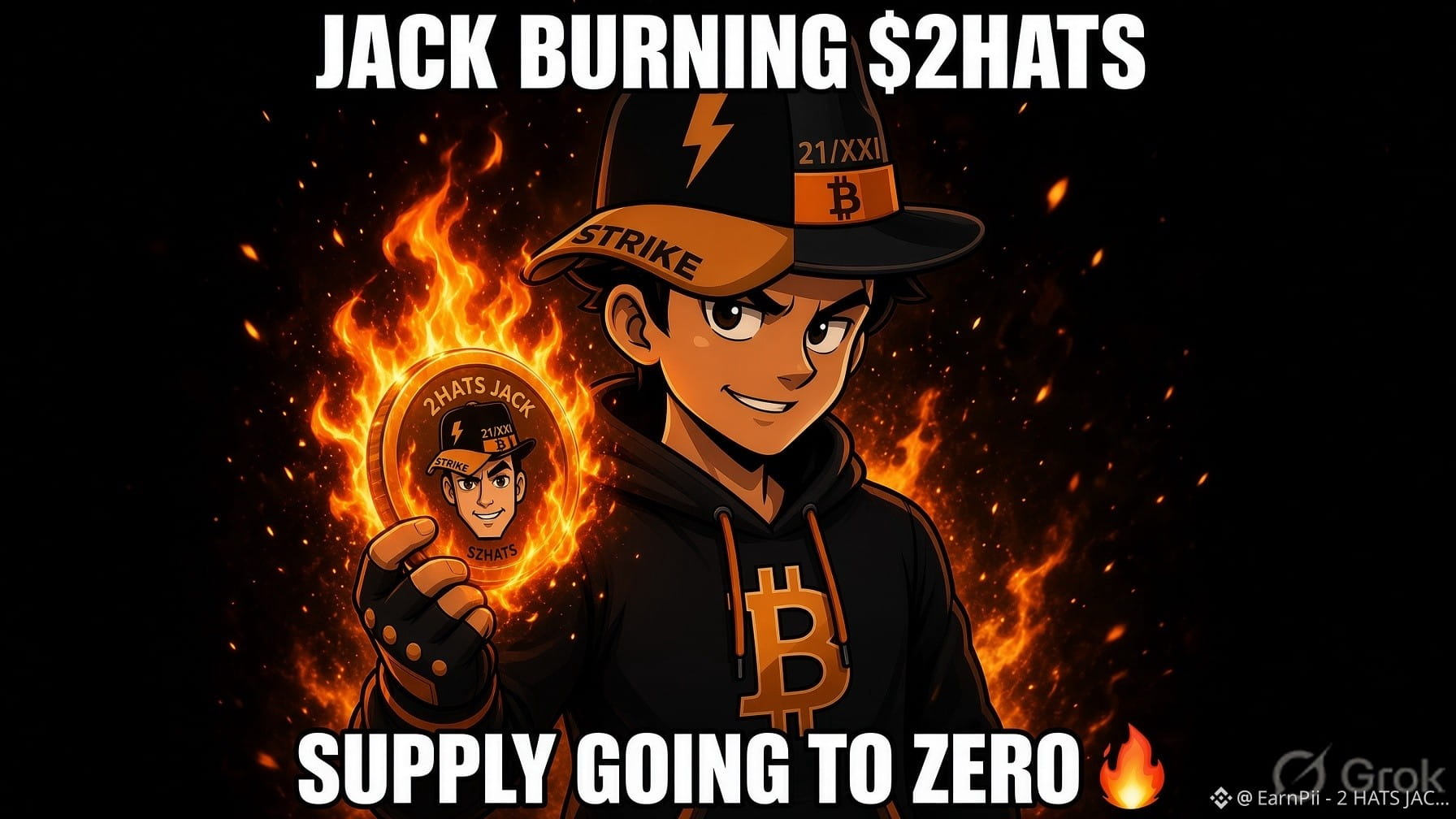
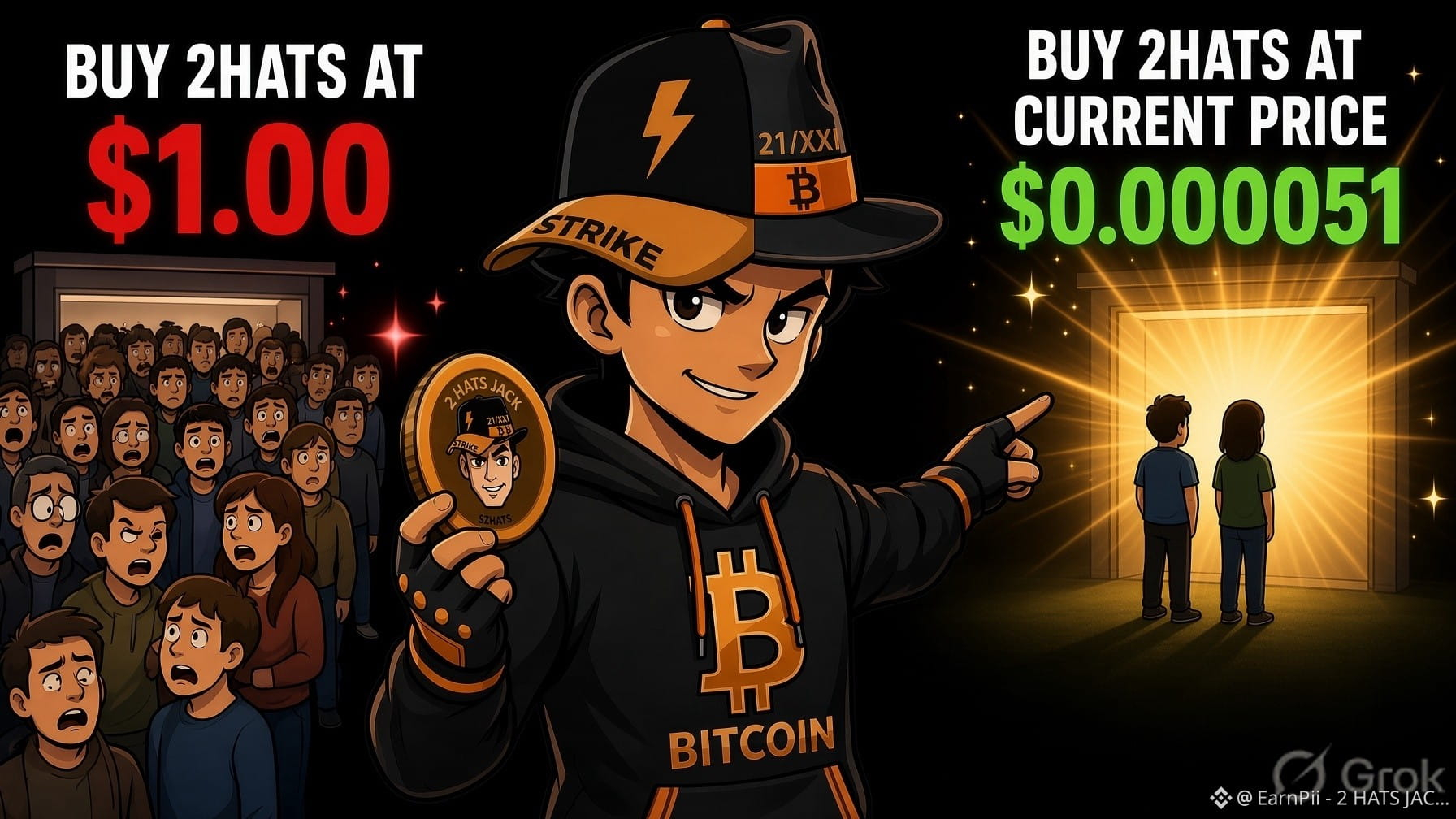
the 2 hats jack mining pool is flowing, the more $HATS is traded the more funds deposited into the pool. $BTC rewards by depositing $2HATS in the pool.
#2HATSJACK
#2HATS
#DCABTC
#MININGPOOL
[2HATS on Binance](https://web3.binance.com/en/token/bsc/0x40fc200e43725771923e4bd8bec3115af8c6ffff)
the 2 hats jack mining pool is flowing, the more $HATS is traded the more funds deposited into the pool. $BTC rewards by depositing $2HATS in the pool.
#2HATSJACK
#2HATS
#DCABTC
#MININGPOOL
2HATS on Binance
#2HATSJACK
#2HATS
#DCABTC
#MININGPOOL
2HATS on Binance


36
1
4
133

·
--
Vérifié
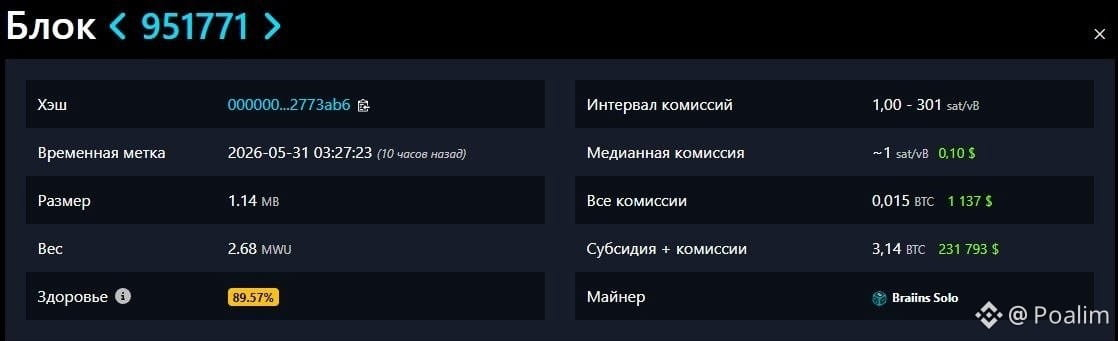
Майнер-одиночка добыл блок биткоина #951 771 и получил вознаграждение в размере 3,14 BTC. Он использовал платформу Braiins Solo, которая работает на ПО от CKPool.
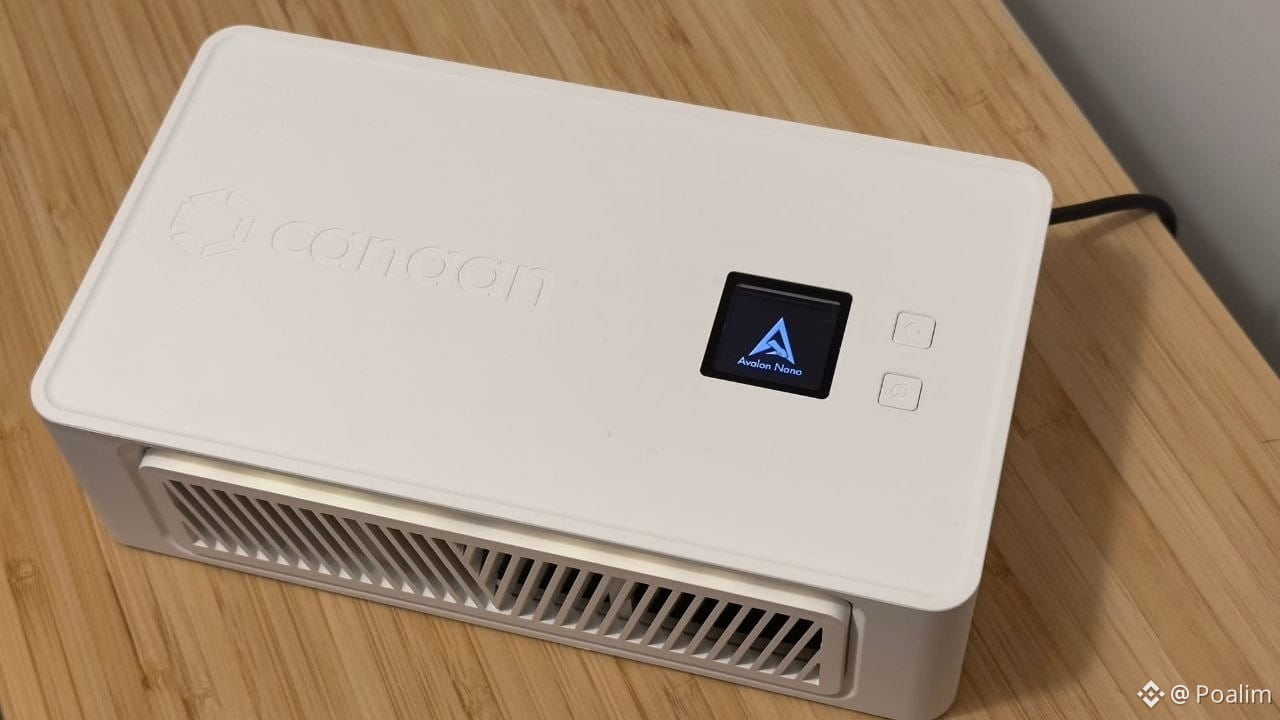
По сообщениям, блок добыт с помощью Avalon Nano 3 от Canaan. Это компактное устройство сочетает функции майнинга (хешрейт 4 TH/s) и обогрева жилых помещений (температура воздуха на выходе до 60℃ ). Потребляемая мощность девайса составляет всего 140 Вт.
#BTC #miningpool
Майнер-одиночка добыл блок биткоина #951 771 и получил вознаграждение в размере 3,14 BTC. Он использовал платформу Braiins Solo, которая работает на ПО от CKPool.
По сообщениям, блок добыт с помощью Avalon Nano 3 от Canaan. Это компактное устройство сочетает функции майнинга (хешрейт 4 TH/s) и обогрева жилых помещений (температура воздуха на выходе до 60℃ ). Потребляемая мощность девайса составляет всего 140 Вт.
#BTC #miningpool
По сообщениям, блок добыт с помощью Avalon Nano 3 от Canaan. Это компактное устройство сочетает функции майнинга (хешрейт 4 TH/s) и обогрева жилых помещений (температура воздуха на выходе до 60℃ ). Потребляемая мощность девайса составляет всего 140 Вт.
#BTC #miningpool
2
4
8.1k

·
--
Mineria en america, viable? Paises centrosmericanos sin infraestructura electrica podrian ofrecer in nicho par aspirar a minar rentsble? Los leo ennlos comentarios #miningpool #miners #mineria #MiningOpportunity
Mineria en america, viable? Paises centrosmericanos sin infraestructura electrica podrian ofrecer in nicho par aspirar a minar rentsble? Los leo ennlos comentarios #miningpool #miners #mineria #MiningOpportunity
89
·
--
🚀 I’m Testing BNB Mining!
I tried this BNB mining platform myself, and I have successfully completed a withdrawal ✅💰
You can check it out and try it yourself:
🔗 Join here:
BNB Mining�
⚠️ Always do your own research and never deposit money you can’t afford to lose.
#BNB #BNBMining #Crypto #Binance #Web3 #Airdrop #miningpool
🚀 I’m Testing BNB Mining!
I tried this BNB mining platform myself, and I have successfully completed a withdrawal ✅💰
You can check it out and try it yourself:
🔗 Join here:
BNB Mining�
⚠️ Always do your own research and never deposit money you can’t afford to lose.
#BNB #BNBMining #Crypto #Binance #Web3 #Airdrop #miningpool
I tried this BNB mining platform myself, and I have successfully completed a withdrawal ✅💰
You can check it out and try it yourself:
🔗 Join here:
BNB Mining�
⚠️ Always do your own research and never deposit money you can’t afford to lose.
#BNB #BNBMining #Crypto #Binance #Web3 #Airdrop #miningpool
3

🚨 $BTC BLOCK-SPACE EDGE: VIABTC-MEMPOOL TURNS ACCELERATION INTO INFRASTRUCTURE ALPHA
📌 The ViaBTC-Mempool partnership reads as an infrastructure signal, not a cosmetic headline: when congestion rises, confirmed block space becomes the scarce asset. More than 800,000 accelerated transactions since 2016 shows miners have a repeatable route to prioritize eligible flows, not merely chase spot volatility.
⚡ For $BTC holders, this matters because fee pressure, confirmation speed, and miner reliability shape network usage cycles. A tighter accelerator pipeline can smooth user experience during congestion bursts, while keeping miner economics focused on block construction and PoW security. 💬 Are you watching mempool congestion as a leading signal for $BTC network demand?
⚠️ Not financial advice. Always manage your risk. 🛡️
🏷️ #BTC #Bitcoin #MiningPool #NetworkDemand #Crypto
🎯
🚨 $BTC BLOCK-SPACE EDGE: VIABTC-MEMPOOL TURNS ACCELERATION INTO INFRASTRUCTURE ALPHA
📌 The ViaBTC-Mempool partnership reads as an infrastructure signal, not a cosmetic headline: when congestion rises, confirmed block space becomes the scarce asset. More than 800,000 accelerated transactions since 2016 shows miners have a repeatable route to prioritize eligible flows, not merely chase spot volatility.
⚡ For $BTC holders, this matters because fee pressure, confirmation speed, and miner reliability shape network usage cycles. A tighter accelerator pipeline can smooth user experience during congestion bursts, while keeping miner economics focused on block construction and PoW security. 💬 Are you watching mempool congestion as a leading signal for $BTC network demand?
⚠️ Not financial advice. Always manage your risk. 🛡️
🏷️ #BTC #Bitcoin #MiningPool #NetworkDemand #Crypto
🎯
📌 The ViaBTC-Mempool partnership reads as an infrastructure signal, not a cosmetic headline: when congestion rises, confirmed block space becomes the scarce asset. More than 800,000 accelerated transactions since 2016 shows miners have a repeatable route to prioritize eligible flows, not merely chase spot volatility.
⚡ For $BTC holders, this matters because fee pressure, confirmation speed, and miner reliability shape network usage cycles. A tighter accelerator pipeline can smooth user experience during congestion bursts, while keeping miner economics focused on block construction and PoW security. 💬 Are you watching mempool congestion as a leading signal for $BTC network demand?
⚠️ Not financial advice. Always manage your risk. 🛡️
🏷️ #BTC #Bitcoin #MiningPool #NetworkDemand #Crypto
🎯
19

هل تتساءل أحياناً لماذا تختار بعض الشركات الكبرى التخلي عن "ذهبها الرقمي" بمجرد الحصول عليه؟
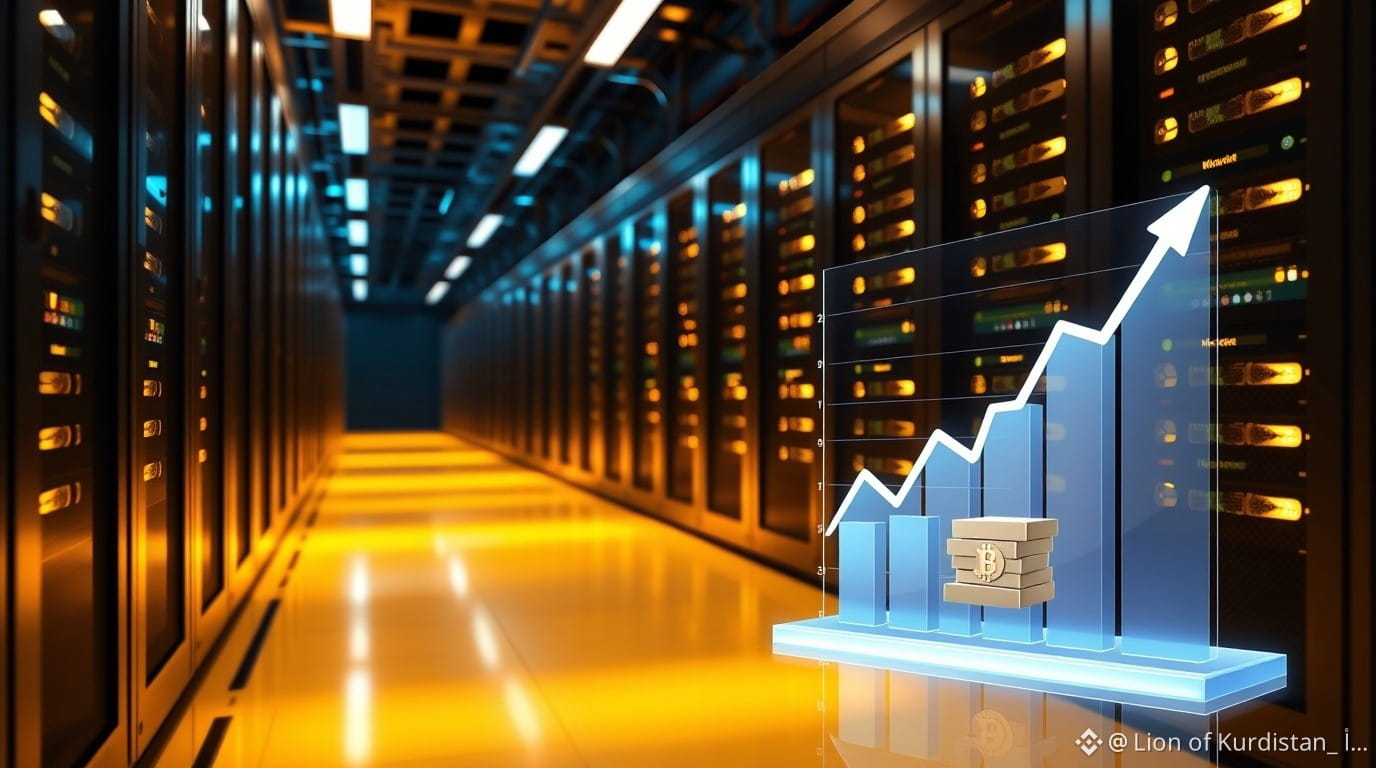
في عالم التعدين، ليست دائماً القاعدة هي "التكديس"، بل أحياناً تكون "السيولة" هي المحرك الأقوى. شركة Bitdeer واصلت نهجها الاستراتيجي اللافت؛ حيث قامت بتعدين 205.3 بيتكوين خلال الأسبوع المنتهي في 5 يونيو، وباعت الكمية كاملة في نفس الفترة.
إليك ما يحدث خلف الكواليس:
سياسة الصفر: تلتزم Bitdeer باستراتيجية "صفر رصيد"، حيث يتم تحويل كل ما يتم تعدينه إلى نقد بشكل فوري.
التركيز على النمو: الشركة لا تحتفظ بالعملات، بل تضخ السيولة مباشرة في توسيع مراكز البيانات وتقنيات التعدين المتطورة.
فصل المخاطر: بفصل عمليات التعدين عن تقلبات أسعار البيتكوين، تركز الشركة طاقتها بالكامل على الكفاءة التوسعية ومشاريع الذكاء الاصطناعي.
هل تعتقد أن هذا التوجه "الواقعي" في تحويل البيتكوين إلى نقد هو الخيار الأذكى للشركات في ظل ظروف السوق الحالية، أم أن الاحتفاظ بالبيتكوين كأصل طويل الأمد يبقى هو الرهان الرابح؟
أخبرني برأيك في التعليقات، وهل كنت لتفعل الشيء نفسه لو كنت تدير عمليات تعدين بهذا الحجم؟ 📉💡
$BTC
{spot}(BTCUSDT)
#bitcoin #Bitdeer #miningpool #CryptoNews #blockchain
هل تتساءل أحياناً لماذا تختار بعض الشركات الكبرى التخلي عن "ذهبها الرقمي" بمجرد الحصول عليه؟
في عالم التعدين، ليست دائماً القاعدة هي "التكديس"، بل أحياناً تكون "السيولة" هي المحرك الأقوى. شركة Bitdeer واصلت نهجها الاستراتيجي اللافت؛ حيث قامت بتعدين 205.3 بيتكوين خلال الأسبوع المنتهي في 5 يونيو، وباعت الكمية كاملة في نفس الفترة.
إليك ما يحدث خلف الكواليس:
سياسة الصفر: تلتزم Bitdeer باستراتيجية "صفر رصيد"، حيث يتم تحويل كل ما يتم تعدينه إلى نقد بشكل فوري.
التركيز على النمو: الشركة لا تحتفظ بالعملات، بل تضخ السيولة مباشرة في توسيع مراكز البيانات وتقنيات التعدين المتطورة.
فصل المخاطر: بفصل عمليات التعدين عن تقلبات أسعار البيتكوين، تركز الشركة طاقتها بالكامل على الكفاءة التوسعية ومشاريع الذكاء الاصطناعي.
هل تعتقد أن هذا التوجه "الواقعي" في تحويل البيتكوين إلى نقد هو الخيار الأذكى للشركات في ظل ظروف السوق الحالية، أم أن الاحتفاظ بالبيتكوين كأصل طويل الأمد يبقى هو الرهان الرابح؟
أخبرني برأيك في التعليقات، وهل كنت لتفعل الشيء نفسه لو كنت تدير عمليات تعدين بهذا الحجم؟ 📉💡
$BTC
#bitcoin #Bitdeer #miningpool #CryptoNews #blockchain
في عالم التعدين، ليست دائماً القاعدة هي "التكديس"، بل أحياناً تكون "السيولة" هي المحرك الأقوى. شركة Bitdeer واصلت نهجها الاستراتيجي اللافت؛ حيث قامت بتعدين 205.3 بيتكوين خلال الأسبوع المنتهي في 5 يونيو، وباعت الكمية كاملة في نفس الفترة.
إليك ما يحدث خلف الكواليس:
سياسة الصفر: تلتزم Bitdeer باستراتيجية "صفر رصيد"، حيث يتم تحويل كل ما يتم تعدينه إلى نقد بشكل فوري.
التركيز على النمو: الشركة لا تحتفظ بالعملات، بل تضخ السيولة مباشرة في توسيع مراكز البيانات وتقنيات التعدين المتطورة.
فصل المخاطر: بفصل عمليات التعدين عن تقلبات أسعار البيتكوين، تركز الشركة طاقتها بالكامل على الكفاءة التوسعية ومشاريع الذكاء الاصطناعي.
هل تعتقد أن هذا التوجه "الواقعي" في تحويل البيتكوين إلى نقد هو الخيار الأذكى للشركات في ظل ظروف السوق الحالية، أم أن الاحتفاظ بالبيتكوين كأصل طويل الأمد يبقى هو الرهان الرابح؟
أخبرني برأيك في التعليقات، وهل كنت لتفعل الشيء نفسه لو كنت تدير عمليات تعدين بهذا الحجم؟ 📉💡
$BTC
#bitcoin #Bitdeer #miningpool #CryptoNews #blockchain
71

·
--
Haussier
Bluebird Mining Ventures (BMV) Update 🚀
BMV reported its second consecutive month of revenue, driven by its expanding gold and Bitcoin streaming business. A new $BTC
{spot}(BTCUSDT)
streaming asset, launched on June 22, generated ~$3.4K in partial-month revenue, adding another recurring income source.
The company also tested DeFi yield strategies with a small portion of its crypto treasury while continuing to grow its portfolio of income-generating assets.
BMV is developing a gold-backed structured streaming facility that could provide gold producers with flexible, non-dilutive financing while allowing them to retain upside exposure to gold prices.
Treasury holdings remain focused on Bitcoin and gold, with total NAV at $1.14M as of June 30. Management says the strategy is aimed at building long-term recurring cash flow and increasing shareholder value through real assets. 📈 #Bitcoin #Gold #Crypto #DeFi #miningpool
Bluebird Mining Ventures (BMV) Update 🚀
BMV reported its second consecutive month of revenue, driven by its expanding gold and Bitcoin streaming business. A new $BTC
streaming asset, launched on June 22, generated ~$3.4K in partial-month revenue, adding another recurring income source.
The company also tested DeFi yield strategies with a small portion of its crypto treasury while continuing to grow its portfolio of income-generating assets.
BMV is developing a gold-backed structured streaming facility that could provide gold producers with flexible, non-dilutive financing while allowing them to retain upside exposure to gold prices.
Treasury holdings remain focused on Bitcoin and gold, with total NAV at $1.14M as of June 30. Management says the strategy is aimed at building long-term recurring cash flow and increasing shareholder value through real assets. 📈 #Bitcoin #Gold #Crypto #DeFi #miningpool
BMV reported its second consecutive month of revenue, driven by its expanding gold and Bitcoin streaming business. A new $BTC
streaming asset, launched on June 22, generated ~$3.4K in partial-month revenue, adding another recurring income source.
The company also tested DeFi yield strategies with a small portion of its crypto treasury while continuing to grow its portfolio of income-generating assets.
BMV is developing a gold-backed structured streaming facility that could provide gold producers with flexible, non-dilutive financing while allowing them to retain upside exposure to gold prices.
Treasury holdings remain focused on Bitcoin and gold, with total NAV at $1.14M as of June 30. Management says the strategy is aimed at building long-term recurring cash flow and increasing shareholder value through real assets. 📈 #Bitcoin #Gold #Crypto #DeFi #miningpool
2
1
167

mining website ?
apni Pasand ke best mining website share kre Not Fake Only Real Ho
#MiningCompanies #miningpool #MiningCrypto #miningbot
mining website ?
apni Pasand ke best mining website share kre Not Fake Only Real Ho
#MiningCompanies #miningpool #MiningCrypto #miningbot
apni Pasand ke best mining website share kre Not Fake Only Real Ho
#MiningCompanies #miningpool #MiningCrypto #miningbot
12

·
--
Article
what is crypto mining ?کیا آپ کرپٹو مائننگ میں دلچسپی رکھتے ہیں لیکن آپ کو تحفظات ہیں اور آپ کو یقین نہیں ہے کہ کہاں سے شروع کرنا ہے؟ ٹھیک ہے، آپ خوش قسمت ہیں کیونکہ، اس آرٹیکل میں، میں بائنانس مائننگ پول، بائنانس کلاؤڈ مائننگ، اور اس سے آگے کے موضوعات پر ایک نظر ڈالوں گا۔
آخر کار، موروثی رکاوٹوں کے باوجود، کریپٹو مائننگ پرکشش انعامات رکھتی ہے۔ آپ نہ صرف بلاک چین کو محفوظ رکھتے ہیں، کرپٹو کے مزید استعمال کی راہ ہموار کرتے ہیں، بلکہ کرپٹو کان کن ہر روز دسیوں ملین کی آمدنی پیدا کرتے ہیں۔ لہٰذا، یہ بات سمجھ میں آتی ہے کہ مشکلات کے باوجود کان کنی اتنی زیادہ توجہ کیوں حاصل کر رہی ہے۔
اس کے علاوہ، Binance کی طرف سے فراہم کردہ خدمات جیسی خدمات صارفین کو کان کنی کی کچھ مشقت کو کم کرنے کی اجازت دیتی ہیں۔ تو، آئیے اس کے بارے میں بات کرتے ہیں کہ Binance پول کیا پیش کر سکتا ہے اور آپ اسے اپنی کان کنی کی ضروریات کے مطابق کیسے ڈھال سکتے ہیں (میں Binance مائننگ پول کے منافع پر بھی بات کروں گا)
کان کنی کے تالاب کے پیچھے خیال یہ ہے کہ کان کنی کو تھوڑا کم مسابقتی بنایا جائے یہاں تک کہ ان کے ہاتھ میں کمپیوٹنگ کی کم طاقت رکھنے والوں کو بھی کرپٹو انعامات کے لیے کام کرنے کی اجازت دے کر۔
دنیا کے سب سے بڑے کرپٹو ایکسچینجز میں سے ایک کے طور پر، Binance کان کنی کی اہمیت کو تسلیم کرتا ہے اور اس لیے، کان کنی کے تالابوں کو سہولت فراہم کرنے اور کان کنی اور تجارتی خدمات کو ایک پلیٹ فارم کے اندر پیش کرنے کے لیے وسائل (جیسے اس کا سرمایہ یا ٹیکنالوجی) استعمال کرنے کے لیے پرعزم ہے۔
بائنانس مائننگ پول مبینہ طور پر کان کنوں کے منافع کو بہتر بنانے، محفوظ اور جامع خدمات پیش کرنے کے لیے وقف ہے۔ پول کان کنوں کے ایک گروپ کو جوڑتا ہے تاکہ وہ اپنے منتخب کردہ کرپٹو کو حاصل کرنے کے لیے اجتماعی طور پر کام کر سکیں۔
اس کے پول کے لیے، Binance صارفین کو دستیاب سکوں کی فہرست میں سے انتخاب کرنے کی اجازت دیتا ہے، بشمول BTC، BCH، ZEC، اور مزید۔ کان کن آسانی سے سکوں کے درمیان بدل سکتے ہیں، اس لیے موافقت کی ایک اضافی پرت موجود ہے۔
اب، نوٹ کریں کہ صارفین کے پاس اپنی ضروریات کے لحاظ سے ایک سے زیادہ مائننگ اکاؤنٹ ہو سکتے ہیں، جنہیں متعدد مقاصد کے لیے استعمال کیا جا سکتا ہے، جیسے کہ متعدد پراکسی سرورز یا مائننگ فارمز کا نظم کرنا۔
کان کنی کی کوشش کو آگے بڑھانے کے لیے، آپ کو بائنانس مائننگ کے لیے ایک ذیلی اکاؤنٹ سیٹ کرنا ہوگا اور اپنے کان کنی کے آلے کو پلیٹ فارم سے جوڑنا ہوگا۔ یہ کان کنی اکاؤنٹ مین Binance اکاؤنٹ سے منسلک ہے، اور ایک بار بننے کے بعد اسے حذف نہیں کیا جا سکتا۔
Binance یورپ، امریکہ، جنوبی چین اور شمالی چین سمیت بعض علاقوں میں دستیاب متعدد مائننگ پول نوڈس پیش کرتا ہے۔ بڑھتی ہوئی صارف کی بنیاد کو ایڈجسٹ کرنے کے لیے یہ فہرست مستقبل میں پھیل سکتی ہے۔
اگرچہ، نوٹ کریں کہ صارفین کو دستی طور پر نوڈس تلاش کرنے کی ضرورت نہیں ہے کیونکہ بائنانس مائننگ پول خود بخود تعین کرتا ہے کہ کون سا قریب ترین ہے (اور، ایک طرح سے، زیادہ فائدہ مند)۔ ایسا نظام کان کنی کے کاموں کو مستحکم رکھتا ہے اور تاخیر کو روکتا ہے۔
$PROVE
{spot}(PROVEUSDT)
اس نوٹ پر، یہ تسلیم کرنے کے قابل ہے کہ کم از کم کچھ تاخیر ناگزیر ہیں۔ کان کنی کی نوعیت کی وجہ سے، مشین وقتاً فوقتاً اپنے حسابات کے نتائج بائنانس مائننگ پول میں جمع کراتی ہے۔ تاہم، نیٹ ورک میں ہچکیوں یا دیگر عوامل کی وجہ سے، ہو سکتا ہے کہ جمع کرانا اپنی منزل تک نہ پہنچ سکے اور اس لیے اسے غلط سمجھا جاتا ہے۔
جمع کردہ نتائج کی کل تعداد کے مقابلے میں غلط جمع آوریوں کی تعداد کو مسترد کرنے کی شرح کہا جاتا ہے۔ مسترد ہونے کی شرح 2% سے کم ہونی چاہیے، اور جتنی کم فیصد ہوگی، کان کن اتنا ہی موثر ہوگا۔
تاہم، جیسا کہ بہت سے صارف Binance Pool کے جائزوں میں بتایا گیا ہے، اگر آپ کو مسترد ہونے کی شرح میں اضافہ نظر آتا ہے تو آپ کو گھبرانا نہیں چاہیے۔ یہ عام طور پر پول نیٹ ورک کے استحکام سے متعلق کچھ مسائل کی وجہ سے ہو سکتا ہے، انفرادی کان کنوں کی نہیں۔
بائننس مائننگ پول کی خصوصیات
اب، آئیے اس بائنانس پول کے جائزے میں تھوڑا سا گہرائی میں جائیں اور اس کی خصوصیات کو دیکھیں جو کمائی سے لے کر بائنانس ایکو سسٹم کے ساتھ انضمام تک، اور یہاں تک کہ اضافی خدمات کا احاطہ کرتی ہیں۔
جب بائنانس مائننگ پول کے منافع کی بات آتی ہے، تو یہ بات قابل غور ہے کہ بائننس آمدنی کی تقسیم کے متعدد ماڈلز کو سپورٹ کرتا ہے، بشمول FPPS (Full-Pay-Per-Share) PPS+ (Pay-per-Share +) PPS (Pay-Per-Share)، اور PPLNS (Pay-NL-Per-Share)۔ یہ ماڈل جزوی طور پر Binance Pool کی فیسوں پر بھی اثر انداز ہوتے ہیں کیونکہ ان کی مالیاتی تقسیم مختلف ہوتی ہے۔
FPPS اور PPS+ دونوں فی شیئر ادا کرتے ہیں، اور صارفین کو ٹرانزیکشن فیس کا ایک حصہ بھی ملتا ہے۔ ان دونوں ماڈلز کے ساتھ، کان کنوں کو ادائیگی کی جائے گی قطع نظر اس کے کہ پول بلاک کو حل کرتا ہے یا نہیں۔ شرکاء کو حصص کی بنیاد پر ادائیگی کی جاتی ہے (ہیش کی کوششیں جو وہ جمع کراتے ہیں)۔
یہاں تک کہ اگر فی حصص کی قیمت عام طور پر نچلے سرے پر یا برائے نام ہوتی ہے، یہ آمدنی کا ایک مستقل سلسلہ ہے جس میں وقت کے ساتھ اضافہ ہوتا ہے۔ بائننس کے مطابق، ماڈل اس بات کو یقینی بناتے ہیں کہ کان کنوں کی کمائی میں 5% تک اضافہ کیا جا سکتا ہے، ممکنہ طور پر فیس کی تقسیم کی وجہ سے PPS ماڈل جمع کرائے گئے حصص کی ادائیگی کرتا ہے، جس سے آمدنی کا ایک مستقل سلسلہ بھی ملتا ہے، لیکن اس صورت میں، مائننگ پول کی فیس آمدنی سے کاٹی جاتی ہے۔
$ETH
{spot}(ETHUSDT)
آخر میں، PPLNS کا ماڈل آپ کے جمع کرائے گئے حصص کی تعداد کے مطابق آمدنی کا حساب لگاتا ہے۔ تاہم، ادائیگی صرف اس وقت تقسیم کی جاتی ہے جب پول بلاک کی کان کنی میں کامیاب ہو جاتا ہے۔
یہ ماڈل قسمت پر زیادہ انحصار کرتا ہے کیونکہ اس قسم کے پول سسٹم کے شرکاء اگر ایک دن میں کامیابی کے ساتھ کئی بلاکس تلاش کرتے ہیں تو وہ بڑی کمائی کی صلاحیت تک پہنچ سکتے ہیں۔
ان لوگوں کے لیے جو مزید لچک کے خواہاں ہیں، کمپنی نے بائنانس پول سیونگ سروس متعارف کرائی جو زیادہ کمانے والے کان کنوں کو پورا کرتی ہے۔
بائننس مائننگ پول متعدد کرنسیوں کو سپورٹ کرتا ہے اور متعدد الگورتھم استعمال کرتا ہے۔ پول اس بات کو یقینی بناتا ہے کہ صارفین کو کم فیس اور زیادہ پیداوار حاصل ہو۔ مذکورہ بالا مقامی نوڈس کان کنوں کی کارکردگی کو بڑھانے میں مدد کرتے ہیں۔
یہ بات قابل غور ہے کہ Binance شرکاء کو DDoS حملوں سے بچانے کے لیے Cloudflare کا استعمال کرتا ہے۔ اس کے علاوہ، صارفین کل وقتی کسٹمر سپورٹ تک رسائی حاصل کر سکتے ہیں، اور VIP صارفین حسب ضرورت خدمات بھی حاصل کر سکتے ہیں، جیسے BTC ٹرانزیکشن ایکسلریٹر۔
BTC ٹرانزیکشن ایکسلریٹر ایک ایسی سروس ہے جو لین دین کی تصدیق کے عمل کو تیز کرتی ہے۔ یہ خاص طور پر مفید ہے جب نیٹ ورک بہت زیادہ دباؤ میں ہو کیونکہ Bitcoin کے ساتھ کام کرنے والے کان کن ان مخصوص لین دین کو ترجیح دینا جانتے ہوں گے، جس سے تصدیق کے عمل میں تیزی آتی ہے۔
بائنانس مائننگ پول بائنانس کی باقی خدمات کے ساتھ قریب سے وابستہ ہے۔ Binance کے اصل پلیٹ فارم کے ساتھ پول کے موروثی انضمام کی وجہ سے (مین اور ذیلی اکاؤنٹس کے درمیان لنک کے ذریعے)، کان کن اپنے Binance والیٹ کو پول کی خصوصیات کے ساتھ استعمال کر سکتا ہے۔
اگر آپ کافی مقدار میں کان کنی کرنے کا منصوبہ بنا رہے ہیں، تو یہ بات قابل غور ہے کہ VIPs کے پاس بڑی مقدار میں ٹریڈنگ کے لیے خصوصی کوٹس اور اسپاٹ اور فیوچر ٹریڈنگ کے لیے اضافی رعایتیں ہوتی ہیں۔ ویسے، VIP بننے کے لیے، آپ کو اپنا تجارتی حجم اور BNB بیلنس بڑھانا ہوگا۔
کان کنی کے لیے بونس سکے پتھر میں بھی مرتب نہیں ہوتے ہیں، اس لیے بائنانس کی جانب سے کسی بھی تبدیلی پر نظر رکھنا اچھا خیال ہے۔
یونٹ کے منافع کی تفصیلات کا ایک ضمنی عنصر بھی ہے۔ ہر ایک کریپٹو جو آپ میری کر سکتے ہیں اس میں یہ جزو ہوتا ہے، جو آپ کو ماضی کے ڈیٹا کی بنیاد پر باخبر فیصلہ کرنے کی اجازت دیتا ہے۔ معلومات میں یونٹ کا منافع اور سکے کی قیمت شامل ہے اور اسے فی گھنٹہ یا روزانہ اضافے میں تقسیم کیا گیا ہے۔
لیکن کمائی اتنی ہی اہم ہے جتنی Binance Pool کی فیسیں، اور یہیں چیزیں اس آفاقی راستے کو کھو دیتی ہیں جس کی کمائی ہوئی تھی۔ فیس بہت مختلف ہو سکتی ہے اس بنیاد پر کہ آپ کس کریپٹو کو میرا بنانا چاہتے ہیں۔ مثال کے طور پر، بٹ کوائن مائننگ فیس 4% ہے، جبکہ Litecoin 3% فیس برقرار رکھتا ہے۔
کان کنی کے لیے آپ جو اثاثہ منتخب کرتے ہیں اس پر منحصر ہے کہ سروس چارج 0% تک کم ہو سکتا ہے۔ آپ ہر فیس کو اس اثاثہ کے آگے دیکھ سکتے ہیں جسے آپ میرے لیے منتخب کرتے ہیں۔
$XRP
{spot}(XRPUSDT)
What is Binance Cloud Mining?
بائننس کلاؤڈ مائننگ کیا ہے؟
بائنانس مائننگ پول کے بارے میں بات کرتے وقت، بائنانس کلاؤڈ مائننگ پر بات کرنا ناگزیر ہے، جو کہ ایک ایسی سروس ہے جو لوگوں کو کان کنی کی کوششوں میں حصہ لینے کی اجازت دیتی ہے جن کا تجربہ نہیں ہے اور نہ ہی کوئی وقف شدہ سامان۔ سیدھے الفاظ میں، آپ کلاؤڈ مائننگ پروڈکٹس خریدتے ہیں جو آپ کو کان کنی کے انعامات حاصل کرنے کی اجازت دیتے ہیں۔
آپ جس کریپٹو کو میرا بنانا چاہتے ہیں اس کے ساتھ ساتھ دیگر عوامل، جیسے کہ وقت، لاگت یا آؤٹ پٹ کے مطابق پروڈکٹس مختلف ہوتے ہیں۔ ذہن میں رکھیں کہ یہ مستقل بنیادوں پر نہیں ہے، مطلب یہ ہے کہ مصنوعات گردش پر فروخت ہوتی ہیں اور تھوڑی دیر کے بعد ختم یا فروخت کی جا سکتی ہیں، لہذا یہ "پہلے آئیں، پہلے پائیے" کا اصول ہے۔
مثال کے طور پر، ہم کہتے ہیں کہ آپ کو ایک ایسا آپشن مل گیا ہے جو 360 دنوں کے لیے BTC کان کنی کی پیشکش کرتا ہے۔ اس کے بعد آپ چیک کر سکتے ہیں کہ 1 TH/s کی کتنی لاگت آئے گی (ہیشریٹ اور بجلی کی فیس کی مشترکہ قیمت) اور تخمینہ شدہ آؤٹ پٹ نمبرز پر ایک نظر ڈالیں، یہ ایک عارضی حساب ہے کہ کان کنی کی مدت میں آپ کو کتنا کرپٹو ملے گا۔
اگر آپ پروڈکٹ سے مطمئن ہیں، تو آپ کو ایک اور اہم مرحلہ مکمل کرنا ہے، اور وہ ہے اپنی مطلوبہ ہیشریٹ کو منتخب کرنا۔ ہر کلاؤڈ مائننگ پروڈکٹ کی اپنی پابندیاں ہوں گی، جیسے کم از کم قابل خرید TH/s یا ذاتی خریداری کی حد۔
Binance مائننگ پول کے برعکس، آپ USDT کے ساتھ کلاؤڈ مائننگ پروڈکٹس خرید سکتے ہیں۔ رقم آپ کے سپاٹ والیٹ سے کاٹی جائے گی۔ ایک بار خرید لینے کے بعد، آرڈر کو تبدیل یا منسوخ نہیں کیا جا سکتا، لہذا آپ کو یہ فیصلہ کرنا ہوگا کہ آیا آپ ادائیگی سے پہلے پروڈکٹ کو سبسکرائب کرنے کے متحمل ہوسکتے ہیں
تاہم، مختلف وجوہات کی بنا پر خود بائنانس کے ذریعے سبسکرپشن کو کالعدم قرار دیا جا سکتا ہے، اور اس صورت میں، صارفین کو منسوخی کے وقت سروس کے باقی دنوں کی تعداد کی بنیاد پر ریفنڈ ملے گا۔
ToS کے مطابق، Binance نے Binance کلاؤڈ مائننگ کے شرکاء کو کل ہیشریٹ کا کم از کم 95% فراہم کرنے کا وعدہ کیا ہے۔ اگر فیصد اس سے کم ہو جاتا ہے، تو کمپنی یا تو فرق کی تلافی کرنے یا رقم کی واپسی جاری کرنے کا وعدہ کرتی ہے۔
خریداری کے بعد، آپ آرڈر کی تاریخ میں کان کنی کی مصنوعات کی پیشرفت اور کارکردگی کو ٹریک کرسکتے ہیں۔
تمام تکنیکی خصوصیات کو ایک طرف رکھتے ہوئے، کلاؤڈ مائننگ سروسز ممکنہ شرکاء اور کان کنی کے تالاب کے درمیان ایک درمیانی شخص کی طرح کام کرتی ہیں۔ اپنے آلات میں سرمایہ کاری کرنے اور اسے برقرار رکھنے کے بجائے، کان کن اس مقصد کے لیے Binance کے ٹولز کا استعمال کر سکتے ہیں۔
یہ کان کنی کی رسائی کو وسیع کرتا ہے کیونکہ اضافی تیاری کی ضرورت نہیں ہے۔ آپ کو صرف فیس کو پورا کرنے کے لیے کافی کرپٹو کیپیٹل کی ضرورت ہے، اور آپ کان کن کمیونٹی کا حصہ بن سکتے ہیں۔
Why Participate in Mining Pools?
کان کنی کے تالابوں میں کیوں حصہ لیں؟
جیسا کہ پہلے زیر بحث آیا، بائننس کان کنی پول بلاک چین کے اندر پیچیدہ کمپیوٹیشنل کاموں کو اجتماعی طور پر نپٹانے کے لیے متعدد کان کنوں کی باہمی تعاون کی کوششوں کی نمائندگی کرتا ہے، اس طرح کارکردگی میں اضافہ ہوتا ہے اور شرکاء میں تقسیم کے نتیجے میں ملنے والے انعامات کو اکٹھا کرتا ہے۔ اگرچہ، ابتدا میں، کان کنی ایک تنہا سرگرمی تھی۔
اپنے آغاز میں، کان کنی کو ریاضی کے مسائل کو حل کرنے کے لیے صرف ایک سادہ کمپیوٹر کی ضرورت تھی جس نے Bitcoin بلاکچین کو طاقت بخشی۔ تاہم، جیسے جیسے وقت گزرتا گیا، زیادہ سے زیادہ لوگ کرپٹو ٹرین پر چھلانگ لگانے لگے، اور اس کی رفتار آہستہ آہستہ بڑھتی گئی۔
آج کل، دوسروں کے خلاف مقابلہ شروع کرنے کے لیے آپ کے پاس کان کنی پر مبنی خصوصی آلات کی ضرورت ہے، لیکن یہ بھی کامیابی کی ضمانت نہیں دیتا۔ اگرچہ آلات کے لیے بڑی سرمایہ کاری کی ضرورت ہے، لیکن اس بات کا بہت کم امکان ہے کہ آپ کامیابی کے ساتھ ایک بلاک کی کان کنی کر سکیں گے۔
لیکن مسئلہ صرف سامان کا ہی نہیں ہے۔ یہ حقیقت ہے کہ اسے کامیاب ہونے کے لیے زیادہ سے زیادہ ہیش کمپیوٹیشنز کو مکمل کرنے کی ضرورت ہے۔ اگر لوگ اپنے وسائل کو اکٹھا کرتے ہیں تو قدرتی طور پر یہ ہدف زیادہ تیزی سے اور زیادہ مؤثر طریقے سے حاصل کیا جا سکتا ہے۔
یہی وہ جگہ ہے جہاں کان کنی کے تالاب آتے ہیں کیونکہ وہ صارفین کو اپنے مشترکہ مقصد میں جوڑتے ہیں۔ اس کے بعد انعامات کو شرکاء میں ان کے تعاون اور کمائی کے ماڈل کی بنیاد پر تقسیم کیا جاتا ہے جسے پول کے ذریعے استعمال کیا جاتا ہے۔
اگرچہ انعامات کی تقسیم پورے انعام کے لیے ایک ناقص متبادل کی طرح لگ سکتی ہے، لیکن یہ بات قابل غور ہے کہ کان کنی کے لیے درکار کمپیوٹنگ طاقت اکثر ایک شخص کے لیے بہت زیادہ ہوتی ہے۔ کان کنی نہ صرف آلات بلکہ بجلی بھی مانگتی ہے۔
آپ کے پاس جتنی زیادہ مشینیں ہوں گی، اتنی ہی قیمتی ہوگی۔ ویسے، قسمت کا عنصر بھی ہے، یعنی اس بات کی کوئی گارنٹی نہیں ہے کہ اگر کوئی اور خوش قسمت ہو جائے تو آپ کامیاب ہو جائیں گے۔ تاہم، جس طرح انعامات کو شرکاء کے درمیان تقسیم کیا جاتا ہے، اسی طرح اخراجات بھی ہیں (استعاراتی طور پر، یقیناً)۔ ایک بار جب آپ کان کنی کے تالاب میں شامل ہو جاتے ہیں، تو آپ کا ایک واحد کان کنی آلہ دوسروں میں شامل ہو جائے گا، اور آپ کے پاس ایک بلاک کی کان کنی کا ایک حقیقی موقع ہے۔
اس طرح کے تعاون سے کچھ تنقید کو روکنے میں بھی مدد ملتی ہے جن کا مقصد کان کنی ہے، خاص طور پر توانائی کی کھپت کا مسئلہ۔ کان کنی کی گنتی چلانے والی مشینوں کو بہت زیادہ بجلی کی ضرورت ہوتی ہے، اور یہاں تک کہ 2017 میں، بٹ کوائن کان کنی کی زیادہ سے زیادہ توانائی کی کھپت 14GW تک پہنچ گئی[1]۔
یہ اندازہ لگایا گیا ہے کہ کرپٹو کی توانائی کی کھپت کل عالمی استعمال کا تقریباً 0.5% بن سکتی ہے۔ تاہم، ٹیکنالوجی تیار ہونا بند نہیں کرتی ہے، اور مارکیٹ میں توانائی کے حوالے سے کان کنی کے آلات کی بڑھتی ہوئی تعداد ظاہر ہو رہی ہے۔ قابل تجدید توانائی بھی کرپٹو انڈسٹری میں اپنا راستہ بنا رہی ہے۔
Binance Staking
اب، کان کنی کے ایک زیادہ ماحول دوست متبادل کے بارے میں بات کرتے ہوئے، ہمارے پاس اسٹیکنگ ہے۔ خوش قسمتی سے، پلیٹ فارم بائنانس مائننگ پول کے علاوہ اسٹیکنگ سروسز بھی فراہم کرتا ہے۔
اگرچہ کان کنی عام طور پر پروف-آف-ورک (PoW) کے اتفاق رائے کے طریقہ کار سے چلتی ہے، لیکن اسٹیکنگ پروف آف اسٹیک (PoS) پر مبنی ہوتی ہے۔ انضمام کے بعد، Ethereum PoS استعمال کرنے والے سب سے بڑے سکوں میں سے ایک بن گیا۔
اسٹیکنگ بنیادی سطح پر اتفاق رائے کی تشکیل میں سہولت فراہم کرنے اور اقتصادی سرگرمیوں اور نیٹ ورک کی ترقی کی حوصلہ افزائی کے دوہرے مقصد کو پورا کرتا ہے، جس کے نتیجے میں حصہ داروں کو انعامات حاصل ہوتے ہیں[2]۔
جہاں کان کنی کے لیے مخصوص مشینری کے استعمال کی ضرورت ہوتی ہے، وہیں اسٹیکنگ مکمل طور پر خود کرپٹو اثاثوں پر انحصار کرتی ہے۔ جو شخص تصدیق کنندہ بننا چاہتا ہے وہ اپنے سکے یا ٹوکن کا ایک حصہ ایک مقفل بٹوے میں رکھے گا، جو اب ان کے لیے قابل رسائی نہیں ہے۔
سکے بنیادی طور پر ضمانت کے طور پر رکھے جاتے ہیں تاکہ تصدیق کرنے والا ایمانداری سے کام کرے اور غلطیاں نہ کرے۔ اگر ایسا ہوتا ہے تو، ان کو ان سکوں کا استعمال کرتے ہوئے جرمانہ کیا جائے گا جو انہوں نے داغے تھے۔
تاہم، بالکل اسی طرح جیسے کان کنی کے بارے میں پہلے اس Binance Pool کے جائزے میں بحث کی گئی تھی، اسٹیکنگ ایک مہنگی کوشش ہو سکتی ہے۔ کیوں؟ کیونکہ، عام طور پر، ایک PoS نیٹ ورک پر تصدیق کنندہ بننے کے لیے، آپ کو کافی تعداد میں سکے داؤ پر لگانے کی ضرورت ہوتی ہے، جس کے نتیجے میں یہ ایک قابل قدر رقم میں بدل جاتا ہے۔ یہ صنعت میں نئے آنے والوں یا صرف ان لوگوں کے لیے رکاوٹ پیدا کر سکتا ہے جو اس کے متحمل نہیں ہیں۔
مثال کے طور پر، Ethereum نیٹ ورک پر براہ راست اسٹیک کرنے کے لیے کم از کم 32 ETH اور نوڈ کو ترتیب دینے اور اسے برقرار رکھنے کے بارے میں علم کی ضرورت ہوتی ہے۔
خوش قسمتی سے، اس کے ارد گرد ایک راستہ ہے. مثال کے طور پر، Binance پر ETH کو Staking آپ کو 0.0001 ETH سے شروع کرنے کی اجازت دیتا ہے اور آپ کو بس کچھ بٹنوں پر کلک کرنا ہے (نوڈس کو ترتیب دینے اور برقرار رکھنے کے بارے میں علم کی ضرورت نہیں ہے)۔ سب سے اچھی بات یہ ہے کہ Ethereum دراصل مائع اسٹیکنگ سروسز پیش کرتا ہے کیونکہ یہ ETH اسٹیکرز کو لپیٹے ہوئے بیکن ETH (WBETH) کے ساتھ فراہم کرتا ہے۔
ایک مائع اثاثہ ہے جو آپ کے اسٹیک شدہ ETH کی نمائندگی کرتا ہے۔ اسے استعمال کیا جا سکتا ہے تاہم آپ اپنی داؤ پر لگاتے ہوئے چاہیں۔ آپ آسانی سے WBETH کو واپس ETH میں تبدیل کر سکتے ہیں، اپنا ابتدائی حصہ اور کوئی بھی تیار کردہ انعامات حاصل کر سکتے ہیں۔ Binance پر اسٹیک کرنے کے لیے APR متحرک ہے، اس لیے یہ وقتاً فوقتاً آن چین Ethereum اسٹیکنگ انعامات کی بنیاد پر تبدیل ہوتا رہتا ہے۔
مجموعی طور پر، بائننس اسٹیکنگ کان کنی کا ایک بہترین متبادل ہے، خاص طور پر اگر آپ کے بٹوے میں کچھ ETH پڑا ہے۔ تاہم، یہ نہ بھولیں کہ کرپٹو اسپیس میں کسی بھی قسم کی کمائی کی کوشش میں خطرات لاحق ہوتے ہیں، اس لیے محتاط اور باخبر رہنے کو یقینی بنائیں۔
Staking VS Mining
کان کنی اور اسٹیکنگ دونوں کی بنیادی باتوں کا احاطہ کرنے کے بعد، آئیے ان دونوں کے درمیان اہم فرق کو اجاگر کرتے ہوئے اس Binance مائننگ پول ٹیوٹوریل کو مکمل کریں۔
پہلا اور شاید سب سے اہم فرق ہارڈ ویئر کی ضرورت ہے۔ کان کنی، اپنی فطرت کے مطابق، بہت زیادہ کمپیوٹنگ طاقت کی ضرورت ہوتی ہے اور ان حسابات میں استعمال ہونے والی مشینیں اس مقصد کے لیے مخصوص ہیں۔ اس تخصص کے ساتھ توانائی کی مذکورہ بالا ضرورت سامنے آتی ہے۔ کان کنی پر اکثر اس توانائی کے لیے تنقید کی جاتی ہے، اور یہ صنعت کی اہم خامیوں میں سے ایک ہے۔
تاہم، جب کہ توانائی کی ضرورت صرف پتلی ہوا میں بخارات نہیں بنتی، اس کو کم کرنے کا ایک طریقہ موجود ہے۔ اسٹیکنگ کان کنی کے دباؤ کے بغیر کرپٹو اثاثے حاصل کرنے کا ایک طریقہ ہے کیونکہ اسے توانائی سے بھرپور مشینوں کی ضرورت نہیں ہے۔
تاہم، دونوں طریقے پولنگ سسٹم پیش کرتے ہیں جو لوگوں کے لیے قابل رسائی ہوتے ہیں قطع نظر اس کے کہ وہ اس کوشش کے لیے کتنے بھی فنڈز وقف کر سکتے ہیں۔ کان کنی کے دوران حاصل ہونے والے حصص انعام کے اس حصے کا تعین کرتے ہیں جو انہیں ملے گا۔
دوسرا بڑا فرق کان کنی اور اسٹیکنگ کی نوعیت سے جڑا ہوا ہے، اور یہی وہ توثیق کا ماڈل ہے جسے وہ استعمال کرتے ہیں۔ کچھ بلاک چینز PoW کا استعمال کرتے ہیں، جو معلومات اور لین دین کی توثیق کرنے کے لیے لازمی طور پر کان کنی کی طرف لے جاتا ہے۔ Staking، اس کے بجائے، PoS پر توجہ مرکوز کرتا ہے جو validators اور nodes استعمال کرتا ہے۔
ذہن میں رکھیں، کہ صارفین اپنی مرضی کے مطابق سکے کو نہیں چن سکتے اور پھر اس کے حصول کو اپنے پسندیدہ ماڈل کے مطابق ڈھال نہیں سکتے، کیونکہ ماڈل خود بخود اثاثوں کو تفویض کر دیے جاتے ہیں۔
تیسرا فرق توثیق کے طریقہ کار کی نوعیت کا ہوگا۔ کان کنی میں، شرکاء خفیہ مساوات کو تیزی سے حل کرنے کے لیے ایک دوسرے کے خلاف مقابلہ کرتے ہیں، اور صرف فاتح کو بلاک کو سلسلہ میں شامل کرنا ہوتا ہے۔
متبادل طور پر، اسٹیکنگ میں، ایک توثیق کنندہ کا انتخاب کیا جاتا ہے۔ اس کے داغے ہوئے سککوں کو اس وقت تک کولیٹرل کے طور پر رکھا جاتا ہے جب تک کہ وہ کامیابی کے ساتھ (اور صحیح طریقے سے) انفارمیشن نوڈ کی توثیق نہیں کرتا اور اسے بلاک چین میں شامل نہیں کرتا۔ سیدھے الفاظ میں، کوئی بھی اضافی شرکاء اپنا وقت یا وسائل ایسے آپریشنز میں ضائع نہیں کر رہا ہے جس سے کوئی اجر حاصل نہ ہو۔
آخری نکتہ جو میں بتانا چاہوں گا جب بات سٹیکنگ اور کان کنی کی ہو تو وہ دستیابی ہے۔ عام طور پر، کم قابل اثاثے اس سے کم ہیں جن کو آپ داؤ پر لگا سکتے ہیں۔ یہ خاص طور پر ان صارفین کو متاثر کرتا ہے جو مخصوص سکے تلاش کر رہے ہیں۔ بائنانس ایکسچینج کو مثال کے طور پر لیتے ہوئے، جب کہ آپ بائنانس کوائن مائننگ میں مشغول نہیں ہو سکتے، آپ BNB والٹ کے ذریعے BNB سٹاکنگ میں مشغول ہو سکتے ہیں۔
نتائج
بائنانس مائننگ پول اور متعلقہ خدمات کے بارے میں میں نے جو بھی بات کی ہے اس کا خلاصہ یہ ہے کہ کان کنی کے تالاب خطرے اور انعام کے درمیان سنہری درمیان میں کھڑے ہیں۔ اگرچہ آپ کو ایک مناسب کان کنی کے نظام کو چلانے اور چلانے کے لیے سرمایہ کاری کرنا پڑے گی، لیکن یہ کوئی مشکل جنگ نہیں ہوگی جہاں آپ دوسرے کان کنوں سے مقابلہ کریں۔ انعام کا اشتراک کیا جاتا ہے، لیکن خطرات بھی اسی طرح ہیں۔
Binance کے پاس کان کنی کے لیے منظور شدہ سکوں کی ایک فہرست ہے، جس میں Bitcoin اور Litecoin شامل ہیں (بائنانس کوائن کی کان کنی نہیں، حالانکہ اسے صرف داؤ پر لگایا جا سکتا ہے)۔
جب آمدنی اور فیس کی بات آتی ہے، Binance کمائی کرنے والے تمام اہم ماڈلز کو سپورٹ کرتا ہے، لیکن وہ سکے کے لیے تفویض کیے جاتے ہیں اور انہیں تبدیل نہیں کیا جا سکتا۔ بائننس پول فیس بھی زیر بحث اثاثہ پر مبنی ہے، اور عام طور پر 0% سے 4% تک ہوتی ہے۔
اس کے علاوہ، پلیٹ فارم صارفین کو Binance کلاؤڈ مائننگ سروس فراہم کرتا ہے، جو ہارڈ ویئر کو مکمل طور پر مساوات سے باہر لے جاتی ہے، اس لیے شرکاء صرف اپنے اثاثوں کے ساتھ مائننگ پولز میں شامل ہو سکتے ہیں۔ اس لیے، کان کنوں کا تجربہ جب بائنانس کان کنی پول کے منافع کی بات آتی ہے تو مکمل طور پر اس بات پر منحصر ہوتا ہے کہ وہ کون سے اثاثے کی کان کنی چاہتے ہیں اور کون سی کان کنی کا انتخاب کرتے ہیں۔
میری اس پوسٹ پر شائع ہونے والے مواد کا مقصد کسی بھی قسم کی مالی، سرمایہ کاری، تجارت، یا کسی اور قسم کا مشورہ دینا نہیں ہے آپ کو کسی بھی قسم کی کریپٹو کرنسی خریدنے، بیچنے یا رکھنے کی توثیق یا تجویز نہیں کرتا ہے۔ مالیاتی سرمایہ کاری کے فیصلے کرنے سے پہلے آپ ریسرچ کریں اور انفارمیشن حاصل کریں پھر فیصلہ اور سرمایہ کاری کریں
#ETH4500Next? #miningpool #Binance
what is crypto mining ?
کیا آپ کرپٹو مائننگ میں دلچسپی رکھتے ہیں لیکن آپ کو تحفظات ہیں اور آپ کو یقین نہیں ہے کہ کہاں سے شروع کرنا ہے؟ ٹھیک ہے، آپ خوش قسمت ہیں کیونکہ، اس آرٹیکل میں، میں بائنانس مائننگ پول، بائنانس کلاؤڈ مائننگ، اور اس سے آگے کے موضوعات پر ایک نظر ڈالوں گا۔
آخر کار، موروثی رکاوٹوں کے باوجود، کریپٹو مائننگ پرکشش انعامات رکھتی ہے۔ آپ نہ صرف بلاک چین کو محفوظ رکھتے ہیں، کرپٹو کے مزید استعمال کی راہ ہموار کرتے ہیں، بلکہ کرپٹو کان کن ہر روز دسیوں ملین کی آمدنی پیدا کرتے ہیں۔ لہٰذا، یہ بات سمجھ میں آتی ہے کہ مشکلات کے باوجود کان کنی اتنی زیادہ توجہ کیوں حاصل کر رہی ہے۔
اس کے علاوہ، Binance کی طرف سے فراہم کردہ خدمات جیسی خدمات صارفین کو کان کنی کی کچھ مشقت کو کم کرنے کی اجازت دیتی ہیں۔ تو، آئیے اس کے بارے میں بات کرتے ہیں کہ Binance پول کیا پیش کر سکتا ہے اور آپ اسے اپنی کان کنی کی ضروریات کے مطابق کیسے ڈھال سکتے ہیں (میں Binance مائننگ پول کے منافع پر بھی بات کروں گا)
کان کنی کے تالاب کے پیچھے خیال یہ ہے کہ کان کنی کو تھوڑا کم مسابقتی بنایا جائے یہاں تک کہ ان کے ہاتھ میں کمپیوٹنگ کی کم طاقت رکھنے والوں کو بھی کرپٹو انعامات کے لیے کام کرنے کی اجازت دے کر۔
دنیا کے سب سے بڑے کرپٹو ایکسچینجز میں سے ایک کے طور پر، Binance کان کنی کی اہمیت کو تسلیم کرتا ہے اور اس لیے، کان کنی کے تالابوں کو سہولت فراہم کرنے اور کان کنی اور تجارتی خدمات کو ایک پلیٹ فارم کے اندر پیش کرنے کے لیے وسائل (جیسے اس کا سرمایہ یا ٹیکنالوجی) استعمال کرنے کے لیے پرعزم ہے۔
بائنانس مائننگ پول مبینہ طور پر کان کنوں کے منافع کو بہتر بنانے، محفوظ اور جامع خدمات پیش کرنے کے لیے وقف ہے۔ پول کان کنوں کے ایک گروپ کو جوڑتا ہے تاکہ وہ اپنے منتخب کردہ کرپٹو کو حاصل کرنے کے لیے اجتماعی طور پر کام کر سکیں۔
اس کے پول کے لیے، Binance صارفین کو دستیاب سکوں کی فہرست میں سے انتخاب کرنے کی اجازت دیتا ہے، بشمول BTC، BCH، ZEC، اور مزید۔ کان کن آسانی سے سکوں کے درمیان بدل سکتے ہیں، اس لیے موافقت کی ایک اضافی پرت موجود ہے۔
اب، نوٹ کریں کہ صارفین کے پاس اپنی ضروریات کے لحاظ سے ایک سے زیادہ مائننگ اکاؤنٹ ہو سکتے ہیں، جنہیں متعدد مقاصد کے لیے استعمال کیا جا سکتا ہے، جیسے کہ متعدد پراکسی سرورز یا مائننگ فارمز کا نظم کرنا۔
کان کنی کی کوشش کو آگے بڑھانے کے لیے، آپ کو بائنانس مائننگ کے لیے ایک ذیلی اکاؤنٹ سیٹ کرنا ہوگا اور اپنے کان کنی کے آلے کو پلیٹ فارم سے جوڑنا ہوگا۔ یہ کان کنی اکاؤنٹ مین Binance اکاؤنٹ سے منسلک ہے، اور ایک بار بننے کے بعد اسے حذف نہیں کیا جا سکتا۔
Binance یورپ، امریکہ، جنوبی چین اور شمالی چین سمیت بعض علاقوں میں دستیاب متعدد مائننگ پول نوڈس پیش کرتا ہے۔ بڑھتی ہوئی صارف کی بنیاد کو ایڈجسٹ کرنے کے لیے یہ فہرست مستقبل میں پھیل سکتی ہے۔
اگرچہ، نوٹ کریں کہ صارفین کو دستی طور پر نوڈس تلاش کرنے کی ضرورت نہیں ہے کیونکہ بائنانس مائننگ پول خود بخود تعین کرتا ہے کہ کون سا قریب ترین ہے (اور، ایک طرح سے، زیادہ فائدہ مند)۔ ایسا نظام کان کنی کے کاموں کو مستحکم رکھتا ہے اور تاخیر کو روکتا ہے۔
$PROVE
اس نوٹ پر، یہ تسلیم کرنے کے قابل ہے کہ کم از کم کچھ تاخیر ناگزیر ہیں۔ کان کنی کی نوعیت کی وجہ سے، مشین وقتاً فوقتاً اپنے حسابات کے نتائج بائنانس مائننگ پول میں جمع کراتی ہے۔ تاہم، نیٹ ورک میں ہچکیوں یا دیگر عوامل کی وجہ سے، ہو سکتا ہے کہ جمع کرانا اپنی منزل تک نہ پہنچ سکے اور اس لیے اسے غلط سمجھا جاتا ہے۔
جمع کردہ نتائج کی کل تعداد کے مقابلے میں غلط جمع آوریوں کی تعداد کو مسترد کرنے کی شرح کہا جاتا ہے۔ مسترد ہونے کی شرح 2% سے کم ہونی چاہیے، اور جتنی کم فیصد ہوگی، کان کن اتنا ہی موثر ہوگا۔
تاہم، جیسا کہ بہت سے صارف Binance Pool کے جائزوں میں بتایا گیا ہے، اگر آپ کو مسترد ہونے کی شرح میں اضافہ نظر آتا ہے تو آپ کو گھبرانا نہیں چاہیے۔ یہ عام طور پر پول نیٹ ورک کے استحکام سے متعلق کچھ مسائل کی وجہ سے ہو سکتا ہے، انفرادی کان کنوں کی نہیں۔
بائننس مائننگ پول کی خصوصیات
اب، آئیے اس بائنانس پول کے جائزے میں تھوڑا سا گہرائی میں جائیں اور اس کی خصوصیات کو دیکھیں جو کمائی سے لے کر بائنانس ایکو سسٹم کے ساتھ انضمام تک، اور یہاں تک کہ اضافی خدمات کا احاطہ کرتی ہیں۔
جب بائنانس مائننگ پول کے منافع کی بات آتی ہے، تو یہ بات قابل غور ہے کہ بائننس آمدنی کی تقسیم کے متعدد ماڈلز کو سپورٹ کرتا ہے، بشمول FPPS (Full-Pay-Per-Share) PPS+ (Pay-per-Share +) PPS (Pay-Per-Share)، اور PPLNS (Pay-NL-Per-Share)۔ یہ ماڈل جزوی طور پر Binance Pool کی فیسوں پر بھی اثر انداز ہوتے ہیں کیونکہ ان کی مالیاتی تقسیم مختلف ہوتی ہے۔
FPPS اور PPS+ دونوں فی شیئر ادا کرتے ہیں، اور صارفین کو ٹرانزیکشن فیس کا ایک حصہ بھی ملتا ہے۔ ان دونوں ماڈلز کے ساتھ، کان کنوں کو ادائیگی کی جائے گی قطع نظر اس کے کہ پول بلاک کو حل کرتا ہے یا نہیں۔ شرکاء کو حصص کی بنیاد پر ادائیگی کی جاتی ہے (ہیش کی کوششیں جو وہ جمع کراتے ہیں)۔
یہاں تک کہ اگر فی حصص کی قیمت عام طور پر نچلے سرے پر یا برائے نام ہوتی ہے، یہ آمدنی کا ایک مستقل سلسلہ ہے جس میں وقت کے ساتھ اضافہ ہوتا ہے۔ بائننس کے مطابق، ماڈل اس بات کو یقینی بناتے ہیں کہ کان کنوں کی کمائی میں 5% تک اضافہ کیا جا سکتا ہے، ممکنہ طور پر فیس کی تقسیم کی وجہ سے PPS ماڈل جمع کرائے گئے حصص کی ادائیگی کرتا ہے، جس سے آمدنی کا ایک مستقل سلسلہ بھی ملتا ہے، لیکن اس صورت میں، مائننگ پول کی فیس آمدنی سے کاٹی جاتی ہے۔
$ETH
آخر میں، PPLNS کا ماڈل آپ کے جمع کرائے گئے حصص کی تعداد کے مطابق آمدنی کا حساب لگاتا ہے۔ تاہم، ادائیگی صرف اس وقت تقسیم کی جاتی ہے جب پول بلاک کی کان کنی میں کامیاب ہو جاتا ہے۔
یہ ماڈل قسمت پر زیادہ انحصار کرتا ہے کیونکہ اس قسم کے پول سسٹم کے شرکاء اگر ایک دن میں کامیابی کے ساتھ کئی بلاکس تلاش کرتے ہیں تو وہ بڑی کمائی کی صلاحیت تک پہنچ سکتے ہیں۔
ان لوگوں کے لیے جو مزید لچک کے خواہاں ہیں، کمپنی نے بائنانس پول سیونگ سروس متعارف کرائی جو زیادہ کمانے والے کان کنوں کو پورا کرتی ہے۔
بائننس مائننگ پول متعدد کرنسیوں کو سپورٹ کرتا ہے اور متعدد الگورتھم استعمال کرتا ہے۔ پول اس بات کو یقینی بناتا ہے کہ صارفین کو کم فیس اور زیادہ پیداوار حاصل ہو۔ مذکورہ بالا مقامی نوڈس کان کنوں کی کارکردگی کو بڑھانے میں مدد کرتے ہیں۔
یہ بات قابل غور ہے کہ Binance شرکاء کو DDoS حملوں سے بچانے کے لیے Cloudflare کا استعمال کرتا ہے۔ اس کے علاوہ، صارفین کل وقتی کسٹمر سپورٹ تک رسائی حاصل کر سکتے ہیں، اور VIP صارفین حسب ضرورت خدمات بھی حاصل کر سکتے ہیں، جیسے BTC ٹرانزیکشن ایکسلریٹر۔
BTC ٹرانزیکشن ایکسلریٹر ایک ایسی سروس ہے جو لین دین کی تصدیق کے عمل کو تیز کرتی ہے۔ یہ خاص طور پر مفید ہے جب نیٹ ورک بہت زیادہ دباؤ میں ہو کیونکہ Bitcoin کے ساتھ کام کرنے والے کان کن ان مخصوص لین دین کو ترجیح دینا جانتے ہوں گے، جس سے تصدیق کے عمل میں تیزی آتی ہے۔
بائنانس مائننگ پول بائنانس کی باقی خدمات کے ساتھ قریب سے وابستہ ہے۔ Binance کے اصل پلیٹ فارم کے ساتھ پول کے موروثی انضمام کی وجہ سے (مین اور ذیلی اکاؤنٹس کے درمیان لنک کے ذریعے)، کان کن اپنے Binance والیٹ کو پول کی خصوصیات کے ساتھ استعمال کر سکتا ہے۔
اگر آپ کافی مقدار میں کان کنی کرنے کا منصوبہ بنا رہے ہیں، تو یہ بات قابل غور ہے کہ VIPs کے پاس بڑی مقدار میں ٹریڈنگ کے لیے خصوصی کوٹس اور اسپاٹ اور فیوچر ٹریڈنگ کے لیے اضافی رعایتیں ہوتی ہیں۔ ویسے، VIP بننے کے لیے، آپ کو اپنا تجارتی حجم اور BNB بیلنس بڑھانا ہوگا۔
کان کنی کے لیے بونس سکے پتھر میں بھی مرتب نہیں ہوتے ہیں، اس لیے بائنانس کی جانب سے کسی بھی تبدیلی پر نظر رکھنا اچھا خیال ہے۔
یونٹ کے منافع کی تفصیلات کا ایک ضمنی عنصر بھی ہے۔ ہر ایک کریپٹو جو آپ میری کر سکتے ہیں اس میں یہ جزو ہوتا ہے، جو آپ کو ماضی کے ڈیٹا کی بنیاد پر باخبر فیصلہ کرنے کی اجازت دیتا ہے۔ معلومات میں یونٹ کا منافع اور سکے کی قیمت شامل ہے اور اسے فی گھنٹہ یا روزانہ اضافے میں تقسیم کیا گیا ہے۔
لیکن کمائی اتنی ہی اہم ہے جتنی Binance Pool کی فیسیں، اور یہیں چیزیں اس آفاقی راستے کو کھو دیتی ہیں جس کی کمائی ہوئی تھی۔ فیس بہت مختلف ہو سکتی ہے اس بنیاد پر کہ آپ کس کریپٹو کو میرا بنانا چاہتے ہیں۔ مثال کے طور پر، بٹ کوائن مائننگ فیس 4% ہے، جبکہ Litecoin 3% فیس برقرار رکھتا ہے۔
کان کنی کے لیے آپ جو اثاثہ منتخب کرتے ہیں اس پر منحصر ہے کہ سروس چارج 0% تک کم ہو سکتا ہے۔ آپ ہر فیس کو اس اثاثہ کے آگے دیکھ سکتے ہیں جسے آپ میرے لیے منتخب کرتے ہیں۔
$XRP
What is Binance Cloud Mining?
بائننس کلاؤڈ مائننگ کیا ہے؟
بائنانس مائننگ پول کے بارے میں بات کرتے وقت، بائنانس کلاؤڈ مائننگ پر بات کرنا ناگزیر ہے، جو کہ ایک ایسی سروس ہے جو لوگوں کو کان کنی کی کوششوں میں حصہ لینے کی اجازت دیتی ہے جن کا تجربہ نہیں ہے اور نہ ہی کوئی وقف شدہ سامان۔ سیدھے الفاظ میں، آپ کلاؤڈ مائننگ پروڈکٹس خریدتے ہیں جو آپ کو کان کنی کے انعامات حاصل کرنے کی اجازت دیتے ہیں۔
آپ جس کریپٹو کو میرا بنانا چاہتے ہیں اس کے ساتھ ساتھ دیگر عوامل، جیسے کہ وقت، لاگت یا آؤٹ پٹ کے مطابق پروڈکٹس مختلف ہوتے ہیں۔ ذہن میں رکھیں کہ یہ مستقل بنیادوں پر نہیں ہے، مطلب یہ ہے کہ مصنوعات گردش پر فروخت ہوتی ہیں اور تھوڑی دیر کے بعد ختم یا فروخت کی جا سکتی ہیں، لہذا یہ "پہلے آئیں، پہلے پائیے" کا اصول ہے۔
مثال کے طور پر، ہم کہتے ہیں کہ آپ کو ایک ایسا آپشن مل گیا ہے جو 360 دنوں کے لیے BTC کان کنی کی پیشکش کرتا ہے۔ اس کے بعد آپ چیک کر سکتے ہیں کہ 1 TH/s کی کتنی لاگت آئے گی (ہیشریٹ اور بجلی کی فیس کی مشترکہ قیمت) اور تخمینہ شدہ آؤٹ پٹ نمبرز پر ایک نظر ڈالیں، یہ ایک عارضی حساب ہے کہ کان کنی کی مدت میں آپ کو کتنا کرپٹو ملے گا۔
اگر آپ پروڈکٹ سے مطمئن ہیں، تو آپ کو ایک اور اہم مرحلہ مکمل کرنا ہے، اور وہ ہے اپنی مطلوبہ ہیشریٹ کو منتخب کرنا۔ ہر کلاؤڈ مائننگ پروڈکٹ کی اپنی پابندیاں ہوں گی، جیسے کم از کم قابل خرید TH/s یا ذاتی خریداری کی حد۔
Binance مائننگ پول کے برعکس، آپ USDT کے ساتھ کلاؤڈ مائننگ پروڈکٹس خرید سکتے ہیں۔ رقم آپ کے سپاٹ والیٹ سے کاٹی جائے گی۔ ایک بار خرید لینے کے بعد، آرڈر کو تبدیل یا منسوخ نہیں کیا جا سکتا، لہذا آپ کو یہ فیصلہ کرنا ہوگا کہ آیا آپ ادائیگی سے پہلے پروڈکٹ کو سبسکرائب کرنے کے متحمل ہوسکتے ہیں
تاہم، مختلف وجوہات کی بنا پر خود بائنانس کے ذریعے سبسکرپشن کو کالعدم قرار دیا جا سکتا ہے، اور اس صورت میں، صارفین کو منسوخی کے وقت سروس کے باقی دنوں کی تعداد کی بنیاد پر ریفنڈ ملے گا۔
ToS کے مطابق، Binance نے Binance کلاؤڈ مائننگ کے شرکاء کو کل ہیشریٹ کا کم از کم 95% فراہم کرنے کا وعدہ کیا ہے۔ اگر فیصد اس سے کم ہو جاتا ہے، تو کمپنی یا تو فرق کی تلافی کرنے یا رقم کی واپسی جاری کرنے کا وعدہ کرتی ہے۔
خریداری کے بعد، آپ آرڈر کی تاریخ میں کان کنی کی مصنوعات کی پیشرفت اور کارکردگی کو ٹریک کرسکتے ہیں۔
تمام تکنیکی خصوصیات کو ایک طرف رکھتے ہوئے، کلاؤڈ مائننگ سروسز ممکنہ شرکاء اور کان کنی کے تالاب کے درمیان ایک درمیانی شخص کی طرح کام کرتی ہیں۔ اپنے آلات میں سرمایہ کاری کرنے اور اسے برقرار رکھنے کے بجائے، کان کن اس مقصد کے لیے Binance کے ٹولز کا استعمال کر سکتے ہیں۔
یہ کان کنی کی رسائی کو وسیع کرتا ہے کیونکہ اضافی تیاری کی ضرورت نہیں ہے۔ آپ کو صرف فیس کو پورا کرنے کے لیے کافی کرپٹو کیپیٹل کی ضرورت ہے، اور آپ کان کن کمیونٹی کا حصہ بن سکتے ہیں۔
Why Participate in Mining Pools?
کان کنی کے تالابوں میں کیوں حصہ لیں؟
جیسا کہ پہلے زیر بحث آیا، بائننس کان کنی پول بلاک چین کے اندر پیچیدہ کمپیوٹیشنل کاموں کو اجتماعی طور پر نپٹانے کے لیے متعدد کان کنوں کی باہمی تعاون کی کوششوں کی نمائندگی کرتا ہے، اس طرح کارکردگی میں اضافہ ہوتا ہے اور شرکاء میں تقسیم کے نتیجے میں ملنے والے انعامات کو اکٹھا کرتا ہے۔ اگرچہ، ابتدا میں، کان کنی ایک تنہا سرگرمی تھی۔
اپنے آغاز میں، کان کنی کو ریاضی کے مسائل کو حل کرنے کے لیے صرف ایک سادہ کمپیوٹر کی ضرورت تھی جس نے Bitcoin بلاکچین کو طاقت بخشی۔ تاہم، جیسے جیسے وقت گزرتا گیا، زیادہ سے زیادہ لوگ کرپٹو ٹرین پر چھلانگ لگانے لگے، اور اس کی رفتار آہستہ آہستہ بڑھتی گئی۔
آج کل، دوسروں کے خلاف مقابلہ شروع کرنے کے لیے آپ کے پاس کان کنی پر مبنی خصوصی آلات کی ضرورت ہے، لیکن یہ بھی کامیابی کی ضمانت نہیں دیتا۔ اگرچہ آلات کے لیے بڑی سرمایہ کاری کی ضرورت ہے، لیکن اس بات کا بہت کم امکان ہے کہ آپ کامیابی کے ساتھ ایک بلاک کی کان کنی کر سکیں گے۔
لیکن مسئلہ صرف سامان کا ہی نہیں ہے۔ یہ حقیقت ہے کہ اسے کامیاب ہونے کے لیے زیادہ سے زیادہ ہیش کمپیوٹیشنز کو مکمل کرنے کی ضرورت ہے۔ اگر لوگ اپنے وسائل کو اکٹھا کرتے ہیں تو قدرتی طور پر یہ ہدف زیادہ تیزی سے اور زیادہ مؤثر طریقے سے حاصل کیا جا سکتا ہے۔
یہی وہ جگہ ہے جہاں کان کنی کے تالاب آتے ہیں کیونکہ وہ صارفین کو اپنے مشترکہ مقصد میں جوڑتے ہیں۔ اس کے بعد انعامات کو شرکاء میں ان کے تعاون اور کمائی کے ماڈل کی بنیاد پر تقسیم کیا جاتا ہے جسے پول کے ذریعے استعمال کیا جاتا ہے۔
اگرچہ انعامات کی تقسیم پورے انعام کے لیے ایک ناقص متبادل کی طرح لگ سکتی ہے، لیکن یہ بات قابل غور ہے کہ کان کنی کے لیے درکار کمپیوٹنگ طاقت اکثر ایک شخص کے لیے بہت زیادہ ہوتی ہے۔ کان کنی نہ صرف آلات بلکہ بجلی بھی مانگتی ہے۔
آپ کے پاس جتنی زیادہ مشینیں ہوں گی، اتنی ہی قیمتی ہوگی۔ ویسے، قسمت کا عنصر بھی ہے، یعنی اس بات کی کوئی گارنٹی نہیں ہے کہ اگر کوئی اور خوش قسمت ہو جائے تو آپ کامیاب ہو جائیں گے۔ تاہم، جس طرح انعامات کو شرکاء کے درمیان تقسیم کیا جاتا ہے، اسی طرح اخراجات بھی ہیں (استعاراتی طور پر، یقیناً)۔ ایک بار جب آپ کان کنی کے تالاب میں شامل ہو جاتے ہیں، تو آپ کا ایک واحد کان کنی آلہ دوسروں میں شامل ہو جائے گا، اور آپ کے پاس ایک بلاک کی کان کنی کا ایک حقیقی موقع ہے۔
اس طرح کے تعاون سے کچھ تنقید کو روکنے میں بھی مدد ملتی ہے جن کا مقصد کان کنی ہے، خاص طور پر توانائی کی کھپت کا مسئلہ۔ کان کنی کی گنتی چلانے والی مشینوں کو بہت زیادہ بجلی کی ضرورت ہوتی ہے، اور یہاں تک کہ 2017 میں، بٹ کوائن کان کنی کی زیادہ سے زیادہ توانائی کی کھپت 14GW تک پہنچ گئی[1]۔
یہ اندازہ لگایا گیا ہے کہ کرپٹو کی توانائی کی کھپت کل عالمی استعمال کا تقریباً 0.5% بن سکتی ہے۔ تاہم، ٹیکنالوجی تیار ہونا بند نہیں کرتی ہے، اور مارکیٹ میں توانائی کے حوالے سے کان کنی کے آلات کی بڑھتی ہوئی تعداد ظاہر ہو رہی ہے۔ قابل تجدید توانائی بھی کرپٹو انڈسٹری میں اپنا راستہ بنا رہی ہے۔
Binance Staking
اب، کان کنی کے ایک زیادہ ماحول دوست متبادل کے بارے میں بات کرتے ہوئے، ہمارے پاس اسٹیکنگ ہے۔ خوش قسمتی سے، پلیٹ فارم بائنانس مائننگ پول کے علاوہ اسٹیکنگ سروسز بھی فراہم کرتا ہے۔
اگرچہ کان کنی عام طور پر پروف-آف-ورک (PoW) کے اتفاق رائے کے طریقہ کار سے چلتی ہے، لیکن اسٹیکنگ پروف آف اسٹیک (PoS) پر مبنی ہوتی ہے۔ انضمام کے بعد، Ethereum PoS استعمال کرنے والے سب سے بڑے سکوں میں سے ایک بن گیا۔
اسٹیکنگ بنیادی سطح پر اتفاق رائے کی تشکیل میں سہولت فراہم کرنے اور اقتصادی سرگرمیوں اور نیٹ ورک کی ترقی کی حوصلہ افزائی کے دوہرے مقصد کو پورا کرتا ہے، جس کے نتیجے میں حصہ داروں کو انعامات حاصل ہوتے ہیں[2]۔
جہاں کان کنی کے لیے مخصوص مشینری کے استعمال کی ضرورت ہوتی ہے، وہیں اسٹیکنگ مکمل طور پر خود کرپٹو اثاثوں پر انحصار کرتی ہے۔ جو شخص تصدیق کنندہ بننا چاہتا ہے وہ اپنے سکے یا ٹوکن کا ایک حصہ ایک مقفل بٹوے میں رکھے گا، جو اب ان کے لیے قابل رسائی نہیں ہے۔
سکے بنیادی طور پر ضمانت کے طور پر رکھے جاتے ہیں تاکہ تصدیق کرنے والا ایمانداری سے کام کرے اور غلطیاں نہ کرے۔ اگر ایسا ہوتا ہے تو، ان کو ان سکوں کا استعمال کرتے ہوئے جرمانہ کیا جائے گا جو انہوں نے داغے تھے۔
تاہم، بالکل اسی طرح جیسے کان کنی کے بارے میں پہلے اس Binance Pool کے جائزے میں بحث کی گئی تھی، اسٹیکنگ ایک مہنگی کوشش ہو سکتی ہے۔ کیوں؟ کیونکہ، عام طور پر، ایک PoS نیٹ ورک پر تصدیق کنندہ بننے کے لیے، آپ کو کافی تعداد میں سکے داؤ پر لگانے کی ضرورت ہوتی ہے، جس کے نتیجے میں یہ ایک قابل قدر رقم میں بدل جاتا ہے۔ یہ صنعت میں نئے آنے والوں یا صرف ان لوگوں کے لیے رکاوٹ پیدا کر سکتا ہے جو اس کے متحمل نہیں ہیں۔
مثال کے طور پر، Ethereum نیٹ ورک پر براہ راست اسٹیک کرنے کے لیے کم از کم 32 ETH اور نوڈ کو ترتیب دینے اور اسے برقرار رکھنے کے بارے میں علم کی ضرورت ہوتی ہے۔
خوش قسمتی سے، اس کے ارد گرد ایک راستہ ہے. مثال کے طور پر، Binance پر ETH کو Staking آپ کو 0.0001 ETH سے شروع کرنے کی اجازت دیتا ہے اور آپ کو بس کچھ بٹنوں پر کلک کرنا ہے (نوڈس کو ترتیب دینے اور برقرار رکھنے کے بارے میں علم کی ضرورت نہیں ہے)۔ سب سے اچھی بات یہ ہے کہ Ethereum دراصل مائع اسٹیکنگ سروسز پیش کرتا ہے کیونکہ یہ ETH اسٹیکرز کو لپیٹے ہوئے بیکن ETH (WBETH) کے ساتھ فراہم کرتا ہے۔
ایک مائع اثاثہ ہے جو آپ کے اسٹیک شدہ ETH کی نمائندگی کرتا ہے۔ اسے استعمال کیا جا سکتا ہے تاہم آپ اپنی داؤ پر لگاتے ہوئے چاہیں۔ آپ آسانی سے WBETH کو واپس ETH میں تبدیل کر سکتے ہیں، اپنا ابتدائی حصہ اور کوئی بھی تیار کردہ انعامات حاصل کر سکتے ہیں۔ Binance پر اسٹیک کرنے کے لیے APR متحرک ہے، اس لیے یہ وقتاً فوقتاً آن چین Ethereum اسٹیکنگ انعامات کی بنیاد پر تبدیل ہوتا رہتا ہے۔
مجموعی طور پر، بائننس اسٹیکنگ کان کنی کا ایک بہترین متبادل ہے، خاص طور پر اگر آپ کے بٹوے میں کچھ ETH پڑا ہے۔ تاہم، یہ نہ بھولیں کہ کرپٹو اسپیس میں کسی بھی قسم کی کمائی کی کوشش میں خطرات لاحق ہوتے ہیں، اس لیے محتاط اور باخبر رہنے کو یقینی بنائیں۔
Staking VS Mining
کان کنی اور اسٹیکنگ دونوں کی بنیادی باتوں کا احاطہ کرنے کے بعد، آئیے ان دونوں کے درمیان اہم فرق کو اجاگر کرتے ہوئے اس Binance مائننگ پول ٹیوٹوریل کو مکمل کریں۔
پہلا اور شاید سب سے اہم فرق ہارڈ ویئر کی ضرورت ہے۔ کان کنی، اپنی فطرت کے مطابق، بہت زیادہ کمپیوٹنگ طاقت کی ضرورت ہوتی ہے اور ان حسابات میں استعمال ہونے والی مشینیں اس مقصد کے لیے مخصوص ہیں۔ اس تخصص کے ساتھ توانائی کی مذکورہ بالا ضرورت سامنے آتی ہے۔ کان کنی پر اکثر اس توانائی کے لیے تنقید کی جاتی ہے، اور یہ صنعت کی اہم خامیوں میں سے ایک ہے۔
تاہم، جب کہ توانائی کی ضرورت صرف پتلی ہوا میں بخارات نہیں بنتی، اس کو کم کرنے کا ایک طریقہ موجود ہے۔ اسٹیکنگ کان کنی کے دباؤ کے بغیر کرپٹو اثاثے حاصل کرنے کا ایک طریقہ ہے کیونکہ اسے توانائی سے بھرپور مشینوں کی ضرورت نہیں ہے۔
تاہم، دونوں طریقے پولنگ سسٹم پیش کرتے ہیں جو لوگوں کے لیے قابل رسائی ہوتے ہیں قطع نظر اس کے کہ وہ اس کوشش کے لیے کتنے بھی فنڈز وقف کر سکتے ہیں۔ کان کنی کے دوران حاصل ہونے والے حصص انعام کے اس حصے کا تعین کرتے ہیں جو انہیں ملے گا۔
دوسرا بڑا فرق کان کنی اور اسٹیکنگ کی نوعیت سے جڑا ہوا ہے، اور یہی وہ توثیق کا ماڈل ہے جسے وہ استعمال کرتے ہیں۔ کچھ بلاک چینز PoW کا استعمال کرتے ہیں، جو معلومات اور لین دین کی توثیق کرنے کے لیے لازمی طور پر کان کنی کی طرف لے جاتا ہے۔ Staking، اس کے بجائے، PoS پر توجہ مرکوز کرتا ہے جو validators اور nodes استعمال کرتا ہے۔
ذہن میں رکھیں، کہ صارفین اپنی مرضی کے مطابق سکے کو نہیں چن سکتے اور پھر اس کے حصول کو اپنے پسندیدہ ماڈل کے مطابق ڈھال نہیں سکتے، کیونکہ ماڈل خود بخود اثاثوں کو تفویض کر دیے جاتے ہیں۔
تیسرا فرق توثیق کے طریقہ کار کی نوعیت کا ہوگا۔ کان کنی میں، شرکاء خفیہ مساوات کو تیزی سے حل کرنے کے لیے ایک دوسرے کے خلاف مقابلہ کرتے ہیں، اور صرف فاتح کو بلاک کو سلسلہ میں شامل کرنا ہوتا ہے۔
متبادل طور پر، اسٹیکنگ میں، ایک توثیق کنندہ کا انتخاب کیا جاتا ہے۔ اس کے داغے ہوئے سککوں کو اس وقت تک کولیٹرل کے طور پر رکھا جاتا ہے جب تک کہ وہ کامیابی کے ساتھ (اور صحیح طریقے سے) انفارمیشن نوڈ کی توثیق نہیں کرتا اور اسے بلاک چین میں شامل نہیں کرتا۔ سیدھے الفاظ میں، کوئی بھی اضافی شرکاء اپنا وقت یا وسائل ایسے آپریشنز میں ضائع نہیں کر رہا ہے جس سے کوئی اجر حاصل نہ ہو۔
آخری نکتہ جو میں بتانا چاہوں گا جب بات سٹیکنگ اور کان کنی کی ہو تو وہ دستیابی ہے۔ عام طور پر، کم قابل اثاثے اس سے کم ہیں جن کو آپ داؤ پر لگا سکتے ہیں۔ یہ خاص طور پر ان صارفین کو متاثر کرتا ہے جو مخصوص سکے تلاش کر رہے ہیں۔ بائنانس ایکسچینج کو مثال کے طور پر لیتے ہوئے، جب کہ آپ بائنانس کوائن مائننگ میں مشغول نہیں ہو سکتے، آپ BNB والٹ کے ذریعے BNB سٹاکنگ میں مشغول ہو سکتے ہیں۔
نتائج
بائنانس مائننگ پول اور متعلقہ خدمات کے بارے میں میں نے جو بھی بات کی ہے اس کا خلاصہ یہ ہے کہ کان کنی کے تالاب خطرے اور انعام کے درمیان سنہری درمیان میں کھڑے ہیں۔ اگرچہ آپ کو ایک مناسب کان کنی کے نظام کو چلانے اور چلانے کے لیے سرمایہ کاری کرنا پڑے گی، لیکن یہ کوئی مشکل جنگ نہیں ہوگی جہاں آپ دوسرے کان کنوں سے مقابلہ کریں۔ انعام کا اشتراک کیا جاتا ہے، لیکن خطرات بھی اسی طرح ہیں۔
Binance کے پاس کان کنی کے لیے منظور شدہ سکوں کی ایک فہرست ہے، جس میں Bitcoin اور Litecoin شامل ہیں (بائنانس کوائن کی کان کنی نہیں، حالانکہ اسے صرف داؤ پر لگایا جا سکتا ہے)۔
جب آمدنی اور فیس کی بات آتی ہے، Binance کمائی کرنے والے تمام اہم ماڈلز کو سپورٹ کرتا ہے، لیکن وہ سکے کے لیے تفویض کیے جاتے ہیں اور انہیں تبدیل نہیں کیا جا سکتا۔ بائننس پول فیس بھی زیر بحث اثاثہ پر مبنی ہے، اور عام طور پر 0% سے 4% تک ہوتی ہے۔
اس کے علاوہ، پلیٹ فارم صارفین کو Binance کلاؤڈ مائننگ سروس فراہم کرتا ہے، جو ہارڈ ویئر کو مکمل طور پر مساوات سے باہر لے جاتی ہے، اس لیے شرکاء صرف اپنے اثاثوں کے ساتھ مائننگ پولز میں شامل ہو سکتے ہیں۔ اس لیے، کان کنوں کا تجربہ جب بائنانس کان کنی پول کے منافع کی بات آتی ہے تو مکمل طور پر اس بات پر منحصر ہوتا ہے کہ وہ کون سے اثاثے کی کان کنی چاہتے ہیں اور کون سی کان کنی کا انتخاب کرتے ہیں۔
میری اس پوسٹ پر شائع ہونے والے مواد کا مقصد کسی بھی قسم کی مالی، سرمایہ کاری، تجارت، یا کسی اور قسم کا مشورہ دینا نہیں ہے آپ کو کسی بھی قسم کی کریپٹو کرنسی خریدنے، بیچنے یا رکھنے کی توثیق یا تجویز نہیں کرتا ہے۔ مالیاتی سرمایہ کاری کے فیصلے کرنے سے پہلے آپ ریسرچ کریں اور انفارمیشن حاصل کریں پھر فیصلہ اور سرمایہ کاری کریں
#ETH4500Next? #miningpool #Binance
آخر کار، موروثی رکاوٹوں کے باوجود، کریپٹو مائننگ پرکشش انعامات رکھتی ہے۔ آپ نہ صرف بلاک چین کو محفوظ رکھتے ہیں، کرپٹو کے مزید استعمال کی راہ ہموار کرتے ہیں، بلکہ کرپٹو کان کن ہر روز دسیوں ملین کی آمدنی پیدا کرتے ہیں۔ لہٰذا، یہ بات سمجھ میں آتی ہے کہ مشکلات کے باوجود کان کنی اتنی زیادہ توجہ کیوں حاصل کر رہی ہے۔
اس کے علاوہ، Binance کی طرف سے فراہم کردہ خدمات جیسی خدمات صارفین کو کان کنی کی کچھ مشقت کو کم کرنے کی اجازت دیتی ہیں۔ تو، آئیے اس کے بارے میں بات کرتے ہیں کہ Binance پول کیا پیش کر سکتا ہے اور آپ اسے اپنی کان کنی کی ضروریات کے مطابق کیسے ڈھال سکتے ہیں (میں Binance مائننگ پول کے منافع پر بھی بات کروں گا)
کان کنی کے تالاب کے پیچھے خیال یہ ہے کہ کان کنی کو تھوڑا کم مسابقتی بنایا جائے یہاں تک کہ ان کے ہاتھ میں کمپیوٹنگ کی کم طاقت رکھنے والوں کو بھی کرپٹو انعامات کے لیے کام کرنے کی اجازت دے کر۔
دنیا کے سب سے بڑے کرپٹو ایکسچینجز میں سے ایک کے طور پر، Binance کان کنی کی اہمیت کو تسلیم کرتا ہے اور اس لیے، کان کنی کے تالابوں کو سہولت فراہم کرنے اور کان کنی اور تجارتی خدمات کو ایک پلیٹ فارم کے اندر پیش کرنے کے لیے وسائل (جیسے اس کا سرمایہ یا ٹیکنالوجی) استعمال کرنے کے لیے پرعزم ہے۔
بائنانس مائننگ پول مبینہ طور پر کان کنوں کے منافع کو بہتر بنانے، محفوظ اور جامع خدمات پیش کرنے کے لیے وقف ہے۔ پول کان کنوں کے ایک گروپ کو جوڑتا ہے تاکہ وہ اپنے منتخب کردہ کرپٹو کو حاصل کرنے کے لیے اجتماعی طور پر کام کر سکیں۔
اس کے پول کے لیے، Binance صارفین کو دستیاب سکوں کی فہرست میں سے انتخاب کرنے کی اجازت دیتا ہے، بشمول BTC، BCH، ZEC، اور مزید۔ کان کن آسانی سے سکوں کے درمیان بدل سکتے ہیں، اس لیے موافقت کی ایک اضافی پرت موجود ہے۔
اب، نوٹ کریں کہ صارفین کے پاس اپنی ضروریات کے لحاظ سے ایک سے زیادہ مائننگ اکاؤنٹ ہو سکتے ہیں، جنہیں متعدد مقاصد کے لیے استعمال کیا جا سکتا ہے، جیسے کہ متعدد پراکسی سرورز یا مائننگ فارمز کا نظم کرنا۔
کان کنی کی کوشش کو آگے بڑھانے کے لیے، آپ کو بائنانس مائننگ کے لیے ایک ذیلی اکاؤنٹ سیٹ کرنا ہوگا اور اپنے کان کنی کے آلے کو پلیٹ فارم سے جوڑنا ہوگا۔ یہ کان کنی اکاؤنٹ مین Binance اکاؤنٹ سے منسلک ہے، اور ایک بار بننے کے بعد اسے حذف نہیں کیا جا سکتا۔
Binance یورپ، امریکہ، جنوبی چین اور شمالی چین سمیت بعض علاقوں میں دستیاب متعدد مائننگ پول نوڈس پیش کرتا ہے۔ بڑھتی ہوئی صارف کی بنیاد کو ایڈجسٹ کرنے کے لیے یہ فہرست مستقبل میں پھیل سکتی ہے۔
اگرچہ، نوٹ کریں کہ صارفین کو دستی طور پر نوڈس تلاش کرنے کی ضرورت نہیں ہے کیونکہ بائنانس مائننگ پول خود بخود تعین کرتا ہے کہ کون سا قریب ترین ہے (اور، ایک طرح سے، زیادہ فائدہ مند)۔ ایسا نظام کان کنی کے کاموں کو مستحکم رکھتا ہے اور تاخیر کو روکتا ہے۔
$PROVE
اس نوٹ پر، یہ تسلیم کرنے کے قابل ہے کہ کم از کم کچھ تاخیر ناگزیر ہیں۔ کان کنی کی نوعیت کی وجہ سے، مشین وقتاً فوقتاً اپنے حسابات کے نتائج بائنانس مائننگ پول میں جمع کراتی ہے۔ تاہم، نیٹ ورک میں ہچکیوں یا دیگر عوامل کی وجہ سے، ہو سکتا ہے کہ جمع کرانا اپنی منزل تک نہ پہنچ سکے اور اس لیے اسے غلط سمجھا جاتا ہے۔
جمع کردہ نتائج کی کل تعداد کے مقابلے میں غلط جمع آوریوں کی تعداد کو مسترد کرنے کی شرح کہا جاتا ہے۔ مسترد ہونے کی شرح 2% سے کم ہونی چاہیے، اور جتنی کم فیصد ہوگی، کان کن اتنا ہی موثر ہوگا۔
تاہم، جیسا کہ بہت سے صارف Binance Pool کے جائزوں میں بتایا گیا ہے، اگر آپ کو مسترد ہونے کی شرح میں اضافہ نظر آتا ہے تو آپ کو گھبرانا نہیں چاہیے۔ یہ عام طور پر پول نیٹ ورک کے استحکام سے متعلق کچھ مسائل کی وجہ سے ہو سکتا ہے، انفرادی کان کنوں کی نہیں۔
بائننس مائننگ پول کی خصوصیات
اب، آئیے اس بائنانس پول کے جائزے میں تھوڑا سا گہرائی میں جائیں اور اس کی خصوصیات کو دیکھیں جو کمائی سے لے کر بائنانس ایکو سسٹم کے ساتھ انضمام تک، اور یہاں تک کہ اضافی خدمات کا احاطہ کرتی ہیں۔
جب بائنانس مائننگ پول کے منافع کی بات آتی ہے، تو یہ بات قابل غور ہے کہ بائننس آمدنی کی تقسیم کے متعدد ماڈلز کو سپورٹ کرتا ہے، بشمول FPPS (Full-Pay-Per-Share) PPS+ (Pay-per-Share +) PPS (Pay-Per-Share)، اور PPLNS (Pay-NL-Per-Share)۔ یہ ماڈل جزوی طور پر Binance Pool کی فیسوں پر بھی اثر انداز ہوتے ہیں کیونکہ ان کی مالیاتی تقسیم مختلف ہوتی ہے۔
FPPS اور PPS+ دونوں فی شیئر ادا کرتے ہیں، اور صارفین کو ٹرانزیکشن فیس کا ایک حصہ بھی ملتا ہے۔ ان دونوں ماڈلز کے ساتھ، کان کنوں کو ادائیگی کی جائے گی قطع نظر اس کے کہ پول بلاک کو حل کرتا ہے یا نہیں۔ شرکاء کو حصص کی بنیاد پر ادائیگی کی جاتی ہے (ہیش کی کوششیں جو وہ جمع کراتے ہیں)۔
یہاں تک کہ اگر فی حصص کی قیمت عام طور پر نچلے سرے پر یا برائے نام ہوتی ہے، یہ آمدنی کا ایک مستقل سلسلہ ہے جس میں وقت کے ساتھ اضافہ ہوتا ہے۔ بائننس کے مطابق، ماڈل اس بات کو یقینی بناتے ہیں کہ کان کنوں کی کمائی میں 5% تک اضافہ کیا جا سکتا ہے، ممکنہ طور پر فیس کی تقسیم کی وجہ سے PPS ماڈل جمع کرائے گئے حصص کی ادائیگی کرتا ہے، جس سے آمدنی کا ایک مستقل سلسلہ بھی ملتا ہے، لیکن اس صورت میں، مائننگ پول کی فیس آمدنی سے کاٹی جاتی ہے۔
$ETH
آخر میں، PPLNS کا ماڈل آپ کے جمع کرائے گئے حصص کی تعداد کے مطابق آمدنی کا حساب لگاتا ہے۔ تاہم، ادائیگی صرف اس وقت تقسیم کی جاتی ہے جب پول بلاک کی کان کنی میں کامیاب ہو جاتا ہے۔
یہ ماڈل قسمت پر زیادہ انحصار کرتا ہے کیونکہ اس قسم کے پول سسٹم کے شرکاء اگر ایک دن میں کامیابی کے ساتھ کئی بلاکس تلاش کرتے ہیں تو وہ بڑی کمائی کی صلاحیت تک پہنچ سکتے ہیں۔
ان لوگوں کے لیے جو مزید لچک کے خواہاں ہیں، کمپنی نے بائنانس پول سیونگ سروس متعارف کرائی جو زیادہ کمانے والے کان کنوں کو پورا کرتی ہے۔
بائننس مائننگ پول متعدد کرنسیوں کو سپورٹ کرتا ہے اور متعدد الگورتھم استعمال کرتا ہے۔ پول اس بات کو یقینی بناتا ہے کہ صارفین کو کم فیس اور زیادہ پیداوار حاصل ہو۔ مذکورہ بالا مقامی نوڈس کان کنوں کی کارکردگی کو بڑھانے میں مدد کرتے ہیں۔
یہ بات قابل غور ہے کہ Binance شرکاء کو DDoS حملوں سے بچانے کے لیے Cloudflare کا استعمال کرتا ہے۔ اس کے علاوہ، صارفین کل وقتی کسٹمر سپورٹ تک رسائی حاصل کر سکتے ہیں، اور VIP صارفین حسب ضرورت خدمات بھی حاصل کر سکتے ہیں، جیسے BTC ٹرانزیکشن ایکسلریٹر۔
BTC ٹرانزیکشن ایکسلریٹر ایک ایسی سروس ہے جو لین دین کی تصدیق کے عمل کو تیز کرتی ہے۔ یہ خاص طور پر مفید ہے جب نیٹ ورک بہت زیادہ دباؤ میں ہو کیونکہ Bitcoin کے ساتھ کام کرنے والے کان کن ان مخصوص لین دین کو ترجیح دینا جانتے ہوں گے، جس سے تصدیق کے عمل میں تیزی آتی ہے۔
بائنانس مائننگ پول بائنانس کی باقی خدمات کے ساتھ قریب سے وابستہ ہے۔ Binance کے اصل پلیٹ فارم کے ساتھ پول کے موروثی انضمام کی وجہ سے (مین اور ذیلی اکاؤنٹس کے درمیان لنک کے ذریعے)، کان کن اپنے Binance والیٹ کو پول کی خصوصیات کے ساتھ استعمال کر سکتا ہے۔
اگر آپ کافی مقدار میں کان کنی کرنے کا منصوبہ بنا رہے ہیں، تو یہ بات قابل غور ہے کہ VIPs کے پاس بڑی مقدار میں ٹریڈنگ کے لیے خصوصی کوٹس اور اسپاٹ اور فیوچر ٹریڈنگ کے لیے اضافی رعایتیں ہوتی ہیں۔ ویسے، VIP بننے کے لیے، آپ کو اپنا تجارتی حجم اور BNB بیلنس بڑھانا ہوگا۔
کان کنی کے لیے بونس سکے پتھر میں بھی مرتب نہیں ہوتے ہیں، اس لیے بائنانس کی جانب سے کسی بھی تبدیلی پر نظر رکھنا اچھا خیال ہے۔
یونٹ کے منافع کی تفصیلات کا ایک ضمنی عنصر بھی ہے۔ ہر ایک کریپٹو جو آپ میری کر سکتے ہیں اس میں یہ جزو ہوتا ہے، جو آپ کو ماضی کے ڈیٹا کی بنیاد پر باخبر فیصلہ کرنے کی اجازت دیتا ہے۔ معلومات میں یونٹ کا منافع اور سکے کی قیمت شامل ہے اور اسے فی گھنٹہ یا روزانہ اضافے میں تقسیم کیا گیا ہے۔
لیکن کمائی اتنی ہی اہم ہے جتنی Binance Pool کی فیسیں، اور یہیں چیزیں اس آفاقی راستے کو کھو دیتی ہیں جس کی کمائی ہوئی تھی۔ فیس بہت مختلف ہو سکتی ہے اس بنیاد پر کہ آپ کس کریپٹو کو میرا بنانا چاہتے ہیں۔ مثال کے طور پر، بٹ کوائن مائننگ فیس 4% ہے، جبکہ Litecoin 3% فیس برقرار رکھتا ہے۔
کان کنی کے لیے آپ جو اثاثہ منتخب کرتے ہیں اس پر منحصر ہے کہ سروس چارج 0% تک کم ہو سکتا ہے۔ آپ ہر فیس کو اس اثاثہ کے آگے دیکھ سکتے ہیں جسے آپ میرے لیے منتخب کرتے ہیں۔
$XRP
What is Binance Cloud Mining?
بائننس کلاؤڈ مائننگ کیا ہے؟
بائنانس مائننگ پول کے بارے میں بات کرتے وقت، بائنانس کلاؤڈ مائننگ پر بات کرنا ناگزیر ہے، جو کہ ایک ایسی سروس ہے جو لوگوں کو کان کنی کی کوششوں میں حصہ لینے کی اجازت دیتی ہے جن کا تجربہ نہیں ہے اور نہ ہی کوئی وقف شدہ سامان۔ سیدھے الفاظ میں، آپ کلاؤڈ مائننگ پروڈکٹس خریدتے ہیں جو آپ کو کان کنی کے انعامات حاصل کرنے کی اجازت دیتے ہیں۔
آپ جس کریپٹو کو میرا بنانا چاہتے ہیں اس کے ساتھ ساتھ دیگر عوامل، جیسے کہ وقت، لاگت یا آؤٹ پٹ کے مطابق پروڈکٹس مختلف ہوتے ہیں۔ ذہن میں رکھیں کہ یہ مستقل بنیادوں پر نہیں ہے، مطلب یہ ہے کہ مصنوعات گردش پر فروخت ہوتی ہیں اور تھوڑی دیر کے بعد ختم یا فروخت کی جا سکتی ہیں، لہذا یہ "پہلے آئیں، پہلے پائیے" کا اصول ہے۔
مثال کے طور پر، ہم کہتے ہیں کہ آپ کو ایک ایسا آپشن مل گیا ہے جو 360 دنوں کے لیے BTC کان کنی کی پیشکش کرتا ہے۔ اس کے بعد آپ چیک کر سکتے ہیں کہ 1 TH/s کی کتنی لاگت آئے گی (ہیشریٹ اور بجلی کی فیس کی مشترکہ قیمت) اور تخمینہ شدہ آؤٹ پٹ نمبرز پر ایک نظر ڈالیں، یہ ایک عارضی حساب ہے کہ کان کنی کی مدت میں آپ کو کتنا کرپٹو ملے گا۔
اگر آپ پروڈکٹ سے مطمئن ہیں، تو آپ کو ایک اور اہم مرحلہ مکمل کرنا ہے، اور وہ ہے اپنی مطلوبہ ہیشریٹ کو منتخب کرنا۔ ہر کلاؤڈ مائننگ پروڈکٹ کی اپنی پابندیاں ہوں گی، جیسے کم از کم قابل خرید TH/s یا ذاتی خریداری کی حد۔
Binance مائننگ پول کے برعکس، آپ USDT کے ساتھ کلاؤڈ مائننگ پروڈکٹس خرید سکتے ہیں۔ رقم آپ کے سپاٹ والیٹ سے کاٹی جائے گی۔ ایک بار خرید لینے کے بعد، آرڈر کو تبدیل یا منسوخ نہیں کیا جا سکتا، لہذا آپ کو یہ فیصلہ کرنا ہوگا کہ آیا آپ ادائیگی سے پہلے پروڈکٹ کو سبسکرائب کرنے کے متحمل ہوسکتے ہیں
تاہم، مختلف وجوہات کی بنا پر خود بائنانس کے ذریعے سبسکرپشن کو کالعدم قرار دیا جا سکتا ہے، اور اس صورت میں، صارفین کو منسوخی کے وقت سروس کے باقی دنوں کی تعداد کی بنیاد پر ریفنڈ ملے گا۔
ToS کے مطابق، Binance نے Binance کلاؤڈ مائننگ کے شرکاء کو کل ہیشریٹ کا کم از کم 95% فراہم کرنے کا وعدہ کیا ہے۔ اگر فیصد اس سے کم ہو جاتا ہے، تو کمپنی یا تو فرق کی تلافی کرنے یا رقم کی واپسی جاری کرنے کا وعدہ کرتی ہے۔
خریداری کے بعد، آپ آرڈر کی تاریخ میں کان کنی کی مصنوعات کی پیشرفت اور کارکردگی کو ٹریک کرسکتے ہیں۔
تمام تکنیکی خصوصیات کو ایک طرف رکھتے ہوئے، کلاؤڈ مائننگ سروسز ممکنہ شرکاء اور کان کنی کے تالاب کے درمیان ایک درمیانی شخص کی طرح کام کرتی ہیں۔ اپنے آلات میں سرمایہ کاری کرنے اور اسے برقرار رکھنے کے بجائے، کان کن اس مقصد کے لیے Binance کے ٹولز کا استعمال کر سکتے ہیں۔
یہ کان کنی کی رسائی کو وسیع کرتا ہے کیونکہ اضافی تیاری کی ضرورت نہیں ہے۔ آپ کو صرف فیس کو پورا کرنے کے لیے کافی کرپٹو کیپیٹل کی ضرورت ہے، اور آپ کان کن کمیونٹی کا حصہ بن سکتے ہیں۔
Why Participate in Mining Pools?
کان کنی کے تالابوں میں کیوں حصہ لیں؟
جیسا کہ پہلے زیر بحث آیا، بائننس کان کنی پول بلاک چین کے اندر پیچیدہ کمپیوٹیشنل کاموں کو اجتماعی طور پر نپٹانے کے لیے متعدد کان کنوں کی باہمی تعاون کی کوششوں کی نمائندگی کرتا ہے، اس طرح کارکردگی میں اضافہ ہوتا ہے اور شرکاء میں تقسیم کے نتیجے میں ملنے والے انعامات کو اکٹھا کرتا ہے۔ اگرچہ، ابتدا میں، کان کنی ایک تنہا سرگرمی تھی۔
اپنے آغاز میں، کان کنی کو ریاضی کے مسائل کو حل کرنے کے لیے صرف ایک سادہ کمپیوٹر کی ضرورت تھی جس نے Bitcoin بلاکچین کو طاقت بخشی۔ تاہم، جیسے جیسے وقت گزرتا گیا، زیادہ سے زیادہ لوگ کرپٹو ٹرین پر چھلانگ لگانے لگے، اور اس کی رفتار آہستہ آہستہ بڑھتی گئی۔
آج کل، دوسروں کے خلاف مقابلہ شروع کرنے کے لیے آپ کے پاس کان کنی پر مبنی خصوصی آلات کی ضرورت ہے، لیکن یہ بھی کامیابی کی ضمانت نہیں دیتا۔ اگرچہ آلات کے لیے بڑی سرمایہ کاری کی ضرورت ہے، لیکن اس بات کا بہت کم امکان ہے کہ آپ کامیابی کے ساتھ ایک بلاک کی کان کنی کر سکیں گے۔
لیکن مسئلہ صرف سامان کا ہی نہیں ہے۔ یہ حقیقت ہے کہ اسے کامیاب ہونے کے لیے زیادہ سے زیادہ ہیش کمپیوٹیشنز کو مکمل کرنے کی ضرورت ہے۔ اگر لوگ اپنے وسائل کو اکٹھا کرتے ہیں تو قدرتی طور پر یہ ہدف زیادہ تیزی سے اور زیادہ مؤثر طریقے سے حاصل کیا جا سکتا ہے۔
یہی وہ جگہ ہے جہاں کان کنی کے تالاب آتے ہیں کیونکہ وہ صارفین کو اپنے مشترکہ مقصد میں جوڑتے ہیں۔ اس کے بعد انعامات کو شرکاء میں ان کے تعاون اور کمائی کے ماڈل کی بنیاد پر تقسیم کیا جاتا ہے جسے پول کے ذریعے استعمال کیا جاتا ہے۔
اگرچہ انعامات کی تقسیم پورے انعام کے لیے ایک ناقص متبادل کی طرح لگ سکتی ہے، لیکن یہ بات قابل غور ہے کہ کان کنی کے لیے درکار کمپیوٹنگ طاقت اکثر ایک شخص کے لیے بہت زیادہ ہوتی ہے۔ کان کنی نہ صرف آلات بلکہ بجلی بھی مانگتی ہے۔
آپ کے پاس جتنی زیادہ مشینیں ہوں گی، اتنی ہی قیمتی ہوگی۔ ویسے، قسمت کا عنصر بھی ہے، یعنی اس بات کی کوئی گارنٹی نہیں ہے کہ اگر کوئی اور خوش قسمت ہو جائے تو آپ کامیاب ہو جائیں گے۔ تاہم، جس طرح انعامات کو شرکاء کے درمیان تقسیم کیا جاتا ہے، اسی طرح اخراجات بھی ہیں (استعاراتی طور پر، یقیناً)۔ ایک بار جب آپ کان کنی کے تالاب میں شامل ہو جاتے ہیں، تو آپ کا ایک واحد کان کنی آلہ دوسروں میں شامل ہو جائے گا، اور آپ کے پاس ایک بلاک کی کان کنی کا ایک حقیقی موقع ہے۔
اس طرح کے تعاون سے کچھ تنقید کو روکنے میں بھی مدد ملتی ہے جن کا مقصد کان کنی ہے، خاص طور پر توانائی کی کھپت کا مسئلہ۔ کان کنی کی گنتی چلانے والی مشینوں کو بہت زیادہ بجلی کی ضرورت ہوتی ہے، اور یہاں تک کہ 2017 میں، بٹ کوائن کان کنی کی زیادہ سے زیادہ توانائی کی کھپت 14GW تک پہنچ گئی[1]۔
یہ اندازہ لگایا گیا ہے کہ کرپٹو کی توانائی کی کھپت کل عالمی استعمال کا تقریباً 0.5% بن سکتی ہے۔ تاہم، ٹیکنالوجی تیار ہونا بند نہیں کرتی ہے، اور مارکیٹ میں توانائی کے حوالے سے کان کنی کے آلات کی بڑھتی ہوئی تعداد ظاہر ہو رہی ہے۔ قابل تجدید توانائی بھی کرپٹو انڈسٹری میں اپنا راستہ بنا رہی ہے۔
Binance Staking
اب، کان کنی کے ایک زیادہ ماحول دوست متبادل کے بارے میں بات کرتے ہوئے، ہمارے پاس اسٹیکنگ ہے۔ خوش قسمتی سے، پلیٹ فارم بائنانس مائننگ پول کے علاوہ اسٹیکنگ سروسز بھی فراہم کرتا ہے۔
اگرچہ کان کنی عام طور پر پروف-آف-ورک (PoW) کے اتفاق رائے کے طریقہ کار سے چلتی ہے، لیکن اسٹیکنگ پروف آف اسٹیک (PoS) پر مبنی ہوتی ہے۔ انضمام کے بعد، Ethereum PoS استعمال کرنے والے سب سے بڑے سکوں میں سے ایک بن گیا۔
اسٹیکنگ بنیادی سطح پر اتفاق رائے کی تشکیل میں سہولت فراہم کرنے اور اقتصادی سرگرمیوں اور نیٹ ورک کی ترقی کی حوصلہ افزائی کے دوہرے مقصد کو پورا کرتا ہے، جس کے نتیجے میں حصہ داروں کو انعامات حاصل ہوتے ہیں[2]۔
جہاں کان کنی کے لیے مخصوص مشینری کے استعمال کی ضرورت ہوتی ہے، وہیں اسٹیکنگ مکمل طور پر خود کرپٹو اثاثوں پر انحصار کرتی ہے۔ جو شخص تصدیق کنندہ بننا چاہتا ہے وہ اپنے سکے یا ٹوکن کا ایک حصہ ایک مقفل بٹوے میں رکھے گا، جو اب ان کے لیے قابل رسائی نہیں ہے۔
سکے بنیادی طور پر ضمانت کے طور پر رکھے جاتے ہیں تاکہ تصدیق کرنے والا ایمانداری سے کام کرے اور غلطیاں نہ کرے۔ اگر ایسا ہوتا ہے تو، ان کو ان سکوں کا استعمال کرتے ہوئے جرمانہ کیا جائے گا جو انہوں نے داغے تھے۔
تاہم، بالکل اسی طرح جیسے کان کنی کے بارے میں پہلے اس Binance Pool کے جائزے میں بحث کی گئی تھی، اسٹیکنگ ایک مہنگی کوشش ہو سکتی ہے۔ کیوں؟ کیونکہ، عام طور پر، ایک PoS نیٹ ورک پر تصدیق کنندہ بننے کے لیے، آپ کو کافی تعداد میں سکے داؤ پر لگانے کی ضرورت ہوتی ہے، جس کے نتیجے میں یہ ایک قابل قدر رقم میں بدل جاتا ہے۔ یہ صنعت میں نئے آنے والوں یا صرف ان لوگوں کے لیے رکاوٹ پیدا کر سکتا ہے جو اس کے متحمل نہیں ہیں۔
مثال کے طور پر، Ethereum نیٹ ورک پر براہ راست اسٹیک کرنے کے لیے کم از کم 32 ETH اور نوڈ کو ترتیب دینے اور اسے برقرار رکھنے کے بارے میں علم کی ضرورت ہوتی ہے۔
خوش قسمتی سے، اس کے ارد گرد ایک راستہ ہے. مثال کے طور پر، Binance پر ETH کو Staking آپ کو 0.0001 ETH سے شروع کرنے کی اجازت دیتا ہے اور آپ کو بس کچھ بٹنوں پر کلک کرنا ہے (نوڈس کو ترتیب دینے اور برقرار رکھنے کے بارے میں علم کی ضرورت نہیں ہے)۔ سب سے اچھی بات یہ ہے کہ Ethereum دراصل مائع اسٹیکنگ سروسز پیش کرتا ہے کیونکہ یہ ETH اسٹیکرز کو لپیٹے ہوئے بیکن ETH (WBETH) کے ساتھ فراہم کرتا ہے۔
ایک مائع اثاثہ ہے جو آپ کے اسٹیک شدہ ETH کی نمائندگی کرتا ہے۔ اسے استعمال کیا جا سکتا ہے تاہم آپ اپنی داؤ پر لگاتے ہوئے چاہیں۔ آپ آسانی سے WBETH کو واپس ETH میں تبدیل کر سکتے ہیں، اپنا ابتدائی حصہ اور کوئی بھی تیار کردہ انعامات حاصل کر سکتے ہیں۔ Binance پر اسٹیک کرنے کے لیے APR متحرک ہے، اس لیے یہ وقتاً فوقتاً آن چین Ethereum اسٹیکنگ انعامات کی بنیاد پر تبدیل ہوتا رہتا ہے۔
مجموعی طور پر، بائننس اسٹیکنگ کان کنی کا ایک بہترین متبادل ہے، خاص طور پر اگر آپ کے بٹوے میں کچھ ETH پڑا ہے۔ تاہم، یہ نہ بھولیں کہ کرپٹو اسپیس میں کسی بھی قسم کی کمائی کی کوشش میں خطرات لاحق ہوتے ہیں، اس لیے محتاط اور باخبر رہنے کو یقینی بنائیں۔
Staking VS Mining
کان کنی اور اسٹیکنگ دونوں کی بنیادی باتوں کا احاطہ کرنے کے بعد، آئیے ان دونوں کے درمیان اہم فرق کو اجاگر کرتے ہوئے اس Binance مائننگ پول ٹیوٹوریل کو مکمل کریں۔
پہلا اور شاید سب سے اہم فرق ہارڈ ویئر کی ضرورت ہے۔ کان کنی، اپنی فطرت کے مطابق، بہت زیادہ کمپیوٹنگ طاقت کی ضرورت ہوتی ہے اور ان حسابات میں استعمال ہونے والی مشینیں اس مقصد کے لیے مخصوص ہیں۔ اس تخصص کے ساتھ توانائی کی مذکورہ بالا ضرورت سامنے آتی ہے۔ کان کنی پر اکثر اس توانائی کے لیے تنقید کی جاتی ہے، اور یہ صنعت کی اہم خامیوں میں سے ایک ہے۔
تاہم، جب کہ توانائی کی ضرورت صرف پتلی ہوا میں بخارات نہیں بنتی، اس کو کم کرنے کا ایک طریقہ موجود ہے۔ اسٹیکنگ کان کنی کے دباؤ کے بغیر کرپٹو اثاثے حاصل کرنے کا ایک طریقہ ہے کیونکہ اسے توانائی سے بھرپور مشینوں کی ضرورت نہیں ہے۔
تاہم، دونوں طریقے پولنگ سسٹم پیش کرتے ہیں جو لوگوں کے لیے قابل رسائی ہوتے ہیں قطع نظر اس کے کہ وہ اس کوشش کے لیے کتنے بھی فنڈز وقف کر سکتے ہیں۔ کان کنی کے دوران حاصل ہونے والے حصص انعام کے اس حصے کا تعین کرتے ہیں جو انہیں ملے گا۔
دوسرا بڑا فرق کان کنی اور اسٹیکنگ کی نوعیت سے جڑا ہوا ہے، اور یہی وہ توثیق کا ماڈل ہے جسے وہ استعمال کرتے ہیں۔ کچھ بلاک چینز PoW کا استعمال کرتے ہیں، جو معلومات اور لین دین کی توثیق کرنے کے لیے لازمی طور پر کان کنی کی طرف لے جاتا ہے۔ Staking، اس کے بجائے، PoS پر توجہ مرکوز کرتا ہے جو validators اور nodes استعمال کرتا ہے۔
ذہن میں رکھیں، کہ صارفین اپنی مرضی کے مطابق سکے کو نہیں چن سکتے اور پھر اس کے حصول کو اپنے پسندیدہ ماڈل کے مطابق ڈھال نہیں سکتے، کیونکہ ماڈل خود بخود اثاثوں کو تفویض کر دیے جاتے ہیں۔
تیسرا فرق توثیق کے طریقہ کار کی نوعیت کا ہوگا۔ کان کنی میں، شرکاء خفیہ مساوات کو تیزی سے حل کرنے کے لیے ایک دوسرے کے خلاف مقابلہ کرتے ہیں، اور صرف فاتح کو بلاک کو سلسلہ میں شامل کرنا ہوتا ہے۔
متبادل طور پر، اسٹیکنگ میں، ایک توثیق کنندہ کا انتخاب کیا جاتا ہے۔ اس کے داغے ہوئے سککوں کو اس وقت تک کولیٹرل کے طور پر رکھا جاتا ہے جب تک کہ وہ کامیابی کے ساتھ (اور صحیح طریقے سے) انفارمیشن نوڈ کی توثیق نہیں کرتا اور اسے بلاک چین میں شامل نہیں کرتا۔ سیدھے الفاظ میں، کوئی بھی اضافی شرکاء اپنا وقت یا وسائل ایسے آپریشنز میں ضائع نہیں کر رہا ہے جس سے کوئی اجر حاصل نہ ہو۔
آخری نکتہ جو میں بتانا چاہوں گا جب بات سٹیکنگ اور کان کنی کی ہو تو وہ دستیابی ہے۔ عام طور پر، کم قابل اثاثے اس سے کم ہیں جن کو آپ داؤ پر لگا سکتے ہیں۔ یہ خاص طور پر ان صارفین کو متاثر کرتا ہے جو مخصوص سکے تلاش کر رہے ہیں۔ بائنانس ایکسچینج کو مثال کے طور پر لیتے ہوئے، جب کہ آپ بائنانس کوائن مائننگ میں مشغول نہیں ہو سکتے، آپ BNB والٹ کے ذریعے BNB سٹاکنگ میں مشغول ہو سکتے ہیں۔
نتائج
بائنانس مائننگ پول اور متعلقہ خدمات کے بارے میں میں نے جو بھی بات کی ہے اس کا خلاصہ یہ ہے کہ کان کنی کے تالاب خطرے اور انعام کے درمیان سنہری درمیان میں کھڑے ہیں۔ اگرچہ آپ کو ایک مناسب کان کنی کے نظام کو چلانے اور چلانے کے لیے سرمایہ کاری کرنا پڑے گی، لیکن یہ کوئی مشکل جنگ نہیں ہوگی جہاں آپ دوسرے کان کنوں سے مقابلہ کریں۔ انعام کا اشتراک کیا جاتا ہے، لیکن خطرات بھی اسی طرح ہیں۔
Binance کے پاس کان کنی کے لیے منظور شدہ سکوں کی ایک فہرست ہے، جس میں Bitcoin اور Litecoin شامل ہیں (بائنانس کوائن کی کان کنی نہیں، حالانکہ اسے صرف داؤ پر لگایا جا سکتا ہے)۔
جب آمدنی اور فیس کی بات آتی ہے، Binance کمائی کرنے والے تمام اہم ماڈلز کو سپورٹ کرتا ہے، لیکن وہ سکے کے لیے تفویض کیے جاتے ہیں اور انہیں تبدیل نہیں کیا جا سکتا۔ بائننس پول فیس بھی زیر بحث اثاثہ پر مبنی ہے، اور عام طور پر 0% سے 4% تک ہوتی ہے۔
اس کے علاوہ، پلیٹ فارم صارفین کو Binance کلاؤڈ مائننگ سروس فراہم کرتا ہے، جو ہارڈ ویئر کو مکمل طور پر مساوات سے باہر لے جاتی ہے، اس لیے شرکاء صرف اپنے اثاثوں کے ساتھ مائننگ پولز میں شامل ہو سکتے ہیں۔ اس لیے، کان کنوں کا تجربہ جب بائنانس کان کنی پول کے منافع کی بات آتی ہے تو مکمل طور پر اس بات پر منحصر ہوتا ہے کہ وہ کون سے اثاثے کی کان کنی چاہتے ہیں اور کون سی کان کنی کا انتخاب کرتے ہیں۔
میری اس پوسٹ پر شائع ہونے والے مواد کا مقصد کسی بھی قسم کی مالی، سرمایہ کاری، تجارت، یا کسی اور قسم کا مشورہ دینا نہیں ہے آپ کو کسی بھی قسم کی کریپٹو کرنسی خریدنے، بیچنے یا رکھنے کی توثیق یا تجویز نہیں کرتا ہے۔ مالیاتی سرمایہ کاری کے فیصلے کرنے سے پہلے آپ ریسرچ کریں اور انفارمیشن حاصل کریں پھر فیصلہ اور سرمایہ کاری کریں
#ETH4500Next? #miningpool #Binance
1
3
6
86

·
--
Mining Difficulty Hits New Levels
Bitcoin mining difficulty increase ho rahi hai, jo network security ko strong banata hai.#miningpool
Mining Difficulty Hits New Levels
Bitcoin mining difficulty increase ho rahi hai, jo network security ko strong banata hai.#miningpool
Bitcoin mining difficulty increase ho rahi hai, jo network security ko strong banata hai.#miningpool
3
57
·
--
Haussier
https://app.grass.io/register?referralCode=sp3MCZdmpiUnvug
#news_update #miningpool #TrenddingTopic #viralmypost $BTC
https://app.grass.io/register?referralCode=sp3MCZdmpiUnvug
#news_update #miningpool #TrenddingTopic #viralmypost $BTC
#news_update #miningpool #TrenddingTopic #viralmypost $BTC
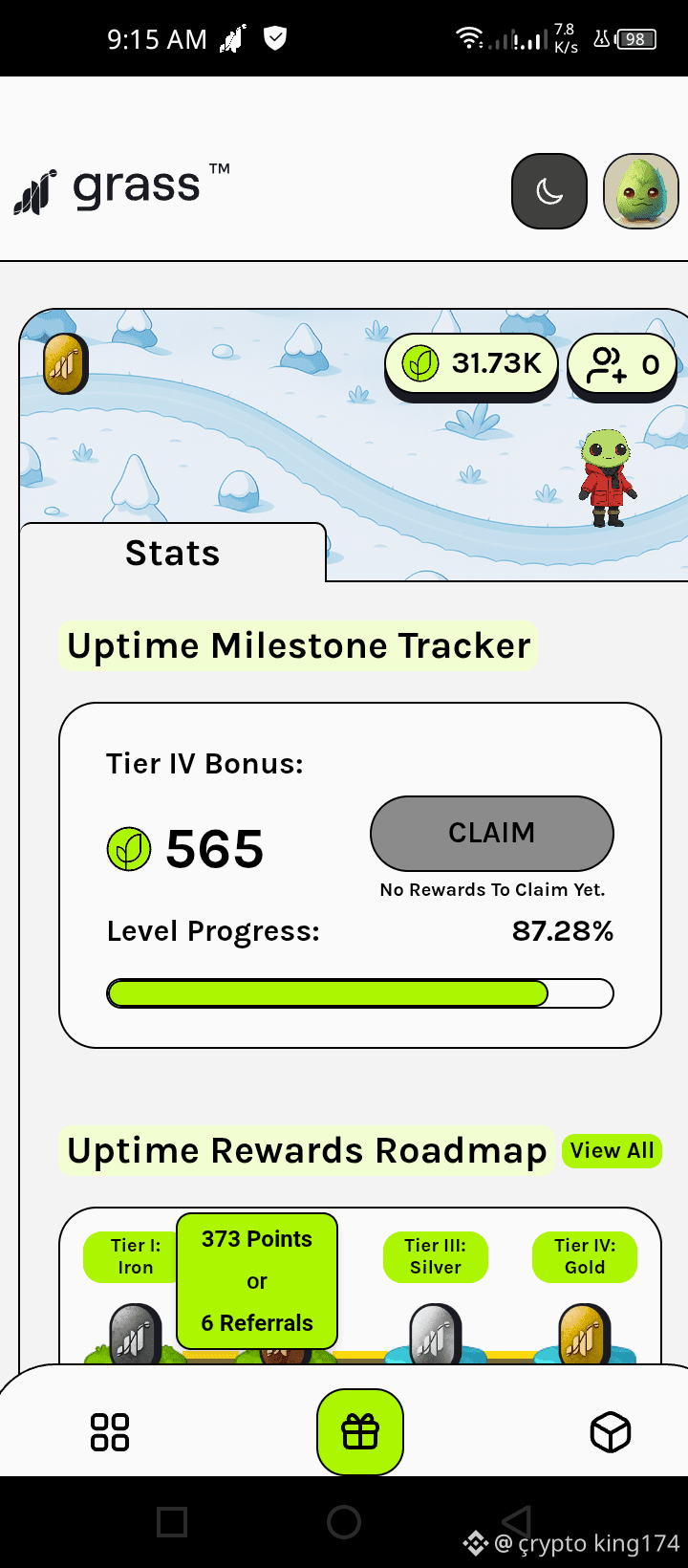
1
1
143

🧠 AI hype pushing $AGIX higher 🚀
#AGİX #AI #Crypto
🌟 $KAS
{future}(KASUSDT)
miners are going all in 💰
#KAS #Crypto #miningpool
🔗 $HBAR
{spot}(HBARUSDT)
backed by big names—don’t ignore
#HBAR #Crypto #Enterprise
🧠 AI hype pushing $AGIX higher 🚀
#AGİX #AI #Crypto
🌟 $KAS
miners are going all in 💰
#KAS #Crypto #miningpool
🔗 $HBAR
backed by big names—don’t ignore
#HBAR #Crypto #Enterprise
#AGİX #AI #Crypto
🌟 $KAS
miners are going all in 💰
#KAS #Crypto #miningpool
🔗 $HBAR
backed by big names—don’t ignore
#HBAR #Crypto #Enterprise
1
63

·
--
Article
Pi Network: A Digital Revolution or Just a Long Wait? 🚀Pi Network has become one of the most controversial projects in the crypto space. Millions of people around the world are "mining" it via their smartphones, but the burning question everyone is asking is: Are we going to see an official mainnet listing soon, or is this just a distant dream?
💡 What is the current status?
The project is currently in the "Enclosed Mainnet" phase, where the focus is primarily on:
Know Your Customer (KYC): This remains the biggest and most critical hurdle users are currently facing.Building the Ecosystem: The effort is shifting toward making the coin a real medium of exchange rather than just a number on a screen.
⚖️ Why is there so much division?
The Optimists: They see Pi Network as a chance to revolutionize mining by making it accessible to everyone via mobile, with a massive community base that could drive value upon listing.The Skeptics: They argue that the long development phase and the lack of listing on major exchanges are indicators of complex technical or marketing challenges.
🔍 My advice as a creator & trader:
Whether you believe in the project or are skeptical, the golden rule in crypto is: "Don't put all your eggs in one basket." Pi Network is an interesting community experiment, but it shouldn't distract you from studying established, active projects in your Binance portfolio.
A question for you today:
Do you believe Pi Network will succeed in revolutionizing the crypto world upon launch, or has it missed its chance for a real breakout? Share your thoughts in the comments below! 👇
#PiNetworkMainnet #BinanceSquareFamily r#BlockchainNews #miningpool
$BTC $XRP $BNB
💡 Pro-tip for your post:
Since you are engaging an English-speaking audience, you might want to add a high-quality visual to your post. Since you are skilled in CapCut and Motionleap, creating a short "aesthetic" video clip featuring the Pi logo or a sleek graphic about "The Future of Mining" will significantly boost your engagement metrics on Binance Square!
Would you like me to help you brainstorm some video ideas or captions for this specific post?
Pi Network: A Digital Revolution or Just a Long Wait? 🚀
Pi Network has become one of the most controversial projects in the crypto space. Millions of people around the world are "mining" it via their smartphones, but the burning question everyone is asking is: Are we going to see an official mainnet listing soon, or is this just a distant dream?
💡 What is the current status?
The project is currently in the "Enclosed Mainnet" phase, where the focus is primarily on:
Know Your Customer (KYC): This remains the biggest and most critical hurdle users are currently facing.Building the Ecosystem: The effort is shifting toward making the coin a real medium of exchange rather than just a number on a screen.
⚖️ Why is there so much division?
The Optimists: They see Pi Network as a chance to revolutionize mining by making it accessible to everyone via mobile, with a massive community base that could drive value upon listing.The Skeptics: They argue that the long development phase and the lack of listing on major exchanges are indicators of complex technical or marketing challenges.
🔍 My advice as a creator & trader:
Whether you believe in the project or are skeptical, the golden rule in crypto is: "Don't put all your eggs in one basket." Pi Network is an interesting community experiment, but it shouldn't distract you from studying established, active projects in your Binance portfolio.
A question for you today:
Do you believe Pi Network will succeed in revolutionizing the crypto world upon launch, or has it missed its chance for a real breakout? Share your thoughts in the comments below! 👇
#PiNetworkMainnet #BinanceSquareFamily r#BlockchainNews #miningpool
$BTC $XRP $BNB
💡 Pro-tip for your post:
Since you are engaging an English-speaking audience, you might want to add a high-quality visual to your post. Since you are skilled in CapCut and Motionleap, creating a short "aesthetic" video clip featuring the Pi logo or a sleek graphic about "The Future of Mining" will significantly boost your engagement metrics on Binance Square!
Would you like me to help you brainstorm some video ideas or captions for this specific post?
💡 What is the current status?
The project is currently in the "Enclosed Mainnet" phase, where the focus is primarily on:
Know Your Customer (KYC): This remains the biggest and most critical hurdle users are currently facing.Building the Ecosystem: The effort is shifting toward making the coin a real medium of exchange rather than just a number on a screen.
⚖️ Why is there so much division?
The Optimists: They see Pi Network as a chance to revolutionize mining by making it accessible to everyone via mobile, with a massive community base that could drive value upon listing.The Skeptics: They argue that the long development phase and the lack of listing on major exchanges are indicators of complex technical or marketing challenges.
🔍 My advice as a creator & trader:
Whether you believe in the project or are skeptical, the golden rule in crypto is: "Don't put all your eggs in one basket." Pi Network is an interesting community experiment, but it shouldn't distract you from studying established, active projects in your Binance portfolio.
A question for you today:
Do you believe Pi Network will succeed in revolutionizing the crypto world upon launch, or has it missed its chance for a real breakout? Share your thoughts in the comments below! 👇
#PiNetworkMainnet #BinanceSquareFamily r#BlockchainNews #miningpool
$BTC $XRP $BNB
💡 Pro-tip for your post:
Since you are engaging an English-speaking audience, you might want to add a high-quality visual to your post. Since you are skilled in CapCut and Motionleap, creating a short "aesthetic" video clip featuring the Pi logo or a sleek graphic about "The Future of Mining" will significantly boost your engagement metrics on Binance Square!
Would you like me to help you brainstorm some video ideas or captions for this specific post?
110
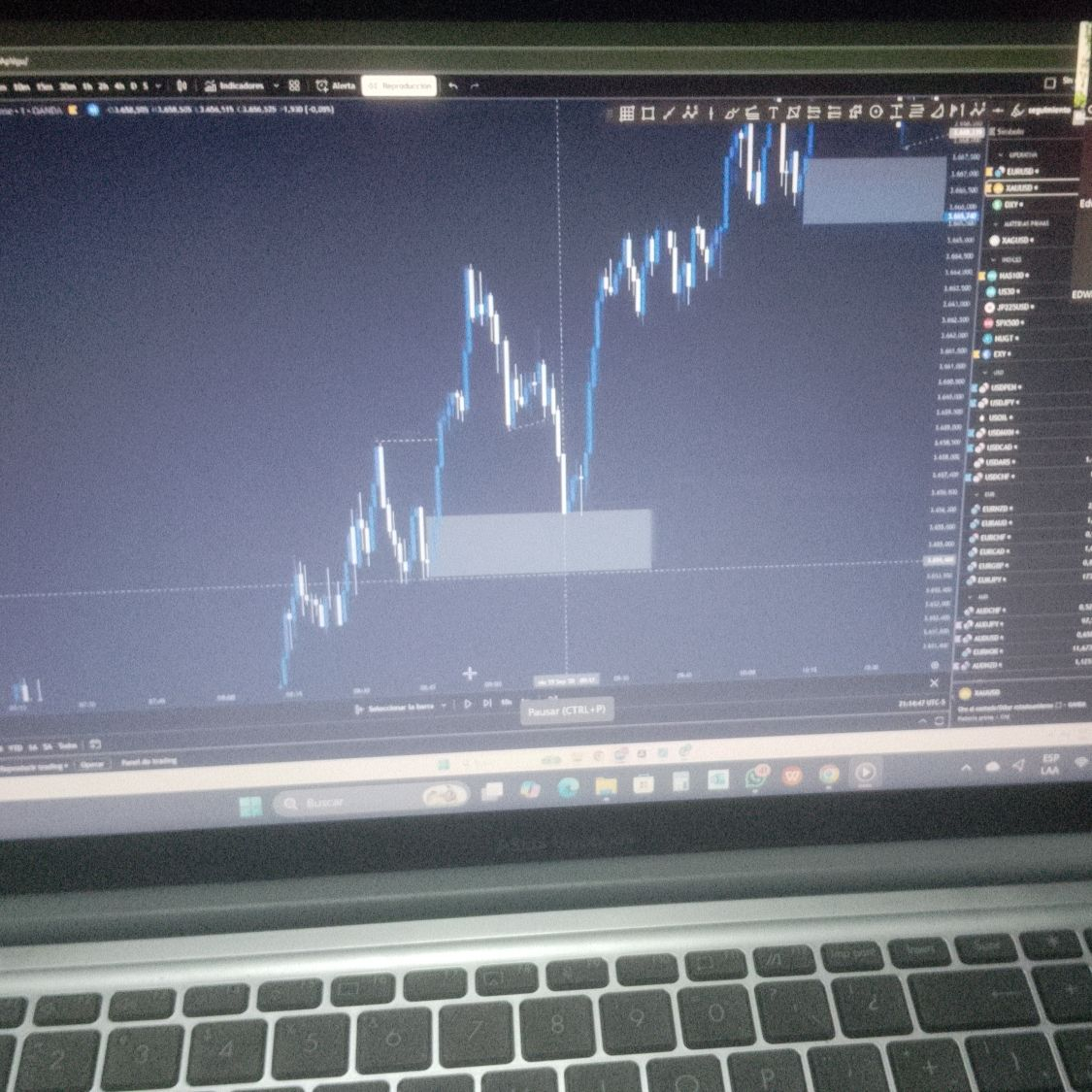
⚠️ ¿ESTRATEGIA MAESTRA O DESESPERACIÓN? El choque de dos gigantes de Bitcoin ⚖️
El mercado cripto se divide en dos realidades extremas. Mientras en Asia una firma no para de acumular, en Wall Street una empresa vinculada a la familia Trump lucha a contrarreloj para no ser expulsada de la bolsa estadounidense. ¿Quién está jugando mejor sus cartas?
Para entender este caos, hay 3 activos clave bajo la lupa que definirán el rumbo del debate:
1. Bitcoin $BTC : El activo central. Metaplanet lo usa como reserva estratégica definitiva para protegerse de la devaluación del yen, mientras que American Bitcoin sufre por las fluctuaciones del precio de la moneda, acumulando pérdidas millonarias no realizadas en su balance debido a la reciente volatilidad del mercado.
2. Acción de Metaplanet (TYO: 3350): El "MicroStrategy de Asia". Su agresiva política de compras de BTCno para de atraer inversores internacionales. ¿Es este el nuevo vehículo financiero perfecto para exponerse a las criptomonedas sin comprar el activo directamente?
3. Acción de American Bitcoin $ABTC: Cotizando en mínimos históricos por debajo del dólar, la empresa se ve obligada a realizar un split inverso de 1 por 15 para que el valor de su acción suba artificialmente y así cumplir con los requisitos mínimos del Nasdaq.
El movimiento de American Bitcoin $ABTC reduce drásticamente sus acciones en circulación de 1.090 millones a solo 73 millones. El valor de la empresa no cambia, pero el estigma de recurrir a un split inverso suele ahuyentar a los inversores institucionales.
💬 ¡ENTRA EN EL DEBATE! (Para la comunidad de Binance Square)
¿Crees que la acumulación institucional agresiva al estilo de Metaplanet sostendrá el precio de BTC a largo plazo?
¡Deja tu voto y tu argumento abajo! 👇 Te leo en los comentarios.
#bitcoin #Metaplanet #NASDAQ #CryptoNews #miningpool
$BTC
{future}(BTCUSDT)
$META
{future}(METAUSDT)
⚠️ ¿ESTRATEGIA MAESTRA O DESESPERACIÓN? El choque de dos gigantes de Bitcoin ⚖️
El mercado cripto se divide en dos realidades extremas. Mientras en Asia una firma no para de acumular, en Wall Street una empresa vinculada a la familia Trump lucha a contrarreloj para no ser expulsada de la bolsa estadounidense. ¿Quién está jugando mejor sus cartas?
Para entender este caos, hay 3 activos clave bajo la lupa que definirán el rumbo del debate:
1. Bitcoin $BTC : El activo central. Metaplanet lo usa como reserva estratégica definitiva para protegerse de la devaluación del yen, mientras que American Bitcoin sufre por las fluctuaciones del precio de la moneda, acumulando pérdidas millonarias no realizadas en su balance debido a la reciente volatilidad del mercado.
2. Acción de Metaplanet (TYO: 3350): El "MicroStrategy de Asia". Su agresiva política de compras de BTCno para de atraer inversores internacionales. ¿Es este el nuevo vehículo financiero perfecto para exponerse a las criptomonedas sin comprar el activo directamente?
3. Acción de American Bitcoin $ABTC: Cotizando en mínimos históricos por debajo del dólar, la empresa se ve obligada a realizar un split inverso de 1 por 15 para que el valor de su acción suba artificialmente y así cumplir con los requisitos mínimos del Nasdaq.
El movimiento de American Bitcoin $ABTC reduce drásticamente sus acciones en circulación de 1.090 millones a solo 73 millones. El valor de la empresa no cambia, pero el estigma de recurrir a un split inverso suele ahuyentar a los inversores institucionales.
💬 ¡ENTRA EN EL DEBATE! (Para la comunidad de Binance Square)
¿Crees que la acumulación institucional agresiva al estilo de Metaplanet sostendrá el precio de BTC a largo plazo?
¡Deja tu voto y tu argumento abajo! 👇 Te leo en los comentarios.
#bitcoin #Metaplanet #NASDAQ #CryptoNews #miningpool
$BTC
$META
El mercado cripto se divide en dos realidades extremas. Mientras en Asia una firma no para de acumular, en Wall Street una empresa vinculada a la familia Trump lucha a contrarreloj para no ser expulsada de la bolsa estadounidense. ¿Quién está jugando mejor sus cartas?
Para entender este caos, hay 3 activos clave bajo la lupa que definirán el rumbo del debate:
1. Bitcoin $BTC : El activo central. Metaplanet lo usa como reserva estratégica definitiva para protegerse de la devaluación del yen, mientras que American Bitcoin sufre por las fluctuaciones del precio de la moneda, acumulando pérdidas millonarias no realizadas en su balance debido a la reciente volatilidad del mercado.
2. Acción de Metaplanet (TYO: 3350): El "MicroStrategy de Asia". Su agresiva política de compras de BTCno para de atraer inversores internacionales. ¿Es este el nuevo vehículo financiero perfecto para exponerse a las criptomonedas sin comprar el activo directamente?
3. Acción de American Bitcoin $ABTC: Cotizando en mínimos históricos por debajo del dólar, la empresa se ve obligada a realizar un split inverso de 1 por 15 para que el valor de su acción suba artificialmente y así cumplir con los requisitos mínimos del Nasdaq.
El movimiento de American Bitcoin $ABTC reduce drásticamente sus acciones en circulación de 1.090 millones a solo 73 millones. El valor de la empresa no cambia, pero el estigma de recurrir a un split inverso suele ahuyentar a los inversores institucionales.
💬 ¡ENTRA EN EL DEBATE! (Para la comunidad de Binance Square)
¿Crees que la acumulación institucional agresiva al estilo de Metaplanet sostendrá el precio de BTC a largo plazo?
¡Deja tu voto y tu argumento abajo! 👇 Te leo en los comentarios.
#bitcoin #Metaplanet #NASDAQ #CryptoNews #miningpool
$BTC
$META
1
159



Jessica Elizabeth
·
--
Haussier$BTW 0.10 ON 🥂 #BOOOOOMMM
ONE'S M-O-R-E #CONGRATS🎉✨ I TOLD YOU BUy AT 0.024 & NOw $BTW HIT 🎯 0.044 $BTW Next FLY TO 🔸0.048 🔸0.055
ONE'S M-O-R-E #CONGRATS🎉✨ I TOLD YOU BUy AT 0.024 & NOw $BTW HIT 🎯 0.044 $BTW Next FLY TO 🔸0.048 🔸0.055
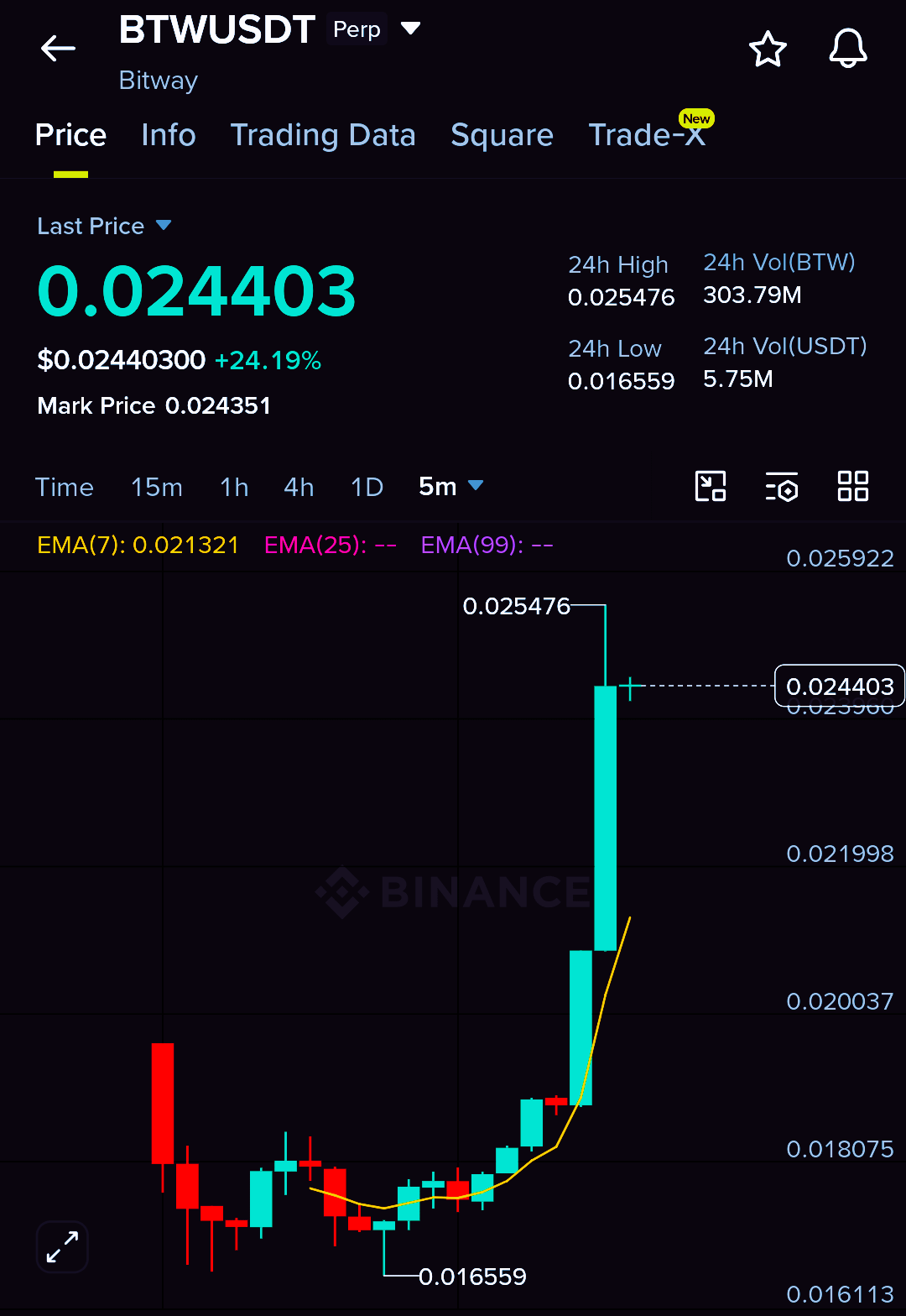
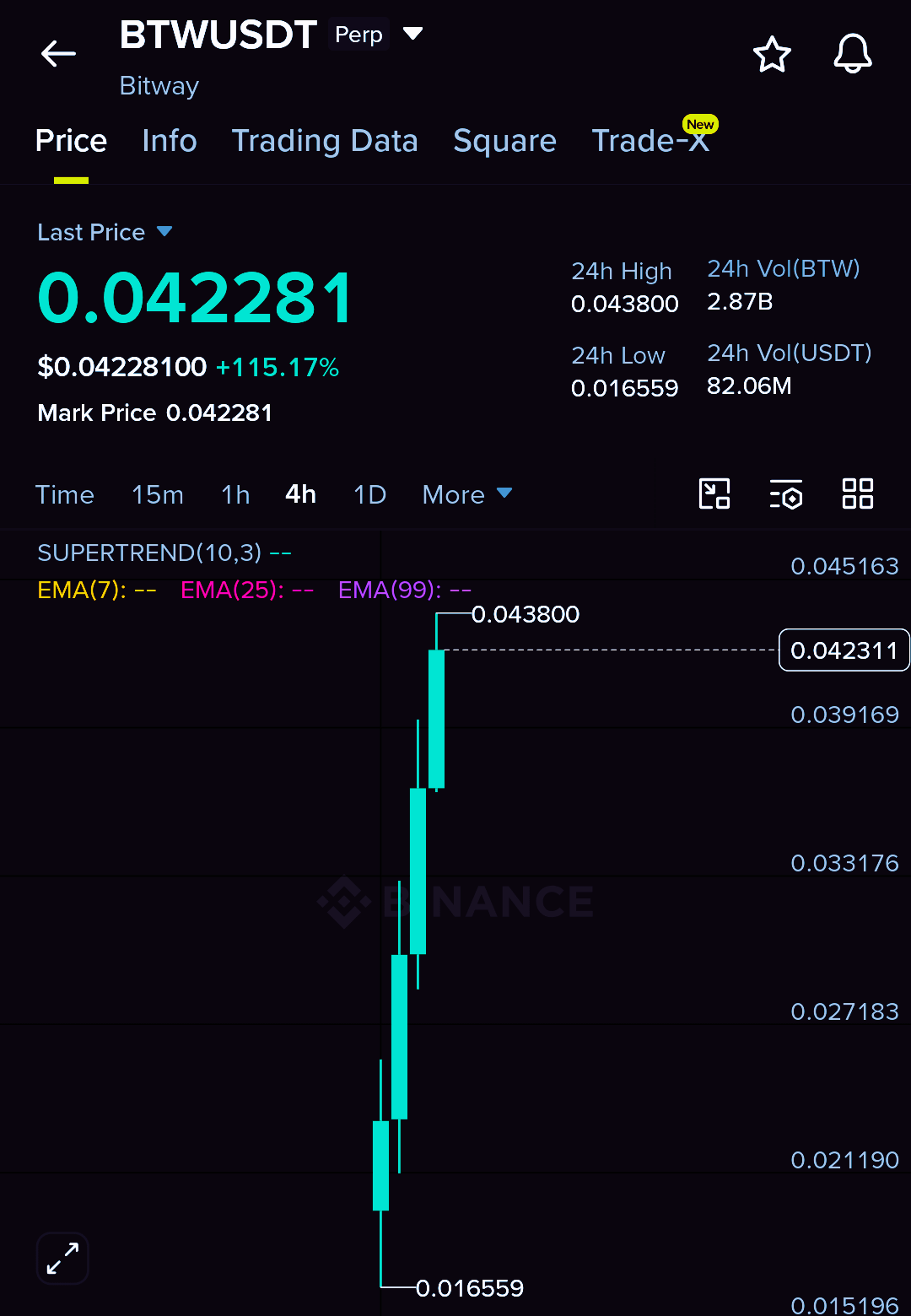
87

·
--
LONG SWING #MILK
TP 0.045
STOPLOSS = MAIL
CAP 12m so cc gi ae ?
#PowellRemarks #MilkyWay #miningpool
LONG SWING #MILK
TP 0.045
STOPLOSS = MAIL
CAP 12m so cc gi ae ?
#PowellRemarks #MilkyWay #miningpool
TP 0.045
STOPLOSS = MAIL
CAP 12m so cc gi ae ?
#PowellRemarks #MilkyWay #miningpool
1
1
2
201
Connectez-vous pour découvrir plus de contenu
Rejoignez la communauté mondiale des adeptes de cryptomonnaies sur Binance Square
⚡️ Suviez les dernières informations importantes sur les cryptomonnaies.
💬 Jugé digne de confiance par la plus grande plateforme d’échange de cryptomonnaies au monde.
👍 Découvrez les connaissances que partagent les créateurs vérifiés.
Adresse e-mail/Nº de téléphone
Sujets d’actualité
1
#SECHaltsCryptoETFReviewsAmidFundingLapse
24,310 vues
363 mentions
2
#ZcashETFPostsFirstWeeklyOutflow$93.6M
59,336 vues
183 mentions
3
#GreekPoliceBustCryptoScamRingArrest17
188,556 vues
1,344 mentions
4
#BitcoinRejectedAt$87K
162,153 vues
230 mentions
5
#FedOctoberRateHikeOddsFallTo17%
217,677 vues
1,546 mentions
6
#NvidiaHitsRecordHighUp2.4%
154,723 vues
1,091 mentions
7
#CanaryFilesAmendedS1ForPEPEETF
40,528 vues
735 mentions
8
#BitcoinParesGainsAfterRallyTo$86.5K
57,784 vues
173 mentions
9
#CerebrasSinksNearly20%OnReportNvidiaToPowerOpenAI
154,117 vues
1,343 mentions
10
#SECProposesCryptoCustodyRules
210,259 vues
1,676 mentions