

#fogo
fogo
10M vues
127,862 mentions
Populaire
Récents

Trade with me. Take profit with me.
Hold it until my next signal comes. Do not sell before then.
🔥 $FOGO/USDT — Momentum Building?
$FOGO is trading around the $0.0054 zone, with price showing a recovery from the recent 24H low near $0.0050.
The key level to watch is the $0.00550 area. A strong breakout above this zone with increasing volume could attract fresh buying interest and open the door for further upside momentum.
At the current levels, $FOGO is definitely a coin worth keeping on the watchlist — but remember, FOGO carries Binance’s Seed Tag, so volatility and risk can be high.
DYOR • Manage risk • Trade responsibly.
#FOGO #FOGOUSDT #Binance #CryptoTrading #Altcoins
Trade with me. Take profit with me.
Hold it until my next signal comes. Do not sell before then.
🔥 $FOGO /USDT — Momentum Building?
$FOGO is trading around the $0.0054 zone, with price showing a recovery from the recent 24H low near $0.0050.
The key level to watch is the $0.00550 area. A strong breakout above this zone with increasing volume could attract fresh buying interest and open the door for further upside momentum.
At the current levels, $FOGO is definitely a coin worth keeping on the watchlist — but remember, FOGO carries Binance’s Seed Tag, so volatility and risk can be high.
DYOR • Manage risk • Trade responsibly.
#FOGO #FOGOUSDT #Binance #CryptoTrading #Altcoins
Hold it until my next signal comes. Do not sell before then.
🔥 $FOGO /USDT — Momentum Building?
$FOGO is trading around the $0.0054 zone, with price showing a recovery from the recent 24H low near $0.0050.
The key level to watch is the $0.00550 area. A strong breakout above this zone with increasing volume could attract fresh buying interest and open the door for further upside momentum.
At the current levels, $FOGO is definitely a coin worth keeping on the watchlist — but remember, FOGO carries Binance’s Seed Tag, so volatility and risk can be high.
DYOR • Manage risk • Trade responsibly.
#FOGO #FOGOUSDT #Binance #CryptoTrading #Altcoins
317

🚨 FRESH BINANCE LISTING: $FOGO 👀🔥
$FOGO (Fogo) is one of the latest coins highlighted in Binance’s new cryptocurrency listings.
⚡ Fogo is a high-performance Layer-1 blockchain using the Solana Virtual Machine (SVM).
📌 Binance has applied the Seed Tag, meaning traders should expect higher volatility and risk.
👀 Is FOGO a coin worth watching after its Binance listing?
DYOR — New listings can move fast. ⚠️
#FOGO #Binance #Crypto #NewListing #altcoins
{spot}(FOGOUSDT)
🚨 FRESH BINANCE LISTING: $FOGO 👀🔥
$FOGO (Fogo) is one of the latest coins highlighted in Binance’s new cryptocurrency listings.
⚡ Fogo is a high-performance Layer-1 blockchain using the Solana Virtual Machine (SVM).
📌 Binance has applied the Seed Tag, meaning traders should expect higher volatility and risk.
👀 Is FOGO a coin worth watching after its Binance listing?
DYOR — New listings can move fast. ⚠️
#FOGO #Binance #Crypto #NewListing #altcoins
$FOGO (Fogo) is one of the latest coins highlighted in Binance’s new cryptocurrency listings.
⚡ Fogo is a high-performance Layer-1 blockchain using the Solana Virtual Machine (SVM).
📌 Binance has applied the Seed Tag, meaning traders should expect higher volatility and risk.
👀 Is FOGO a coin worth watching after its Binance listing?
DYOR — New listings can move fast. ⚠️
#FOGO #Binance #Crypto #NewListing #altcoins
408

·
--
🚨 $FOGO DEFENDS CRITICAL DEMAND ZONE AS BUYERS FUEL RECOVERY MOMENTUM! ⚡
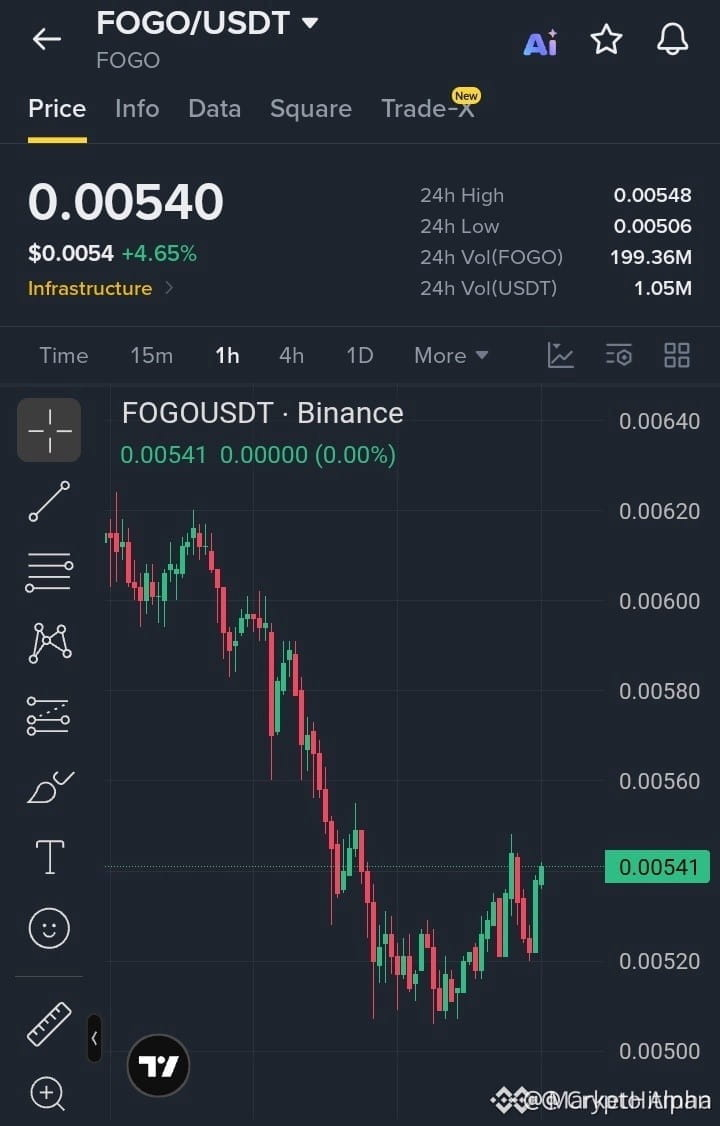
Entry: 0.00535 - 0.00545 ⚡
Target: 0.00575 🚀
Stop Loss: 0.00520 ⚠️
📌 Heavy buying pressure stepped in at the $0.00510 support floor, driving a decisive rebound straight back toward $0.00540. 📊 Hourly order flow shows expanding momentum as buyers absorb sell orders and establish a fresh local base.
💡 Maintaining structural acceptance above $0.00535 sets up a clean rally toward upper targets, while a firm push above $0.00548 ignites breakout expansion. 🔍 Keeping price above $0.00530 preserves the bullish market structure. 💬 Are you front-running the breakout here or waiting for resistance to flip? 👇
⚠️ Not financial advice. Always manage your risk. 🛡️
🏷️ #FOGO #LongSetup #Crypto #Breakout
🔥 💎
🚨 $FOGO DEFENDS CRITICAL DEMAND ZONE AS BUYERS FUEL RECOVERY MOMENTUM! ⚡
Entry: 0.00535 - 0.00545 ⚡
Target: 0.00575 🚀
Stop Loss: 0.00520 ⚠️
📌 Heavy buying pressure stepped in at the $0.00510 support floor, driving a decisive rebound straight back toward $0.00540. 📊 Hourly order flow shows expanding momentum as buyers absorb sell orders and establish a fresh local base.
💡 Maintaining structural acceptance above $0.00535 sets up a clean rally toward upper targets, while a firm push above $0.00548 ignites breakout expansion. 🔍 Keeping price above $0.00530 preserves the bullish market structure. 💬 Are you front-running the breakout here or waiting for resistance to flip? 👇
⚠️ Not financial advice. Always manage your risk. 🛡️
🏷️ #FOGO #LongSetup #Crypto #Breakout
🔥 💎
Entry: 0.00535 - 0.00545 ⚡
Target: 0.00575 🚀
Stop Loss: 0.00520 ⚠️
📌 Heavy buying pressure stepped in at the $0.00510 support floor, driving a decisive rebound straight back toward $0.00540. 📊 Hourly order flow shows expanding momentum as buyers absorb sell orders and establish a fresh local base.
💡 Maintaining structural acceptance above $0.00535 sets up a clean rally toward upper targets, while a firm push above $0.00548 ignites breakout expansion. 🔍 Keeping price above $0.00530 preserves the bullish market structure. 💬 Are you front-running the breakout here or waiting for resistance to flip? 👇
⚠️ Not financial advice. Always manage your risk. 🛡️
🏷️ #FOGO #LongSetup #Crypto #Breakout
🔥 💎
14

·
--
🚨 $FOGO DEFENDS KEY DEMAND ZONE WITH INSTITUTIONAL BUYERS RETAKING STRUCTURE! ⚡
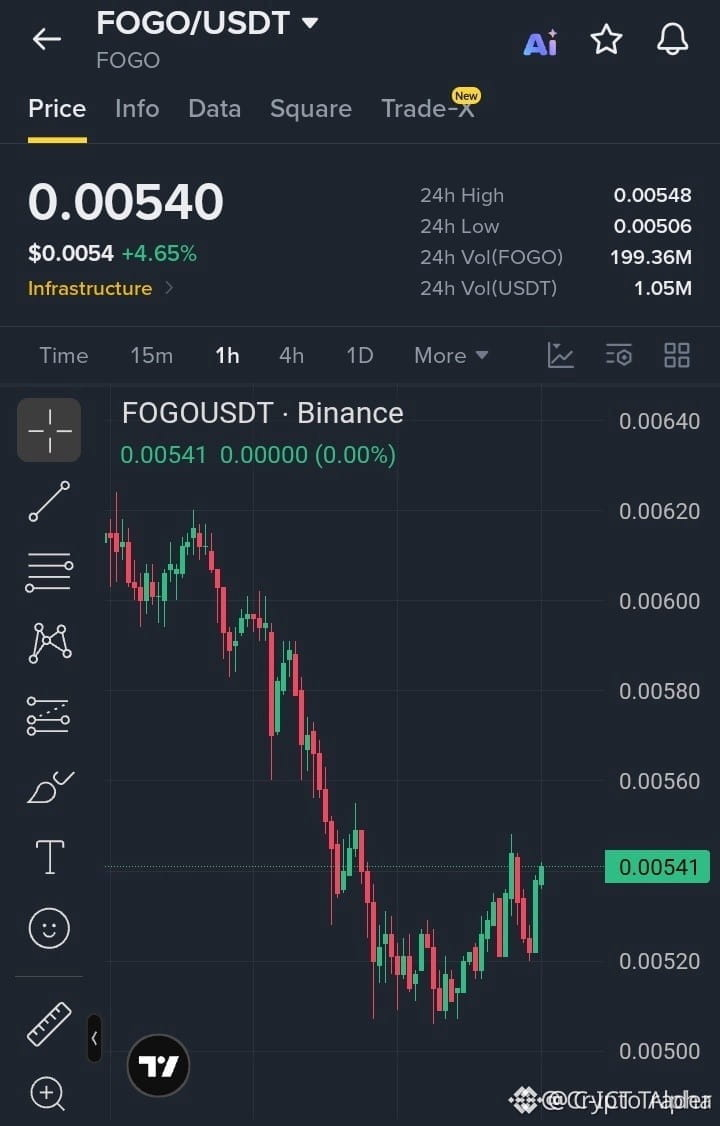
Entry: 0.00535 - 0.00545 ⚡
Target: 0.00575 🚀
Stop Loss: 0.00520 ⚠️
📌 Smart money absorbed seller liquidity across the $0.00510–$0.00520 demand block, triggering an immediate structural push back toward $0.00540. 📊 The 1H timeframe confirms expanding momentum as buyers attempt to lock in a solid higher low above key pivot zones.
💡 Holding above $0.00530 preserves the short-term bullish market structure, while a decisive clean break past $0.00548 opens the door for liquidity expansion toward higher targets. 🔍 With risk defined cleanly below support, institutional setup metrics favor upside progression. 💬 Is $FOGO preparing for an explosive expansion here, or are you waiting for the $0.00548 breakout trigger? 👇
⚠️ Not financial advice. Always manage your risk. 🛡️
🏷️ #FOGO #Crypto #Breakout #Trading
🎯 🦈
🚨 $FOGO DEFENDS KEY DEMAND ZONE WITH INSTITUTIONAL BUYERS RETAKING STRUCTURE! ⚡
Entry: 0.00535 - 0.00545 ⚡
Target: 0.00575 🚀
Stop Loss: 0.00520 ⚠️
📌 Smart money absorbed seller liquidity across the $0.00510–$0.00520 demand block, triggering an immediate structural push back toward $0.00540. 📊 The 1H timeframe confirms expanding momentum as buyers attempt to lock in a solid higher low above key pivot zones.
💡 Holding above $0.00530 preserves the short-term bullish market structure, while a decisive clean break past $0.00548 opens the door for liquidity expansion toward higher targets. 🔍 With risk defined cleanly below support, institutional setup metrics favor upside progression. 💬 Is $FOGO preparing for an explosive expansion here, or are you waiting for the $0.00548 breakout trigger? 👇
⚠️ Not financial advice. Always manage your risk. 🛡️
🏷️ #FOGO #Crypto #Breakout #Trading
🎯 🦈
Entry: 0.00535 - 0.00545 ⚡
Target: 0.00575 🚀
Stop Loss: 0.00520 ⚠️
📌 Smart money absorbed seller liquidity across the $0.00510–$0.00520 demand block, triggering an immediate structural push back toward $0.00540. 📊 The 1H timeframe confirms expanding momentum as buyers attempt to lock in a solid higher low above key pivot zones.
💡 Holding above $0.00530 preserves the short-term bullish market structure, while a decisive clean break past $0.00548 opens the door for liquidity expansion toward higher targets. 🔍 With risk defined cleanly below support, institutional setup metrics favor upside progression. 💬 Is $FOGO preparing for an explosive expansion here, or are you waiting for the $0.00548 breakout trigger? 👇
⚠️ Not financial advice. Always manage your risk. 🛡️
🏷️ #FOGO #Crypto #Breakout #Trading
🎯 🦈
6

·
--
{spot}(FOGOUSDT)
$FOGO /USDT — Latest Analysis
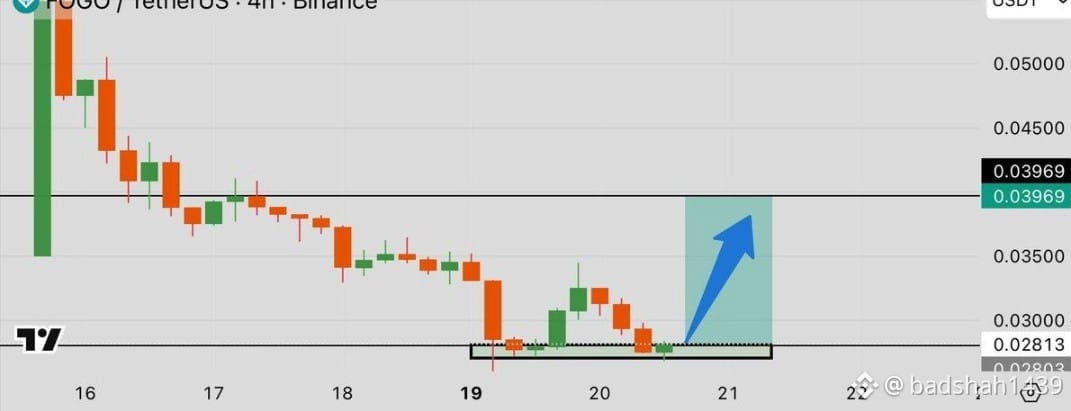
#fogo is trading around $0.00513, down about 12.7% in 24h. Recent price action shows strong selling pressure, with $0.0051 acting as an important near-term support. A recovery above $0.0059–$0.0062 could indicate improving momentum. �
CoinMarketCap +1
📊 Levels to watch:
🟢 Support: $0.0051
🔴 Resistance: $0.0059–$0.0062
⚠️ Below $0.0051 = further weakness possible.
Not financial advice; crypto is highly volatile.#ChainlinkLaunchesCCIP2WithEnterpriseVerification #KospiFalls2.7%SamsungSKHynixDropOver5% #USDTAdds845900HoldersInPast7Days #UKFCAWinsCourtOrderToRecover851400Pounds
$FOGO /USDT — Latest Analysis
#fogo is trading around $0.00513, down about 12.7% in 24h. Recent price action shows strong selling pressure, with $0.0051 acting as an important near-term support. A recovery above $0.0059–$0.0062 could indicate improving momentum. �
CoinMarketCap +1
📊 Levels to watch:
🟢 Support: $0.0051
🔴 Resistance: $0.0059–$0.0062
⚠️ Below $0.0051 = further weakness possible.
Not financial advice; crypto is highly volatile.#ChainlinkLaunchesCCIP2WithEnterpriseVerification #KospiFalls2.7%SamsungSKHynixDropOver5% #USDTAdds845900HoldersInPast7Days #UKFCAWinsCourtOrderToRecover851400Pounds
#fogo is trading around $0.00513, down about 12.7% in 24h. Recent price action shows strong selling pressure, with $0.0051 acting as an important near-term support. A recovery above $0.0059–$0.0062 could indicate improving momentum. �
CoinMarketCap +1
📊 Levels to watch:
🟢 Support: $0.0051
🔴 Resistance: $0.0059–$0.0062
⚠️ Below $0.0051 = further weakness possible.
Not financial advice; crypto is highly volatile.#ChainlinkLaunchesCCIP2WithEnterpriseVerification #KospiFalls2.7%SamsungSKHynixDropOver5% #USDTAdds845900HoldersInPast7Days #UKFCAWinsCourtOrderToRecover851400Pounds
1
533

#fogo
🚀 Fogo ($FOGO ): Key events and potential pitfalls to know
The Fogo token has captured the crypto community's attention. On one hand, there are massive token unlocks; on the other, technological potential and inflation risks. Here is a summary of the project's current status:
1️⃣ Major token unlock (Dump risk)
Event: On September 26, 2026, 1.54 million $FOGO tokens (15.4% of the total supply), valued at approximately $10.6 million, were unlocked.
Details: Early investors and founders control 40% of this amount.
What this means: A massive volume of tokens has entered the market. This creates a high risk of sell-offs by investors, which has already led to a price drop and significant volatility.
2️⃣ Technological advantages (Light at the end of the tunnel)
Event: Fogo aims to become a key player in DeFi by combining Solana's speed with Hyperliquid's functionality.
Details: The project offers block times of around 40ms and consensus-level protection against MEV bots (saving over $1.3 million).
What this means: Fundamentally, the project is very strong. The testnet launch and institutional support (notably from Valiant Trade) demonstrate real value, yet the market is reacting more to the token unlock than to the technology itself.
3️⃣ High Inflation and Vesting (Risk for Long-Term Holders)
Event: An additional 400 million $FOGO (~10% of the supply) is expected to be released starting in late 2026, with the process spanning 46 months.
Details: Nearly half of these tokens (237 million) are allocated for validation rewards and ecosystem incentives.
Implications: The continuous influx of new tokens creates sustained downward pressure on the price. The tokenomics are structured such that "absorbing" this inflation will take a significant amount of time.
⚠️ Summary:
Fogo demonstrates strong technical fundamentals and rapid ecosystem growth; however, token unlock pressure and high inflation make it a high-risk asset at this stage.
{future}(FOGOUSDT)
#fogo
🚀 Fogo ($FOGO ): Key events and potential pitfalls to know
The Fogo token has captured the crypto community's attention. On one hand, there are massive token unlocks; on the other, technological potential and inflation risks. Here is a summary of the project's current status:
1️⃣ Major token unlock (Dump risk)
Event: On September 26, 2026, 1.54 million $FOGO tokens (15.4% of the total supply), valued at approximately $10.6 million, were unlocked.
Details: Early investors and founders control 40% of this amount.
What this means: A massive volume of tokens has entered the market. This creates a high risk of sell-offs by investors, which has already led to a price drop and significant volatility.
2️⃣ Technological advantages (Light at the end of the tunnel)
Event: Fogo aims to become a key player in DeFi by combining Solana's speed with Hyperliquid's functionality.
Details: The project offers block times of around 40ms and consensus-level protection against MEV bots (saving over $1.3 million).
What this means: Fundamentally, the project is very strong. The testnet launch and institutional support (notably from Valiant Trade) demonstrate real value, yet the market is reacting more to the token unlock than to the technology itself.
3️⃣ High Inflation and Vesting (Risk for Long-Term Holders)
Event: An additional 400 million $FOGO (~10% of the supply) is expected to be released starting in late 2026, with the process spanning 46 months.
Details: Nearly half of these tokens (237 million) are allocated for validation rewards and ecosystem incentives.
Implications: The continuous influx of new tokens creates sustained downward pressure on the price. The tokenomics are structured such that "absorbing" this inflation will take a significant amount of time.
⚠️ Summary:
Fogo demonstrates strong technical fundamentals and rapid ecosystem growth; however, token unlock pressure and high inflation make it a high-risk asset at this stage.
🚀 Fogo ($FOGO ): Key events and potential pitfalls to know
The Fogo token has captured the crypto community's attention. On one hand, there are massive token unlocks; on the other, technological potential and inflation risks. Here is a summary of the project's current status:
1️⃣ Major token unlock (Dump risk)
Event: On September 26, 2026, 1.54 million $FOGO tokens (15.4% of the total supply), valued at approximately $10.6 million, were unlocked.
Details: Early investors and founders control 40% of this amount.
What this means: A massive volume of tokens has entered the market. This creates a high risk of sell-offs by investors, which has already led to a price drop and significant volatility.
2️⃣ Technological advantages (Light at the end of the tunnel)
Event: Fogo aims to become a key player in DeFi by combining Solana's speed with Hyperliquid's functionality.
Details: The project offers block times of around 40ms and consensus-level protection against MEV bots (saving over $1.3 million).
What this means: Fundamentally, the project is very strong. The testnet launch and institutional support (notably from Valiant Trade) demonstrate real value, yet the market is reacting more to the token unlock than to the technology itself.
3️⃣ High Inflation and Vesting (Risk for Long-Term Holders)
Event: An additional 400 million $FOGO (~10% of the supply) is expected to be released starting in late 2026, with the process spanning 46 months.
Details: Nearly half of these tokens (237 million) are allocated for validation rewards and ecosystem incentives.
Implications: The continuous influx of new tokens creates sustained downward pressure on the price. The tokenomics are structured such that "absorbing" this inflation will take a significant amount of time.
⚠️ Summary:
Fogo demonstrates strong technical fundamentals and rapid ecosystem growth; however, token unlock pressure and high inflation make it a high-risk asset at this stage.

44

·
--
Haussier
$FOGO Is Fighting To Hold A Critical Level…!!
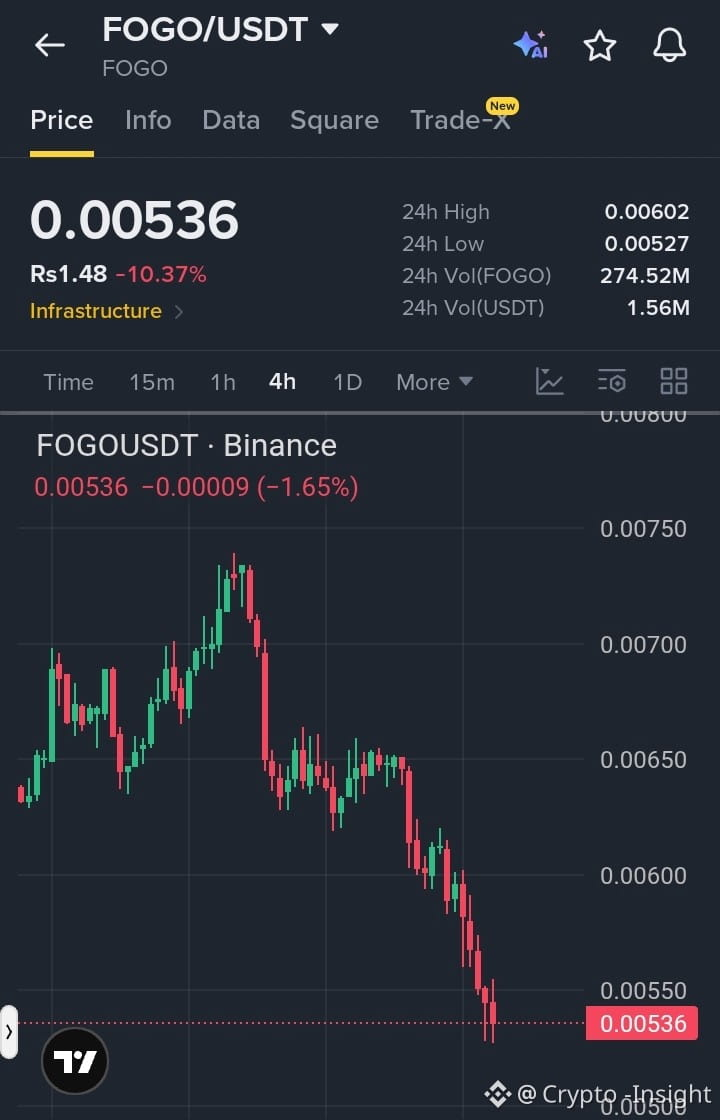
#FOGO is showing bearish momentum after rejection from 0.0060 and the price is now testing 0.0053 support while 0.0055 remains near resistance If sellers break lower the next targets could be 0.0050 and 0.0047$ZEC
{future}(ZECUSDT)
$QNT
{future}(QNTUSDT)
{future}(FOGOUSDT)
$FOGO Is Fighting To Hold A Critical Level…!!
#FOGO is showing bearish momentum after rejection from 0.0060 and the price is now testing 0.0053 support while 0.0055 remains near resistance If sellers break lower the next targets could be 0.0050 and 0.0047$ZEC
$QNT
#FOGO is showing bearish momentum after rejection from 0.0060 and the price is now testing 0.0053 support while 0.0055 remains near resistance If sellers break lower the next targets could be 0.0050 and 0.0047$ZEC
$QNT
2
231

{spot}(FOGOUSDT)
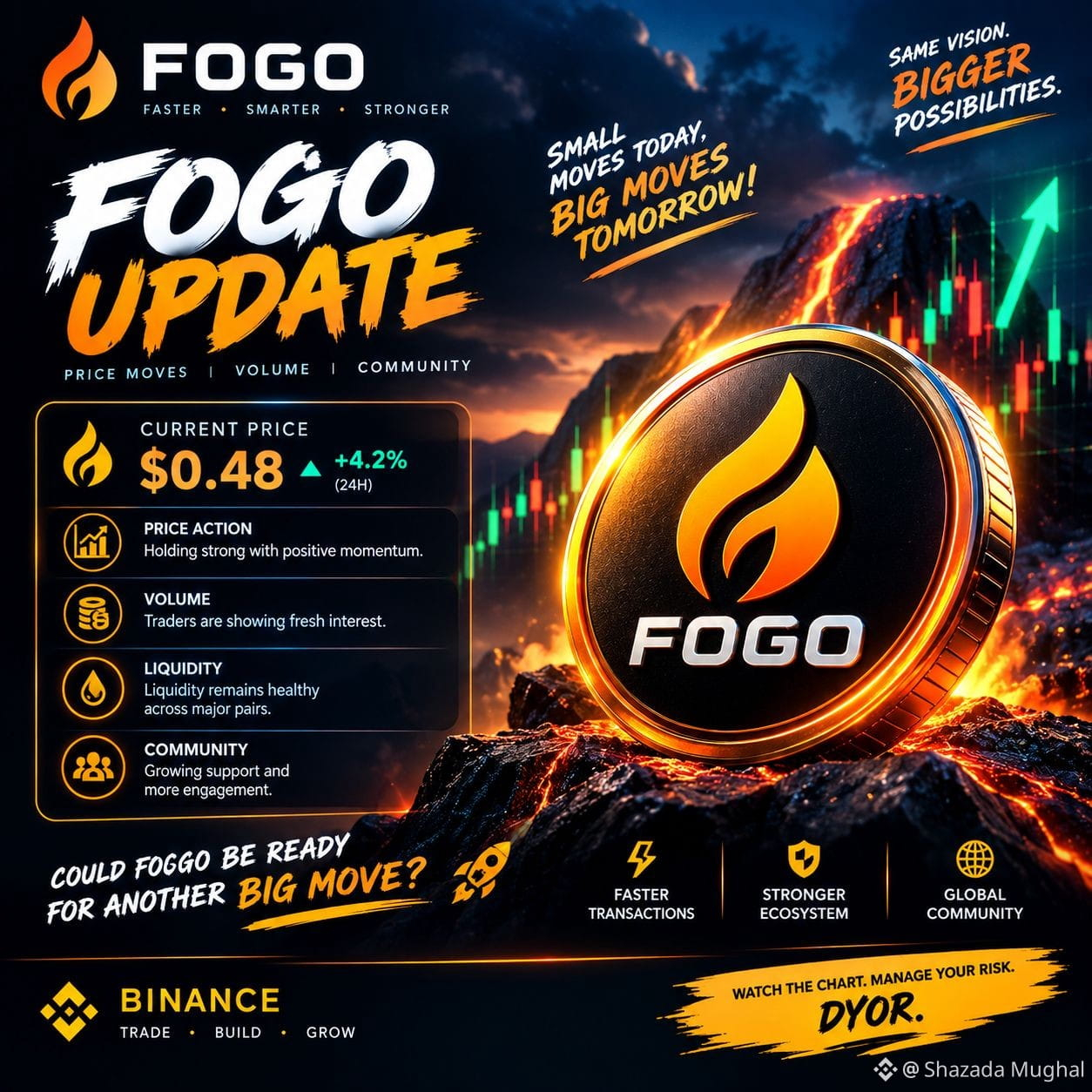
🔥 $FOGO UPDATE
$FOGO is catching attention as traders keep an eye on its price action and market activity. 👀📊
⚡ What to watch: • Price movement & volume
• Liquidity changes
• Sudden volume spikes
• Community momentum
Could FOGO be ready for another big move? 🚀
📌 Watch the chart. Manage your risk. DYOR.
#FOGO #Crypto #Binance #CryptoUpdate #cryptotradingpro
🔥 $FOGO UPDATE
$FOGO is catching attention as traders keep an eye on its price action and market activity. 👀📊
⚡ What to watch: • Price movement & volume
• Liquidity changes
• Sudden volume spikes
• Community momentum
Could FOGO be ready for another big move? 🚀
📌 Watch the chart. Manage your risk. DYOR.
#FOGO #Crypto #Binance #CryptoUpdate #cryptotradingpro
🔥 $FOGO UPDATE
$FOGO is catching attention as traders keep an eye on its price action and market activity. 👀📊
⚡ What to watch: • Price movement & volume
• Liquidity changes
• Sudden volume spikes
• Community momentum
Could FOGO be ready for another big move? 🚀
📌 Watch the chart. Manage your risk. DYOR.
#FOGO #Crypto #Binance #CryptoUpdate #cryptotradingpro
1
492

·
--
I’m keeping an eye on $FOGO because the development is what interests me most. 🔥
$FOGO
Instead of focusing only on price, I’m watching how the ecosystem is growing, what the team is building, and whether real users and developers keep coming in.
For me, that’s where the long-term potential starts.
#fogo #FOGO #Crypto_Jobs🎯
I’m keeping an eye on $FOGO because the development is what interests me most. 🔥
$FOGO
Instead of focusing only on price, I’m watching how the ecosystem is growing, what the team is building, and whether real users and developers keep coming in.
For me, that’s where the long-term potential starts.
#fogo #FOGO #Crypto_Jobs🎯
$FOGO
Instead of focusing only on price, I’m watching how the ecosystem is growing, what the team is building, and whether real users and developers keep coming in.
For me, that’s where the long-term potential starts.
#fogo #FOGO #Crypto_Jobs🎯
598

·
--
🚨 HEAVY RED CANDLES CAN HIDE THE REAL SIGNAL. 👀
🔴 $FOGO — WEAKNESS WATCH
Don’t ask only:
“Why is it falling?”
Ask:
“Where do buyers finally step in?”
🎯 Support reaction > panic.
#cryptotrading #FOGO #MarketWatch" #PriceActionAnalysis #Binance
🚨 HEAVY RED CANDLES CAN HIDE THE REAL SIGNAL. 👀
🔴 $FOGO — WEAKNESS WATCH
Don’t ask only:
“Why is it falling?”
Ask:
“Where do buyers finally step in?”
🎯 Support reaction > panic.
#cryptotrading #FOGO #MarketWatch" #PriceActionAnalysis #Binance
🔴 $FOGO — WEAKNESS WATCH
Don’t ask only:
“Why is it falling?”
Ask:
“Where do buyers finally step in?”
🎯 Support reaction > panic.
#cryptotrading #FOGO #MarketWatch" #PriceActionAnalysis #Binance
597

·
--
🎯 High-Probability Short: $FOGO Failing to Reclaim Range
Setup: 🔴 SHORT $FOGO (FUTURES)
🎯 Entry: 0.005906
🛑 Stop-Loss: 0.005954 (-0.81%)
✅ Take-Profit: 0.005550 (+6.03%)
⚖️ Risk/Reward: 1:7.4
🔍 Technical Reasoning:
Price broke firmly below the Asian session consolidation low. The breakdown indicates seller initiative, opening the door for continuation into European session lows.
💡 Key Confluences:
• Spot+Futures ✓
• 📊 ATR 1.6% — healthy volatility
• 🚀 Volume ×2.4 above average
🚫 Invalidation Rule: If a 1-hour candle closes above $0.005954 (+0.81%), this bearish thesis is invalidated. Cut position immediately.
💡 Trade Management: Secure 50% profit at Take-Profit target ($0.005550 +6.03%) and move Stop-Loss to Breakeven to eliminate downside risk.
📊 Market Metrics:
• Funding: 0.0050% (Neutral) • Next: 0h 59m
• Open Interest (OI): $2.53M
• 24h Volume: $6.97M
• 24h Range: 0.005854 — 0.006513 (-9.0%)
📈 Strategy Track Record: WR 31% over 935 trades
#FOGO #CryptoTrading #TechnicalAnalysis #BinanceSquare
⚠️ Not financial advice. Always manage your risk.
🎯 High-Probability Short: $FOGO Failing to Reclaim Range
Setup: 🔴 SHORT $FOGO (FUTURES)
🎯 Entry: 0.005906
🛑 Stop-Loss: 0.005954 (-0.81%)
✅ Take-Profit: 0.005550 (+6.03%)
⚖️ Risk/Reward: 1:7.4
🔍 Technical Reasoning:
Price broke firmly below the Asian session consolidation low. The breakdown indicates seller initiative, opening the door for continuation into European session lows.
💡 Key Confluences:
• Spot+Futures ✓
• 📊 ATR 1.6% — healthy volatility
• 🚀 Volume ×2.4 above average
🚫 Invalidation Rule: If a 1-hour candle closes above $0.005954 (+0.81%), this bearish thesis is invalidated. Cut position immediately.
💡 Trade Management: Secure 50% profit at Take-Profit target ($0.005550 +6.03%) and move Stop-Loss to Breakeven to eliminate downside risk.
📊 Market Metrics:
• Funding: 0.0050% (Neutral) • Next: 0h 59m
• Open Interest (OI): $2.53M
• 24h Volume: $6.97M
• 24h Range: 0.005854 — 0.006513 (-9.0%)
📈 Strategy Track Record: WR 31% over 935 trades
#FOGO #CryptoTrading #TechnicalAnalysis #BinanceSquare
⚠️ Not financial advice. Always manage your risk.
Setup: 🔴 SHORT $FOGO (FUTURES)
🎯 Entry: 0.005906
🛑 Stop-Loss: 0.005954 (-0.81%)
✅ Take-Profit: 0.005550 (+6.03%)
⚖️ Risk/Reward: 1:7.4
🔍 Technical Reasoning:
Price broke firmly below the Asian session consolidation low. The breakdown indicates seller initiative, opening the door for continuation into European session lows.
💡 Key Confluences:
• Spot+Futures ✓
• 📊 ATR 1.6% — healthy volatility
• 🚀 Volume ×2.4 above average
🚫 Invalidation Rule: If a 1-hour candle closes above $0.005954 (+0.81%), this bearish thesis is invalidated. Cut position immediately.
💡 Trade Management: Secure 50% profit at Take-Profit target ($0.005550 +6.03%) and move Stop-Loss to Breakeven to eliminate downside risk.
📊 Market Metrics:
• Funding: 0.0050% (Neutral) • Next: 0h 59m
• Open Interest (OI): $2.53M
• 24h Volume: $6.97M
• 24h Range: 0.005854 — 0.006513 (-9.0%)
📈 Strategy Track Record: WR 31% over 935 trades
#FOGO #CryptoTrading #TechnicalAnalysis #BinanceSquare
⚠️ Not financial advice. Always manage your risk.
62
·
--
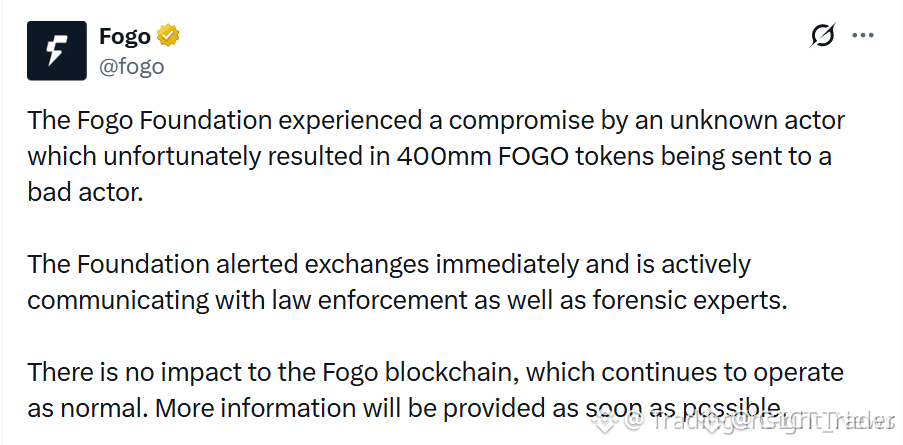
🚨 $FOGO FOUNDATION COMPROMISED WITH 400M TOKENS EXFILTRATED AS LAYER-1 REMAINS INTACT! 💣
🚨 The Fogo Foundation has suffered a major security exploit, with attackers draining approximately 400 million $FOGO tokens valued near $20 million. While forensic investigators and major exchanges move to trace the exploit, the underlying Layer-1 network structure continues to operate normally.
🔍 From a market perspective, foundation wallet breaches create severe overhead supply risks even when protocol execution remains untainted. The critical narrative now shifts to order flow monitoring and whether key liquidity pools can absorb potential secondary dump pressure.
💬 Does this structural supply event impact your thesis on $FOGO , or does core network uptime keep you grounded? 👇
⚠️ Not financial advice. Always manage your risk. 🛡️
🏷️ #FOGO #CryptoSecurity #Layer1 #RiskManagement #MarketStructure
🛡️ 🔍
🚨 $FOGO FOUNDATION COMPROMISED WITH 400M TOKENS EXFILTRATED AS LAYER-1 REMAINS INTACT! 💣
🚨 The Fogo Foundation has suffered a major security exploit, with attackers draining approximately 400 million $FOGO tokens valued near $20 million. While forensic investigators and major exchanges move to trace the exploit, the underlying Layer-1 network structure continues to operate normally.
🔍 From a market perspective, foundation wallet breaches create severe overhead supply risks even when protocol execution remains untainted. The critical narrative now shifts to order flow monitoring and whether key liquidity pools can absorb potential secondary dump pressure.
💬 Does this structural supply event impact your thesis on $FOGO , or does core network uptime keep you grounded? 👇
⚠️ Not financial advice. Always manage your risk. 🛡️
🏷️ #FOGO #CryptoSecurity #Layer1 #RiskManagement #MarketStructure
🛡️ 🔍
🚨 The Fogo Foundation has suffered a major security exploit, with attackers draining approximately 400 million $FOGO tokens valued near $20 million. While forensic investigators and major exchanges move to trace the exploit, the underlying Layer-1 network structure continues to operate normally.
🔍 From a market perspective, foundation wallet breaches create severe overhead supply risks even when protocol execution remains untainted. The critical narrative now shifts to order flow monitoring and whether key liquidity pools can absorb potential secondary dump pressure.
💬 Does this structural supply event impact your thesis on $FOGO , or does core network uptime keep you grounded? 👇
⚠️ Not financial advice. Always manage your risk. 🛡️
🏷️ #FOGO #CryptoSecurity #Layer1 #RiskManagement #MarketStructure
🛡️ 🔍
611

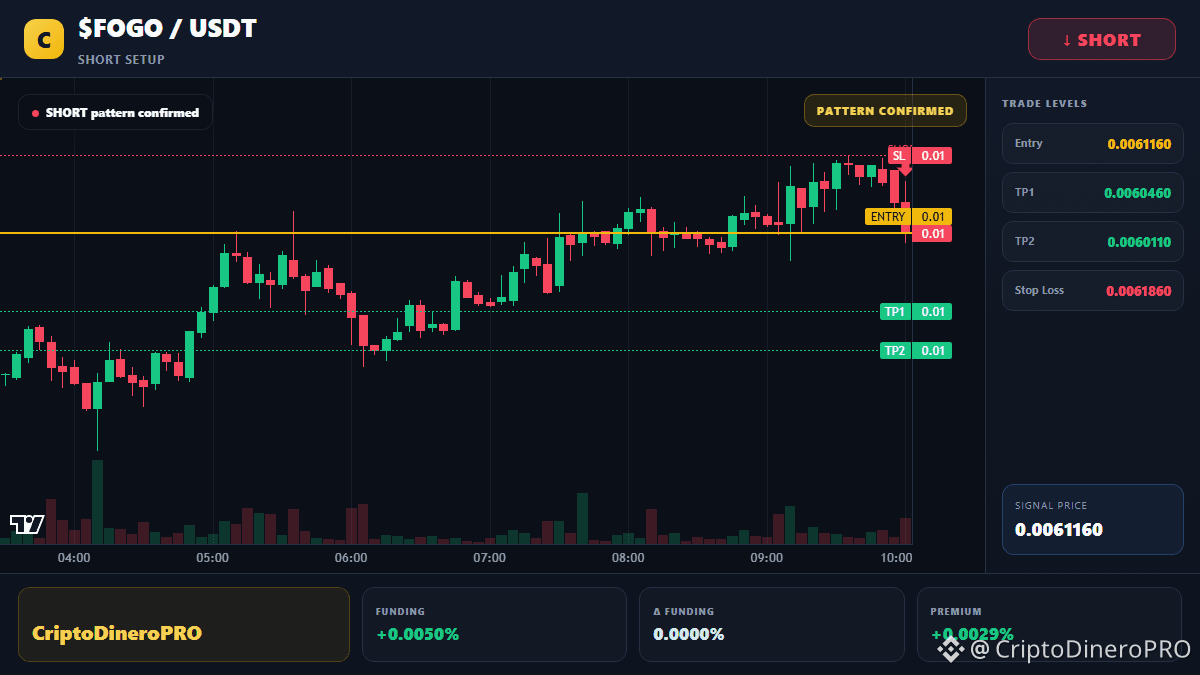

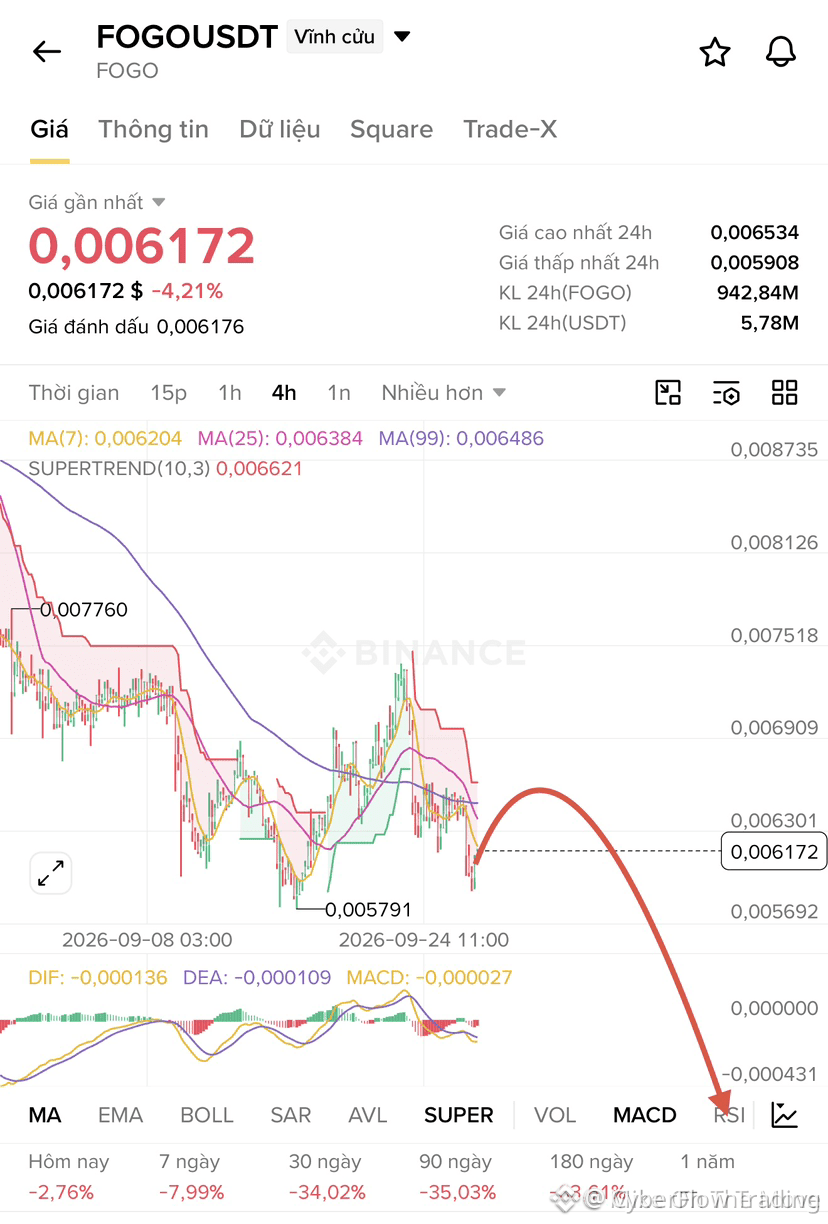
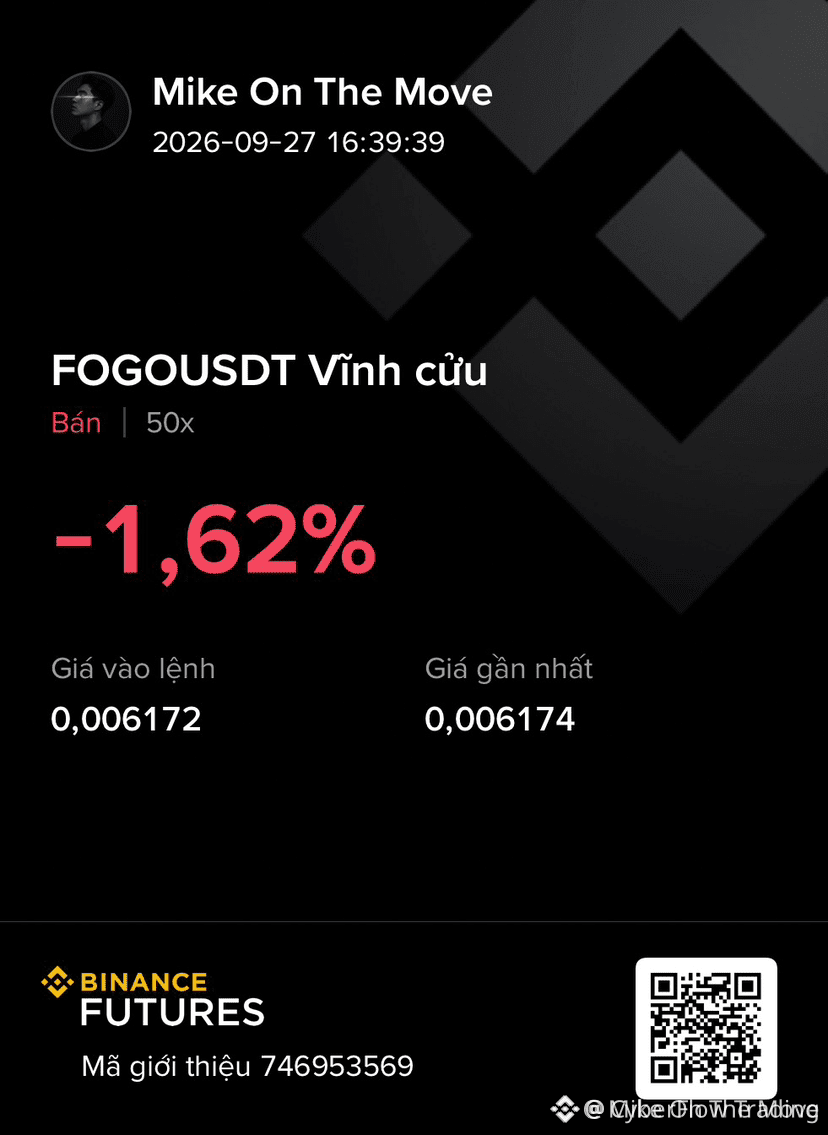
🚨 $FOGO REBOUND IS LOSING STEAM AS BEARS PREPARE FOR A LIQUIDITY SWEEP! 🔻
Entry: 0.00609 - 0.00627 ⚡
Target: 0.00550 🎯
Stop Loss: 0.00670 ⚠️
The recent bounce on $FOGO is running straight into heavy overhead supply, displaying classic signs of buyer exhaustion. 📊 Order flow reflects aggressive distribution at resistance, paving the way for a swift move toward lower liquidity pockets.
📉 Momentum indicators are rolling over as sellers step in to absorb weak upside attempts. With risk clearly defined above the local high, this setup presents a high-conviction short opportunity. 💬 Are you bidding the breakdown here or waiting for support to get wiped out first? 👇
⚠️ Not financial advice. Always manage your risk. 🛡️
🏷️ #FOGO #ShortSetup #Bearish #Crypto
🔻 🎯
🚨 $FOGO REBOUND IS LOSING STEAM AS BEARS PREPARE FOR A LIQUIDITY SWEEP! 🔻
Entry: 0.00609 - 0.00627 ⚡
Target: 0.00550 🎯
Stop Loss: 0.00670 ⚠️
The recent bounce on $FOGO is running straight into heavy overhead supply, displaying classic signs of buyer exhaustion. 📊 Order flow reflects aggressive distribution at resistance, paving the way for a swift move toward lower liquidity pockets.
📉 Momentum indicators are rolling over as sellers step in to absorb weak upside attempts. With risk clearly defined above the local high, this setup presents a high-conviction short opportunity. 💬 Are you bidding the breakdown here or waiting for support to get wiped out first? 👇
⚠️ Not financial advice. Always manage your risk. 🛡️
🏷️ #FOGO #ShortSetup #Bearish #Crypto
🔻 🎯
Entry: 0.00609 - 0.00627 ⚡
Target: 0.00550 🎯
Stop Loss: 0.00670 ⚠️
The recent bounce on $FOGO is running straight into heavy overhead supply, displaying classic signs of buyer exhaustion. 📊 Order flow reflects aggressive distribution at resistance, paving the way for a swift move toward lower liquidity pockets.
📉 Momentum indicators are rolling over as sellers step in to absorb weak upside attempts. With risk clearly defined above the local high, this setup presents a high-conviction short opportunity. 💬 Are you bidding the breakdown here or waiting for support to get wiped out first? 👇
⚠️ Not financial advice. Always manage your risk. 🛡️
🏷️ #FOGO #ShortSetup #Bearish #Crypto
🔻 🎯
28

·
--
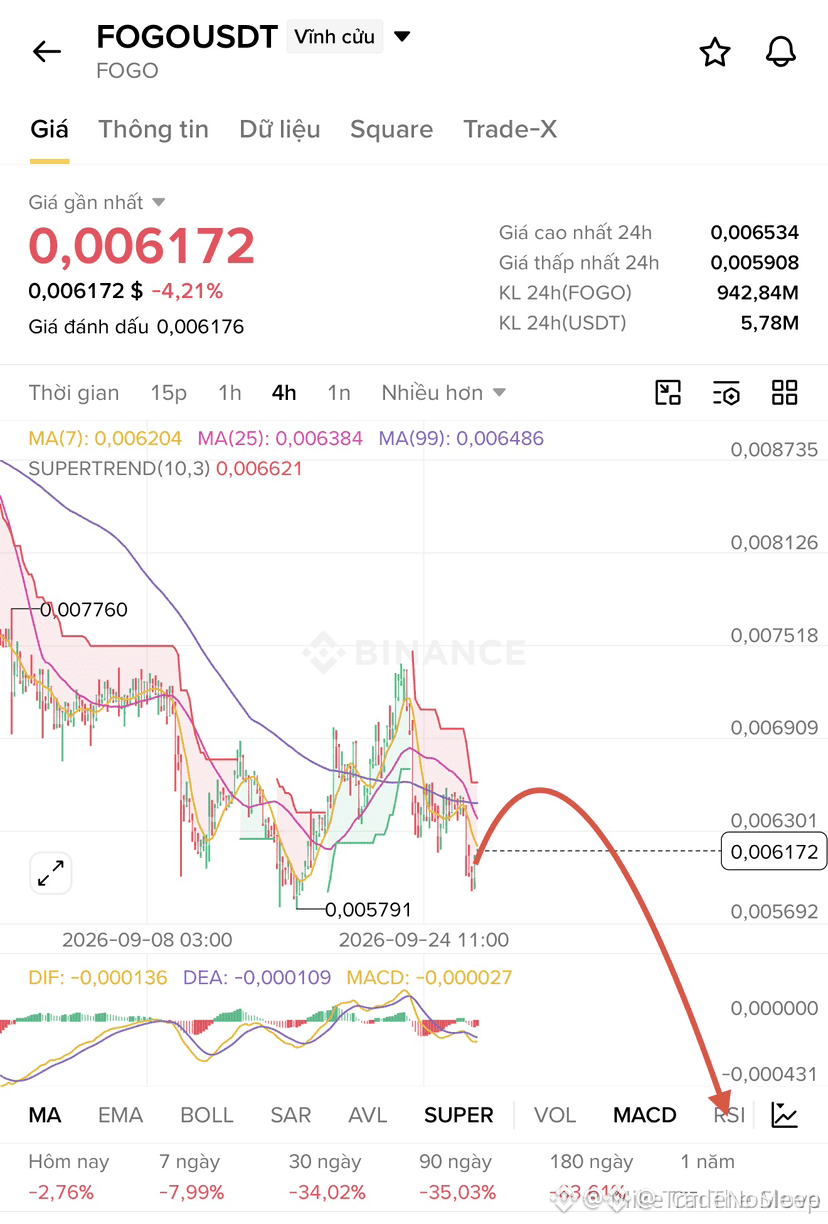
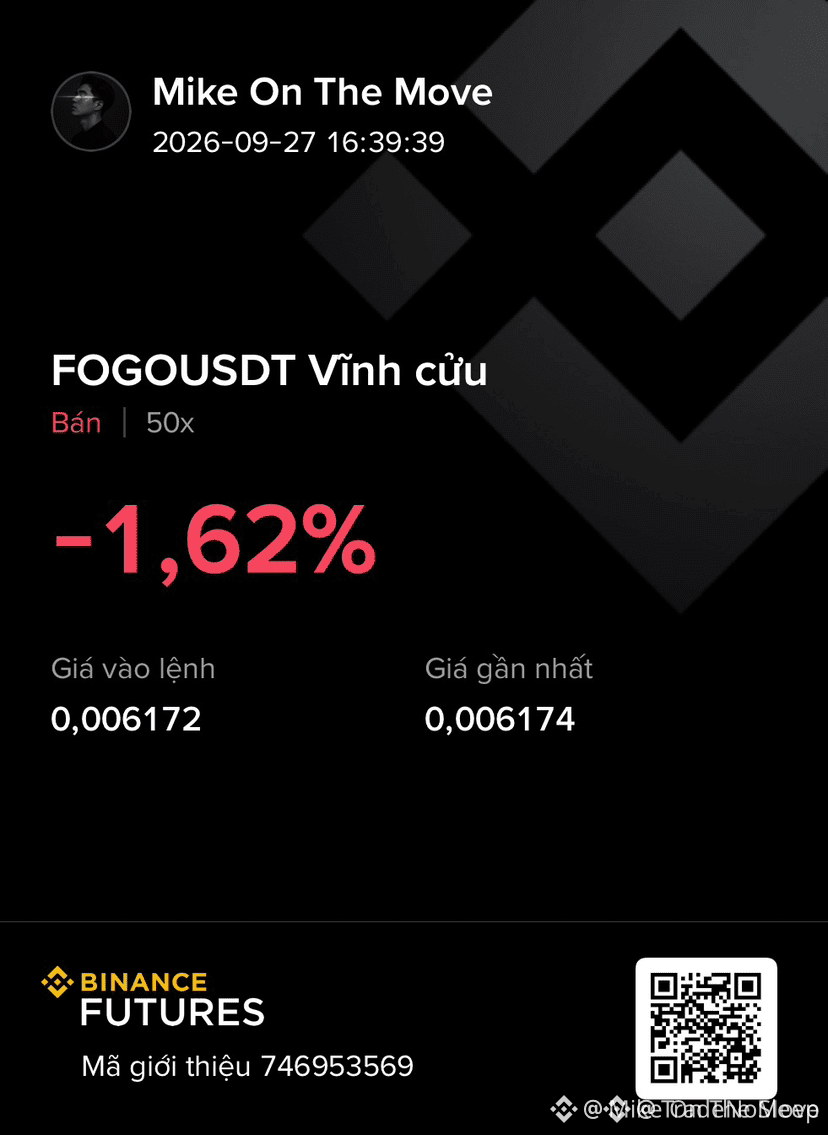
🚨 $FOGO EXHAUSTION SETS IN AS INSTITUTIONAL SELLERS TARGET LOWER LIQUIDITY! 🔻
Entry: 0.00609 - 0.00627 ⚡
Target: 0.00600 - 0.00550 🎯
Stop Loss: 0.00670 ⚠️
The corrective bounce in $FOGO is rapidly losing structural momentum right at local resistance. Smart money appears to be distributing into this weak rally, leaving behind clean sell-side liquidity resting beneath the previous swing low. 📊
With order flow shifting distinctly bearish, a sweep toward deeper demand pockets remains the path of least resistance. 🔍 Market structure favors defensive positioning as sellers defend the premium supply zone. 💬 Are you taking the short entry here or waiting for lower confirmation? 👇
⚠️ Not financial advice. Always manage your risk. 🛡️
🏷️ #FOGO #ShortSetup #Crypto #MarketStructure
🔻 🐻
🚨 $FOGO EXHAUSTION SETS IN AS INSTITUTIONAL SELLERS TARGET LOWER LIQUIDITY! 🔻
Entry: 0.00609 - 0.00627 ⚡
Target: 0.00600 - 0.00550 🎯
Stop Loss: 0.00670 ⚠️
The corrective bounce in $FOGO is rapidly losing structural momentum right at local resistance. Smart money appears to be distributing into this weak rally, leaving behind clean sell-side liquidity resting beneath the previous swing low. 📊
With order flow shifting distinctly bearish, a sweep toward deeper demand pockets remains the path of least resistance. 🔍 Market structure favors defensive positioning as sellers defend the premium supply zone. 💬 Are you taking the short entry here or waiting for lower confirmation? 👇
⚠️ Not financial advice. Always manage your risk. 🛡️
🏷️ #FOGO #ShortSetup #Crypto #MarketStructure
🔻 🐻
Entry: 0.00609 - 0.00627 ⚡
Target: 0.00600 - 0.00550 🎯
Stop Loss: 0.00670 ⚠️
The corrective bounce in $FOGO is rapidly losing structural momentum right at local resistance. Smart money appears to be distributing into this weak rally, leaving behind clean sell-side liquidity resting beneath the previous swing low. 📊
With order flow shifting distinctly bearish, a sweep toward deeper demand pockets remains the path of least resistance. 🔍 Market structure favors defensive positioning as sellers defend the premium supply zone. 💬 Are you taking the short entry here or waiting for lower confirmation? 👇
⚠️ Not financial advice. Always manage your risk. 🛡️
🏷️ #FOGO #ShortSetup #Crypto #MarketStructure
🔻 🐻
16


·
--
Quiet alpha is hiding in $FOGO. 👀
$0.0061, down 5.72% today, with $1.63M traded. The 4h move is worse at -5.9%, RSI sits at 36, and price remains below the 20d and 50d averages.
That’s the ugly part.
But volume is only 1.0x its 20d average, funding is barely +0.005%, and FOGO is still 24% below its 30d high. No leverage frenzy yet. ⚡
I’m watching $0.0060: hold there and I’d sit tight; lose it and I’d wait. $BNB strength won’t hide weak small caps forever.
#FOGO #Crypto
Quiet alpha is hiding in $FOGO . 👀
$0.0061, down 5.72% today, with $1.63M traded. The 4h move is worse at -5.9%, RSI sits at 36, and price remains below the 20d and 50d averages.
That’s the ugly part.
But volume is only 1.0x its 20d average, funding is barely +0.005%, and FOGO is still 24% below its 30d high. No leverage frenzy yet. ⚡
I’m watching $0.0060: hold there and I’d sit tight; lose it and I’d wait. $BNB strength won’t hide weak small caps forever.
#FOGO #Crypto
$0.0061, down 5.72% today, with $1.63M traded. The 4h move is worse at -5.9%, RSI sits at 36, and price remains below the 20d and 50d averages.
That’s the ugly part.
But volume is only 1.0x its 20d average, funding is barely +0.005%, and FOGO is still 24% below its 30d high. No leverage frenzy yet. ⚡
I’m watching $0.0060: hold there and I’d sit tight; lose it and I’d wait. $BNB strength won’t hide weak small caps forever.
#FOGO #Crypto
54

·
--
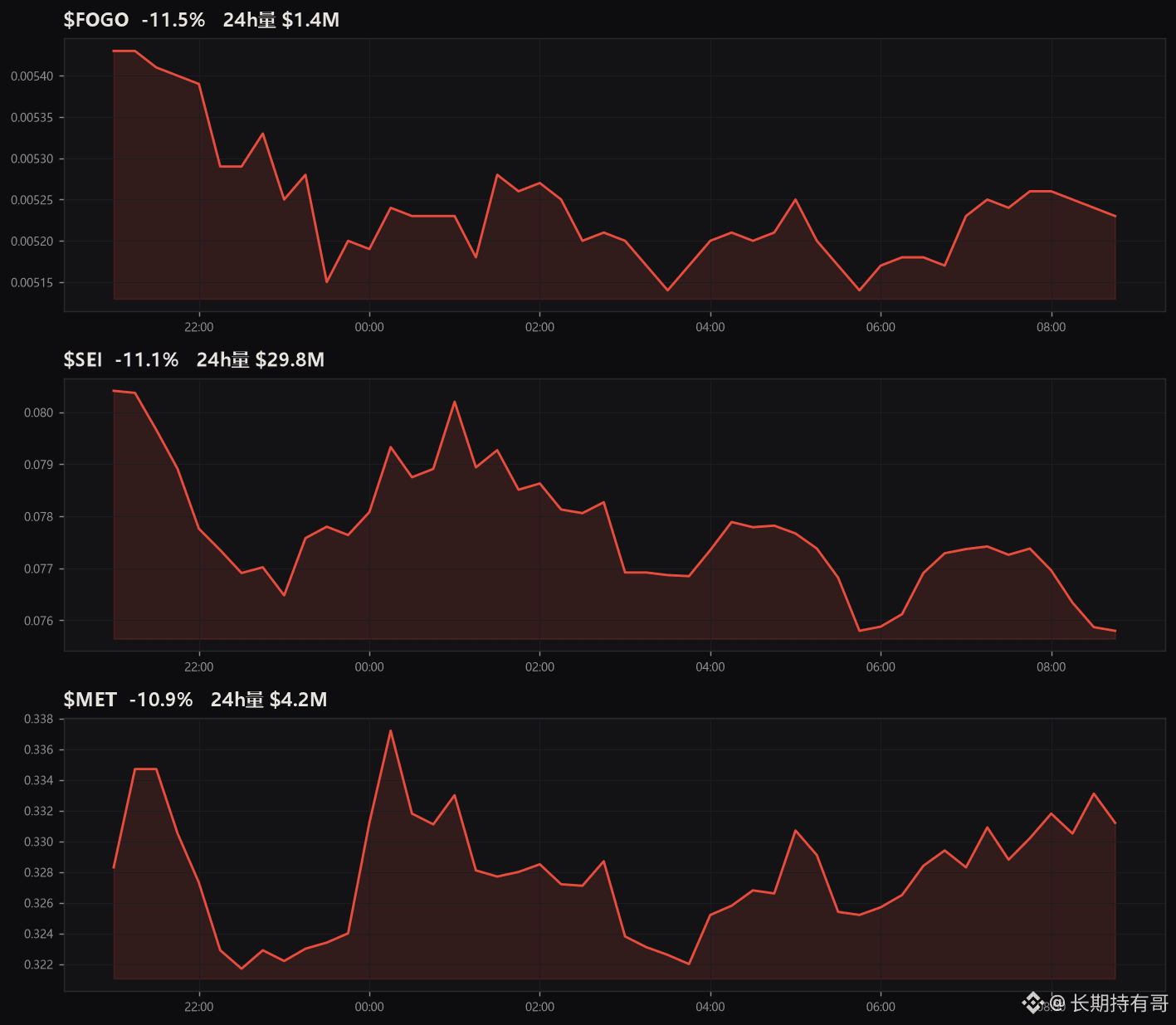
$FOGO 目前 $0.005230 | ▼11.5%
支撑位:0.005070(低位区域强支撑)
💬 价格重挫11.5%,低位强支撑尚存。短期反弹需关注0.006阻力,跌破0.005070需谨慎。你认为能否止跌回升?
$SEI 目前 $0.0758 | ▼11.1%
支撑位:0.0754(贴近支撑, 破位需警惕)
💬 跌幅11.1%,支撑位附近震荡,破位风险增加。关注0.075阻力,若无法突破,警惕进一步下行。
$MET 目前 $0.3313 | ▼10.9%
支撑位:0.3100(近24h低点支撑)
💬 10.9%的跌幅,短期支撑在0.3100附近。若能守住此位,有望反弹至0.360阻力。你对MET的未来有何看法?
#FOGO #SEI #MET
点击上方 $标签 查看实时行情
$FOGO 目前 $0.005230 | ▼11.5%
支撑位:0.005070(低位区域强支撑)
💬 价格重挫11.5%,低位强支撑尚存。短期反弹需关注0.006阻力,跌破0.005070需谨慎。你认为能否止跌回升?
$SEI 目前 $0.0758 | ▼11.1%
支撑位:0.0754(贴近支撑, 破位需警惕)
💬 跌幅11.1%,支撑位附近震荡,破位风险增加。关注0.075阻力,若无法突破,警惕进一步下行。
$MET 目前 $0.3313 | ▼10.9%
支撑位:0.3100(近24h低点支撑)
💬 10.9%的跌幅,短期支撑在0.3100附近。若能守住此位,有望反弹至0.360阻力。你对MET的未来有何看法?
#FOGO #SEI #MET
点击上方 $标签 查看实时行情
支撑位:0.005070(低位区域强支撑)
💬 价格重挫11.5%,低位强支撑尚存。短期反弹需关注0.006阻力,跌破0.005070需谨慎。你认为能否止跌回升?
$SEI 目前 $0.0758 | ▼11.1%
支撑位:0.0754(贴近支撑, 破位需警惕)
💬 跌幅11.1%,支撑位附近震荡,破位风险增加。关注0.075阻力,若无法突破,警惕进一步下行。
$MET 目前 $0.3313 | ▼10.9%
支撑位:0.3100(近24h低点支撑)
💬 10.9%的跌幅,短期支撑在0.3100附近。若能守住此位,有望反弹至0.360阻力。你对MET的未来有何看法?
#FOGO #SEI #MET
点击上方 $标签 查看实时行情
97
·
--
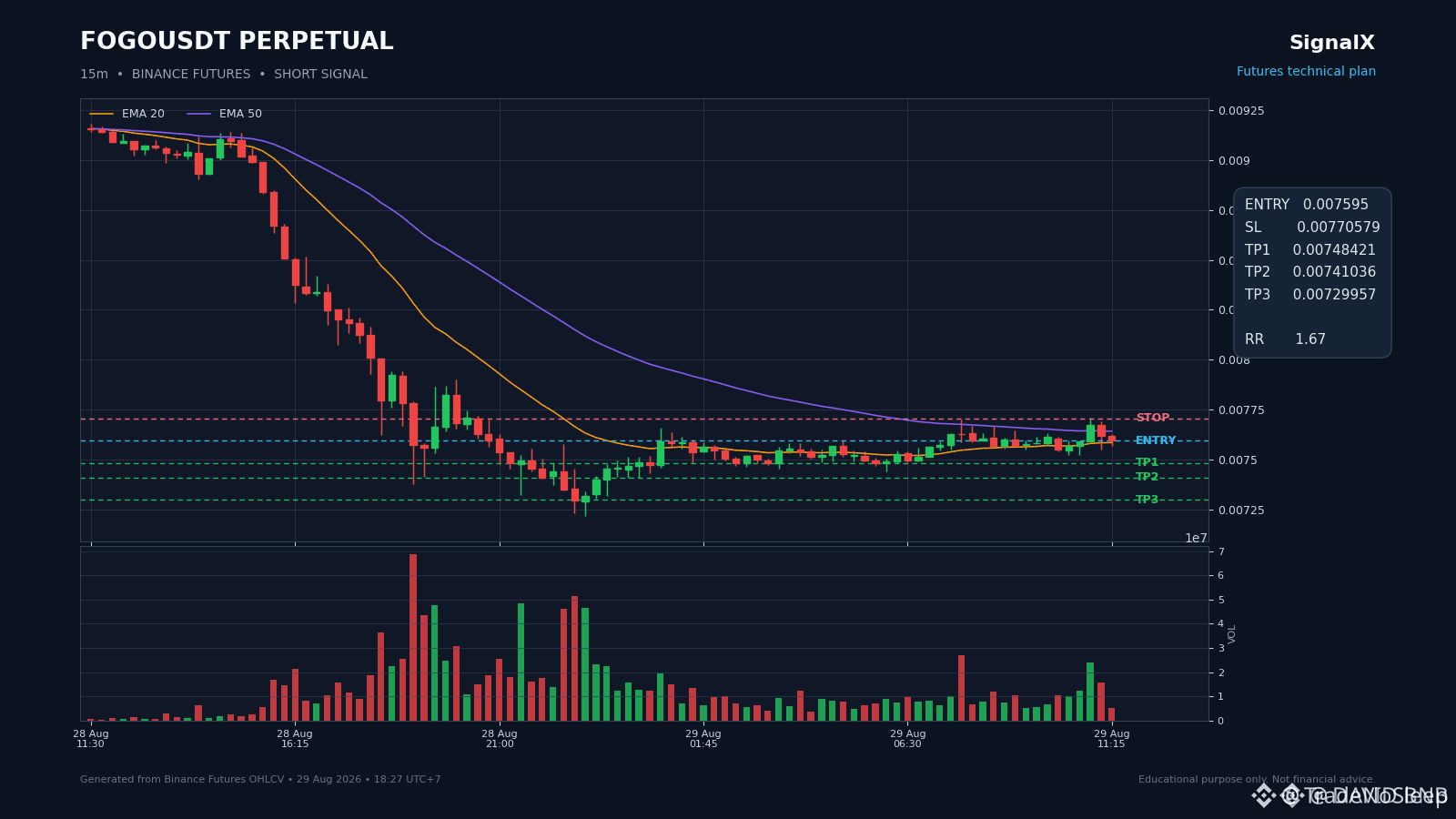
🚨 $FOGO STRUCTURAL REJECTION INCOMING AS BEARS TARGET LOWER LIQUIDITY! 📉
Entry: 0.007595 ⚡
Target: 0.00729957 🎯
Stop Loss: 0.00770579 ⚠️
Price action on $FOGO is adhering cleanly to market structure, presenting a refined distribution footprint near local resistance. 📊 Institutional order flow shows momentum favoring a downside expansion toward key discount demand pools.
🔍 Invalidation sits tightly above the supply zone to preserve a crisp risk profile while smart capital sweeps remaining sell-side liquidity. 📌 Waiting for clear execution triggers ensures high-probability positioning before momentum accelerates. 💬 Are you shorting this structural breakdown or waiting for confirmation? 👇
⚠️ Not financial advice. Always manage your risk. 🛡️
🏷️ #FOGO #ShortSetup #Trading #Crypto #MarketStructure
🐻 📉
🚨 $FOGO STRUCTURAL REJECTION INCOMING AS BEARS TARGET LOWER LIQUIDITY! 📉
Entry: 0.007595 ⚡
Target: 0.00729957 🎯
Stop Loss: 0.00770579 ⚠️
Price action on $FOGO is adhering cleanly to market structure, presenting a refined distribution footprint near local resistance. 📊 Institutional order flow shows momentum favoring a downside expansion toward key discount demand pools.
🔍 Invalidation sits tightly above the supply zone to preserve a crisp risk profile while smart capital sweeps remaining sell-side liquidity. 📌 Waiting for clear execution triggers ensures high-probability positioning before momentum accelerates. 💬 Are you shorting this structural breakdown or waiting for confirmation? 👇
⚠️ Not financial advice. Always manage your risk. 🛡️
🏷️ #FOGO #ShortSetup #Trading #Crypto #MarketStructure
🐻 📉
Entry: 0.007595 ⚡
Target: 0.00729957 🎯
Stop Loss: 0.00770579 ⚠️
Price action on $FOGO is adhering cleanly to market structure, presenting a refined distribution footprint near local resistance. 📊 Institutional order flow shows momentum favoring a downside expansion toward key discount demand pools.
🔍 Invalidation sits tightly above the supply zone to preserve a crisp risk profile while smart capital sweeps remaining sell-side liquidity. 📌 Waiting for clear execution triggers ensures high-probability positioning before momentum accelerates. 💬 Are you shorting this structural breakdown or waiting for confirmation? 👇
⚠️ Not financial advice. Always manage your risk. 🛡️
🏷️ #FOGO #ShortSetup #Trading #Crypto #MarketStructure
🐻 📉
11

·
--
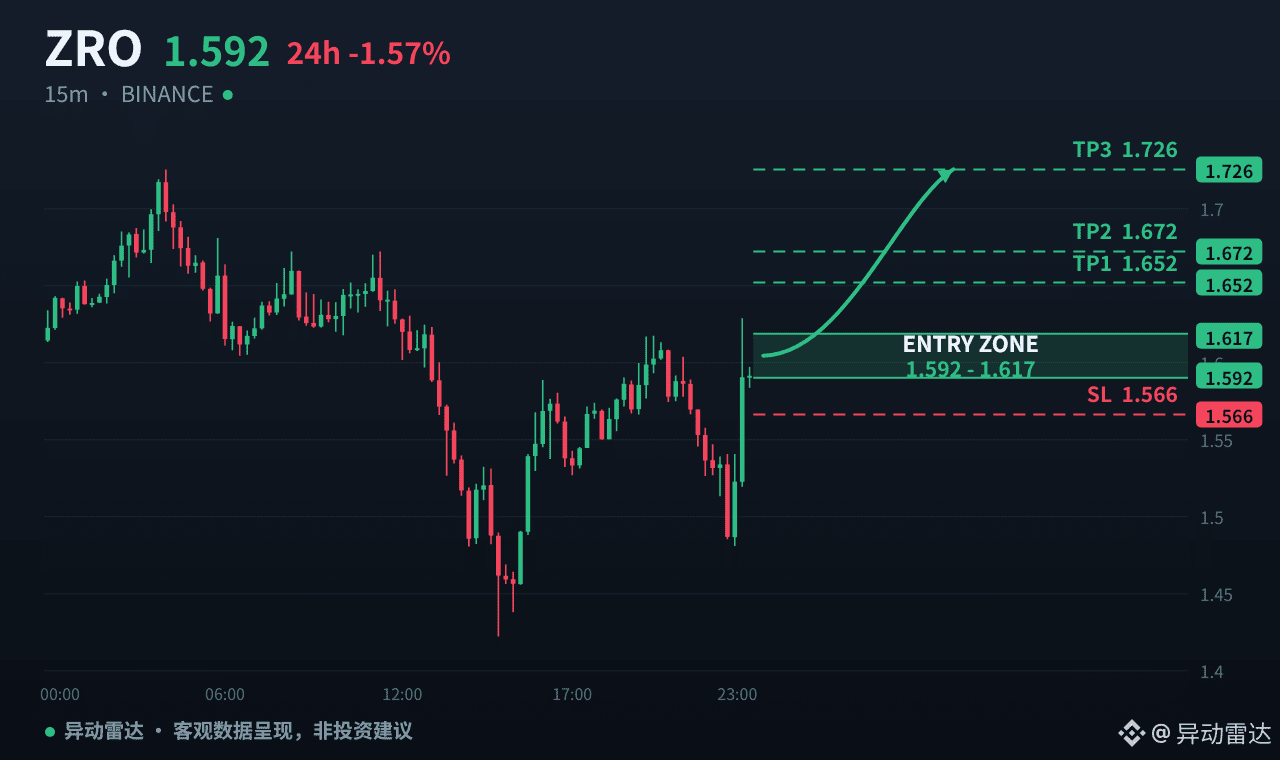
$ZRO 半小时净买入 578万,量能放到 3.6 倍
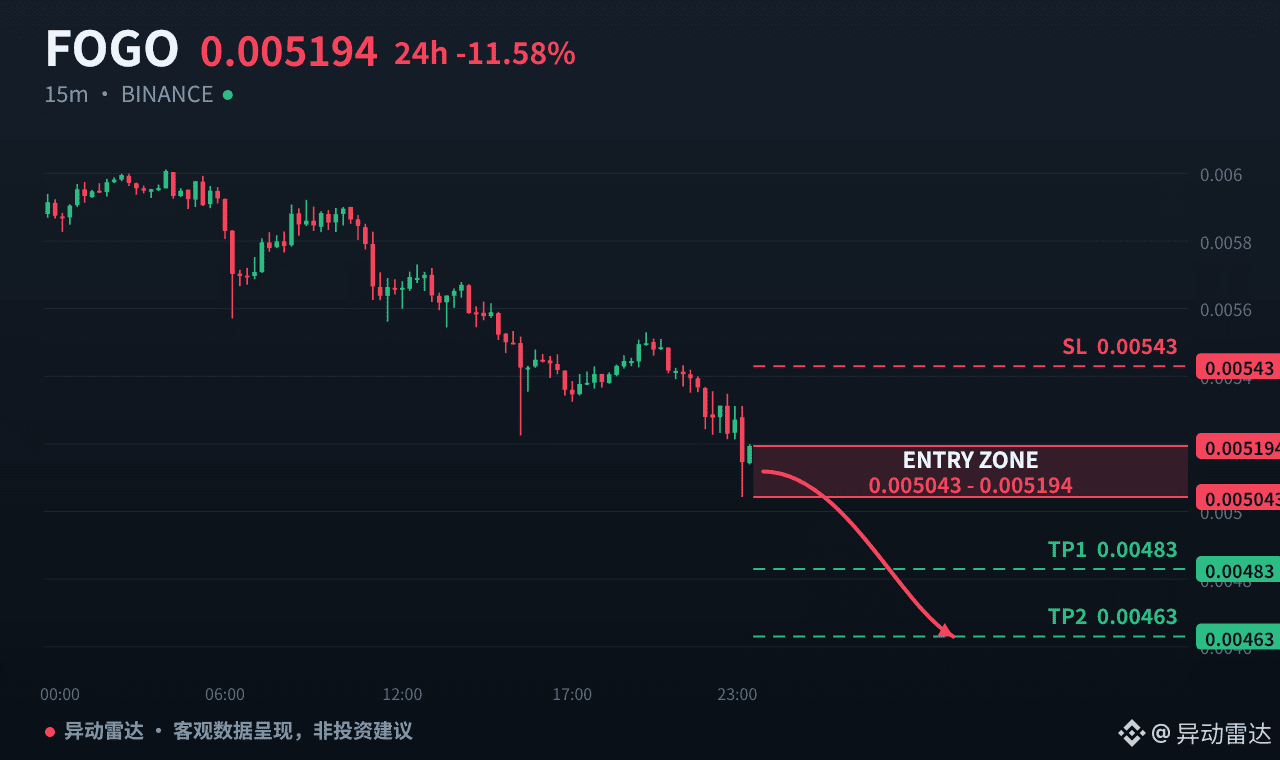
$FOGO 今日走弱 11.7%,半小时净买入 35万
💰 ZRO 1.5916 偏多
🟢 站稳 1.6175
目标 1.6520 / 1.6722 / 1.7255
止损 1.5664
🔴 跌破 1.5745
下看 1.5664 / 1.5269
🧠 【操盘手博弈定性】:主力正在收割空头,当前处于博弈的中继阶段,多空比为 1.46,资金费率为 +0.0050%。
📊 【K线形态与动量结构】:量能为 3.6 倍,净流入为 578.34 万 USDT,半小时内急速拉升,表明主升浪初现,压力位在 1.6175。
🚀 【右侧追单关键点位】:突破 1.6175 才确认信号,止损设在 1.5664,执行纪律为右侧突破后跟进。
💡 【实战操盘执行指令】:盘口资金流为净流入,执行策略为跟进主升浪,止损位为 1.5664,仓位纪律为逐步加仓,当前持仓 3.1 小时 +1.66% 为参考,主动成交比为 0.90,表明主力活跃。
━━━━━━━━━
💰 FOGO 0.005194 偏空
🟢 站稳 0.005430
目标 0.005530 / 0.005679 / 0.006012
止损 0.004930
🔴 跌破 0.005043
下看 0.004830 / 0.004630
🧠 【操盘手博弈定性】:主力正在收割多头,当前处于博弈的下跌中继阶段,大户多空比为 3.64,主动成交比为 0.40,资金费率为 +0.0050%。
📊 【K线形态与动量结构】:量能较低,净流入为 35.41 万 USDT,24H 成交量为 835.78 万,价格动量为 5 分钟急速下跌 -3.63%,ATR(14) 为 0.00009064,处于下跌中继形态。
🚀 【右侧追单关键点位】:突破 0.00553 才确认信号,止损设在 0.00493,执行纪律为严格控制仓位。
💡 【实战操盘执行指令】:盘口资金流为净流入,执行策略为空头偏多,止损位为 0.00493,仓位纪律为控制在 30% 以内,严格执行纪律,避免过度仓位。
—
🕒 数据取自 09-28 23:48(UTC+8)币安合约行情,可自行核对
客观数据呈现,非投资建议,注意风险。
#ZRO #FOGO
$ZRO 半小时净买入 578万,量能放到 3.6 倍
$FOGO 今日走弱 11.7%,半小时净买入 35万
💰 ZRO 1.5916 偏多
🟢 站稳 1.6175
目标 1.6520 / 1.6722 / 1.7255
止损 1.5664
🔴 跌破 1.5745
下看 1.5664 / 1.5269
🧠 【操盘手博弈定性】:主力正在收割空头,当前处于博弈的中继阶段,多空比为 1.46,资金费率为 +0.0050%。
📊 【K线形态与动量结构】:量能为 3.6 倍,净流入为 578.34 万 USDT,半小时内急速拉升,表明主升浪初现,压力位在 1.6175。
🚀 【右侧追单关键点位】:突破 1.6175 才确认信号,止损设在 1.5664,执行纪律为右侧突破后跟进。
💡 【实战操盘执行指令】:盘口资金流为净流入,执行策略为跟进主升浪,止损位为 1.5664,仓位纪律为逐步加仓,当前持仓 3.1 小时 +1.66% 为参考,主动成交比为 0.90,表明主力活跃。
━━━━━━━━━
💰 FOGO 0.005194 偏空
🟢 站稳 0.005430
目标 0.005530 / 0.005679 / 0.006012
止损 0.004930
🔴 跌破 0.005043
下看 0.004830 / 0.004630
🧠 【操盘手博弈定性】:主力正在收割多头,当前处于博弈的下跌中继阶段,大户多空比为 3.64,主动成交比为 0.40,资金费率为 +0.0050%。
📊 【K线形态与动量结构】:量能较低,净流入为 35.41 万 USDT,24H 成交量为 835.78 万,价格动量为 5 分钟急速下跌 -3.63%,ATR(14) 为 0.00009064,处于下跌中继形态。
🚀 【右侧追单关键点位】:突破 0.00553 才确认信号,止损设在 0.00493,执行纪律为严格控制仓位。
💡 【实战操盘执行指令】:盘口资金流为净流入,执行策略为空头偏多,止损位为 0.00493,仓位纪律为控制在 30% 以内,严格执行纪律,避免过度仓位。
—
🕒 数据取自 09-28 23:48(UTC+8)币安合约行情,可自行核对
客观数据呈现,非投资建议,注意风险。
#ZRO #FOGO
$FOGO 今日走弱 11.7%,半小时净买入 35万
💰 ZRO 1.5916 偏多
🟢 站稳 1.6175
目标 1.6520 / 1.6722 / 1.7255
止损 1.5664
🔴 跌破 1.5745
下看 1.5664 / 1.5269
🧠 【操盘手博弈定性】:主力正在收割空头,当前处于博弈的中继阶段,多空比为 1.46,资金费率为 +0.0050%。
📊 【K线形态与动量结构】:量能为 3.6 倍,净流入为 578.34 万 USDT,半小时内急速拉升,表明主升浪初现,压力位在 1.6175。
🚀 【右侧追单关键点位】:突破 1.6175 才确认信号,止损设在 1.5664,执行纪律为右侧突破后跟进。
💡 【实战操盘执行指令】:盘口资金流为净流入,执行策略为跟进主升浪,止损位为 1.5664,仓位纪律为逐步加仓,当前持仓 3.1 小时 +1.66% 为参考,主动成交比为 0.90,表明主力活跃。
━━━━━━━━━
💰 FOGO 0.005194 偏空
🟢 站稳 0.005430
目标 0.005530 / 0.005679 / 0.006012
止损 0.004930
🔴 跌破 0.005043
下看 0.004830 / 0.004630
🧠 【操盘手博弈定性】:主力正在收割多头,当前处于博弈的下跌中继阶段,大户多空比为 3.64,主动成交比为 0.40,资金费率为 +0.0050%。
📊 【K线形态与动量结构】:量能较低,净流入为 35.41 万 USDT,24H 成交量为 835.78 万,价格动量为 5 分钟急速下跌 -3.63%,ATR(14) 为 0.00009064,处于下跌中继形态。
🚀 【右侧追单关键点位】:突破 0.00553 才确认信号,止损设在 0.00493,执行纪律为严格控制仓位。
💡 【实战操盘执行指令】:盘口资金流为净流入,执行策略为空头偏多,止损位为 0.00493,仓位纪律为控制在 30% 以内,严格执行纪律,避免过度仓位。
—
🕒 数据取自 09-28 23:48(UTC+8)币安合约行情,可自行核对
客观数据呈现,非投资建议,注意风险。
#ZRO #FOGO
78
Connectez-vous pour découvrir plus de contenu
Rejoignez la communauté mondiale des adeptes de cryptomonnaies sur Binance Square
⚡️ Suviez les dernières informations importantes sur les cryptomonnaies.
💬 Jugé digne de confiance par la plus grande plateforme d’échange de cryptomonnaies au monde.
👍 Découvrez les connaissances que partagent les créateurs vérifiés.
Adresse e-mail/Nº de téléphone
Sujets d’actualité
1
#BitcoinClears$85200
18,837 vues
249 mentions
2
#AltcoinSeasonIndexHoldsAbove60For5Days
95,756 vues
1,397 mentions
3
#USADPAdds90000JobsInSeptember
42,010 vues
758 mentions
4
#USCorePCEEasesTo3%InAugust
30,957 vues
564 mentions
5
#KospiPostsWorstQuarterSince2020
19,113 vues
527 mentions
6
#SECToClarifyOnChainFundraisingRules
49,513 vues
710 mentions
7
#UKFCAOpensCryptoFirmAuthorization
47,392 vues
592 mentions
8
#JapanMOFStudyGroupOnTokenizedGovtBonds
24,608 vues
439 mentions
9
#QNTRises287%
120,943 vues
951 mentions
10
#TrumpRejectsAIRulesForVoluntaryAudits
69,002 vues
816 mentions