

#educational
educational
191,107 vues
509 mentions
Populaire
Récents
·
--
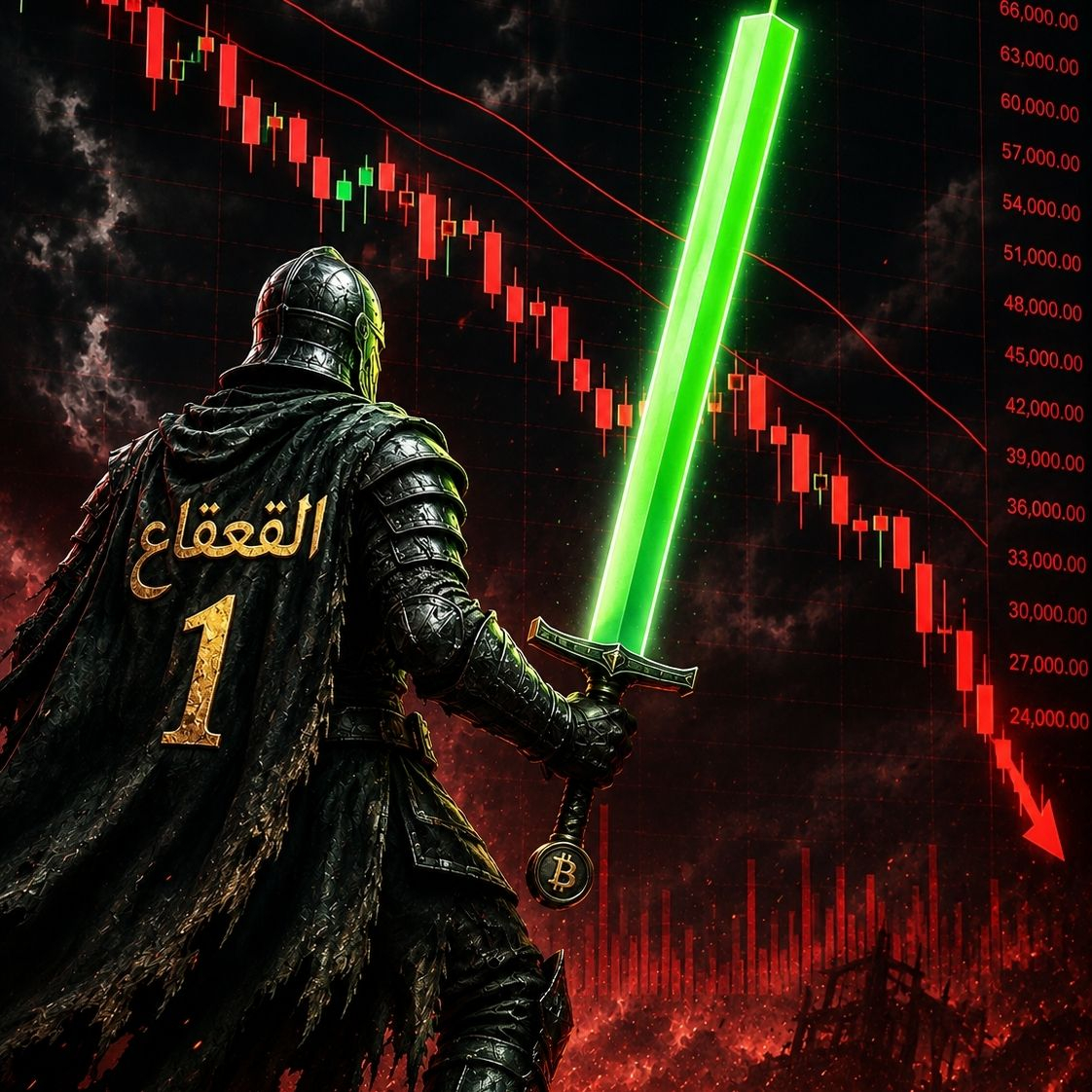
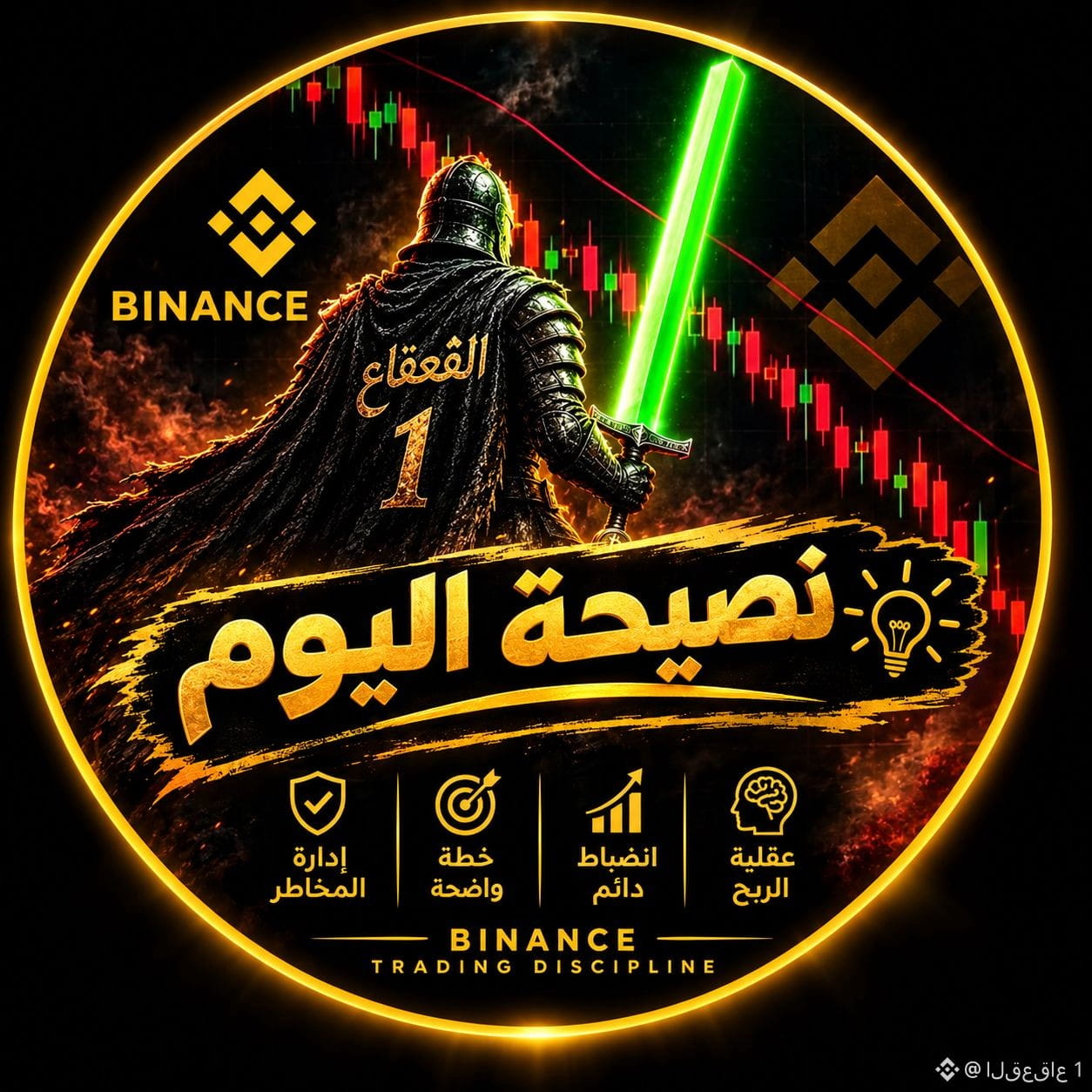
🎯 🎯 نصيحة اليوم للمتداول | 10 قواعد ذهبية
1️⃣ الخطة: حدد الدخول، الهدف، ووقف الخسارة مسبقاً.
2️⃣ إدارة المخاطر: لا تجازف بأكثر من 1-2% من المحفظة.
3️⃣ تقبل الخسارة: هي تكلفة تشغيلية طبيعية للتداول.
4️⃣ لا للانتقام: ضرب وقف الخسارة؟ ابتعد عن الشاشة.
5️⃣ احترم الوقف: لا تحرك أمر وقف الخسارة للأسفل.
6️⃣ تجنب الجشع: إجني أرباحك وفق خطة محددة.
7️⃣ سجل تداولاتك: دون أسباب الدخول والمشاعر.
8️⃣ لا تعاند السوق: مرونتك هي ما تحمي رأس مالك.
9️⃣ الجودة أهم: صفقة واحدة مدروسة أفضل من 10 عشوائية.
🔟 الانضباط: النجاح ماراثون يتطلب الالتزام بالقواعد.
💡 ما هي أكثر قاعدة تصعب عليك؟ شاركنا في التعليقات!
$BTC
{spot}(BTCUSDT)
$ETH
{spot}(ETHUSDT)
$QNT
{spot}(QNTUSDT)
#Crypto_Jobs🎯 #القعقاع #القعقاع_1 #TradingTips #educational
🎯 🎯 نصيحة اليوم للمتداول | 10 قواعد ذهبية
1️⃣ الخطة: حدد الدخول، الهدف، ووقف الخسارة مسبقاً.
2️⃣ إدارة المخاطر: لا تجازف بأكثر من 1-2% من المحفظة.
3️⃣ تقبل الخسارة: هي تكلفة تشغيلية طبيعية للتداول.
4️⃣ لا للانتقام: ضرب وقف الخسارة؟ ابتعد عن الشاشة.
5️⃣ احترم الوقف: لا تحرك أمر وقف الخسارة للأسفل.
6️⃣ تجنب الجشع: إجني أرباحك وفق خطة محددة.
7️⃣ سجل تداولاتك: دون أسباب الدخول والمشاعر.
8️⃣ لا تعاند السوق: مرونتك هي ما تحمي رأس مالك.
9️⃣ الجودة أهم: صفقة واحدة مدروسة أفضل من 10 عشوائية.
🔟 الانضباط: النجاح ماراثون يتطلب الالتزام بالقواعد.
💡 ما هي أكثر قاعدة تصعب عليك؟ شاركنا في التعليقات!
$BTC
$ETH
$QNT
#Crypto_Jobs🎯 #القعقاع #القعقاع_1 #TradingTips #educational
1️⃣ الخطة: حدد الدخول، الهدف، ووقف الخسارة مسبقاً.
2️⃣ إدارة المخاطر: لا تجازف بأكثر من 1-2% من المحفظة.
3️⃣ تقبل الخسارة: هي تكلفة تشغيلية طبيعية للتداول.
4️⃣ لا للانتقام: ضرب وقف الخسارة؟ ابتعد عن الشاشة.
5️⃣ احترم الوقف: لا تحرك أمر وقف الخسارة للأسفل.
6️⃣ تجنب الجشع: إجني أرباحك وفق خطة محددة.
7️⃣ سجل تداولاتك: دون أسباب الدخول والمشاعر.
8️⃣ لا تعاند السوق: مرونتك هي ما تحمي رأس مالك.
9️⃣ الجودة أهم: صفقة واحدة مدروسة أفضل من 10 عشوائية.
🔟 الانضباط: النجاح ماراثون يتطلب الالتزام بالقواعد.
💡 ما هي أكثر قاعدة تصعب عليك؟ شاركنا في التعليقات!
$BTC
$ETH
$QNT
#Crypto_Jobs🎯 #القعقاع #القعقاع_1 #TradingTips #educational
emran ALBADAWY :
وفقك الله نصايح في الصميم
2
3
264
🌐 Como funciona uma Cidade Digital? A Infraestrutura Blockchain Sem Complicação
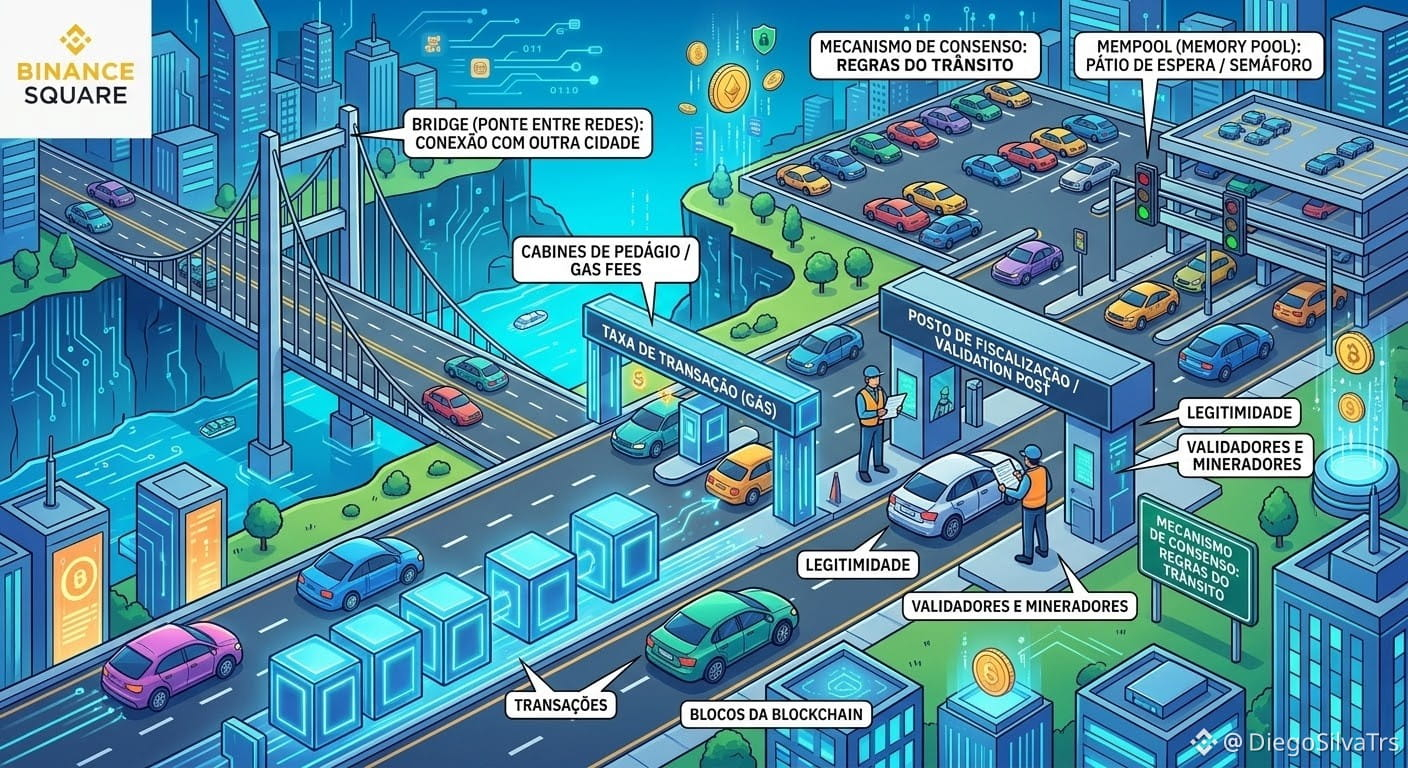
Se a blockchain for uma cidade digital movimentada, tudo fica fácil de entender. Para não virar caos, ela precisa de infraestrutura rodando no fundo.
Entenda 5 conceitos fundamentais:
1. Validadores & Mineradores = Os Fiscais de Trânsito
Fiscais conferem placa, habilitação e se o carro é roubado.
Nas blockchains, validadores e mineradores checam se sua transação é verdadeira, se você tem saldo e se não está tentando gastar a mesma moeda duas vezes. Sem eles, ninguém anda.
2. Mecanismo de Consenso (PoW / PoS) = As Leis de Trânsito
Para os guardas agirem sem conflito, a cidade precisa de leis oficiais.
O Consenso (Proof of Work / Proof of Stake) define quem pode fiscalizar e como a rede decide o que é verdade ou fraude.
3. Gás & Taxas (Gas Fees) = O Pedágio e Combustível
Quer usar as vias da cidade? Pague a taxa da rodovia.
O Gás paga o processamento da transação. Se a cidade engarrafar (rede congestionada), o pedágio sobe para priorizar quem paga mais.
4. Mempool = O Pátio de Espera e Semáforo
É a sala de espera da blockchain.
Suas transações ficam estacionadas ali aguardando o validador pegar seu carro da fila e incluí-lo no próximo bloco de tráfego.
5. Bridges (Pontes) = As Balsas entre Cidades
Imagine duas cidades isoladas: "Cidade Ethereum" e "Cidade Solana".
As Bridges permitem embarcar seu veículo (token) de um lado e desembarcar no outro com segurança, conectando redes diferentes.
Resumo: Sua transferência sai do Pátio (Mempool), obedece às Leis (Consenso), paga o Pedágio (Gás) ao Guarda (Validador) e pega a Ponte (Bridge) se for para outra rede.
Qual parte da cidade achou mais fácil entender? Comente aí!
#Web3 #Educational #Blockchain #Crypto #BinanceSquare
$BTC $ETH $SOL
🌐 Como funciona uma Cidade Digital? A Infraestrutura Blockchain Sem Complicação
Se a blockchain for uma cidade digital movimentada, tudo fica fácil de entender. Para não virar caos, ela precisa de infraestrutura rodando no fundo.
Entenda 5 conceitos fundamentais:
1. Validadores & Mineradores = Os Fiscais de Trânsito
Fiscais conferem placa, habilitação e se o carro é roubado.
Nas blockchains, validadores e mineradores checam se sua transação é verdadeira, se você tem saldo e se não está tentando gastar a mesma moeda duas vezes. Sem eles, ninguém anda.
2. Mecanismo de Consenso (PoW / PoS) = As Leis de Trânsito
Para os guardas agirem sem conflito, a cidade precisa de leis oficiais.
O Consenso (Proof of Work / Proof of Stake) define quem pode fiscalizar e como a rede decide o que é verdade ou fraude.
3. Gás & Taxas (Gas Fees) = O Pedágio e Combustível
Quer usar as vias da cidade? Pague a taxa da rodovia.
O Gás paga o processamento da transação. Se a cidade engarrafar (rede congestionada), o pedágio sobe para priorizar quem paga mais.
4. Mempool = O Pátio de Espera e Semáforo
É a sala de espera da blockchain.
Suas transações ficam estacionadas ali aguardando o validador pegar seu carro da fila e incluí-lo no próximo bloco de tráfego.
5. Bridges (Pontes) = As Balsas entre Cidades
Imagine duas cidades isoladas: "Cidade Ethereum" e "Cidade Solana".
As Bridges permitem embarcar seu veículo (token) de um lado e desembarcar no outro com segurança, conectando redes diferentes.
Resumo: Sua transferência sai do Pátio (Mempool), obedece às Leis (Consenso), paga o Pedágio (Gás) ao Guarda (Validador) e pega a Ponte (Bridge) se for para outra rede.
Qual parte da cidade achou mais fácil entender? Comente aí!
#Web3 #Educational #Blockchain #Crypto #BinanceSquare
$BTC $ETH $SOL
Se a blockchain for uma cidade digital movimentada, tudo fica fácil de entender. Para não virar caos, ela precisa de infraestrutura rodando no fundo.
Entenda 5 conceitos fundamentais:
1. Validadores & Mineradores = Os Fiscais de Trânsito
Fiscais conferem placa, habilitação e se o carro é roubado.
Nas blockchains, validadores e mineradores checam se sua transação é verdadeira, se você tem saldo e se não está tentando gastar a mesma moeda duas vezes. Sem eles, ninguém anda.
2. Mecanismo de Consenso (PoW / PoS) = As Leis de Trânsito
Para os guardas agirem sem conflito, a cidade precisa de leis oficiais.
O Consenso (Proof of Work / Proof of Stake) define quem pode fiscalizar e como a rede decide o que é verdade ou fraude.
3. Gás & Taxas (Gas Fees) = O Pedágio e Combustível
Quer usar as vias da cidade? Pague a taxa da rodovia.
O Gás paga o processamento da transação. Se a cidade engarrafar (rede congestionada), o pedágio sobe para priorizar quem paga mais.
4. Mempool = O Pátio de Espera e Semáforo
É a sala de espera da blockchain.
Suas transações ficam estacionadas ali aguardando o validador pegar seu carro da fila e incluí-lo no próximo bloco de tráfego.
5. Bridges (Pontes) = As Balsas entre Cidades
Imagine duas cidades isoladas: "Cidade Ethereum" e "Cidade Solana".
As Bridges permitem embarcar seu veículo (token) de um lado e desembarcar no outro com segurança, conectando redes diferentes.
Resumo: Sua transferência sai do Pátio (Mempool), obedece às Leis (Consenso), paga o Pedágio (Gás) ao Guarda (Validador) e pega a Ponte (Bridge) se for para outra rede.
Qual parte da cidade achou mais fácil entender? Comente aí!
#Web3 #Educational #Blockchain #Crypto #BinanceSquare
$BTC $ETH $SOL
2
3
6
770

·
--
Educational & Risk Management (Value-Driven)Headline: The #1 Mistake Crypto Traders Make (And How to Fix It) 🧠Most retail traders lose money not because of bad market conditions, but because of FOMO (Fear Of Missing Out). Buying the green pump usually leads to holding the red bag.3 Rules to Protect Your Capital:Never Chase Green Candles: Wait for a healthy retest or correction before entering.Set Strict Stop-Losses: Always know your exit point before you press the buy button.Take Profits Mechanically: Scale out of positions in parts as the price hits targets.Remember: Protecting your capital is step one. Profits come second.#CryptoTrading #RiskManagement #Educational #DYOR #Binance
Educational & Risk Management (Value-Driven)Headline: The #1 Mistake Crypto Traders Make (And How to Fix It) 🧠Most retail traders lose money not because of bad market conditions, but because of FOMO (Fear Of Missing Out). Buying the green pump usually leads to holding the red bag.3 Rules to Protect Your Capital:Never Chase Green Candles: Wait for a healthy retest or correction before entering.Set Strict Stop-Losses: Always know your exit point before you press the buy button.Take Profits Mechanically: Scale out of positions in parts as the price hits targets.Remember: Protecting your capital is step one. Profits come second.#CryptoTrading #RiskManagement #Educational #DYOR #Binance
70
·
--
GUÍA RÁPIDA: Cómo evaluar un proyecto Cripto en 5 minutos (Evita estafas y proyectos vacíos)
Antes de meter $1 en cualquier token (sea IA, RWA o Memecoin), pasa el proyecto por este filtro express de 4 pasos:
Distribución de Tokens (Tokenomics):
¿El equipo o los inversores iniciales tienen más del 30% asignado? 🚩 Bandera roja.
¿Tienen un calendario de desbloqueo (vesting) claro?
Utilidad Real vs. Hype:
¿El proyecto resuelve un problema real o solo usa palabras de moda (AI, Quantum, Layer 3) para llamar la atención?
Actividad de Desarrollo (GitHub):
¿Tienen código real actualizándose o el repositorio está abandonado desde hace 6 meses?
Transparencia de Tesorería:
Revisa en la cadena de bloques si las carteras del proyecto están realizando movimientos sospechosos de liquidez.
💡 Guarda y comparte esta guía:
🔄 Haz REPOST a esta publicación en tu perfil para tener la lista a mano antes de tu próxima inversión y compártela con tu comunidad.
👇 Pregunta: ¿Cuál es el primer filtro que usas tú antes de comprar una moneda? ¡Los leo!
#CryptoTips | #BinanceSquare | #educational | #TradingTips | @Binance_Espana
GUÍA RÁPIDA: Cómo evaluar un proyecto Cripto en 5 minutos (Evita estafas y proyectos vacíos)
Antes de meter $1 en cualquier token (sea IA, RWA o Memecoin), pasa el proyecto por este filtro express de 4 pasos:
Distribución de Tokens (Tokenomics):
¿El equipo o los inversores iniciales tienen más del 30% asignado? 🚩 Bandera roja.
¿Tienen un calendario de desbloqueo (vesting) claro?
Utilidad Real vs. Hype:
¿El proyecto resuelve un problema real o solo usa palabras de moda (AI, Quantum, Layer 3) para llamar la atención?
Actividad de Desarrollo (GitHub):
¿Tienen código real actualizándose o el repositorio está abandonado desde hace 6 meses?
Transparencia de Tesorería:
Revisa en la cadena de bloques si las carteras del proyecto están realizando movimientos sospechosos de liquidez.
💡 Guarda y comparte esta guía:
🔄 Haz REPOST a esta publicación en tu perfil para tener la lista a mano antes de tu próxima inversión y compártela con tu comunidad.
👇 Pregunta: ¿Cuál es el primer filtro que usas tú antes de comprar una moneda? ¡Los leo!
#CryptoTips | #BinanceSquare | #educational | #TradingTips | @Binance España
Antes de meter $1 en cualquier token (sea IA, RWA o Memecoin), pasa el proyecto por este filtro express de 4 pasos:
Distribución de Tokens (Tokenomics):
¿El equipo o los inversores iniciales tienen más del 30% asignado? 🚩 Bandera roja.
¿Tienen un calendario de desbloqueo (vesting) claro?
Utilidad Real vs. Hype:
¿El proyecto resuelve un problema real o solo usa palabras de moda (AI, Quantum, Layer 3) para llamar la atención?
Actividad de Desarrollo (GitHub):
¿Tienen código real actualizándose o el repositorio está abandonado desde hace 6 meses?
Transparencia de Tesorería:
Revisa en la cadena de bloques si las carteras del proyecto están realizando movimientos sospechosos de liquidez.
💡 Guarda y comparte esta guía:
🔄 Haz REPOST a esta publicación en tu perfil para tener la lista a mano antes de tu próxima inversión y compártela con tu comunidad.
👇 Pregunta: ¿Cuál es el primer filtro que usas tú antes de comprar una moneda? ¡Los leo!
#CryptoTips | #BinanceSquare | #educational | #TradingTips | @Binance España
100

·
--
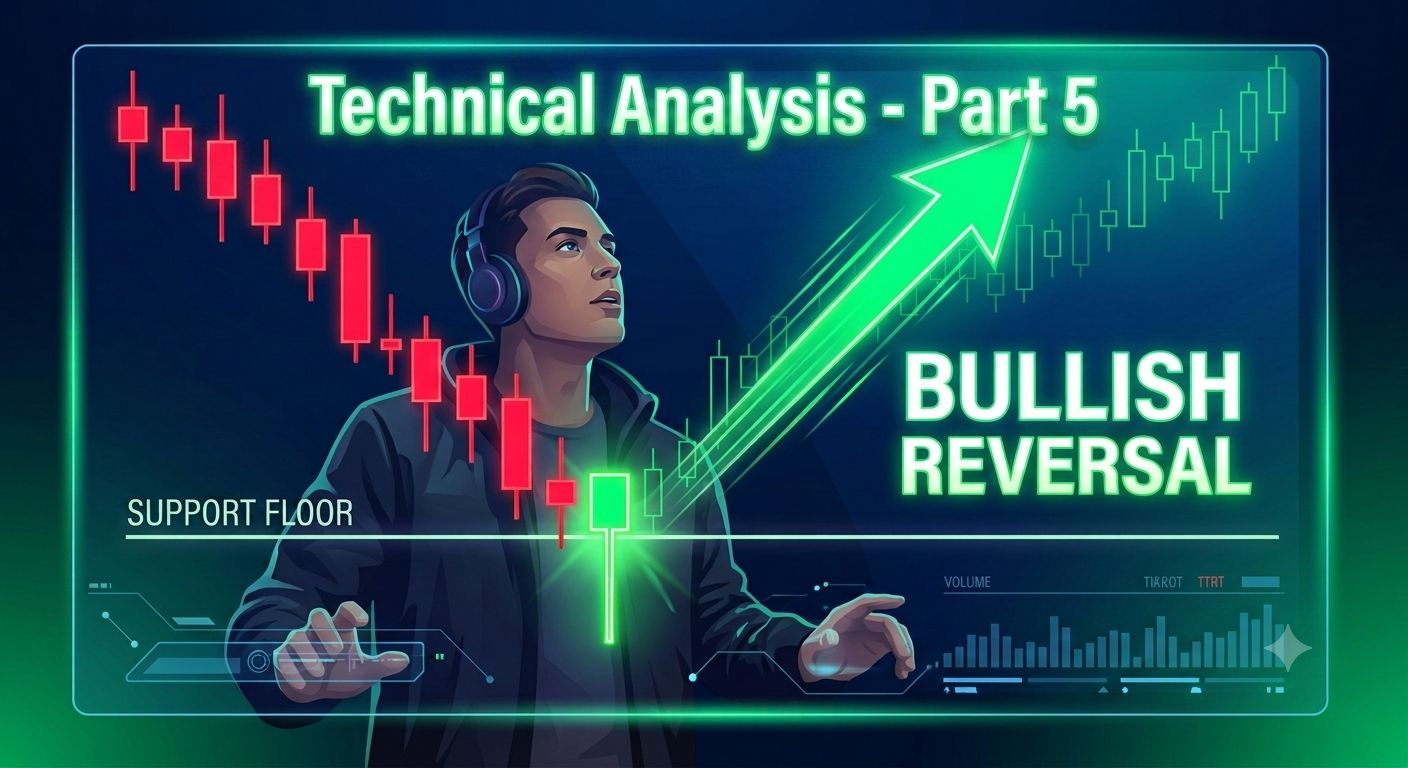
📊 Technical Analysis (Part 5): How I Ride the Market Momentum Using MACD 🎈🎈🎈
Understanding the direction of the market is good, but knowing the speed and strength of that move is where the real profit lies. In my trading journey, I discovered that prices can pump out of nowhere, but if there is no momentum behind it, it will crash quickly. The MACD indicator became my go-to tool to measure this hidden market strength.
Here is how I read the MACD indicator to find high-probability Spot setups:
🔴 i.Waiting for the Golden Crossover
The MACD consists of two moving lines (the MACD line and the Signal line). When the faster line crosses ABOVE the slower line from the bottom, it triggers a "Bullish Crossover". I treat this as a strong signal that buying momentum is entering the market, making it a safe zone to look for Spot entries.
🔴 ii.Reading the Histogram Bars
Below the lines, there are vertical bars called the Histogram. When these bars turn bright green and start growing taller, it shows me that the buyers are in full control and the upward speed is increasing. If the bars turn red and shrink, it warns me that the pump is losing fuel.
🔴 iii.Avoiding the Traps of Late Entries
One major lesson I learned is never to enter a trade when the MACD lines are already too high or the green bars are starting to flatten out. That means the momentum is exhausted. Buying early during a fresh crossover on a 4H or 1D chart is how I protect my capital and capture steady gains.
💡 Let's Chat: Do you combine the MACD with the RSI to double-check your trades, or do you use it alone? What has been your experience? Talk below! 👇 🌹🌹
💥Disclaimer: Not financial advice. Educational only. DYOR.
#TechnicalAnalysis #macdindicator #MarketMomentum #BinanceSquare #Educational $BNB $BTC $SOL
{spot}(BNBUSDT)
📊 Technical Analysis (Part 5): How I Ride the Market Momentum Using MACD 🎈🎈🎈
Understanding the direction of the market is good, but knowing the speed and strength of that move is where the real profit lies. In my trading journey, I discovered that prices can pump out of nowhere, but if there is no momentum behind it, it will crash quickly. The MACD indicator became my go-to tool to measure this hidden market strength.
Here is how I read the MACD indicator to find high-probability Spot setups:
🔴 i.Waiting for the Golden Crossover
The MACD consists of two moving lines (the MACD line and the Signal line). When the faster line crosses ABOVE the slower line from the bottom, it triggers a "Bullish Crossover". I treat this as a strong signal that buying momentum is entering the market, making it a safe zone to look for Spot entries.
🔴 ii.Reading the Histogram Bars
Below the lines, there are vertical bars called the Histogram. When these bars turn bright green and start growing taller, it shows me that the buyers are in full control and the upward speed is increasing. If the bars turn red and shrink, it warns me that the pump is losing fuel.
🔴 iii.Avoiding the Traps of Late Entries
One major lesson I learned is never to enter a trade when the MACD lines are already too high or the green bars are starting to flatten out. That means the momentum is exhausted. Buying early during a fresh crossover on a 4H or 1D chart is how I protect my capital and capture steady gains.
💡 Let's Chat: Do you combine the MACD with the RSI to double-check your trades, or do you use it alone? What has been your experience? Talk below! 👇 🌹🌹
💥Disclaimer: Not financial advice. Educational only. DYOR.
#TechnicalAnalysis #macdindicator #MarketMomentum #BinanceSquare #Educational $BNB $BTC $SOL
Understanding the direction of the market is good, but knowing the speed and strength of that move is where the real profit lies. In my trading journey, I discovered that prices can pump out of nowhere, but if there is no momentum behind it, it will crash quickly. The MACD indicator became my go-to tool to measure this hidden market strength.
Here is how I read the MACD indicator to find high-probability Spot setups:
🔴 i.Waiting for the Golden Crossover
The MACD consists of two moving lines (the MACD line and the Signal line). When the faster line crosses ABOVE the slower line from the bottom, it triggers a "Bullish Crossover". I treat this as a strong signal that buying momentum is entering the market, making it a safe zone to look for Spot entries.
🔴 ii.Reading the Histogram Bars
Below the lines, there are vertical bars called the Histogram. When these bars turn bright green and start growing taller, it shows me that the buyers are in full control and the upward speed is increasing. If the bars turn red and shrink, it warns me that the pump is losing fuel.
🔴 iii.Avoiding the Traps of Late Entries
One major lesson I learned is never to enter a trade when the MACD lines are already too high or the green bars are starting to flatten out. That means the momentum is exhausted. Buying early during a fresh crossover on a 4H or 1D chart is how I protect my capital and capture steady gains.
💡 Let's Chat: Do you combine the MACD with the RSI to double-check your trades, or do you use it alone? What has been your experience? Talk below! 👇 🌹🌹
💥Disclaimer: Not financial advice. Educational only. DYOR.
#TechnicalAnalysis #macdindicator #MarketMomentum #BinanceSquare #Educational $BNB $BTC $SOL
1
117

·
--
💡 Market Order vs. Limit Order: The Best Lesson I Learned as a Beginner! 🧐
When I made my first trade on Binance with $5, I had to understand how to buy and sell crypto properly. As a beginner, understanding orders is the most important step!
Here is what I learned in simple terms:
🟢 1. Market Order (Quick & Easy)
I used this to BUY my $BNB. It executes instantly at the best available price in the market. It's perfect when you want to get into a coin right away without waiting!
🔴 2. Limit Order (Smart & Patient)
I used this to set my SELL target for BNB at $600. It allows you to set your own price. The trade will ONLY execute when the market price touches your target.
Why I love Limit Orders:
Best of all, I don't need to stare at the charts 24/7! Even if I am sleeping or offline, Binance will automatically sell and lock in my profits. 🧠✨
If you are a beginner, always practice using Limit Orders to manage your risk and targets.
Which one do you use the most? Market or Limit? Let me know in the comments! 👇
👉 Don't forget to FOLLOW me for more real beginner trading tips!
#BinanceSquare #CryptoTips #TradingBasics #BNB #Write2Earn #Educational
💡 Market Order vs. Limit Order: The Best Lesson I Learned as a Beginner! 🧐
When I made my first trade on Binance with $5, I had to understand how to buy and sell crypto properly. As a beginner, understanding orders is the most important step!
Here is what I learned in simple terms:
🟢 1. Market Order (Quick & Easy)
I used this to BUY my $BNB. It executes instantly at the best available price in the market. It's perfect when you want to get into a coin right away without waiting!
🔴 2. Limit Order (Smart & Patient)
I used this to set my SELL target for BNB at $600. It allows you to set your own price. The trade will ONLY execute when the market price touches your target.
Why I love Limit Orders:
Best of all, I don't need to stare at the charts 24/7! Even if I am sleeping or offline, Binance will automatically sell and lock in my profits. 🧠✨
If you are a beginner, always practice using Limit Orders to manage your risk and targets.
Which one do you use the most? Market or Limit? Let me know in the comments! 👇
👉 Don't forget to FOLLOW me for more real beginner trading tips!
#BinanceSquare #CryptoTips #TradingBasics #BNB #Write2Earn #Educational
When I made my first trade on Binance with $5, I had to understand how to buy and sell crypto properly. As a beginner, understanding orders is the most important step!
Here is what I learned in simple terms:
🟢 1. Market Order (Quick & Easy)
I used this to BUY my $BNB. It executes instantly at the best available price in the market. It's perfect when you want to get into a coin right away without waiting!
🔴 2. Limit Order (Smart & Patient)
I used this to set my SELL target for BNB at $600. It allows you to set your own price. The trade will ONLY execute when the market price touches your target.
Why I love Limit Orders:
Best of all, I don't need to stare at the charts 24/7! Even if I am sleeping or offline, Binance will automatically sell and lock in my profits. 🧠✨
If you are a beginner, always practice using Limit Orders to manage your risk and targets.
Which one do you use the most? Market or Limit? Let me know in the comments! 👇
👉 Don't forget to FOLLOW me for more real beginner trading tips!
#BinanceSquare #CryptoTips #TradingBasics #BNB #Write2Earn #Educational
91

📚 What Are Smart Contracts: Self-Executing Code on the Blockchain
On July 23, 2026, smart contracts power everything from DeFi lending to NFT marketplaces. A smart contract is code deployed on a blockchain that automatically executes when predefined conditions are met — no middleman required.
Once deployed, smart contracts run exactly as programmed and cannot be modified (unless upgradeability features were built in). This immutability is both their greatest strength and a potential risk if the code contains bugs.
Smart contracts enable trustless agreements where outcomes are determined by code rather than human discretion, reducing counterparty risk.
📌 Key Takeaway:
Smart contracts are self-executing blockchain programs that automate agreements without intermediaries — they run exactly as coded, immutably.
#SmartContracts #BlockchainTech #Educational
#BinanceAlphaAlert
📚 What Are Smart Contracts: Self-Executing Code on the Blockchain
On July 23, 2026, smart contracts power everything from DeFi lending to NFT marketplaces. A smart contract is code deployed on a blockchain that automatically executes when predefined conditions are met — no middleman required.
Once deployed, smart contracts run exactly as programmed and cannot be modified (unless upgradeability features were built in). This immutability is both their greatest strength and a potential risk if the code contains bugs.
Smart contracts enable trustless agreements where outcomes are determined by code rather than human discretion, reducing counterparty risk.
📌 Key Takeaway:
Smart contracts are self-executing blockchain programs that automate agreements without intermediaries — they run exactly as coded, immutably.
#SmartContracts #BlockchainTech #Educational
#BinanceAlphaAlert
On July 23, 2026, smart contracts power everything from DeFi lending to NFT marketplaces. A smart contract is code deployed on a blockchain that automatically executes when predefined conditions are met — no middleman required.
Once deployed, smart contracts run exactly as programmed and cannot be modified (unless upgradeability features were built in). This immutability is both their greatest strength and a potential risk if the code contains bugs.
Smart contracts enable trustless agreements where outcomes are determined by code rather than human discretion, reducing counterparty risk.
📌 Key Takeaway:
Smart contracts are self-executing blockchain programs that automate agreements without intermediaries — they run exactly as coded, immutably.
#SmartContracts #BlockchainTech #Educational
#BinanceAlphaAlert
42
📚 How to Research a Crypto Project: Due Diligence Checklist for New Investors
On July 4, 2026, with 17,387 coins tracked, knowing how to research projects is essential. Start with the whitepaper — does it solve a real problem? Then check the team, tokenomics, and community.
Data sources like CoinGecko provide key metrics: market cap ($2.26T), volume ($64.58B), and price action. For Bitcoin $BTC at $62,612, the fundamentals are well-established. For smaller projects, deeper digging is needed.
Look at: GitHub activity (are developers building?), token distribution (is it centralized?), and real users (not just bots). If a project's only narrative is 'price go up,' it's a speculation, not an investment.
📌 Key Takeaway:
Due diligence separates informed investors from gamblers. Whitepaper + team + tokenomics + community + usage = the five pillars of crypto research.
#CryptoResearch #DYOR #Educational
#BinanceAlphaAlert
📚 How to Research a Crypto Project: Due Diligence Checklist for New Investors
On July 4, 2026, with 17,387 coins tracked, knowing how to research projects is essential. Start with the whitepaper — does it solve a real problem? Then check the team, tokenomics, and community.
Data sources like CoinGecko provide key metrics: market cap ($2.26T), volume ($64.58B), and price action. For Bitcoin $BTC at $62,612, the fundamentals are well-established. For smaller projects, deeper digging is needed.
Look at: GitHub activity (are developers building?), token distribution (is it centralized?), and real users (not just bots). If a project's only narrative is 'price go up,' it's a speculation, not an investment.
📌 Key Takeaway:
Due diligence separates informed investors from gamblers. Whitepaper + team + tokenomics + community + usage = the five pillars of crypto research.
#CryptoResearch #DYOR #Educational
#BinanceAlphaAlert
On July 4, 2026, with 17,387 coins tracked, knowing how to research projects is essential. Start with the whitepaper — does it solve a real problem? Then check the team, tokenomics, and community.
Data sources like CoinGecko provide key metrics: market cap ($2.26T), volume ($64.58B), and price action. For Bitcoin $BTC at $62,612, the fundamentals are well-established. For smaller projects, deeper digging is needed.
Look at: GitHub activity (are developers building?), token distribution (is it centralized?), and real users (not just bots). If a project's only narrative is 'price go up,' it's a speculation, not an investment.
📌 Key Takeaway:
Due diligence separates informed investors from gamblers. Whitepaper + team + tokenomics + community + usage = the five pillars of crypto research.
#CryptoResearch #DYOR #Educational
#BinanceAlphaAlert
92
📚 What Is Staking: Earning Passive Income on Your Crypto Holdings
On July 4, 2026, many cryptocurrencies offer staking rewards. Staking is the process of locking up your coins to help validate transactions on a proof-of-stake blockchain. In return, you earn rewards — typically 3-20% annually.
Ethereum $ETH transitioned to proof-of-stake, allowing holders to earn rewards. Solana $SOL also offers staking. The trade-off: your coins are locked for a period and can't be traded during that time.
Staking is a popular strategy for long-term holders who want to generate yield without selling their positions. However, staking rewards are not guaranteed and depend on network participation rates.
📌 Key Takeaway:
Staking lets your crypto work for you, generating yield while you hold. The trade-off is liquidity — locked coins can't be sold during market volatility.
#Staking #PassiveIncome #Educational
#BinanceAlphaAlert
📚 What Is Staking: Earning Passive Income on Your Crypto Holdings
On July 4, 2026, many cryptocurrencies offer staking rewards. Staking is the process of locking up your coins to help validate transactions on a proof-of-stake blockchain. In return, you earn rewards — typically 3-20% annually.
Ethereum $ETH transitioned to proof-of-stake, allowing holders to earn rewards. Solana $SOL also offers staking. The trade-off: your coins are locked for a period and can't be traded during that time.
Staking is a popular strategy for long-term holders who want to generate yield without selling their positions. However, staking rewards are not guaranteed and depend on network participation rates.
📌 Key Takeaway:
Staking lets your crypto work for you, generating yield while you hold. The trade-off is liquidity — locked coins can't be sold during market volatility.
#Staking #PassiveIncome #Educational
#BinanceAlphaAlert
On July 4, 2026, many cryptocurrencies offer staking rewards. Staking is the process of locking up your coins to help validate transactions on a proof-of-stake blockchain. In return, you earn rewards — typically 3-20% annually.
Ethereum $ETH transitioned to proof-of-stake, allowing holders to earn rewards. Solana $SOL also offers staking. The trade-off: your coins are locked for a period and can't be traded during that time.
Staking is a popular strategy for long-term holders who want to generate yield without selling their positions. However, staking rewards are not guaranteed and depend on network participation rates.
📌 Key Takeaway:
Staking lets your crypto work for you, generating yield while you hold. The trade-off is liquidity — locked coins can't be sold during market volatility.
#Staking #PassiveIncome #Educational
#BinanceAlphaAlert
42
🛡️ Private Keys and Seed Phrases: Security 101 for Crypto Users
On July 23, 2026, with billions flowing through crypto every day, understanding private keys is the most important security lesson. A private key is a cryptographic secret that proves ownership of blockchain assets — whoever holds the key controls the funds.
Seed phrases (also called recovery phrases) are human-readable representations of your private key, typically 12 or 24 words. Losing your seed phrase means losing access forever — there is no password reset, no customer support recovery.
Never share your private key or seed phrase with anyone. Legitimate services will never ask for them. Write them down on paper and store them in a secure offline location.
📌 Key Takeaway:
Your private key is the ultimate control over your crypto assets — losing it means permanent loss, and sharing it means giving away ownership.
#PrivateKeys #CryptoSecurity #Educational
#BinanceAlphaAlert
🛡️ Private Keys and Seed Phrases: Security 101 for Crypto Users
On July 23, 2026, with billions flowing through crypto every day, understanding private keys is the most important security lesson. A private key is a cryptographic secret that proves ownership of blockchain assets — whoever holds the key controls the funds.
Seed phrases (also called recovery phrases) are human-readable representations of your private key, typically 12 or 24 words. Losing your seed phrase means losing access forever — there is no password reset, no customer support recovery.
Never share your private key or seed phrase with anyone. Legitimate services will never ask for them. Write them down on paper and store them in a secure offline location.
📌 Key Takeaway:
Your private key is the ultimate control over your crypto assets — losing it means permanent loss, and sharing it means giving away ownership.
#PrivateKeys #CryptoSecurity #Educational
#BinanceAlphaAlert
On July 23, 2026, with billions flowing through crypto every day, understanding private keys is the most important security lesson. A private key is a cryptographic secret that proves ownership of blockchain assets — whoever holds the key controls the funds.
Seed phrases (also called recovery phrases) are human-readable representations of your private key, typically 12 or 24 words. Losing your seed phrase means losing access forever — there is no password reset, no customer support recovery.
Never share your private key or seed phrase with anyone. Legitimate services will never ask for them. Write them down on paper and store them in a secure offline location.
📌 Key Takeaway:
Your private key is the ultimate control over your crypto assets — losing it means permanent loss, and sharing it means giving away ownership.
#PrivateKeys #CryptoSecurity #Educational
#BinanceAlphaAlert
44
·
--
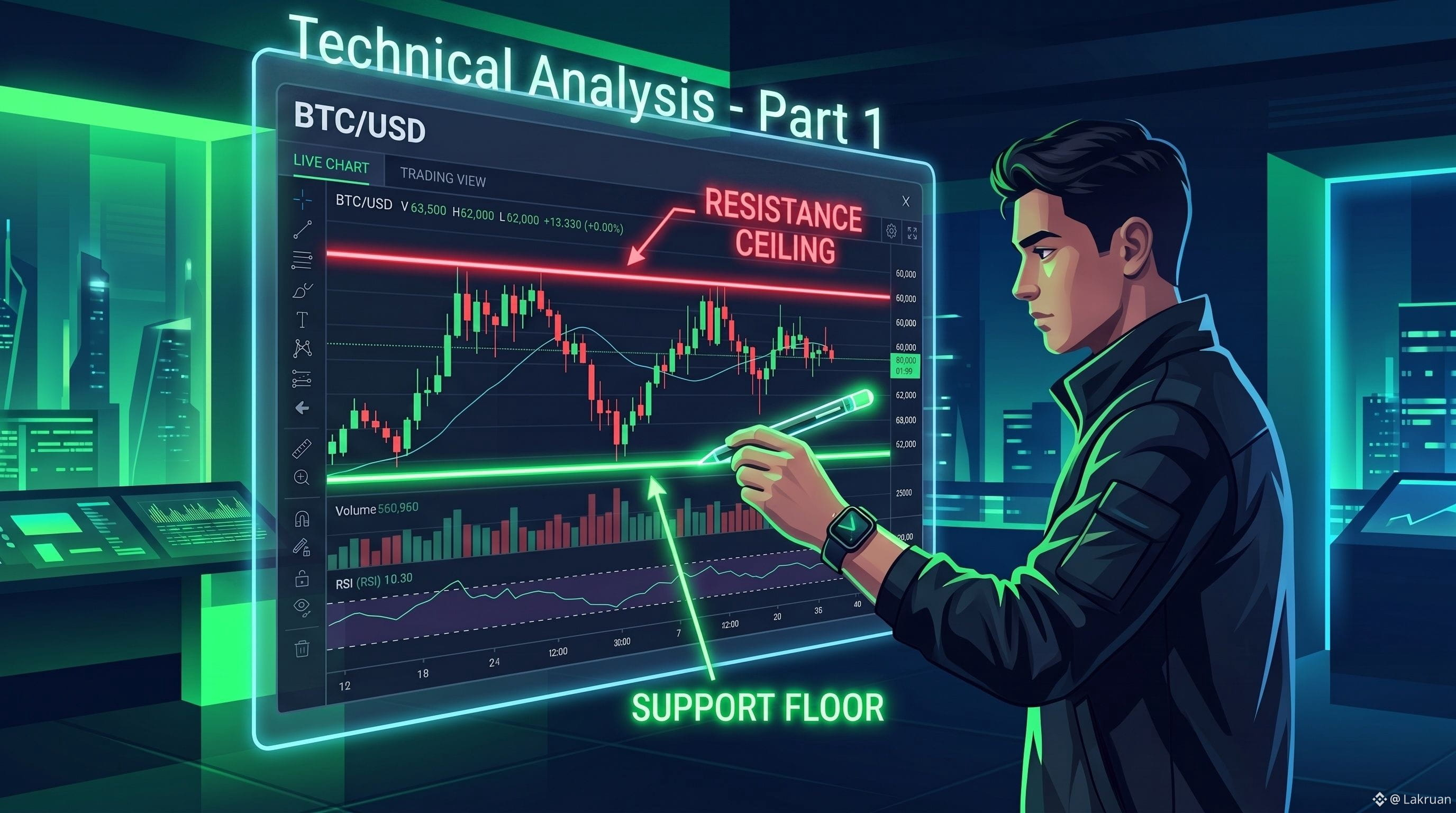
📊 Technical Analysis (Part 1): How I Find Support & Resistance Levels.📌️📌️📌️
When I first started chart analysis, I thought technical analysis was about using complex indicators. Later, I realized that understanding price action through Support and Resistance is the actual foundation of successful trading. It shows me exactly where big institutional buyers and sellers are waiting.
Here is how I identify and use these core key levels in my daily trades:
🔴 I.Support is My Safety Floor
Support is a price level where a downtrend tends to pause due to a concentration of buying interest. I view it as a floor; whenever the price drops to this key area, buyers step in, and the price bounces back up. This is where I look for potential long entries.
🔴 II.Resistance is My Ceiling
Resistance is the opposite of support. It is a price level where an uptrend pauses because selling pressure outweighs buying pressure. I treat it like a ceiling; when the price hits this level, it struggles to break higher. This is where I look to lock in my profits.
🔴 III.Broken Floors Become New Ceilings
One of the most powerful lessons I learned is that once a support level breaks down, it often turns into a new resistance level. Watching this structural flip on higher timeframes (like 4H or 1D) helps me stay on the right side of the market trend.
💡 Let's Chat: Do you use Support and Resistance in your trading plan, or do you rely on indicators? What is your favorite timeframe to draw these lines? Share below! 👇 🌹🌹
💥Disclaimer: Not financial advice. Educational only. DYOR.
#TechnicalAnalysis #SupportAndResistances #PriceAction #TradingTips #Educational
$BNB $BTC $SOL
{spot}(BNBUSDT)
📊 Technical Analysis (Part 1): How I Find Support & Resistance Levels.📌️📌️📌️
When I first started chart analysis, I thought technical analysis was about using complex indicators. Later, I realized that understanding price action through Support and Resistance is the actual foundation of successful trading. It shows me exactly where big institutional buyers and sellers are waiting.
Here is how I identify and use these core key levels in my daily trades:
🔴 I.Support is My Safety Floor
Support is a price level where a downtrend tends to pause due to a concentration of buying interest. I view it as a floor; whenever the price drops to this key area, buyers step in, and the price bounces back up. This is where I look for potential long entries.
🔴 II.Resistance is My Ceiling
Resistance is the opposite of support. It is a price level where an uptrend pauses because selling pressure outweighs buying pressure. I treat it like a ceiling; when the price hits this level, it struggles to break higher. This is where I look to lock in my profits.
🔴 III.Broken Floors Become New Ceilings
One of the most powerful lessons I learned is that once a support level breaks down, it often turns into a new resistance level. Watching this structural flip on higher timeframes (like 4H or 1D) helps me stay on the right side of the market trend.
💡 Let's Chat: Do you use Support and Resistance in your trading plan, or do you rely on indicators? What is your favorite timeframe to draw these lines? Share below! 👇 🌹🌹
💥Disclaimer: Not financial advice. Educational only. DYOR.
#TechnicalAnalysis #SupportAndResistances #PriceAction #TradingTips #Educational
$BNB $BTC $SOL
When I first started chart analysis, I thought technical analysis was about using complex indicators. Later, I realized that understanding price action through Support and Resistance is the actual foundation of successful trading. It shows me exactly where big institutional buyers and sellers are waiting.
Here is how I identify and use these core key levels in my daily trades:
🔴 I.Support is My Safety Floor
Support is a price level where a downtrend tends to pause due to a concentration of buying interest. I view it as a floor; whenever the price drops to this key area, buyers step in, and the price bounces back up. This is where I look for potential long entries.
🔴 II.Resistance is My Ceiling
Resistance is the opposite of support. It is a price level where an uptrend pauses because selling pressure outweighs buying pressure. I treat it like a ceiling; when the price hits this level, it struggles to break higher. This is where I look to lock in my profits.
🔴 III.Broken Floors Become New Ceilings
One of the most powerful lessons I learned is that once a support level breaks down, it often turns into a new resistance level. Watching this structural flip on higher timeframes (like 4H or 1D) helps me stay on the right side of the market trend.
💡 Let's Chat: Do you use Support and Resistance in your trading plan, or do you rely on indicators? What is your favorite timeframe to draw these lines? Share below! 👇 🌹🌹
💥Disclaimer: Not financial advice. Educational only. DYOR.
#TechnicalAnalysis #SupportAndResistances #PriceAction #TradingTips #Educational
$BNB $BTC $SOL
2
133
📚 How Crypto Wallets Work: Hot Wallets vs Cold Storage Explained
On July 4, 2026, with total crypto value at $2.26T, understanding wallet security is essential. A crypto wallet stores your private keys — the password that proves ownership of your coins on the blockchain.
Hot wallets (connected to internet) are convenient for active trading but vulnerable to hacks. Cold wallets (offline, like hardware devices) are more secure but less convenient for frequent transactions.
The golden rule: never store significant amounts in hot wallets. Bitcoin $BTC at $62,612 should be kept in cold storage for long-term holding, with only trading amounts in hot wallets.
📌 Key Takeaway:
Your crypto is only as secure as your wallet setup. Hot wallets for trading, cold storage for holding, and never share your private keys with anyone.
#CryptoWallet #Security #Educational
#BinanceAlphaAlert
📚 How Crypto Wallets Work: Hot Wallets vs Cold Storage Explained
On July 4, 2026, with total crypto value at $2.26T, understanding wallet security is essential. A crypto wallet stores your private keys — the password that proves ownership of your coins on the blockchain.
Hot wallets (connected to internet) are convenient for active trading but vulnerable to hacks. Cold wallets (offline, like hardware devices) are more secure but less convenient for frequent transactions.
The golden rule: never store significant amounts in hot wallets. Bitcoin $BTC at $62,612 should be kept in cold storage for long-term holding, with only trading amounts in hot wallets.
📌 Key Takeaway:
Your crypto is only as secure as your wallet setup. Hot wallets for trading, cold storage for holding, and never share your private keys with anyone.
#CryptoWallet #Security #Educational
#BinanceAlphaAlert
On July 4, 2026, with total crypto value at $2.26T, understanding wallet security is essential. A crypto wallet stores your private keys — the password that proves ownership of your coins on the blockchain.
Hot wallets (connected to internet) are convenient for active trading but vulnerable to hacks. Cold wallets (offline, like hardware devices) are more secure but less convenient for frequent transactions.
The golden rule: never store significant amounts in hot wallets. Bitcoin $BTC at $62,612 should be kept in cold storage for long-term holding, with only trading amounts in hot wallets.
📌 Key Takeaway:
Your crypto is only as secure as your wallet setup. Hot wallets for trading, cold storage for holding, and never share your private keys with anyone.
#CryptoWallet #Security #Educational
#BinanceAlphaAlert
44
₿ What is Bitcoin: The World's First Decentralized Digital Currency
On July 21, 2026, understanding the fundamentals of Bitcoin $BTC is essential for any crypto participant. Created in 2009 by the pseudonymous Satoshi Nakamoto, the asset introduced the world to blockchain technology and decentralized money.
Key concepts include proof-of-work mining, the 21 million supply cap, and peer-to-peer transactions without intermediaries. These properties make the asset a unique store of value in the digital age.
The current price of $65,472 and market cap of $1.31T reflect its status as the largest digital asset.
📌 Key Takeaway:
Bitcoin's innovation lies in its ability to enable trustless, peer-to-peer digital transactions without intermediaries.
#Bitcoin #CryptoEducation #Educational
#BinanceAlphaAlert
₿ What is Bitcoin: The World's First Decentralized Digital Currency
On July 21, 2026, understanding the fundamentals of Bitcoin $BTC is essential for any crypto participant. Created in 2009 by the pseudonymous Satoshi Nakamoto, the asset introduced the world to blockchain technology and decentralized money.
Key concepts include proof-of-work mining, the 21 million supply cap, and peer-to-peer transactions without intermediaries. These properties make the asset a unique store of value in the digital age.
The current price of $65,472 and market cap of $1.31T reflect its status as the largest digital asset.
📌 Key Takeaway:
Bitcoin's innovation lies in its ability to enable trustless, peer-to-peer digital transactions without intermediaries.
#Bitcoin #CryptoEducation #Educational
#BinanceAlphaAlert
On July 21, 2026, understanding the fundamentals of Bitcoin $BTC is essential for any crypto participant. Created in 2009 by the pseudonymous Satoshi Nakamoto, the asset introduced the world to blockchain technology and decentralized money.
Key concepts include proof-of-work mining, the 21 million supply cap, and peer-to-peer transactions without intermediaries. These properties make the asset a unique store of value in the digital age.
The current price of $65,472 and market cap of $1.31T reflect its status as the largest digital asset.
📌 Key Takeaway:
Bitcoin's innovation lies in its ability to enable trustless, peer-to-peer digital transactions without intermediaries.
#Bitcoin #CryptoEducation #Educational
#BinanceAlphaAlert
21

·
--
Article
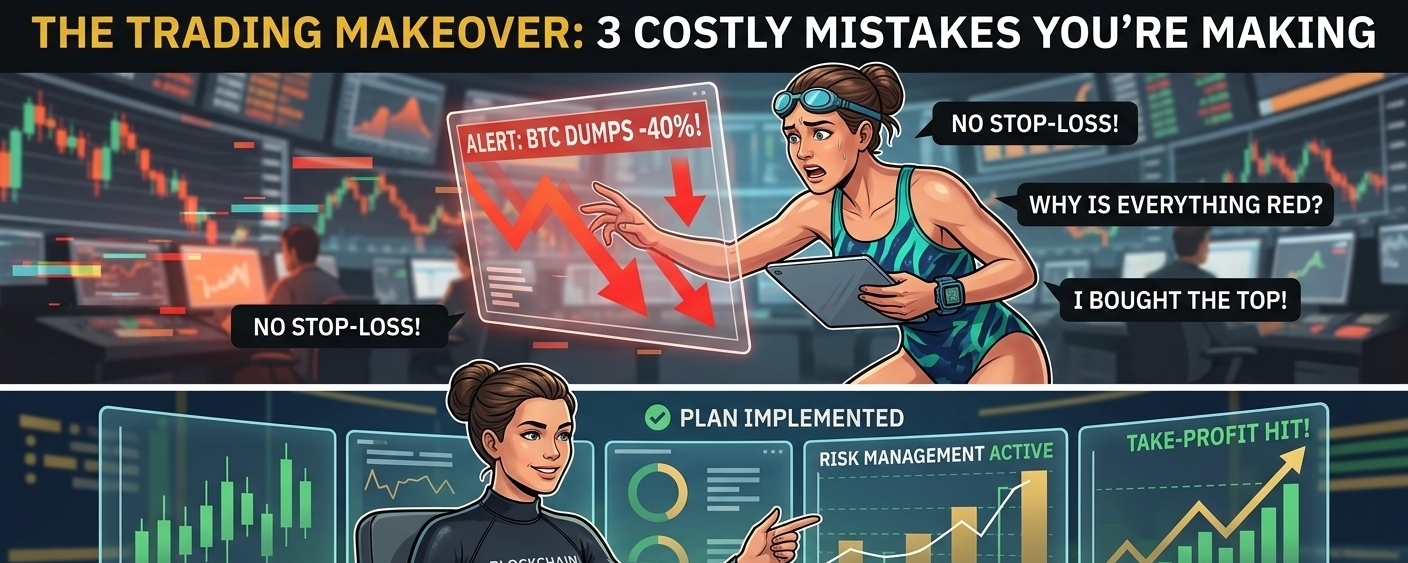
🚀 3 Costly Mistakes 90% of Crypto Traders Make (And How to Fix Them)Whether you’ve been in the market for years or just made your first trade last week, one truth remains: The market doesn't care about your feelings.
Every bull run creates stories of massive gains, but every cycle also wipes out accounts because traders repeat the exact same errors.
If you want to survive the volatility and actually keep your profits, stop making these 3 critical mistakes today 👇
### 1. Buying the "Green Candle" (FOMO Trading)
We’ve all been there: You open your app, see a token surging +45% in 24 hours, and your brain instantly thinks, "If I don't buy now, I'll miss out!"
* The Reality: By the time a token is trending at top gainers, early buyers and whales are already looking for an exit strategy. You become their exit liquidity.
* The Fix: Never chase a parabolic move. Wait for a healthy retracement to a key support level, or look for consolidation before placing an entry. If you missed the pump, let it go. There is always another opportunity in crypto.
### 2. Trading Without a Risk Management Plan
Entering a trade without a defined Stop-Loss (SL) and Take-Profit (TP) is not trading—it’s gambling.
> 💡 Golden Rule: Never risk more than 1% to 2% of your total portfolio on a single trade.
>
* The Reality: Holding a losing position hoping it "comes back" often turns a minor 5% loss into a 60% account wipeout.
* The Fix: Set your SL before you open the position. Decide your exit point when your mind is calm, not when red candles are flashing and panic sets in.
### 3. Ignoring Market Sentiment & BTC Dominance
Trading altcoins while ignoring Bitcoin ($BTC) is like sailing in a storm without checking the weather forecast.
* The Reality: Bitcoin dictates the macro direction of the entire market. When $BTC experiences a sharp sell-off, even the strongest altcoins usually drop with it.
* The Fix: Before opening any altcoin trade, check:
1. BTC Trend (Is it bullish, bearish, or ranging?)
2. BTC Dominance (BTC.D) (Is capital flowing into Bitcoin or altcoins?)
### 💡 Final Thought
Trading is not about being right 100% of the time. It is about managing risk so that your wins outweigh your losses over the long run.
Protect your capital, control your emotions, and let the market come to you.
💬 What’s the biggest trading mistake you’ve learned from in your crypto journey? Let’s discuss in the comments below! 👇
🔥 Enjoyed this breakdown? Hit the "Follow" button for daily market insights, trading strategies, and risk management tips!
#Crypto #tradingtips #bitcoin #BinanceSquare #Educational
🚀 3 Costly Mistakes 90% of Crypto Traders Make (And How to Fix Them)
Whether you’ve been in the market for years or just made your first trade last week, one truth remains: The market doesn't care about your feelings.
Every bull run creates stories of massive gains, but every cycle also wipes out accounts because traders repeat the exact same errors.
If you want to survive the volatility and actually keep your profits, stop making these 3 critical mistakes today 👇
### 1. Buying the "Green Candle" (FOMO Trading)
We’ve all been there: You open your app, see a token surging +45% in 24 hours, and your brain instantly thinks, "If I don't buy now, I'll miss out!"
* The Reality: By the time a token is trending at top gainers, early buyers and whales are already looking for an exit strategy. You become their exit liquidity.
* The Fix: Never chase a parabolic move. Wait for a healthy retracement to a key support level, or look for consolidation before placing an entry. If you missed the pump, let it go. There is always another opportunity in crypto.
### 2. Trading Without a Risk Management Plan
Entering a trade without a defined Stop-Loss (SL) and Take-Profit (TP) is not trading—it’s gambling.
> 💡 Golden Rule: Never risk more than 1% to 2% of your total portfolio on a single trade.
>
* The Reality: Holding a losing position hoping it "comes back" often turns a minor 5% loss into a 60% account wipeout.
* The Fix: Set your SL before you open the position. Decide your exit point when your mind is calm, not when red candles are flashing and panic sets in.
### 3. Ignoring Market Sentiment & BTC Dominance
Trading altcoins while ignoring Bitcoin ($BTC ) is like sailing in a storm without checking the weather forecast.
* The Reality: Bitcoin dictates the macro direction of the entire market. When $BTC experiences a sharp sell-off, even the strongest altcoins usually drop with it.
* The Fix: Before opening any altcoin trade, check:
1. BTC Trend (Is it bullish, bearish, or ranging?)
2. BTC Dominance (BTC.D) (Is capital flowing into Bitcoin or altcoins?)
### 💡 Final Thought
Trading is not about being right 100% of the time. It is about managing risk so that your wins outweigh your losses over the long run.
Protect your capital, control your emotions, and let the market come to you.
💬 What’s the biggest trading mistake you’ve learned from in your crypto journey? Let’s discuss in the comments below! 👇
🔥 Enjoyed this breakdown? Hit the "Follow" button for daily market insights, trading strategies, and risk management tips!
#Crypto #tradingtips #bitcoin #BinanceSquare #Educational
Every bull run creates stories of massive gains, but every cycle also wipes out accounts because traders repeat the exact same errors.
If you want to survive the volatility and actually keep your profits, stop making these 3 critical mistakes today 👇
### 1. Buying the "Green Candle" (FOMO Trading)
We’ve all been there: You open your app, see a token surging +45% in 24 hours, and your brain instantly thinks, "If I don't buy now, I'll miss out!"
* The Reality: By the time a token is trending at top gainers, early buyers and whales are already looking for an exit strategy. You become their exit liquidity.
* The Fix: Never chase a parabolic move. Wait for a healthy retracement to a key support level, or look for consolidation before placing an entry. If you missed the pump, let it go. There is always another opportunity in crypto.
### 2. Trading Without a Risk Management Plan
Entering a trade without a defined Stop-Loss (SL) and Take-Profit (TP) is not trading—it’s gambling.
> 💡 Golden Rule: Never risk more than 1% to 2% of your total portfolio on a single trade.
>
* The Reality: Holding a losing position hoping it "comes back" often turns a minor 5% loss into a 60% account wipeout.
* The Fix: Set your SL before you open the position. Decide your exit point when your mind is calm, not when red candles are flashing and panic sets in.
### 3. Ignoring Market Sentiment & BTC Dominance
Trading altcoins while ignoring Bitcoin ($BTC ) is like sailing in a storm without checking the weather forecast.
* The Reality: Bitcoin dictates the macro direction of the entire market. When $BTC experiences a sharp sell-off, even the strongest altcoins usually drop with it.
* The Fix: Before opening any altcoin trade, check:
1. BTC Trend (Is it bullish, bearish, or ranging?)
2. BTC Dominance (BTC.D) (Is capital flowing into Bitcoin or altcoins?)
### 💡 Final Thought
Trading is not about being right 100% of the time. It is about managing risk so that your wins outweigh your losses over the long run.
Protect your capital, control your emotions, and let the market come to you.
💬 What’s the biggest trading mistake you’ve learned from in your crypto journey? Let’s discuss in the comments below! 👇
🔥 Enjoyed this breakdown? Hit the "Follow" button for daily market insights, trading strategies, and risk management tips!
#Crypto #tradingtips #bitcoin #BinanceSquare #Educational
89
💰 What is Market Cap: Understanding a Key Crypto Metric
On July 21, 2026, the total crypto market cap stands at $2.32T, but what exactly does this number mean? Market capitalization is calculated by multiplying a token's price by its circulating supply.
This metric helps investors compare the relative size of different assets. Bitcoin $BTC dominates with 56.54% of the total while Ethereum $ETH accounts for 9.99%.
Market cap is a useful tool for sizing positions and understanding the overall market structure.
📌 Key Takeaway:
Market capitalization is a fundamental metric for comparing asset sizes and understanding market structure in crypto.
#MarketCap #CryptoBasics #Educational
#BinanceAlphaAlert
💰 What is Market Cap: Understanding a Key Crypto Metric
On July 21, 2026, the total crypto market cap stands at $2.32T, but what exactly does this number mean? Market capitalization is calculated by multiplying a token's price by its circulating supply.
This metric helps investors compare the relative size of different assets. Bitcoin $BTC dominates with 56.54% of the total while Ethereum $ETH accounts for 9.99%.
Market cap is a useful tool for sizing positions and understanding the overall market structure.
📌 Key Takeaway:
Market capitalization is a fundamental metric for comparing asset sizes and understanding market structure in crypto.
#MarketCap #CryptoBasics #Educational
#BinanceAlphaAlert
On July 21, 2026, the total crypto market cap stands at $2.32T, but what exactly does this number mean? Market capitalization is calculated by multiplying a token's price by its circulating supply.
This metric helps investors compare the relative size of different assets. Bitcoin $BTC dominates with 56.54% of the total while Ethereum $ETH accounts for 9.99%.
Market cap is a useful tool for sizing positions and understanding the overall market structure.
📌 Key Takeaway:
Market capitalization is a fundamental metric for comparing asset sizes and understanding market structure in crypto.
#MarketCap #CryptoBasics #Educational
#BinanceAlphaAlert
37

·
--
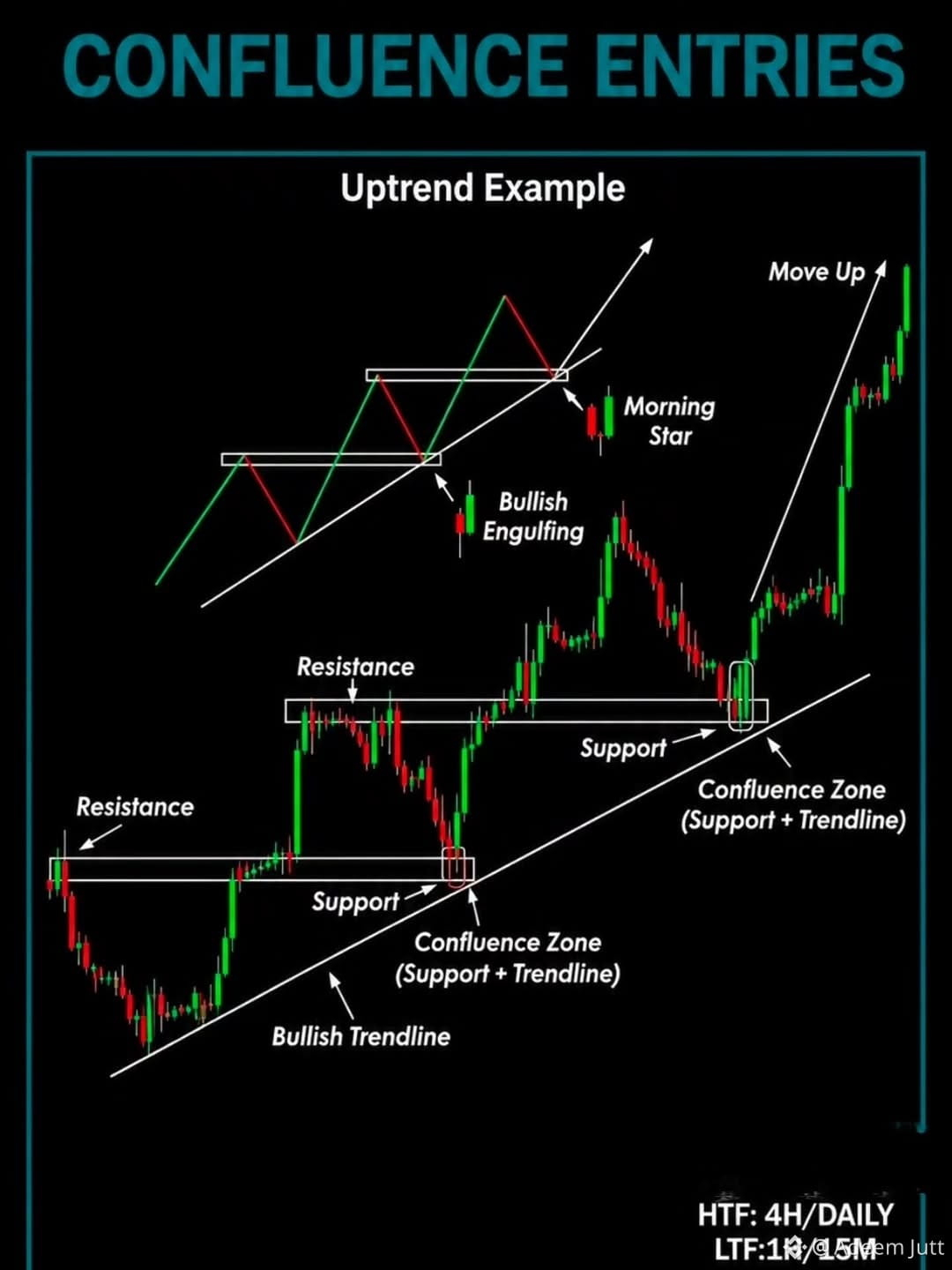
The 1% Secret: Stop Chasing Pumps and Start Trading "Confluence Zones" 🎯
Retail traders buy on a single hunch and get liquidated. Elite traders wait for Confluence—where multiple technical setups line up at the exact same price level to create a high-probability entry.
If you want to trade like the smart money, memorize this 4-step blueprint:
Step 1: Trend is Your Friend (HTF): Use the 4H/Daily charts to find the macro direction. Draw your Bullish Trendline.
Step 2: The Flip: Wait for the price to break above a major Resistance level. Don't FOMO. Wait for it to pull back and flip into Support.
Step 3: The Confluence Zone: Find the exact sweet spot where your Bullish Trendline intersects with the Horizontal Support. This creates a double floor that sellers struggle to break.
Step 4: The Sniper Trigger (LTF): Zoom into the 1H/15M charts. Don't front-run the market; wait for confirmation. Look for bullish reversal patterns like a Bullish Engulfing or a Morning Star right on the zone before executing.
Stop catching falling knives. Wait for the market structure to align, stack your probabilities, and execute with precision.
What is your go-to confirmation indicator before entering a trade? Let me know in the comments! 👇
$BANANAS31 $ZEN $ZEC
{spot}(ZECUSDT)
{spot}(ZENUSDT)
{spot}(BANANAS31USDT)
#CryptoTrading #TechnicalAnalysis #TradingTips #BinanceSquare #educational
The 1% Secret: Stop Chasing Pumps and Start Trading "Confluence Zones" 🎯
Retail traders buy on a single hunch and get liquidated. Elite traders wait for Confluence—where multiple technical setups line up at the exact same price level to create a high-probability entry.
If you want to trade like the smart money, memorize this 4-step blueprint:
Step 1: Trend is Your Friend (HTF): Use the 4H/Daily charts to find the macro direction. Draw your Bullish Trendline.
Step 2: The Flip: Wait for the price to break above a major Resistance level. Don't FOMO. Wait for it to pull back and flip into Support.
Step 3: The Confluence Zone: Find the exact sweet spot where your Bullish Trendline intersects with the Horizontal Support. This creates a double floor that sellers struggle to break.
Step 4: The Sniper Trigger (LTF): Zoom into the 1H/15M charts. Don't front-run the market; wait for confirmation. Look for bullish reversal patterns like a Bullish Engulfing or a Morning Star right on the zone before executing.
Stop catching falling knives. Wait for the market structure to align, stack your probabilities, and execute with precision.
What is your go-to confirmation indicator before entering a trade? Let me know in the comments! 👇
$BANANAS31 $ZEN $ZEC
#CryptoTrading #TechnicalAnalysis #TradingTips #BinanceSquare #educational
Retail traders buy on a single hunch and get liquidated. Elite traders wait for Confluence—where multiple technical setups line up at the exact same price level to create a high-probability entry.
If you want to trade like the smart money, memorize this 4-step blueprint:
Step 1: Trend is Your Friend (HTF): Use the 4H/Daily charts to find the macro direction. Draw your Bullish Trendline.
Step 2: The Flip: Wait for the price to break above a major Resistance level. Don't FOMO. Wait for it to pull back and flip into Support.
Step 3: The Confluence Zone: Find the exact sweet spot where your Bullish Trendline intersects with the Horizontal Support. This creates a double floor that sellers struggle to break.
Step 4: The Sniper Trigger (LTF): Zoom into the 1H/15M charts. Don't front-run the market; wait for confirmation. Look for bullish reversal patterns like a Bullish Engulfing or a Morning Star right on the zone before executing.
Stop catching falling knives. Wait for the market structure to align, stack your probabilities, and execute with precision.
What is your go-to confirmation indicator before entering a trade? Let me know in the comments! 👇
$BANANAS31 $ZEN $ZEC
#CryptoTrading #TechnicalAnalysis #TradingTips #BinanceSquare #educational
2
3
417

·
--
Baissier
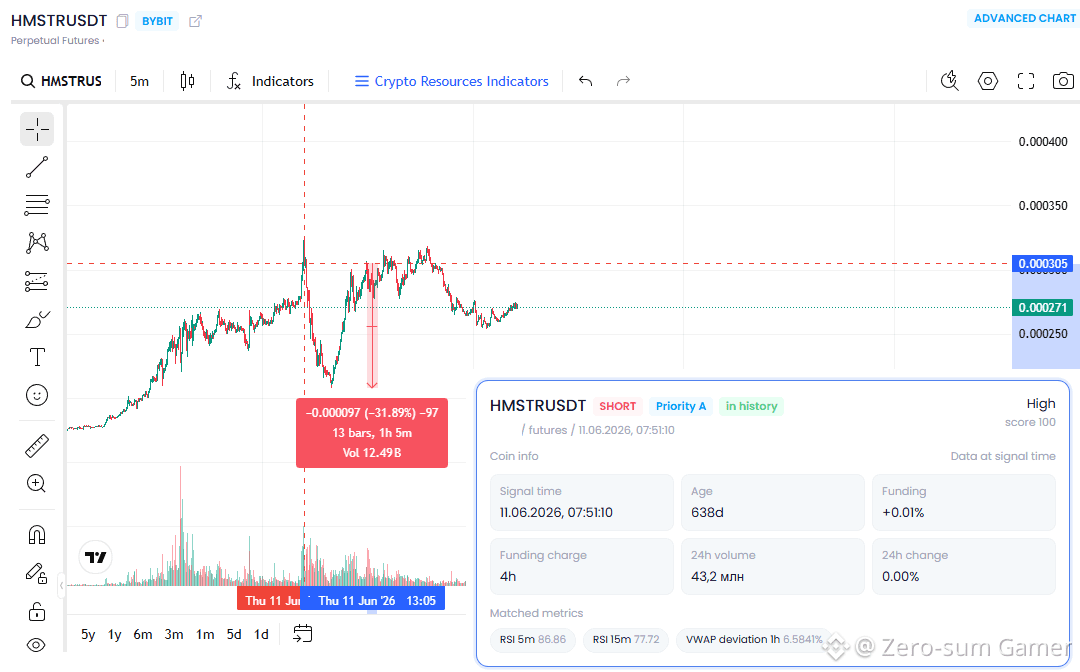
⚡️ $HMSTR : pump exhaustion before a sharp downside reaction
$HMSTR had already moved up almost 80% in 24h. Open interest more than doubled over the same period, which means a lot of leverage had been added into an already stretched move.
This is where the market structure became interesting.
Trap Radar PRO highlighted the pump exhaustion zone on #HMSTRUSDT. From the outside, the candle still looked strong. Under the hood, the setup was changing: OI started to pull back from the local high, volume expanded hard, and 5m CVD shifted toward sellers.
👀 What lined up
1️⃣ Pump: price was up almost 80% in 24h.
2️⃣ Leverage: OI more than doubled in 24h.
3️⃣ Exhaustion: 5m OI was already almost -2% from the high.
4️⃣ Volume: 5m volume was more than x5.6 above baseline.
5️⃣ CVD: 5m flow shifted toward sellers.
💥 What happened next
After that zone, price moved lower and the downside reaction reached almost 32%.
The useful part of this case is what happened before the red candle: leverage was loaded, shorts had already been squeezed, volume spiked, and OI started leaving the market.
A pump can still look strong on the chart while the internal metrics are already showing exhaustion.
Educational market case.
#trapradar #educational
⚡️ $HMSTR : pump exhaustion before a sharp downside reaction
$HMSTR had already moved up almost 80% in 24h. Open interest more than doubled over the same period, which means a lot of leverage had been added into an already stretched move.
This is where the market structure became interesting.
Trap Radar PRO highlighted the pump exhaustion zone on #HMSTRUSDT. From the outside, the candle still looked strong. Under the hood, the setup was changing: OI started to pull back from the local high, volume expanded hard, and 5m CVD shifted toward sellers.
👀 What lined up
1️⃣ Pump: price was up almost 80% in 24h.
2️⃣ Leverage: OI more than doubled in 24h.
3️⃣ Exhaustion: 5m OI was already almost -2% from the high.
4️⃣ Volume: 5m volume was more than x5.6 above baseline.
5️⃣ CVD: 5m flow shifted toward sellers.
💥 What happened next
After that zone, price moved lower and the downside reaction reached almost 32%.
The useful part of this case is what happened before the red candle: leverage was loaded, shorts had already been squeezed, volume spiked, and OI started leaving the market.
A pump can still look strong on the chart while the internal metrics are already showing exhaustion.
Educational market case.
#trapradar #educational
$HMSTR had already moved up almost 80% in 24h. Open interest more than doubled over the same period, which means a lot of leverage had been added into an already stretched move.
This is where the market structure became interesting.
Trap Radar PRO highlighted the pump exhaustion zone on #HMSTRUSDT. From the outside, the candle still looked strong. Under the hood, the setup was changing: OI started to pull back from the local high, volume expanded hard, and 5m CVD shifted toward sellers.
👀 What lined up
1️⃣ Pump: price was up almost 80% in 24h.
2️⃣ Leverage: OI more than doubled in 24h.
3️⃣ Exhaustion: 5m OI was already almost -2% from the high.
4️⃣ Volume: 5m volume was more than x5.6 above baseline.
5️⃣ CVD: 5m flow shifted toward sellers.
💥 What happened next
After that zone, price moved lower and the downside reaction reached almost 32%.
The useful part of this case is what happened before the red candle: leverage was loaded, shorts had already been squeezed, volume spiked, and OI started leaving the market.
A pump can still look strong on the chart while the internal metrics are already showing exhaustion.
Educational market case.
#trapradar #educational
2
279

·
--
Haussier
Title: 💡 Golden Rule for Crypto Beginners: Risk Management First! 🚀
The crypto market is exciting, but volatility can be challenging. If you are just starting your crypto journey, remember this: Never invest more than you can afford to lose.
Before chasing 100x gains, focus on protecting your capital:
Do Your Own Research (DYOR): Don't buy based on hype. Understand the project behind the coin.
Start Small: Use features like Binance Mock Trading to practice without real risk.
Diversify: Don't put all your eggs in one basket.
What is the best crypto advice you received when you started? Share your thoughts below! 👇
#CryptoForBeginners #BinanceSquareTalks eSquare #educational tional #dyor OR #RiskManagement anagement
$SPCXB
Title: 💡 Golden Rule for Crypto Beginners: Risk Management First! 🚀
The crypto market is exciting, but volatility can be challenging. If you are just starting your crypto journey, remember this: Never invest more than you can afford to lose.
Before chasing 100x gains, focus on protecting your capital:
Do Your Own Research (DYOR): Don't buy based on hype. Understand the project behind the coin.
Start Small: Use features like Binance Mock Trading to practice without real risk.
Diversify: Don't put all your eggs in one basket.
What is the best crypto advice you received when you started? Share your thoughts below! 👇
#CryptoForBeginners #BinanceSquareTalks eSquare #educational tional #dyor OR #RiskManagement anagement
$SPCXB
The crypto market is exciting, but volatility can be challenging. If you are just starting your crypto journey, remember this: Never invest more than you can afford to lose.
Before chasing 100x gains, focus on protecting your capital:
Do Your Own Research (DYOR): Don't buy based on hype. Understand the project behind the coin.
Start Small: Use features like Binance Mock Trading to practice without real risk.
Diversify: Don't put all your eggs in one basket.
What is the best crypto advice you received when you started? Share your thoughts below! 👇
#CryptoForBeginners #BinanceSquareTalks eSquare #educational tional #dyor OR #RiskManagement anagement
$SPCXB
118
📚 Understanding Trading Volume: Why Volume Matters More Than Price
On July 4, 2026, total 24h volume reached $64.58B. Trading volume measures the total value of assets traded in a period. High volume confirms price moves are legitimate; low volume suggests they may be temporary.
For example, Bitcoin $BTC at $62,612 with $25.18B in volume is more significant than the same price with $2.52B in volume. Volume validates price discovery.
Volume leaders today: $USDT ($42.60B), Bitcoin $BTC ($25.18B), and Ethereum $ETH ($9.50B). Tracking volume trends helps identify where smart money is flowing.
📌 Key Takeaway:
Volume is the truth serum of price action. High volume + price up = genuine buying. Low volume + price up = potential manipulation or temporary move.
#TradingVolume #TechnicalAnalysis #Educational
#BinanceAlphaAlert
📚 Understanding Trading Volume: Why Volume Matters More Than Price
On July 4, 2026, total 24h volume reached $64.58B. Trading volume measures the total value of assets traded in a period. High volume confirms price moves are legitimate; low volume suggests they may be temporary.
For example, Bitcoin $BTC at $62,612 with $25.18B in volume is more significant than the same price with $2.52B in volume. Volume validates price discovery.
Volume leaders today: $USDT ($42.60B), Bitcoin $BTC ($25.18B), and Ethereum $ETH ($9.50B). Tracking volume trends helps identify where smart money is flowing.
📌 Key Takeaway:
Volume is the truth serum of price action. High volume + price up = genuine buying. Low volume + price up = potential manipulation or temporary move.
#TradingVolume #TechnicalAnalysis #Educational
#BinanceAlphaAlert
On July 4, 2026, total 24h volume reached $64.58B. Trading volume measures the total value of assets traded in a period. High volume confirms price moves are legitimate; low volume suggests they may be temporary.
For example, Bitcoin $BTC at $62,612 with $25.18B in volume is more significant than the same price with $2.52B in volume. Volume validates price discovery.
Volume leaders today: $USDT ($42.60B), Bitcoin $BTC ($25.18B), and Ethereum $ETH ($9.50B). Tracking volume trends helps identify where smart money is flowing.
📌 Key Takeaway:
Volume is the truth serum of price action. High volume + price up = genuine buying. Low volume + price up = potential manipulation or temporary move.
#TradingVolume #TechnicalAnalysis #Educational
#BinanceAlphaAlert
30
📚 What Is a Rug Pull: How to Spot and Avoid Crypto Scams
On July 4, 2026, with 17,387 coins tracked, unfortunately not all are legitimate. A rug pull is when developers create a project, attract investment, then disappear with the funds.
Red flags to watch: anonymous team (no real identities), locked liquidity that's actually unlockable, suspicious token distribution (team holds 90%+), and promises of guaranteed returns.
Legitimate projects like Bitcoin $BTC, Ethereum $ETH, and Solana $SOL have transparent teams, audited code, and years of track record. Always verify before investing in newer projects.
📌 Key Takeaway:
Rug pulls are the dark side of crypto's permissionless innovation. The best defense: verify team identity, check liquidity locks, and trust audited projects.
#CryptoScams #RugPull #Educational
#BinanceAlphaAlert
📚 What Is a Rug Pull: How to Spot and Avoid Crypto Scams
On July 4, 2026, with 17,387 coins tracked, unfortunately not all are legitimate. A rug pull is when developers create a project, attract investment, then disappear with the funds.
Red flags to watch: anonymous team (no real identities), locked liquidity that's actually unlockable, suspicious token distribution (team holds 90%+), and promises of guaranteed returns.
Legitimate projects like Bitcoin $BTC , Ethereum $ETH , and Solana $SOL have transparent teams, audited code, and years of track record. Always verify before investing in newer projects.
📌 Key Takeaway:
Rug pulls are the dark side of crypto's permissionless innovation. The best defense: verify team identity, check liquidity locks, and trust audited projects.
#CryptoScams #RugPull #Educational
#BinanceAlphaAlert
On July 4, 2026, with 17,387 coins tracked, unfortunately not all are legitimate. A rug pull is when developers create a project, attract investment, then disappear with the funds.
Red flags to watch: anonymous team (no real identities), locked liquidity that's actually unlockable, suspicious token distribution (team holds 90%+), and promises of guaranteed returns.
Legitimate projects like Bitcoin $BTC , Ethereum $ETH , and Solana $SOL have transparent teams, audited code, and years of track record. Always verify before investing in newer projects.
📌 Key Takeaway:
Rug pulls are the dark side of crypto's permissionless innovation. The best defense: verify team identity, check liquidity locks, and trust audited projects.
#CryptoScams #RugPull #Educational
#BinanceAlphaAlert
19
Connectez-vous pour découvrir plus de contenu
Rejoignez la communauté mondiale des adeptes de cryptomonnaies sur Binance Square
⚡️ Suviez les dernières informations importantes sur les cryptomonnaies.
💬 Jugé digne de confiance par la plus grande plateforme d’échange de cryptomonnaies au monde.
👍 Découvrez les connaissances que partagent les créateurs vérifiés.
Adresse e-mail/Nº de téléphone
Sujets d’actualité
1
#BitcoinParesGainsAfterRallyTo$86.5K
19,702 vues
81 mentions
2
#CerebrasSinksNearly20%OnReportNvidiaToPowerOpenAI
34,402 vues
453 mentions
3
#SECProposesCryptoCustodyRules
64,120 vues
630 mentions
4
#SECApproves3xLongCryptoCommodityETPs
46,408 vues
484 mentions
5
#MASKHitsRecordMarketCapAbove$35M
1,331 vues
27 mentions
6
#G7PlansToReleaseUpTo100MBarrelsOilDiesel
38,088 vues
459 mentions
7
#ICBASuesOCCOverCryptoBankCharters
29,582 vues
331 mentions
8
#USStocksCloseHigherOnWeakJobsData
29,483 vues
252 mentions
9
#AnchorageReportedlyCuts17%Workforce
7,473 vues
99 mentions
10
#NFPWatch
11M vues
19,794 mentions