
#web3
web3
50.9M vues
301,418 mentions
Populaire
Récents


·
--
🚀 DES ALPHA COINS QUI AFFICHENT UNE FORTE ACCÉLÉRATION 🔥
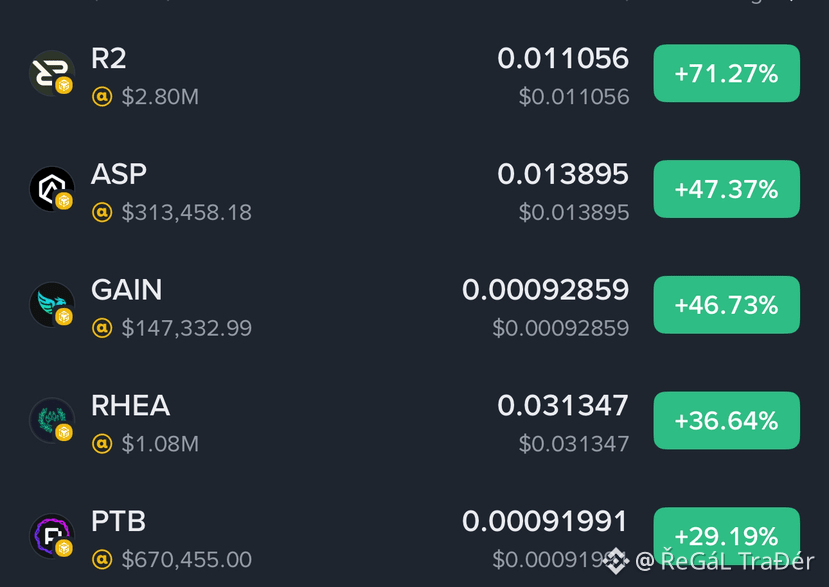
Le marché surveille de près ces alpha coins $R2, $ASP, $GAIN, $RHEA et $PTB alors qu’ils délivrent d’impressionnants mouvements à court terme.
📈 $R2 : +71,27%
📈 $ASP : +47,37%
📈 $GAIN.US : +46,73%
📈 $RHEA: +36,64%
📈 $PTB: +29,19%
Ces pépites à faible capitalisation peuvent créer des opportunités en peu de temps, mais n’oubliez pas — un potentiel plus élevé s’accompagne aussi d’une volatilité et d’un risque plus importants.
Les traders avisés surveillent le volume, l’élan (momentum) et le sentiment du marché avant de se lancer.
Quel alpha coin regardez-vous ensuite ? 👀
#crypto #altcoins #AlphaCoins #SaylorHintsStrategyBitcoinBuy #Web3
{stock_us}(GAIN.US)
{alpha}(560x223a20e1b83aa3832e78d4b7b132df022e739222)
🚀 DES ALPHA COINS QUI AFFICHENT UNE FORTE ACCÉLÉRATION 🔥
Le marché surveille de près ces alpha coins $R2 , $ASP , $GAIN, $RHEA et $PTB alors qu’ils délivrent d’impressionnants mouvements à court terme.
📈 $R2 : +71,27%
📈 $ASP : +47,37%
📈 $GAIN.US : +46,73%
📈 $RHEA: +36,64%
📈 $PTB: +29,19%
Ces pépites à faible capitalisation peuvent créer des opportunités en peu de temps, mais n’oubliez pas — un potentiel plus élevé s’accompagne aussi d’une volatilité et d’un risque plus importants.
Les traders avisés surveillent le volume, l’élan (momentum) et le sentiment du marché avant de se lancer.
Quel alpha coin regardez-vous ensuite ? 👀
#crypto #altcoins #AlphaCoins #SaylorHintsStrategyBitcoinBuy #Web3
Le marché surveille de près ces alpha coins $R2 , $ASP , $GAIN, $RHEA et $PTB alors qu’ils délivrent d’impressionnants mouvements à court terme.
📈 $R2 : +71,27%
📈 $ASP : +47,37%
📈 $GAIN.US : +46,73%
📈 $RHEA: +36,64%
📈 $PTB: +29,19%
Ces pépites à faible capitalisation peuvent créer des opportunités en peu de temps, mais n’oubliez pas — un potentiel plus élevé s’accompagne aussi d’une volatilité et d’un risque plus importants.
Les traders avisés surveillent le volume, l’élan (momentum) et le sentiment du marché avant de se lancer.
Quel alpha coin regardez-vous ensuite ? 👀
#crypto #altcoins #AlphaCoins #SaylorHintsStrategyBitcoinBuy #Web3
793

·
--
📊 MISE À JOUR DU MARCHÉ SOLANA (SOL)
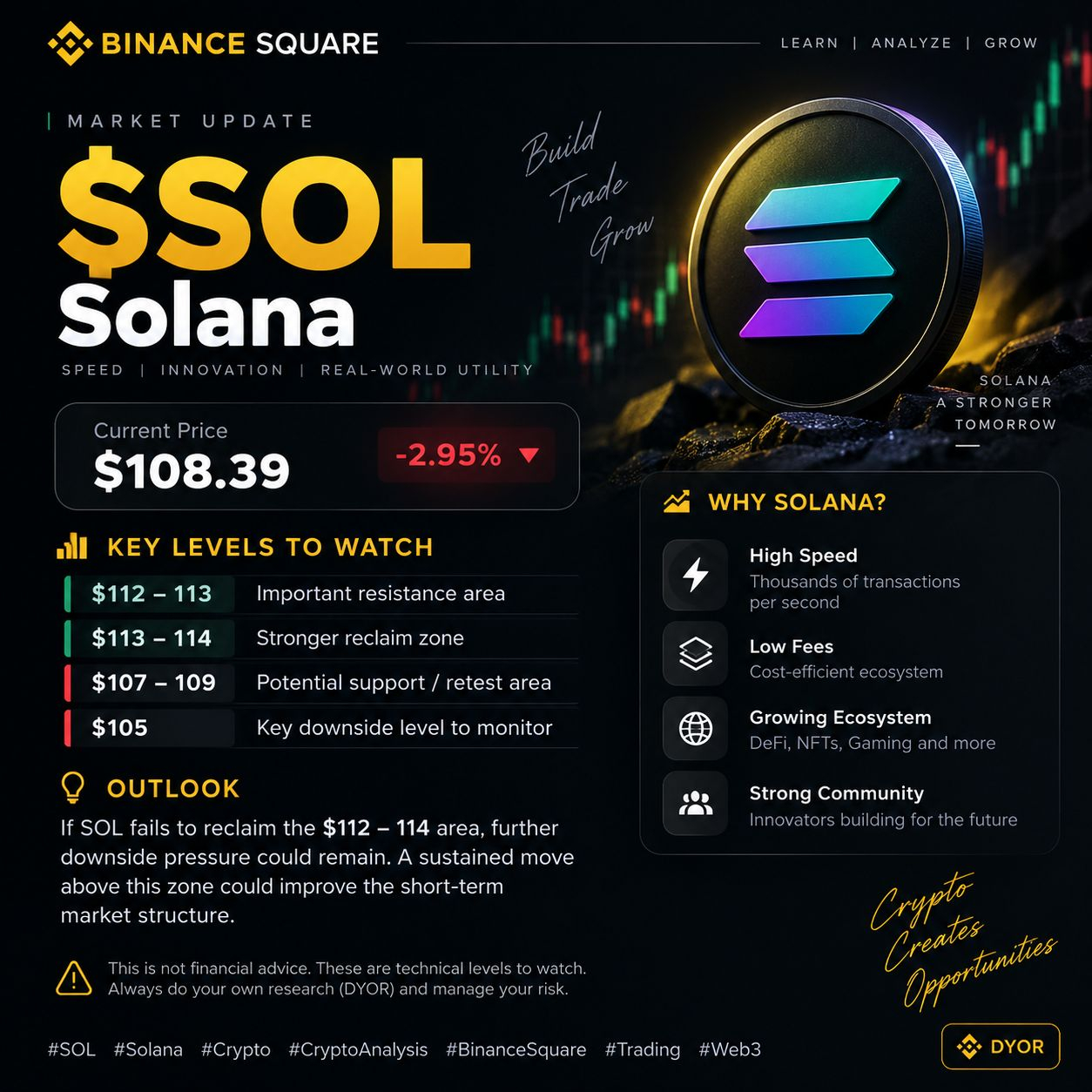
$SOL évolue actuellement autour de 108,39 $, en baisse de 2,95 %.
🔎 Niveaux clés à surveiller :
🟢 112–113 $ — Zone de résistance importante
🟢 113–114 $ — Zone de reprise plus solide
🔴 107–109 $ — Zone de support / retest potentielle
🔴 105 $ — Niveau clé à la baisse
📈 Perspectives de marché
Si $SOL parvient à reprendre et à tenir au-dessus de la zone 112–114 $, la structure à court terme pourrait s’améliorer.
Si SOL échoue à reprendre cette zone, la pression vendeuse pourrait se poursuivre, avec 107–109 $ puis 105 $ comme niveaux à surveiller.
#Solana #Crypto #CryptoAnalysis #BinanceSquare #Web3 $SOL
📊 MISE À JOUR DU MARCHÉ SOLANA (SOL)
$SOL évolue actuellement autour de 108,39 $, en baisse de 2,95 %.
🔎 Niveaux clés à surveiller :
🟢 112–113 $ — Zone de résistance importante
🟢 113–114 $ — Zone de reprise plus solide
🔴 107–109 $ — Zone de support / retest potentielle
🔴 105 $ — Niveau clé à la baisse
📈 Perspectives de marché
Si $SOL parvient à reprendre et à tenir au-dessus de la zone 112–114 $, la structure à court terme pourrait s’améliorer.
Si SOL échoue à reprendre cette zone, la pression vendeuse pourrait se poursuivre, avec 107–109 $ puis 105 $ comme niveaux à surveiller.
#Solana #Crypto #CryptoAnalysis #BinanceSquare #Web3 $SOL
$SOL évolue actuellement autour de 108,39 $, en baisse de 2,95 %.
🔎 Niveaux clés à surveiller :
🟢 112–113 $ — Zone de résistance importante
🟢 113–114 $ — Zone de reprise plus solide
🔴 107–109 $ — Zone de support / retest potentielle
🔴 105 $ — Niveau clé à la baisse
📈 Perspectives de marché
Si $SOL parvient à reprendre et à tenir au-dessus de la zone 112–114 $, la structure à court terme pourrait s’améliorer.
Si SOL échoue à reprendre cette zone, la pression vendeuse pourrait se poursuivre, avec 107–109 $ puis 105 $ comme niveaux à surveiller.
#Solana #Crypto #CryptoAnalysis #BinanceSquare #Web3 $SOL
130

Voir la traduction
🚨 $GEMINI VALUATION CRASHES 80% AS RUMORS SWIRL AROUND A STRATEGIC REGULATORY PLAY! 🦈
Gemini's market cap has cratered to $753M following a brutal 66% drop in spot volume, leaving its underlying regulatory moat wide open for institutional interest. 📊 While platform trading revenue shrank significantly, the real value lies in their ironclad US licensing and custody infrastructure. 🔍
Speculation is building around protocols eyeing these compliance assets to bridge straight into traditional markets. 💡 With the founders holding 94.5% of the voting power, any deal demands a premium for their hard-to-replicate legal footprint. 💬 Would you back an acquisition narrative built purely on regulatory licenses? 👇
⚠️ Not financial advice. Always manage your risk. 🛡️
🏷️ #GEMINI #Crypto #Altcoins #Web3
🔥 💎
🚨 $GEMINI VALUATION CRASHES 80% AS RUMORS SWIRL AROUND A STRATEGIC REGULATORY PLAY! 🦈
Gemini's market cap has cratered to $753M following a brutal 66% drop in spot volume, leaving its underlying regulatory moat wide open for institutional interest. 📊 While platform trading revenue shrank significantly, the real value lies in their ironclad US licensing and custody infrastructure. 🔍
Speculation is building around protocols eyeing these compliance assets to bridge straight into traditional markets. 💡 With the founders holding 94.5% of the voting power, any deal demands a premium for their hard-to-replicate legal footprint. 💬 Would you back an acquisition narrative built purely on regulatory licenses? 👇
⚠️ Not financial advice. Always manage your risk. 🛡️
🏷️ #GEMINI #Crypto #Altcoins #Web3
🔥 💎
Gemini's market cap has cratered to $753M following a brutal 66% drop in spot volume, leaving its underlying regulatory moat wide open for institutional interest. 📊 While platform trading revenue shrank significantly, the real value lies in their ironclad US licensing and custody infrastructure. 🔍
Speculation is building around protocols eyeing these compliance assets to bridge straight into traditional markets. 💡 With the founders holding 94.5% of the voting power, any deal demands a premium for their hard-to-replicate legal footprint. 💬 Would you back an acquisition narrative built purely on regulatory licenses? 👇
⚠️ Not financial advice. Always manage your risk. 🛡️
🏷️ #GEMINI #Crypto #Altcoins #Web3
🔥 💎
6

Voir la traduction
A wallet’s seed phrase is the master key to its funds. Anyone who gets it can potentially control the assets, while losing it can make recovery impossible.
Store the phrase offline, never share it in messages or websites, and be cautious with anyone asking you to “verify” or “restore” your wallet. Legitimate wallet support will not need your seed phrase.
#CryptoSecurity #Bitcoin #Web3
A wallet’s seed phrase is the master key to its funds. Anyone who gets it can potentially control the assets, while losing it can make recovery impossible.
Store the phrase offline, never share it in messages or websites, and be cautious with anyone asking you to “verify” or “restore” your wallet. Legitimate wallet support will not need your seed phrase.
#CryptoSecurity #Bitcoin #Web3
Store the phrase offline, never share it in messages or websites, and be cautious with anyone asking you to “verify” or “restore” your wallet. Legitimate wallet support will not need your seed phrase.
#CryptoSecurity #Bitcoin #Web3
1

·
--
Voir la traduction
While everyone is chasing meme coins, the real tech builders are winning! 🚀
Polkadot ($DOT ) is quietly powering the multichain future. With Coretime & Agile Coretime live, $DOT is shifting from hype to massive real-world utility.
Is this the ultimate sleeper giant of the bull run? Drop your thoughts! 👇 #Polkadot #DOT #Crypto #Web3
{spot}(DOTUSDT)
While everyone is chasing meme coins, the real tech builders are winning! 🚀
Polkadot ($DOT ) is quietly powering the multichain future. With Coretime & Agile Coretime live, $DOT is shifting from hype to massive real-world utility.
Is this the ultimate sleeper giant of the bull run? Drop your thoughts! 👇 #Polkadot #DOT #Crypto #Web3
Polkadot ($DOT ) is quietly powering the multichain future. With Coretime & Agile Coretime live, $DOT is shifting from hype to massive real-world utility.
Is this the ultimate sleeper giant of the bull run? Drop your thoughts! 👇 #Polkadot #DOT #Crypto #Web3
33

🚨 $SOL: LE TEST DES 108
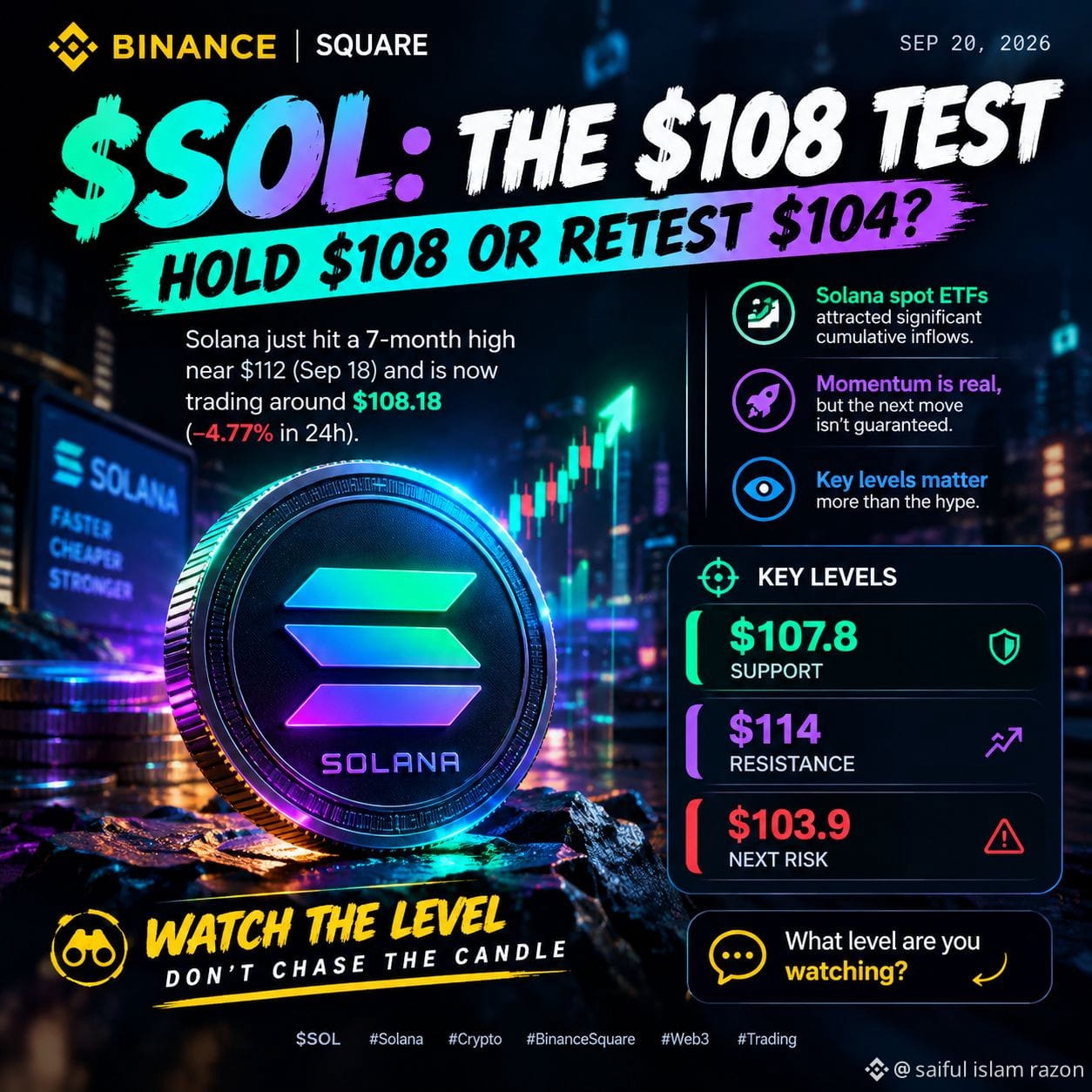
#Solana vient de toucher un plus haut sur 7 mois près de $112 — et maintenant la question clé est :
EST-CE QUE $108 PEUT TENIR ? 👀
Niveaux clés :
🟢 107,8 $ → Support
🔴 114 $ → Résistance
⚠️ 103,9 $ → Prochain niveau de baisse
#
{spot}(SOLUSDT)
SOL a une forte dynamique, mais courir après la bougie ici peut être risqué.
Je surveille la réaction autour de 108 $ avant de prendre une décision.
Pas de sensationnalisme. Juste des niveaux. 📊
Que surveilles-tu sur $SOL
#BinanceSquare #TradingSignal #Web3
🚨 $SOL : LE TEST DES 108
#Solana vient de toucher un plus haut sur 7 mois près de $112 — et maintenant la question clé est :
EST-CE QUE $108 PEUT TENIR ? 👀
Niveaux clés :
🟢 107,8 $ → Support
🔴 114 $ → Résistance
⚠️ 103,9 $ → Prochain niveau de baisse
#
SOL a une forte dynamique, mais courir après la bougie ici peut être risqué.
Je surveille la réaction autour de 108 $ avant de prendre une décision.
Pas de sensationnalisme. Juste des niveaux. 📊
Que surveilles-tu sur $SOL
#BinanceSquare #TradingSignal #Web3
#Solana vient de toucher un plus haut sur 7 mois près de $112 — et maintenant la question clé est :
EST-CE QUE $108 PEUT TENIR ? 👀
Niveaux clés :
🟢 107,8 $ → Support
🔴 114 $ → Résistance
⚠️ 103,9 $ → Prochain niveau de baisse
#
SOL a une forte dynamique, mais courir après la bougie ici peut être risqué.
Je surveille la réaction autour de 108 $ avant de prendre une décision.
Pas de sensationnalisme. Juste des niveaux. 📊
Que surveilles-tu sur $SOL
#BinanceSquare #TradingSignal #Web3
51

·
--
L’intégration de TONCO avec Omniston va au-delà du simple ajout de swaps inter-chaînes.
TONCO fournit une infrastructure DEX de liquidité concentrée.
STON.fi fournit une infrastructure de liquidité DeFi.
Omniston ajoute l’exécution de swaps inter-chaînes.
Cette intégration signifie que TONCO peut proposer des fonctionnalités inter-chaînes sans devoir construire toute l’infrastructure lui-même. Elle montre aussi comment l’infrastructure DeFi peut devenir composable, permettant aux DEX, aux wallets et autres applications de se connecter à des composants spécialisés plutôt que de tout reconstruire à partir de zéro.
L’idée plus vaste : des processus inter-chaînes complexes peuvent se dérouler en arrière-plan tandis que les utilisateurs bénéficient d’une expérience de trading plus simple. Pour les développeurs, une infrastructure réutilisable facilite l’ajout de fonctionnalités inter-chaînes et leur permet de se concentrer sur la valeur unique de leur produit.
#STONfi #Toncoin #web3 #DEFİ @stonfi $TON
L’intégration de TONCO avec Omniston va au-delà du simple ajout de swaps inter-chaînes.
TONCO fournit une infrastructure DEX de liquidité concentrée.
STON.fi fournit une infrastructure de liquidité DeFi.
Omniston ajoute l’exécution de swaps inter-chaînes.
Cette intégration signifie que TONCO peut proposer des fonctionnalités inter-chaînes sans devoir construire toute l’infrastructure lui-même. Elle montre aussi comment l’infrastructure DeFi peut devenir composable, permettant aux DEX, aux wallets et autres applications de se connecter à des composants spécialisés plutôt que de tout reconstruire à partir de zéro.
L’idée plus vaste : des processus inter-chaînes complexes peuvent se dérouler en arrière-plan tandis que les utilisateurs bénéficient d’une expérience de trading plus simple. Pour les développeurs, une infrastructure réutilisable facilite l’ajout de fonctionnalités inter-chaînes et leur permet de se concentrer sur la valeur unique de leur produit.
#STONfi #Toncoin #web3 #DEFİ @STONfi DEX $TON
TONCO fournit une infrastructure DEX de liquidité concentrée.
STON.fi fournit une infrastructure de liquidité DeFi.
Omniston ajoute l’exécution de swaps inter-chaînes.
Cette intégration signifie que TONCO peut proposer des fonctionnalités inter-chaînes sans devoir construire toute l’infrastructure lui-même. Elle montre aussi comment l’infrastructure DeFi peut devenir composable, permettant aux DEX, aux wallets et autres applications de se connecter à des composants spécialisés plutôt que de tout reconstruire à partir de zéro.
L’idée plus vaste : des processus inter-chaînes complexes peuvent se dérouler en arrière-plan tandis que les utilisateurs bénéficient d’une expérience de trading plus simple. Pour les développeurs, une infrastructure réutilisable facilite l’ajout de fonctionnalités inter-chaînes et leur permet de se concentrer sur la valeur unique de leur produit.
#STONfi #Toncoin #web3 #DEFİ @STONfi DEX $TON
54

💡 L’évolution de la valeur dans les écosystèmes Web3
Le succès dans l’univers des actifs numériques ne dépend plus seulement du timing du marché ; il s’agit surtout de comprendre l’utilité sous-jacente et les indicateurs d’écosystème.
Les fondamentaux du projet, la participation active des développeurs et la liquidité structurelle sont ce qui maintient les réseaux à travers différents cycles de marché. À mesure que les liquidations à court terme éliminent les positions fragiles, les capitaux à long terme trouvent de la valeur dans la résilience.
Dans un paysage alimenté par une innovation rapide, l’apprentissage continu et la conviction fondée sur les données constituent vos meilleurs atouts.
Partagez votre point de vue sur l’endroit où s’opère la prochaine bascule structurelle.
#Web3 #BlockchainTechnology #CryptoCommunity #FutureOfFinance
💡 L’évolution de la valeur dans les écosystèmes Web3
Le succès dans l’univers des actifs numériques ne dépend plus seulement du timing du marché ; il s’agit surtout de comprendre l’utilité sous-jacente et les indicateurs d’écosystème.
Les fondamentaux du projet, la participation active des développeurs et la liquidité structurelle sont ce qui maintient les réseaux à travers différents cycles de marché. À mesure que les liquidations à court terme éliminent les positions fragiles, les capitaux à long terme trouvent de la valeur dans la résilience.
Dans un paysage alimenté par une innovation rapide, l’apprentissage continu et la conviction fondée sur les données constituent vos meilleurs atouts.
Partagez votre point de vue sur l’endroit où s’opère la prochaine bascule structurelle.
#Web3 #BlockchainTechnology #CryptoCommunity #FutureOfFinance
Le succès dans l’univers des actifs numériques ne dépend plus seulement du timing du marché ; il s’agit surtout de comprendre l’utilité sous-jacente et les indicateurs d’écosystème.
Les fondamentaux du projet, la participation active des développeurs et la liquidité structurelle sont ce qui maintient les réseaux à travers différents cycles de marché. À mesure que les liquidations à court terme éliminent les positions fragiles, les capitaux à long terme trouvent de la valeur dans la résilience.
Dans un paysage alimenté par une innovation rapide, l’apprentissage continu et la conviction fondée sur les données constituent vos meilleurs atouts.
Partagez votre point de vue sur l’endroit où s’opère la prochaine bascule structurelle.
#Web3 #BlockchainTechnology #CryptoCommunity #FutureOfFinance
3
🚀 ÉCOSYSTÈME SIDRA — LA PROCHAINE ÉTAPE
SidraChain → SidraStart → SidraDEX
L’écosystème évolue vers une nouvelle phase axée sur le Mainnet, le trading sur DEX, la liquidité et la croissance de l’écosystème.
Restez à l’écoute pour les mises à jour officielles. Le prochain chapitre de Sidra se met en place.
#SidraChain #SidraStart #SidraDEX #SDA #Web3
$BNB
{future}(BNBUSDT)
$DOGE
{future}(DOGEUSDT)
$AMZNB
{spot}(AMZNBUSDT)
🚀 ÉCOSYSTÈME SIDRA — LA PROCHAINE ÉTAPE
SidraChain → SidraStart → SidraDEX
L’écosystème évolue vers une nouvelle phase axée sur le Mainnet, le trading sur DEX, la liquidité et la croissance de l’écosystème.
Restez à l’écoute pour les mises à jour officielles. Le prochain chapitre de Sidra se met en place.
#SidraChain #SidraStart #SidraDEX #SDA #Web3
$BNB
$DOGE
$AMZNB
SidraChain → SidraStart → SidraDEX
L’écosystème évolue vers une nouvelle phase axée sur le Mainnet, le trading sur DEX, la liquidité et la croissance de l’écosystème.
Restez à l’écoute pour les mises à jour officielles. Le prochain chapitre de Sidra se met en place.
#SidraChain #SidraStart #SidraDEX #SDA #Web3
$BNB
$DOGE
$AMZNB
44
·
--
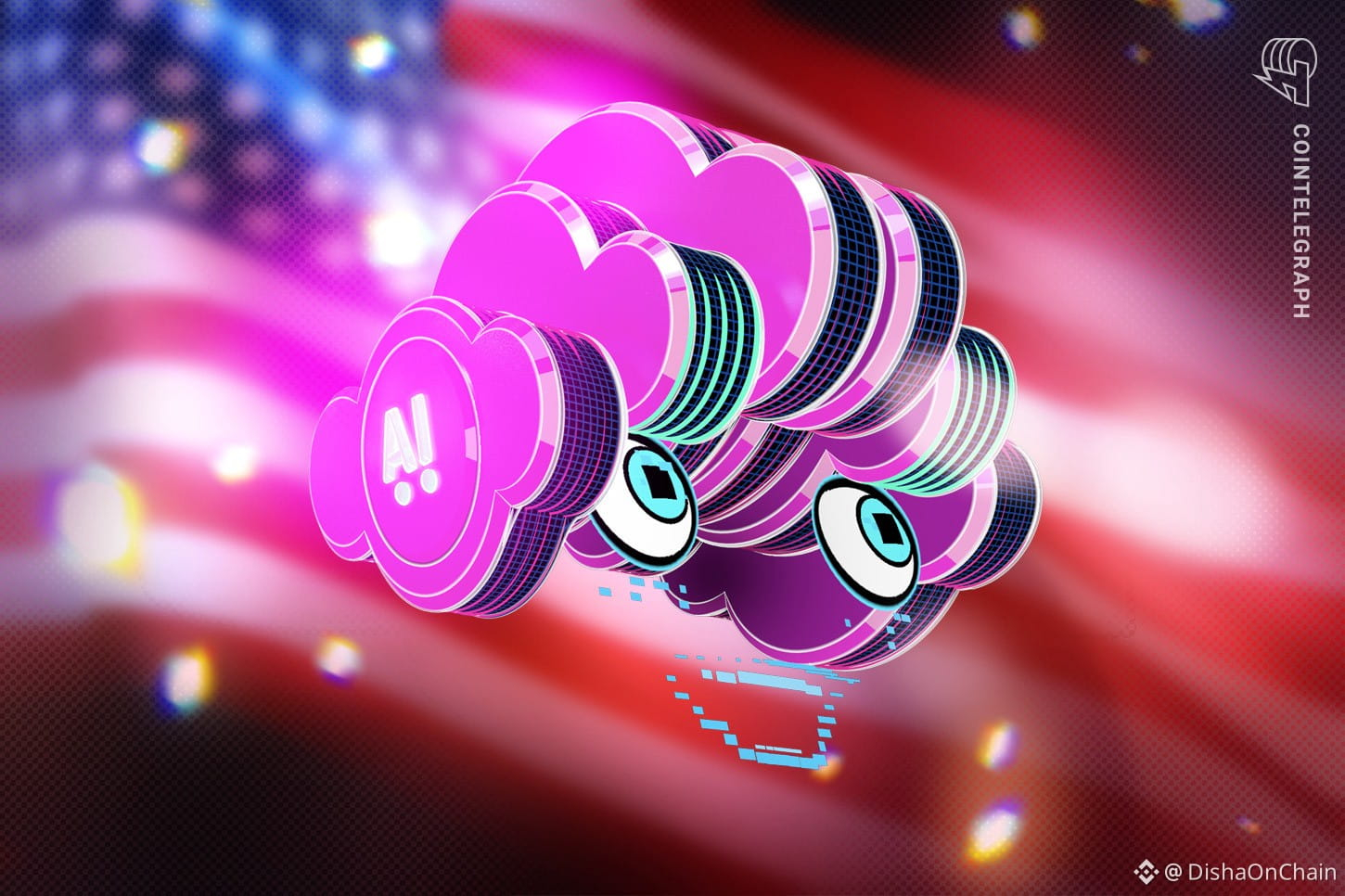
⚡ URGENT : Trump affirme que les États-Unis formeront une « Force IA » et nommeront un « tsar de l’IA » : Selon des informations
📰 Points clés :
• Trump annonce une nouvelle Force IA chargée de superviser le secteur, positionnant les États-Unis comme un hub mondial de l’IA.
• L’initiative promet l’absence de nouvelles réglementations, visant à accélérer l’innovation et à préserver l’avantage concurrentiel.
• Ce mouvement pourrait orienter les flux de capitaux vers des projets crypto axés sur l’IA et vers des entreprises technologiques, augmentant la volatilité des marchés.
💡 Impact sur le marché :
Les marchés des cryptomonnaies rebondissent dans un climat d’optimisme : les jetons axés sur l’IA grimpent, les investisseurs anticipant une adoption institutionnelle accrue et une meilleure clarté réglementaire.
#CryptoNews #BreakingNews #Web3 $BTC $ETH
⚡ URGENT : Trump affirme que les États-Unis formeront une « Force IA » et nommeront un « tsar de l’IA » : Selon des informations
📰 Points clés :
• Trump annonce une nouvelle Force IA chargée de superviser le secteur, positionnant les États-Unis comme un hub mondial de l’IA.
• L’initiative promet l’absence de nouvelles réglementations, visant à accélérer l’innovation et à préserver l’avantage concurrentiel.
• Ce mouvement pourrait orienter les flux de capitaux vers des projets crypto axés sur l’IA et vers des entreprises technologiques, augmentant la volatilité des marchés.
💡 Impact sur le marché :
Les marchés des cryptomonnaies rebondissent dans un climat d’optimisme : les jetons axés sur l’IA grimpent, les investisseurs anticipant une adoption institutionnelle accrue et une meilleure clarté réglementaire.
#CryptoNews #BreakingNews #Web3 $BTC $ETH
📰 Points clés :
• Trump annonce une nouvelle Force IA chargée de superviser le secteur, positionnant les États-Unis comme un hub mondial de l’IA.
• L’initiative promet l’absence de nouvelles réglementations, visant à accélérer l’innovation et à préserver l’avantage concurrentiel.
• Ce mouvement pourrait orienter les flux de capitaux vers des projets crypto axés sur l’IA et vers des entreprises technologiques, augmentant la volatilité des marchés.
💡 Impact sur le marché :
Les marchés des cryptomonnaies rebondissent dans un climat d’optimisme : les jetons axés sur l’IA grimpent, les investisseurs anticipant une adoption institutionnelle accrue et une meilleure clarté réglementaire.
#CryptoNews #BreakingNews #Web3 $BTC $ETH
1
12
·
--
⚡ Le Bitcoin reste le seul actif haussier tandis que les altcoins subissent une baisse de deux ans
📌 Points clés :
• Les données de Glassnode et Bybit révèlent une divergence croissante, l’activité en chaîne du Bitcoin dépassant tous les autres actifs.
• Les altcoins ont, collectivement, perdu plus de 40 % de leur capitalisation boursière au cours des 24 derniers mois, tandis que la capitalisation boursière du Bitcoin a progressé de 15 % depuis le début de l’année.
• L’excès de volatilité dans les jetons plus risqués alimente un mouvement plus large vers des portefeuilles centrés sur le Bitcoin chez les investisseurs institutionnels.
📊 À retenir :
Le sentiment institutionnel favorise de plus en plus le Bitcoin comme unique moteur de croissance fiable, tandis que les altcoins continuent de sous-performer, ce qui entraîne une réallocation du capital vers des stratégies fortement orientées BTC.
#Futures #CryptoTrading #Web3 $BTC $CELR $ONE
⚡ Le Bitcoin reste le seul actif haussier tandis que les altcoins subissent une baisse de deux ans
📌 Points clés :
• Les données de Glassnode et Bybit révèlent une divergence croissante, l’activité en chaîne du Bitcoin dépassant tous les autres actifs.
• Les altcoins ont, collectivement, perdu plus de 40 % de leur capitalisation boursière au cours des 24 derniers mois, tandis que la capitalisation boursière du Bitcoin a progressé de 15 % depuis le début de l’année.
• L’excès de volatilité dans les jetons plus risqués alimente un mouvement plus large vers des portefeuilles centrés sur le Bitcoin chez les investisseurs institutionnels.
📊 À retenir :
Le sentiment institutionnel favorise de plus en plus le Bitcoin comme unique moteur de croissance fiable, tandis que les altcoins continuent de sous-performer, ce qui entraîne une réallocation du capital vers des stratégies fortement orientées BTC.
#Futures #CryptoTrading #Web3 $BTC $CELR $ONE
📌 Points clés :
• Les données de Glassnode et Bybit révèlent une divergence croissante, l’activité en chaîne du Bitcoin dépassant tous les autres actifs.
• Les altcoins ont, collectivement, perdu plus de 40 % de leur capitalisation boursière au cours des 24 derniers mois, tandis que la capitalisation boursière du Bitcoin a progressé de 15 % depuis le début de l’année.
• L’excès de volatilité dans les jetons plus risqués alimente un mouvement plus large vers des portefeuilles centrés sur le Bitcoin chez les investisseurs institutionnels.
📊 À retenir :
Le sentiment institutionnel favorise de plus en plus le Bitcoin comme unique moteur de croissance fiable, tandis que les altcoins continuent de sous-performer, ce qui entraîne une réallocation du capital vers des stratégies fortement orientées BTC.
#Futures #CryptoTrading #Web3 $BTC $CELR $ONE
1
23

·
--
L’utilisateur veut un post sur Binance Square à propos des redevances NFT. Exigences :
- Pas de markdown (donc texte simple, pas de **, #, etc. sauf hashtags à la fin)
- 150-200 mots
- Ton conversationnel, énergique
- Un exemple réel
- Terminer par une question type sondage
- Dernière ligne : #CryptoAnalysis #TechnicalAnalysis #NFT #Web3
Je dois écrire 150-200 mots. Visons environ 175 mots.
Pas de markdown : pas de gras, italique, etc. Juste du texte.
Écrivez à la première personne, énergique et façon conversation.
Inclure un exemple réel : par exemple OpenSea, Magic Eden, ou un projet comme Bored Ape Yacht Club, ou mentionner EIP-2981.
Terminer par une question du type « Est-ce que tu penses que les redevances sont essentielles pour les créateurs ? Vote OUI ou NON ci-dessous ! »
Puis la dernière ligne avec les hashtags.
On rédige.
Compter les mots : estimation.
"Tu t’es déjà demandé comment les créateurs continuent à gagner après la vente de leur NFT ? Décortiquons les redevances ! Quand on mint un NFT, on peut intégrer un pourcentage de royalty — par exemple 5 % — pour que, à chaque revente sur un marketplace comme OpenSea ou Magic Eden, je reçoive automatiquement ma part. C’est codé dans le smart contract via des standards comme EIP-2981. Prenons Bored Ape Yacht Club : Yuga Labs fixe une redevance de 2,5 %, et avec des milliards sur le volume secondaire, ce sont des millions qui reviennent pour financer l’écosystème. Mais twist : certains marketplaces ont rendu les royalties optionnelles en 2023, ce qui a déclenché un énorme débat. Les créateurs disent que ça détruit un revenu durable ; les traders adorent les frais à zéro. Des projets comme Azuki et DeGods ont aussi testé des royalties dynamiques. La bataille pour des royalties on-chain vraiment applicables est en train de façonner le Web »
L’utilisateur veut un post sur Binance Square à propos des redevances NFT. Exigences :
- Pas de markdown (donc texte simple, pas de **, #, etc. sauf hashtags à la fin)
- 150-200 mots
- Ton conversationnel, énergique
- Un exemple réel
- Terminer par une question type sondage
- Dernière ligne : #CryptoAnalysis #TechnicalAnalysis #NFT #Web3
Je dois écrire 150-200 mots. Visons environ 175 mots.
Pas de markdown : pas de gras, italique, etc. Juste du texte.
Écrivez à la première personne, énergique et façon conversation.
Inclure un exemple réel : par exemple OpenSea, Magic Eden, ou un projet comme Bored Ape Yacht Club, ou mentionner EIP-2981.
Terminer par une question du type « Est-ce que tu penses que les redevances sont essentielles pour les créateurs ? Vote OUI ou NON ci-dessous ! »
Puis la dernière ligne avec les hashtags.
On rédige.
Compter les mots : estimation.
"Tu t’es déjà demandé comment les créateurs continuent à gagner après la vente de leur NFT ? Décortiquons les redevances ! Quand on mint un NFT, on peut intégrer un pourcentage de royalty — par exemple 5 % — pour que, à chaque revente sur un marketplace comme OpenSea ou Magic Eden, je reçoive automatiquement ma part. C’est codé dans le smart contract via des standards comme EIP-2981. Prenons Bored Ape Yacht Club : Yuga Labs fixe une redevance de 2,5 %, et avec des milliards sur le volume secondaire, ce sont des millions qui reviennent pour financer l’écosystème. Mais twist : certains marketplaces ont rendu les royalties optionnelles en 2023, ce qui a déclenché un énorme débat. Les créateurs disent que ça détruit un revenu durable ; les traders adorent les frais à zéro. Des projets comme Azuki et DeGods ont aussi testé des royalties dynamiques. La bataille pour des royalties on-chain vraiment applicables est en train de façonner le Web »
- Pas de markdown (donc texte simple, pas de **, #, etc. sauf hashtags à la fin)
- 150-200 mots
- Ton conversationnel, énergique
- Un exemple réel
- Terminer par une question type sondage
- Dernière ligne : #CryptoAnalysis #TechnicalAnalysis #NFT #Web3
Je dois écrire 150-200 mots. Visons environ 175 mots.
Pas de markdown : pas de gras, italique, etc. Juste du texte.
Écrivez à la première personne, énergique et façon conversation.
Inclure un exemple réel : par exemple OpenSea, Magic Eden, ou un projet comme Bored Ape Yacht Club, ou mentionner EIP-2981.
Terminer par une question du type « Est-ce que tu penses que les redevances sont essentielles pour les créateurs ? Vote OUI ou NON ci-dessous ! »
Puis la dernière ligne avec les hashtags.
On rédige.
Compter les mots : estimation.
"Tu t’es déjà demandé comment les créateurs continuent à gagner après la vente de leur NFT ? Décortiquons les redevances ! Quand on mint un NFT, on peut intégrer un pourcentage de royalty — par exemple 5 % — pour que, à chaque revente sur un marketplace comme OpenSea ou Magic Eden, je reçoive automatiquement ma part. C’est codé dans le smart contract via des standards comme EIP-2981. Prenons Bored Ape Yacht Club : Yuga Labs fixe une redevance de 2,5 %, et avec des milliards sur le volume secondaire, ce sont des millions qui reviennent pour financer l’écosystème. Mais twist : certains marketplaces ont rendu les royalties optionnelles en 2023, ce qui a déclenché un énorme débat. Les créateurs disent que ça détruit un revenu durable ; les traders adorent les frais à zéro. Des projets comme Azuki et DeGods ont aussi testé des royalties dynamiques. La bataille pour des royalties on-chain vraiment applicables est en train de façonner le Web »
27


·
--
La non-détention ne devrait pas être qu’un slogan dans la stratégie marketing d’un projet. Avec STON.fi, ce concept se reflète directement dans la manière dont son architecture de smart-contracts gère les actifs.
Lorsque les utilisateurs interagissent avec STON.fi, leurs jetons ne sont pas déposés sur un compte central contrôlé par le routeur. Les actifs restent soit dans le propre portefeuille Jetton de l’utilisateur, soit dans des smart-contracts isolés responsables des pools de liquidité.
Le routeur agit davantage comme un coordinateur qu’un coffre-fort. Il reçoit la demande d’échange (swap), détermine l’itinéraire nécessaire et transmet les instructions via le système de messages interne de TON. Le mouvement effectif des tokens s’effectue entre les portefeuilles Jetton et les contrats de pool concernés.
Un échange typique suit donc une séquence définie :
• Les tokens quittent le portefeuille Jetton de l’utilisateur
• Ils entrent dans le portefeuille de token du pool approprié
• Le pool exécute la logique de swap
• Les actifs résultants sont renvoyés vers l’utilisateur
• Des conditions intégrées et la gestion des “bounce” aident à empêcher que des opérations échouées laissent des actifs bloqués
Un autre élément important de la conception est la façon dont la propriété de la liquidité est séparée de l’administration. Les capacités administratives peuvent permettre certaines actions au niveau du protocole, mais la logique du pool et du routeur ne fournit pas de mécanisme général permettant à un administrateur de simplement récupérer la liquidité d’un autre utilisateur.
Les tokens LP représentent la propriété d’une position de liquidité. La maîtrise de ces tokens détermine qui peut réclamer la position correspondante.
C’est ce qui fait que le modèle non-custodial de STON.fi est bien plus qu’une formule marketing : l’architecture est conçue pour que les utilisateurs conservent le contrôle de leurs actifs plutôt que de les confier à un dépositaire central.
#STONfi #TON #DeFi #Web3
La non-détention ne devrait pas être qu’un slogan dans la stratégie marketing d’un projet. Avec STON.fi, ce concept se reflète directement dans la manière dont son architecture de smart-contracts gère les actifs.
Lorsque les utilisateurs interagissent avec STON.fi, leurs jetons ne sont pas déposés sur un compte central contrôlé par le routeur. Les actifs restent soit dans le propre portefeuille Jetton de l’utilisateur, soit dans des smart-contracts isolés responsables des pools de liquidité.
Le routeur agit davantage comme un coordinateur qu’un coffre-fort. Il reçoit la demande d’échange (swap), détermine l’itinéraire nécessaire et transmet les instructions via le système de messages interne de TON. Le mouvement effectif des tokens s’effectue entre les portefeuilles Jetton et les contrats de pool concernés.
Un échange typique suit donc une séquence définie :
• Les tokens quittent le portefeuille Jetton de l’utilisateur
• Ils entrent dans le portefeuille de token du pool approprié
• Le pool exécute la logique de swap
• Les actifs résultants sont renvoyés vers l’utilisateur
• Des conditions intégrées et la gestion des “bounce” aident à empêcher que des opérations échouées laissent des actifs bloqués
Un autre élément important de la conception est la façon dont la propriété de la liquidité est séparée de l’administration. Les capacités administratives peuvent permettre certaines actions au niveau du protocole, mais la logique du pool et du routeur ne fournit pas de mécanisme général permettant à un administrateur de simplement récupérer la liquidité d’un autre utilisateur.
Les tokens LP représentent la propriété d’une position de liquidité. La maîtrise de ces tokens détermine qui peut réclamer la position correspondante.
C’est ce qui fait que le modèle non-custodial de STON.fi est bien plus qu’une formule marketing : l’architecture est conçue pour que les utilisateurs conservent le contrôle de leurs actifs plutôt que de les confier à un dépositaire central.
#STONfi #TON #DeFi #Web3
Lorsque les utilisateurs interagissent avec STON.fi, leurs jetons ne sont pas déposés sur un compte central contrôlé par le routeur. Les actifs restent soit dans le propre portefeuille Jetton de l’utilisateur, soit dans des smart-contracts isolés responsables des pools de liquidité.
Le routeur agit davantage comme un coordinateur qu’un coffre-fort. Il reçoit la demande d’échange (swap), détermine l’itinéraire nécessaire et transmet les instructions via le système de messages interne de TON. Le mouvement effectif des tokens s’effectue entre les portefeuilles Jetton et les contrats de pool concernés.
Un échange typique suit donc une séquence définie :
• Les tokens quittent le portefeuille Jetton de l’utilisateur
• Ils entrent dans le portefeuille de token du pool approprié
• Le pool exécute la logique de swap
• Les actifs résultants sont renvoyés vers l’utilisateur
• Des conditions intégrées et la gestion des “bounce” aident à empêcher que des opérations échouées laissent des actifs bloqués
Un autre élément important de la conception est la façon dont la propriété de la liquidité est séparée de l’administration. Les capacités administratives peuvent permettre certaines actions au niveau du protocole, mais la logique du pool et du routeur ne fournit pas de mécanisme général permettant à un administrateur de simplement récupérer la liquidité d’un autre utilisateur.
Les tokens LP représentent la propriété d’une position de liquidité. La maîtrise de ces tokens détermine qui peut réclamer la position correspondante.
C’est ce qui fait que le modèle non-custodial de STON.fi est bien plus qu’une formule marketing : l’architecture est conçue pour que les utilisateurs conservent le contrôle de leurs actifs plutôt que de les confier à un dépositaire central.
#STONfi #TON #DeFi #Web3

1
69

·
--

Article
LinkersBeacon : Gaming, Quêtes & lancement de NFT🌐 LinkersBeacon : Gaming, quêtes & lancement de NFT
InterLink a partagé une mise à jour concernant LinkersBeacon, une plateforme d’engagement on-chain en cours de développement pour l’écosystème InterLink.
La plateforme est conçue pour combiner :
🎮 Des jeux en chaîne tels que Coin Flip et Dice
🏆 Quêtes & réalisations
⚡ XP de balise
🖼️ Découverte des NFT & fonctionnalités du launchpad
🎁 Récompenses de l’écosystème
LinkersBeacon vise à rassembler dans une seule plateforme le gaming, les quêtes, l’XP, les NFT, les activités du launchpad et la participation de la communauté.
Le NFT Launchpad est conçu pour permettre aux projets de l’écosystème et aux créateurs de lancer et de frapper (mint) des collections de NFT tout en se connectant à la communauté InterLink.
LinkersBeacon : Gaming, Quêtes & lancement de NFT
🌐 LinkersBeacon : Gaming, quêtes & lancement de NFT
InterLink a partagé une mise à jour concernant LinkersBeacon, une plateforme d’engagement on-chain en cours de développement pour l’écosystème InterLink.
La plateforme est conçue pour combiner :
🎮 Des jeux en chaîne tels que Coin Flip et Dice
🏆 Quêtes & réalisations
⚡ XP de balise
🖼️ Découverte des NFT & fonctionnalités du launchpad
🎁 Récompenses de l’écosystème
LinkersBeacon vise à rassembler dans une seule plateforme le gaming, les quêtes, l’XP, les NFT, les activités du launchpad et la participation de la communauté.
Le NFT Launchpad est conçu pour permettre aux projets de l’écosystème et aux créateurs de lancer et de frapper (mint) des collections de NFT tout en se connectant à la communauté InterLink.
InterLink a partagé une mise à jour concernant LinkersBeacon, une plateforme d’engagement on-chain en cours de développement pour l’écosystème InterLink.
La plateforme est conçue pour combiner :
🎮 Des jeux en chaîne tels que Coin Flip et Dice
🏆 Quêtes & réalisations
⚡ XP de balise
🖼️ Découverte des NFT & fonctionnalités du launchpad
🎁 Récompenses de l’écosystème
LinkersBeacon vise à rassembler dans une seule plateforme le gaming, les quêtes, l’XP, les NFT, les activités du launchpad et la participation de la communauté.
Le NFT Launchpad est conçu pour permettre aux projets de l’écosystème et aux créateurs de lancer et de frapper (mint) des collections de NFT tout en se connectant à la communauté InterLink.
76

🦈 DÉSINTÉGRATION INSTITUTIONNELLE SUR CHAÎNE : UN ACCÈS PRÉ-IPO ARRIVE POUR $BNB DÉTENTEURS ⚡
Les frontières institutionnelles s’estompent alors que l’infrastructure des portefeuilles Web3 teste sur chaîne des allocations pré-IPO à l’aide de $BNB et de stablecoins. 🦈 Ce mécanisme crée un pont de liquidité précoce, bien que les « smart money » doivent tenir compte des écarts structurels d’évaluation et de l’illiquidité du marché secondaire avant que les cotations publiques ne soient débloquées. 💡
La spéculation pointe vers des protocoles privés à forte valorisation comme Polymarket, qui mèneraient le déploiement, bien qu’une confirmation officielle reste en attente. 🔍 Le scoring de position via des points d’activité de l’écosystème récompense l’alignement structurel, mais l’inefficience des prix entre les valorisations privées et la première cotation publique demeure le principal facteur de risque. 💬 Prendriez-vous des parts pré-IPO en enchère on-chain ou attendrez-vous la découverte par le marché public ? 👇
⚠️ Ceci ne constitue pas un conseil financier. Gérez toujours votre risque. 🛡️
🏷️ #BNB #PreIPO #Web3 #Tokenomics
🎯 🦈
🦈 DÉSINTÉGRATION INSTITUTIONNELLE SUR CHAÎNE : UN ACCÈS PRÉ-IPO ARRIVE POUR $BNB DÉTENTEURS ⚡
Les frontières institutionnelles s’estompent alors que l’infrastructure des portefeuilles Web3 teste sur chaîne des allocations pré-IPO à l’aide de $BNB et de stablecoins. 🦈 Ce mécanisme crée un pont de liquidité précoce, bien que les « smart money » doivent tenir compte des écarts structurels d’évaluation et de l’illiquidité du marché secondaire avant que les cotations publiques ne soient débloquées. 💡
La spéculation pointe vers des protocoles privés à forte valorisation comme Polymarket, qui mèneraient le déploiement, bien qu’une confirmation officielle reste en attente. 🔍 Le scoring de position via des points d’activité de l’écosystème récompense l’alignement structurel, mais l’inefficience des prix entre les valorisations privées et la première cotation publique demeure le principal facteur de risque. 💬 Prendriez-vous des parts pré-IPO en enchère on-chain ou attendrez-vous la découverte par le marché public ? 👇
⚠️ Ceci ne constitue pas un conseil financier. Gérez toujours votre risque. 🛡️
🏷️ #BNB #PreIPO #Web3 #Tokenomics
🎯 🦈
Les frontières institutionnelles s’estompent alors que l’infrastructure des portefeuilles Web3 teste sur chaîne des allocations pré-IPO à l’aide de $BNB et de stablecoins. 🦈 Ce mécanisme crée un pont de liquidité précoce, bien que les « smart money » doivent tenir compte des écarts structurels d’évaluation et de l’illiquidité du marché secondaire avant que les cotations publiques ne soient débloquées. 💡
La spéculation pointe vers des protocoles privés à forte valorisation comme Polymarket, qui mèneraient le déploiement, bien qu’une confirmation officielle reste en attente. 🔍 Le scoring de position via des points d’activité de l’écosystème récompense l’alignement structurel, mais l’inefficience des prix entre les valorisations privées et la première cotation publique demeure le principal facteur de risque. 💬 Prendriez-vous des parts pré-IPO en enchère on-chain ou attendrez-vous la découverte par le marché public ? 👇
⚠️ Ceci ne constitue pas un conseil financier. Gérez toujours votre risque. 🛡️
🏷️ #BNB #PreIPO #Web3 #Tokenomics
🎯 🦈

16

·
--
⚡ BNB EST BIEN PLUS QU’UN JETON D’ÉCHANGE
Le BNB est de plus en plus lié à la croissance de l’écosystème plus large de BNB Chain.
Et le réseau pousse actuellement plusieurs développements majeurs.
📌 QU’EST-CE QUI CHANGE ?
• La mise à niveau du hard fork Pasteur a amélioré l’architecture de construction de blocs de BSC.
• BNB Chain travaille à relever les limites de gaz afin d’augmenter la capacité du réseau.
• Les actions tokenisées deviennent un axe majeur pour les développeurs.
• Les agents IA et les applications on-chain autonomes constituent un autre domaine en pleine croissance.
Cela change notre façon de considérer BNB.
Son histoire ne concerne désormais plus uniquement l’utilité d’échange de Binance.
Le BNB se situe à l’intersection de :
→ Utilité d’échange
→ Activité de smart-contract
→ DeFi
→ Tokenisation
→ Infrastructure IA
→ Frais de réseau
La question clé est de savoir si l’augmentation de l’activité dans l’écosystème de BNB Chain se traduit par une demande durable pour le BNB lui-même.
C’est ce que j’observe.
Ce qui compte le plus pour le BNB à long terme :
📈 Adoption du réseau
ou
🏦 Utilité d’échange ?
#bnb #BNBChain #crypto #Web3 $BNB
{future}(BNBUSDT)
⚡ BNB EST BIEN PLUS QU’UN JETON D’ÉCHANGE
Le BNB est de plus en plus lié à la croissance de l’écosystème plus large de BNB Chain.
Et le réseau pousse actuellement plusieurs développements majeurs.
📌 QU’EST-CE QUI CHANGE ?
• La mise à niveau du hard fork Pasteur a amélioré l’architecture de construction de blocs de BSC.
• BNB Chain travaille à relever les limites de gaz afin d’augmenter la capacité du réseau.
• Les actions tokenisées deviennent un axe majeur pour les développeurs.
• Les agents IA et les applications on-chain autonomes constituent un autre domaine en pleine croissance.
Cela change notre façon de considérer BNB.
Son histoire ne concerne désormais plus uniquement l’utilité d’échange de Binance.
Le BNB se situe à l’intersection de :
→ Utilité d’échange
→ Activité de smart-contract
→ DeFi
→ Tokenisation
→ Infrastructure IA
→ Frais de réseau
La question clé est de savoir si l’augmentation de l’activité dans l’écosystème de BNB Chain se traduit par une demande durable pour le BNB lui-même.
C’est ce que j’observe.
Ce qui compte le plus pour le BNB à long terme :
📈 Adoption du réseau
ou
🏦 Utilité d’échange ?
#bnb #BNBChain #crypto #Web3 $BNB
Le BNB est de plus en plus lié à la croissance de l’écosystème plus large de BNB Chain.
Et le réseau pousse actuellement plusieurs développements majeurs.
📌 QU’EST-CE QUI CHANGE ?
• La mise à niveau du hard fork Pasteur a amélioré l’architecture de construction de blocs de BSC.
• BNB Chain travaille à relever les limites de gaz afin d’augmenter la capacité du réseau.
• Les actions tokenisées deviennent un axe majeur pour les développeurs.
• Les agents IA et les applications on-chain autonomes constituent un autre domaine en pleine croissance.
Cela change notre façon de considérer BNB.
Son histoire ne concerne désormais plus uniquement l’utilité d’échange de Binance.
Le BNB se situe à l’intersection de :
→ Utilité d’échange
→ Activité de smart-contract
→ DeFi
→ Tokenisation
→ Infrastructure IA
→ Frais de réseau
La question clé est de savoir si l’augmentation de l’activité dans l’écosystème de BNB Chain se traduit par une demande durable pour le BNB lui-même.
C’est ce que j’observe.
Ce qui compte le plus pour le BNB à long terme :
📈 Adoption du réseau
ou
🏦 Utilité d’échange ?
#bnb #BNBChain #crypto #Web3 $BNB
78

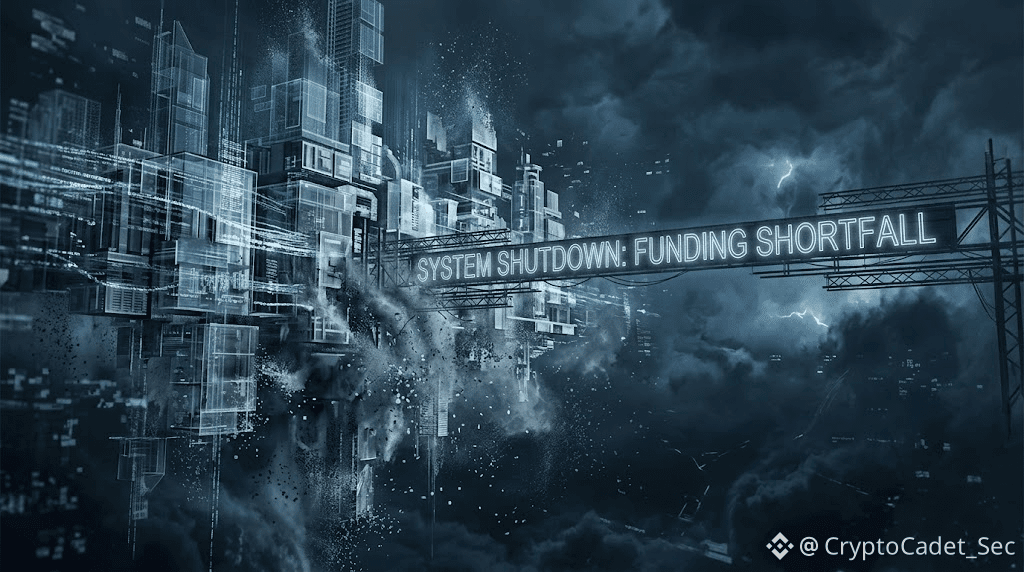
#linerashutsdownafterfundraisingfallsshort Un choc majeur pour les réseaux de couche 1. 🛑
Le projet blockchain L1 soutenu par a16z, Linera, a annoncé un arrêt immédiat de ses activités. Malgré une levée préalable de 12 millions de dollars auprès de VC de premier plan, leur vente publique de jetons sur Sonar n’a pas atteint son objectif minimum de 1,5 million, ne réunissant qu’environ 848 000 USDC.
L’équipe a confirmé que tous les fonds engagés sont remboursés pendant qu’elle met fin à ses applications et à ses canaux communautaires. Un rappel brutal du climat de financement actuel. 📉
#Web3 #Blockchain #CryptoNews
#linerashutsdownafterfundraisingfallsshort Un choc majeur pour les réseaux de couche 1. 🛑
Le projet blockchain L1 soutenu par a16z, Linera, a annoncé un arrêt immédiat de ses activités. Malgré une levée préalable de 12 millions de dollars auprès de VC de premier plan, leur vente publique de jetons sur Sonar n’a pas atteint son objectif minimum de 1,5 million, ne réunissant qu’environ 848 000 USDC.
L’équipe a confirmé que tous les fonds engagés sont remboursés pendant qu’elle met fin à ses applications et à ses canaux communautaires. Un rappel brutal du climat de financement actuel. 📉
#Web3 #Blockchain #CryptoNews
Le projet blockchain L1 soutenu par a16z, Linera, a annoncé un arrêt immédiat de ses activités. Malgré une levée préalable de 12 millions de dollars auprès de VC de premier plan, leur vente publique de jetons sur Sonar n’a pas atteint son objectif minimum de 1,5 million, ne réunissant qu’environ 848 000 USDC.
L’équipe a confirmé que tous les fonds engagés sont remboursés pendant qu’elle met fin à ses applications et à ses canaux communautaires. Un rappel brutal du climat de financement actuel. 📉
#Web3 #Blockchain #CryptoNews
245

·
--
🚨 APPLICATIONS D’APPLE POISONNÉES VISANT DES PORTEFEUILLES CRYPTO SUR $ETH ET AU-DELÀ ! ⚠️
📌 Une faille de sécurité silencieuse s’infiltre dans des applications iOS du quotidien : des applis de livraison et d’utilité compromises drainent discrètement des clés privées directement depuis vos appareils. 🔍 Le fondateur de SlowMist, Yu Xian, a découvert des charges malveillantes exploitant des logiciels Apple non corrigés pour compromettre la sécurité des portefeuilles sans déclencher d’alertes immédiates.
💡 Protéger vos positions ne consiste pas seulement à mettre des stop-loss ; la discipline de conservation à froid et la mise à jour d’iOS, d’iPadOS et de macOS vers les dernières versions sont une défense obligatoire dès maintenant. 💬 À quelle fréquence auditez-vous les autorisations de vos applications mobiles et les mises à jour système pour garder vos clés en sécurité ? 👇
⚠️ Ceci ne constitue pas un conseil financier. Gérez toujours votre risque. 🛡️
🏷️ #ETH #CryptoSecurity #SlowMist #Web3
🛡️ 🔒
🚨 APPLICATIONS D’APPLE POISONNÉES VISANT DES PORTEFEUILLES CRYPTO SUR $ETH ET AU-DELÀ ! ⚠️
📌 Une faille de sécurité silencieuse s’infiltre dans des applications iOS du quotidien : des applis de livraison et d’utilité compromises drainent discrètement des clés privées directement depuis vos appareils. 🔍 Le fondateur de SlowMist, Yu Xian, a découvert des charges malveillantes exploitant des logiciels Apple non corrigés pour compromettre la sécurité des portefeuilles sans déclencher d’alertes immédiates.
💡 Protéger vos positions ne consiste pas seulement à mettre des stop-loss ; la discipline de conservation à froid et la mise à jour d’iOS, d’iPadOS et de macOS vers les dernières versions sont une défense obligatoire dès maintenant. 💬 À quelle fréquence auditez-vous les autorisations de vos applications mobiles et les mises à jour système pour garder vos clés en sécurité ? 👇
⚠️ Ceci ne constitue pas un conseil financier. Gérez toujours votre risque. 🛡️
🏷️ #ETH #CryptoSecurity #SlowMist #Web3
🛡️ 🔒
📌 Une faille de sécurité silencieuse s’infiltre dans des applications iOS du quotidien : des applis de livraison et d’utilité compromises drainent discrètement des clés privées directement depuis vos appareils. 🔍 Le fondateur de SlowMist, Yu Xian, a découvert des charges malveillantes exploitant des logiciels Apple non corrigés pour compromettre la sécurité des portefeuilles sans déclencher d’alertes immédiates.
💡 Protéger vos positions ne consiste pas seulement à mettre des stop-loss ; la discipline de conservation à froid et la mise à jour d’iOS, d’iPadOS et de macOS vers les dernières versions sont une défense obligatoire dès maintenant. 💬 À quelle fréquence auditez-vous les autorisations de vos applications mobiles et les mises à jour système pour garder vos clés en sécurité ? 👇
⚠️ Ceci ne constitue pas un conseil financier. Gérez toujours votre risque. 🛡️
🏷️ #ETH #CryptoSecurity #SlowMist #Web3
🛡️ 🔒
12

Honnêtement, ce découpage de la norme de ce wallet entre Ethereum et Base, c’est vraiment un gros enjeu pour l’expérience utilisateur de la crypto 😅 Après des mois de discussions, ils n’ont pas réussi à s’entendre sur une norme unifiée. $ETH continue d’avancer avec l’EIP-8141, tandis que Base choisit plutôt l’EIP-8130. Concrètement, les développeurs qui construisent des applis sur les deux réseaux devront gérer deux systèmes de transactions complètement différents en coulisses. Franchement un peu déçu 🤦♂️ L’UX cross-chain transparente était censée être l’objectif ici. Les wallets et les dapps auront maintenant plus de travail, ce qui pourrait vouloir dire une expérience utilisateur plus fragmentée pendant un moment. Voyons comment les créateurs de dapps s’adaptent à cette séparation 👀 #Ethereum #CryptoNews #Web3 #Write2Earn
Honnêtement, ce découpage de la norme de ce wallet entre Ethereum et Base, c’est vraiment un gros enjeu pour l’expérience utilisateur de la crypto 😅 Après des mois de discussions, ils n’ont pas réussi à s’entendre sur une norme unifiée. $ETH continue d’avancer avec l’EIP-8141, tandis que Base choisit plutôt l’EIP-8130. Concrètement, les développeurs qui construisent des applis sur les deux réseaux devront gérer deux systèmes de transactions complètement différents en coulisses. Franchement un peu déçu 🤦♂️ L’UX cross-chain transparente était censée être l’objectif ici. Les wallets et les dapps auront maintenant plus de travail, ce qui pourrait vouloir dire une expérience utilisateur plus fragmentée pendant un moment. Voyons comment les créateurs de dapps s’adaptent à cette séparation 👀 #Ethereum #CryptoNews #Web3 #Write2Earn

60
Connectez-vous pour découvrir plus de contenu
Rejoignez la communauté mondiale des adeptes de cryptomonnaies sur Binance Square
⚡️ Suviez les dernières informations importantes sur les cryptomonnaies.
💬 Jugé digne de confiance par la plus grande plateforme d’échange de cryptomonnaies au monde.
👍 Découvrez les connaissances que partagent les créateurs vérifiés.
Adresse e-mail/Nº de téléphone
Sujets d’actualité
1
#SaylorHintsStrategyBitcoinBuy
2.3M vues
12,421 mentions
2
#BOJRaisesRatesTo31YearHigh
254,627 vues
3,272 mentions
3
#BuffettStepsDownAsBerkshireChairman
124,105 vues
1,752 mentions
4
#XRPExchangeReservesHitSevenYearLow
136,311 vues
1,540 mentions
5
#HKCompletesFirstHKDStablecoinUseCase
156,420 vues
1,905 mentions
6
#VietnamPlansFirstCryptoLicensesIn2026
98,446 vues
1,290 mentions
7
#BTCBreaks80K
540,907 vues
5,778 mentions
8
#BitcoinMarketCapTopsTesla
133,739 vues
1,424 mentions
9
#SOLJumpsAbout10%
133,631 vues
1,278 mentions
10
#EthereumReclaims$2600
12,209 vues
140 mentions