

#walrus
walrus
8.9M vues
363,722 mentions
Populaire
Récents

·
--
Partiellement vrai
{spot}(WALUSDT)
$WAL tokenomics looks solid, staking APY ∼12% on Sui. The team raised $140M and mainnet live. Chart showing accumulation around $0.45-$0.50.
I think storage will be next rotation after AI. Keeping small bag of $WAL for Q4.
Anyone else staking $WAL? #Walrus $WAL @WalrusProtocol
#walrus #WalrusProtocol #zimbabwe #Binance
$WAL tokenomics looks solid, staking APY ∼12% on Sui. The team raised $140M and mainnet live. Chart showing accumulation around $0.45-$0.50.
I think storage will be next rotation after AI. Keeping small bag of $WAL for Q4.
Anyone else staking $WAL ? #Walrus $WAL @Walrus 🦭/acc
#walrus #WalrusProtocol #zimbabwe #Binance
I think storage will be next rotation after AI. Keeping small bag of $WAL for Q4.
Anyone else staking $WAL ? #Walrus $WAL @Walrus 🦭/acc
#walrus #WalrusProtocol #zimbabwe #Binance
300

·
--
[Binance $WAL USDT](https://www.binance.com/en/trade/WAL_USDT?utm_source=chatgpt.com)
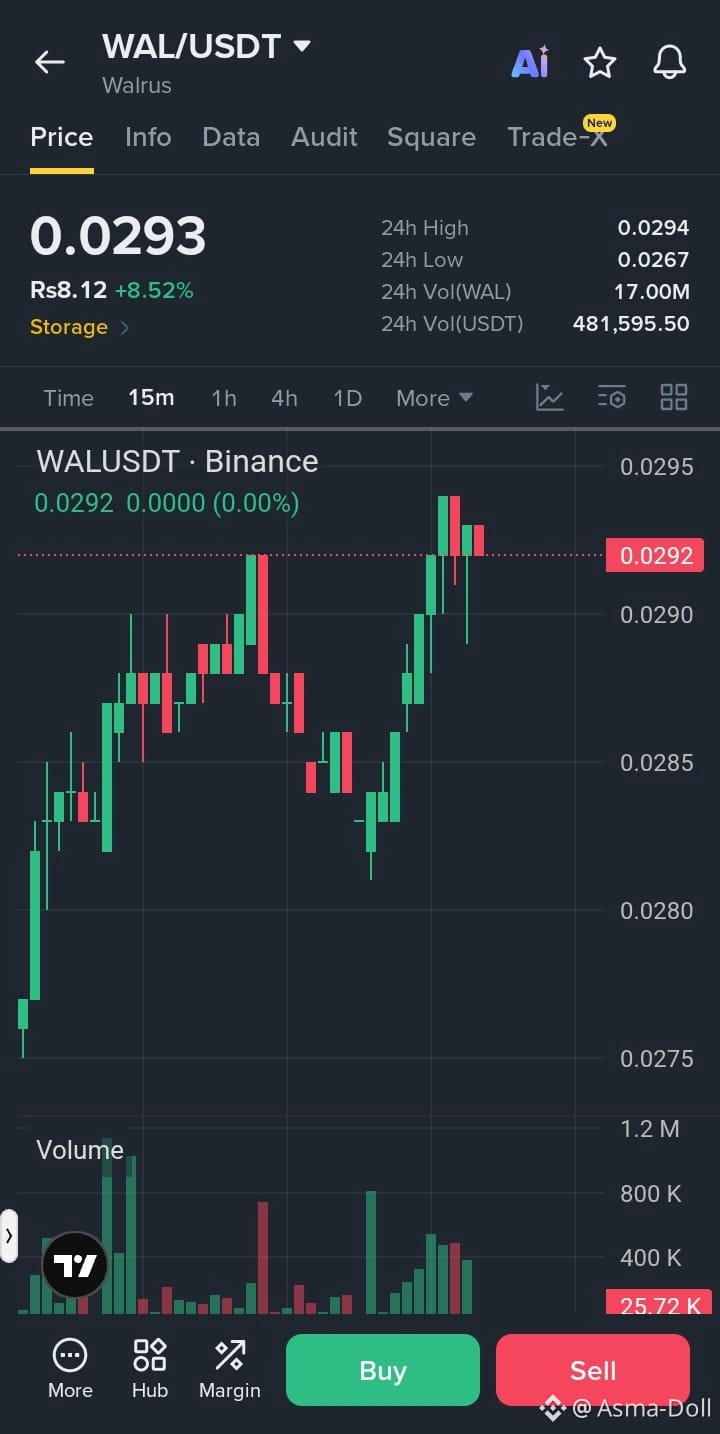
WAL/USDT — SHORT 📉
Entry: 0.0290 – 0.0294
Stop Loss: 0.0302
TP1: 0.0282
TP2: 0.0275
TP3: 0.0268
Trade here $WAL
{future}(WALUSDT)
Analysis:
Price is near the 24h high 0.0294, showing resistance.
+8.52% move makes a short-term pullback possible.
0.0294 rejection strengthens the short setup.
Break below 0.0290 can accelerate selling toward 0.0282/0.0275.
Current market data also shows WAL around $0.0293 with elevated volatility.
Confirmation: Clean break below 0.0290 with increasing sell volume.
⚠️ If price breaks and holds above 0.0302, cancel the short setup.
#WAL #Walrus #WALUSDT #Crypto #ShortSignal
[Binance $WAL USDT](https://www.binance.com/en/trade/WAL_USDT?utm_source=chatgpt.com)
WAL/USDT — SHORT 📉
Entry: 0.0290 – 0.0294
Stop Loss: 0.0302
TP1: 0.0282
TP2: 0.0275
TP3: 0.0268
Trade here $WAL
Analysis:
Price is near the 24h high 0.0294, showing resistance.
+8.52% move makes a short-term pullback possible.
0.0294 rejection strengthens the short setup.
Break below 0.0290 can accelerate selling toward 0.0282/0.0275.
Current market data also shows WAL around $0.0293 with elevated volatility.
Confirmation: Clean break below 0.0290 with increasing sell volume.
⚠️ If price breaks and holds above 0.0302, cancel the short setup.
#WAL #Walrus #WALUSDT #Crypto #ShortSignal
WAL/USDT — SHORT 📉
Entry: 0.0290 – 0.0294
Stop Loss: 0.0302
TP1: 0.0282
TP2: 0.0275
TP3: 0.0268
Trade here $WAL
Analysis:
Price is near the 24h high 0.0294, showing resistance.
+8.52% move makes a short-term pullback possible.
0.0294 rejection strengthens the short setup.
Break below 0.0290 can accelerate selling toward 0.0282/0.0275.
Current market data also shows WAL around $0.0293 with elevated volatility.
Confirmation: Clean break below 0.0290 with increasing sell volume.
⚠️ If price breaks and holds above 0.0302, cancel the short setup.
#WAL #Walrus #WALUSDT #Crypto #ShortSignal
48

·
--
$WAL
{future}(WALUSDT)
🐋 WALRUS (WALUUSDT) — Market Analysis
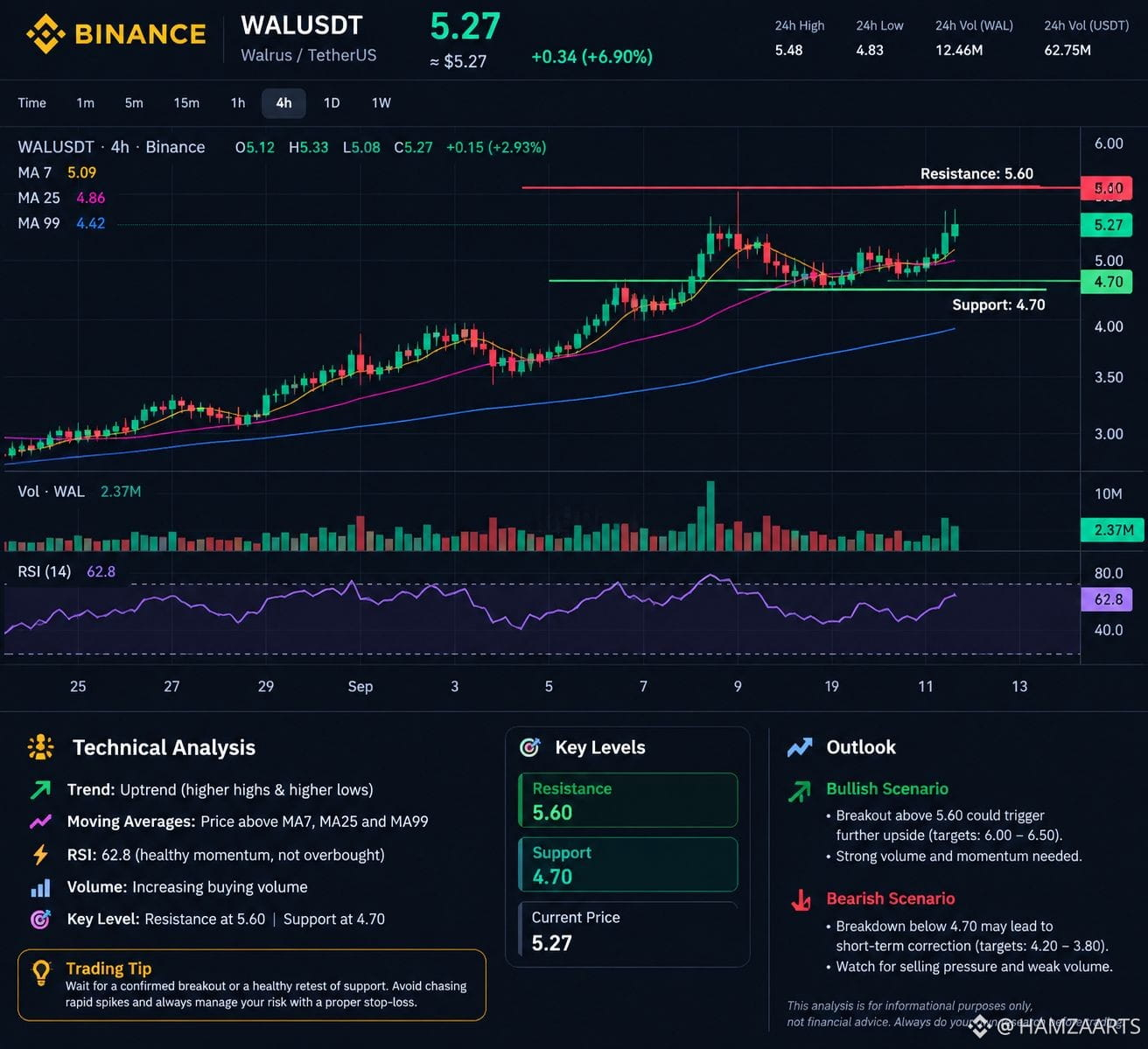
WALUUSDT is attracting attention as traders monitor momentum, liquidity, and potential breakout opportunities. The next major move will depend on whether buyers can sustain demand and push price above key resistance levels.
📊 Technical Outlook:
• Bullish Scenario: A strong breakout above resistance, supported by rising volume, could signal further upside.
• Bearish Scenario: Failure to hold key support may trigger profit-taking and renewed selling pressure.
• Momentum: Traders should watch volume, RSI, and candlestick confirmations before entering a position.
• Market Sentiment: Sustained buying pressure could strengthen the bullish structure, while weak liquidity may increase volatility.
🎯 Trading Strategy: Wait for a confirmed breakout or a reliable support retest. Avoid chasing sudden price spikes and manage risk with disciplined stop-loss levels.
⚠️ Disclaimer: This is market commentary, not financial advice.#walrus #Ethereum #BTC🔥🔥🔥🔥🔥 #Write2Earn #viralpost
$WAL
🐋 WALRUS (WALUUSDT) — Market Analysis
WALUUSDT is attracting attention as traders monitor momentum, liquidity, and potential breakout opportunities. The next major move will depend on whether buyers can sustain demand and push price above key resistance levels.
📊 Technical Outlook:
• Bullish Scenario: A strong breakout above resistance, supported by rising volume, could signal further upside.
• Bearish Scenario: Failure to hold key support may trigger profit-taking and renewed selling pressure.
• Momentum: Traders should watch volume, RSI, and candlestick confirmations before entering a position.
• Market Sentiment: Sustained buying pressure could strengthen the bullish structure, while weak liquidity may increase volatility.
🎯 Trading Strategy: Wait for a confirmed breakout or a reliable support retest. Avoid chasing sudden price spikes and manage risk with disciplined stop-loss levels.
⚠️ Disclaimer: This is market commentary, not financial advice.#walrus #Ethereum #BTC🔥🔥🔥🔥🔥 #Write2Earn #viralpost
🐋 WALRUS (WALUUSDT) — Market Analysis
WALUUSDT is attracting attention as traders monitor momentum, liquidity, and potential breakout opportunities. The next major move will depend on whether buyers can sustain demand and push price above key resistance levels.
📊 Technical Outlook:
• Bullish Scenario: A strong breakout above resistance, supported by rising volume, could signal further upside.
• Bearish Scenario: Failure to hold key support may trigger profit-taking and renewed selling pressure.
• Momentum: Traders should watch volume, RSI, and candlestick confirmations before entering a position.
• Market Sentiment: Sustained buying pressure could strengthen the bullish structure, while weak liquidity may increase volatility.
🎯 Trading Strategy: Wait for a confirmed breakout or a reliable support retest. Avoid chasing sudden price spikes and manage risk with disciplined stop-loss levels.
⚠️ Disclaimer: This is market commentary, not financial advice.#walrus #Ethereum #BTC🔥🔥🔥🔥🔥 #Write2Earn #viralpost
118

·
--
Haussier
$WAL
{future}(WALUSDT)
LONG TRADE SIGNAL
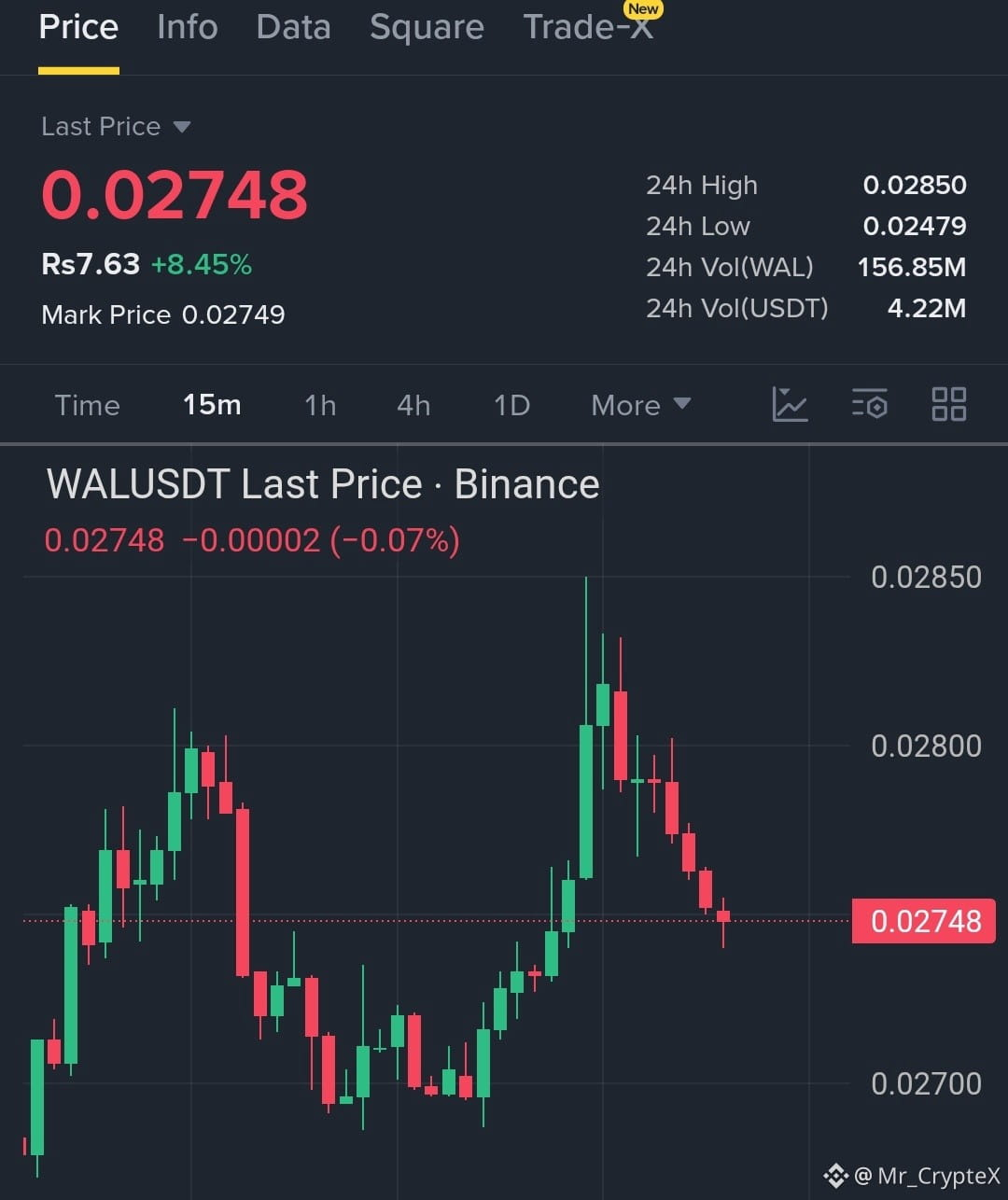
$WAL is restoring its position with buyers stepping back in after the recent pullback. The candles are showing a stronger recovery, and price is pushing back toward the upper zone. If buyers keep the pressure, $WAL looks ready for a big game and a fresh bullish move.
Entry: 0.02720–0.02750
TP1: 0.02850
TP2: 0.02950
#WAL #Walrus
$WAL
LONG TRADE SIGNAL
$WAL is restoring its position with buyers stepping back in after the recent pullback. The candles are showing a stronger recovery, and price is pushing back toward the upper zone. If buyers keep the pressure, $WAL looks ready for a big game and a fresh bullish move.
Entry: 0.02720–0.02750
TP1: 0.02850
TP2: 0.02950
#WAL #Walrus
LONG TRADE SIGNAL
$WAL is restoring its position with buyers stepping back in after the recent pullback. The candles are showing a stronger recovery, and price is pushing back toward the upper zone. If buyers keep the pressure, $WAL looks ready for a big game and a fresh bullish move.
Entry: 0.02720–0.02750
TP1: 0.02850
TP2: 0.02950
#WAL #Walrus
1
63

·
--
$WAL 从历史高点暴跌95%,当前报价仅0.034美元,市值缩水至8254万美元,24小时交易量590万美元。
值得玩味的是,Walrus 的核心产品 Walrus Memory 已经正式上线,也完成了多项生态集成,但市场依然没有对其「AI Agent 内存+去中心化存储」的叙事形成共识。叠加代币经济模型和激励机制本身存在的争议,价格持续承压就在情理之中。
加密市场从来不是"有产品就有价格"的逻辑,叙事被广泛接受才是关键。现在的下跌,本质上是市场在用脚投票。
#Crypto #Walrus
$WAL 从历史高点暴跌95%,当前报价仅0.034美元,市值缩水至8254万美元,24小时交易量590万美元。
值得玩味的是,Walrus 的核心产品 Walrus Memory 已经正式上线,也完成了多项生态集成,但市场依然没有对其「AI Agent 内存+去中心化存储」的叙事形成共识。叠加代币经济模型和激励机制本身存在的争议,价格持续承压就在情理之中。
加密市场从来不是"有产品就有价格"的逻辑,叙事被广泛接受才是关键。现在的下跌,本质上是市场在用脚投票。
#Crypto #Walrus
值得玩味的是,Walrus 的核心产品 Walrus Memory 已经正式上线,也完成了多项生态集成,但市场依然没有对其「AI Agent 内存+去中心化存储」的叙事形成共识。叠加代币经济模型和激励机制本身存在的争议,价格持续承压就在情理之中。
加密市场从来不是"有产品就有价格"的逻辑,叙事被广泛接受才是关键。现在的下跌,本质上是市场在用脚投票。
#Crypto #Walrus
105

·
--
$WAL 从高点暴跌 95%,但项目并非什么都没做。
Walrus Memory 已上线,多个集成也已落地。核心问题是:**市场不买账**。
AI Agent 记忆层+去中心化存储的叙事没形成共识,叠加代币经济模型遭质疑,价格持续承压。
这不是"归零"故事,而是典型的**叙事错配**——产品存在,市场却不愿为这个故事定价。
是低估还是结构性问题?时间会给出答案。
#Walrus
$WAL 从高点暴跌 95%,但项目并非什么都没做。
Walrus Memory 已上线,多个集成也已落地。核心问题是:**市场不买账**。
AI Agent 记忆层+去中心化存储的叙事没形成共识,叠加代币经济模型遭质疑,价格持续承压。
这不是"归零"故事,而是典型的**叙事错配**——产品存在,市场却不愿为这个故事定价。
是低估还是结构性问题?时间会给出答案。
#Walrus
Walrus Memory 已上线,多个集成也已落地。核心问题是:**市场不买账**。
AI Agent 记忆层+去中心化存储的叙事没形成共识,叠加代币经济模型遭质疑,价格持续承压。
这不是"归零"故事,而是典型的**叙事错配**——产品存在,市场却不愿为这个故事定价。
是低估还是结构性问题?时间会给出答案。
#Walrus
211

·
--
Haussier
🔥 $WAL USDT — Strong Momentum Setup!
$WAL
{future}(WALUSDT)
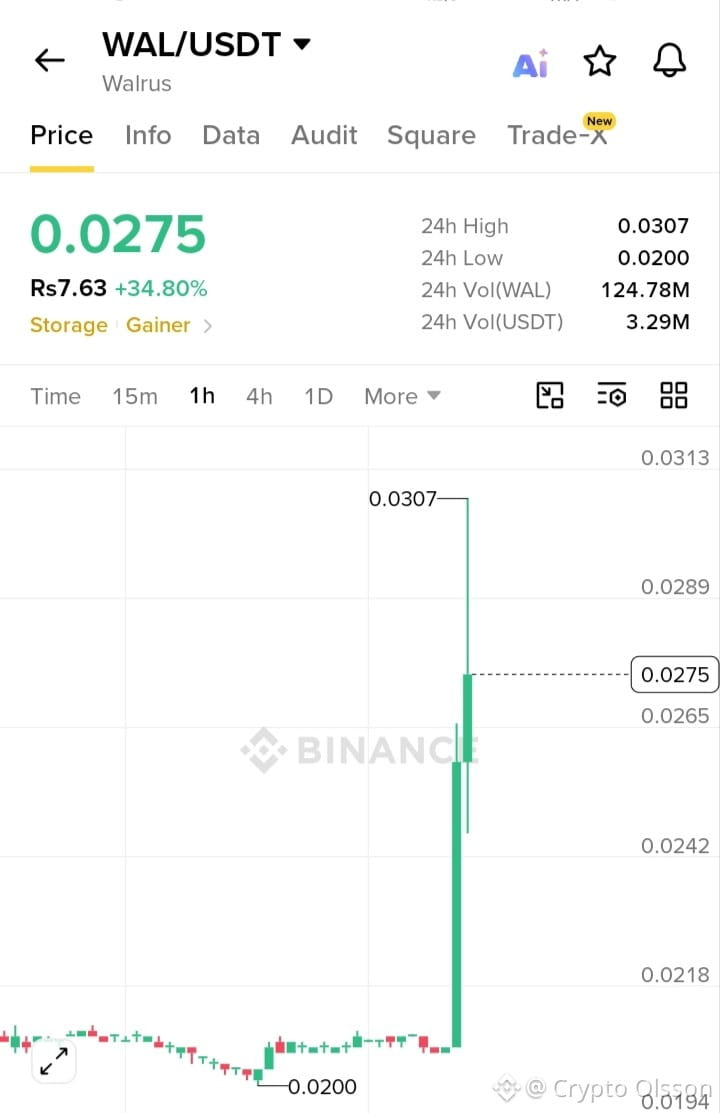
is up +34.80% and trading around 0.0275. Momentum is strong, but wait for a clean hold/retest before entry.
🎯 Entry: 0.0265 – 0.0275 ✅ TP1: 0.0289 ✅ TP2: 0.0307 🚀 TP3: 0.0313 🛑 SL: 0.0242
Risk manage karo — pump ko chase mat karo. 📈
#WAL #Walrus #Crypto #Binance
🔥 $WAL USDT — Strong Momentum Setup!
$WAL
is up +34.80% and trading around 0.0275. Momentum is strong, but wait for a clean hold/retest before entry.
🎯 Entry: 0.0265 – 0.0275 ✅ TP1: 0.0289 ✅ TP2: 0.0307 🚀 TP3: 0.0313 🛑 SL: 0.0242
Risk manage karo — pump ko chase mat karo. 📈
#WAL #Walrus #Crypto #Binance
$WAL
is up +34.80% and trading around 0.0275. Momentum is strong, but wait for a clean hold/retest before entry.
🎯 Entry: 0.0265 – 0.0275 ✅ TP1: 0.0289 ✅ TP2: 0.0307 🚀 TP3: 0.0313 🛑 SL: 0.0242
Risk manage karo — pump ko chase mat karo. 📈
#WAL #Walrus #Crypto #Binance
1
207
·
--
💾 Data Is the New Digital Oil
Every AI model, blockchain application, and decentralized network depends on one thing—data.
As Web3 grows, decentralized storage solutions are becoming increasingly valuable.
Projects like Walrus are building infrastructure designed to store massive amounts of decentralized data efficiently and securely.
The future won't belong only to the fastest blockchains.
It will belong to the strongest infrastructure.
$WAL $SUI
#Walrus #WAL #DecentralizedStorage #Web3 #Blockchain
💾 Data Is the New Digital Oil
Every AI model, blockchain application, and decentralized network depends on one thing—data.
As Web3 grows, decentralized storage solutions are becoming increasingly valuable.
Projects like Walrus are building infrastructure designed to store massive amounts of decentralized data efficiently and securely.
The future won't belong only to the fastest blockchains.
It will belong to the strongest infrastructure.
$WAL $SUI
#Walrus #WAL #DecentralizedStorage #Web3 #Blockchain
Every AI model, blockchain application, and decentralized network depends on one thing—data.
As Web3 grows, decentralized storage solutions are becoming increasingly valuable.
Projects like Walrus are building infrastructure designed to store massive amounts of decentralized data efficiently and securely.
The future won't belong only to the fastest blockchains.
It will belong to the strongest infrastructure.
$WAL $SUI
#Walrus #WAL #DecentralizedStorage #Web3 #Blockchain

194
·
--
💾 Data Storage Is Becoming a Core Blockchain Utility
As decentralized applications grow, reliable data storage becomes increasingly important.
Projects like Walrus are exploring scalable decentralized storage solutions that support Web3 applications, AI, and digital content.
Strong ecosystems are built on dependable infrastructure.
Storage may become one of blockchain's most valuable services.
$WAL $SUI
#Walrus #DecentralizedStorage #Web3 #Blockchain #Innovation
💾 Data Storage Is Becoming a Core Blockchain Utility
As decentralized applications grow, reliable data storage becomes increasingly important.
Projects like Walrus are exploring scalable decentralized storage solutions that support Web3 applications, AI, and digital content.
Strong ecosystems are built on dependable infrastructure.
Storage may become one of blockchain's most valuable services.
$WAL $SUI
#Walrus #DecentralizedStorage #Web3 #Blockchain #Innovation
As decentralized applications grow, reliable data storage becomes increasingly important.
Projects like Walrus are exploring scalable decentralized storage solutions that support Web3 applications, AI, and digital content.
Strong ecosystems are built on dependable infrastructure.
Storage may become one of blockchain's most valuable services.
$WAL $SUI
#Walrus #DecentralizedStorage #Web3 #Blockchain #Innovation

183

·
--
Haussier
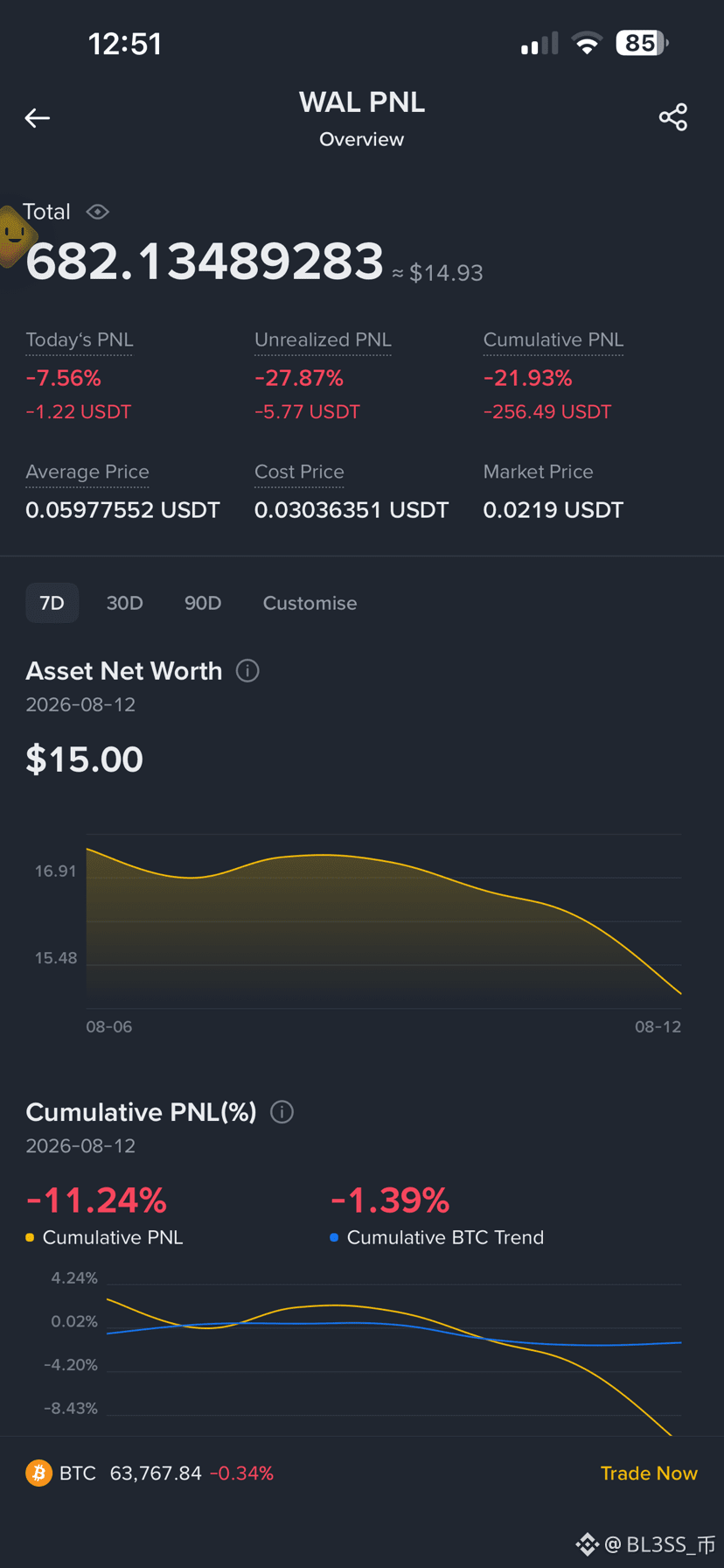
The hell happend to this coin why is it not rising 😭 $WAL bought it with my $200 now it cost $15
Why is it going down only?
#walrus #iamrigged
The hell happend to this coin why is it not rising 😭 $WAL bought it with my $200 now it cost $15
Why is it going down only?
#walrus #iamrigged
Why is it going down only?
#walrus #iamrigged
1
2
288


·
--
Haussier
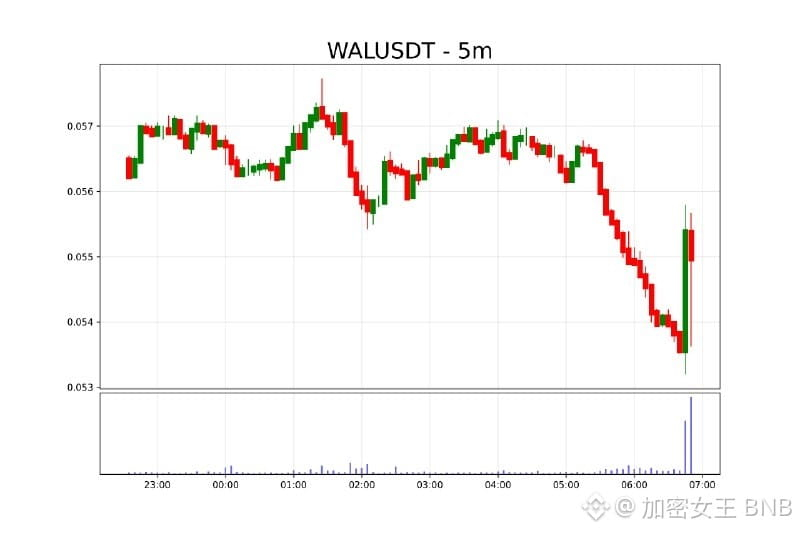
The $WAL ticker is putting on an absolute clinic in liquidity absorption right now, and the tape demands immediate attention. We are looking at a massive 971% explosion in 24-hour volume, pushing nearly nine million dollars through the system, while the price remains trapped down 4% on the day. When volume scales by nearly 10x but the price refuses to capitulate further, it means an immense wall of passive buy orders is sitting underneath the market, vacuuming up every single piece of floating supply without letting the price run away just yet.
This is classic institutional churn where heavy supply is met by an equally aggressive counterparty. If this were a standard, uninhibited dump, a volume spike of this magnitude would have sent the chart off a cliff. Instead, we are seeing localized bounces off the low, signaling that smart money might be building a massive position at these exact coordinates. The order book is working overtime, and this level of structural compression usually acts as a coiled spring before a massive volatility expansion. I am closely watching whether these local lows hold, because if this buy wall is real, the sell-side is about to run completely out of fuel.#walrus
{future}(WALUSDT)
The $WAL ticker is putting on an absolute clinic in liquidity absorption right now, and the tape demands immediate attention. We are looking at a massive 971% explosion in 24-hour volume, pushing nearly nine million dollars through the system, while the price remains trapped down 4% on the day. When volume scales by nearly 10x but the price refuses to capitulate further, it means an immense wall of passive buy orders is sitting underneath the market, vacuuming up every single piece of floating supply without letting the price run away just yet.
This is classic institutional churn where heavy supply is met by an equally aggressive counterparty. If this were a standard, uninhibited dump, a volume spike of this magnitude would have sent the chart off a cliff. Instead, we are seeing localized bounces off the low, signaling that smart money might be building a massive position at these exact coordinates. The order book is working overtime, and this level of structural compression usually acts as a coiled spring before a massive volatility expansion. I am closely watching whether these local lows hold, because if this buy wall is real, the sell-side is about to run completely out of fuel.#walrus
This is classic institutional churn where heavy supply is met by an equally aggressive counterparty. If this were a standard, uninhibited dump, a volume spike of this magnitude would have sent the chart off a cliff. Instead, we are seeing localized bounces off the low, signaling that smart money might be building a massive position at these exact coordinates. The order book is working overtime, and this level of structural compression usually acts as a coiled spring before a massive volatility expansion. I am closely watching whether these local lows hold, because if this buy wall is real, the sell-side is about to run completely out of fuel.#walrus
1
379



·
--
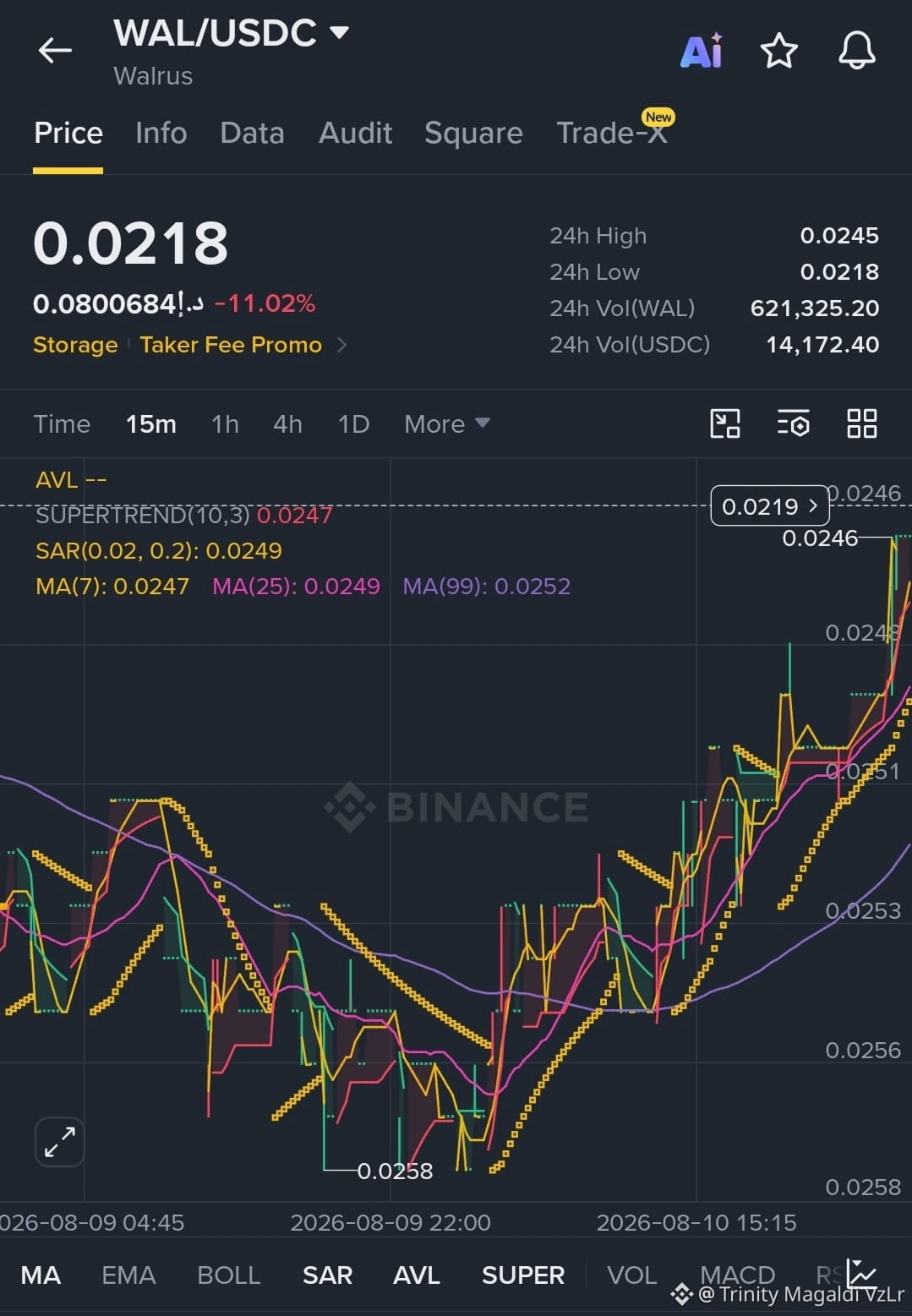
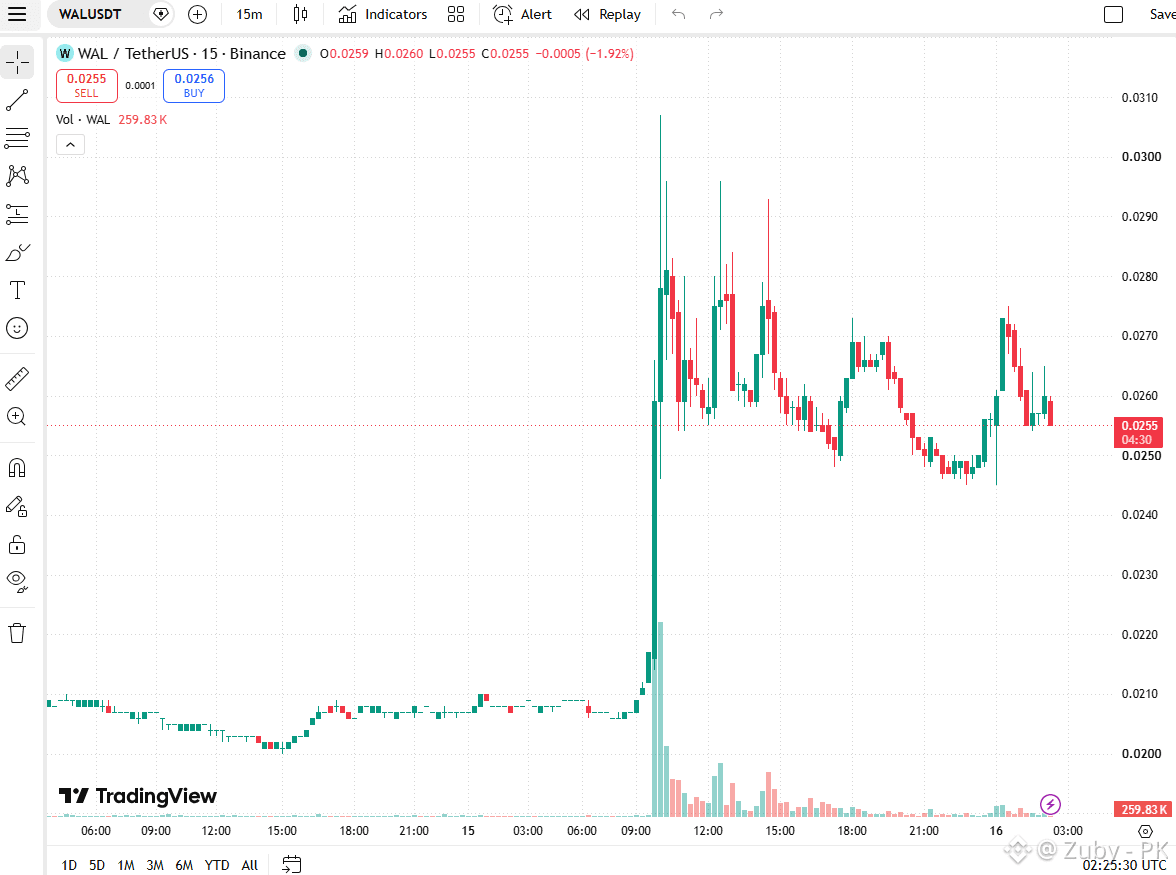
📈 Today's Trending Altcoin Analysis: 🐘 Walrus At A Glance
Price: $0.02295
🔻 -6.80% 1h
📈 +10.42% 24h
🔸24h Volume: $70.55M
Supply: 2.51B circulating / 5B max (Deflationary)
📉 Price Extremes
🔸ATH: $0.8742 (Mar 27, 2025) | -97.37% down
🔸ATL: $0.06917 (Mar 28, 2026) | -66.81% change
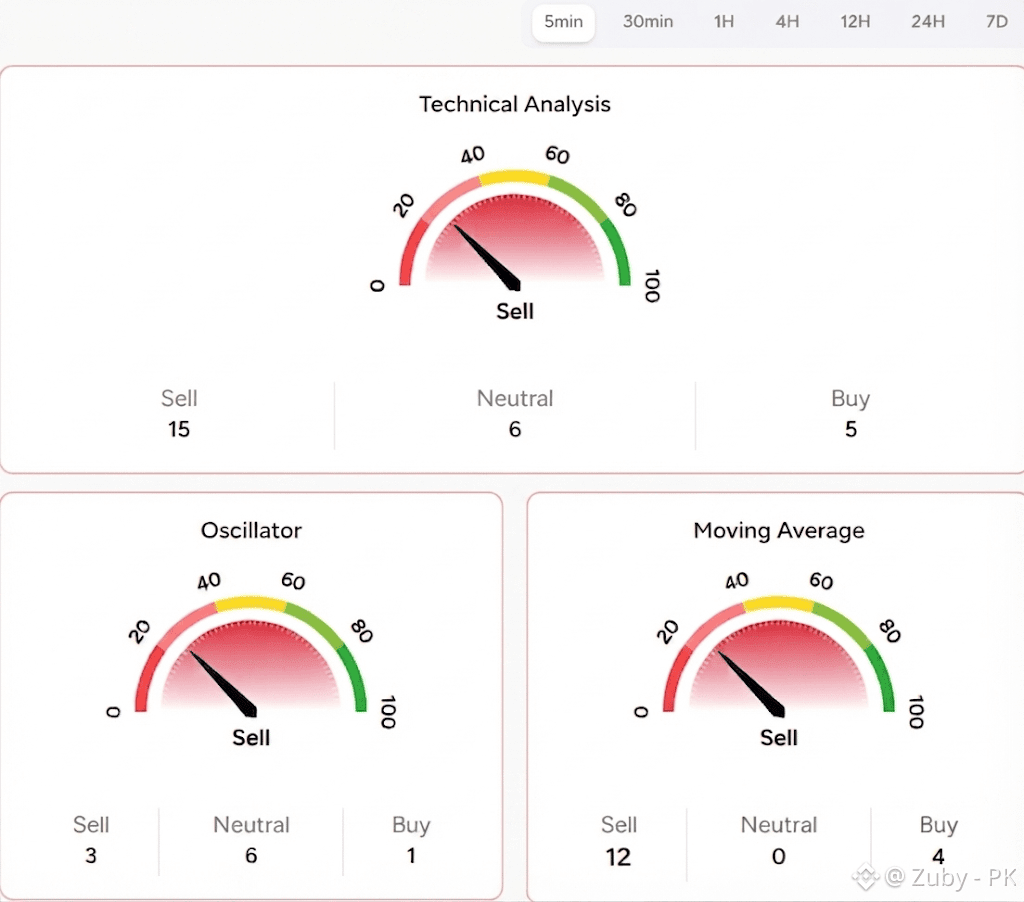
📊 Technicals & Indicators
🔸Trends: Bearish crossovers across short, medium, and long-term 🔸SMAs (50-day SMA: $0.02842 | 200-day SMA: $0.05924)
🔸Momentum: Volatility 4.85% (Neutral)
🔸RSI 47.09 (Neutral)
🔸MACD -0.0020 (Downward pressure)
🔸Signals: Stochastic K 21.32 (Bull zone)
🔸ROC -7.93 | MFI 79.68 (High participation)
🔊 Not financial advice. High volatility. Trade with risk management. DYOR ⚠️
#Walrus #WALToken #TechnicalAnalys
$WAL
{spot}(WALUSDT)
📈 Today's Trending Altcoin Analysis: 🐘 Walrus At A Glance
Price: $0.02295
🔻 -6.80% 1h
📈 +10.42% 24h
🔸24h Volume: $70.55M
Supply: 2.51B circulating / 5B max (Deflationary)
📉 Price Extremes
🔸ATH: $0.8742 (Mar 27, 2025) | -97.37% down
🔸ATL: $0.06917 (Mar 28, 2026) | -66.81% change
📊 Technicals & Indicators
🔸Trends: Bearish crossovers across short, medium, and long-term 🔸SMAs (50-day SMA: $0.02842 | 200-day SMA: $0.05924)
🔸Momentum: Volatility 4.85% (Neutral)
🔸RSI 47.09 (Neutral)
🔸MACD -0.0020 (Downward pressure)
🔸Signals: Stochastic K 21.32 (Bull zone)
🔸ROC -7.93 | MFI 79.68 (High participation)
🔊 Not financial advice. High volatility. Trade with risk management. DYOR ⚠️
#Walrus #WALToken #TechnicalAnalys
$WAL
Price: $0.02295
🔻 -6.80% 1h
📈 +10.42% 24h
🔸24h Volume: $70.55M
Supply: 2.51B circulating / 5B max (Deflationary)
📉 Price Extremes
🔸ATH: $0.8742 (Mar 27, 2025) | -97.37% down
🔸ATL: $0.06917 (Mar 28, 2026) | -66.81% change
📊 Technicals & Indicators
🔸Trends: Bearish crossovers across short, medium, and long-term 🔸SMAs (50-day SMA: $0.02842 | 200-day SMA: $0.05924)
🔸Momentum: Volatility 4.85% (Neutral)
🔸RSI 47.09 (Neutral)
🔸MACD -0.0020 (Downward pressure)
🔸Signals: Stochastic K 21.32 (Bull zone)
🔸ROC -7.93 | MFI 79.68 (High participation)
🔊 Not financial advice. High volatility. Trade with risk management. DYOR ⚠️
#Walrus #WALToken #TechnicalAnalys
$WAL
2
188

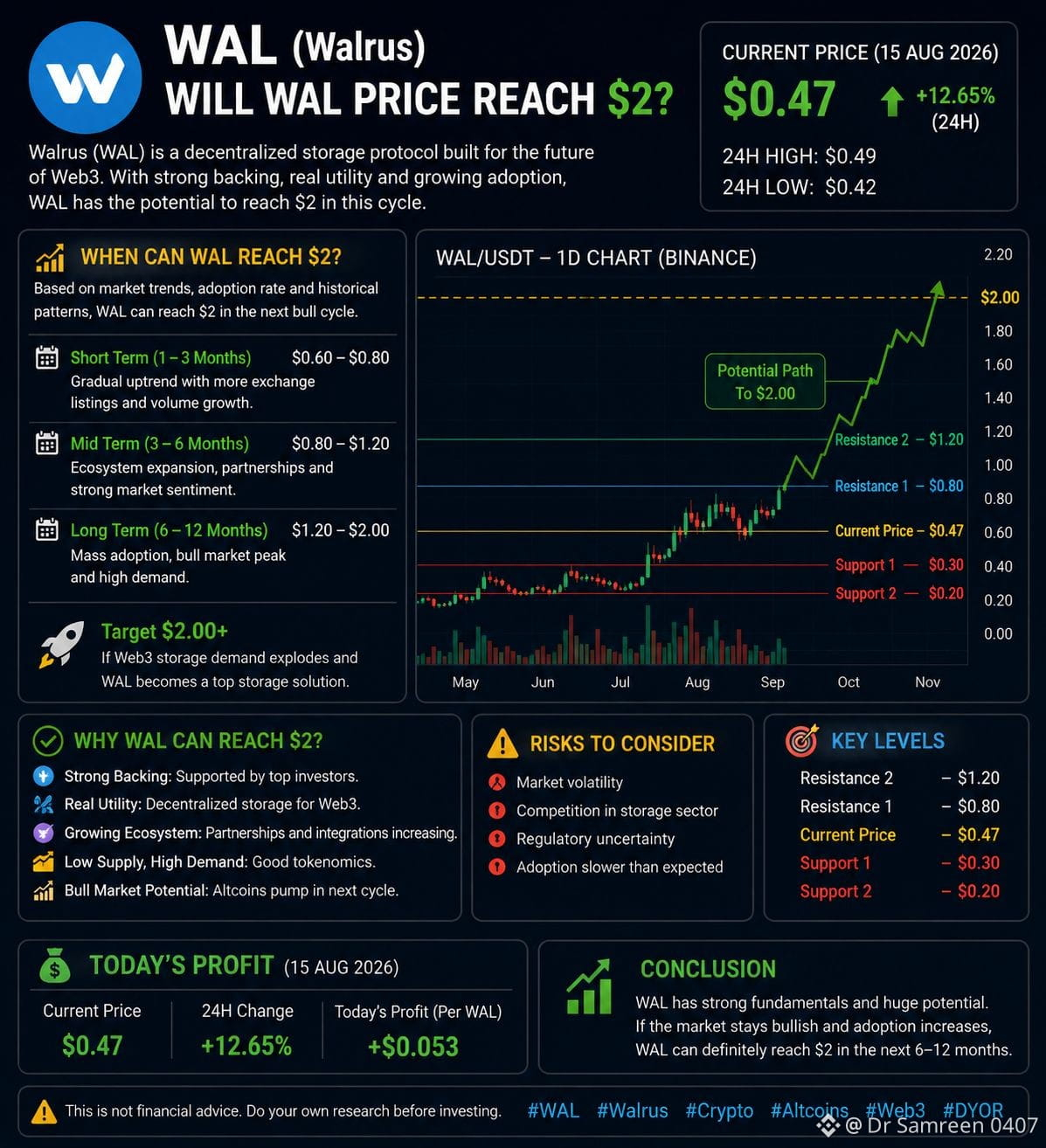
🔵 WAL (Walrus) — $2 Target Analysis 🚀
$WAL is a decentralized Web3 storage project with real utility and an expanding ecosystem. If the crypto market remains bullish, trading volume and adoption increase, and WAL breaks key resistance levels, $2 could become a long-term target—but it is not guaranteed.
📌 Key levels:
• Current area: ~$0.47
• Resistance: ~$0.80 → $1.20
• Major target: $2.00
• Support: ~$0.30 → $0.20
⏳ Possible timeline: A move toward $2 could take 6–12 months or longer depending on Bitcoin, altcoin momentum, adoption, and overall market conditions.
⚠️ WAL is highly volatile. Do your own research and use proper risk management. Not financial advice.
#wallet🔥 #walrus #WALusdt🚀🔥
🔵 WAL (Walrus) — $2 Target Analysis 🚀
$WAL is a decentralized Web3 storage project with real utility and an expanding ecosystem. If the crypto market remains bullish, trading volume and adoption increase, and WAL breaks key resistance levels, $2 could become a long-term target—but it is not guaranteed.
📌 Key levels:
• Current area: ~$0.47
• Resistance: ~$0.80 → $1.20
• Major target: $2.00
• Support: ~$0.30 → $0.20
⏳ Possible timeline: A move toward $2 could take 6–12 months or longer depending on Bitcoin, altcoin momentum, adoption, and overall market conditions.
⚠️ WAL is highly volatile. Do your own research and use proper risk management. Not financial advice.
#wallet🔥 #walrus #WALusdt🚀🔥
$WAL is a decentralized Web3 storage project with real utility and an expanding ecosystem. If the crypto market remains bullish, trading volume and adoption increase, and WAL breaks key resistance levels, $2 could become a long-term target—but it is not guaranteed.
📌 Key levels:
• Current area: ~$0.47
• Resistance: ~$0.80 → $1.20
• Major target: $2.00
• Support: ~$0.30 → $0.20
⏳ Possible timeline: A move toward $2 could take 6–12 months or longer depending on Bitcoin, altcoin momentum, adoption, and overall market conditions.
⚠️ WAL is highly volatile. Do your own research and use proper risk management. Not financial advice.
#wallet🔥 #walrus #WALusdt🚀🔥
102
·
--
$WAL 📊 разбор роста!
Что такое Walrus? Walrus — это децентрализованная сеть хранения данных нового поколения, построенная на базе Sui. Проект фокусируется на масштабируемости, дешевизне и высокой производительности для Web3-приложений.
Текущая ситуация: цена $0.0276** (+35.29%), пробила все EMA — **бычий тренд**. Но **RSI 80.2** — сильная перекупленность! Сопротивление **$0.0307, поддержка $0.0221. Объём огромный — 113 млн за 24ч.
Вывод: вход только на откате к $0.024–0.025 с коротким стопом. Перегрев очевиден.
👉 Подпишись на разборы!
#Walrus #DePIN #Trade 👇
{future}(WALUSDT)
$WAL 📊 разбор роста!
Что такое Walrus? Walrus — это децентрализованная сеть хранения данных нового поколения, построенная на базе Sui. Проект фокусируется на масштабируемости, дешевизне и высокой производительности для Web3-приложений.
Текущая ситуация: цена $0.0276** (+35.29%), пробила все EMA — **бычий тренд**. Но **RSI 80.2** — сильная перекупленность! Сопротивление **$0.0307, поддержка $0.0221. Объём огромный — 113 млн за 24ч.
Вывод: вход только на откате к $0.024–0.025 с коротким стопом. Перегрев очевиден.
👉 Подпишись на разборы!
#Walrus #DePIN #Trade 👇
Что такое Walrus? Walrus — это децентрализованная сеть хранения данных нового поколения, построенная на базе Sui. Проект фокусируется на масштабируемости, дешевизне и высокой производительности для Web3-приложений.
Текущая ситуация: цена $0.0276** (+35.29%), пробила все EMA — **бычий тренд**. Но **RSI 80.2** — сильная перекупленность! Сопротивление **$0.0307, поддержка $0.0221. Объём огромный — 113 млн за 24ч.
Вывод: вход только на откате к $0.024–0.025 с коротким стопом. Перегрев очевиден.
👉 Подпишись на разборы!
#Walrus #DePIN #Trade 👇
222

Article
Binance🚀 #WALRUS : العملة التي ستبني الجيل القادم من الإنترنت اللامركزي
بصراحة… عندما سمعت عن إدراج ($WAL) في باينانس، لم أتخيل أن هذا المشروع سيحمل كل هذا الثقل. لا أتكلم هنا عن عملة جديدة نزلت للتو — بل أتكلم عن بنية تحتية كاملة قد تغير طريقة تخزين بياناتنا ونقلها على البلوكشين.
الجميع يعاني من مشكلة واحدة: البيانات تزداد يوماً بعد يوم، والمنصات المركزية تتحكم فيها بالكامل — تحذفها، تبيعها، أو تغلق أبوابها فجأة. هنا جاءت Walrus لتقول: لا أحد يملك بياناتك غيرك.
هي شبكة تخزين لامركزية سريعة جداً، رخيصة، وآمنة. لا يوجد خادم واحد يتحكم فيها، لا نقطة انقطاع واحدة، ولا رقابة. ترفع ملفاتك، صورك، فيديوهاتك، أي شيء… ويبقى معك للأبد، لا يستطيع أحد حذفه أو الوصول إليه دون إذنك. هذا ليس مجرد مشروع آخر — هذا الأساس الذي ستقام عليه تطبيقات المستقبل.
منذ إدراجها، والحركة عليها قوية جداً. والحقيقة أنني لست متفائلاً بسعرها فقط — بل بالتقنية نفسها. فكلما زاد اعتماد الناس على اللامركزية، زادت الحاجة إلى ما تقدمه #Walrus . هي ليست مجرد عملة تتداولها وتربح منها — بل أداة حقيقية يحتاجها السوق بشدة.
أعرف أن السوق متقلب، وأعرف أن الطريق ليس معبداً بالورود. لكن عندما ترى مشروعاً يحل مشكلة حقيقية، بتقنية قوية، وفريق يعمل بصمت وإتقان — لا يمكنك إلا أن تتوقف وتفكر جيداً. قد لا ترتفع في يوم وليلة، لكن من يملك الصبر والدراية، سيدرك أننا أمام مشروع له كلمة كبيرة سيقولها قريباً.
السوق مليء بالعملات التي نزلت وصعدت واختفت. لكن القليل منها فقط يبقى ويكبر. وأرى Walrus ممن يملكون المقومات للبقاء والنمو. القرار لك في النهاية — لا أحد يضمن لك شيئاً، لكن الفرص لا تأتي كل يوم. فهل هذه فرصتك أم ستمر عليها مرور الكرام؟#Binance #WAL #عملات_رقمية
Binance
🚀 #WALRUS : العملة التي ستبني الجيل القادم من الإنترنت اللامركزي
بصراحة… عندما سمعت عن إدراج ($WAL) في باينانس، لم أتخيل أن هذا المشروع سيحمل كل هذا الثقل. لا أتكلم هنا عن عملة جديدة نزلت للتو — بل أتكلم عن بنية تحتية كاملة قد تغير طريقة تخزين بياناتنا ونقلها على البلوكشين.
الجميع يعاني من مشكلة واحدة: البيانات تزداد يوماً بعد يوم، والمنصات المركزية تتحكم فيها بالكامل — تحذفها، تبيعها، أو تغلق أبوابها فجأة. هنا جاءت Walrus لتقول: لا أحد يملك بياناتك غيرك.
هي شبكة تخزين لامركزية سريعة جداً، رخيصة، وآمنة. لا يوجد خادم واحد يتحكم فيها، لا نقطة انقطاع واحدة، ولا رقابة. ترفع ملفاتك، صورك، فيديوهاتك، أي شيء… ويبقى معك للأبد، لا يستطيع أحد حذفه أو الوصول إليه دون إذنك. هذا ليس مجرد مشروع آخر — هذا الأساس الذي ستقام عليه تطبيقات المستقبل.
منذ إدراجها، والحركة عليها قوية جداً. والحقيقة أنني لست متفائلاً بسعرها فقط — بل بالتقنية نفسها. فكلما زاد اعتماد الناس على اللامركزية، زادت الحاجة إلى ما تقدمه #Walrus . هي ليست مجرد عملة تتداولها وتربح منها — بل أداة حقيقية يحتاجها السوق بشدة.
أعرف أن السوق متقلب، وأعرف أن الطريق ليس معبداً بالورود. لكن عندما ترى مشروعاً يحل مشكلة حقيقية، بتقنية قوية، وفريق يعمل بصمت وإتقان — لا يمكنك إلا أن تتوقف وتفكر جيداً. قد لا ترتفع في يوم وليلة، لكن من يملك الصبر والدراية، سيدرك أننا أمام مشروع له كلمة كبيرة سيقولها قريباً.
السوق مليء بالعملات التي نزلت وصعدت واختفت. لكن القليل منها فقط يبقى ويكبر. وأرى Walrus ممن يملكون المقومات للبقاء والنمو. القرار لك في النهاية — لا أحد يضمن لك شيئاً، لكن الفرص لا تأتي كل يوم. فهل هذه فرصتك أم ستمر عليها مرور الكرام؟#Binance #WAL #عملات_رقمية
بصراحة… عندما سمعت عن إدراج ($WAL) في باينانس، لم أتخيل أن هذا المشروع سيحمل كل هذا الثقل. لا أتكلم هنا عن عملة جديدة نزلت للتو — بل أتكلم عن بنية تحتية كاملة قد تغير طريقة تخزين بياناتنا ونقلها على البلوكشين.
الجميع يعاني من مشكلة واحدة: البيانات تزداد يوماً بعد يوم، والمنصات المركزية تتحكم فيها بالكامل — تحذفها، تبيعها، أو تغلق أبوابها فجأة. هنا جاءت Walrus لتقول: لا أحد يملك بياناتك غيرك.
هي شبكة تخزين لامركزية سريعة جداً، رخيصة، وآمنة. لا يوجد خادم واحد يتحكم فيها، لا نقطة انقطاع واحدة، ولا رقابة. ترفع ملفاتك، صورك، فيديوهاتك، أي شيء… ويبقى معك للأبد، لا يستطيع أحد حذفه أو الوصول إليه دون إذنك. هذا ليس مجرد مشروع آخر — هذا الأساس الذي ستقام عليه تطبيقات المستقبل.
منذ إدراجها، والحركة عليها قوية جداً. والحقيقة أنني لست متفائلاً بسعرها فقط — بل بالتقنية نفسها. فكلما زاد اعتماد الناس على اللامركزية، زادت الحاجة إلى ما تقدمه #Walrus . هي ليست مجرد عملة تتداولها وتربح منها — بل أداة حقيقية يحتاجها السوق بشدة.
أعرف أن السوق متقلب، وأعرف أن الطريق ليس معبداً بالورود. لكن عندما ترى مشروعاً يحل مشكلة حقيقية، بتقنية قوية، وفريق يعمل بصمت وإتقان — لا يمكنك إلا أن تتوقف وتفكر جيداً. قد لا ترتفع في يوم وليلة، لكن من يملك الصبر والدراية، سيدرك أننا أمام مشروع له كلمة كبيرة سيقولها قريباً.
السوق مليء بالعملات التي نزلت وصعدت واختفت. لكن القليل منها فقط يبقى ويكبر. وأرى Walrus ممن يملكون المقومات للبقاء والنمو. القرار لك في النهاية — لا أحد يضمن لك شيئاً، لكن الفرص لا تأتي كل يوم. فهل هذه فرصتك أم ستمر عليها مرور الكرام؟#Binance #WAL #عملات_رقمية
118

·
--
🦭 WAL — покупатели возвращаются
WAL снова показывает положительную динамику. На текущий момент Walrus торгуется примерно в районе $0,023, а за последние сутки цена прибавила около 1%.
📊 При этом актив остаётся очень волатильным: ранее WAL уже показывал резкие движения на 5–10% за одну сессию.
⚡ Дополнительное внимание сейчас привлекает токеномика — на 26 августа запланировано очередное разблокирование токенов WAL, что может увеличить давление со стороны предложения. (DefiLlama)
👀 Поэтому ближайшая реакция цены на уровни $0,023–$0,024 может быть особенно интересной.
$WAL
#WallStreetNews #walrus #Binance #Altcoins
{future}(WALUSDT)
🦭 WAL — покупатели возвращаются
WAL снова показывает положительную динамику. На текущий момент Walrus торгуется примерно в районе $0,023, а за последние сутки цена прибавила около 1%.
📊 При этом актив остаётся очень волатильным: ранее WAL уже показывал резкие движения на 5–10% за одну сессию.
⚡ Дополнительное внимание сейчас привлекает токеномика — на 26 августа запланировано очередное разблокирование токенов WAL, что может увеличить давление со стороны предложения. (DefiLlama)
👀 Поэтому ближайшая реакция цены на уровни $0,023–$0,024 может быть особенно интересной.
$WAL
#WallStreetNews #walrus #Binance #Altcoins
WAL снова показывает положительную динамику. На текущий момент Walrus торгуется примерно в районе $0,023, а за последние сутки цена прибавила около 1%.
📊 При этом актив остаётся очень волатильным: ранее WAL уже показывал резкие движения на 5–10% за одну сессию.
⚡ Дополнительное внимание сейчас привлекает токеномика — на 26 августа запланировано очередное разблокирование токенов WAL, что может увеличить давление со стороны предложения. (DefiLlama)
👀 Поэтому ближайшая реакция цены на уровни $0,023–$0,024 может быть особенно интересной.
$WAL
#WallStreetNews #walrus #Binance #Altcoins
121

·
--
$WAL Walrus 最近链上活跃度明显提升,主要得益于和 Astros 合作推出的 AI 可读 WVTS 交易标准,目前已累计超过 2200 万笔交易,成为 Talus AI 生态的关键基础设施,同时获得 Perceptron 等机构的战略注资。短期来看,基本面与生态进展同步走强,对价格形成正向催化。
不过当前 $WAL 市值仅 5100 万美元左右,24 小时成交约 237 万美元,整体盘子仍偏小,波动和回撤风险都不容忽视,短线参与务必控制仓位、严格止损。
#Walrus#AI
$WAL Walrus 最近链上活跃度明显提升,主要得益于和 Astros 合作推出的 AI 可读 WVTS 交易标准,目前已累计超过 2200 万笔交易,成为 Talus AI 生态的关键基础设施,同时获得 Perceptron 等机构的战略注资。短期来看,基本面与生态进展同步走强,对价格形成正向催化。
不过当前 $WAL 市值仅 5100 万美元左右,24 小时成交约 237 万美元,整体盘子仍偏小,波动和回撤风险都不容忽视,短线参与务必控制仓位、严格止损。
#Walrus#AI
不过当前 $WAL 市值仅 5100 万美元左右,24 小时成交约 237 万美元,整体盘子仍偏小,波动和回撤风险都不容忽视,短线参与务必控制仓位、严格止损。
#Walrus#AI
125
Connectez-vous pour découvrir plus de contenu
Rejoignez la communauté mondiale des adeptes de cryptomonnaies sur Binance Square
⚡️ Suviez les dernières informations importantes sur les cryptomonnaies.
💬 Jugé digne de confiance par la plus grande plateforme d’échange de cryptomonnaies au monde.
👍 Découvrez les connaissances que partagent les créateurs vérifiés.
Adresse e-mail/Nº de téléphone
Sujets d’actualité
1
#BitcoinSlipsBelow$84000
41 vues
27 mentions
2
#SECToClarifyOnChainFundraisingRules
1,921 vues
105 mentions
3
#UKFCAOpensCryptoFirmAuthorization
4,511 vues
135 mentions
4
#JapanMOFStudyGroupOnTokenizedGovtBonds
4,557 vues
152 mentions
5
#QNTRises287%
31,321 vues
459 mentions
6
#TrumpRejectsAIRulesForVoluntaryAudits
22,922 vues
532 mentions
7
#BitgetHotWalletBreachTiedToThirdPartySecurityFlaw
12,534 vues
353 mentions
8
#OpenAIUnveilsAlwaysOnAgentDots
10,477 vues
367 mentions
9
#ChainlinkLaunchesBankSWIFTLedgerFramework
11,181 vues
287 mentions
10
#EarningsSeason
550,894 vues
3,871 mentions