

#gamingcoins
gamingcoins
1M vues
1,314 mentions
Populaire
Récents
·
--
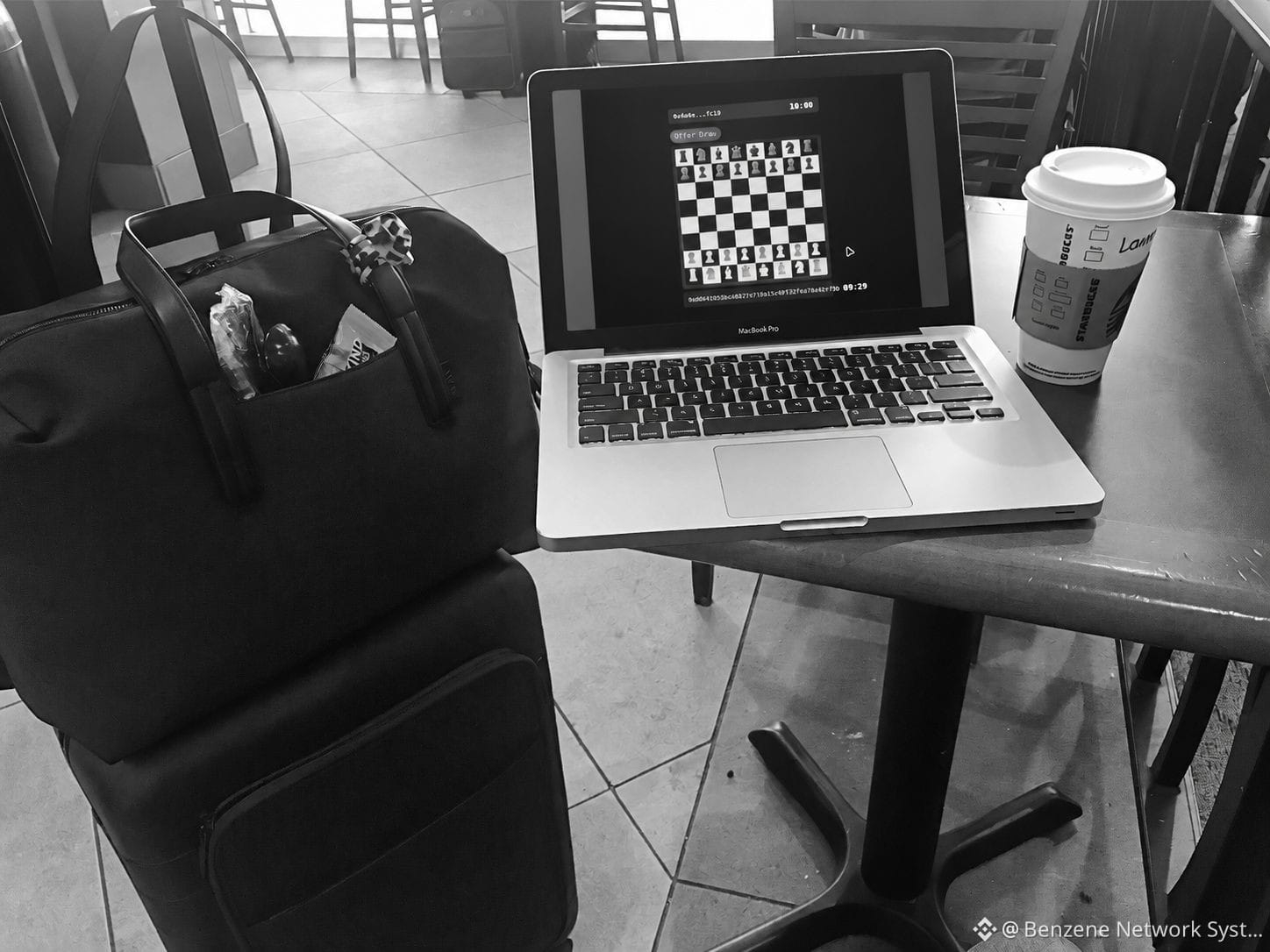
Before building CryptoChess, I asked myself a question that every crypto-game developer should ask:
If $BNS went to $0 tomorrow, would anyone still want to play the game?
If the answer is no, then you didn't build a game.
You built a token with a game attached to it.
#GameFi #GameLaunch #GamingCoins
Before building CryptoChess, I asked myself a question that every crypto-game developer should ask:
If $BNS went to $0 tomorrow, would anyone still want to play the game?
If the answer is no, then you didn't build a game.
You built a token with a game attached to it.
#GameFi #GameLaunch #GamingCoins
If $BNS went to $0 tomorrow, would anyone still want to play the game?
If the answer is no, then you didn't build a game.
You built a token with a game attached to it.
#GameFi #GameLaunch #GamingCoins
62

·
--
$ILV JUST GOT INTERESTING AGAIN… 👀
Most traders are chasing the same big coins.
But what if the next opportunity is hiding in GameFi? 🎮
Meet Illuvium ($ILV ) — a Web3 gaming ecosystem built around games, digital assets, and an on-chain economy.
#Web3 #GamingCoins
$ILV JUST GOT INTERESTING AGAIN… 👀
Most traders are chasing the same big coins.
But what if the next opportunity is hiding in GameFi? 🎮
Meet Illuvium ($ILV ) — a Web3 gaming ecosystem built around games, digital assets, and an on-chain economy.
#Web3 #GamingCoins
Most traders are chasing the same big coins.
But what if the next opportunity is hiding in GameFi? 🎮
Meet Illuvium ($ILV ) — a Web3 gaming ecosystem built around games, digital assets, and an on-chain economy.
#Web3 #GamingCoins
312
·
--
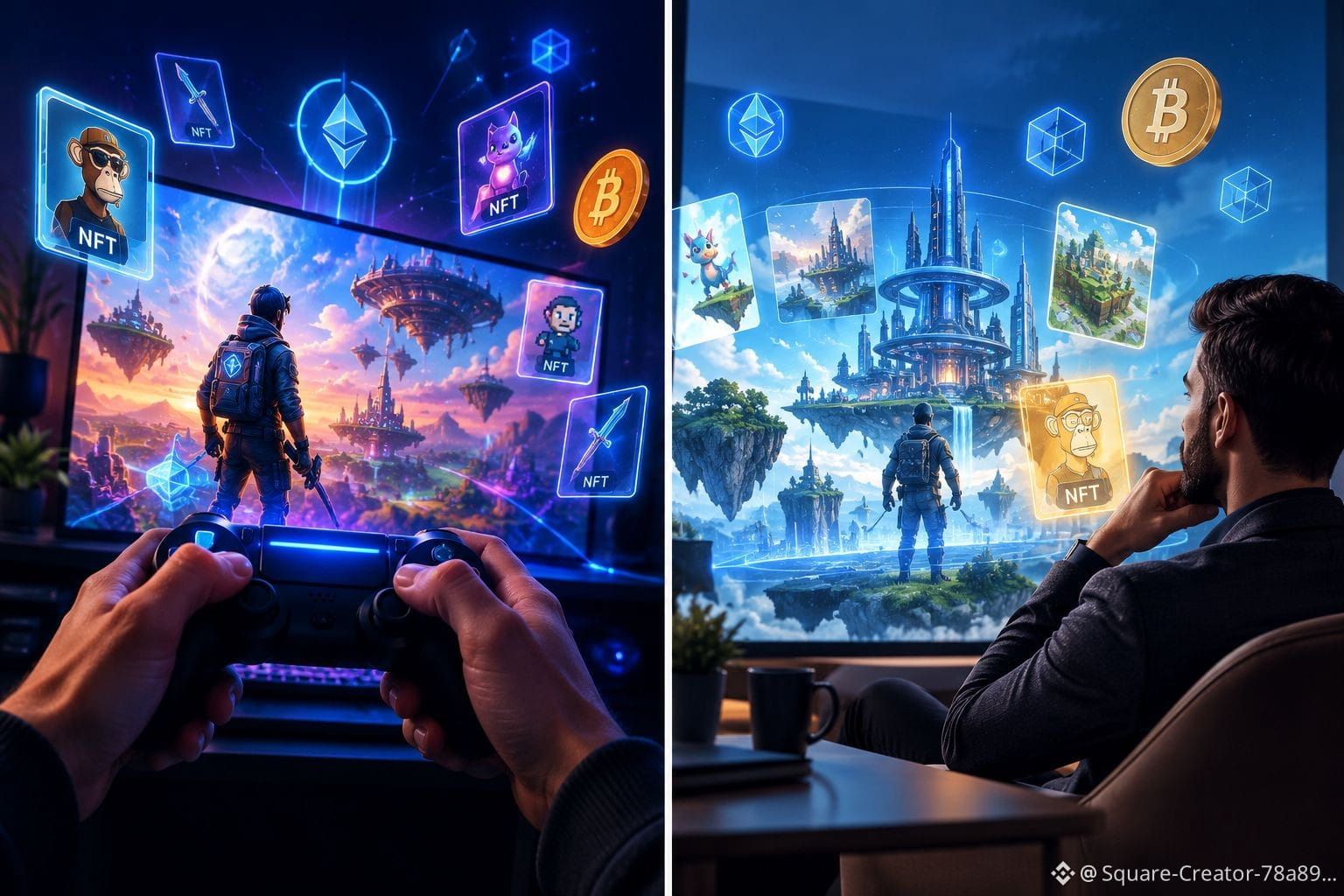
🎮 هل ولى زمن ألعاب الميم.. وجاء عصر ألعاب الويب 3 (Web3 Gaming)؟
الاستثمار في المشاريع التي تقدم "منفعة حقيقية" هو الأبقى دائماً. قطاع الألعاب القائمة على البلوكشين (GameFi) ينمو بسرعة هائلة، والشركات التقليدية بدأت تضخ مليارات الدولارات لتطوير ألعاب تتيح للاعبين ملكية حقيقية لأصولهم داخل اللعبة على شكل NFTs.
💡 نصيحة اليوم: لا تحصر محفظتك في عملات التداول السريع فقط. خصص جزءاً بسيطاً للمشاريع التي تبني بنية تحتية قوية للألعاب والميتافيرس، لأن الطفرة القادمة قد تنطلق من هذا القطاع.
ما هي العملة المفضلة لديك في قطاع الألعاب (GameFi) وتتوقع لها مستقبلاً كبيراً؟ 🚀👇
#Web3Gaming #GamingCoins #NFTs
$BNB $BTC $ETH
🎮 هل ولى زمن ألعاب الميم.. وجاء عصر ألعاب الويب 3 (Web3 Gaming)؟
الاستثمار في المشاريع التي تقدم "منفعة حقيقية" هو الأبقى دائماً. قطاع الألعاب القائمة على البلوكشين (GameFi) ينمو بسرعة هائلة، والشركات التقليدية بدأت تضخ مليارات الدولارات لتطوير ألعاب تتيح للاعبين ملكية حقيقية لأصولهم داخل اللعبة على شكل NFTs.
💡 نصيحة اليوم: لا تحصر محفظتك في عملات التداول السريع فقط. خصص جزءاً بسيطاً للمشاريع التي تبني بنية تحتية قوية للألعاب والميتافيرس، لأن الطفرة القادمة قد تنطلق من هذا القطاع.
ما هي العملة المفضلة لديك في قطاع الألعاب (GameFi) وتتوقع لها مستقبلاً كبيراً؟ 🚀👇
#Web3Gaming #GamingCoins #NFTs
$BNB $BTC $ETH
الاستثمار في المشاريع التي تقدم "منفعة حقيقية" هو الأبقى دائماً. قطاع الألعاب القائمة على البلوكشين (GameFi) ينمو بسرعة هائلة، والشركات التقليدية بدأت تضخ مليارات الدولارات لتطوير ألعاب تتيح للاعبين ملكية حقيقية لأصولهم داخل اللعبة على شكل NFTs.
💡 نصيحة اليوم: لا تحصر محفظتك في عملات التداول السريع فقط. خصص جزءاً بسيطاً للمشاريع التي تبني بنية تحتية قوية للألعاب والميتافيرس، لأن الطفرة القادمة قد تنطلق من هذا القطاع.
ما هي العملة المفضلة لديك في قطاع الألعاب (GameFi) وتتوقع لها مستقبلاً كبيراً؟ 🚀👇
#Web3Gaming #GamingCoins #NFTs
$BNB $BTC $ETH
2
3
5
34

عملات الألعاب والميتافيرس (Gaming & Metaverse)
🎮 قطاع الـ Gaming يعود إلى الواجهة!
شهدت عملات الألعاب الإلكترونية والبلوكشين انتعاشاً ممتازا اليوم مدعومة بإطلاق تحديثات جديدة وشراكات استراتيجية. 👾
هل تعتقد أن هذا القطاع قادر على قيادة الدورة الصعودية القادمة؟
$GAME
{alpha}(560x825459139c897d769339f295e962396c4f9e4a4d)
#GamingCoins
#metavers
$METAB
{spot}(METABUSDT)
عملات الألعاب والميتافيرس (Gaming & Metaverse)
🎮 قطاع الـ Gaming يعود إلى الواجهة!
شهدت عملات الألعاب الإلكترونية والبلوكشين انتعاشاً ممتازا اليوم مدعومة بإطلاق تحديثات جديدة وشراكات استراتيجية. 👾
هل تعتقد أن هذا القطاع قادر على قيادة الدورة الصعودية القادمة؟
$GAME
#GamingCoins
#metavers
$METAB
🎮 قطاع الـ Gaming يعود إلى الواجهة!
شهدت عملات الألعاب الإلكترونية والبلوكشين انتعاشاً ممتازا اليوم مدعومة بإطلاق تحديثات جديدة وشراكات استراتيجية. 👾
هل تعتقد أن هذا القطاع قادر على قيادة الدورة الصعودية القادمة؟
$GAME
#GamingCoins
#metavers
$METAB
1
85

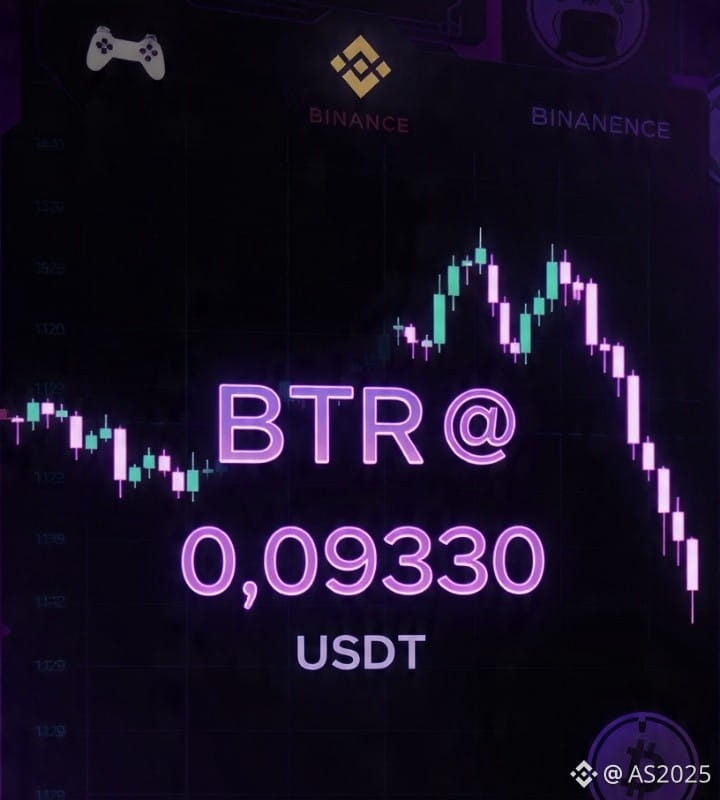
*BTR تسجل 0.09380$ الآن على Binance*
تصحيح قوي -52% من القمة + فرصة تجميع جديدة 🚀
*📊 أهم النقاط:*
- *السعر الحالي*: 0.09380$ على Binance
- *الحركة*: هبوط من 0.19808$ لمنطقة دعم قوية 0.0920$ - 0.0940$
- *المنصة*: تداول SPOT
- *السياق*: $BTR - توكن Gaming + Metaverse. التصحيح ده طبيعي بعد صعود سريع. الفريق أعلن عن إيفنت سيزون جديد + حرق توكنات قريب
الفوليوم بدأ يرجع في منطقة 0.093$ والـ Whales بتشتري. دعم تاريخي اتحترم 3 مرات
*📌 التوقعات*
btr عند 0.09380$
- *الثبات فوق 0.0920$* = استهداف 0.0980$ → 0.1050$ → 0.1120$
- *كسر 0.0900$* = إعادة اختبار 0.0850$ منطقة شراء قوية
*الخلاصة*: btr وصلت منطقة خصم 50%. أي عودة لترند الـ Gaming هتطيرها بسرعة. دخول 0.09380$ - 0.09420$ | هدف 0.105$ | ستوب 0.0890$ | استثمار Gaming طويل 👇
$BTR R #BinanceHerYerde ce #GamingCoins ming #Metaverse rse #DipBuy # #Exclusive #تحليل
$BTR
{future}(BTRUSDT)
*BTR تسجل 0.09380$ الآن على Binance*
تصحيح قوي -52% من القمة + فرصة تجميع جديدة 🚀
*📊 أهم النقاط:*
- *السعر الحالي*: 0.09380$ على Binance
- *الحركة*: هبوط من 0.19808$ لمنطقة دعم قوية 0.0920$ - 0.0940$
- *المنصة*: تداول SPOT
- *السياق*: $BTR - توكن Gaming + Metaverse. التصحيح ده طبيعي بعد صعود سريع. الفريق أعلن عن إيفنت سيزون جديد + حرق توكنات قريب
الفوليوم بدأ يرجع في منطقة 0.093$ والـ Whales بتشتري. دعم تاريخي اتحترم 3 مرات
*📌 التوقعات*
btr عند 0.09380$
- *الثبات فوق 0.0920$* = استهداف 0.0980$ → 0.1050$ → 0.1120$
- *كسر 0.0900$* = إعادة اختبار 0.0850$ منطقة شراء قوية
*الخلاصة*: btr وصلت منطقة خصم 50%. أي عودة لترند الـ Gaming هتطيرها بسرعة. دخول 0.09380$ - 0.09420$ | هدف 0.105$ | ستوب 0.0890$ | استثمار Gaming طويل 👇
$BTR R #BinanceHerYerde ce #GamingCoins ming #Metaverse rse #DipBuy # #Exclusive #تحليل
$BTR
تصحيح قوي -52% من القمة + فرصة تجميع جديدة 🚀
*📊 أهم النقاط:*
- *السعر الحالي*: 0.09380$ على Binance
- *الحركة*: هبوط من 0.19808$ لمنطقة دعم قوية 0.0920$ - 0.0940$
- *المنصة*: تداول SPOT
- *السياق*: $BTR - توكن Gaming + Metaverse. التصحيح ده طبيعي بعد صعود سريع. الفريق أعلن عن إيفنت سيزون جديد + حرق توكنات قريب
الفوليوم بدأ يرجع في منطقة 0.093$ والـ Whales بتشتري. دعم تاريخي اتحترم 3 مرات
*📌 التوقعات*
btr عند 0.09380$
- *الثبات فوق 0.0920$* = استهداف 0.0980$ → 0.1050$ → 0.1120$
- *كسر 0.0900$* = إعادة اختبار 0.0850$ منطقة شراء قوية
*الخلاصة*: btr وصلت منطقة خصم 50%. أي عودة لترند الـ Gaming هتطيرها بسرعة. دخول 0.09380$ - 0.09420$ | هدف 0.105$ | ستوب 0.0890$ | استثمار Gaming طويل 👇
$BTR R #BinanceHerYerde ce #GamingCoins ming #Metaverse rse #DipBuy # #Exclusive #تحليل
$BTR
1
168
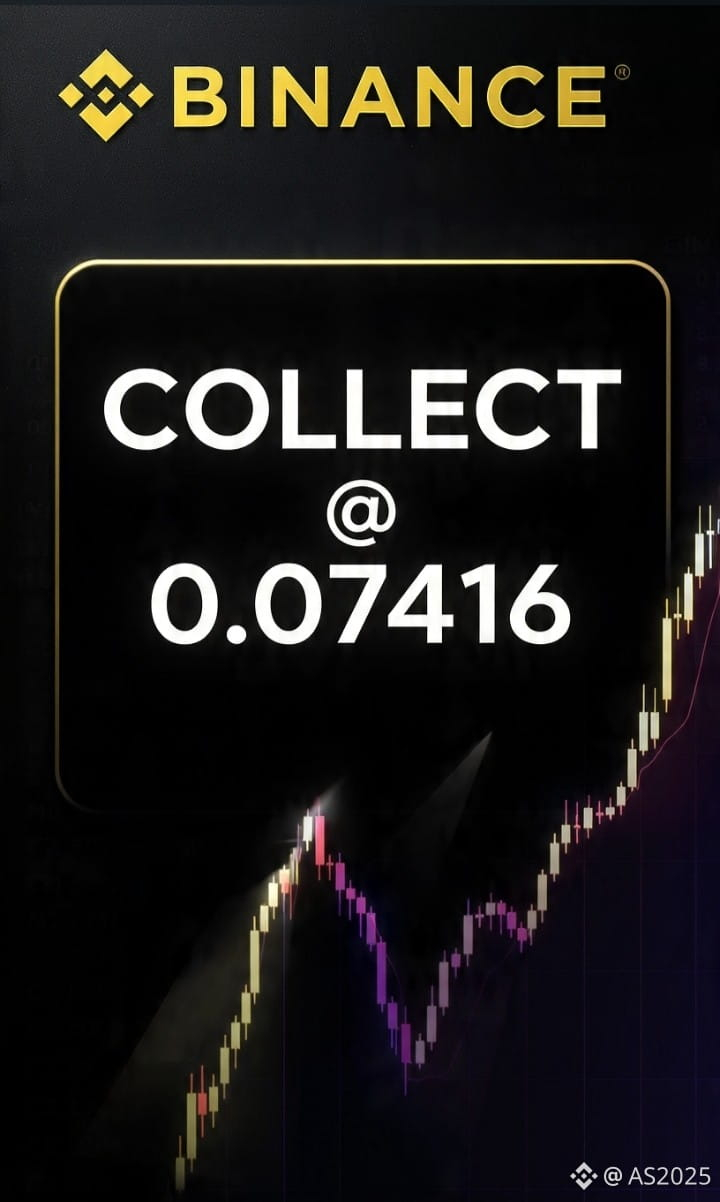
*COLLECT تسجل 0.07416$ الآن على Binance*🚀🚀
اختراق منطقة 0.070$ +6% بفوليوم NFT 🔥
#### *📊 أهم النقاط:*
- *السعر الحالي*: 0.07416$ على Binance
- *الحركة*: كسر مقاومة 0.0700$ وثبات فوقها
- *المنصة*: تداول SPOT
- *السياق*: COLLECT - مشروع NFT + Gaming + Marketplace. القطاع رجع يتحرك مع عودة ترند الـ NFTs والألعاب
الـ RSI عند 58 لسه فيه مساحة للصعود و الـ Volume أعلى من المتوسط 200%
#### *📌 التوقعات* COLLECt عند 0.07416$
- *الثبات فوق 0.0740$* = استهداف 0.0770$ → 0.0800$ → 0.0850$
- *إعادة اختبار 0.0700$* = منطقة شراء ممتازة لو حصل تصحيح
*الخلاصة*: $COLLECT خرجت من القناة 0.065$ - 0.070$ بعد شهر تجميع. أي كولكشن جديد أو شراكة GameFi هتطيرها لـ 0.10$. دخول 0.07416$ - 0.07450$ | هدف 0.080$ | ستوب 0.0690$ 👇
$COLLECT
{alpha}(560x4b3d30992f003c8167699735f5ab2831b2a087d3)
#Binance #GamingCoins #breakouts #Crypto_Jobs🎯 #Exclusive
*COLLECT تسجل 0.07416$ الآن على Binance*🚀🚀
اختراق منطقة 0.070$ +6% بفوليوم NFT 🔥
#### *📊 أهم النقاط:*
- *السعر الحالي*: 0.07416$ على Binance
- *الحركة*: كسر مقاومة 0.0700$ وثبات فوقها
- *المنصة*: تداول SPOT
- *السياق*: COLLECT - مشروع NFT + Gaming + Marketplace. القطاع رجع يتحرك مع عودة ترند الـ NFTs والألعاب
الـ RSI عند 58 لسه فيه مساحة للصعود و الـ Volume أعلى من المتوسط 200%
#### *📌 التوقعات* COLLECt عند 0.07416$
- *الثبات فوق 0.0740$* = استهداف 0.0770$ → 0.0800$ → 0.0850$
- *إعادة اختبار 0.0700$* = منطقة شراء ممتازة لو حصل تصحيح
*الخلاصة*: $COLLECT خرجت من القناة 0.065$ - 0.070$ بعد شهر تجميع. أي كولكشن جديد أو شراكة GameFi هتطيرها لـ 0.10$. دخول 0.07416$ - 0.07450$ | هدف 0.080$ | ستوب 0.0690$ 👇
$COLLECT
#Binance #GamingCoins #breakouts #Crypto_Jobs🎯 #Exclusive
اختراق منطقة 0.070$ +6% بفوليوم NFT 🔥
#### *📊 أهم النقاط:*
- *السعر الحالي*: 0.07416$ على Binance
- *الحركة*: كسر مقاومة 0.0700$ وثبات فوقها
- *المنصة*: تداول SPOT
- *السياق*: COLLECT - مشروع NFT + Gaming + Marketplace. القطاع رجع يتحرك مع عودة ترند الـ NFTs والألعاب
الـ RSI عند 58 لسه فيه مساحة للصعود و الـ Volume أعلى من المتوسط 200%
#### *📌 التوقعات* COLLECt عند 0.07416$
- *الثبات فوق 0.0740$* = استهداف 0.0770$ → 0.0800$ → 0.0850$
- *إعادة اختبار 0.0700$* = منطقة شراء ممتازة لو حصل تصحيح
*الخلاصة*: $COLLECT خرجت من القناة 0.065$ - 0.070$ بعد شهر تجميع. أي كولكشن جديد أو شراكة GameFi هتطيرها لـ 0.10$. دخول 0.07416$ - 0.07450$ | هدف 0.080$ | ستوب 0.0690$ 👇
$COLLECT
#Binance #GamingCoins #breakouts #Crypto_Jobs🎯 #Exclusive
1
154

·
--
$ENJ
LONG SETUP
💰 Current Price: 0.03270 USDT (-8.61% 24h)
📥 Buy Zone:
🔹 0.03180 – 0.03220
🛑 Stop Loss:
❌ 0.03090 (below today’s low) → Risk ~5-6%
🎯 Targets:
🔥 TP1: 0.03490 – 0.03550 (recent swing area)
🔥 TP2: 0.03617 (24h high)
🔥 TP3: 3 (Extended): 0.03850 – 0.03950
⚠️ High risk = High reward setup.
Watch price action carefully inside the buy zone and manage risk properly.
#CRYPTOTRADING
#LONGTRADE
#GamingCoins
#ENJ/USDT
{future}(ENJUSDT)
$ENJ
LONG SETUP
💰 Current Price: 0.03270 USDT (-8.61% 24h)
📥 Buy Zone:
🔹 0.03180 – 0.03220
🛑 Stop Loss:
❌ 0.03090 (below today’s low) → Risk ~5-6%
🎯 Targets:
🔥 TP1: 0.03490 – 0.03550 (recent swing area)
🔥 TP2: 0.03617 (24h high)
🔥 TP3: 3 (Extended): 0.03850 – 0.03950
⚠️ High risk = High reward setup.
Watch price action carefully inside the buy zone and manage risk properly.
#CRYPTOTRADING
#LONGTRADE
#GamingCoins
#ENJ/USDT
LONG SETUP
💰 Current Price: 0.03270 USDT (-8.61% 24h)
📥 Buy Zone:
🔹 0.03180 – 0.03220
🛑 Stop Loss:
❌ 0.03090 (below today’s low) → Risk ~5-6%
🎯 Targets:
🔥 TP1: 0.03490 – 0.03550 (recent swing area)
🔥 TP2: 0.03617 (24h high)
🔥 TP3: 3 (Extended): 0.03850 – 0.03950
⚠️ High risk = High reward setup.
Watch price action carefully inside the buy zone and manage risk properly.
#CRYPTOTRADING
#LONGTRADE
#GamingCoins
#ENJ/USDT
1
1
84
·
--
Haussier
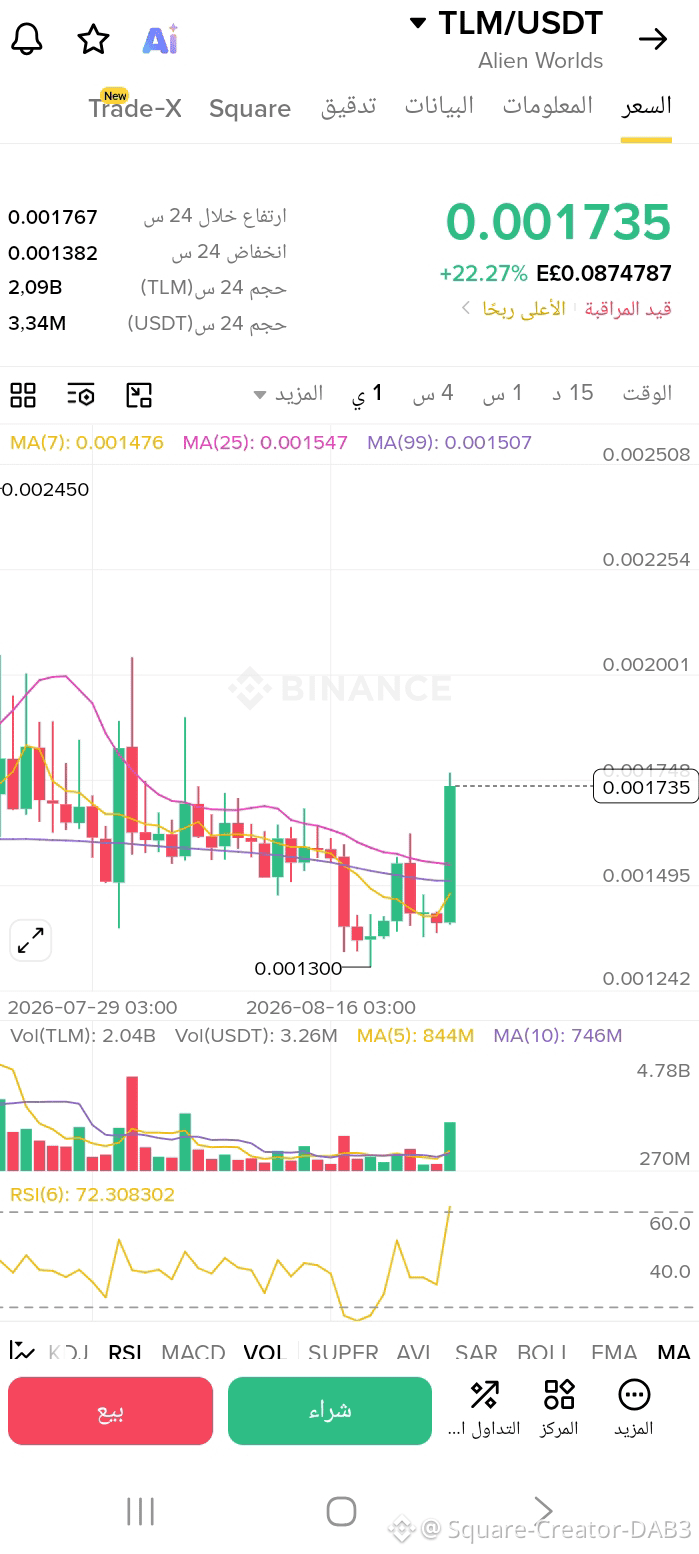
سبب ارتفاع عملة $TLM اليوم 🚀🚀
أتوقع وصولها إلى 0.0022 usdt 🚀🤴
ارتقاد مضاربي وتجميع مفاجئ (Volume Spike): يظهر على الرسم البياني ارتفاع حاد في شمعة اليوم بنسبة تتجاوز +22.27% ليصل السعر إلى 0.001735 USDT، مصحوباً بزيادة ملحوظة في حجم التداول (Volume) ليتجاوز 2.09 مليار عملة TLM (بقيمة تفوق 3.34 مليون دولار) مقارنة بالأيام السابقة.
اختراق المتوسطات المتحركة (MA Breakout): نجح السعر في الاختراق الصعودي المباشر لمتوسطات الحركة الرئيسية MA(7) عند 0.001476 و MA(25) عند 0.001547 و MA(99) عند 0.001507 بشمعة واحدة قوية.
ارتداد من القاع (Technical Rebound): يأتي هذا الصعود بعد فترة هبوط وتجميع امتدت قرب القاع الموضّح عند 0.001300 USDT، حيث تسبب دخول سيولة مفاجئة (Pump) في تدفق عمليات الشراء السريعة وتفعيل أوامر إيقاف الخسارة للمضاربين على الهبوط (Short Squeeze).
دخول مؤشر القوة النسبية في منطقة الزخم (RSI Jump): ارتفع مؤشر RSI(6) ليصل إلى 72.3، مما يشير إلى زخم شرائي قوي ودخول العملة في منطقة الشراء الزائد (Overbought) على الفريمات القصيرة.
هذه الارتفاعات السريعة لعملات ألعاب "Play-to-Earn" والميتافيرس ذات القيمة السوقية المنخفضة (Low Cap) تكون غالباً ناتجة عن مضاربات سيولة سريعة أو حركات تجميع من كبار الماليين (Whale Pumps) للاستفادة من مستويات الدعم المتدنية.
#GamingCoins #Binance #BinanceSquare #memecoins
سبب ارتفاع عملة $TLM اليوم 🚀🚀
أتوقع وصولها إلى 0.0022 usdt 🚀🤴
ارتقاد مضاربي وتجميع مفاجئ (Volume Spike): يظهر على الرسم البياني ارتفاع حاد في شمعة اليوم بنسبة تتجاوز +22.27% ليصل السعر إلى 0.001735 USDT، مصحوباً بزيادة ملحوظة في حجم التداول (Volume) ليتجاوز 2.09 مليار عملة TLM (بقيمة تفوق 3.34 مليون دولار) مقارنة بالأيام السابقة.
اختراق المتوسطات المتحركة (MA Breakout): نجح السعر في الاختراق الصعودي المباشر لمتوسطات الحركة الرئيسية MA(7) عند 0.001476 و MA(25) عند 0.001547 و MA(99) عند 0.001507 بشمعة واحدة قوية.
ارتداد من القاع (Technical Rebound): يأتي هذا الصعود بعد فترة هبوط وتجميع امتدت قرب القاع الموضّح عند 0.001300 USDT، حيث تسبب دخول سيولة مفاجئة (Pump) في تدفق عمليات الشراء السريعة وتفعيل أوامر إيقاف الخسارة للمضاربين على الهبوط (Short Squeeze).
دخول مؤشر القوة النسبية في منطقة الزخم (RSI Jump): ارتفع مؤشر RSI(6) ليصل إلى 72.3، مما يشير إلى زخم شرائي قوي ودخول العملة في منطقة الشراء الزائد (Overbought) على الفريمات القصيرة.
هذه الارتفاعات السريعة لعملات ألعاب "Play-to-Earn" والميتافيرس ذات القيمة السوقية المنخفضة (Low Cap) تكون غالباً ناتجة عن مضاربات سيولة سريعة أو حركات تجميع من كبار الماليين (Whale Pumps) للاستفادة من مستويات الدعم المتدنية.
#GamingCoins #Binance #BinanceSquare #memecoins
أتوقع وصولها إلى 0.0022 usdt 🚀🤴
ارتقاد مضاربي وتجميع مفاجئ (Volume Spike): يظهر على الرسم البياني ارتفاع حاد في شمعة اليوم بنسبة تتجاوز +22.27% ليصل السعر إلى 0.001735 USDT، مصحوباً بزيادة ملحوظة في حجم التداول (Volume) ليتجاوز 2.09 مليار عملة TLM (بقيمة تفوق 3.34 مليون دولار) مقارنة بالأيام السابقة.
اختراق المتوسطات المتحركة (MA Breakout): نجح السعر في الاختراق الصعودي المباشر لمتوسطات الحركة الرئيسية MA(7) عند 0.001476 و MA(25) عند 0.001547 و MA(99) عند 0.001507 بشمعة واحدة قوية.
ارتداد من القاع (Technical Rebound): يأتي هذا الصعود بعد فترة هبوط وتجميع امتدت قرب القاع الموضّح عند 0.001300 USDT، حيث تسبب دخول سيولة مفاجئة (Pump) في تدفق عمليات الشراء السريعة وتفعيل أوامر إيقاف الخسارة للمضاربين على الهبوط (Short Squeeze).
دخول مؤشر القوة النسبية في منطقة الزخم (RSI Jump): ارتفع مؤشر RSI(6) ليصل إلى 72.3، مما يشير إلى زخم شرائي قوي ودخول العملة في منطقة الشراء الزائد (Overbought) على الفريمات القصيرة.
هذه الارتفاعات السريعة لعملات ألعاب "Play-to-Earn" والميتافيرس ذات القيمة السوقية المنخفضة (Low Cap) تكون غالباً ناتجة عن مضاربات سيولة سريعة أو حركات تجميع من كبار الماليين (Whale Pumps) للاستفادة من مستويات الدعم المتدنية.
#GamingCoins #Binance #BinanceSquare #memecoins
2
212
·
--
Haussier
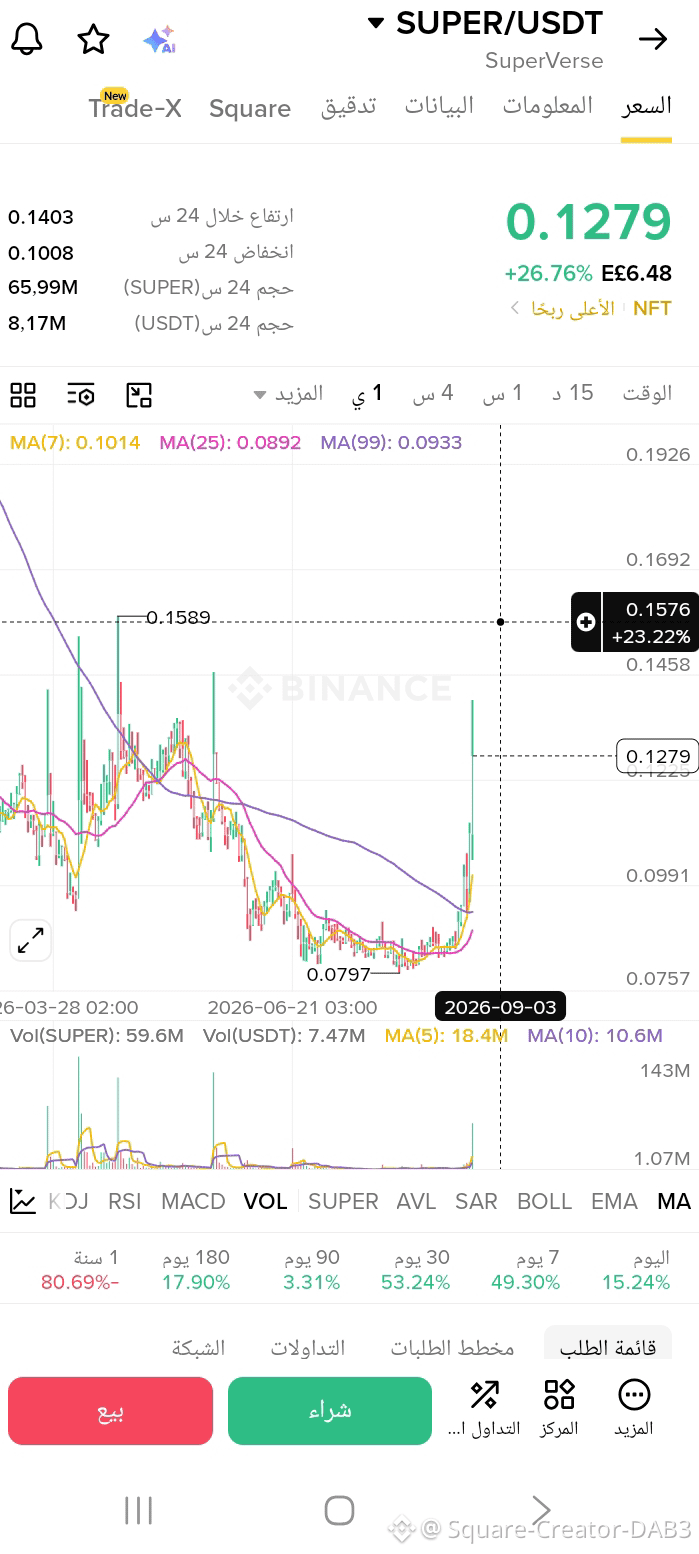
يُظهر الرسم البياني لزوج $SUPER / $USDT ارتفاعاً قويًا بنسبة تجاوزت 26% خلال 24 ساعة، ليصل السعر إلى مستوى 0.1279 دولار.
تجمع هذه الحركة بين عوامل تحليل فني قوية وتحركات في السيولة:
العوامل الفنية والتحليلية:
اختراق فني قوي (Breakout): شمعة اليوم الصاعدة واخترقت مستويات المقاومة السابقة ومتوسطات الحركة (MA7 و MA25 و MA99) على إطار الـ 4 ساعات واليومي، مما يحول الزخم لصالح المشتريين (Bullish Momentum).
ارتفاع كبير في حجم التداول (Volume Spike): ارتفع حجم التداول اليومي إلى أكثر من 65.99 مليون عملة SUPER (ما يعادل 8.17 مليون دولار)، وهو ما يدل على دخول سيولة جديدة أو عمليات تجميع مكثفة (Accumulation).
الارتداد من القاع: العملة سجلت قاعاً سرياً عند مستوى 0.0797 دولار مؤخراً، وشهدت عمليات شراء مكثفة عند منطقة الدعم هذه لاستغلال السعر المنخفض.
عوامل السوق والعملات الرقمية:
زخم قطاع الـ Gaming & NFT: تعافي أو ارتداد العملات المرتبطة بقطاع الألعاب والـ NFTs غالباً ما يدفع عملة SuperVerse للتفاعل الإيجابي السريع.
ارتفاع الشهية للمخاطرة (Risk-on Sentiment): تحرك السيولة نحو العملات ذات القيمة السوقية المتوسطة والصغيرة (Altcoins) يحفز الارتفاعات السريعة خلال فترات زمنية قصيرة.
#nft #GamingCoins #Binance #BinanceSquare
يُظهر الرسم البياني لزوج $SUPER / $USDT ارتفاعاً قويًا بنسبة تجاوزت 26% خلال 24 ساعة، ليصل السعر إلى مستوى 0.1279 دولار.
تجمع هذه الحركة بين عوامل تحليل فني قوية وتحركات في السيولة:
العوامل الفنية والتحليلية:
اختراق فني قوي (Breakout): شمعة اليوم الصاعدة واخترقت مستويات المقاومة السابقة ومتوسطات الحركة (MA7 و MA25 و MA99) على إطار الـ 4 ساعات واليومي، مما يحول الزخم لصالح المشتريين (Bullish Momentum).
ارتفاع كبير في حجم التداول (Volume Spike): ارتفع حجم التداول اليومي إلى أكثر من 65.99 مليون عملة SUPER (ما يعادل 8.17 مليون دولار)، وهو ما يدل على دخول سيولة جديدة أو عمليات تجميع مكثفة (Accumulation).
الارتداد من القاع: العملة سجلت قاعاً سرياً عند مستوى 0.0797 دولار مؤخراً، وشهدت عمليات شراء مكثفة عند منطقة الدعم هذه لاستغلال السعر المنخفض.
عوامل السوق والعملات الرقمية:
زخم قطاع الـ Gaming & NFT: تعافي أو ارتداد العملات المرتبطة بقطاع الألعاب والـ NFTs غالباً ما يدفع عملة SuperVerse للتفاعل الإيجابي السريع.
ارتفاع الشهية للمخاطرة (Risk-on Sentiment): تحرك السيولة نحو العملات ذات القيمة السوقية المتوسطة والصغيرة (Altcoins) يحفز الارتفاعات السريعة خلال فترات زمنية قصيرة.
#nft #GamingCoins #Binance #BinanceSquare
تجمع هذه الحركة بين عوامل تحليل فني قوية وتحركات في السيولة:
العوامل الفنية والتحليلية:
اختراق فني قوي (Breakout): شمعة اليوم الصاعدة واخترقت مستويات المقاومة السابقة ومتوسطات الحركة (MA7 و MA25 و MA99) على إطار الـ 4 ساعات واليومي، مما يحول الزخم لصالح المشتريين (Bullish Momentum).
ارتفاع كبير في حجم التداول (Volume Spike): ارتفع حجم التداول اليومي إلى أكثر من 65.99 مليون عملة SUPER (ما يعادل 8.17 مليون دولار)، وهو ما يدل على دخول سيولة جديدة أو عمليات تجميع مكثفة (Accumulation).
الارتداد من القاع: العملة سجلت قاعاً سرياً عند مستوى 0.0797 دولار مؤخراً، وشهدت عمليات شراء مكثفة عند منطقة الدعم هذه لاستغلال السعر المنخفض.
عوامل السوق والعملات الرقمية:
زخم قطاع الـ Gaming & NFT: تعافي أو ارتداد العملات المرتبطة بقطاع الألعاب والـ NFTs غالباً ما يدفع عملة SuperVerse للتفاعل الإيجابي السريع.
ارتفاع الشهية للمخاطرة (Risk-on Sentiment): تحرك السيولة نحو العملات ذات القيمة السوقية المتوسطة والصغيرة (Altcoins) يحفز الارتفاعات السريعة خلال فترات زمنية قصيرة.
#nft #GamingCoins #Binance #BinanceSquare
1
1
39

#GamingCoins El término "GameCoin" no se refiere a una única moneda digital universal, sino que es una denominación genérica utilizada en diversas plataformas, juegos y ecosistemas de blockchain. Debido a su naturaleza, su descripción depende totalmente del contexto en el que se encuentre
#GamingCoins El término "GameCoin" no se refiere a una única moneda digital universal, sino que es una denominación genérica utilizada en diversas plataformas, juegos y ecosistemas de blockchain. Debido a su naturaleza, su descripción depende totalmente del contexto en el que se encuentre
28

·
--
Baissier
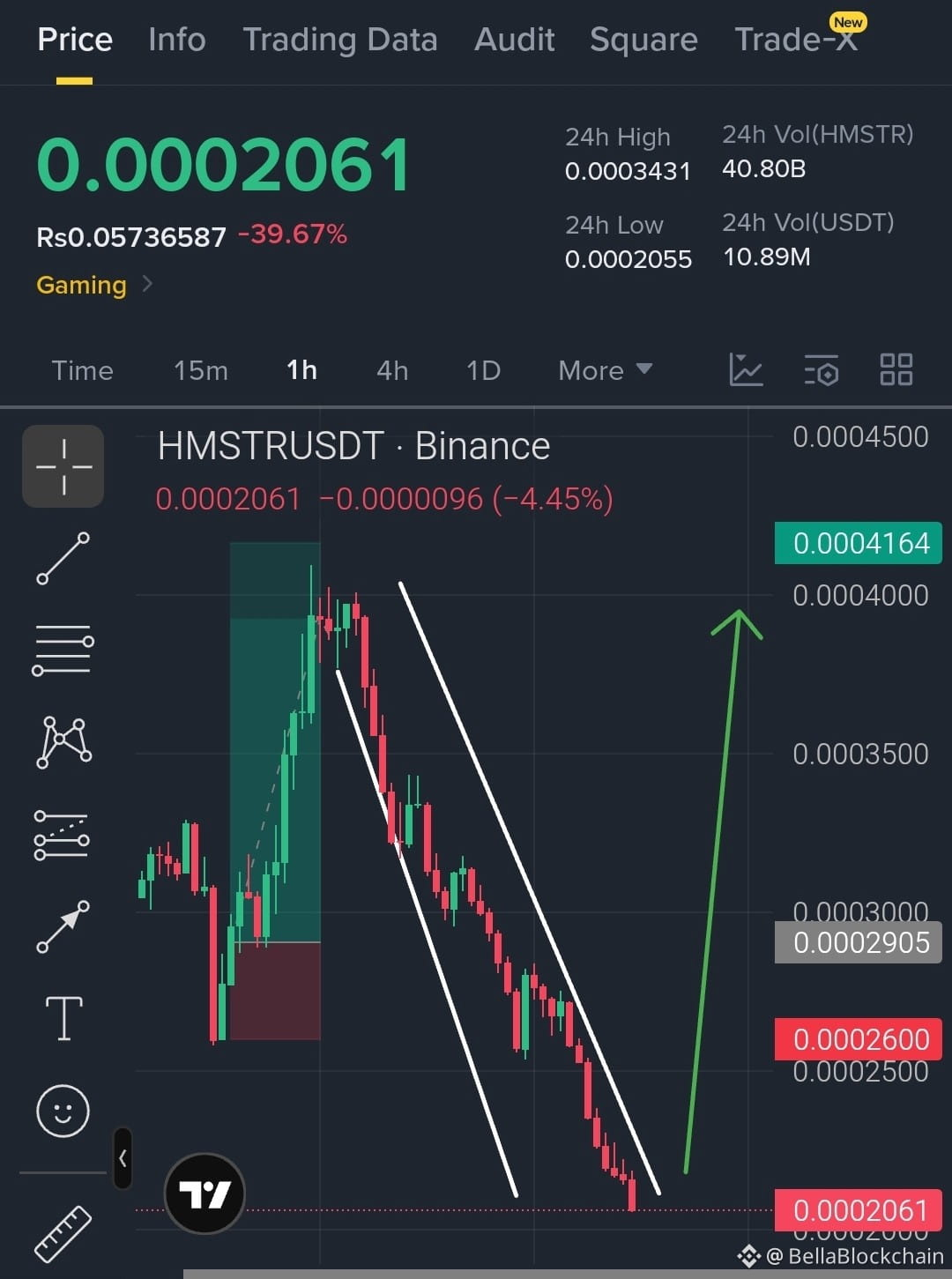
$HMSTR is printing a severe correction on the 1-hour chart, dropping nearly 40% over the last 24 hours to hover just above its local low of 0.0002055. The price action has been locked inside a steep descending channel, pushing the asset into a heavily oversold territory. If the current support levels hold and buyers initiate a breakout from this falling channel, a powerful V-shaped reversal could target the key resistance levels highlighted on the chart.
Target 1: 0.002600 Target 2: 0.003500 Target 3: 0.004164
#HMSTR #GamingCoins #CryptoAnalysis
$HMSTR
{future}(HMSTRUSDT)
$HMSTR is printing a severe correction on the 1-hour chart, dropping nearly 40% over the last 24 hours to hover just above its local low of 0.0002055. The price action has been locked inside a steep descending channel, pushing the asset into a heavily oversold territory. If the current support levels hold and buyers initiate a breakout from this falling channel, a powerful V-shaped reversal could target the key resistance levels highlighted on the chart.
Target 1: 0.002600 Target 2: 0.003500 Target 3: 0.004164
#HMSTR #GamingCoins #CryptoAnalysis
$HMSTR
Target 1: 0.002600 Target 2: 0.003500 Target 3: 0.004164
#HMSTR #GamingCoins #CryptoAnalysis
$HMSTR
2
177

·
--
Haussier
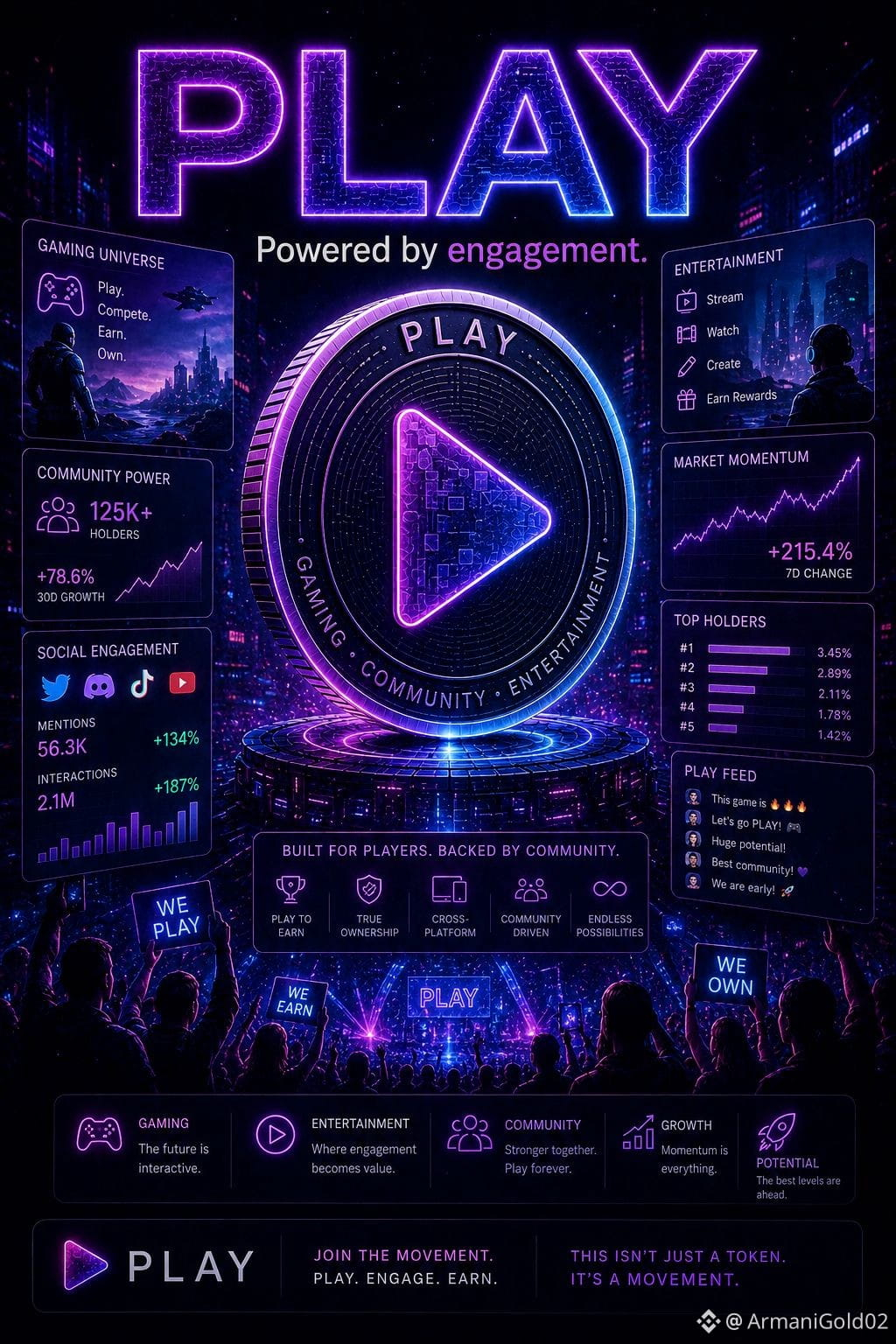
PLAY — это токен про вовлечение, а не про фундамент.
Когда retail возвращается в рынок — такие активы обычно двигаются быстрее остальных.
PLAY is a token about engagement, not fundamentals.
When retail returns to the market, assets like this often move the fastest.
#play #gaming #Web3 #GamingCoins #Follow
{alpha}(84530x853a7c99227499dba9db8c3a02aa691afdebf841)
{future}(PLAYUSDT)
PLAY — это токен про вовлечение, а не про фундамент.
Когда retail возвращается в рынок — такие активы обычно двигаются быстрее остальных.
PLAY is a token about engagement, not fundamentals.
When retail returns to the market, assets like this often move the fastest.
#play #gaming #Web3 #GamingCoins #Follow
Когда retail возвращается в рынок — такие активы обычно двигаются быстрее остальных.
PLAY is a token about engagement, not fundamentals.
When retail returns to the market, assets like this often move the fastest.
#play #gaming #Web3 #GamingCoins #Follow
2
294

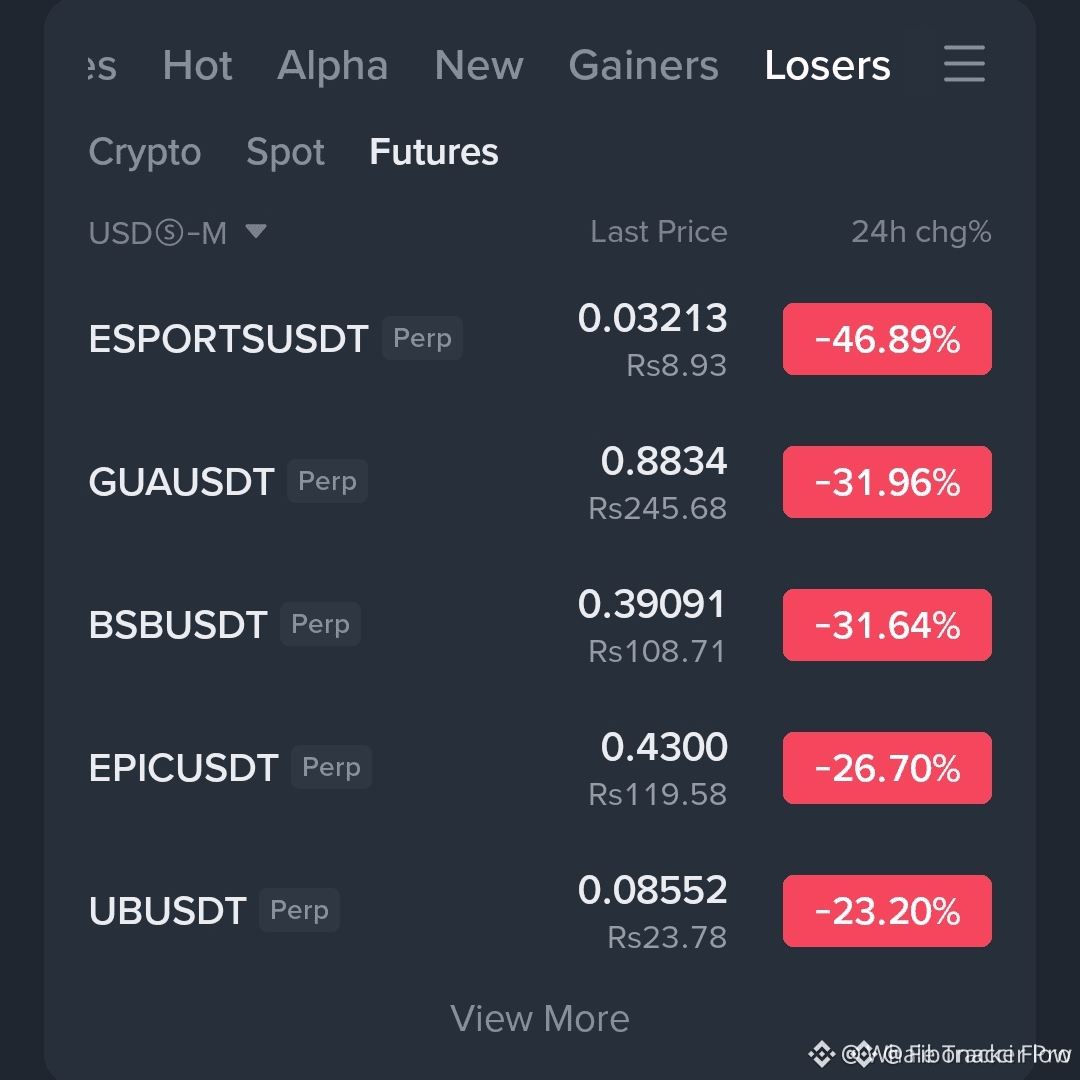
Monster Hunter gamers are not the only ones feeling the pain, as $ESPORTS , $GUA , and $BSB are taking a hit, with their values plummeting 🚥
Entry: 0.05
Target: 0.10
Stop Loss: 0.02
These coins are experiencing a significant downturn, and it's essential to be cautious when navigating this market. The current market structure shift is affecting their prices, and a breakout confirmation is needed to regain momentum.
Not financial advice. Manage your risk.
#ESPORTS #GamingCoins #LongSetup
💸
Monster Hunter gamers are not the only ones feeling the pain, as $ESPORTS , $GUA , and $BSB are taking a hit, with their values plummeting 🚥
Entry: 0.05
Target: 0.10
Stop Loss: 0.02
These coins are experiencing a significant downturn, and it's essential to be cautious when navigating this market. The current market structure shift is affecting their prices, and a breakout confirmation is needed to regain momentum.
Not financial advice. Manage your risk.
#ESPORTS #GamingCoins #LongSetup
💸
Entry: 0.05
Target: 0.10
Stop Loss: 0.02
These coins are experiencing a significant downturn, and it's essential to be cautious when navigating this market. The current market structure shift is affecting their prices, and a breakout confirmation is needed to regain momentum.
Not financial advice. Manage your risk.
#ESPORTS #GamingCoins #LongSetup
💸
631
·
--
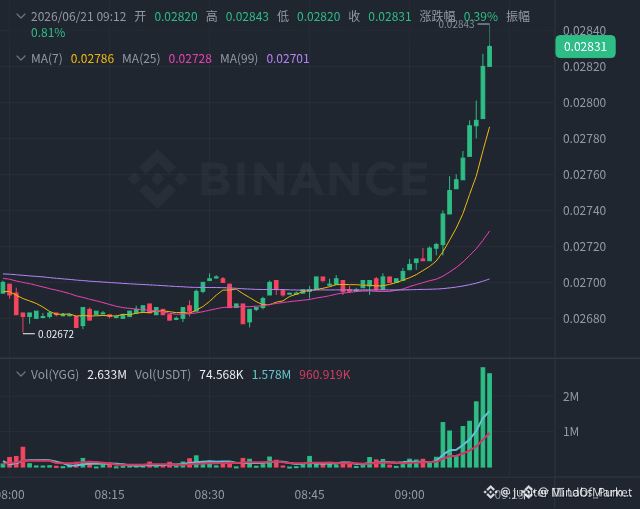
$YGG PRICE SURGE TRIGGERED A 15%+ MOVE IN THE PAST 🚨
Entry: 0.026 🔥
Target: 0.0278–0.0300 🚀
Stop Loss: 0.025 ⚠️
The surge in $YGG 's price is fueled by significant volume increases on top-tier exchanges, with traders focusing on resistance breaks and support holds, will this momentum sustain and push $YGG to new highs?
Not financial advice. Manage your risk.
#YGG #GamingCoins #LongSetup
⚡️
$YGG PRICE SURGE TRIGGERED A 15%+ MOVE IN THE PAST 🚨
Entry: 0.026 🔥
Target: 0.0278–0.0300 🚀
Stop Loss: 0.025 ⚠️
The surge in $YGG 's price is fueled by significant volume increases on top-tier exchanges, with traders focusing on resistance breaks and support holds, will this momentum sustain and push $YGG to new highs?
Not financial advice. Manage your risk.
#YGG #GamingCoins #LongSetup
⚡️
Entry: 0.026 🔥
Target: 0.0278–0.0300 🚀
Stop Loss: 0.025 ⚠️
The surge in $YGG 's price is fueled by significant volume increases on top-tier exchanges, with traders focusing on resistance breaks and support holds, will this momentum sustain and push $YGG to new highs?
Not financial advice. Manage your risk.
#YGG #GamingCoins #LongSetup
⚡️
94

·
--
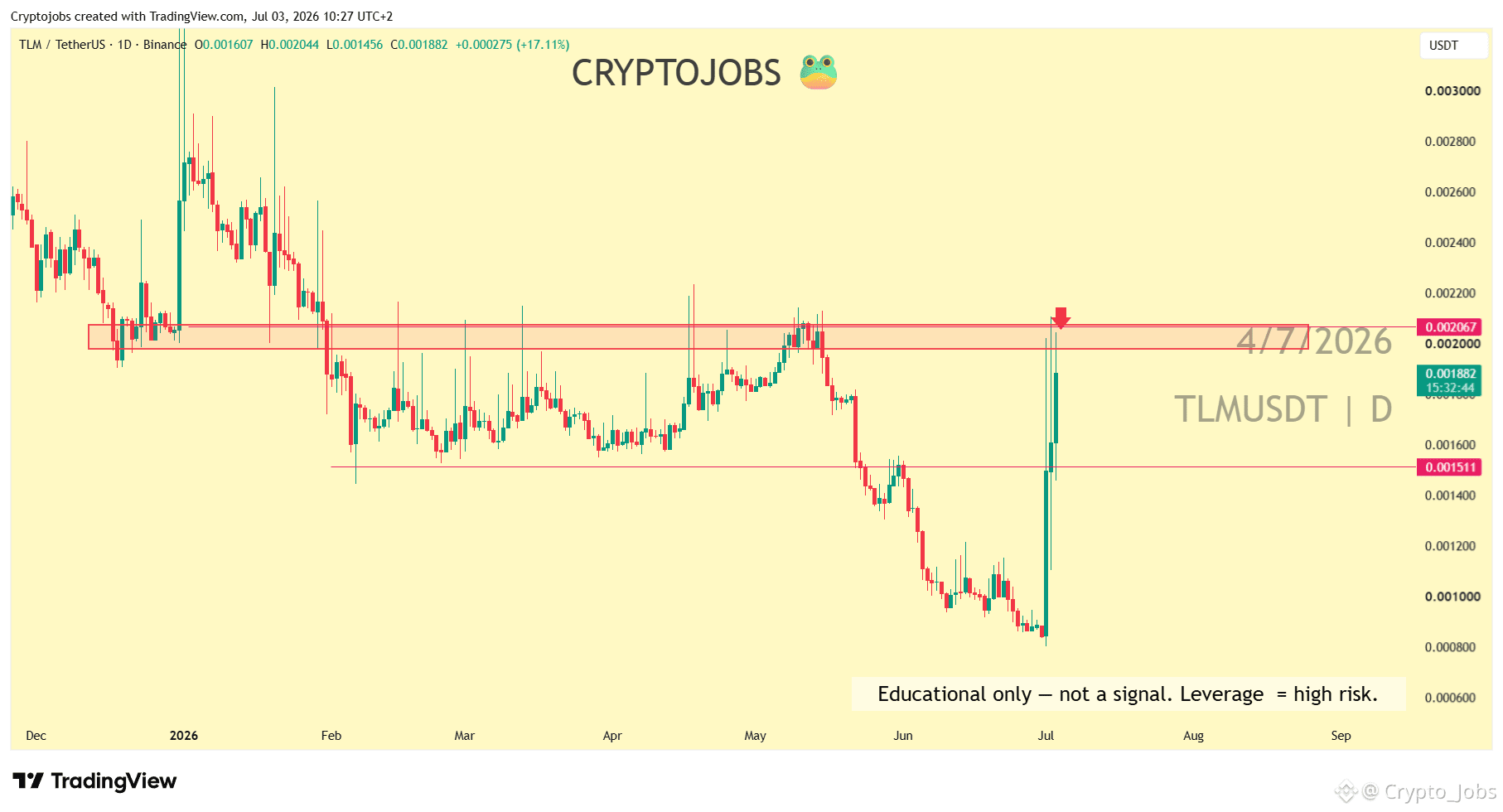
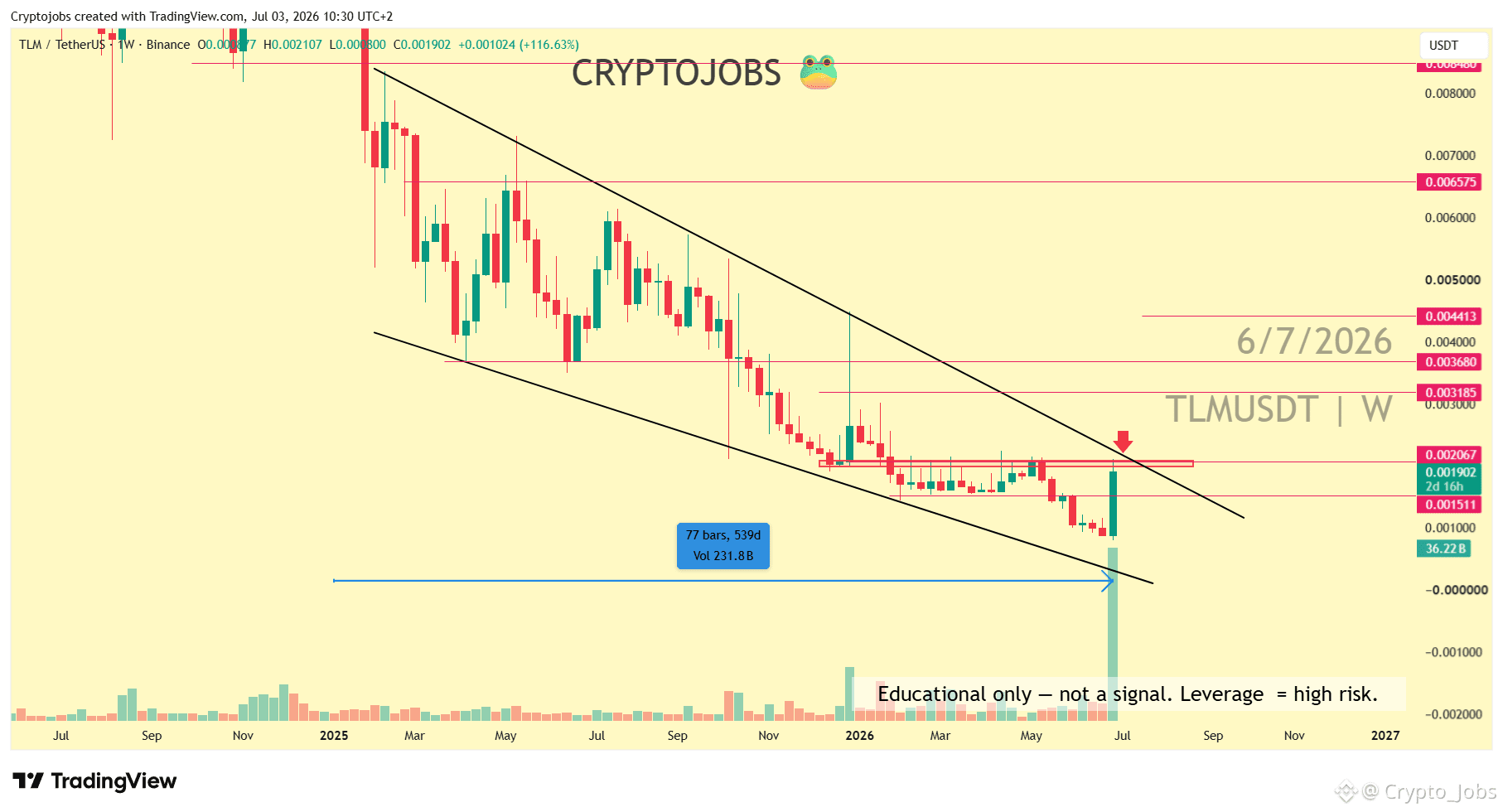
$TLM is on fire - 130%+ up in few days.🔥
Price manipulation, or true breakout?
$0.02050 resistance must be break - Otherwise strong rejection possible.🚩
Buy volume looks solid on weekly basis - If bulls manage to break the 540 day's wedge, then price could explode another 100%+ easely!
Any infos - news about this one?👀
#TLM #GamingCoins
$TLM is on fire - 130%+ up in few days.🔥
Price manipulation, or true breakout?
$0.02050 resistance must be break - Otherwise strong rejection possible.🚩
Buy volume looks solid on weekly basis - If bulls manage to break the 540 day's wedge, then price could explode another 100%+ easely!
Any infos - news about this one?👀
#TLM #GamingCoins
Price manipulation, or true breakout?
$0.02050 resistance must be break - Otherwise strong rejection possible.🚩
Buy volume looks solid on weekly basis - If bulls manage to break the 540 day's wedge, then price could explode another 100%+ easely!
Any infos - news about this one?👀
#TLM #GamingCoins
2
6
2.8k
·
--
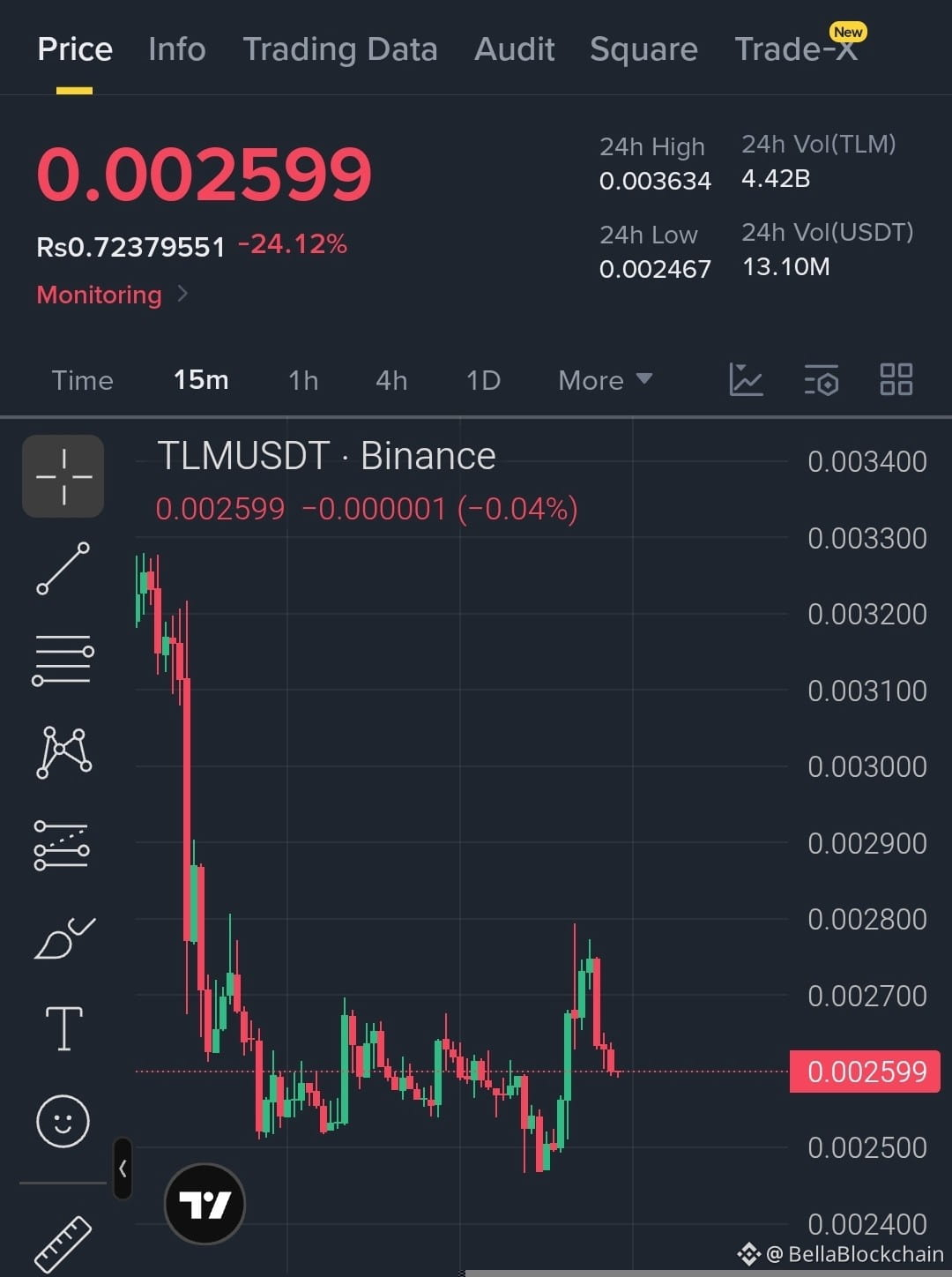
Baissier
$TLM has experienced a sharp correction over the last 24 hours, dropping significantly to test support near the 0.002467 level. The 15-minute chart indicates that the price is currently attempting to build a accumulation base around the 0.002500 to 0.002600 zone after a heavy flush. If buyers can hold this current consolidation area and build upward momentum, a strong technical rebound toward previous local resistance levels is highly probable.
Target 1: 0.002850 Target 2: 0.003200 Target 3: 0.003600
#TLM #GamingCoins #CryptoAnalysis
$TLM
{future}(TLMUSDT)
$TLM has experienced a sharp correction over the last 24 hours, dropping significantly to test support near the 0.002467 level. The 15-minute chart indicates that the price is currently attempting to build a accumulation base around the 0.002500 to 0.002600 zone after a heavy flush. If buyers can hold this current consolidation area and build upward momentum, a strong technical rebound toward previous local resistance levels is highly probable.
Target 1: 0.002850 Target 2: 0.003200 Target 3: 0.003600
#TLM #GamingCoins #CryptoAnalysis
$TLM
Target 1: 0.002850 Target 2: 0.003200 Target 3: 0.003600
#TLM #GamingCoins #CryptoAnalysis
$TLM
1
189

·
--
🔎 Analyst: $VANRY Building Momentum as AI & Gaming Narratives Strengthen
VANRY is showing renewed strength as capital rotates back into AI, gaming, and Web3 infrastructure projects. Recent price action has been constructive, with buyers defending key support levels while trading volume continues to improve, indicating growing market confidence.
What makes VANRY stand out is its focus on powering next-generation AI and gaming applications through scalable blockchain infrastructure. As the AI narrative remains one of the strongest themes in crypto throughout 2026, projects with real ecosystem utility are attracting increased attention from both traders and long-term investors.
From a technical perspective, VANRY is consolidating after its recent upward move while maintaining a series of higher lows. This structure suggests that bulls remain in control. If the token breaks above the next resistance zone with strong volume, it could open the door for another leg higher.
🚀 My take on 2026:
VANRY continues to be one of the more interesting mid-cap projects thanks to its exposure to both AI and blockchain gaming—two of the strongest narratives in the current market. If ecosystem adoption accelerates and developer activity continues to grow, VANRY could outperform many traditional gaming tokens during this cycle.
#GamingCoins #BinanceGaming #VANRYUSDT
{future}(VANRYUSDT)
🔎 Analyst: $VANRY Building Momentum as AI & Gaming Narratives Strengthen
VANRY is showing renewed strength as capital rotates back into AI, gaming, and Web3 infrastructure projects. Recent price action has been constructive, with buyers defending key support levels while trading volume continues to improve, indicating growing market confidence.
What makes VANRY stand out is its focus on powering next-generation AI and gaming applications through scalable blockchain infrastructure. As the AI narrative remains one of the strongest themes in crypto throughout 2026, projects with real ecosystem utility are attracting increased attention from both traders and long-term investors.
From a technical perspective, VANRY is consolidating after its recent upward move while maintaining a series of higher lows. This structure suggests that bulls remain in control. If the token breaks above the next resistance zone with strong volume, it could open the door for another leg higher.
🚀 My take on 2026:
VANRY continues to be one of the more interesting mid-cap projects thanks to its exposure to both AI and blockchain gaming—two of the strongest narratives in the current market. If ecosystem adoption accelerates and developer activity continues to grow, VANRY could outperform many traditional gaming tokens during this cycle.
#GamingCoins #BinanceGaming #VANRYUSDT
VANRY is showing renewed strength as capital rotates back into AI, gaming, and Web3 infrastructure projects. Recent price action has been constructive, with buyers defending key support levels while trading volume continues to improve, indicating growing market confidence.
What makes VANRY stand out is its focus on powering next-generation AI and gaming applications through scalable blockchain infrastructure. As the AI narrative remains one of the strongest themes in crypto throughout 2026, projects with real ecosystem utility are attracting increased attention from both traders and long-term investors.
From a technical perspective, VANRY is consolidating after its recent upward move while maintaining a series of higher lows. This structure suggests that bulls remain in control. If the token breaks above the next resistance zone with strong volume, it could open the door for another leg higher.
🚀 My take on 2026:
VANRY continues to be one of the more interesting mid-cap projects thanks to its exposure to both AI and blockchain gaming—two of the strongest narratives in the current market. If ecosystem adoption accelerates and developer activity continues to grow, VANRY could outperform many traditional gaming tokens during this cycle.
#GamingCoins #BinanceGaming #VANRYUSDT
154

·
--
The hype around GTA VI could become bigger for gaming crypto than most people realize. 🎮🔥
Every major gaming cycle creates new opportunities in digital economies, virtual assets, and online communities. GTA is not a blockchain game, but its impact on the gaming industry can still bring massive attention back to gaming-related crypto projects.
Why?
Because GTA VI is expected to push:
✅ Virtual economies
✅ Online ownership culture
✅ Digital identity
✅ In-game monetization
✅ Massive multiplayer ecosystems
That naturally increases interest in Web3 gaming narratives.
Gaming coins tend to move when:
• Retail attention returns
• Big gaming launches trend globally
• Metaverse discussions restart
• Gaming communities become highly active again
Projects linked to:
🎮 GameFi
🕹 Metaverse infrastructure
💰 Digital asset ownership
🌐 AI gaming ecosystems
could benefit if gaming sentiment explodes during the GTA VI era.
The key is understanding one thing:
Narratives move markets before fundamentals catch up.
In previous cycles, gaming tokens delivered some of the strongest rallies because they combine:
• Community hype
• Technology
• Entertainment
• Retail participation
The next gaming wave may not start from blockchain games alone. It could start from mainstream gaming attention spilling into crypto.
Smart money watches narratives early. 👀🚀
#gta #GamingCoins #GamingTokens
$AI $FLOKI $SAND
{spot}(FLOKIUSDT)
{future}(SANDUSDT)
{spot}(AIUSDT)
The hype around GTA VI could become bigger for gaming crypto than most people realize. 🎮🔥
Every major gaming cycle creates new opportunities in digital economies, virtual assets, and online communities. GTA is not a blockchain game, but its impact on the gaming industry can still bring massive attention back to gaming-related crypto projects.
Why?
Because GTA VI is expected to push:
✅ Virtual economies
✅ Online ownership culture
✅ Digital identity
✅ In-game monetization
✅ Massive multiplayer ecosystems
That naturally increases interest in Web3 gaming narratives.
Gaming coins tend to move when:
• Retail attention returns
• Big gaming launches trend globally
• Metaverse discussions restart
• Gaming communities become highly active again
Projects linked to:
🎮 GameFi
🕹 Metaverse infrastructure
💰 Digital asset ownership
🌐 AI gaming ecosystems
could benefit if gaming sentiment explodes during the GTA VI era.
The key is understanding one thing:
Narratives move markets before fundamentals catch up.
In previous cycles, gaming tokens delivered some of the strongest rallies because they combine:
• Community hype
• Technology
• Entertainment
• Retail participation
The next gaming wave may not start from blockchain games alone. It could start from mainstream gaming attention spilling into crypto.
Smart money watches narratives early. 👀🚀
#gta #GamingCoins #GamingTokens
$AI $FLOKI $SAND
Every major gaming cycle creates new opportunities in digital economies, virtual assets, and online communities. GTA is not a blockchain game, but its impact on the gaming industry can still bring massive attention back to gaming-related crypto projects.
Why?
Because GTA VI is expected to push:
✅ Virtual economies
✅ Online ownership culture
✅ Digital identity
✅ In-game monetization
✅ Massive multiplayer ecosystems
That naturally increases interest in Web3 gaming narratives.
Gaming coins tend to move when:
• Retail attention returns
• Big gaming launches trend globally
• Metaverse discussions restart
• Gaming communities become highly active again
Projects linked to:
🎮 GameFi
🕹 Metaverse infrastructure
💰 Digital asset ownership
🌐 AI gaming ecosystems
could benefit if gaming sentiment explodes during the GTA VI era.
The key is understanding one thing:
Narratives move markets before fundamentals catch up.
In previous cycles, gaming tokens delivered some of the strongest rallies because they combine:
• Community hype
• Technology
• Entertainment
• Retail participation
The next gaming wave may not start from blockchain games alone. It could start from mainstream gaming attention spilling into crypto.
Smart money watches narratives early. 👀🚀
#gta #GamingCoins #GamingTokens
$AI $FLOKI $SAND
5
360
Article
Solana’s Viral Tweet: User Registration for a New Game Live — What This Could UnlockSolana’s recent social media activity has captured the attention of the crypto community, sparking discussions and interest. The platform retweeted a post by @Heistedxyz regarding the launch of a heist simulator, indicating a vibrant engagement with users. This article explores the implications of Solana’s viral tweets and their impact on traders and users.
Solana’s retweet of a viral post about a new heist simulator has significantly boosted user engagement, highlighting active community participation. The tweet, which announced that registration for the game is now live, has drawn considerable attention, with 1,437 likes and 270 retweets. This level of engagement reflects Solana’s growing influence in the crypto space, especially in the gaming sector. As the broader crypto market currently shows mixed signals, Solana’s proactive social media strategy could be a decisive factor in capturing user interest and driving future activity.
Despite no specific price action reported, the buzz surrounding the heist simulator launch may lead to increased trading interest in Solana-based projects. The broader market context remains mixed, with various assets showing fluctuating trends. However, Solana’s strategic engagement through social media could signal a forthcoming shift in market dynamics, attracting new traders and investors eager to participate in the gaming aspect of the blockchain.
Solana has consistently leveraged social media to foster community engagement and interest in its projects. The platform’s history of promoting innovative applications, especially in gaming, aligns with its current efforts to enhance user interaction. Understanding Solana’s approach to community-building efforts can provide insights into its market strategies and potential growth trajectories.
Traders and community members should watch for increased activity as Solana continues to engage its users through innovative projects and social media strategies. Future developments in gaming on the Solana platform could further solidify its position in the market, attracting a broader audience of gamers and investors alike. As interest in blockchain-based gaming grows, Solana’s proactive approach may position it favorably for emerging trends.
The information provided is for educational purposes and should not be considered as financial advice. Readers should conduct their own research before making any investment decisions.
#InnovationAhead
#GamingCoins
#NOTCOİN
#kdmrcrypto
#dogwifhat
Solana’s Viral Tweet: User Registration for a New Game Live — What This Could Unlock
Solana’s recent social media activity has captured the attention of the crypto community, sparking discussions and interest. The platform retweeted a post by @Heistedxyz regarding the launch of a heist simulator, indicating a vibrant engagement with users. This article explores the implications of Solana’s viral tweets and their impact on traders and users.
Solana’s retweet of a viral post about a new heist simulator has significantly boosted user engagement, highlighting active community participation. The tweet, which announced that registration for the game is now live, has drawn considerable attention, with 1,437 likes and 270 retweets. This level of engagement reflects Solana’s growing influence in the crypto space, especially in the gaming sector. As the broader crypto market currently shows mixed signals, Solana’s proactive social media strategy could be a decisive factor in capturing user interest and driving future activity.
Despite no specific price action reported, the buzz surrounding the heist simulator launch may lead to increased trading interest in Solana-based projects. The broader market context remains mixed, with various assets showing fluctuating trends. However, Solana’s strategic engagement through social media could signal a forthcoming shift in market dynamics, attracting new traders and investors eager to participate in the gaming aspect of the blockchain.
Solana has consistently leveraged social media to foster community engagement and interest in its projects. The platform’s history of promoting innovative applications, especially in gaming, aligns with its current efforts to enhance user interaction. Understanding Solana’s approach to community-building efforts can provide insights into its market strategies and potential growth trajectories.
Traders and community members should watch for increased activity as Solana continues to engage its users through innovative projects and social media strategies. Future developments in gaming on the Solana platform could further solidify its position in the market, attracting a broader audience of gamers and investors alike. As interest in blockchain-based gaming grows, Solana’s proactive approach may position it favorably for emerging trends.
The information provided is for educational purposes and should not be considered as financial advice. Readers should conduct their own research before making any investment decisions.
#InnovationAhead
#GamingCoins
#NOTCOİN
#kdmrcrypto
#dogwifhat
Solana’s retweet of a viral post about a new heist simulator has significantly boosted user engagement, highlighting active community participation. The tweet, which announced that registration for the game is now live, has drawn considerable attention, with 1,437 likes and 270 retweets. This level of engagement reflects Solana’s growing influence in the crypto space, especially in the gaming sector. As the broader crypto market currently shows mixed signals, Solana’s proactive social media strategy could be a decisive factor in capturing user interest and driving future activity.
Despite no specific price action reported, the buzz surrounding the heist simulator launch may lead to increased trading interest in Solana-based projects. The broader market context remains mixed, with various assets showing fluctuating trends. However, Solana’s strategic engagement through social media could signal a forthcoming shift in market dynamics, attracting new traders and investors eager to participate in the gaming aspect of the blockchain.
Solana has consistently leveraged social media to foster community engagement and interest in its projects. The platform’s history of promoting innovative applications, especially in gaming, aligns with its current efforts to enhance user interaction. Understanding Solana’s approach to community-building efforts can provide insights into its market strategies and potential growth trajectories.
Traders and community members should watch for increased activity as Solana continues to engage its users through innovative projects and social media strategies. Future developments in gaming on the Solana platform could further solidify its position in the market, attracting a broader audience of gamers and investors alike. As interest in blockchain-based gaming grows, Solana’s proactive approach may position it favorably for emerging trends.
The information provided is for educational purposes and should not be considered as financial advice. Readers should conduct their own research before making any investment decisions.
#InnovationAhead
#GamingCoins
#NOTCOİN
#kdmrcrypto
#dogwifhat
329
·
--
Haussier
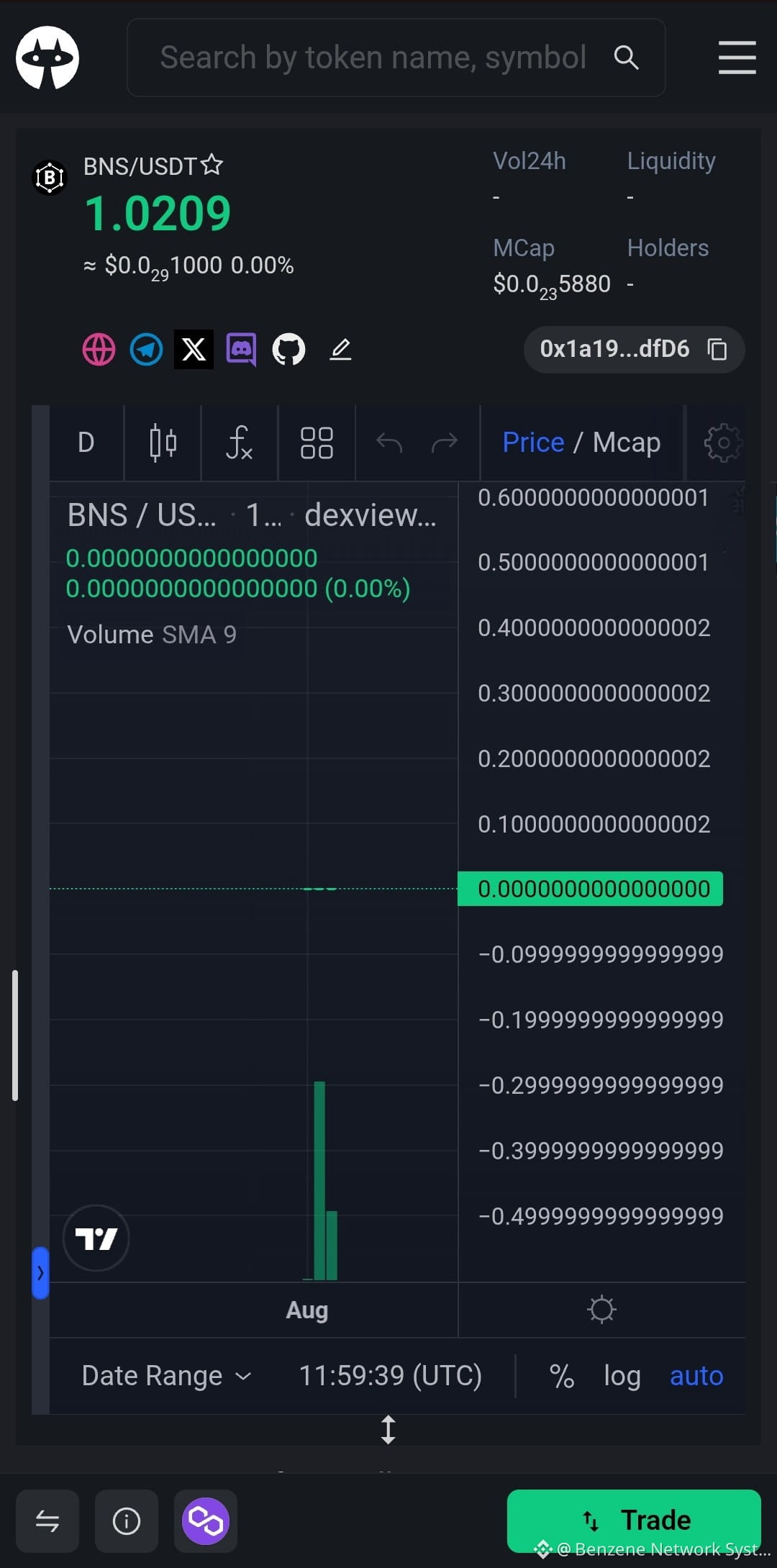
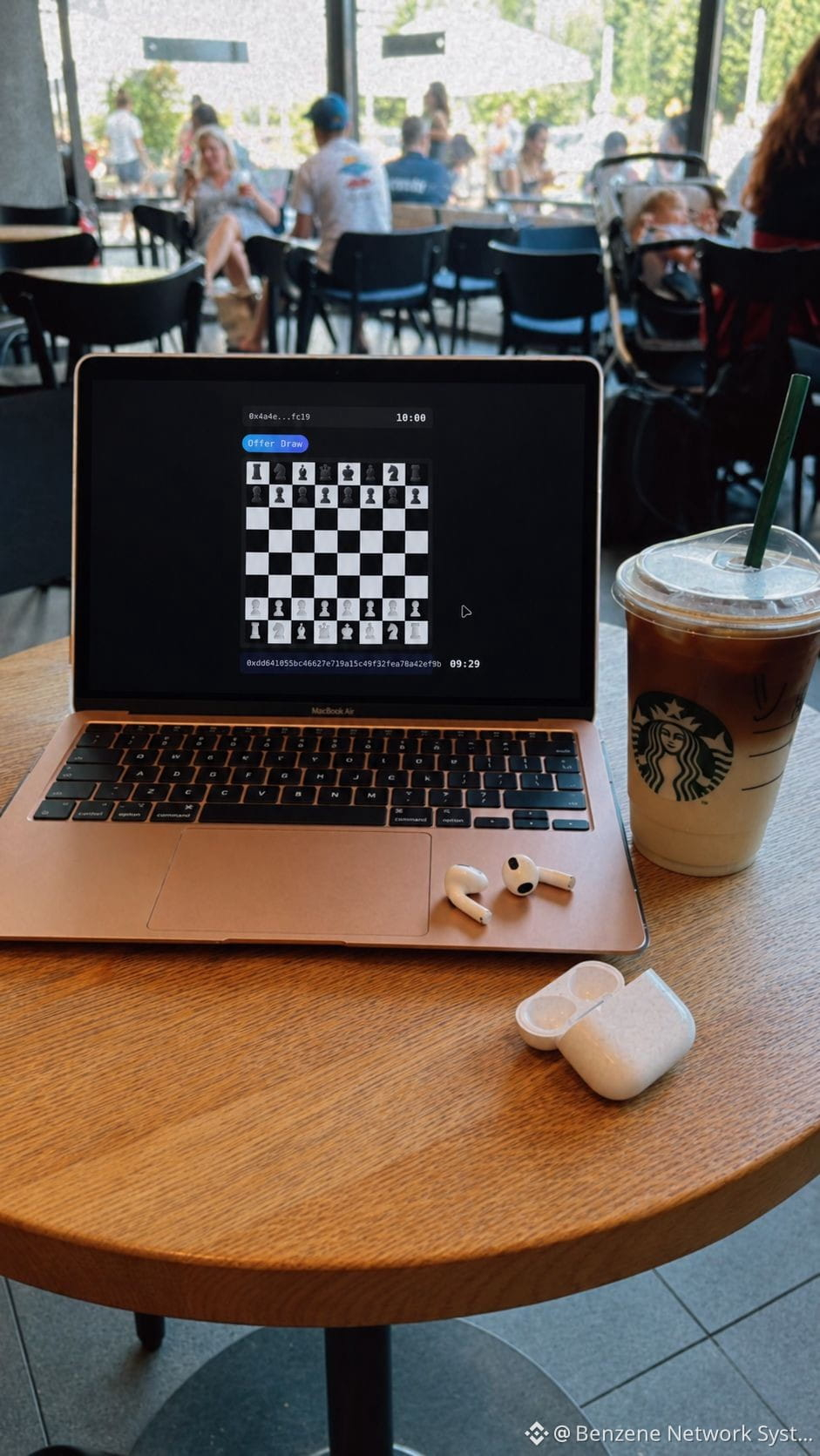
If you have to choose between trading crypto or playing crypto chess game, what will you choose to earn money?
Crypto trading: Potentially much higher returns, but you can also lose money quickly. Your outcome depends on market conditions, capital, strategy, and risk management.
CryptoChess: More like earning through gameplay. The financial upside may be much smaller, especially if the game's rewards are limited, but you aren't putting your own trading capital at risk simply by playing.
#Crypto_Jobs🎯 #gaming #GamingCoins
If you have to choose between trading crypto or playing crypto chess game, what will you choose to earn money?
Crypto trading: Potentially much higher returns, but you can also lose money quickly. Your outcome depends on market conditions, capital, strategy, and risk management.
CryptoChess: More like earning through gameplay. The financial upside may be much smaller, especially if the game's rewards are limited, but you aren't putting your own trading capital at risk simply by playing.
#Crypto_Jobs🎯 #gaming #GamingCoins
Crypto trading: Potentially much higher returns, but you can also lose money quickly. Your outcome depends on market conditions, capital, strategy, and risk management.
CryptoChess: More like earning through gameplay. The financial upside may be much smaller, especially if the game's rewards are limited, but you aren't putting your own trading capital at risk simply by playing.
#Crypto_Jobs🎯 #gaming #GamingCoins
169
Connectez-vous pour découvrir plus de contenu
Rejoignez la communauté mondiale des adeptes de cryptomonnaies sur Binance Square
⚡️ Suviez les dernières informations importantes sur les cryptomonnaies.
💬 Jugé digne de confiance par la plus grande plateforme d’échange de cryptomonnaies au monde.
👍 Découvrez les connaissances que partagent les créateurs vérifiés.
Adresse e-mail/Nº de téléphone
Sujets d’actualité
1
#BitcoinClears$85200
932 vues
75 mentions
2
#AltcoinSeasonIndexHoldsAbove60For5Days
9,616 vues
487 mentions
3
#USADPAdds90000JobsInSeptember
2,717 vues
227 mentions
4
#USCorePCEEasesTo3%InAugust
2,640 vues
193 mentions
5
#KospiPostsWorstQuarterSince2020
3,121 vues
244 mentions
6
#SECToClarifyOnChainFundraisingRules
9,581 vues
411 mentions
7
#UKFCAOpensCryptoFirmAuthorization
13,090 vues
394 mentions
8
#JapanMOFStudyGroupOnTokenizedGovtBonds
11,362 vues
322 mentions
9
#QNTRises287%
54,153 vues
725 mentions
10
#TrumpRejectsAIRulesForVoluntaryAudits
34,979 vues
642 mentions