
Xoxomarket
89 Posts

Xoxomarket
Report
Block User
Following capital, AI & Crypto & Stocks;Less hype, more signal观察市场,也观察资本如何流动,不追热点,只聊值得思考的事 #Ai #Crypto #Stocks
2 Following
66 Followers
188 Liked
Posts
PINNED
·
--
The market doesn’t reward everyone who gets the direction right. First, you have to experience losses, learn to wait, and ride out the volatility!
You think what you’re missing is a good opportunity. In reality, what you need more is the ability to seize it!
Those who truly understand risk and respect the rules have a chance to go further.
You think what you’re missing is a good opportunity. In reality, what you need more is the ability to seize it!
Those who truly understand risk and respect the rules have a chance to go further.
2
16
·
--
Anthropic hasn’t rung the bell on its IPO yet, but its 7 co-founders are already planning to cash out $1.75 billion!
According to Anthropic’s prospectus, updated on November 10, the 7 co-founders plan to sell about 3.378 million shares each in the IPO.
Based on the midpoint of the offering price range, $74 per share:
Total proceeds: $1.75 billion
Average proceeds per person: about $250 million
IPO valuation target: about $1.4 trillion
The shares being sold represent only a small portion of their holdings. After the IPO, the seven will continue to jointly retain control of the company through a special voting rights arrangement.
On one side, the capital markets are betting on Anthropic’s AI future; on the other, the founders are taking advantage of the IPO window to realize some of the value of their equity.

1
692
·
--
Anthropic CEO Dario Amodei makes a bold prediction: In less than a decade, cancer, Alzheimer’s disease, heart disease, and mental illness could be a thing of the past.
If AI can truly accelerate drug development, precision diagnosis, and breakthroughs in the life sciences, humanity may be on the cusp of a major turning point in the history of medicine.
If AI can truly accelerate drug development, precision diagnosis, and breakthroughs in the life sciences, humanity may be on the cusp of a major turning point in the history of medicine.

209
·
--
Verified
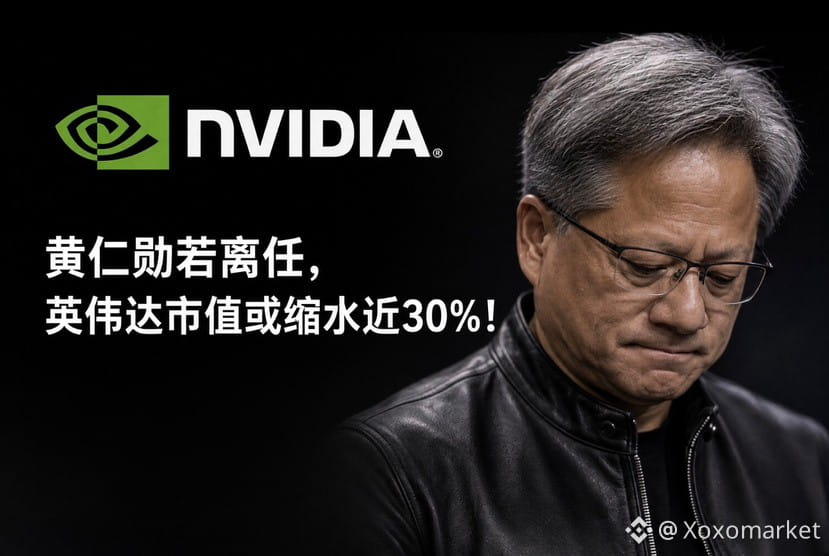
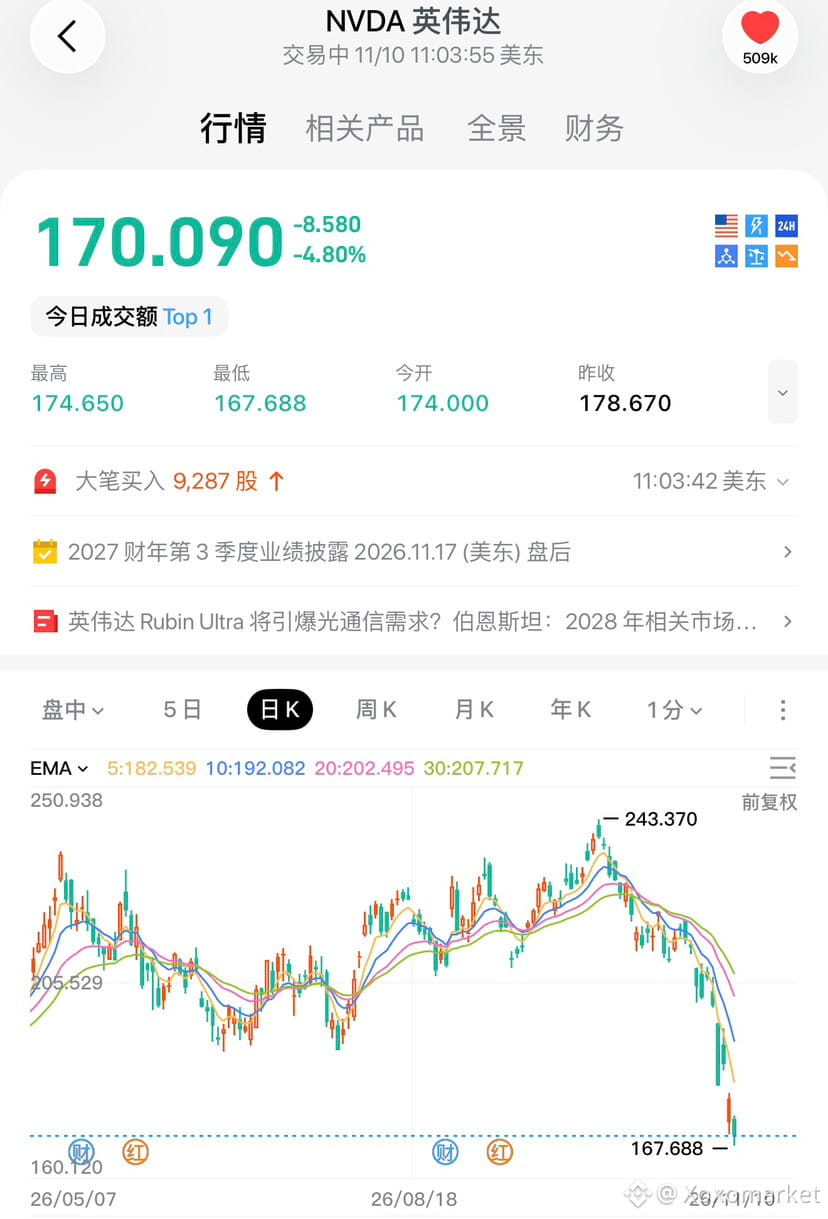
Analyst warns: If Jensen Huang steps down, Nvidia’s valuation could shrink by nearly 30%!
On November 10, veteran tech analyst Dan Ives warned that if Jensen Huang were forced to leave his position as CEO, Nvidia’s enterprise and stock value could fall by 25% to 30%.
The reason is straightforward: Huang is not only Nvidia’s founder, but also the central figure behind the company’s AI strategy, technology roadmap, and competitiveness in the global GPU market.
What’s truly worth watching in this situation is the Key Man Risk behind Nvidia.
At present, the market does not view Huang stepping down as the most likely scenario. Polymarket puts the implied probability of his departure by year-end at around 14%.
But this raises a question for investors: Without Huang, would Nvidia still be the Nvidia we know today?
Nvidia’s fundamentals have not yet deteriorated to a corresponding degree. Goldman Sachs maintains its Buy rating and $300 price target, and is optimistic about the upcoming earnings report.
$NVDA
15
1
18.2k
·
--
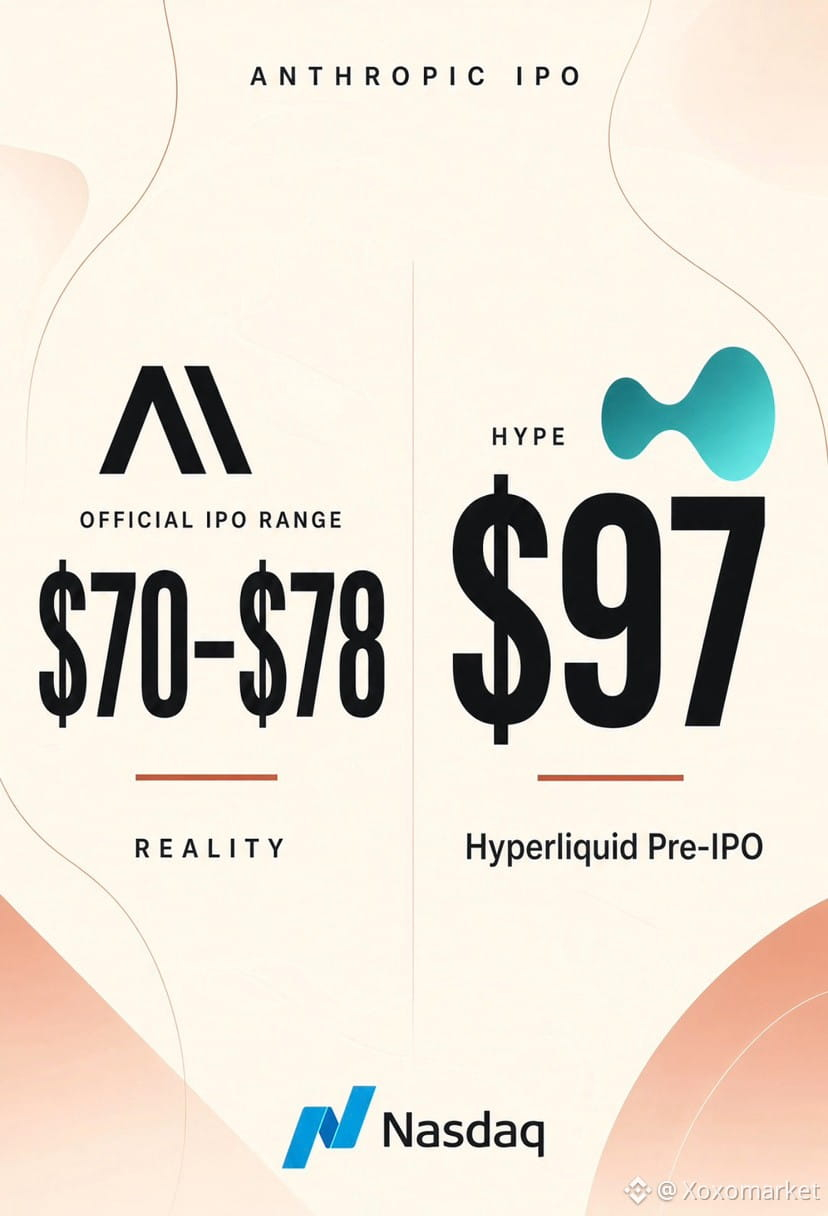
Major new twist in Anthropic’s IPO! Is it the originally proposed $70–$80, or the $97 on Hype?
On November 10, Reuters reported that Anthropic had revised the IPO proposal it previously sent to banks.
The initial proposal was to issue approximately 867 million shares at $70–$80 per share, raising up to approximately $69.3 billion.
However, Anthropic later withdrew the pricing information, saying that the offering price in the earlier documents was inaccurate. The latest disclosed proposal puts the price range at $70–$78 per share, raising up to approximately $64.4 billion.
Of particular note, tech giants including Google, Nvidia, Microsoft, AMD, Broadcom, Micron, and TSMC also participated in a private placement of approximately $26 billion.
Anthropic’s IPO will be an important test of AI’s commercialization potential and capital-market confidence!!!
483
·
--
Verified
A life insurance policy worth US$318 million (approximately RMB 2.26 billion) has set a new global record!
On November 10, FWD Private, part of FWD Group (01828.HK), founded by Richard Li, announced that a life insurance policy it underwrote in Bermuda had been certified by Guinness World Records as the world’s highest-value life insurance policy.
The significance of this policy goes beyond its staggering value.
It is not a conventional life insurance product, but a bespoke wealth preservation and intergenerational wealth transfer solution for ultra-high-net-worth clients.
Notably, Hong Kong’s asset and wealth management assets under management reached HK$42.2 trillion by the end of 2025, up 20% year on year. Assets under management in private banking and private wealth management reached HK$12.9 trillion, up 24% year on year.
On the surface, the US$318 million policy represents an insurance industry record. But behind it lies the enormous demand among the world’s ultra-high-net-worth individuals for wealth preservation, asset allocation, and intergenerational wealth transfer.
The competition to make Hong Kong a global wealth management hub is entering a deeper phase.


1
4
17.7k
·
--
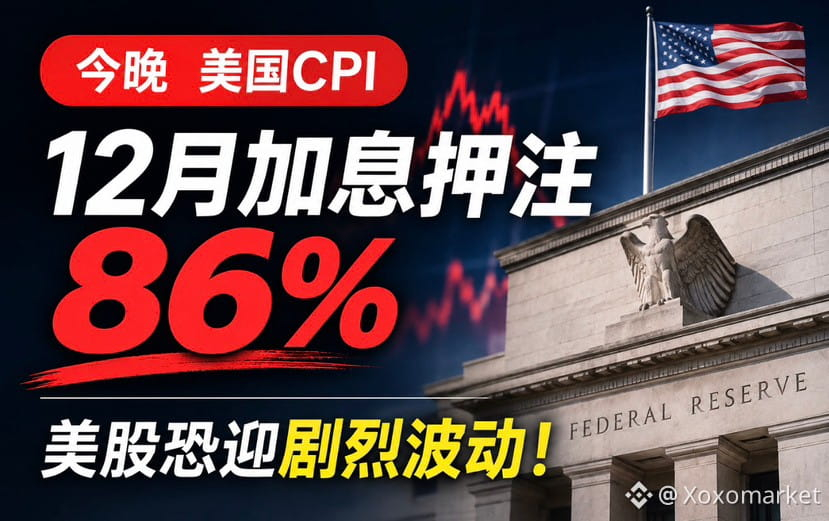
Tonight’s CPI will determine whether the Fed raises rates in December! Bets are already at 86%, and U.S. stocks could see sharp volatility!
The U.S. CPI report for October, due out tonight, will be a key test for the Fed’s December 9 rate decision.
Employment data has already given hawks reason to push for a hike:
Nonfarm payrolls increased by 165,000, far exceeding expectations of 70,000;
The unemployment rate fell to 4.1%;
Market bets on a December rate hike have risen to around 86%.
CPI below expectations: U.S. stocks may see a relief rally, while the dollar and Treasury yields come under pressure.
CPI in line with expectations: Expectations for a December rate hike may remain elevated as markets continue to wait for confirmation from the PPI.
CPI above expectations: Rate hike expectations may rise further, putting greater selling pressure on U.S. tech stocks, AI-related sectors, and crypto assets.
Tonight, the market isn’t trading a single CPI figure—it’s trading the Fed’s policy direction for December.
956
·
--
Verified
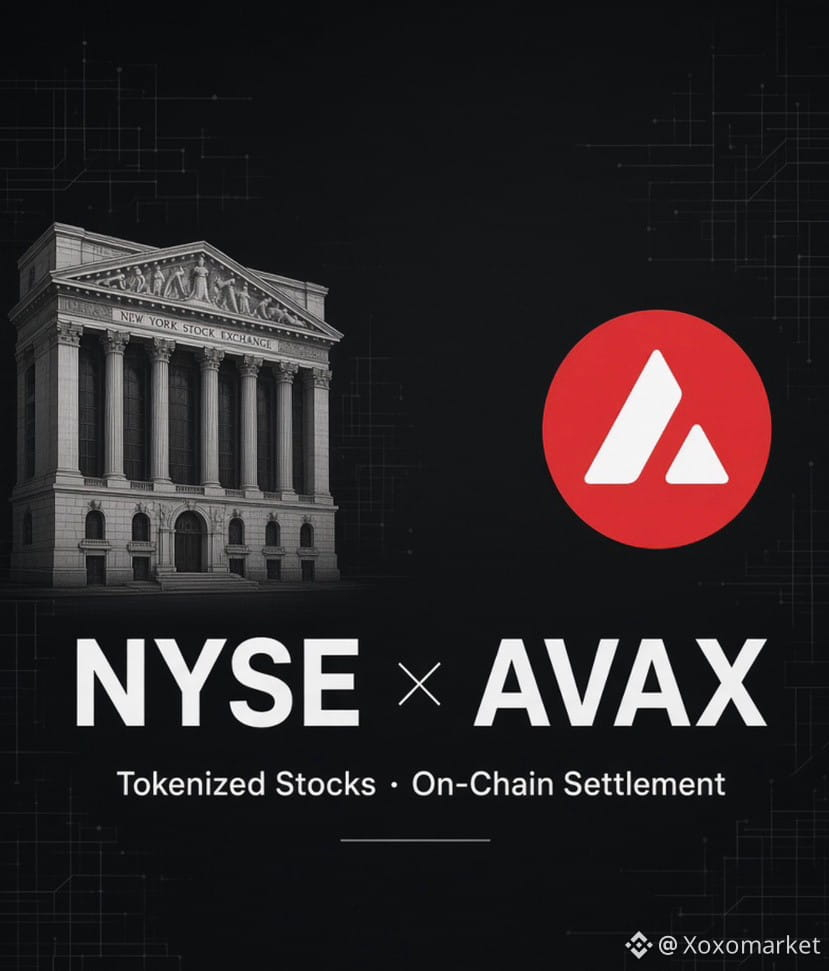
According to Bloomberg, the New York Stock Exchange (NYSE) plans to use Avalanche (AVAX) to provide on-chain settlement infrastructure for tokenized stocks.
One of the world’s largest traditional securities markets is exploring ways to connect stock trading, settlement, and blockchain.
The next major narrative in the crypto industry may not simply be about issuing more tokens, but about bringing the entire traditional financial market on-chain.
$AVAX
One of the world’s largest traditional securities markets is exploring ways to connect stock trading, settlement, and blockchain.
The next major narrative in the crypto industry may not simply be about issuing more tokens, but about bringing the entire traditional financial market on-chain.
$AVAX
1
827
·
--
Nvidia CEO Jensen Huang apologizes to all employees over his affair! His alleged affair partner, Alice Huang, has been confirmed to have attended a crash course held in 2024 by Zhou Yuan, China's “godmother of sexual intelligence.”
Nvidia CEO Jensen Huang apologizes to all employees over his affair! His alleged affair partner, Alice Huang, has been confirmed to have attended a crash course held in 2024 by Zhou Yuan, China's “godmother of sexual intelligence.”


2
1.3k
·
--
Verified
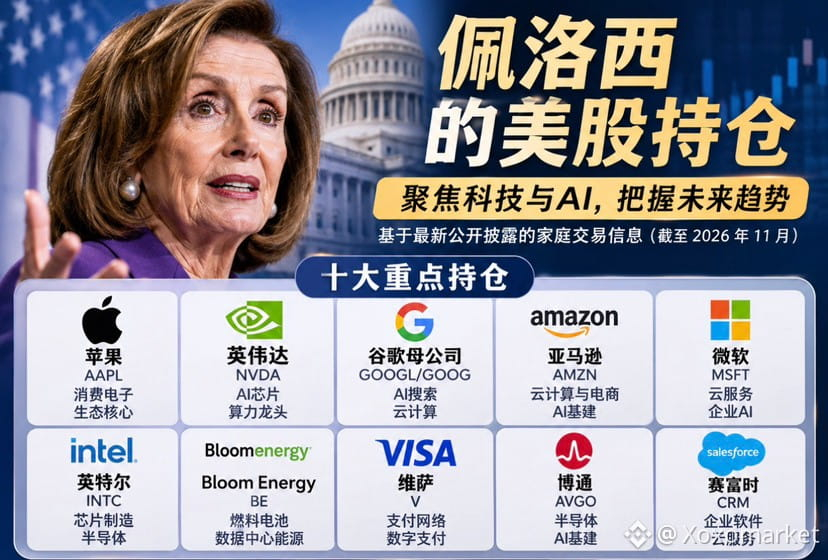
The Democrats have won the midterm elections—be sure to keep an eye on Pelosi’s holdings!
She served as the Democratic House leader for 20 years.
2007: Became the first woman in U.S. history to serve as Speaker of the House.
2019: Returned as Speaker of the House.
2021–2022: Led Democrats in advancing several major bills in the House.
The real value lies not just in seeing which stocks she bought, but in observing how America’s political elite allocate capital and how technology, policy, and industry trends are connected.
9
2
22.3k
·
--
Verified
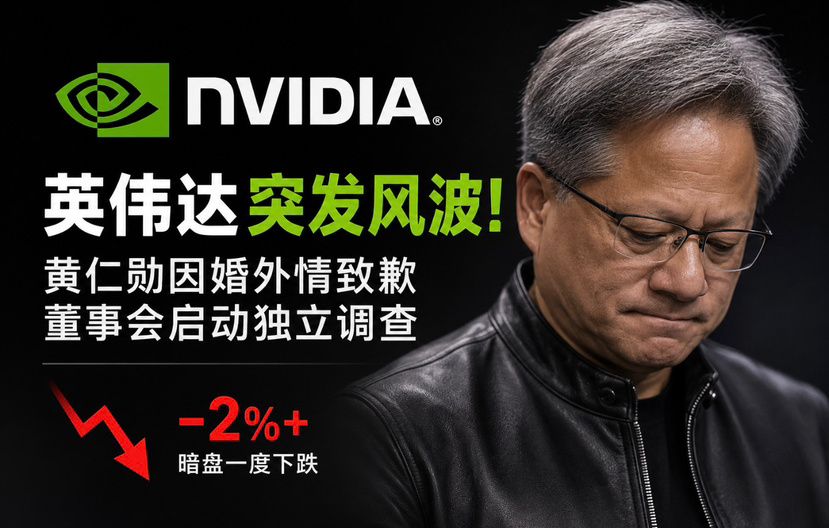
A sudden storm at Nvidia! Jensen Huang apologized to all employees over an extramarital affair. Nvidia’s board has launched an independent investigation and will retain outside counsel to get involved.
Huang admitted to being unfaithful to his wife and said he would take full responsibility, while pledging to continue leading Nvidia.
After the news broke, Nvidia shares fell more than 2% in after-hours trading.
What truly deserves attention here is not the CEO’s private life, but whether this will affect Nvidia’s corporate governance, management stability, and market confidence in the AI leader.
For now, Nvidia says its operations will not be affected, and Huang will continue in his role.
In the short term, it’s about sentiment; in the long term, it’s about performance.
But for a technology company with an enormous market capitalization, the CEO’s personal credibility is also part of the market risk.
8
3
10.5k
·
--
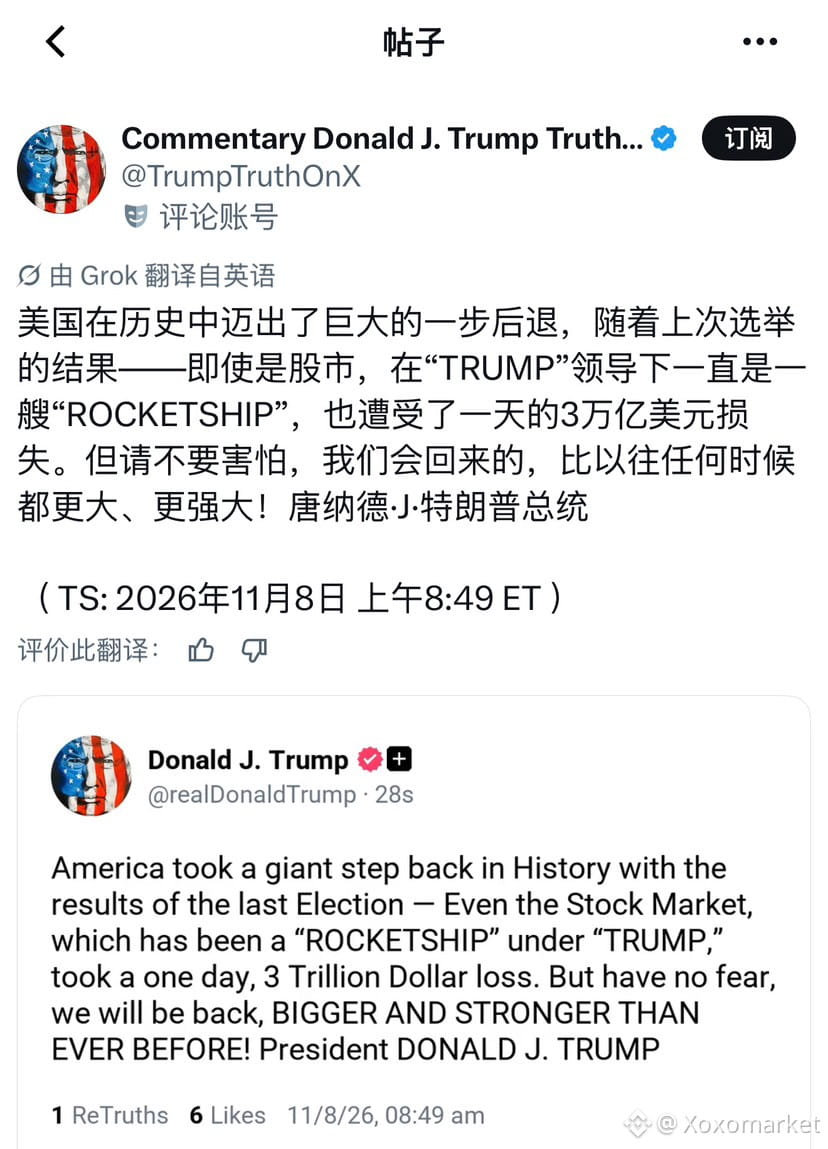
Trump: We'll be back, stronger than ever.
I'll be watching your performance next week!!!
Trump: We'll be back, stronger than ever.
I'll be watching your performance next week!!!
I'll be watching your performance next week!!!
1.2k
·
--
Verified
Nasdaq plans to launch 23/5 trading: 5 days a week, 23 hours a day. Exchanges around the world are racing to “work overtime”!
This is about more than simply extending trading hours—it’s a contest to capture global order flow, liquidity, and the power to set asset prices.
In the future, financial markets won’t compete only on whose assets are better, but also on who can let global capital trade at any time.
This is about more than simply extending trading hours—it’s a contest to capture global order flow, liquidity, and the power to set asset prices.
In the future, financial markets won’t compete only on whose assets are better, but also on who can let global capital trade at any time.

217
·
--
Verified
Buffett is sitting on a huge pile of cash. What exactly is Berkshire waiting for? Its cash reserves have hit a new high of $377.4 billion 🔥
On November 7, Berkshire released its third-quarter earnings:
Net income: $22.112 billion, down 28.2% year over year
Operating earnings: $12.705 billion, down 5.8% year over year
Share repurchases: $9.6 billion
What caught my attention wasn’t the decline in earnings, but two moves:
First, Berkshire continued to stockpile cash, unwilling to make a move blindly in a high-valuation environment.
Second, it made large-scale buybacks of its own shares, suggesting that management believed the stock was attractively valued at the time.
A signal worth noting:
AI may reshape the future, but in the end, capital still has to deliver returns.
While the market chases AI, tech stocks, and growth stories, Berkshire is choosing to hold onto its cash and wait for opportunities.
Truly mature investing isn’t about being fully invested at all times. It’s about knowing when an investment isn’t worth making.
Cash is a strategy, too!

130
·
--
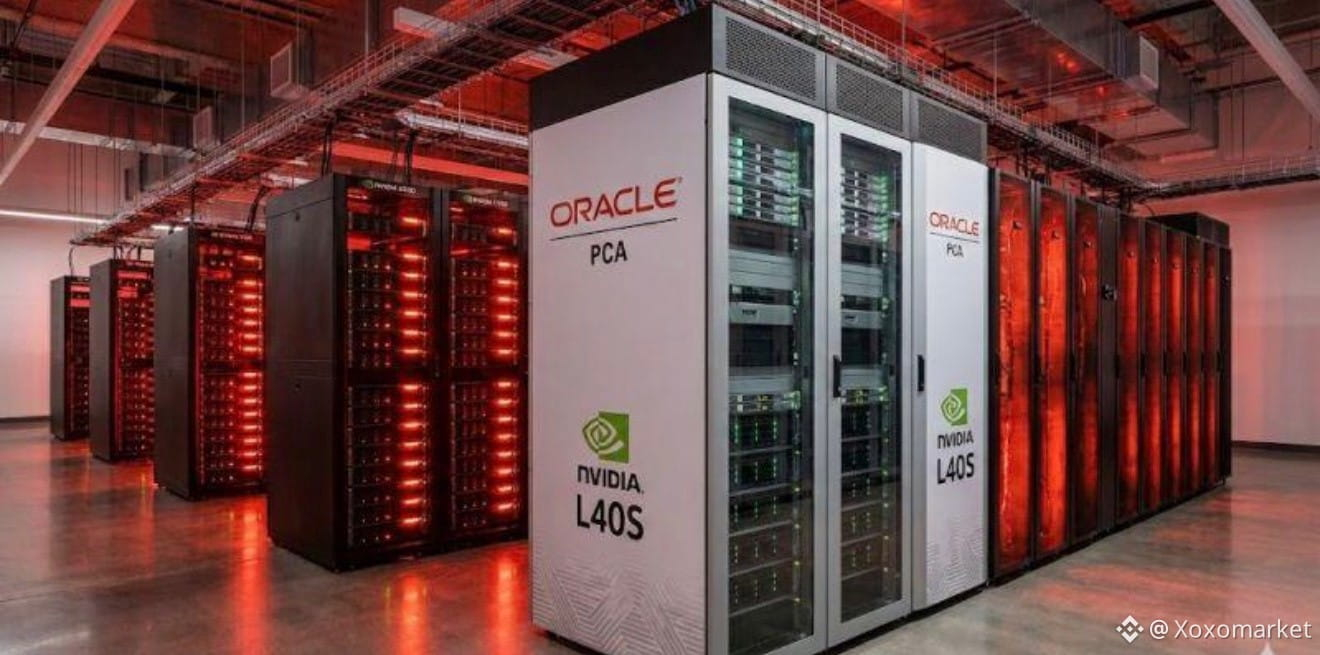
Microsoft no longer wants Oracle’s old GPUs!
Emerging cloud computing companies that depend on major customers, such as CoreWeave, Nebius, and IREN, should all be on alert!
According to Bloomberg, Microsoft has decided not to renew its AI computing capacity lease agreement with Oracle because older-generation Nvidia chips can no longer meet Microsoft’s current technical requirements.
What’s really cause for concern here isn’t that Oracle lost a contract—it’s that the rules of the game in the AI industry are changing.
Over the past two years, everyone has been scrambling for GPUs, data centers, and computing power.
Now Microsoft is starting to reassess computing costs, hardware efficiency, and project delivery.
This means the AI industry is shifting from a “computing power arms race” to a focus on “returns on computing power investment.”
Demand for AI may still be growing, but not all AI infrastructure can turn a profit.
In the next phase, the market may no longer reward whoever invests the most, but whoever can truly turn computing power into profit.
180
·
--
On November 7, OpenAI is reportedly carrying out a “large-scale account ban campaign,” tightening restrictions on the use of accounts, devices, and payment cards.
We recommend backing up important conversations and project files as soon as possible. Don’t wait until you can no longer log in to discover that all your work is locked in the cloud.
OpenAI has not officially confirmed this yet, but multiple users have reported being banned. For now, we’ll wait for an official announcement.
$OPENAI

56
·
--
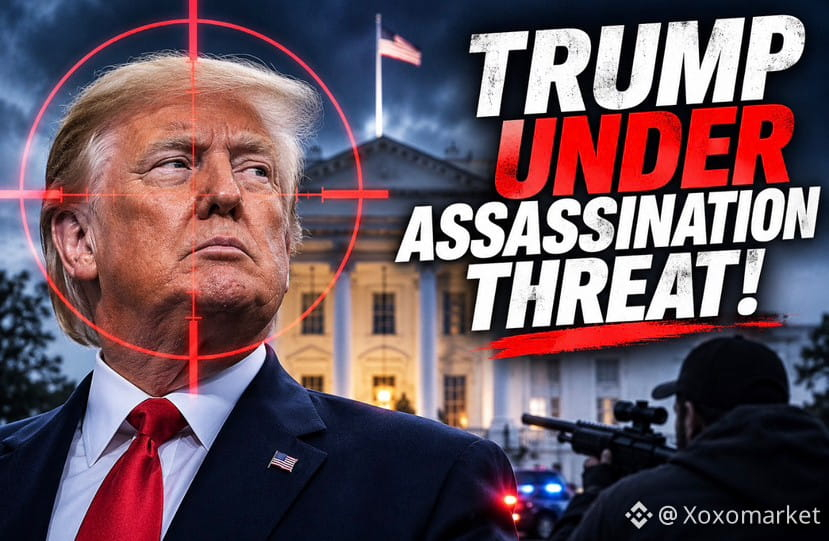
Trump faces another alarming security incident!
On November 7, CNN reported that an assassination threat had emerged near the White House. A 26-year-old Venezuelan man carrying a rifle, two handguns, and dozens of rounds of ammunition was arrested by the U.S. Secret Service.
This is no ordinary public-safety incident. Trump is now facing an increasingly complex security environment:
A serious security threat has again emerged near the White House, adding to the ongoing pressure on presidential security.
The suspect entered the country illegally in 2024, potentially giving Trump’s hard-line immigration policies a new political argument.
Political polarization in American society continues, with extreme individual acts intertwined with political conflict. The security risks facing the president and other political figures warrant vigilance.
Trump can face challenges from elections, Congress, and the markets, but threats to presidential security must never become part of American political life.
116
·
--
SPACEX expects $500 billion in annual revenue 🔥
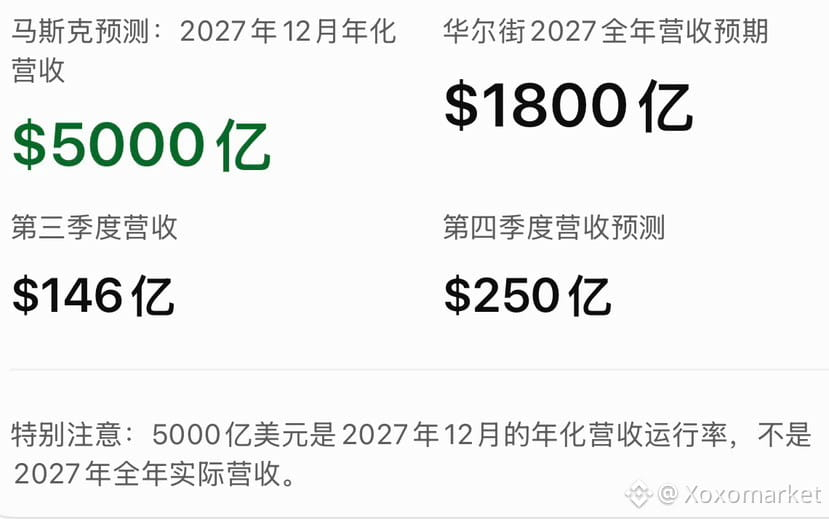
Musk is betting on a space-based business empire and has put forward another astonishing figure: SpaceX expects its annualized revenue to exceed $500 billion by December 2027, and even believes that $1 trillion is not impossible.
What does that mean?
Wall Street analysts currently expect SpaceX to bring in about $180 billion in revenue for all of 2027.
Note that one figure is annualized revenue for December, while the other is revenue for the full year, so they cannot be directly equated. Still, Musk’s target is highly ambitious.
His ambitions have long extended beyond rocket launches.
Starlink satellite internet, commercial spaceflight, and AI infrastructure are coming together to form a new business empire.
Of course, $500 billion is a forecast, not a commitment to deliver results.
The story may be big, but ultimately it comes down to whether revenue, profit, and cash flow can live up to it.
$SPCXB
1
1
3.2k
·
--
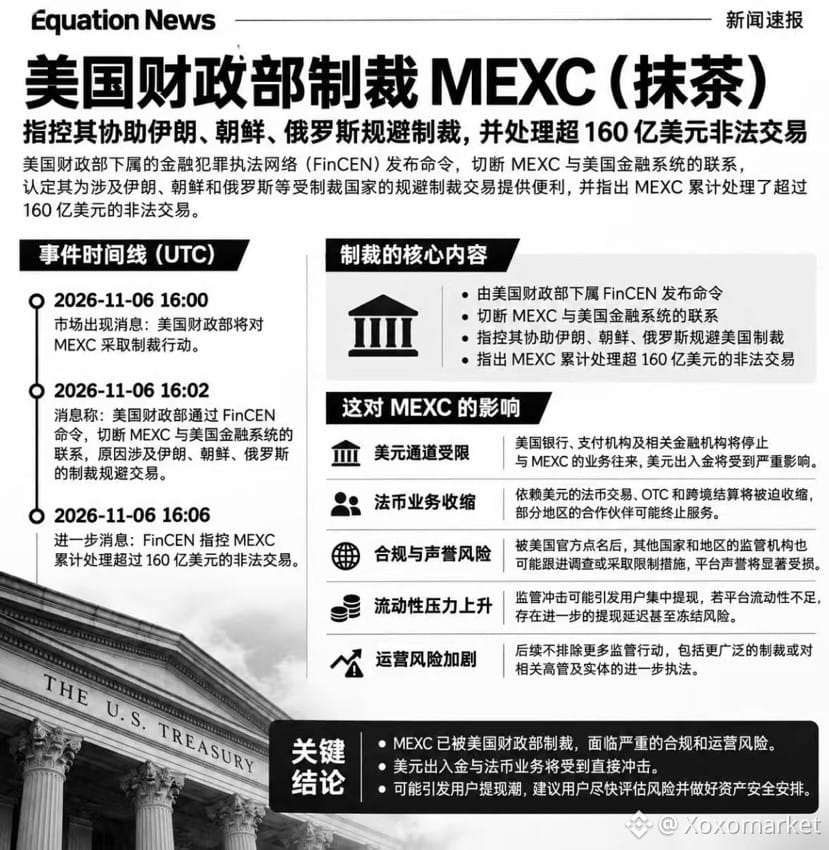
The U.S. Treasury has sanctioned MEXC (Matcha). Anyone with assets there should be careful!
The U.S. Treasury has sanctioned MEXC (Matcha). Anyone with assets there should be careful!
430
·
--
Oh no, oh no… U.S. jobs numbers blew past expectations! Odds of a December rate hike are surging
U.S. October employment data released tonight:
Nonfarm payrolls: 165,000, versus 65,000 expected—beating expectations by 100,000!
Unemployment rate: 4.1%, below the 4.2% forecast.
The data sends a clear signal: The U.S. labor market is more resilient than the market thought.
Expectations for a Fed rate hike in December may rise further.
If Treasury yields and the dollar continue to strengthen, AI tech stock valuations will come under pressure.
BTC, ETH, and highly leveraged crypto assets may be hit by expectations of tighter liquidity.
In the short term, don’t rush to buy the dip in AI tech or blindly bet against crypto. First, watch Treasury yields, the dollar, and how markets reprice the odds of a December rate hike.
Tonight’s real test is whether the market can digest this stronger-than-expected jobs report.
559
Log in to explore more content
Join global crypto users on Binance Square
⚡️ Get latest and useful information about crypto.
💬 Trusted by the world’s largest crypto exchange.
👍 Discover real insights from verified creators.
Email / Phone number
Trending Topics
HotCPIDecemberHikePriced
101,456 views
1,184 Discussing
CPI Market Watch | US CPI Rises 0.4% in October, Hotter Than 0.3% Forecast
Binance News
·27 Likes
·41.5k views
AnthropicRejectsIPODelayValuationinQuestion
225,780 views
1,874 Discussing
CanNvidiaEarningsEaseMarketConcerns?
37,993 views
545 Discussing