

Felix Trade
3.1k Posts

Felix Trade
 Square Verified
Report
Block User
Trading investment
Open Trade
High-Frequency Trader
5 Years
5 Following
3.0K+ Followers
5.0K+ Liked
Posts
Portfolio
All
Quotes
·
--
Bullish
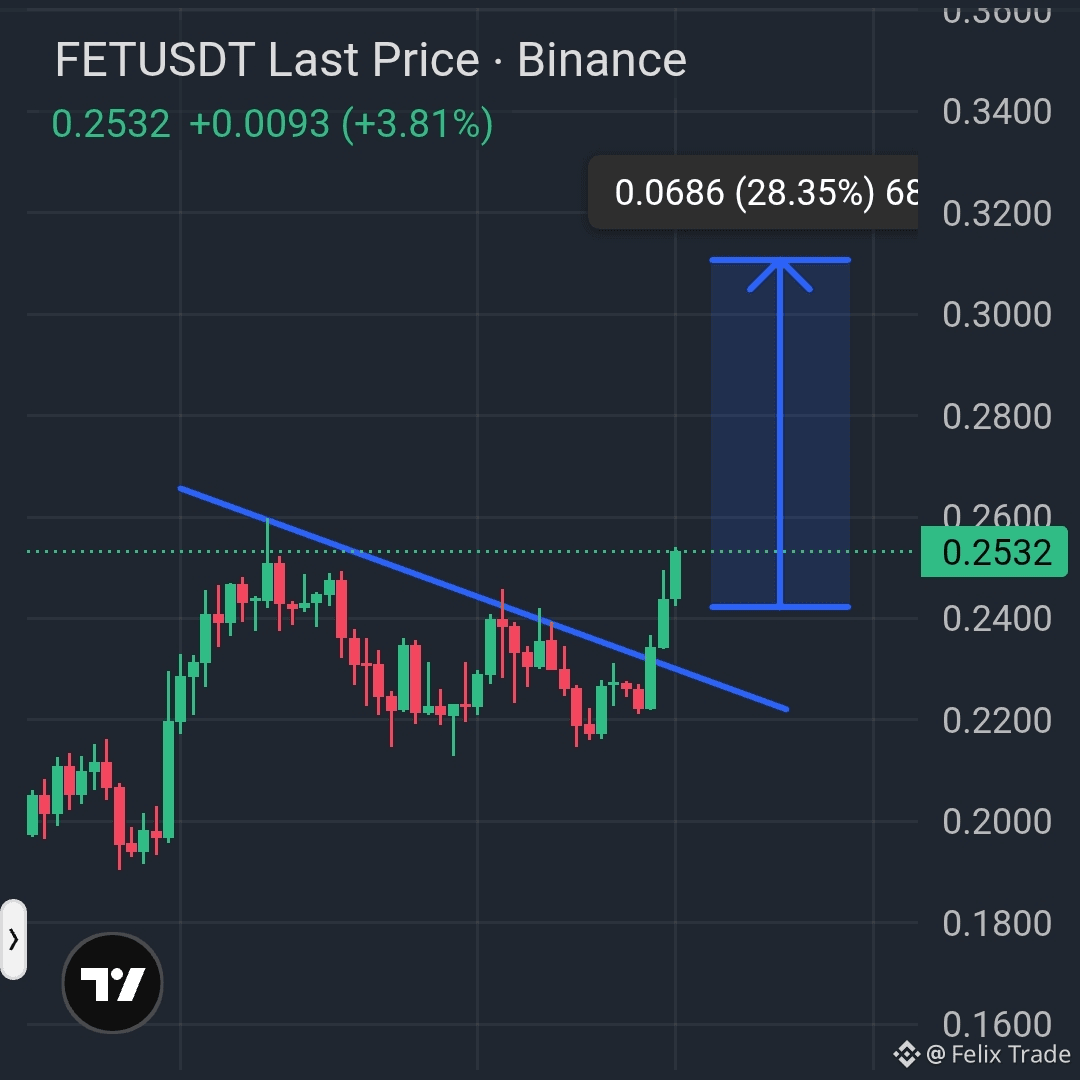
$FET break out , open scalping long now
Target 0,28-0,32 🎯
{future}(FETUSDT)
$FET break out , open scalping long now
Target 0,28-0,32 🎯
Target 0,28-0,32 🎯
4
677
·
--
Bullish
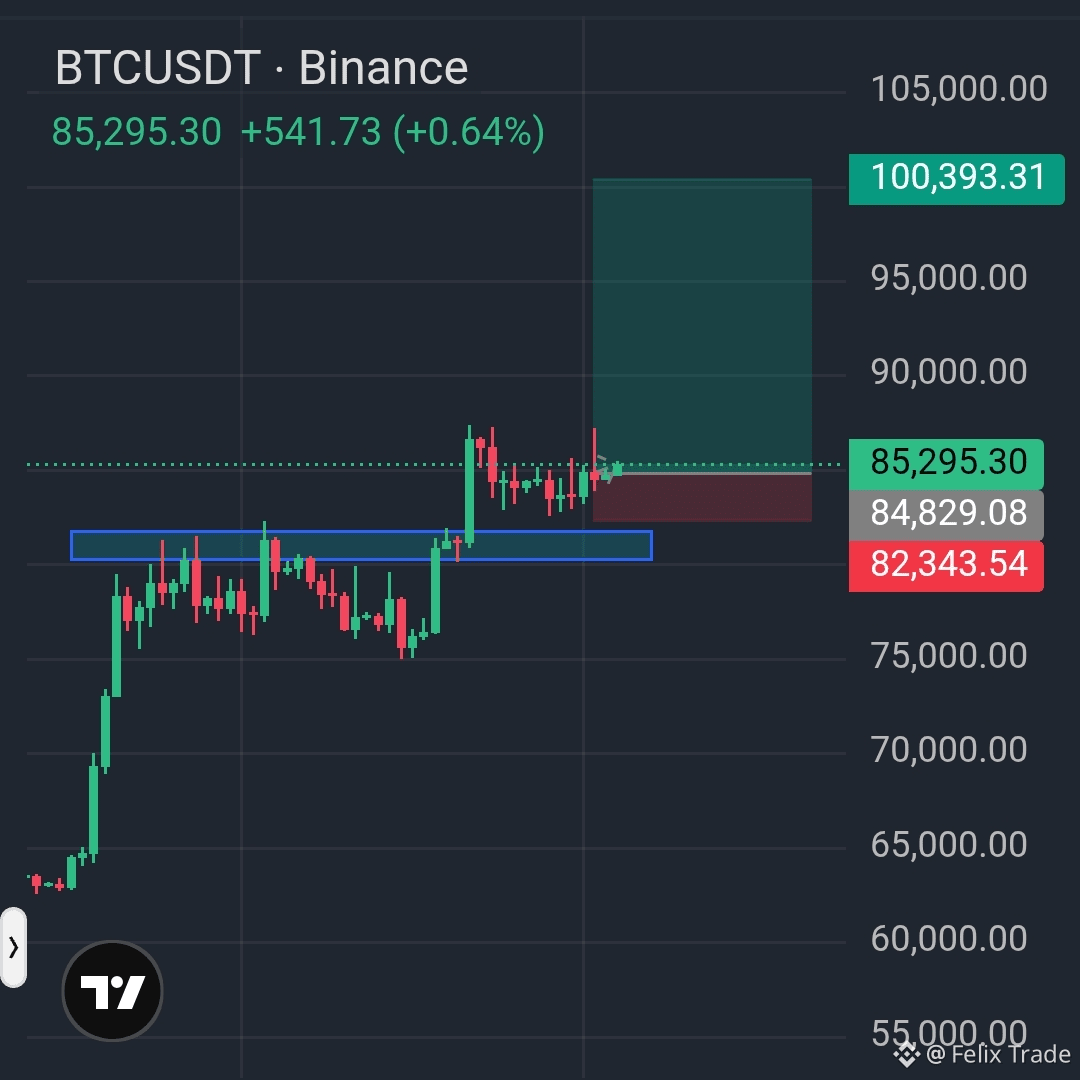
$BTC I predict it will surge next week.
90000-95000-100000
{future}(BTCUSDT)
$BTC I predict it will surge next week.
90000-95000-100000
90000-95000-100000
2
4
379
·
--
Bullish
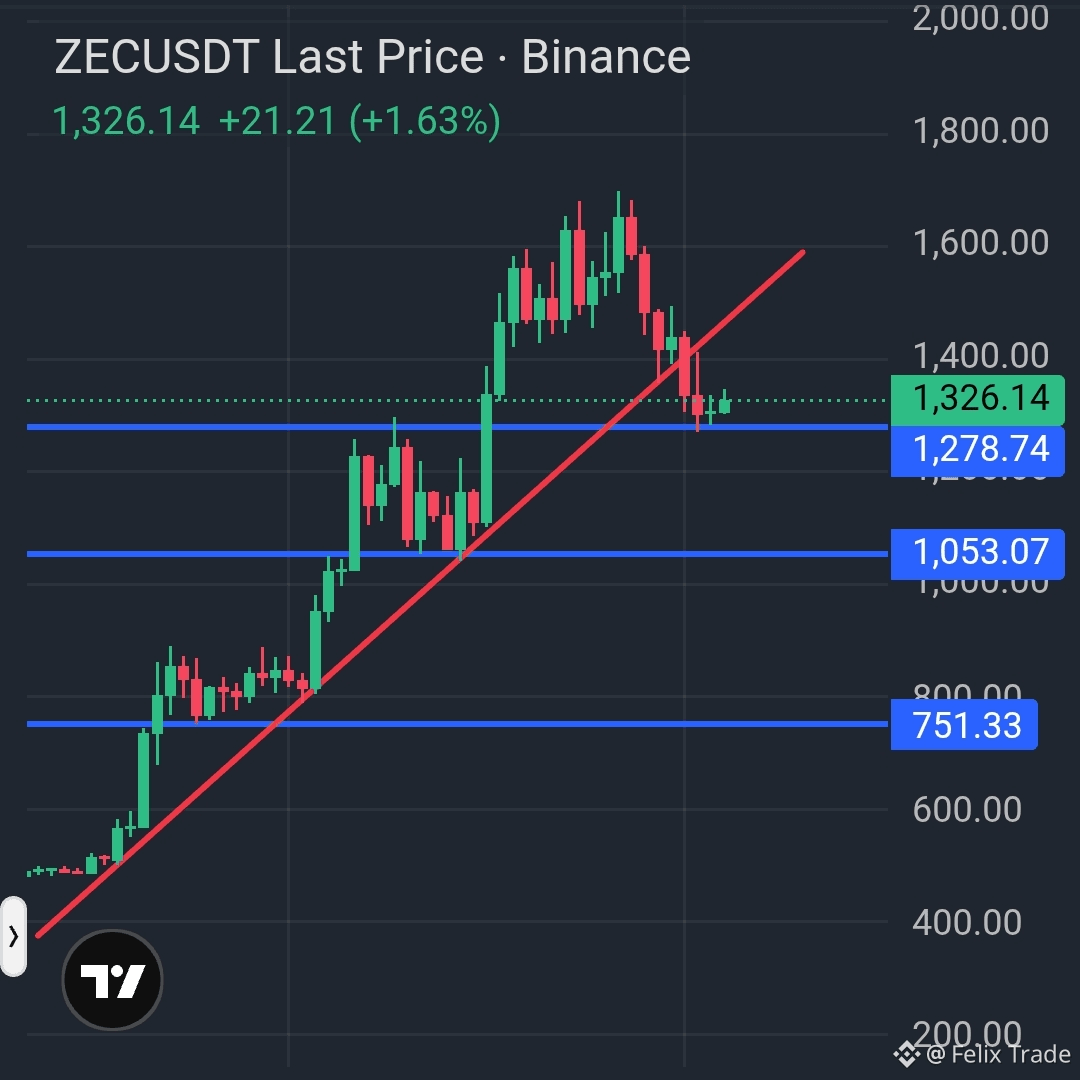
$ZEC If ZEC continues to fail here, it could drop to $1,000.
If it holds, it could rebound to the 1400–1500 range.
{future}(ZECUSDT)
$ZEC If ZEC continues to fail here, it could drop to $1,000.
If it holds, it could rebound to the 1400–1500 range.
If it holds, it could rebound to the 1400–1500 range.
1
757
·
--
Bullish
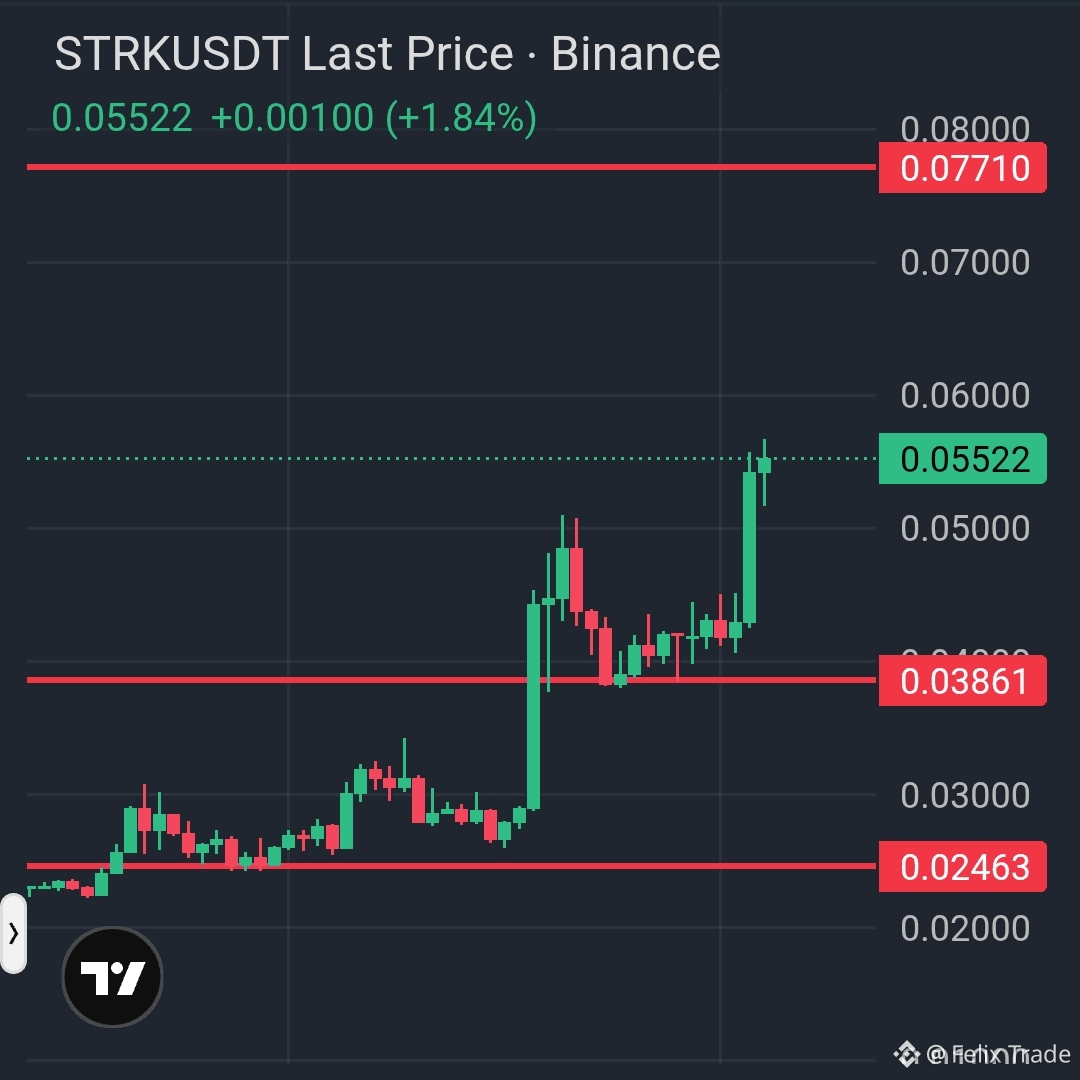
$STRK Open long setup now
Target 🎯
0,06
0,07
0,08
SL 0,05
{future}(STRKUSDT)
$STRK Open long setup now
Target 🎯
0,06
0,07
0,08
SL 0,05
Target 🎯
0,06
0,07
0,08
SL 0,05
1
393
·
--
Bullish
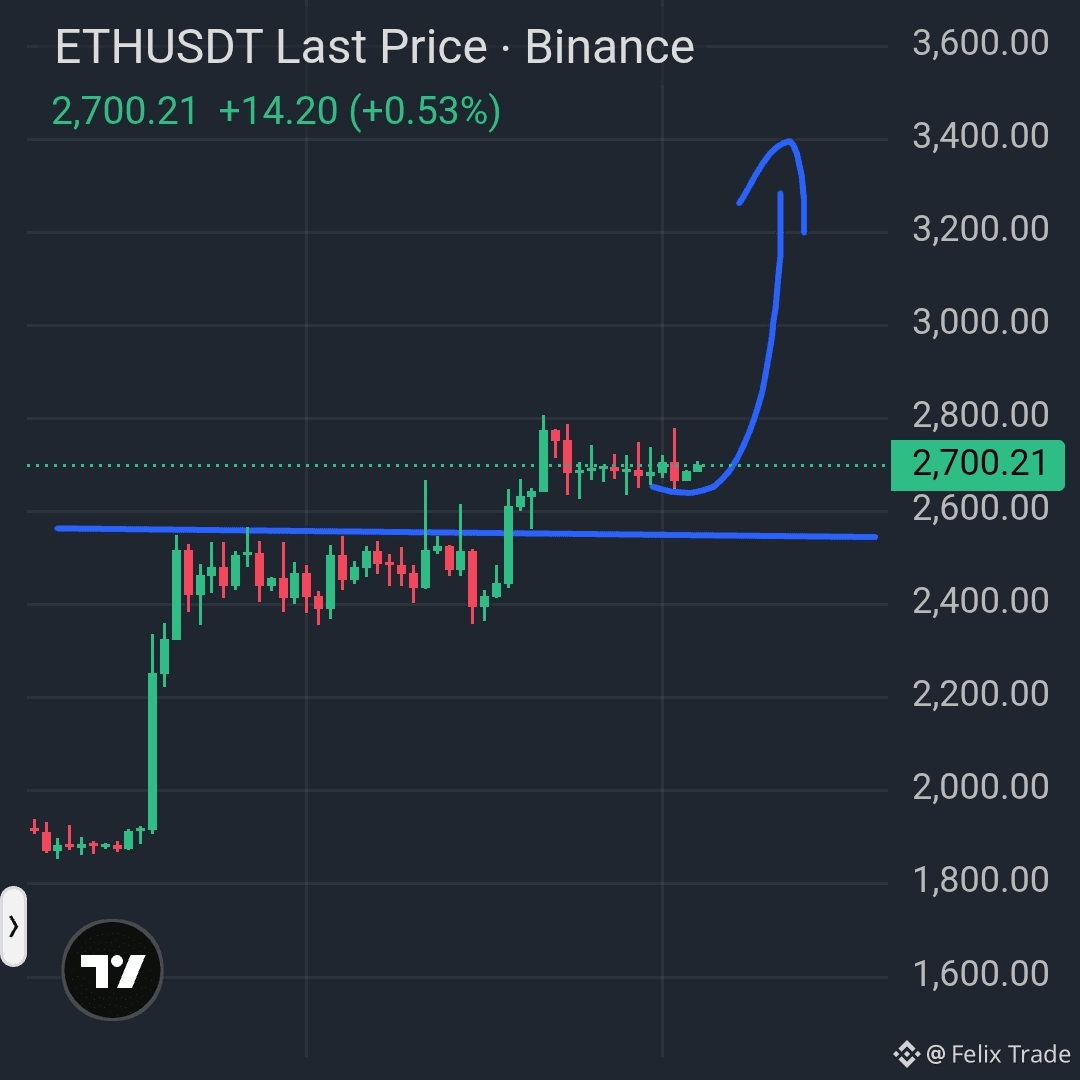
$ETH Nice structure, long setup now
target 🎯
2900
3000
3200
SL 2550
{future}(ETHUSDT)
$ETH Nice structure, long setup now
target 🎯
2900
3000
3200
SL 2550
target 🎯
2900
3000
3200
SL 2550
359
·
--
Bearish
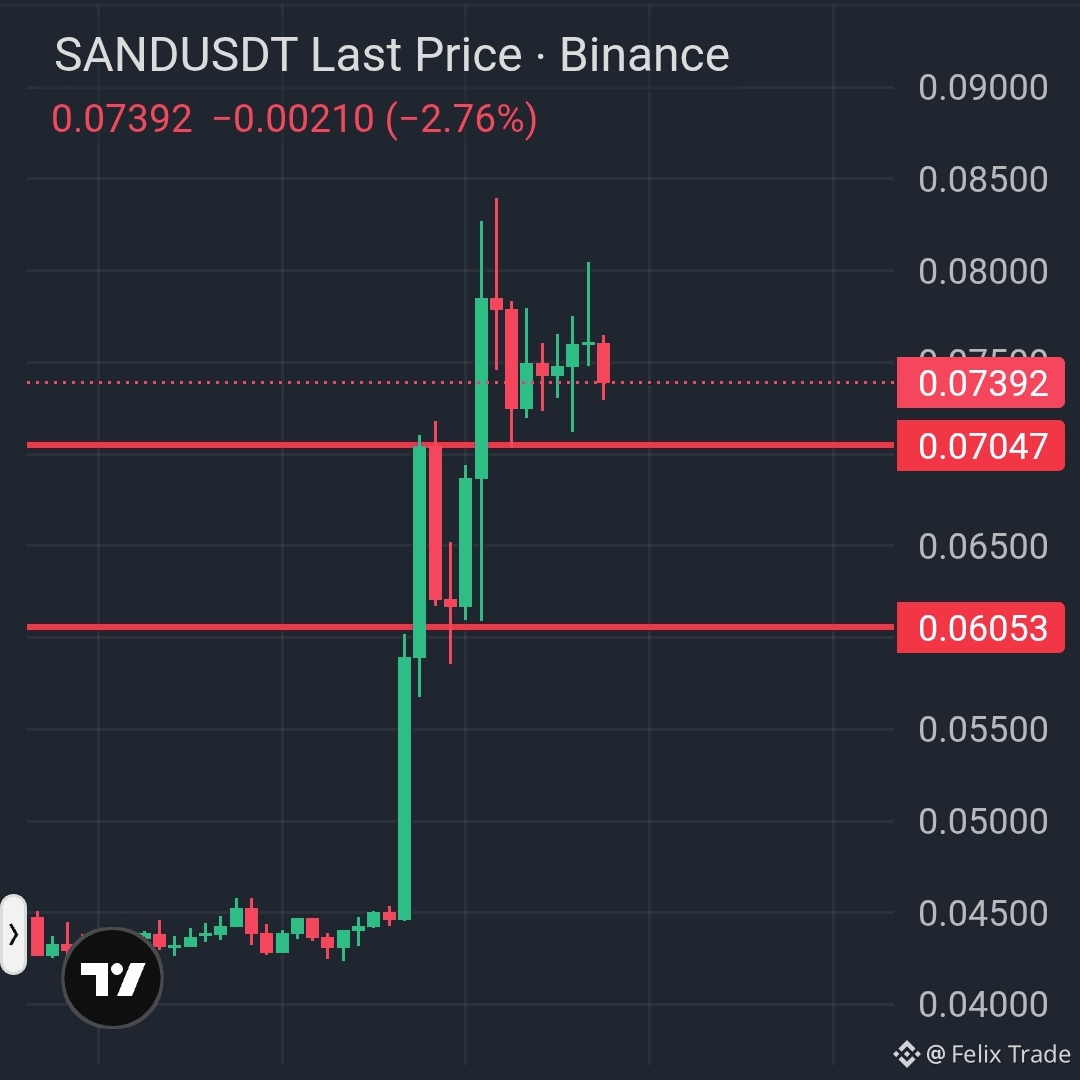
$SAND open short setup now
target 🎯
0,7
0,65
0,6
SL 0,78
{future}(SANDUSDT)
$SAND open short setup now
target 🎯
0,7
0,65
0,6
SL 0,78
target 🎯
0,7
0,65
0,6
SL 0,78
674
·
--
Bullish
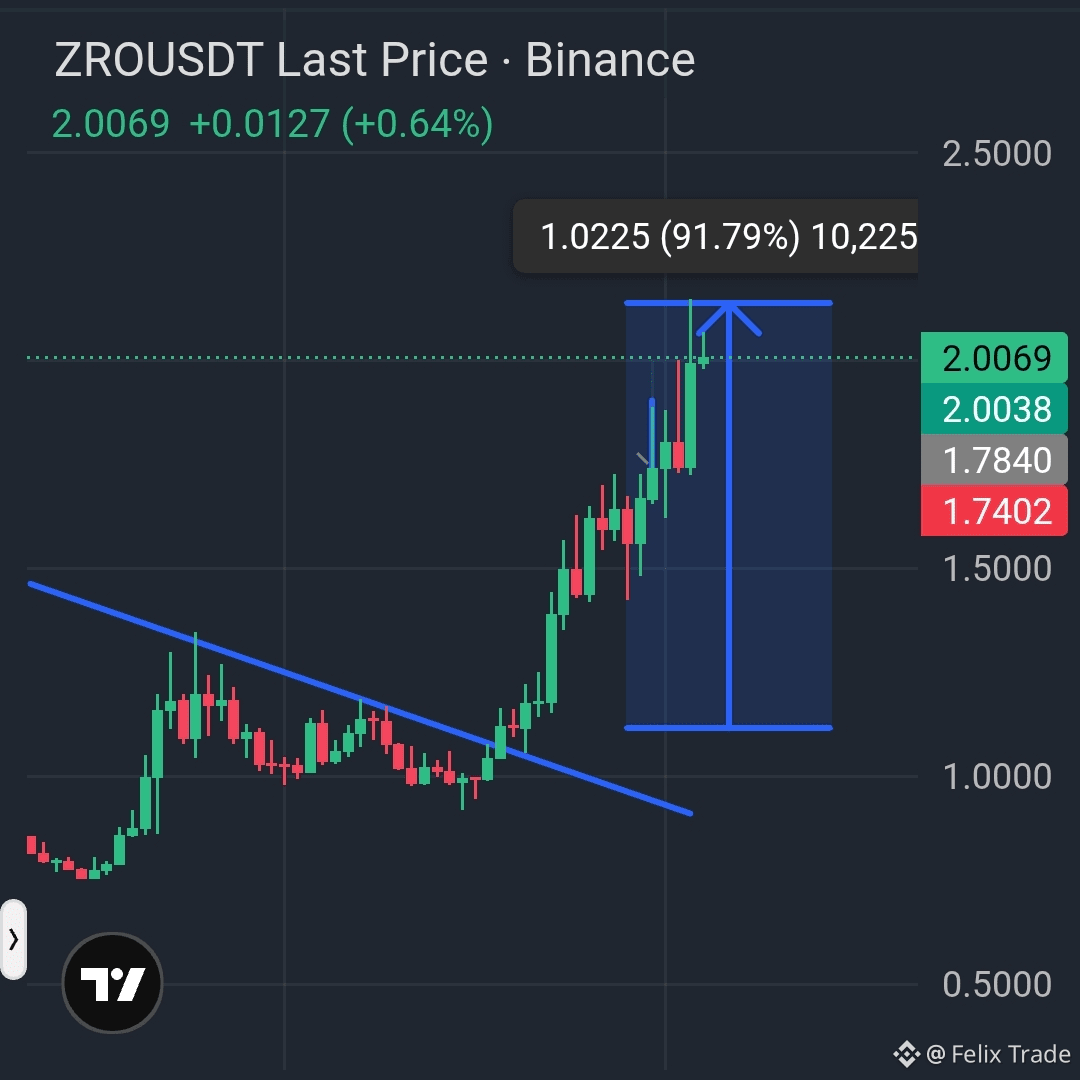
$ZRO update: 90% profit after one week
{future}(ZROUSDT)
$ZRO update: 90% profit after one week
597
·
--
Bullish
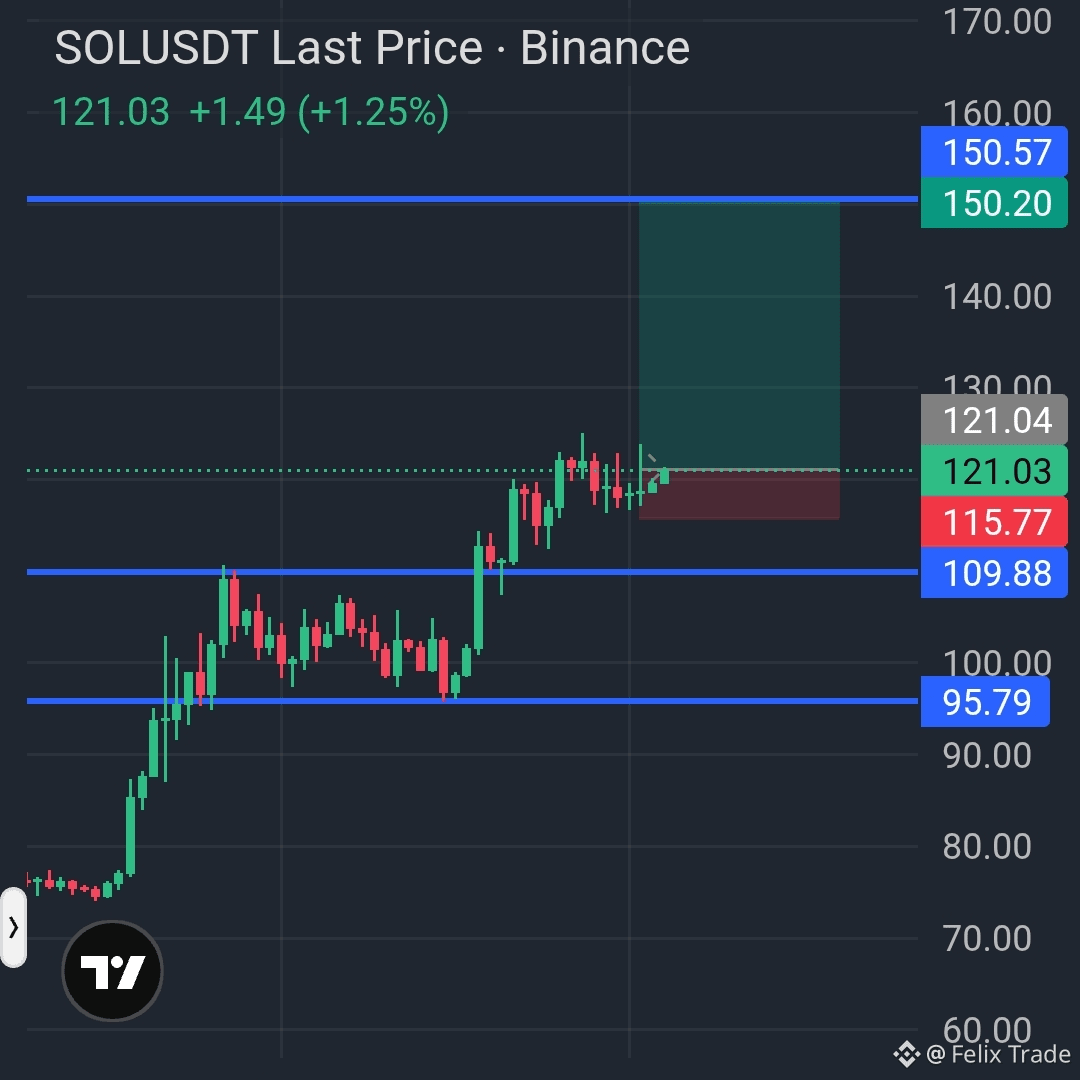
$SOL The SOL chart still looks good.
Target 140-150$
{future}(SOLUSDT)
$SOL The SOL chart still looks good.
Target 140-150$
Target 140-150$
1
649
·
--
Bearish
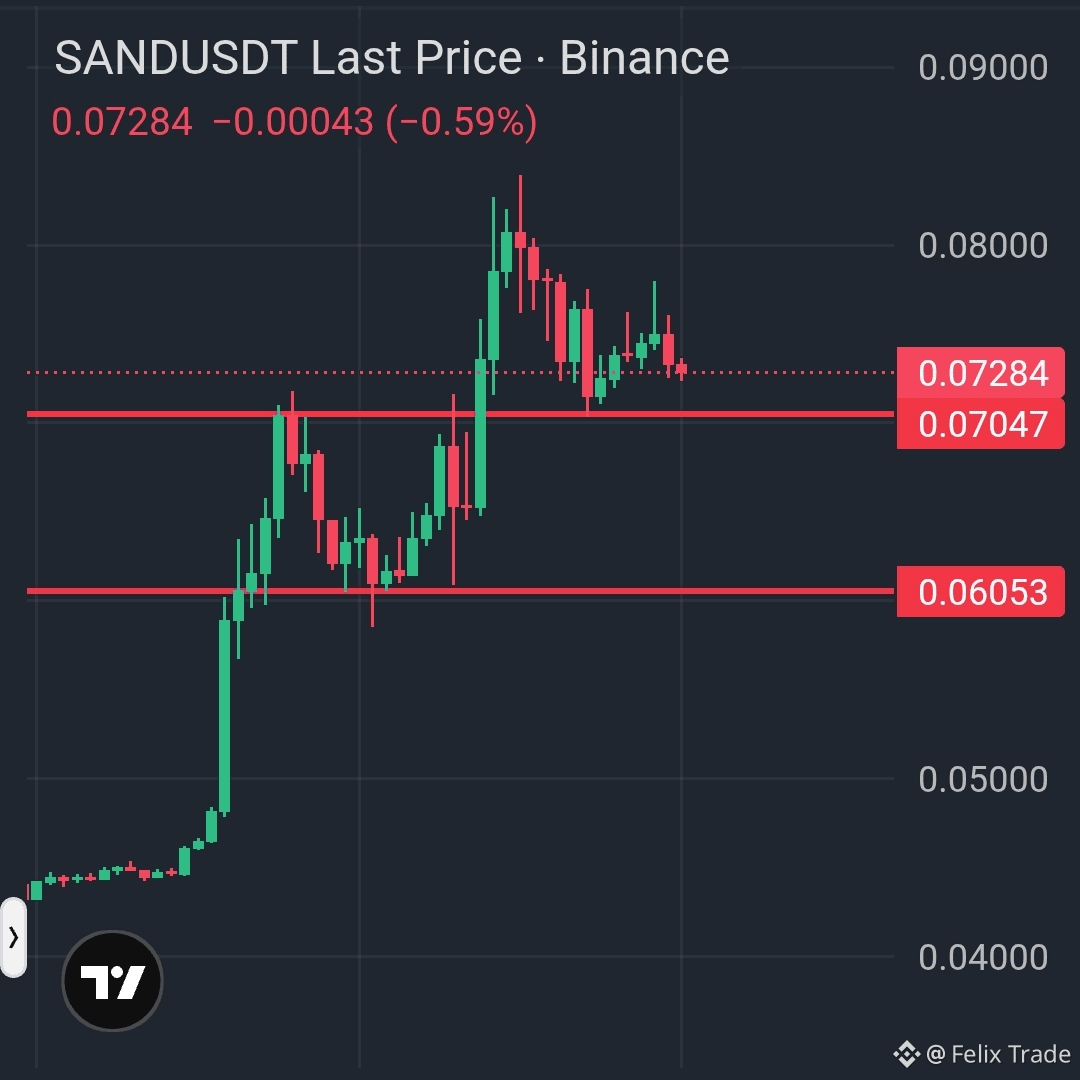
$SAND open short setup now
Target 🎯
0,068
0,064
0,06
SL 0,077
{future}(SANDUSDT)
$SAND open short setup now
Target 🎯
0,068
0,064
0,06
SL 0,077
Target 🎯
0,068
0,064
0,06
SL 0,077
2
920
·
--
Bearish
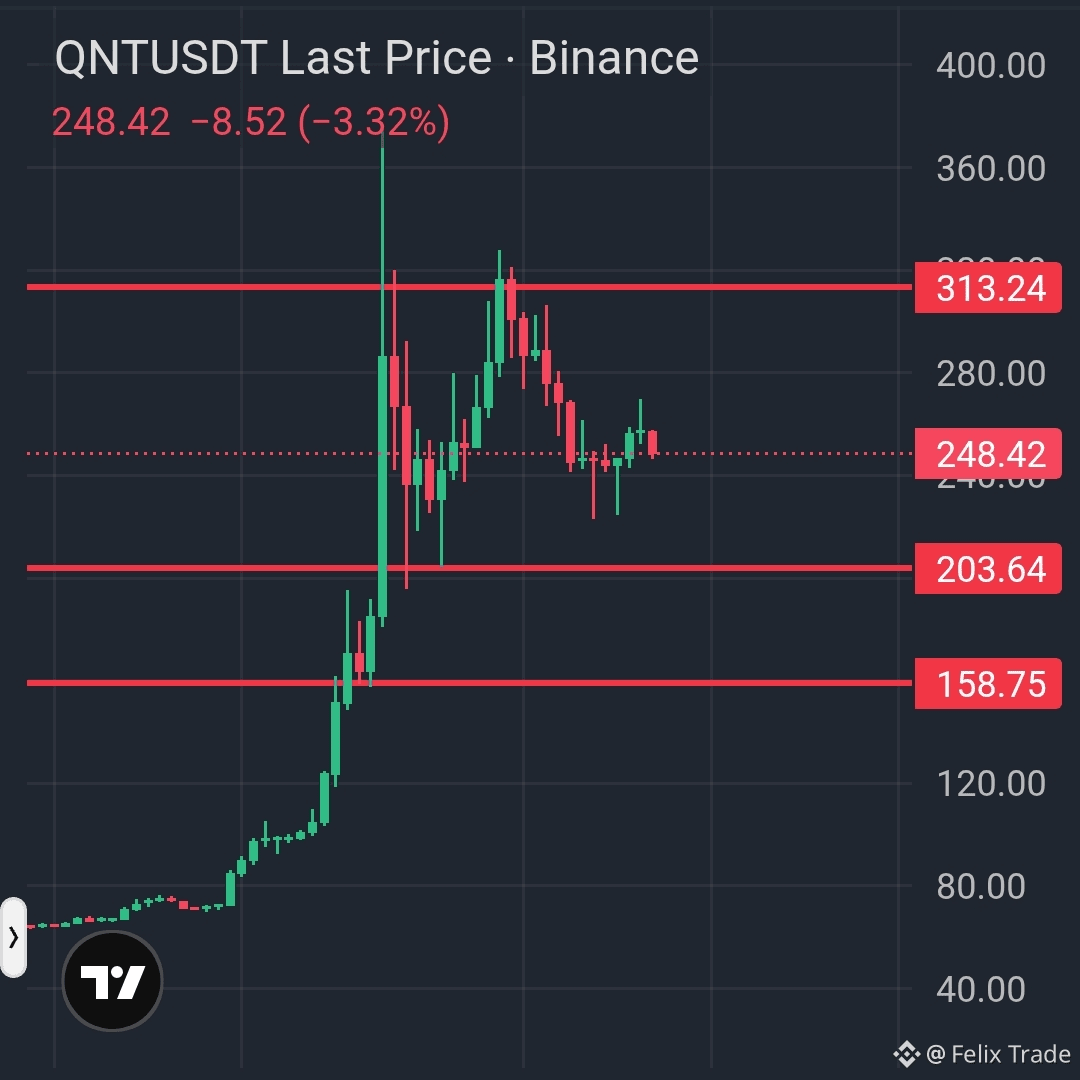
$QNT Keep short 🔥
next target 🎯
200
180
160
{future}(QNTUSDT)
$QNT Keep short 🔥
next target 🎯
200
180
160
next target 🎯
200
180
160
3
9
5.1k
·
--
Bullish
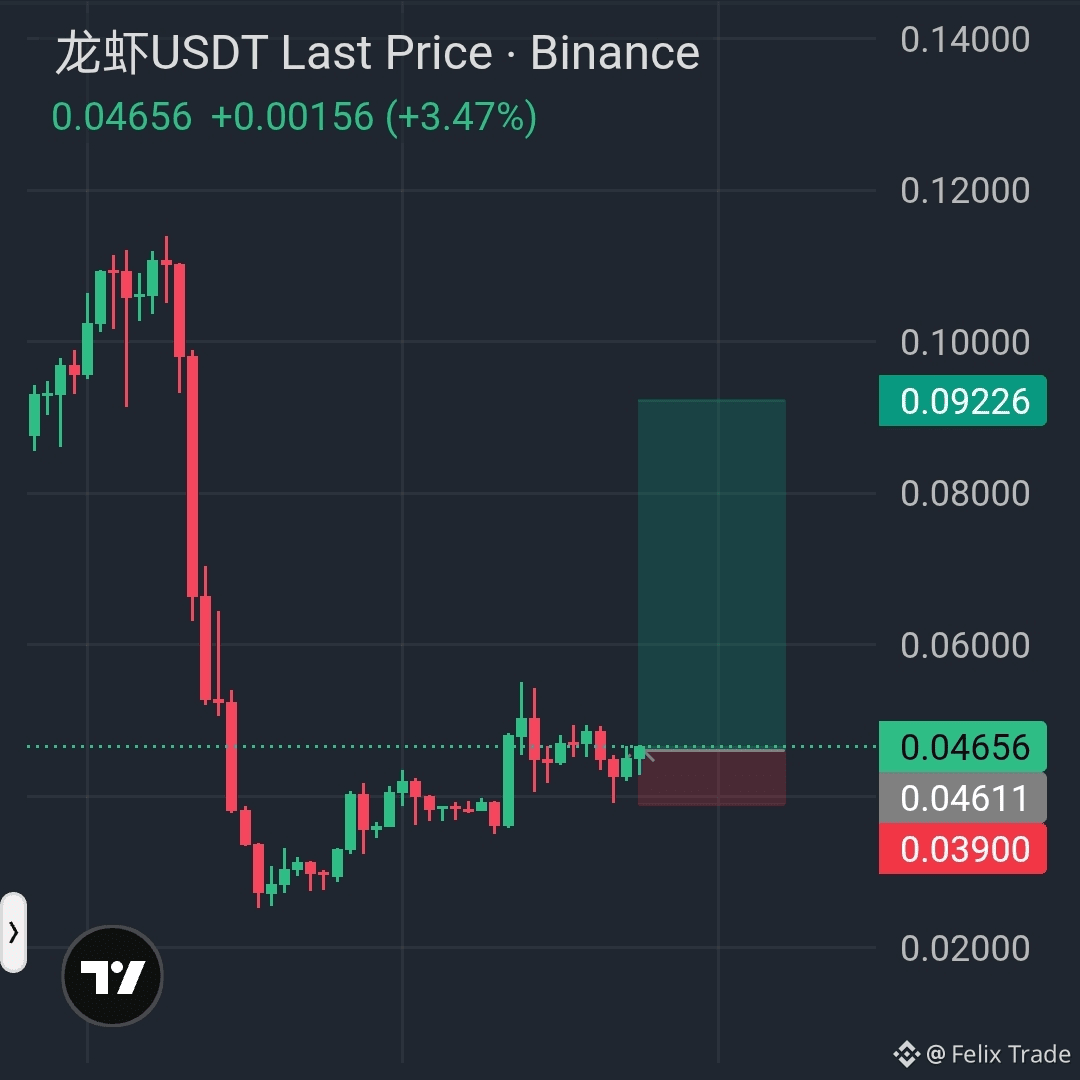
$龙虾 open scalping long setup 📈
Target 🎯
0,06
0,08
0,1
SL 0,042
{future}(龙虾USDT)
$龙虾 open scalping long setup 📈
Target 🎯
0,06
0,08
0,1
SL 0,042
Target 🎯
0,06
0,08
0,1
SL 0,042
1
6
4.5k
·
--
Bullish
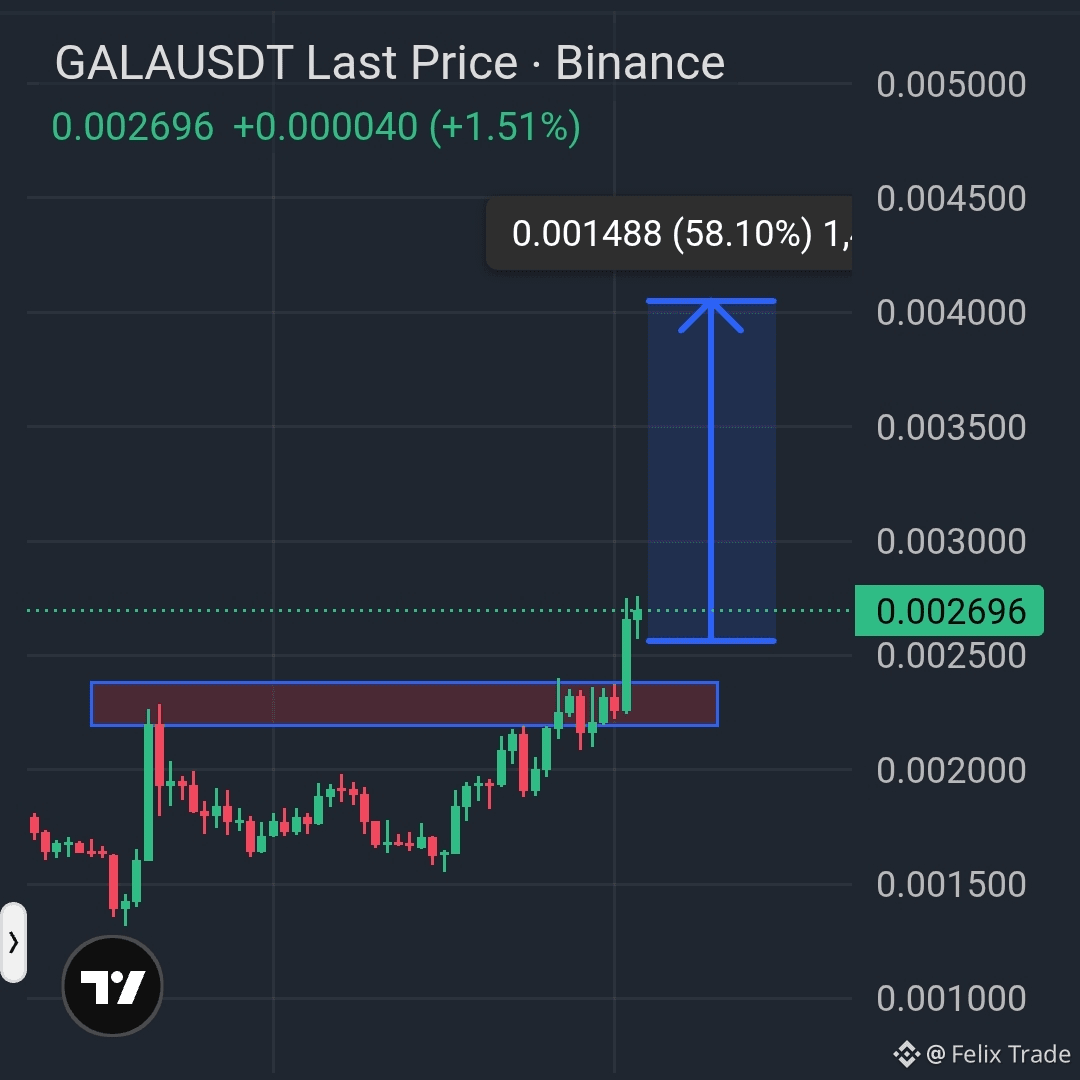
$GALA chart break out, long setup now
Target 🎯
0,003
0,0035
0,004
SL 0,00235
{future}(GALAUSDT)
$GALA chart break out, long setup now
Target 🎯
0,003
0,0035
0,004
SL 0,00235
Target 🎯
0,003
0,0035
0,004
SL 0,00235
5
2.4k
·
--
Bullish
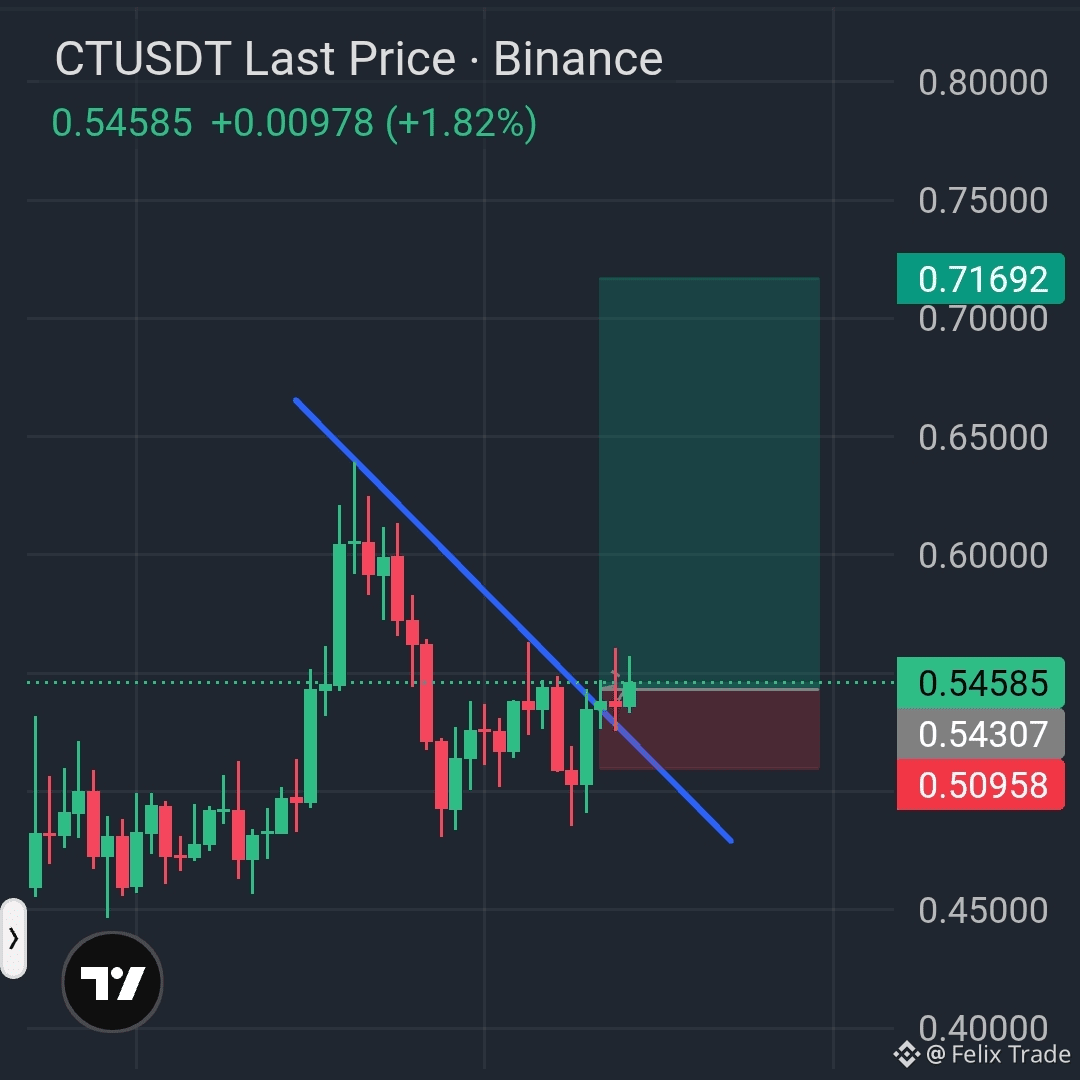
$CT open long setup now
Target 🎯
0,6
0,65
0,7
SL 0,5
{future}(CTUSDT)
$CT open long setup now
Target 🎯
0,6
0,65
0,7
SL 0,5
Target 🎯
0,6
0,65
0,7
SL 0,5
1
1.3k
·
--
Bullish
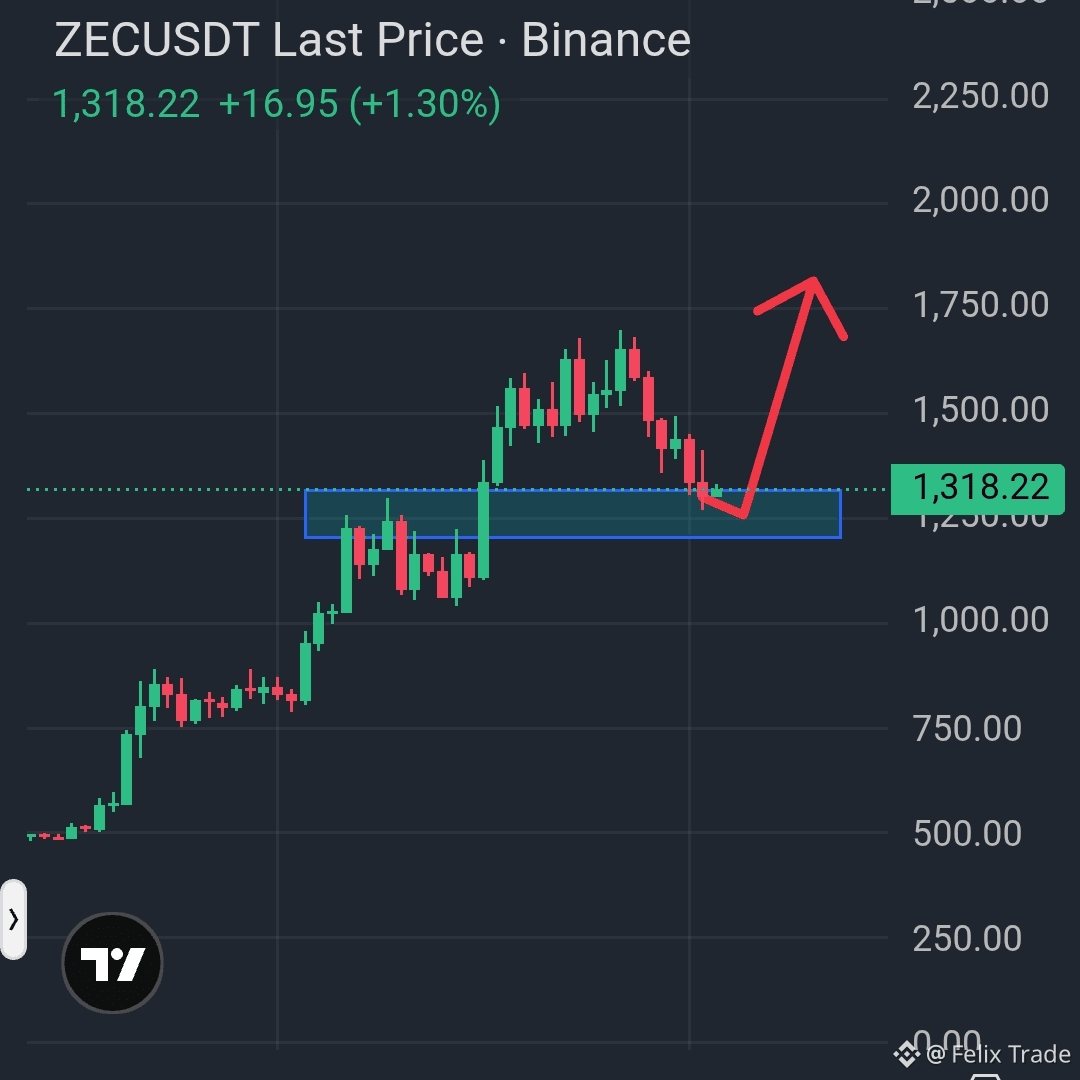
$ZEC ZEC has dropped to the support zone; personally, I expect it to bounce back from here.
{future}(ZECUSDT)
$ZEC ZEC has dropped to the support zone; personally, I expect it to bounce back from here.
12
2
51
55.2k
·
--
Bullish
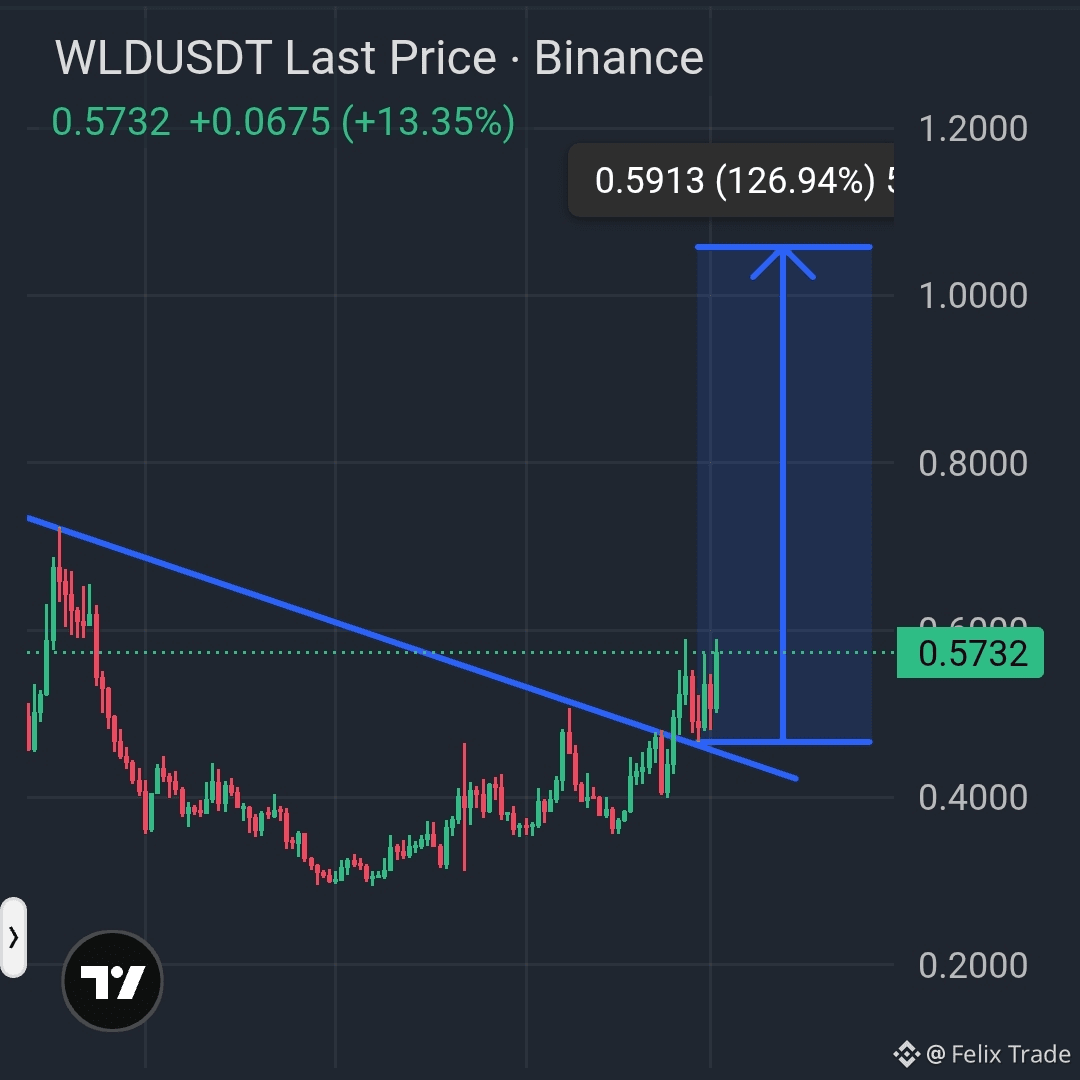
$WLD The target remains 1$ , patiently waiting to take profit.
{future}(WLDUSDT)
$WLD The target remains 1$ , patiently waiting to take profit.
4
4.1k
·
--
Bearish
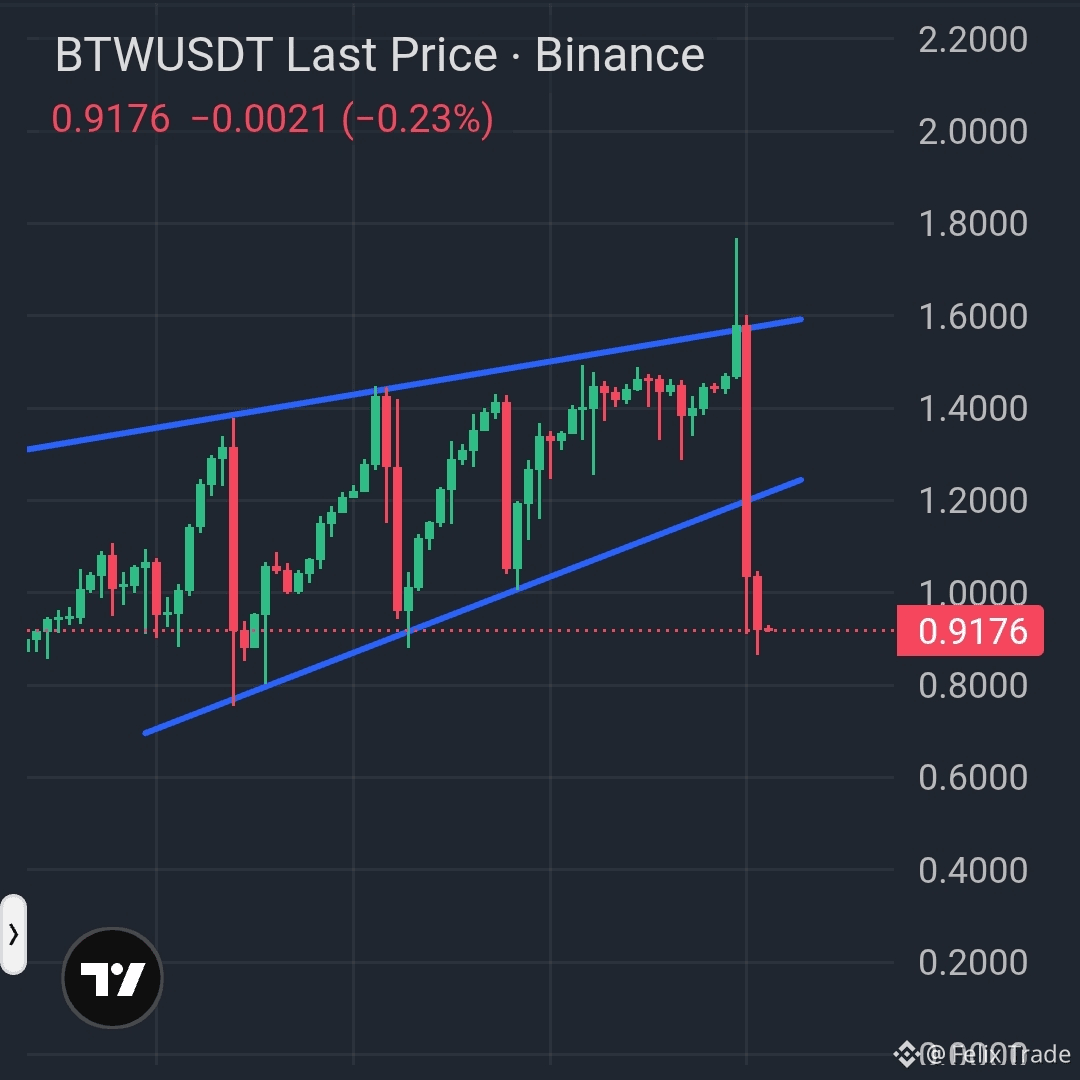
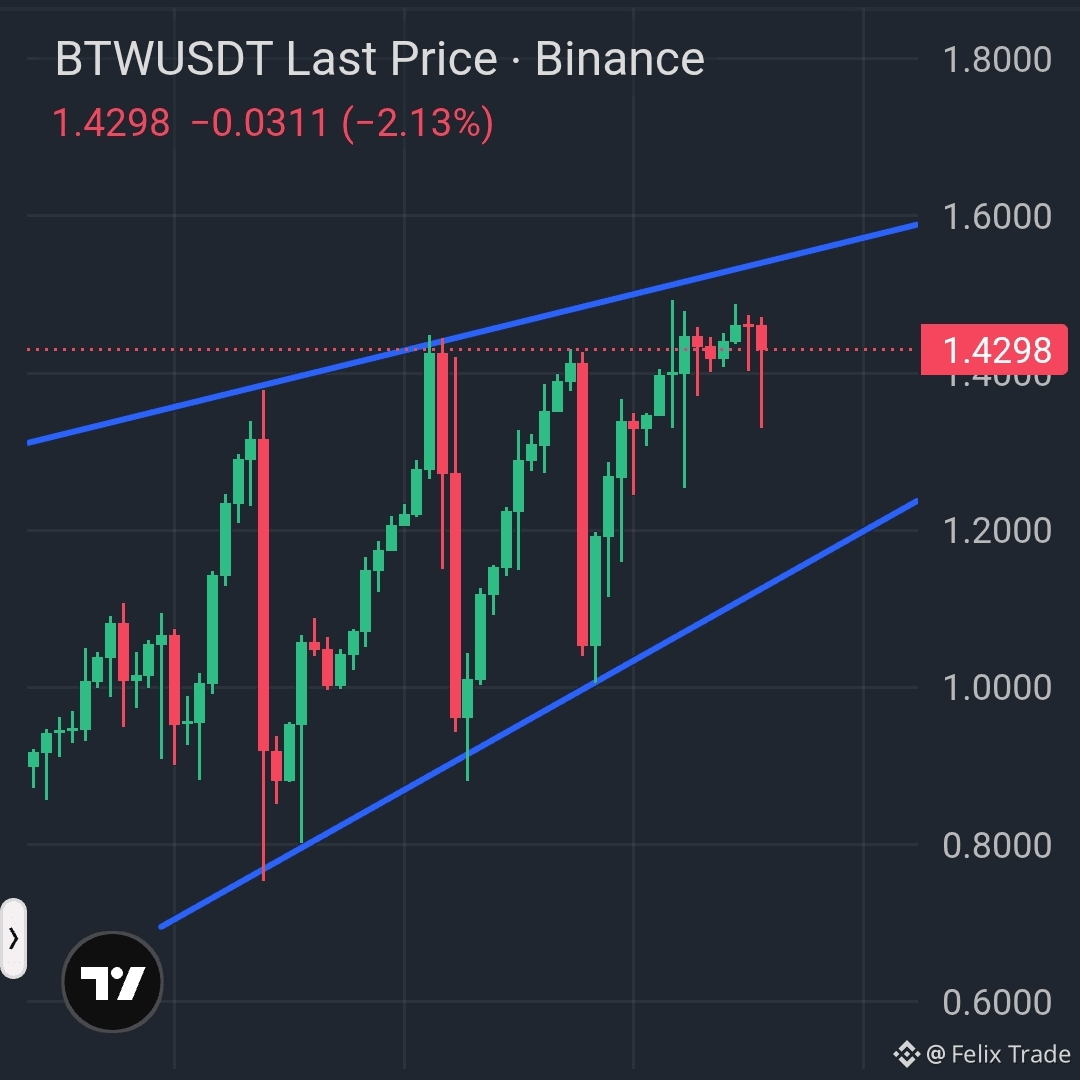
$BTW Open short now, Cut losses if the trendline is broken.
{future}(BTWUSDT)
$BTW Open short now, Cut losses if the trendline is broken.
2
1.6k
·
--
Bullish
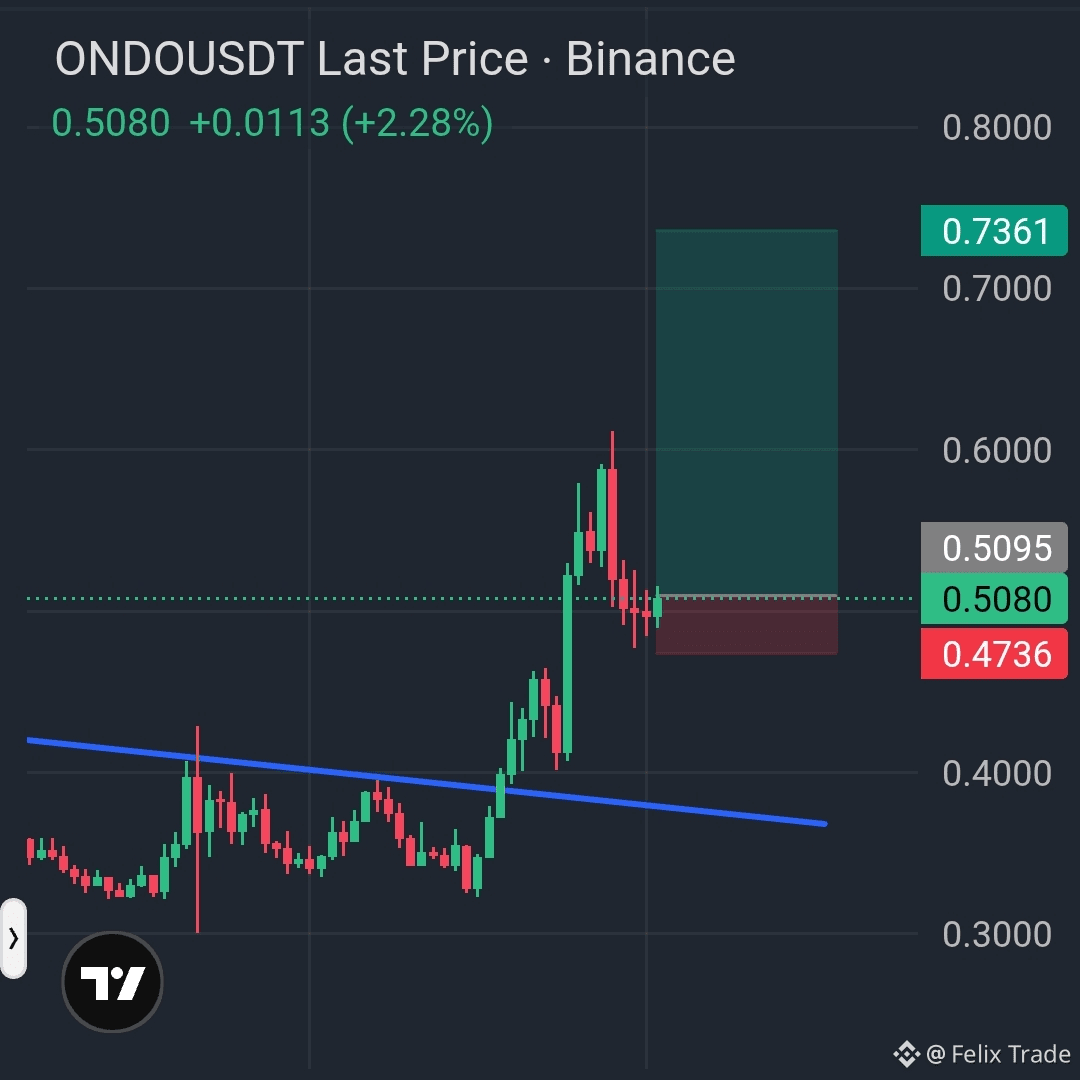
$ONDO I open long here 👇
Target 🎯
0,6
0,68
0,75
SL 0,47
{future}(ONDOUSDT)
$ONDO I open long here 👇
Target 🎯
0,6
0,68
0,75
SL 0,47
Target 🎯
0,6
0,68
0,75
SL 0,47
813
·
--
Bullish
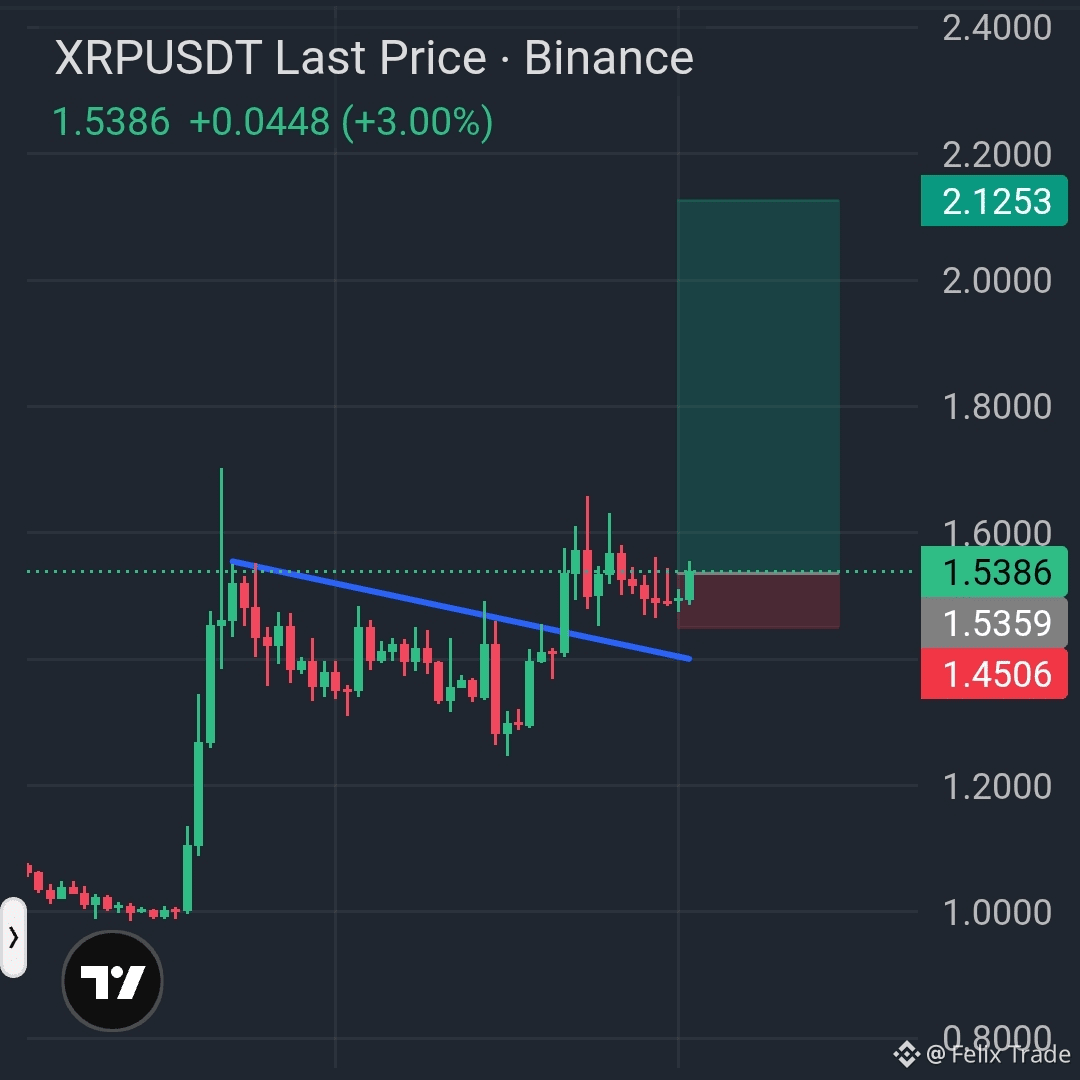
$XRP open long setup now
Target 🎯
1,7
1,9
2,1
SL 1,47
{future}(XRPUSDT)
$XRP open long setup now
Target 🎯
1,7
1,9
2,1
SL 1,47
Target 🎯
1,7
1,9
2,1
SL 1,47
1
805
·
--
Bullish
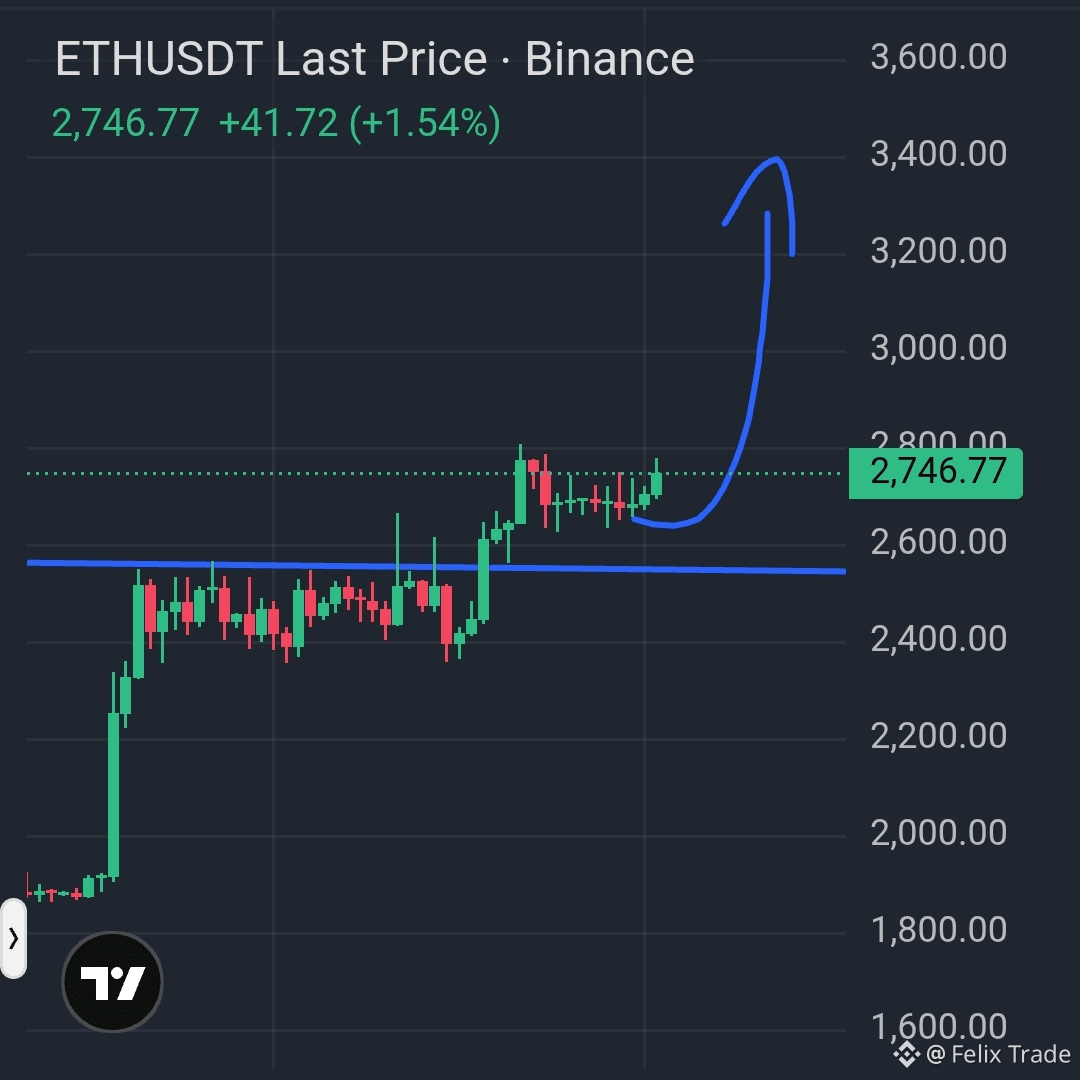
$ETH nice structure, long setup now 👍
Target 🎯
3000
3200
3400
SL 2600
{future}(ETHUSDT)
$ETH nice structure, long setup now 👍
Target 🎯
3000
3200
3400
SL 2600
Target 🎯
3000
3200
3400
SL 2600
782
Log in to explore more content
Join global crypto users on Binance Square
⚡️ Get latest and useful information about crypto.
💬 Trusted by the world’s largest crypto exchange.
👍 Discover real insights from verified creators.
Email / Phone number
Trending Topics
BitcoinSpotETFsDraw$6.34BInflowsInQ3
7,042 views
104 Discussing
🚨 $6.34 BILLION JUST CHASED BITCOIN — BUT THE REAL STORY IS WHAT COMES NEXT
Bitcoin spot ETFs pulled in $6.34 billion during Q3.
That number deserves attention — but not because “institutions are buying Bitcoin” is new.
What matters is the change in money flow.
When billions move into spot ETFs within a single quarter, Bitcoin is no longer relying only on crypto-native traders. A deeper pool of capital is participating through regulated market infrastructure.
And that changes the game.
Think about it:
Bitcoin’s supply does not expand because demand increases.
There will still only ever be 21 million BTC.
So when large pools of capital compete for exposure to an asset with structurally limited supply, the important question becomes:
How much Bitcoin is actually available when everyone wants it at the same time?
That is where things can get interesting.
ETF inflows don’t guarantee the next candle will be green. Institutions can sell just as easily as they buy.
But $6.34B entering in one quarter is not background noise.
I’m watching the flows now more closely than the headlines.
Because sometimes the biggest move starts before retail realizes the money has already moved. 👀
Master CX Watch: Follow the money. Then watch the price.
$BTC #BitcoinSpotETFsDraw$6.34BInflowsInQ3
Master CX
·0 Likes
·234 views
EthereumValidatorExitQueueJumps392%
125,868 views
1,058 Discussing
IMFApprovesElSalvador$138MWithBitcoinWaiver
14,906 views
71 Discussing