
TF_bnb
15.4k Posts

TF_bnb
 Square Verified+
Project Ambassador & Advisor | DM For Work on Binance Square

USD1 Holder
High-Frequency Trader
5.1 Years
154 Following
50.2K+ Followers
68.9K+ Liked
Posts
All
Quotes
Videos
Live
PINNED
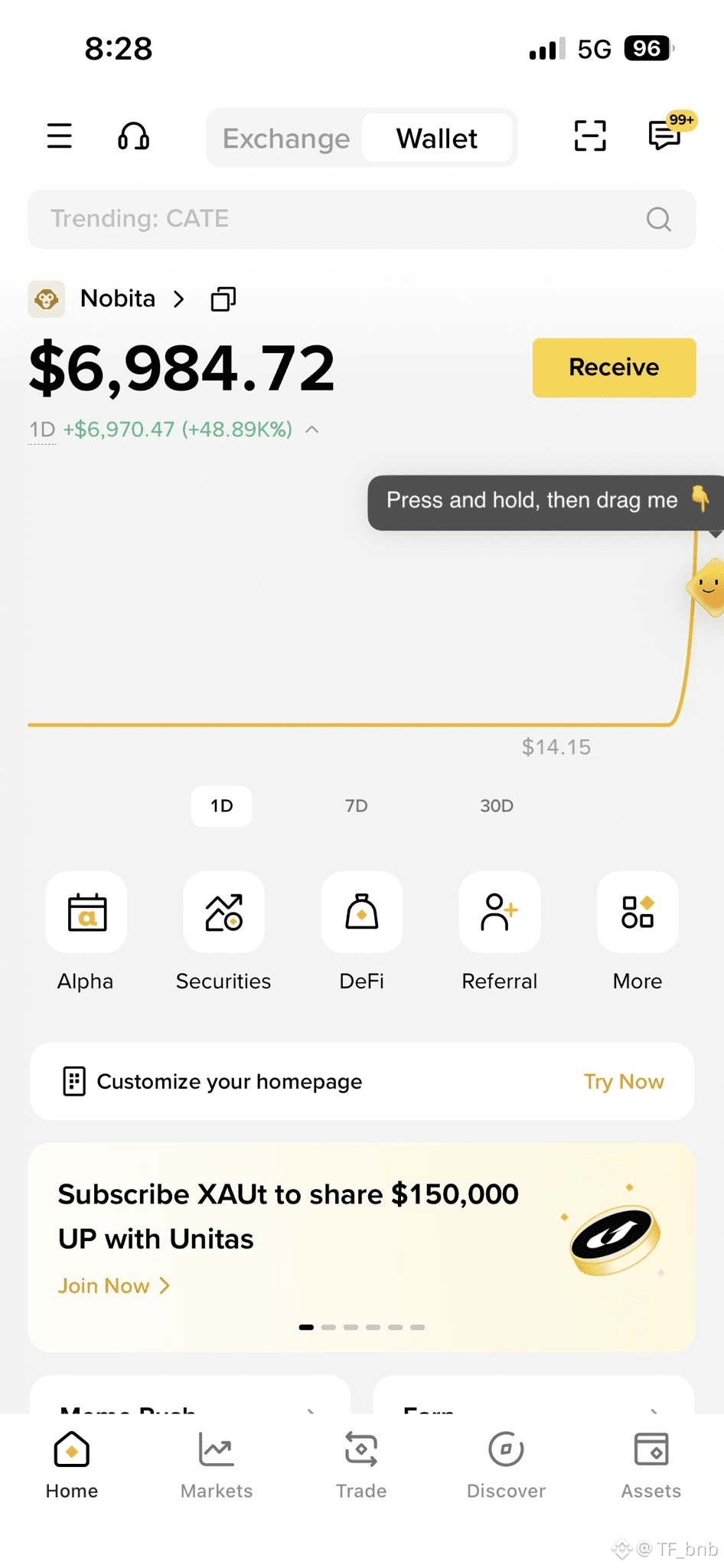
My friend randomly bought a meme coin on Binance Wallet… and ended up making an incredible profit.
Maybe it's time to quit the 9-to-5 and start hunting for the next big opportunity on Binance Wallet.
The early hunters always have the biggest advantage.
Join early and don't miss the next one : https://web3.binance.com/
Maybe it's time to quit the 9-to-5 and start hunting for the next big opportunity on Binance Wallet.
The early hunters always have the biggest advantage.
Join early and don't miss the next one : https://web3.binance.com/
PINNED
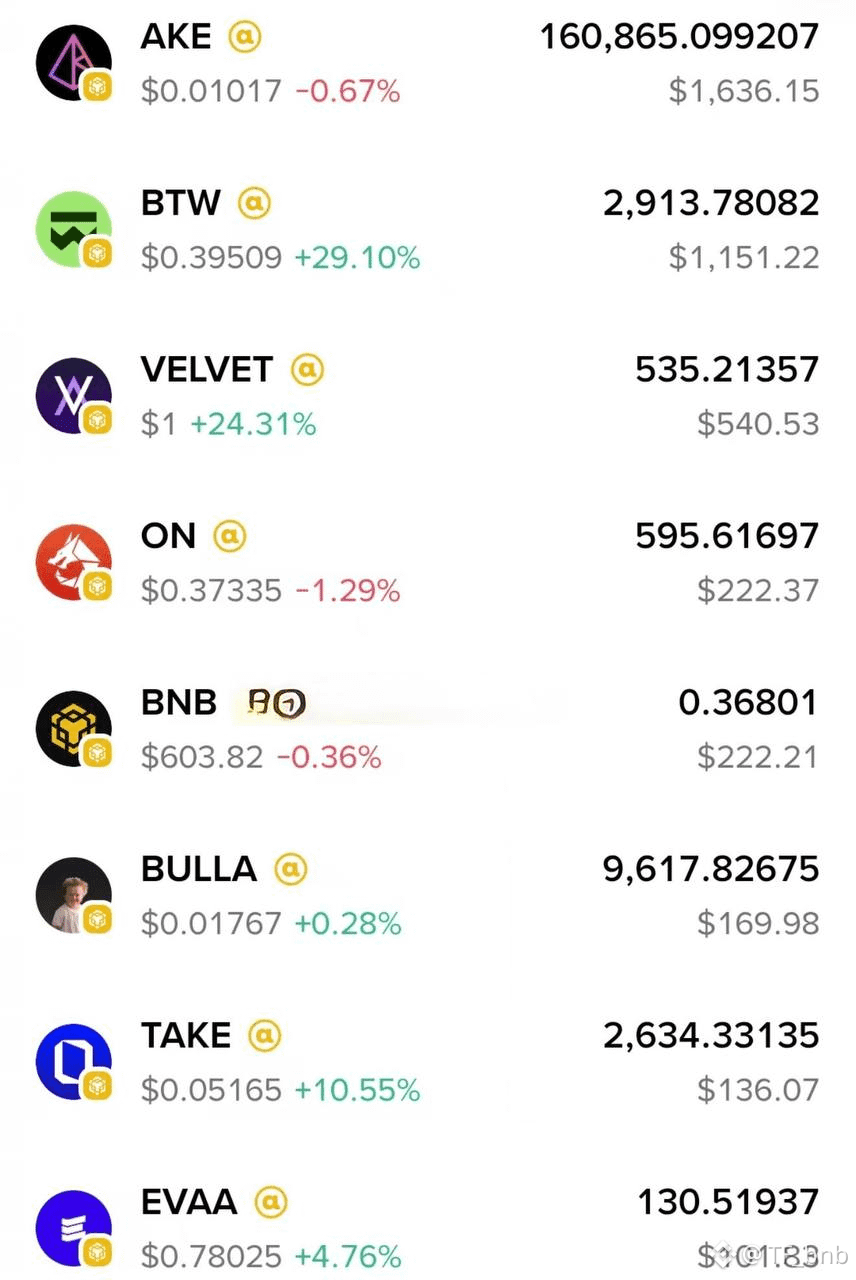
What coins are you currently holding? 👀
I’m continuing to hunt for potential plays with CZ on Binance Web3 — moving fast, tracking money flows, and catching new tokens as they launch.
Besides trading Futures, I also want to explore more opportunities in Binance Web3 : https://web3.binance.com/
Next target: $50K — hopefully I can reach it sooner than expected. 🚀
My mindset is simple:
If something has the potential to make money, research it carefully, manage the risk, and look for opportunities early.
What about you?
What are you holding?
$AKE $BTW $VELVET
I’m continuing to hunt for potential plays with CZ on Binance Web3 — moving fast, tracking money flows, and catching new tokens as they launch.
Besides trading Futures, I also want to explore more opportunities in Binance Web3 : https://web3.binance.com/
Next target: $50K — hopefully I can reach it sooner than expected. 🚀
My mindset is simple:
If something has the potential to make money, research it carefully, manage the risk, and look for opportunities early.
What about you?
What are you holding?
$AKE $BTW $VELVET
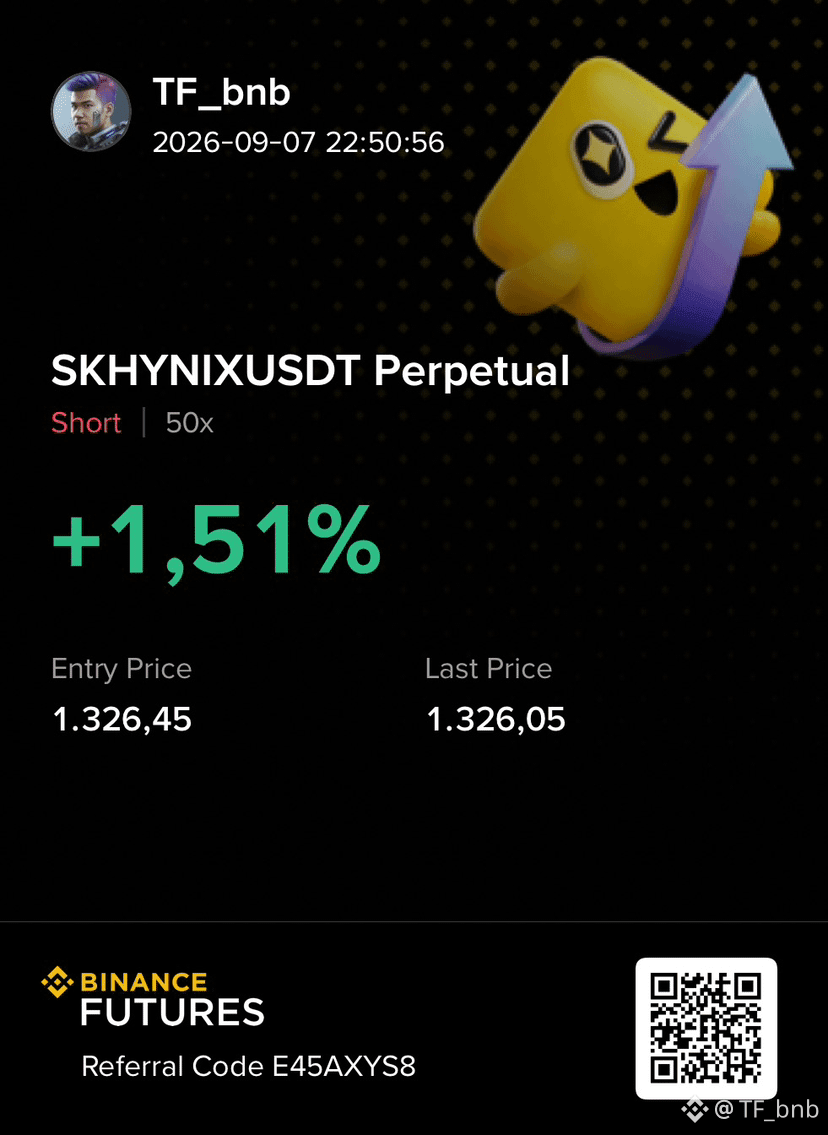
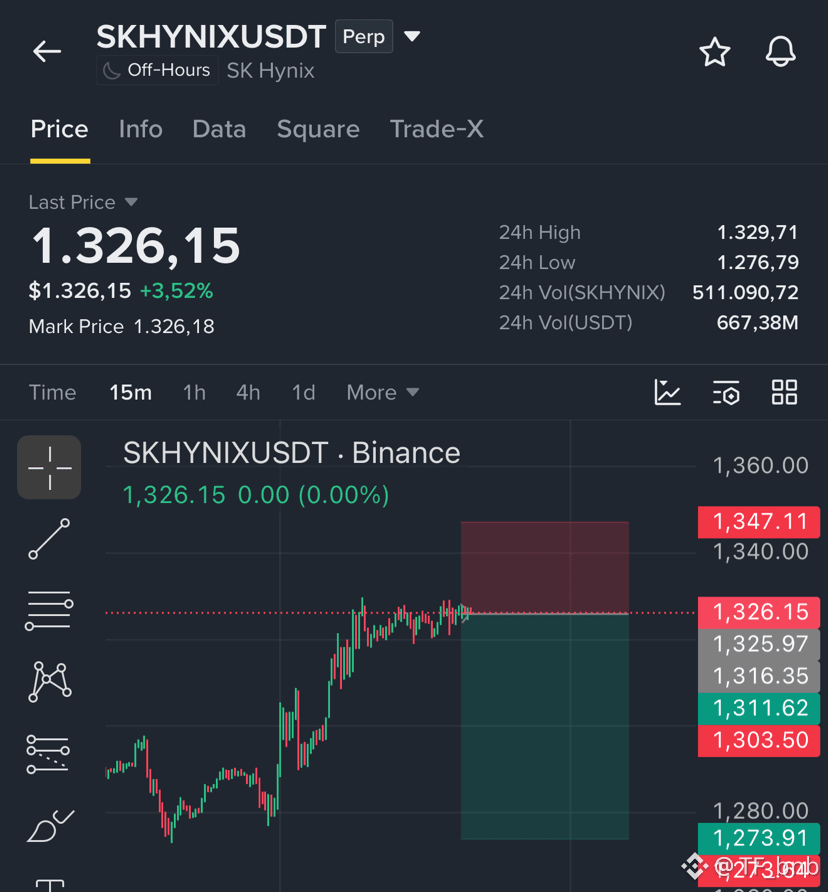
Take profit if you want $SOL $SUI $HYPE
Thank me now , follow my signal big win soon
Show me your big profit today
Thank me now , follow my signal big win soon
Show me your big profit today
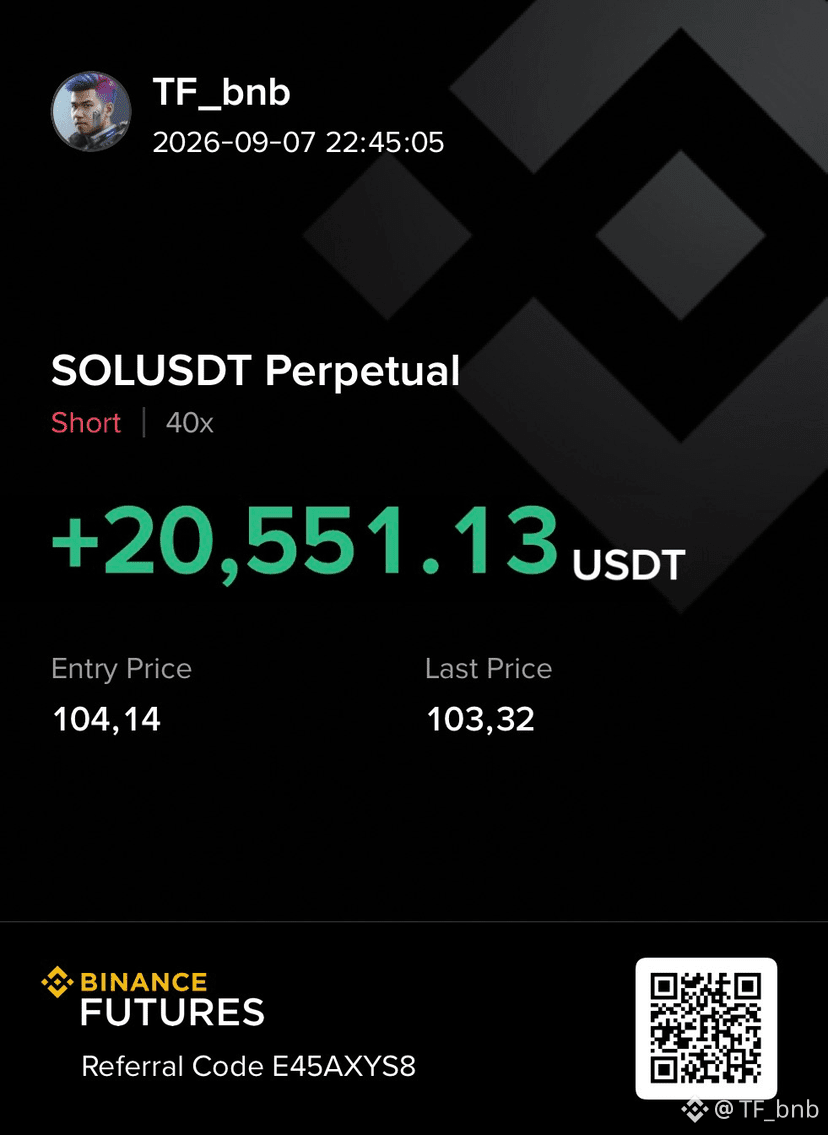
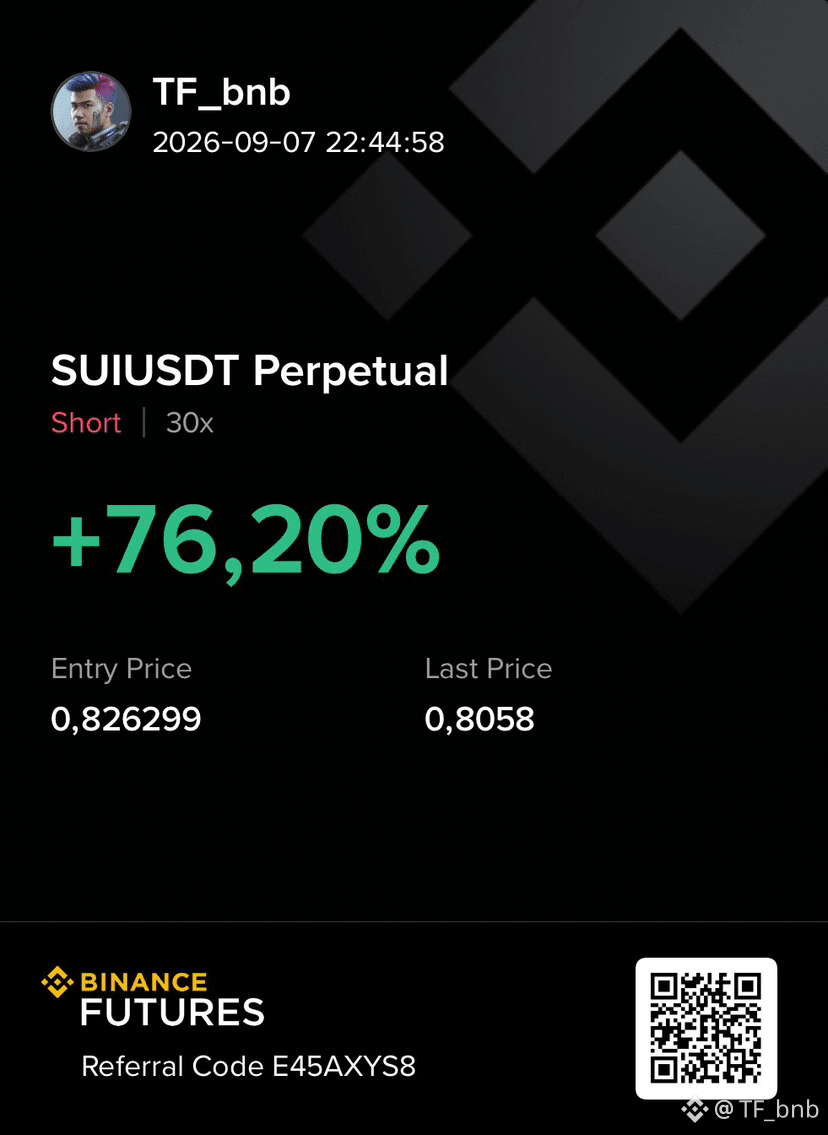
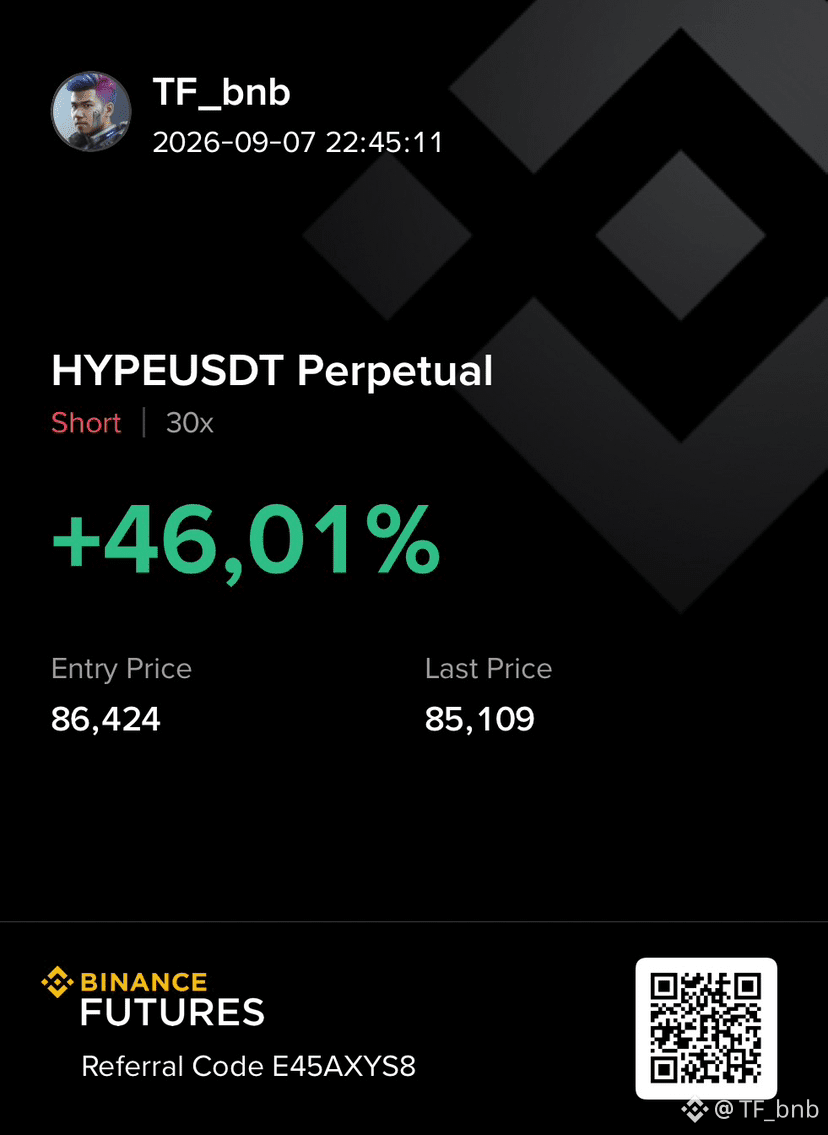
TF_bnb
·
--
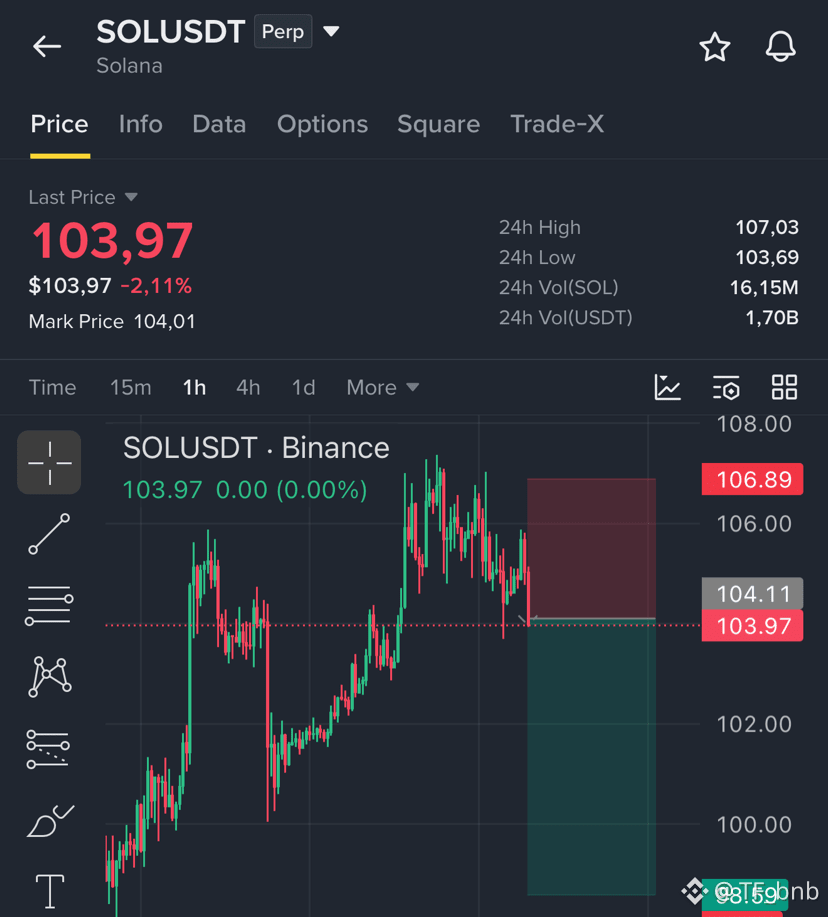
Bearish$SOL setup big short now , big win coming soon
Stoploss : 107
Take profit : 98
Stoploss : 107
Take profit : 98
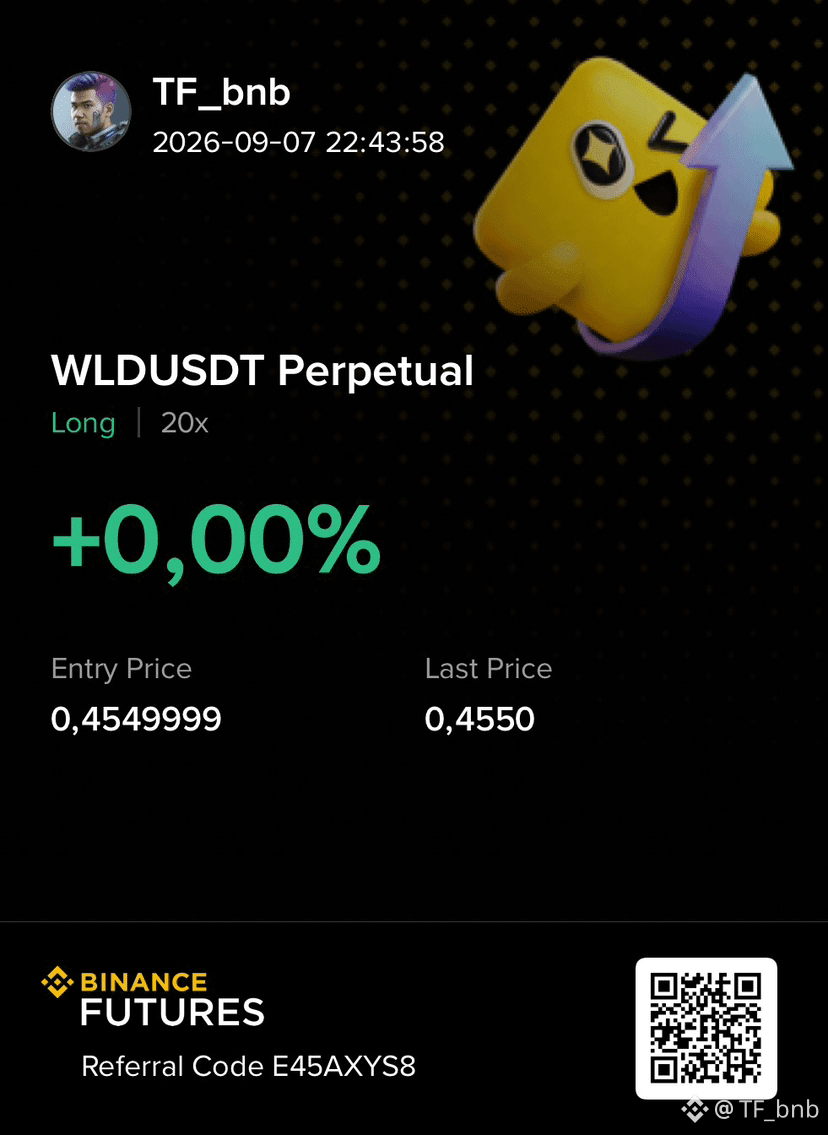
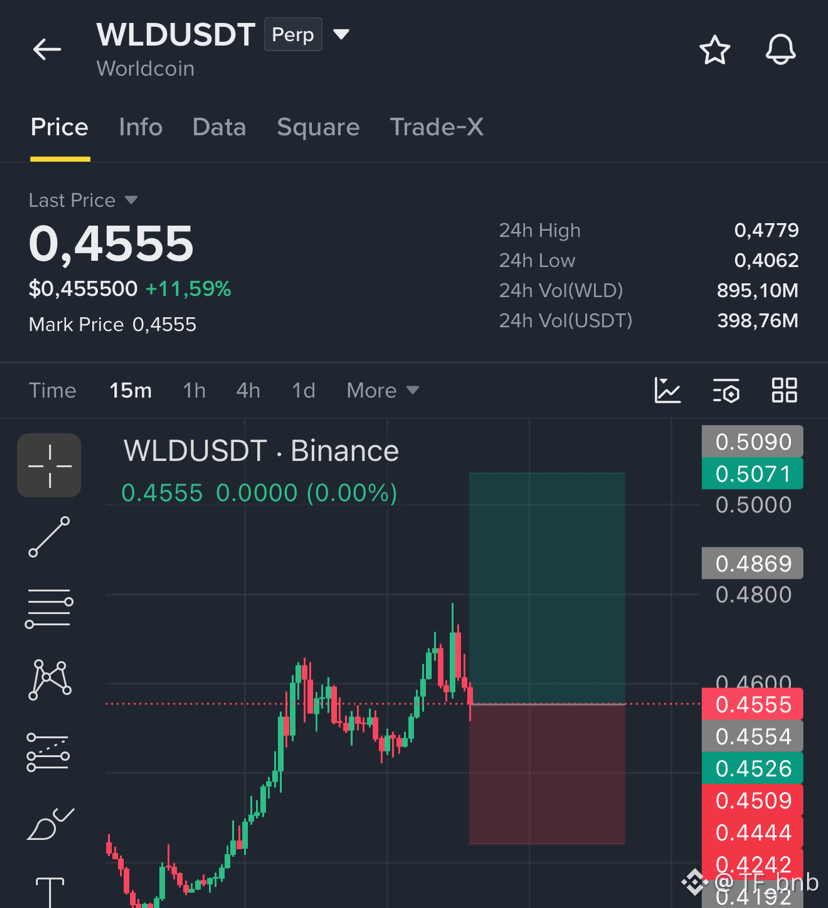
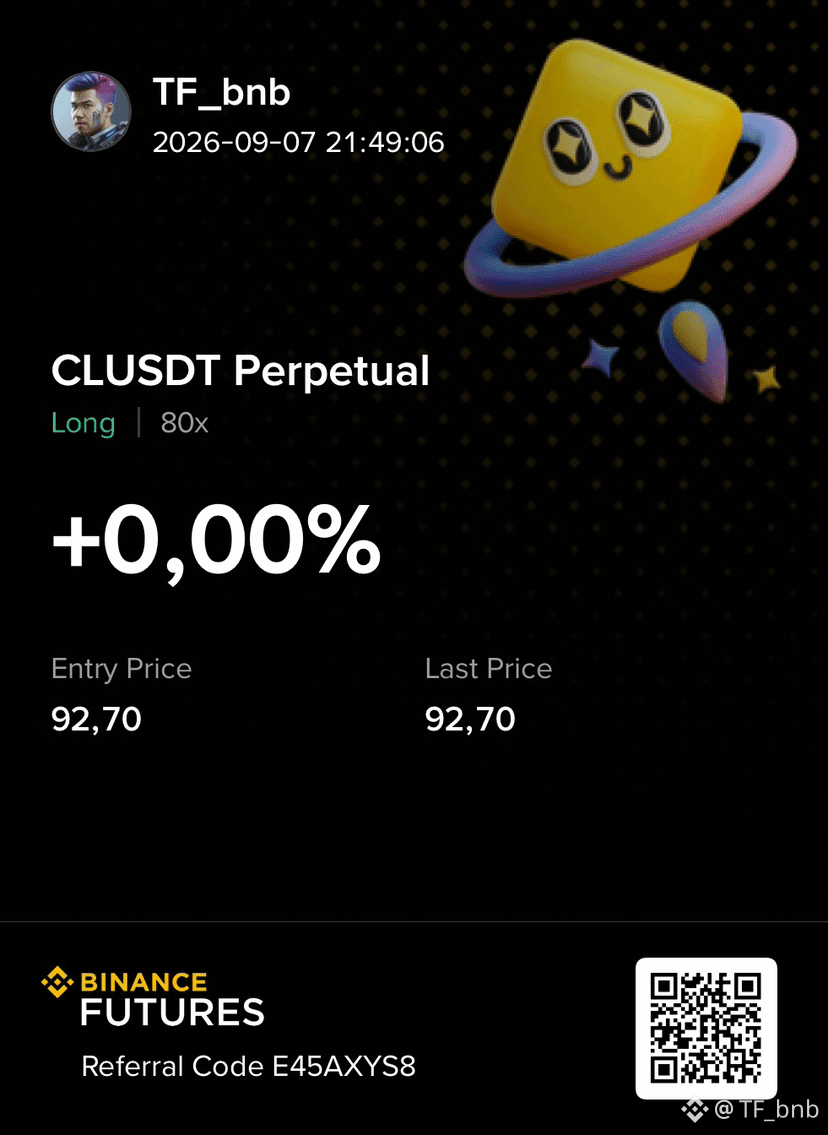
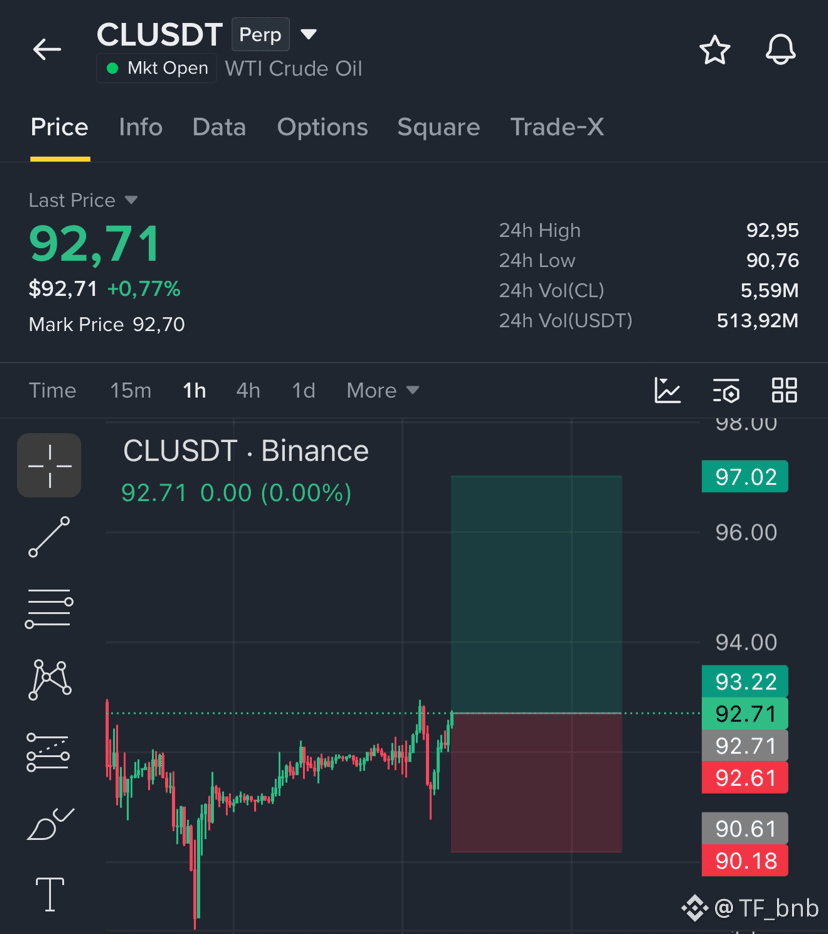
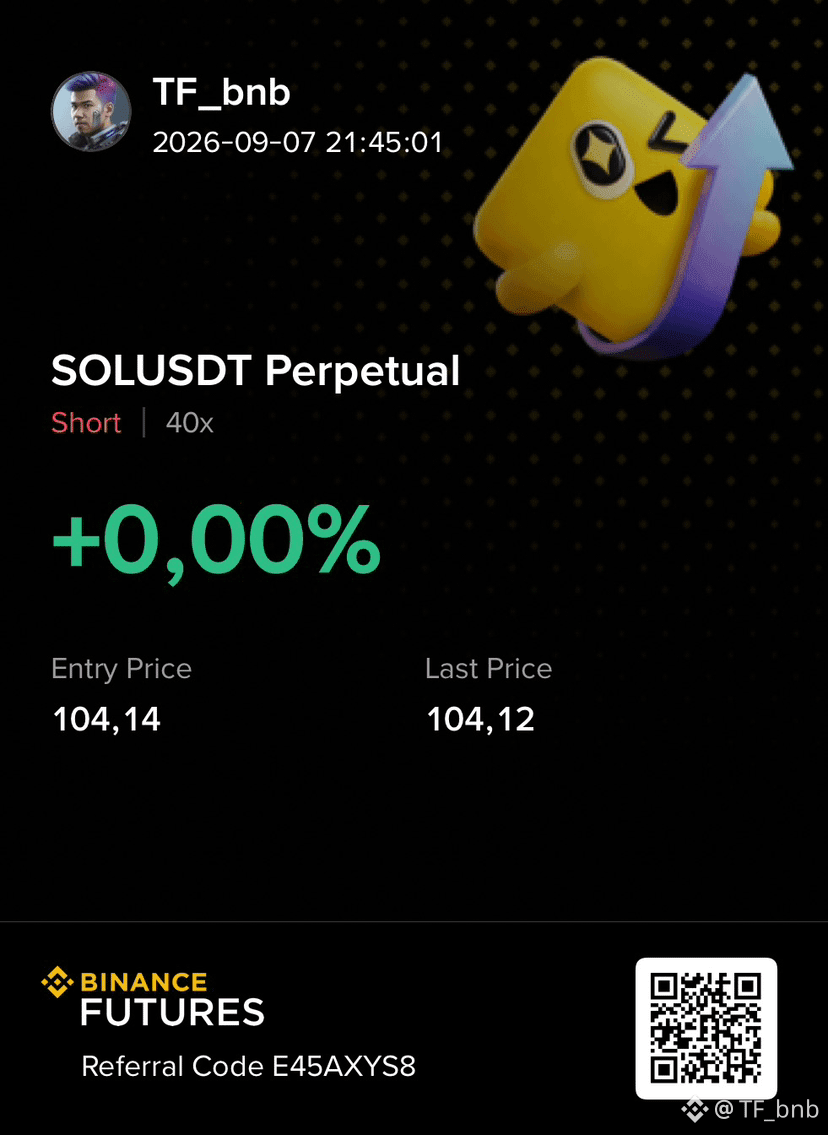
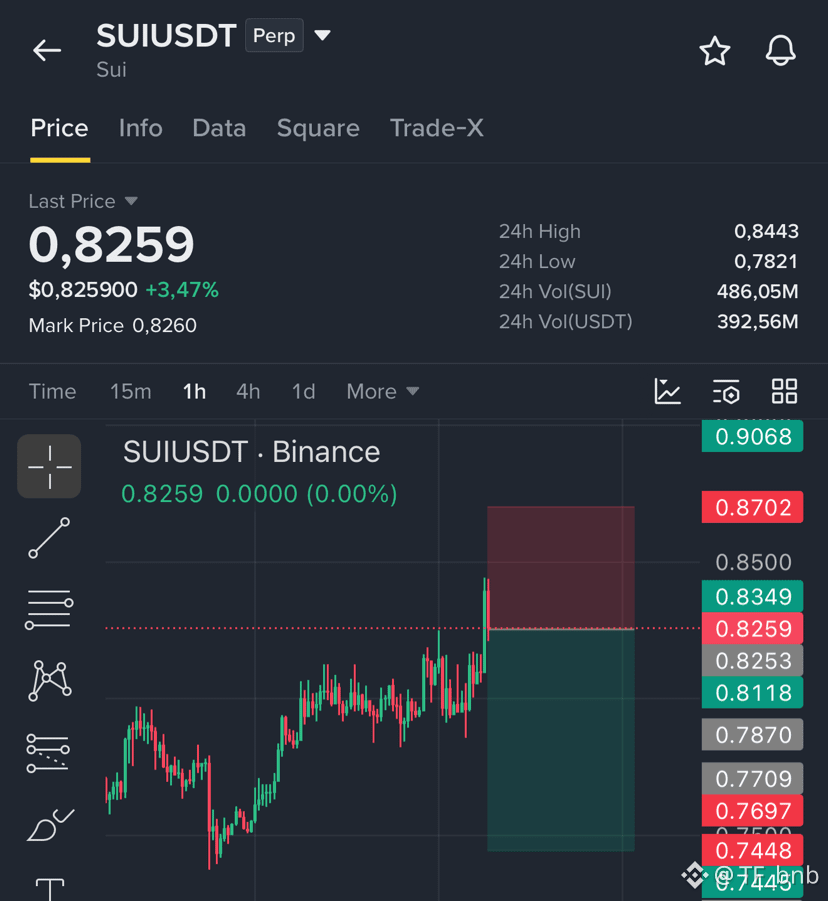
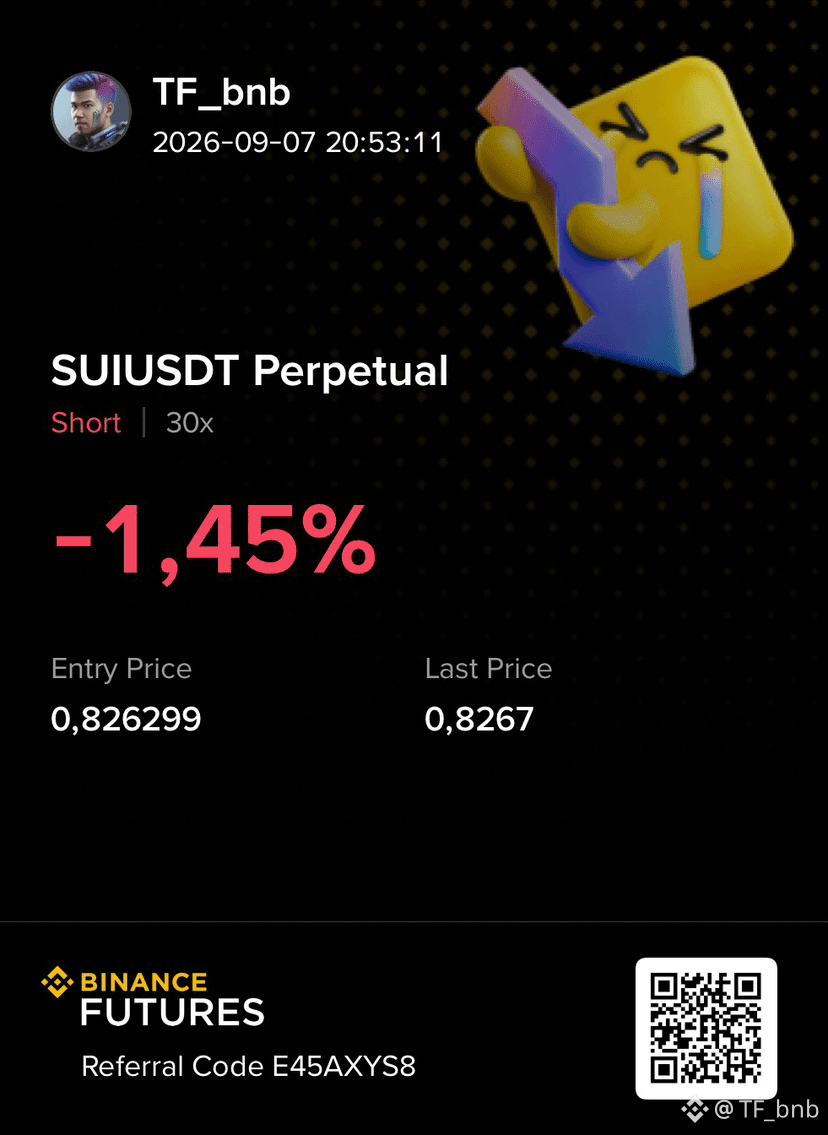
$SUI setup big short now, love me soon
Stoploss : 0.87
Take profit : 0.74
Big trade $SUI now - big profit coming soon 👇
Stoploss : 0.87
Take profit : 0.74
Big trade $SUI now - big profit coming soon 👇
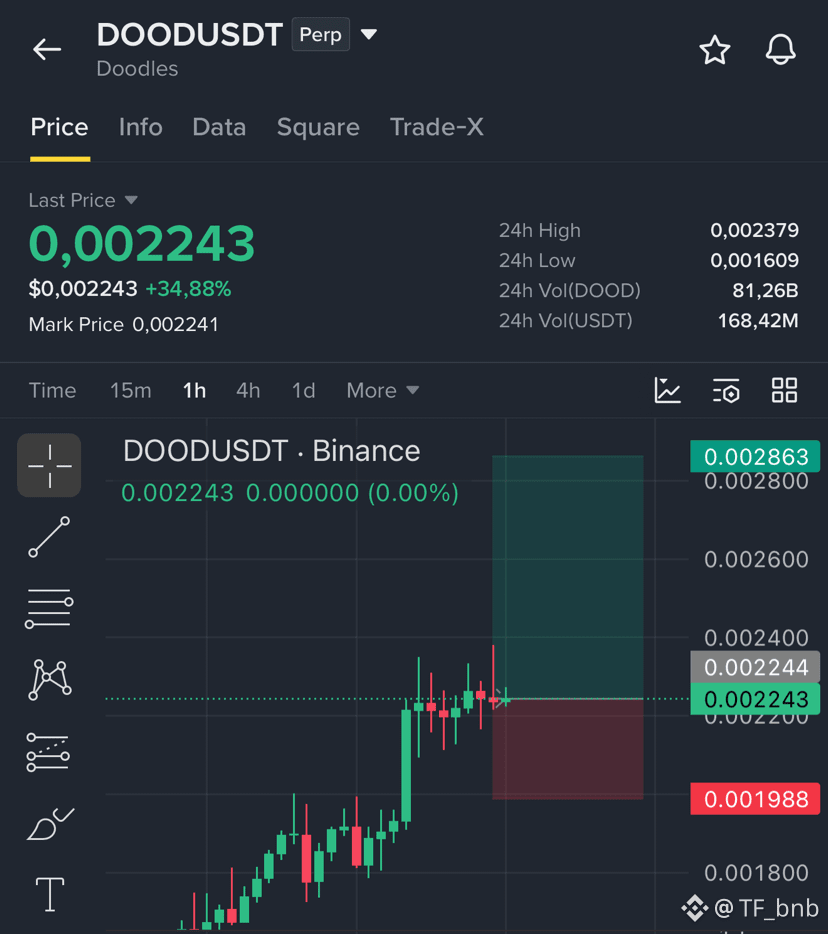
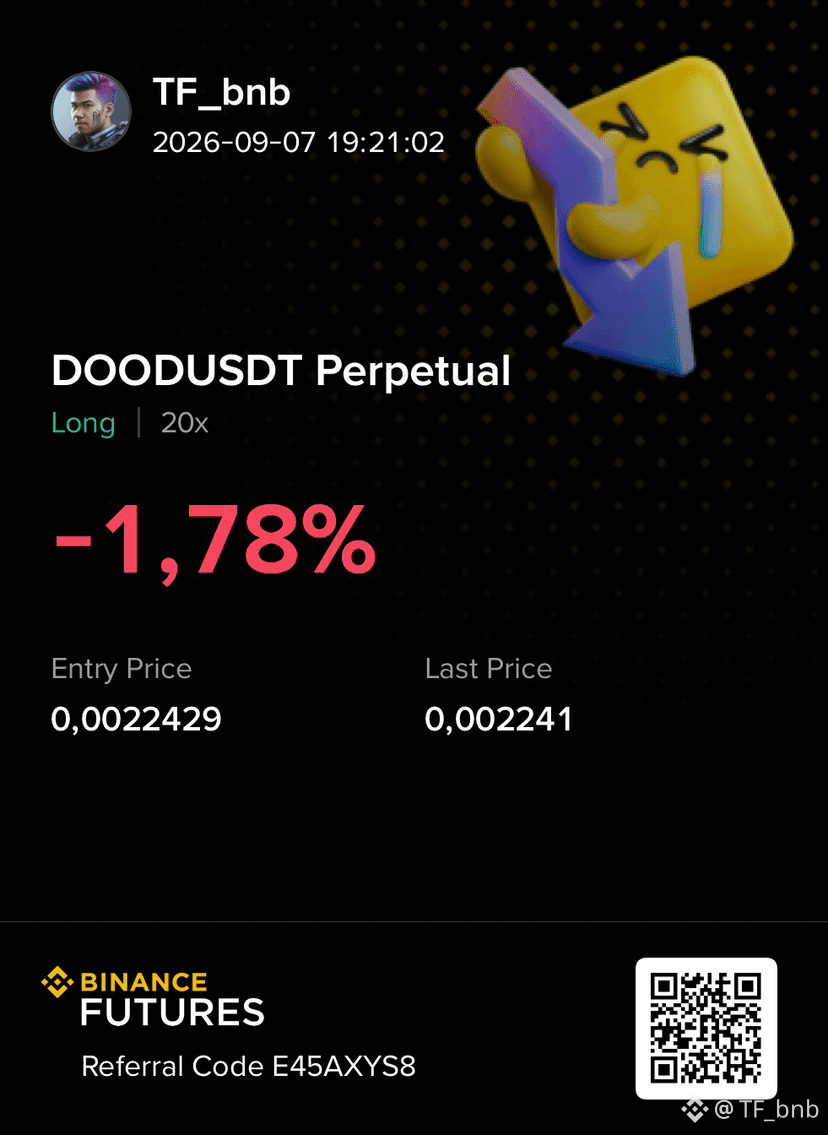
$DOOD open big long now, print money later
Stoploss : 0.0019
Take profit : 0.0029
Big trade $DOOD now - thank me soon 👇
Stoploss : 0.0019
Take profit : 0.0029
Big trade $DOOD now - thank me soon 👇
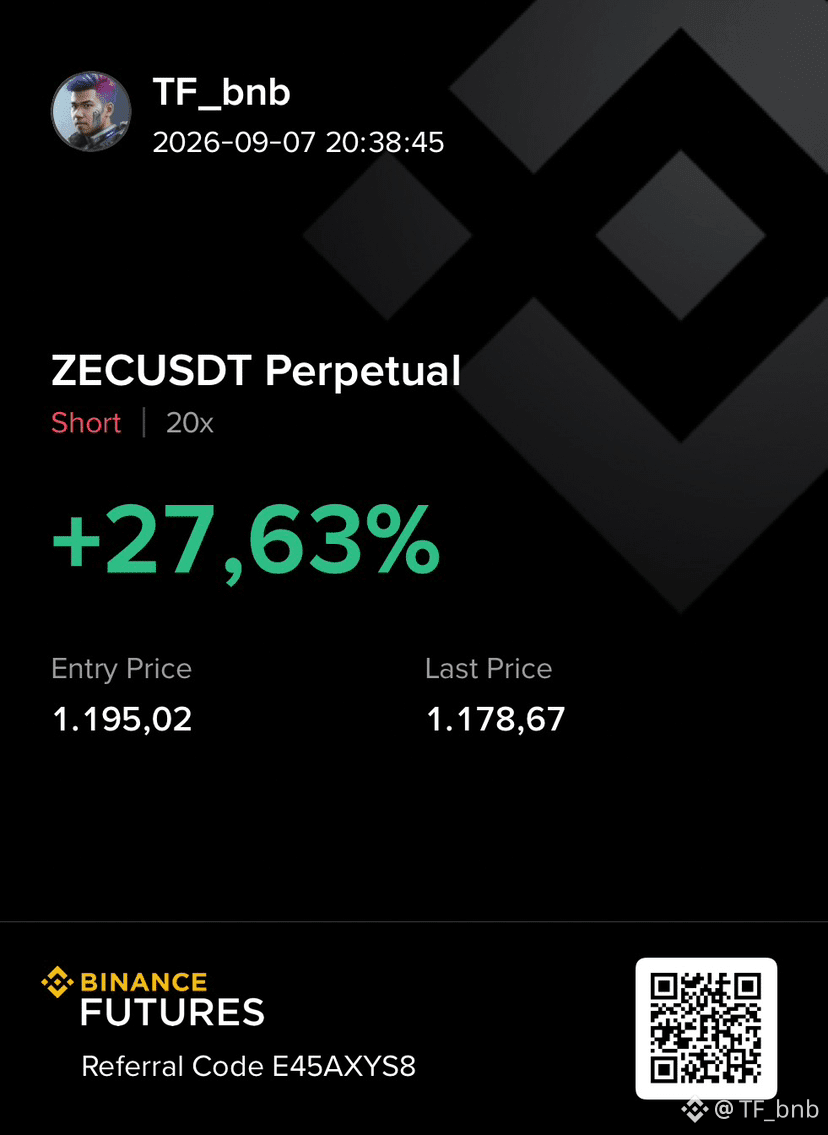
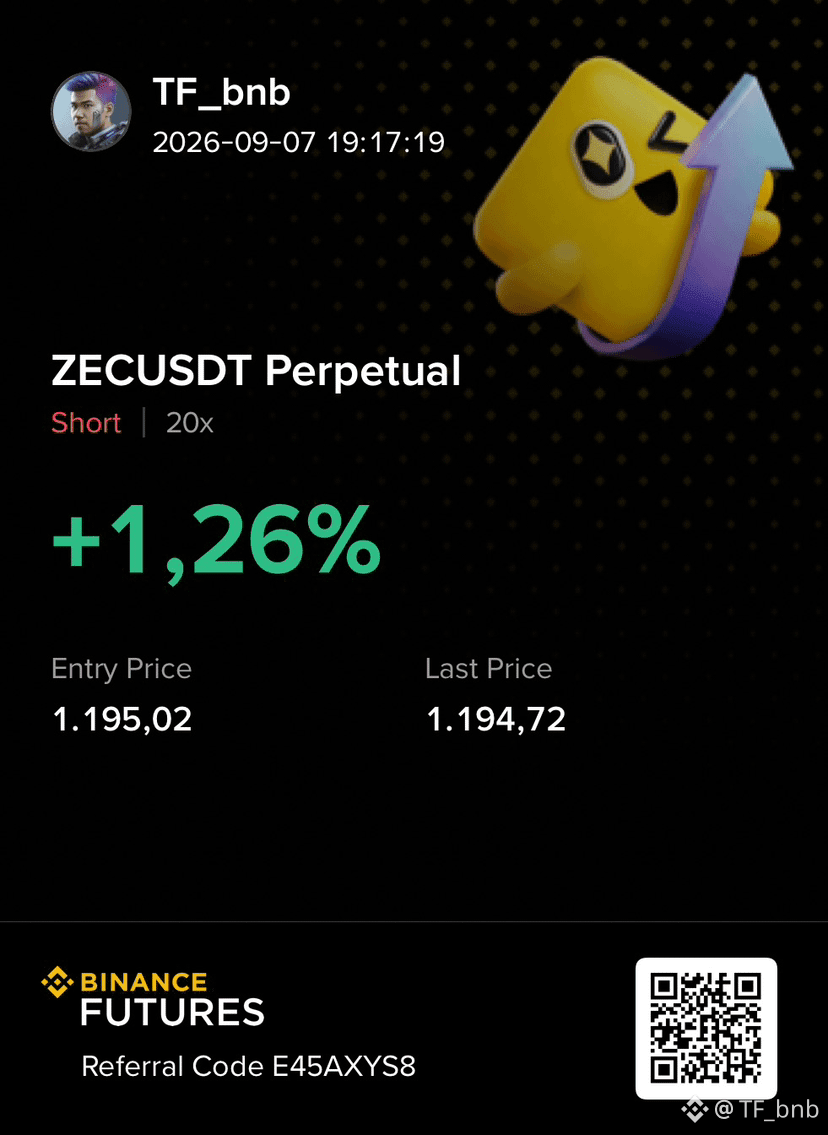
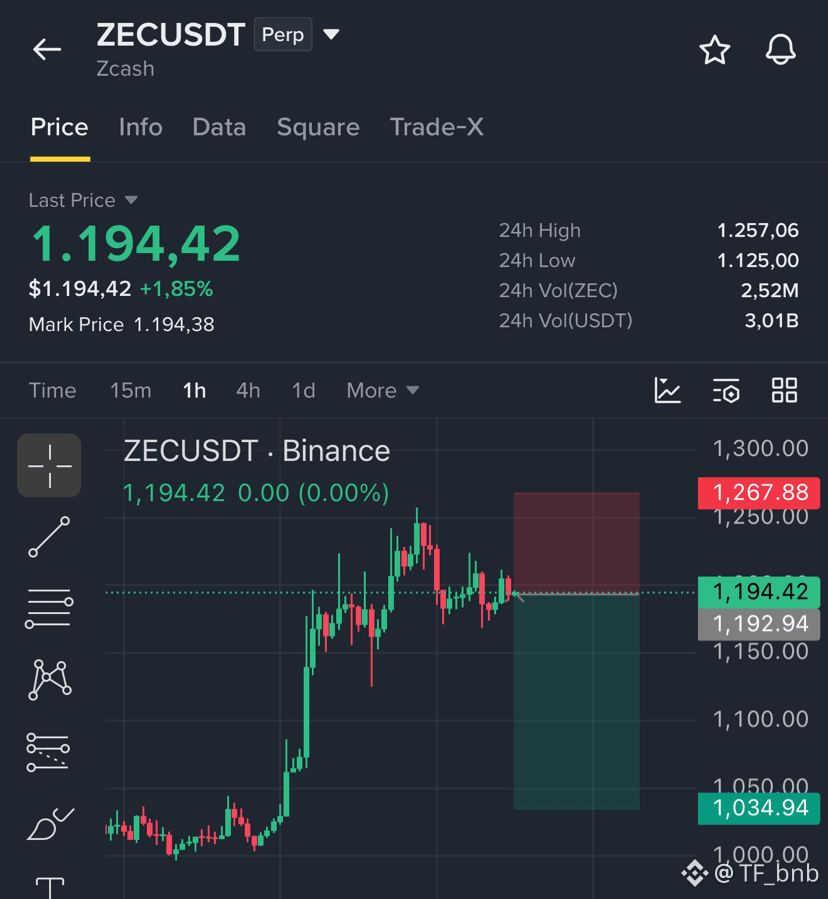
Fast trade - DCA setup big short $ZEC again
Stoploss : 1267
Take profit : 1034
Big trade $ZEC round 6 - thank me later 👇
Stoploss : 1267
Take profit : 1034
Big trade $ZEC round 6 - thank me later 👇
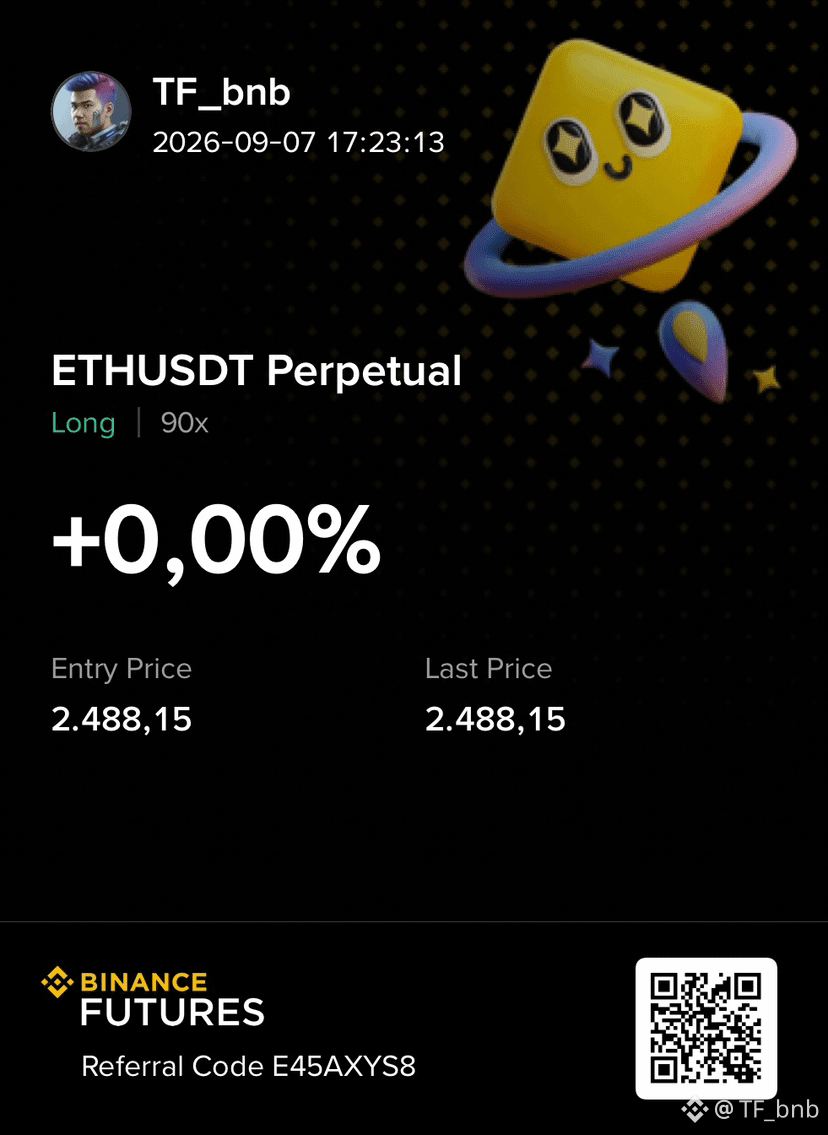
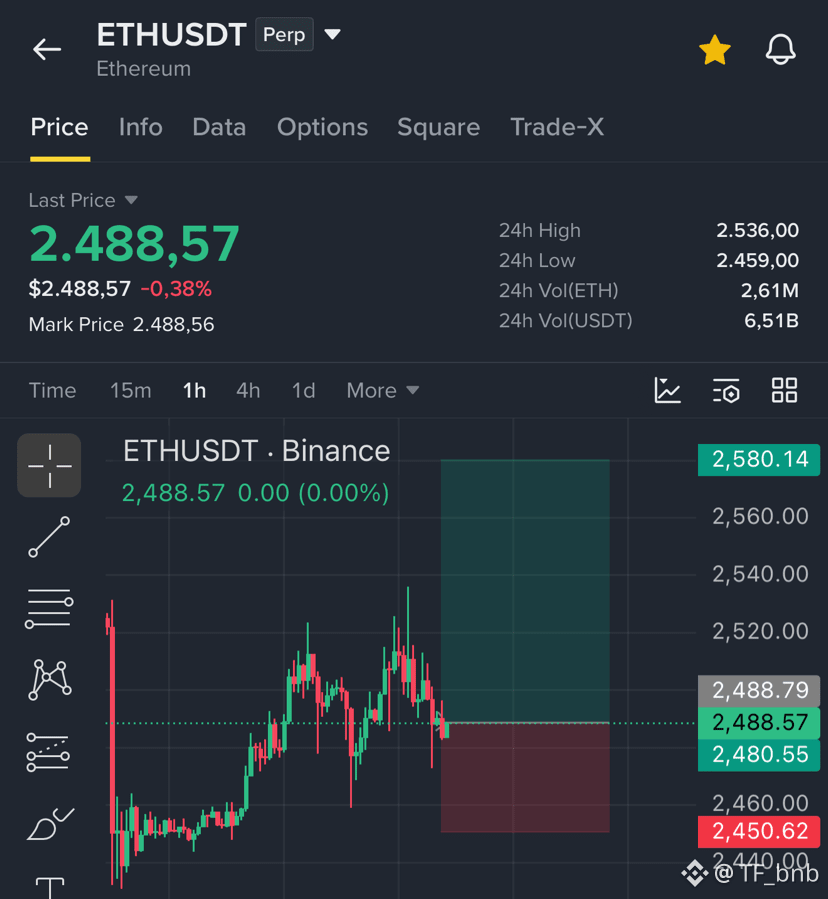
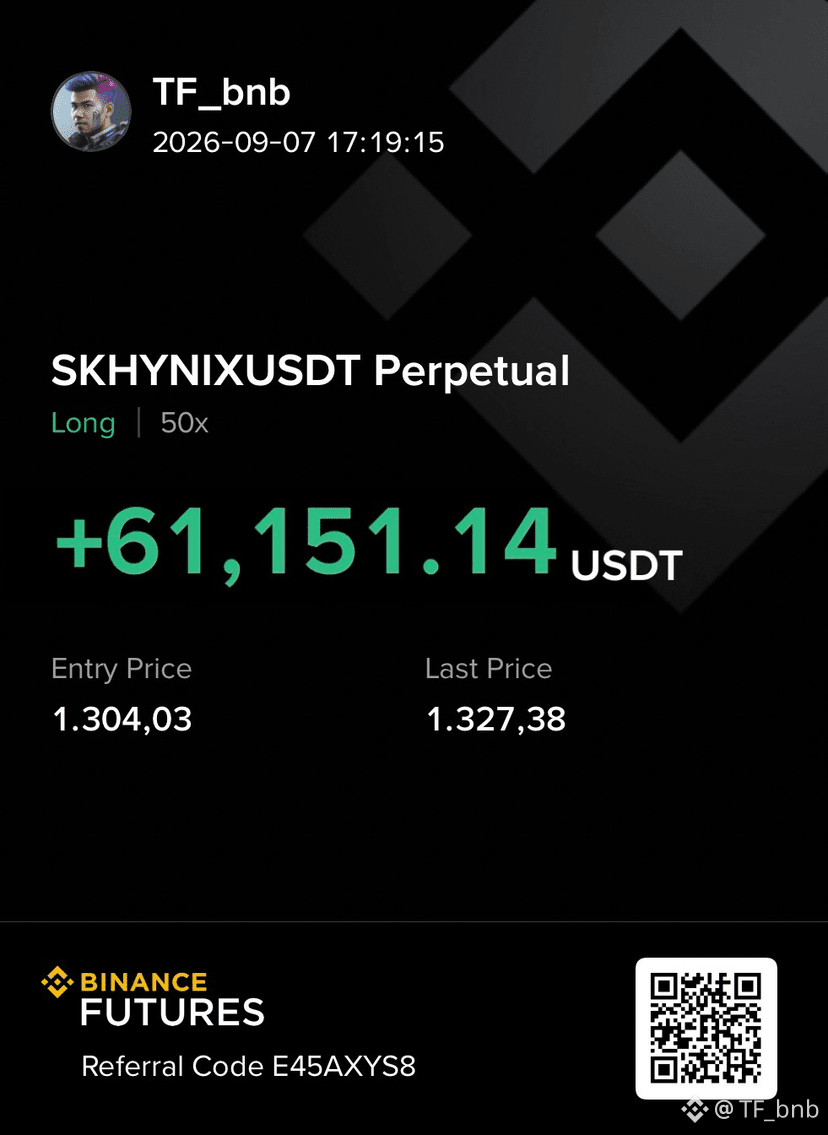
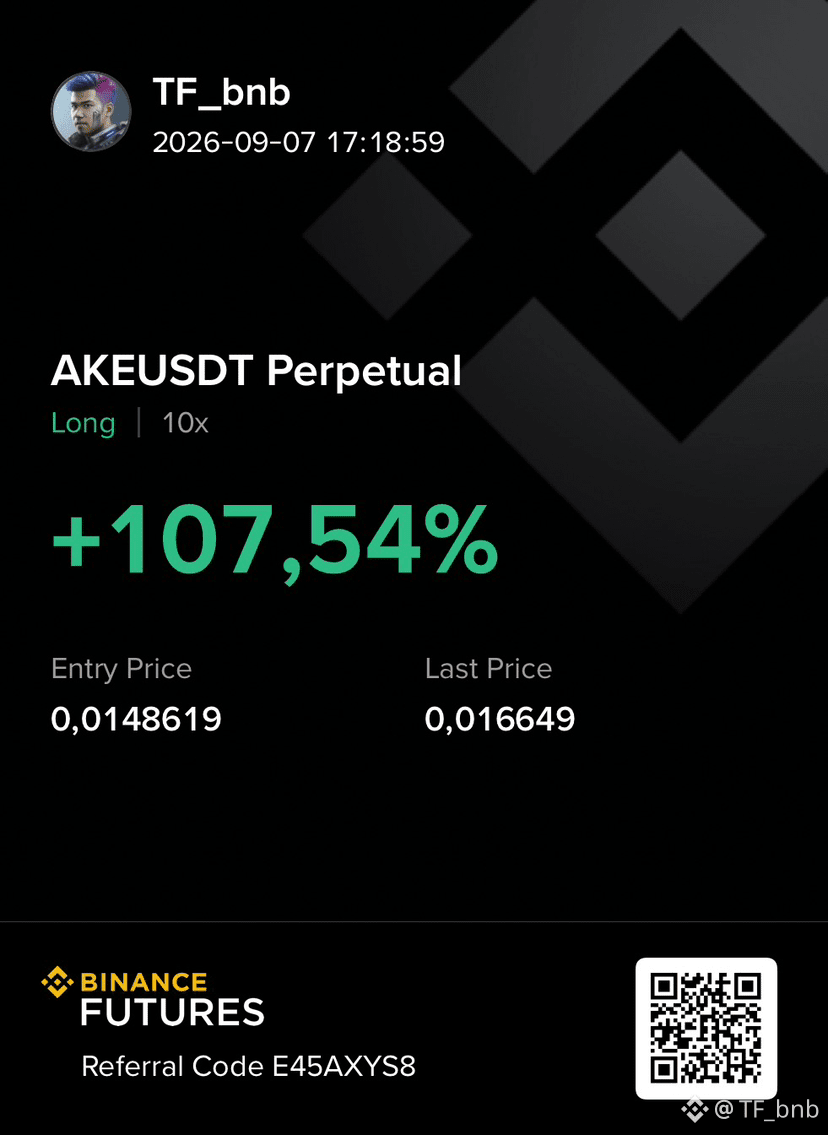
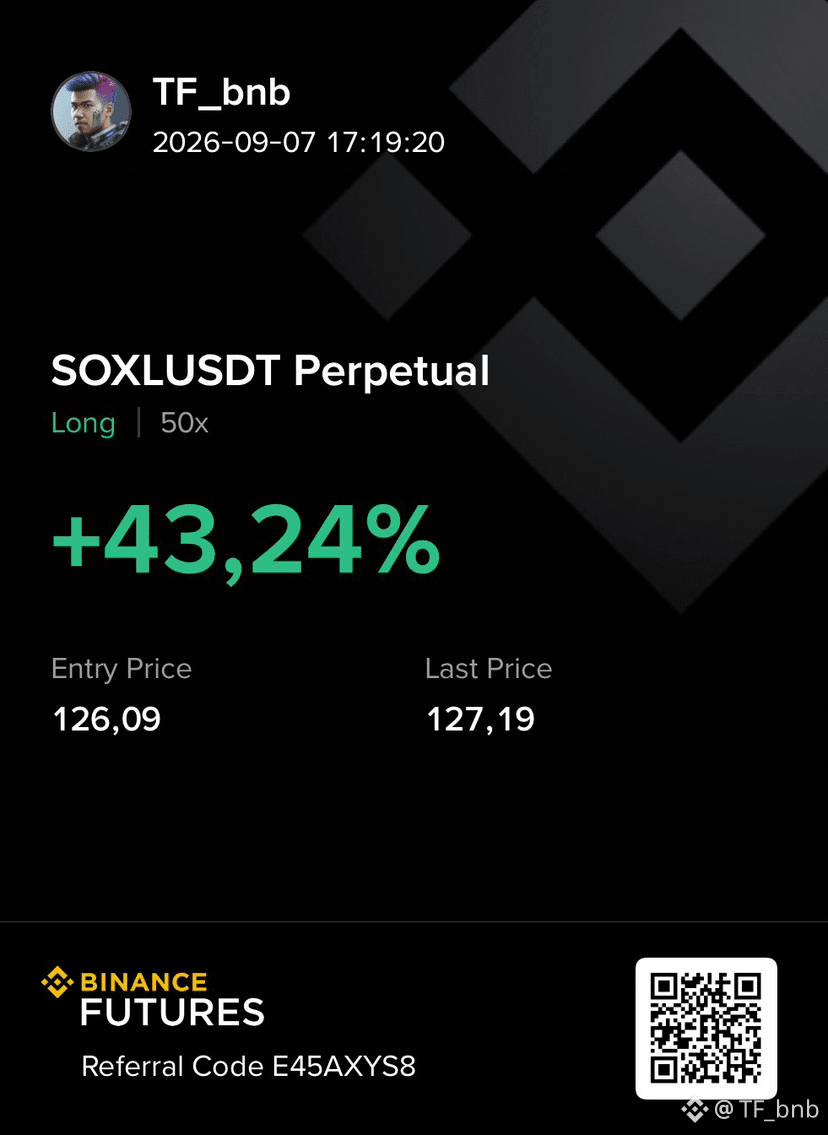
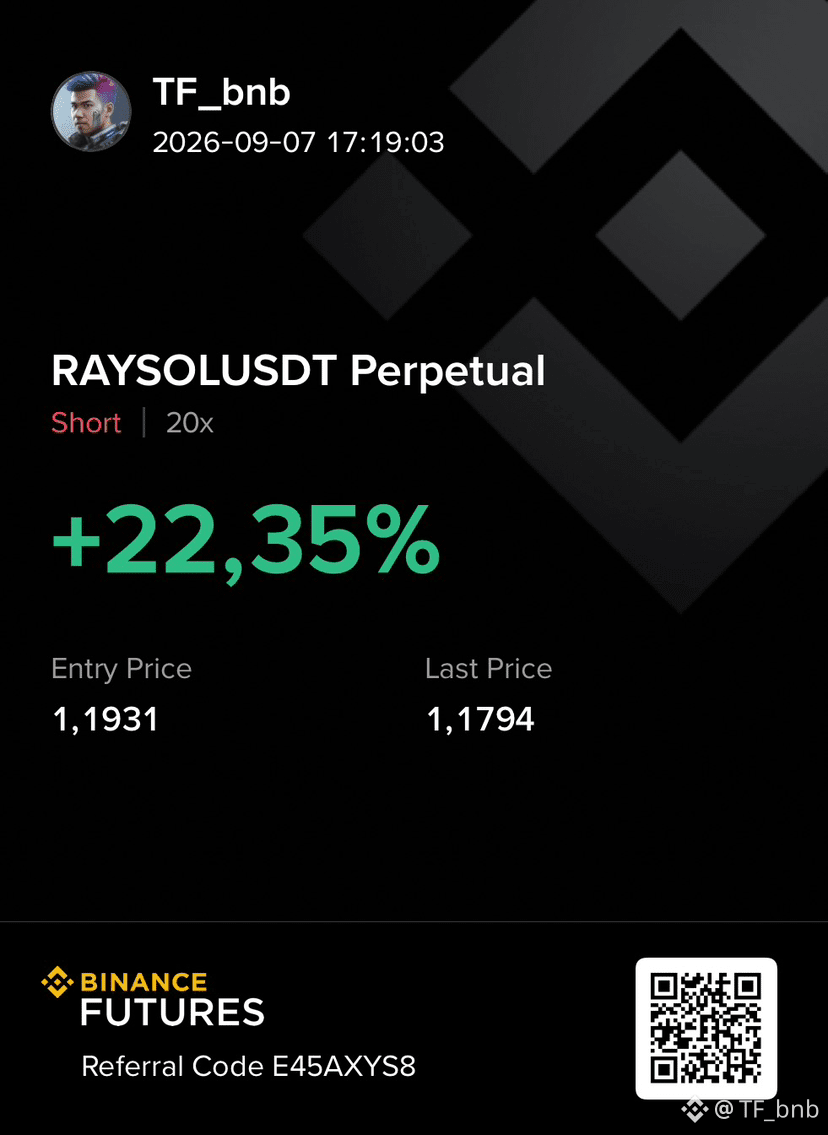
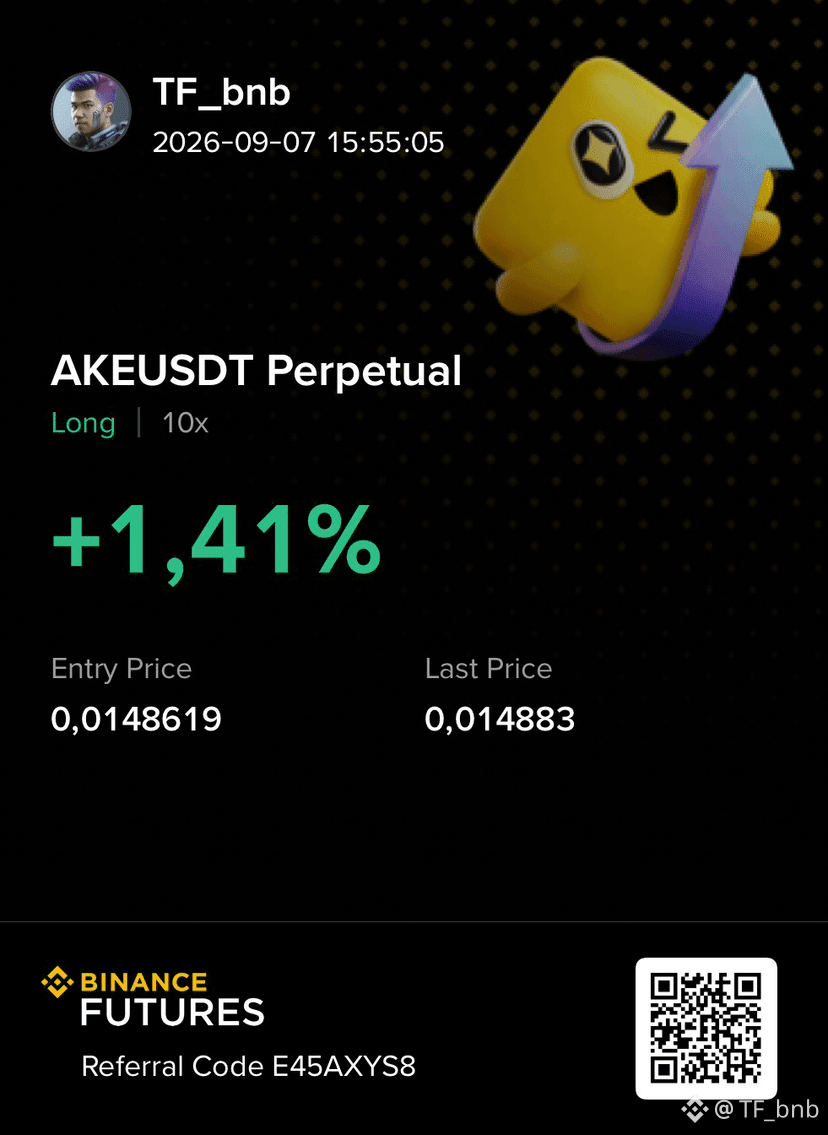
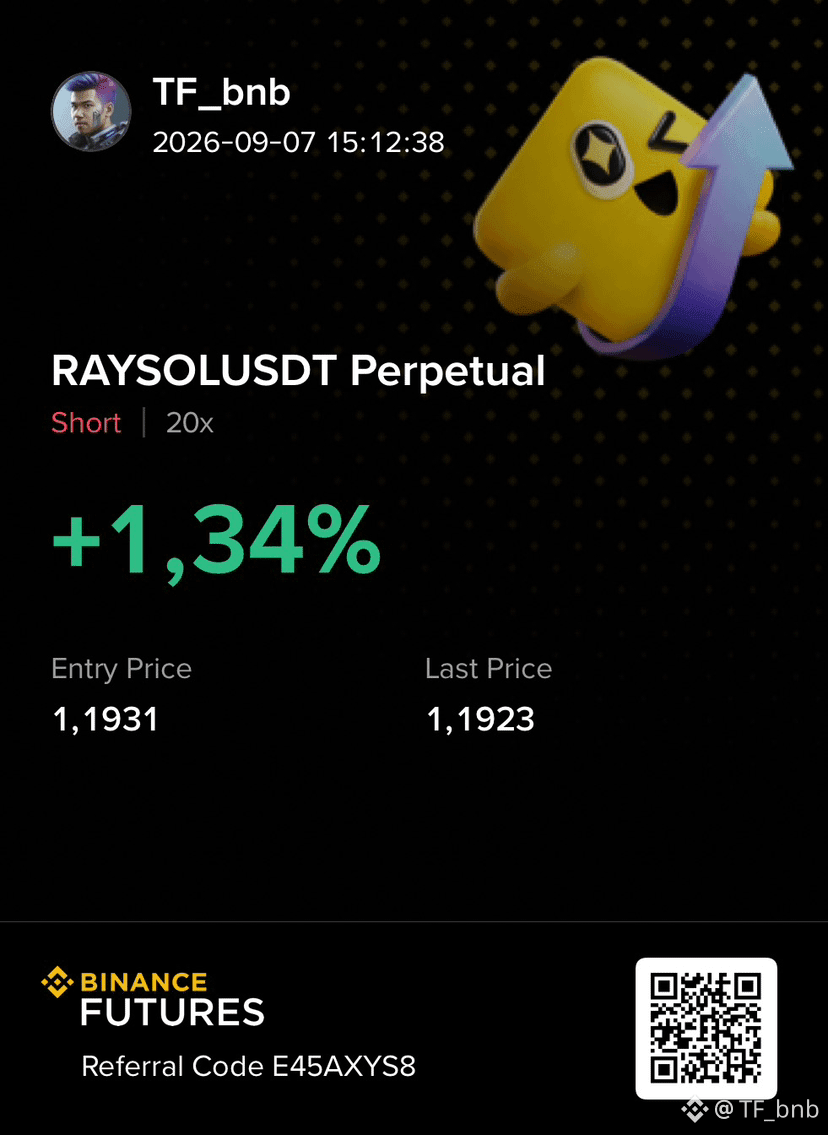
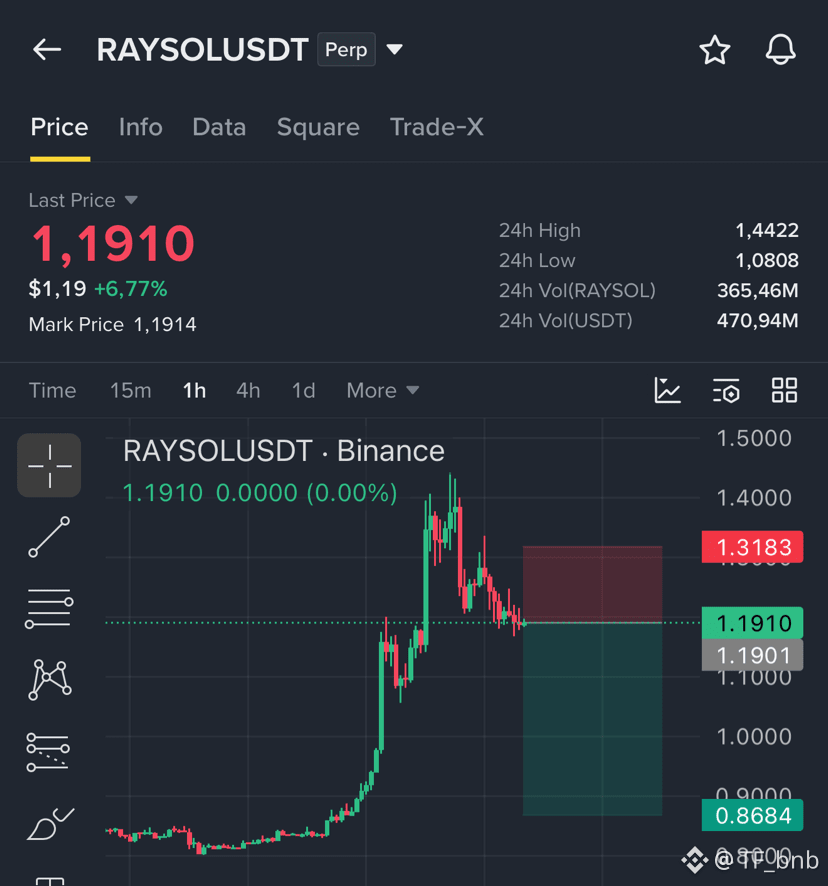
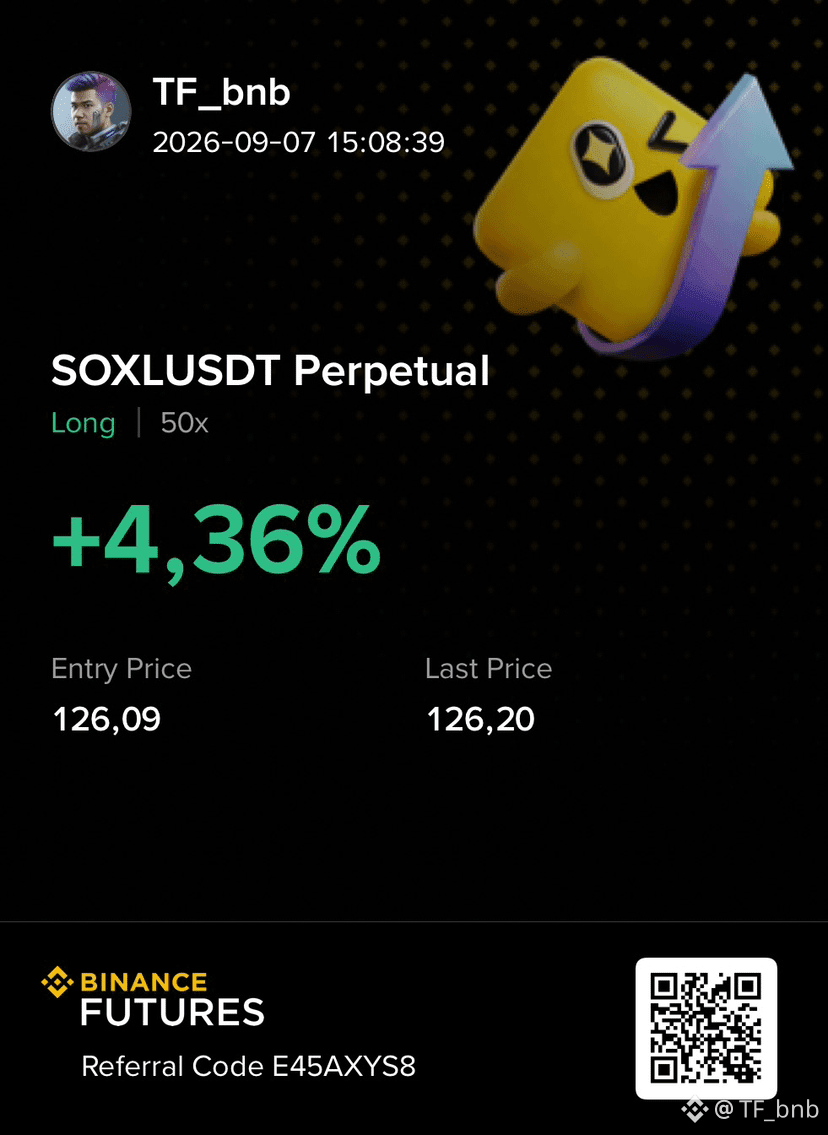
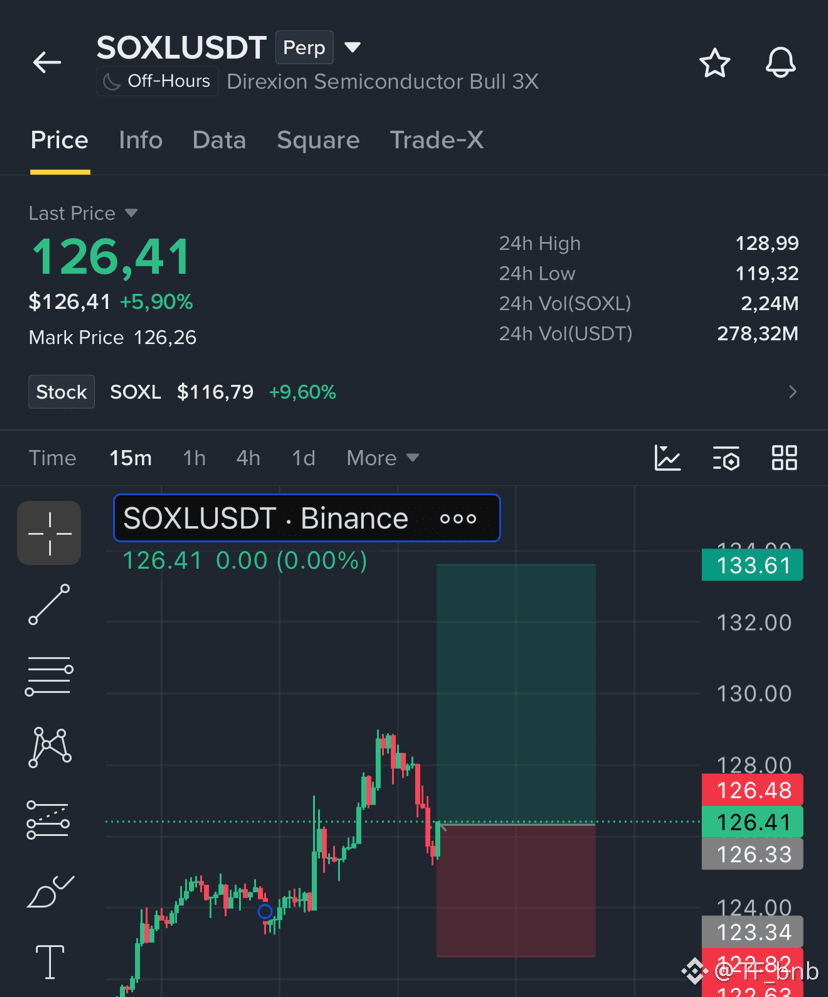
Closed big profit $SKHYNIX $AKE $SOXL $RAYSOL
4 win 0 loss
Follow my signal - big win is coming soon
Show me you PnL TODAY
4 win 0 loss
Follow my signal - big win is coming soon
Show me you PnL TODAY
TF_bnb
·
--
Bullish$SKHYNIX trust & follow - setup big long now guys
Stoploss : 1274
Take profit : 1368
Stoploss : 1274
Take profit : 1368
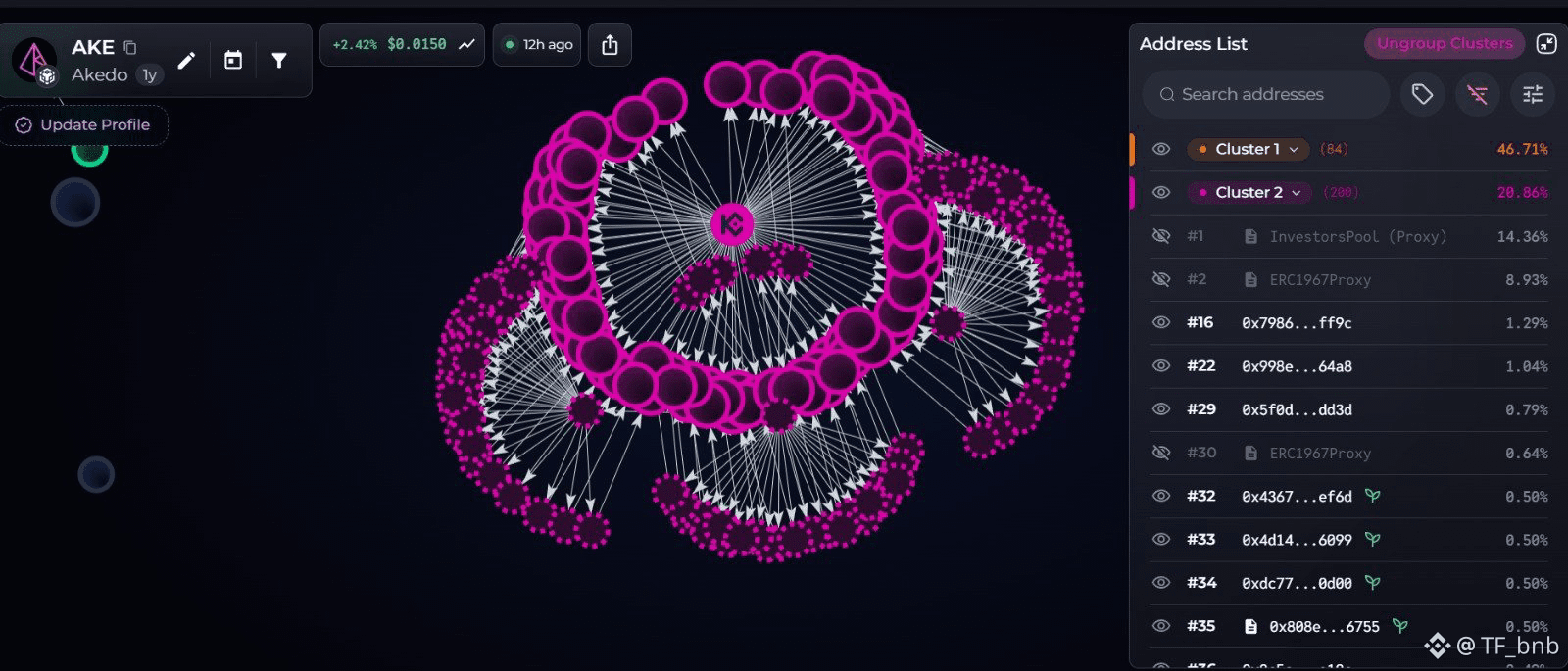
$AKE still doesn’t look fully dumped to me.
The holder map is showing strong concentration, with one cluster holding around 46% and another near 20%, which is already notable on its own.
What stands out even more is that the KuCoin-linked wallets still appear to be holding, not fully distributing. That’s usually not the kind of behavior I ignore when a token still has momentum left.
For me, this is why I wouldn’t call this a full dump yet.
This makes the previous $AKE setup even more interesting.
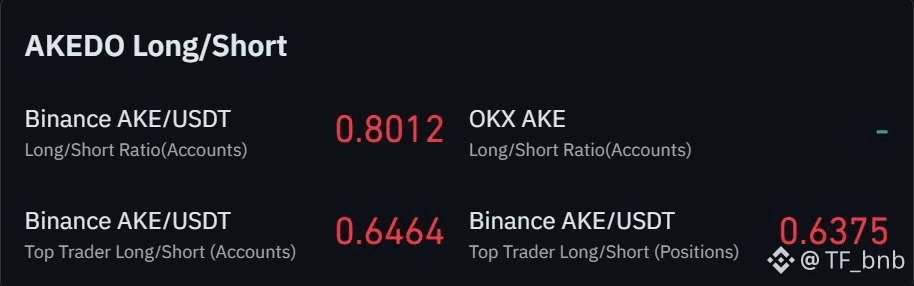
Binance positioning is clearly leaning short: Accounts: 0.80 Top traders: 0.65 Top trader positions: 0.64
So even the bigger players are positioned defensively here.
As long as these wallets keep holding size, $AKE can still surprise people with another move.
The holder map is showing strong concentration, with one cluster holding around 46% and another near 20%, which is already notable on its own.
What stands out even more is that the KuCoin-linked wallets still appear to be holding, not fully distributing. That’s usually not the kind of behavior I ignore when a token still has momentum left.
For me, this is why I wouldn’t call this a full dump yet.
This makes the previous $AKE setup even more interesting.
Binance positioning is clearly leaning short: Accounts: 0.80 Top traders: 0.65 Top trader positions: 0.64
So even the bigger players are positioned defensively here.
As long as these wallets keep holding size, $AKE can still surprise people with another move.
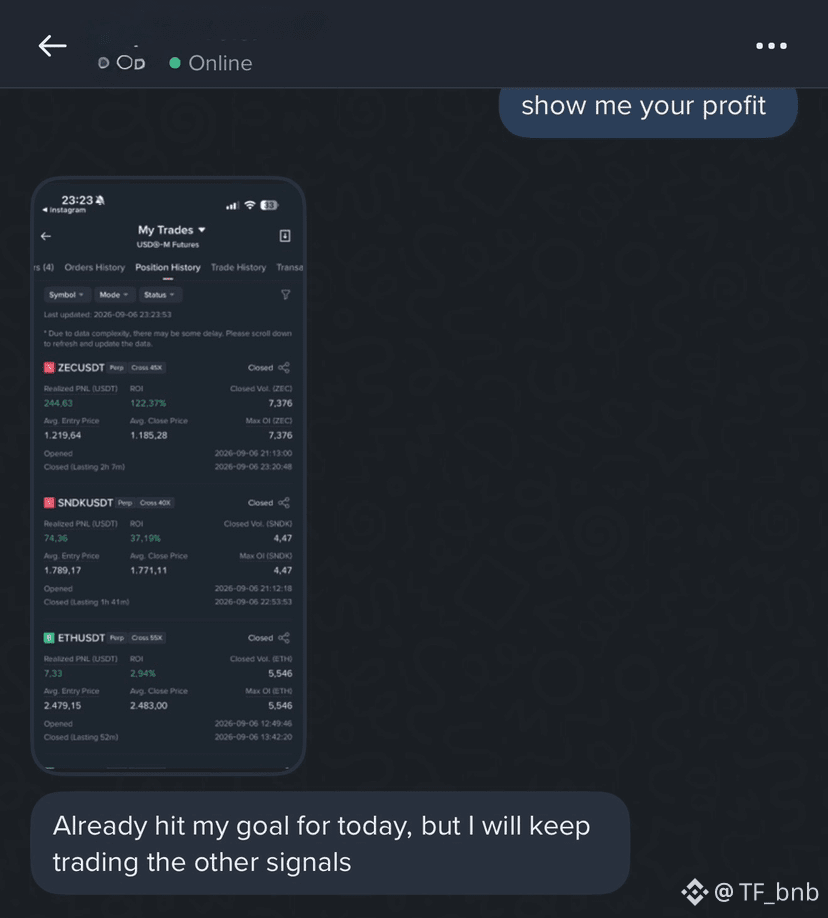
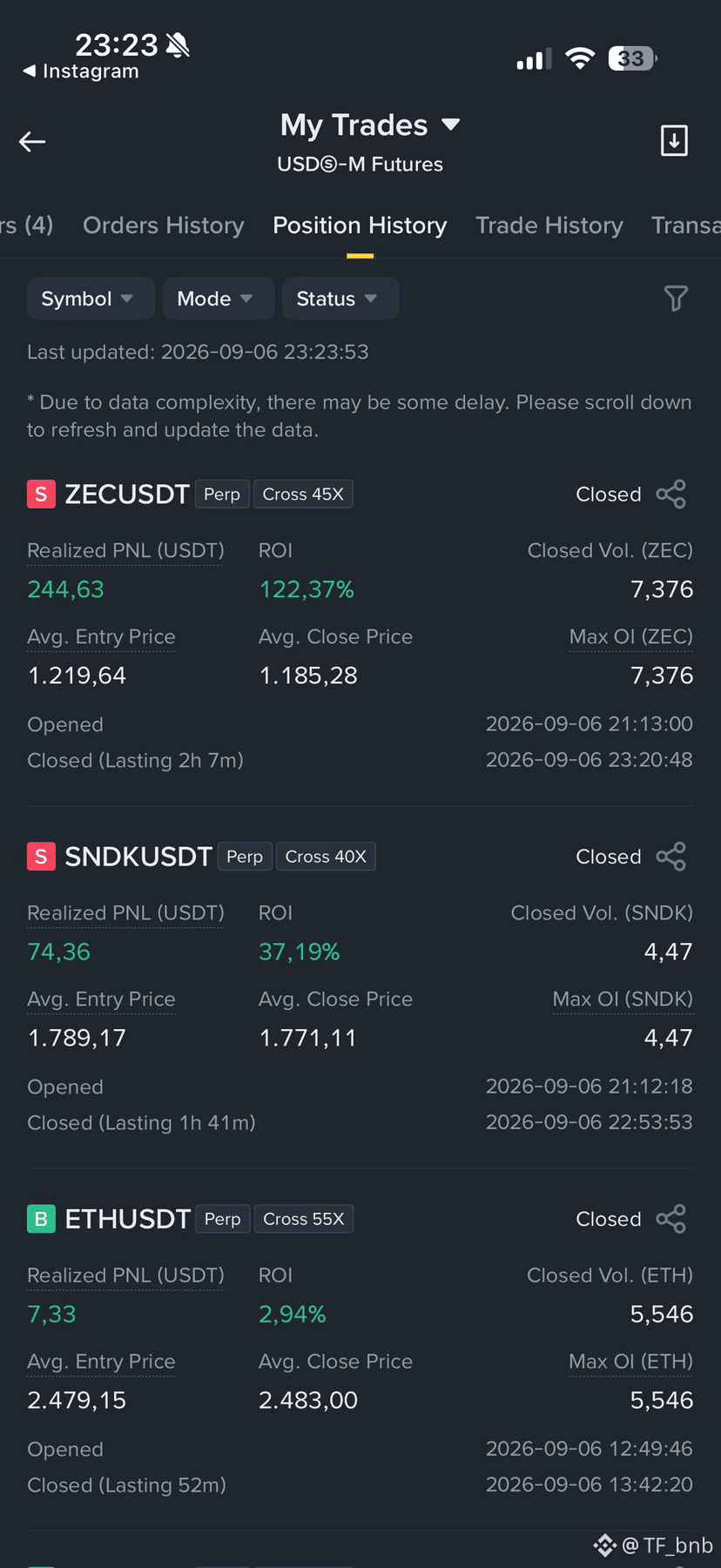
A friend of mine joined my 1-1 coaching program with $50,000 in capital.
After some time working together, he is now aiming for nearly $500 in profit per day.
What makes this even more meaningful is that he had been following me for more than a year before deciding to join the coaching.
I don’t expect everyone to make the same amount. What matters most is having a clear strategy, managing capital properly, and building consistent results over time.
I hope everyone who is following and working alongside me can achieve great results too — and more importantly, build profits consistently. ❤️
Slow and steady. We still have a long journey ahead. 🚀
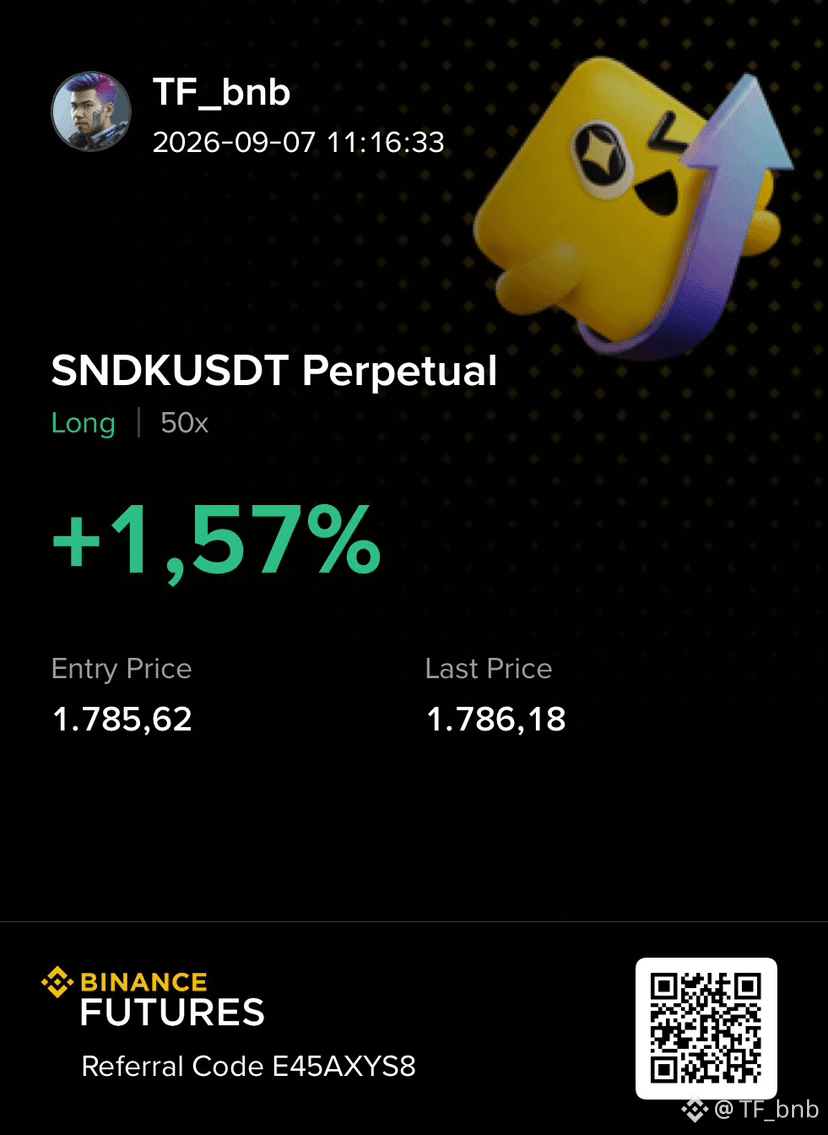
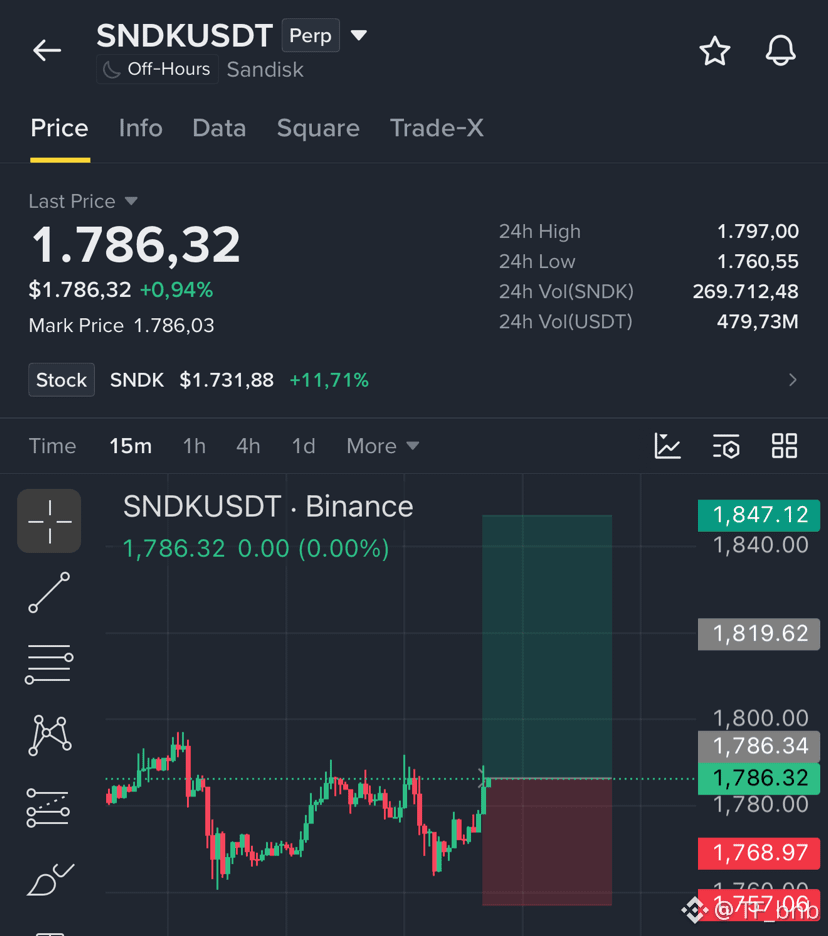
$ZEC $SNDK
After some time working together, he is now aiming for nearly $500 in profit per day.
What makes this even more meaningful is that he had been following me for more than a year before deciding to join the coaching.
I don’t expect everyone to make the same amount. What matters most is having a clear strategy, managing capital properly, and building consistent results over time.
I hope everyone who is following and working alongside me can achieve great results too — and more importantly, build profits consistently. ❤️
Slow and steady. We still have a long journey ahead. 🚀
$ZEC $SNDK
Log in to explore more content