
Wired_AI
394 Posts

Wired_AI
Report
Block User
跨平台创作者,全网80万粉丝。X: Qingxingdeyu欢迎商务合作。
Open Trade

BTC Holder
Frequent Trader
2.8 Years
391 Following
18.4K+ Followers
2.7K+ Liked
Posts
Portfolio
All
Quotes
Videos
Live
·
--
Alpha Capital and Mayer Venture make a strategic investment and incubate BFL, injecting USD 6 million to accelerate the development of the Bitcoin and AI infrastructure ecosystemAlpha Capital and Mayer Venture have officially made a strategic investment in BFL. Together, they have invested USD 6 million and officially launched a strategic incubation cooperation.
This marks an important milestone in the development process of BFL, and also means that BFL has officially received strategic support from international Web3 investment and incubation institutions.
Alpha Capital has long focused on investing in and incubating Web3 projects. It has strong ecosystem capabilities across multiple areas, including early-stage project investment, strategic consulting, project incubation, brand building, global market expansion, community building, financing resources, and exchange-related strategy.
Alpha Capital and Mayer Venture make a strategic investment and incubate BFL, injecting USD 6 million to accelerate the development of the Bitcoin and AI infrastructure ecosystem
Alpha Capital and Mayer Venture have officially made a strategic investment in BFL. Together, they have invested USD 6 million and officially launched a strategic incubation cooperation.
This marks an important milestone in the development process of BFL, and also means that BFL has officially received strategic support from international Web3 investment and incubation institutions.
Alpha Capital has long focused on investing in and incubating Web3 projects. It has strong ecosystem capabilities across multiple areas, including early-stage project investment, strategic consulting, project incubation, brand building, global market expansion, community building, financing resources, and exchange-related strategy.
This marks an important milestone in the development process of BFL, and also means that BFL has officially received strategic support from international Web3 investment and incubation institutions.
Alpha Capital has long focused on investing in and incubating Web3 projects. It has strong ecosystem capabilities across multiple areas, including early-stage project investment, strategic consulting, project incubation, brand building, global market expansion, community building, financing resources, and exchange-related strategy.
2
280
·
--
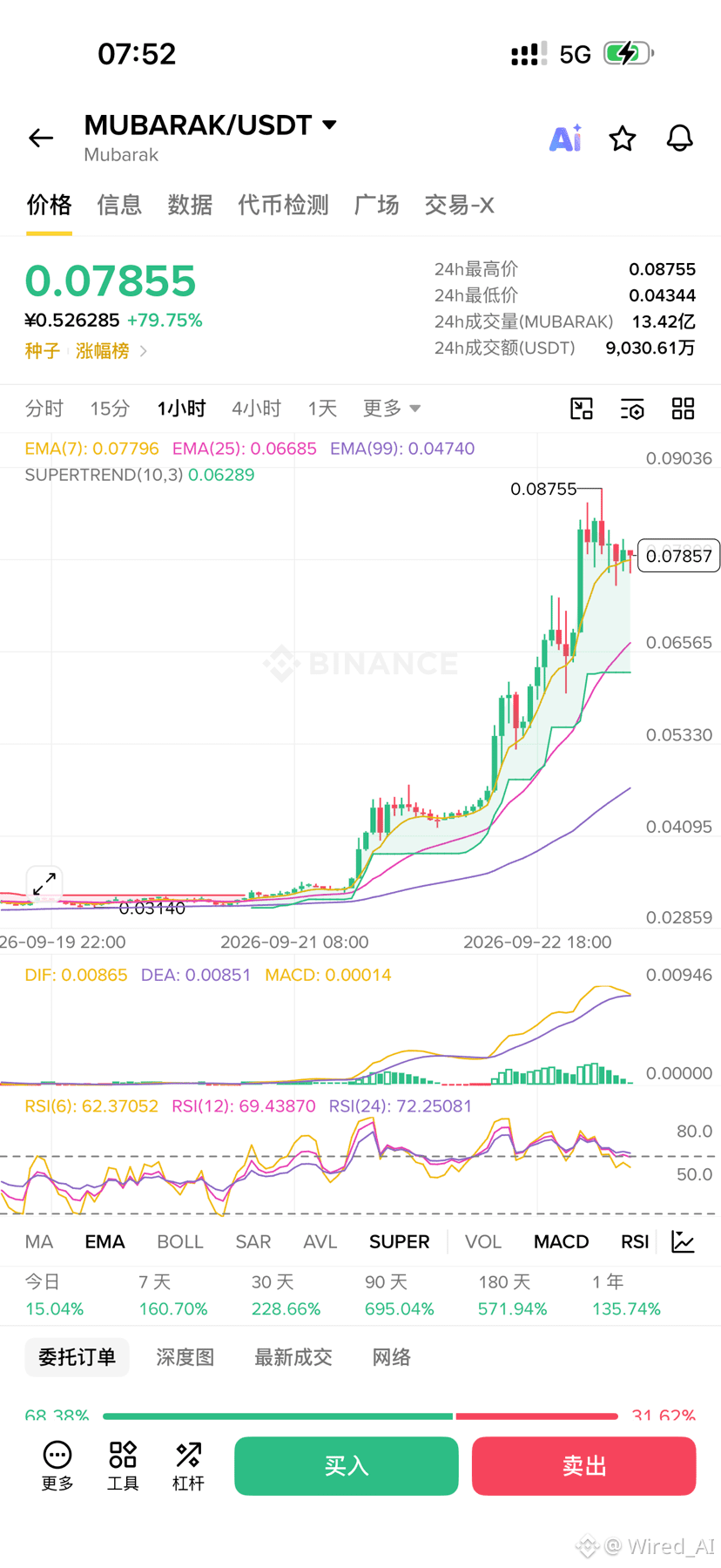
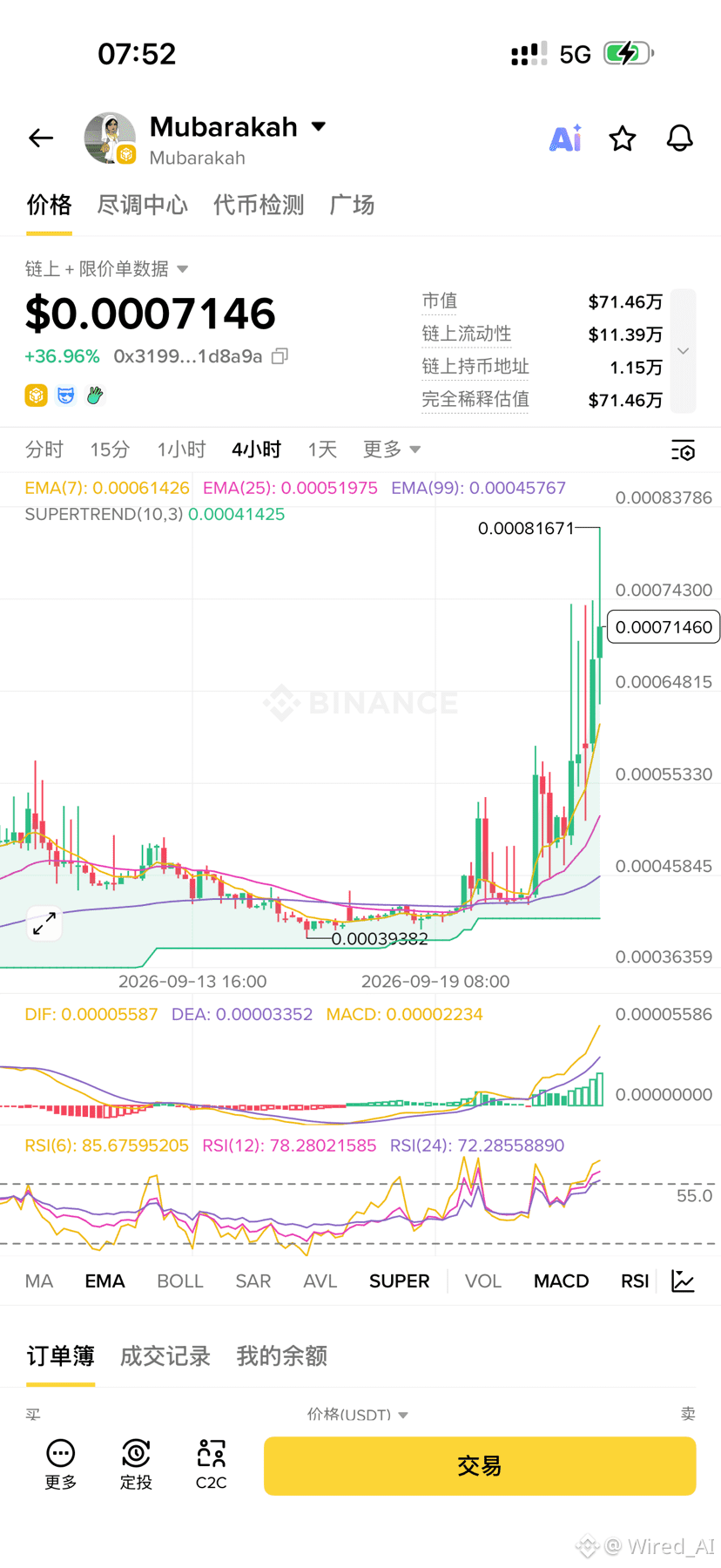
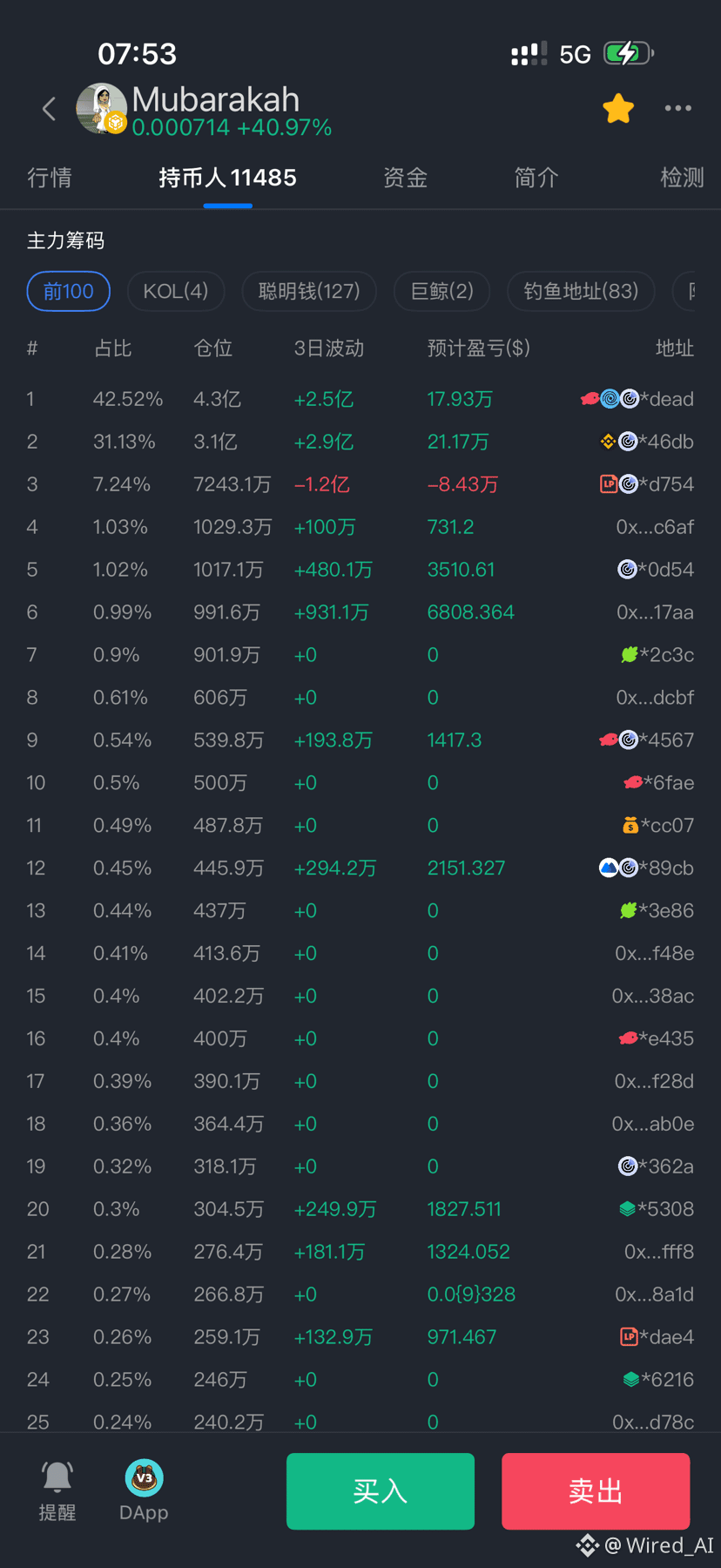
I only just realized these two coins aren’t actually the same 😂 But the big holder of this little coin has been steadily accumulating; later on, it should still give it another push.$MUBARAK $Mubarakah
{alpha}(560x3199a64bc8aabdfd9a3937a346cc59c3d81d8a9a)
I only just realized these two coins aren’t actually the same 😂 But the big holder of this little coin has been steadily accumulating; later on, it should still give it another push.$MUBARAK $Mubarakah
2
1.1k
·
--
Article
Beyond Token Ownership MiniQ Explores a More Participatory Web3 ExperienceBy giving users a digital rig to configure and a community to contribute to, MiniQ is building its identity around ongoing involvement.
What gives someone a reason to return to a Web3 project after the first visit?
For MiniQ, the answer begins with a digital rig. Participants can explore components, compare configurations and learn how their choices affect power, capacity and pool access. Around that experience, the project envisions a community that shares knowledge and helps shape future development.
This makes MiniQ an interesting example of a broader product question: how can a digital-asset ecosystem create meaningful participation beyond owning its native token?
A Rig Becomes a Reason to Learn
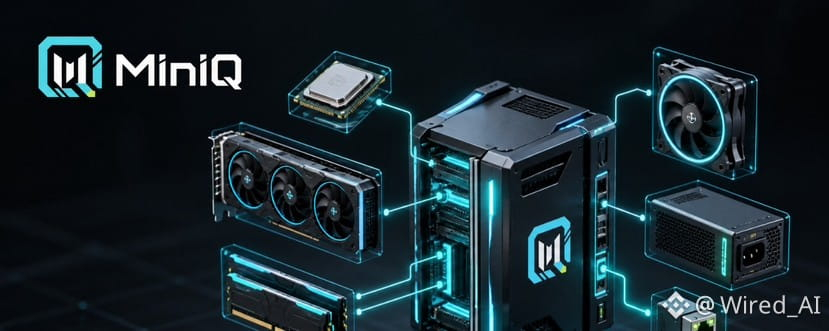
MiniQ organizes its experience around a modular digital mining rig. Six component categories—Q-Core, GPU, RAM, Cooling, PSU and Network—give participants different ways to develop a configuration.
The components have distinct functions. Some contribute power, others change efficiency or capacity, and Network determines access to additional pools. Understanding one part therefore leads naturally to questions about the others.
A participant considering a higher-tier component must also think about the rig’s heat budget. Someone interested in another pool needs to examine Network eligibility. A configuration with more power may carry different costs from one designed around lower maintenance.
These relationships create opportunities for learning through use. The product gives participants a set of decisions to explore, with a calculator that shows how changes affect the overall build.
The rig remains a digital platform construct. Its familiar hardware vocabulary helps explain MiniQ’s mechanics, but does not establish ownership of physical mining equipment.
The Value of a Shared Learning Experience
A configurable product can also give a community something concrete to discuss.
Participants can explain how components interact, share approaches to planning a build and help newcomers interpret the terminology. A useful guide might clarify the difference between direct and effective power. Another might explain why trial components and free workshop access have separate time limits.
For MiniQ, these everyday contributions could become an important part of community development. Educational content, translations, product feedback and testing can make the experience more accessible as participation grows.
That creates a practical standard for community value: does involvement help someone understand the product, make an informed choice or resolve a problem?
Membership numbers can indicate reach. The quality of shared knowledge can reveal something about the experience people find after joining.
Progression Needs Clear Boundaries
MiniQ uses familiar progression mechanics, including equipment slots, tiers and upgrades. These can make an unfamiliar subject easier to approach, provided the economic meaning remains visible.
Its internal power unit, QP, is central to that distinction. QP measures capability and participation within MiniQ’s rules. It is separate from MNQ, the ecosystem’s native digital asset, and should not be interpreted as a guaranteed amount of income.
The same care applies to reward estimates. A calculator can explain the consequences of a configuration under stated conditions, while actual settlement depends on the applicable pool rules, participation and deductions.
For a product built around progression, clarity matters. Participants should understand what an upgrade changes, what it costs and which outcomes remain variable. A satisfying interface should support those decisions without making continuous spending feel necessary.
Community Leadership Requires Visible Responsibilities
MiniQ describes itself as a community-run Web3 ecosystem without a registered company. Its vision includes contributions from participants, developers, educators and other people supporting the project.
That structure makes the relationship between participation and authority especially important.
Helping a community grow is different from holding a formal vote over its treasury or technical parameters. Similarly, owning MNQ does not automatically establish governance rights. Such rights depend on mechanisms that are implemented and documented.
A credible community model therefore needs visible responsibilities alongside open discussion. Participants should be able to understand who maintains the product, who can change its rules and how important decisions are communicated.
Building a Community Around a Useful Product
MiniQ’s community ambitions will ultimately be tested by the experience it delivers.
A digital rig can provide an accessible starting point. Clear explanations can help participants understand it. Reliable records and transparent operating rules can give the community a stronger basis for evaluating the system.
Together, those elements offer a path toward sustained involvement: people return because they have something useful to learn, explore or contribute.
That is the opportunity behind MiniQ’s approach. Its longer-term identity will depend on how well the product and the community develop together.
Learn more at miniq-mining.com.
#XRP上涨8% #AMD市值首破1万亿美元
Beyond Token Ownership MiniQ Explores a More Participatory Web3 Experience
By giving users a digital rig to configure and a community to contribute to, MiniQ is building its identity around ongoing involvement.
What gives someone a reason to return to a Web3 project after the first visit?
For MiniQ, the answer begins with a digital rig. Participants can explore components, compare configurations and learn how their choices affect power, capacity and pool access. Around that experience, the project envisions a community that shares knowledge and helps shape future development.
This makes MiniQ an interesting example of a broader product question: how can a digital-asset ecosystem create meaningful participation beyond owning its native token?
A Rig Becomes a Reason to Learn
MiniQ organizes its experience around a modular digital mining rig. Six component categories—Q-Core, GPU, RAM, Cooling, PSU and Network—give participants different ways to develop a configuration.
The components have distinct functions. Some contribute power, others change efficiency or capacity, and Network determines access to additional pools. Understanding one part therefore leads naturally to questions about the others.
A participant considering a higher-tier component must also think about the rig’s heat budget. Someone interested in another pool needs to examine Network eligibility. A configuration with more power may carry different costs from one designed around lower maintenance.
These relationships create opportunities for learning through use. The product gives participants a set of decisions to explore, with a calculator that shows how changes affect the overall build.
The rig remains a digital platform construct. Its familiar hardware vocabulary helps explain MiniQ’s mechanics, but does not establish ownership of physical mining equipment.
The Value of a Shared Learning Experience
A configurable product can also give a community something concrete to discuss.
Participants can explain how components interact, share approaches to planning a build and help newcomers interpret the terminology. A useful guide might clarify the difference between direct and effective power. Another might explain why trial components and free workshop access have separate time limits.
For MiniQ, these everyday contributions could become an important part of community development. Educational content, translations, product feedback and testing can make the experience more accessible as participation grows.
That creates a practical standard for community value: does involvement help someone understand the product, make an informed choice or resolve a problem?
Membership numbers can indicate reach. The quality of shared knowledge can reveal something about the experience people find after joining.
Progression Needs Clear Boundaries
MiniQ uses familiar progression mechanics, including equipment slots, tiers and upgrades. These can make an unfamiliar subject easier to approach, provided the economic meaning remains visible.
Its internal power unit, QP, is central to that distinction. QP measures capability and participation within MiniQ’s rules. It is separate from MNQ, the ecosystem’s native digital asset, and should not be interpreted as a guaranteed amount of income.
The same care applies to reward estimates. A calculator can explain the consequences of a configuration under stated conditions, while actual settlement depends on the applicable pool rules, participation and deductions.
For a product built around progression, clarity matters. Participants should understand what an upgrade changes, what it costs and which outcomes remain variable. A satisfying interface should support those decisions without making continuous spending feel necessary.
Community Leadership Requires Visible Responsibilities
MiniQ describes itself as a community-run Web3 ecosystem without a registered company. Its vision includes contributions from participants, developers, educators and other people supporting the project.
That structure makes the relationship between participation and authority especially important.
Helping a community grow is different from holding a formal vote over its treasury or technical parameters. Similarly, owning MNQ does not automatically establish governance rights. Such rights depend on mechanisms that are implemented and documented.
A credible community model therefore needs visible responsibilities alongside open discussion. Participants should be able to understand who maintains the product, who can change its rules and how important decisions are communicated.
Building a Community Around a Useful Product
MiniQ’s community ambitions will ultimately be tested by the experience it delivers.
A digital rig can provide an accessible starting point. Clear explanations can help participants understand it. Reliable records and transparent operating rules can give the community a stronger basis for evaluating the system.
Together, those elements offer a path toward sustained involvement: people return because they have something useful to learn, explore or contribute.
That is the opportunity behind MiniQ’s approach. Its longer-term identity will depend on how well the product and the community develop together.
Learn more at miniq-mining.com.
#XRP上涨8% #AMD市值首破1万亿美元
What gives someone a reason to return to a Web3 project after the first visit?
For MiniQ, the answer begins with a digital rig. Participants can explore components, compare configurations and learn how their choices affect power, capacity and pool access. Around that experience, the project envisions a community that shares knowledge and helps shape future development.
This makes MiniQ an interesting example of a broader product question: how can a digital-asset ecosystem create meaningful participation beyond owning its native token?
A Rig Becomes a Reason to Learn
MiniQ organizes its experience around a modular digital mining rig. Six component categories—Q-Core, GPU, RAM, Cooling, PSU and Network—give participants different ways to develop a configuration.
The components have distinct functions. Some contribute power, others change efficiency or capacity, and Network determines access to additional pools. Understanding one part therefore leads naturally to questions about the others.
A participant considering a higher-tier component must also think about the rig’s heat budget. Someone interested in another pool needs to examine Network eligibility. A configuration with more power may carry different costs from one designed around lower maintenance.
These relationships create opportunities for learning through use. The product gives participants a set of decisions to explore, with a calculator that shows how changes affect the overall build.
The rig remains a digital platform construct. Its familiar hardware vocabulary helps explain MiniQ’s mechanics, but does not establish ownership of physical mining equipment.
The Value of a Shared Learning Experience
A configurable product can also give a community something concrete to discuss.
Participants can explain how components interact, share approaches to planning a build and help newcomers interpret the terminology. A useful guide might clarify the difference between direct and effective power. Another might explain why trial components and free workshop access have separate time limits.
For MiniQ, these everyday contributions could become an important part of community development. Educational content, translations, product feedback and testing can make the experience more accessible as participation grows.
That creates a practical standard for community value: does involvement help someone understand the product, make an informed choice or resolve a problem?
Membership numbers can indicate reach. The quality of shared knowledge can reveal something about the experience people find after joining.
Progression Needs Clear Boundaries
MiniQ uses familiar progression mechanics, including equipment slots, tiers and upgrades. These can make an unfamiliar subject easier to approach, provided the economic meaning remains visible.
Its internal power unit, QP, is central to that distinction. QP measures capability and participation within MiniQ’s rules. It is separate from MNQ, the ecosystem’s native digital asset, and should not be interpreted as a guaranteed amount of income.
The same care applies to reward estimates. A calculator can explain the consequences of a configuration under stated conditions, while actual settlement depends on the applicable pool rules, participation and deductions.
For a product built around progression, clarity matters. Participants should understand what an upgrade changes, what it costs and which outcomes remain variable. A satisfying interface should support those decisions without making continuous spending feel necessary.
Community Leadership Requires Visible Responsibilities
MiniQ describes itself as a community-run Web3 ecosystem without a registered company. Its vision includes contributions from participants, developers, educators and other people supporting the project.
That structure makes the relationship between participation and authority especially important.
Helping a community grow is different from holding a formal vote over its treasury or technical parameters. Similarly, owning MNQ does not automatically establish governance rights. Such rights depend on mechanisms that are implemented and documented.
A credible community model therefore needs visible responsibilities alongside open discussion. Participants should be able to understand who maintains the product, who can change its rules and how important decisions are communicated.
Building a Community Around a Useful Product
MiniQ’s community ambitions will ultimately be tested by the experience it delivers.
A digital rig can provide an accessible starting point. Clear explanations can help participants understand it. Reliable records and transparent operating rules can give the community a stronger basis for evaluating the system.
Together, those elements offer a path toward sustained involvement: people return because they have something useful to learn, explore or contribute.
That is the opportunity behind MiniQ’s approach. Its longer-term identity will depend on how well the product and the community develop together.
Learn more at miniq-mining.com.
#XRP上涨8% #AMD市值首破1万亿美元
1
183
·
--
The big pancake has been included in many books, and it’s becoming more and more popular! $BTC
The big pancake has been included in many books, and it’s becoming more and more popular! $BTC


2
304
·
--
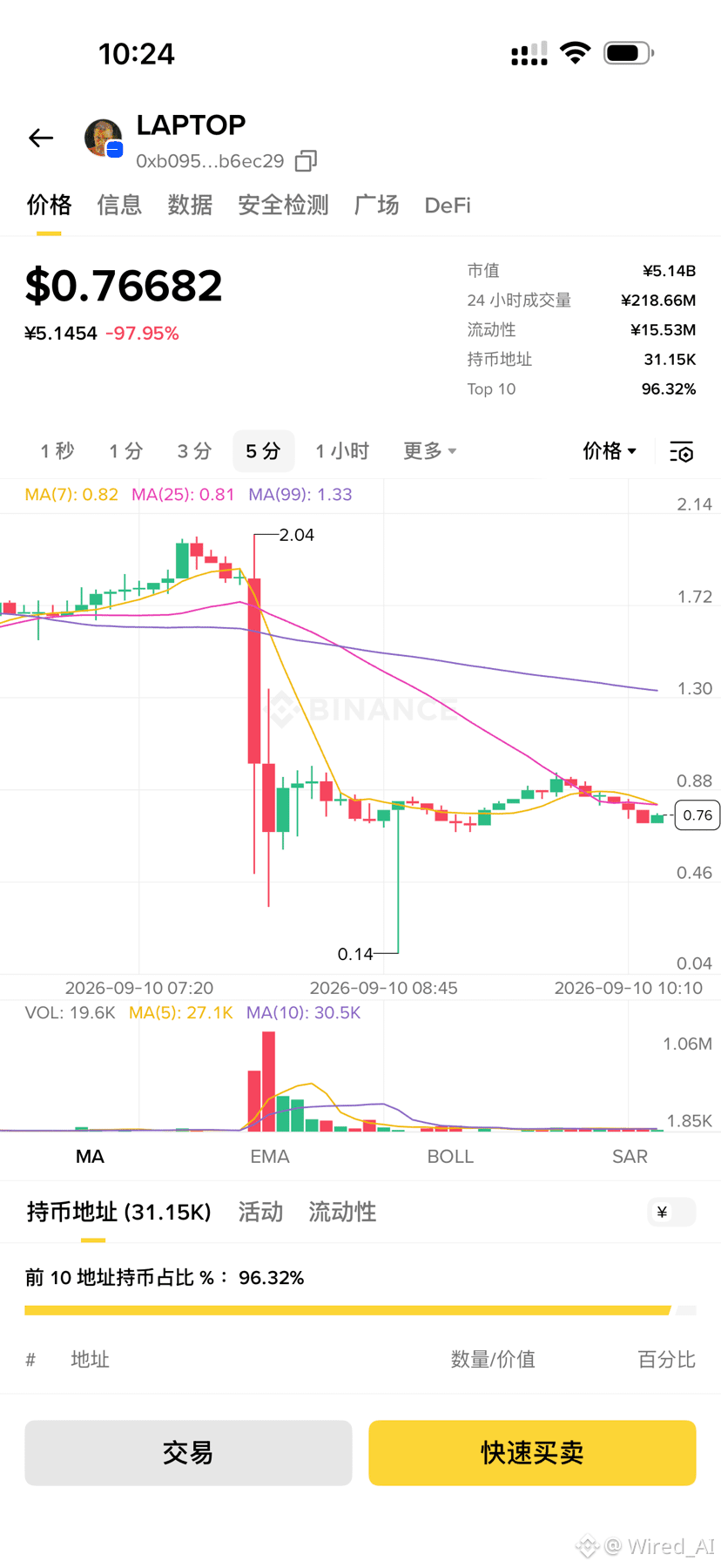
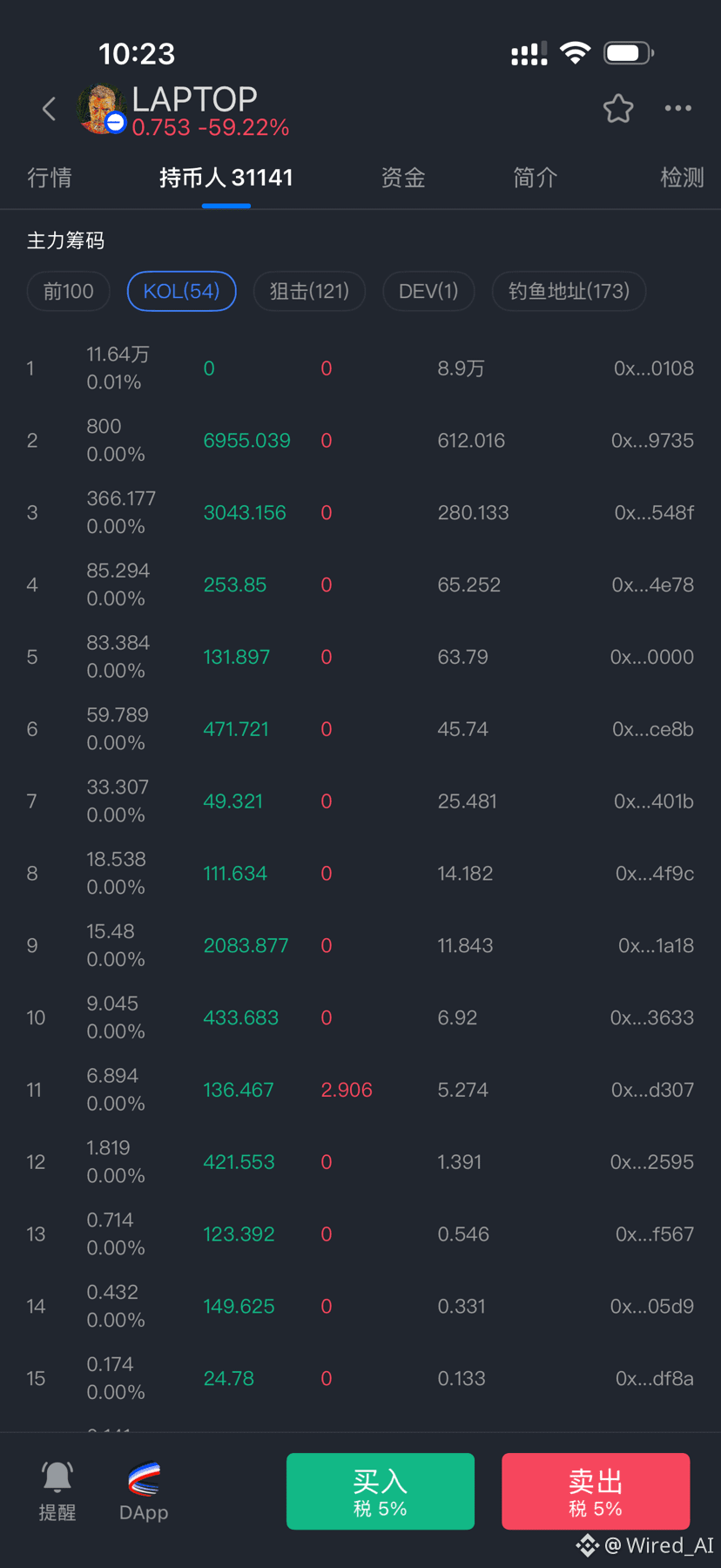
Who bought this coin from Biden’s son? Everyone’s losing—how much have they all lost? Judging by on-chain data, the worst is probably the KOL 😂
Who bought this coin from Biden’s son? Everyone’s losing—how much have they all lost? Judging by on-chain data, the worst is probably the KOL 😂
1
755
·
--
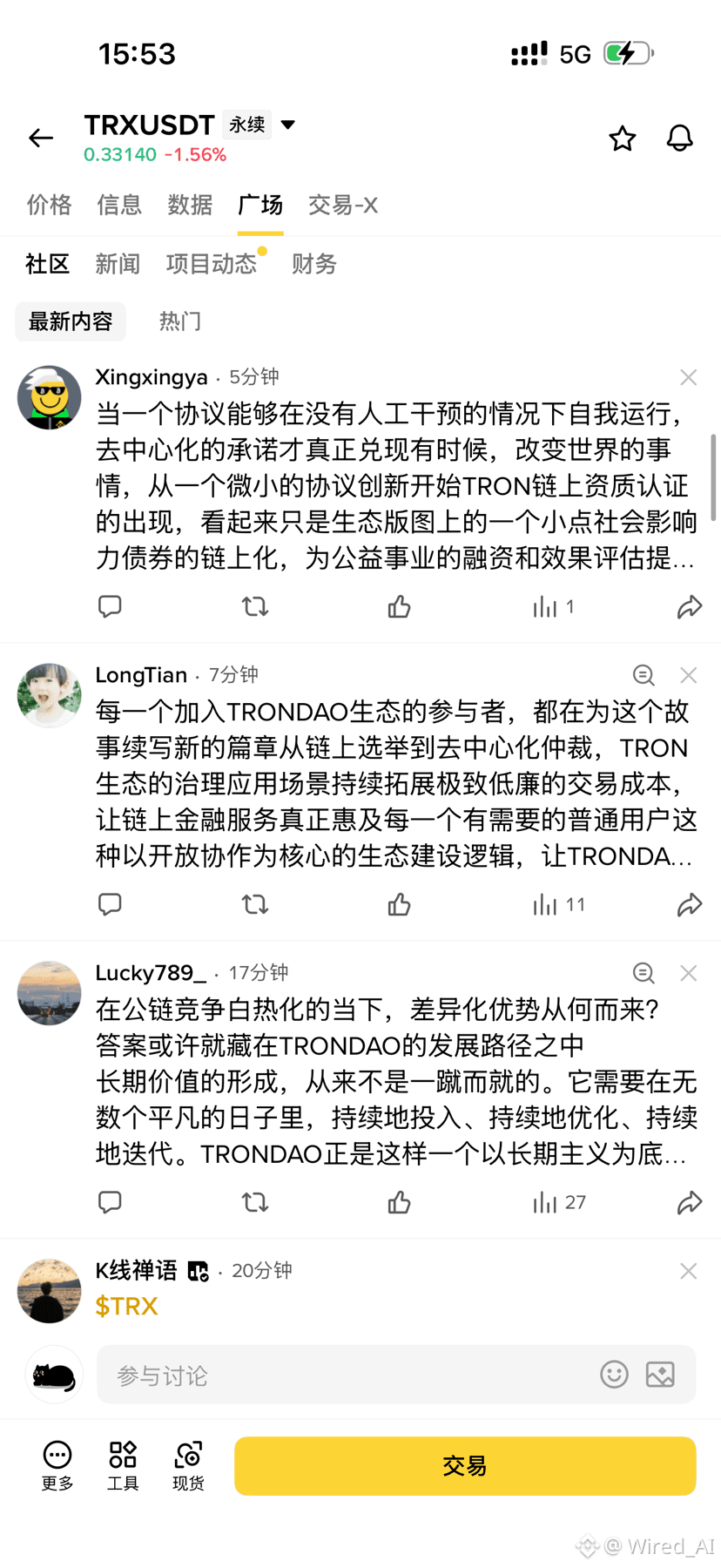
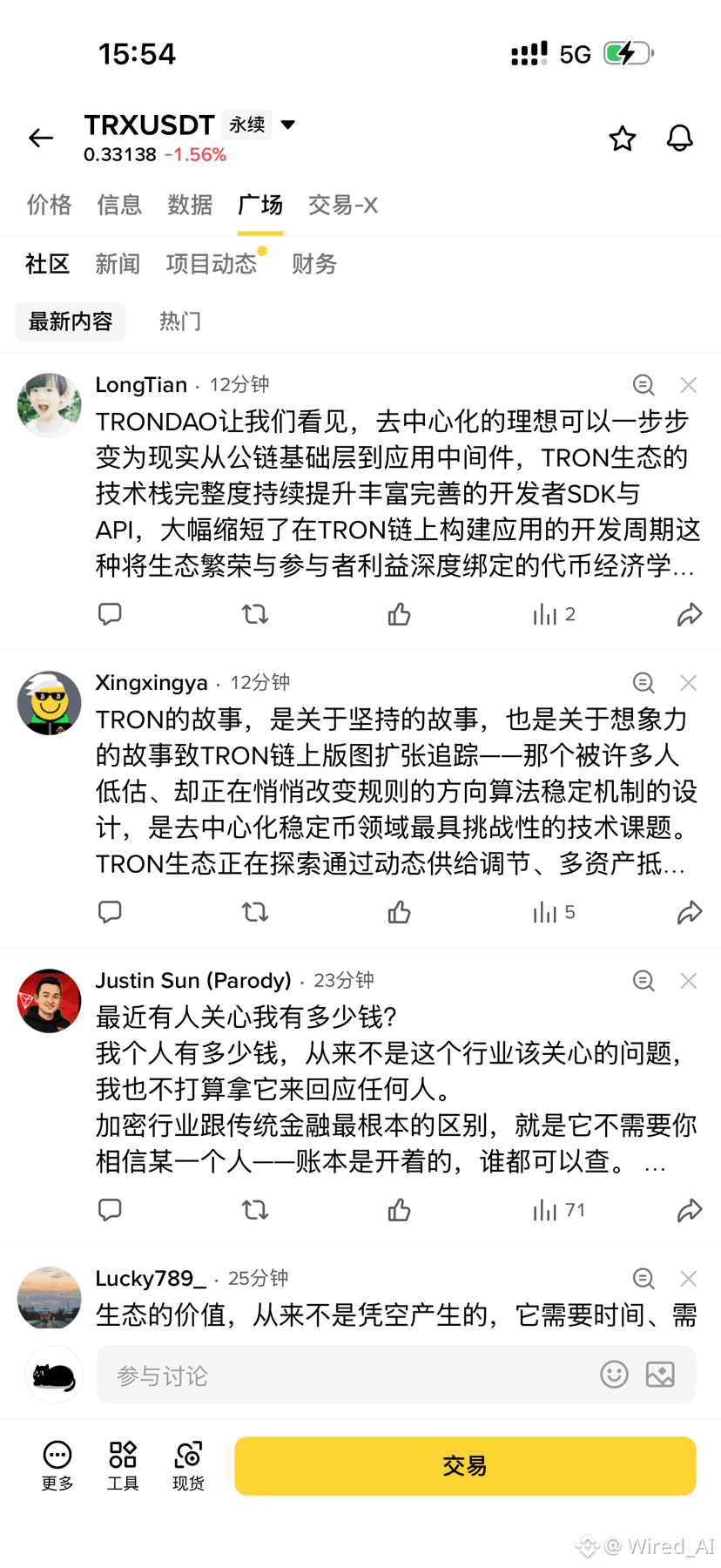
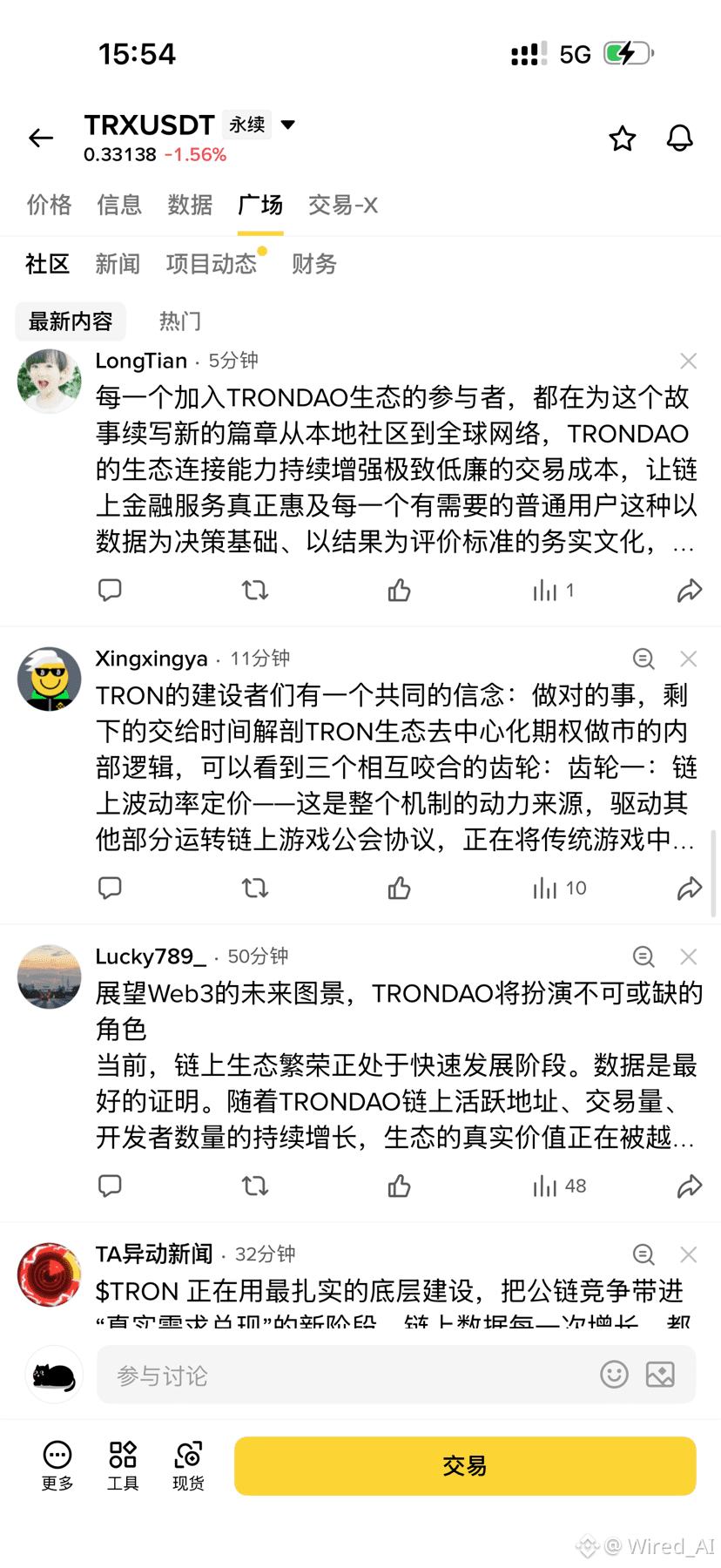
Sun Ge fixed up a bunch of robots to spam the screen—looks like there’s a problem! I added more to my empty order! $TRX
{future}(TRXUSDT)
Sun Ge fixed up a bunch of robots to spam the screen—looks like there’s a problem! I added more to my empty order! $TRX
1
5
1.2k
·
--
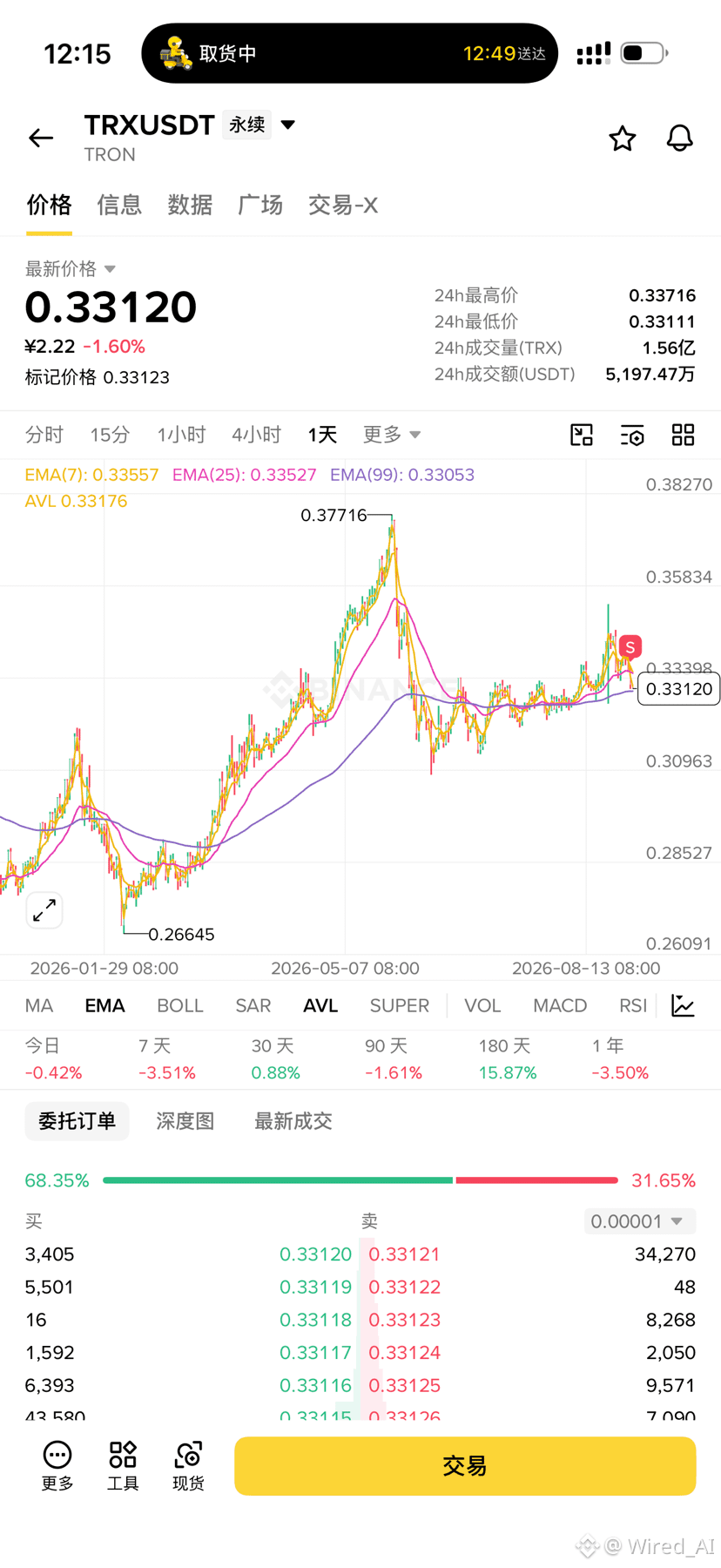
Given Sun Brother’s character, it’s not unreasonable for me to take a little break, right?$TRX
Given Sun Brother’s character, it’s not unreasonable for me to take a little break, right?$TRX
5
5
2k
·
--

Article
Justin Sun’s marketing skills are in a league of their own across the entire internet.When you look back at every step he takes, almost all of it revolves around the two characters “traffic” (i.e., publicity/attention). In the early days, he wildly posted photos with Jack Ma to borrow the internet godfather’s influence and build name recognition. Later, he loudly promoted a deep collaboration with Baidu Cloud—only for Baidu Cloud to publicly clarify that the two were just ordinary users. For someone else, this might well be a PR disaster; but with Justin Sun, it somehow became another round of renewed exposure.
Later, he even turned marketing into an art form. He bought Warren Buffett’s lunch at an exorbitant price—then, from announcing the win, to postponements, to finally attending the banquet, each milestone generated huge buzz,硬是把一次吃饭做成了持续数月的流量连续剧. After that, whether it was topics related to Trump, various cryptocurrency events, or even the joke among netizens about him trying (and failing) to confirm the identity of Gu Ailing’s boyfriend—wherever there was heat, you could almost always see Justin Sun’s presence.
Justin Sun’s marketing skills are in a league of their own across the entire internet.
When you look back at every step he takes, almost all of it revolves around the two characters “traffic” (i.e., publicity/attention). In the early days, he wildly posted photos with Jack Ma to borrow the internet godfather’s influence and build name recognition. Later, he loudly promoted a deep collaboration with Baidu Cloud—only for Baidu Cloud to publicly clarify that the two were just ordinary users. For someone else, this might well be a PR disaster; but with Justin Sun, it somehow became another round of renewed exposure.
Later, he even turned marketing into an art form. He bought Warren Buffett’s lunch at an exorbitant price—then, from announcing the win, to postponements, to finally attending the banquet, each milestone generated huge buzz,硬是把一次吃饭做成了持续数月的流量连续剧. After that, whether it was topics related to Trump, various cryptocurrency events, or even the joke among netizens about him trying (and failing) to confirm the identity of Gu Ailing’s boyfriend—wherever there was heat, you could almost always see Justin Sun’s presence.
Later, he even turned marketing into an art form. He bought Warren Buffett’s lunch at an exorbitant price—then, from announcing the win, to postponements, to finally attending the banquet, each milestone generated huge buzz,硬是把一次吃饭做成了持续数月的流量连续剧. After that, whether it was topics related to Trump, various cryptocurrency events, or even the joke among netizens about him trying (and failing) to confirm the identity of Gu Ailing’s boyfriend—wherever there was heat, you could almost always see Justin Sun’s presence.
3
485
·
--
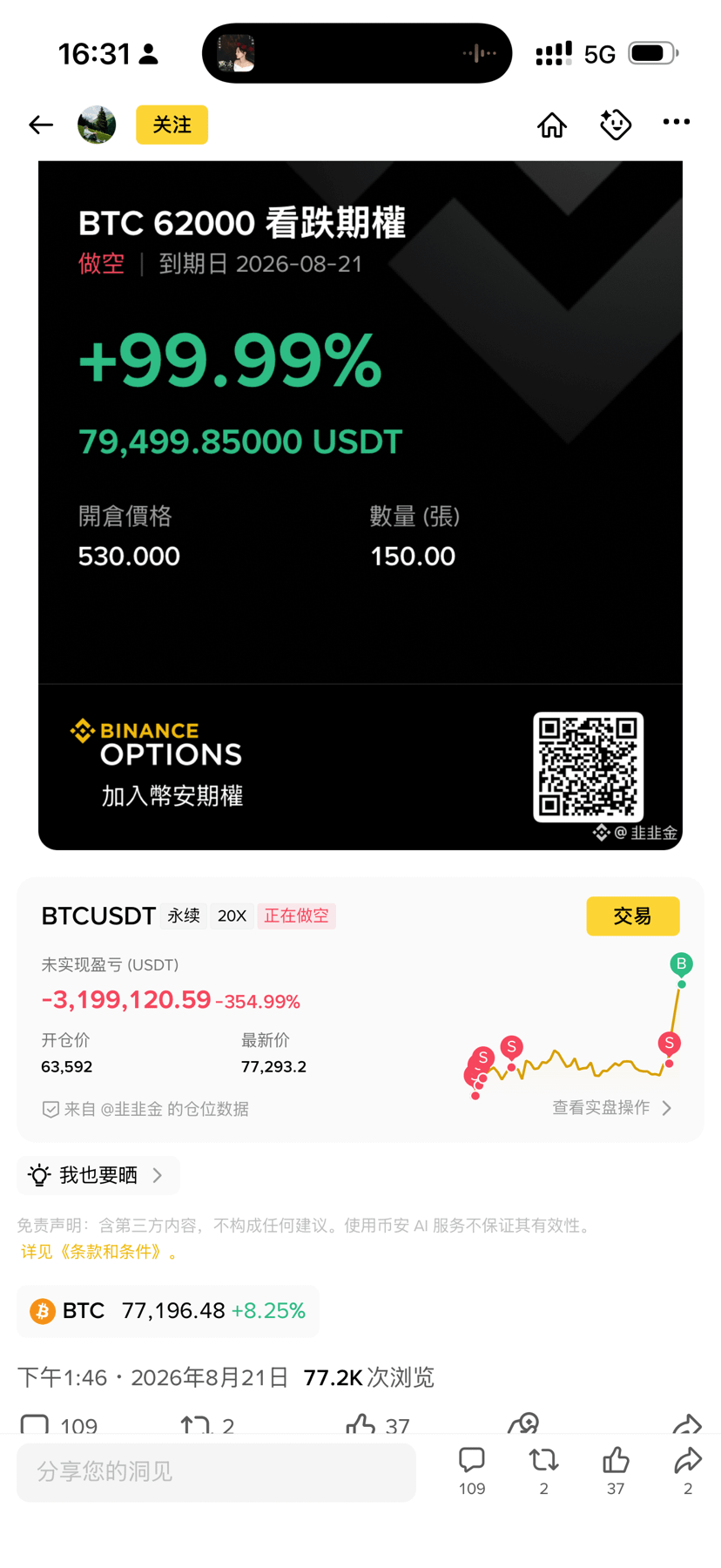
Made $80,000 with options, but lost $3.19 million shorting—so we’ve got this much money, why still use such high leverage? Leverage is a double-edged sword: if you’re on the wrong side, no matter how big the capital is, you’re just providing liquidity to the market. This time, that guy should take a big lesson. $BTC
{spot}(BTCUSDT)
Made $80,000 with options, but lost $3.19 million shorting—so we’ve got this much money, why still use such high leverage? Leverage is a double-edged sword: if you’re on the wrong side, no matter how big the capital is, you’re just providing liquidity to the market. This time, that guy should take a big lesson. $BTC
2
455
·
--
Article
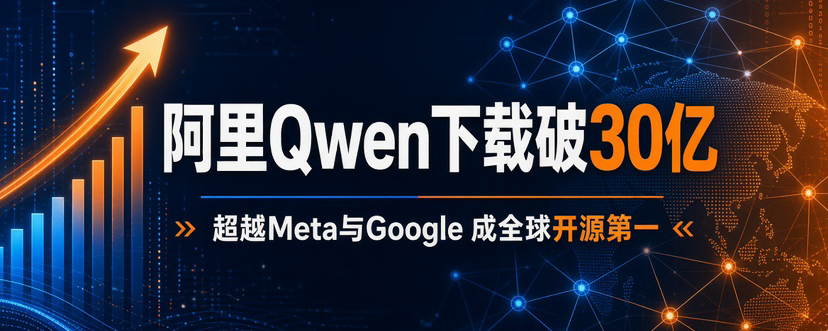
Alibaba’s Qwen tops 3 billion downloads in half a year, surpassing Meta and Google to become the No. 1 open-source model globallyA number is reshaping the landscape of open-source AI.
Over the past six months, the Qwen (Tongyi Qianwen) series open-weight models under Alibaba have exceeded 3 billion cumulative global downloads, officially surpassing Meta and Google to become the open-source AI model family with the highest downloads worldwide.
This isn’t a small lead—it’s a clear gap.
According to a report from the open-source platform Hugging Face, in 2026 Qwen series downloads on its platform were about 2.045 billion times, while Google was about 418 million and Meta only 227 million. Alibaba’s official figure of 3 billion includes channels beyond Hugging Face (such as the domestic community ModelScope on the MagicDock, etc.).
Alibaba’s Qwen tops 3 billion downloads in half a year, surpassing Meta and Google to become the No. 1 open-source model globally
A number is reshaping the landscape of open-source AI.
Over the past six months, the Qwen (Tongyi Qianwen) series open-weight models under Alibaba have exceeded 3 billion cumulative global downloads, officially surpassing Meta and Google to become the open-source AI model family with the highest downloads worldwide.
This isn’t a small lead—it’s a clear gap.
According to a report from the open-source platform Hugging Face, in 2026 Qwen series downloads on its platform were about 2.045 billion times, while Google was about 418 million and Meta only 227 million. Alibaba’s official figure of 3 billion includes channels beyond Hugging Face (such as the domestic community ModelScope on the MagicDock, etc.).
Over the past six months, the Qwen (Tongyi Qianwen) series open-weight models under Alibaba have exceeded 3 billion cumulative global downloads, officially surpassing Meta and Google to become the open-source AI model family with the highest downloads worldwide.
This isn’t a small lead—it’s a clear gap.
According to a report from the open-source platform Hugging Face, in 2026 Qwen series downloads on its platform were about 2.045 billion times, while Google was about 418 million and Meta only 227 million. Alibaba’s official figure of 3 billion includes channels beyond Hugging Face (such as the domestic community ModelScope on the MagicDock, etc.).
2
296
·
--
⚠️ The world's crustal activity has entered a period of high incidence! No matter where you are, please make sure to stay safe!
This early morning, a powerful 7.7-magnitude earthquake struck the waters near Flores Island in Indonesia and triggered a tsunami warning; and just a few days ago, Colombia also experienced a powerful 7.4-magnitude earthquake…… In recent times, strong earthquakes or volcanic activity seem to occur almost every month, and geological disasters are frequent.
Respect nature—safety first: prepare an emergency kit at home, and remember your evacuation/escape routes.$BTC
⚠️ The world's crustal activity has entered a period of high incidence! No matter where you are, please make sure to stay safe!
This early morning, a powerful 7.7-magnitude earthquake struck the waters near Flores Island in Indonesia and triggered a tsunami warning; and just a few days ago, Colombia also experienced a powerful 7.4-magnitude earthquake…… In recent times, strong earthquakes or volcanic activity seem to occur almost every month, and geological disasters are frequent.
Respect nature—safety first: prepare an emergency kit at home, and remember your evacuation/escape routes.$BTC
This early morning, a powerful 7.7-magnitude earthquake struck the waters near Flores Island in Indonesia and triggered a tsunami warning; and just a few days ago, Colombia also experienced a powerful 7.4-magnitude earthquake…… In recent times, strong earthquakes or volcanic activity seem to occur almost every month, and geological disasters are frequent.
Respect nature—safety first: prepare an emergency kit at home, and remember your evacuation/escape routes.$BTC
1
399
·
--
ANOME is bringing gaming, NFTs, and on-chain finance together in an interesting way. $ANOME
ANOME is bringing gaming, NFTs, and on-chain finance together in an interesting way. $ANOME
4
442
·
--
Bullish
Verified
#美国7月CPI与PPI数据本周出炉
July CPI meets expectations! The shoe finally drops—will this rebound be a massive bullish candle, or just a trap to shake out the market?!
U.S. July CPI data is officially out! 3.4% matches market expectations; inflation has continued to cool slightly. The long-awaited suspense has finally been revealed!
But the market action left many people stunned: although the data didn’t beat expectations in a way that would trigger a disaster, BTC and ETH didn’t immediately surge with a breakout mega-bull candle. Instead, they saw intense choppy consolidation and a shakeout around key resistance levels; high-volatility alts like SOL also got stuck in the mud of a long-versus-short battle.
This is the classic pattern of “good news hits, then it whipsaws!”
Bull case: inflation is cooling as expected, and expectations that the Fed will keep rates / implement rate cuts in September are further reinforced. The bottom for the broader market is already clear now—every pullback is a chance to add to BTC/ETH/SOL!
After the data release, will you take profits on the highs and reduce positions, or will you decisively go all-in on BTC/ETH/SOL? Leave your real trade in the comments!👇
#美国7月CPI与PPI数据本周出炉
July CPI meets expectations! The shoe finally drops—will this rebound be a massive bullish candle, or just a trap to shake out the market?!
U.S. July CPI data is officially out! 3.4% matches market expectations; inflation has continued to cool slightly. The long-awaited suspense has finally been revealed!
But the market action left many people stunned: although the data didn’t beat expectations in a way that would trigger a disaster, BTC and ETH didn’t immediately surge with a breakout mega-bull candle. Instead, they saw intense choppy consolidation and a shakeout around key resistance levels; high-volatility alts like SOL also got stuck in the mud of a long-versus-short battle.
This is the classic pattern of “good news hits, then it whipsaws!”
Bull case: inflation is cooling as expected, and expectations that the Fed will keep rates / implement rate cuts in September are further reinforced. The bottom for the broader market is already clear now—every pullback is a chance to add to BTC/ETH/SOL!
After the data release, will you take profits on the highs and reduce positions, or will you decisively go all-in on BTC/ETH/SOL? Leave your real trade in the comments!👇
July CPI meets expectations! The shoe finally drops—will this rebound be a massive bullish candle, or just a trap to shake out the market?!
U.S. July CPI data is officially out! 3.4% matches market expectations; inflation has continued to cool slightly. The long-awaited suspense has finally been revealed!
But the market action left many people stunned: although the data didn’t beat expectations in a way that would trigger a disaster, BTC and ETH didn’t immediately surge with a breakout mega-bull candle. Instead, they saw intense choppy consolidation and a shakeout around key resistance levels; high-volatility alts like SOL also got stuck in the mud of a long-versus-short battle.
This is the classic pattern of “good news hits, then it whipsaws!”
Bull case: inflation is cooling as expected, and expectations that the Fed will keep rates / implement rate cuts in September are further reinforced. The bottom for the broader market is already clear now—every pullback is a chance to add to BTC/ETH/SOL!
After the data release, will you take profits on the highs and reduce positions, or will you decisively go all-in on BTC/ETH/SOL? Leave your real trade in the comments!👇
2
719
·
--
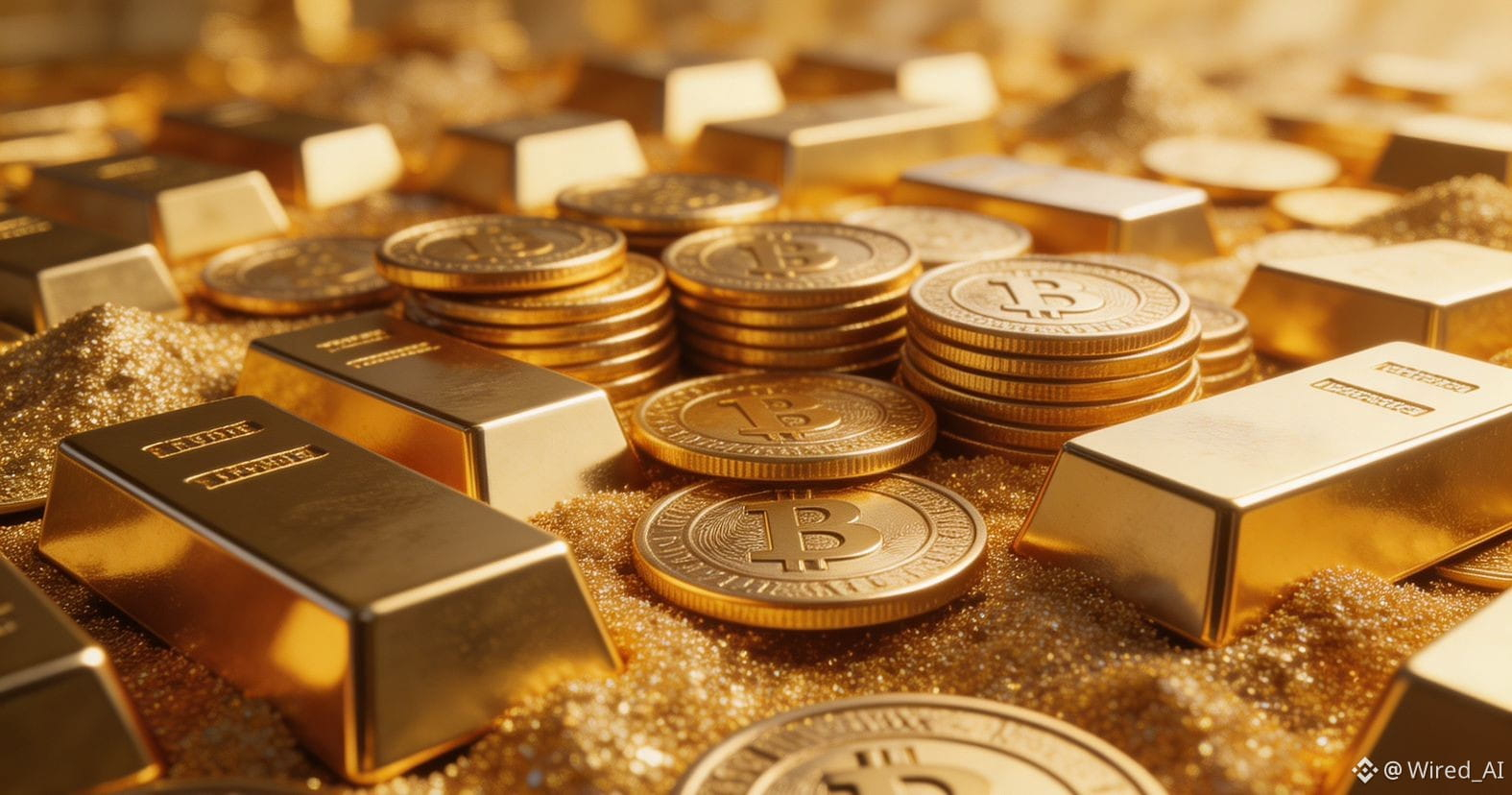
🔥 【Fan-exclusive benefits】Limited-time password red packets are being sent! 🧧
🎁 Move your fingers and take the perks with you 👇
✅ Like this post
✅ Repost this post
✅ Comment section check-in: “Becoming Rich”
🔑 The red packet password is pinned at the top of the comments—complete the interactions above to claim 10000000 PEPE. Don’t be slow!
🧧👉 Complete the trio (Like, Repost & Comment), then copy the exclusive Red Packet code from the pinned comment to redeem!
#crypto #红包大派送 $PEPE
🔥 【Fan-exclusive benefits】Limited-time password red packets are being sent! 🧧
🎁 Move your fingers and take the perks with you 👇
✅ Like this post
✅ Repost this post
✅ Comment section check-in: “Becoming Rich”
🔑 The red packet password is pinned at the top of the comments—complete the interactions above to claim 10000000 PEPE. Don’t be slow!
🧧👉 Complete the trio (Like, Repost & Comment), then copy the exclusive Red Packet code from the pinned comment to redeem!
#crypto #红包大派送 $PEPE
🎁 Move your fingers and take the perks with you 👇
✅ Like this post
✅ Repost this post
✅ Comment section check-in: “Becoming Rich”
🔑 The red packet password is pinned at the top of the comments—complete the interactions above to claim 10000000 PEPE. Don’t be slow!
🧧👉 Complete the trio (Like, Repost & Comment), then copy the exclusive Red Packet code from the pinned comment to redeem!
#crypto #红包大派送 $PEPE
3.9k
9
231
3.9k
·
--
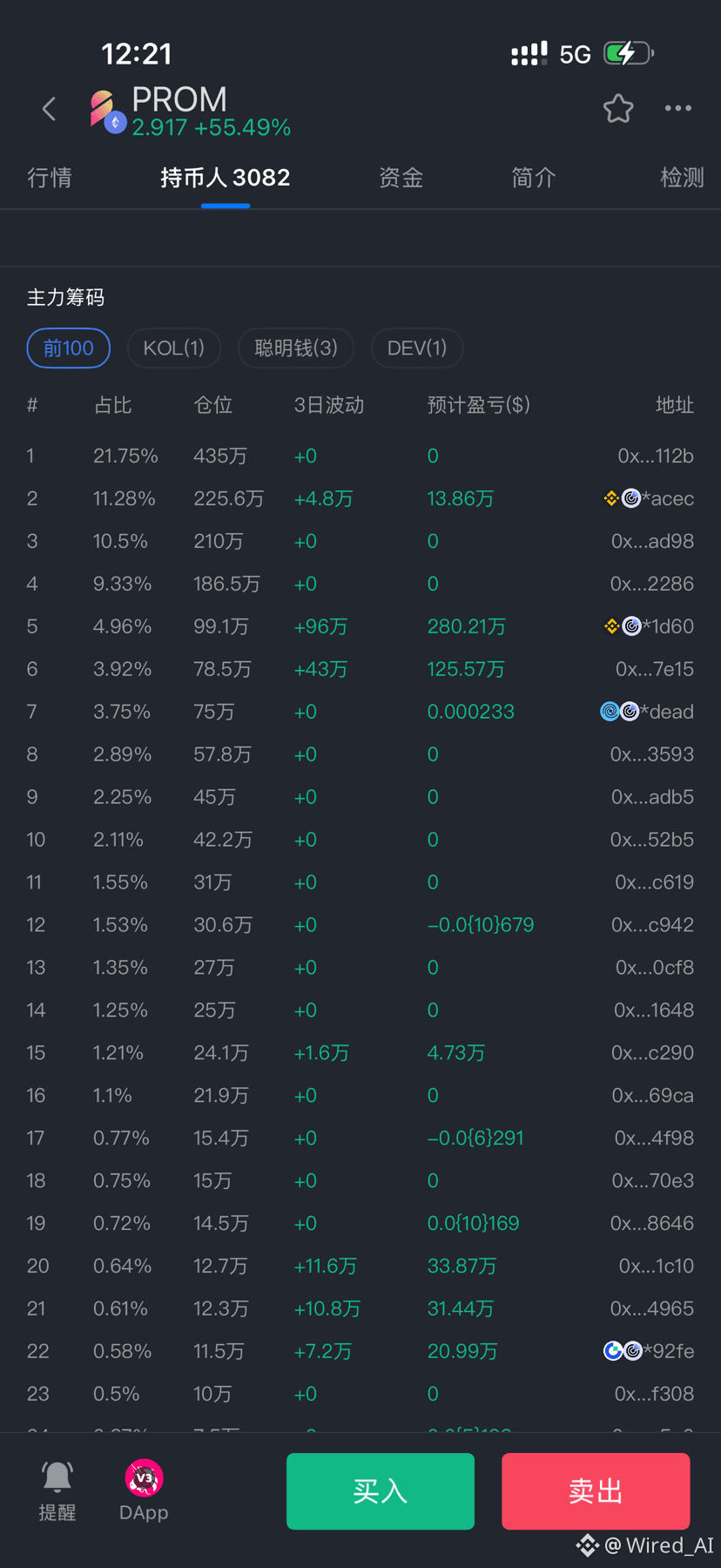
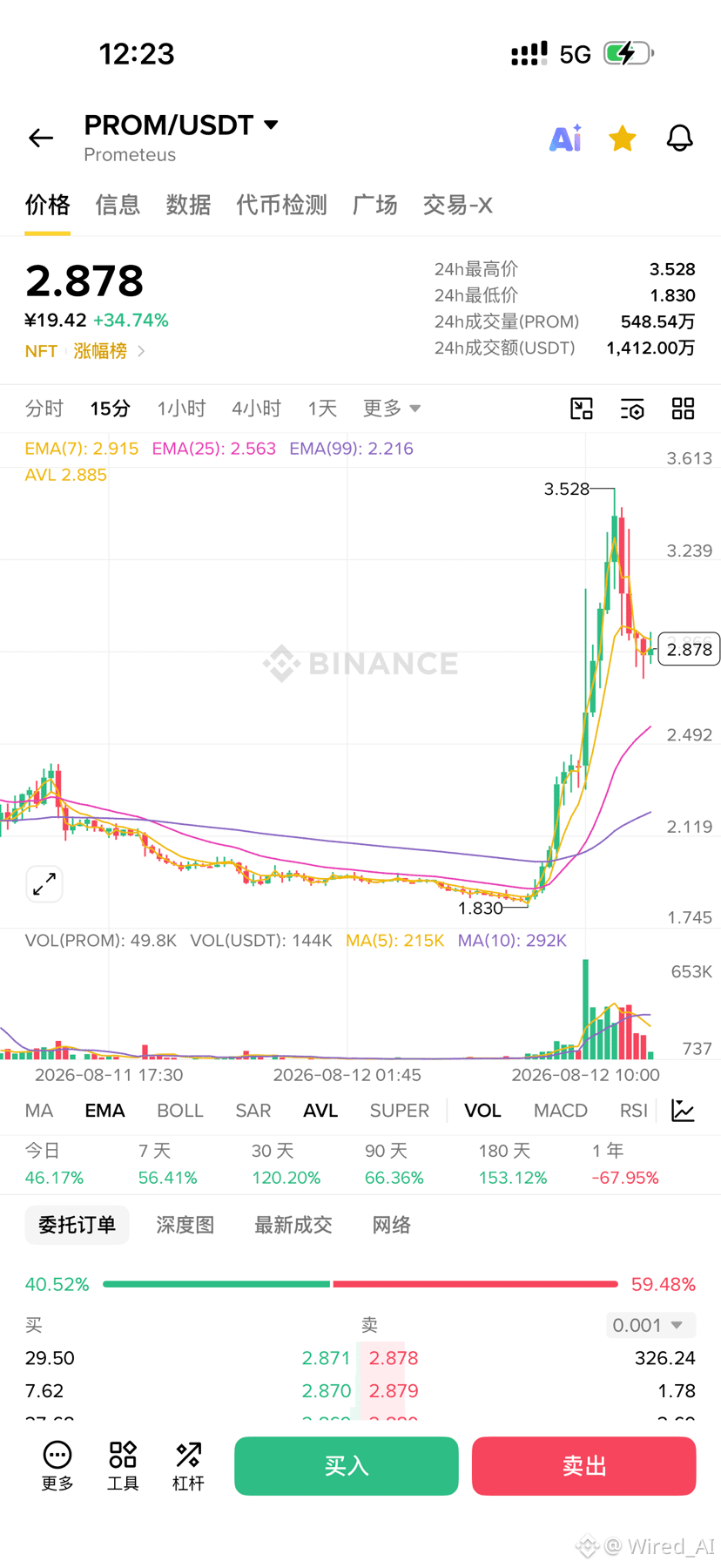
From the top 100 holders data, PROM’s token supply is highly concentrated. The top 5 total is about 57.8%, and the top 10 total is about 70%+. This kind of coin tends to rise very quickly and also falls very quickly. Key points to watch: whether the holdings of the top addresses start to decrease—if the top addresses begin distributing (selling), be prepared to leave. $PROM
From the top 100 holders data, PROM’s token supply is highly concentrated. The top 5 total is about 57.8%, and the top 10 total is about 70%+. This kind of coin tends to rise very quickly and also falls very quickly. Key points to watch: whether the holdings of the top addresses start to decrease—if the top addresses begin distributing (selling), be prepared to leave. $PROM
3
4
945
·
--
Partly True
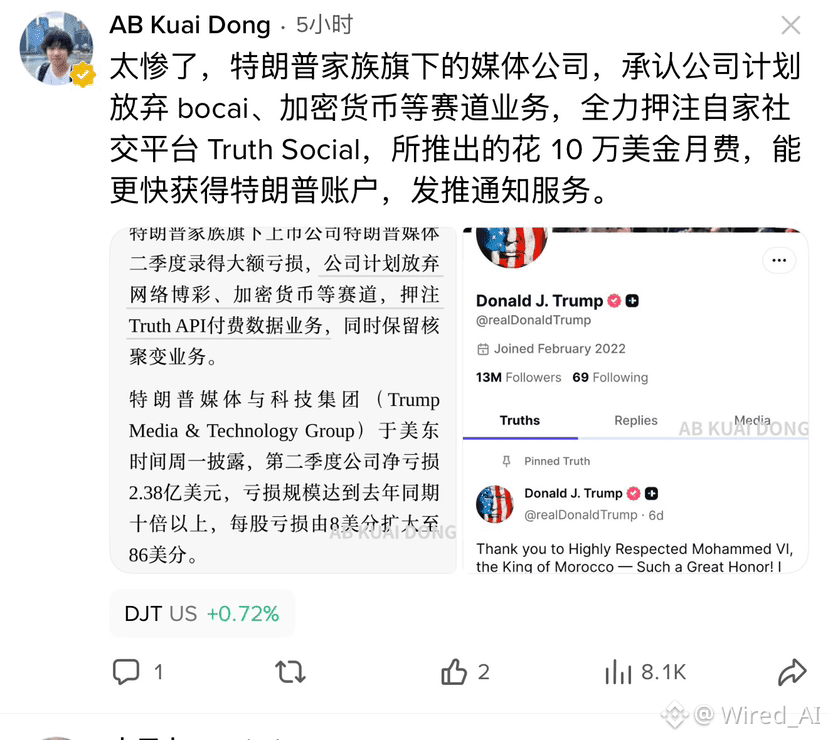
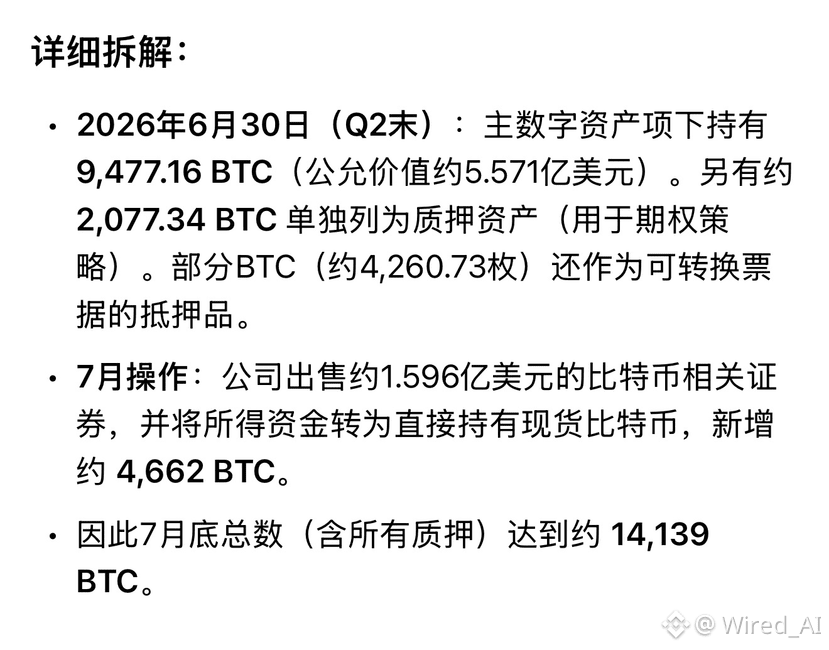
Don’t listen to what he says—watch what he does. The Trump family’s Q2 earnings report shows that in the second quarter, they added 4,662 bitcoins. Now they have 14,139. Saying “no, no” while their body is honest—buy, buy, buy. $BTC
Don’t listen to what he says—watch what he does. The Trump family’s Q2 earnings report shows that in the second quarter, they added 4,662 bitcoins. Now they have 14,139. Saying “no, no” while their body is honest—buy, buy, buy. $BTC
3
635
·
--
Article
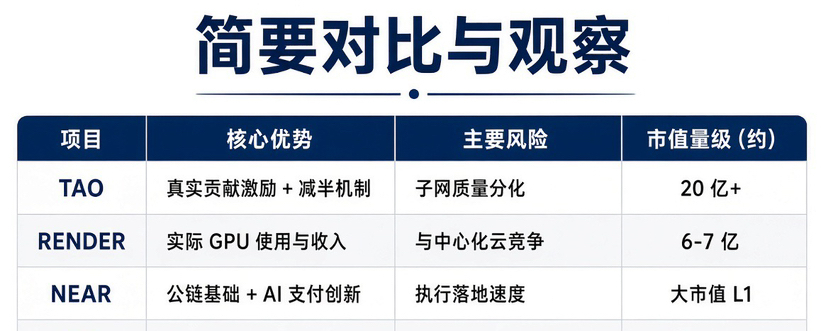
The following is a detailed整理 of these AI + Crypto tokens. Prices and market caps will fluctuate; for reference only1. Decentralized AI training / model marketplace
Bittensor (TAO)
• Positioning: a decentralized machine learning network. Miners provide models/compute through multiple subnets (Subnet). Validators score them, and TAO is used for incentives and settlement.
• Token utility: network rewards, staking, subnet governance, and value capture.
• Tokenomics: fixed supply cap of 21 million (similar to Bitcoin), no pre-mine. The first halving is scheduled for December 2025 (daily issuance drops from ~7200 to 3600 TAO). Current circulating supply is ~11.0–11.2 million (about 53%), with a relatively high staking rate (around 70%).
The following is a detailed整理 of these AI + Crypto tokens. Prices and market caps will fluctuate; for reference only
1. Decentralized AI training / model marketplace
Bittensor (TAO)
• Positioning: a decentralized machine learning network. Miners provide models/compute through multiple subnets (Subnet). Validators score them, and TAO is used for incentives and settlement.
• Token utility: network rewards, staking, subnet governance, and value capture.
• Tokenomics: fixed supply cap of 21 million (similar to Bitcoin), no pre-mine. The first halving is scheduled for December 2025 (daily issuance drops from ~7200 to 3600 TAO). Current circulating supply is ~11.0–11.2 million (about 53%), with a relatively high staking rate (around 70%).
Bittensor (TAO)
• Positioning: a decentralized machine learning network. Miners provide models/compute through multiple subnets (Subnet). Validators score them, and TAO is used for incentives and settlement.
• Token utility: network rewards, staking, subnet governance, and value capture.
• Tokenomics: fixed supply cap of 21 million (similar to Bitcoin), no pre-mine. The first halving is scheduled for December 2025 (daily issuance drops from ~7200 to 3600 TAO). Current circulating supply is ~11.0–11.2 million (about 53%), with a relatively high staking rate (around 70%).
1
2
1.5k
·
--
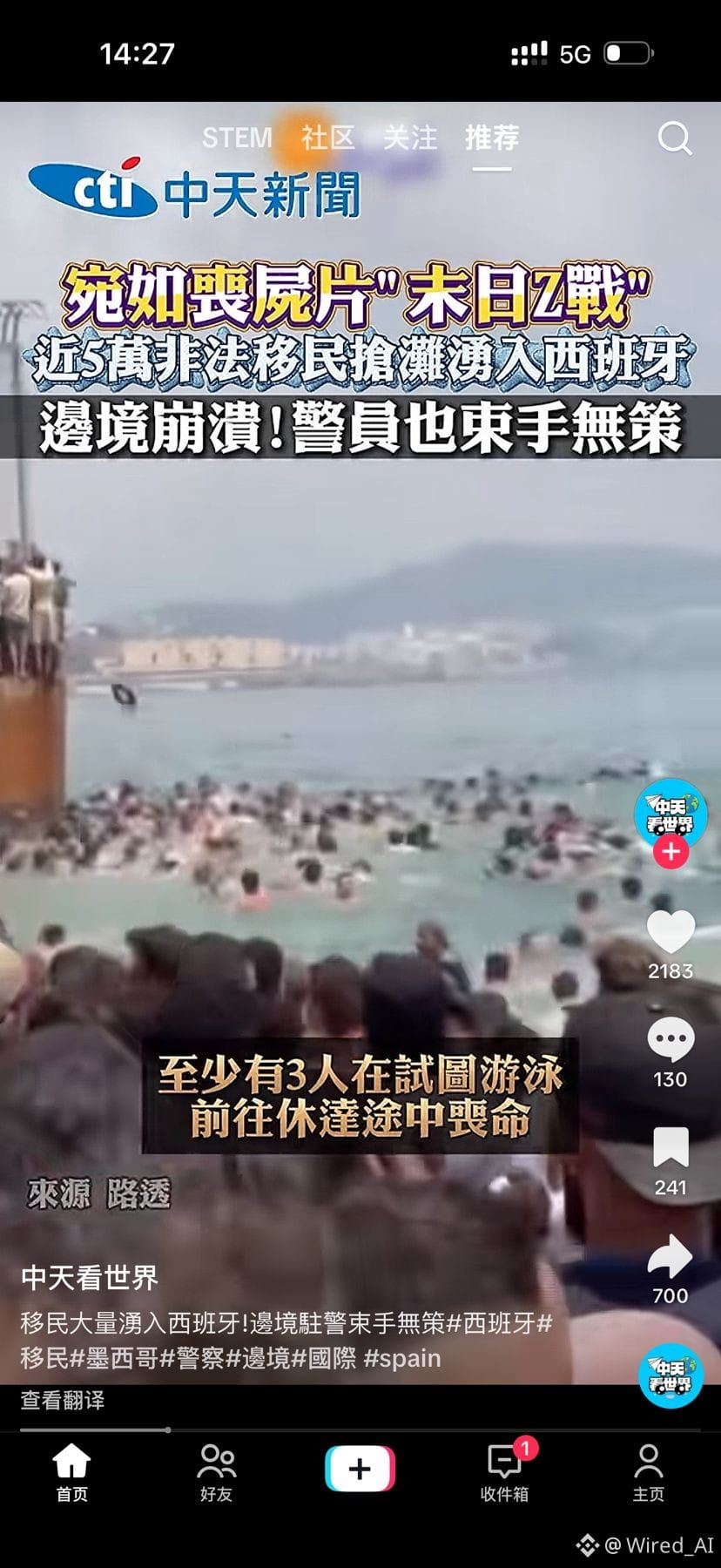
Moroccan young people are all heading to Spain. Morocco’s youth unemployment rate has remained high for a long time, and job opportunities have not kept pace with labor force growth. Spain’s GDP per capita is about $38,000–$41,000—roughly 7–8 times that of Morocco. People move toward higher ground, and water flows to lower places. Even with risks, it still has a strong appeal to ordinary people.
Moroccan young people are all heading to Spain. Morocco’s youth unemployment rate has remained high for a long time, and job opportunities have not kept pace with labor force growth. Spain’s GDP per capita is about $38,000–$41,000—roughly 7–8 times that of Morocco. People move toward higher ground, and water flows to lower places. Even with risks, it still has a strong appeal to ordinary people.
2
85
·
--
The first half of life is like a penitent monk; the second half builds a machine that earns money automaticallyTen years ago, when Tianya was still not dead, there was a post on the forum that went viral. Later, the thread—and even the original poster—disappeared.
That post only talked about one thing:
For ordinary people, the only main mission in this lifetime is not to get into a good university, land a job at a big company, or buy a home.
These are all side missions.
There’s really only one main storyline: in the first half, you save bullets like a penitent monk; in the second half, you set up machine guns...
Put into plain human terms, it means: in the first half of your life, you complete the accumulation of original capital; in the second half, you build a personal system that frees you from trading time for money.
1. Why can’t you ever earn freedom from working?
The first half of life is like a penitent monk; the second half builds a machine that earns money automatically
Ten years ago, when Tianya was still not dead, there was a post on the forum that went viral. Later, the thread—and even the original poster—disappeared.
That post only talked about one thing:
For ordinary people, the only main mission in this lifetime is not to get into a good university, land a job at a big company, or buy a home.
These are all side missions.
There’s really only one main storyline: in the first half, you save bullets like a penitent monk; in the second half, you set up machine guns...
Put into plain human terms, it means: in the first half of your life, you complete the accumulation of original capital; in the second half, you build a personal system that frees you from trading time for money.
1. Why can’t you ever earn freedom from working?
That post only talked about one thing:
For ordinary people, the only main mission in this lifetime is not to get into a good university, land a job at a big company, or buy a home.
These are all side missions.
There’s really only one main storyline: in the first half, you save bullets like a penitent monk; in the second half, you set up machine guns...
Put into plain human terms, it means: in the first half of your life, you complete the accumulation of original capital; in the second half, you build a personal system that frees you from trading time for money.
1. Why can’t you ever earn freedom from working?
2
265
·
--
Article
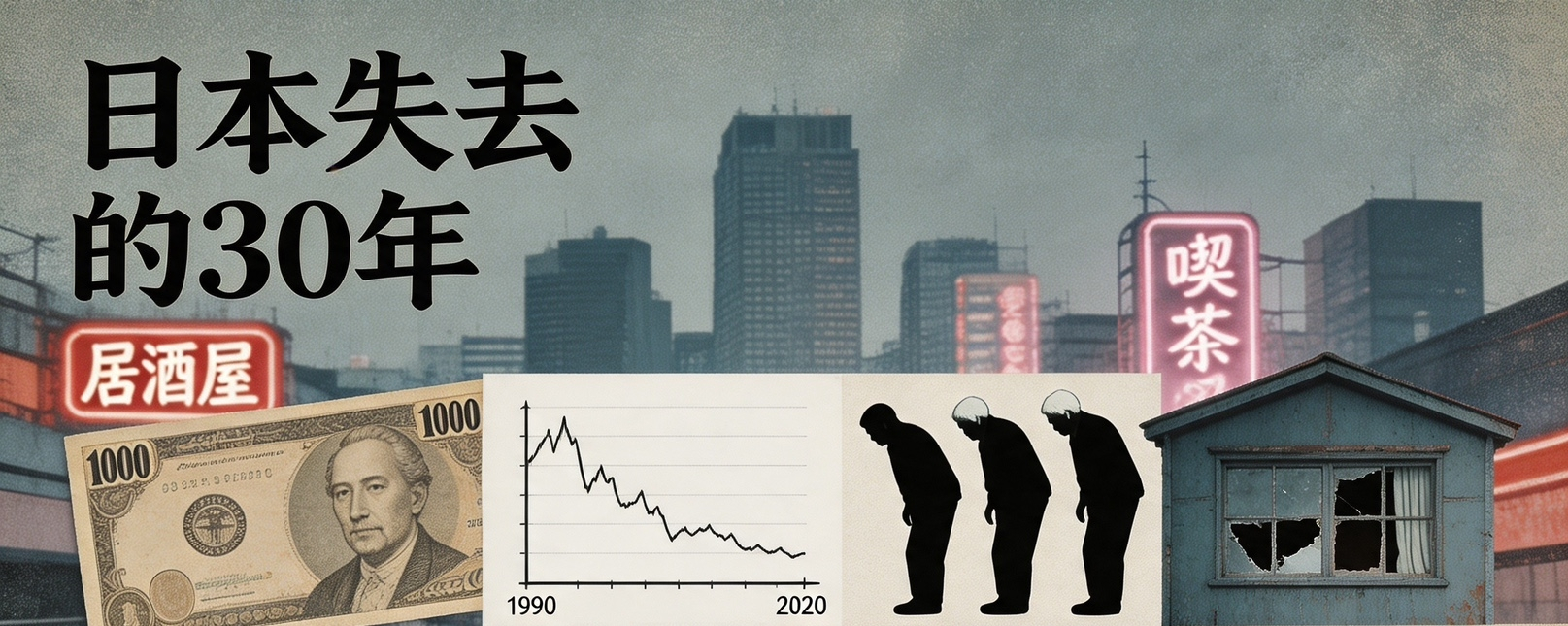
Japan’s Lost Three Decades: When Low Interest Rates Become a “Necessity”Two things that look contradictory are happening in China at the same time.
On one side, bank deposit interest rates have fallen below 1%, so keeping money in the bank brings almost no returns. On the other, the yuan has risen against the U.S. dollar to within 6.8, reaching the highest level in recent years. According to textbook logic, with interest rates so low, nobody should want the local currency. But reality is exactly the opposite.
People have called the logic behind this “financial will”—using low interest rates to suppress debt costs, and using capital controls to keep money within the country. These moves aren’t new. More than thirty years ago, Japan went through the whole thing.
How did the bubble come about?
Japan’s Lost Three Decades: When Low Interest Rates Become a “Necessity”
Two things that look contradictory are happening in China at the same time.
On one side, bank deposit interest rates have fallen below 1%, so keeping money in the bank brings almost no returns. On the other, the yuan has risen against the U.S. dollar to within 6.8, reaching the highest level in recent years. According to textbook logic, with interest rates so low, nobody should want the local currency. But reality is exactly the opposite.
People have called the logic behind this “financial will”—using low interest rates to suppress debt costs, and using capital controls to keep money within the country. These moves aren’t new. More than thirty years ago, Japan went through the whole thing.
How did the bubble come about?
On one side, bank deposit interest rates have fallen below 1%, so keeping money in the bank brings almost no returns. On the other, the yuan has risen against the U.S. dollar to within 6.8, reaching the highest level in recent years. According to textbook logic, with interest rates so low, nobody should want the local currency. But reality is exactly the opposite.
People have called the logic behind this “financial will”—using low interest rates to suppress debt costs, and using capital controls to keep money within the country. These moves aren’t new. More than thirty years ago, Japan went through the whole thing.
How did the bubble come about?
2
333
Log in to explore more content
Join global crypto users on Binance Square
⚡️ Get latest and useful information about crypto.
💬 Trusted by the world’s largest crypto exchange.
👍 Discover real insights from verified creators.
Email / Phone number
Trending Topics
FortitudeRaisesCreditLineTo$50M
13 views
28 Discussing
#FortitudeRaisesCreditLineTo$50M
🚨Fortitude is expanding its credit line to $50 million, adding more financial firepower to its crypto strategy. 💰🏦
The move highlights how institutional financing is becoming increasingly important across the digital-asset market.
A larger credit facility can provide additional flexibility for:
🔹 Expanding crypto-related operations
🔹 Managing liquidity
🔹 Increasing digital-asset exposure
🔹 Supporting future growth opportunities
As traditional financing continues moving closer to crypto, access to larger credit facilities could become an increasingly important part of the institutional crypto landscape.
The bigger picture? 👀
More capital + stronger financial infrastructure = another step toward deeper institutional participation in crypto.
#crypto #bitcoin #InstitutionalCrypto
Faizan Crypto Learner
·0 Likes
·0 views
USWeighsPromotingDollarStablecoinsAbroad
4,633 views
369 Discussing
US10YTreasuryYieldHits19YearHigh
4,126 views
299 Discussing