
Futuremoney
4.1k Posts

Futuremoney
Report
Block User
💥 Professional crypto analysis |💸 $XRP Holder | Only Data | No hype.@futuremoneytrader
Open Trade
Frequent Trader
11.6 Months
218 Following
1.5K+ Followers
3.5K+ Liked
Posts
Portfolio
All
Quotes
Videos
Live
PINNED
·
--
Bullish
🛑 STOP.............. SCROLLING!
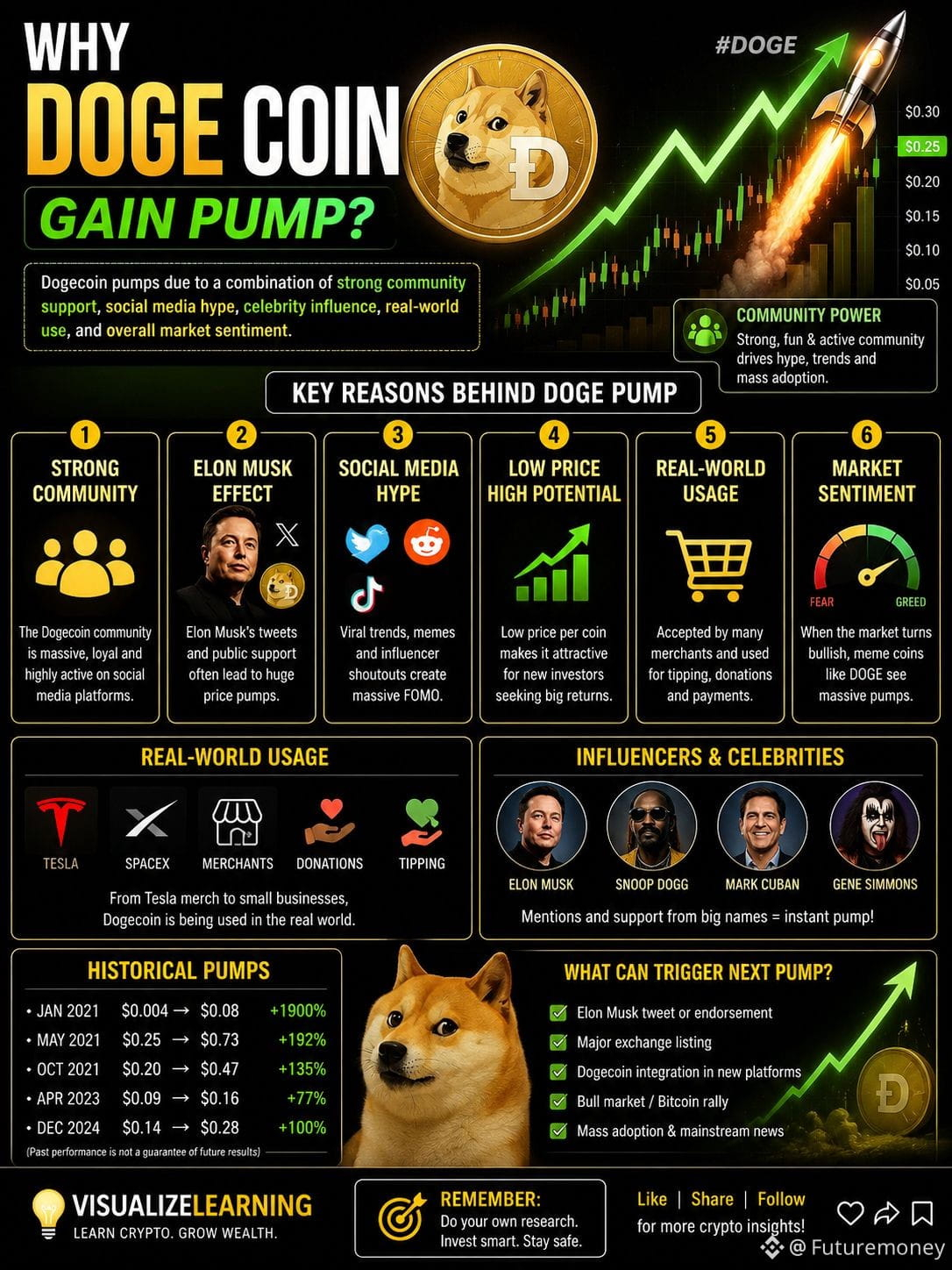
3 Reason Why $DOGE coin suddenly pumped. ⛽🚀
1- Community power
2- Sosal media Hype 👀
3- Bull market momentum 📈
Are you ready for the next rally?
⚠️ This is not financially advised.
#DOGE #BinanceSquare
🛑 STOP.............. SCROLLING!
3 Reason Why $DOGE coin suddenly pumped. ⛽🚀
1- Community power
2- Sosal media Hype 👀
3- Bull market momentum 📈
Are you ready for the next rally?
⚠️ This is not financially advised.
#DOGE #BinanceSquare
3 Reason Why $DOGE coin suddenly pumped. ⛽🚀
1- Community power
2- Sosal media Hype 👀
3- Bull market momentum 📈
Are you ready for the next rally?
⚠️ This is not financially advised.
#DOGE #BinanceSquare
6
2
1.2k
PINNED
·
--
Bullish
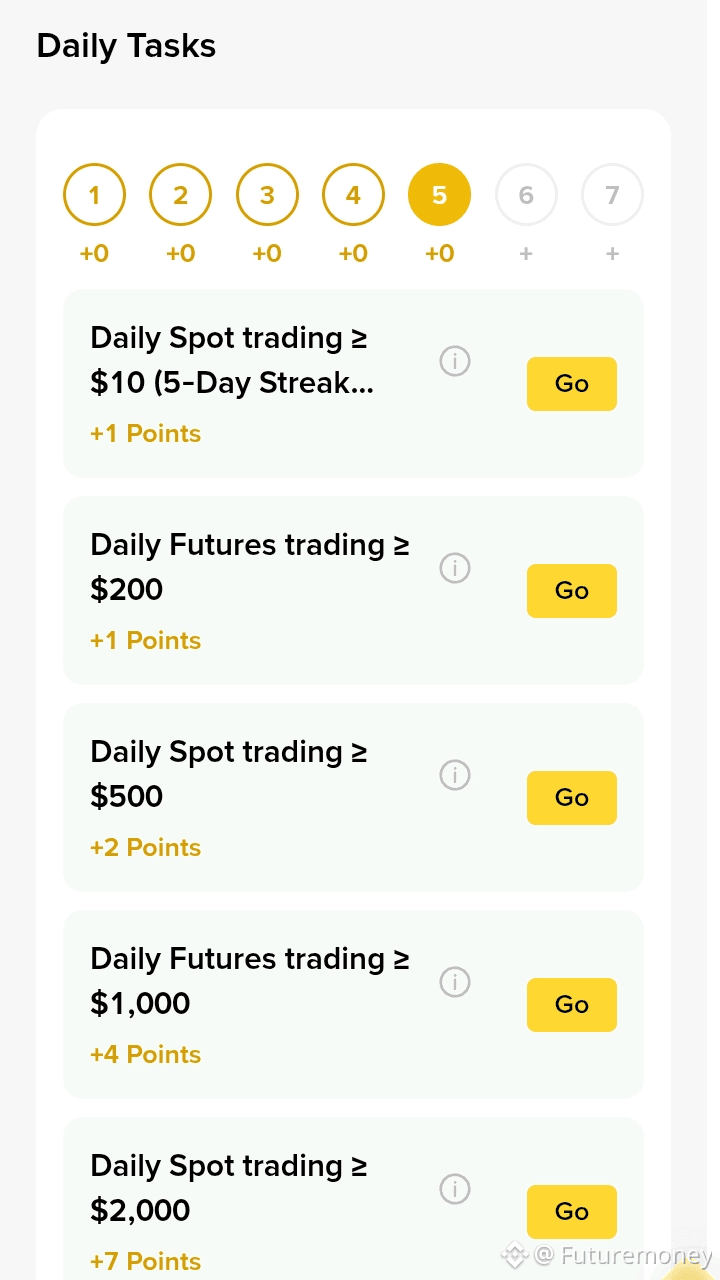
🧧🎁 WIN BIG OPPORTUNITY!
Complete Daily Simple task Earn more $USDC ....💸💸💸
Don't miss Opportunity $BTC
{future}(BTCUSDT)
#REWARDS
🧧🎁 WIN BIG OPPORTUNITY!
Complete Daily Simple task Earn more $USDC ....💸💸💸
Don't miss Opportunity $BTC
#REWARDS
Complete Daily Simple task Earn more $USDC ....💸💸💸
Don't miss Opportunity $BTC
#REWARDS
1
2
319
·
--
Bullish
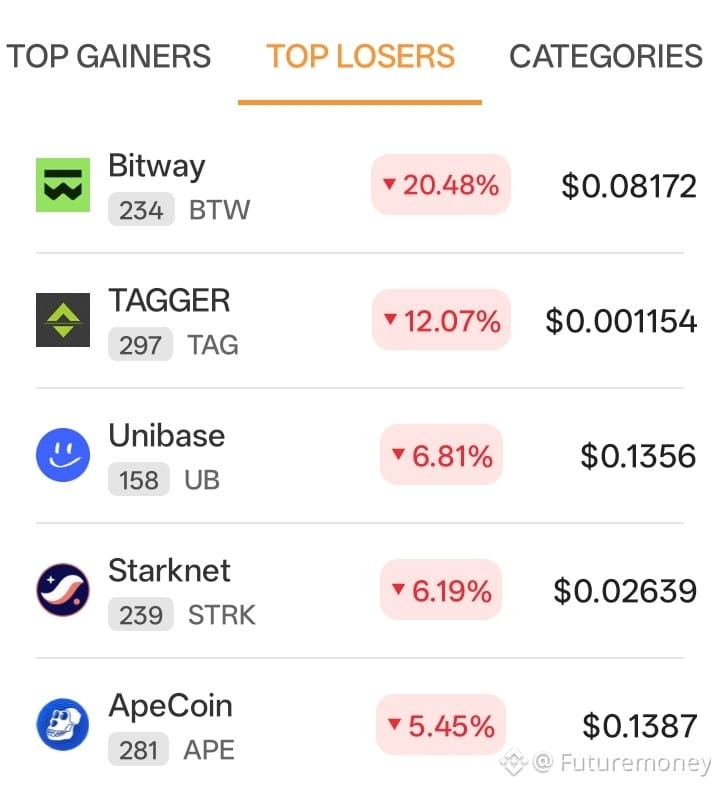
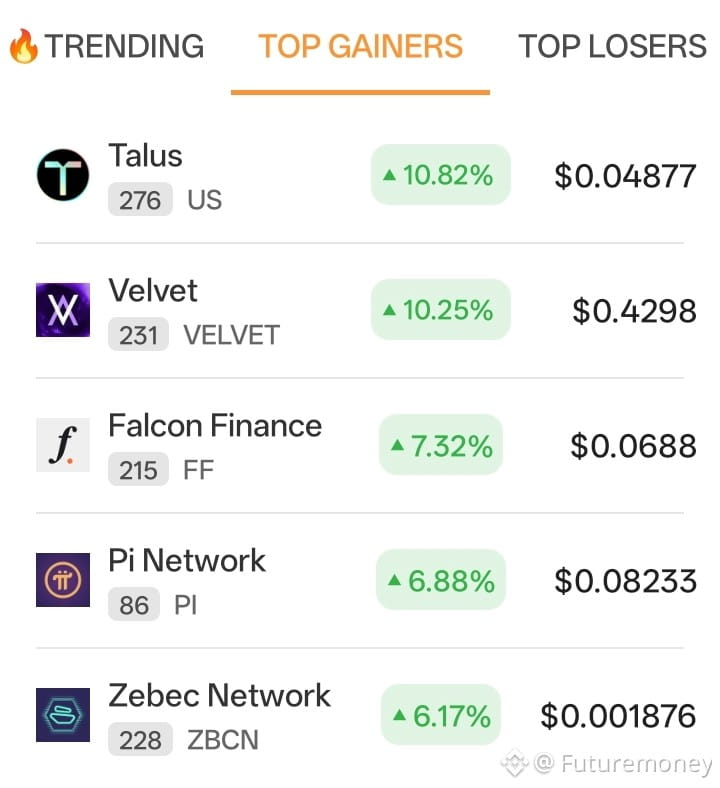
TOP THREE GAINERS COINS!
Opening Long ...🚀🚀
1- $US 🔴
2- $VELVET 🔥
3- $FF 💸
Which coin can give good returns next few days?
#GAINERS
TOP THREE GAINERS COINS!
Opening Long ...🚀🚀
1- $US 🔴
2- $VELVET 🔥
3- $FF 💸
Which coin can give good returns next few days?
#GAINERS
Opening Long ...🚀🚀
1- $US 🔴
2- $VELVET 🔥
3- $FF 💸
Which coin can give good returns next few days?
#GAINERS
168
·
--
Bullish
🛑 Stop....... Scrolling......Guy's
Which coin can give good returns next few weeks?
1- $DEXE 💯
2- $AKE ❓
3- $BANK 🔴
I am waiting for reply
#predictons
🛑 Stop....... Scrolling......Guy's
Which coin can give good returns next few weeks?
1- $DEXE 💯
2- $AKE ❓
3- $BANK 🔴
I am waiting for reply
#predictons
Which coin can give good returns next few weeks?
1- $DEXE 💯
2- $AKE ❓
3- $BANK 🔴
I am waiting for reply
#predictons
DEXE 🟢
65%
AKE 🔴
23%
BANK 🏦
10%
Others 👁️
2%
180 votes • Voting closed
2.2k
·
--
Bullish
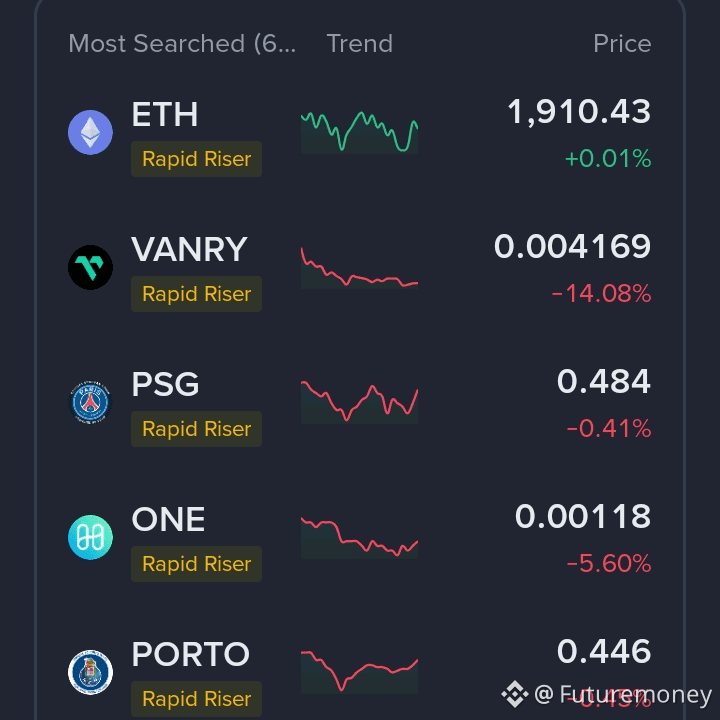
Today's Hot Search Coins Last 24 hours !
1- $ETH 🔥
2- $VANRY 💥
3- $PSG 🚀
Which coin can give good returns next few hours?
#HotTrends
Today's Hot Search Coins Last 24 hours !
1- $ETH 🔥
2- $VANRY 💥
3- $PSG 🚀
Which coin can give good returns next few hours?
#HotTrends
1- $ETH 🔥
2- $VANRY 💥
3- $PSG 🚀
Which coin can give good returns next few hours?
#HotTrends
2
272
·
--
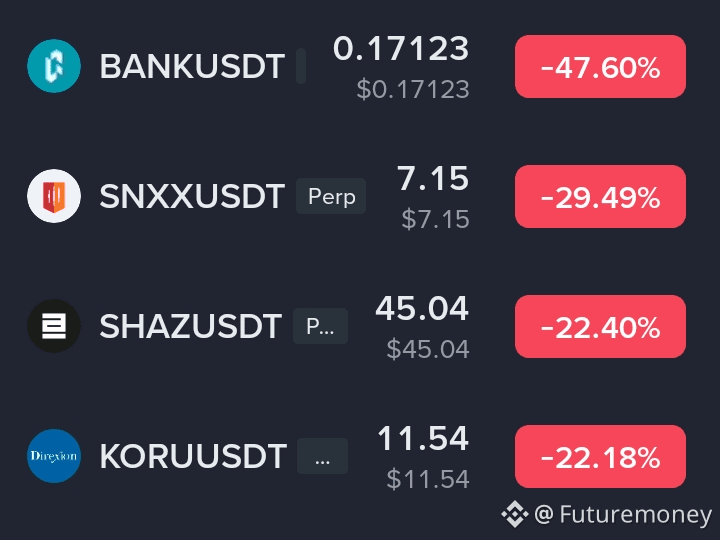
TOP THREE FUTURE LOSING COINS !
1- $BANK -47% down 📉
2- $SNXXB -30% down ❤️🔥
3- $SHAZ -22% down 👇
Losing being a strong opportunity guys 👇
DYOR
#losses
TOP THREE FUTURE LOSING COINS !
1- $BANK -47% down 📉
2- $SNXXB -30% down ❤️🔥
3- $SHAZ -22% down 👇
Losing being a strong opportunity guys 👇
DYOR
#losses
1- $BANK -47% down 📉
2- $SNXXB -30% down ❤️🔥
3- $SHAZ -22% down 👇
Losing being a strong opportunity guys 👇
DYOR
#losses
411
·
--
Bullish
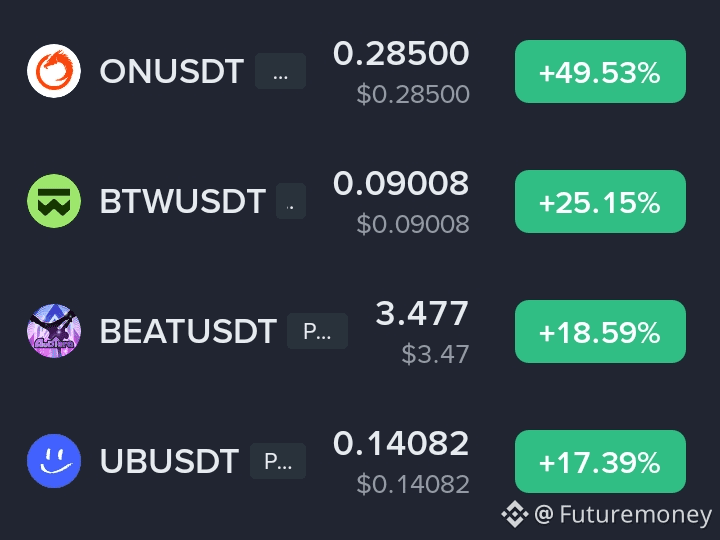
🛑 Stop.....Stop.....Stop.....I need Just 5S Attention Your......❤️🔥❤️🔥
Which coin can give 20X Returns Next Few Hours?
1- $COTI 52% ❤️🔥
2- $ON 47% 🔥
3- $AKE +40% 💸
#predictons
🛑 Stop.....Stop.....Stop.....I need Just 5S Attention Your......❤️🔥❤️🔥
Which coin can give 20X Returns Next Few Hours?
1- $COTI 52% ❤️🔥
2- $ON 47% 🔥
3- $AKE +40% 💸
#predictons
Which coin can give 20X Returns Next Few Hours?
1- $COTI 52% ❤️🔥
2- $ON 47% 🔥
3- $AKE +40% 💸
#predictons
1
308
·
--
Bullish
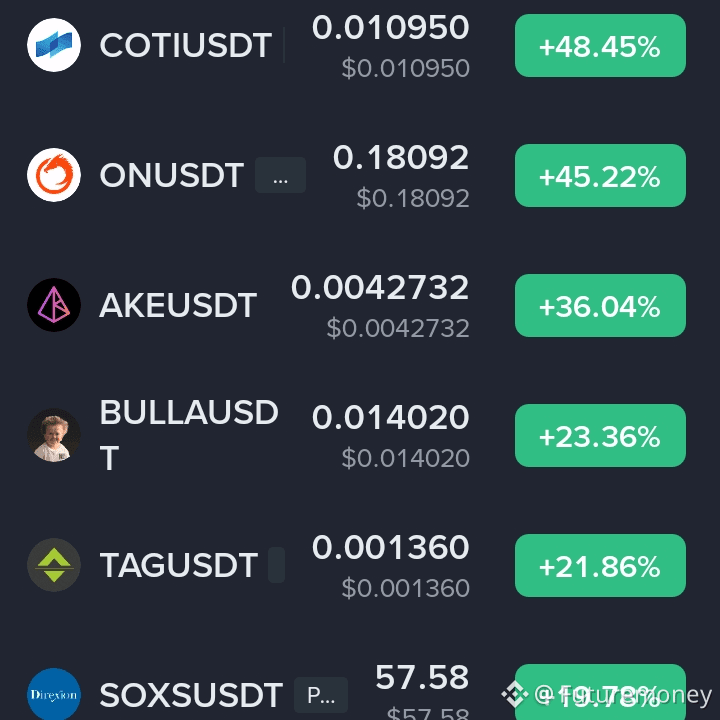
Market Sentiment ❗
Today's Top Three Gainers Coins
1- $COTI +52% gain 📈
2- $ON +47% gain 💸
3- $AKE +37% gain 📈
Which coin can give good returns today?
#GAINERS
Market Sentiment ❗
Today's Top Three Gainers Coins
1- $COTI +52% gain 📈
2- $ON +47% gain 💸
3- $AKE +37% gain 📈
Which coin can give good returns today?
#GAINERS
Today's Top Three Gainers Coins
1- $COTI +52% gain 📈
2- $ON +47% gain 💸
3- $AKE +37% gain 📈
Which coin can give good returns today?
#GAINERS
107
·
--
Bullish
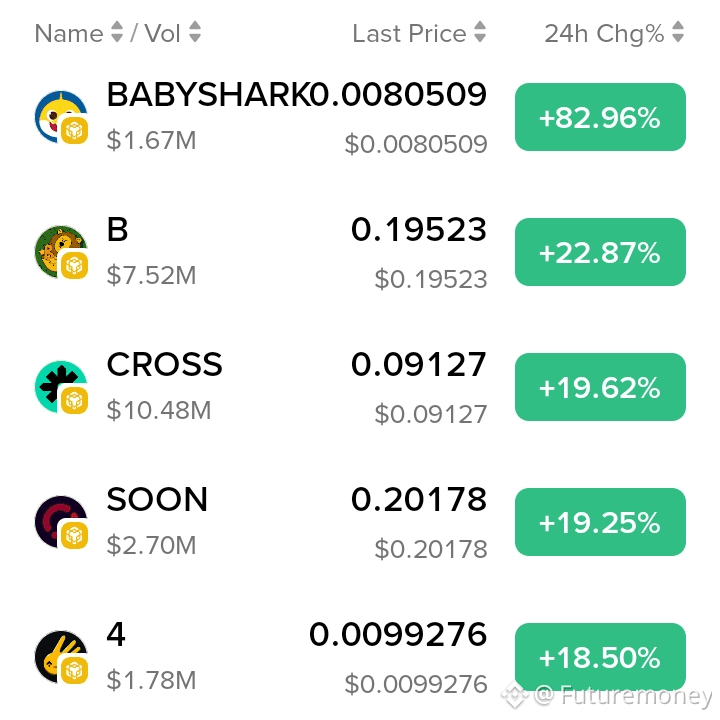
🟢 Today's Top Alpha Coins!
Bullish Mood...... 🔥 🔥
Based on 24-hours data
Like-
1- $BABYSHARK +78.24% 🔥
2- $B +23% 🚀
3- $CROSS +20% ❤️🔥
Which Alpha Coins Can Give Good Returns Next Few Hours ❓
#ALPHA🔥
🟢 Today's Top Alpha Coins!
Bullish Mood...... 🔥 🔥
Based on 24-hours data
Like-
1- $BABYSHARK +78.24% 🔥
2- $B +23% 🚀
3- $CROSS +20% ❤️🔥
Which Alpha Coins Can Give Good Returns Next Few Hours ❓
#ALPHA🔥
Bullish Mood...... 🔥 🔥
Based on 24-hours data
Like-
1- $BABYSHARK +78.24% 🔥
2- $B +23% 🚀
3- $CROSS +20% ❤️🔥
Which Alpha Coins Can Give Good Returns Next Few Hours ❓
#ALPHA🔥
140
·
--
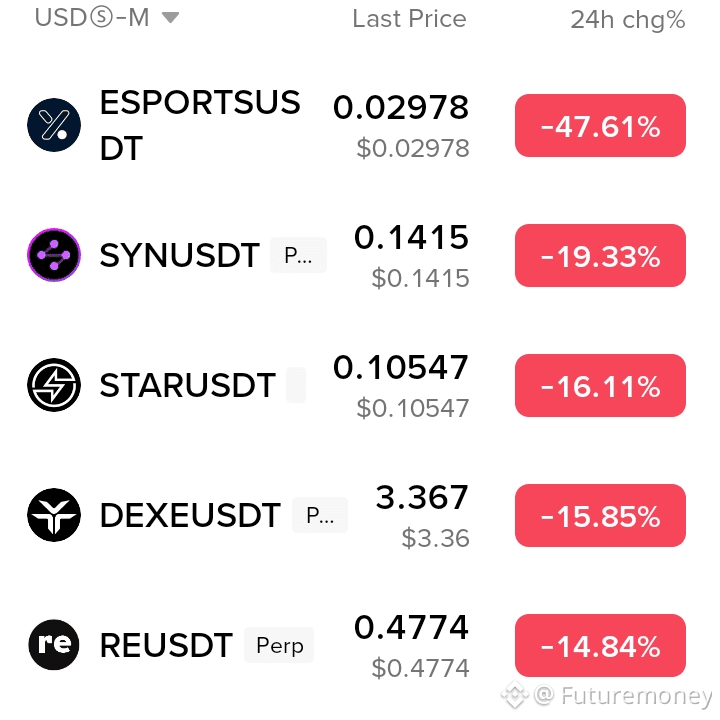
🔴Top Three Losing Coins!
Opening Short 📉
1- $ESPORTS (-47%)
2- $SYN (-19%)
3- $STAR (-15%)
Which coin again pump? 📈
DYOR and Stay Safe
#SHORT📉
🔴Top Three Losing Coins!
Opening Short 📉
1- $ESPORTS (-47%)
2- $SYN (-19%)
3- $STAR (-15%)
Which coin again pump? 📈
DYOR and Stay Safe
#SHORT📉
Opening Short 📉
1- $ESPORTS (-47%)
2- $SYN (-19%)
3- $STAR (-15%)
Which coin again pump? 📈
DYOR and Stay Safe
#SHORT📉
530
·
--
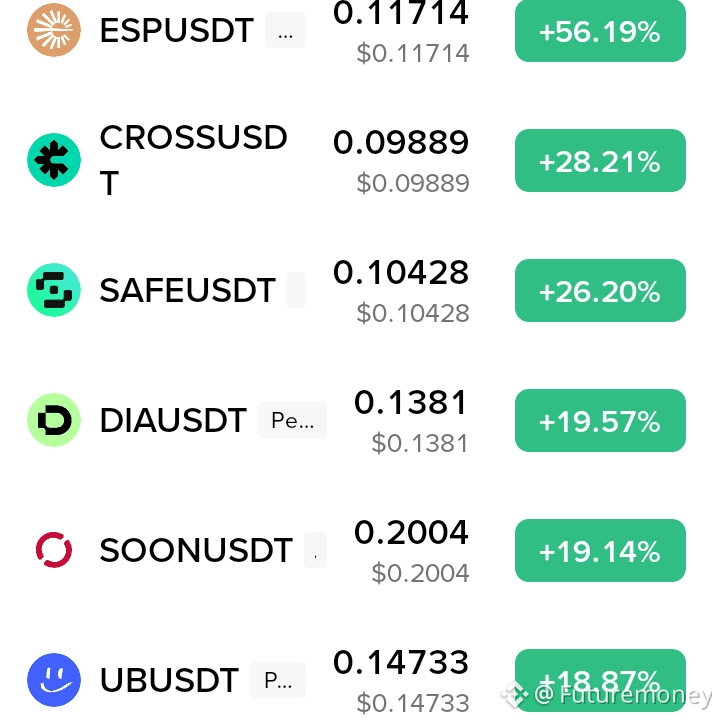
Bullish
Good Morning Crypto fam!🌞
Today's top gainers coins
Like- $ESP + 56.50% gain, $CROSS +28% and $SAFE +26% gain 📈
Let's Go guys start with coin
Which coin from these are you watching today?
#GAINERS
Good Morning Crypto fam!🌞
Today's top gainers coins
Like- $ESP + 56.50% gain, $CROSS +28% and $SAFE +26% gain 📈
Let's Go guys start with coin
Which coin from these are you watching today?
#GAINERS
Today's top gainers coins
Like- $ESP + 56.50% gain, $CROSS +28% and $SAFE +26% gain 📈
Let's Go guys start with coin
Which coin from these are you watching today?
#GAINERS
1
304
·
--
Bullish
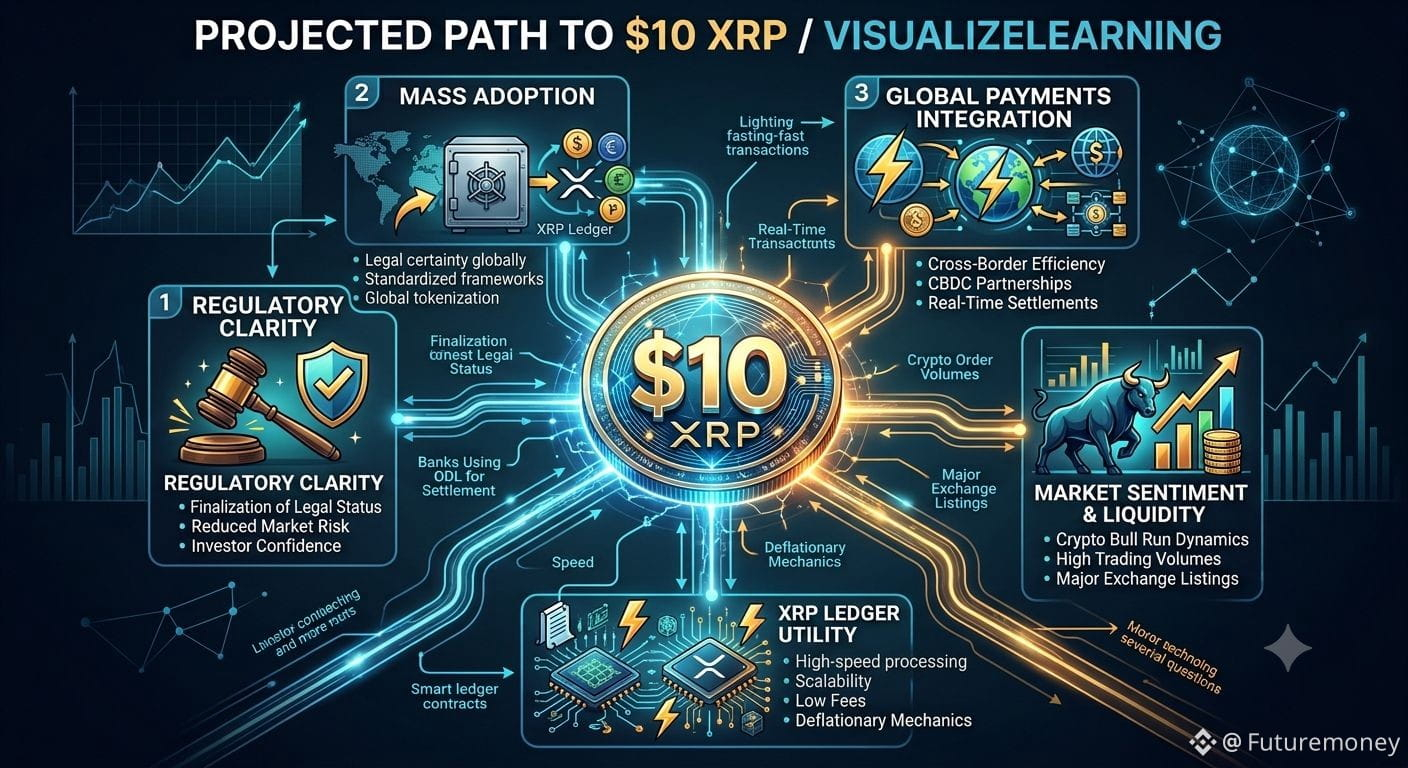
Can $XRP hit $10? Here is the full breakdown of what it takes.📊
As $10 price the tag for XRP isn't just about market hype- it's comedown to market cap math, global liquidity and core foundation.
1️⃣ Regulatory Clarity
2️⃣ Global Payments & Banking Integration
3️⃣ XRP Ledger (XRPL) Utility
✅ 3~5 Second finality
✅ fraction of a cent fees
4️⃣ Institutional Liquidity & ETFs
5️⃣ Macro Market Mechanics
What's your realities target for XRP this cycle?
DYOR and Stay Safe .
#Xrp🔥🔥 #Ripple
Can $XRP hit $10? Here is the full breakdown of what it takes.📊
As $10 price the tag for XRP isn't just about market hype- it's comedown to market cap math, global liquidity and core foundation.
1️⃣ Regulatory Clarity
2️⃣ Global Payments & Banking Integration
3️⃣ XRP Ledger (XRPL) Utility
✅ 3~5 Second finality
✅ fraction of a cent fees
4️⃣ Institutional Liquidity & ETFs
5️⃣ Macro Market Mechanics
What's your realities target for XRP this cycle?
DYOR and Stay Safe .
#Xrp🔥🔥 #Ripple
As $10 price the tag for XRP isn't just about market hype- it's comedown to market cap math, global liquidity and core foundation.
1️⃣ Regulatory Clarity
2️⃣ Global Payments & Banking Integration
3️⃣ XRP Ledger (XRPL) Utility
✅ 3~5 Second finality
✅ fraction of a cent fees
4️⃣ Institutional Liquidity & ETFs
5️⃣ Macro Market Mechanics
What's your realities target for XRP this cycle?
DYOR and Stay Safe .
#Xrp🔥🔥 #Ripple
34
·
--
Bullish
There are many coins,but these three coins.........🚀🚀
Which coin from these are you watching today!
Again pump 📈
1- $ESPORTS
2- $LAB
3- $DEXE
#opinion
There are many coins,but these three coins.........🚀🚀
Which coin from these are you watching today!
Again pump 📈
1- $ESPORTS
2- $LAB
3- $DEXE
#opinion
Which coin from these are you watching today!
Again pump 📈
1- $ESPORTS
2- $LAB
3- $DEXE
#opinion
🔴ESPORTS
18%
🟢LAB
34%
🟡DEXE
45%
🛑 Other
3%
93 votes • Voting closed
1
1.3k
·
--
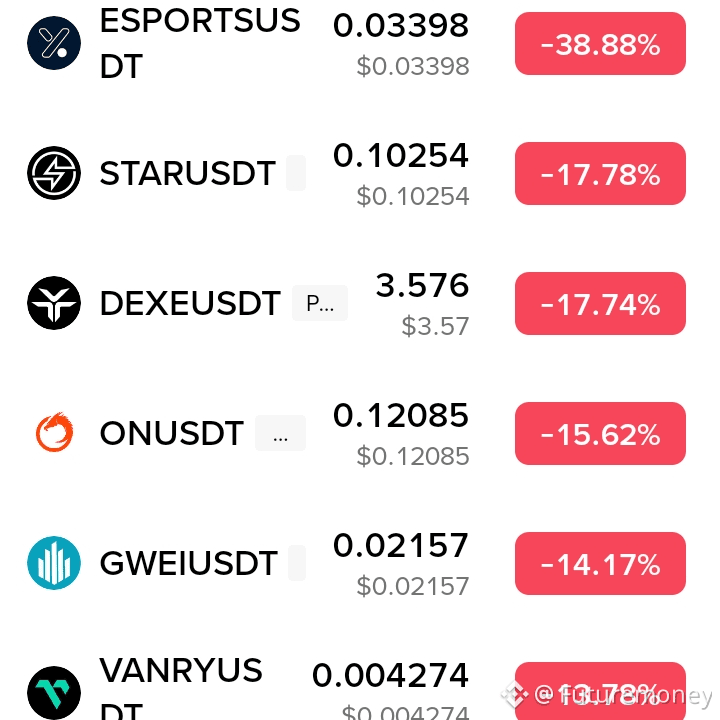
🛑 You Can See......today's top loser coin!
Like-$ESPORTS (-38.35) , $DEXE (-17.50) and $STAR (-17.46)
Which coin can give good returns next few hours?
#bearishmomentum #BinanceSquare
🛑 You Can See......today's top loser coin!
Like-$ESPORTS (-38.35) , $DEXE (-17.50) and $STAR (-17.46)
Which coin can give good returns next few hours?
#bearishmomentum #BinanceSquare
Like-$ESPORTS (-38.35) , $DEXE (-17.50) and $STAR (-17.46)
Which coin can give good returns next few hours?
#bearishmomentum #BinanceSquare
878
·
--
Bullish
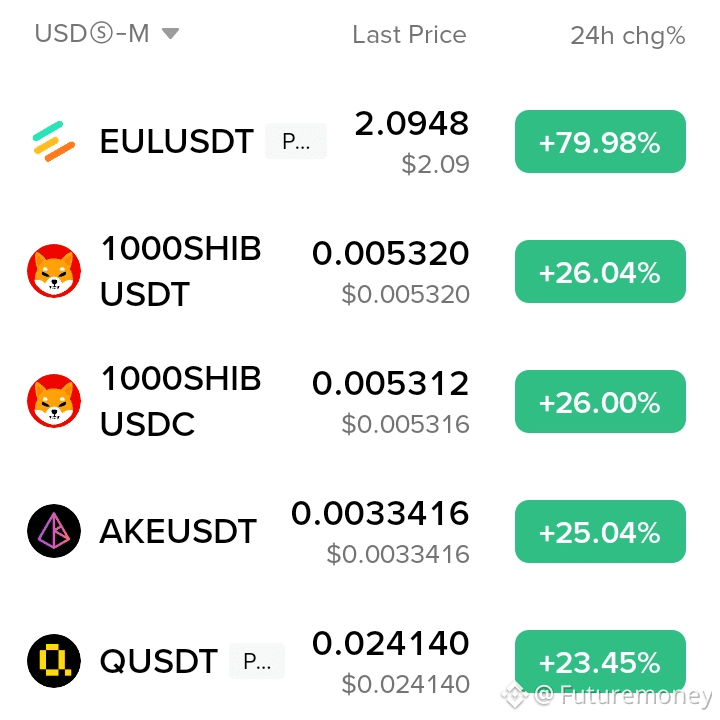
🚨 Today's Market Sentiment ❗
Top Three Gainers Coins..📈
Like - $EUL +83% gain ,$1000SHIB +26% gain and $AKE +26.50% gain
Based on 24-hours data 📊
Which coin can give good returns next few hours?
#GAINERS
🚨 Today's Market Sentiment ❗
Top Three Gainers Coins..📈
Like - $EUL +83% gain ,$1000SHIB +26% gain and $AKE +26.50% gain
Based on 24-hours data 📊
Which coin can give good returns next few hours?
#GAINERS
Top Three Gainers Coins..📈
Like - $EUL +83% gain ,$1000SHIB +26% gain and $AKE +26.50% gain
Based on 24-hours data 📊
Which coin can give good returns next few hours?
#GAINERS
1
615
·
--
Bullish
🛑 Stop......Stop......Stop.........I need Just 5min attention your........📈
Which coin has the Biggest potential to make a Millionaire in the next bull run.🤔
Likes - $PEPE ,$BABY ,$BONK
#CryptoPoll
🛑 Stop......Stop......Stop.........I need Just 5min attention your........📈
Which coin has the Biggest potential to make a Millionaire in the next bull run.🤔
Likes - $PEPE ,$BABY ,$BONK
#CryptoPoll
Which coin has the Biggest potential to make a Millionaire in the next bull run.🤔
Likes - $PEPE ,$BABY ,$BONK
#CryptoPoll
🟢 $BABY
27%
🔵 $PEPE
42%
🟡 $BONK
31%
🔴 Other (Comment Below)
0%
26 votes • Voting closed
1.7k
Log in to explore more content
Join global crypto users on Binance Square
⚡️ Get latest and useful information about crypto.
💬 Trusted by the world’s largest crypto exchange.
👍 Discover real insights from verified creators.
Email / Phone number
Trending Topics
USAugustPPIRisesLessThanExpected
7,015 views
241 Discussing
🚨 US AUG PPI: Rises LESS Than Expected! Bullish for Crypto? 🚀
PPI +0.4% MoM as expected, but CORE PPI only +0.2% vs +0.3% expected - cooling!
What it means:
• Wholesale inflation softer than feared
• Fed rate hike chance now 62% - but dovish signals coming
• Core PCE revisions expected downward - bullish
• BTC usually pumps on softer PPI
Fed meeting Sep 15-16 - Market now expects pause, not hike?
Is this the green light for Q4 rally?
#Bitcoin #PPI #Fed #CryptoNews #BTC#usaugustppiriseslessthanexpected
True News
·1 Likes
·1.1k views
SECApprovesNasdaqTexasCommodityTrustRule
6,339 views
258 Discussing
ECBRaisesRatesSecondTimeTo2.5%
3,785 views
178 Discussing