
Angry Alif
66 Posts
Angry Alif
Welcome 🙂
0 Following
112 Followers
167 Liked
Posts
All
Quotes
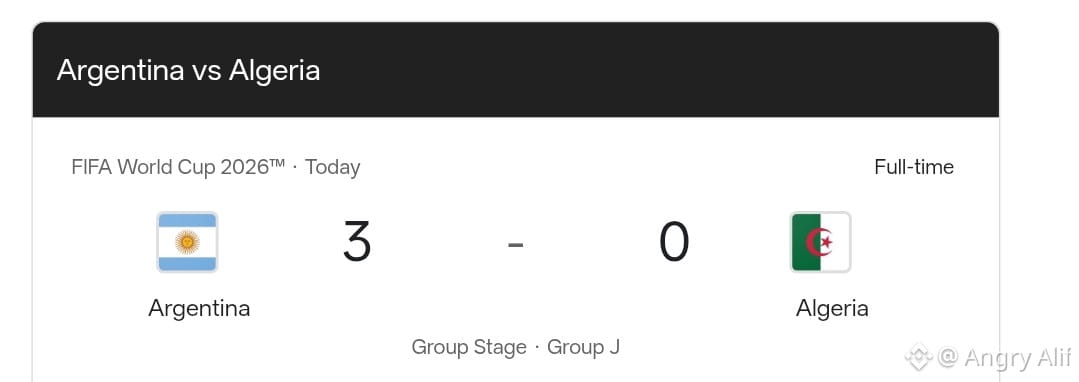
🇦🇷⚽ Argentina vs Algeria 🇩🇿
🔥 A dominant performance from Argentina as they secured a 3-0 victory over Algeria! 💪⚽ Brilliant teamwork, attacking football, and clinical finishing helped Argentina control the match from start to finish. 🌟🏆
#Argentina 🇦🇷 #Algeria 🇩🇿 #Football ⚽ #WorldCup 🌎 #Victory 🏆🔥
🔥 A dominant performance from Argentina as they secured a 3-0 victory over Algeria! 💪⚽ Brilliant teamwork, attacking football, and clinical finishing helped Argentina control the match from start to finish. 🌟🏆
#Argentina 🇦🇷 #Algeria 🇩🇿 #Football ⚽ #WorldCup 🌎 #Victory 🏆🔥
#BTC #Crypto #BinanceSquareTalks #Bitcoin❗
Bitcoin looks ready for its next move! 👀
If BTC breaks resistance, we may see a strong pump soon 📈
Smart traders are already watching closely.
Are you holding BTC now? 💬
Bitcoin looks ready for its next move! 👀
If BTC breaks resistance, we may see a strong pump soon 📈
Smart traders are already watching closely.
Are you holding BTC now? 💬
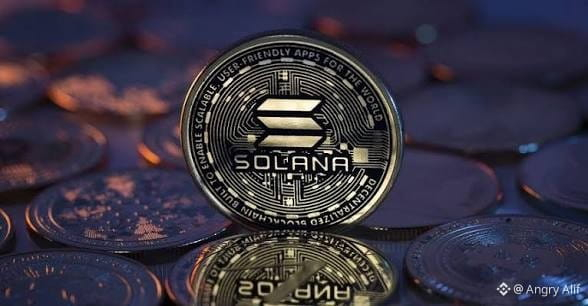
Solana (SOL) ⚡
$SOL
Solana is trending due to its fast transactions and growing DeFi ecosystem. Many developers and investors are watching SOL as a strong competitor to Ethereum. 📊
$SOL
Solana is trending due to its fast transactions and growing DeFi ecosystem. Many developers and investors are watching SOL as a strong competitor to Ethereum. 📊
🔥 Ethereum (ETH) ⚡
$ETH
Ethereum powers DeFi 💎, NFTs 🖼️, and smart contracts 📊. With strong technology and adoption, many traders believe ETH could show powerful growth in the future 🚀.
$ETH
Ethereum powers DeFi 💎, NFTs 🖼️, and smart contracts 📊. With strong technology and adoption, many traders believe ETH could show powerful growth in the future 🚀.
🪙 Bitcoin (BTC) 🚀
$BTC
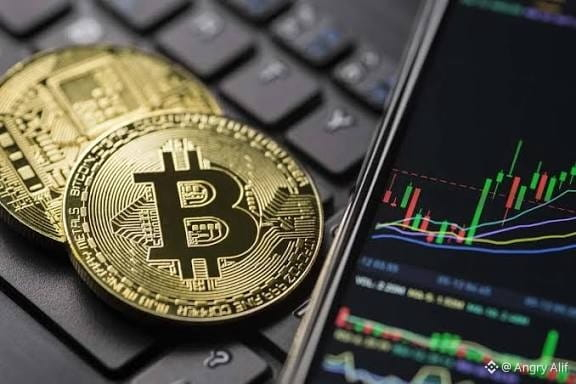
Bitcoin is still leading the crypto market 🌍. Many investors see BTC as digital gold 🏆 and expect big moves when the market turns bullish 📈. Keep watching BTC closely 👀
$BTC
Bitcoin is still leading the crypto market 🌍. Many investors see BTC as digital gold 🏆 and expect big moves when the market turns bullish 📈. Keep watching BTC closely 👀
$USDT
👉Click
🎁 You can earn up to $1000 USDT in rewards through the referral program.
👉Click
🎁 You can earn up to $1000 USDT in rewards through the referral program.

🚀 Bitcoin Market Update 🪙
$BNB $BTC
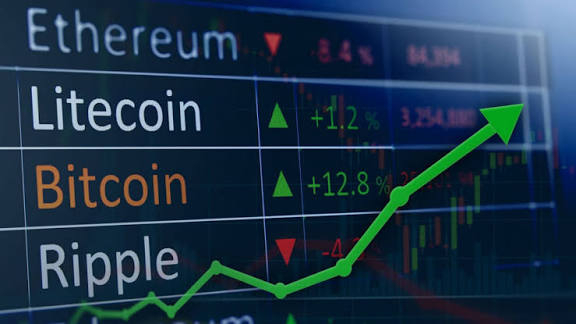
Bitcoin is gaining strong attention again in the crypto market 📈🔥. Growing adoption 🌍, institutional interest 🏦, and limited supply ⛏️ make Bitcoin one of the strongest digital assets 💎. Many investors believe the next bullish move could push BTC to new highs 🚀📊.
$BNB $BTC
Bitcoin is gaining strong attention again in the crypto market 📈🔥. Growing adoption 🌍, institutional interest 🏦, and limited supply ⛏️ make Bitcoin one of the strongest digital assets 💎. Many investors believe the next bullish move could push BTC to new highs 🚀📊.
$BTC $BNB $MEME
🐸 **Meme Coins Trend 🚀**
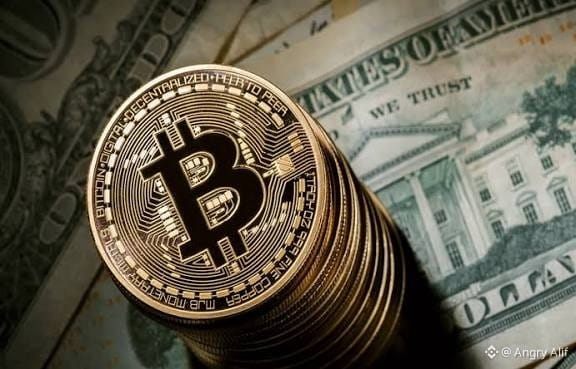
Meme coins are getting massive attention again 🔥 in the crypto market. Strong communities 👥 and growing social hype 📢 are helping many tokens move higher 📈. It looks like the meme coin season could be starting again 🚀.
🐸 **Meme Coins Trend 🚀**
Meme coins are getting massive attention again 🔥 in the crypto market. Strong communities 👥 and growing social hype 📢 are helping many tokens move higher 📈. It looks like the meme coin season could be starting again 🚀.

Collect your Ramadan Gift 🎁from me🙂
collect 🥳🥳
collect 🥳🥳

$BTC $BNB $ETH
Why Bitcoin Price Is Falling: Market Uncertainty & Investor Sell-Off🤔🤔
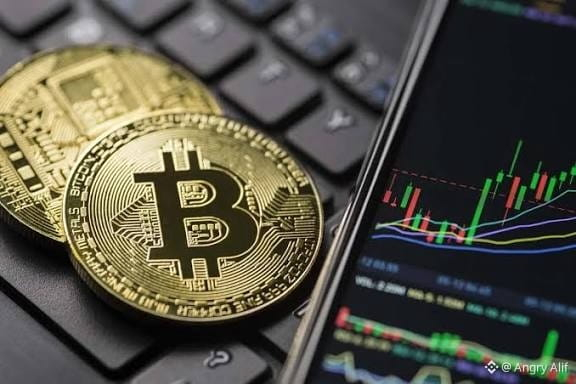
Bitcoin’s value is dropping due to market uncertainty, profit-taking by investors, and global economic pressure. When many traders sell at the same time, the price naturally falls. However, crypto markets are very volatile, so dips like this are often part of the market cycle and can create new opportunities for long-term investors.
Why Bitcoin Price Is Falling: Market Uncertainty & Investor Sell-Off🤔🤔
Bitcoin’s value is dropping due to market uncertainty, profit-taking by investors, and global economic pressure. When many traders sell at the same time, the price naturally falls. However, crypto markets are very volatile, so dips like this are often part of the market cycle and can create new opportunities for long-term investors.
$PEPE
Pepe Token (PEPE) is gaining strong attention again as the meme-coin market heats up in 2026. With increasing whale accumulation, strong community hype, and rising trading volume, many analysts believe PEPE could see significant growth during the next crypto bull run. Some forecasts suggest the token could reach between $0.000017 and $0.000053 in 2026 if momentum continues and meme coins trend again.
Pepe Token (PEPE) is gaining strong attention again as the meme-coin market heats up in 2026. With increasing whale accumulation, strong community hype, and rising trading volume, many analysts believe PEPE could see significant growth during the next crypto bull run. Some forecasts suggest the token could reach between $0.000017 and $0.000053 in 2026 if momentum continues and meme coins trend again.

Share and win Prize 🥳🥳💸
click Here
click Here

why Bitcoin value going down 🧐🧐
Bitcoin value drops when **more people want to sell than buy**. This can happen because of **bad news**, like government crackdowns, big exchanges getting hacked, or worries about the economy. Investors may get scared and sell, which pushes the price lower. Also, if interest rates rise or other investments look safer, people move money out of Bitcoin, causing the price to fall.
Bitcoin value drops when **more people want to sell than buy**. This can happen because of **bad news**, like government crackdowns, big exchanges getting hacked, or worries about the economy. Investors may get scared and sell, which pushes the price lower. Also, if interest rates rise or other investments look safer, people move money out of Bitcoin, causing the price to fall.
Invite friends and wine 10,000 usd🤓🤓
click here
click here

How to earn free money in binance??🤔🤔🤔🤔
Ways to earn “free” money on Binance
1) Sign-up / Welcome bonuses
2) Referral program
What: Invite friends and get part of their trading fees or a fixed reward.
How: Share your official Binance referral link/code. When the referred user signs up and meets the promo requirements (KYC, trade volume), you earn a reward.
Risk/limit: Referral % and qualification rules vary; abusing referrals can get accounts suspended.
3) “Learn and Earn” / education quizzes
What: Binance runs short courses + quizzes that reward small amounts of crypto for learning about specific projects.
How: Go to Binance Learn/Learn & Earn, complete content and quizzes, claim the reward.
Risk/limit: Typically small amounts; sometimes tokens are locked or have withdrawal conditions.
4) Airdrops & promotional token drops
What: Projects distribute free tokens to wallets that meet certain criteria (holdings, activity). Binance occasionally supports or runs airdrops.
How: Hold qualifying tokens or complete simple tasks (e.g., hold BNB or participate in a campaign) in your Binance account and claim per instructions.
Risk/limit: Tokens can be low liquidity or worthless; sometimes require KYC.
5) Binance Earn (Flexible / Locked Savings)
What: Earn interest on deposits (stablecoins or other cryptos) via flexible savings (withdraw anytime) or locked savings (higher APY for lock period).
How: From Binance Earn, choose product → deposit eligible asset → earn APY.
Risk/limit: Locked products tie up funds. Interest rates fluctuate and payouts are not guaranteed long term.
6) Staking (on-chain or liquid staking)
What: Stake proof-of-stake coins to earn staking rewards; Binance manages node operations for you.
How: Choose a staking product (Locked Staking, DeFi Staking), stake your tokens in Binance interface.
Risk/limit: Slashing risk (on some chains), lock periods, and rewards vary with network participation.
Ways to earn “free” money on Binance
1) Sign-up / Welcome bonuses
2) Referral program
What: Invite friends and get part of their trading fees or a fixed reward.
How: Share your official Binance referral link/code. When the referred user signs up and meets the promo requirements (KYC, trade volume), you earn a reward.
Risk/limit: Referral % and qualification rules vary; abusing referrals can get accounts suspended.
3) “Learn and Earn” / education quizzes
What: Binance runs short courses + quizzes that reward small amounts of crypto for learning about specific projects.
How: Go to Binance Learn/Learn & Earn, complete content and quizzes, claim the reward.
Risk/limit: Typically small amounts; sometimes tokens are locked or have withdrawal conditions.
4) Airdrops & promotional token drops
What: Projects distribute free tokens to wallets that meet certain criteria (holdings, activity). Binance occasionally supports or runs airdrops.
How: Hold qualifying tokens or complete simple tasks (e.g., hold BNB or participate in a campaign) in your Binance account and claim per instructions.
Risk/limit: Tokens can be low liquidity or worthless; sometimes require KYC.
5) Binance Earn (Flexible / Locked Savings)
What: Earn interest on deposits (stablecoins or other cryptos) via flexible savings (withdraw anytime) or locked savings (higher APY for lock period).
How: From Binance Earn, choose product → deposit eligible asset → earn APY.
Risk/limit: Locked products tie up funds. Interest rates fluctuate and payouts are not guaranteed long term.
6) Staking (on-chain or liquid staking)
What: Stake proof-of-stake coins to earn staking rewards; Binance manages node operations for you.
How: Choose a staking product (Locked Staking, DeFi Staking), stake your tokens in Binance interface.
Risk/limit: Slashing risk (on some chains), lock periods, and rewards vary with network participation.
✅✅Threading Strategy ✅✅
$BNB $BTC $ETH
These are structured with a hook 🔥, the strategy 🎯, and a CTA (call-to-action) to drive replies. Feel free to copy, tweak, or combine them!
📈 1. Scalping Strategy (ETH Example)
🎯 My go-to ETH scalping setup – clean and effective:
🔹 5-min chart
🔹 EMA 9/21 crossover
🔹 Wait for RSI divergence
🔹 Enter on candle close above crossover
🚨 Add strict SL (0.5–1%) & TP (1.5–2.5%)
I use this in sideways markets for quick wins.
Want me to show a live chart example? Comment "ETH SCALP" ⬇️
#Scalping #ETH #TradingStrategy #BinanceSquare
📊 2. Breakout Strategy (BTC Example)
🚀 BTC Breakout Play I use in volatile markets:
🔹 Identify resistance zone (e.g. $26.8k–27.1k)
🔹 Wait for 1H candle to close above with strong volume
🔹 Confirm with RSI > 60 and MACD crossover
🔹 Enter long, SL just below breakout zone
🎯 TP in 2–3 laddered levels, trail stop after TP1
Backtested 70% win rate in Q3 📈
Drop a “🔥” if you want the full breakdown + chart
#BTC #BreakoutStrategy #CryptoTrading #BinanceSquare
🧠 3. Trend Reversal Strategy (Using RSI + MACD)
🔁 Spotting trend reversals? Here’s a clean RSI + MACD combo I use:
🔹 Look for RSI < 30 or > 70 (oversold/overbought)
🔹 Wait for MACD bullish or bearish crossover
🔹 Entry on the confirmation candle
Example: Caught the $SOL reversal 3 days ago using this method 😮💨
⚠️ Works best on 1H or 4H charts
Want the full PDF cheat sheet? Comment “REVERSE” 💬
#TradingTips #RSI #MACD #TrendReversal
$BNB $BTC $ETH
These are structured with a hook 🔥, the strategy 🎯, and a CTA (call-to-action) to drive replies. Feel free to copy, tweak, or combine them!
📈 1. Scalping Strategy (ETH Example)
🎯 My go-to ETH scalping setup – clean and effective:
🔹 5-min chart
🔹 EMA 9/21 crossover
🔹 Wait for RSI divergence
🔹 Enter on candle close above crossover
🚨 Add strict SL (0.5–1%) & TP (1.5–2.5%)
I use this in sideways markets for quick wins.
Want me to show a live chart example? Comment "ETH SCALP" ⬇️
#Scalping #ETH #TradingStrategy #BinanceSquare
📊 2. Breakout Strategy (BTC Example)
🚀 BTC Breakout Play I use in volatile markets:
🔹 Identify resistance zone (e.g. $26.8k–27.1k)
🔹 Wait for 1H candle to close above with strong volume
🔹 Confirm with RSI > 60 and MACD crossover
🔹 Enter long, SL just below breakout zone
🎯 TP in 2–3 laddered levels, trail stop after TP1
Backtested 70% win rate in Q3 📈
Drop a “🔥” if you want the full breakdown + chart
#BTC #BreakoutStrategy #CryptoTrading #BinanceSquare
🧠 3. Trend Reversal Strategy (Using RSI + MACD)
🔁 Spotting trend reversals? Here’s a clean RSI + MACD combo I use:
🔹 Look for RSI < 30 or > 70 (oversold/overbought)
🔹 Wait for MACD bullish or bearish crossover
🔹 Entry on the confirmation candle
Example: Caught the $SOL reversal 3 days ago using this method 😮💨
⚠️ Works best on 1H or 4H charts
Want the full PDF cheat sheet? Comment “REVERSE” 💬
#TradingTips #RSI #MACD #TrendReversal
Log in to explore more content