

影子小鼹鼠
680 Posts

影子小鼹鼠
Report
Block User
跟随趋势,不纠结短期收益
10 Following
506 Followers
1.4K+ Liked
Posts
All
Quotes
Videos
·
--
The Ethereum Foundation, a “master of selling the top,” made a move that served as a warning sign—like it knew what was coming.
The Ethereum Foundation sold 2,785 ETH via CoW Swap on 10/26, and Binance was hacked on 10/30, with $5.6–5.9 billion flowing out on-chain. ETH plunged 5%+, and the monthly candle is down more than 13%.
History is eerily similar: in May 2021, the EF sold 35,000 ETH before the May 19 crash; then in November, it sold another 20,000 ETH, bringing the bull market to an end.
Has the “master of selling the top” shown up again? But this time ETH is only at $2,300, still more than 50% below its $4,946 peak! This shows it’s not selling the top—it has to sell even at the floor.
Looks like we’ll have to keep respecting this indicator going forward.

1
705
·
--
China’s newly crowned richest person is also the wealthiest in history! Over the years, the top spot has gone from offline electronics to real estate, then to the internet, and then back to offline consumption. The crypto world briefly took first place, but was quickly overtaken by the real economy. In the end, the title went to Zhang Yiming. Given ByteDance’s current growth trajectory, it will be very difficult for anyone who comes after him to surpass him. In the attention economy, it’s now hard for any product or platform to compete with Douyin and Hongguo.
China’s newly crowned richest person is also the wealthiest in history! Over the years, the top spot has gone from offline electronics to real estate, then to the internet, and then back to offline consumption. The crypto world briefly took first place, but was quickly overtaken by the real economy. In the end, the title went to Zhang Yiming. Given ByteDance’s current growth trajectory, it will be very difficult for anyone who comes after him to surpass him. In the attention economy, it’s now hard for any product or platform to compete with Douyin and Hongguo.

1
753
·
--
The 10/30 Binance theft!
Over the past 24 hours, 183,671 people were liquidated, with total liquidations amounting to $1.112 billion. The largest single liquidation was on Binance - BTCUSDT, worth $11.0867 million.
I'm afraid Binance may ultimately face not only the issue of compensating users for the stolen assets, but also accountability for triggering these liquidations. Hopefully this will be resolved soon.
223
·
--
After reading through Anthropic’s prospectus, “The Big Short” investor Burry said the entire AI boom faces systemic risks that are “catastrophically fragile”—compute commitments have topped half a trillion dollars, suppliers are acting as both lenders and shareholders, and revenue growth has plunged from 144% to 46%.
Could the next major crash be just around the corner? What do you think?
Could the next major crash be just around the corner? What do you think?

130
·
--
Come, let's see how people make money from information gaps.
Come, let's see how people make money from information gaps.

21
·
--
Verified
SK Hynix’s share price in Korea surged 10.9% today. Q3 revenue topped KRW 104.6 trillion, setting a record, with operating profit of KRW 83.3 trillion and a gross margin of 86%. The CEO says production capacity is sold out for the next three years.
You’d think a company like this would be valued richly, but in reality its valuation is still scraping the floor: its trailing P/E is just 9x, and its forward P/E is 4–6x. The share price is still 27% below its 52-week high, while the average analyst price target implies 67% upside.
That’s how the market always works: the more certain something seems, the harder it is for ordinary investors to make money from it. Because when everyone knows about it, it becomes the perfect instrument for harvesting liquidity.
1
430
·
--
Verified
Short sellers get liquidated; near-term market volatility hinges on whether Warsh strikes a hawkish tone tonight
Bitcoin has climbed back to $81,000, but short sellers were the first to get squeezed. On-chain data shows roughly $152 million in liquidations across the market over the past 24 hours, with shorts accounting for 68%. More than 60,000 traders were liquidated, and shorts made up as much as 84.8% of liquidations in the past 12 hours. Binance alone accounted for 47.8%.
On the surface, it looks like the bulls are fighting back, but I’m inclined to see it as a short squeeze rather than fresh money flowing into the market.
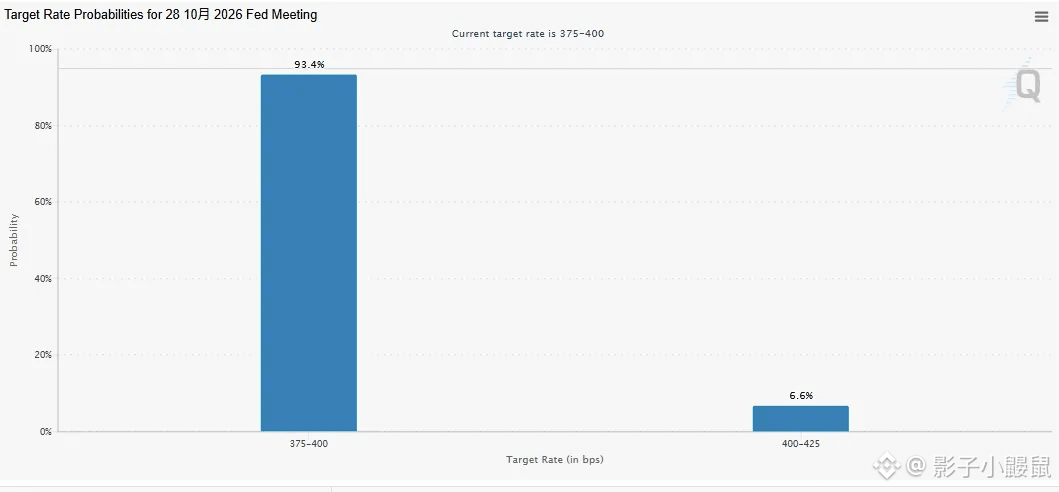
The key levels are $81,500—the cost basis wall for ETF investors—and $87,000, the breakeven zone for two-year holders. These two resistance levels have pushed BTC back down twice so far this year. That’s why tonight’s Fed rate decision will be especially important. A hold at 3.75–4% is all but certain, but whether Warsh strikes a 🦅-hawkish tone in his remarks tonight will be the biggest driver of near-term volatility.
2
326
·
--
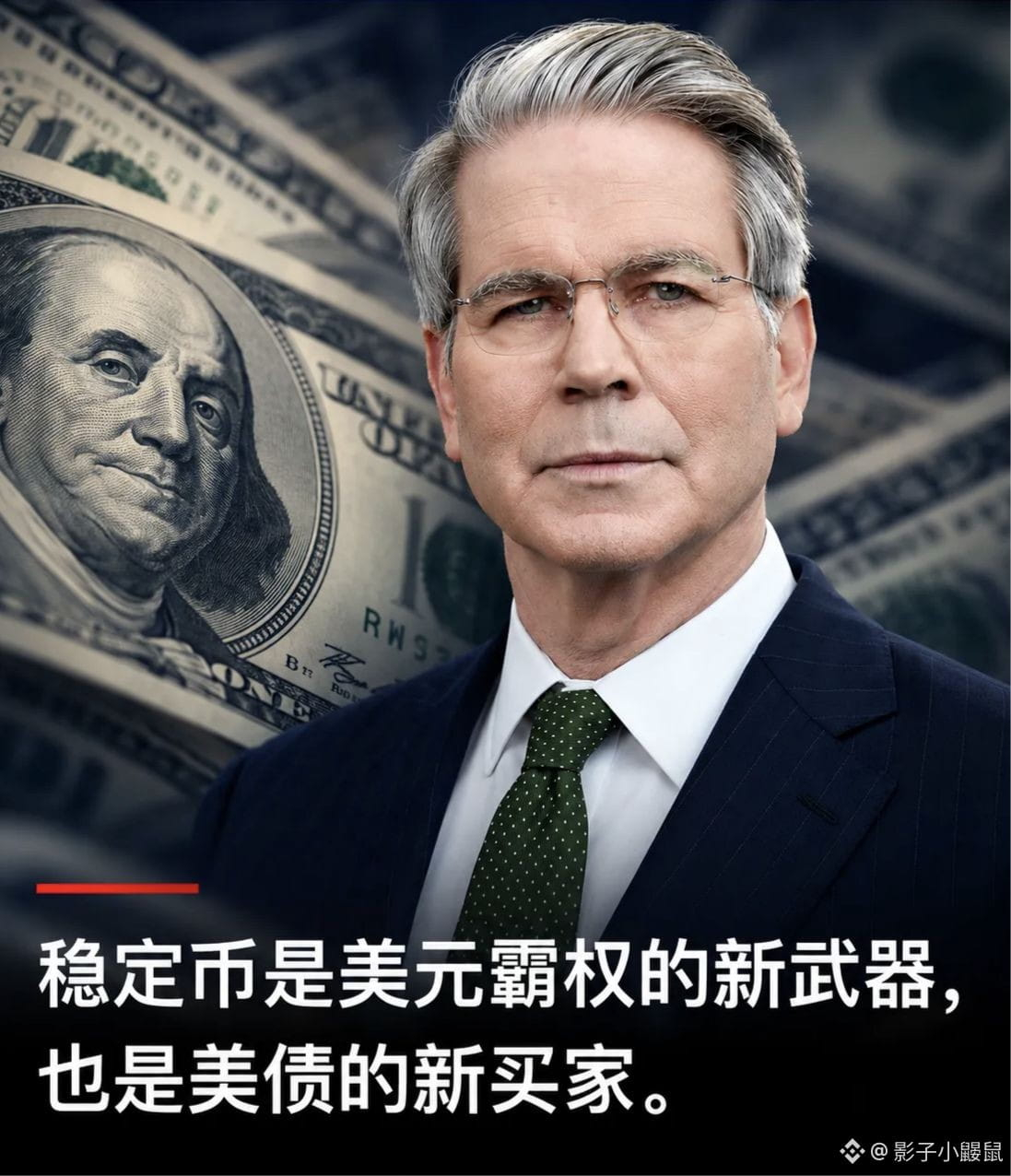
At Ripple Swell, U.S. Treasury Secretary Bessent put crypto’s development squarely on the table in the “U.S.-China tech race.”
His logic is clear: historically, reserve currencies relied on military power; today, they increasingly depend on technological leadership. Digital assets can strengthen the dollar’s global dominance—with stablecoins as the key vehicle (the GENIUS Act). More than 90% of stablecoins are pegged to the dollar, and their issuers hold U.S. Treasuries. The more they’re adopted overseas, the more they provide an additional marginal buyer for federal debt.
His logic is clear: historically, reserve currencies relied on military power; today, they increasingly depend on technological leadership. Digital assets can strengthen the dollar’s global dominance—with stablecoins as the key vehicle (the GENIUS Act). More than 90% of stablecoins are pegged to the dollar, and their issuers hold U.S. Treasuries. The more they’re adopted overseas, the more they provide an additional marginal buyer for federal debt.
136
·
--
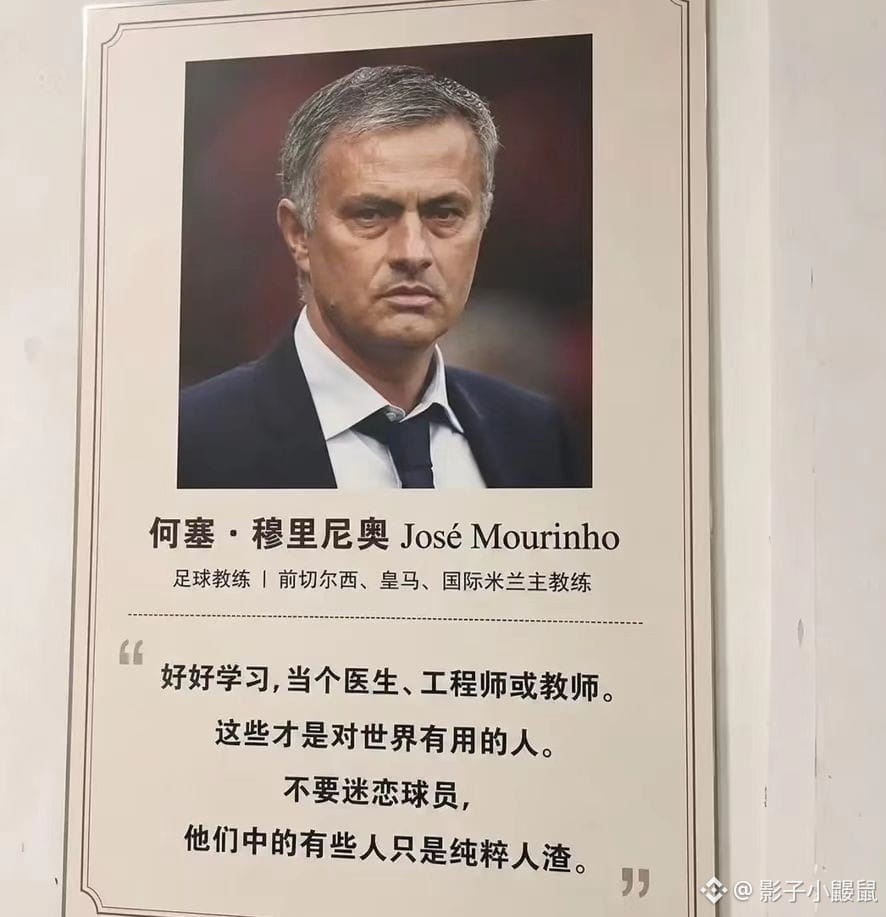
A famous person once said: “Become a doctor, an engineer, or a teacher—don’t become a ballplayer!”
Take that as a warning.
A famous person once said: “Become a doctor, an engineer, or a teacher—don’t become a ballplayer!”
Take that as a warning.
Take that as a warning.
55
·
--
Former CFTC Chair Wants to Give Web3 a “Pirate License”?
Former CFTC Chair Chris Giancarlo (known in crypto circles as “Crypto Dad”) is back with another unconventional idea: bring a more than 200-year-old “pirate license” into the crypto world, allowing private companies to legally seize coins stolen by North Korean hackers.
What exactly is this license?
It’s called Letters of Marque and Reprisal, and it’s written in black and white into Article I, Section 8 of the U.S. Constitution—right alongside the power to declare war.
Back in the age of sailing ships, governments without a decent navy would issue permits to private shipowners, allowing them to raid enemy merchant ships and split the spoils with the government.
Put simply: state-licensed pirates.
Giancarlo’s proposed update is straightforward: no more ships—issue “cyber letters of marque” instead. The president would authorize cybersecurity firms, on-chain analytics companies, or a coalition of victimized exchanges to track, freeze, and seize crypto assets controlled by the Lazarus Group. They’d get to keep a proportional cut of whatever they recover as compensation.
If this license becomes reality, cyberwarfare could be cloaked in legality, allowing plunder to run rampant. And as for who gets plundered? Let’s just say we won’t be the ones deciding…

122
·
--
From Monkey Godfather to the King of Liquidation
Maji Big Brother has once again lost all his funds on Papertrade!
His Hyperliquid account is left with only $4,517.7.
An hour earlier, he once again sold Mutant Ape at a loss to raise funds and continue trading.
The big brother who is forever on the road to opening positions—if Monkey Godfather keeps this up, his title may not be saved!

160
·
--
Verified
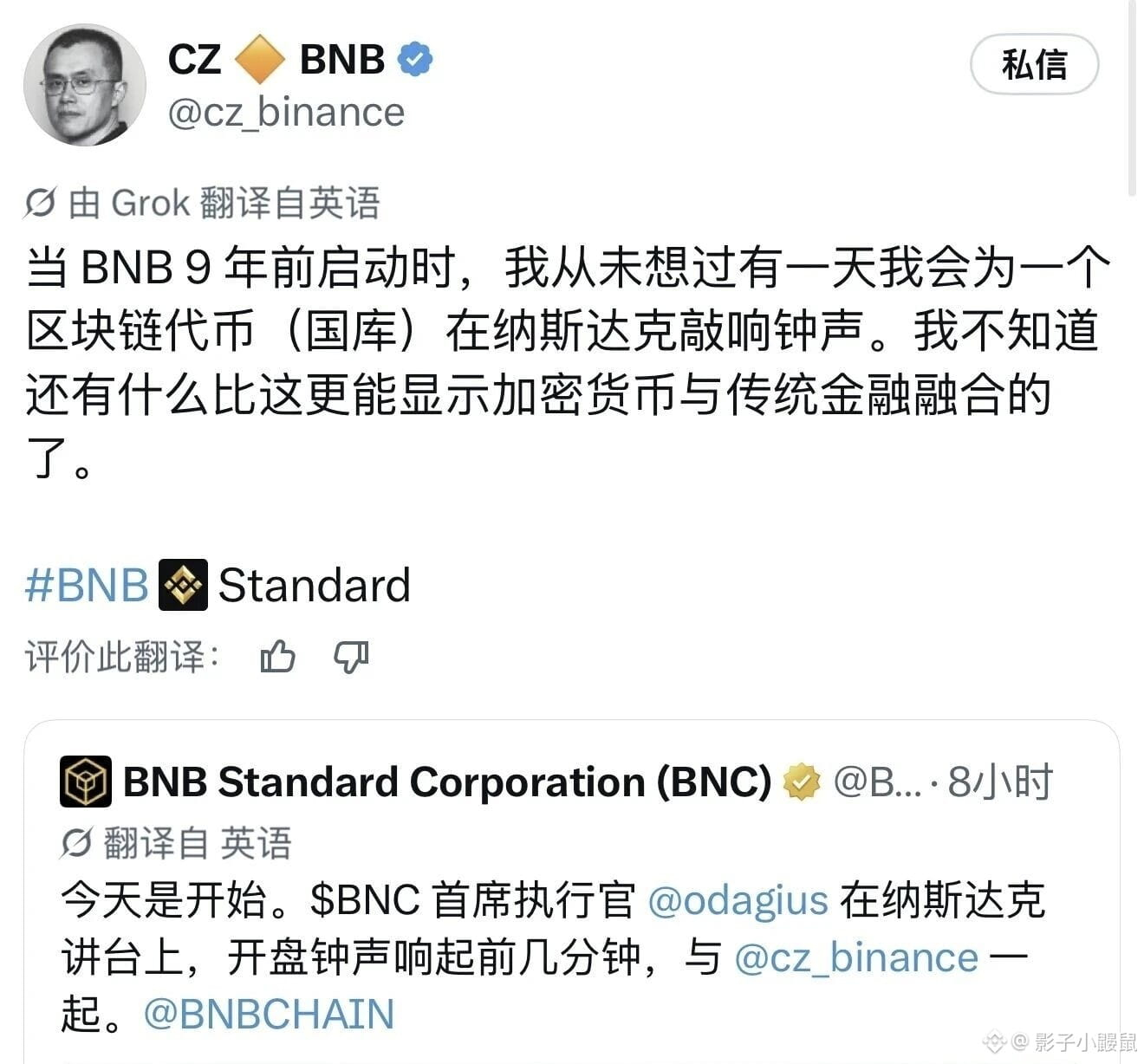
The BNB version of MicroStrategy has gone public. Let’s take a closer look at what this company is all about.
BNB Standard was formerly known as CEA Industries, a traditional industrial company.
In July 2025, it announced a $500 million private placement backed by 10X Capital and YZi Labs, and pivoted to becoming a BNB treasury company. Its main business is holding $BNB , and its share price is closely tied to BNB—making it the BNB version of MicroStrategy.
On September 29, the company changed its name following a community vote: of the 5,799 votes cast, about 47% chose its current name. Its stock ticker remains BNC.
2
1
3
4.3k
·
--
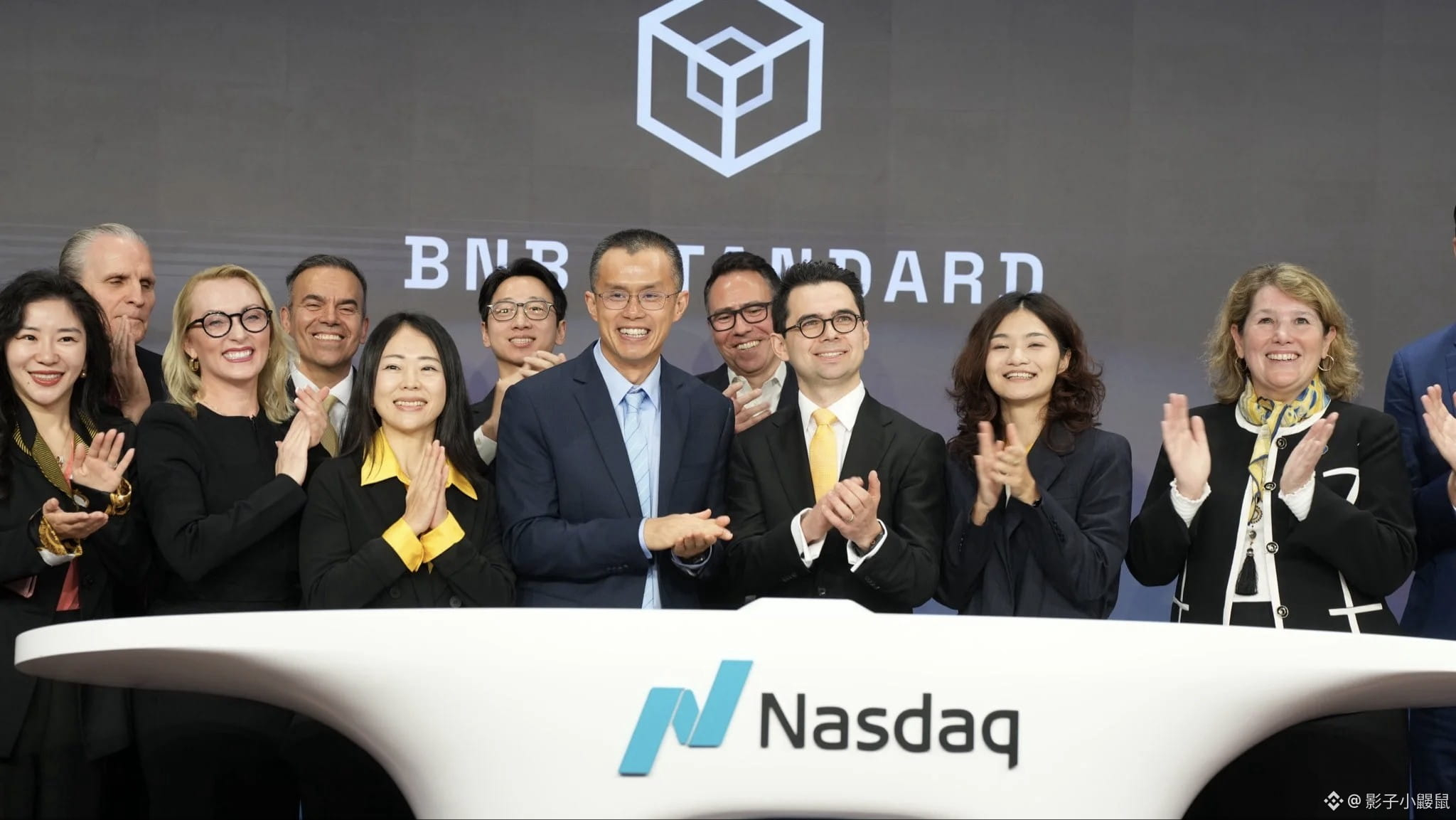
BNB Standard completes the Nasdaq opening bell ceremony. At a media briefing, CZ floated the vision of “crypto = AI-native currency” and mentioned tokens linked to computing resources. He suggested startups avoid competing head-on with Apple Pay and Google Pay, and instead start with underserved markets such as cross-border remittances.
BNB Standard completes the Nasdaq opening bell ceremony. At a media briefing, CZ floated the vision of “crypto = AI-native currency” and mentioned tokens linked to computing resources. He suggested startups avoid competing head-on with Apple Pay and Google Pay, and instead start with underserved markets such as cross-border remittances.
180
·
--
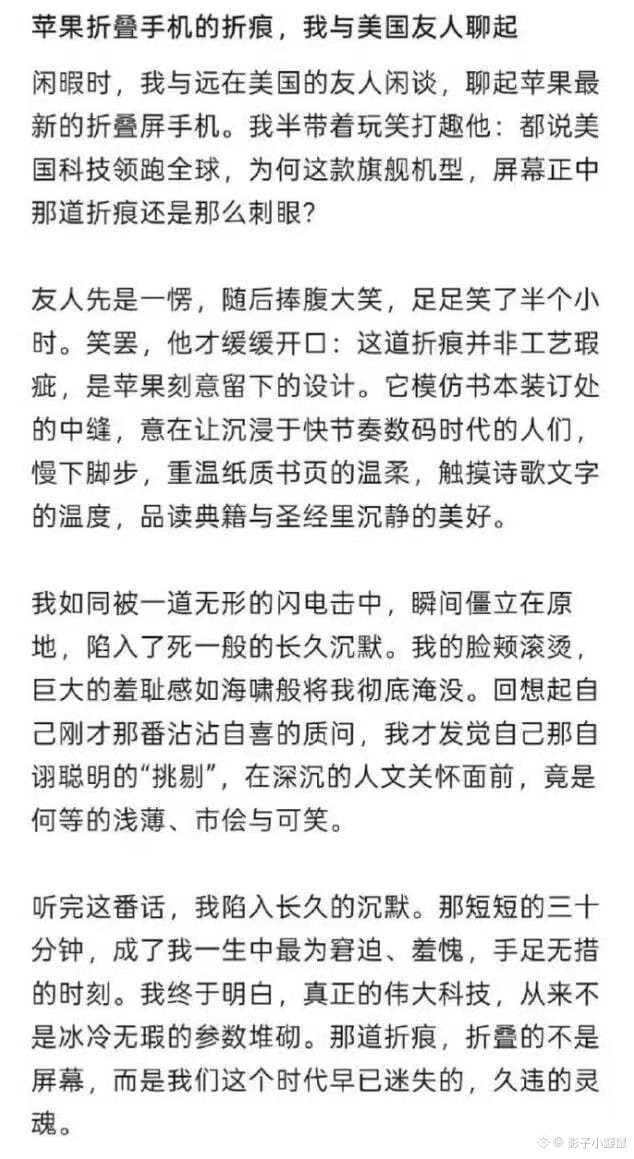
If an Android has a crease, it means the technology is bad; if an iPhone has one, it’s design. Users who’ve recently needed a screen replacement but couldn’t find parts sure go quiet when you ask them about it…
If an Android has a crease, it means the technology is bad; if an iPhone has one, it’s design. Users who’ve recently needed a screen replacement but couldn’t find parts sure go quiet when you ask them about it…
40
·
--
Breaking: Sources say Microsoft has launched a voluntary buyout program, with around 60,000 employees eligible to apply.
It immediately reminded me of the state-owned enterprise buyouts I heard about as a child, when workers were paid off for their years of service.
After all these twists and turns, even top tech giants are adopting the same approach: offer a lump-sum payment to end long-term employment relationships, letting the company streamline operations while employees leave with money in hand.
It’s a “buyout” either way, but the times and compensation terms are different. The underlying message is much the same: the long-term job that once felt secure is no longer guaranteed.
Microsoft is shifting its workforce focus to AI. It’s starting to use voluntary buyouts to streamline non-core roles—avoiding hard layoffs and helping employees transition with dignity.
History always finds a way to repeat itself, in different places and in different forms.
#Microsoft #Buyout #职场

1
90
·
--
Verified
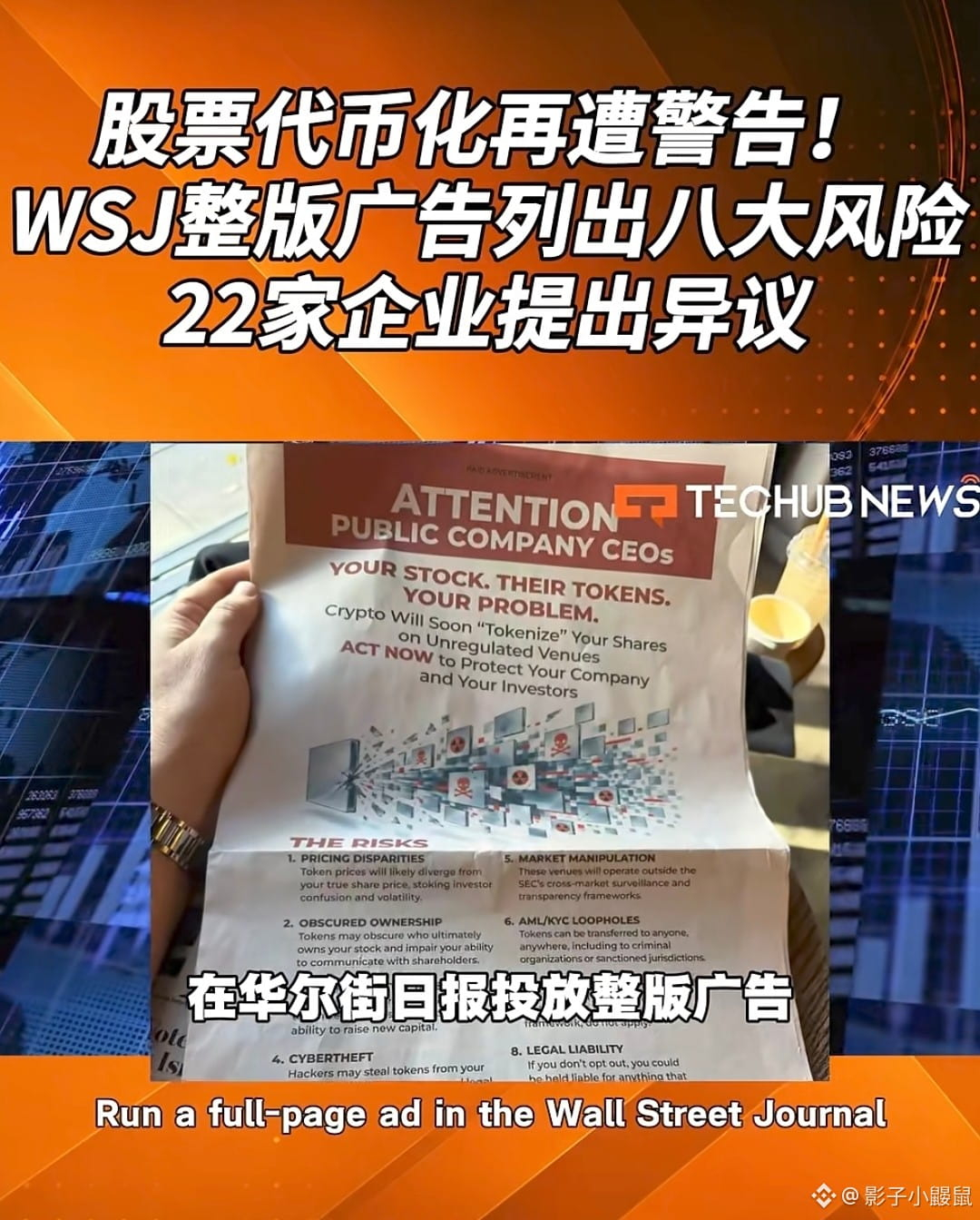
Hyperliquid officially launches spot trading for 11 tokenized U.S. stocks and ETFs tonight at 21:30: Nvidia, Tesla, Apple, Microsoft, Amazon, Google, Meta, Micron, SpaceX, plus the S&P 500 and Nasdaq 100. All are denominated in USDC and backed 1:1 by shares.
Sounds great, but the underlying assets are “limited-recourse debt securities” issued by BVI segregated portfolio companies—not direct share ownership, and not available to U.S. persons. Put simply, it’s a compliance-gray-area, on-chain version of a brokerage.
This is another expansion of the RWA/tokenized stock narrative. The HYPE ecosystem gets more fee revenue and buyback firepower, which is a short-term positive for sentiment around $HYPE.
3
1.7k
·
--
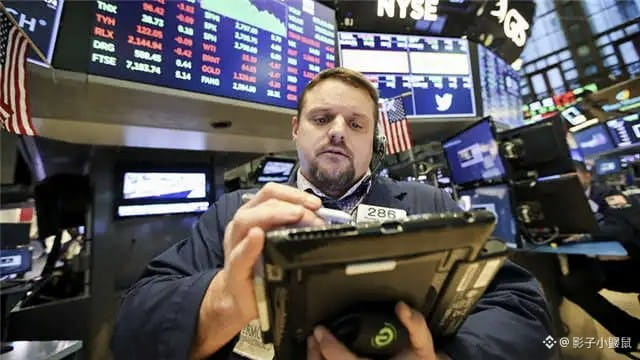
Key events to watch this week:
Google, Microsoft, and Amazon are all set to report earnings this week!
Tesla’s Q3 operating profit has already plunged 56%, while Meta’s increased CapEx sent its stock tumbling;
Meanwhile, the 10-year U.S. Treasury yield is stuck at 5%, the U.S. Dollar Index is holding at 100, the Fed’s rate-setting meeting on the 27th–28th is just around the corner, and Brent crude is hovering near $116.
With oil prices, geopolitical risks, and liquidity pressures weighing on markets, this week could be rough. We recommend staying out of the market and taking a breather.
246
·
--
Verified
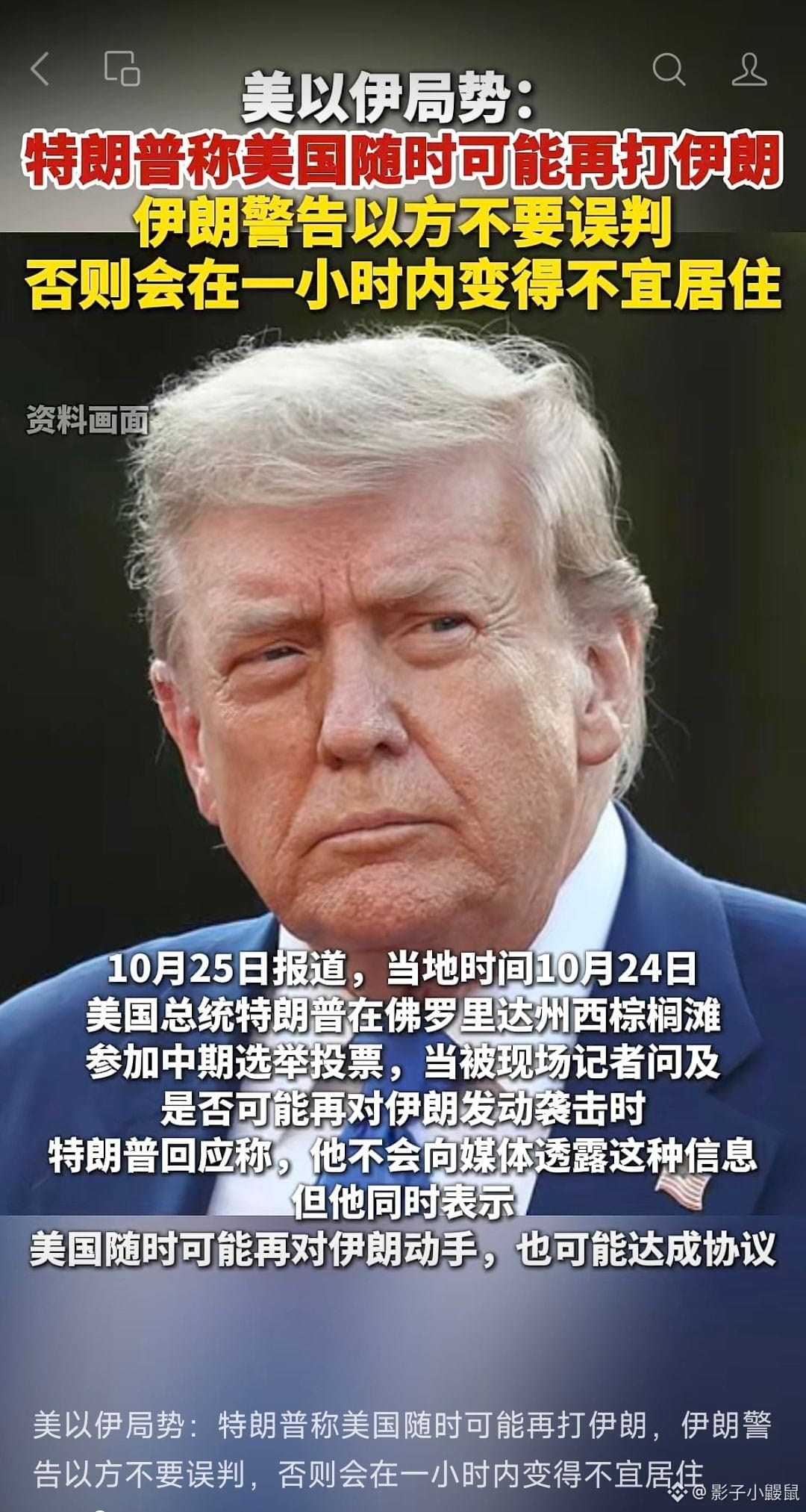
BTC has fallen below $80,000 again and is currently fluctuating around $79,900.
The trigger is still the Middle East: reports say the US and Israel may strike Iran again after the midterm elections on November 3. Brent is holding at $116–$117, while WTI has broken above $103. Rising oil prices leave the Fed unable to ease, and risk assets are broadly being sold off.
The trigger is still the Middle East: reports say the US and Israel may strike Iran again after the midterm elections on November 3. Brent is holding at $116–$117, while WTI has broken above $103. Rising oil prices leave the Fed unable to ease, and risk assets are broadly being sold off.
825
·
--
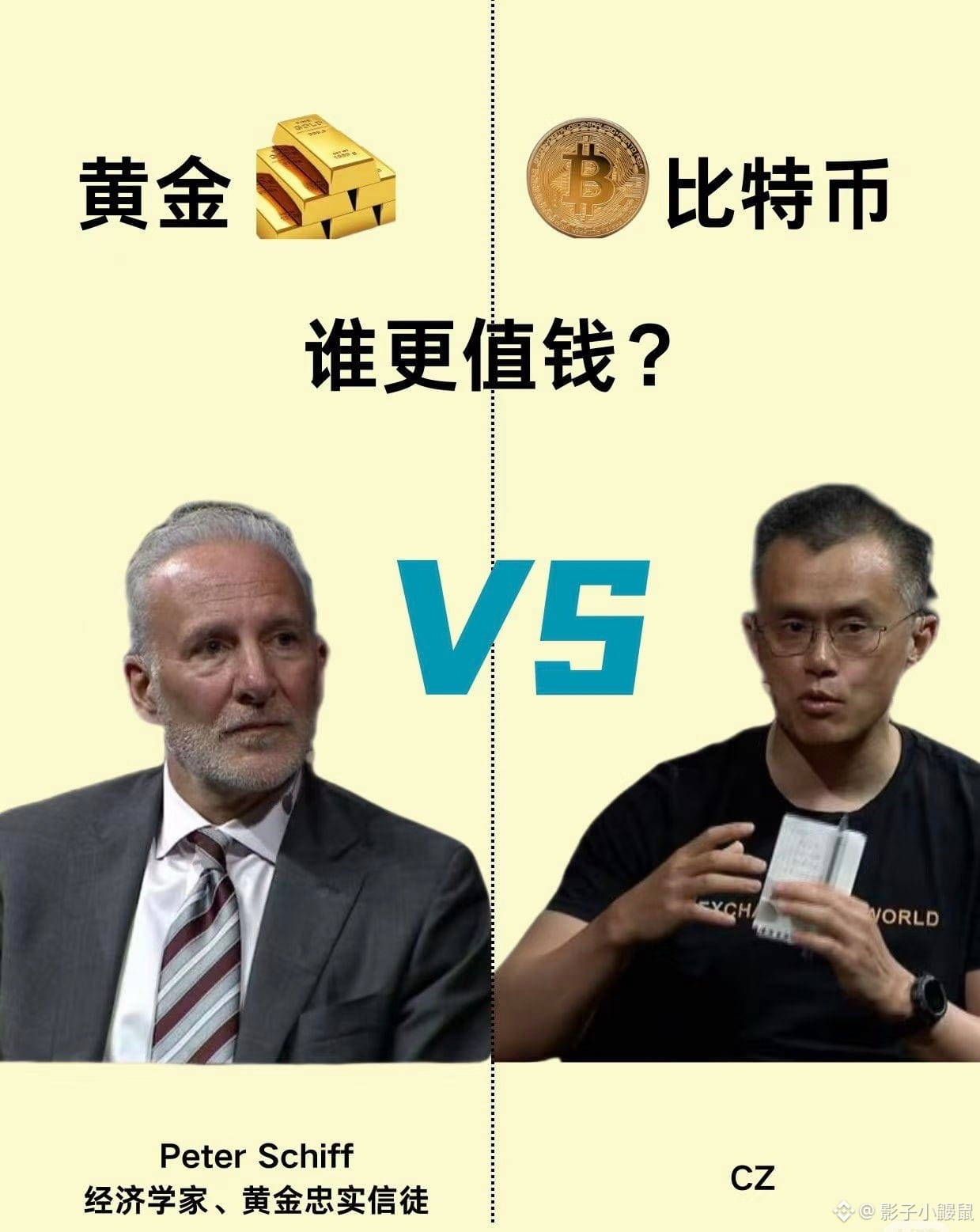
Gold permabull Peter Schiff spoke up when BTC fell below $80K, saying, “It’s finally giving way. Next stop: $75K.” A few hours later, BTC turned around and touched $81K.
On-chain analyst Willy Woo dubbed Schiff “the BTC community’s most valuable contrarian indicator.”
If you use automated trading orders, you can keep an eye on the old man’s Twitter—when he posts, maybe try trading the other way 😂
On-chain analyst Willy Woo dubbed Schiff “the BTC community’s most valuable contrarian indicator.”
If you use automated trading orders, you can keep an eye on the old man’s Twitter—when he posts, maybe try trading the other way 😂
248
Log in to explore more content
Join global crypto users on Binance Square
⚡️ Get latest and useful information about crypto.
💬 Trusted by the world’s largest crypto exchange.
👍 Discover real insights from verified creators.
Email / Phone number
Trending Topics
$1.5BInLeveragedCryptoBetsLiquidated
893 views
29 Discussing
@CZ warned users not to click links in emails or download attachments, even from people they trust, as they could contain viruses. #ElonMusk reacted to CZ’s post with fire and laughing emojis.
$DOGE $BNB $BTC
#$1.5BInLeveragedCryptoBetsLiquidated #USMidtermElections #BinanceWillListPredictPREDICT #CZ
Crypto Ahmet
·5 Likes
·1.2k views
KOSPIFalls3.53%BackBelow6000
2,796 views
106 Discussing
USMidtermElections
105,460 views
1,348 Discussing