
Messianh
253 Posts

Messianh
Report
Block User
Web3 Community Manager | Content Creator | Crypto Project Ambassador | BP-662F4CF0162B
4 Following
82 Followers
309 Liked
Posts
All
Quotes
·
--
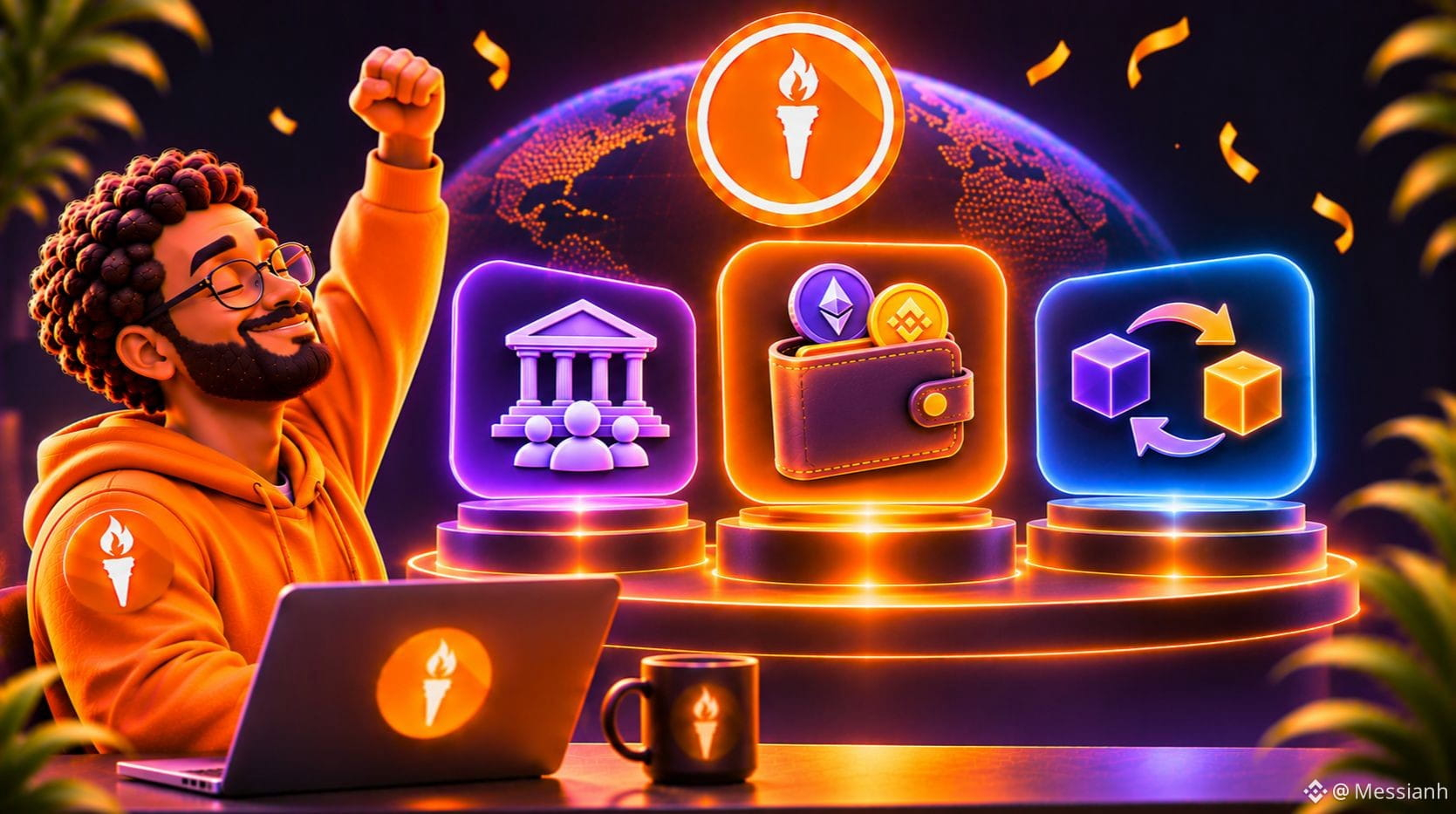
We've discussed three developments that could bring new possibilities to the ecosystem:
🏛️ DAO Features
Decentralized governance and community participation.
👛 EVM Wallet & Asset Launch
Exploring digital asset management and the EVM ecosystem.
🌐 NEAR Intents
Cross-chain transactions and blockchain interoperability.
Three different directions, three interesting developments.
But now, we want to hear from YOU.
Which one are you most excited to explore?
1️⃣ DAO Features
2️⃣ EVM Wallet & Asset Launch
3️⃣ NEAR Intents
And more importantly, WHY?
Let's talk about the future of Liberdus.
#Liberdus #EvolveAtBinanceBlockchainWeek $ETH
{spot}(ETHUSDT)
We've discussed three developments that could bring new possibilities to the ecosystem:
🏛️ DAO Features
Decentralized governance and community participation.
👛 EVM Wallet & Asset Launch
Exploring digital asset management and the EVM ecosystem.
🌐 NEAR Intents
Cross-chain transactions and blockchain interoperability.
Three different directions, three interesting developments.
But now, we want to hear from YOU.
Which one are you most excited to explore?
1️⃣ DAO Features
2️⃣ EVM Wallet & Asset Launch
3️⃣ NEAR Intents
And more importantly, WHY?
Let's talk about the future of Liberdus.
#Liberdus #EvolveAtBinanceBlockchainWeek $ETH
1
30
·
--
Web3 faces different challenges.
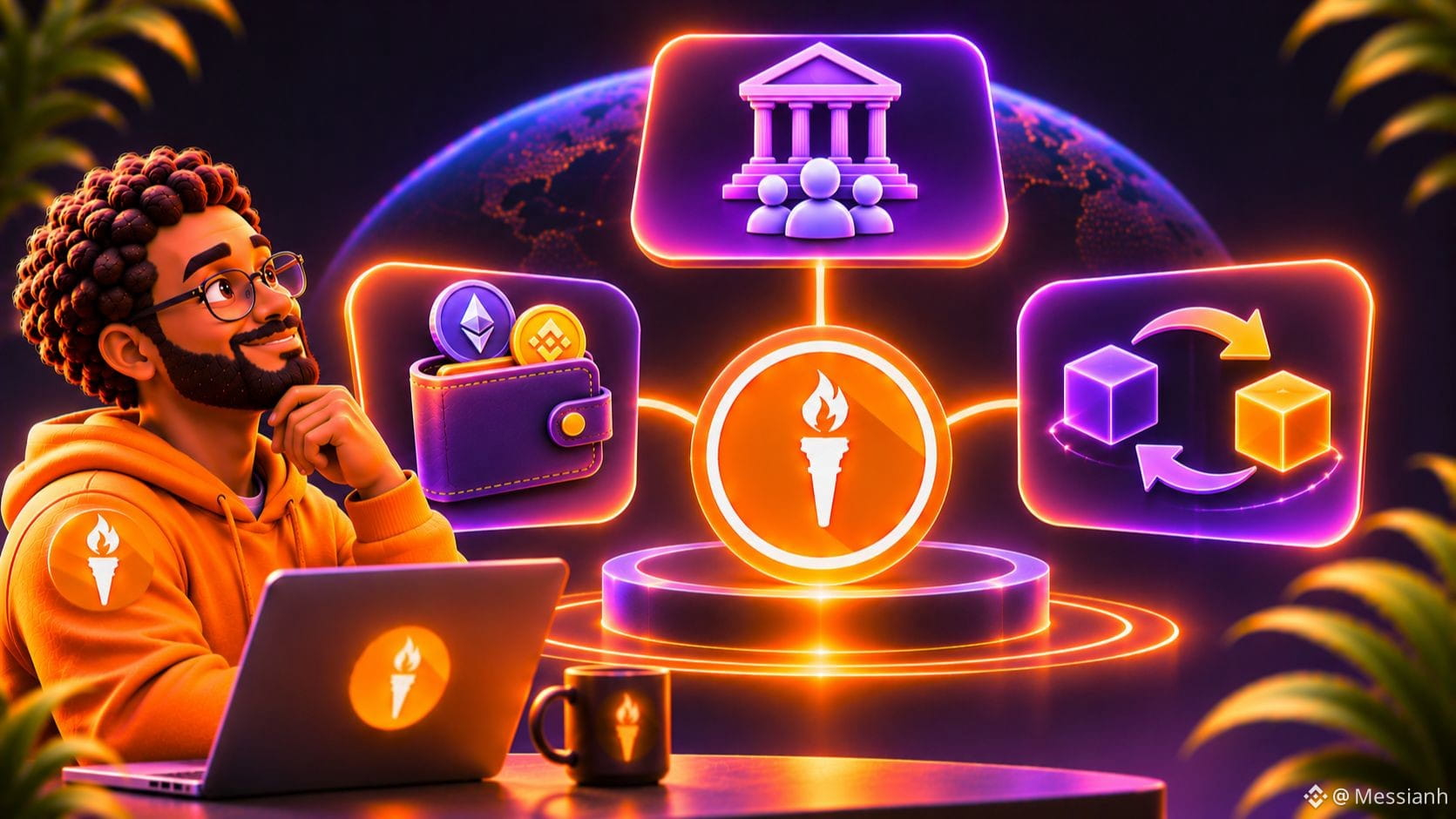
Governance. Digital asset management. Blockchain interoperability. Liberdus has three developments on the horizon that address these different areas.
🏛️ DAO Features
Decentralized governance, community participation and collective decision-making.
👛 EVM Wallet & Asset Launch
Exploring the EVM wallet ecosystem and digital asset management.
🌐 NEAR Intents Integration
Enabling cross-chain transactions and bringing different blockchain ecosystems closer together.
-Three developments
-Three different challenges
-One ecosystem moving forward
What's interesting is how these pieces represent different aspects of the broader Web3 experience.
Which development are you most excited to explore? DAO, EVM Wallet or NEAR Intents?
#Liberdus #XRPLedgerVaultGets29Votes $XRP $PORTAL
{spot}(XRPUSDT)
{spot}(PORTALUSDT)
Web3 faces different challenges.
Governance. Digital asset management. Blockchain interoperability. Liberdus has three developments on the horizon that address these different areas.
🏛️ DAO Features
Decentralized governance, community participation and collective decision-making.
👛 EVM Wallet & Asset Launch
Exploring the EVM wallet ecosystem and digital asset management.
🌐 NEAR Intents Integration
Enabling cross-chain transactions and bringing different blockchain ecosystems closer together.
-Three developments
-Three different challenges
-One ecosystem moving forward
What's interesting is how these pieces represent different aspects of the broader Web3 experience.
Which development are you most excited to explore? DAO, EVM Wallet or NEAR Intents?
#Liberdus #XRPLedgerVaultGets29Votes $XRP $PORTAL
1
74
·
--
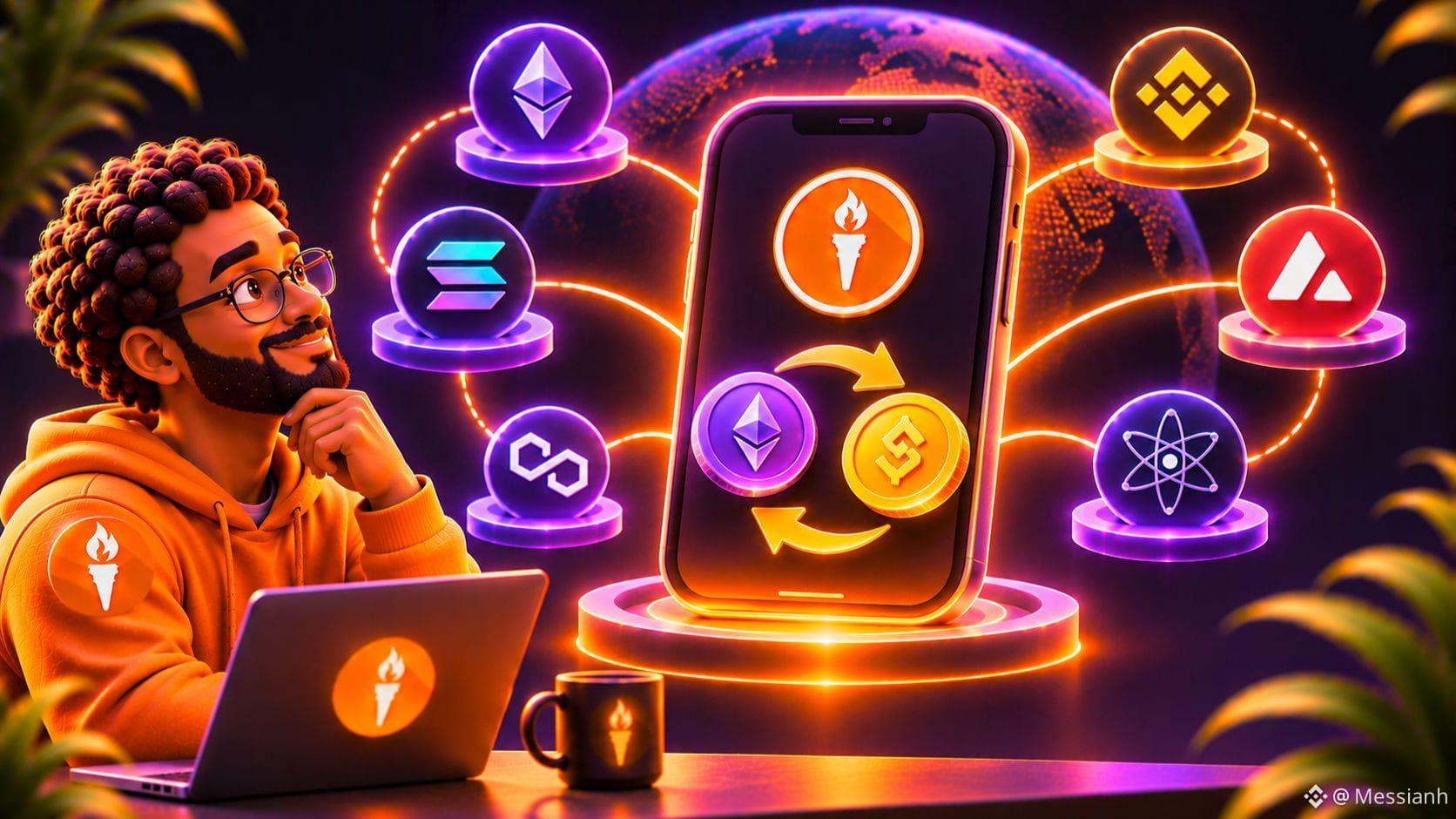
What if interacting with different blockchains became simpler?
That's one of the challenges NEAR Intents aims to address. By using an intent-based approach, users can express the outcome they want while solvers work to find an execution route.
Why is this interesting?
🌐 Cross-chain asset swaps.
🔄 Access to assets across different networks.
⚡ Less manual coordination between chains.
🔗 A more connected Web3 experience.
And now, there's something to look forward to. NEAR Intents is planned for integration into Liberdus, with the goal of enabling cross-chain transactions.
Another step towards making blockchain ecosystems more accessible and connected.
Different chains and one more connected experience.
What possibilities would you like to explore first?
#Liberdus #NEARIntents #CanMarketsReboundAfterThanksgiving? $BTC
{spot}(BTCUSDT)
What if interacting with different blockchains became simpler?
That's one of the challenges NEAR Intents aims to address. By using an intent-based approach, users can express the outcome they want while solvers work to find an execution route.
Why is this interesting?
🌐 Cross-chain asset swaps.
🔄 Access to assets across different networks.
⚡ Less manual coordination between chains.
🔗 A more connected Web3 experience.
And now, there's something to look forward to. NEAR Intents is planned for integration into Liberdus, with the goal of enabling cross-chain transactions.
Another step towards making blockchain ecosystems more accessible and connected.
Different chains and one more connected experience.
What possibilities would you like to explore first?
#Liberdus #NEARIntents #CanMarketsReboundAfterThanksgiving? $BTC
1
132
·
--
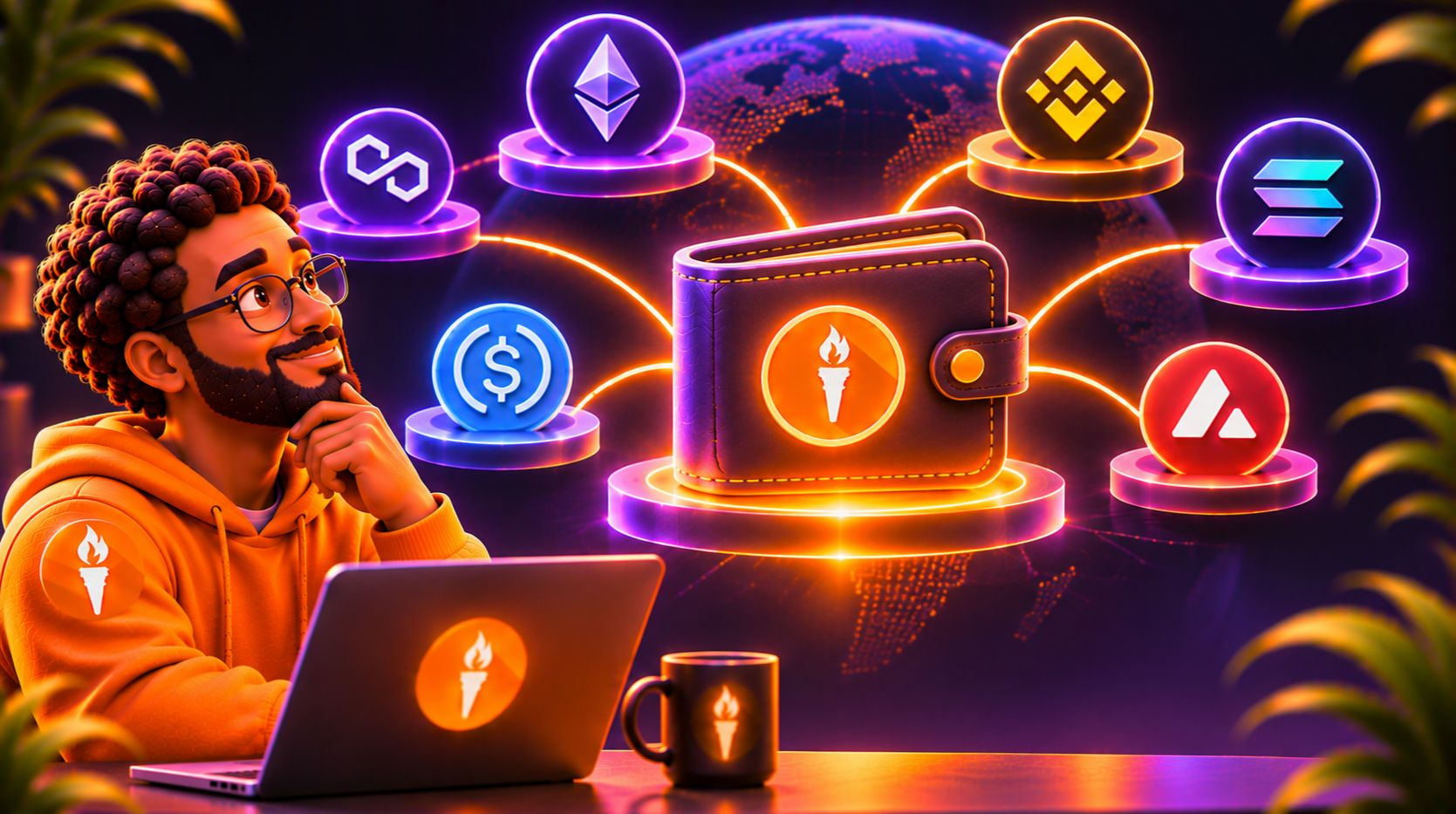
Imagine accessing digital assets across multiple blockchain networks through one ecosystem.
No unnecessary complexity. Fewer barriers between chains. More possibilities.
What would you explore first?
🔸 Swap assets across different networks?
🔸 Access opportunities in other blockchain ecosystems?
🔸 Manage assets across multiple chains?
🔸 Explore new decentralized applications?
Blockchain fragmentation remains a challenge for Web3. That's why cross-chain interoperability matters.
With NEAR Intents planned for integration into Liberdus, we're looking forward to exploring what's possible.
If you could interact with multiple blockchains more easily, what would you do first?
#Liberdus #CorePCEBeatLiftsFedHikeOdds $BTC
{spot}(BTCUSDT)
Imagine accessing digital assets across multiple blockchain networks through one ecosystem.
No unnecessary complexity. Fewer barriers between chains. More possibilities.
What would you explore first?
🔸 Swap assets across different networks?
🔸 Access opportunities in other blockchain ecosystems?
🔸 Manage assets across multiple chains?
🔸 Explore new decentralized applications?
Blockchain fragmentation remains a challenge for Web3. That's why cross-chain interoperability matters.
With NEAR Intents planned for integration into Liberdus, we're looking forward to exploring what's possible.
If you could interact with multiple blockchains more easily, what would you do first?
#Liberdus #CorePCEBeatLiftsFedHikeOdds $BTC
1
144
·
--
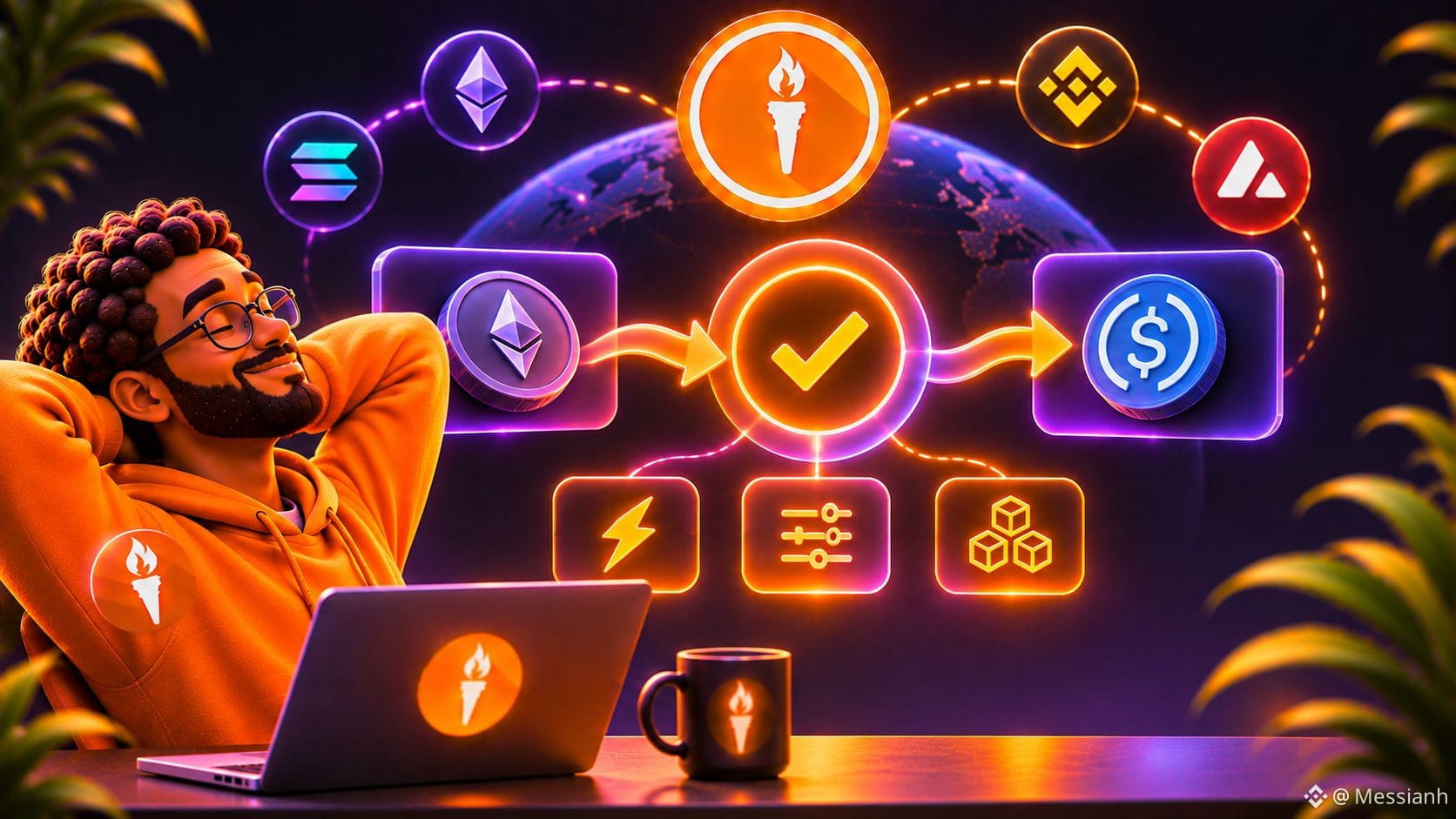
Web3 doesn't have to make every transaction complicated.
Imagine wanting to swap an asset on one blockchain for another asset on a different network.
Traditionally, you might need to:
• Find a suitable bridge.
• Identify a swap route.
• Manage multiple transactions.
• Navigate different network requirements.
Intent-based transactions offer another approach. Instead of manually coordinating every step, you express the outcome you want.
With NEAR Intents:
1️⃣ Select the assets you want to exchange.
2️⃣ The system finds an execution route.
3️⃣ Solvers compete to fulfill your request.
4️⃣ You authorize the transaction.
5️⃣ The requested assets are delivered if execution succeeds.
The goal?
Less technical complexity. A more accessible multi-chain experience.
Web3 should work around what users want to achieve, not force everyone to become a blockchain expert.
#NEARIntents #Liberdus $ONDO #WillMarketsStageAThanksgivingReliefRally?
{spot}(ONDOUSDT)
Web3 doesn't have to make every transaction complicated.
Imagine wanting to swap an asset on one blockchain for another asset on a different network.
Traditionally, you might need to:
• Find a suitable bridge.
• Identify a swap route.
• Manage multiple transactions.
• Navigate different network requirements.
Intent-based transactions offer another approach. Instead of manually coordinating every step, you express the outcome you want.
With NEAR Intents:
1️⃣ Select the assets you want to exchange.
2️⃣ The system finds an execution route.
3️⃣ Solvers compete to fulfill your request.
4️⃣ You authorize the transaction.
5️⃣ The requested assets are delivered if execution succeeds.
The goal?
Less technical complexity. A more accessible multi-chain experience.
Web3 should work around what users want to achieve, not force everyone to become a blockchain expert.
#NEARIntents #Liberdus $ONDO #WillMarketsStageAThanksgivingReliefRally?
2
338
·
--
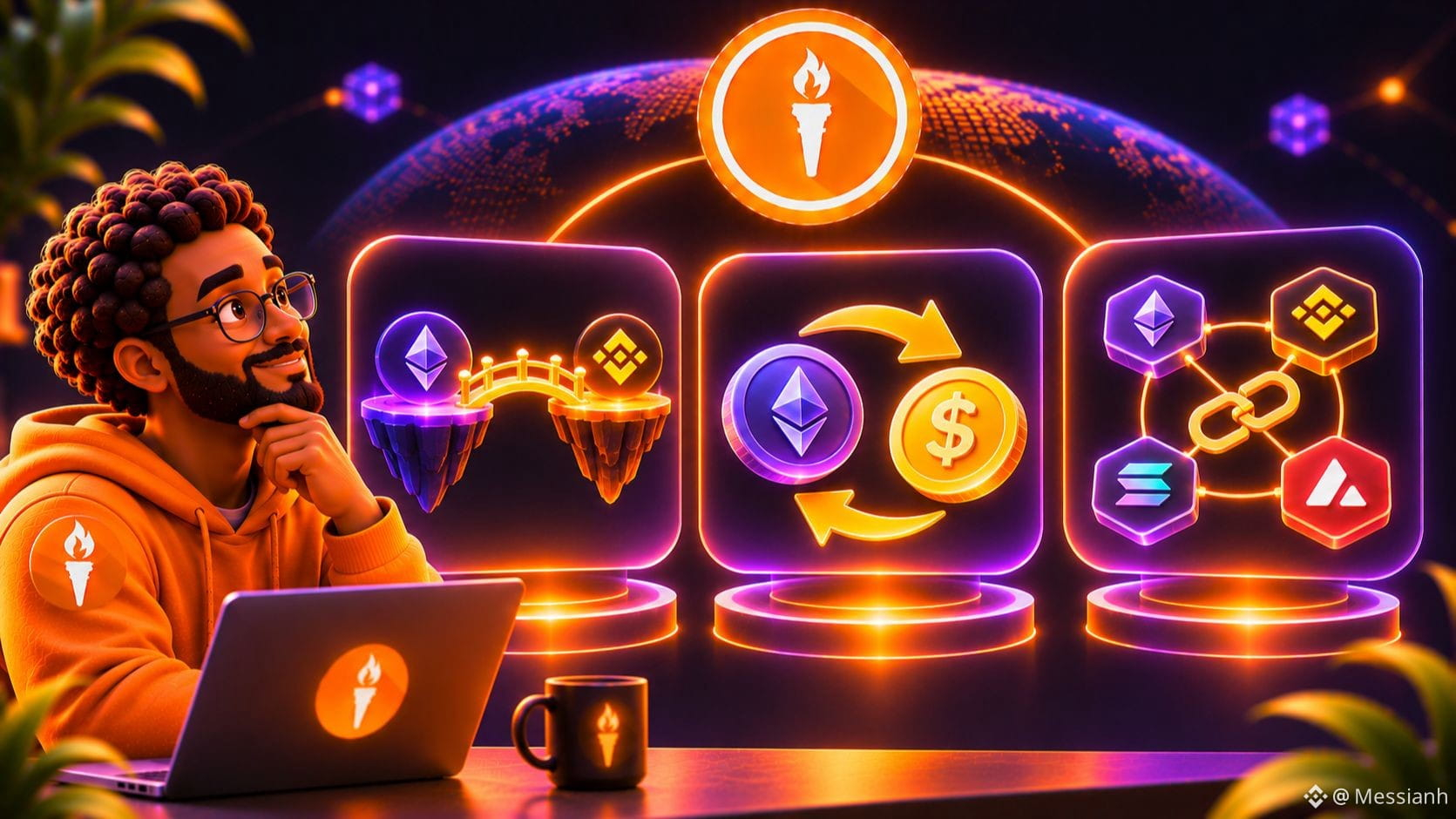
Bridges, swaps and cross-chain transactions.
They are closely related, but they don't mean the same thing.
What is a blockchain bridge?
A bridge connects two blockchain networks.
It allows assets or information to move between different ecosystems. For example, moving an asset from Ethereum to another supported network. The exact mechanism depends on the bridge.
What is a crypto swap?
A swap is the exchange of one digital asset for another. For example:
ETH → USDC
You exchange one token for another, usually through a decentralized exchange or another trading mechanism. A swap doesn't necessarily involve multiple blockchains.
What is a cross-chain transaction?
A cross-chain transaction involves an operation across different blockchain networks. It could involve:
• Moving assets between networks.
• Exchanging tokens across chains.
• Sending information between ecosystems.
The goal is to make different blockchain environments interact.
How are they connected?
Think of it this way:
🌉 Bridge = Connects blockchain networks.
🔄 Swap = Exchanges one asset for another.
🌐 Cross-chain transaction = An operation involving multiple blockchains.
A cross-chain swap can combine bridging and exchanging assets.
Why does this matter?
Because users shouldn't have to think about blockchain boundaries every time they want to access another ecosystem.
Better interoperability can help reduce friction and make Web3 more accessible.
But security, liquidity, fees and execution still matter.
Where does NEAR Intents fit into this discussion?
NEAR Intents introduces an intent-based approach to interacting with blockchain ecosystems. Instead of focusing only on the sequence of technical steps, users can express the outcome they want. This is an interesting direction for simplifying multi-chain interactions.
And what about Liberdus?
NEAR Intents is among the developments announced for integration into Liberdus.
The stated objective is to enable cross-chain transactions. We're looking forward to seeing how this integration takes shape.
#Liberdus $XRP
{spot}(XRPUSDT)
Bridges, swaps and cross-chain transactions.
They are closely related, but they don't mean the same thing.
What is a blockchain bridge?
A bridge connects two blockchain networks.
It allows assets or information to move between different ecosystems. For example, moving an asset from Ethereum to another supported network. The exact mechanism depends on the bridge.
What is a crypto swap?
A swap is the exchange of one digital asset for another. For example:
ETH → USDC
You exchange one token for another, usually through a decentralized exchange or another trading mechanism. A swap doesn't necessarily involve multiple blockchains.
What is a cross-chain transaction?
A cross-chain transaction involves an operation across different blockchain networks. It could involve:
• Moving assets between networks.
• Exchanging tokens across chains.
• Sending information between ecosystems.
The goal is to make different blockchain environments interact.
How are they connected?
Think of it this way:
🌉 Bridge = Connects blockchain networks.
🔄 Swap = Exchanges one asset for another.
🌐 Cross-chain transaction = An operation involving multiple blockchains.
A cross-chain swap can combine bridging and exchanging assets.
Why does this matter?
Because users shouldn't have to think about blockchain boundaries every time they want to access another ecosystem.
Better interoperability can help reduce friction and make Web3 more accessible.
But security, liquidity, fees and execution still matter.
Where does NEAR Intents fit into this discussion?
NEAR Intents introduces an intent-based approach to interacting with blockchain ecosystems. Instead of focusing only on the sequence of technical steps, users can express the outcome they want. This is an interesting direction for simplifying multi-chain interactions.
And what about Liberdus?
NEAR Intents is among the developments announced for integration into Liberdus.
The stated objective is to enable cross-chain transactions. We're looking forward to seeing how this integration takes shape.
#Liberdus $XRP
1
121
·
--
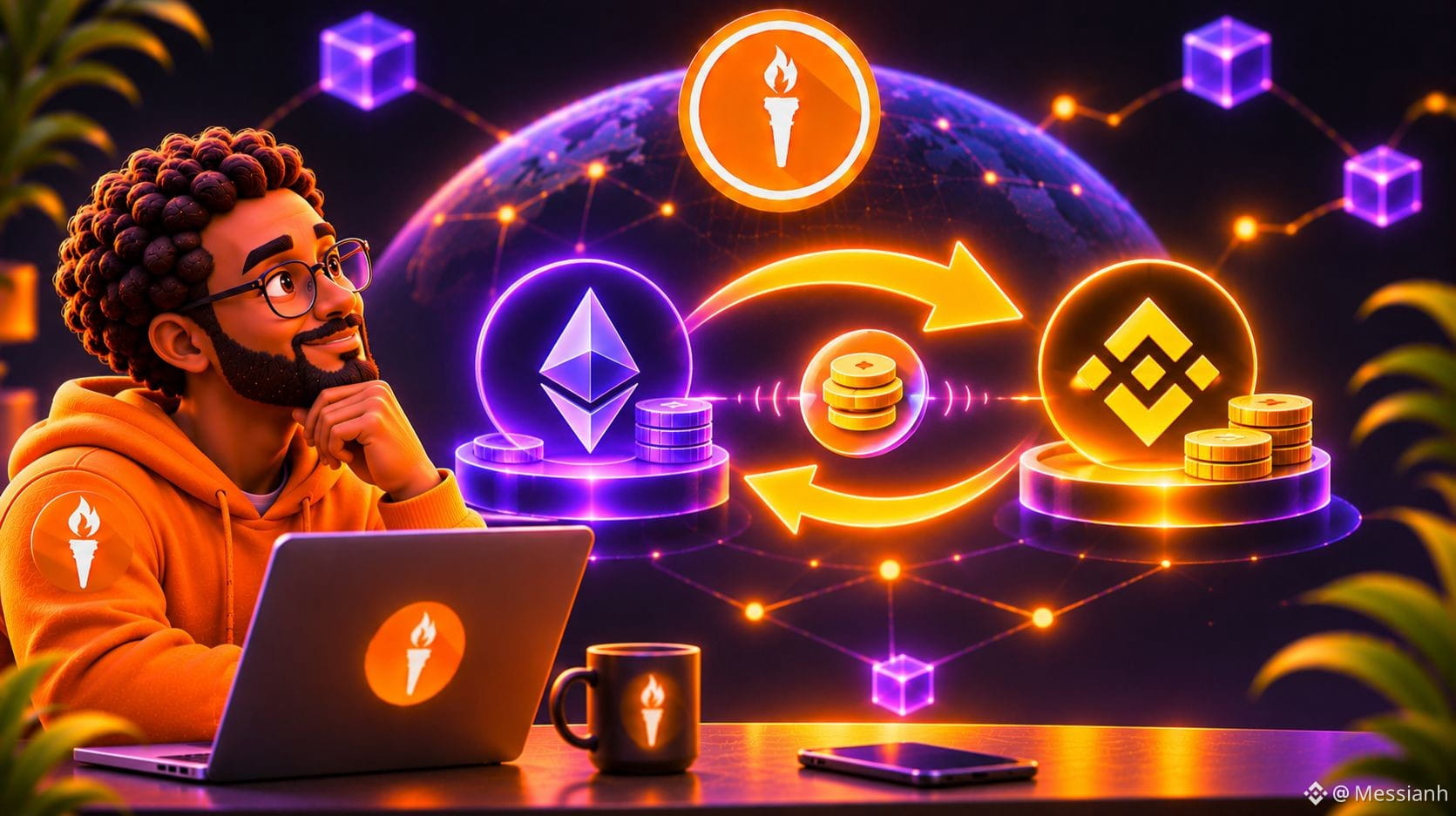
Imagine holding assets on Ethereum but wanting to interact with another blockchain.
That's where cross-chain transactions come in.
A cross-chain transaction involves operations across two or more different blockchain networks.
Why does this matter?
🔸 Move value: Transfer assets between supported networks.
🔸 Swap assets: Exchange tokens across different blockchain ecosystems.
🔸 Connect ecosystems: Interact with services beyond a single blockchain.
🔸 Reduce fragmentation: Make the multi-chain experience more accessible.
But there's a challenge. Different blockchains have different architectures, rules and security models. Making them work together isn't always simple.
That's why cross-chain interoperability matters. Web3 has multiple ecosystems. Users shouldn't have to think in isolated blockchain environments forever.
#Liberdus #GlobalStocksFaceLongestLosingStreakSince2023 $ETH $BNB
{spot}(BNBUSDT)
{spot}(ETHUSDT)
Imagine holding assets on Ethereum but wanting to interact with another blockchain.
That's where cross-chain transactions come in.
A cross-chain transaction involves operations across two or more different blockchain networks.
Why does this matter?
🔸 Move value: Transfer assets between supported networks.
🔸 Swap assets: Exchange tokens across different blockchain ecosystems.
🔸 Connect ecosystems: Interact with services beyond a single blockchain.
🔸 Reduce fragmentation: Make the multi-chain experience more accessible.
But there's a challenge. Different blockchains have different architectures, rules and security models. Making them work together isn't always simple.
That's why cross-chain interoperability matters. Web3 has multiple ecosystems. Users shouldn't have to think in isolated blockchain environments forever.
#Liberdus #GlobalStocksFaceLongestLosingStreakSince2023 $ETH $BNB
1
295
·
--
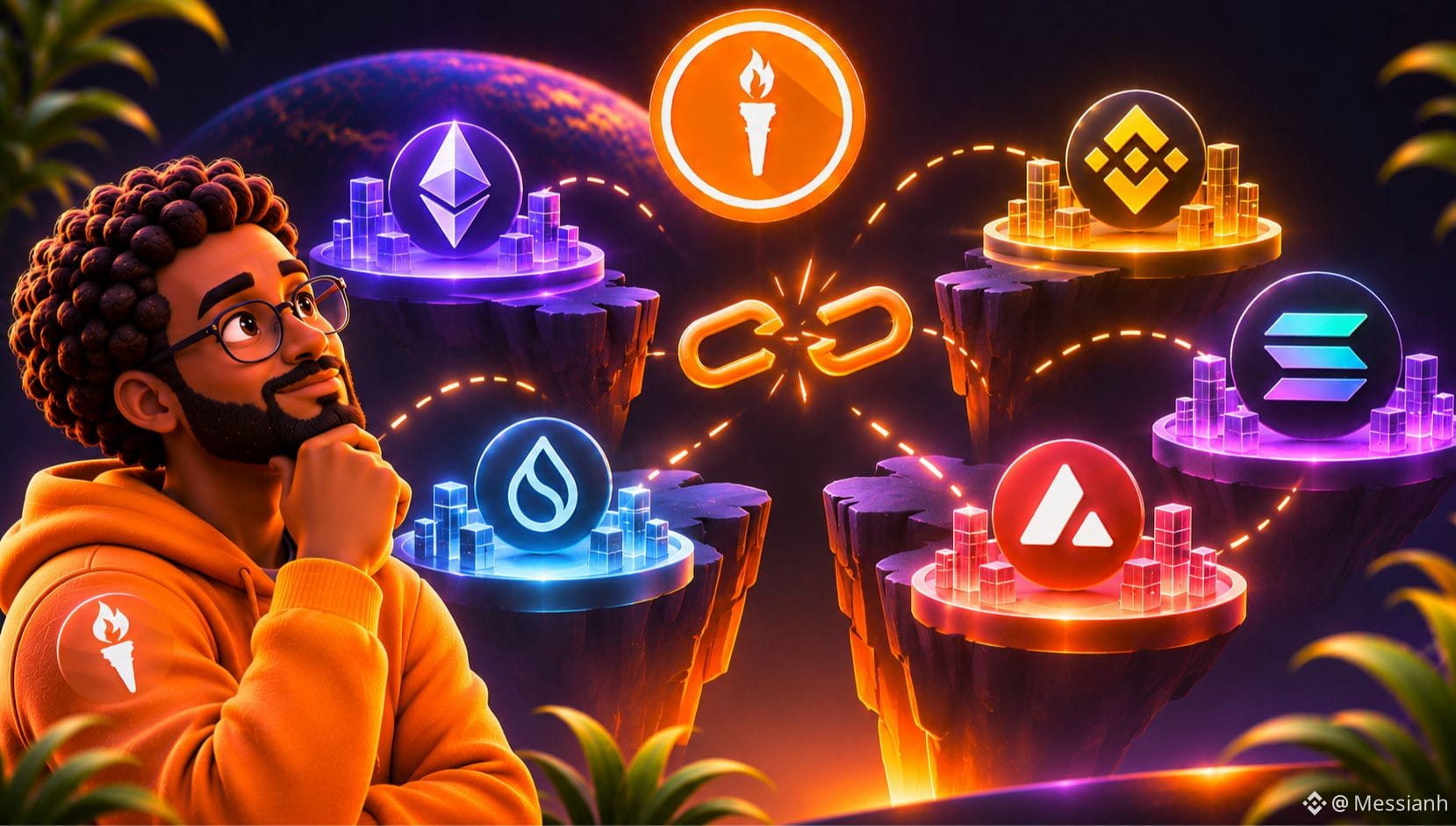
Web3 was supposed to connect people to a more open financial ecosystem.
But there's still a major challenge: blockchain fragmentation.
Ethereum, Solana, BNB Chain and other networks operate with different architectures, assets and ecosystems.
The result?
• Assets are spread across multiple networks.
• Applications often support specific blockchains.
• Moving value between networks can require additional steps.
• Users face a fragmented experience.
Each blockchain brings its own opportunities. But how do we make them work better together?
That's where cross-chain interoperability comes in.
The future of Web3 shouldn't be limited by blockchain boundaries.
#NvidiaBoardReportedlySplitOverHuang’sReturn $ETH
{spot}(ETHUSDT)
Web3 was supposed to connect people to a more open financial ecosystem.
But there's still a major challenge: blockchain fragmentation.
Ethereum, Solana, BNB Chain and other networks operate with different architectures, assets and ecosystems.
The result?
• Assets are spread across multiple networks.
• Applications often support specific blockchains.
• Moving value between networks can require additional steps.
• Users face a fragmented experience.
Each blockchain brings its own opportunities. But how do we make them work better together?
That's where cross-chain interoperability comes in.
The future of Web3 shouldn't be limited by blockchain boundaries.
#NvidiaBoardReportedlySplitOverHuang’sReturn $ETH
1
75
·
--
We've explored EVM wallets, digital assets and blockchain compatibility.
Now, let's connect the dots. Two developments are coming to the Liberdus ecosystem:
🔸 EVM Wallet
An upcoming addition designed around the EVM wallet ecosystem.
🔸 Asset Launch
The introduction of digital assets as another development within Liberdus.
Why does this matter?
Wallets and digital assets are important building blocks of the Web3 experience.
They open the door to new possibilities for managing and interacting with digital assets.
We're looking forward to seeing how these developments take shape.
What interests you most: the EVM Wallet or the asset launch?
#Liberdus #BTCRemainsUnderPressureAfterHawkishFOMCMinutes $MSFTB
{spot}(MSFTBUSDT)
We've explored EVM wallets, digital assets and blockchain compatibility.
Now, let's connect the dots. Two developments are coming to the Liberdus ecosystem:
🔸 EVM Wallet
An upcoming addition designed around the EVM wallet ecosystem.
🔸 Asset Launch
The introduction of digital assets as another development within Liberdus.
Why does this matter?
Wallets and digital assets are important building blocks of the Web3 experience.
They open the door to new possibilities for managing and interacting with digital assets.
We're looking forward to seeing how these developments take shape.
What interests you most: the EVM Wallet or the asset launch?
#Liberdus #BTCRemainsUnderPressureAfterHawkishFOMCMinutes $MSFTB
1
67
·
--
A crypto wallet shouldn't become a limitation in Web3.
That's why compatibility matters. A well-supported EVM wallet can make it easier to:
🔸 Connect to decentralized applications.
🔸 Interact with supported EVM networks.
🔸 Manage compatible digital assets.
🔸 Access different blockchain ecosystems.
🔸 Sign transactions across supported networks.
But compatibility isn't universal. Not every wallet supports every network, token or application.
And having the same wallet address across EVM networks doesn't mean your assets automatically move between them.
Better compatibility means fewer barriers between users and the Web3 ecosystem.
#Liberdus #LedgerHardwareImplantReportsExtendToDubai $AAPLB
{spot}(AAPLBUSDT)
A crypto wallet shouldn't become a limitation in Web3.
That's why compatibility matters. A well-supported EVM wallet can make it easier to:
🔸 Connect to decentralized applications.
🔸 Interact with supported EVM networks.
🔸 Manage compatible digital assets.
🔸 Access different blockchain ecosystems.
🔸 Sign transactions across supported networks.
But compatibility isn't universal. Not every wallet supports every network, token or application.
And having the same wallet address across EVM networks doesn't mean your assets automatically move between them.
Better compatibility means fewer barriers between users and the Web3 ecosystem.
#Liberdus #LedgerHardwareImplantReportsExtendToDubai $AAPLB
1
67
·
--
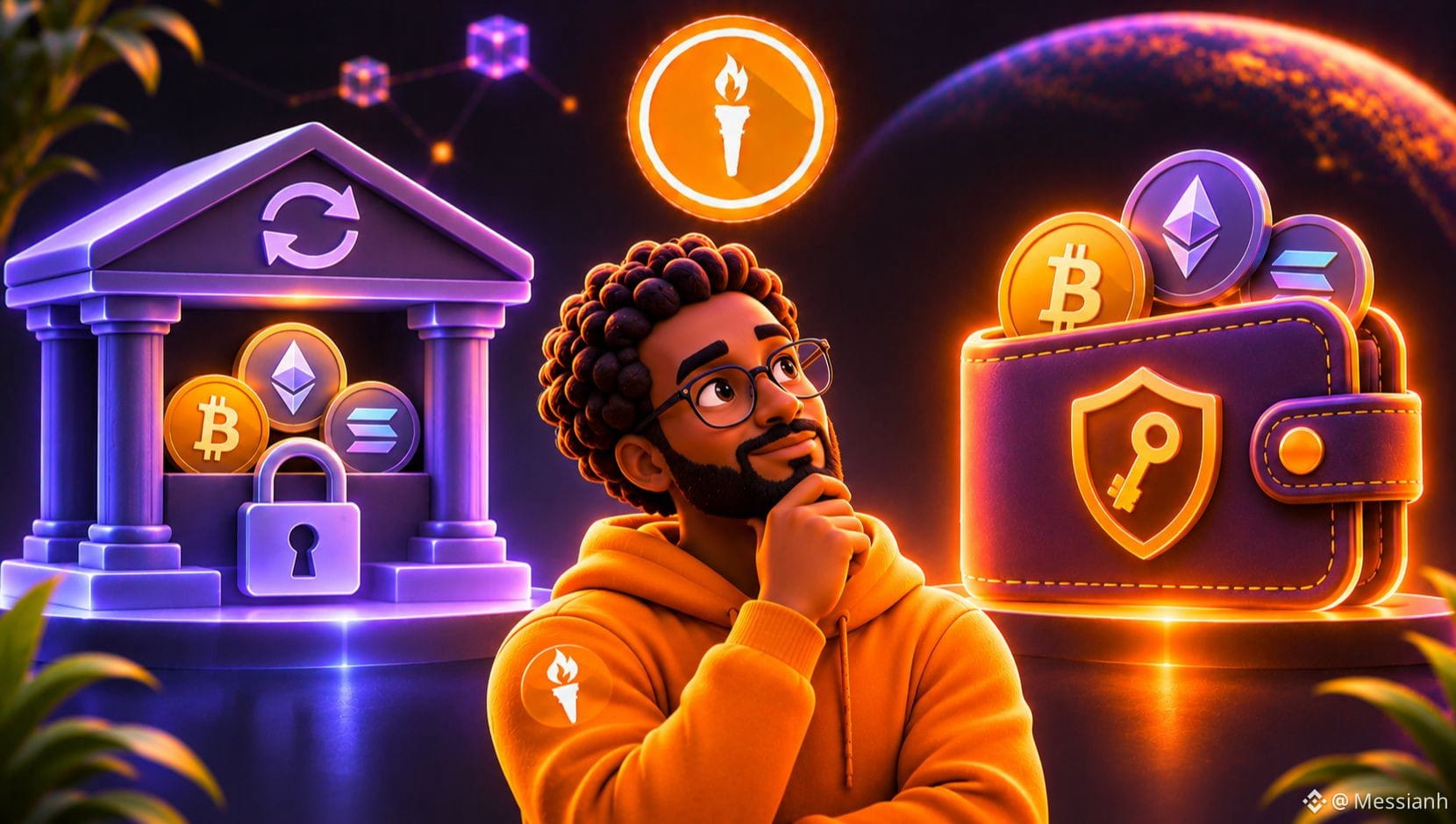
Wallet or exchange?
The difference goes beyond where you see your crypto balance. It comes down to one important question:
Who controls the private keys?
🔸 Centralized Exchange
The platform typically holds your private keys and manages your assets on your behalf. You trust the platform to provide access to your funds.
🔸 Self-Custody Wallet
You control your private keys and authorize your own transactions. No intermediary needs to hold your keys for you. But self-custody comes with responsibility: losing your recovery phrase can mean losing access to your assets.
Convenience matters, security matters and ownership matters.
Not your keys, not your coins.
How do you prefer to manage your cryto ?
#Liberdus #NvidiaEarningsTonight:AIStocks’NextMove? #ONDO $ONDO
{spot}(ONDOUSDT)
Wallet or exchange?
The difference goes beyond where you see your crypto balance. It comes down to one important question:
Who controls the private keys?
🔸 Centralized Exchange
The platform typically holds your private keys and manages your assets on your behalf. You trust the platform to provide access to your funds.
🔸 Self-Custody Wallet
You control your private keys and authorize your own transactions. No intermediary needs to hold your keys for you. But self-custody comes with responsibility: losing your recovery phrase can mean losing access to your assets.
Convenience matters, security matters and ownership matters.
Not your keys, not your coins.
How do you prefer to manage your cryto ?
#Liberdus #NvidiaEarningsTonight:AIStocks’NextMove? #ONDO $ONDO
1
291
·
--
Your EVM wallet is more than a place to hold crypto.
It's your gateway to blockchain applications. But how does it actually work?
Here's the simple version:
1️⃣ Connect: Your wallet connects to a decentralized application (dApp).
2️⃣ Interact: You can access information, check balances or explore available services.
3️⃣ Approve: When an action requires a blockchain transaction, your wallet asks you to review and sign it.
4️⃣ Execute: The signed transaction is submitted to the network for processing.
For example, you could use an EVM wallet to:
• Swap tokens.
• Interact with smart contracts.
• Manage digital assets.
• Use decentralized applications.
One important distinction, reading blockchain data doesn't normally require gas. Changing on-chain data through a transaction does.
Your wallet is the bridge between you and the Web3 experience.
#Liberdus #HuangReportedlyConsidersReturnToNvidia $AVAX
{spot}(AVAXUSDT)
Your EVM wallet is more than a place to hold crypto.
It's your gateway to blockchain applications. But how does it actually work?
Here's the simple version:
1️⃣ Connect: Your wallet connects to a decentralized application (dApp).
2️⃣ Interact: You can access information, check balances or explore available services.
3️⃣ Approve: When an action requires a blockchain transaction, your wallet asks you to review and sign it.
4️⃣ Execute: The signed transaction is submitted to the network for processing.
For example, you could use an EVM wallet to:
• Swap tokens.
• Interact with smart contracts.
• Manage digital assets.
• Use decentralized applications.
One important distinction, reading blockchain data doesn't normally require gas. Changing on-chain data through a transaction does.
Your wallet is the bridge between you and the Web3 experience.
#Liberdus #HuangReportedlyConsidersReturnToNvidia $AVAX
1
158
·
--
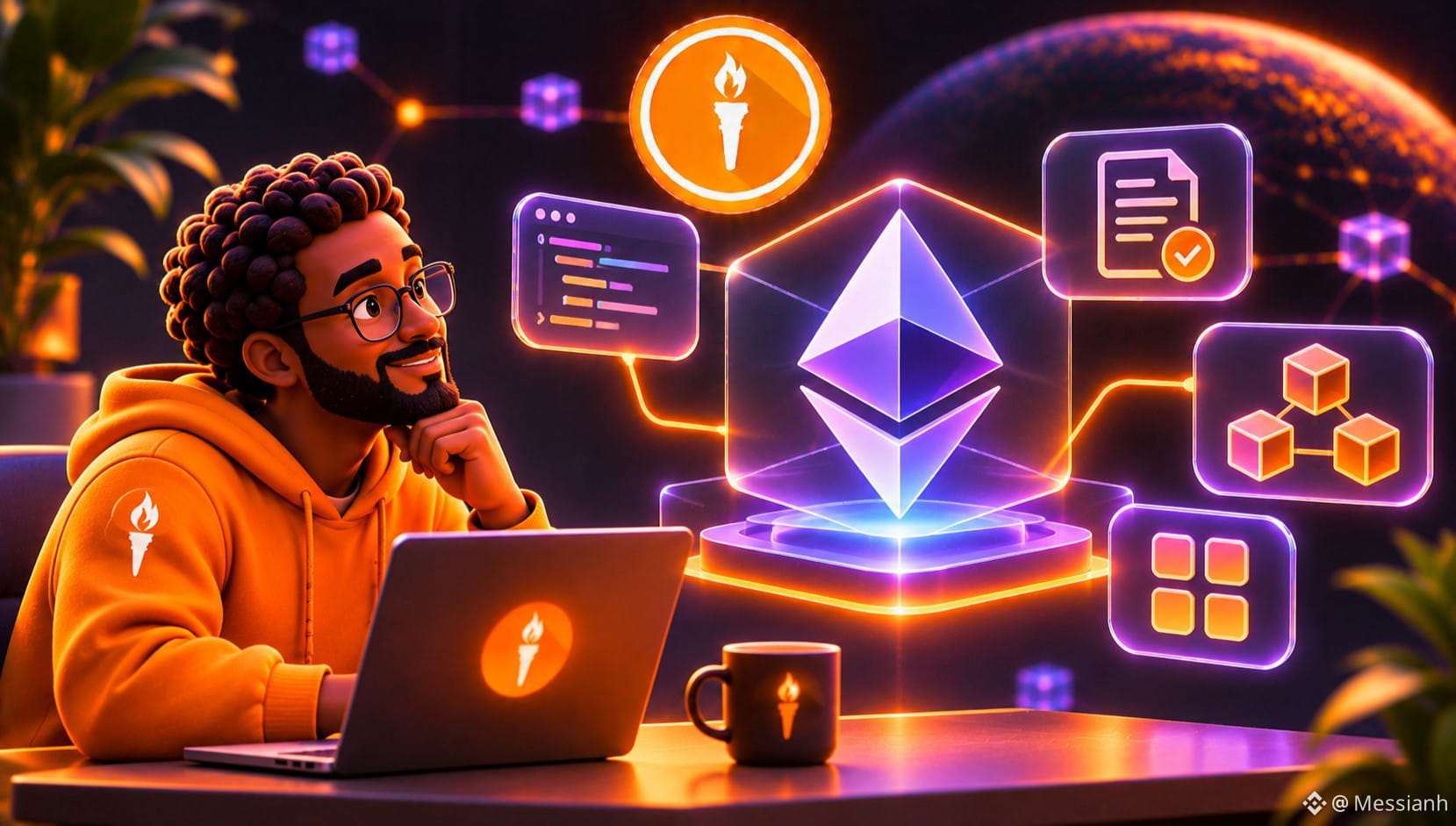
EVM, you've probably seen this acronym in Web3.
But what does it actually mean?
EVM stands for Ethereum Virtual Machine. Think of it as the execution environment that allows smart contracts to run on Ethereum.
Why does it matter?
🔸 It executes smart contract code.
🔸 It processes blockchain transactions.
🔸 It enables decentralized applications to operate.
🔸 EVM compatibility allows other networks to support the same execution environment.
In simple terms:
EVM is one of the foundations that makes the Ethereum ecosystem programmable. Understanding it is a good first step towards understanding EVM wallets.
#liberdus #AnthropicIPOTestsInvestorAppetiteForAI $ETH
{spot}(ETHUSDT)
EVM, you've probably seen this acronym in Web3.
But what does it actually mean?
EVM stands for Ethereum Virtual Machine. Think of it as the execution environment that allows smart contracts to run on Ethereum.
Why does it matter?
🔸 It executes smart contract code.
🔸 It processes blockchain transactions.
🔸 It enables decentralized applications to operate.
🔸 EVM compatibility allows other networks to support the same execution environment.
In simple terms:
EVM is one of the foundations that makes the Ethereum ecosystem programmable. Understanding it is a good first step towards understanding EVM wallets.
#liberdus #AnthropicIPOTestsInvestorAppetiteForAI $ETH
1
73
·
--
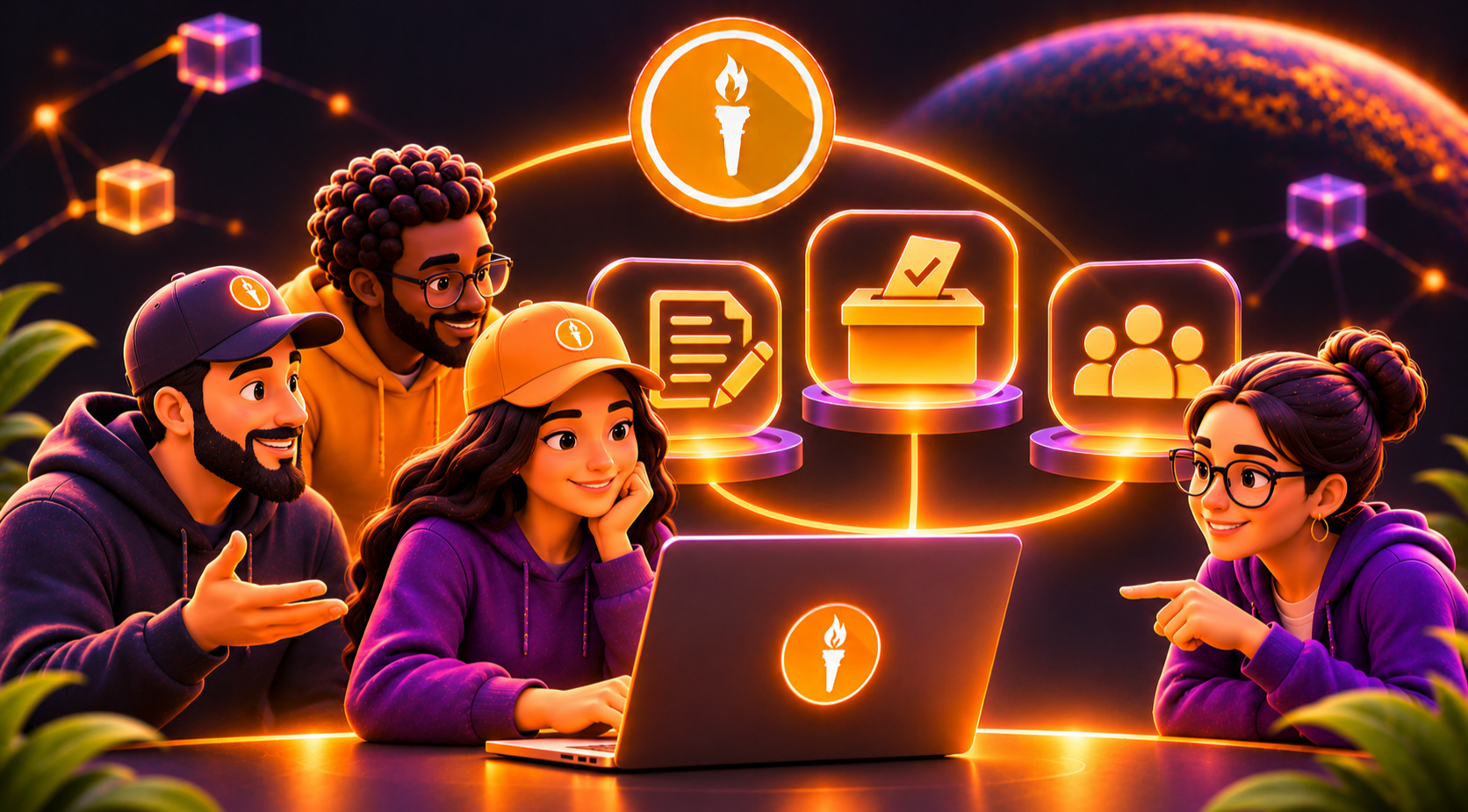
Decentralized governance is more than just having a voting button.
It's about giving a community ways to participate in the direction of an ecosystem.
That's why understanding DAOs matters.
Proposals
Voting
Collective decisions
Community participation
These are some of the concepts behind decentralized governance. And there's something to look forward to @liberdus DAO features are coming to Testnet.
An opportunity for the community to explore another important aspect of the Web3 ecosystem. Before testing, understand the principles.
Because meaningful participation starts with understanding how governance works.
#Liberdus #CryptoSelloffTriggersMultipleWhaleLiquidations $XRP
{spot}(XRPUSDT)
Decentralized governance is more than just having a voting button.
It's about giving a community ways to participate in the direction of an ecosystem.
That's why understanding DAOs matters.
Proposals
Voting
Collective decisions
Community participation
These are some of the concepts behind decentralized governance. And there's something to look forward to @liberdus DAO features are coming to Testnet.
An opportunity for the community to explore another important aspect of the Web3 ecosystem. Before testing, understand the principles.
Because meaningful participation starts with understanding how governance works.
#Liberdus #CryptoSelloffTriggersMultipleWhaleLiquidations $XRP
1
56
·
--
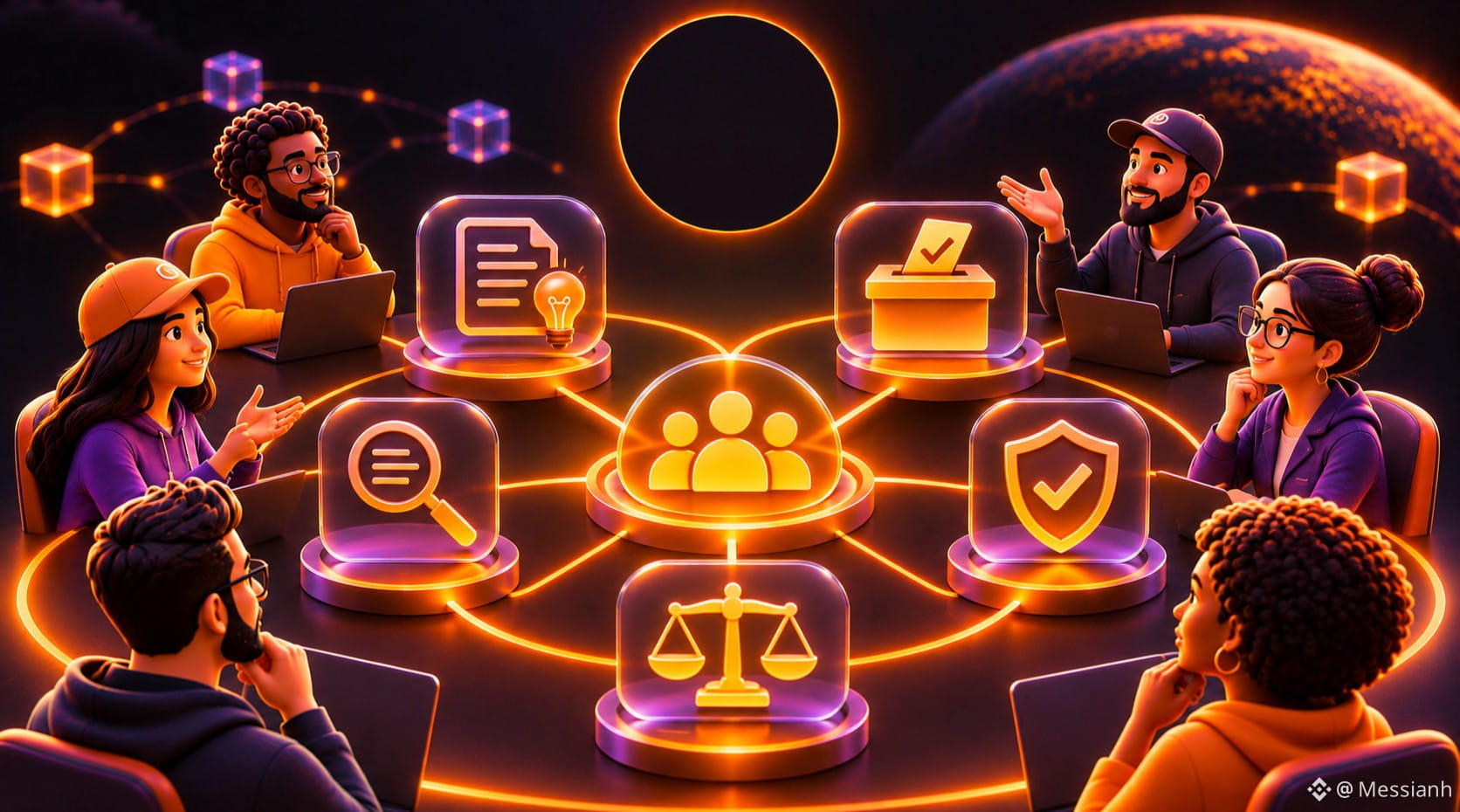
Having a DAO doesn't automatically make a project decentralized.
The real question is: where does the decision-making power actually sit?
A genuinely decentralized governance model should consider:
• Power distribution: Is influence concentrated in a few hands?
• Open participation: Can eligible community members contribute?
• Transparency: Are proposals, voting rules and outcomes visible?
• Accountability: Can decision-makers be held responsible?
• Fair representation: Do different voices have a meaningful opportunity to be heard?
Decentralization isn't just about having a voting mechanism. It's about how power is distributed and exercised.
What do you think is the most important ingredient of decentralized governance?
#Liberdus #USSpotXRPETFsSeeLargestWeeklyOutflowIn8Months $ETH
{spot}(ETHUSDT)
Having a DAO doesn't automatically make a project decentralized.
The real question is: where does the decision-making power actually sit?
A genuinely decentralized governance model should consider:
• Power distribution: Is influence concentrated in a few hands?
• Open participation: Can eligible community members contribute?
• Transparency: Are proposals, voting rules and outcomes visible?
• Accountability: Can decision-makers be held responsible?
• Fair representation: Do different voices have a meaningful opportunity to be heard?
Decentralization isn't just about having a voting mechanism. It's about how power is distributed and exercised.
What do you think is the most important ingredient of decentralized governance?
#Liberdus #USSpotXRPETFsSeeLargestWeeklyOutflowIn8Months $ETH
1
108
·
--
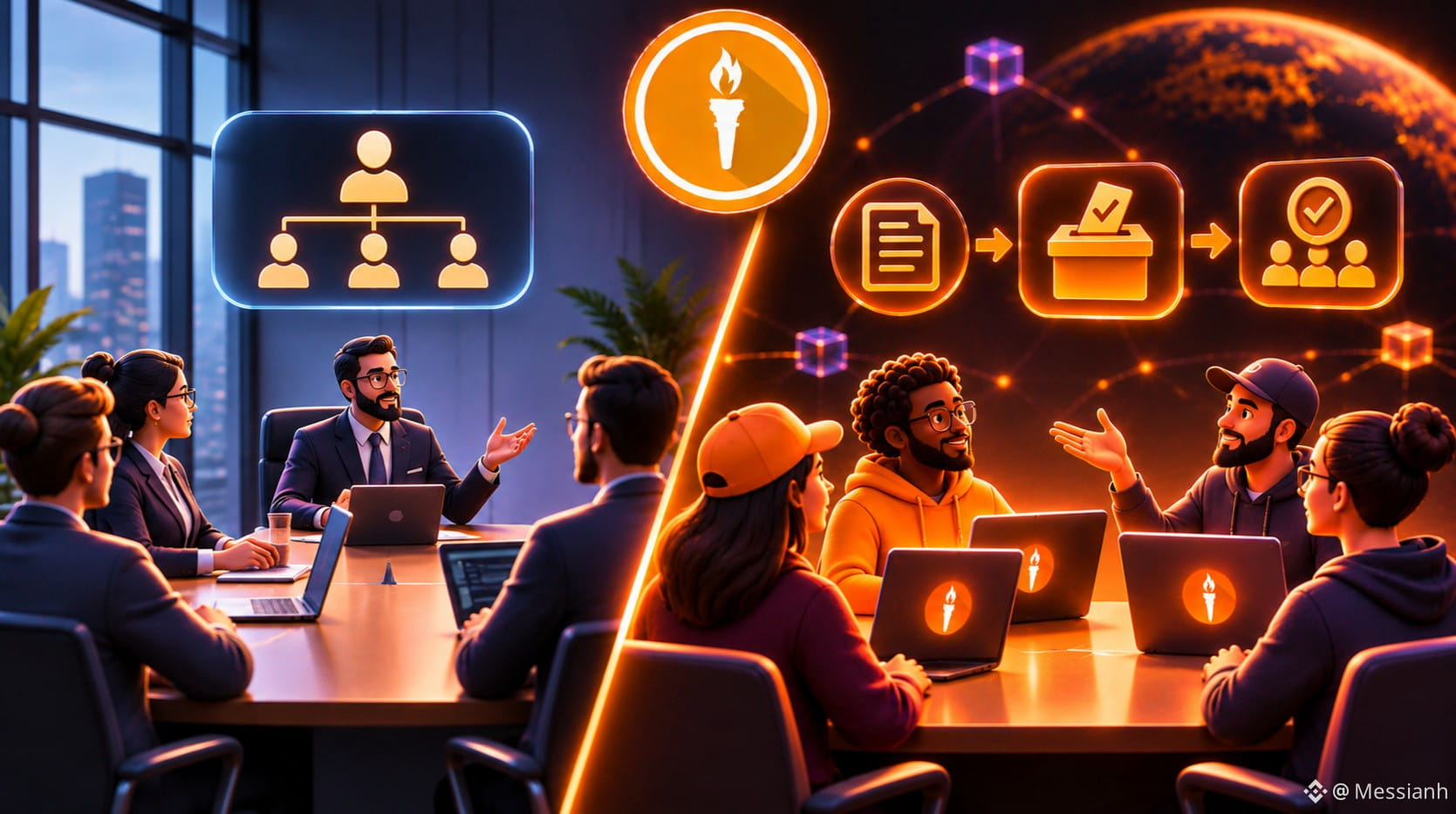
Traditional companies and DAOs can approach decision-making very differently.
In a traditional company:
• Decisions often follow a management hierarchy.
• Leadership teams typically set strategic priorities.
• Authority is assigned through organizational roles.
In a DAO:
• Participants can submit proposals.
• Eligible members can vote on decisions.
• Governance rules determine how outcomes are approved and implemented.
Neither model is perfect. Traditional structures can offer clear accountability and faster decisions.
DAOs can open new ways for communities to participate in governance.
But, would you rather have decisions made by a leadership team or through community participation?
#WhoWillSucceedJensenHuangatNvidia? $BTC
{spot}(BTCUSDT)
#DAO
Traditional companies and DAOs can approach decision-making very differently.
In a traditional company:
• Decisions often follow a management hierarchy.
• Leadership teams typically set strategic priorities.
• Authority is assigned through organizational roles.
In a DAO:
• Participants can submit proposals.
• Eligible members can vote on decisions.
• Governance rules determine how outcomes are approved and implemented.
Neither model is perfect. Traditional structures can offer clear accountability and faster decisions.
DAOs can open new ways for communities to participate in governance.
But, would you rather have decisions made by a leadership team or through community participation?
#WhoWillSucceedJensenHuangatNvidia? $BTC
#DAO
1
295
·
--
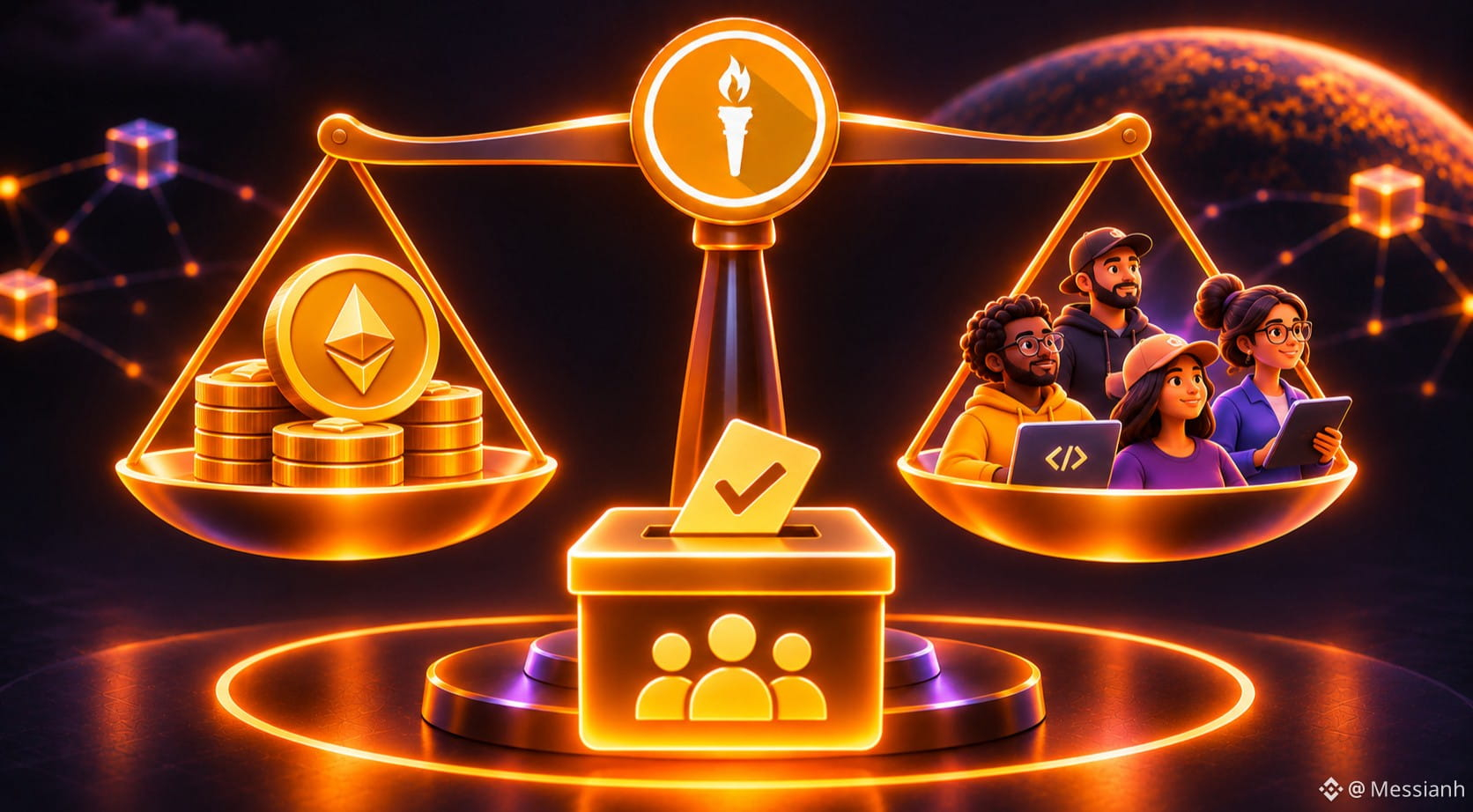
Should owning a token give you a voice in a project's future?
In many DAOs, token holders can participate in governance by voting on proposals. It sounds fair if you're invested in an ecosystem, you should have a say in its direction.
But there's another side to consider. Does owning more tokens mean having more influence? And what about developers, contributors and active community members who may hold fewer tokens?
Should governance power depend on token ownership, contribution, or both?
Let's discuss. 👇
#WhatWillDriveCryptoandStocks’NextRebound? #liberdus $SOL
{spot}(SOLUSDT)
Should owning a token give you a voice in a project's future?
In many DAOs, token holders can participate in governance by voting on proposals. It sounds fair if you're invested in an ecosystem, you should have a say in its direction.
But there's another side to consider. Does owning more tokens mean having more influence? And what about developers, contributors and active community members who may hold fewer tokens?
Should governance power depend on token ownership, contribution, or both?
Let's discuss. 👇
#WhatWillDriveCryptoandStocks’NextRebound? #liberdus $SOL
1
147
·
--
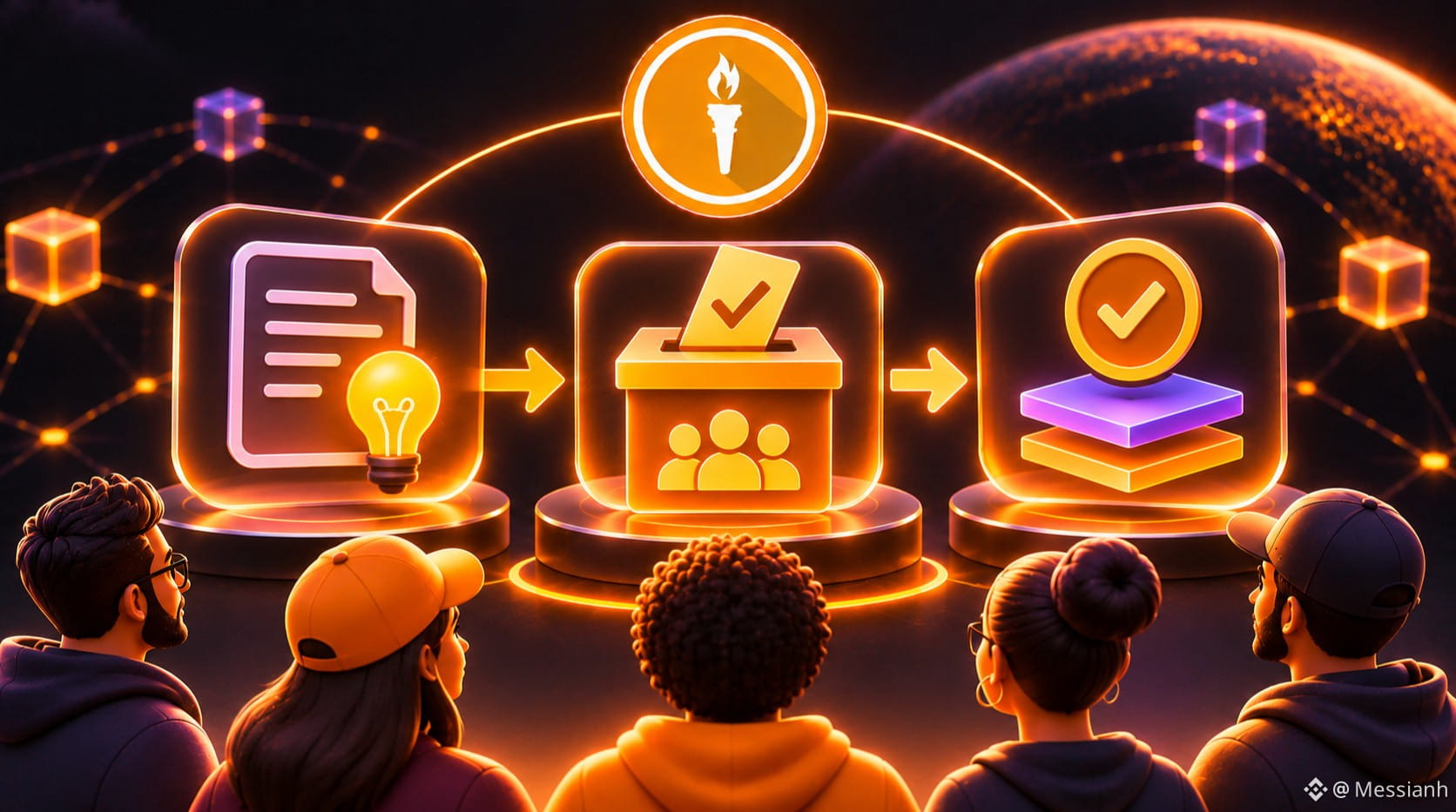
How can a Web3 community make decisions without relying entirely on a central authority?
That's one of the main ideas behind DAO governance. But how does it actually work?
Three key elements help explain it:
Proposals, voting and collective decisions.
First: PROPOSALS.
A proposal is a suggestion for changing or improving something within a project.
For example:
• Introducing a new feature.
• Changing a governance parameter.
• Funding a community initiative.
• Supporting a new development direction.
It gives participants a way to bring ideas forward.
Second: VOTING.
Once a proposal is submitted, eligible participants can express their position.
Depending on the DAO's governance model, voting power may be based on token holdings, membership or other participation rules.
The objective is to give participants a structured way to influence decisions.
Third: COLLECTIVE DECISIONS.
After voting closes, the result is evaluated according to the DAO's governance rules.
A proposal may be approved or rejected.
In some systems, approved proposals are executed automatically through smart contracts.
In others, additional steps or human intervention are required.
Here's a simple example. Imagine a community wants to introduce a new feature.
1. A member submits a proposal
2. The community discusses it
3. Eligible participants vote
4. The result is evaluated
5. The approved decision moves towards implementation
That's the basic governance process.
But there's an important detail. Having a voting system doesn't automatically make a DAO decentralized.
Who can submit proposals?
Who can vote?
How is voting power distributed?
Can decisions be overridden?
These rules matter just as much as the voting process itself.
This is why DAO governance deserves attention in Web3.
It's not simply about adding a voting button.
It's about creating meaningful ways for a community to participate in the direction of a project.
Liberdus has DAO features planned for its Testnet.
It will be interesting to explore how these governance mechanisms take shape.
#HuangExitNvidiaStrategyInFocus
1
78
·
--
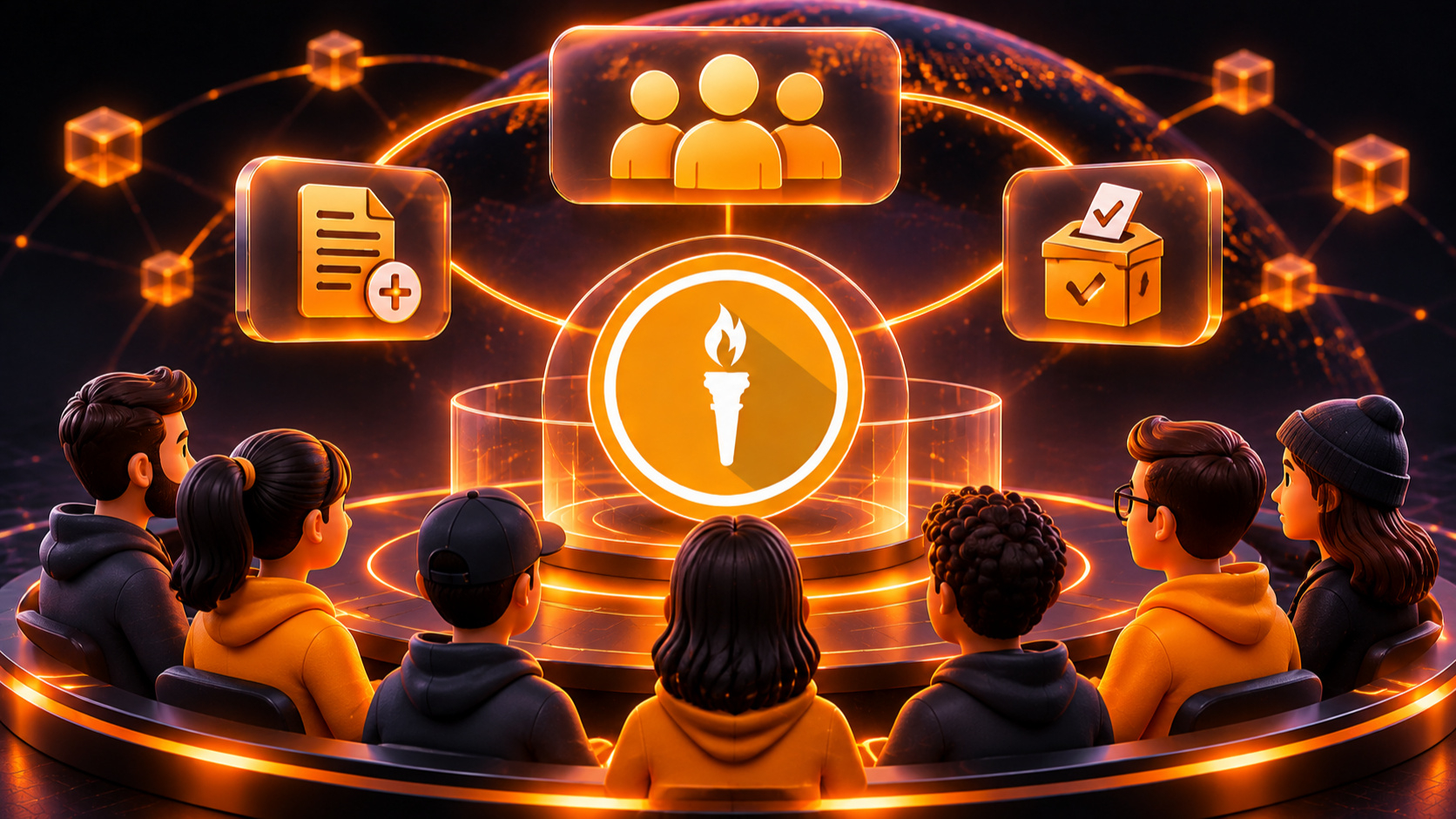
A decentralized network needs more than decentralized infrastructure.
It also needs a way for its community to participate in important decisions. Because decentralization isn't just about who runs the nodes. It's also about who has a voice.
Who can propose changes?
Who gets to vote?
Who influences the direction of the ecosystem?
Technology can distribute infrastructure. Good governance helps distribute decision-making power.
That's why DAOs matter in Web3.
#DAO #Liberdus #HotCPIDecemberHikePriced $ZEC
{spot}(ZECUSDT)
A decentralized network needs more than decentralized infrastructure.
It also needs a way for its community to participate in important decisions. Because decentralization isn't just about who runs the nodes. It's also about who has a voice.
Who can propose changes?
Who gets to vote?
Who influences the direction of the ecosystem?
Technology can distribute infrastructure. Good governance helps distribute decision-making power.
That's why DAOs matter in Web3.
#DAO #Liberdus #HotCPIDecemberHikePriced $ZEC
1
343
·
--
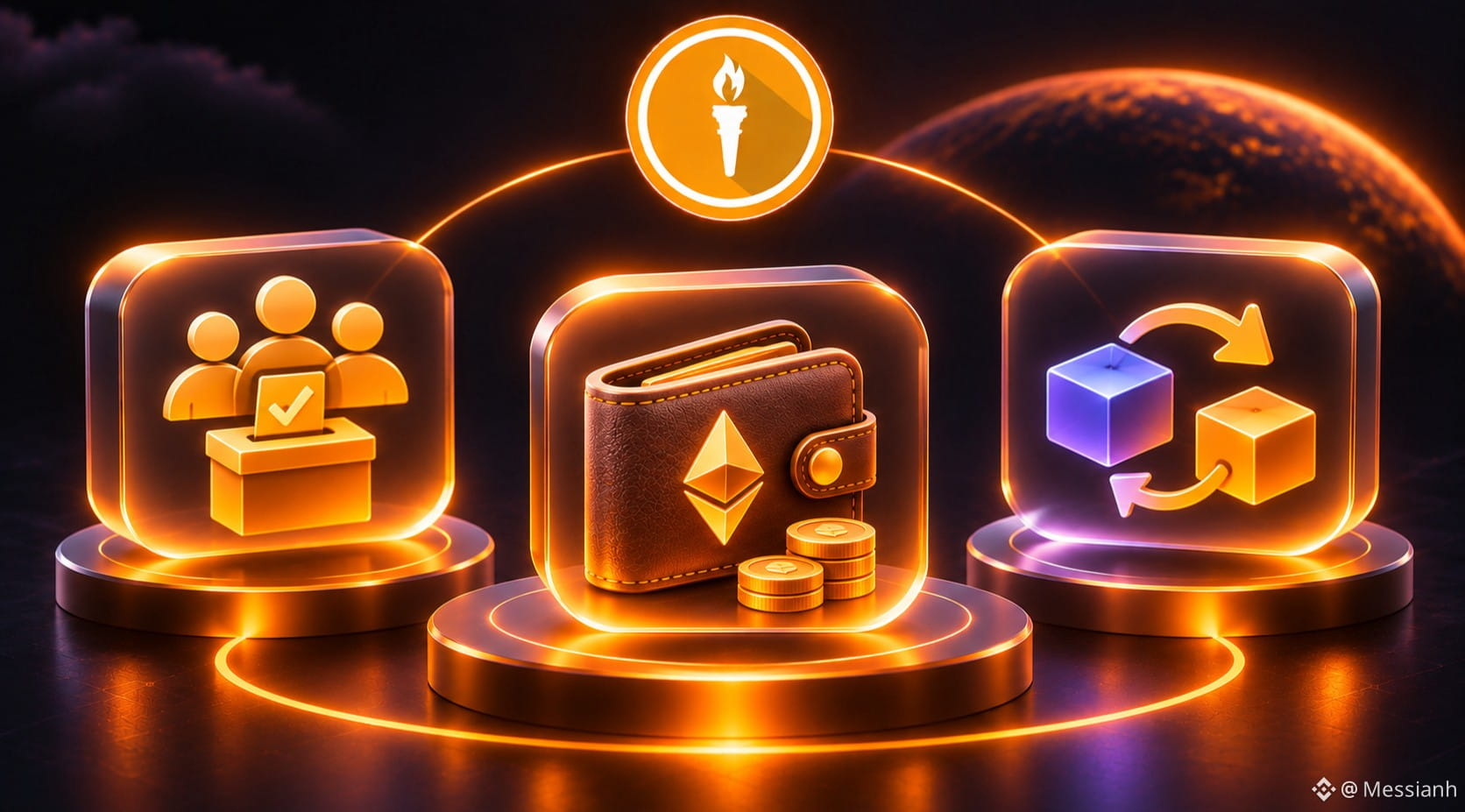
Web3 is evolving. And ecosystems need to evolve with it. Three interesting developments are being prepared for Liberdus:
🔸 DAO Features
Bringing decentralized governance closer to the community, with DAO features planned for Testnet.
🔸 EVM Wallet & Asset Launch
Expanding the ecosystem with an EVM Wallet and the introduction of digital assets.
🔸 NEAR Intents
Exploring cross-chain interoperability to make interactions between different blockchain ecosystems easier.
Three developments. Three different challenges. Governance. Digital asset management. Interoperability.
The goal is to keep building an ecosystem that gives users more ways to participate and interact with Web3.
Which of these developments are you most interested in exploring?
#Liberdus #Web3 #NvidiaInvestigatesAfterHuang’sAffairApology $PEPE
{spot}(PEPEUSDT)
Web3 is evolving. And ecosystems need to evolve with it. Three interesting developments are being prepared for Liberdus:
🔸 DAO Features
Bringing decentralized governance closer to the community, with DAO features planned for Testnet.
🔸 EVM Wallet & Asset Launch
Expanding the ecosystem with an EVM Wallet and the introduction of digital assets.
🔸 NEAR Intents
Exploring cross-chain interoperability to make interactions between different blockchain ecosystems easier.
Three developments. Three different challenges. Governance. Digital asset management. Interoperability.
The goal is to keep building an ecosystem that gives users more ways to participate and interact with Web3.
Which of these developments are you most interested in exploring?
#Liberdus #Web3 #NvidiaInvestigatesAfterHuang’sAffairApology $PEPE
2
134
Log in to explore more content
Join global crypto users on Binance Square
⚡️ Get latest and useful information about crypto.
💬 Trusted by the world’s largest crypto exchange.
👍 Discover real insights from verified creators.
Email / Phone number
Trending Topics
EvolveAtBinanceBlockchainWeek
1.6M views
16,846 Discussing
Binance Blockchain Week is officially underway! 🌍
On November 28–29, whether you’re in Bangkok or joining from afar, tune in to the livestreams and join the conversation on Binance Square!
Here’s what’s in store 👇
📺 Watch the main stage live
Tune in throughout both days as industry speakers share their perspectives on this year’s theme, “Evolve” From technological innovation to real-world applications, explore what’s next for crypto.
⚔️ Watch two trading competitions
The Aster Open Qualifier and the Binance Trading Master Tournament will both be streamed live. Tune in to follow the traders in action.
🏆 Watch The Blockchain 100 Awards Ceremony
The Blockchain 100 list was selected by the community. Join us in celebrating the creators and the ideas they share!
💬 Join the community conversation
Use #EvolveAtBinanceBlockchainWeek in a post with a photo to share what you’re looking forward to, your views on the industry, or your favorite moments from the event.
The event page is now live! Subscribe to all livestreams with one click so you don’t miss a moment 👏
Binance Blockchain Week
·366 Likes
·343.7k views
ColdcardFlawLeadsToTheftOfAtLeast1789BTC
16,093 views
190 Discussing
ChainflipVaultTheftHaltsProtocol
20,478 views
328 Discussing