
行銷搬進大程式
17 Posts

行銷搬進大程式
Report
Block User
「行銷搬進大程式」是用程式解決行銷與工作麻煩事的頻道。最近把「用寫程式提升效率」的想法延伸到幣安,打造了一套自動化交易機器人。這裡會分享程式化交易的實作過程、策略邏輯與工具選型,走乾貨路線,不報明牌、不保證獲利,記錄一個工程背景行銷人如何讓交易更有系統。
1 Following
2 Followers
1 Liked
Posts
·
--

Article
Full-blown clashes in the U.S.-Iran Strait of Hormuz: five tankers destroyed, an undersea vehicle seized—Dow tumbles hard, but Bitcoin still holds above $78,000[Full-scale escalation of the conflict]
On September 8, the Islamic Revolutionary Guard Corps (IRGC) announced that it had seized the most advanced unmanned undersea vehicle of the U.S. Navy in the Strait of Hormuz. The craft—made by Anduril and designated Dive-LD—is a deep-sea platform whose mission includes mine detection, seabed mapping, and gathering intelligence on undersea cables. The Pentagon, in a low-key response, said the vehicle “had already malfunctioned more than a day earlier,” attempting to downplay the significance of the incident. On the same day, the U.S. destroyed five Iranian oil tankers, while the IRGC claimed it had hit two U.S. Navy destroyers with missiles. The U.S. then launched retaliatory strikes against targets near the Strait of Hormuz and around Jask. This is the highest single-day incident density in the U.S.-Iran conflict—ongoing since February of this year and now exceeding six months.
Full-blown clashes in the U.S.-Iran Strait of Hormuz: five tankers destroyed, an undersea vehicle seized—Dow tumbles hard, but Bitcoin still holds above $78,000
[Full-scale escalation of the conflict]
On September 8, the Islamic Revolutionary Guard Corps (IRGC) announced that it had seized the most advanced unmanned undersea vehicle of the U.S. Navy in the Strait of Hormuz. The craft—made by Anduril and designated Dive-LD—is a deep-sea platform whose mission includes mine detection, seabed mapping, and gathering intelligence on undersea cables. The Pentagon, in a low-key response, said the vehicle “had already malfunctioned more than a day earlier,” attempting to downplay the significance of the incident. On the same day, the U.S. destroyed five Iranian oil tankers, while the IRGC claimed it had hit two U.S. Navy destroyers with missiles. The U.S. then launched retaliatory strikes against targets near the Strait of Hormuz and around Jask. This is the highest single-day incident density in the U.S.-Iran conflict—ongoing since February of this year and now exceeding six months.
On September 8, the Islamic Revolutionary Guard Corps (IRGC) announced that it had seized the most advanced unmanned undersea vehicle of the U.S. Navy in the Strait of Hormuz. The craft—made by Anduril and designated Dive-LD—is a deep-sea platform whose mission includes mine detection, seabed mapping, and gathering intelligence on undersea cables. The Pentagon, in a low-key response, said the vehicle “had already malfunctioned more than a day earlier,” attempting to downplay the significance of the incident. On the same day, the U.S. destroyed five Iranian oil tankers, while the IRGC claimed it had hit two U.S. Navy destroyers with missiles. The U.S. then launched retaliatory strikes against targets near the Strait of Hormuz and around Jask. This is the highest single-day incident density in the U.S.-Iran conflict—ongoing since February of this year and now exceeding six months.
98
·
--

Article
Bitcoin weakens, Ethereum defies the trend: institutional buying and a post-quantum roadmap provide key support【Event Background】
$BTC It weakened over the past 24 hours to around $78,000. It failed to hold the $80,000 level for two consecutive days. The main reason is that ahead of the FOMC meetings on September 15–16, market expectations for interest-rate hikes continued to heat up. Multiple models such as the CME FedWatch indicate that the probability of a September rate hike has already risen above 60%, and some institutions have even called it close to 70%. In addition, the lingering aftermath of the Liquid Network sidechain incident involving a vulnerability attack totaling about $320 million has further weighed on Bitcoin sentiment, which turned noticeably weaker. By contrast, $ETH the recent drawdowns have clearly narrowed in recent days. This is because two separate and independently positive developments occurred at the same time: institutions increased their buying on dips, and the protocol itself released a long-term technical roadmap.
Bitcoin weakens, Ethereum defies the trend: institutional buying and a post-quantum roadmap provide key support
【Event Background】
$BTC It weakened over the past 24 hours to around $78,000. It failed to hold the $80,000 level for two consecutive days. The main reason is that ahead of the FOMC meetings on September 15–16, market expectations for interest-rate hikes continued to heat up. Multiple models such as the CME FedWatch indicate that the probability of a September rate hike has already risen above 60%, and some institutions have even called it close to 70%. In addition, the lingering aftermath of the Liquid Network sidechain incident involving a vulnerability attack totaling about $320 million has further weighed on Bitcoin sentiment, which turned noticeably weaker. By contrast, $ETH the recent drawdowns have clearly narrowed in recent days. This is because two separate and independently positive developments occurred at the same time: institutions increased their buying on dips, and the protocol itself released a long-term technical roadmap.
$BTC It weakened over the past 24 hours to around $78,000. It failed to hold the $80,000 level for two consecutive days. The main reason is that ahead of the FOMC meetings on September 15–16, market expectations for interest-rate hikes continued to heat up. Multiple models such as the CME FedWatch indicate that the probability of a September rate hike has already risen above 60%, and some institutions have even called it close to 70%. In addition, the lingering aftermath of the Liquid Network sidechain incident involving a vulnerability attack totaling about $320 million has further weighed on Bitcoin sentiment, which turned noticeably weaker. By contrast, $ETH the recent drawdowns have clearly narrowed in recent days. This is because two separate and independently positive developments occurred at the same time: institutions increased their buying on dips, and the protocol itself released a long-term technical roadmap.
173
·
--
$BTC suddenly dived in, it's free—go pick some up
$BTC suddenly dived in, it's free—go pick some up
82
·
--

Article
Bitcoin Sidechain Liquid Network Hit with a $320 Million Vulnerability Attack; White-Hat Hackers Return 90% of the Funds[Event Timeline]
In the early hours of September 6, the Bitcoin sidechain Liquid Network suffered a vulnerability attack totaling about $320 million. Of the 4,200 bitcoins originally stored in the alliance wallet, 4,000 were transferred out within just a few hours. Later, the development team at Blockstream confirmed that the root cause was a software bug in Elements—the sidechain’s codebase—not a leaked private key. This bug caused the system to generate a batch of extra bitcoins out of thin air. The attackers then mixed these “inflated” coins with genuine assets and transferred them out via SideSwap, an officially approved transaction platform. Afterward, SideSwap admitted that it could not distinguish which coins were generated by the vulnerability and which were real assets.
Bitcoin Sidechain Liquid Network Hit with a $320 Million Vulnerability Attack; White-Hat Hackers Return 90% of the Funds
[Event Timeline]
In the early hours of September 6, the Bitcoin sidechain Liquid Network suffered a vulnerability attack totaling about $320 million. Of the 4,200 bitcoins originally stored in the alliance wallet, 4,000 were transferred out within just a few hours. Later, the development team at Blockstream confirmed that the root cause was a software bug in Elements—the sidechain’s codebase—not a leaked private key. This bug caused the system to generate a batch of extra bitcoins out of thin air. The attackers then mixed these “inflated” coins with genuine assets and transferred them out via SideSwap, an officially approved transaction platform. Afterward, SideSwap admitted that it could not distinguish which coins were generated by the vulnerability and which were real assets.
In the early hours of September 6, the Bitcoin sidechain Liquid Network suffered a vulnerability attack totaling about $320 million. Of the 4,200 bitcoins originally stored in the alliance wallet, 4,000 were transferred out within just a few hours. Later, the development team at Blockstream confirmed that the root cause was a software bug in Elements—the sidechain’s codebase—not a leaked private key. This bug caused the system to generate a batch of extra bitcoins out of thin air. The attackers then mixed these “inflated” coins with genuine assets and transferred them out via SideSwap, an officially approved transaction platform. Afterward, SideSwap admitted that it could not distinguish which coins were generated by the vulnerability and which were real assets.
30
·
--

Article
U.S.-Iran exchange fire over tankers; Iran’s missiles target aircraft carriers; and this time Bitcoin is unusually calm【Event itself】
The United States and Iran clashed over oil tankers around the Strait of Hormuz, with the largest exchange of fire since the standoff—already underway for more than six months—began, occurring over the past 24 hours. The U.S. military struck three Iranian tankers—Downy, Stark 1, and Kylo—outside Qarge Island, outside Jask, and in the Gulf of Oman. The U.S. side said that two of the ships were “permanently lost to combat capability,” and that one was directly sunk. Iran’s Islamic Revolutionary Guard Corps immediately retaliated, firing ballistic missiles at nearby U.S. aircraft carriers and destroyers, and claimed it hit three ships connected to the United States that had passed through the Strait of Hormuz via unauthorized routes. U.S. officials confirmed that this series of attacks is part of the “tanker-to-tanker” policy approved by the Trump administration, intended to deter Iran from continuing to attack tankers transiting the Strait of Hormuz. This key sea lane, which accounts for about 20% of global crude oil transport, has been effectively blockaded by Iran since February 28, 2026. The two sides’ military standoff has now lasted more than six months.
U.S.-Iran exchange fire over tankers; Iran’s missiles target aircraft carriers; and this time Bitcoin is unusually calm
【Event itself】
The United States and Iran clashed over oil tankers around the Strait of Hormuz, with the largest exchange of fire since the standoff—already underway for more than six months—began, occurring over the past 24 hours. The U.S. military struck three Iranian tankers—Downy, Stark 1, and Kylo—outside Qarge Island, outside Jask, and in the Gulf of Oman. The U.S. side said that two of the ships were “permanently lost to combat capability,” and that one was directly sunk. Iran’s Islamic Revolutionary Guard Corps immediately retaliated, firing ballistic missiles at nearby U.S. aircraft carriers and destroyers, and claimed it hit three ships connected to the United States that had passed through the Strait of Hormuz via unauthorized routes. U.S. officials confirmed that this series of attacks is part of the “tanker-to-tanker” policy approved by the Trump administration, intended to deter Iran from continuing to attack tankers transiting the Strait of Hormuz. This key sea lane, which accounts for about 20% of global crude oil transport, has been effectively blockaded by Iran since February 28, 2026. The two sides’ military standoff has now lasted more than six months.
The United States and Iran clashed over oil tankers around the Strait of Hormuz, with the largest exchange of fire since the standoff—already underway for more than six months—began, occurring over the past 24 hours. The U.S. military struck three Iranian tankers—Downy, Stark 1, and Kylo—outside Qarge Island, outside Jask, and in the Gulf of Oman. The U.S. side said that two of the ships were “permanently lost to combat capability,” and that one was directly sunk. Iran’s Islamic Revolutionary Guard Corps immediately retaliated, firing ballistic missiles at nearby U.S. aircraft carriers and destroyers, and claimed it hit three ships connected to the United States that had passed through the Strait of Hormuz via unauthorized routes. U.S. officials confirmed that this series of attacks is part of the “tanker-to-tanker” policy approved by the Trump administration, intended to deter Iran from continuing to attack tankers transiting the Strait of Hormuz. This key sea lane, which accounts for about 20% of global crude oil transport, has been effectively blockaded by Iran since February 28, 2026. The two sides’ military standoff has now lasted more than six months.
61
·
--

Article
Altcoin open interest first overtakes Bitcoin in 24 months—where is leverage concentrating?【Leverage chart shows a reversal】
According to Coinalyze data, as of September 7, the total open interest in altcoin perpetual contracts has already surpassed Bitcoin—this is the first time such an ordering reversal has occurred since December 2024. Bitcoin’s open interest is about $23.9 billion, accounting for 37% of the market. The remaining more than 60% is spread across a basket of tokens including $ETH , $SOL , XRP, BNB, and ZEC. At the same time, the total market capitalization of altcoins (excluding the top ten) has grown by more than 10% since the beginning of this month, approaching $200 billion, suggesting that leveraged funds are moving in tandem with spot buying into altcoins—not merely “being traded” within the derivatives market on its own.
Altcoin open interest first overtakes Bitcoin in 24 months—where is leverage concentrating?
【Leverage chart shows a reversal】
According to Coinalyze data, as of September 7, the total open interest in altcoin perpetual contracts has already surpassed Bitcoin—this is the first time such an ordering reversal has occurred since December 2024. Bitcoin’s open interest is about $23.9 billion, accounting for 37% of the market. The remaining more than 60% is spread across a basket of tokens including $ETH , $SOL , XRP, BNB, and ZEC. At the same time, the total market capitalization of altcoins (excluding the top ten) has grown by more than 10% since the beginning of this month, approaching $200 billion, suggesting that leveraged funds are moving in tandem with spot buying into altcoins—not merely “being traded” within the derivatives market on its own.
According to Coinalyze data, as of September 7, the total open interest in altcoin perpetual contracts has already surpassed Bitcoin—this is the first time such an ordering reversal has occurred since December 2024. Bitcoin’s open interest is about $23.9 billion, accounting for 37% of the market. The remaining more than 60% is spread across a basket of tokens including $ETH , $SOL , XRP, BNB, and ZEC. At the same time, the total market capitalization of altcoins (excluding the top ten) has grown by more than 10% since the beginning of this month, approaching $200 billion, suggesting that leveraged funds are moving in tandem with spot buying into altcoins—not merely “being traded” within the derivatives market on its own.
264
·
--

Article
IMF confirms El Salvador’s bitcoin reserves were not funded with public money, unlocking US$140 million in aid[IMF Review Results]
On September 3, the International Monetary Fund (IMF) announced that it has reached a staff-level agreement with El Salvador on the second and third combined reviews of the Extended Fund Facility (EFF) program, extending the arrangement by 40 months. During the review process, the El Salvadoran government submitted documents to show that all newly added bitcoin holdings in the treasury since the previous review before June 27, 2025 had private donors as their source of funds, with no use of any public funds. This finding means that El Salvador has upheld the core condition of the EFF program—namely, that the government may not use public money to add more bitcoin. Once this agreement is approved by the IMF Executive Board, it will unlock approximately US$140 million (SDR 101.96 million) in assistance funds for El Salvador.
IMF confirms El Salvador’s bitcoin reserves were not funded with public money, unlocking US$140 million in aid
[IMF Review Results]
On September 3, the International Monetary Fund (IMF) announced that it has reached a staff-level agreement with El Salvador on the second and third combined reviews of the Extended Fund Facility (EFF) program, extending the arrangement by 40 months. During the review process, the El Salvadoran government submitted documents to show that all newly added bitcoin holdings in the treasury since the previous review before June 27, 2025 had private donors as their source of funds, with no use of any public funds. This finding means that El Salvador has upheld the core condition of the EFF program—namely, that the government may not use public money to add more bitcoin. Once this agreement is approved by the IMF Executive Board, it will unlock approximately US$140 million (SDR 101.96 million) in assistance funds for El Salvador.
On September 3, the International Monetary Fund (IMF) announced that it has reached a staff-level agreement with El Salvador on the second and third combined reviews of the Extended Fund Facility (EFF) program, extending the arrangement by 40 months. During the review process, the El Salvadoran government submitted documents to show that all newly added bitcoin holdings in the treasury since the previous review before June 27, 2025 had private donors as their source of funds, with no use of any public funds. This finding means that El Salvador has upheld the core condition of the EFF program—namely, that the government may not use public money to add more bitcoin. Once this agreement is approved by the IMF Executive Board, it will unlock approximately US$140 million (SDR 101.96 million) in assistance funds for El Salvador.
54
·
--

Article
Iran announces the designation of a restricted zone in the Strait of Hormuz; Bitcoin's safe-haven narrative is tested again, and crude oil jumps above $90[Event Background]
On Sunday, Iran's Supreme National Security Council Secretary Rezaei said that Iran will designate a "restricted zone" in the outer area of the Strait of Hormuz within the next few days, extending from the U.S. naval blockade line all the way to the opposite side of the strait in the Persian Gulf. Any vessel entering this area without Iranian coordination will be placed on the sanctions list, affecting ship insurance and future transit eligibility. The announcement came right after the escalation in the U.S.-Iran standoff in the Strait of Hormuz over the past weekend—U.S. forces first "permanently disabled" two Iranian oil tankers, and the Iranian Revolutionary Guard then retaliated by attacking three oil tankers and three U.S.-affiliated vessels.
Iran announces the designation of a restricted zone in the Strait of Hormuz; Bitcoin's safe-haven narrative is tested again, and crude oil jumps above $90
[Event Background]
On Sunday, Iran's Supreme National Security Council Secretary Rezaei said that Iran will designate a "restricted zone" in the outer area of the Strait of Hormuz within the next few days, extending from the U.S. naval blockade line all the way to the opposite side of the strait in the Persian Gulf. Any vessel entering this area without Iranian coordination will be placed on the sanctions list, affecting ship insurance and future transit eligibility. The announcement came right after the escalation in the U.S.-Iran standoff in the Strait of Hormuz over the past weekend—U.S. forces first "permanently disabled" two Iranian oil tankers, and the Iranian Revolutionary Guard then retaliated by attacking three oil tankers and three U.S.-affiliated vessels.
On Sunday, Iran's Supreme National Security Council Secretary Rezaei said that Iran will designate a "restricted zone" in the outer area of the Strait of Hormuz within the next few days, extending from the U.S. naval blockade line all the way to the opposite side of the strait in the Persian Gulf. Any vessel entering this area without Iranian coordination will be placed on the sanctions list, affecting ship insurance and future transit eligibility. The announcement came right after the escalation in the U.S.-Iran standoff in the Strait of Hormuz over the past weekend—U.S. forces first "permanently disabled" two Iranian oil tankers, and the Iranian Revolutionary Guard then retaliated by attacking three oil tankers and three U.S.-affiliated vessels.
176
·
--

Article
Bitcoin ETF inflows hit the strongest three-week pace of the year, golden cross near at hand[Capital Flows]
U.S. spot Bitcoin ETFs saw a net inflow of $987 million last week (through September 5). Combined with the momentum from the previous two weeks, the past three weeks totaled $3.8 billion in inflows, marking the strongest three-week capital flow performance so far this year. Of that, on September 3 alone, inflows reached $731 million, setting a new daily high since January 14 this year. BlackRock's IBIT alone took in $454 million of that amount, accounting for more than 60%. From the perspective of fund structure, such a high share absorbed by a single institutional channel is usually interpreted as institutions re-entering the market to build positions, rather than simply retail investors chasing gains.$ETH Spot ETFs also maintained net inflows over the same period, at about $215 million for the week. Although this was a clear slowdown from the previous week's $815.7 million, it continued the trend of no capital shifting into outflows since the start of September.
Bitcoin ETF inflows hit the strongest three-week pace of the year, golden cross near at hand
[Capital Flows]
U.S. spot Bitcoin ETFs saw a net inflow of $987 million last week (through September 5). Combined with the momentum from the previous two weeks, the past three weeks totaled $3.8 billion in inflows, marking the strongest three-week capital flow performance so far this year. Of that, on September 3 alone, inflows reached $731 million, setting a new daily high since January 14 this year. BlackRock's IBIT alone took in $454 million of that amount, accounting for more than 60%. From the perspective of fund structure, such a high share absorbed by a single institutional channel is usually interpreted as institutions re-entering the market to build positions, rather than simply retail investors chasing gains.$ETH Spot ETFs also maintained net inflows over the same period, at about $215 million for the week. Although this was a clear slowdown from the previous week's $815.7 million, it continued the trend of no capital shifting into outflows since the start of September.
U.S. spot Bitcoin ETFs saw a net inflow of $987 million last week (through September 5). Combined with the momentum from the previous two weeks, the past three weeks totaled $3.8 billion in inflows, marking the strongest three-week capital flow performance so far this year. Of that, on September 3 alone, inflows reached $731 million, setting a new daily high since January 14 this year. BlackRock's IBIT alone took in $454 million of that amount, accounting for more than 60%. From the perspective of fund structure, such a high share absorbed by a single institutional channel is usually interpreted as institutions re-entering the market to build positions, rather than simply retail investors chasing gains.$ETH Spot ETFs also maintained net inflows over the same period, at about $215 million for the week. Although this was a clear slowdown from the previous week's $815.7 million, it continued the trend of no capital shifting into outflows since the start of September.
146
·
--

Article
Russia-Ukraine 72-hour ceasefire leads to a three-hour Kremlin meeting, but prediction markets price the chance of a truce at less than 30%, while BTC weakens in step[Diplomatic progress itself]
Russian President Putin ordered a 72-hour ceasefire in Kyiv, running from midnight on September 5 through September 8, coinciding with the itinerary of U.S. envoys Steve Witkoff and Jared Kushner visiting Moscow and Kyiv this weekend. This is the White House’s latest concrete move this year to promote Russia-Ukraine peace talks. Ukraine also agreed to suspend attacks on Moscow, giving both capitals a brief respite.
Two U.S. special envoys spent more than three hours talking with Putin in the Kremlin. Afterward, both the U.S. and Russia described the meeting as constructive. A White House official told the media that the two sides discussed substantive next steps toward a peace agreement. But Putin himself did not emerge from the meeting showing any clear signs of concession. Witkoff and Kushner then traveled to Kyiv to meet with Ukrainian President Zelensky, marking the first time in this round of diplomatic efforts that they had entered the Ukrainian capital.
Russia-Ukraine 72-hour ceasefire leads to a three-hour Kremlin meeting, but prediction markets price the chance of a truce at less than 30%, while BTC weakens in step
[Diplomatic progress itself]
Russian President Putin ordered a 72-hour ceasefire in Kyiv, running from midnight on September 5 through September 8, coinciding with the itinerary of U.S. envoys Steve Witkoff and Jared Kushner visiting Moscow and Kyiv this weekend. This is the White House’s latest concrete move this year to promote Russia-Ukraine peace talks. Ukraine also agreed to suspend attacks on Moscow, giving both capitals a brief respite.
Two U.S. special envoys spent more than three hours talking with Putin in the Kremlin. Afterward, both the U.S. and Russia described the meeting as constructive. A White House official told the media that the two sides discussed substantive next steps toward a peace agreement. But Putin himself did not emerge from the meeting showing any clear signs of concession. Witkoff and Kushner then traveled to Kyiv to meet with Ukrainian President Zelensky, marking the first time in this round of diplomatic efforts that they had entered the Ukrainian capital.
Russian President Putin ordered a 72-hour ceasefire in Kyiv, running from midnight on September 5 through September 8, coinciding with the itinerary of U.S. envoys Steve Witkoff and Jared Kushner visiting Moscow and Kyiv this weekend. This is the White House’s latest concrete move this year to promote Russia-Ukraine peace talks. Ukraine also agreed to suspend attacks on Moscow, giving both capitals a brief respite.
Two U.S. special envoys spent more than three hours talking with Putin in the Kremlin. Afterward, both the U.S. and Russia described the meeting as constructive. A White House official told the media that the two sides discussed substantive next steps toward a peace agreement. But Putin himself did not emerge from the meeting showing any clear signs of concession. Witkoff and Kushner then traveled to Kyiv to meet with Ukrainian President Zelensky, marking the first time in this round of diplomatic efforts that they had entered the Ukrainian capital.
1
1.9k
·
--
Article
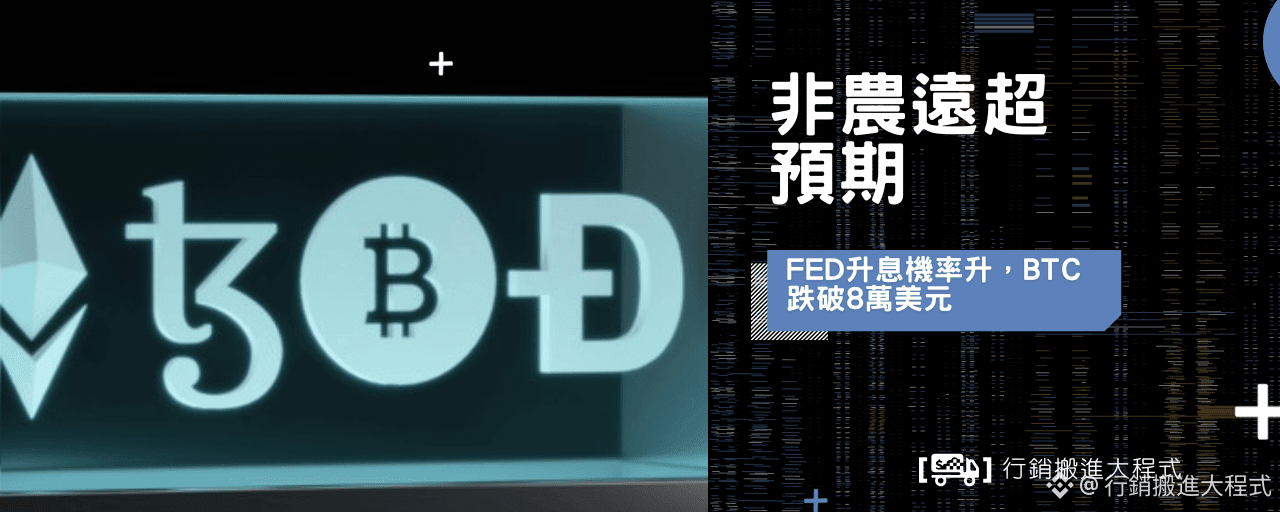
August nonfarm payrolls surge nearly 3 times expectations, Fed September rate hike odds jump to nearly 60%, Bitcoin falls below $80,000【The event itself】
U.S. August nonfarm payroll report: 162,000 jobs were added, far above the market's original estimate of 53,000 to 56,000, nearly three times expectations; the unemployment rate held at 4.1%, and the June/July figures were revised up simultaneously, adding a total of 55,000 jobs.
【Fed policy implications】
After the nonfarm data was released, the market's expected probability of a Fed rate hike at the September 16–17 policy meeting jumped from about 52% before the announcement to about 59%; the 2-year Treasury yield rose to 4.39%, the 10-year yield reached 4.78%, and the U.S. dollar index also climbed to 99.23. A stronger-than-expected labor market means the Fed has even less reason to cut rates immediately, and the path toward hikes has stronger support instead—this kind of interpretation, where strong data leads to tighter policy, is often described as hawkish (leaning toward tightening); conversely, weak data and market expectations for looser policy are described as dovish (leaning toward easing). This combination is clearly hawkish.
August nonfarm payrolls surge nearly 3 times expectations, Fed September rate hike odds jump to nearly 60%, Bitcoin falls below $80,000
【The event itself】
U.S. August nonfarm payroll report: 162,000 jobs were added, far above the market's original estimate of 53,000 to 56,000, nearly three times expectations; the unemployment rate held at 4.1%, and the June/July figures were revised up simultaneously, adding a total of 55,000 jobs.
【Fed policy implications】
After the nonfarm data was released, the market's expected probability of a Fed rate hike at the September 16–17 policy meeting jumped from about 52% before the announcement to about 59%; the 2-year Treasury yield rose to 4.39%, the 10-year yield reached 4.78%, and the U.S. dollar index also climbed to 99.23. A stronger-than-expected labor market means the Fed has even less reason to cut rates immediately, and the path toward hikes has stronger support instead—this kind of interpretation, where strong data leads to tighter policy, is often described as hawkish (leaning toward tightening); conversely, weak data and market expectations for looser policy are described as dovish (leaning toward easing). This combination is clearly hawkish.
U.S. August nonfarm payroll report: 162,000 jobs were added, far above the market's original estimate of 53,000 to 56,000, nearly three times expectations; the unemployment rate held at 4.1%, and the June/July figures were revised up simultaneously, adding a total of 55,000 jobs.
【Fed policy implications】
After the nonfarm data was released, the market's expected probability of a Fed rate hike at the September 16–17 policy meeting jumped from about 52% before the announcement to about 59%; the 2-year Treasury yield rose to 4.39%, the 10-year yield reached 4.78%, and the U.S. dollar index also climbed to 99.23. A stronger-than-expected labor market means the Fed has even less reason to cut rates immediately, and the path toward hikes has stronger support instead—this kind of interpretation, where strong data leads to tighter policy, is often described as hawkish (leaning toward tightening); conversely, weak data and market expectations for looser policy are described as dovish (leaning toward easing). This combination is clearly hawkish.
102
·
--
Article
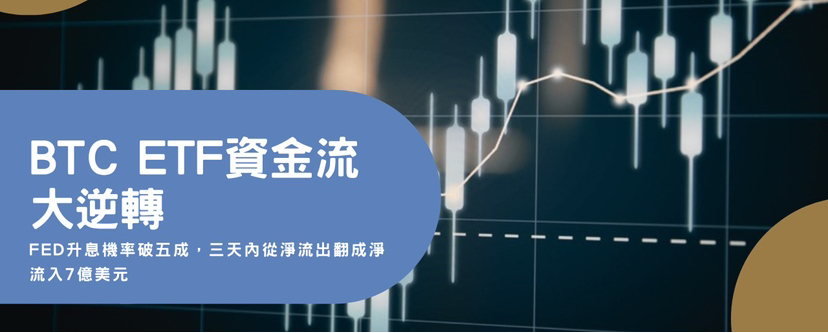
Fed September rate hike odds break above 50%, while BTC ETF flows flipped from net outflows to $700 million in net inflows within three daysThe macro event worth the most attention last week was the market's repricing of the probability of a rate hike at the U.S. Federal Reserve (Fed) September meeting. After Fed Chair Kevin Warsh's remarks at Jackson Hole, the CME FedWatch tool showed the probability of a September rate hike jumping quickly from 35.4% to around 55.7%~58%, meaning the market overnight shifted from "leaning toward no hike" to "more than a 50% chance of a hike."
When expectations like this shift, risk assets usually feel the pressure first, $BTC and indeed after Warsh's remarks they fell about 3% in the short term, briefly breaking below $77,000 before quickly rebounding to around $78,000. In August as a whole, BTC rose from about $63,000 to over $80,000, an increase of about 23%. This pullback so far appears to still be within the digestion range of that rally, rather than a sign of trend reversal—but that is only the market's current reaction speed. Next, two key data releases will determine whether the odds of a rate hike continue to be revised higher: the August nonfarm payrolls released on September 4 (already released, with 162,000 new jobs, far above market expectations of 56,000, and the unemployment rate unchanged at 4.1%), and the August CPI to be released on September 11.
Fed September rate hike odds break above 50%, while BTC ETF flows flipped from net outflows to $700 million in net inflows within three days
The macro event worth the most attention last week was the market's repricing of the probability of a rate hike at the U.S. Federal Reserve (Fed) September meeting. After Fed Chair Kevin Warsh's remarks at Jackson Hole, the CME FedWatch tool showed the probability of a September rate hike jumping quickly from 35.4% to around 55.7%~58%, meaning the market overnight shifted from "leaning toward no hike" to "more than a 50% chance of a hike."
When expectations like this shift, risk assets usually feel the pressure first, $BTC and indeed after Warsh's remarks they fell about 3% in the short term, briefly breaking below $77,000 before quickly rebounding to around $78,000. In August as a whole, BTC rose from about $63,000 to over $80,000, an increase of about 23%. This pullback so far appears to still be within the digestion range of that rally, rather than a sign of trend reversal—but that is only the market's current reaction speed. Next, two key data releases will determine whether the odds of a rate hike continue to be revised higher: the August nonfarm payrolls released on September 4 (already released, with 162,000 new jobs, far above market expectations of 56,000, and the unemployment rate unchanged at 4.1%), and the August CPI to be released on September 11.
When expectations like this shift, risk assets usually feel the pressure first, $BTC and indeed after Warsh's remarks they fell about 3% in the short term, briefly breaking below $77,000 before quickly rebounding to around $78,000. In August as a whole, BTC rose from about $63,000 to over $80,000, an increase of about 23%. This pullback so far appears to still be within the digestion range of that rally, rather than a sign of trend reversal—but that is only the market's current reaction speed. Next, two key data releases will determine whether the odds of a rate hike continue to be revised higher: the August nonfarm payrolls released on September 4 (already released, with 162,000 new jobs, far above market expectations of 56,000, and the unemployment rate unchanged at 4.1%), and the August CPI to be released on September 11.
469
·
--
Bearish
🚨 Crude oil ($CL ) has quietly broken through a key resistance! This wave of energy price gains will become the biggest macro variable in the second half of $BTC !
Many people who only trade crypto don’t pay attention to traditional commodities, but the unusual movement in crude oil prices is about to give the entire crypto market a reality check. Today we’ll move beyond pure candlestick charts and break down this chain reaction from the perspective of macro liquidity.
📊 Core cross-market logic (Oil ➡️ Crypto):
Inflation expectations are reigniting: if crude oil remains strong, next month’s CPI data will absolutely not come down.
Rate-cut expectations are hit: once inflation rebounds, the Fed’s rate-cut pace will be disrupted. A stronger U.S. dollar index is the most direct liquidity drain for btc and other risk assets.
Safe-haven capital rotation: if the oil rally is driven by geopolitical conflict, funds will first flow into gold (you can watch Binance’s gold token $PAXG), while high-risk altcoins will face massive selling pressure.
Two directions:
🎯 Short $CL
🎯 Rotate into BTC
🚨 Crude oil ($CL ) has quietly broken through a key resistance! This wave of energy price gains will become the biggest macro variable in the second half of $BTC !
Many people who only trade crypto don’t pay attention to traditional commodities, but the unusual movement in crude oil prices is about to give the entire crypto market a reality check. Today we’ll move beyond pure candlestick charts and break down this chain reaction from the perspective of macro liquidity.
📊 Core cross-market logic (Oil ➡️ Crypto):
Inflation expectations are reigniting: if crude oil remains strong, next month’s CPI data will absolutely not come down.
Rate-cut expectations are hit: once inflation rebounds, the Fed’s rate-cut pace will be disrupted. A stronger U.S. dollar index is the most direct liquidity drain for btc and other risk assets.
Safe-haven capital rotation: if the oil rally is driven by geopolitical conflict, funds will first flow into gold (you can watch Binance’s gold token $PAXG), while high-risk altcoins will face massive selling pressure.
Two directions:
🎯 Short $CL
🎯 Rotate into BTC
Many people who only trade crypto don’t pay attention to traditional commodities, but the unusual movement in crude oil prices is about to give the entire crypto market a reality check. Today we’ll move beyond pure candlestick charts and break down this chain reaction from the perspective of macro liquidity.
📊 Core cross-market logic (Oil ➡️ Crypto):
Inflation expectations are reigniting: if crude oil remains strong, next month’s CPI data will absolutely not come down.
Rate-cut expectations are hit: once inflation rebounds, the Fed’s rate-cut pace will be disrupted. A stronger U.S. dollar index is the most direct liquidity drain for btc and other risk assets.
Safe-haven capital rotation: if the oil rally is driven by geopolitical conflict, funds will first flow into gold (you can watch Binance’s gold token $PAXG), while high-risk altcoins will face massive selling pressure.
Two directions:
🎯 Short $CL
🎯 Rotate into BTC
317
·
--
🚨 $SUI 4-hour breakout confirmed! Is this a chase or a bull trap?
After two weeks of rectangle consolidation, $SUI has just broken through the key neckline with strong volume. The market is now showing a healthy low-volume pullback, and the bullish structure remains intact.
📊 Core observations:
1. The breakout was accompanied by volume expanding to 1.8x the 5-day average.
2. Funding rates are still below 0.01%, meaning retail traders have not yet aggressively chased the move, and short squeeze momentum is still present.
🎯 Trading plan reference:
• Suggested entry zone: 1.92 - 1.95 (pullback confirmation)
• Take-profit target (TP1): 2.12 (previous high)
• Take-profit target (TP2): 2.30 (Fibonacci 1.618 extension)
• Strategy invalidation / stop loss (SL): 1.86 (close if price breaks below the previous low structure)
⚠️ Risk reminder: If the broader market $BTC experiences a sudden sharp pullback, please prioritize defense.
👉 Are you currently holding a long position or waiting to short on the rebound? Share your entry point in the comments below!
{future}(BTCUSDT)
🚨 $SUI 4-hour breakout confirmed! Is this a chase or a bull trap?
After two weeks of rectangle consolidation, $SUI has just broken through the key neckline with strong volume. The market is now showing a healthy low-volume pullback, and the bullish structure remains intact.
📊 Core observations:
1. The breakout was accompanied by volume expanding to 1.8x the 5-day average.
2. Funding rates are still below 0.01%, meaning retail traders have not yet aggressively chased the move, and short squeeze momentum is still present.
🎯 Trading plan reference:
• Suggested entry zone: 1.92 - 1.95 (pullback confirmation)
• Take-profit target (TP1): 2.12 (previous high)
• Take-profit target (TP2): 2.30 (Fibonacci 1.618 extension)
• Strategy invalidation / stop loss (SL): 1.86 (close if price breaks below the previous low structure)
⚠️ Risk reminder: If the broader market $BTC experiences a sudden sharp pullback, please prioritize defense.
👉 Are you currently holding a long position or waiting to short on the rebound? Share your entry point in the comments below!
After two weeks of rectangle consolidation, $SUI has just broken through the key neckline with strong volume. The market is now showing a healthy low-volume pullback, and the bullish structure remains intact.
📊 Core observations:
1. The breakout was accompanied by volume expanding to 1.8x the 5-day average.
2. Funding rates are still below 0.01%, meaning retail traders have not yet aggressively chased the move, and short squeeze momentum is still present.
🎯 Trading plan reference:
• Suggested entry zone: 1.92 - 1.95 (pullback confirmation)
• Take-profit target (TP1): 2.12 (previous high)
• Take-profit target (TP2): 2.30 (Fibonacci 1.618 extension)
• Strategy invalidation / stop loss (SL): 1.86 (close if price breaks below the previous low structure)
⚠️ Risk reminder: If the broader market $BTC experiences a sudden sharp pullback, please prioritize defense.
👉 Are you currently holding a long position or waiting to short on the rebound? Share your entry point in the comments below!
229
·
--
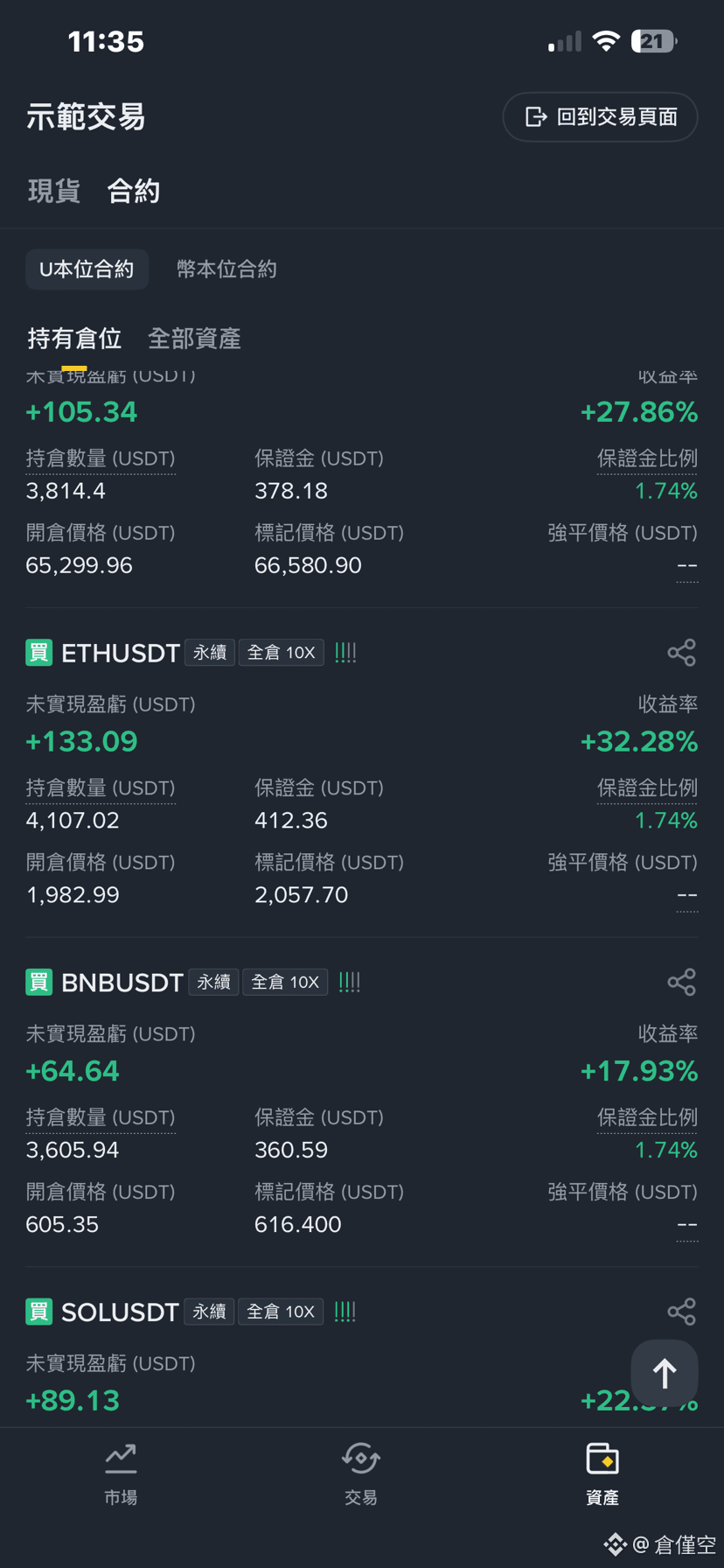
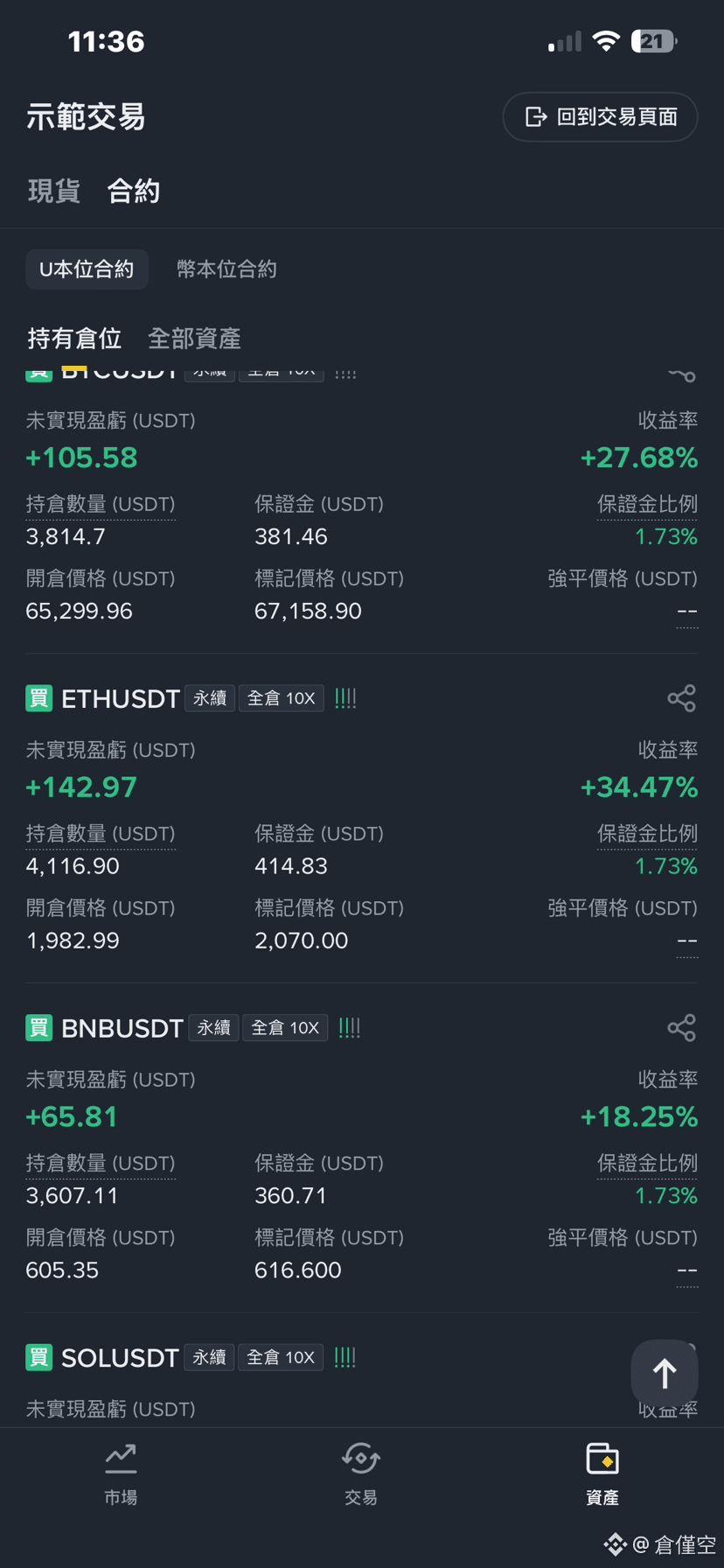
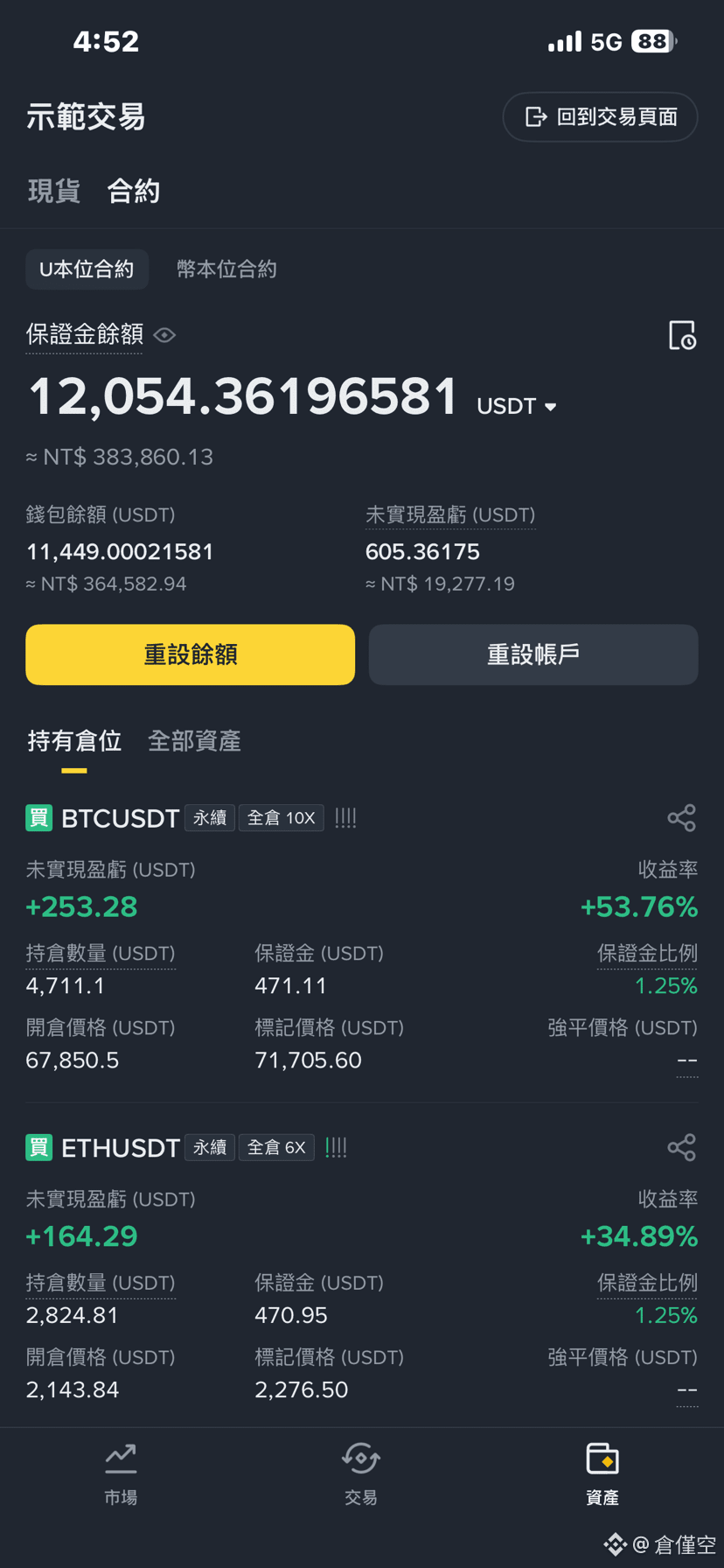
Good news is I made a lot of money, bad news is...
.
.
.
.
This is a simulated one…
Good news is I made a lot of money, bad news is...
.
.
.
.
This is a simulated one…
.
.
.
.
This is a simulated one…
496
·
--
How to view Bitcoin in the second half of 2026? Let's find answers from macroeconomics and the dollar index 🚀
Right now, the crypto market is at a crucial juncture of Fed policy and the repricing of global liquidity. As traders, we need to keep our eyes on the candlesticks, but we can't overlook the macro landscape behind it. Here are three core observations in the current market:
1️⃣ Interest Rate Cut Expectations and Liquidity Support
If the Fed further shifts its policy from 'restrictive' to 'neutral', the cost of borrowing will decrease, providing strong underlying support for risk assets like Bitcoin. As long as the economy doesn't slip into recession, institutions will feel more confident in making long-term plays.
2️⃣ The seesaw effect between Bitcoin and the Dollar Index (DXY)
Both are still maintaining a strong 'negative correlation'. When the DXY strengthens, it indicates tightening global dollar liquidity and rising risk-free rates, meaning Bitcoin often bears the brunt of the selling pressure; conversely, every pullback in the dollar represents a market re-pricing of digital assets.
3️⃣ Dynamic Adjustments in Quantitative Strategies
Changes in the macro environment directly reflect in contract data:
👉 When the dollar weakens: Market sentiment turns bullish, and the funding rate typically shows stable positive values, creating a perfect environment to amplify capital and execute 'arbitrage' strategies.
👉 When the dollar strengthens: Bulls may get over-leveraged, and rates could plunge into negative territory. At this point, simple carry trade efficiency declines, but the accompanying increase in volatility makes it more suitable to widen 'grid trading' parameters, allowing for high sells and low buys in the fluctuations.
💡 In summary: In the current macro narrative, going long on Bitcoin is largely about 'shorting the dollar'.
What’s everyone’s current trading strategy? Are you leaning towards long-term HODLing or using automation tools for arbitrage? Feel free to drop your thoughts below! 👇
How to view Bitcoin in the second half of 2026? Let's find answers from macroeconomics and the dollar index 🚀
Right now, the crypto market is at a crucial juncture of Fed policy and the repricing of global liquidity. As traders, we need to keep our eyes on the candlesticks, but we can't overlook the macro landscape behind it. Here are three core observations in the current market:
1️⃣ Interest Rate Cut Expectations and Liquidity Support
If the Fed further shifts its policy from 'restrictive' to 'neutral', the cost of borrowing will decrease, providing strong underlying support for risk assets like Bitcoin. As long as the economy doesn't slip into recession, institutions will feel more confident in making long-term plays.
2️⃣ The seesaw effect between Bitcoin and the Dollar Index (DXY)
Both are still maintaining a strong 'negative correlation'. When the DXY strengthens, it indicates tightening global dollar liquidity and rising risk-free rates, meaning Bitcoin often bears the brunt of the selling pressure; conversely, every pullback in the dollar represents a market re-pricing of digital assets.
3️⃣ Dynamic Adjustments in Quantitative Strategies
Changes in the macro environment directly reflect in contract data:
👉 When the dollar weakens: Market sentiment turns bullish, and the funding rate typically shows stable positive values, creating a perfect environment to amplify capital and execute 'arbitrage' strategies.
👉 When the dollar strengthens: Bulls may get over-leveraged, and rates could plunge into negative territory. At this point, simple carry trade efficiency declines, but the accompanying increase in volatility makes it more suitable to widen 'grid trading' parameters, allowing for high sells and low buys in the fluctuations.
💡 In summary: In the current macro narrative, going long on Bitcoin is largely about 'shorting the dollar'.
What’s everyone’s current trading strategy? Are you leaning towards long-term HODLing or using automation tools for arbitrage? Feel free to drop your thoughts below! 👇
Right now, the crypto market is at a crucial juncture of Fed policy and the repricing of global liquidity. As traders, we need to keep our eyes on the candlesticks, but we can't overlook the macro landscape behind it. Here are three core observations in the current market:
1️⃣ Interest Rate Cut Expectations and Liquidity Support
If the Fed further shifts its policy from 'restrictive' to 'neutral', the cost of borrowing will decrease, providing strong underlying support for risk assets like Bitcoin. As long as the economy doesn't slip into recession, institutions will feel more confident in making long-term plays.
2️⃣ The seesaw effect between Bitcoin and the Dollar Index (DXY)
Both are still maintaining a strong 'negative correlation'. When the DXY strengthens, it indicates tightening global dollar liquidity and rising risk-free rates, meaning Bitcoin often bears the brunt of the selling pressure; conversely, every pullback in the dollar represents a market re-pricing of digital assets.
3️⃣ Dynamic Adjustments in Quantitative Strategies
Changes in the macro environment directly reflect in contract data:
👉 When the dollar weakens: Market sentiment turns bullish, and the funding rate typically shows stable positive values, creating a perfect environment to amplify capital and execute 'arbitrage' strategies.
👉 When the dollar strengthens: Bulls may get over-leveraged, and rates could plunge into negative territory. At this point, simple carry trade efficiency declines, but the accompanying increase in volatility makes it more suitable to widen 'grid trading' parameters, allowing for high sells and low buys in the fluctuations.
💡 In summary: In the current macro narrative, going long on Bitcoin is largely about 'shorting the dollar'.
What’s everyone’s current trading strategy? Are you leaning towards long-term HODLing or using automation tools for arbitrage? Feel free to drop your thoughts below! 👇
199
Log in to explore more content
Join global crypto users on Binance Square
⚡️ Get latest and useful information about crypto.
💬 Trusted by the world’s largest crypto exchange.
👍 Discover real insights from verified creators.
Email / Phone number
Trending Topics
RippleLobbiesToAdvanceCLARITYActVote
336 views
39 Discussing
#ripplelobbiestoadvanceclarityactvote
🚨🏛️ RIPPLE PUSHES HARD AS CLARITY ACT VOTE NEARS: XRP’S REGULATORY MOMENT? 🏛️🚨
When rules remain blurred, even strong builders walk through shadows.
But when clarity approaches, the market starts watching who moves first.
Ripple is now part of the broader industry lobbying push ahead of the September 15 Senate procedural vote on the CLARITY Act, a major U.S. crypto market-structure bill.
The bill seeks to establish clearer boundaries between securities and commodities while defining regulatory responsibilities across the SEC and CFTC. The Senate Banking Committee previously advanced its version 15-9, sending it toward the Senate floor.
Ripple’s interest is bigger than one company. Clearer rules could reduce the regulatory uncertainty that has shaped how crypto firms build, operate, and attract institutional capital in the U.S.
But this is not a guaranteed legislative win. The bill still faces political disagreements, including disputes over consumer protections, banking concerns, and ethics provisions.
That makes September 15 more than another congressional date. It becomes a test of whether years of crypto lobbying can finally translate into a clearer U.S. market structure.
In crypto, clarity is not merely paperwork. It can determine where capital, companies, and innovation choose to stay.
❓ Do you think the CLARITY Act can become the regulatory breakthrough Ripple and the broader crypto industry have been waiting for?
Disclaimer: This is informational content, not financial or investment advice.
#XRP #CLARITYAct #GrowWithSAC $SOPH $FORM $XRP
#RippleLobbiesToAdvanceCLARITYActVote
Sienna Leo-你真棒-带我走
·0 Likes
·135 views
GrayscaleZcashETFTops$500M
3,711 views
56 Discussing
ChinaAugustCPIRises0.8%YoY
9,159 views
337 Discussing