
Automobili Lamborghini
1.8k Posts

Automobili Lamborghini
Report
Block User
讲币圈 靠得住 没有关系低保户
High-Frequency Trader
2.6 Years
66 Following
418 Followers
2.0K+ Liked
Posts
All
Quotes
Videos
·
--
Bullish
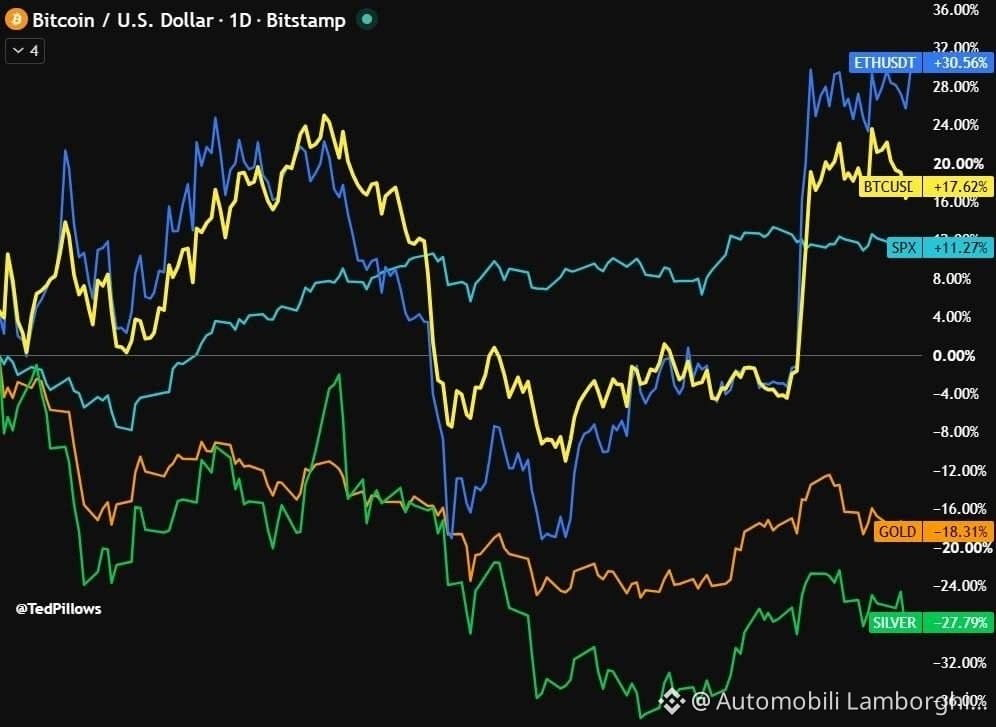
If you invested $10,000 when the U.S.-Iran war began, you would get:
▫️ Ethereum: $13,056
▫️ Bitcoin: $11,762
▫️ S&P 500: $11,270
▫️ Gold: $8,200
▫️ Silver: $7,310
People originally expected precious metals to perform the best, but they performed the worst.
People originally expected cryptocurrencies to crash, but they performed the best.
$BTC $ETH $SOL
#美国10年期国债收益率逼近5%
#全网爆仓6.74亿美元
If you invested $10,000 when the U.S.-Iran war began, you would get:
▫️ Ethereum: $13,056
▫️ Bitcoin: $11,762
▫️ S&P 500: $11,270
▫️ Gold: $8,200
▫️ Silver: $7,310
People originally expected precious metals to perform the best, but they performed the worst.
People originally expected cryptocurrencies to crash, but they performed the best.
$BTC $ETH $SOL
#美国10年期国债收益率逼近5%
#全网爆仓6.74亿美元
▫️ Ethereum: $13,056
▫️ Bitcoin: $11,762
▫️ S&P 500: $11,270
▫️ Gold: $8,200
▫️ Silver: $7,310
People originally expected precious metals to perform the best, but they performed the worst.
People originally expected cryptocurrencies to crash, but they performed the best.
$BTC $ETH $SOL
#美国10年期国债收益率逼近5%
#全网爆仓6.74亿美元
1
242
Some people hold it in their palms like a treasured gem, while others press it to their head like a plane cup. Its value depends on the person. The deeper you love, the deeper you hate. We’re all kindred spirits—didn’t Jike also sell videos for money? Brother Sun, you’re not short on cash—can you post it so everyone can take a look?
$My girlfriend Jing Tian $TORN $BTC
Some people hold it in their palms like a treasured gem, while others press it to their head like a plane cup. Its value depends on the person. The deeper you love, the deeper you hate. We’re all kindred spirits—didn’t Jike also sell videos for money? Brother Sun, you’re not short on cash—can you post it so everyone can take a look?
$My girlfriend Jing Tian $TORN $BTC
$My girlfriend Jing Tian $TORN $BTC

130
Bitcoin’s market share rises again—have you seen the key signal in this rally?
Recently, the crypto market’s attention has been pulled back by an old but reliable metric: Bitcoin’s market share (BTC.D) is quietly creeping up. Many people watch for sudden spikes and crashes in altcoins, but they overlook the movement of this “bastion.” In my view, every twitch of BTC.D is not just a number game—it’s the market’s money voting with its feet.
**Why is BTC.D the most worth watching indicator right now?**
Simply put, it measures Bitcoin’s weight as a portion of the total market capitalization across all cryptocurrencies. When BTC.D rises, it means capital is flowing back into Bitcoin, putting relative pressure on altcoins; when it falls, it suggests risk appetite is heating up and money is spilling over into smaller-cap coins. The uptick in this indicator is backed by at least three layers of logic:
**First layer: Risk-aversion sentiment returns as the market searches for “certainty.”** Uncertainty in the macro environment, repeated regulatory headlines, and fatigue from some altcoin narratives have all made capital more inclined to embrace liquidity best and the strongest consensus—Bitcoin. It’s like ships steering back to the safest harbor before a storm hits. BTC.D rising is the most direct thermometer of the market’s risk-off mood.
**Second layer: ETF flows and the reflection of institutional behavior.** Ongoing net inflows into spot Bitcoin ETFs are an important driver pushing BTC.D higher. Institutional money is large in volume and favors high-liquidity assets—Bitcoin is naturally the first choice. When traditional capital enters this market through compliant channels, the first thing they buy is BTC, which directly boosts Bitcoin’s share of market cap. You can think of BTC.D as a “shadow indicator” of the timing of incremental institutional capital entering.
**Third layer: Altcoins’ “blood-making” ability is weakening.** I’m not saying all altcoins are doomed, but it’s undeniable that many new projects have extremely high narrative overlap and lack genuine innovation and user growth. When the “100x coin” story gets harder and harder to tell, capital retreats from these high-risk targets and flows back to Bitcoin. BTC.D rising is, to a certain extent, also a “stress test” of the altcoin sector.
**My interpretation and incremental thinking:**
Many people treat BTC.D as a simple “either/or” signal—either buy Bitcoin, or buy altcoins. But I’m more inclined to see it as a **position-management barometer**.
- **When BTC.D keeps rising:** there’s no need to panic, and no need to rush into bottom-fishing altcoins. This is often not the end of the move; it’s the market accumulating strength. Historically, after BTC.D makes new highs multiple times, the real altcoin season arrives. Wait for signals that BTC.D stalls at high levels or turns downward—then the odds of laying out quality altcoins will be higher.
- **Watch out for “fake breakouts” and “data traps.”** BTC.D is calculated based on total market cap, which can be distorted by factors like new coin issuance and additional stablecoin minting. Don’t judge based on a single number—combine it with Bitcoin’s own price trend (whether the rising share is driven by Bitcoin going up, or is a passive rise during a drop) to make a comprehensive assessment. If BTC.D passively rises during a downtrend, it indicates the market is shrinking overall and risk is greater.
**Risk warning:**
It must be emphasized that BTC.D is a lagging indicator. It reflects where the capital flowed over the past period and cannot accurately predict the future. The crypto market is extremely volatile, and any indicator can fail. Especially during extreme market conditions with extremely abundant liquidity or extremely scarce liquidity, BTC.D’s significance will be greatly reduced. Be sure to make independent investment decisions based on your own risk tolerance.
**To sum it up:**
A rising Bitcoin market share is neither an apocalypse signal nor a reason to blindly go all-in. It’s like a mirror that shows the market’s current caution and rationality. Watch it not to predict whether the price goes up or down in the next moment, but to find the main line of where capital is truly flowing amid the noise. When the tide recedes, you’ll know who was swimming naked—and right now, the tide is flowing toward Bitcoin.
Content reference @@vitalikbuterin, second creation
Bitcoin’s market share rises again—have you seen the key signal in this rally?
Recently, the crypto market’s attention has been pulled back by an old but reliable metric: Bitcoin’s market share (BTC.D) is quietly creeping up. Many people watch for sudden spikes and crashes in altcoins, but they overlook the movement of this “bastion.” In my view, every twitch of BTC.D is not just a number game—it’s the market’s money voting with its feet.
**Why is BTC.D the most worth watching indicator right now?**
Simply put, it measures Bitcoin’s weight as a portion of the total market capitalization across all cryptocurrencies. When BTC.D rises, it means capital is flowing back into Bitcoin, putting relative pressure on altcoins; when it falls, it suggests risk appetite is heating up and money is spilling over into smaller-cap coins. The uptick in this indicator is backed by at least three layers of logic:
**First layer: Risk-aversion sentiment returns as the market searches for “certainty.”** Uncertainty in the macro environment, repeated regulatory headlines, and fatigue from some altcoin narratives have all made capital more inclined to embrace liquidity best and the strongest consensus—Bitcoin. It’s like ships steering back to the safest harbor before a storm hits. BTC.D rising is the most direct thermometer of the market’s risk-off mood.
**Second layer: ETF flows and the reflection of institutional behavior.** Ongoing net inflows into spot Bitcoin ETFs are an important driver pushing BTC.D higher. Institutional money is large in volume and favors high-liquidity assets—Bitcoin is naturally the first choice. When traditional capital enters this market through compliant channels, the first thing they buy is BTC, which directly boosts Bitcoin’s share of market cap. You can think of BTC.D as a “shadow indicator” of the timing of incremental institutional capital entering.
**Third layer: Altcoins’ “blood-making” ability is weakening.** I’m not saying all altcoins are doomed, but it’s undeniable that many new projects have extremely high narrative overlap and lack genuine innovation and user growth. When the “100x coin” story gets harder and harder to tell, capital retreats from these high-risk targets and flows back to Bitcoin. BTC.D rising is, to a certain extent, also a “stress test” of the altcoin sector.
**My interpretation and incremental thinking:**
Many people treat BTC.D as a simple “either/or” signal—either buy Bitcoin, or buy altcoins. But I’m more inclined to see it as a **position-management barometer**.
- **When BTC.D keeps rising:** there’s no need to panic, and no need to rush into bottom-fishing altcoins. This is often not the end of the move; it’s the market accumulating strength. Historically, after BTC.D makes new highs multiple times, the real altcoin season arrives. Wait for signals that BTC.D stalls at high levels or turns downward—then the odds of laying out quality altcoins will be higher.
- **Watch out for “fake breakouts” and “data traps.”** BTC.D is calculated based on total market cap, which can be distorted by factors like new coin issuance and additional stablecoin minting. Don’t judge based on a single number—combine it with Bitcoin’s own price trend (whether the rising share is driven by Bitcoin going up, or is a passive rise during a drop) to make a comprehensive assessment. If BTC.D passively rises during a downtrend, it indicates the market is shrinking overall and risk is greater.
**Risk warning:**
It must be emphasized that BTC.D is a lagging indicator. It reflects where the capital flowed over the past period and cannot accurately predict the future. The crypto market is extremely volatile, and any indicator can fail. Especially during extreme market conditions with extremely abundant liquidity or extremely scarce liquidity, BTC.D’s significance will be greatly reduced. Be sure to make independent investment decisions based on your own risk tolerance.
**To sum it up:**
A rising Bitcoin market share is neither an apocalypse signal nor a reason to blindly go all-in. It’s like a mirror that shows the market’s current caution and rationality. Watch it not to predict whether the price goes up or down in the next moment, but to find the main line of where capital is truly flowing amid the noise. When the tide recedes, you’ll know who was swimming naked—and right now, the tide is flowing toward Bitcoin.
Content reference @@vitalikbuterin, second creation
Recently, the crypto market’s attention has been pulled back by an old but reliable metric: Bitcoin’s market share (BTC.D) is quietly creeping up. Many people watch for sudden spikes and crashes in altcoins, but they overlook the movement of this “bastion.” In my view, every twitch of BTC.D is not just a number game—it’s the market’s money voting with its feet.
**Why is BTC.D the most worth watching indicator right now?**
Simply put, it measures Bitcoin’s weight as a portion of the total market capitalization across all cryptocurrencies. When BTC.D rises, it means capital is flowing back into Bitcoin, putting relative pressure on altcoins; when it falls, it suggests risk appetite is heating up and money is spilling over into smaller-cap coins. The uptick in this indicator is backed by at least three layers of logic:
**First layer: Risk-aversion sentiment returns as the market searches for “certainty.”** Uncertainty in the macro environment, repeated regulatory headlines, and fatigue from some altcoin narratives have all made capital more inclined to embrace liquidity best and the strongest consensus—Bitcoin. It’s like ships steering back to the safest harbor before a storm hits. BTC.D rising is the most direct thermometer of the market’s risk-off mood.
**Second layer: ETF flows and the reflection of institutional behavior.** Ongoing net inflows into spot Bitcoin ETFs are an important driver pushing BTC.D higher. Institutional money is large in volume and favors high-liquidity assets—Bitcoin is naturally the first choice. When traditional capital enters this market through compliant channels, the first thing they buy is BTC, which directly boosts Bitcoin’s share of market cap. You can think of BTC.D as a “shadow indicator” of the timing of incremental institutional capital entering.
**Third layer: Altcoins’ “blood-making” ability is weakening.** I’m not saying all altcoins are doomed, but it’s undeniable that many new projects have extremely high narrative overlap and lack genuine innovation and user growth. When the “100x coin” story gets harder and harder to tell, capital retreats from these high-risk targets and flows back to Bitcoin. BTC.D rising is, to a certain extent, also a “stress test” of the altcoin sector.
**My interpretation and incremental thinking:**
Many people treat BTC.D as a simple “either/or” signal—either buy Bitcoin, or buy altcoins. But I’m more inclined to see it as a **position-management barometer**.
- **When BTC.D keeps rising:** there’s no need to panic, and no need to rush into bottom-fishing altcoins. This is often not the end of the move; it’s the market accumulating strength. Historically, after BTC.D makes new highs multiple times, the real altcoin season arrives. Wait for signals that BTC.D stalls at high levels or turns downward—then the odds of laying out quality altcoins will be higher.
- **Watch out for “fake breakouts” and “data traps.”** BTC.D is calculated based on total market cap, which can be distorted by factors like new coin issuance and additional stablecoin minting. Don’t judge based on a single number—combine it with Bitcoin’s own price trend (whether the rising share is driven by Bitcoin going up, or is a passive rise during a drop) to make a comprehensive assessment. If BTC.D passively rises during a downtrend, it indicates the market is shrinking overall and risk is greater.
**Risk warning:**
It must be emphasized that BTC.D is a lagging indicator. It reflects where the capital flowed over the past period and cannot accurately predict the future. The crypto market is extremely volatile, and any indicator can fail. Especially during extreme market conditions with extremely abundant liquidity or extremely scarce liquidity, BTC.D’s significance will be greatly reduced. Be sure to make independent investment decisions based on your own risk tolerance.
**To sum it up:**
A rising Bitcoin market share is neither an apocalypse signal nor a reason to blindly go all-in. It’s like a mirror that shows the market’s current caution and rationality. Watch it not to predict whether the price goes up or down in the next moment, but to find the main line of where capital is truly flowing amid the noise. When the tide recedes, you’ll know who was swimming naked—and right now, the tide is flowing toward Bitcoin.
Content reference @@vitalikbuterin, second creation
179

Article
At 18, you’ve just started college. You hear that trading crypto can make money.You open an account, take the living expenses your parents gave you, and buy a cheap knockoff coin. Three days later, it doubles.
You think you’re a genius.
At 20, in your second year of college, your account doubles. You start skipping classes, staring at the candlestick charts all day, imagining you’ll become the next Buffett. Until one day, the market suddenly crashes—you lose all your profits and even end up losing your principal.
You curse, “You damn scammer!” and then uninstall the app.
At 22, you graduate and land a regular job.
Your salary isn’t high, but it’s enough to get by. One day, a coworker is chatting about stocks—you itch with curiosity, and you download a trading app again.
At 18, you’ve just started college. You hear that trading crypto can make money.
You open an account, take the living expenses your parents gave you, and buy a cheap knockoff coin. Three days later, it doubles.
You think you’re a genius.
At 20, in your second year of college, your account doubles. You start skipping classes, staring at the candlestick charts all day, imagining you’ll become the next Buffett. Until one day, the market suddenly crashes—you lose all your profits and even end up losing your principal.
You curse, “You damn scammer!” and then uninstall the app.
At 22, you graduate and land a regular job.
Your salary isn’t high, but it’s enough to get by. One day, a coworker is chatting about stocks—you itch with curiosity, and you download a trading app again.
You think you’re a genius.
At 20, in your second year of college, your account doubles. You start skipping classes, staring at the candlestick charts all day, imagining you’ll become the next Buffett. Until one day, the market suddenly crashes—you lose all your profits and even end up losing your principal.
You curse, “You damn scammer!” and then uninstall the app.
At 22, you graduate and land a regular job.
Your salary isn’t high, but it’s enough to get by. One day, a coworker is chatting about stocks—you itch with curiosity, and you download a trading app again.
1
6
2k
·
--
Bullish
This wave of BTC’s rise feels like institutions have entered the market. If everyone is still holding onto crypto-exchange thinking and playing, you might get shaken out pretty quickly...
Just look at how aggressively the U.S. stock market’s AI stocks have been rallying. Now think: if institutions come into BTC, 78,000 should just be the beginning...
If the market turns from bear to bull, then breaking the previous high in this cycle is definitely a given. According to the earlier logic, BTC goes up first and then ETH follows. But this time, with ETH as the RWA pioneer, its upside shouldn’t be small—so BTC and ETH will rise together.
After that, all kinds of secondary coins will fly. Then later on, something new will appear on-chain, and everyone will go crazy playing.
$BTC $ETH $LAB
This wave of BTC’s rise feels like institutions have entered the market. If everyone is still holding onto crypto-exchange thinking and playing, you might get shaken out pretty quickly...
Just look at how aggressively the U.S. stock market’s AI stocks have been rallying. Now think: if institutions come into BTC, 78,000 should just be the beginning...
If the market turns from bear to bull, then breaking the previous high in this cycle is definitely a given. According to the earlier logic, BTC goes up first and then ETH follows. But this time, with ETH as the RWA pioneer, its upside shouldn’t be small—so BTC and ETH will rise together.
After that, all kinds of secondary coins will fly. Then later on, something new will appear on-chain, and everyone will go crazy playing.
$BTC $ETH $LAB
Just look at how aggressively the U.S. stock market’s AI stocks have been rallying. Now think: if institutions come into BTC, 78,000 should just be the beginning...
If the market turns from bear to bull, then breaking the previous high in this cycle is definitely a given. According to the earlier logic, BTC goes up first and then ETH follows. But this time, with ETH as the RWA pioneer, its upside shouldn’t be small—so BTC and ETH will rise together.
After that, all kinds of secondary coins will fly. Then later on, something new will appear on-chain, and everyone will go crazy playing.
$BTC $ETH $LAB
351
$BTC Big pancake, does it go up by more than 10,000 in 3 days? Kinda interesting 😀
$牛来 $ETH
$BTC Big pancake, does it go up by more than 10,000 in 3 days? Kinda interesting 😀
$牛来 $ETH
$牛来 $ETH

3
885
·
--
Bullish
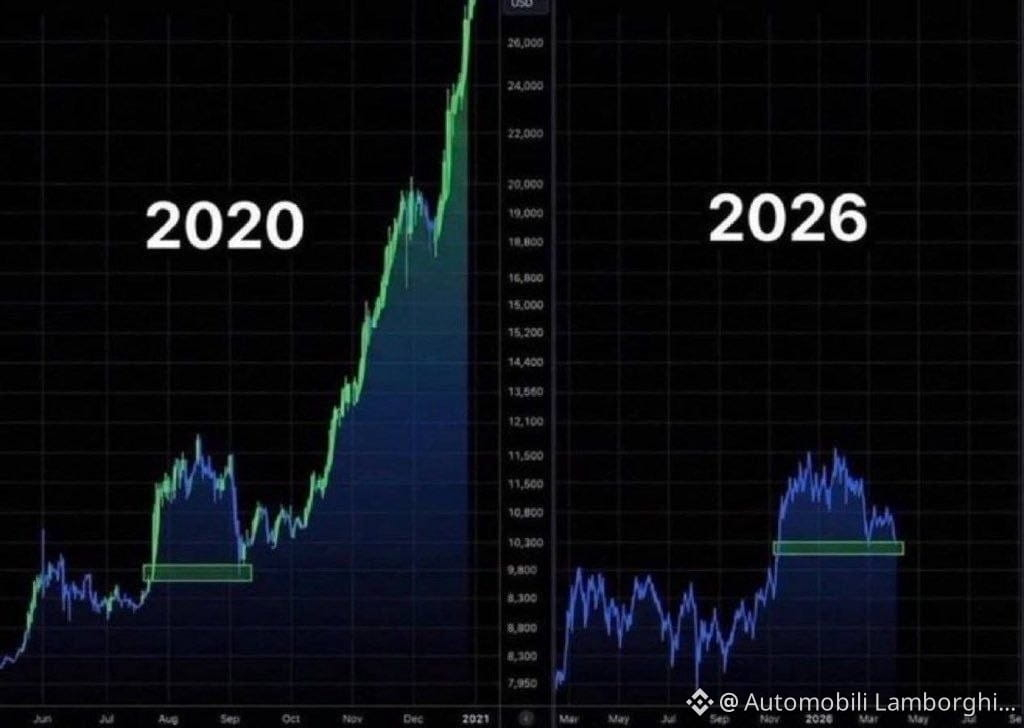
💎Carve a boat and seek a sword—hey talented traders, are you ready?
$BTC $ETH
💎Carve a boat and seek a sword—hey talented traders, are you ready?
$BTC $ETH
$BTC $ETH
298
😄 Artificial Intelligence Applications: OpenAI received all $50 billion in funding provided by Amazon.
After the initial $15 billion, if certain conditions were met, they could have received an additional $35 billion.
These conditions included: an initial public offering (IPO) or a “major breakthrough in the field of AI.”
This loss-making company still received the $35 billion even without meeting these conditions.
Is Amazon just simply in love with artificial intelligence?
$OPENAI $AMZN
😄 Artificial Intelligence Applications: OpenAI received all $50 billion in funding provided by Amazon.
After the initial $15 billion, if certain conditions were met, they could have received an additional $35 billion.
These conditions included: an initial public offering (IPO) or a “major breakthrough in the field of AI.”
This loss-making company still received the $35 billion even without meeting these conditions.
Is Amazon just simply in love with artificial intelligence?
$OPENAI $AMZN
After the initial $15 billion, if certain conditions were met, they could have received an additional $35 billion.
These conditions included: an initial public offering (IPO) or a “major breakthrough in the field of AI.”
This loss-making company still received the $35 billion even without meeting these conditions.
Is Amazon just simply in love with artificial intelligence?
$OPENAI $AMZN

130
🤡This is how Bitcoin performed this summer$BTC
🤡This is how Bitcoin performed this summer$BTC
72
☀️Starting today, Minnesota will officially ban cryptocurrency vending machines.
The reason behind this move is that scammers have stolen nearly $10 million from local residents.
$BTC
☀️Starting today, Minnesota will officially ban cryptocurrency vending machines.
The reason behind this move is that scammers have stolen nearly $10 million from local residents.
$BTC
The reason behind this move is that scammers have stolen nearly $10 million from local residents.
$BTC


436
I’ve just been researching the Trustless Bitcoin Vaults (TBV) for @babylonlabs_io —let’s talk about why this is worth every BTC holder’s attention.
In the past, if you wanted to use BTC to borrow in DeFi, you basically had only three paths: wrap it into WBTC (trust the custodian), use a cross-chain bridge (how many bridge hacks news have there been?), or simply hand it over to a centralized platform. In all three routes, you have to surrender control of your assets.
TBV takes a completely different approach: the native BTC stays in your own vault—your keys, your coins—and you can directly collateralize it on Aave v4 to borrow USDC/USDT on Ethereum. No wrapping, no bridging, and no middlemen.
Four key highlights:
High capital efficiency—enjoy DeFi-level borrowing rates
Self-custody—your BTC never leaves your control
Collateralized asset is native BTC, not wrapped tokens
Fully trustless—no centralized intermediaries
Babylon’s Bitcoin staking protocol once reached a peak TVL of $7.2 billion. Now TBV is taking the native BTC collateral capability to the next stage of the entire on-chain economy: lending, stablecoins, credit cards, derivatives, insurance—potentially all growing out of the same native BTC collateral. The public testnet is already live, so you can personally run through the full end-to-end process of native BTC collateralized borrowing.
#baby $BABY
I’ve just been researching the Trustless Bitcoin Vaults (TBV) for @BabylonLabs_io —let’s talk about why this is worth every BTC holder’s attention.
In the past, if you wanted to use BTC to borrow in DeFi, you basically had only three paths: wrap it into WBTC (trust the custodian), use a cross-chain bridge (how many bridge hacks news have there been?), or simply hand it over to a centralized platform. In all three routes, you have to surrender control of your assets.
TBV takes a completely different approach: the native BTC stays in your own vault—your keys, your coins—and you can directly collateralize it on Aave v4 to borrow USDC/USDT on Ethereum. No wrapping, no bridging, and no middlemen.
Four key highlights:
High capital efficiency—enjoy DeFi-level borrowing rates
Self-custody—your BTC never leaves your control
Collateralized asset is native BTC, not wrapped tokens
Fully trustless—no centralized intermediaries
Babylon’s Bitcoin staking protocol once reached a peak TVL of $7.2 billion. Now TBV is taking the native BTC collateral capability to the next stage of the entire on-chain economy: lending, stablecoins, credit cards, derivatives, insurance—potentially all growing out of the same native BTC collateral. The public testnet is already live, so you can personally run through the full end-to-end process of native BTC collateralized borrowing.
#baby $BABY
In the past, if you wanted to use BTC to borrow in DeFi, you basically had only three paths: wrap it into WBTC (trust the custodian), use a cross-chain bridge (how many bridge hacks news have there been?), or simply hand it over to a centralized platform. In all three routes, you have to surrender control of your assets.
TBV takes a completely different approach: the native BTC stays in your own vault—your keys, your coins—and you can directly collateralize it on Aave v4 to borrow USDC/USDT on Ethereum. No wrapping, no bridging, and no middlemen.
Four key highlights:
High capital efficiency—enjoy DeFi-level borrowing rates
Self-custody—your BTC never leaves your control
Collateralized asset is native BTC, not wrapped tokens
Fully trustless—no centralized intermediaries
Babylon’s Bitcoin staking protocol once reached a peak TVL of $7.2 billion. Now TBV is taking the native BTC collateral capability to the next stage of the entire on-chain economy: lending, stablecoins, credit cards, derivatives, insurance—potentially all growing out of the same native BTC collateral. The public testnet is already live, so you can personally run through the full end-to-end process of native BTC collateralized borrowing.
#baby $BABY

101
July 29 Bitcoin and Ethereum Market Analysis
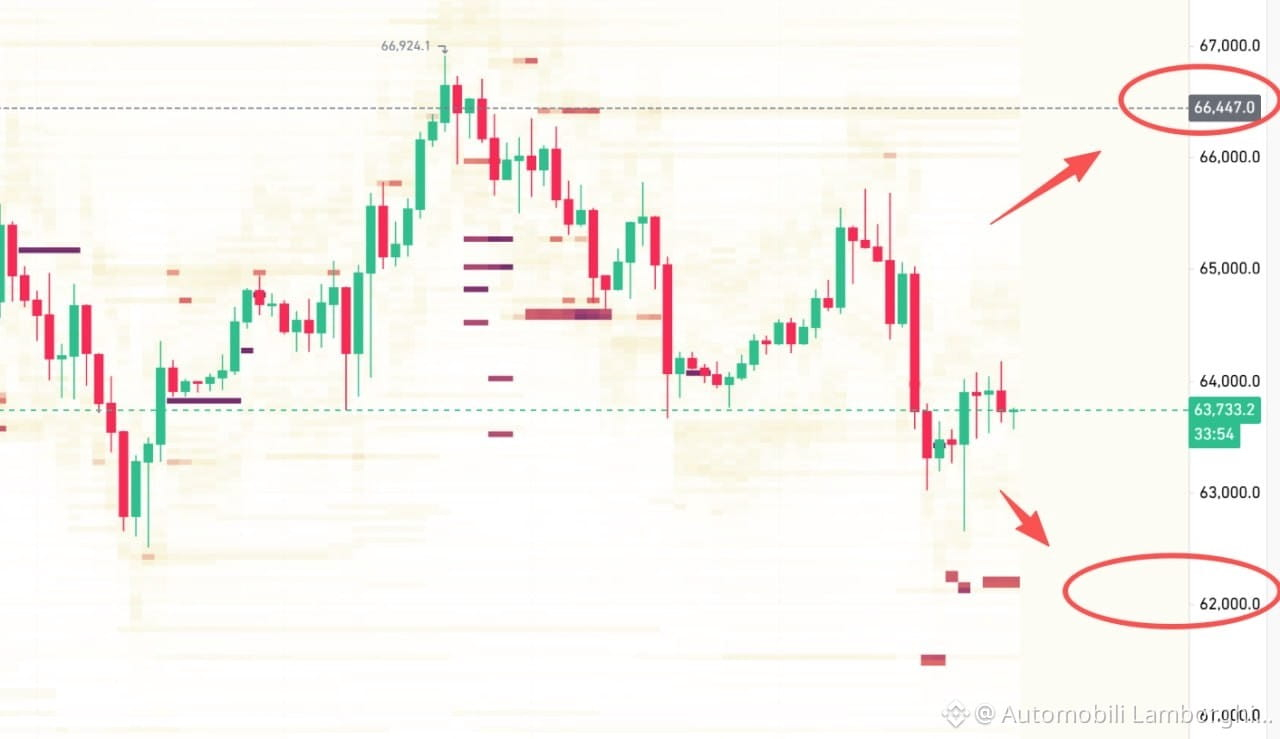
After Bitcoin dipped to around $62,600, it rebounded; however, market momentum remains relatively weak, and the overall performance is not strong.
The low-position long entered last night has partially taken profit around the $64,000 level, locking in gains. Today, focus on how price reacts to resistance above $66,000—this area is the near-term pivot between bulls and bears.
If the rebound meets resistance here, there is still a risk of a pullback;
If price breaks out on increased volume, it may open up further upside potential.
Ethereum yesterday precisely retested the $1,850–$1,860 support zone and rebounded as expected, with a high that reached $1,920. Before major macro events are concluded, it’s not advisable to chase the move; consider taking profits in batches to lock in returns.
If price pushes higher from here, it will need more volume to support the move; otherwise, there may still be repeated swings.
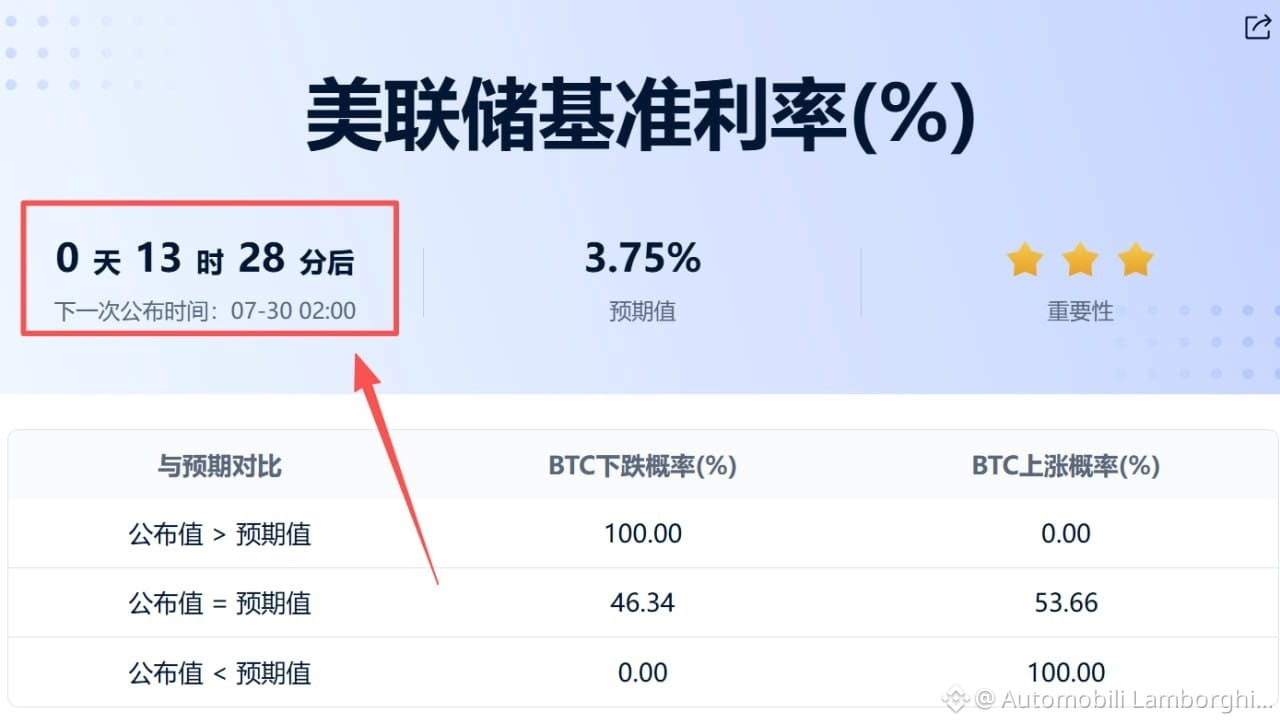
Key to watch: the Federal Reserve’s benchmark interest rate
#美联储利率决议即将公布
Trading suggestions:
Intraday support: $62,000–$62,500 — go long
Intraday resistance: $65,700–$66,200 — go short
$BTC $ETH
July 29 Bitcoin and Ethereum Market Analysis
After Bitcoin dipped to around $62,600, it rebounded; however, market momentum remains relatively weak, and the overall performance is not strong.
The low-position long entered last night has partially taken profit around the $64,000 level, locking in gains. Today, focus on how price reacts to resistance above $66,000—this area is the near-term pivot between bulls and bears.
If the rebound meets resistance here, there is still a risk of a pullback;
If price breaks out on increased volume, it may open up further upside potential.
Ethereum yesterday precisely retested the $1,850–$1,860 support zone and rebounded as expected, with a high that reached $1,920. Before major macro events are concluded, it’s not advisable to chase the move; consider taking profits in batches to lock in returns.
If price pushes higher from here, it will need more volume to support the move; otherwise, there may still be repeated swings.
Key to watch: the Federal Reserve’s benchmark interest rate
#美联储利率决议即将公布
Trading suggestions:
Intraday support: $62,000–$62,500 — go long
Intraday resistance: $65,700–$66,200 — go short
$BTC $ETH
After Bitcoin dipped to around $62,600, it rebounded; however, market momentum remains relatively weak, and the overall performance is not strong.
The low-position long entered last night has partially taken profit around the $64,000 level, locking in gains. Today, focus on how price reacts to resistance above $66,000—this area is the near-term pivot between bulls and bears.
If the rebound meets resistance here, there is still a risk of a pullback;
If price breaks out on increased volume, it may open up further upside potential.
Ethereum yesterday precisely retested the $1,850–$1,860 support zone and rebounded as expected, with a high that reached $1,920. Before major macro events are concluded, it’s not advisable to chase the move; consider taking profits in batches to lock in returns.
If price pushes higher from here, it will need more volume to support the move; otherwise, there may still be repeated swings.
Key to watch: the Federal Reserve’s benchmark interest rate
#美联储利率决议即将公布
Trading suggestions:
Intraday support: $62,000–$62,500 — go long
Intraday resistance: $65,700–$66,200 — go short
$BTC $ETH
182
Although the South Korean stock market has closed, the discussion boards for SK Hynix and Samsung Electronics have already erupted.
More than 20 comments every minute, all with friendly and courteous greetings, but many people are still willing to hold onto their stocks and wait for a rebound.
#SK海力士韩股重挫19%
$SKHY
Although the South Korean stock market has closed, the discussion boards for SK Hynix and Samsung Electronics have already erupted.
More than 20 comments every minute, all with friendly and courteous greetings, but many people are still willing to hold onto their stocks and wait for a rebound.
#SK海力士韩股重挫19%
$SKHY
More than 20 comments every minute, all with friendly and courteous greetings, but many people are still willing to hold onto their stocks and wait for a rebound.
#SK海力士韩股重挫19%
$SKHY


1
161
·
--
Bearish
Partly True
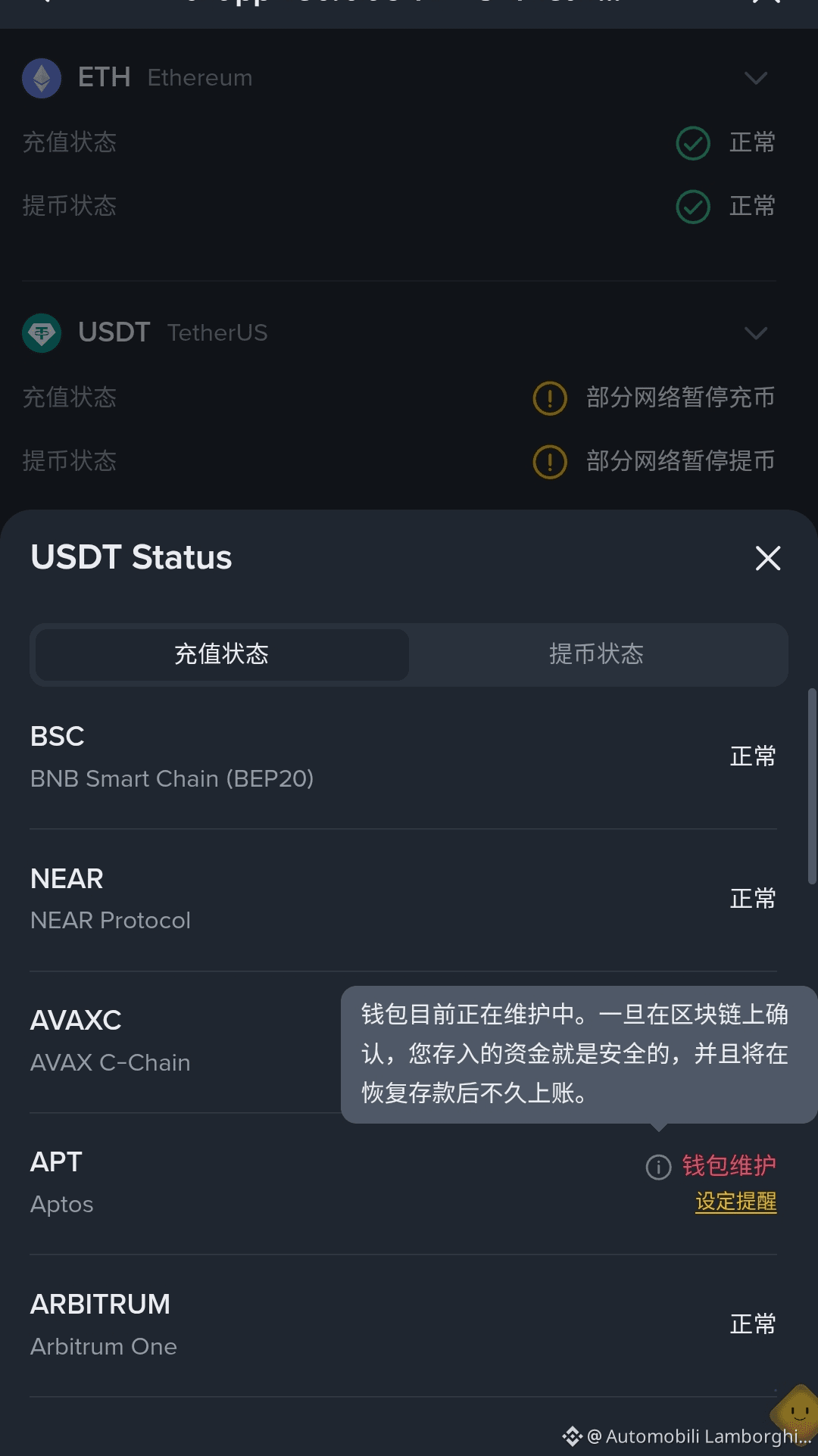
$APT Why did this chain suddenly go into maintenance?
I’ve been waiting to recharge for half a day and it hasn’t been credited yet.
If it still doesn’t come through, I’m going to get liquidated and blow my position!
$APT Why did this chain suddenly go into maintenance?
I’ve been waiting to recharge for half a day and it hasn’t been credited yet.
If it still doesn’t come through, I’m going to get liquidated and blow my position!
I’ve been waiting to recharge for half a day and it hasn’t been credited yet.
If it still doesn’t come through, I’m going to get liquidated and blow my position!
1
345
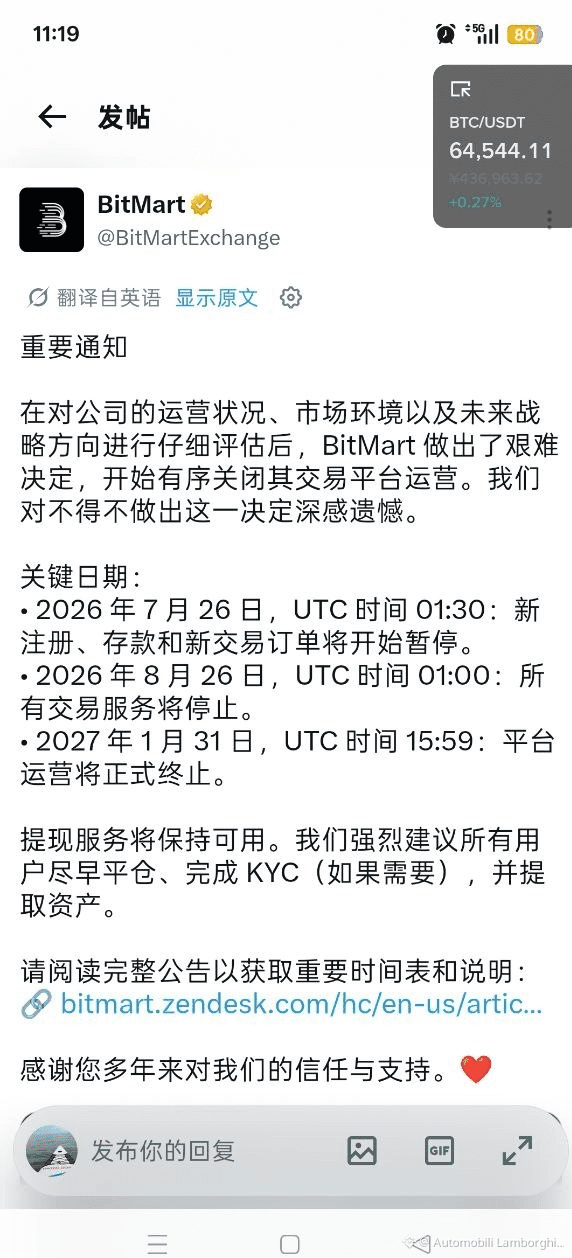
This week’s second cryptocurrency exchange is shutting down 🙈
After BitMEX just announced its closure, BitMart has also announced it will stop operating. The bottom-fishing signal is strong.
$BTC $BNB $ETH
This week’s second cryptocurrency exchange is shutting down 🙈
After BitMEX just announced its closure, BitMart has also announced it will stop operating. The bottom-fishing signal is strong.
$BTC $BNB $ETH
After BitMEX just announced its closure, BitMart has also announced it will stop operating. The bottom-fishing signal is strong.
$BTC $BNB $ETH
233
Hard to believe, Trump announced he may run for the 2028 U.S. presidential election, and then he put on a TRUMP 2028 hat and said he has already won three times and decided to win one more time.
$TRUMP $USD1
Hard to believe, Trump announced he may run for the 2028 U.S. presidential election, and then he put on a TRUMP 2028 hat and said he has already won three times and decided to win one more time.
$TRUMP $USD1
$TRUMP $USD1
1
5
5.6k
·
--
Bullish
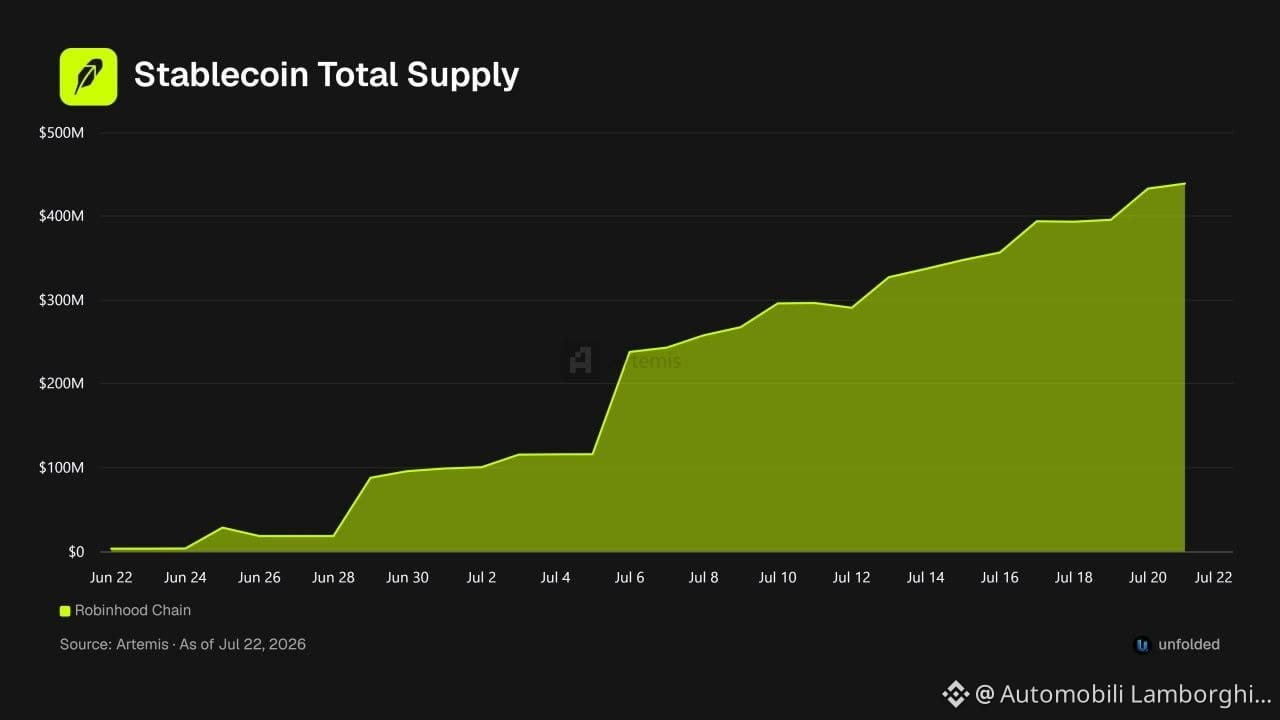
Robinhood’s on-chain total stablecoin supply has surpassed $400 million, growing 340% since early July
Robinhood’s on-chain total stablecoin supply has surpassed $400 million, growing 340% since early July
60
·
--
Bullish
Samsung will provide native USDC support to over 1 billion Galaxy users through Samsung Wallet.
This feature allows users to hold, send, and receive stablecoins directly within the built-in wallet.
$SAMSUNG $USDC
Samsung will provide native USDC support to over 1 billion Galaxy users through Samsung Wallet.
This feature allows users to hold, send, and receive stablecoins directly within the built-in wallet.
$SAMSUNG $USDC
This feature allows users to hold, send, and receive stablecoins directly within the built-in wallet.
$SAMSUNG $USDC

1
300
·
--
Bullish
Overall, what Google released today is an earnings report with “very strong fundamentals, but the market is more focused on future investment.”
Google has gradually evolved from an “advertising company” into an “AI infrastructure company.”
There are five key angles to consider.
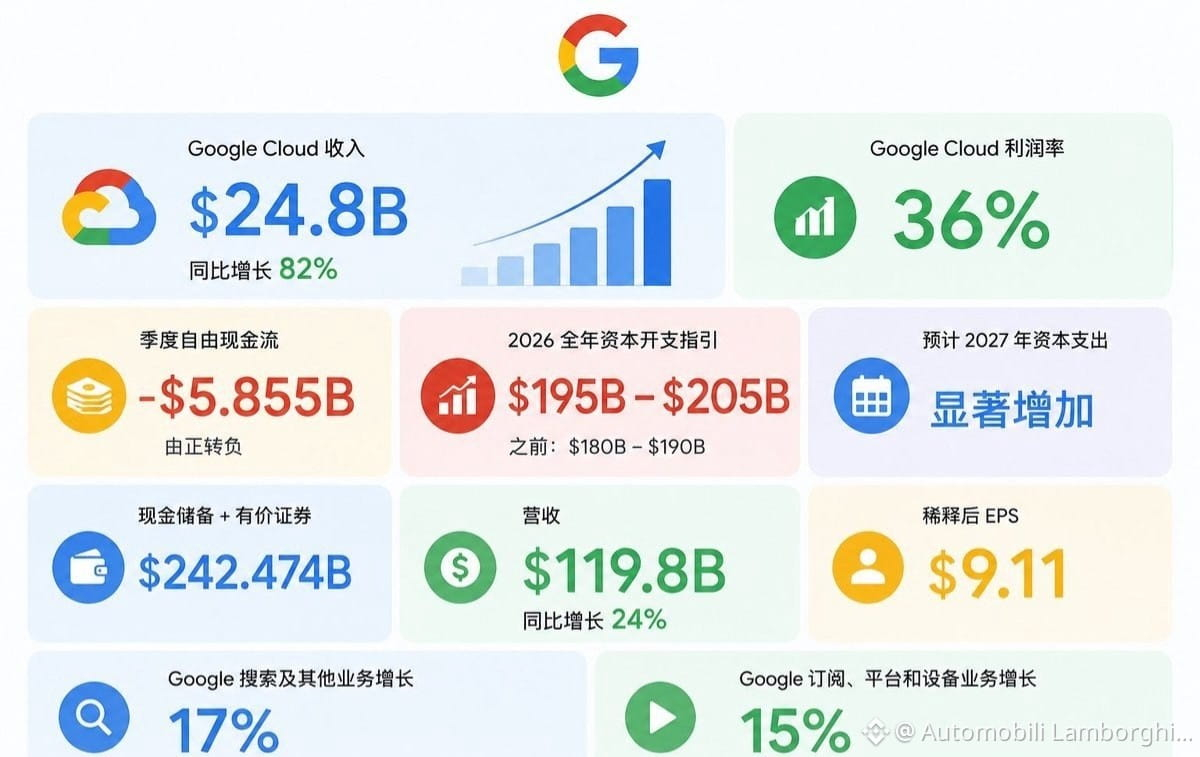
First, Google Cloud has become the new growth engine, and this is the biggest highlight of the quarter. Google Cloud revenue reached $24.8 billion, up 82% year over year—well above market expectations and also higher than the previous quarter’s 63%. This suggests that AI cloud demand is still accelerating and has not peaked. Cloud has shifted from being merely a growth business to becoming a core asset that helps determine Alphabet’s overall valuation.
Second, Google is making a comprehensive push for AI. Full-year capital expenditure guidance has been raised again to $195 billion to $205 billion, an increase of about $15 billion from earlier guidance. At the same time, management said that capital expenditures in 2027 will continue to grow. Pichai also confirmed that Gemini 4 is currently being trained, and Google’s goal remains to maintain its competitive edge at the AI frontier.
This indicates that Google’s judgment is very clear: the AI arms race is far from over.
Third, near-term profits are under pressure, but this is a deliberate choice. Due to the surge in data center, TPU, and compute spending, free cash flow turned negative for the first time, to about -$5.9 billion—an extremely rare situation for the company since it went public. The stock fell after hours. This is not because the business is deteriorating, but because investors are concerned that consistently high capital expenditures over the next two or three years will suppress cash returns.
Fourth, the core advertising business remains solid. Total revenue reached $119.8 billion, up 24% year over year. Google Search grew 17%, while subscriptions, platforms, and devices grew 15%. This shows that AI has not weakened Google’s advertising moat. On the contrary, products like AI Overview and AI Mode continue to drive search traffic and monetization.
Fifth, the semiconductor supply chain continues to benefit. Google is not only expanding data center investment, but also continuously increasing spending on TPUs, in-house chips, and third-party compute procurement. This means demand for AI infrastructure across the supply chain—GPUs, HBM, high-speed networking, servers, power supplies, and cooling—remains in an upcycle.
This earnings report sends a very clear signal:
Google Cloud is entering a phase of high-speed growth, while Google is continuing to invest the money it earns into AI infrastructure. Cash flow pressure in the short term, but long-term competitiveness keeps strengthening$GOOGLB
Overall, what Google released today is an earnings report with “very strong fundamentals, but the market is more focused on future investment.”
Google has gradually evolved from an “advertising company” into an “AI infrastructure company.”
There are five key angles to consider.
First, Google Cloud has become the new growth engine, and this is the biggest highlight of the quarter. Google Cloud revenue reached $24.8 billion, up 82% year over year—well above market expectations and also higher than the previous quarter’s 63%. This suggests that AI cloud demand is still accelerating and has not peaked. Cloud has shifted from being merely a growth business to becoming a core asset that helps determine Alphabet’s overall valuation.
Second, Google is making a comprehensive push for AI. Full-year capital expenditure guidance has been raised again to $195 billion to $205 billion, an increase of about $15 billion from earlier guidance. At the same time, management said that capital expenditures in 2027 will continue to grow. Pichai also confirmed that Gemini 4 is currently being trained, and Google’s goal remains to maintain its competitive edge at the AI frontier.
This indicates that Google’s judgment is very clear: the AI arms race is far from over.
Third, near-term profits are under pressure, but this is a deliberate choice. Due to the surge in data center, TPU, and compute spending, free cash flow turned negative for the first time, to about -$5.9 billion—an extremely rare situation for the company since it went public. The stock fell after hours. This is not because the business is deteriorating, but because investors are concerned that consistently high capital expenditures over the next two or three years will suppress cash returns.
Fourth, the core advertising business remains solid. Total revenue reached $119.8 billion, up 24% year over year. Google Search grew 17%, while subscriptions, platforms, and devices grew 15%. This shows that AI has not weakened Google’s advertising moat. On the contrary, products like AI Overview and AI Mode continue to drive search traffic and monetization.
Fifth, the semiconductor supply chain continues to benefit. Google is not only expanding data center investment, but also continuously increasing spending on TPUs, in-house chips, and third-party compute procurement. This means demand for AI infrastructure across the supply chain—GPUs, HBM, high-speed networking, servers, power supplies, and cooling—remains in an upcycle.
This earnings report sends a very clear signal:
Google Cloud is entering a phase of high-speed growth, while Google is continuing to invest the money it earns into AI infrastructure. Cash flow pressure in the short term, but long-term competitiveness keeps strengthening$GOOGLB
Google has gradually evolved from an “advertising company” into an “AI infrastructure company.”
There are five key angles to consider.
First, Google Cloud has become the new growth engine, and this is the biggest highlight of the quarter. Google Cloud revenue reached $24.8 billion, up 82% year over year—well above market expectations and also higher than the previous quarter’s 63%. This suggests that AI cloud demand is still accelerating and has not peaked. Cloud has shifted from being merely a growth business to becoming a core asset that helps determine Alphabet’s overall valuation.
Second, Google is making a comprehensive push for AI. Full-year capital expenditure guidance has been raised again to $195 billion to $205 billion, an increase of about $15 billion from earlier guidance. At the same time, management said that capital expenditures in 2027 will continue to grow. Pichai also confirmed that Gemini 4 is currently being trained, and Google’s goal remains to maintain its competitive edge at the AI frontier.
This indicates that Google’s judgment is very clear: the AI arms race is far from over.
Third, near-term profits are under pressure, but this is a deliberate choice. Due to the surge in data center, TPU, and compute spending, free cash flow turned negative for the first time, to about -$5.9 billion—an extremely rare situation for the company since it went public. The stock fell after hours. This is not because the business is deteriorating, but because investors are concerned that consistently high capital expenditures over the next two or three years will suppress cash returns.
Fourth, the core advertising business remains solid. Total revenue reached $119.8 billion, up 24% year over year. Google Search grew 17%, while subscriptions, platforms, and devices grew 15%. This shows that AI has not weakened Google’s advertising moat. On the contrary, products like AI Overview and AI Mode continue to drive search traffic and monetization.
Fifth, the semiconductor supply chain continues to benefit. Google is not only expanding data center investment, but also continuously increasing spending on TPUs, in-house chips, and third-party compute procurement. This means demand for AI infrastructure across the supply chain—GPUs, HBM, high-speed networking, servers, power supplies, and cooling—remains in an upcycle.
This earnings report sends a very clear signal:
Google Cloud is entering a phase of high-speed growth, while Google is continuing to invest the money it earns into AI infrastructure. Cash flow pressure in the short term, but long-term competitiveness keeps strengthening$GOOGLB
283
·
--
Bullish
Verified
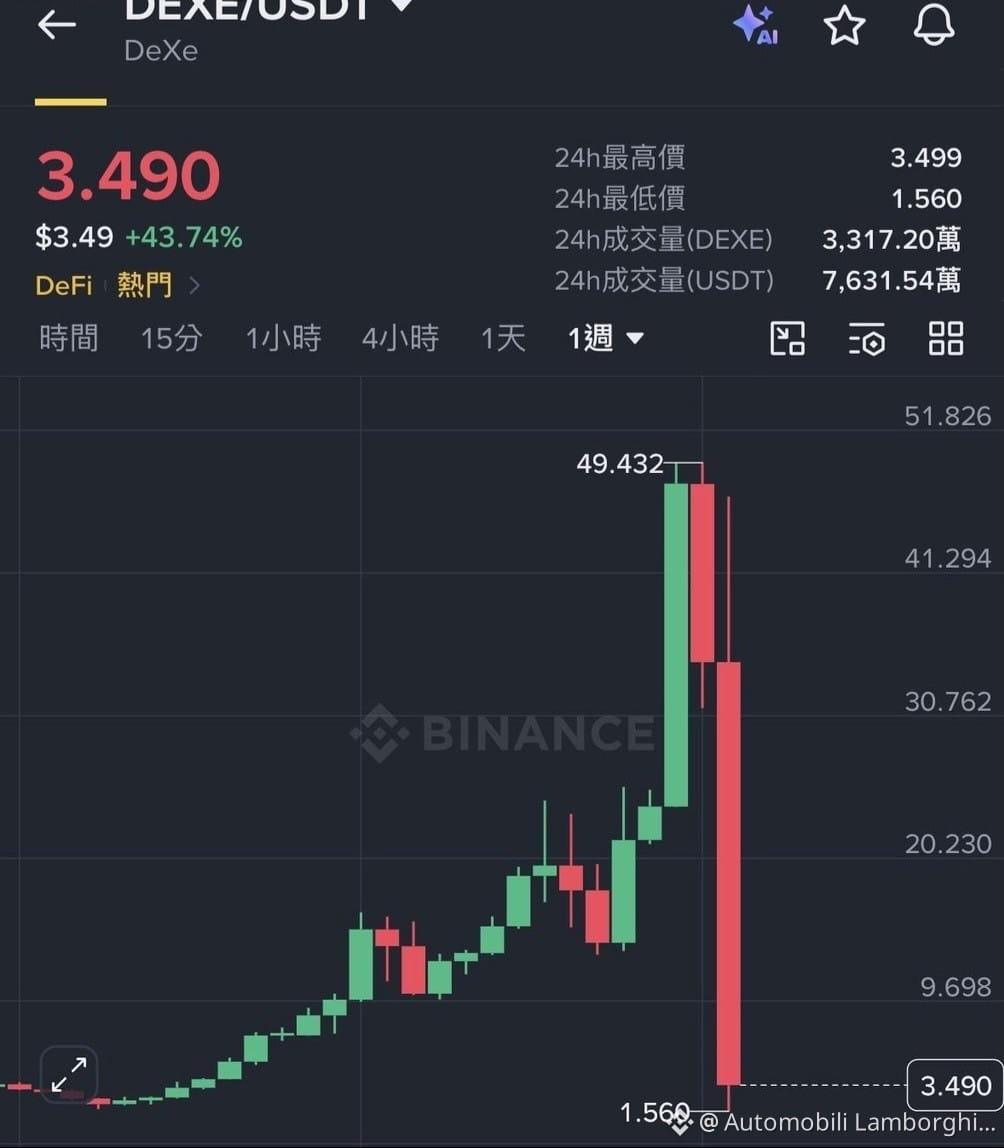
From the beginning of the year, the “divine asset” that surged against the trend from $2 all the way to $49—$DEXE . This current downturn seems to have found its source.
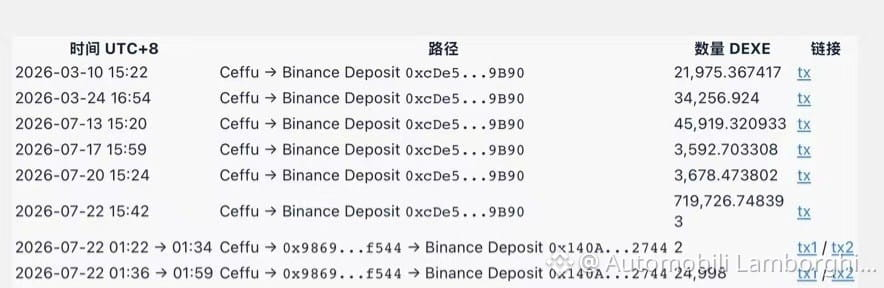
On-chain tracking influencer “AI Auntie” believes that this DEXE crash is related to the market maker DWF and its biological son, Falcon.
After Falcon supported DEXE by using certain acceptable collateral assets for the platform and then received a certain amount of DEXE tokens, it unexpectedly used Ceffu’s MirrorX mechanism to place those DEXE tokens with locked collateral on Ceffu custody while, at the same time, directly generating 1:1 mirrored tokens on the exchange for trading.
In the end, the mirrored positions dumped the market, and then the real tokens were settled afterward, leading to this round of massive crash. However, at present this is still based on on-chain speculation, but the community and the victims are still searching for the exact cause.
From the beginning of the year, the “divine asset” that surged against the trend from $2 all the way to $49—$DEXE . This current downturn seems to have found its source.
On-chain tracking influencer “AI Auntie” believes that this DEXE crash is related to the market maker DWF and its biological son, Falcon.
After Falcon supported DEXE by using certain acceptable collateral assets for the platform and then received a certain amount of DEXE tokens, it unexpectedly used Ceffu’s MirrorX mechanism to place those DEXE tokens with locked collateral on Ceffu custody while, at the same time, directly generating 1:1 mirrored tokens on the exchange for trading.
In the end, the mirrored positions dumped the market, and then the real tokens were settled afterward, leading to this round of massive crash. However, at present this is still based on on-chain speculation, but the community and the victims are still searching for the exact cause.
On-chain tracking influencer “AI Auntie” believes that this DEXE crash is related to the market maker DWF and its biological son, Falcon.
After Falcon supported DEXE by using certain acceptable collateral assets for the platform and then received a certain amount of DEXE tokens, it unexpectedly used Ceffu’s MirrorX mechanism to place those DEXE tokens with locked collateral on Ceffu custody while, at the same time, directly generating 1:1 mirrored tokens on the exchange for trading.
In the end, the mirrored positions dumped the market, and then the real tokens were settled afterward, leading to this round of massive crash. However, at present this is still based on on-chain speculation, but the community and the victims are still searching for the exact cause.
1
1.5k
Log in to explore more content
Join global crypto users on Binance Square
⚡️ Get latest and useful information about crypto.
💬 Trusted by the world’s largest crypto exchange.
👍 Discover real insights from verified creators.
Email / Phone number
Trending Topics
FedRateWatch
1.5M views
6,825 Discussing
Share & Win Traffic Reward in our Trending Hashtag Campaign
✨Topic: FOMC September, What's The Fed's Next Move?
👉How to Join:
Publish a short post or article with hashtag #FedRateWatch
Create content based on the below angles:
- August core CPI rose 0.3% month-over-month, and the odds of a 25bp hike this week are now close to 90%. Do you anticipate a rate hike this week? Is it a one-off, or the start of a longer hiking cycle?
- If the hike lands, how does it play out for BTC, tech stocks, and gold? Bullish or bearish?
- How are you planning to trade next? Share your BTC, stocks or gold trade/holdings with our trade sharing widget.
⏰Campaign Period:
- 2026-09-15 11:00 - 2026-09-17 3:00 UTC
🎁Reward:
- Qualified posts that comply with the above guidelines and contain more than 100 words will be reviewed and may receive a random traffic boost of 500 to 3,000 views. You will receive a notification from your feed secretary if your post is selected.
- Get a chance to have your article featured on Binance Square Official
Need ideas for your post? Visit the topic page #FedRateWatch or the Square Guide on How to Post for Better Reach.
Binance Square Official
·650 Likes
·1.7M views
ZcashRises6%
58,820 views
688 Discussing
XRPSinks10%
39,038 views
452 Discussing