

web3李李-软件开发
170 Posts

web3李李-软件开发
Report
Block User
推特@lishun60938 擅长区块链软件开发项目孵化。100人团队,10开发经验。主营:公链、WEB3社交钱包、DAPP/DEFI开发、交易所、AI量化、区块链商城、IM聊天、预测平台、链游、SWAP开发、RWA上链、跨链、NFT数藏、发币等
5 Following
39 Followers
110 Liked
Posts
All
Quotes
·
--
Article
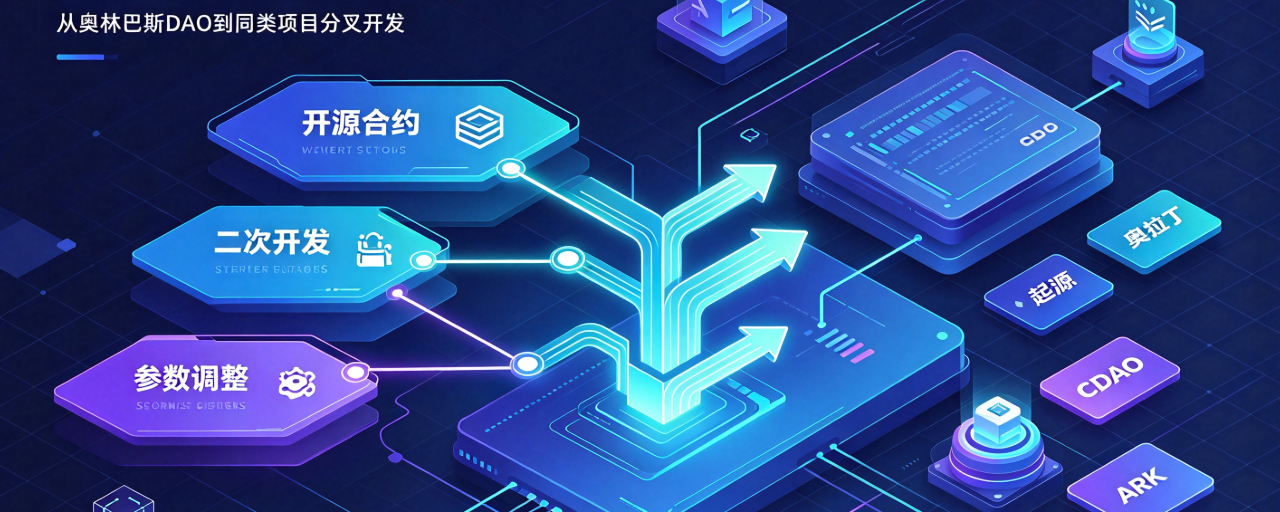
Dissecting the Underlying Development Logic of Iterative Olympus-Line Projects: Olodin, Origin, CDAO, and ARKMany practitioners often hear about projects like Olodin, Origin, CDAO (C Dao), and ARK. A lot of people wonder: how do these DAO projects get quickly implemented and go live?
Core underlying logic: Olodin, Origin, CDAO, and ARK essentially come from the same set of underlying architecture that is continuously iterated and upgraded. The foundation of the entire set of projects comes from the core contract code that Olympus DAO (OHM) open-sourced back then. It is a classic code-fork secondary development approach, and it is also the most mature and efficient path within the industry for rapidly launching treasury-staking DAO projects at scale.
The complete development process does not require writing the underlying logic from scratch, nor does it need to redesign the core economic models of token staking and treasury minting. The development team directly pulls the open-source contract repository of Olympus DAO and performs secondary customization development based on the original code.
Dissecting the Underlying Development Logic of Iterative Olympus-Line Projects: Olodin, Origin, CDAO, and ARK
Many practitioners often hear about projects like Olodin, Origin, CDAO (C Dao), and ARK. A lot of people wonder: how do these DAO projects get quickly implemented and go live?
Core underlying logic: Olodin, Origin, CDAO, and ARK essentially come from the same set of underlying architecture that is continuously iterated and upgraded. The foundation of the entire set of projects comes from the core contract code that Olympus DAO (OHM) open-sourced back then. It is a classic code-fork secondary development approach, and it is also the most mature and efficient path within the industry for rapidly launching treasury-staking DAO projects at scale.
The complete development process does not require writing the underlying logic from scratch, nor does it need to redesign the core economic models of token staking and treasury minting. The development team directly pulls the open-source contract repository of Olympus DAO and performs secondary customization development based on the original code.
Core underlying logic: Olodin, Origin, CDAO, and ARK essentially come from the same set of underlying architecture that is continuously iterated and upgraded. The foundation of the entire set of projects comes from the core contract code that Olympus DAO (OHM) open-sourced back then. It is a classic code-fork secondary development approach, and it is also the most mature and efficient path within the industry for rapidly launching treasury-staking DAO projects at scale.
The complete development process does not require writing the underlying logic from scratch, nor does it need to redesign the core economic models of token staking and treasury minting. The development team directly pulls the open-source contract repository of Olympus DAO and performs secondary customization development based on the original code.
136
·
--
Article
Do decentralized DApps still need to rent servers? 90% of project teams are fooled by pseudo-decentralizationToday I was communicating with a client who needs to build a DeFi project, and I encountered a common misconception that almost every Web3 startup team falls into.
At the time, we had already finalized the DApp development timeline, the customization plan, and the overall quote. When we discussed the launch and maintenance process, we mentioned the monthly server costs. The client immediately raised a question: “Since it’s a decentralized DApp, why do we still have to rent a server every month? Isn’t that effectively centralized? Is decentralization just a marketing gimmick?”
I fully understand this question. Most project teams’ understanding of decentralization stays at “completely getting rid of servers, zero maintenance, and no ongoing operating costs.” But after delivering and executing hundreds of overseas projects in practice, I can be blunt: a decentralized DApp that’s suitable for commercial use and can run stably over the long term can’t—nor should it—be completely detached from servers. Conversely, any development service provider that promises “pure decentralization, no servers required, and zero ongoing costs” is basically using concept packaging to mislead customers. What they deliver is essentially an incomplete demo that can’t be audited and is difficult to maintain—something that simply can’t support a real production launch and ongoing operations.
Do decentralized DApps still need to rent servers? 90% of project teams are fooled by pseudo-decentralization
Today I was communicating with a client who needs to build a DeFi project, and I encountered a common misconception that almost every Web3 startup team falls into.
At the time, we had already finalized the DApp development timeline, the customization plan, and the overall quote. When we discussed the launch and maintenance process, we mentioned the monthly server costs. The client immediately raised a question: “Since it’s a decentralized DApp, why do we still have to rent a server every month? Isn’t that effectively centralized? Is decentralization just a marketing gimmick?”
I fully understand this question. Most project teams’ understanding of decentralization stays at “completely getting rid of servers, zero maintenance, and no ongoing operating costs.” But after delivering and executing hundreds of overseas projects in practice, I can be blunt: a decentralized DApp that’s suitable for commercial use and can run stably over the long term can’t—nor should it—be completely detached from servers. Conversely, any development service provider that promises “pure decentralization, no servers required, and zero ongoing costs” is basically using concept packaging to mislead customers. What they deliver is essentially an incomplete demo that can’t be audited and is difficult to maintain—something that simply can’t support a real production launch and ongoing operations.
At the time, we had already finalized the DApp development timeline, the customization plan, and the overall quote. When we discussed the launch and maintenance process, we mentioned the monthly server costs. The client immediately raised a question: “Since it’s a decentralized DApp, why do we still have to rent a server every month? Isn’t that effectively centralized? Is decentralization just a marketing gimmick?”
I fully understand this question. Most project teams’ understanding of decentralization stays at “completely getting rid of servers, zero maintenance, and no ongoing operating costs.” But after delivering and executing hundreds of overseas projects in practice, I can be blunt: a decentralized DApp that’s suitable for commercial use and can run stably over the long term can’t—nor should it—be completely detached from servers. Conversely, any development service provider that promises “pure decentralization, no servers required, and zero ongoing costs” is basically using concept packaging to mislead customers. What they deliver is essentially an incomplete demo that can’t be audited and is difficult to maintain—something that simply can’t support a real production launch and ongoing operations.
1
60
·
--
Article
How much does a DApp server cost per month? A real-world cost breakdownFor teams building DeFi, staking, or chain-game DApp projects, after finalizing the development plan, the most关心 issue is monthly server maintenance cost. Based on hands-on operational experience from hundreds of overseas DApp deployments, we share a transparent, no-surprises pricing range for 2026. All pricing uses overseas compliant cloud servers, suitable for various Web3 project scenarios. No inflated configurations, and no hidden charges.
Many startup projects fall into a major cost pit: they don’t know how to match server specifications with project traffic. Instead of careful planning, they immediately purchase high-end cluster servers and waste large amounts of operational budget every month. Here we first clarify the core principle: for commercial DApp servers, start with lower specs and scale up as needed. Upgrade computing power and bandwidth according to the number of online users, precisely matching the project’s current size, and compress operational costs to the maximum extent.
How much does a DApp server cost per month? A real-world cost breakdown
For teams building DeFi, staking, or chain-game DApp projects, after finalizing the development plan, the most关心 issue is monthly server maintenance cost. Based on hands-on operational experience from hundreds of overseas DApp deployments, we share a transparent, no-surprises pricing range for 2026. All pricing uses overseas compliant cloud servers, suitable for various Web3 project scenarios. No inflated configurations, and no hidden charges.
Many startup projects fall into a major cost pit: they don’t know how to match server specifications with project traffic. Instead of careful planning, they immediately purchase high-end cluster servers and waste large amounts of operational budget every month. Here we first clarify the core principle: for commercial DApp servers, start with lower specs and scale up as needed. Upgrade computing power and bandwidth according to the number of online users, precisely matching the project’s current size, and compress operational costs to the maximum extent.
Many startup projects fall into a major cost pit: they don’t know how to match server specifications with project traffic. Instead of careful planning, they immediately purchase high-end cluster servers and waste large amounts of operational budget every month. Here we first clarify the core principle: for commercial DApp servers, start with lower specs and scale up as needed. Upgrade computing power and bandwidth according to the number of online users, precisely matching the project’s current size, and compress operational costs to the maximum extent.
1
79
·
--
Article
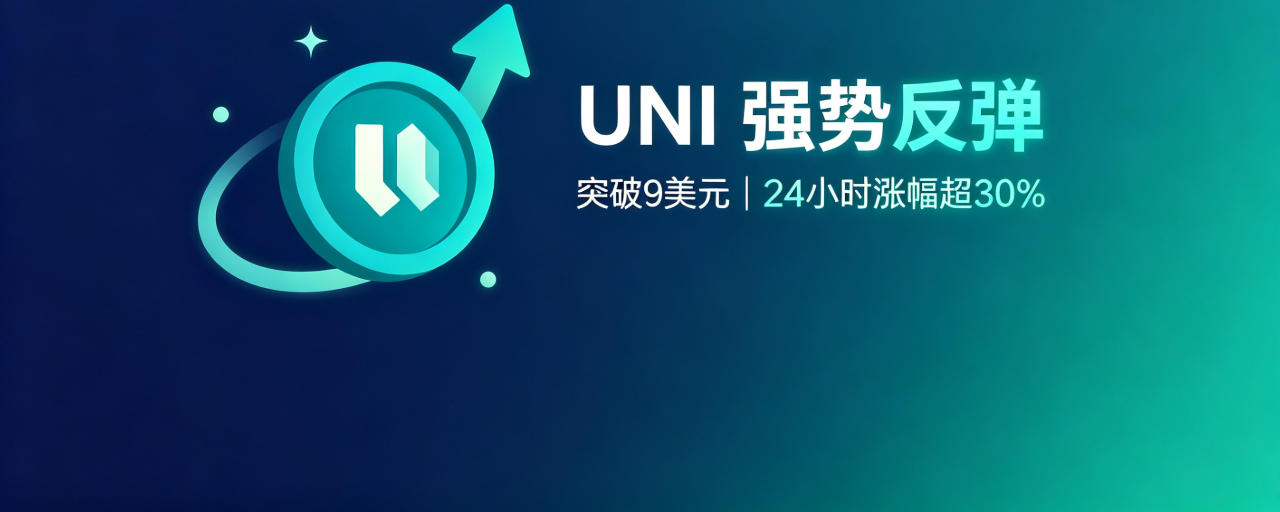
UNI Strong Rebound: DeFi Leader Gets a Valuation Reassessment, and the RWA Narrative Opens Up Long-Term UpsideSince September 17, UNI has become the most outstanding mainstream token in this round of the crypto market. After the market started moving, UNI surged sharply in the short term, with the maximum 24-hour gain exceeding 30%. At one point, the price even broke above $9, lifting the sentiment across the entire DeFi sector. As an absolute leader in the DEX track, Uniswap’s rise is not merely a short-term speculative play by funds; rather, it is the result of a convergence of multiple factors, including favorable regulatory policy, an upgrade to tokenomics, the RWA sector’s dividend, and market capital rotation. It also provides an important reference for the long-term development of DeFi infrastructure projects.
UNI Strong Rebound: DeFi Leader Gets a Valuation Reassessment, and the RWA Narrative Opens Up Long-Term Upside
Since September 17, UNI has become the most outstanding mainstream token in this round of the crypto market. After the market started moving, UNI surged sharply in the short term, with the maximum 24-hour gain exceeding 30%. At one point, the price even broke above $9, lifting the sentiment across the entire DeFi sector. As an absolute leader in the DEX track, Uniswap’s rise is not merely a short-term speculative play by funds; rather, it is the result of a convergence of multiple factors, including favorable regulatory policy, an upgrade to tokenomics, the RWA sector’s dividend, and market capital rotation. It also provides an important reference for the long-term development of DeFi infrastructure projects.
2
1.1k
·
--
Verified
Article
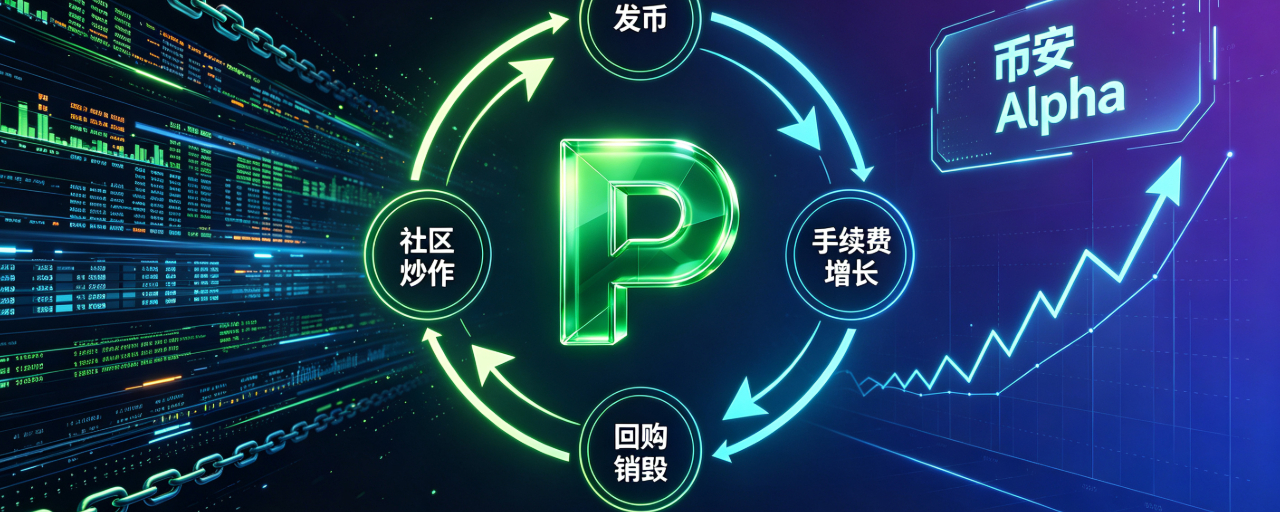
PONS In-Depth Analysis: A Benchmark Meme Coin Launchpad in the Robinhood Chain Ecosystem1. Project Positioning
Pons is a non-custodial token launchpad built on the Robinhood Chain (a Layer 2 Ethereum network constructed on the Arbitrum Orbit). It is positioned against Pump.fun, a leading token-issuing tool in the Solana ecosystem. In the industry, it is often referred to as a “Meme coin factory.” The project was rapidly launched in mid-July 2026, alongside the mainnet rollout of the Robinhood Chain, developed by an anonymous developer, Ozzy (MEADGod). The platform’s biggest highlight is low-threshold, one-click token creation: ordinary users do not need to know how to write smart contracts. They only need to fill in the token name, LOGO, and project introduction, and then the platform can deploy the token with one click while simultaneously creating the trading pool. It primarily focuses on issuing meme coins and community “sh*t coins.” The platform uses a non-custodial architecture: the platform itself never touches users’ funds. All token creation and trading actions are executed automatically by on-chain smart contracts, reducing the risk of the platform misappropriating assets from the ground level.
PONS In-Depth Analysis: A Benchmark Meme Coin Launchpad in the Robinhood Chain Ecosystem
1. Project Positioning
Pons is a non-custodial token launchpad built on the Robinhood Chain (a Layer 2 Ethereum network constructed on the Arbitrum Orbit). It is positioned against Pump.fun, a leading token-issuing tool in the Solana ecosystem. In the industry, it is often referred to as a “Meme coin factory.” The project was rapidly launched in mid-July 2026, alongside the mainnet rollout of the Robinhood Chain, developed by an anonymous developer, Ozzy (MEADGod). The platform’s biggest highlight is low-threshold, one-click token creation: ordinary users do not need to know how to write smart contracts. They only need to fill in the token name, LOGO, and project introduction, and then the platform can deploy the token with one click while simultaneously creating the trading pool. It primarily focuses on issuing meme coins and community “sh*t coins.” The platform uses a non-custodial architecture: the platform itself never touches users’ funds. All token creation and trading actions are executed automatically by on-chain smart contracts, reducing the risk of the platform misappropriating assets from the ground level.
Pons is a non-custodial token launchpad built on the Robinhood Chain (a Layer 2 Ethereum network constructed on the Arbitrum Orbit). It is positioned against Pump.fun, a leading token-issuing tool in the Solana ecosystem. In the industry, it is often referred to as a “Meme coin factory.” The project was rapidly launched in mid-July 2026, alongside the mainnet rollout of the Robinhood Chain, developed by an anonymous developer, Ozzy (MEADGod). The platform’s biggest highlight is low-threshold, one-click token creation: ordinary users do not need to know how to write smart contracts. They only need to fill in the token name, LOGO, and project introduction, and then the platform can deploy the token with one click while simultaneously creating the trading pool. It primarily focuses on issuing meme coins and community “sh*t coins.” The platform uses a non-custodial architecture: the platform itself never touches users’ funds. All token creation and trading actions are executed automatically by on-chain smart contracts, reducing the risk of the platform misappropriating assets from the ground level.
2
515
·
--

Article
Why Tokenization and DeFi Are the Long-Term Main ThemeIn recent months, RWA and tokenization have once again become central topics of discussion in the Web3 industry. Matt Hougan, Chief Investment Officer at Bitwise, has publicly stated that tokenization and DeFi are long-term trends, with global financial activity continuously migrating onto the blockchain, and that the track has substantial long-term upside. While many still equate Web3 with speculation, meme coins, and short-term market swings, traditional financial institutions have quietly been betting on this asset-structure paradigm shift.
For a long time, the public’s understanding of DeFi has been limited to lending, trading, and mining with crypto-native assets. But tokenization—i.e., bringing real-world assets onto the blockchain—is breaking down the barriers between traditional finance and the on-chain world. Simply put, tokenization is mapping real-world assets such as bonds, stocks, commodities, and real estate onto the blockchain through compliant wrappers, turning them into programmable on-chain assets. Once an asset is tokenized and on-chain, it can no longer only be bought and sold during fixed trading hours on exchanges; instead, it enables 7×24 uninterrupted settlement. It can also be directly used as collateral in DeFi protocols to carry out operations such as lending, repo transactions, and structured products—this is the core appeal of programmable finance.
Why Tokenization and DeFi Are the Long-Term Main Theme
In recent months, RWA and tokenization have once again become central topics of discussion in the Web3 industry. Matt Hougan, Chief Investment Officer at Bitwise, has publicly stated that tokenization and DeFi are long-term trends, with global financial activity continuously migrating onto the blockchain, and that the track has substantial long-term upside. While many still equate Web3 with speculation, meme coins, and short-term market swings, traditional financial institutions have quietly been betting on this asset-structure paradigm shift.
For a long time, the public’s understanding of DeFi has been limited to lending, trading, and mining with crypto-native assets. But tokenization—i.e., bringing real-world assets onto the blockchain—is breaking down the barriers between traditional finance and the on-chain world. Simply put, tokenization is mapping real-world assets such as bonds, stocks, commodities, and real estate onto the blockchain through compliant wrappers, turning them into programmable on-chain assets. Once an asset is tokenized and on-chain, it can no longer only be bought and sold during fixed trading hours on exchanges; instead, it enables 7×24 uninterrupted settlement. It can also be directly used as collateral in DeFi protocols to carry out operations such as lending, repo transactions, and structured products—this is the core appeal of programmable finance.
For a long time, the public’s understanding of DeFi has been limited to lending, trading, and mining with crypto-native assets. But tokenization—i.e., bringing real-world assets onto the blockchain—is breaking down the barriers between traditional finance and the on-chain world. Simply put, tokenization is mapping real-world assets such as bonds, stocks, commodities, and real estate onto the blockchain through compliant wrappers, turning them into programmable on-chain assets. Once an asset is tokenized and on-chain, it can no longer only be bought and sold during fixed trading hours on exchanges; instead, it enables 7×24 uninterrupted settlement. It can also be directly used as collateral in DeFi protocols to carry out operations such as lending, repo transactions, and structured products—this is the core appeal of programmable finance.
1
1.3k
·
--
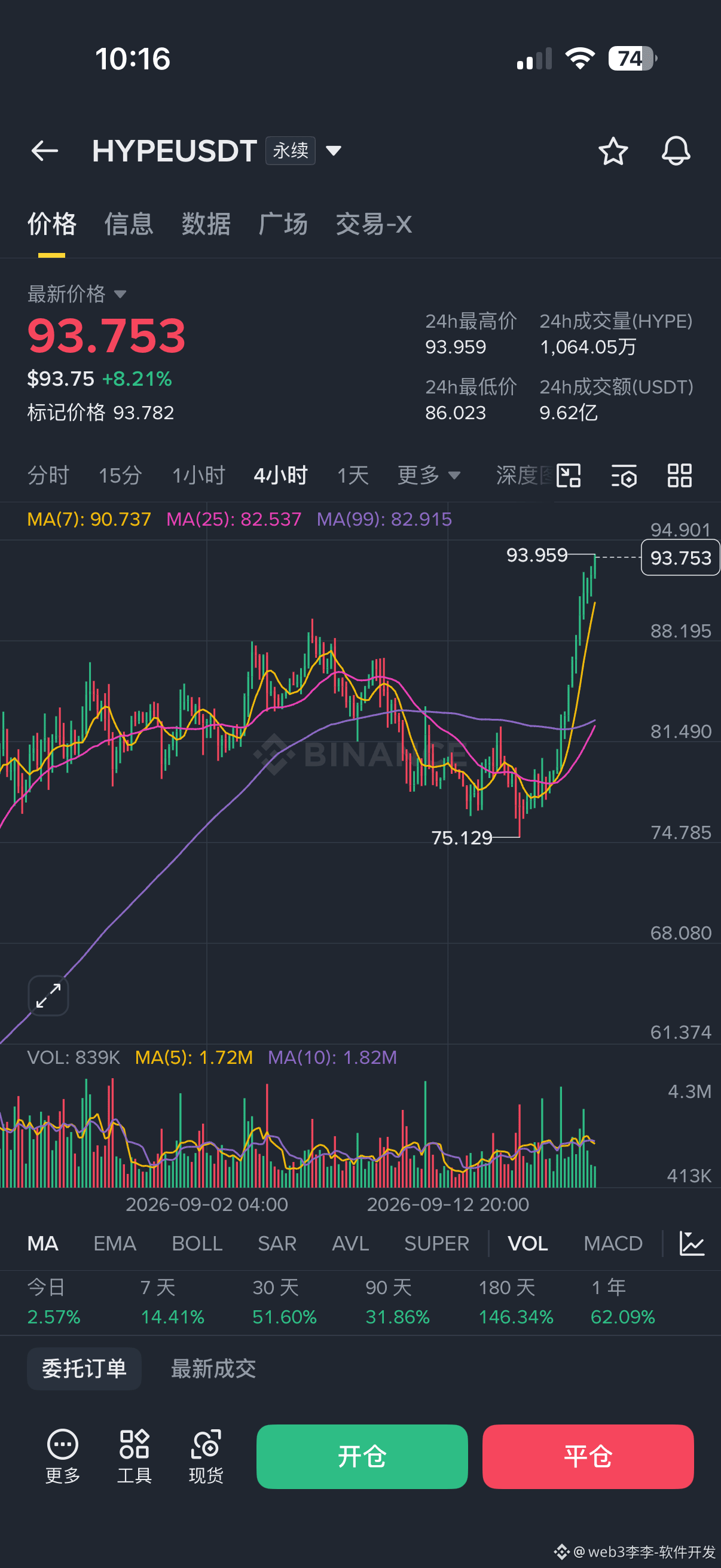
HYPE consensus is already very strong. This year has been a relentless surge, hitting a historic high #hype
HYPE consensus is already very strong. This year has been a relentless surge, hitting a historic high #hype
1
232
·
--
Article
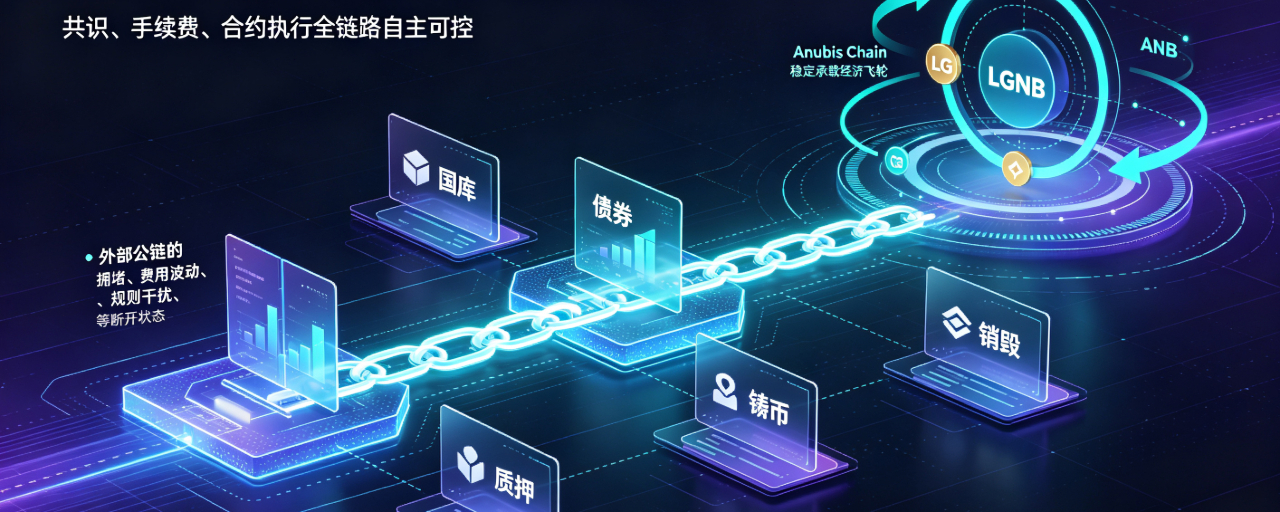
Why Origin (奥拉丁) wants to build Anubis Chain (阿努比斯公链)?Looking at the development of the Web3 industry, the vast majority of early blockchain projects choose to get started quickly by building on established public chains such as Ethereum and BNB Chain, leveraging existing underlying network infrastructure, node ecosystems, and user traffic to reduce development costs. In its early stage, Origin (奥拉丁) and its LGNS-algorithm-based currency system also relied on external public chains to complete initial incubation. However, as the ecosystem continues to expand, the economic model becomes increasingly mature, and the user base grows steadily, Origin has officially begun a foundational strategy upgrade—independently building Anubis Chain (阿努比斯公链). This is by no means a simple brand upgrade or a packaging of concepts, but rather a crucial path for the project to move from a “dependent DApp protocol” to an “independent underlying ecosystem.” It is the key strategic move to support the ecosystem’s long-term stable growth and to build core competitive barriers.
Why Origin (奥拉丁) wants to build Anubis Chain (阿努比斯公链)?
Looking at the development of the Web3 industry, the vast majority of early blockchain projects choose to get started quickly by building on established public chains such as Ethereum and BNB Chain, leveraging existing underlying network infrastructure, node ecosystems, and user traffic to reduce development costs. In its early stage, Origin (奥拉丁) and its LGNS-algorithm-based currency system also relied on external public chains to complete initial incubation. However, as the ecosystem continues to expand, the economic model becomes increasingly mature, and the user base grows steadily, Origin has officially begun a foundational strategy upgrade—independently building Anubis Chain (阿努比斯公链). This is by no means a simple brand upgrade or a packaging of concepts, but rather a crucial path for the project to move from a “dependent DApp protocol” to an “independent underlying ecosystem.” It is the key strategic move to support the ecosystem’s long-term stable growth and to build core competitive barriers.
1
155
·
--

Article
Copy the MicroStrategy playbook! DFDV adds 55,000 SOL in two weeks and builds a $300 million financing frameworkAfter MicroStrategy became famous for a big BTC bet by continuously issuing debt and raising funds to stockpile BTC, the U.S.-listed company DFDV (DeFi Development Corp., Nasdaq: DFDV) has become a “MicroStrategy imitator” in the Solana sector. It copy-pastes this listed-company treasury coin-holding model and makes large purchases of SOL. Recently, DFDV disclosed that it increased its SOL holdings by 55,000 coins within two weeks, while also setting up a $300 million perpetual preferred stock financing framework—continuously reserving ammunition to accumulate more SOL, and further heating up institutional narratives around SOL.
DFDV is the first U.S. publicly listed company to use SOL as its core treasury asset. In MicroStrategy’s classic playbook, the core logic is: a listed company continuously raises capital through tools such as equity, convertible bonds, and preferred stock, then uses the raised funds to buy crypto assets. When the crypto assets rise and boost the company’s net asset value, the company’s stock price trades at a premium, enabling further financing and forming a positive feedback loop. Instead of merely chasing short-term earnings, DFDV directly ports this BTC treasury model to the Solana ecosystem, aiming to continuously increase the amount of SOL held per share (SPS, SOL Per Share).
Copy the MicroStrategy playbook! DFDV adds 55,000 SOL in two weeks and builds a $300 million financing framework
After MicroStrategy became famous for a big BTC bet by continuously issuing debt and raising funds to stockpile BTC, the U.S.-listed company DFDV (DeFi Development Corp., Nasdaq: DFDV) has become a “MicroStrategy imitator” in the Solana sector. It copy-pastes this listed-company treasury coin-holding model and makes large purchases of SOL. Recently, DFDV disclosed that it increased its SOL holdings by 55,000 coins within two weeks, while also setting up a $300 million perpetual preferred stock financing framework—continuously reserving ammunition to accumulate more SOL, and further heating up institutional narratives around SOL.
DFDV is the first U.S. publicly listed company to use SOL as its core treasury asset. In MicroStrategy’s classic playbook, the core logic is: a listed company continuously raises capital through tools such as equity, convertible bonds, and preferred stock, then uses the raised funds to buy crypto assets. When the crypto assets rise and boost the company’s net asset value, the company’s stock price trades at a premium, enabling further financing and forming a positive feedback loop. Instead of merely chasing short-term earnings, DFDV directly ports this BTC treasury model to the Solana ecosystem, aiming to continuously increase the amount of SOL held per share (SPS, SOL Per Share).
DFDV is the first U.S. publicly listed company to use SOL as its core treasury asset. In MicroStrategy’s classic playbook, the core logic is: a listed company continuously raises capital through tools such as equity, convertible bonds, and preferred stock, then uses the raised funds to buy crypto assets. When the crypto assets rise and boost the company’s net asset value, the company’s stock price trades at a premium, enabling further financing and forming a positive feedback loop. Instead of merely chasing short-term earnings, DFDV directly ports this BTC treasury model to the Solana ecosystem, aiming to continuously increase the amount of SOL held per share (SPS, SOL Per Share).
1
112
·
--
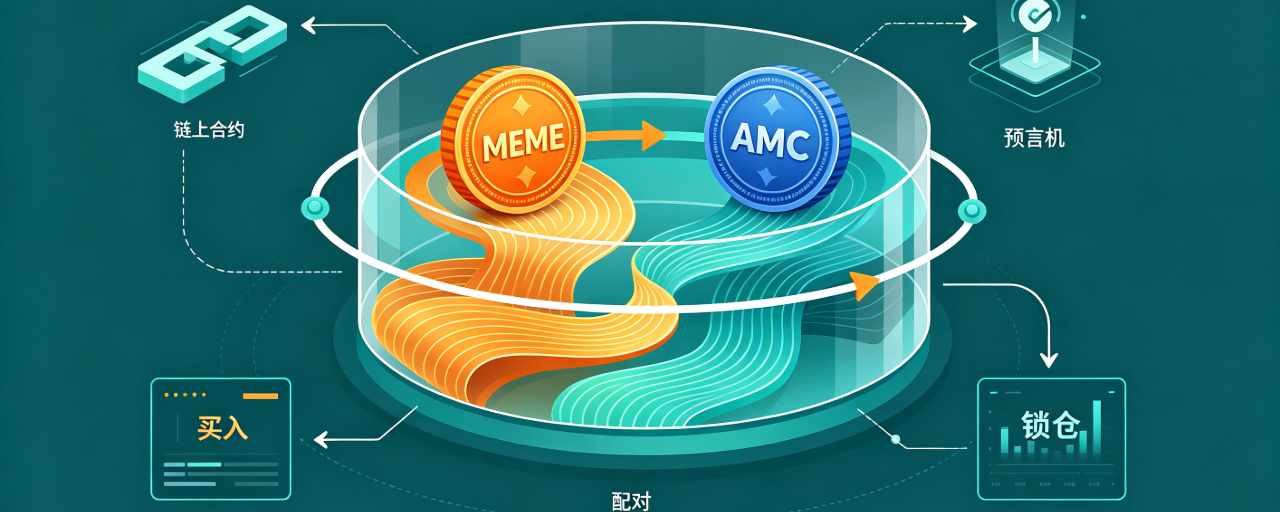
Article
Meme Coins Bound to U.S. Stocks: Robinhood Chain Launches New On-Chain Experiment in Traditional MarketsRecently, Robinhood’s L2 public chain, Robinhood Chain, has arguably taken center stage in the crypto arena. On Robinhood Chain, the meme coin launch platform Pons, the DEX Uniswap, and the Arbitrum-based technology stack have all driven sustained price surges of the tokens due to Robinhood Chain’s explosive popularity. On September 4, a new kind of gameplay even appeared on Robinhood Chain: “Meme coins paired with U.S. stocks.” It has even stirred activity in the U.S. stock market.
As an Ethereum L2 network officially launched by Robinhood in July 2026, the Robinhood Chain is built on the Arbitrum Orbit modular technology. It mainly focuses on the RWA tokenization narrative of real-world assets. The original goal is to bridge the boundary between the crypto world and traditional U.S. stock markets, so that U.S. stock assets can be transferred, traded, and circulated on-chain 24/7. Built on Arbitrum’s mature Rollup layer, this chain inherits Ethereum’s security properties while achieving millisecond-level block confirmations and low transaction fees. It natively supports Solidity smart contracts, and Uniswap is deployed on the chain as a dedicated AMM, serving as the chain’s core on-chain liquidity provider. Meanwhile, Pons, as a one-click token issuance and launchpad on the chain, lowers the barrier to launching Meme coins and becomes an entry point for ecosystem traffic. With all three working together, the infrastructure is in place for this “coin-and-stock pairing” innovative gameplay.
Meme Coins Bound to U.S. Stocks: Robinhood Chain Launches New On-Chain Experiment in Traditional Markets
Recently, Robinhood’s L2 public chain, Robinhood Chain, has arguably taken center stage in the crypto arena. On Robinhood Chain, the meme coin launch platform Pons, the DEX Uniswap, and the Arbitrum-based technology stack have all driven sustained price surges of the tokens due to Robinhood Chain’s explosive popularity. On September 4, a new kind of gameplay even appeared on Robinhood Chain: “Meme coins paired with U.S. stocks.” It has even stirred activity in the U.S. stock market.
As an Ethereum L2 network officially launched by Robinhood in July 2026, the Robinhood Chain is built on the Arbitrum Orbit modular technology. It mainly focuses on the RWA tokenization narrative of real-world assets. The original goal is to bridge the boundary between the crypto world and traditional U.S. stock markets, so that U.S. stock assets can be transferred, traded, and circulated on-chain 24/7. Built on Arbitrum’s mature Rollup layer, this chain inherits Ethereum’s security properties while achieving millisecond-level block confirmations and low transaction fees. It natively supports Solidity smart contracts, and Uniswap is deployed on the chain as a dedicated AMM, serving as the chain’s core on-chain liquidity provider. Meanwhile, Pons, as a one-click token issuance and launchpad on the chain, lowers the barrier to launching Meme coins and becomes an entry point for ecosystem traffic. With all three working together, the infrastructure is in place for this “coin-and-stock pairing” innovative gameplay.
As an Ethereum L2 network officially launched by Robinhood in July 2026, the Robinhood Chain is built on the Arbitrum Orbit modular technology. It mainly focuses on the RWA tokenization narrative of real-world assets. The original goal is to bridge the boundary between the crypto world and traditional U.S. stock markets, so that U.S. stock assets can be transferred, traded, and circulated on-chain 24/7. Built on Arbitrum’s mature Rollup layer, this chain inherits Ethereum’s security properties while achieving millisecond-level block confirmations and low transaction fees. It natively supports Solidity smart contracts, and Uniswap is deployed on the chain as a dedicated AMM, serving as the chain’s core on-chain liquidity provider. Meanwhile, Pons, as a one-click token issuance and launchpad on the chain, lowers the barrier to launching Meme coins and becomes an entry point for ecosystem traffic. With all three working together, the infrastructure is in place for this “coin-and-stock pairing” innovative gameplay.
1
251
·
--
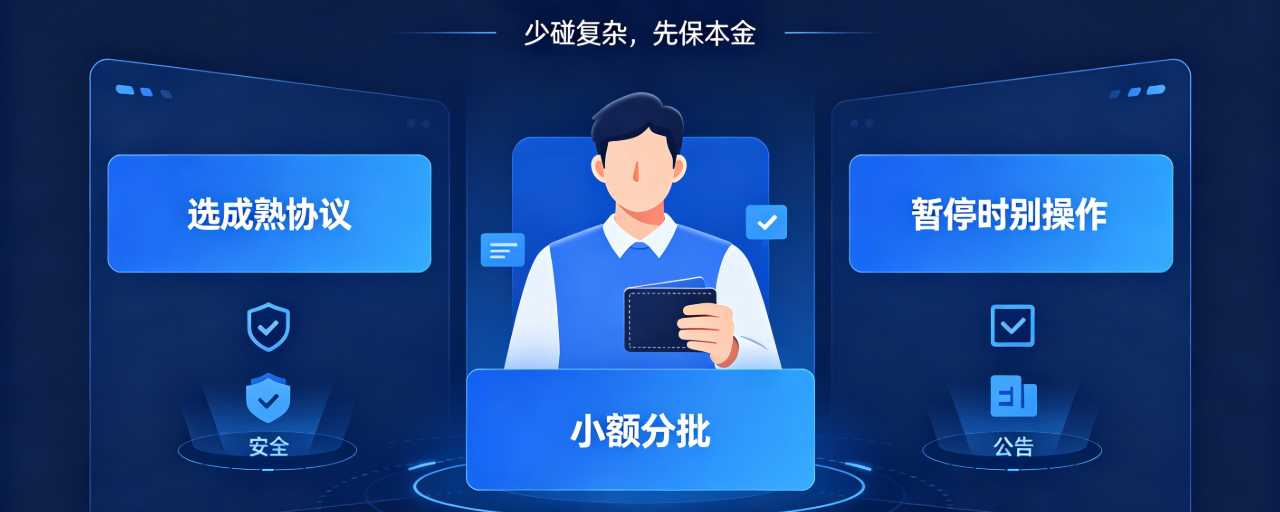
Article
Understanding Cross-Chain Security: How to Judge Cross-Chain Message Risks and Avoid Protocol Attack TrapsRecently, cross-chain security incidents in the crypto space have been occurring in clusters. After the Bitcoin bridge vulnerability was exposed in Symbiosis, on September 13 a well-known cross-chain protocol, Chainflip, suffered a targeted attack in which 736,000 USDT was stolen. This incident was not a traditional vulnerability in smart contract code. Instead, it was a typical flaw in cross-chain message parsing logic across heterogeneous chains. It also challenges long-held industry assumptions: cross-chain security risks are no longer primarily about basic code bugs; most stem from omissions in cross-chain message validation and vulnerabilities in multi-chain adaptation logic. In this article, by drawing on real security incidents, we will explain two key issues in plain terms, in detail how to identify cross-chain message security risks, and how to avoid cross-chain security incidents from both the project team’s and users’ perspectives.
Understanding Cross-Chain Security: How to Judge Cross-Chain Message Risks and Avoid Protocol Attack Traps
Recently, cross-chain security incidents in the crypto space have been occurring in clusters. After the Bitcoin bridge vulnerability was exposed in Symbiosis, on September 13 a well-known cross-chain protocol, Chainflip, suffered a targeted attack in which 736,000 USDT was stolen. This incident was not a traditional vulnerability in smart contract code. Instead, it was a typical flaw in cross-chain message parsing logic across heterogeneous chains. It also challenges long-held industry assumptions: cross-chain security risks are no longer primarily about basic code bugs; most stem from omissions in cross-chain message validation and vulnerabilities in multi-chain adaptation logic. In this article, by drawing on real security incidents, we will explain two key issues in plain terms, in detail how to identify cross-chain message security risks, and how to avoid cross-chain security incidents from both the project team’s and users’ perspectives.
2
1
57
·
--
If you encounter something like this, just block and report it right away—they’re all scammers
If you encounter something like this, just block and report it right away—they’re all scammers

1
181


·
--

Article
Rally then collapse at the open! Hunter Biden’s $LAPTOP stages a 98% plungeWhen political scandals meet Meme coins, what kind of dramatic effect will they create? Recently, Hunter Biden, the son of former U.S. President Joe Biden, announced the launch of a Meme coin. The moment the news broke, it instantly ignited both American politics and the global crypto market. This coin-issuing event, carried out directly by a political celebrity, is not only a direct move to match the <TRUMP> family’s token, but also reflects the underlying ecology of today’s Meme coin market—where traffic reigns supreme and controversies abound.
(The Wall Street Journal) was the first to disclose the news: Hunter Biden will launch a token called $LAPTOP on the Coinbase-backed Base chain. The total supply is set at 1 billion coins. The token’s name comes from the “laptop scandal” that shocked the U.S. during the 2020 election. At the time, information stored on a laptop left behind at a repair shop was repeatedly used by the Republican camp to attack Biden and his son, becoming a key tool in the election’s public-opinion battle. Now, Hunter has directly repackaged this “dark history” that nearly destroyed his political image into an IP for a crypto token. He posted a promotional video on the X platform, cutting together edited clips from years of media and politicians’ coverage of that laptop to complete a highly ironic narrative reversal.
Rally then collapse at the open! Hunter Biden’s $LAPTOP stages a 98% plunge
When political scandals meet Meme coins, what kind of dramatic effect will they create? Recently, Hunter Biden, the son of former U.S. President Joe Biden, announced the launch of a Meme coin. The moment the news broke, it instantly ignited both American politics and the global crypto market. This coin-issuing event, carried out directly by a political celebrity, is not only a direct move to match the <TRUMP> family’s token, but also reflects the underlying ecology of today’s Meme coin market—where traffic reigns supreme and controversies abound.
(The Wall Street Journal) was the first to disclose the news: Hunter Biden will launch a token called $LAPTOP on the Coinbase-backed Base chain. The total supply is set at 1 billion coins. The token’s name comes from the “laptop scandal” that shocked the U.S. during the 2020 election. At the time, information stored on a laptop left behind at a repair shop was repeatedly used by the Republican camp to attack Biden and his son, becoming a key tool in the election’s public-opinion battle. Now, Hunter has directly repackaged this “dark history” that nearly destroyed his political image into an IP for a crypto token. He posted a promotional video on the X platform, cutting together edited clips from years of media and politicians’ coverage of that laptop to complete a highly ironic narrative reversal.
(The Wall Street Journal) was the first to disclose the news: Hunter Biden will launch a token called $LAPTOP on the Coinbase-backed Base chain. The total supply is set at 1 billion coins. The token’s name comes from the “laptop scandal” that shocked the U.S. during the 2020 election. At the time, information stored on a laptop left behind at a repair shop was repeatedly used by the Republican camp to attack Biden and his son, becoming a key tool in the election’s public-opinion battle. Now, Hunter has directly repackaged this “dark history” that nearly destroyed his political image into an IP for a crypto token. He posted a promotional video on the X platform, cutting together edited clips from years of media and politicians’ coverage of that laptop to complete a highly ironic narrative reversal.
1
189
·
--
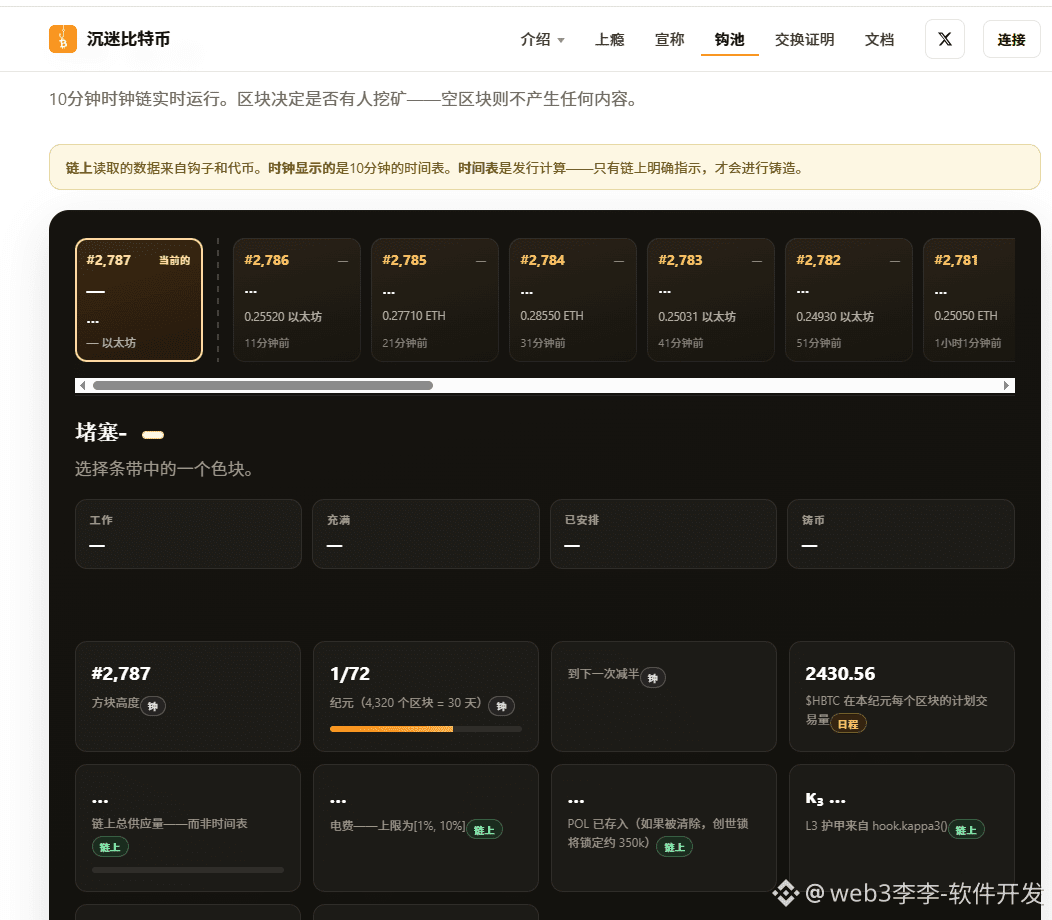
CA:0x8db244f6bf052571f4e0c6065b700e714092d4b6
During the callback’s sideways movement, considering whether to add to the position. #HBTC
CA:0x8db244f6bf052571f4e0c6065b700e714092d4b6
During the callback’s sideways movement, considering whether to add to the position. #HBTC
During the callback’s sideways movement, considering whether to add to the position. #HBTC
1
34
·
--

Article
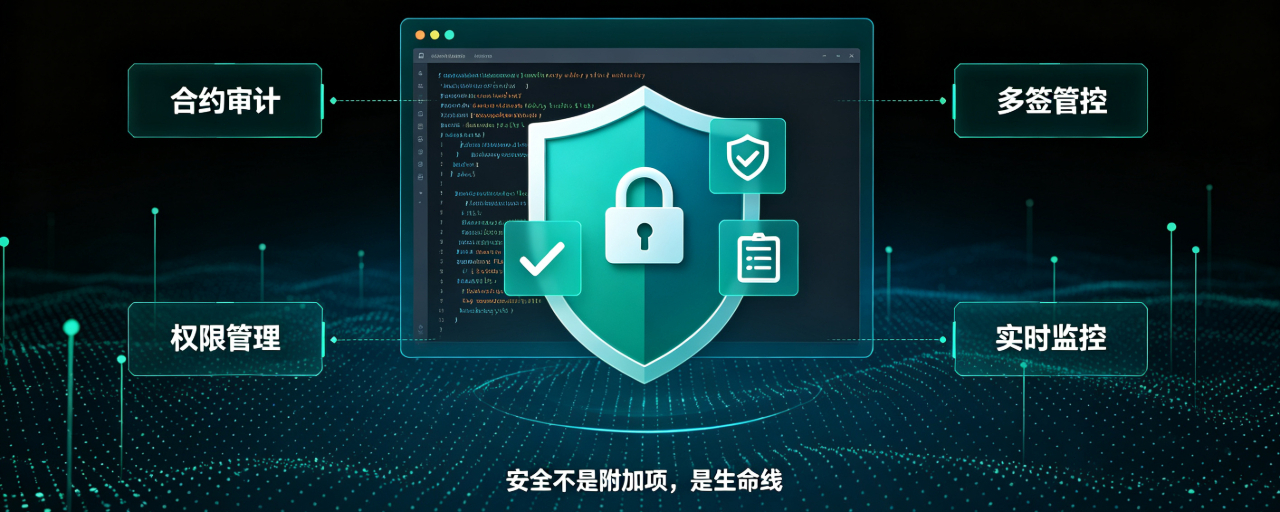
Investing tens of thousands in a Web3 project, only to be undone by a development backdoor? Project delivery must secure these four lines of defenseCases where tens or even hundreds of thousands are spent hiring an outsourced team to develop a Web3 project, only for the project to finally go live and then have user assets stolen and the project collapse because the developer planted a technical backdoor, are not uncommon in the industry. Many project owners think that getting the source code means the project has been fully delivered, but they overlook permission and backdoor risks, and in the end the project they worked so hard to build goes to zero overnight. In fact, we do not need to fully understand complex code; by focusing on four core checkpoints, we can avoid most technical risks intentionally left by people.
First, strictly verify smart contract permissions and reclaim administrator, superuser, and contract upgrade permissions. Many development teams, when writing contracts, will default to retaining administrator permissions. Here is a real example: after a certain RWA project went live, the developer held the contract administrator permission and directly called backend functions to transfer users’ staked assets within the contract, leaving the project owner completely unable to intervene. Once contract deployment is complete, the first thing the project owner should do is confirm that all administrator permissions, super-admin permissions, and contract upgrade proxy permissions have been transferred or destroyed. Do not leave the highest contract permissions in the hands of the development team, so as to fundamentally eliminate the possibility that the other party can tamper with rules or transfer assets from behind the scenes.
Investing tens of thousands in a Web3 project, only to be undone by a development backdoor? Project delivery must secure these four lines of defense
Cases where tens or even hundreds of thousands are spent hiring an outsourced team to develop a Web3 project, only for the project to finally go live and then have user assets stolen and the project collapse because the developer planted a technical backdoor, are not uncommon in the industry. Many project owners think that getting the source code means the project has been fully delivered, but they overlook permission and backdoor risks, and in the end the project they worked so hard to build goes to zero overnight. In fact, we do not need to fully understand complex code; by focusing on four core checkpoints, we can avoid most technical risks intentionally left by people.
First, strictly verify smart contract permissions and reclaim administrator, superuser, and contract upgrade permissions. Many development teams, when writing contracts, will default to retaining administrator permissions. Here is a real example: after a certain RWA project went live, the developer held the contract administrator permission and directly called backend functions to transfer users’ staked assets within the contract, leaving the project owner completely unable to intervene. Once contract deployment is complete, the first thing the project owner should do is confirm that all administrator permissions, super-admin permissions, and contract upgrade proxy permissions have been transferred or destroyed. Do not leave the highest contract permissions in the hands of the development team, so as to fundamentally eliminate the possibility that the other party can tamper with rules or transfer assets from behind the scenes.
First, strictly verify smart contract permissions and reclaim administrator, superuser, and contract upgrade permissions. Many development teams, when writing contracts, will default to retaining administrator permissions. Here is a real example: after a certain RWA project went live, the developer held the contract administrator permission and directly called backend functions to transfer users’ staked assets within the contract, leaving the project owner completely unable to intervene. Once contract deployment is complete, the first thing the project owner should do is confirm that all administrator permissions, super-admin permissions, and contract upgrade proxy permissions have been transferred or destroyed. Do not leave the highest contract permissions in the hands of the development team, so as to fundamentally eliminate the possibility that the other party can tamper with rules or transfer assets from behind the scenes.
1
59
·
--
Article
Building a DApp on Robinhood Chain (Robinhood Chain): The Cost Is More Than Just Development FeesAccording to DeFiLlama statistics, Robinhood Chain's TVL rose rapidly in August, breaking through $540 million in mid-August, an increase of more than 45% from the beginning of the month. As of September 2, TVL had further climbed to about $750 million, with a nearly 95% increase over 30 days. The highest single-day trading volume on-chain DEX reached $1.669 billion, and the network's peak number of daily transactions could reach 18 million. A Layer2 ecosystem with real assets and real transaction traffic is taking shape.
The popularity of the data has attracted a large number of developers, and many entrepreneurs have begun considering deploying DApps on Robinhood Chain. The first question many people care about is: how much does it actually cost to build a DApp on this chain?
Building a DApp on Robinhood Chain (Robinhood Chain): The Cost Is More Than Just Development Fees
According to DeFiLlama statistics, Robinhood Chain's TVL rose rapidly in August, breaking through $540 million in mid-August, an increase of more than 45% from the beginning of the month. As of September 2, TVL had further climbed to about $750 million, with a nearly 95% increase over 30 days. The highest single-day trading volume on-chain DEX reached $1.669 billion, and the network's peak number of daily transactions could reach 18 million. A Layer2 ecosystem with real assets and real transaction traffic is taking shape.
The popularity of the data has attracted a large number of developers, and many entrepreneurs have begun considering deploying DApps on Robinhood Chain. The first question many people care about is: how much does it actually cost to build a DApp on this chain?
The popularity of the data has attracted a large number of developers, and many entrepreneurs have begun considering deploying DApps on Robinhood Chain. The first question many people care about is: how much does it actually cost to build a DApp on this chain?
1
158
·
--
Article
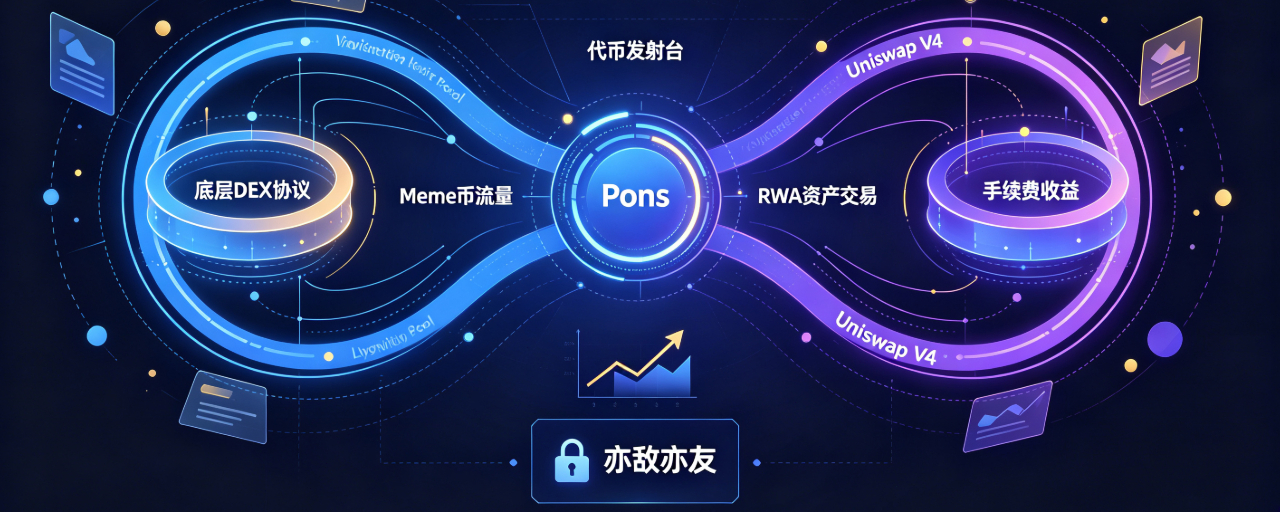
Uniswap Labs Buys PONS Tokens: A DeFi Strategic Move of “Both Rivals and Allies”On September 4, Robinhood Chain's leading launchpad Pons officially announced that Uniswap Labs had purchased PONS tokens, using the stake to align long-term interests between the two parties and deepen protocol cooperation. After the news was released, PONS token's maximum 24-hour gain surpassed 40%, hitting a new all-time high. Interestingly, Uniswap Labs itself has already launched a competing launchpad, Pools.trade, on the same public chain. This exchange of stakes between rivals is not simply a financial investment; behind it lies a major shift in the underlying logic of the DEX sector in the Uniswap V4 era.
Uniswap Labs Buys PONS Tokens: A DeFi Strategic Move of “Both Rivals and Allies”
On September 4, Robinhood Chain's leading launchpad Pons officially announced that Uniswap Labs had purchased PONS tokens, using the stake to align long-term interests between the two parties and deepen protocol cooperation. After the news was released, PONS token's maximum 24-hour gain surpassed 40%, hitting a new all-time high. Interestingly, Uniswap Labs itself has already launched a competing launchpad, Pools.trade, on the same public chain. This exchange of stakes between rivals is not simply a financial investment; behind it lies a major shift in the underlying logic of the DEX sector in the Uniswap V4 era.
2
131
Log in to explore more content
Join global crypto users on Binance Square
⚡️ Get latest and useful information about crypto.
💬 Trusted by the world’s largest crypto exchange.
👍 Discover real insights from verified creators.
Email / Phone number
Trending Topics
CircleMints500MUSDCOnSolana
15,990 views
590 Discussing
#circlemints500musdconsolana
🚨 HUGE Liquidity Boost! Circle Mints $500 Million USDC on Solana — Is a Massive DeFi Rally Next? 🚀
💵 What Happened?
In a major on-chain event, the USDC Treasury issued $500 million in USDC directly on the Solana network across two $250M transactions.
This massive influx of real-fiat-backed capital highlights a growing appetite for stablecoins in high-speed, low-cost ecosystems.
🔑 Key Takeaways & Headlines
Fresh On-Chain Liquidity: Freshly minted USDC boosts liquidity pools across Solana-based DEXs, lending markets, and yield protocols.
$SOL
Institutional Signal: Because every USDC is backed 1:1 by real reserves, large minting events reflect actual institutional or commercial capital entering the ecosystem.
Solana’s Market Share Expansion: Solana continues to capture an increasing share of total USDC circulation, threatening traditional stablecoin market distributions.
Macro & Fed Context: As traders monitor global macroeconomic developments and interest rate outlooks, high-yield on-chain opportunities attract resting capital back to Web3.
💡 Why It Matters for Traders
Lower Slippage & Better Swaps: Higher stablecoin depth means larger trades can occur without heavy market impact.
DeFi Yield Potential: Increased USDC reserves encourage higher TVL (Total Value Locked) in Solana lending and farming protocols.
Sentiment Shift: Massive stablecoin injections are historically bullish indicators for ecosystem tokens ($SOL,$JUP, $RAY,$KMNO).
What’s your play? Are you keeping cash on the sidelines or riding the Solana liquidity wave? Drop your thoughts below! 👇
#BlackRockBuildsTokenizedPortfoliosForOndo #solana #defi
Lily星星
·4 Likes
·2.6k views
PolymarketBankFailureBetsDrawFDICConcern
31,632 views
781 Discussing
BlackRockBuildsTokenizedPortfoliosForOndo
25,540 views
531 Discussing