
Khan crypto042
5k Posts

Khan crypto042
Report
Block User
I like binance. Please support me for followers .
Open Trade
Occasional Trader
10.2 Months
5.9K+ Following
5.8K+ Followers
7.6K+ Liked
Posts
Portfolio
All
Quotes
Videos
Live
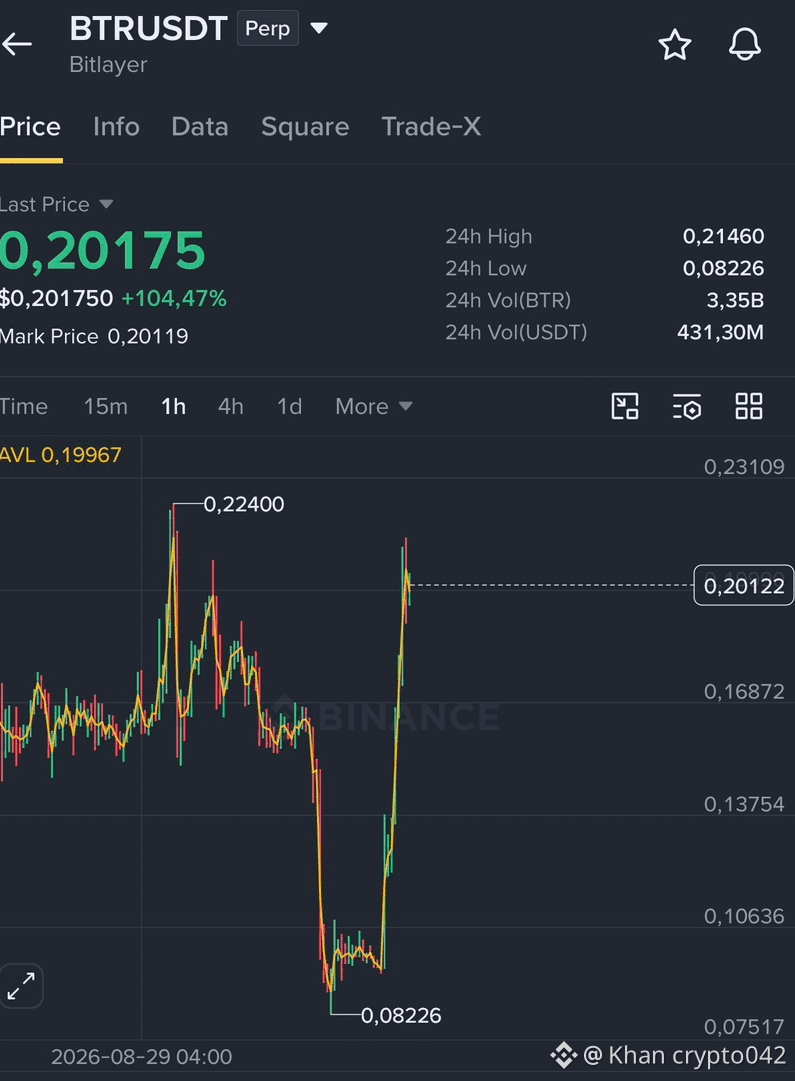
$BTR I’m going to place a limit short at $0.23. It’s risky ⚠️ but I’m going to give it a shot 😅
Be careful. though token is extremely volatile, so manage your risk. ⚠️
#trading $BTR
{future}(BTRUSDT)
$BTR I’m going to place a limit short at $0.23. It’s risky ⚠️ but I’m going to give it a shot 😅
Be careful. though token is extremely volatile, so manage your risk. ⚠️
#trading $BTR
Be careful. though token is extremely volatile, so manage your risk. ⚠️
#trading $BTR
32
Big $ASTER tokenomics update 🔥
Team allocation unlock delayed by 12 months to Sep 17, 2027.
400M $ASTER stays fully locked, while buyback & burn continue unchanged with the team allocation burned first.
Less unlock pressure. More long-term alignment.
$ASTER
{future}(ASTERUSDT)
Big $ASTER tokenomics update 🔥
Team allocation unlock delayed by 12 months to Sep 17, 2027.
400M $ASTER stays fully locked, while buyback & burn continue unchanged with the team allocation burned first.
Less unlock pressure. More long-term alignment.
$ASTER
Team allocation unlock delayed by 12 months to Sep 17, 2027.
400M $ASTER stays fully locked, while buyback & burn continue unchanged with the team allocation burned first.
Less unlock pressure. More long-term alignment.
$ASTER
69
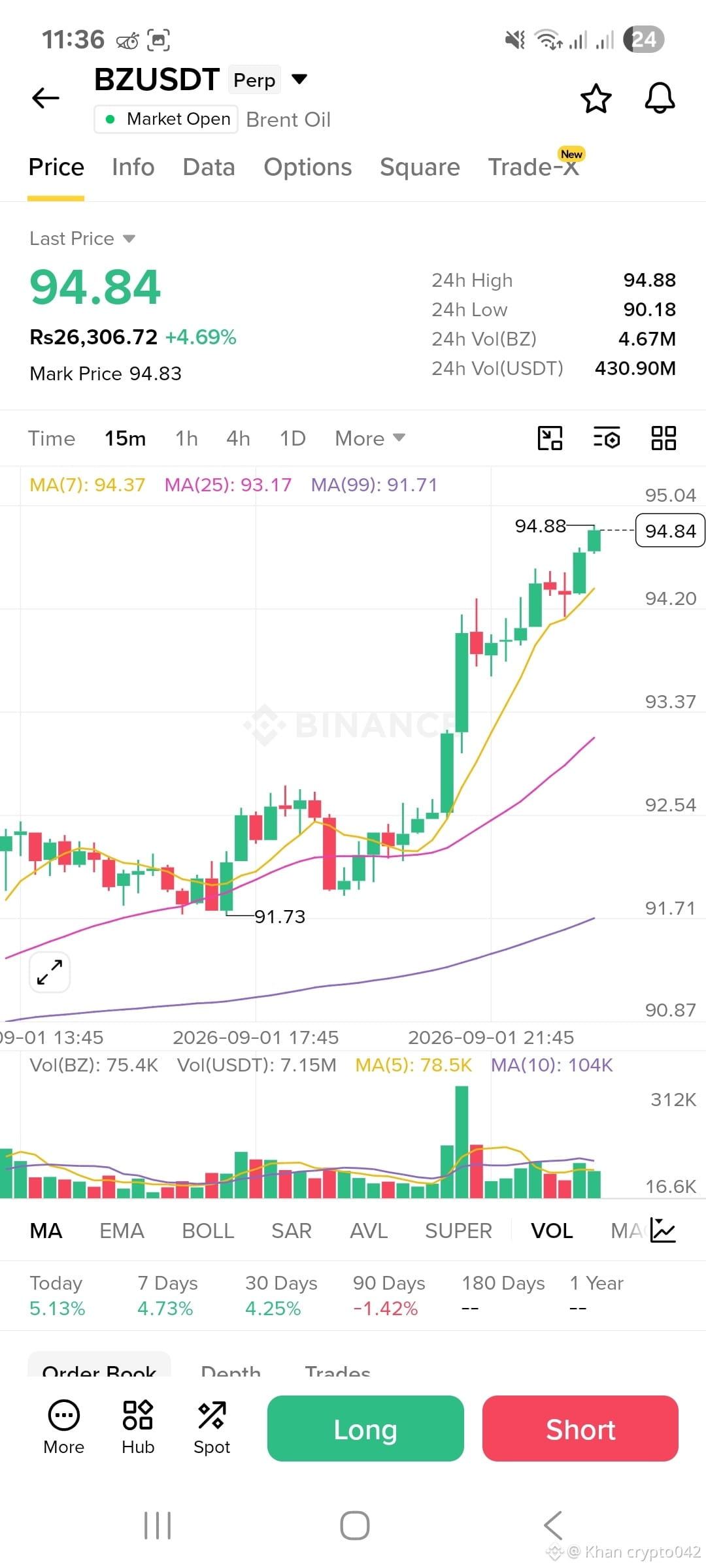
🚨 TRUMP ON IRAN: OIL PRICES COULD CRASH! 🇺🇸🇮🇷
#TRUMP : “As soon as we win that war with Iran, oil prices will drop like a rocket. We already have almost complete control over the Strait of Hormuz.”
A major shake-up could be coming for global oil markets.
$CL $TRUMP $XAU
{future}(CLUSDT)
{future}(TRUMPUSDT)
{future}(XAUUSDT)
🚨 TRUMP ON IRAN: OIL PRICES COULD CRASH! 🇺🇸🇮🇷
#TRUMP : “As soon as we win that war with Iran, oil prices will drop like a rocket. We already have almost complete control over the Strait of Hormuz.”
A major shake-up could be coming for global oil markets.
$CL $TRUMP $XAU
#TRUMP : “As soon as we win that war with Iran, oil prices will drop like a rocket. We already have almost complete control over the Strait of Hormuz.”
A major shake-up could be coming for global oil markets.
$CL $TRUMP $XAU

159
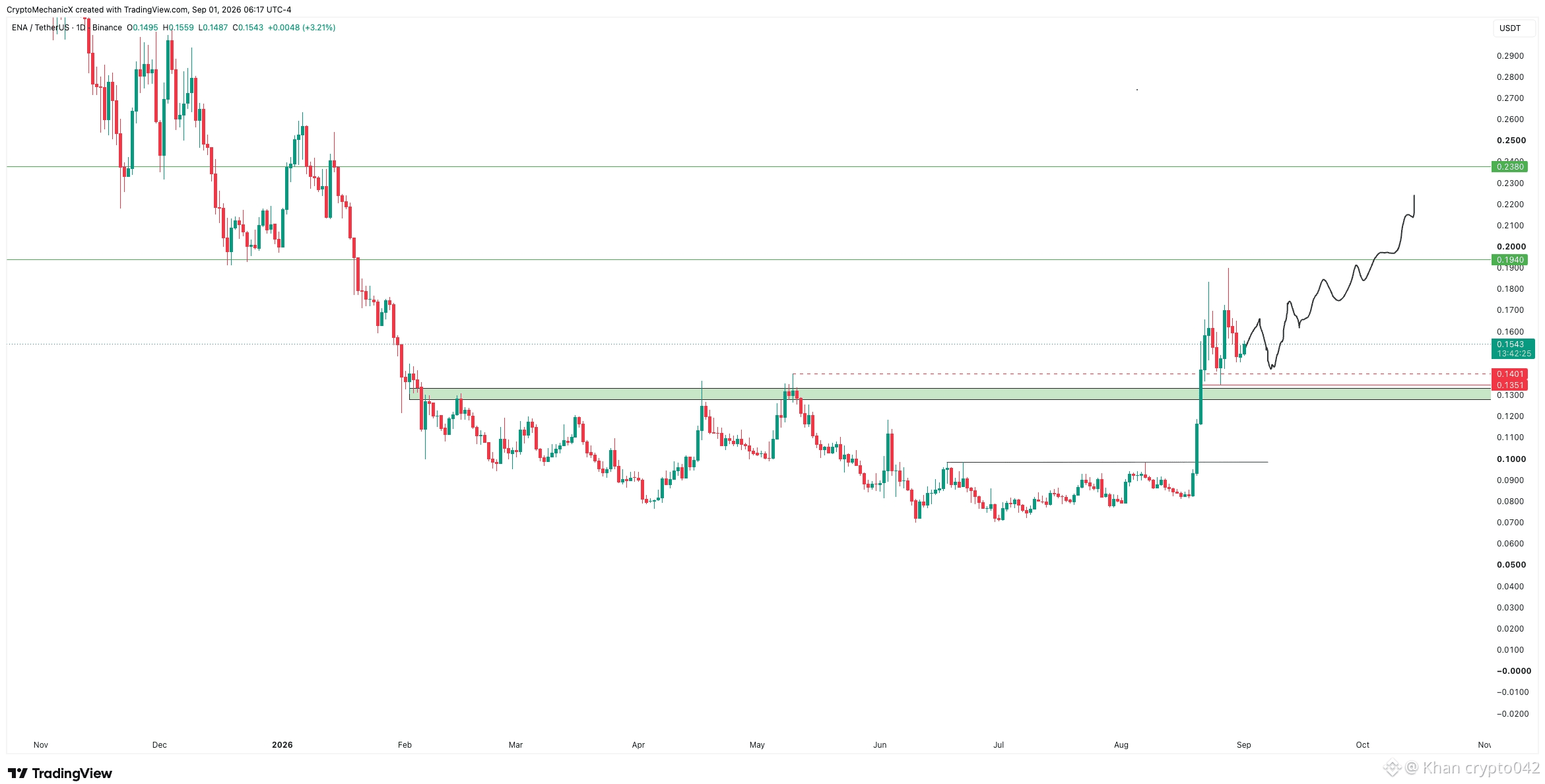
$ENA Consolidating above the highs which is fine after a good move up.
Should not pullback too deep ideally it consolidates here and keep moving.
$0.12-0.14 is the key support, Above this i think it's bullish.
{future}(ENAUSDT)
$ENA Consolidating above the highs which is fine after a good move up.
Should not pullback too deep ideally it consolidates here and keep moving.
$0.12-0.14 is the key support, Above this i think it's bullish.
Should not pullback too deep ideally it consolidates here and keep moving.
$0.12-0.14 is the key support, Above this i think it's bullish.
85
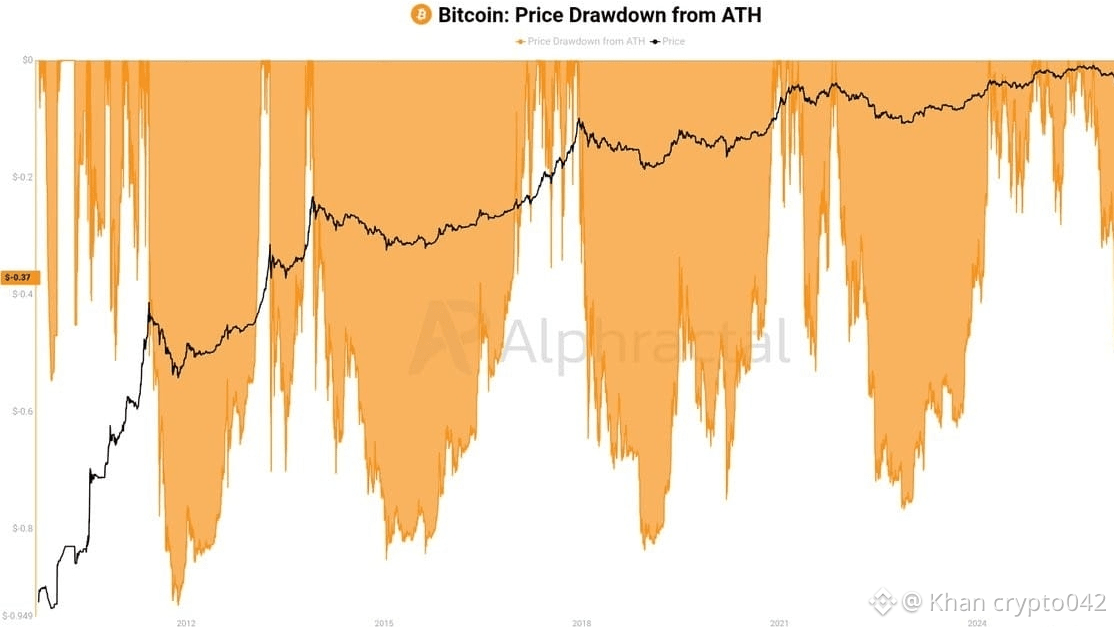
Looking at $BTC ’s Price Drawdown from ATH chart, the latest bottom doesn’t seem nearly as aggressive as what we saw in previous cycles.
Bitcoin fell only 53% from its 2025 ATH of $126K.
It’s interesting and somewhat unusual. Could ETFs and corporate treasury accumulation really be changing the dynamics of this bear market?
I still prefer to wait a few more weeks before jumping to conclusions.
{future}(BTCUSDT)
Looking at $BTC ’s Price Drawdown from ATH chart, the latest bottom doesn’t seem nearly as aggressive as what we saw in previous cycles.
Bitcoin fell only 53% from its 2025 ATH of $126K.
It’s interesting and somewhat unusual. Could ETFs and corporate treasury accumulation really be changing the dynamics of this bear market?
I still prefer to wait a few more weeks before jumping to conclusions.
Bitcoin fell only 53% from its 2025 ATH of $126K.
It’s interesting and somewhat unusual. Could ETFs and corporate treasury accumulation really be changing the dynamics of this bear market?
I still prefer to wait a few more weeks before jumping to conclusions.
113
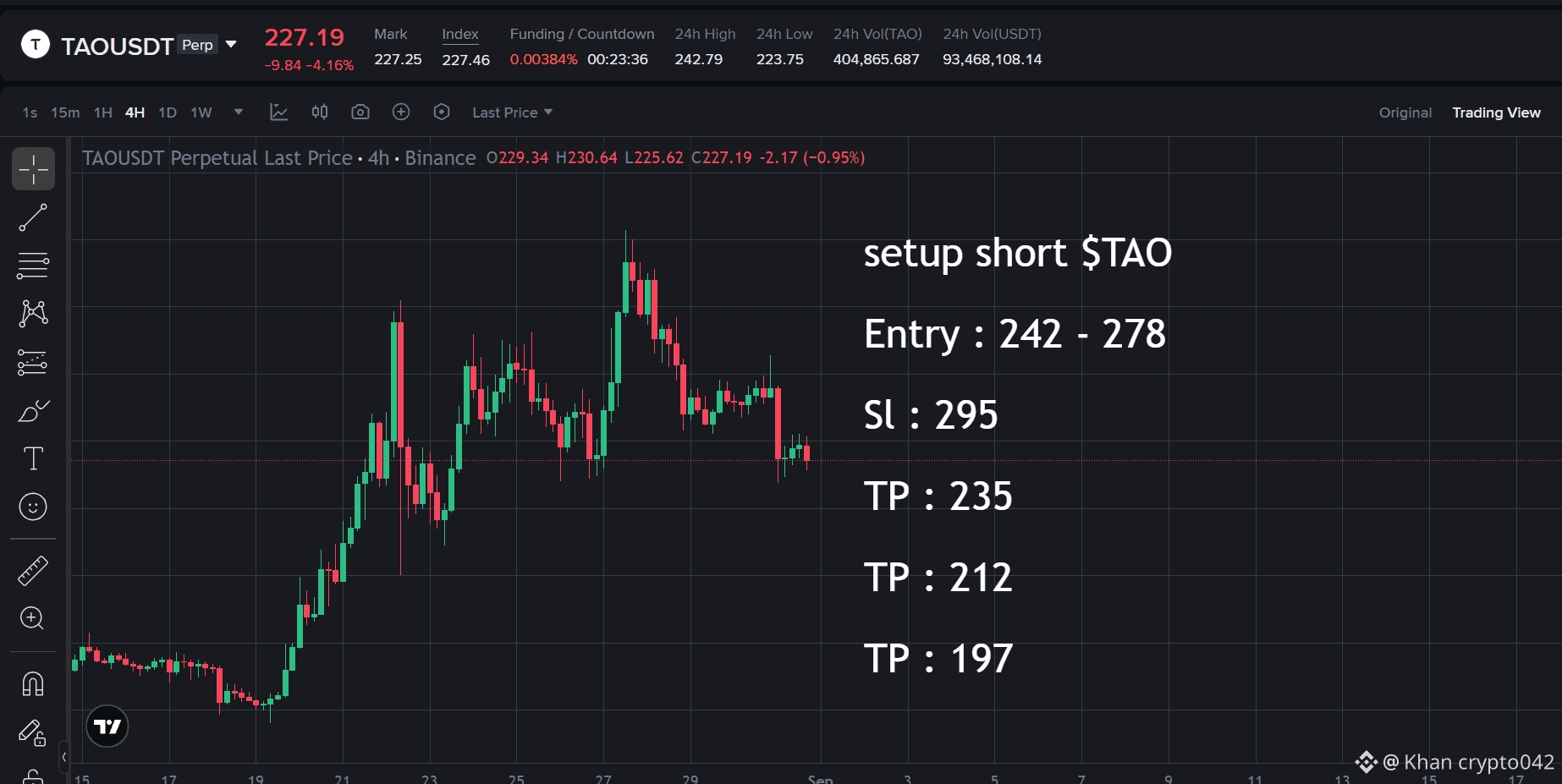
setup short $TAO
Entry : 242 - 278
Sl : 295
TP : 235
TP : 212
TP : 197
Trade $TAO here 👇$TAO
{future}(TAOUSDT)
setup short $TAO
Entry : 242 - 278
Sl : 295
TP : 235
TP : 212
TP : 197
Trade $TAO here 👇$TAO
Entry : 242 - 278
Sl : 295
TP : 235
TP : 212
TP : 197
Trade $TAO here 👇$TAO
1
93
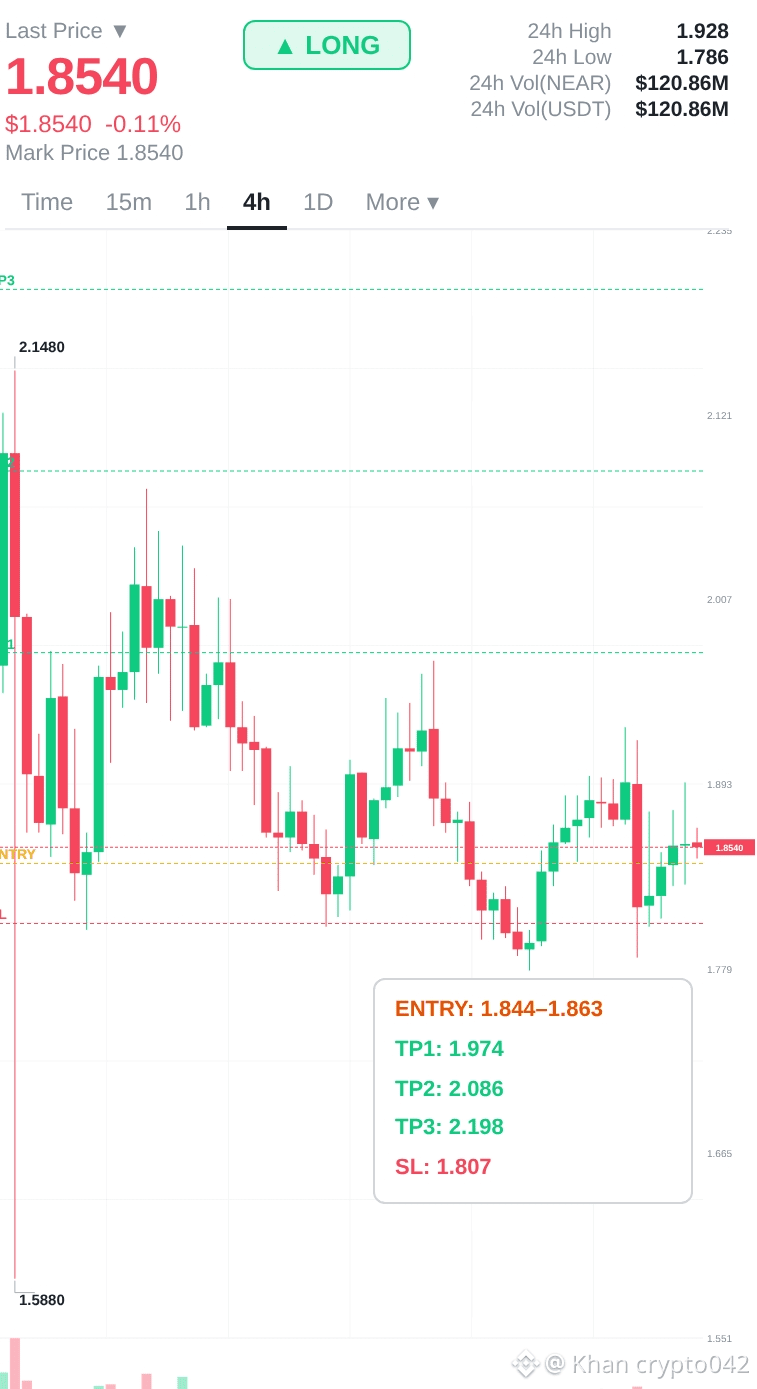
📈 Would you buy NEAR before the move? Here's the setup
LONG-TERM | 📈 LONG
💰 Price: 1.854
📊 24H Range: 1.786 – 1.928
📦 Volume: $120.86M
📐 Technicals:
RSI(14): 49.5 — Neutral
EMA20: $1.854 | EMA50: $1.858 ⚠️ Below EMA50
📈 Entry: 1.844 – 1.863
🛑 Stop: 1.807
🎯 TP1: 1.974
🎯 TP2: 2.086
🎯 TP3: 2.198
📊 Confidence: 78%
Longing here offers one of the best asymmetric setups available.
Staying long with conviction.
Follow The Flow 👉 $NEAR
{future}(NEARUSDT)
👈 Right Now
📈 Would you buy NEAR before the move? Here's the setup
LONG-TERM | 📈 LONG
💰 Price: 1.854
📊 24H Range: 1.786 – 1.928
📦 Volume: $120.86M
📐 Technicals:
RSI(14): 49.5 — Neutral
EMA20: $1.854 | EMA50: $1.858 ⚠️ Below EMA50
📈 Entry: 1.844 – 1.863
🛑 Stop: 1.807
🎯 TP1: 1.974
🎯 TP2: 2.086
🎯 TP3: 2.198
📊 Confidence: 78%
Longing here offers one of the best asymmetric setups available.
Staying long with conviction.
Follow The Flow 👉 $NEAR
👈 Right Now
LONG-TERM | 📈 LONG
💰 Price: 1.854
📊 24H Range: 1.786 – 1.928
📦 Volume: $120.86M
📐 Technicals:
RSI(14): 49.5 — Neutral
EMA20: $1.854 | EMA50: $1.858 ⚠️ Below EMA50
📈 Entry: 1.844 – 1.863
🛑 Stop: 1.807
🎯 TP1: 1.974
🎯 TP2: 2.086
🎯 TP3: 2.198
📊 Confidence: 78%
Longing here offers one of the best asymmetric setups available.
Staying long with conviction.
Follow The Flow 👉 $NEAR
👈 Right Now
86
Pay attention to the reply to claim a red envelope 🎁🎁 $NVDAB
{spot}(NVDABUSDT)
Pay attention to the reply to claim a red envelope 🎁🎁 $NVDAB

1
2
46
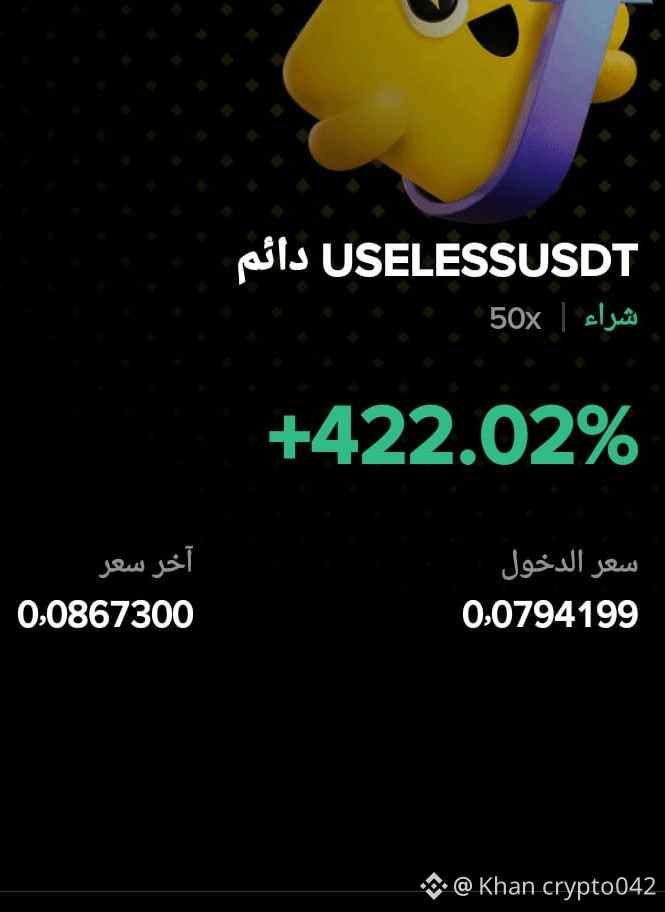
$USELESS
Hello and welcome, hello
Where are you going?
Do you expect it to reach 0.1? 🤔💭
$USELESS
{future}(USELESSUSDT)
$USELESS
Hello and welcome, hello
Where are you going?
Do you expect it to reach 0.1? 🤔💭
$USELESS
Hello and welcome, hello
Where are you going?
Do you expect it to reach 0.1? 🤔💭
$USELESS
65
follow Me every one
follow Me every one
Khan crypto042
·
--
⚡ Crypto friends! 😎📈
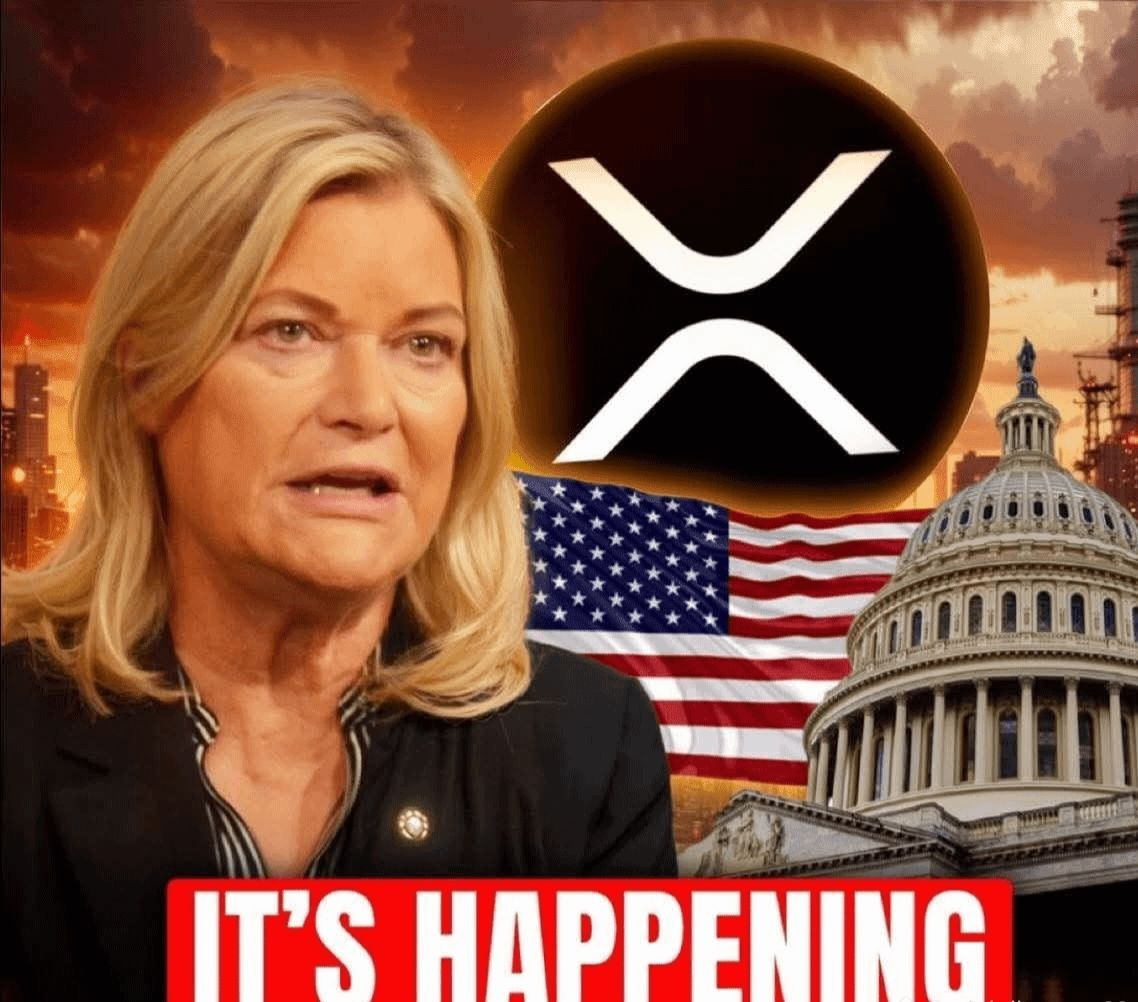
🚨🚨 Breaking news for the army $XRP
! 🚨🚨
Senator Lummis stood in Congress and said:
"Pass the crypto market structure bill immediately!" 🏛️💥
🔥 This is the moment we've been waiting for! 😱
Here’s why this news is huge for $XRP 👇
✅ XRP could be officially classified as a digital asset (commodity) 📜
✅ Billion-dollar flows from ETF funds might enter immediately 💰💰
✅ Whales are buying around 11 million XRP daily 🐋
✅ Outflows from exchanges are increasing = less supply for sale 📉
✅ Institutions have been quietly accumulating for months 🏦
📊 XRP price now: $1.3382 (+0.94%)
🚀 And this is just the beginning of the movement!
People who sold at $1… might see XRP at $5 or even $10 and regret it 😭
💎 Personally, I will not sell a single XRP!
💬 XRP army — are you ready? 👇
🅰️ Holding strong! 💎🚀
🅱️ I bought more! 🔥👍
🅸️ I wait and watch… 👀
💎 Write 💎 if you are true believers in XRP!
⚡ $XRP +0.94% and still on its way for more 🚀
📢 Follow me for more updates!
🚨🚨 Breaking news for the army $XRP
! 🚨🚨
Senator Lummis stood in Congress and said:
"Pass the crypto market structure bill immediately!" 🏛️💥
🔥 This is the moment we've been waiting for! 😱
Here’s why this news is huge for $XRP 👇
✅ XRP could be officially classified as a digital asset (commodity) 📜
✅ Billion-dollar flows from ETF funds might enter immediately 💰💰
✅ Whales are buying around 11 million XRP daily 🐋
✅ Outflows from exchanges are increasing = less supply for sale 📉
✅ Institutions have been quietly accumulating for months 🏦
📊 XRP price now: $1.3382 (+0.94%)
🚀 And this is just the beginning of the movement!
People who sold at $1… might see XRP at $5 or even $10 and regret it 😭
💎 Personally, I will not sell a single XRP!
💬 XRP army — are you ready? 👇
🅰️ Holding strong! 💎🚀
🅱️ I bought more! 🔥👍
🅸️ I wait and watch… 👀
💎 Write 💎 if you are true believers in XRP!
⚡ $XRP +0.94% and still on its way for more 🚀
📢 Follow me for more updates!
16
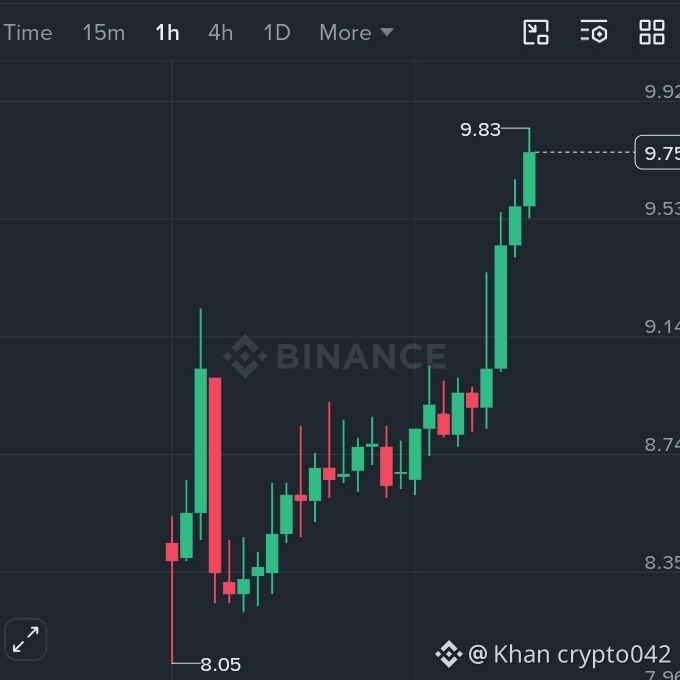
long 💸$CSOPSAMSUNG2L now
Entry. CMP
Tp.
10
12
14
15
sL 9.00
long 💸$CSOPSAMSUNG2L now
Entry. CMP
Tp.
10
12
14
15
sL 9.00
Entry. CMP
Tp.
10
12
14
15
sL 9.00
148
join team group $NVDA.US
{stock_us}(NVDA.US)
$NVDAB
{spot}(NVDABUSDT)
join team group $NVDA.US
$NVDAB
$NVDAB

56
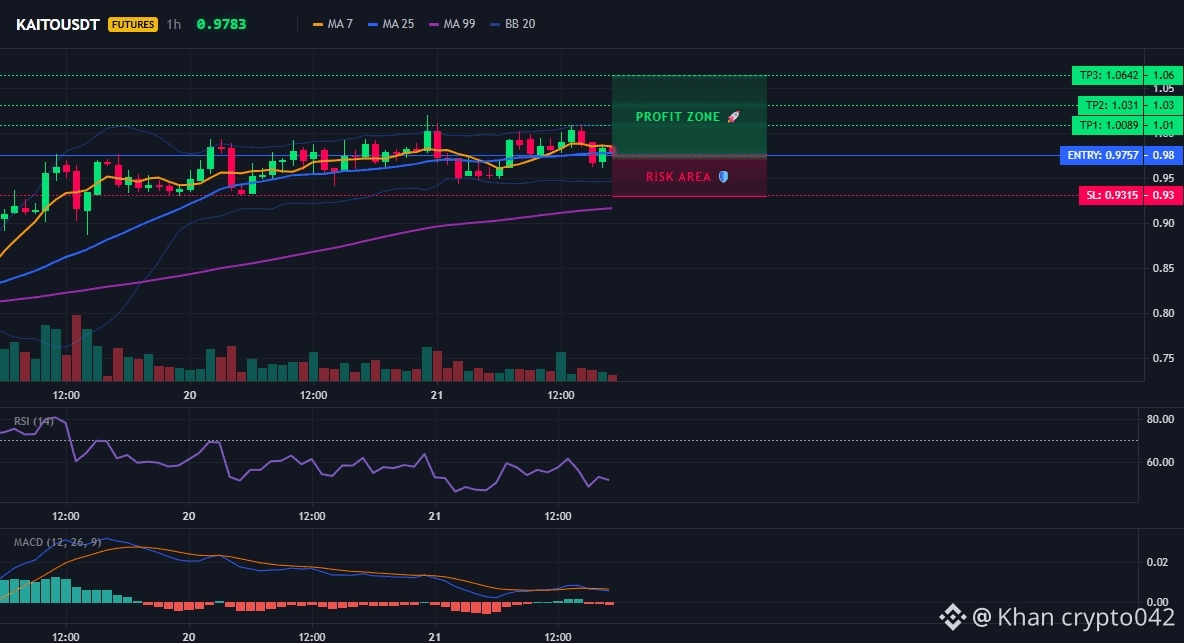
$KAITO
{future}(KAITOUSDT)
USDT - LONG Trade Setup
🟢 LONG SCENARIO
Entry: 0.9702 – 0.9812
SL: 0.9315
TP: 1.0089 / 1.0310 / 1.0642
$KAITO
USDT - LONG Trade Setup
🟢 LONG SCENARIO
Entry: 0.9702 – 0.9812
SL: 0.9315
TP: 1.0089 / 1.0310 / 1.0642
USDT - LONG Trade Setup
🟢 LONG SCENARIO
Entry: 0.9702 – 0.9812
SL: 0.9315
TP: 1.0089 / 1.0310 / 1.0642
37
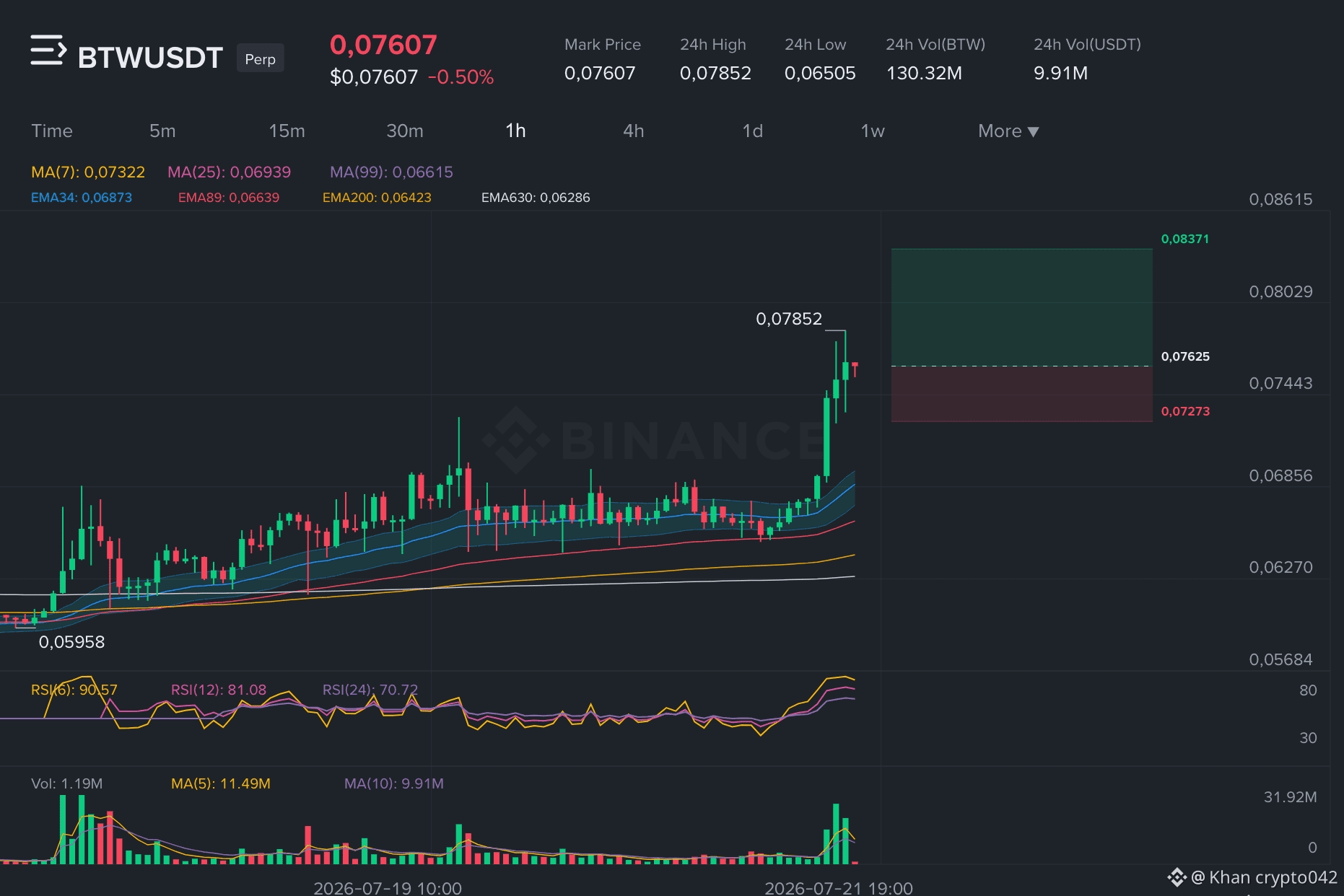
One chart became ten.
Price is holding above the trend support.
Watching whether buyers can keep defending this area.
Entry: 0.075810 - 0.076690
✦ Target: 0.079099 | 0.080859 | 0.083708
✦ SL: 0.072729
Logic setup:
• Buyers defended the key reaction zone on the 4h.
• Reclaim of the 1h dynamic resistance flipped it to support.
• Pullback stayed above the prior swing low.
• Range compression is breaking to the upside.
{future}(BTWUSDT)
One chart became ten.
Price is holding above the trend support.
Watching whether buyers can keep defending this area.
Entry: 0.075810 - 0.076690
✦ Target: 0.079099 | 0.080859 | 0.083708
✦ SL: 0.072729
Logic setup:
• Buyers defended the key reaction zone on the 4h.
• Reclaim of the 1h dynamic resistance flipped it to support.
• Pullback stayed above the prior swing low.
• Range compression is breaking to the upside.
Price is holding above the trend support.
Watching whether buyers can keep defending this area.
Entry: 0.075810 - 0.076690
✦ Target: 0.079099 | 0.080859 | 0.083708
✦ SL: 0.072729
Logic setup:
• Buyers defended the key reaction zone on the 4h.
• Reclaim of the 1h dynamic resistance flipped it to support.
• Pullback stayed above the prior swing low.
• Range compression is breaking to the upside.
30
🚨 $XAU
{future}(XAUUSDT)
/ $XAG
{future}(XAGUSDT)
— Safe-Haven Capital Influx Structure 📈▪️
Order Flow Bias: Bullish (Breakout Continuation) 🟢
▪️ Expected Mitigation Range: $4,000 – $4,040 (XAU) / $57.00 – $57.80 (XAG)
▪️ Liquidity Target 1: $4,150 (XAU) / $61.00 (XAG) — Structural Expansion High
▪️ Liquidity Target 2: $4,250 (XAU) / $64.00 (XAG) — Psychological Resistance Pool
▪️ Structural Invalidation: $3,950 (XAU) / $55.00 (XAG)
Institutional Macro & Market Analysis:
The macro bid is rotating hard into safe-haven asset structures. Real yields remain stubbornly negative, and the sovereign debt overhang is pushing institutional allocators to aggressively reprice their duration risk.
XAU isn't just acting as a static hedge anymore—it is absorbing the systemic risk premium that global equities are currently ignoring .
🚨 $XAU
/ $XAG
— Safe-Haven Capital Influx Structure 📈▪️
Order Flow Bias: Bullish (Breakout Continuation) 🟢
▪️ Expected Mitigation Range: $4,000 – $4,040 (XAU) / $57.00 – $57.80 (XAG)
▪️ Liquidity Target 1: $4,150 (XAU) / $61.00 (XAG) — Structural Expansion High
▪️ Liquidity Target 2: $4,250 (XAU) / $64.00 (XAG) — Psychological Resistance Pool
▪️ Structural Invalidation: $3,950 (XAU) / $55.00 (XAG)
Institutional Macro & Market Analysis:
The macro bid is rotating hard into safe-haven asset structures. Real yields remain stubbornly negative, and the sovereign debt overhang is pushing institutional allocators to aggressively reprice their duration risk.
XAU isn't just acting as a static hedge anymore—it is absorbing the systemic risk premium that global equities are currently ignoring .
/ $XAG
— Safe-Haven Capital Influx Structure 📈▪️
Order Flow Bias: Bullish (Breakout Continuation) 🟢
▪️ Expected Mitigation Range: $4,000 – $4,040 (XAU) / $57.00 – $57.80 (XAG)
▪️ Liquidity Target 1: $4,150 (XAU) / $61.00 (XAG) — Structural Expansion High
▪️ Liquidity Target 2: $4,250 (XAU) / $64.00 (XAG) — Psychological Resistance Pool
▪️ Structural Invalidation: $3,950 (XAU) / $55.00 (XAG)
Institutional Macro & Market Analysis:
The macro bid is rotating hard into safe-haven asset structures. Real yields remain stubbornly negative, and the sovereign debt overhang is pushing institutional allocators to aggressively reprice their duration risk.
XAU isn't just acting as a static hedge anymore—it is absorbing the systemic risk premium that global equities are currently ignoring .

89
( Future )
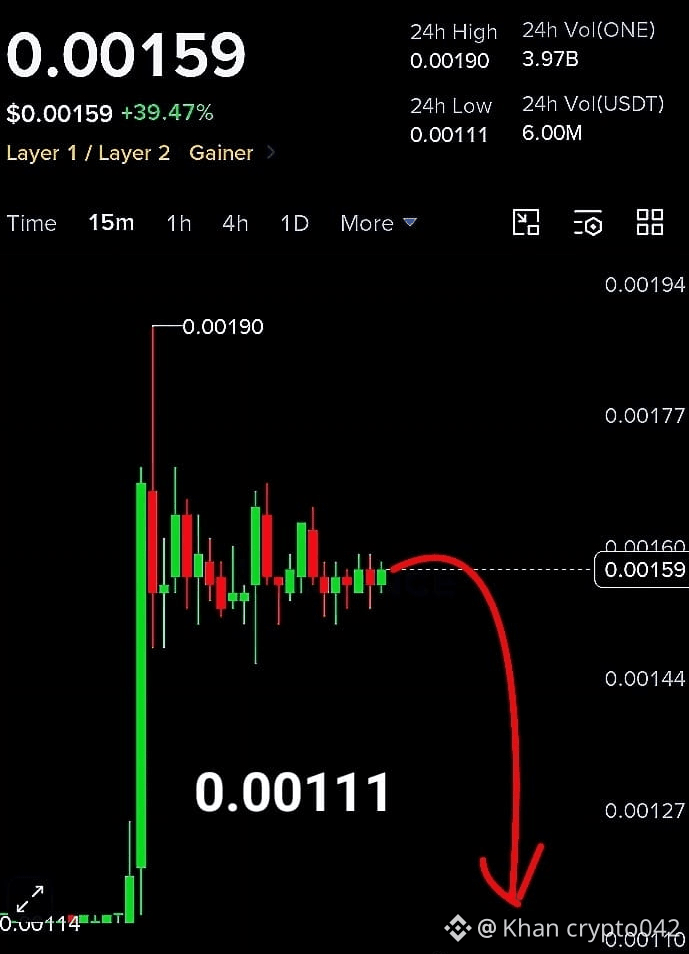
$ONE ANY TIME DUMP 📉 SOHOT IT IMDETLY 🚨
TARGETING 🎯
0.001480$
0.001360$
0.001290$
0.001130$
STOP LOSE BELOW 0.001858$
Click 👇
{future}(ONEUSDT)
( Future )
$ONE ANY TIME DUMP 📉 SOHOT IT IMDETLY 🚨
TARGETING 🎯
0.001480$
0.001360$
0.001290$
0.001130$
STOP LOSE BELOW 0.001858$
Click 👇
$ONE ANY TIME DUMP 📉 SOHOT IT IMDETLY 🚨
TARGETING 🎯
0.001480$
0.001360$
0.001290$
0.001130$
STOP LOSE BELOW 0.001858$
Click 👇
128
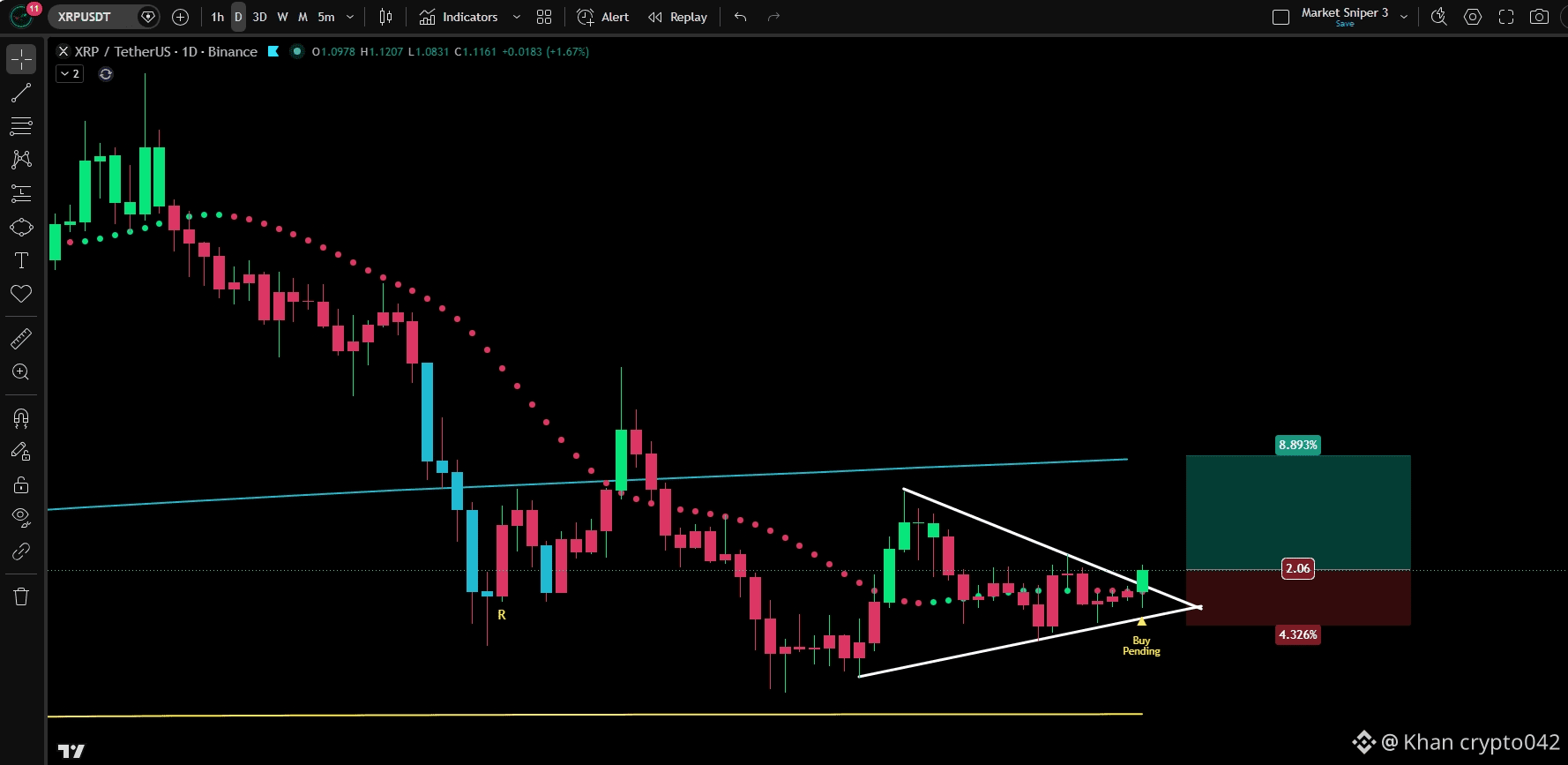
$XRP
{future}(XRPUSDT)
has a pending buy signal on the daily chart.
Bullish divergence -> Higher low -> Price breaking out
Retest blue line?
$XRP
has a pending buy signal on the daily chart.
Bullish divergence -> Higher low -> Price breaking out
Retest blue line?
has a pending buy signal on the daily chart.
Bullish divergence -> Higher low -> Price breaking out
Retest blue line?
80
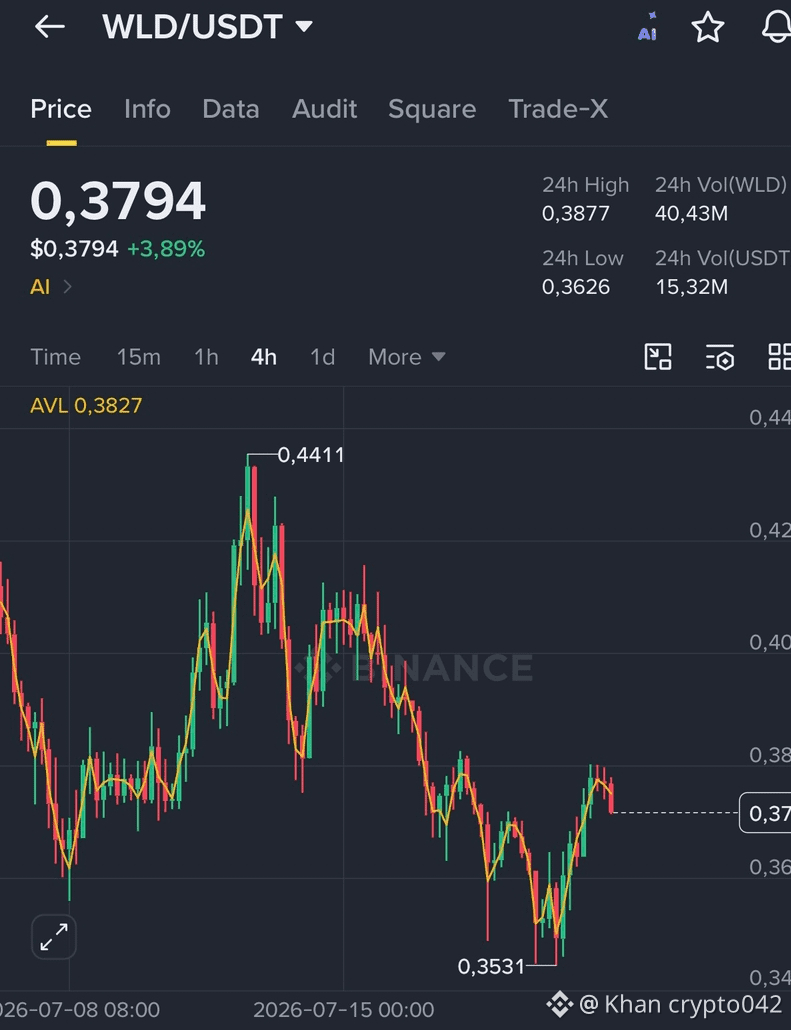
$WLD
{future}(WLDUSDT)
Spot or future
Buy
Entry 1 - 0.3830
Entry 2 - 0.352
Targets :
- 0.4210
- 0.4630
- 0.5120
- 0.579
- 0.645
⛔️ Stoploss - 0.3332
#trading
$WLD
Spot or future
Buy
Entry 1 - 0.3830
Entry 2 - 0.352
Targets :
- 0.4210
- 0.4630
- 0.5120
- 0.579
- 0.645
⛔️ Stoploss - 0.3332
#trading
Spot or future
Buy
Entry 1 - 0.3830
Entry 2 - 0.352
Targets :
- 0.4210
- 0.4630
- 0.5120
- 0.579
- 0.645
⛔️ Stoploss - 0.3332
#trading
106
Log in to explore more content
Join global crypto users on Binance Square
⚡️ Get latest and useful information about crypto.
💬 Trusted by the world’s largest crypto exchange.
👍 Discover real insights from verified creators.
Email / Phone number
Trending Topics
USContinuingJoblessClaims1.774M
207 views
29 Discussing
US Continuing Jobless Claims hit 1.774M — and crypto traders should pay attention.
📉 A rise in continuing jobless claims suggests more Americans are staying unemployed for longer. That can reinforce concerns about a cooling labor market—potentially increasing expectations for easier monetary policy, but also raising recession-risk headlines.
For crypto, the reaction can be mixed:
Risk-on angle: Softer labor data may support hopes of looser liquidity conditions.
Risk-off angle: If growth fears intensify, traders may reduce exposure to volatile assets first.
Key takeaway: Watch how $BTC , the U.S. dollar, Treasury yields, and equity futures react together—not the headline alone.
Macro data can shift sentiment quickly, but one report does not define the trend. Volatility may rise around follow-up inflation and Fed signals.
#USContinuingJoblessClaims1.774M
#cryptomarket #CryptoNewss
Marilee Martell a0k
·0 Likes
·8 views
USAugustPPIYoYRisesTo5.4%
232 views
24 Discussing
AppleDebutsFoldablePhone
54,112 views
1,057 Discussing