

jt603
130 Posts

jt603
Report
Block User
加密世界的快乐在于每天都在学习和实践,也许财富不经意就会到来,要学会克服恐惧和贪婪
BP-AE8555FE373A
Open Trade
Occasional Trader
6.2 Years
90 Following
104 Followers
170 Liked
Posts
Portfolio
All
Quotes
·
--
26 publicly listed companies are pushing back all at once—things are getting heated.
According to a report by crypto journalist Eleanor Terrett, cited by PANews, OKX wants to use the SEC’s innovation exemption to tokenize IBM, Oracle, Intel, and IonQ on-chain. Four more companies have now objected, bringing the total to 26.
My take is straightforward: putting stocks on-chain isn’t a technical challenge—it’s about how the profits are divided. Traditional issuers aren’t afraid of innovation; they’re afraid of losing fees and pricing power when underwriting and custody are bypassed. The SEC’s “exemption knife” may look like it’s making room for innovation, but underneath, it’s a moat for the old guard.
Do you think stock tokenization will become widespread within five years, or is it a nonstarter? Pick a side and leave a comment 🔥 #币圈热点 #Web3
18
·
--
Don’t let the “XRP ETF outflows” headlines scare you—this amount is barely a ripple.
According to PANews, citing SoSoValue, spot XRP ETFs saw net outflows of $3.6101 million on October 26, and Bitwise was the only fund to record any activity. Compared with total net assets of $1.469 billion, that one-day outflow was just 0.25%—practically negligible.
Another figure is more eye-catching: cumulative net inflows stand at $1.801 billion, yet net assets are down to just $1.469 billion. That gap of more than $300 million is basically the collective unrealized loss of investors who bought in near the highs. The institutions talking about “XRP taking off” aren’t actually in the black on paper.
I see the $3.61 million as routine portfolio rebalancing rather than a sign of a retreat. To spot a real exit, you’d need to see several days of large net outflows in a row.
Do you think Bitwise is testing the waters with a small trim, or is this just the usual back-and-forth of ETF creations and redemptions? Take a guess in the comments—I’m reading every one 👀
#加密市场观察 #巨鲸追踪 $XRP
8
·
--
On the same day, Morgan Stanley was buying Solana while Bitwise was pulling back.
According to SoSoValue data, on October 26 U.S. time, spot SOL ETFs saw total net outflows of $8.2287 million for the day. But the flows went in opposite directions: Morgan Stanley Solana Trust (MSOL) recorded daily net inflows of $817,700, bringing its cumulative net inflows to $43.8823 million; Bitwise’s Solana Staking ETF (BSOL) saw daily net outflows of $7.2212 million, though its cumulative net inflows still stood at $1.162 billion. Spot SOL ETFs had total net assets of $1.553 billion.
Nearly 90% of those $8.22 million in outflows came from Bitwise alone.
My take differs from the headline: this isn’t institutions collectively abandoning Solana. It looks more like Morgan Stanley testing the waters while Bitwise takes profits. MSOL’s cumulative net inflows are only $43.88 million—not enough to offset BSOL’s redemptions, but the flows are definitely moving in opposite directions. What’s really worth watching is the redemption valve on BSOL, a staking product: if staking yields stop being attractive enough, what’s being withdrawn is SOL locked on-chain, not conviction.
One more thing: yesterday, Circle was busy minting USDC on Solana; today, Bitwise is quietly loosening its grip. Same ecosystem, money flowing both in and out.
So I’m curious what you think: Is capital in SOL rotating, or heading for the exits? 🔥
#链上数据 #加密市场观察 $SOL
36
·
--
$636 million in net outflows in a single day—the biggest single-day outflow from U.S. spot Bitcoin ETFs since June.
According to PANews, citing market maker Wintermute’s weekly report on October 26, BTC fell for the third week in a row, down 2.43% for the week. It has lost the $82,500 level and is testing the $80,000 floor for the third time. The Nasdaq fell 2.6% on the same day, while Brent crude surged 5.66% to $116.72 after Houthi attacks on Saudi facilities—oil is stealing the show from crypto. Wintermute says BTC has been stuck in the $80,000–$82,500 range for nearly three weeks, and Wednesday’s FOMC wording will likely determine which way it breaks.
I don’t think this ETF sell-off signals a bottom. It looks more like institutions are actively cutting their risk exposure. With $80,000 being tested repeatedly, if the FOMC comes across as hawkish, the next support level at $76,000 may not hold.
Will BTC hold above $80,000 this week, or will the FOMC kick it lower? Pick a side in the comments—I’m watching to see which camp blinks first. #加密市场观察 #币圈热点 $BTC
77
·
--
Circle has shifted the focus of its USDC issuance from Ethereum to Solana, minting 112 billion tokens in a year. What I see isn’t an ecosystem taking off—it’s a cost-arbitrage play.
According to Onchain Lens, from January 1 to October 26 this year, Circle minted 112.01 billion USDC on Solana across 448 transactions, a 99.1% increase. The 13.5 billion minted in September was the highest monthly total of the year.
The savings come from lower minting costs; the prize is control of the settlement gateway for dollar stablecoins. On-chain dollars are piling up on one chain. Market makers are happy, but Ethereum may not be.
But minting volume isn’t the same as real demand. The share used for payments and collateral hasn’t grown in step. Most of it is still inventory moved between the two chains by exchanges and market makers—it comes in fast and leaves just as quickly.
So I’m not buying the “the whole ecosystem is taking off” narrative. This looks more like Circle using its cost advantage to grab territory, while also deepening Solana’s dollar liquidity. Don’t mistake depth for activity.
#加密市场观察 #多空辩论 #稳定币 $SOL
Is this wave Circle’s way of injecting liquidity into the Solana ecosystem, or is it borrowing against future stablecoin demand? Which side are you on? Share your thoughts in the comments.
359
·
--
The Philadelphia Semiconductor Index rose about 3% in a single day yesterday, with the S&P 500 up 0.70% and the Nasdaq up 0.82%. AI hype was set ablaze by Anthropic filing for an IPO. But Bitcoin didn’t follow at all—it just stayed flat and went nowhere.
According to a BlockBeats breaking-news update this morning, AI sentiment is scorching hot, but it’s clear that money hasn’t spilled over from U.S. stocks into crypto. I actually think that says something: crypto is missing a narrative of its own right now. Without a new main theme, the money just can’t be bothered to move.
A sideways market isn’t necessarily bad. What’s worrying is if AI finishes its run-up and we look back to find crypto still stuck in the same place. #币圈热点 #Web3 $BTC
Do you think this AI wave will give BTC a boost, or will crypto keep doing its own thing? Pick a side in the comments 🔥
141
·
--
Over the past 24 hours, $196 million worth of crypto futures positions were liquidated across the market.
According to CoinGlass, $128 million in long positions and $67.5703 million in short positions were liquidated. BTC accounted for $53.1692 million and ETH for $48.3614 million. The largest single liquidation was $6.9662 million on Binance’s ETHUSDT pair.
But what’s really worth noting is that the side getting squeezed has changed. Using CoinGlass’s rolling 24-hour figures, the market saw just $109 million in liquidations in the previous 24-hour window: $63.43 million in shorts and $45.5 million in longs. Shorts were the ones getting wiped out that day. This time, liquidations of long positions came close to twice those of shorts.
Shorts got liquidated yesterday, and longs got liquidated today. Leverage is squeezing both sides back and forth. There’s no clear direction—just forced closures.
So I’m not inclined to read these $196 million in liquidations as a huge win for bears. They’re more like a gauge of leverage stress: liquidations jumped from $109 million to $196 million in less than a day, an increase of nearly 80%. That suggests leveraged money has rushed back in.
With longs getting slaughtered this time around, do you see this as the start of a trend reversal or the middle of a leverage washout? Pick a side in the comments 🔥
#加密市场观察 #BTC $BTC
70
·
--
Here’s a hard truth: the most expensive tax this cycle isn’t buying the top and getting stuck—it’s the anxiety of missing out.
A few days ago, 0xSun looked back on the past six months: he missed Bome’s several-hundred-fold run in three days, missed Neiro’s Binance spot listing as it surged to 15M, sold Goat too early, and nearly missed Pnut, the one Musk gave a shout-out to. He says the market rewards patience more than intelligence, but most people can’t learn that because they’re too busy trying to outsmart everyone.
I’d say the real trap of FOMO is that it pushes you to chase the “next 100x,” often right at the peak. Being able to admit you missed out and move on can actually protect your capital.
Which side are you on—would you rather chase the top and become exit liquidity than admit you missed out and move on, or simply wait for the next wave? Drop a comment 🔥
#加密市场观察 #Web3
·
--
$730,000, 116 successful card charges, age 35—the U.S. Attorney’s Office for the Southern District of New York has just laid bare a money-laundering pipeline for a telecom fraud scheme.
The final stop was Coinbase. From March to May 2020, Timothy Wadsworth used unauthorized credit card details supplied by his accomplices to run 310 transactions through Stripe, totaling about $1.67 million. 116 transactions went through, bringing in $730,000; the money first landed in bank accounts he controlled, then was converted to BTC and sent to his accomplices. The sentence: 51 months in federal prison, plus $811,000 in restitution.
But something else stands out to me: Why do the people at the very end of the chain keep getting caught? What about the people handling the card charges in the middle? Coinbase was actually the most passive victim in this chain—the money didn’t come from customers it had brought in; the fraudsters chose it themselves. Yet now it has to pay $811,000 in restitution and take the blame for someone else’s choice of platform.
KYC is supposed to make the middle layers harder to investigate, but the exchanges at the end are easy targets because they’re the only ones in the whole chain still linked to bank accounts. When it comes down to it, regulators have always really wanted to police the off-chain layers, not the on-chain ones.
So where should Coinbase have stepped in—at the Stripe end, or when the funds were withdrawn? Pick a side in the comments 🔥
#加密市场观察 #多空辩论 #BTC
60
·
--
CZ just reposted BNB Chain’s new L1 plan, and the line “multiple chains, one coin” has set the crypto community buzzing.
The bullish case is straightforward: according to BNB Chain’s official documentation, the new L1 won’t issue a single separate token. Gas, staking, and governance will all rely on $BNB , effectively adding another layer of demand for holders. The bears have a point too—launching another chain alongside BSC risks splitting liquidity in two and distracting developers. There are plenty of examples of multi-chain plans going wrong.
I’m neutral, leaning bullish: using a unified token is certainly gentler than issuing yet another coin, but testing won’t begin until late 2026, and mainnet won’t launch until early 2027. For now, it’s all expectations. Until it actually works, don’t mistake the story for fundamentals.
Will the new L1 be a boost for BNB, or just hype? Which side are you on? Say so in the comments—don’t stay silent 🔥
#加密市场观察 #BullBearDebate
42
·
--
The latest crypto industry debate isn’t about how strict the rules should be—it’s about who gets to issue tokens.
According to Bitcoin News, the California Department of Financial Protection and Innovation (DFPI) has submitted a comment letter to the U.S. Securities and Exchange Commission (SEC), opposing its proposed “Crypto Asset Regulation” rules. The dispute is concrete: the proposal would allow eligible issuers to use a startup exemption to raise up to $5 million over four years; a separate crypto fundraising exemption would allow them to raise $75 million over 12 months. The DFPI says this would weaken investor protections and limit state governments’ authority to review token offerings.
Put another way, the state isn’t upset that the federal government is stepping in. It’s worried about being reduced to a party that merely files paperwork after the fact.
My take: California is protecting its business interests, not its principles. Issuers will naturally choose the path with the lowest barriers. Whoever makes the exemptions a reality controls the gateway for projects. Once the rules take effect, which states attract businesses like on-chain private placements and compliant Web3 token issuance will determine how much they can collect in licensing fees.
Federal rules or state-by-state thresholds—which side are you on?
#币圈热点 #Web3 #CryptoMarketWatch
32
·
--
$63.43M in short liquidations, $45.5M in long liquidations—the most striking crypto market figures yesterday weren’t really about “which side won.”
According to CoinGlass, $109 million worth of positions were liquidated across the crypto market over the past 24 hours. $63.43 million in shorts were wiped out, compared with $45.5 million in longs. Looking at that ratio alone, it seems the bears took the bigger hit.
But another pair of figures caught my eye: $21.75 million in BTC liquidations versus $29.92 million in ETH liquidations. ETH saw over $8 million more liquidations than BTC, even though over the past couple of days BTC has held up relatively well while ETH has fallen harder.
So here’s my take: this wasn’t a “clash between bulls and bears”—**the market squeezed out leverage across the board**. Shorts got squeezed during the rebound, and longs during the pullback. Both sides were wiped out by the same price swings. The ones who really got hurt were short-term traders who kept adding to their positions in the middle and got swept up on both sides.
Have you been liquidated in the past couple of days, or did you dodge it by going to bed early? Tell me in the comments—I’m genuinely curious who’s bearing the brunt of that $109 million.
#加密市场观察 #多空辩论 $BTC $ETH
270
·
--
$49.24 million. Two days. A BitMEX co-founder.
According to Onchain Lens, Arthur Hayes has gradually closed out all his directional positions in ETH, ENA, UNI, and other tokens over the past two days. Galaxy Digital transferred 23.07 million USDC to him in a single transaction. Add transfers from Binance, FalconX, and Wintermute, and a total of 49.24 million USDC has landed in his wallet.
I’m not sure whether this means “bearish on the market” or “a temporary retreat.” He once said he’d wait for the price to fall far enough before coming back to buy the dip. If he’s sticking to that logic, then at this level, he probably thinks it hasn’t fallen enough yet.
But one detail really stands out: he didn’t just sell and go quiet. After closing his positions, he kept receiving USDC, and his on-chain activity is still ongoing. Those two behaviors suggest completely different mindsets.
So here’s the question: is a smart money player getting out early, or have they already finished getting out?
Which side are you on? Drop a comment—don’t lurk 🔥
#链上数据 #加密市场观察 $ETH $USDC
165
·
--
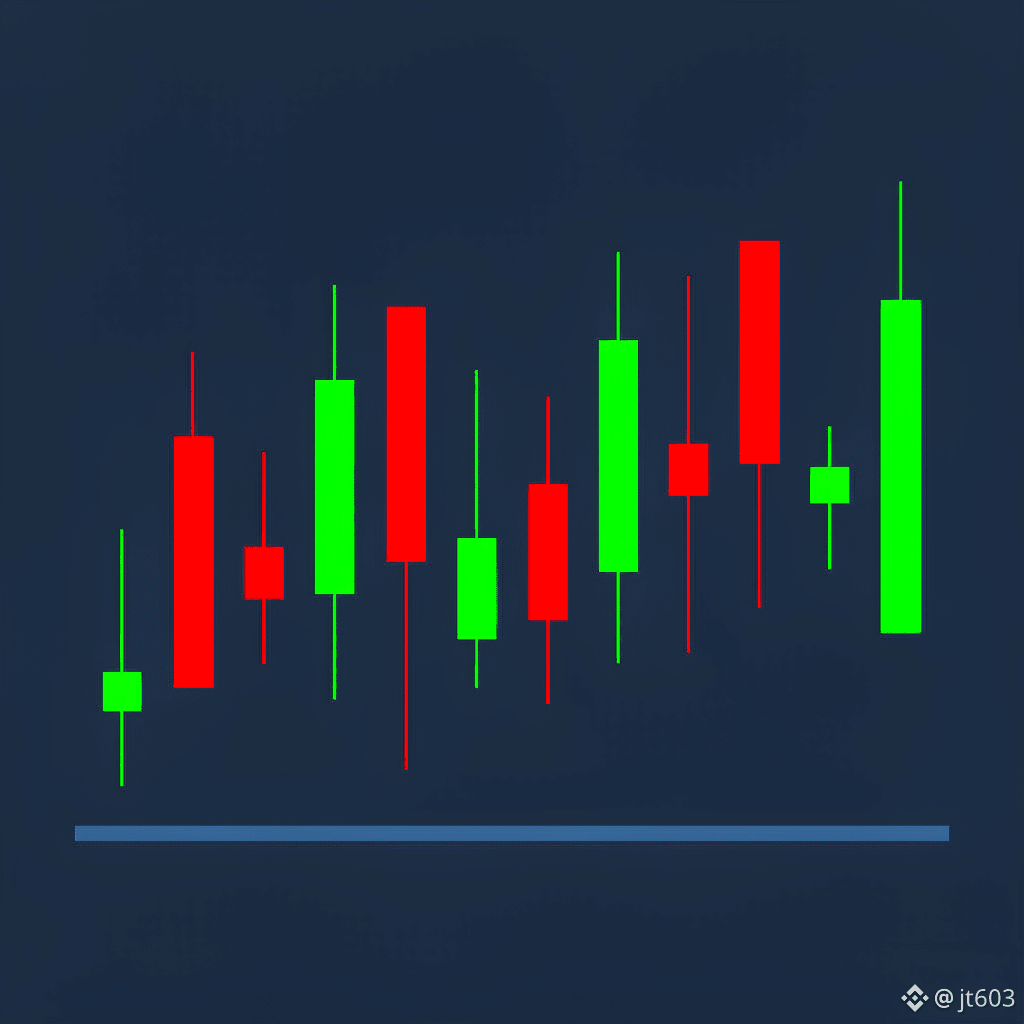
When you first heard a project was “burning tokens,” did you also think: Wow, fewer tokens means they’ll be worth more, right? Better jump in now?
In reality, burning means the project buys back some of its coins and sends them to a black-hole address. That reduces the circulating supply, which sounds bullish. But it could just be spin: check whether the tokens are really being burned or if it’s just for show. What percentage of the total supply is being burned? If it’s too small, it’s basically a drop in the ocean. And some projects quietly mint new tokens while burning others, so the numbers look smaller on paper even though the supply hasn’t actually decreased.
So don’t get carried away when you see a “deflationary narrative”—check the facts before you decide. #新手科普 #Crypto Market Watch
Share your real experiences in the comments. I read every one—which pitfalls do you wish someone had warned you about sooner?
77
·
--
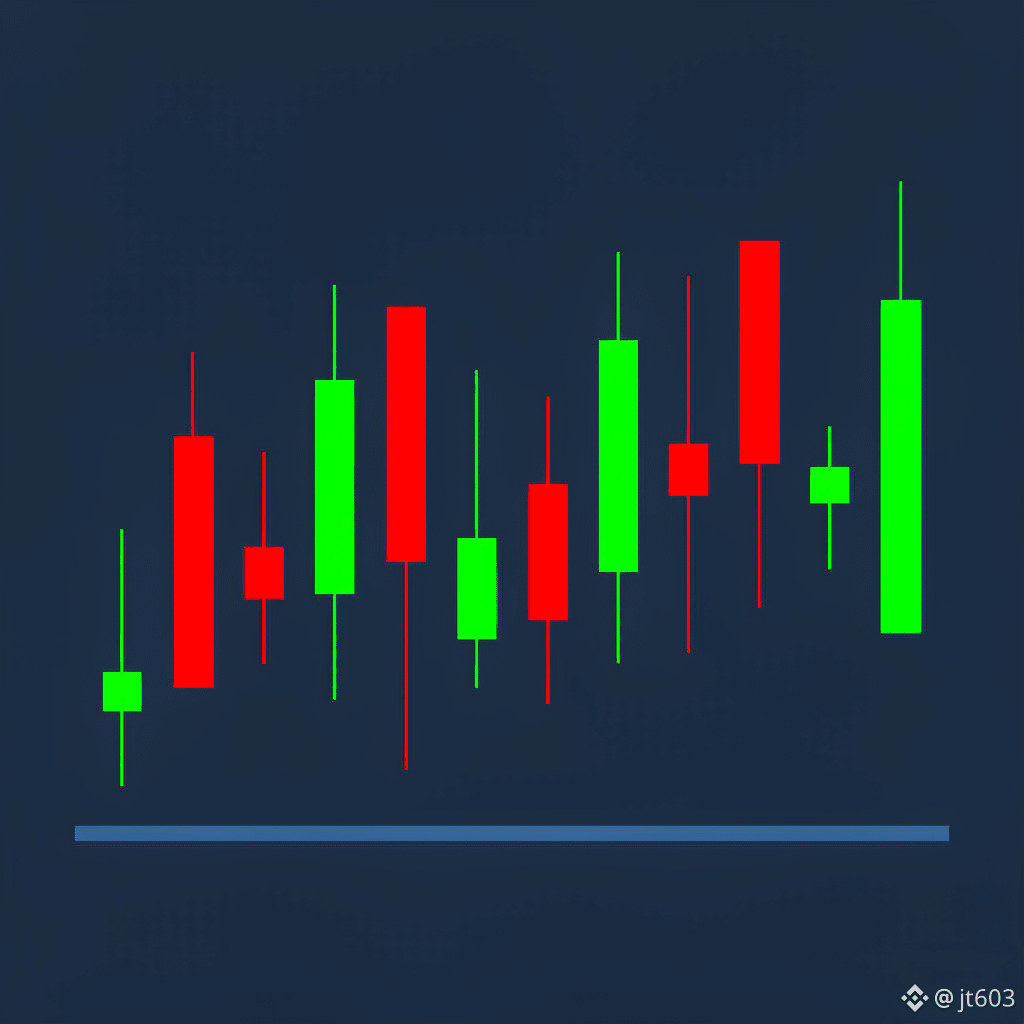
Statistics show that 80% of people who lose their entire principal don’t do so because they got the direction wrong. They get wiped out because they go all-in once, can’t stomach the volatility, and get shaken out of the market.
I have a friend who went all-in on one coin and, after a single day’s drop, gave back more than six months of profits 😮💨 The most common mistake beginners make is thinking that because they’ve “called it right,” they should go all-in. In reality, scaling in gradually, keeping some powder dry, and deciding for yourself how much you’re willing to lose on any one trade—that’s the simple way to survive in this market. Don’t gamble on luck. Managing your position matters more than predicting whether prices will rise or fall.
If this hits home, give it a like so I know—and share it with a friend who’s still stuck going all-in. #新手科普 #CryptoMarketWatch
66
·
--
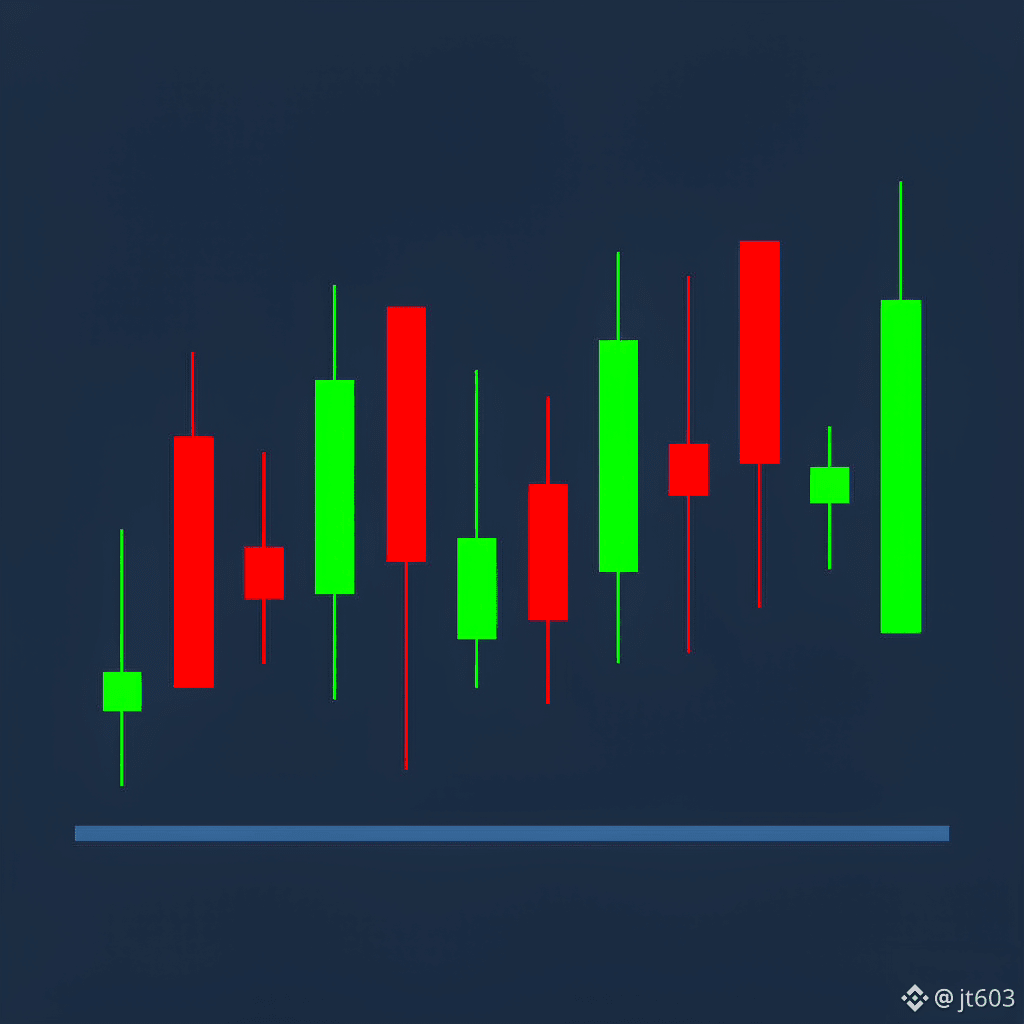
Following whale wallets’ buys and sells is one of the biggest traps I’ve seen beginners fall into.
Think you can hitch a ride by following big wallets and buying the dip? It’s not that simple. Those large transactions can show where the “smart money” is flowing, but whales can also turn around and manipulate the market, deliberately placing huge orders to mislead retail investors.
I treat it as just one signal: I’ll watch what the big money is doing, but I’ll never blindly follow it as a buy or sell instruction. Whether the market’s in the red or green, don’t panic and react every time a large order moves.
#新手科普 #加密市场观察 What do you think whale activity will look like next? Leave your take in the comments and let’s see who gets it right.
66
·
--
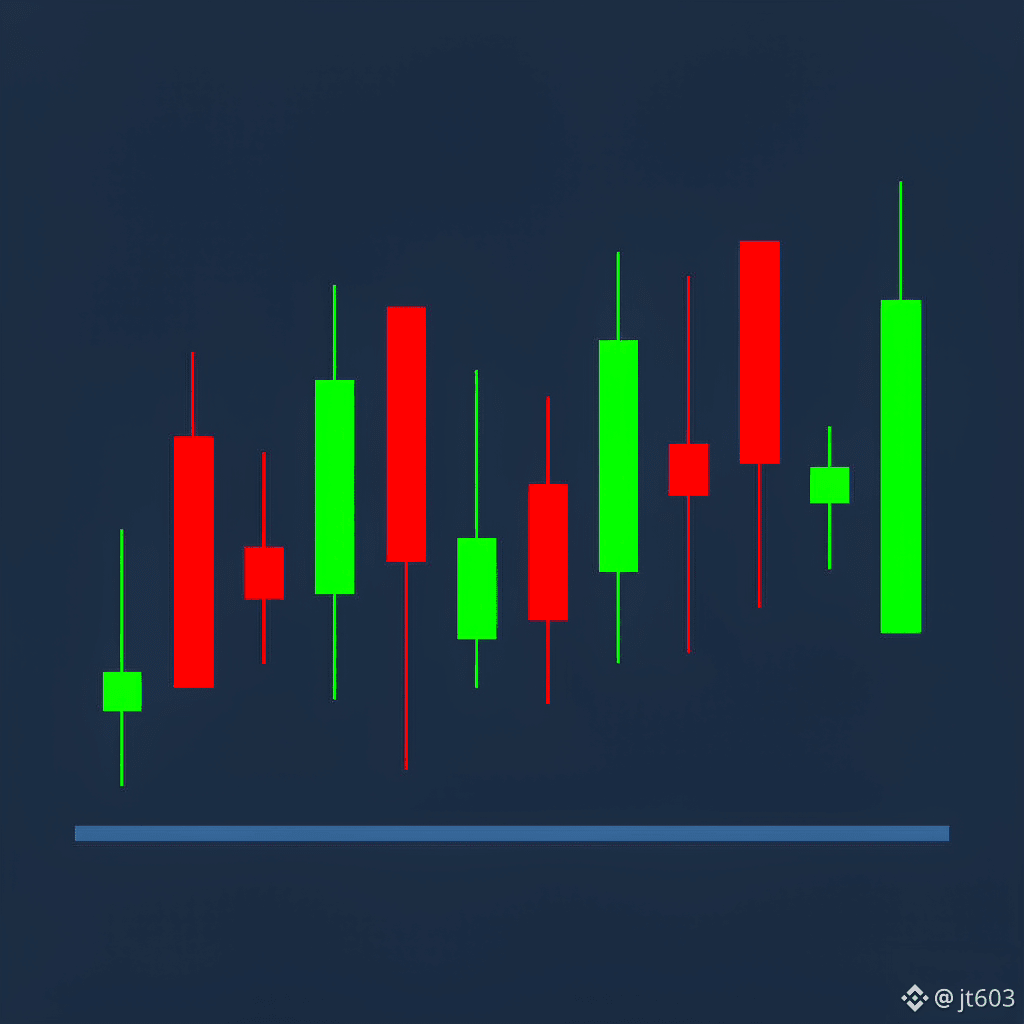
A coin costs just a few cents, so you think it’s cheap and buy it without a second thought—but then you look at its tokenomics: a total supply of tens of billions, only a few hundred million actually circulating, and the team is still sitting on more than half, waiting for it to unlock. A low price doesn’t mean a small market cap. This is one of the easiest traps for beginners to miss.
When researching a project, don’t just stare at the candlestick chart. We all know red means up and green means down, but first check three things: ① the gap between total supply and circulating supply, and when locked tokens will be released and potentially dumped; ② whether the tokens are concentrated in the hands of the team and early investors; ③ what the coin is actually used for. If it’s all hype with no real utility, don’t get carried away, no matter how much buzz it generates. #CryptoBasicsForBeginners
Understanding a token’s economics before you buy is much safer than chasing a green candle. #CryptoMarketWatch
If this struck a chord, give it a like so I know—and share it with a friend who’s still trying to make sense of tokenomics.
41
·
--
A lot of people think Bitcoin’s price automatically takes off as soon as a “halving” arrives—that’s probably one of the easiest misconceptions for beginners to fall for 😅
About every four years, the number of new coins produced is cut in half. Sounds like prices should go up, right? Historically, major bull runs did follow several halvings, so people gradually started treating them like a switch that guarantees prices will rise “when the time comes.”
But it really isn’t that mechanical. Macroeconomic liquidity and the flow of money in and out of the market—those are the big variables. The cycles in 2020 and 2024 played out very differently, and there’s no way to follow a script. It’s enough to understand the “lower supply → scarcity narrative.” Don’t treat the calendar like a prophecy and go all in.
#新手科普 #加密市场观察 $BTC
Save this post and look back at it next time before you jump in. Who do you know that really needs to read this? Tag them.

134
·
--
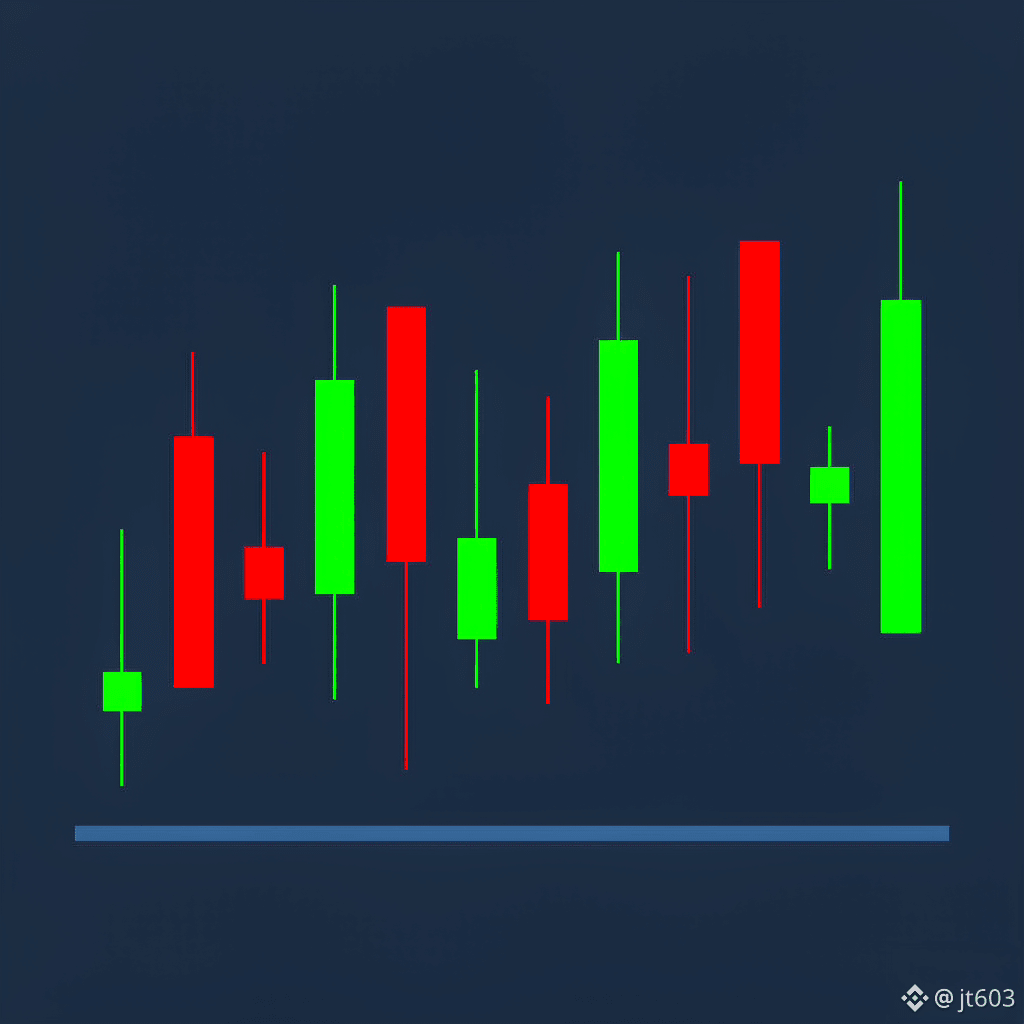
When I first got into crypto, I did some pretty dumb things too—whenever someone in the group chat shouted “the bull run is here,” I’d go all in, only to end up stuck at the peak, shivering in the cold for six months. Then, the moment I saw a green candle plunge, I’d panic and sell at a loss—right at the bottom. 😅
Bull and bear markets aren’t determined by what people shout. It’s more reliable to look at several things together: which way the moving averages are heading, whether trading volume is picking up, whether sentiment is greedy or fearful, and whether macro conditions are tightening or loosening. FOMO-buying at the top and panic-selling at the bottom means getting slapped around by the bull and bear markets—and taking the biggest losses.
Have you ever fallen into this trap? Share your story in the comments. If it helps even one person avoid the same mistake, it’s worth it.
#新手科普 #CryptoMarketWatch
64
·
--
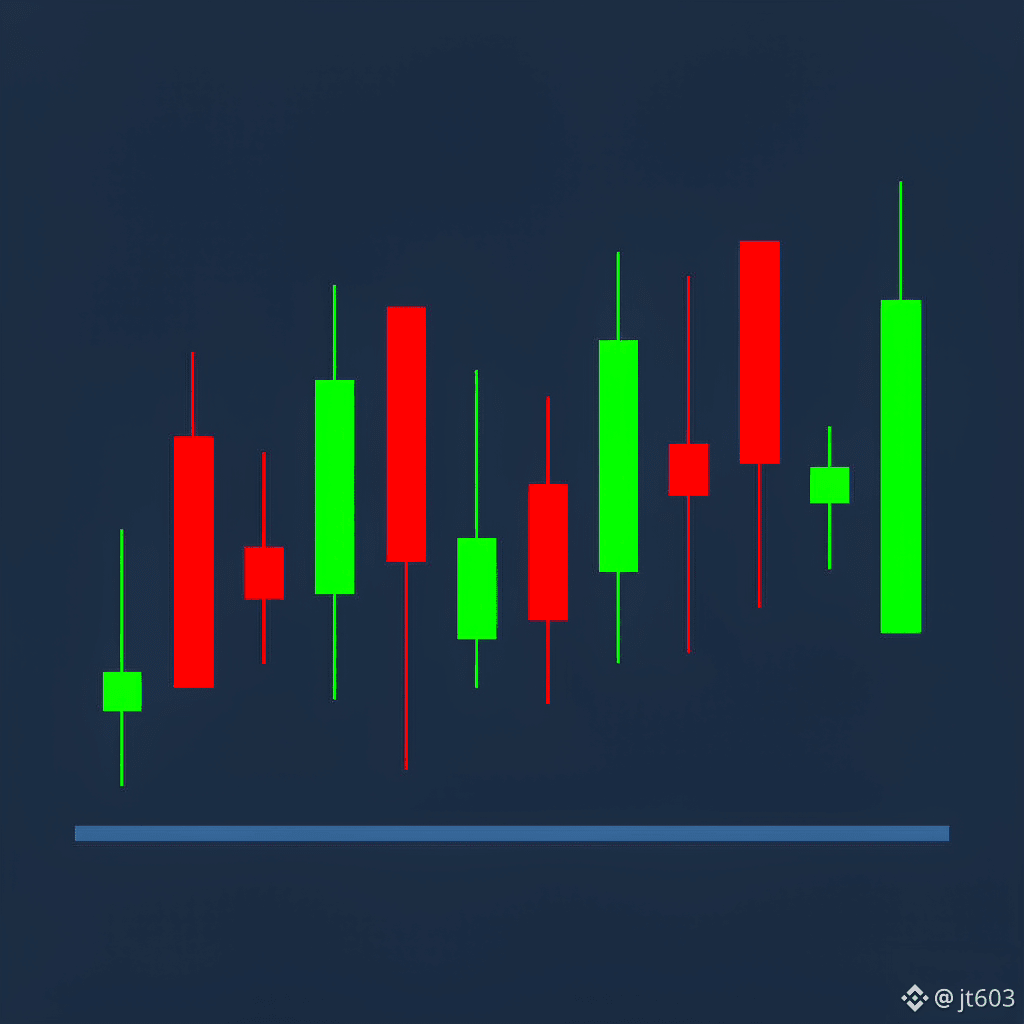
When I first started watching the candlesticks, I was so confused: there was no bad news, so why did a green candle suddenly crash down (where we are, green means down and red means up)? I later realized it was probably because some early investors’ tokens had been “unlocked” that day.
Many projects lock up the shares set aside for the team and investors. Once the unlock date arrives, they can sell those tokens on the market. A concentrated sell-off creates real downward pressure, and the dates are written into the contracts months in advance—easy to calculate, but something beginners rarely check. #DYOR
Now, before I jump into a coin, I check its unlock calendar first. I never blindly chase a price rally ahead of a major unlock. This kind of “ticking time bomb”—a hidden bearish catalyst—is even more predictable than breaking news. #ScamPrevention
Save this post and check it before you jump in next time. Who do you know that really needs to read this? Tag them.
25
Log in to explore more content
Join global crypto users on Binance Square
⚡️ Get latest and useful information about crypto.
💬 Trusted by the world’s largest crypto exchange.
👍 Discover real insights from verified creators.
Email / Phone number
Trending Topics
$1.5BInLeveragedCryptoBetsLiquidated
4,586 views
68 Discussing
#$1.5BInLeveragedCryptoBetsLiquidated
📉 When crypto prices fell, positions of those betting on a rise with leverage were automatically closed. A total of $1.53 billion in trades was liquidated in 24 hours; about 83.8% of these were “long” positions betting that prices would rise. This figure measures the total value of closed positions, not the cash taken out of investors’ pockets. 💸
⚙️ Leverage is like opening a larger trade with a small amount of money. When the price moves far enough in the opposite direction, the collateral is no longer sufficient and the exchange forcibly closes the position. These sales can accelerate the decline further. The report links the wave of selling to the aftermath of a security breach at Binance
🔄 When prices recovered, some “short” positions betting on a decline were liquidated in turn; buying to close them can fuel the rise.$LSK $IDOL $Q
Sat_Stacker
·0 Likes
·887 views
KOSPIFalls3.53%BackBelow6000
8,981 views
297 Discussing
USMidtermElections
126,198 views
1,588 Discussing