
JY762
559 Posts

JY762
📣 市场里90%是噪音,我帮你过滤

U Holder
Occasional Trader
1.7 Years
236 Following
5.4K+ Followers
1.4K+ Liked
Posts
All
Quotes
Live
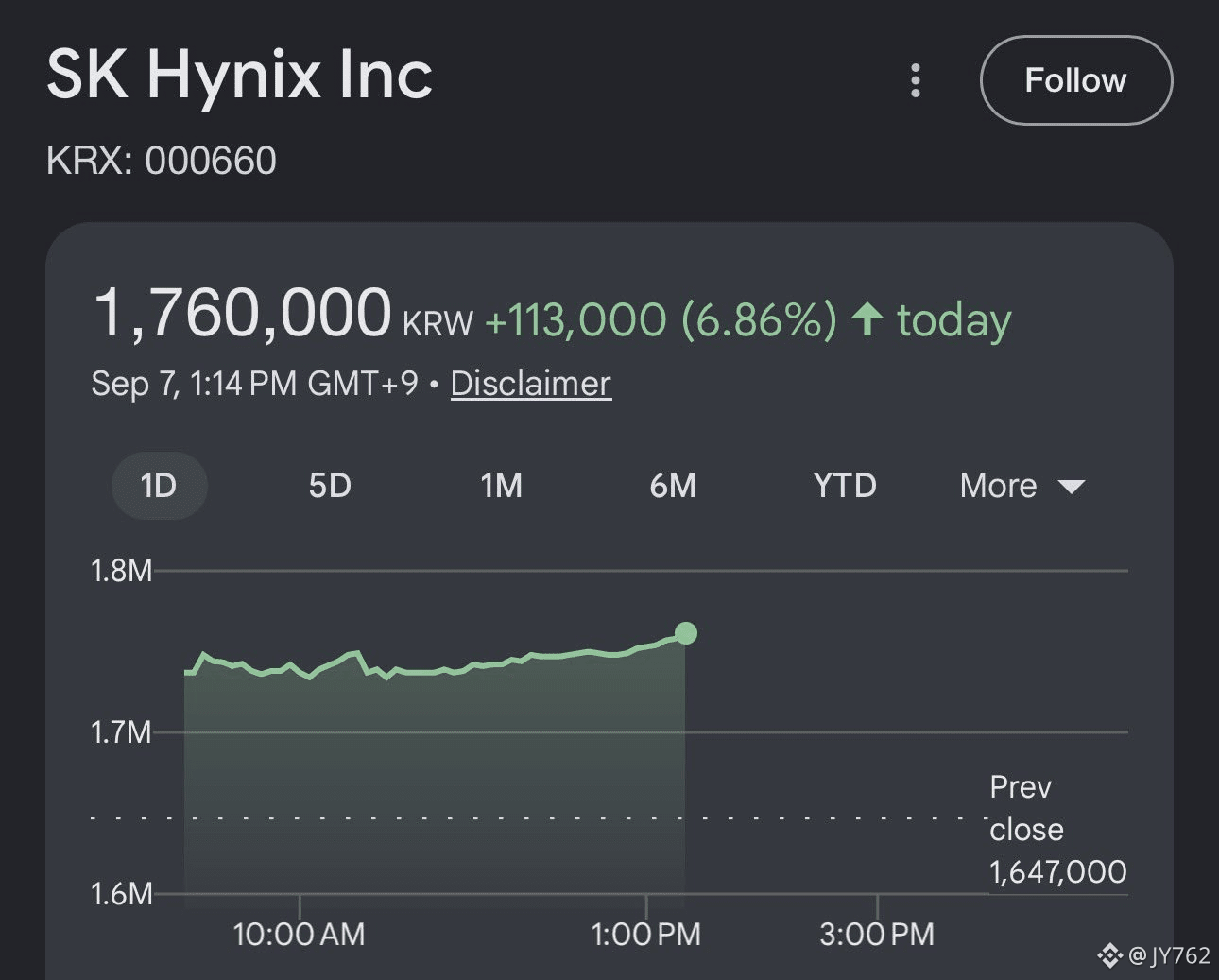
Verified
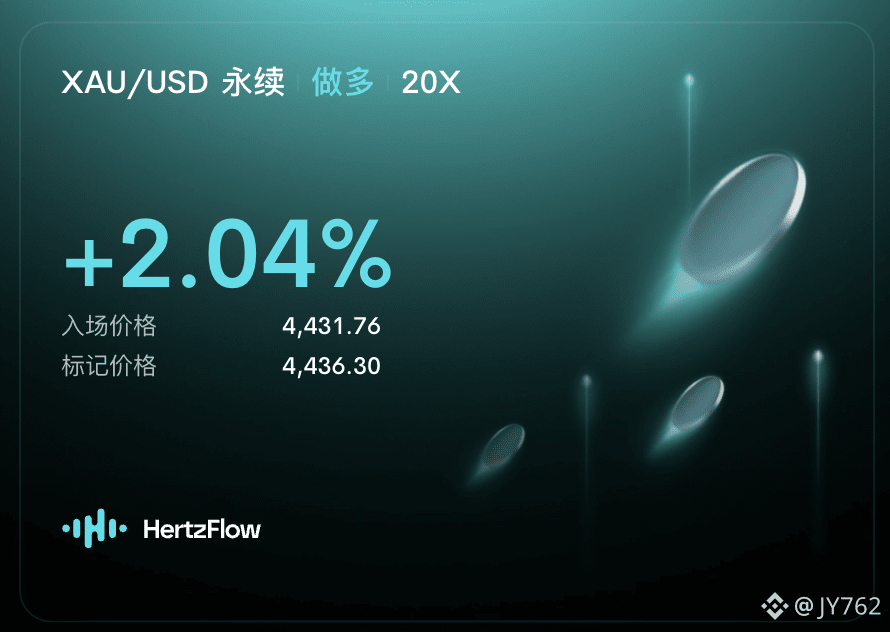
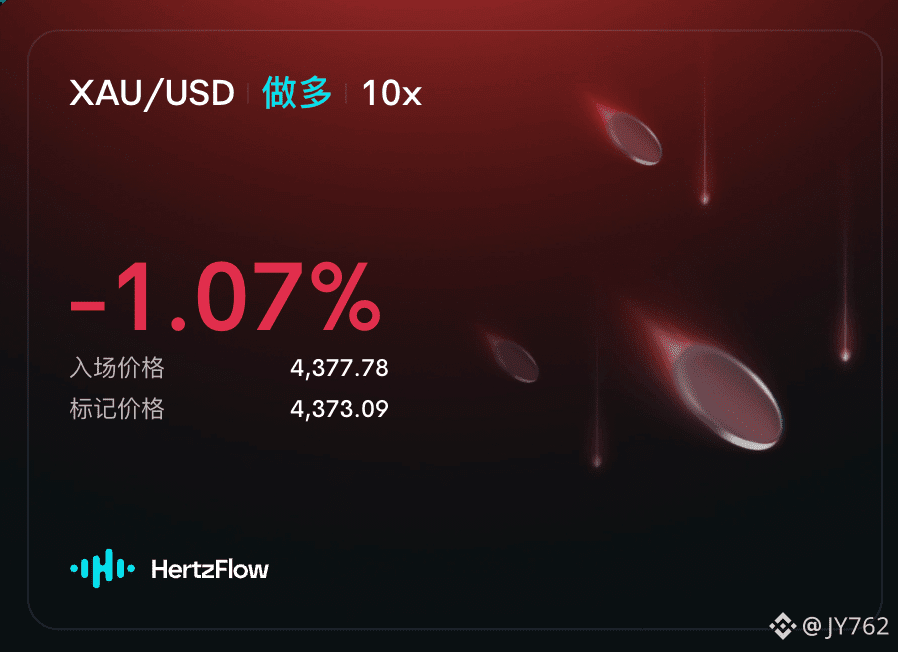
HertzFlow Challenge Day 5
Gold was first pressured down by expectations of interest rate hikes, and even more absurdly, Europe is still moving New York’s gold to London. Institutions are predicting 4900 by the end of the year and 5400 next year! I’m just staying bullish for now
#HertzflowPNL @HertzFlow
Gold was first pressured down by expectations of interest rate hikes, and even more absurdly, Europe is still moving New York’s gold to London. Institutions are predicting 4900 by the end of the year and 5400 next year! I’m just staying bullish for now
#HertzflowPNL @HertzFlow
Verified
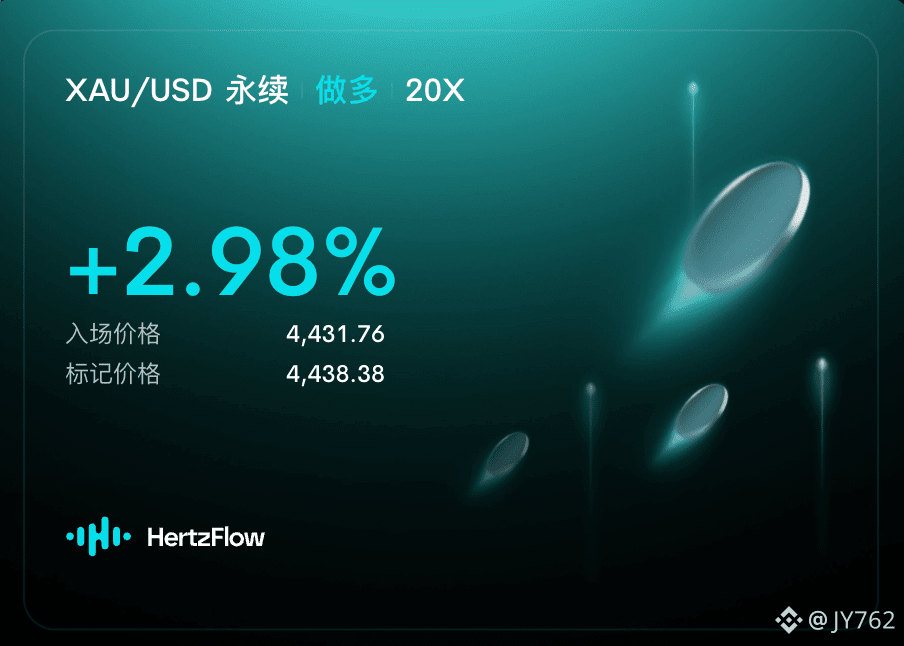
HertzFlow Challenge Day 4
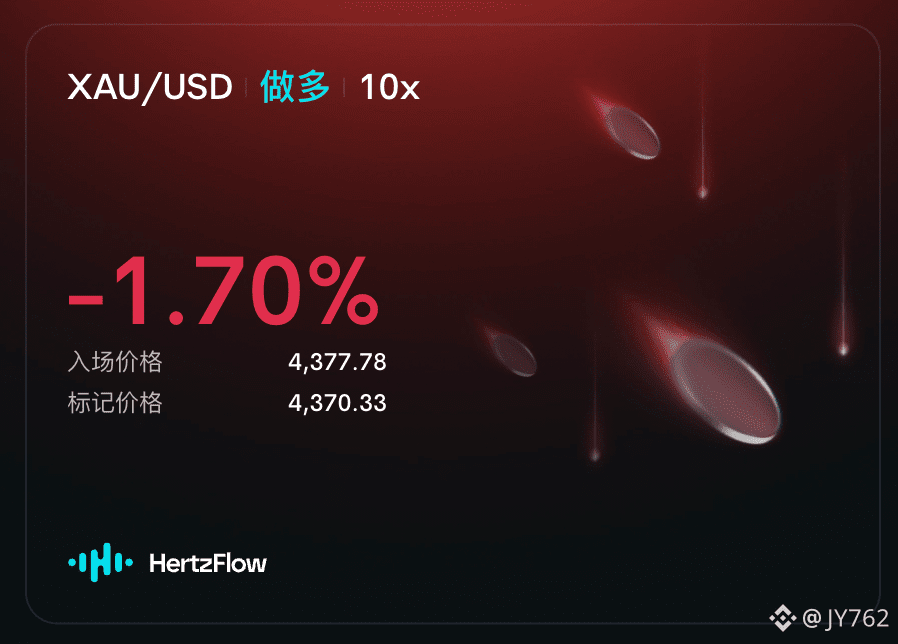
This week in gold has been a bit magical
Waller’s one line, “If inflation cools further, we’ll pause rate hikes for now,” and overnight it rebounded back above 4400!
Institutional targets are still around 4900 by year-end and around 5400 next year
Europe is moving gold stored in New York back to London; that doesn’t look like short-term speculation—bullish!
#HertzflowPNL @HertzFlow
This week in gold has been a bit magical
Waller’s one line, “If inflation cools further, we’ll pause rate hikes for now,” and overnight it rebounded back above 4400!
Institutional targets are still around 4900 by year-end and around 5400 next year
Europe is moving gold stored in New York back to London; that doesn’t look like short-term speculation—bullish!
#HertzflowPNL @HertzFlow
$METAB has confirmed that Meta Connect will be held on September 23 and 24.
This sets the date for Meta's next major product launch event, as Zuckerberg continues to integrate AI and wearable devices more deeply into the company's roadmap.
This sets the date for Meta's next major product launch event, as Zuckerberg continues to integrate AI and wearable devices more deeply into the company's roadmap.

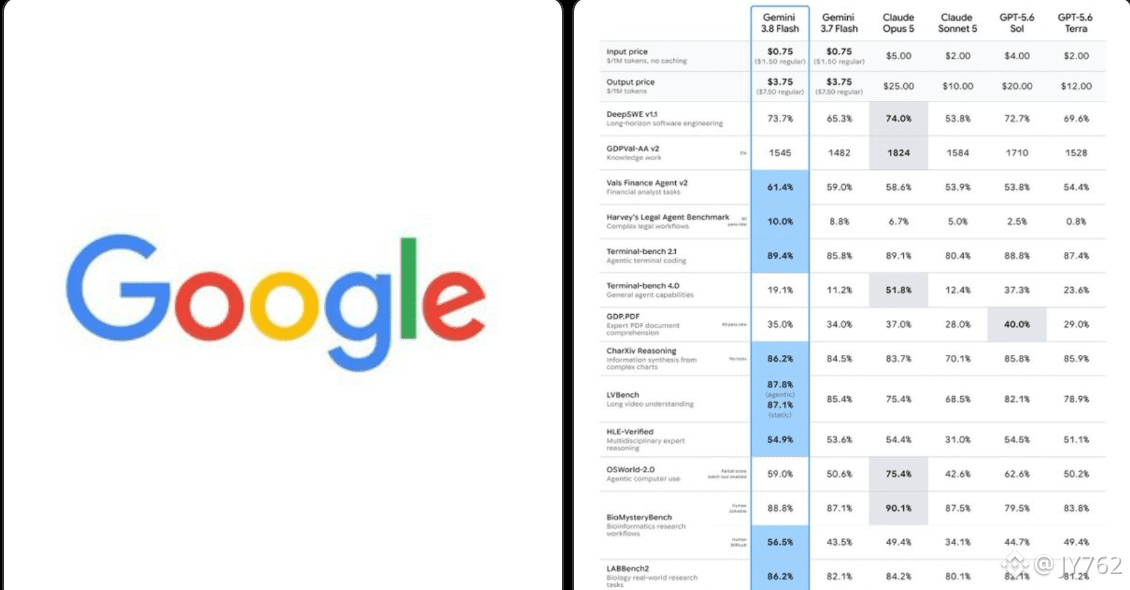
$GOOGLB has launched Gemini 3.8 Flash for coding and agent workflows, along with a Cyber model built specifically for vulnerability discovery and patching.
What stands out most is its efficiency: the number of correct patches produced by Cyber is 2.6 times that of large commercial models.
What stands out most is its efficiency: the number of correct patches produced by Cyber is 2.6 times that of large commercial models.
HertzFlow Challenge Day 2
Still choose gold. The price has been hovering around 4400, and I can see the central bank is also buying
I’m very confident, continue holding. When I see 4600
#HertzflowPNL @HertzFlow
Still choose gold. The price has been hovering around 4400, and I can see the central bank is also buying
I’m very confident, continue holding. When I see 4600
#HertzflowPNL @HertzFlow
Verified
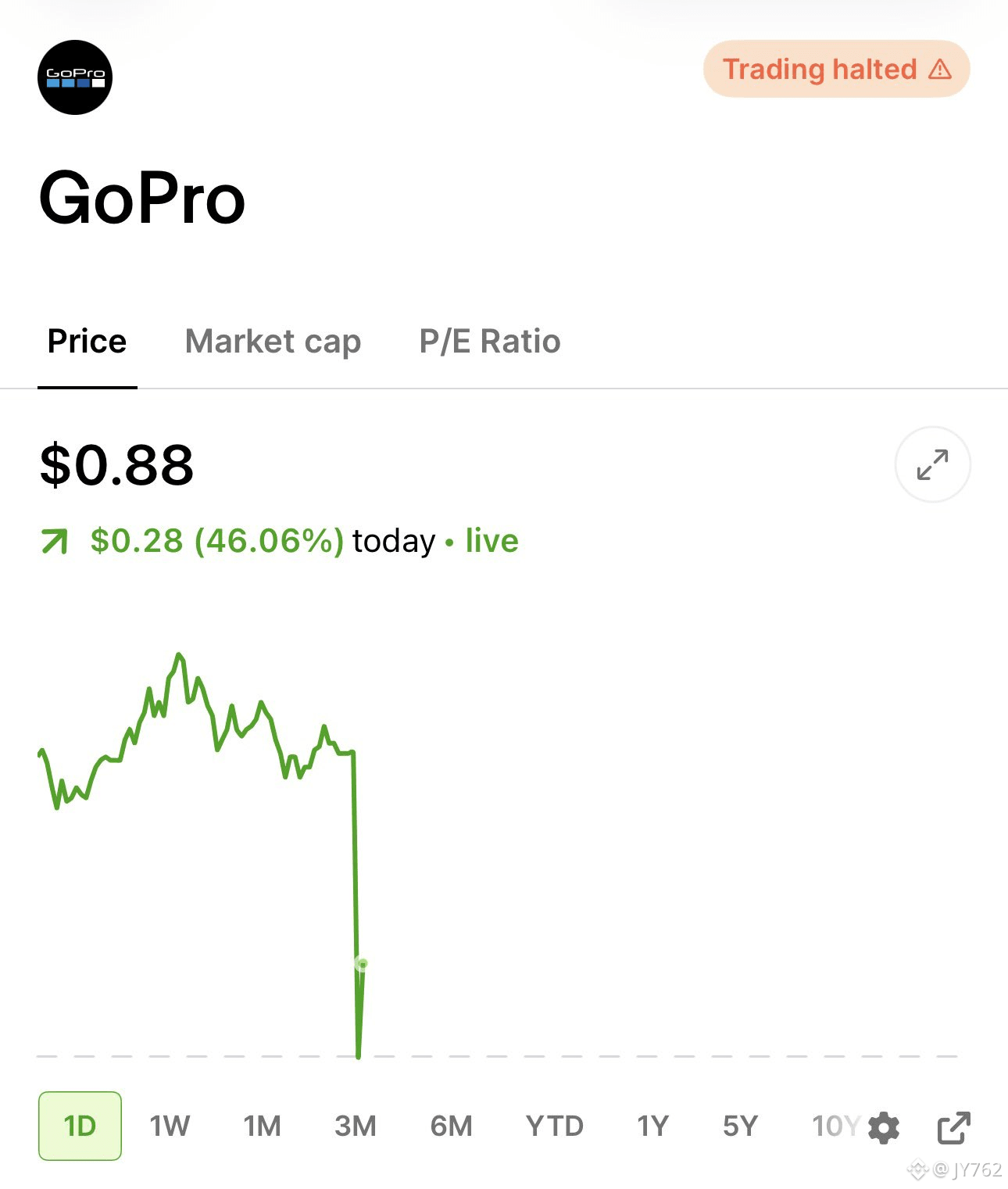
$GPRO.US just completed a merger with Starman Optical worth $285 million, transitioning into the AI infrastructure sector. Starman Optical is a US-manufactured optical transceiver company serving data centers, defense, and aerospace and aviation industries.
GoPro shareholders are entitled to approximately $1.14 in cash per share, and retain about 10% of the shares in the combined listed company
GoPro shareholders are entitled to approximately $1.14 in cash per share, and retain about 10% of the shares in the combined listed company
GPROUS+0.97%
HertzFlow Challenge Day 1
Starting capital: 100U. For the first trade, choose gold. When the price comes below 4400, try going long and see if we can catch this bounce.
The 14-day challenge has just begun—stay steady, keep the pace, and adjust as you go.
I don’t dare to call for big goals. As long as I can make it to the end and then casually grab a prize, that’ll make me happy 😂
#HertzflowPNL @HertzFlow
Starting capital: 100U. For the first trade, choose gold. When the price comes below 4400, try going long and see if we can catch this bounce.
The 14-day challenge has just begun—stay steady, keep the pace, and adjust as you go.
I don’t dare to call for big goals. As long as I can make it to the end and then casually grab a prize, that’ll make me happy 😂
#HertzflowPNL @HertzFlow
$TSLAB and $SPCXB are each working to expand solar production scale to 100 gigawatts per year, but Elon Musk says that natural gas will still be indispensable in the coming years.
This shifts the bottleneck to the turbine manufacturing sector, with SpaceX bringing blade casting in-house to shorten deployment time by “up to 18 months”
This shifts the bottleneck to the turbine manufacturing sector, with SpaceX bringing blade casting in-house to shorten deployment time by “up to 18 months”
Verified
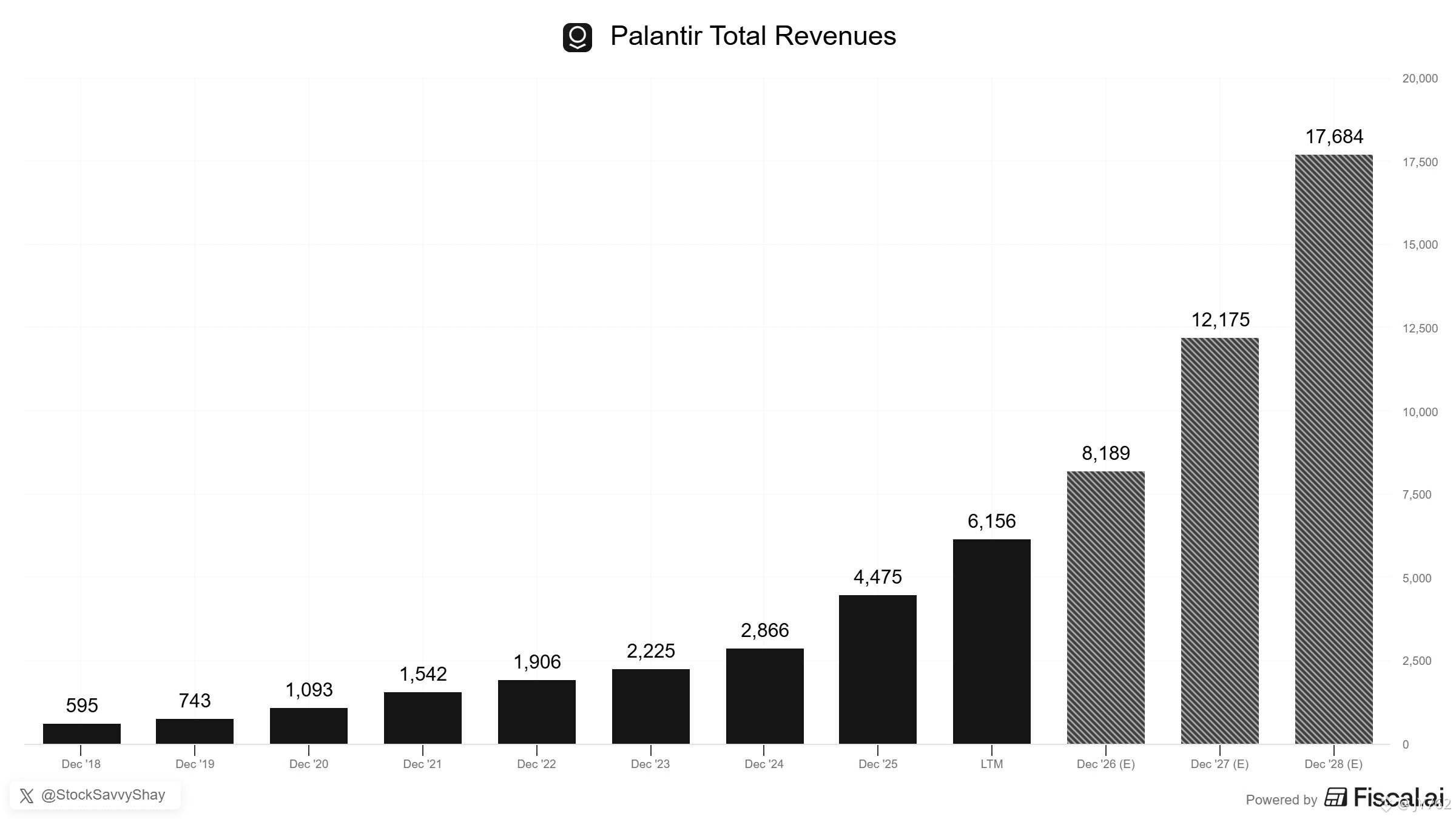
$PLTRB It is expected that by 2028, the company will generate about $50 million in revenue per day.
Three years ago, it generated only about $6 million per day 😳
Three years ago, it generated only about $6 million per day 😳
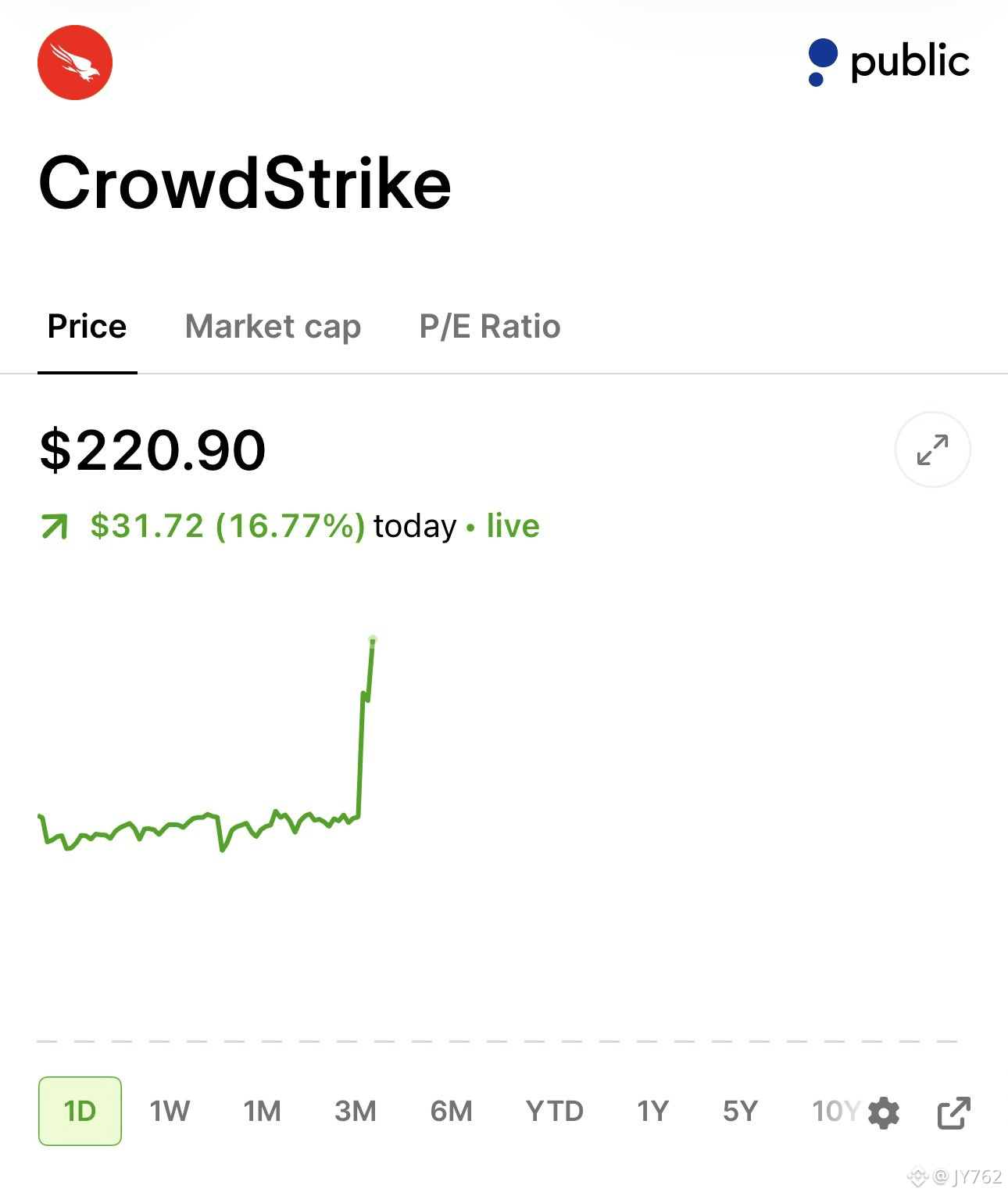
The performance of $CRWD is extremely outstanding. At present, the increase has already nearly reached 17%, and the stock price has even broken through the $220 mark.😳
Wolf believes that, given Google Cloud’s “extremely strong” momentum, with its third-quarter growth rate reaching 125%, listing $GOOGLB as the best choice for 2027.
Currently, TPU has already been sold to customers’ data centers; meanwhile, Gemini can process 22 billion API requests per minute, fully demonstrating Google’s strategy to turn AI technology into profit at both the hardware and software levels.
Currently, TPU has already been sold to customers’ data centers; meanwhile, Gemini can process 22 billion API requests per minute, fully demonstrating Google’s strategy to turn AI technology into profit at both the hardware and software levels.

Due to the continuously growing demand in the field of artificial intelligence, the need for storage capacity is also increasing. $SNDKB and Kioxia plan to invest $31.0 billion in Japan to expand memory production capacity.
Kioxia plans to separately invest $11.0 billion to build a new advanced NAND chip fabrication plant. At that time, the northern region will become a key production base for its AI data centers.
Kioxia plans to separately invest $11.0 billion to build a new advanced NAND chip fabrication plant. At that time, the northern region will become a key production base for its AI data centers.

$AMZNB is acquiring DuckLabs, the team behind DuckDB. DuckDB is one of the fastest-growing developer tools in the analytics space, with more than 3 million downloads per day.
DuckDB will remain open source, but AWS has now gained the engineering team behind it because it wants to make analytics faster and closer to where developers first encounter data.
DuckDB will remain open source, but AWS has now gained the engineering team behind it because it wants to make analytics faster and closer to where developers first encounter data.
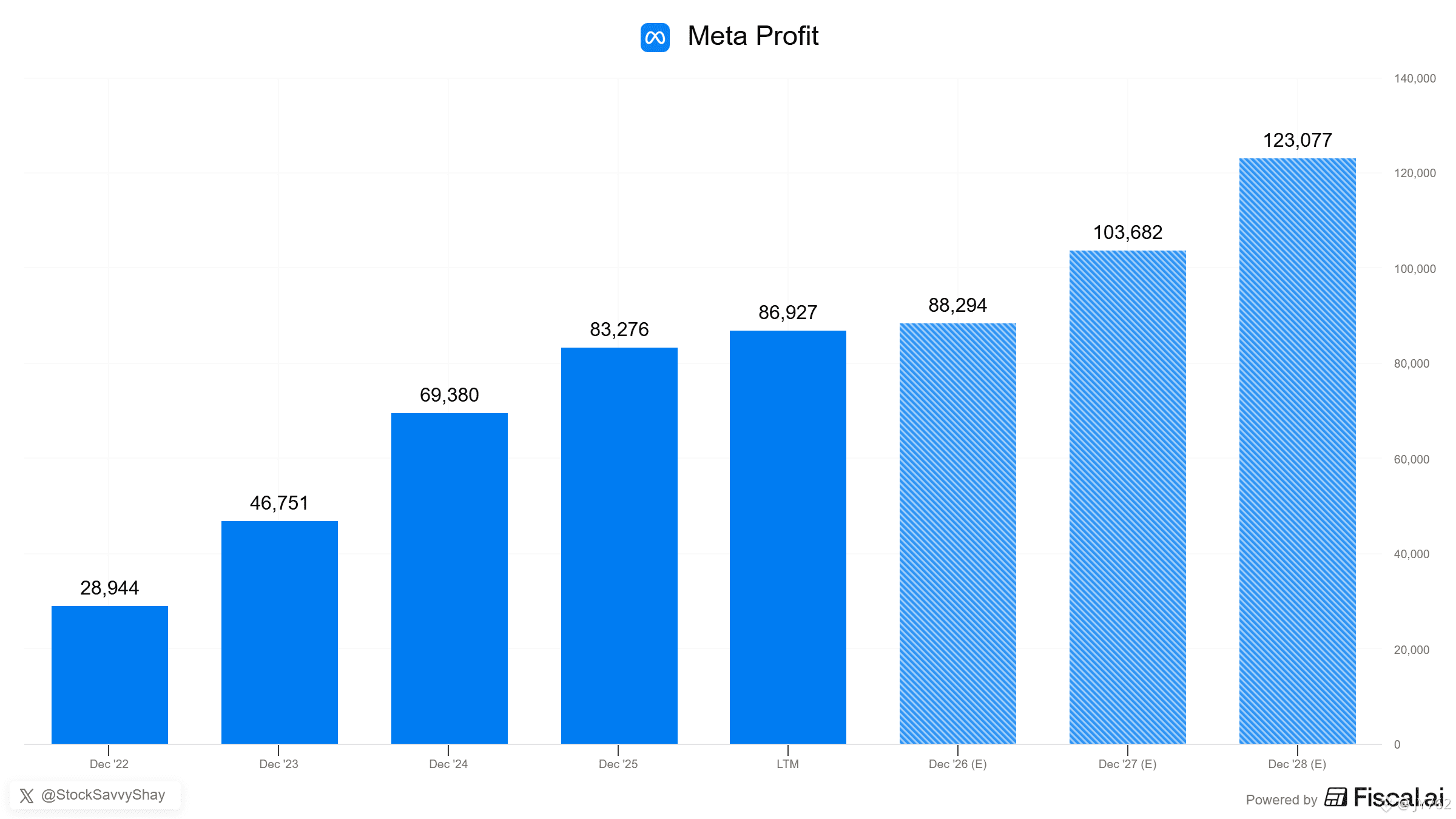
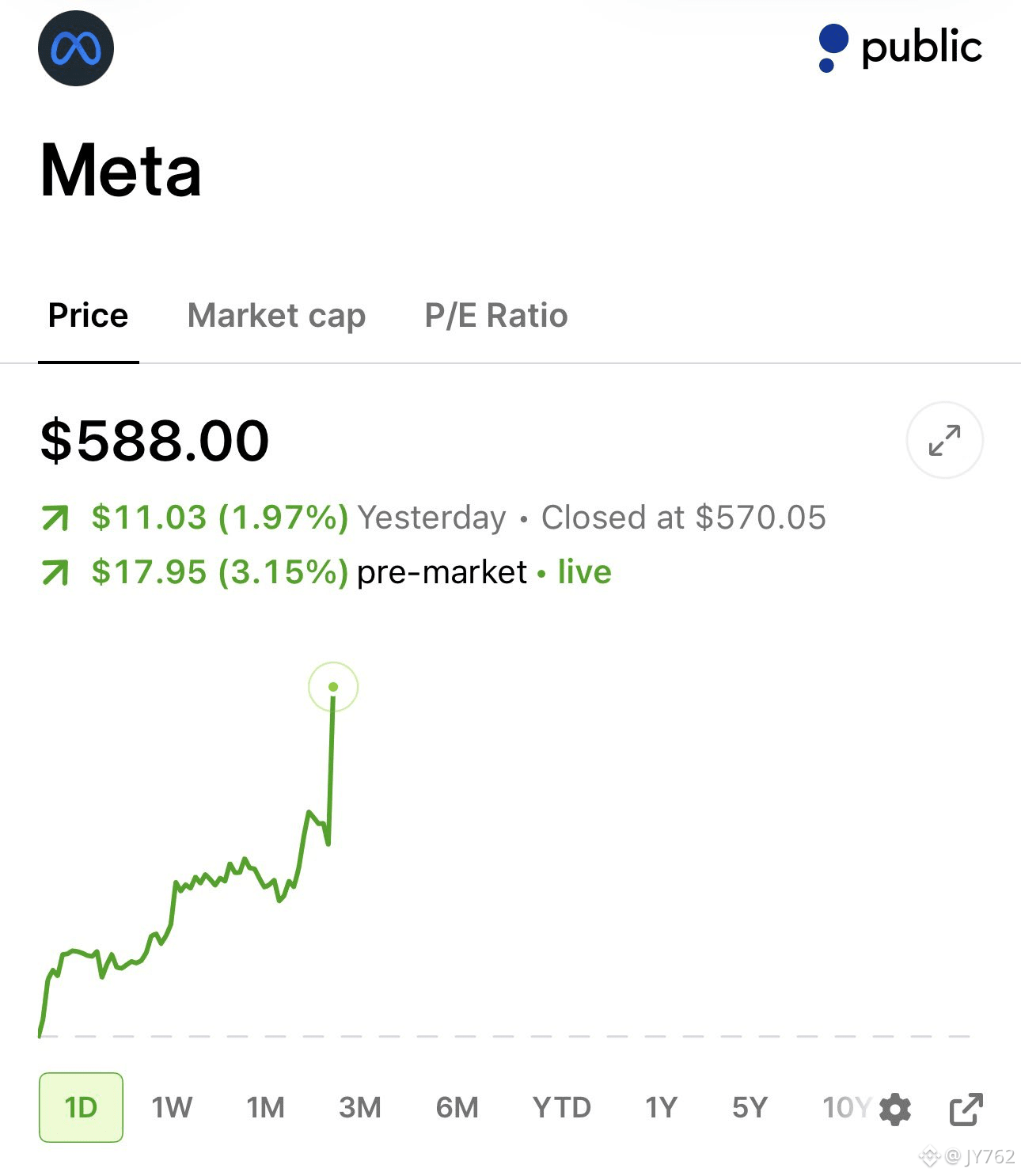
$METAB agrees to pay about $16.7 billion to settle child safety and privacy claims—this sounds enormous, until you compare it to a profit-making machine.
Meta expects to generate about $340 million in profit per day by 2028, which means the entire settlement is worth roughly 49 days of profit
Meta expects to generate about $340 million in profit per day by 2028, which means the entire settlement is worth roughly 49 days of profit
$METAB and reach a settlement with each state regarding allegations that its platform harmed children
Verified
Bank of America says that the $SPCX satellite connections are more likely to become a “complement” to mobile networks rather than a replacement.
The report notes that building a competitive nationwide network will still require substantial investment, more spectrum, and years of infrastructure deployment.
The report notes that building a competitive nationwide network will still require substantial investment, more spectrum, and years of infrastructure deployment.

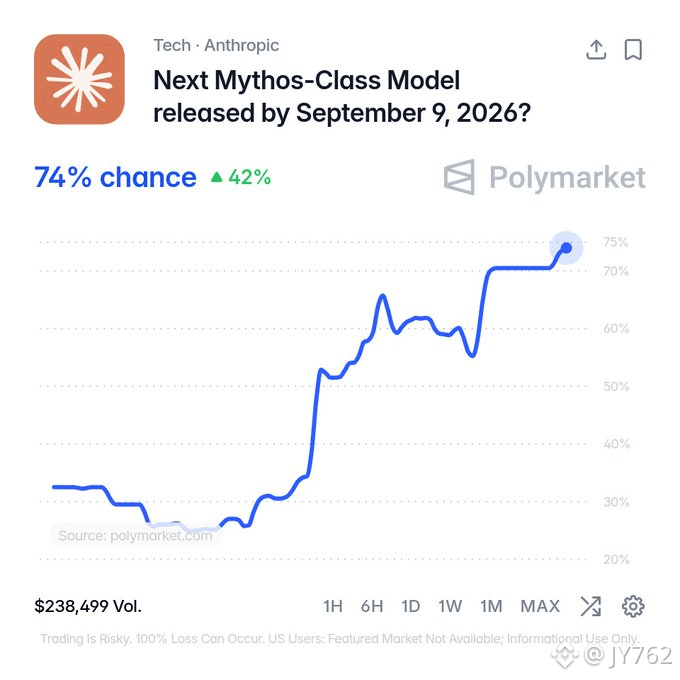
Anthropic’s next Mythos model is now expected to be released in about two weeks, as the company heads toward an IPO that could set records.
Polymarket now expects its final IPO valuation to be as high as $250 billion.
Polymarket now expects its final IPO valuation to be as high as $250 billion.
AI agents are driving ClickHouse, based on $NBISB , to become one of the fastest-growing technologies in the data processing field, with annual revenue already exceeding $350M.
According to reports, OpenAI’s usage has grown by 1001x, with daily data volume now exceeding 30 petabytes, and some of its log processing tasks have also been shifted from $DDOG.US to other systems.
According to reports, OpenAI’s usage has grown by 1001x, with daily data volume now exceeding 30 petabytes, and some of its log processing tasks have also been shifted from $DDOG.US to other systems.

DDOGUS-0.78%
NBISB+1.37%
OpenAI's Jalapeño chip performance comes from a 700W chip, built by $AVGOB on $TSMB N3P, achieving a speed of over 700 tokens/sec/user on DeepSeek R1.
Reportedly, its output per megawatt is more than the results of $NVDAB Vera Rubin, while running at only 700W, providing OpenAI a path to scale production through 2027 and reduce inference costs.
Reportedly, its output per megawatt is more than the results of $NVDAB Vera Rubin, while running at only 700W, providing OpenAI a path to scale production through 2027 and reduce inference costs.
Log in to explore more content