
Jay - Web3 Ai Builder
511 Posts

Jay - Web3 Ai Builder
Building in Web3. NFT. Ai, Metaverse. Marketing. Community builder. Book Author. Asia Web3 Ai Association - Founding Vice President. IGAI - Founder
Open Trade

BNB Holder
High-Frequency Trader
6 Years
141 Following
12.5K+ Followers
5.3K+ Liked
Posts
Portfolio
All
Quotes
Videos
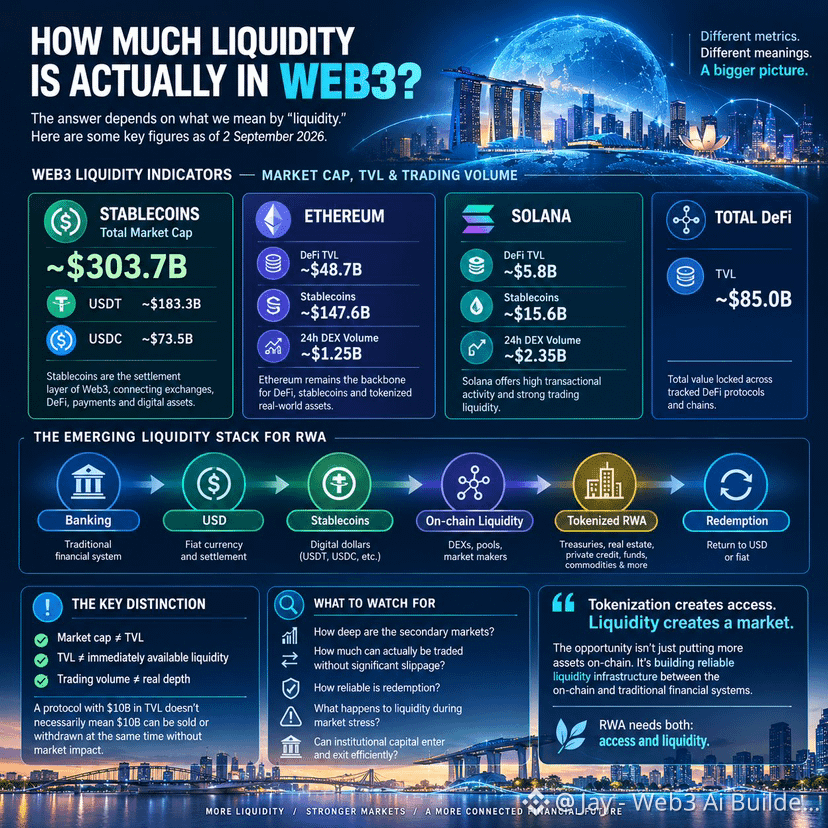
How much liquidity is actually in Web3?
The answer depends on what we mean by “liquidity.”
As of 2 September 2026, some useful indicators are:
💵 Stablecoins: ~$303.7B market cap
USDT: ~$183.3B
USDC: ~$73.5B
🔷 Ethereum
~$48.7B DeFi TVL
~$147.6B stablecoins
~$1.25B 24-hour DEX volume
🟣 Solana
~$5.8B DeFi TVL
~$15.6B stablecoins
~$2.35B 24-hour DEX volume
🌐 Total DeFi TVL: ~$85B
These are significant numbers.
But there is an important distinction:
Market cap ≠ TVL ≠ trading volume ≠ immediately available liquidity.
A protocol having $10B in TVL does not necessarily mean $10B can be sold or withdrawn at the same time without market impact.
Likewise, $300B+ of stablecoins in circulation doesn't mean the entire amount is sitting available on an exchange or liquidity pool.
For me, this becomes particularly important when we discuss RWA.
The emerging liquidity stack looks something like:
Banking → USD → Stablecoins → On-chain Liquidity → Tokenized RWA → Redemption → USD
Stablecoins can provide a settlement layer.
DeFi can help distribute and deploy liquidity.
RWA can connect that capital with real-world economic assets.
But the strength of this system will depend on more than how much value gets tokenized.
We also need to understand:
→ How deep are the secondary markets?
→ How much can actually be traded without significant slippage?
→ How reliable is redemption?
→ What happens to liquidity during market stress?
→ Can institutional capital enter and exit efficiently?
This is why I think liquidity—not simply tokenization—is one of the more important areas to watch in the next phase of Web3 and RWA.
Tokenization creates access.
Liquidity creates a market.
#Web3 #Liquidity #Stablecoins #RWA #Tokenization #DeFi #DigitalAssets #CapitalMarkets
The answer depends on what we mean by “liquidity.”
As of 2 September 2026, some useful indicators are:
💵 Stablecoins: ~$303.7B market cap
USDT: ~$183.3B
USDC: ~$73.5B
🔷 Ethereum
~$48.7B DeFi TVL
~$147.6B stablecoins
~$1.25B 24-hour DEX volume
🟣 Solana
~$5.8B DeFi TVL
~$15.6B stablecoins
~$2.35B 24-hour DEX volume
🌐 Total DeFi TVL: ~$85B
These are significant numbers.
But there is an important distinction:
Market cap ≠ TVL ≠ trading volume ≠ immediately available liquidity.
A protocol having $10B in TVL does not necessarily mean $10B can be sold or withdrawn at the same time without market impact.
Likewise, $300B+ of stablecoins in circulation doesn't mean the entire amount is sitting available on an exchange or liquidity pool.
For me, this becomes particularly important when we discuss RWA.
The emerging liquidity stack looks something like:
Banking → USD → Stablecoins → On-chain Liquidity → Tokenized RWA → Redemption → USD
Stablecoins can provide a settlement layer.
DeFi can help distribute and deploy liquidity.
RWA can connect that capital with real-world economic assets.
But the strength of this system will depend on more than how much value gets tokenized.
We also need to understand:
→ How deep are the secondary markets?
→ How much can actually be traded without significant slippage?
→ How reliable is redemption?
→ What happens to liquidity during market stress?
→ Can institutional capital enter and exit efficiently?
This is why I think liquidity—not simply tokenization—is one of the more important areas to watch in the next phase of Web3 and RWA.
Tokenization creates access.
Liquidity creates a market.
#Web3 #Liquidity #Stablecoins #RWA #Tokenization #DeFi #DigitalAssets #CapitalMarkets
Verified
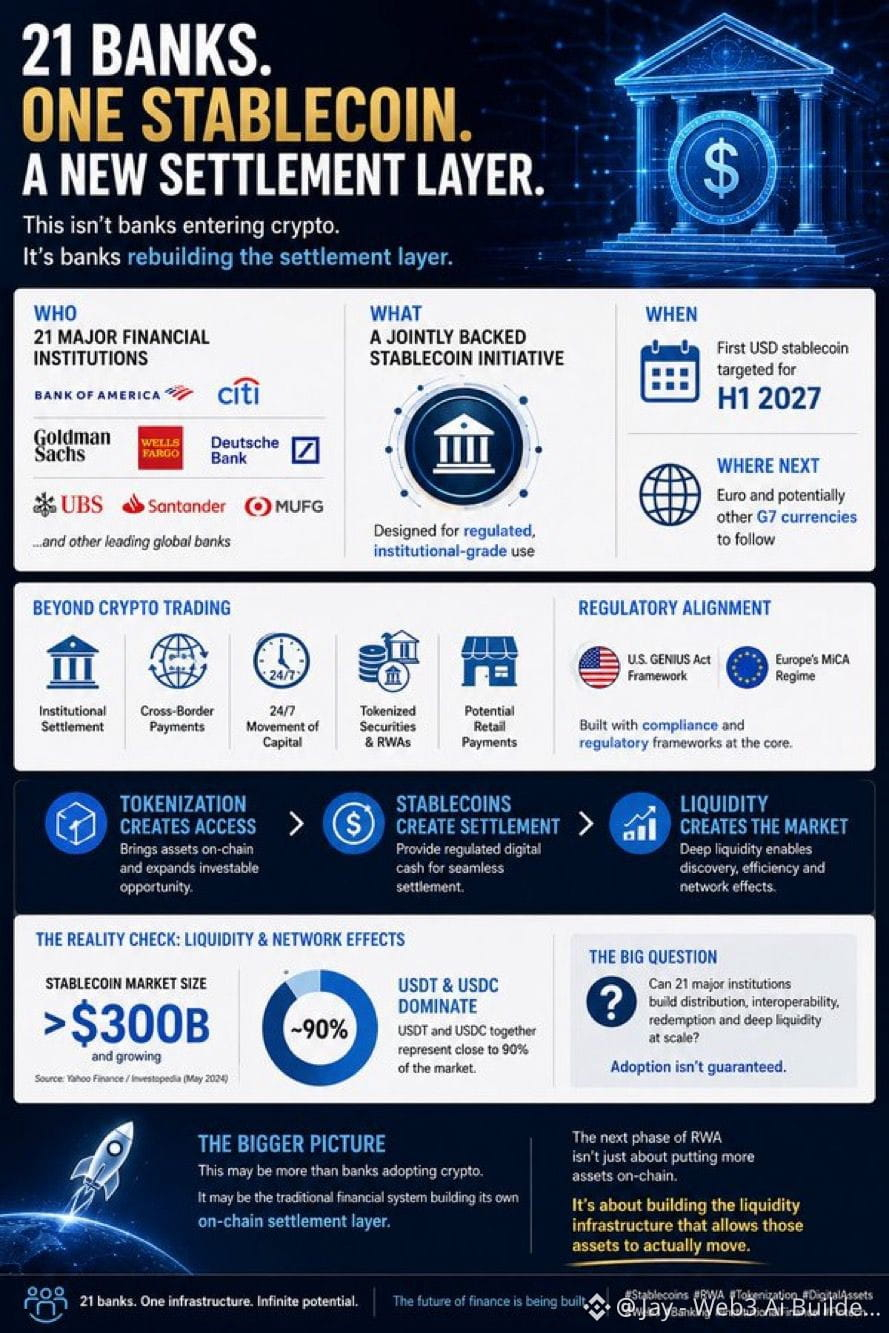
🏦 21 Major Financial Institutions Are Building a Stablecoin.
The news is out lnkd.in/gprshGSj
This is bigger than another stablecoin launch.
A group of 21 major financial institutions — including Bank of America, Citi, Goldman Sachs, Wells Fargo, Deutsche Bank, UBS, Santander and MUFG — are reportedly working on a jointly backed stablecoin initiative.
The first USD-denominated stablecoin is targeted for H1 2027, with other major currencies potentially following.
But the bigger story isn't the coin.
It's the infrastructure being built around digital money.
For years, stablecoins were largely viewed through a crypto lens.
Now the conversation is moving toward:
→ Institutional settlement
→ Cross-border payments
→ 24/7 movement of capital
→ Tokenized securities and RWAs
→ Integration between traditional finance and blockchain infrastructure
This matters because tokenization alone doesn't create a functioning financial market.
-Tokenization creates access.
-Stablecoins create settlement.
-Liquidity creates the market.
And liquidity remains the key question.
The stablecoin market has already grown beyond $300B, but USDT and USDC still represent the overwhelming majority of liquidity.
So even with 21 financial institutions behind a new stablecoin, adoption isn't guaranteed.
The real test will be whether they can create distribution, interoperability, redemption and deep liquidity around it.
If they can, we may be moving toward something much bigger than “banks adopting crypto.”
We may be watching the traditional financial system begin building its own on-chain settlement layer.
The next phase of RWA may not be about putting more assets on-chain.
It may be about building the liquidity infrastructure that allows those assets to actually move.
The news is out lnkd.in/gprshGSj
This is bigger than another stablecoin launch.
A group of 21 major financial institutions — including Bank of America, Citi, Goldman Sachs, Wells Fargo, Deutsche Bank, UBS, Santander and MUFG — are reportedly working on a jointly backed stablecoin initiative.
The first USD-denominated stablecoin is targeted for H1 2027, with other major currencies potentially following.
But the bigger story isn't the coin.
It's the infrastructure being built around digital money.
For years, stablecoins were largely viewed through a crypto lens.
Now the conversation is moving toward:
→ Institutional settlement
→ Cross-border payments
→ 24/7 movement of capital
→ Tokenized securities and RWAs
→ Integration between traditional finance and blockchain infrastructure
This matters because tokenization alone doesn't create a functioning financial market.
-Tokenization creates access.
-Stablecoins create settlement.
-Liquidity creates the market.
And liquidity remains the key question.
The stablecoin market has already grown beyond $300B, but USDT and USDC still represent the overwhelming majority of liquidity.
So even with 21 financial institutions behind a new stablecoin, adoption isn't guaranteed.
The real test will be whether they can create distribution, interoperability, redemption and deep liquidity around it.
If they can, we may be moving toward something much bigger than “banks adopting crypto.”
We may be watching the traditional financial system begin building its own on-chain settlement layer.
The next phase of RWA may not be about putting more assets on-chain.
It may be about building the liquidity infrastructure that allows those assets to actually move.
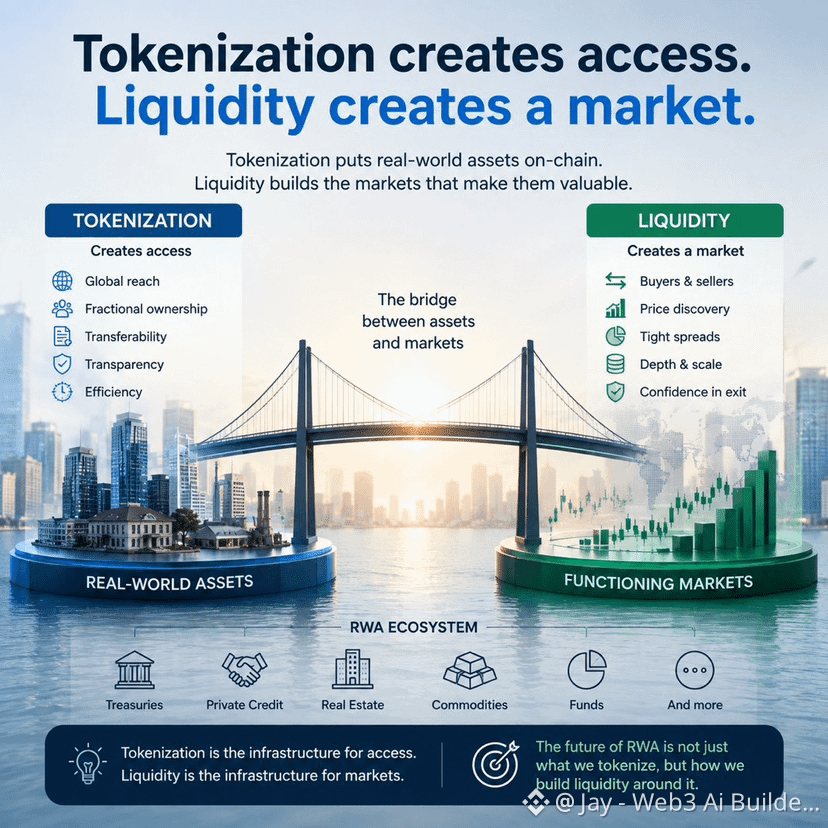
RWA has a liquidity problem, not a tokenization problem.
We’ve become increasingly good at putting real-world assets on-chain.
Treasuries.
Private credit.
Funds.
Real estate.
Commodities.
But tokenizing an asset and creating a liquid market for it are two very different things.
Tokenization ≠ Liquidity.
You can represent a $10 million asset on-chain.
You can fractionalize it into thousands of tokens.
You can make ownership and settlement more efficient.
But when an investor wants to sell:
Who is on the other side of the trade?
That is where the real challenge begins.
For RWA markets to develop further, I believe we need to pay more attention to the infrastructure surrounding the token:
→ Sufficient buyers and sellers
→ Compliant secondary-market access
→ Reliable issuance and redemption
→ Stablecoin and fiat settlement rails
→ Market makers and liquidity providers
→ Custody and transfer infrastructure
→ Clear legal rights to the underlying asset
And liquidity needs to be considered under stress—not only when markets are functioning normally.
This is also why TVL or tokenized asset value should not automatically be interpreted as available liquidity.
A $100 million tokenized asset does not necessarily mean $100 million can be sold immediately without meaningful price impact.
Different RWA structures will naturally have different liquidity characteristics.
A tokenized Treasury product should not be evaluated in exactly the same way as tokenized private credit or real estate.
So perhaps the next stage of RWA isn't simply:
“What else can we tokenize?”
It is:
“How do we build functioning markets around what we've already tokenized?”
Issuance brought assets on-chain.
Liquidity may determine whether they can stay there at scale.
#RWA #Tokenization #Liquidity #Web3 #DigitalAssets #Stablecoins #DeFi #CapitalMarkets
We’ve become increasingly good at putting real-world assets on-chain.
Treasuries.
Private credit.
Funds.
Real estate.
Commodities.
But tokenizing an asset and creating a liquid market for it are two very different things.
Tokenization ≠ Liquidity.
You can represent a $10 million asset on-chain.
You can fractionalize it into thousands of tokens.
You can make ownership and settlement more efficient.
But when an investor wants to sell:
Who is on the other side of the trade?
That is where the real challenge begins.
For RWA markets to develop further, I believe we need to pay more attention to the infrastructure surrounding the token:
→ Sufficient buyers and sellers
→ Compliant secondary-market access
→ Reliable issuance and redemption
→ Stablecoin and fiat settlement rails
→ Market makers and liquidity providers
→ Custody and transfer infrastructure
→ Clear legal rights to the underlying asset
And liquidity needs to be considered under stress—not only when markets are functioning normally.
This is also why TVL or tokenized asset value should not automatically be interpreted as available liquidity.
A $100 million tokenized asset does not necessarily mean $100 million can be sold immediately without meaningful price impact.
Different RWA structures will naturally have different liquidity characteristics.
A tokenized Treasury product should not be evaluated in exactly the same way as tokenized private credit or real estate.
So perhaps the next stage of RWA isn't simply:
“What else can we tokenize?”
It is:
“How do we build functioning markets around what we've already tokenized?”
Issuance brought assets on-chain.
Liquidity may determine whether they can stay there at scale.
#RWA #Tokenization #Liquidity #Web3 #DigitalAssets #Stablecoins #DeFi #CapitalMarkets
Life is good to enjoy!
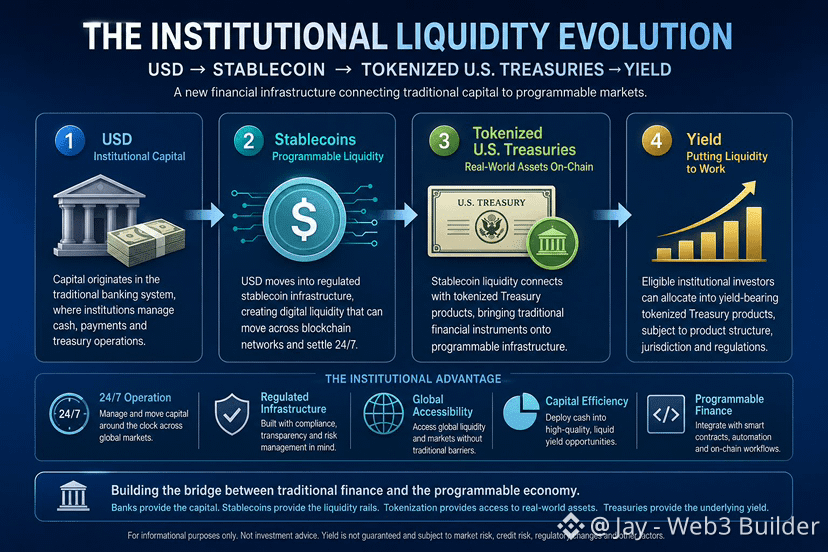
Institutional liquidity
Hey there,
Quick Market Update 👇
* Bitcoin is trading around $77.7K, up more than 23% over the past week as renewed ETF demand continues to support the rally.
~ Covered By: CoinStats
* Bitcoin and Ethereum ETFs recorded $2.6B in combined inflows last week, marking their strongest weekly inflow of 2026.
~ Covered By: CryptoSlate
* Bitcoin is holding above $77K after a 21% weekly rally, while XRP has also gained around 46% over the same period.
~ Covered By: CoinDesk
* Crypto markets remain in a strong recovery phase, with Bitcoin leading the rally as traders watch ETF flows and upcoming U.S. macro developments.
~ Covered By: KuCoin
* U.S. markets are turning their attention toward rising Treasury yields and broader financial conditions, which could influence risk assets including crypto.
~ Covered By: The Wall Street Journal
Stay informed, trade wisely, and have a great day! 🚀
Quick Market Update 👇
* Bitcoin is trading around $77.7K, up more than 23% over the past week as renewed ETF demand continues to support the rally.
~ Covered By: CoinStats
* Bitcoin and Ethereum ETFs recorded $2.6B in combined inflows last week, marking their strongest weekly inflow of 2026.
~ Covered By: CryptoSlate
* Bitcoin is holding above $77K after a 21% weekly rally, while XRP has also gained around 46% over the same period.
~ Covered By: CoinDesk
* Crypto markets remain in a strong recovery phase, with Bitcoin leading the rally as traders watch ETF flows and upcoming U.S. macro developments.
~ Covered By: KuCoin
* U.S. markets are turning their attention toward rising Treasury yields and broader financial conditions, which could influence risk assets including crypto.
~ Covered By: The Wall Street Journal
Stay informed, trade wisely, and have a great day! 🚀
Crypto dating in 2026 😂
Her: “Are you financially stable?”
Me: “Absolutely.”
Her: “How stable?”
Me: “USDC stable.” 😎😂
#CryptoHumor #Stablecoins #Web3
Her: “Are you financially stable?”
Me: “Absolutely.”
Her: “How stable?”
Me: “USDC stable.” 😎😂
#CryptoHumor #Stablecoins #Web3
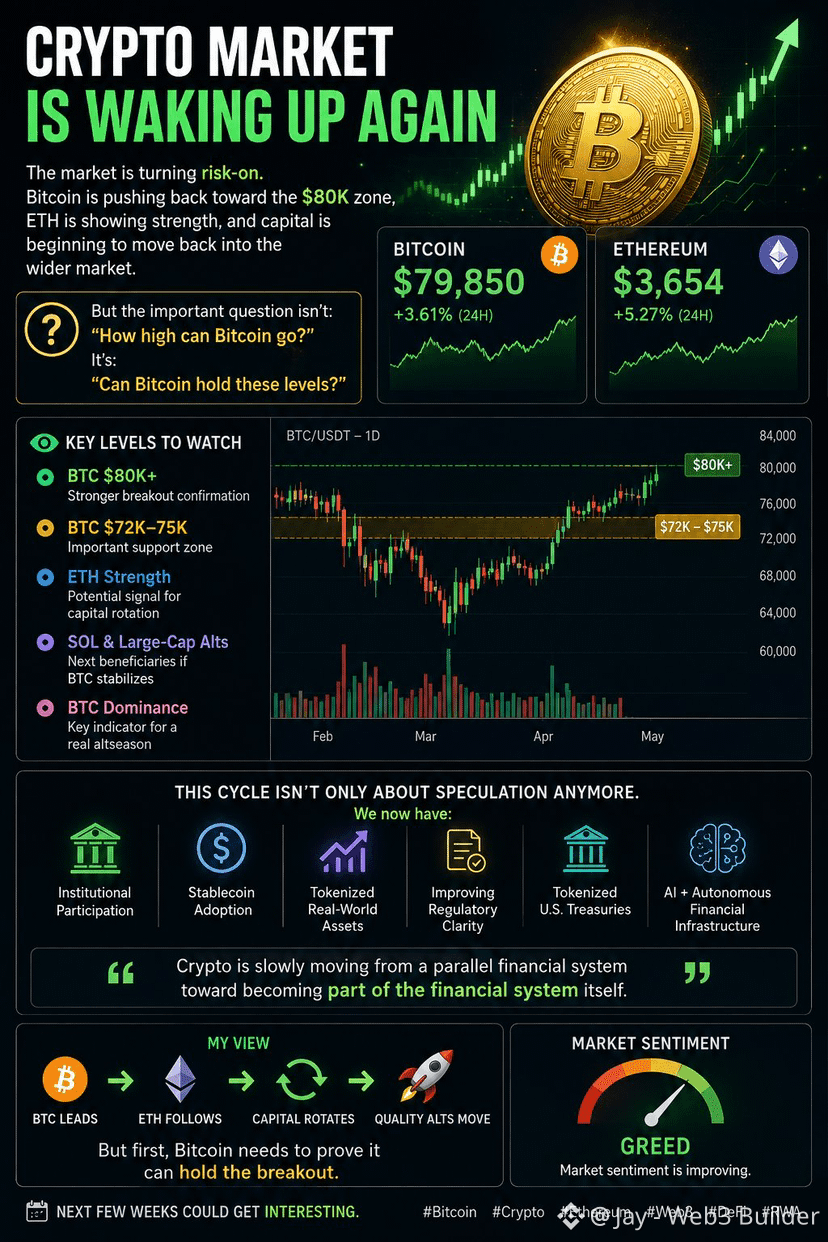
🚀 Crypto Market Is Waking Up Again
The crypto market is turning risk-on.
Bitcoin is pushing back toward the $80K zone, ETH is showing strength, and capital is beginning to move back into the wider market.
But the important question isn't:
“How high can Bitcoin go?”
It's:
“Can Bitcoin hold these levels?”
👀 What I'm watching:
• BTC $80K+ → stronger breakout confirmation
• BTC $72K–75K → important support zone
• ETH strength → potential signal for capital rotation
• SOL & large-cap alts → next beneficiaries if BTC stabilizes
• BTC dominance → key indicator for a real altseason
The interesting part is that this cycle isn't only about speculation anymore.
We now have:
🏦 Institutional participation
💵 Stablecoin adoption
📊 Tokenized real-world assets
🇺🇸 Improving regulatory clarity
💰 Tokenized U.S. Treasuries
🤖 AI + autonomous financial infrastructure
Crypto is slowly moving from a parallel financial system toward becoming part of the financial system itself.
My view:
BTC leads → ETH follows → capital rotates → quality alts move.
But first, Bitcoin needs to prove it can hold the breakout.
The next few weeks could get interesting.
#Bitcoin #Crypto #Ethereum #Web3 #Stablecoins #RWA #DigitalAssets #DeFi
The crypto market is turning risk-on.
Bitcoin is pushing back toward the $80K zone, ETH is showing strength, and capital is beginning to move back into the wider market.
But the important question isn't:
“How high can Bitcoin go?”
It's:
“Can Bitcoin hold these levels?”
👀 What I'm watching:
• BTC $80K+ → stronger breakout confirmation
• BTC $72K–75K → important support zone
• ETH strength → potential signal for capital rotation
• SOL & large-cap alts → next beneficiaries if BTC stabilizes
• BTC dominance → key indicator for a real altseason
The interesting part is that this cycle isn't only about speculation anymore.
We now have:
🏦 Institutional participation
💵 Stablecoin adoption
📊 Tokenized real-world assets
🇺🇸 Improving regulatory clarity
💰 Tokenized U.S. Treasuries
🤖 AI + autonomous financial infrastructure
Crypto is slowly moving from a parallel financial system toward becoming part of the financial system itself.
My view:
BTC leads → ETH follows → capital rotates → quality alts move.
But first, Bitcoin needs to prove it can hold the breakout.
The next few weeks could get interesting.
#Bitcoin #Crypto #Ethereum #Web3 #Stablecoins #RWA #DigitalAssets #DeFi
Crypto investor logic 😂
Bitcoin drops 5%:
“Market manipulation!! 😡”
Bitcoin pumps 5%:
“I knew it. My analysis was correct.” 😎📈
#CryptoHumor #Bitcoin #Web3
Bitcoin drops 5%:
“Market manipulation!! 😡”
Bitcoin pumps 5%:
“I knew it. My analysis was correct.” 😎📈
#CryptoHumor #Bitcoin #Web3
Are u?

Web3 networking in 2026 😂
“Nice to meet you! What do you do?”
“I’m a founder.”
“Of what?”
“Still deciding.” 🤣
“But we’re raising.”
#Web3 #StartupHumor #FounderLife #CryptoHumor
“Nice to meet you! What do you do?”
“I’m a founder.”
“Of what?”
“Still deciding.” 🤣
“But we’re raising.”
#Web3 #StartupHumor #FounderLife #CryptoHumor
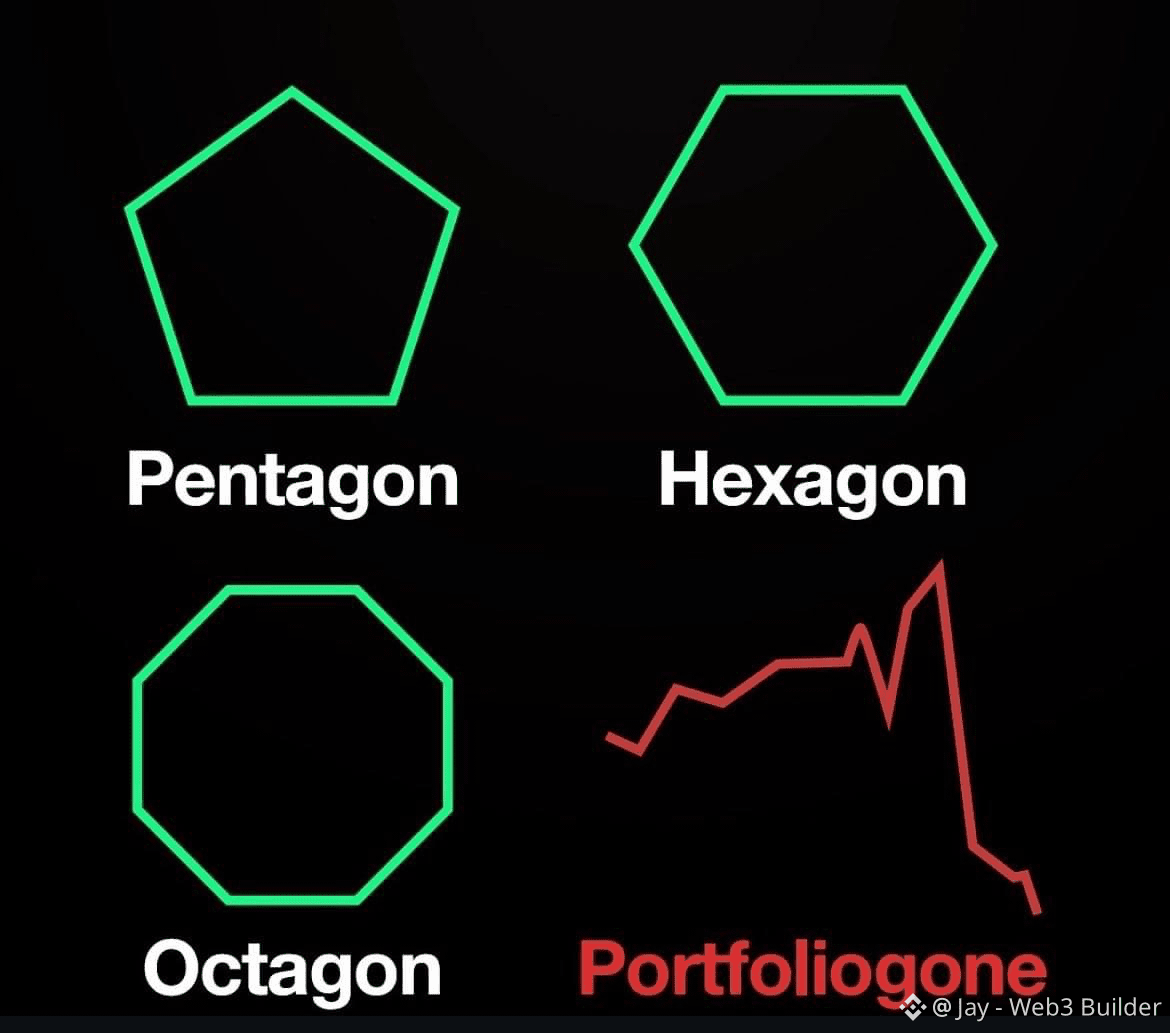
Shapes !
Nothing but over hyped
$BTC in 2021: $63,000
$BTC in 2024: $63,000
$BTC in 2026: $63,000
$BTC before the Iran war: $63,000
$BTC four months into the Iran war: $63,000
$BTC before Trump won: $63,000
$BTC 18 months after Trump won: $63,000
$BTC in 2021: $63,000
$BTC in 2024: $63,000
$BTC in 2026: $63,000
$BTC before the Iran war: $63,000
$BTC four months into the Iran war: $63,000
$BTC before Trump won: $63,000
$BTC 18 months after Trump won: $63,000

Log in to explore more content