

loshy
585 Posts

loshy
Report
Block User
🙈🙈
Occasional Trader
4 Years
2 Following
682 Followers
489 Liked
Posts
All
Quotes
Videos
·
--
📊 Trade Signal - /USDT (4H)
🕐 Sat, 10 Oct 2026 UTC
📈 Chart attached below (RSI + Supertrend)
⚠️ Risk Management:
• Never risk more than 1-2% of your capital
• Always set a stop-loss
• This is not financial advice, do your own research (DYOR)
#Crypto #Trading
📊 Trade Signal - /USDT (4H)
🕐 Sat, 10 Oct 2026 UTC
📈 Chart attached below (RSI + Supertrend)
⚠️ Risk Management:
• Never risk more than 1-2% of your capital
• Always set a stop-loss
• This is not financial advice, do your own research (DYOR)
#Crypto #Trading
🕐 Sat, 10 Oct 2026 UTC
📈 Chart attached below (RSI + Supertrend)
⚠️ Risk Management:
• Never risk more than 1-2% of your capital
• Always set a stop-loss
• This is not financial advice, do your own research (DYOR)
#Crypto #Trading
14
·
--
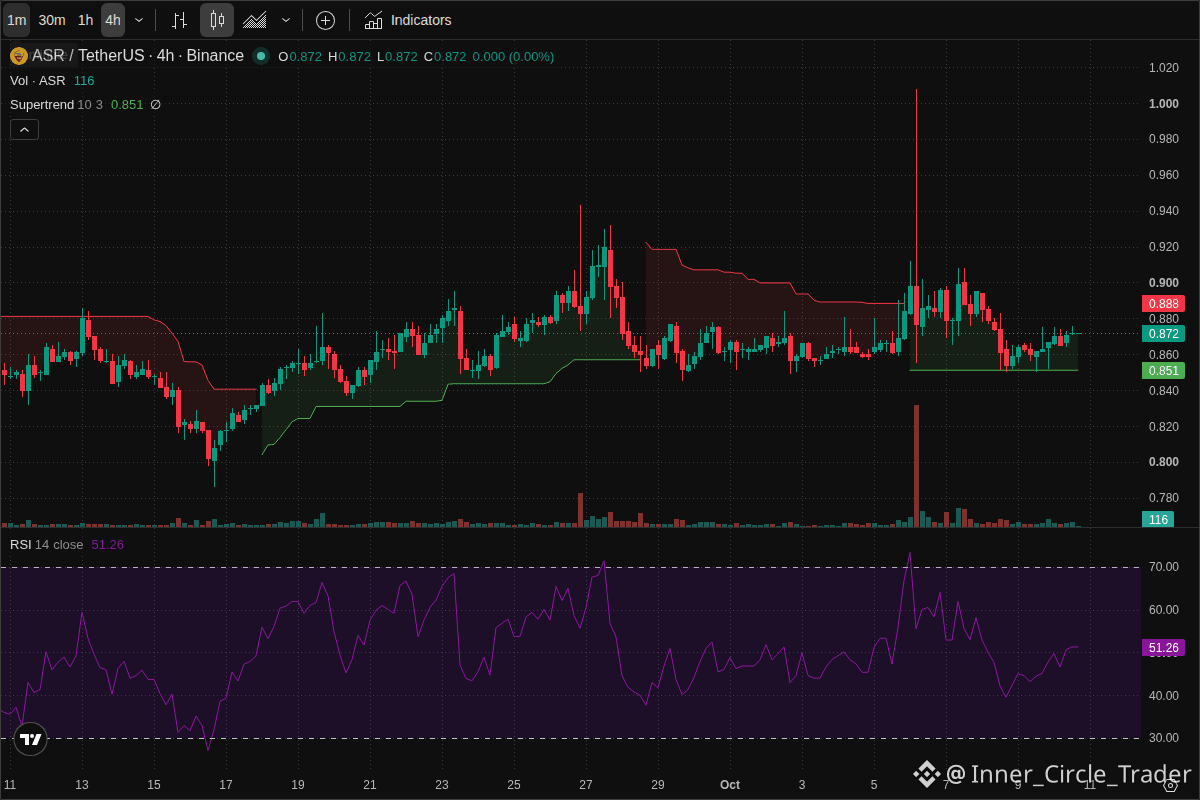
has crashed 75.558% to /bin/sh.0274, signaling a severe bearish impulse. The 4h RSI at 51.2 indicates neutral momentum, suggesting the initial panic selling has paused but lacks bullish confirmation. WAIT for a confirmed breakout above /bin/sh.0350 before entering long positions; avoid catching falling knives. Strictly use stop-losses to protect capital against further downside volatility. #Crypto #Trading
has crashed 75.558% to /bin/sh.0274, signaling a severe bearish impulse. The 4h RSI at 51.2 indicates neutral momentum, suggesting the initial panic selling has paused but lacks bullish confirmation. WAIT for a confirmed breakout above /bin/sh.0350 before entering long positions; avoid catching falling knives. Strictly use stop-losses to protect capital against further downside volatility. #Crypto #Trading
25
·
--
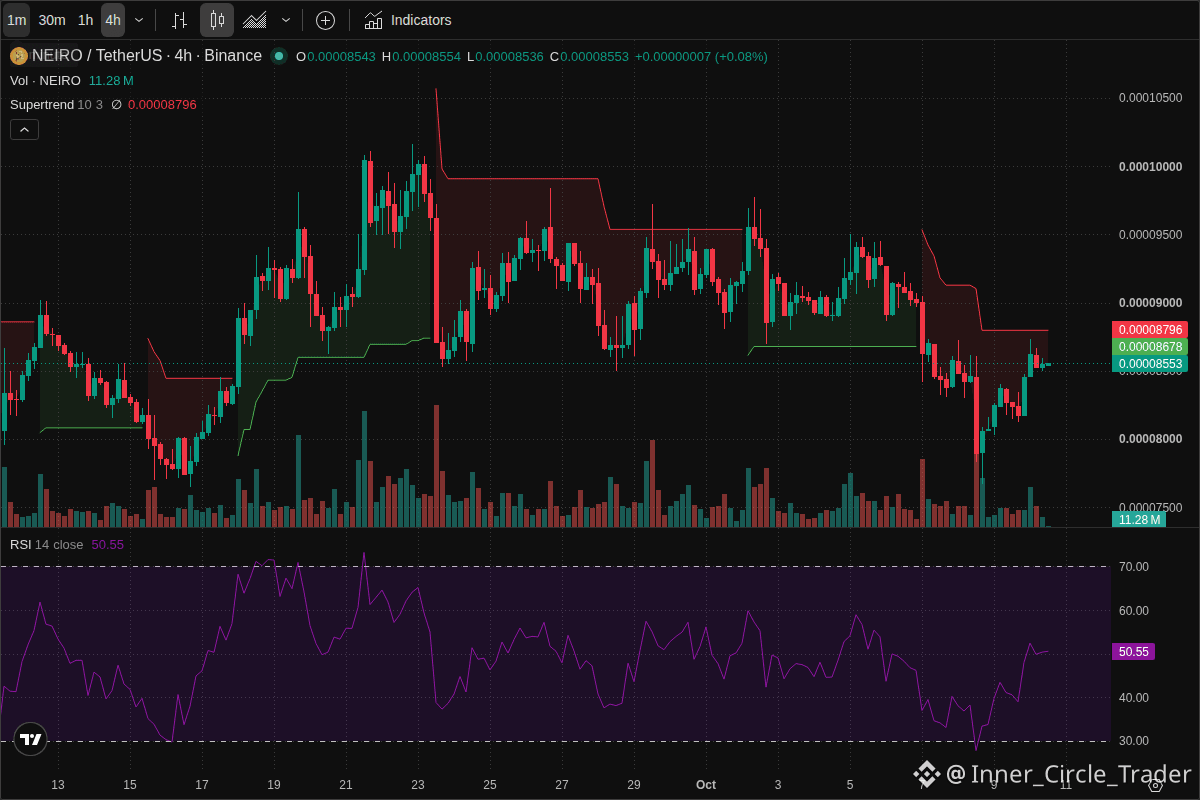
trades flat at /bin/sh.00008502, showing zero movement in the last 24 hours. The 4-hour RSI sits at 29.8, indicating the asset is approaching oversold territory. This suggests selling pressure is exhausting, making a bullish reversal plausible. However, with no volume breakout, I recommend WAIT. Patience is key until price momentum confirms a shift. Wait for a candle close above recent resistance before entering long positions. Always set tight stop-losses to protect capital, as meme coins can be volatile. Do not chase dips without confirmation. #Crypto #Trading
trades flat at /bin/sh.00008502, showing zero movement in the last 24 hours. The 4-hour RSI sits at 29.8, indicating the asset is approaching oversold territory. This suggests selling pressure is exhausting, making a bullish reversal plausible. However, with no volume breakout, I recommend WAIT. Patience is key until price momentum confirms a shift. Wait for a candle close above recent resistance before entering long positions. Always set tight stop-losses to protect capital, as meme coins can be volatile. Do not chase dips without confirmation. #Crypto #Trading
50
·
--
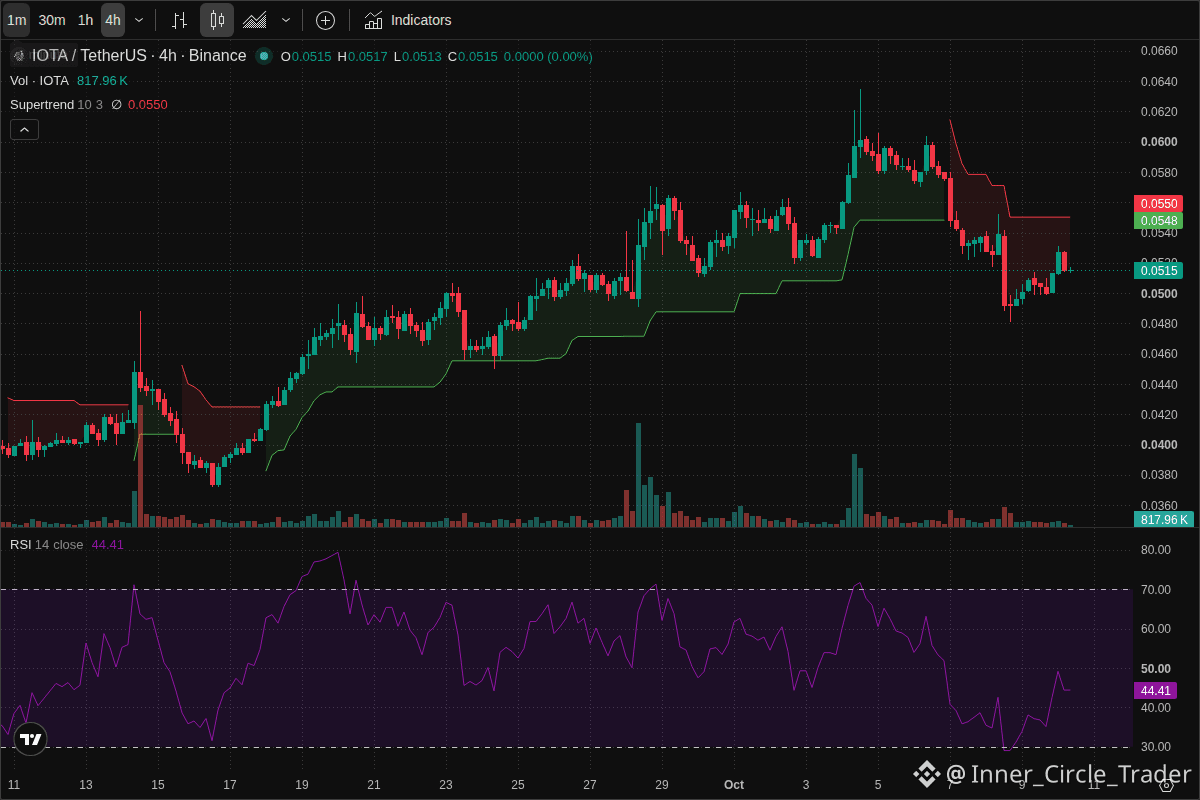
/bin/sh.0516 consolidates with a modest 1.775% daily gain, trading within a compressed /bin/sh.0503–/bin/sh.0531 range. The 4h RSI sits at 43.6, indicating neutral momentum without oversold extremes, which suggests the market is in a decision phase. I recommend WAIT to confirm direction before entering, as the current setup lacks clear bullish or bearish divergence. Patience is key here; avoid chasing the slight upward drift until volume supports a breakout above resistance or a dip below support. Risk management tip: Define your stop-loss strictly below /bin/sh.0503 to protect capital against sudden reversals in this low-volatility environment. #Crypto #Trading
/bin/sh.0516 consolidates with a modest 1.775% daily gain, trading within a compressed /bin/sh.0503–/bin/sh.0531 range. The 4h RSI sits at 43.6, indicating neutral momentum without oversold extremes, which suggests the market is in a decision phase. I recommend WAIT to confirm direction before entering, as the current setup lacks clear bullish or bearish divergence. Patience is key here; avoid chasing the slight upward drift until volume supports a breakout above resistance or a dip below support. Risk management tip: Define your stop-loss strictly below /bin/sh.0503 to protect capital against sudden reversals in this low-volatility environment. #Crypto #Trading
56
·
--
📊 Trade Signal - /USDT (4H)
🕐 Sat, 10 Oct 2026 UTC
📈 Chart attached below (RSI + Supertrend)
⚠️ Risk Management:
• Never risk more than 1-2% of your capital
• Always set a stop-loss
• This is not financial advice, do your own research (DYOR)
#Crypto #Trading
📊 Trade Signal - /USDT (4H)
🕐 Sat, 10 Oct 2026 UTC
📈 Chart attached below (RSI + Supertrend)
⚠️ Risk Management:
• Never risk more than 1-2% of your capital
• Always set a stop-loss
• This is not financial advice, do your own research (DYOR)
#Crypto #Trading
🕐 Sat, 10 Oct 2026 UTC
📈 Chart attached below (RSI + Supertrend)
⚠️ Risk Management:
• Never risk more than 1-2% of your capital
• Always set a stop-loss
• This is not financial advice, do your own research (DYOR)
#Crypto #Trading
17
·
--
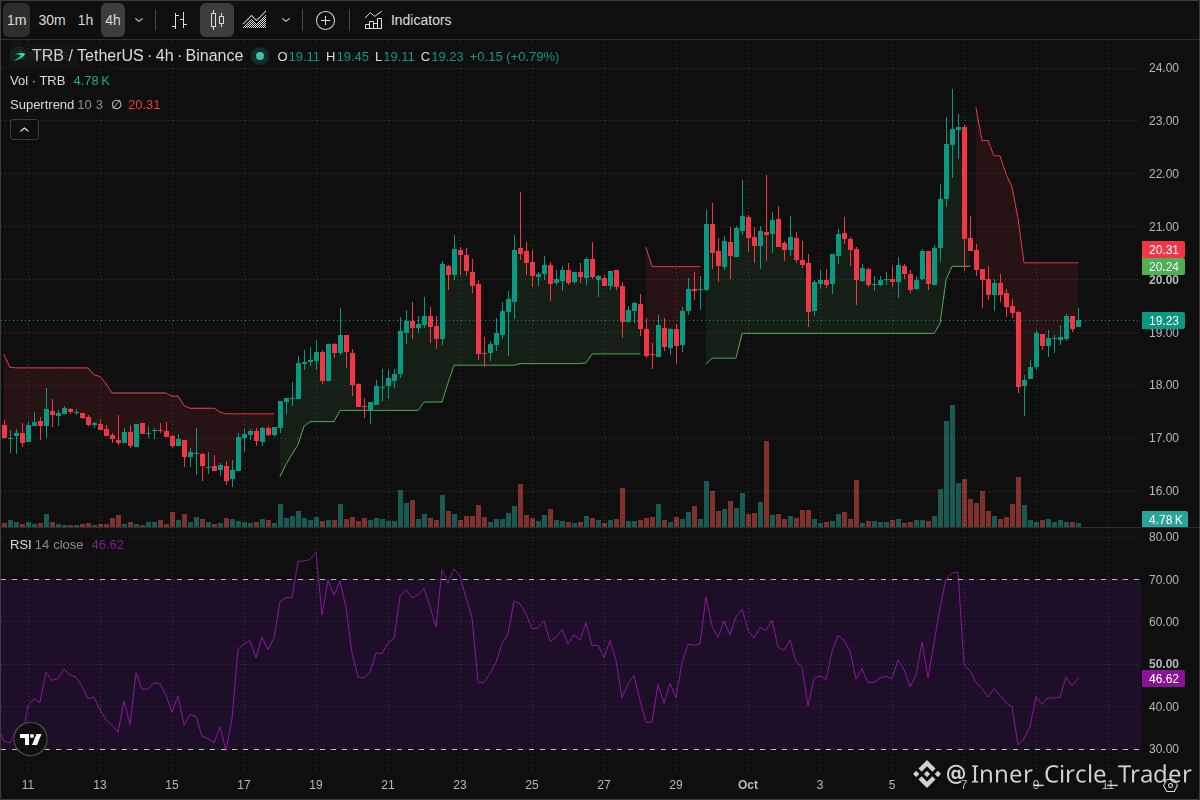
📊 Trade Signal - /USDT (4H)
🕐 Sat, 10 Oct 2026 UTC
📈 Chart attached below (RSI + Supertrend)
⚠️ Risk Management:
• Never risk more than 1-2% of your capital
• Always set a stop-loss
• This is not financial advice, do your own research (DYOR)
#Crypto #Trading
📊 Trade Signal - /USDT (4H)
🕐 Sat, 10 Oct 2026 UTC
📈 Chart attached below (RSI + Supertrend)
⚠️ Risk Management:
• Never risk more than 1-2% of your capital
• Always set a stop-loss
• This is not financial advice, do your own research (DYOR)
#Crypto #Trading
🕐 Sat, 10 Oct 2026 UTC
📈 Chart attached below (RSI + Supertrend)
⚠️ Risk Management:
• Never risk more than 1-2% of your capital
• Always set a stop-loss
• This is not financial advice, do your own research (DYOR)
#Crypto #Trading
44
·
--
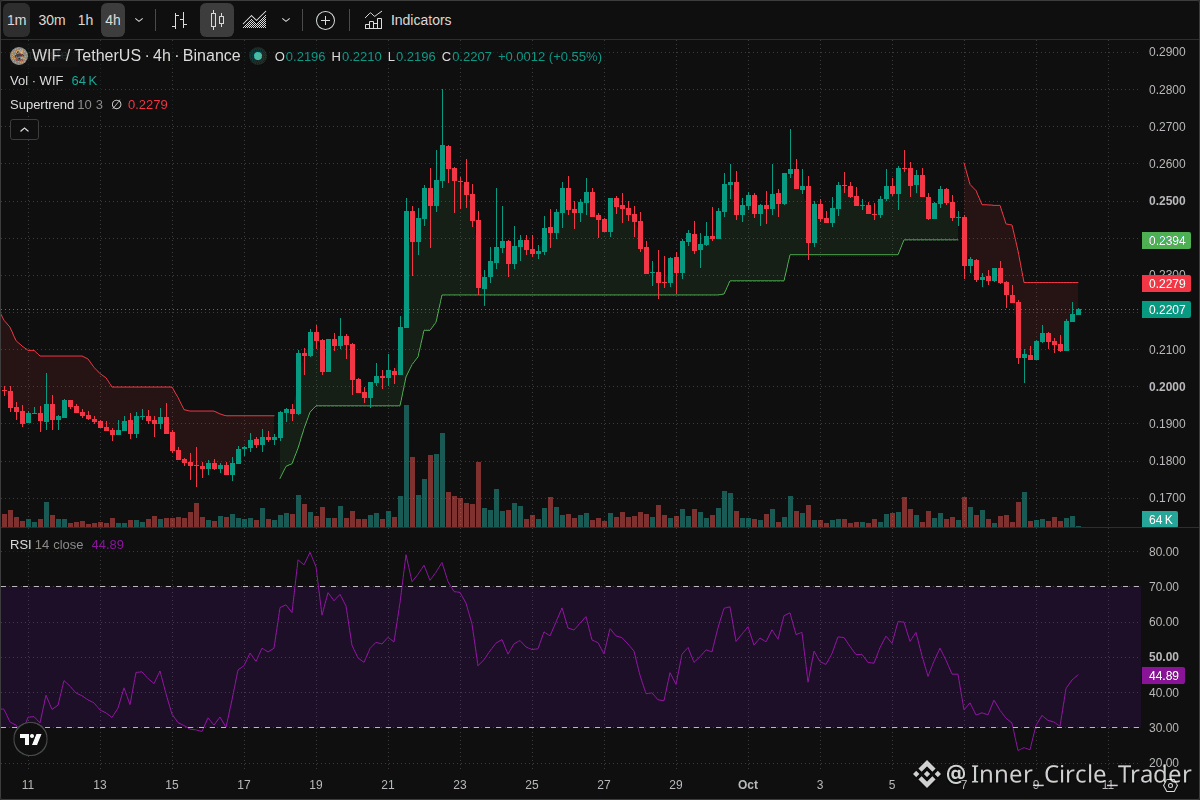
trades at /bin/sh.219, consolidating with a slight 2.3% daily gain. The 4h RSI sits at 40.6, indicating mild oversold conditions within a neutral range. This suggests momentum is weakening but not yet broken, offering a potential entry point for patient traders. I recommend WAIT for a confirmed break above the 24h high of /bin/sh.22 to signal bullish continuation. If price fails to reclaim this level, a dip toward the /bin/sh.211 support zone may present a better risk-reward ratio. Do not enter blindly on the current mid-range price. Always use strict stop-losses below recent lows to protect capital against sudden volatility shifts in the memecoin sector. #Crypto #Trading
trades at /bin/sh.219, consolidating with a slight 2.3% daily gain. The 4h RSI sits at 40.6, indicating mild oversold conditions within a neutral range. This suggests momentum is weakening but not yet broken, offering a potential entry point for patient traders. I recommend WAIT for a confirmed break above the 24h high of /bin/sh.22 to signal bullish continuation. If price fails to reclaim this level, a dip toward the /bin/sh.211 support zone may present a better risk-reward ratio. Do not enter blindly on the current mid-range price. Always use strict stop-losses below recent lows to protect capital against sudden volatility shifts in the memecoin sector. #Crypto #Trading
47
·
--
trades at 750, down 7.3% as price consolidates following a sharp drop from the 388 high. The 4h RSI at 48.1 indicates neutral momentum after the recent sell-off, suggesting the market is pausing to digest volatility. With support holding near the 452 low, this is a WAIT signal until bullish confirmation emerges. Risk management: Set tight stop-losses below key support levels to protect capital during this high-volatility phase. #Crypto #Trading
trades at 750, down 7.3% as price consolidates following a sharp drop from the 388 high. The 4h RSI at 48.1 indicates neutral momentum after the recent sell-off, suggesting the market is pausing to digest volatility. With support holding near the 452 low, this is a WAIT signal until bullish confirmation emerges. Risk management: Set tight stop-losses below key support levels to protect capital during this high-volatility phase. #Crypto #Trading
65
·
--
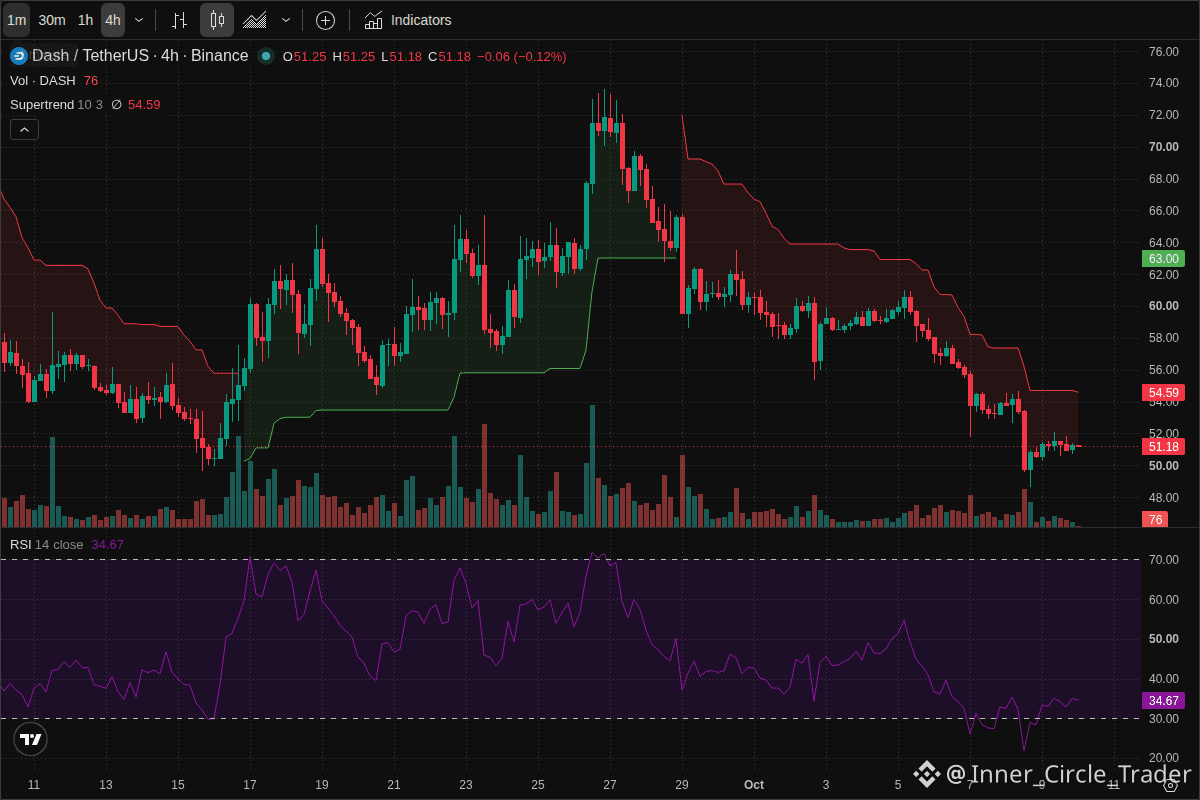
hovers at 1.21, showing slight upward momentum with a 1.446% gain in 24 hours. The 4h RSI at 36.4 suggests the asset is approaching oversold territory, indicating potential for a rebound from the 0.45 low. I recommend a cautious BUY setup, targeting a recovery toward the 2.00 resistance level. Manage risk by placing a stop-loss below 0.00 to protect against further downside. #Crypto #Trading
hovers at 1.21, showing slight upward momentum with a 1.446% gain in 24 hours. The 4h RSI at 36.4 suggests the asset is approaching oversold territory, indicating potential for a rebound from the 0.45 low. I recommend a cautious BUY setup, targeting a recovery toward the 2.00 resistance level. Manage risk by placing a stop-loss below 0.00 to protect against further downside. #Crypto #Trading
117
·
--
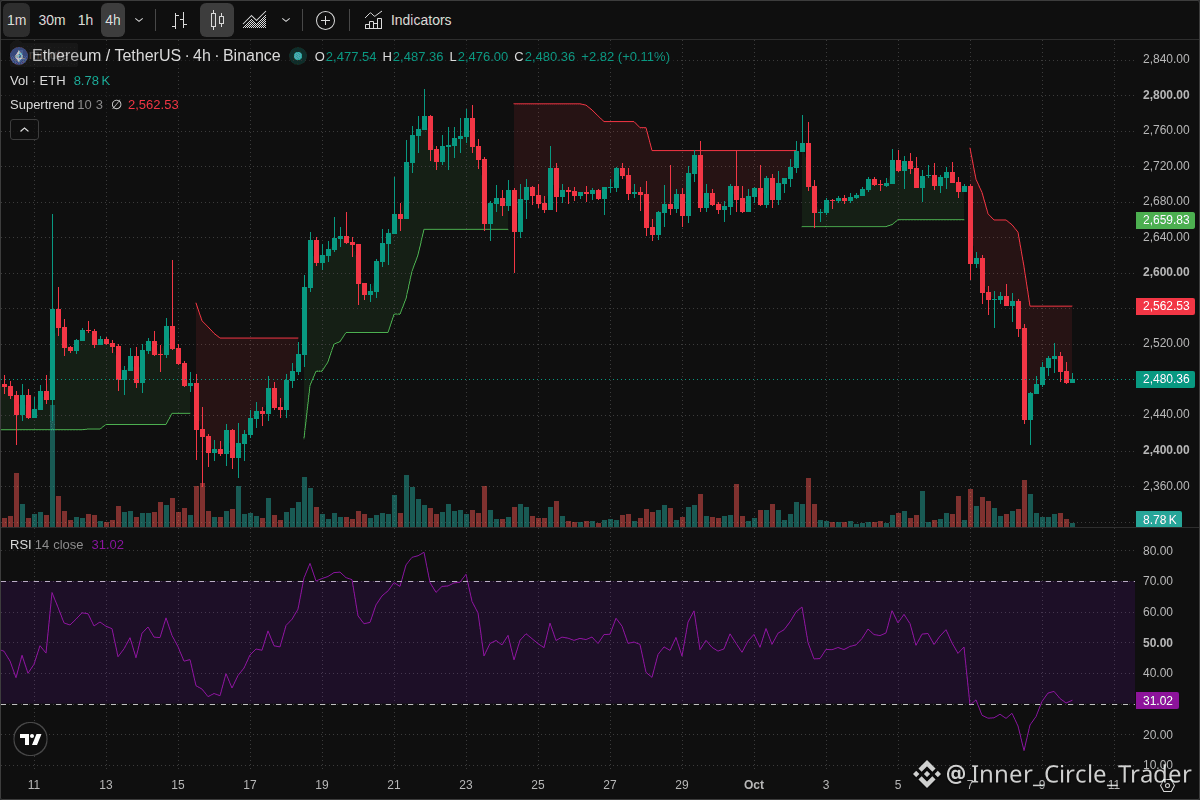
is consolidating near 480, showing minimal momentum with a 0.025% 24h change. The asset is trading within a tight 471-519 range, indicating market indecision.
The 4h RSI at 31.1 suggests oversold conditions, hinting at potential bullish divergence. This technical setup favors a cautious BUY entry for swing traders aiming for a mean reversion toward 519. However, volume confirmation is critical before committing significant capital.
Place a stop-loss below 470 to manage downside risk effectively.
#Crypto #Trading
is consolidating near 480, showing minimal momentum with a 0.025% 24h change. The asset is trading within a tight 471-519 range, indicating market indecision.
The 4h RSI at 31.1 suggests oversold conditions, hinting at potential bullish divergence. This technical setup favors a cautious BUY entry for swing traders aiming for a mean reversion toward 519. However, volume confirmation is critical before committing significant capital.
Place a stop-loss below 470 to manage downside risk effectively.
#Crypto #Trading
The 4h RSI at 31.1 suggests oversold conditions, hinting at potential bullish divergence. This technical setup favors a cautious BUY entry for swing traders aiming for a mean reversion toward 519. However, volume confirmation is critical before committing significant capital.
Place a stop-loss below 470 to manage downside risk effectively.
#Crypto #Trading
13
·
--
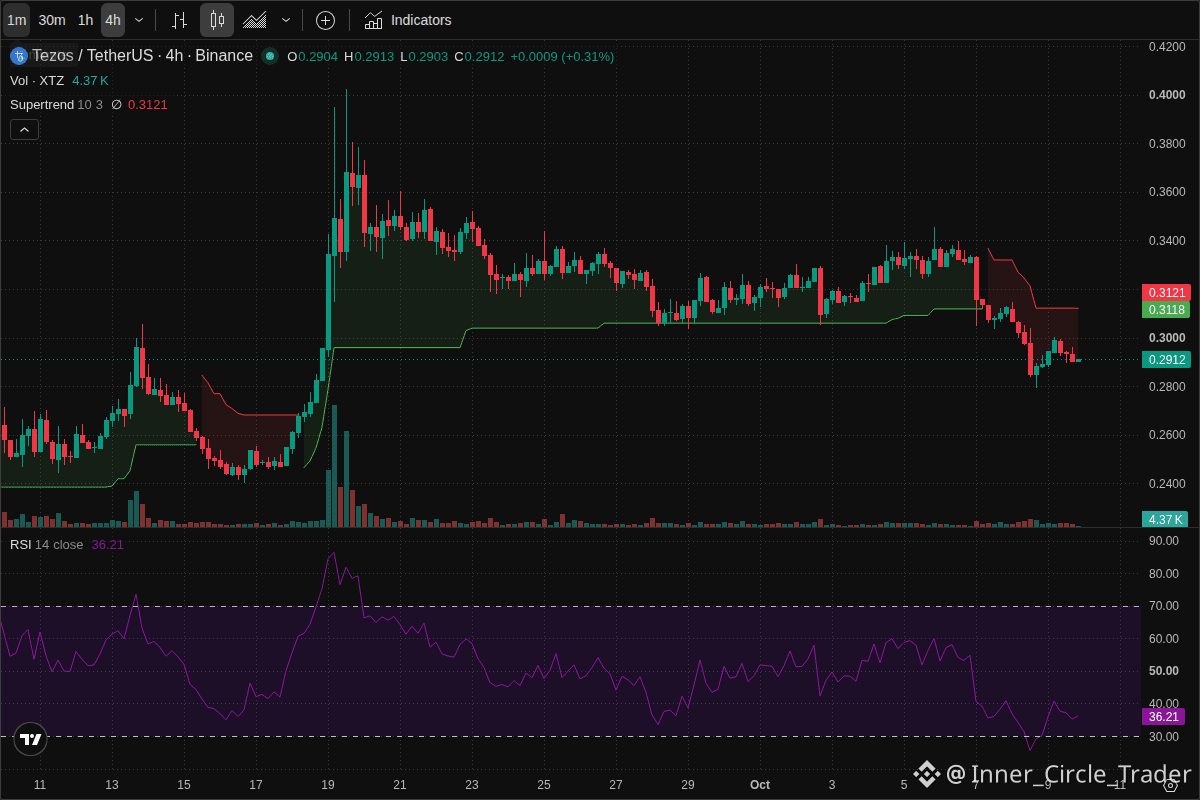
trades at /bin/sh.2981, showing a modest 2.79% gain in the last 24 hours. The RSI (14) on the 4h timeframe sits at 41.5, indicating neutral momentum without clear overbought or oversold signals. This suggests consolidation rather than a strong breakout. I recommend a WAIT approach until price confirms direction beyond key levels. Focus on the /bin/sh.29 support; a break below could trigger further downside. Conversely, reclaiming /bin/sh.30 with volume would signal bullish strength. Use tight stop-losses to manage risk effectively. #XTZ #Crypto
trades at /bin/sh.2981, showing a modest 2.79% gain in the last 24 hours. The RSI (14) on the 4h timeframe sits at 41.5, indicating neutral momentum without clear overbought or oversold signals. This suggests consolidation rather than a strong breakout. I recommend a WAIT approach until price confirms direction beyond key levels. Focus on the /bin/sh.29 support; a break below could trigger further downside. Conversely, reclaiming /bin/sh.30 with volume would signal bullish strength. Use tight stop-losses to manage risk effectively. #XTZ #Crypto
16
·
--
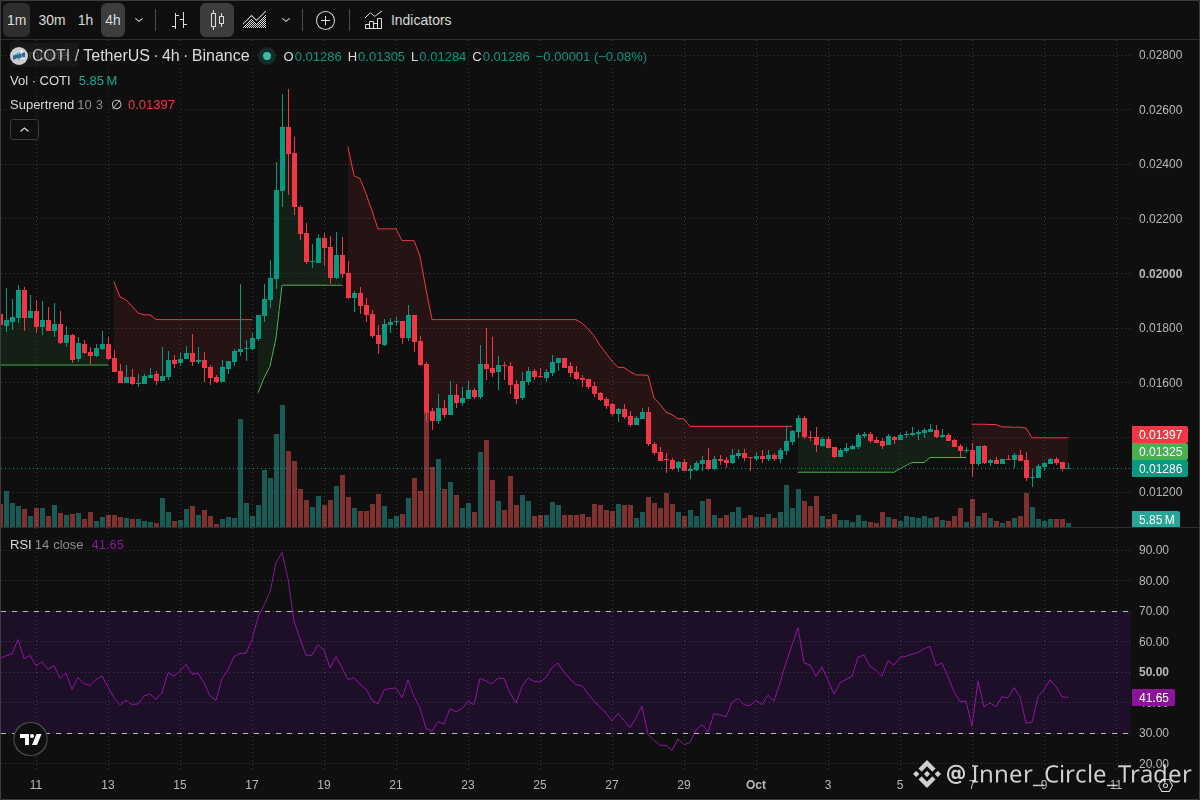
holds the /bin/sh.01309 level, showing a modest 2.3% gain within a tight /bin/sh.01279 range. The 4h RSI at 46.2 indicates neutral momentum, suggesting the asset is consolidating before the next directional move. With no clear bullish divergence yet, the prudent stance is to WAIT for confirmation above the 24h high. Traders should avoid premature entry until volume supports the breakout. Tight stop-losses are essential to protect capital during this sideways phase. #Crypto #Trading
holds the /bin/sh.01309 level, showing a modest 2.3% gain within a tight /bin/sh.01279 range. The 4h RSI at 46.2 indicates neutral momentum, suggesting the asset is consolidating before the next directional move. With no clear bullish divergence yet, the prudent stance is to WAIT for confirmation above the 24h high. Traders should avoid premature entry until volume supports the breakout. Tight stop-losses are essential to protect capital during this sideways phase. #Crypto #Trading
45
·
--
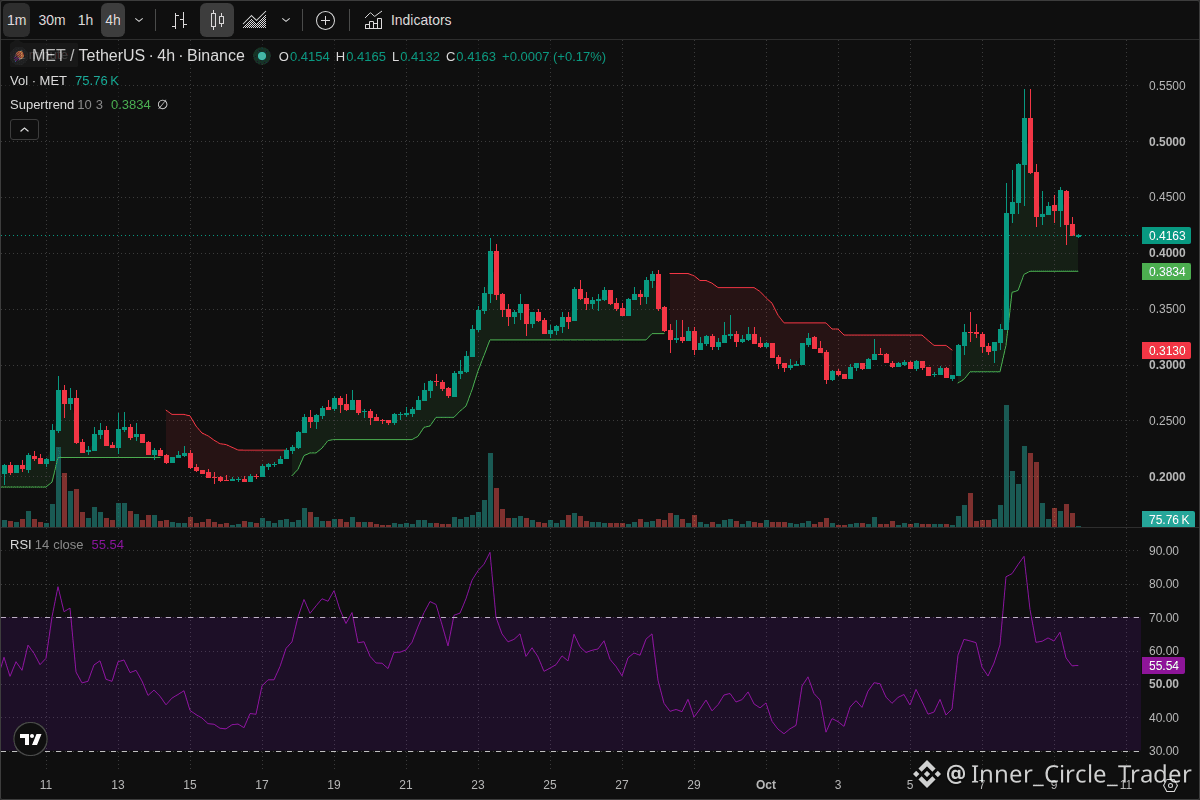
📊 Trade Signal - /USDT (4H)
🕐 Fri, 09 Oct 2026 UTC
📈 Chart attached below (RSI + Supertrend)
⚠️ Risk Management:
• Never risk more than 1-2% of your capital
• Always set a stop-loss
• This is not financial advice, do your own research (DYOR)
#Crypto #Trading
📊 Trade Signal - /USDT (4H)
🕐 Fri, 09 Oct 2026 UTC
📈 Chart attached below (RSI + Supertrend)
⚠️ Risk Management:
• Never risk more than 1-2% of your capital
• Always set a stop-loss
• This is not financial advice, do your own research (DYOR)
#Crypto #Trading
🕐 Fri, 09 Oct 2026 UTC
📈 Chart attached below (RSI + Supertrend)
⚠️ Risk Management:
• Never risk more than 1-2% of your capital
• Always set a stop-loss
• This is not financial advice, do your own research (DYOR)
#Crypto #Trading
7
·
--
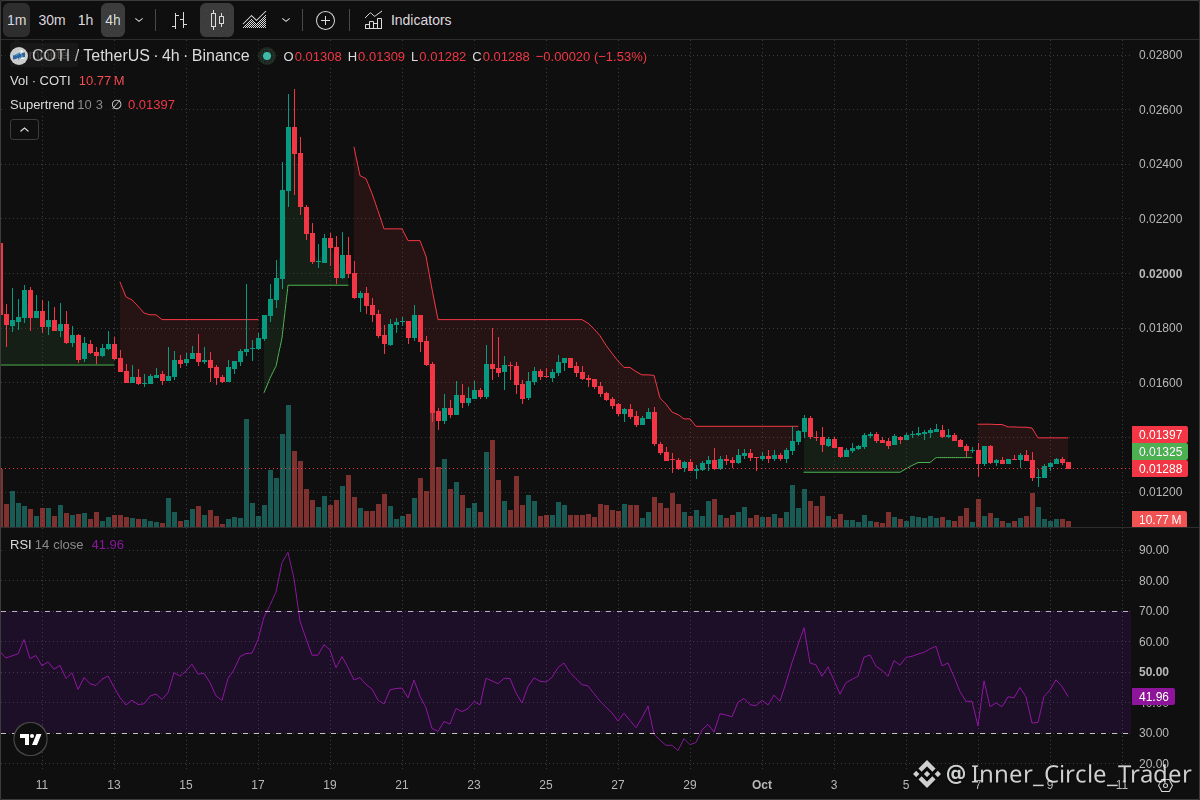
is trading at /bin/sh.01279, showing a 5.1% decline as it tests the 24h low of /bin/sh.0126. The RSI (14) on the 4h chart sits at 36.0, indicating the asset is approaching oversold territory but has not yet confirmed a reversal. With momentum weakening and price hugging the daily support, the recommendation is to WAIT. Entering long positions now is premature until we see a clear breakout above the resistance at /bin/sh.01348 or a definitive bounce from the /bin/sh.0126 floor. Traders should manage risk by setting strict stop-losses below the recent low or waiting for volume confirmation to validate any upward move. #COTI #Crypto
is trading at /bin/sh.01279, showing a 5.1% decline as it tests the 24h low of /bin/sh.0126. The RSI (14) on the 4h chart sits at 36.0, indicating the asset is approaching oversold territory but has not yet confirmed a reversal. With momentum weakening and price hugging the daily support, the recommendation is to WAIT. Entering long positions now is premature until we see a clear breakout above the resistance at /bin/sh.01348 or a definitive bounce from the /bin/sh.0126 floor. Traders should manage risk by setting strict stop-losses below the recent low or waiting for volume confirmation to validate any upward move. #COTI #Crypto
7
·
--
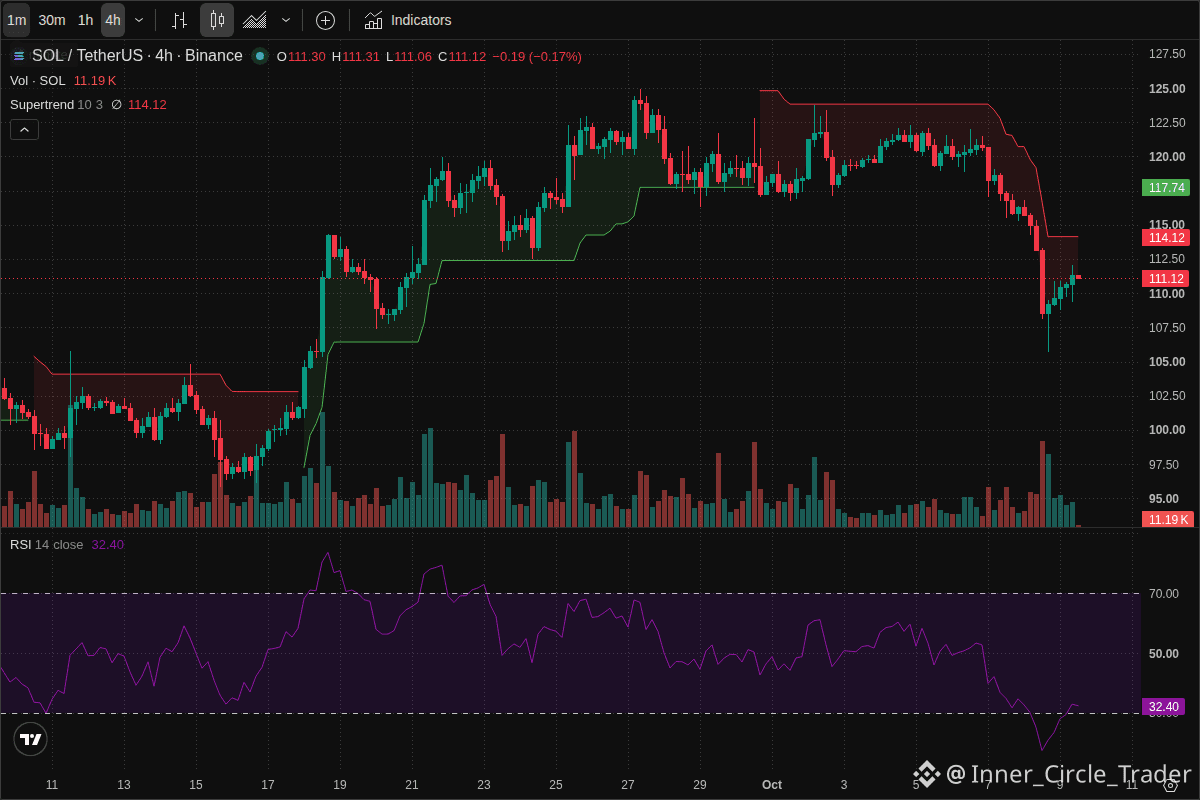
trades at 11.25, pulling back 1.505% after stalling near the 13.21 resistance. The 4-hour RSI sits at 33.0, indicating the asset is nearing oversold territory after a sharp drop from its 24h high. This technical setup suggests an imminent bounce is likely, making it a strategic entry point for patient traders. I recommend a BUY on a confirmed reclaim of the 12.50 level, targeting a retest of the recent high. If the price fails to hold above 05.72, the downward momentum may accelerate, so strict discipline is essential. Do not chase the dip without a clear reversal candle; instead, wait for volume confirmation to validate the bottom before committing capital. Always use stop-losses to protect your position against sudden volatility spikes in the short term. #Crypto #Trading
trades at 11.25, pulling back 1.505% after stalling near the 13.21 resistance. The 4-hour RSI sits at 33.0, indicating the asset is nearing oversold territory after a sharp drop from its 24h high. This technical setup suggests an imminent bounce is likely, making it a strategic entry point for patient traders. I recommend a BUY on a confirmed reclaim of the 12.50 level, targeting a retest of the recent high. If the price fails to hold above 05.72, the downward momentum may accelerate, so strict discipline is essential. Do not chase the dip without a clear reversal candle; instead, wait for volume confirmation to validate the bottom before committing capital. Always use stop-losses to protect your position against sudden volatility spikes in the short term. #Crypto #Trading
16
·
--
📊 Trade Signal - /USDT (4H)
🕐 Fri, 09 Oct 2026 UTC
📈 Chart attached below (RSI + Supertrend)
⚠️ Risk Management:
• Never risk more than 1-2% of your capital
• Always set a stop-loss
• This is not financial advice, do your own research (DYOR)
#Crypto #Trading
📊 Trade Signal - /USDT (4H)
🕐 Fri, 09 Oct 2026 UTC
📈 Chart attached below (RSI + Supertrend)
⚠️ Risk Management:
• Never risk more than 1-2% of your capital
• Always set a stop-loss
• This is not financial advice, do your own research (DYOR)
#Crypto #Trading
🕐 Fri, 09 Oct 2026 UTC
📈 Chart attached below (RSI + Supertrend)
⚠️ Risk Management:
• Never risk more than 1-2% of your capital
• Always set a stop-loss
• This is not financial advice, do your own research (DYOR)
#Crypto #Trading
6
·
--
📊 Trade Signal - /USDT (4H)
🕐 Fri, 09 Oct 2026 UTC
📈 Chart attached below (RSI + Supertrend)
⚠️ Risk Management:
• Never risk more than 1-2% of your capital
• Always set a stop-loss
• This is not financial advice, do your own research (DYOR)
#Crypto #Trading
📊 Trade Signal - /USDT (4H)
🕐 Fri, 09 Oct 2026 UTC
📈 Chart attached below (RSI + Supertrend)
⚠️ Risk Management:
• Never risk more than 1-2% of your capital
• Always set a stop-loss
• This is not financial advice, do your own research (DYOR)
#Crypto #Trading
🕐 Fri, 09 Oct 2026 UTC
📈 Chart attached below (RSI + Supertrend)
⚠️ Risk Management:
• Never risk more than 1-2% of your capital
• Always set a stop-loss
• This is not financial advice, do your own research (DYOR)
#Crypto #Trading
40
·
--
is consolidating near /bin/sh.00297, showing a modest 2.414% gain over the last 24 hours. The RSI (14) on the 4h chart sits at 47.3, indicating neutral momentum without oversold or overbought extremes. This suggests the market is in a decision phase. Recommendation: WAIT for a clear breakout above resistance or a dip to support before entering. A recovery above /bin/sh.0030 with volume could signal a bullish continuation, while a break below /bin/sh.00290 targets further downside. Always manage risk by setting tight stop-losses and sizing positions appropriately to protect capital in this low-volatility environment. #Crypto #Trading
is consolidating near /bin/sh.00297, showing a modest 2.414% gain over the last 24 hours. The RSI (14) on the 4h chart sits at 47.3, indicating neutral momentum without oversold or overbought extremes. This suggests the market is in a decision phase. Recommendation: WAIT for a clear breakout above resistance or a dip to support before entering. A recovery above /bin/sh.0030 with volume could signal a bullish continuation, while a break below /bin/sh.00290 targets further downside. Always manage risk by setting tight stop-losses and sizing positions appropriately to protect capital in this low-volatility environment. #Crypto #Trading
47
·
--
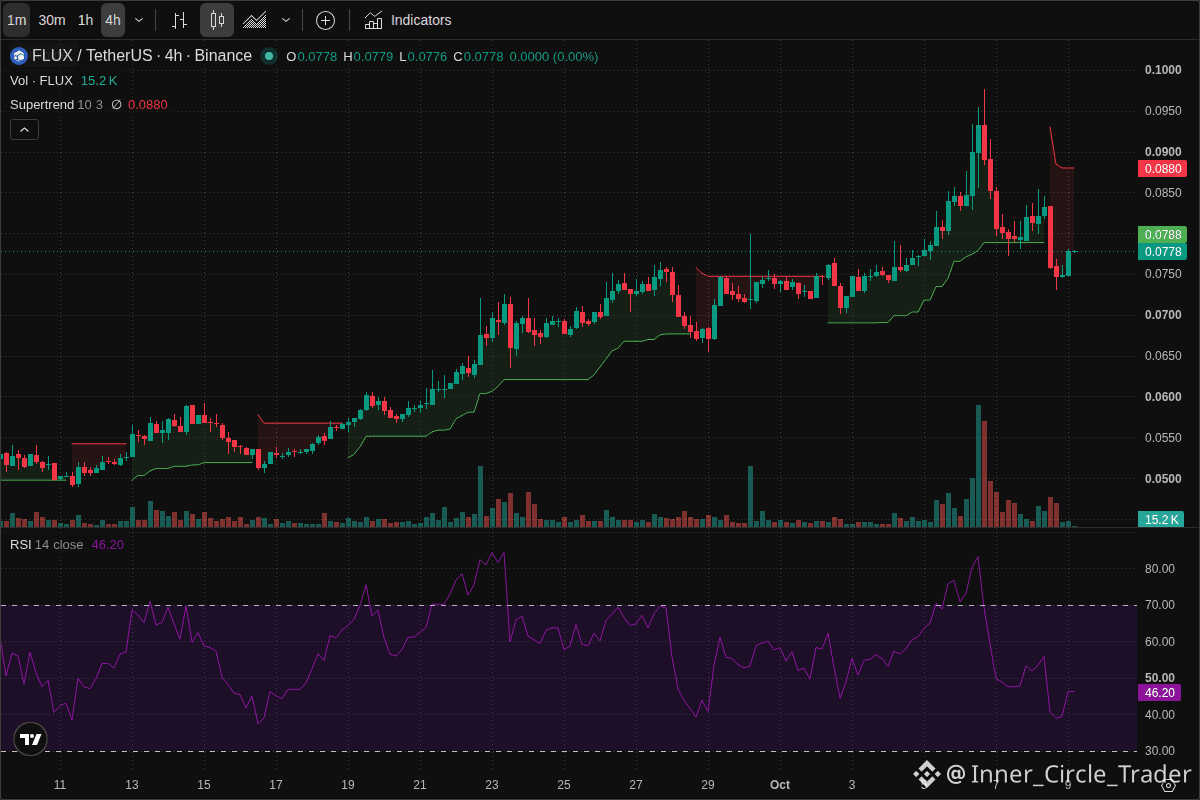
trades at /bin/sh.0764, reflecting a 6.716% decline within a bearish 24-hour trend. The 4h RSI at 44.5 indicates neutral momentum with no immediate oversold signal, suggesting the market is digesting recent volatility. My recommendation is WAIT for price to reclaim the /bin/sh.0843 high or test the /bin/sh.0724 support before entering a position. Risk management tip: Set strict stop-losses below the 24h low to protect capital against further downside. #Crypto #Trading
trades at /bin/sh.0764, reflecting a 6.716% decline within a bearish 24-hour trend. The 4h RSI at 44.5 indicates neutral momentum with no immediate oversold signal, suggesting the market is digesting recent volatility. My recommendation is WAIT for price to reclaim the /bin/sh.0843 high or test the /bin/sh.0724 support before entering a position. Risk management tip: Set strict stop-losses below the 24h low to protect capital against further downside. #Crypto #Trading
47
·
--
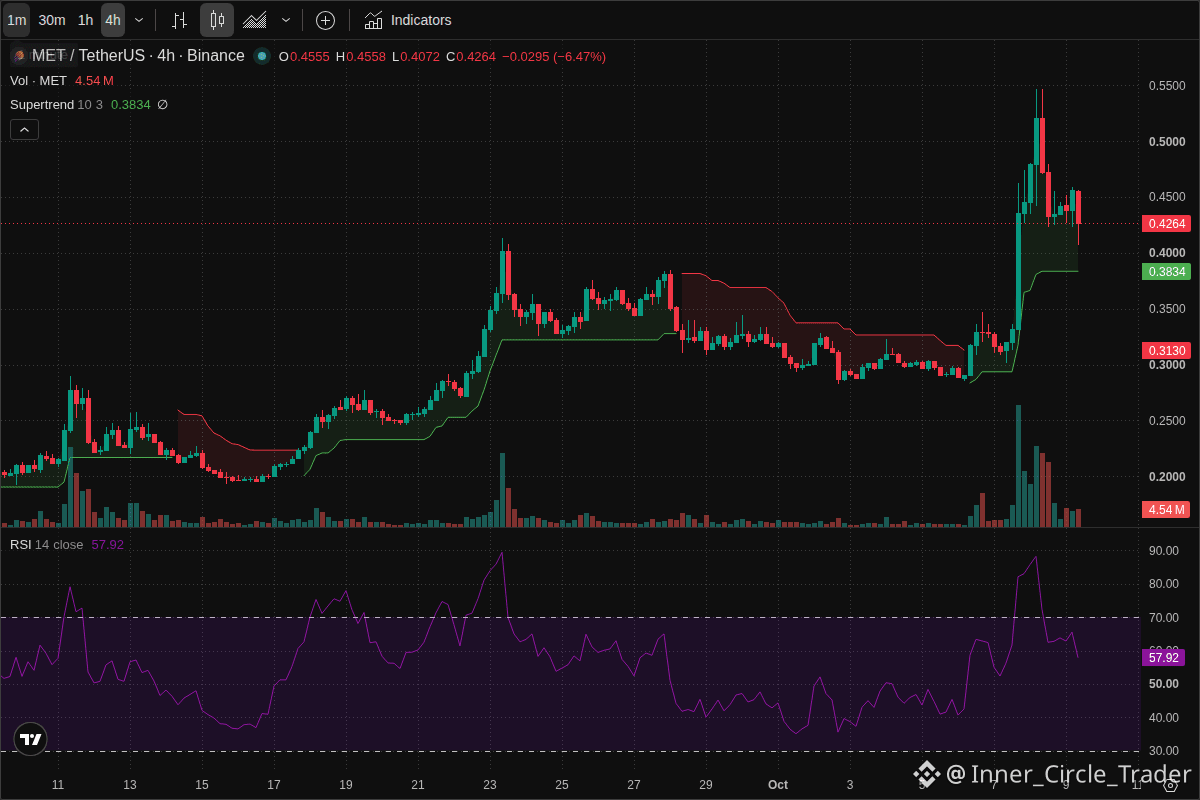
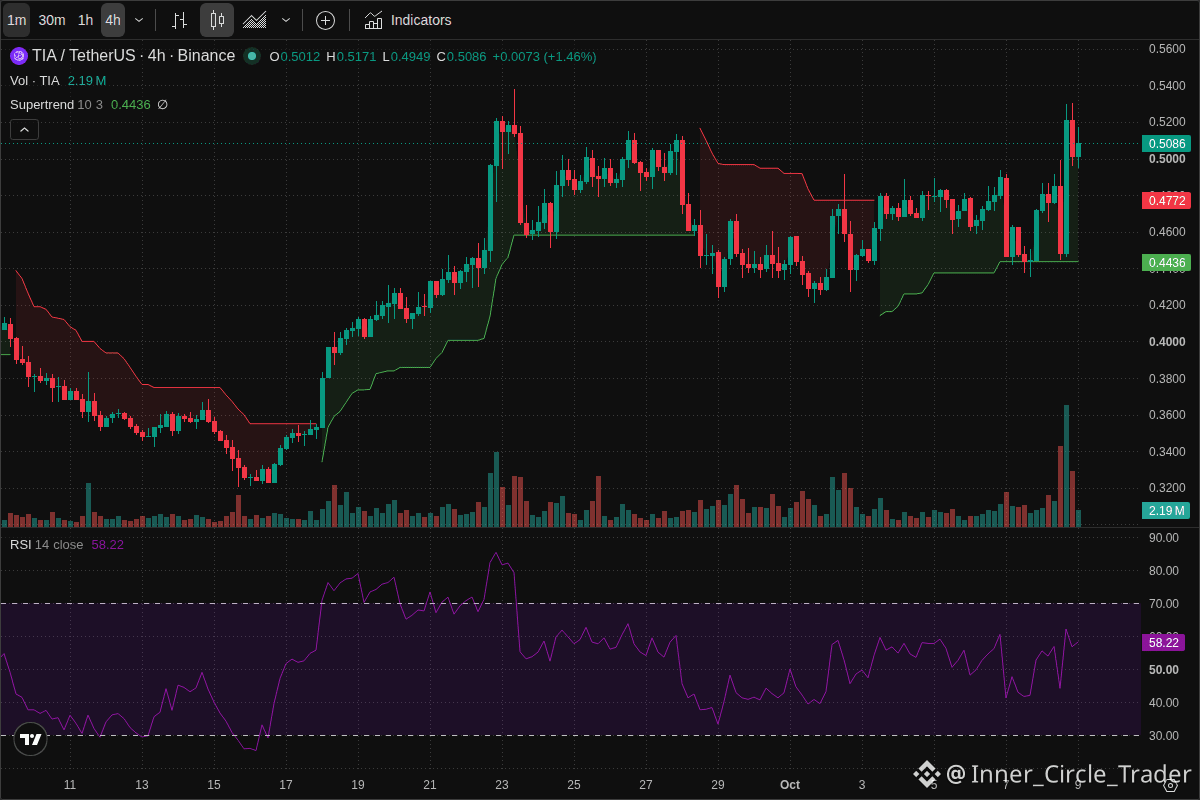
trades at /bin/sh.5189, marking a 7.611% surge as it touches the 24h high. The 4h RSI sits at 64.8, indicating strong bullish momentum without yet entering extreme overbought territory. With price action consolidating near resistance, the setup favors a cautious BUY entry for short-term momentum plays. Traders should monitor for a breakout confirmation above /bin/sh.52 to validate the upward trend. Risk management is critical; place a tight stop-loss below the 24h low of /bin/sh.4488 to protect capital from potential pullbacks. #CryptoAnalysis #Trading
trades at /bin/sh.5189, marking a 7.611% surge as it touches the 24h high. The 4h RSI sits at 64.8, indicating strong bullish momentum without yet entering extreme overbought territory. With price action consolidating near resistance, the setup favors a cautious BUY entry for short-term momentum plays. Traders should monitor for a breakout confirmation above /bin/sh.52 to validate the upward trend. Risk management is critical; place a tight stop-loss below the 24h low of /bin/sh.4488 to protect capital from potential pullbacks. #CryptoAnalysis #Trading
55
Log in to explore more content
Join global crypto users on Binance Square
⚡️ Get latest and useful information about crypto.
💬 Trusted by the world’s largest crypto exchange.
👍 Discover real insights from verified creators.
Email / Phone number