
Fredella Casandra
100 Posts

Fredella Casandra
Report
Block User
🚀 Follow for the latest market updates every day 📈
💎 Help support and grow this account together 🔥
15 Following
27 Followers
78 Liked
Posts
All
Quotes
Innovation is one of the driving forces behind the growth of the crypto industry, and @Bedrock Bedrock continues to demonstrate its commitment to building useful infrastructure through Bedrock 2.0. The project focuses on creating solutions that enhance asset utility while supporting broader ecosystem participation. As more users explore opportunities in decentralized finance, platforms that provide efficiency, accessibility, and long-term value could play a significant role in shaping the future. It will be interesting to see how develops as adoption continues to grow.#bedrock $BR
Innovation is one of the driving forces behind the growth of the crypto industry, and @Bedrock Bedrock continues to demonstrate its commitment to building useful infrastructure through Bedrock 2.0. The project focuses on creating solutions that enhance asset utility while supporting broader ecosystem participation. As more users explore opportunities in decentralized finance, platforms that provide efficiency, accessibility, and long-term value could play a significant role in shaping the future. It will be interesting to see how develops as adoption continues to grow.#bedrock $BR
102
·
--
Bullish
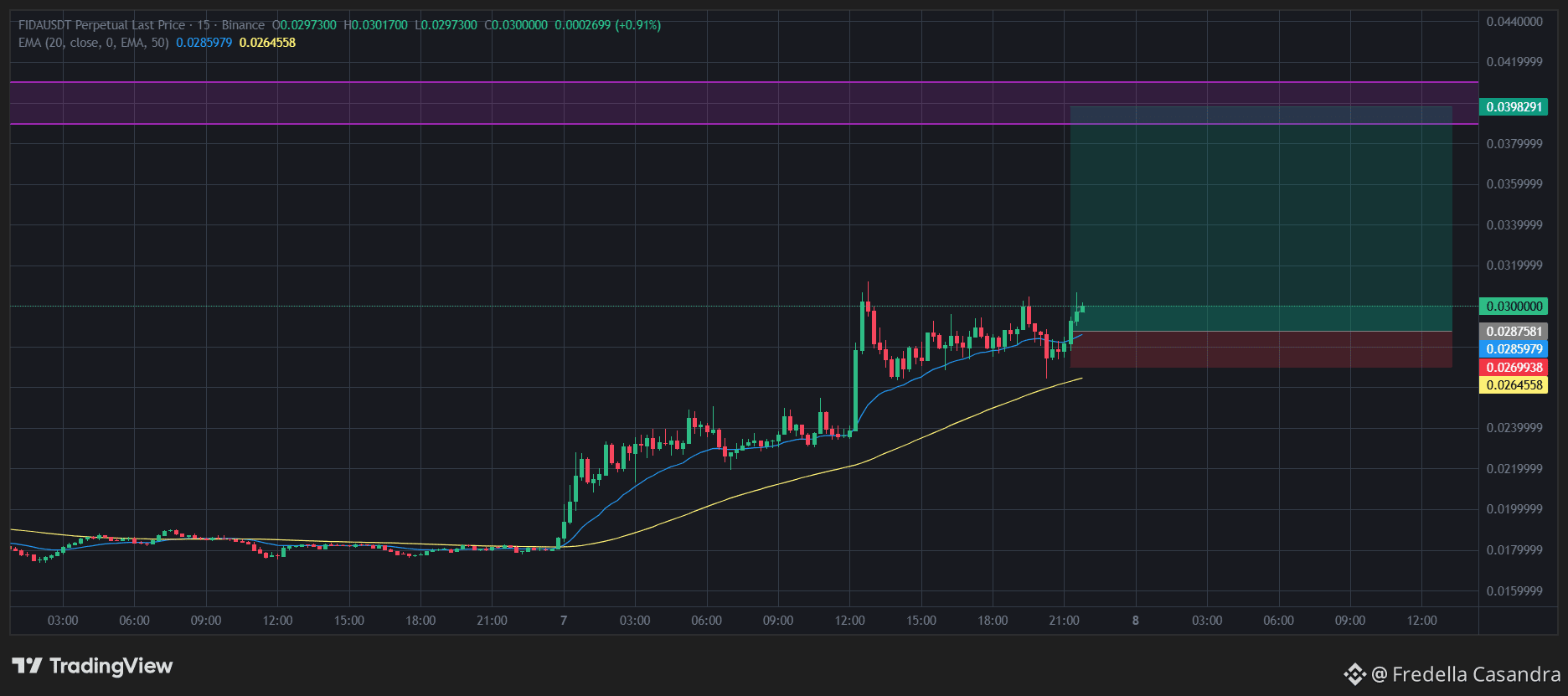
🚀 Trend is still bullish #FIDA
✅ LONG
🎯 Entry : 0.0293-0300
💰 Targets:
TP1→ 0.0350
TP2 → 0.0400
🛑 Stop Loss : 0.0268
$FIDA
{future}(FIDAUSDT)
🚀 Trend is still bullish #FIDA
✅ LONG
🎯 Entry : 0.0293-0300
💰 Targets:
TP1→ 0.0350
TP2 → 0.0400
🛑 Stop Loss : 0.0268
$FIDA
✅ LONG
🎯 Entry : 0.0293-0300
💰 Targets:
TP1→ 0.0350
TP2 → 0.0400
🛑 Stop Loss : 0.0268
$FIDA
201

Article
Bitcoin Stabilizes After Bloody Week: Is This the Start of a Recovery or Just a Dead Cat Bounce?The crypto market is starting to show signs of stabilization after experiencing one of its toughest weeks since the collapse of FTX in 2022. Bitcoin (BTC) is currently trading around $61,760, up about 1.35% in the last 24 hours after previously hitting a year-to-date low.
Although a rebound is starting to show, overall market sentiment remains cautious. Investors are highlighting several key factors such as US inflation data (CPI), the Federal Reserve (FOMC) meeting, ETF fund flows, and global liquidity conditions that could determine market direction in the coming weeks.
Bitcoin Stabilizes After Bloody Week: Is This the Start of a Recovery or Just a Dead Cat Bounce?
The crypto market is starting to show signs of stabilization after experiencing one of its toughest weeks since the collapse of FTX in 2022. Bitcoin (BTC) is currently trading around $61,760, up about 1.35% in the last 24 hours after previously hitting a year-to-date low.
Although a rebound is starting to show, overall market sentiment remains cautious. Investors are highlighting several key factors such as US inflation data (CPI), the Federal Reserve (FOMC) meeting, ETF fund flows, and global liquidity conditions that could determine market direction in the coming weeks.
Although a rebound is starting to show, overall market sentiment remains cautious. Investors are highlighting several key factors such as US inflation data (CPI), the Federal Reserve (FOMC) meeting, ETF fund flows, and global liquidity conditions that could determine market direction in the coming weeks.
1
1
200
Capital efficiency remains one of the most important narratives in decentralized finance, and @Bedrock Bedrock is actively contributing to this movement through the development of Bedrock 2.0. By focusing on maximizing asset utility and creating new opportunities within its ecosystem, Bedrock aims to help users make better use of their holdings. As the DeFi sector becomes increasingly competitive, projects that provide real utility and innovative solutions are likely to stand out. I’m interested to see how continues to grow alongside the evolution of the Bedrock ecosystem.#bedrock $BR
Capital efficiency remains one of the most important narratives in decentralized finance, and @Bedrock Bedrock is actively contributing to this movement through the development of Bedrock 2.0. By focusing on maximizing asset utility and creating new opportunities within its ecosystem, Bedrock aims to help users make better use of their holdings. As the DeFi sector becomes increasingly competitive, projects that provide real utility and innovative solutions are likely to stand out. I’m interested to see how continues to grow alongside the evolution of the Bedrock ecosystem.#bedrock $BR
1
87
Capital efficiency remains one of the most important narratives in decentralized finance, and @Bedrock Bedrock is actively contributing to this movement through the development of Bedrock 2.0. By focusing on maximizing asset utility and creating new opportunities within its ecosystem, Bedrock aims to help users make better use of their holdings. As the DeFi sector becomes increasingly competitive, projects that provide real utility and innovative solutions are likely to stand out. I’m interested to see how continues to grow alongside the evolution of the Bedrock ecosystem.
#bedrock $BR
Capital efficiency remains one of the most important narratives in decentralized finance, and @Bedrock Bedrock is actively contributing to this movement through the development of Bedrock 2.0. By focusing on maximizing asset utility and creating new opportunities within its ecosystem, Bedrock aims to help users make better use of their holdings. As the DeFi sector becomes increasingly competitive, projects that provide real utility and innovative solutions are likely to stand out. I’m interested to see how continues to grow alongside the evolution of the Bedrock ecosystem.
#bedrock $BR
#bedrock $BR
96
·
--
Bullish
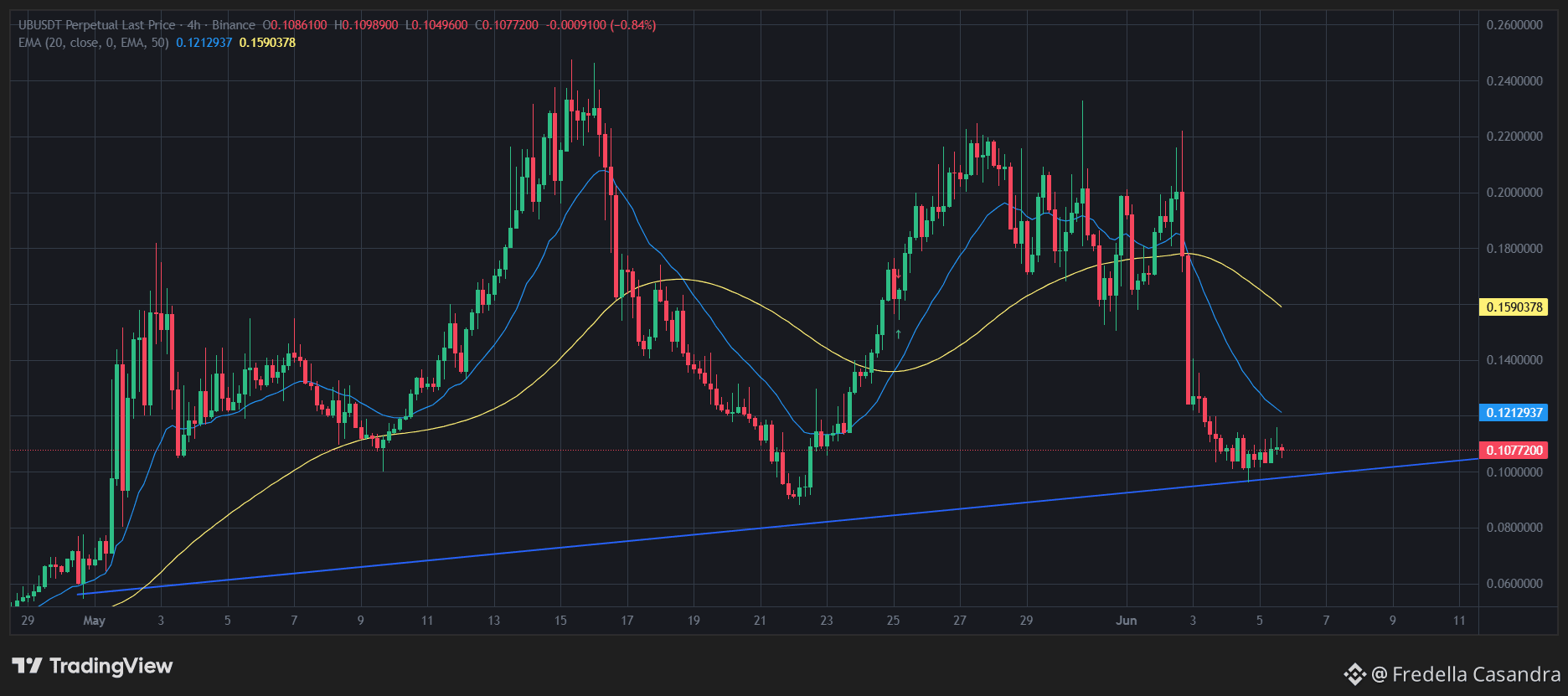
I'm seeing a pretty interesting situation, as the price is in a decisive zone.
Is #UB gonna go bullish again?
$UB
{future}(UBUSDT)
I'm seeing a pretty interesting situation, as the price is in a decisive zone.
Is #UB gonna go bullish again?
$UB
Is #UB gonna go bullish again?
$UB
2
281

Article
Bitcoin Enters Extreme Fear Phase: Is This the Start of Capitulation or an Accumulation Opportunity?The crypto market is facing its biggest pressure in the last four months. Bitcoin (BTC) fell to touch $61,397 in trading on June 5, 2026, marking the lowest price since February 2026.
This decline brings Bitcoin towards a weekly correction of over 16%, potentially the deepest weekly drop since November 2022.
Not only Bitcoin, the entire crypto market is also under pressure. The global market capitalization has fallen to around $2.21 trillion, while the Fear & Greed Index has dropped to 20, indicating 'Extreme Fear' among investors.
Bitcoin Enters Extreme Fear Phase: Is This the Start of Capitulation or an Accumulation Opportunity?
The crypto market is facing its biggest pressure in the last four months. Bitcoin (BTC) fell to touch $61,397 in trading on June 5, 2026, marking the lowest price since February 2026.
This decline brings Bitcoin towards a weekly correction of over 16%, potentially the deepest weekly drop since November 2022.
Not only Bitcoin, the entire crypto market is also under pressure. The global market capitalization has fallen to around $2.21 trillion, while the Fear & Greed Index has dropped to 20, indicating 'Extreme Fear' among investors.
This decline brings Bitcoin towards a weekly correction of over 16%, potentially the deepest weekly drop since November 2022.
Not only Bitcoin, the entire crypto market is also under pressure. The global market capitalization has fallen to around $2.21 trillion, while the Fear & Greed Index has dropped to 20, indicating 'Extreme Fear' among investors.
1
257
The transition from Bedrock to Bedrock 2.0 demonstrates a commitment to continuous innovation and long-term ecosystem growth. While many projects focus only on short-term trends, @Bedrock Bedrock continues building infrastructure that aims to create sustainable value for users and the broader DeFi landscape. Bedrock 2.0 brings a fresh perspective on how digital assets can be utilized more efficiently while maintaining accessibility for participants. The development surrounding is worth watching as the ecosystem expands and introduces new possibilities for users.#bedrock $BR
The transition from Bedrock to Bedrock 2.0 demonstrates a commitment to continuous innovation and long-term ecosystem growth. While many projects focus only on short-term trends, @Bedrock Bedrock continues building infrastructure that aims to create sustainable value for users and the broader DeFi landscape. Bedrock 2.0 brings a fresh perspective on how digital assets can be utilized more efficiently while maintaining accessibility for participants. The development surrounding is worth watching as the ecosystem expands and introduces new possibilities for users.#bedrock $BR
98
·
--
Bullish
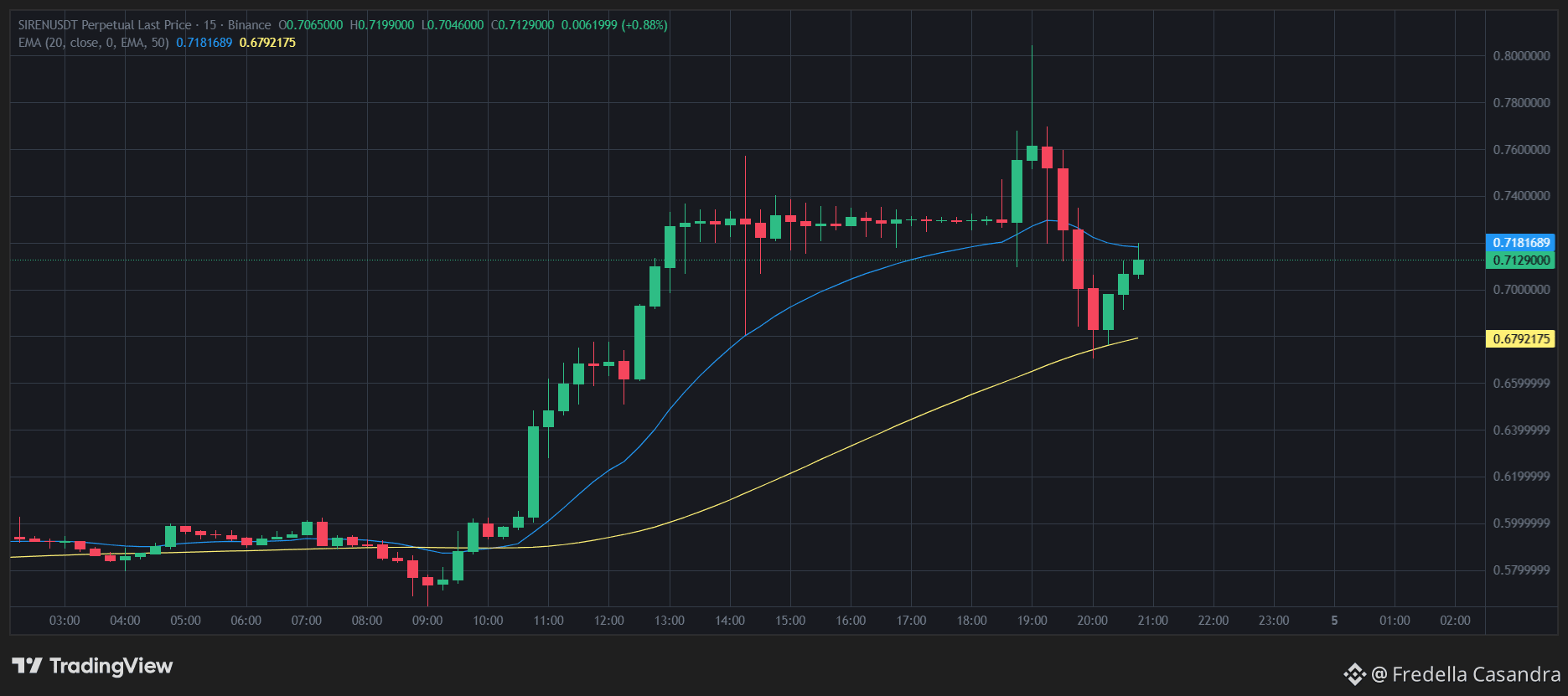
will this anomaly fly back to?
$SIREN
{future}(SIRENUSDT)
will this anomaly fly back to?
$SIREN
$SIREN
2
264
·
--
Bullish
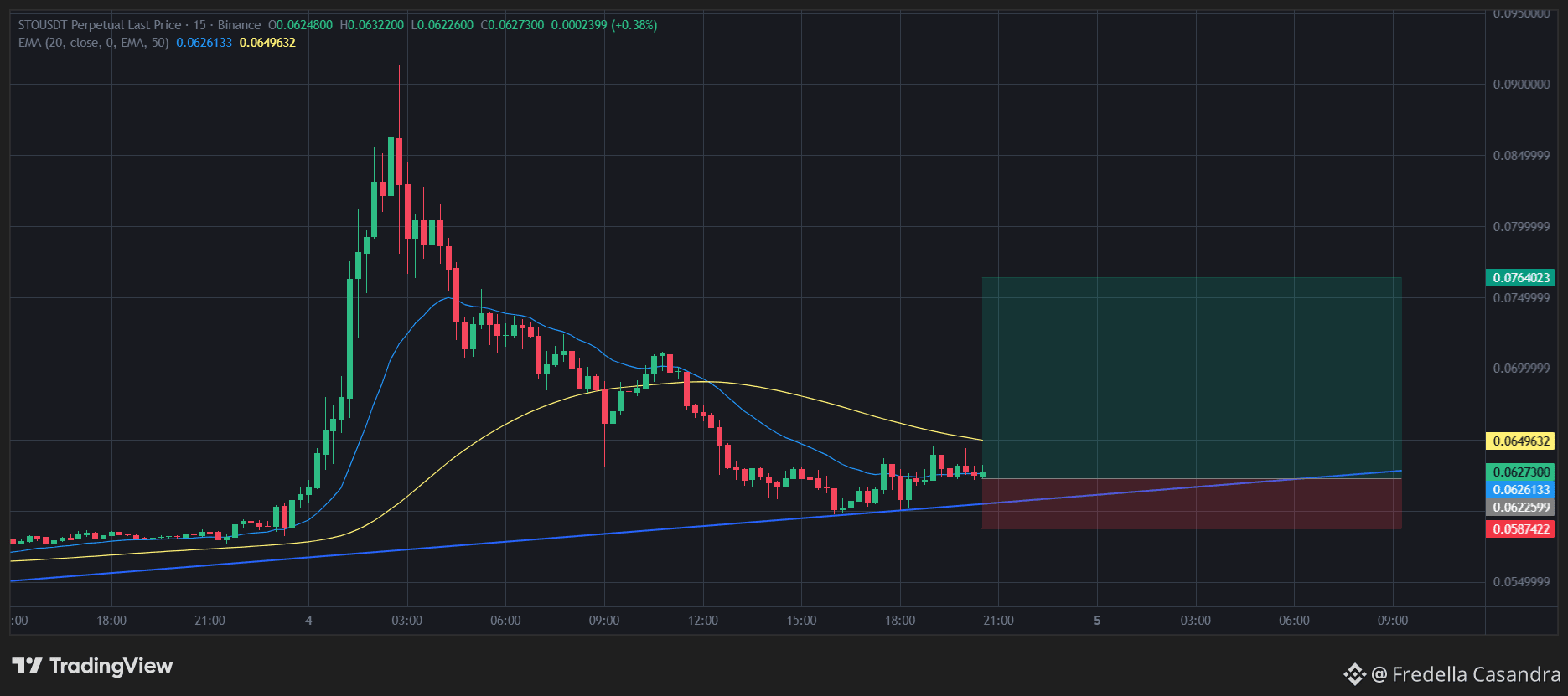
✅ LONG Entry Area
🎯 Entry : 0.064 – 0.061
💰 Targets:
TP1: 0.065
TP2: 0.070
TP3: 0.078
🛑 Stop Loss : 0.0598
$STO
{future}(STOUSDT)
✅ LONG Entry Area
🎯 Entry : 0.064 – 0.061
💰 Targets:
TP1: 0.065
TP2: 0.070
TP3: 0.078
🛑 Stop Loss : 0.0598
$STO
🎯 Entry : 0.064 – 0.061
💰 Targets:
TP1: 0.065
TP2: 0.070
TP3: 0.078
🛑 Stop Loss : 0.0598
$STO
150
·
--
Bullish
As Bitcoin adoption continues to expand across the crypto industry, infrastructure projects are becoming more important than ever. @Bedrock Bedrock is working to unlock greater utility for Bitcoin holders through its innovative ecosystem, while Bedrock 2.0 introduces new opportunities designed to improve capital efficiency and participation in DeFi. The vision of transforming passive assets into productive assets is one of the most interesting trends in the market today. I'm excited to follow the development of and see how the ecosystem evolves in the coming months.
#bedrock $BR
As Bitcoin adoption continues to expand across the crypto industry, infrastructure projects are becoming more important than ever. @Bedrock Bedrock is working to unlock greater utility for Bitcoin holders through its innovative ecosystem, while Bedrock 2.0 introduces new opportunities designed to improve capital efficiency and participation in DeFi. The vision of transforming passive assets into productive assets is one of the most interesting trends in the market today. I'm excited to follow the development of and see how the ecosystem evolves in the coming months.
#bedrock $BR
#bedrock $BR
1
79

Article
Bitcoin Plummets to Two-Month Low: 7 Key Factors Behind BTC Price DropBitcoin is facing significant pressure again in early June 2026. After holding above the psychological level of US$70,000, the price of BTC has now dropped to around US$66,000, marking its lowest point in two months.
On June 2, 2026, Bitcoin dropped more than 6% and briefly touched the US$66,954 level before stabilizing around US$66,800. Market data shows BTC has weakened about 11.87% over the week and more than 10% in the last 30 days.
This decline isn’t just affecting Bitcoin. The crypto market overall is also undergoing a significant correction. Ethereum (ETH) has dropped about 6%, while Solana (SOL) and Dogecoin (DOGE) have each seen declines of over 6%.
Bitcoin Plummets to Two-Month Low: 7 Key Factors Behind BTC Price Drop
Bitcoin is facing significant pressure again in early June 2026. After holding above the psychological level of US$70,000, the price of BTC has now dropped to around US$66,000, marking its lowest point in two months.
On June 2, 2026, Bitcoin dropped more than 6% and briefly touched the US$66,954 level before stabilizing around US$66,800. Market data shows BTC has weakened about 11.87% over the week and more than 10% in the last 30 days.
This decline isn’t just affecting Bitcoin. The crypto market overall is also undergoing a significant correction. Ethereum (ETH) has dropped about 6%, while Solana (SOL) and Dogecoin (DOGE) have each seen declines of over 6%.
On June 2, 2026, Bitcoin dropped more than 6% and briefly touched the US$66,954 level before stabilizing around US$66,800. Market data shows BTC has weakened about 11.87% over the week and more than 10% in the last 30 days.
This decline isn’t just affecting Bitcoin. The crypto market overall is also undergoing a significant correction. Ethereum (ETH) has dropped about 6%, while Solana (SOL) and Dogecoin (DOGE) have each seen declines of over 6%.
1
240
·
--
Bullish
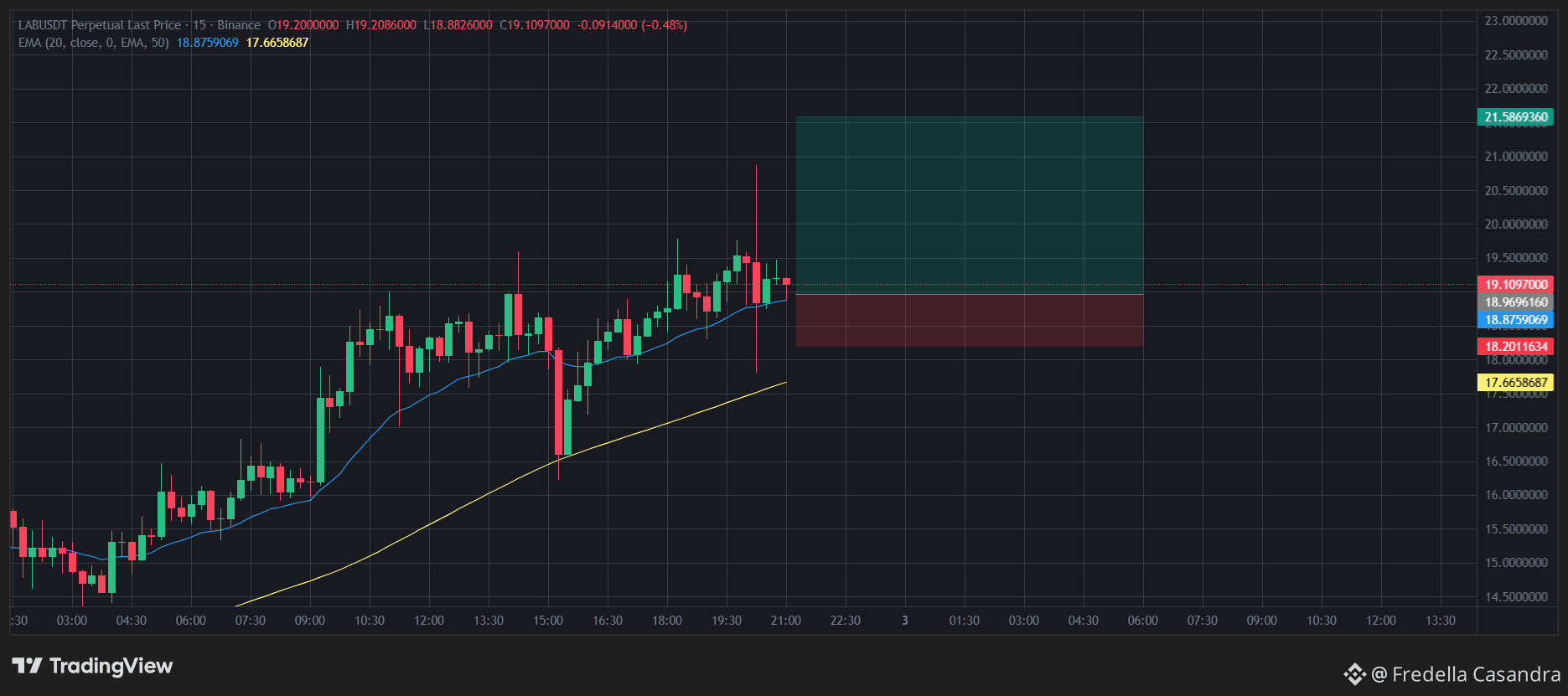
🚀 Strong Bullish 📈🔥
✅ LONG Entry Area
🎯 Entry : 18.80 — 19.00
💰 Targets:
TP1 → 19.80
TP2 → 20.50
TP3 → 21.00
🛑 Stop Loss : 18.20
$LAB
{future}(LABUSDT)
🚀 Strong Bullish 📈🔥
✅ LONG Entry Area
🎯 Entry : 18.80 — 19.00
💰 Targets:
TP1 → 19.80
TP2 → 20.50
TP3 → 21.00
🛑 Stop Loss : 18.20
$LAB
✅ LONG Entry Area
🎯 Entry : 18.80 — 19.00
💰 Targets:
TP1 → 19.80
TP2 → 20.50
TP3 → 21.00
🛑 Stop Loss : 18.20
$LAB
1
133
From Free Data to Fair Data: How OpenLedger Is Building the Future Data EconomyWe've all heard the phrase:
"Data is the new oil."
But there's an uncomfortable reality behind that statement.
In today's AI-driven economy, that oil is being extracted for free.
Every prompt you write, every file you upload, every correction you make, and every interaction you have with AI systems contributes to the training and improvement of future models. Yet the individuals generating that data rarely receive any compensation.
Meanwhile, technology companies have built trillion-dollar businesses on top of this value extraction model.
The question is no longer whether data is valuable.
The real question is:
Who should benefit from the value that data creates?
The Data Extraction Problem
Modern AI systems depend on massive amounts of human-generated data.
Every day, millions of users contribute:
ConversationsFeedbackCorrectionsLabelsDatasetsValidation work
These contributions continuously improve AI models and increase their commercial value.
However, the economic rewards rarely flow back to the people who made those improvements possible.
The current model operates largely as a one-way value transfer:
Contributors Provide
DataKnowledgeContextHuman expertise
Platforms Capture
RevenueOwnershipMonetization rightsEconomic upside
The same issue affects dataset creators, data curators, validators, and researchers who quietly power the AI ecosystem behind the scenes.
Despite being essential to the AI economy, they often remain invisible participants.
OpenLedger's Solution: Datanets
OpenLedger introduces an alternative model through Datanets—specialized, verifiable data networks designed for specific industries and use cases.
Rather than treating data as a free resource, Datanets transform data into a traceable and monetizable digital asset.
These networks can be tailored to sectors such as:
HealthcareFinanceDeveloper ToolsResearchEnterprise AISpecialized Industry Datasets
The goal is simple:
Ensure that every contributor receives fair compensation whenever their data creates value.
How Datanets Work
On-Chain Data Attribution
Every data contribution receives a unique cryptographic fingerprint.
This fingerprint is permanently linked to the contributor's wallet address and recorded on-chain.
As a result:
Ownership becomes verifiable Contributions become traceable Attribution becomes transparent
No contributor is lost in the system.
Verified Data Access
AI developers and organizations can access high-quality datasets through the OpenLedger ecosystem.
Whenever these datasets are used for:
Model training Fine-tuning Evaluation Inference
a fee is generated.
The more valuable the dataset, the greater the economic activity it can produce.
Automatic Revenue Distribution
OpenLedger's attribution engine tracks who contributed to the dataset and how.
Smart contracts then automatically distribute revenue among ecosystem participants, including:
Dataset creators Data cleaners Validators Curators Long-term network supporters
There is no need for manual accounting, centralized oversight, or revenue-sharing negotiations.
The distribution process is transparent, automated, and verifiable.
Not Charity—Programmable Economics
What makes OpenLedger unique is that it doesn't rely on goodwill or promises.
The system is designed so that compensation becomes a built-in feature of the protocol itself.
Whenever AI models generate value using a dataset:
Usage is recordedFees are collectedRevenue is distributed
Automatically.
Every time.
This transforms attribution from a legal concept into an economic mechanism.
The OPEN Economic Flywheel
At the center of the ecosystem is $OPEN.
Every major activity within OpenLedger is connected to the token:
Contributors Earn $OPEN
Whenever their data is accessed and used.
Developers Spend $OPEN
To access verified, high-quality datasets and data services.
Validators Earn $OPEN
For helping maintain data integrity and network reliability.
Stakers Earn $OPEN
By supporting network security and ecosystem growth.
This creates a self-reinforcing economic cycle where network activity directly contributes to token demand.
Unlike speculative demand, this demand is tied to actual utility and economic activity.
Aligning Growth Through Buybacks
OpenLedger further strengthens its economic model through a token buyback mechanism.
According to the project, a portion of enterprise-generated revenue is used to repurchase $OPEN from the market.
The current framework allocates approximately 1.6% of total $OPEN supply toward buybacks funded by enterprise revenue.
This creates alignment between:
Network adoptionEnterprise usageProtocol revenueLong-term token value
As ecosystem activity grows, the economic incentives become increasingly aligned across all stakeholders.
Why This Matters
The traditional AI economy faces a structural problem.
Value creation is distributed.
Value capture is concentrated.
Millions of contributors help build intelligent systems, yet only a small number of organizations benefit economically.
OpenLedger proposes a different future.
A future where:
Data ownership is verifiableAttribution is transparentContributors are rewardedAI development remains scalableEconomic value is shared fairly
Instead of treating data as a free input, OpenLedger treats it as a productive asset.
And when that asset creates value, the people behind it participate in the rewards.
The Future of the Data Economy
Artificial intelligence is rapidly becoming one of the most powerful technologies in human history.
But its long-term success depends on building a sustainable economic foundation.
The next generation of AI infrastructure cannot rely solely on extracting value from contributors without compensation.
It must create systems where participation and rewards are aligned.
OpenLedger's Datanets offer a glimpse into that future—a world where data is not simply collected, but owned, attributed, and monetized fairly.
Because in the AI economy of tomorrow, the people who create value should be able to share in it.
@Openledger
#OpenLedger
$OPEN
{future}(OPENUSDT)
From Free Data to Fair Data: How OpenLedger Is Building the Future Data Economy
We've all heard the phrase:
"Data is the new oil."
But there's an uncomfortable reality behind that statement.
In today's AI-driven economy, that oil is being extracted for free.
Every prompt you write, every file you upload, every correction you make, and every interaction you have with AI systems contributes to the training and improvement of future models. Yet the individuals generating that data rarely receive any compensation.
Meanwhile, technology companies have built trillion-dollar businesses on top of this value extraction model.
The question is no longer whether data is valuable.
The real question is:
Who should benefit from the value that data creates?
The Data Extraction Problem
Modern AI systems depend on massive amounts of human-generated data.
Every day, millions of users contribute:
ConversationsFeedbackCorrectionsLabelsDatasetsValidation work
These contributions continuously improve AI models and increase their commercial value.
However, the economic rewards rarely flow back to the people who made those improvements possible.
The current model operates largely as a one-way value transfer:
Contributors Provide
DataKnowledgeContextHuman expertise
Platforms Capture
RevenueOwnershipMonetization rightsEconomic upside
The same issue affects dataset creators, data curators, validators, and researchers who quietly power the AI ecosystem behind the scenes.
Despite being essential to the AI economy, they often remain invisible participants.
OpenLedger's Solution: Datanets
OpenLedger introduces an alternative model through Datanets—specialized, verifiable data networks designed for specific industries and use cases.
Rather than treating data as a free resource, Datanets transform data into a traceable and monetizable digital asset.
These networks can be tailored to sectors such as:
HealthcareFinanceDeveloper ToolsResearchEnterprise AISpecialized Industry Datasets
The goal is simple:
Ensure that every contributor receives fair compensation whenever their data creates value.
How Datanets Work
On-Chain Data Attribution
Every data contribution receives a unique cryptographic fingerprint.
This fingerprint is permanently linked to the contributor's wallet address and recorded on-chain.
As a result:
Ownership becomes verifiable Contributions become traceable Attribution becomes transparent
No contributor is lost in the system.
Verified Data Access
AI developers and organizations can access high-quality datasets through the OpenLedger ecosystem.
Whenever these datasets are used for:
Model training Fine-tuning Evaluation Inference
a fee is generated.
The more valuable the dataset, the greater the economic activity it can produce.
Automatic Revenue Distribution
OpenLedger's attribution engine tracks who contributed to the dataset and how.
Smart contracts then automatically distribute revenue among ecosystem participants, including:
Dataset creators Data cleaners Validators Curators Long-term network supporters
There is no need for manual accounting, centralized oversight, or revenue-sharing negotiations.
The distribution process is transparent, automated, and verifiable.
Not Charity—Programmable Economics
What makes OpenLedger unique is that it doesn't rely on goodwill or promises.
The system is designed so that compensation becomes a built-in feature of the protocol itself.
Whenever AI models generate value using a dataset:
Usage is recordedFees are collectedRevenue is distributed
Automatically.
Every time.
This transforms attribution from a legal concept into an economic mechanism.
The OPEN Economic Flywheel
At the center of the ecosystem is $OPEN .
Every major activity within OpenLedger is connected to the token:
Contributors Earn $OPEN
Whenever their data is accessed and used.
Developers Spend $OPEN
To access verified, high-quality datasets and data services.
Validators Earn $OPEN
For helping maintain data integrity and network reliability.
Stakers Earn $OPEN
By supporting network security and ecosystem growth.
This creates a self-reinforcing economic cycle where network activity directly contributes to token demand.
Unlike speculative demand, this demand is tied to actual utility and economic activity.
Aligning Growth Through Buybacks
OpenLedger further strengthens its economic model through a token buyback mechanism.
According to the project, a portion of enterprise-generated revenue is used to repurchase $OPEN from the market.
The current framework allocates approximately 1.6% of total $OPEN supply toward buybacks funded by enterprise revenue.
This creates alignment between:
Network adoptionEnterprise usageProtocol revenueLong-term token value
As ecosystem activity grows, the economic incentives become increasingly aligned across all stakeholders.
Why This Matters
The traditional AI economy faces a structural problem.
Value creation is distributed.
Value capture is concentrated.
Millions of contributors help build intelligent systems, yet only a small number of organizations benefit economically.
OpenLedger proposes a different future.
A future where:
Data ownership is verifiableAttribution is transparentContributors are rewardedAI development remains scalableEconomic value is shared fairly
Instead of treating data as a free input, OpenLedger treats it as a productive asset.
And when that asset creates value, the people behind it participate in the rewards.
The Future of the Data Economy
Artificial intelligence is rapidly becoming one of the most powerful technologies in human history.
But its long-term success depends on building a sustainable economic foundation.
The next generation of AI infrastructure cannot rely solely on extracting value from contributors without compensation.
It must create systems where participation and rewards are aligned.
OpenLedger's Datanets offer a glimpse into that future—a world where data is not simply collected, but owned, attributed, and monetized fairly.
Because in the AI economy of tomorrow, the people who create value should be able to share in it.
@OpenLedger
#OpenLedger
$OPEN
"Data is the new oil."
But there's an uncomfortable reality behind that statement.
In today's AI-driven economy, that oil is being extracted for free.
Every prompt you write, every file you upload, every correction you make, and every interaction you have with AI systems contributes to the training and improvement of future models. Yet the individuals generating that data rarely receive any compensation.
Meanwhile, technology companies have built trillion-dollar businesses on top of this value extraction model.
The question is no longer whether data is valuable.
The real question is:
Who should benefit from the value that data creates?
The Data Extraction Problem
Modern AI systems depend on massive amounts of human-generated data.
Every day, millions of users contribute:
ConversationsFeedbackCorrectionsLabelsDatasetsValidation work
These contributions continuously improve AI models and increase their commercial value.
However, the economic rewards rarely flow back to the people who made those improvements possible.
The current model operates largely as a one-way value transfer:
Contributors Provide
DataKnowledgeContextHuman expertise
Platforms Capture
RevenueOwnershipMonetization rightsEconomic upside
The same issue affects dataset creators, data curators, validators, and researchers who quietly power the AI ecosystem behind the scenes.
Despite being essential to the AI economy, they often remain invisible participants.
OpenLedger's Solution: Datanets
OpenLedger introduces an alternative model through Datanets—specialized, verifiable data networks designed for specific industries and use cases.
Rather than treating data as a free resource, Datanets transform data into a traceable and monetizable digital asset.
These networks can be tailored to sectors such as:
HealthcareFinanceDeveloper ToolsResearchEnterprise AISpecialized Industry Datasets
The goal is simple:
Ensure that every contributor receives fair compensation whenever their data creates value.
How Datanets Work
On-Chain Data Attribution
Every data contribution receives a unique cryptographic fingerprint.
This fingerprint is permanently linked to the contributor's wallet address and recorded on-chain.
As a result:
Ownership becomes verifiable Contributions become traceable Attribution becomes transparent
No contributor is lost in the system.
Verified Data Access
AI developers and organizations can access high-quality datasets through the OpenLedger ecosystem.
Whenever these datasets are used for:
Model training Fine-tuning Evaluation Inference
a fee is generated.
The more valuable the dataset, the greater the economic activity it can produce.
Automatic Revenue Distribution
OpenLedger's attribution engine tracks who contributed to the dataset and how.
Smart contracts then automatically distribute revenue among ecosystem participants, including:
Dataset creators Data cleaners Validators Curators Long-term network supporters
There is no need for manual accounting, centralized oversight, or revenue-sharing negotiations.
The distribution process is transparent, automated, and verifiable.
Not Charity—Programmable Economics
What makes OpenLedger unique is that it doesn't rely on goodwill or promises.
The system is designed so that compensation becomes a built-in feature of the protocol itself.
Whenever AI models generate value using a dataset:
Usage is recordedFees are collectedRevenue is distributed
Automatically.
Every time.
This transforms attribution from a legal concept into an economic mechanism.
The OPEN Economic Flywheel
At the center of the ecosystem is $OPEN .
Every major activity within OpenLedger is connected to the token:
Contributors Earn $OPEN
Whenever their data is accessed and used.
Developers Spend $OPEN
To access verified, high-quality datasets and data services.
Validators Earn $OPEN
For helping maintain data integrity and network reliability.
Stakers Earn $OPEN
By supporting network security and ecosystem growth.
This creates a self-reinforcing economic cycle where network activity directly contributes to token demand.
Unlike speculative demand, this demand is tied to actual utility and economic activity.
Aligning Growth Through Buybacks
OpenLedger further strengthens its economic model through a token buyback mechanism.
According to the project, a portion of enterprise-generated revenue is used to repurchase $OPEN from the market.
The current framework allocates approximately 1.6% of total $OPEN supply toward buybacks funded by enterprise revenue.
This creates alignment between:
Network adoptionEnterprise usageProtocol revenueLong-term token value
As ecosystem activity grows, the economic incentives become increasingly aligned across all stakeholders.
Why This Matters
The traditional AI economy faces a structural problem.
Value creation is distributed.
Value capture is concentrated.
Millions of contributors help build intelligent systems, yet only a small number of organizations benefit economically.
OpenLedger proposes a different future.
A future where:
Data ownership is verifiableAttribution is transparentContributors are rewardedAI development remains scalableEconomic value is shared fairly
Instead of treating data as a free input, OpenLedger treats it as a productive asset.
And when that asset creates value, the people behind it participate in the rewards.
The Future of the Data Economy
Artificial intelligence is rapidly becoming one of the most powerful technologies in human history.
But its long-term success depends on building a sustainable economic foundation.
The next generation of AI infrastructure cannot rely solely on extracting value from contributors without compensation.
It must create systems where participation and rewards are aligned.
OpenLedger's Datanets offer a glimpse into that future—a world where data is not simply collected, but owned, attributed, and monetized fairly.
Because in the AI economy of tomorrow, the people who create value should be able to share in it.
@OpenLedger
#OpenLedger
$OPEN
2
1
80
AI agents don't have to operate alone. OpenLedger is building a verifiable communication layer where agents can share signals, delegate tasks, and settle payments automatically using . This is the foundation of on-chain swarm intelligence. The future isn't just autonomy—it's collaboration.
@Openledger #openledger $OPEN
AI agents don't have to operate alone. OpenLedger is building a verifiable communication layer where agents can share signals, delegate tasks, and settle payments automatically using . This is the foundation of on-chain swarm intelligence. The future isn't just autonomy—it's collaboration.
@OpenLedger #openledger $OPEN
@OpenLedger #openledger $OPEN
83
Log in to explore more content
Join global crypto users on Binance Square
⚡️ Get latest and useful information about crypto.
💬 Trusted by the world’s largest crypto exchange.
👍 Discover real insights from verified creators.
Email / Phone number
Trending Topics
CPIWatch
87M views
502,933 Discussing
Share & Win Traffic Reward in our Trending Hashtag Campaign
✨Topic: Will CPI Trigger Rate Hike?
👉How to Join:
Publish a short post or article with hashtag #CPIWatch
Create content based on the below two angles:
- Nonfarm payrolls beat expectations and CPI is around the corner, do you think the Fed will hike or hold the rate?
- Bullish or bearish? Share your take and showcase your stocks or gold trade/holdings with our trade sharing widget.
🚀Campaign Period:
- 2026-09-11 3:00 - 2026-09-12 9:00 UTC
🎁Reward:
- Qualified posts that comply with the above guidelines and contain more than 100 words will be reviewed and may receive a random traffic boost of 500 to 3,000 views. You will receive a notification from your feed secretary if your post is selected.
- Get a chance to have your article featured on Binance Square Official
Need ideas for your post? Visit the topic page #CPIWatch or the Square Guide on How to Post for Better Reach.
Binance Square Official
·560 Likes
·1.5M views
BitcoinReboundsAbove$79KAfterCPI
3,812 views
135 Discussing
BNBTops730USDT
29,697 views
736 Discussing