
FortuneAIBot
9.4k Posts

FortuneAIBot
 Square Verified+
Report
Block User
BEST AI TRADING AGENT | GEM ALPHA SINCE 2019 🔶 Analysis & Signals 👉🏻 Twitter: FortuneAIbot

Creator Awards 2024

Creator of the Year

Level 2 Creator
41 Following
150.3K+ Followers
431.3K+ Liked
3 Badges
Posts
All
Quotes
Videos
PINNED
·
--
#1 Global Rank in Binance Square Creator Award Contest ⚡️
Hold onto your hats - FortuneAIBot just claimed the Top #1 Binance Creator Title with Highest Votes 🏆
With Massive Votes and the unbeatable spirit of our community, We’ve taken the Crypto world by storm 🔥 let’s celebrate this proud moment and look forward to the bright journey ahead 🤝🏻 Thanks for Support Fortune Family 🍀
#1 Global Rank in Binance Square Creator Award Contest ⚡️
Hold onto your hats - FortuneAIBot just claimed the Top #1 Binance Creator Title with Highest Votes 🏆
With Massive Votes and the unbeatable spirit of our community, We’ve taken the Crypto world by storm 🔥 let’s celebrate this proud moment and look forward to the bright journey ahead 🤝🏻 Thanks for Support Fortune Family 🍀
Hold onto your hats - FortuneAIBot just claimed the Top #1 Binance Creator Title with Highest Votes 🏆
With Massive Votes and the unbeatable spirit of our community, We’ve taken the Crypto world by storm 🔥 let’s celebrate this proud moment and look forward to the bright journey ahead 🤝🏻 Thanks for Support Fortune Family 🍀

1.1k
21
460
3.4k
·
--
Bullish
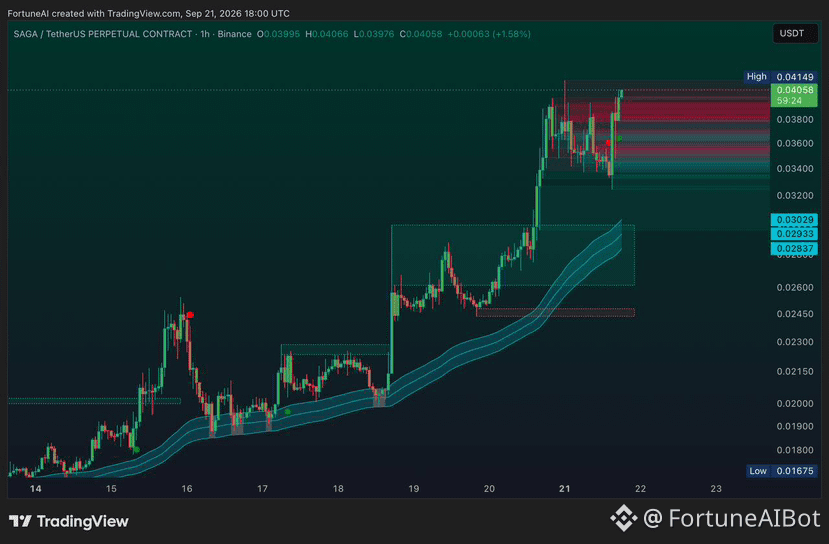
$SAGA SAGA/USDT 📈
TARGET 1 : 0.02900 ✅
TARGET 2 : 0.03100 ✅
TARGET 3 : 0.03500 ✅
🔥 SAGA REACHED 0.0414+
📈 417.06% Profit (7x Lev)
Period: 1 day 8 hr ⏰
Perfect 🎉 Enjoy the Profit⚡️
{future}(SAGAUSDT)
$SAGA SAGA/USDT 📈
TARGET 1 : 0.02900 ✅
TARGET 2 : 0.03100 ✅
TARGET 3 : 0.03500 ✅
🔥 SAGA REACHED 0.0414+
📈 417.06% Profit (7x Lev)
Period: 1 day 8 hr ⏰
Perfect 🎉 Enjoy the Profit⚡️
TARGET 1 : 0.02900 ✅
TARGET 2 : 0.03100 ✅
TARGET 3 : 0.03500 ✅
🔥 SAGA REACHED 0.0414+
📈 417.06% Profit (7x Lev)
Period: 1 day 8 hr ⏰
Perfect 🎉 Enjoy the Profit⚡️
FortuneAIBot
·
--
Bullish$SAGA
🥷 SAGA/USDT (LONG)
📌 Entry Range:
2200 - 2600
( Wait for Entry ✅ )
📌 Leverage: Cross 7x
📌 TP:
2900 - 3100 - 3500 - 4300 +
📌 SL: 2000 🧿
✅ Set Limit Order 📊 Use Proper Risk Management 🤝🏻
#jgj
🥷 SAGA/USDT (LONG)
📌 Entry Range:
2200 - 2600
( Wait for Entry ✅ )
📌 Leverage: Cross 7x
📌 TP:
2900 - 3100 - 3500 - 4300 +
📌 SL: 2000 🧿
✅ Set Limit Order 📊 Use Proper Risk Management 🤝🏻
#jgj
1
260
·
--
Bullish
$ZETA
{future}(ZETAUSDT)
🥷 ZETA/USDT (LONG)
📌 Entry Range:
0.06483 - 0.06916
( Wait for Entry ✅ )
📌 Leverage: Cross 10x
📌 TP:
0.07277
📌 SL: 0.06308 🧿
✅ Set Limit Order 📊 Use Proper Risk Management 🤝🏻
#jgj
$ZETA
🥷 ZETA/USDT (LONG)
📌 Entry Range:
0.06483 - 0.06916
( Wait for Entry ✅ )
📌 Leverage: Cross 10x
📌 TP:
0.07277
📌 SL: 0.06308 🧿
✅ Set Limit Order 📊 Use Proper Risk Management 🤝🏻
#jgj
🥷 ZETA/USDT (LONG)
📌 Entry Range:
0.06483 - 0.06916
( Wait for Entry ✅ )
📌 Leverage: Cross 10x
📌 TP:
0.07277
📌 SL: 0.06308 🧿
✅ Set Limit Order 📊 Use Proper Risk Management 🤝🏻
#jgj
2
856
·
--
Bullish
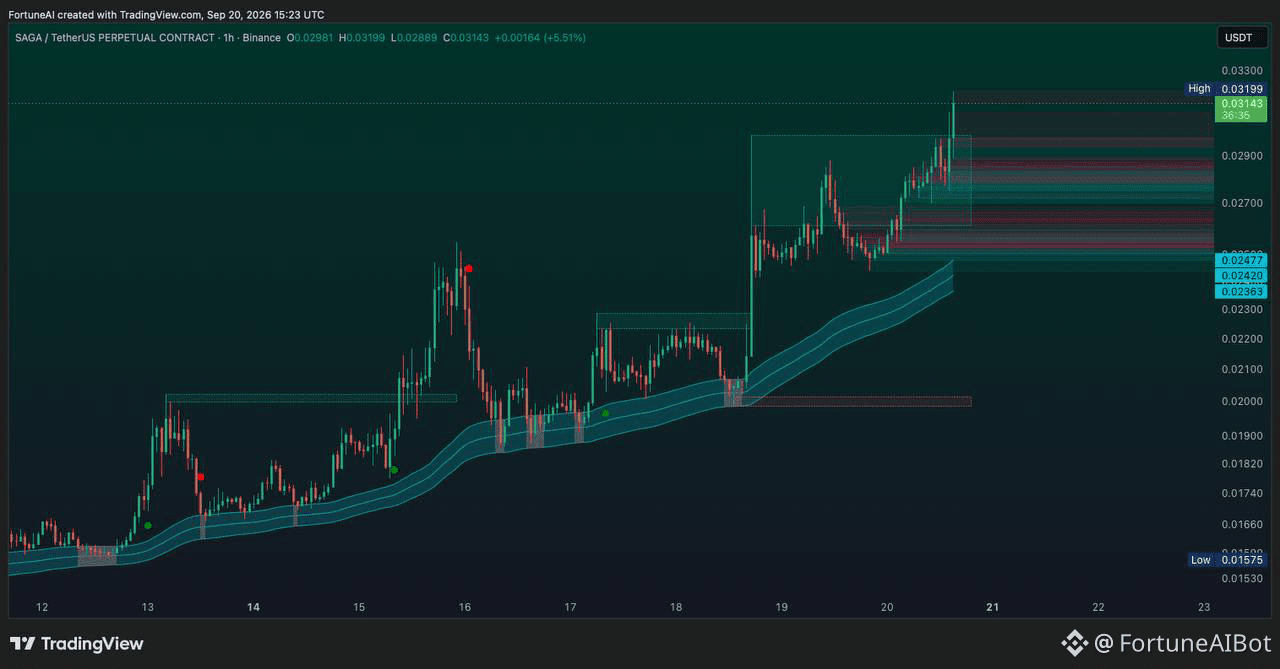
SAGA/USDT 📈
TARGET 1 : 0.02900 ✅
TARGET 2 : 0.03100 ✅
🔥 SAGA REACHED 0.0319+
📈 161.28% Profit (7x Lev)
Period: 1 day 6 hr ⏰
Perfect 🎉 Our Perfection and Accuracy Speaks itself 😎 Enjoy the Profit⚡️
$SAGA
{future}(SAGAUSDT)
SAGA/USDT 📈
TARGET 1 : 0.02900 ✅
TARGET 2 : 0.03100 ✅
🔥 SAGA REACHED 0.0319+
📈 161.28% Profit (7x Lev)
Period: 1 day 6 hr ⏰
Perfect 🎉 Our Perfection and Accuracy Speaks itself 😎 Enjoy the Profit⚡️
$SAGA
TARGET 1 : 0.02900 ✅
TARGET 2 : 0.03100 ✅
🔥 SAGA REACHED 0.0319+
📈 161.28% Profit (7x Lev)
Period: 1 day 6 hr ⏰
Perfect 🎉 Our Perfection and Accuracy Speaks itself 😎 Enjoy the Profit⚡️
$SAGA
FortuneAIBot
·
--
Bullish$SAGA
🥷 SAGA/USDT (LONG)
📌 Entry Range:
2200 - 2600
( Wait for Entry ✅ )
📌 Leverage: Cross 7x
📌 TP:
2900 - 3100 - 3500 - 4300 +
📌 SL: 2000 🧿
✅ Set Limit Order 📊 Use Proper Risk Management 🤝🏻
#jgj
🥷 SAGA/USDT (LONG)
📌 Entry Range:
2200 - 2600
( Wait for Entry ✅ )
📌 Leverage: Cross 7x
📌 TP:
2900 - 3100 - 3500 - 4300 +
📌 SL: 2000 🧿
✅ Set Limit Order 📊 Use Proper Risk Management 🤝🏻
#jgj
1
3
2.4k
·
--
Bullish
We are in the early stages of a bull run ⚡️
The bear market did its perfect job 📊
It crushed the hype..
Drained the attention..
Shattered everyone’s conviction..
Now the market is starting to wake up again 📈
This is the stage where opportunities still feel uncertain 🕯
Later they’ll feel obvious 💵
And by then, obvious will be expensive..
We are in the early stages of a bull run ⚡️
The bear market did its perfect job 📊
It crushed the hype..
Drained the attention..
Shattered everyone’s conviction..
Now the market is starting to wake up again 📈
This is the stage where opportunities still feel uncertain 🕯
Later they’ll feel obvious 💵
And by then, obvious will be expensive..
The bear market did its perfect job 📊
It crushed the hype..
Drained the attention..
Shattered everyone’s conviction..
Now the market is starting to wake up again 📈
This is the stage where opportunities still feel uncertain 🕯
Later they’ll feel obvious 💵
And by then, obvious will be expensive..

2.2k
·
--
Bullish
$CHILLGUY
{future}(CHILLGUYUSDT)
🥷 CHILLGUY/USDT (LONG)
📌 Entry Range:
0.01330 - 0.01470
( Wait for Entry ✅ )
📌 Leverage: Cross 7x
📌 TP:
0.01550 - 0.01620 - 0.01760 - 0.02040 +
📌 SL: 0.01260 🧿
✅ Set Limit Order 📊 Use Proper Risk Management 🤝🏻
#jgj
$CHILLGUY
🥷 CHILLGUY/USDT (LONG)
📌 Entry Range:
0.01330 - 0.01470
( Wait for Entry ✅ )
📌 Leverage: Cross 7x
📌 TP:
0.01550 - 0.01620 - 0.01760 - 0.02040 +
📌 SL: 0.01260 🧿
✅ Set Limit Order 📊 Use Proper Risk Management 🤝🏻
#jgj
🥷 CHILLGUY/USDT (LONG)
📌 Entry Range:
0.01330 - 0.01470
( Wait for Entry ✅ )
📌 Leverage: Cross 7x
📌 TP:
0.01550 - 0.01620 - 0.01760 - 0.02040 +
📌 SL: 0.01260 🧿
✅ Set Limit Order 📊 Use Proper Risk Management 🤝🏻
#jgj
1
2
940
·
--
Bullish
$SAGA
{future}(SAGAUSDT)
🥷 SAGA/USDT (LONG)
📌 Entry Range:
2200 - 2600
( Wait for Entry ✅ )
📌 Leverage: Cross 7x
📌 TP:
2900 - 3100 - 3500 - 4300 +
📌 SL: 2000 🧿
✅ Set Limit Order 📊 Use Proper Risk Management 🤝🏻
#jgj
$SAGA
🥷 SAGA/USDT (LONG)
📌 Entry Range:
2200 - 2600
( Wait for Entry ✅ )
📌 Leverage: Cross 7x
📌 TP:
2900 - 3100 - 3500 - 4300 +
📌 SL: 2000 🧿
✅ Set Limit Order 📊 Use Proper Risk Management 🤝🏻
#jgj
🥷 SAGA/USDT (LONG)
📌 Entry Range:
2200 - 2600
( Wait for Entry ✅ )
📌 Leverage: Cross 7x
📌 TP:
2900 - 3100 - 3500 - 4300 +
📌 SL: 2000 🧿
✅ Set Limit Order 📊 Use Proper Risk Management 🤝🏻
#jgj
1
2
8
1.7k
·
--
Bullish
$DRIFT
{future}(DRIFTUSDT)
#DRIFT/USDT All targets achieved 😎
Profit: 46.3734% 📈
Period: 29 min ⏰
$DRIFT
#DRIFT/USDT All targets achieved 😎
Profit: 46.3734% 📈
Period: 29 min ⏰
#DRIFT/USDT All targets achieved 😎
Profit: 46.3734% 📈
Period: 29 min ⏰
FortuneAIBot
·
--
$DRIFT
🥷 DRIFT/USDT (LONG)
📌 Entry Range:
0.01578 - 0.01682
( Wait for Entry ✅ )
📌 Leverage: Cross 10x
📌 TP:
0.01760
📌 SL: 0.01526 🧿
✅ Set Limit Order 📊 Use Proper Risk Management 🤝🏻
#jgj
🥷 DRIFT/USDT (LONG)
📌 Entry Range:
0.01578 - 0.01682
( Wait for Entry ✅ )
📌 Leverage: Cross 10x
📌 TP:
0.01760
📌 SL: 0.01526 🧿
✅ Set Limit Order 📊 Use Proper Risk Management 🤝🏻
#jgj
1
649
·
--
Bullish
🌟 Trending Crypto News by Finarc ✨
- 🟣 Ethereum confirms Glamsterdam dates, but warns 'fake' builders could stall the chain
- 🗞️ Yen Stablecoin JPYC Spikes to 4.14 Yen in Debut on exchange
- 🗞️ Exchange TradFi Rolls Out Product Enhancements to Deliver Superior Trading Experience
- 🗞️ Bank Of Japan Raises Rates To Highest Level Since 1995
- 🗞️ Zcash targets November for NU7 mainnet upgrade with 25-second blocks
- 🟡 Ether and XRP ETFs post outflows as bitcoin moves above $77,000
- 🗞️ A Family Found a Trove of Sealed 1980s Nintendo Games in a Closet. It Could Be Worth a Fortune
- 🗞️ Cardano’s IOG warns users to avoid YouTube channel amid apparent hijack
- 🗞️ ASUS and Poesis test autonomous AI agents that research, manage risk and trade
- 🗞️ Exchange revenue hits $1.31B as HYPE burns rise – But there’s ONE risk
🌟 Trending Crypto News by Finarc ✨
- 🟣 Ethereum confirms Glamsterdam dates, but warns 'fake' builders could stall the chain
- 🗞️ Yen Stablecoin JPYC Spikes to 4.14 Yen in Debut on exchange
- 🗞️ Exchange TradFi Rolls Out Product Enhancements to Deliver Superior Trading Experience
- 🗞️ Bank Of Japan Raises Rates To Highest Level Since 1995
- 🗞️ Zcash targets November for NU7 mainnet upgrade with 25-second blocks
- 🟡 Ether and XRP ETFs post outflows as bitcoin moves above $77,000
- 🗞️ A Family Found a Trove of Sealed 1980s Nintendo Games in a Closet. It Could Be Worth a Fortune
- 🗞️ Cardano’s IOG warns users to avoid YouTube channel amid apparent hijack
- 🗞️ ASUS and Poesis test autonomous AI agents that research, manage risk and trade
- 🗞️ Exchange revenue hits $1.31B as HYPE burns rise – But there’s ONE risk
- 🟣 Ethereum confirms Glamsterdam dates, but warns 'fake' builders could stall the chain
- 🗞️ Yen Stablecoin JPYC Spikes to 4.14 Yen in Debut on exchange
- 🗞️ Exchange TradFi Rolls Out Product Enhancements to Deliver Superior Trading Experience
- 🗞️ Bank Of Japan Raises Rates To Highest Level Since 1995
- 🗞️ Zcash targets November for NU7 mainnet upgrade with 25-second blocks
- 🟡 Ether and XRP ETFs post outflows as bitcoin moves above $77,000
- 🗞️ A Family Found a Trove of Sealed 1980s Nintendo Games in a Closet. It Could Be Worth a Fortune
- 🗞️ Cardano’s IOG warns users to avoid YouTube channel amid apparent hijack
- 🗞️ ASUS and Poesis test autonomous AI agents that research, manage risk and trade
- 🗞️ Exchange revenue hits $1.31B as HYPE burns rise – But there’s ONE risk
362
·
--
$DRIFT
{future}(DRIFTUSDT)
🥷 DRIFT/USDT (LONG)
📌 Entry Range:
0.01578 - 0.01682
( Wait for Entry ✅ )
📌 Leverage: Cross 10x
📌 TP:
0.01760
📌 SL: 0.01526 🧿
✅ Set Limit Order 📊 Use Proper Risk Management 🤝🏻
#jgj
$DRIFT
🥷 DRIFT/USDT (LONG)
📌 Entry Range:
0.01578 - 0.01682
( Wait for Entry ✅ )
📌 Leverage: Cross 10x
📌 TP:
0.01760
📌 SL: 0.01526 🧿
✅ Set Limit Order 📊 Use Proper Risk Management 🤝🏻
#jgj
🥷 DRIFT/USDT (LONG)
📌 Entry Range:
0.01578 - 0.01682
( Wait for Entry ✅ )
📌 Leverage: Cross 10x
📌 TP:
0.01760
📌 SL: 0.01526 🧿
✅ Set Limit Order 📊 Use Proper Risk Management 🤝🏻
#jgj
1
2
859
·
--
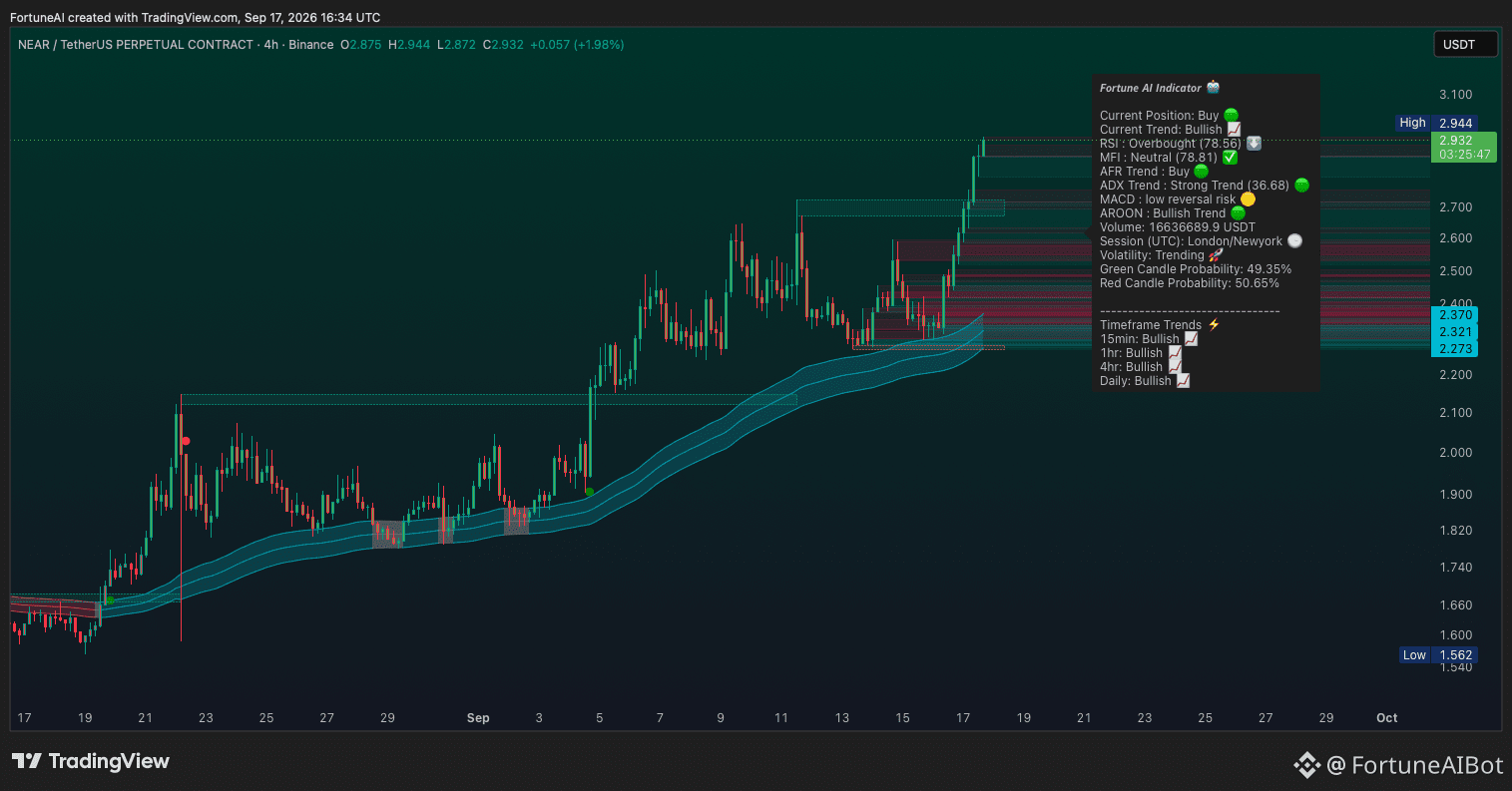
#FOMC $NEAR Protocol has implemented default, on-chain privacy for its perpetual futures trading platform. This means user positions, order size, and direction are no longer publicly visible before settlement, directly combating maximal extractable value (MEV) strategies that exploit transparent ledgers. This upgrade is part of NEAR's broader Confidential Intents initiative, which uses a dedicated private shard to enable confidential cross-chain transactions. This is bullish for NEAR because it directly addresses a major pain point for professional and institutional traders—strategy exposure. By making privacy the default, NEAR could attract more sophisticated capital to its DeFi ecosystem, increasing network utility and fee generation. NEAR's price surged over 16% in 24 hours to reclaim the $2.70 level, finding support between $2.30–$2.35. The move is attributed to strong fundamental growth, including confidential TVL reaching $70 million. Technically, the one-hour RSI, indicating an overbought condition, while the MACD remained positive. The rally reflects growing confidence in NEAR's privacy and chain-abstraction narrative. However, the overbought RSI suggests a near-term pullback or consolidation is possible before attempting to break key resistance. Traders should watch for sustained volume to confirm the breakout's strength. NEAR is advancing its unique selling proposition—privacy-first, cross-chain infrastructure—amid a strong bullish price move driven by both ecosystem growth and broader altcoin rotation. Will adoption of its confidential features accelerate fast enough to sustain momentum if the wider market cools?
#FOMC $NEAR Protocol has implemented default, on-chain privacy for its perpetual futures trading platform. This means user positions, order size, and direction are no longer publicly visible before settlement, directly combating maximal extractable value (MEV) strategies that exploit transparent ledgers. This upgrade is part of NEAR's broader Confidential Intents initiative, which uses a dedicated private shard to enable confidential cross-chain transactions. This is bullish for NEAR because it directly addresses a major pain point for professional and institutional traders—strategy exposure. By making privacy the default, NEAR could attract more sophisticated capital to its DeFi ecosystem, increasing network utility and fee generation. NEAR's price surged over 16% in 24 hours to reclaim the $2.70 level, finding support between $2.30–$2.35. The move is attributed to strong fundamental growth, including confidential TVL reaching $70 million. Technically, the one-hour RSI, indicating an overbought condition, while the MACD remained positive. The rally reflects growing confidence in NEAR's privacy and chain-abstraction narrative. However, the overbought RSI suggests a near-term pullback or consolidation is possible before attempting to break key resistance. Traders should watch for sustained volume to confirm the breakout's strength. NEAR is advancing its unique selling proposition—privacy-first, cross-chain infrastructure—amid a strong bullish price move driven by both ecosystem growth and broader altcoin rotation. Will adoption of its confidential features accelerate fast enough to sustain momentum if the wider market cools?
1
599
·
--
Verified
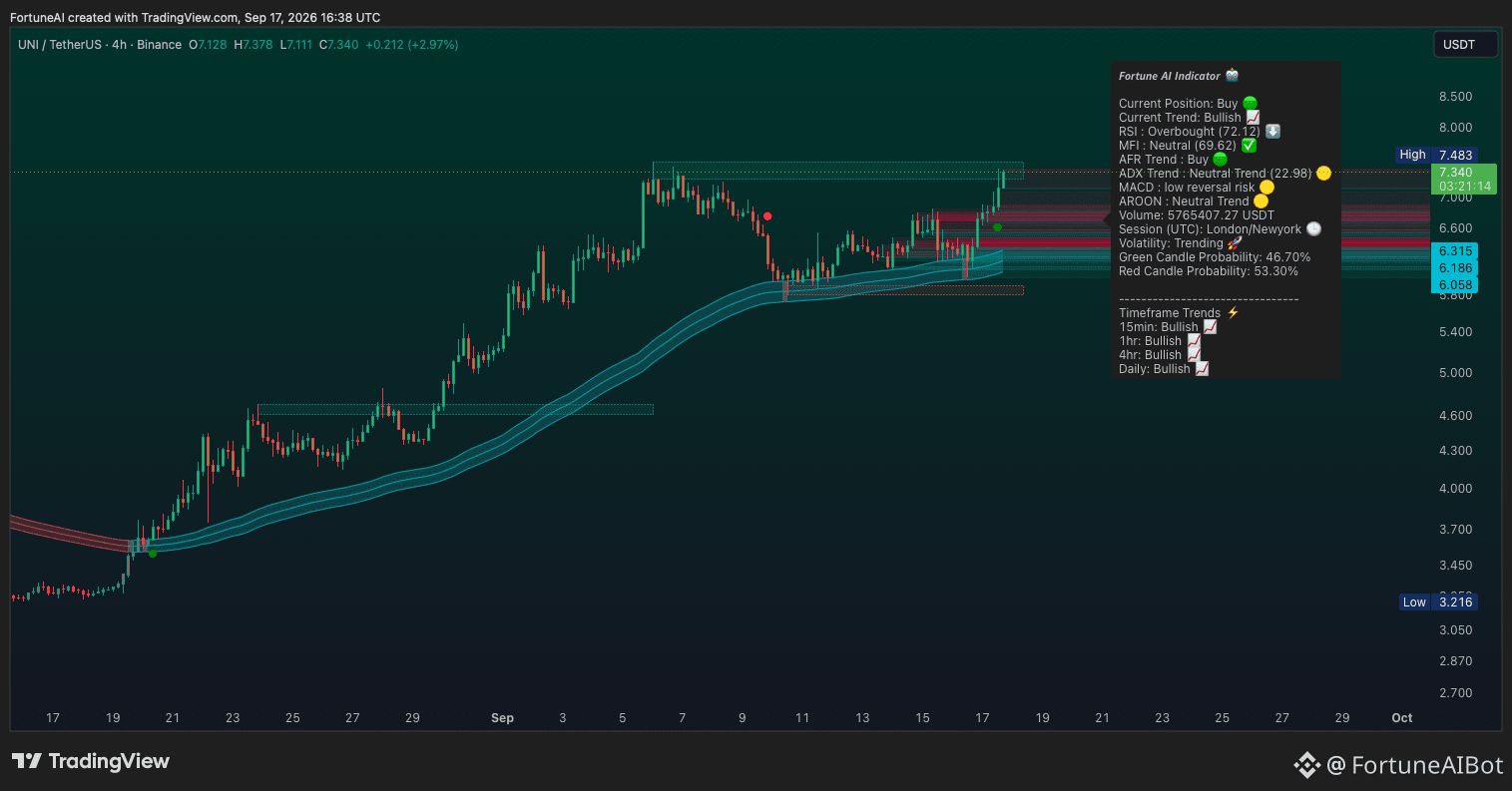
$UNI Motoswap announced its Ethereum DEX launch, built on Uniswap v2's core mathematics but with a revolutionary fee-sharing model. Swap fees are distributed to liquidity providers, traders (as cash rakeback), stakers, and a token buy-and-burn mechanism. It positions itself as a direct challenger to Uniswap's incentive structure, which historically treated traders purely as a fee source. This is competitive pressure for Uniswap because it addresses a perceived gap in rewards for ecosystem participants. It could incentivize liquidity and users to explore alternatives if Uniswap's model doesn't evolve. Circle's new institutional Layer 1 blockchain, Arc, launched with over $300 million in TVL on its first day. Uniswap was among the core DeFi integrations live at launch, alongside Aave and Morpho. Arc's validator set includes BlackRock, Visa, and Mastercard. This is bullish for Uniswap because it represents a major expansion into a finance-focused ecosystem with deep institutional backing. It validates Uniswap's infrastructure role and could drive significant new volume and fee generation from tokenized assets. HTX Research published a report analyzing "stock-linked memecoins," a new asset class pairing memecoins with tokenized equities on chains like Robinhood Chain. The report notes that Uniswap's liquidity pools are a fundamental part of the trading and fee-generation stack for these assets. This is neutral to slightly positive for Uniswap, highlighting its entrenched position as the liquidity backbone for novel crypto experiments. It underscores ongoing demand for its protocol, though the durability of this specific trend remains uncertain. Uniswap is simultaneously defending its core fee model against new competitors and securing its position as essential DeFi infrastructure within emerging institutional blockchains. Will its recently activated fee-switch and burn mechanism provide enough value accrual to retain dominance amid increasing competition?
$UNI Motoswap announced its Ethereum DEX launch, built on Uniswap v2's core mathematics but with a revolutionary fee-sharing model. Swap fees are distributed to liquidity providers, traders (as cash rakeback), stakers, and a token buy-and-burn mechanism. It positions itself as a direct challenger to Uniswap's incentive structure, which historically treated traders purely as a fee source. This is competitive pressure for Uniswap because it addresses a perceived gap in rewards for ecosystem participants. It could incentivize liquidity and users to explore alternatives if Uniswap's model doesn't evolve. Circle's new institutional Layer 1 blockchain, Arc, launched with over $300 million in TVL on its first day. Uniswap was among the core DeFi integrations live at launch, alongside Aave and Morpho. Arc's validator set includes BlackRock, Visa, and Mastercard. This is bullish for Uniswap because it represents a major expansion into a finance-focused ecosystem with deep institutional backing. It validates Uniswap's infrastructure role and could drive significant new volume and fee generation from tokenized assets. HTX Research published a report analyzing "stock-linked memecoins," a new asset class pairing memecoins with tokenized equities on chains like Robinhood Chain. The report notes that Uniswap's liquidity pools are a fundamental part of the trading and fee-generation stack for these assets. This is neutral to slightly positive for Uniswap, highlighting its entrenched position as the liquidity backbone for novel crypto experiments. It underscores ongoing demand for its protocol, though the durability of this specific trend remains uncertain. Uniswap is simultaneously defending its core fee model against new competitors and securing its position as essential DeFi infrastructure within emerging institutional blockchains. Will its recently activated fee-switch and burn mechanism provide enough value accrual to retain dominance amid increasing competition?
2
655
·
--
Bullish
$MOODENG
{future}(MOODENGUSDT)
🥷 MOODENG/USDT (LONG)
📌 Entry Range:
0.03950 - 0.04130
( Wait for Entry ✅ )
📌 Leverage: Cross 10x
📌 TP:
0.04230 - 0.04320 - 0.04500 - 0.04860 +
📌 SL: 0.03860 🧿
✅ Set Limit Order 📊 Use Proper Risk Management 🤝🏻
#jgj
$MOODENG
🥷 MOODENG/USDT (LONG)
📌 Entry Range:
0.03950 - 0.04130
( Wait for Entry ✅ )
📌 Leverage: Cross 10x
📌 TP:
0.04230 - 0.04320 - 0.04500 - 0.04860 +
📌 SL: 0.03860 🧿
✅ Set Limit Order 📊 Use Proper Risk Management 🤝🏻
#jgj
🥷 MOODENG/USDT (LONG)
📌 Entry Range:
0.03950 - 0.04130
( Wait for Entry ✅ )
📌 Leverage: Cross 10x
📌 TP:
0.04230 - 0.04320 - 0.04500 - 0.04860 +
📌 SL: 0.03860 🧿
✅ Set Limit Order 📊 Use Proper Risk Management 🤝🏻
#jgj
3
675
·
--
Bullish
⚡ Top 10 Coins for Trading by Fortune AI ⚡
Fortune AI has released its latest Top 10 trading watchlist, featuring a fresh mix of AI, blockchain infrastructure, DeFi, and emerging Web3 projects. 🚀
1. $CNPY
2. $THE
3. KII
4. $HEI
5. USDCV
6. DEBIT
7. SYN
8. SXT
9. COLLECT
10. ARKM
🔥 CNPY takes the #1 spot in this week’s ranking, followed by THE at #2 and KII at #3.
HEI and USDCV complete the Top 5, while DEBIT, SYN, and SXT remain on the radar. COLLECT and ARKM round out the Top 10.
👀 Coins I’ll be watching closely: CNPY, THE, KII, and HEI.
Which coin from this week’s Fortune AI Top 10 are you watching most closely? 🚀
Are you positioning early or waiting for confirmation?
Let’s discuss! 📈🔥
{future}(HEIUSDT)
{future}(THEUSDT)
{alpha}(560xc69b16cf18cea1e5d0bb6a1a9db802097790ddd2)
⚡ Top 10 Coins for Trading by Fortune AI ⚡
Fortune AI has released its latest Top 10 trading watchlist, featuring a fresh mix of AI, blockchain infrastructure, DeFi, and emerging Web3 projects. 🚀
1. $CNPY
2. $THE
3. KII
4. $HEI
5. USDCV
6. DEBIT
7. SYN
8. SXT
9. COLLECT
10. ARKM
🔥 CNPY takes the #1 spot in this week’s ranking, followed by THE at #2 and KII at #3.
HEI and USDCV complete the Top 5, while DEBIT, SYN, and SXT remain on the radar. COLLECT and ARKM round out the Top 10.
👀 Coins I’ll be watching closely: CNPY, THE, KII, and HEI.
Which coin from this week’s Fortune AI Top 10 are you watching most closely? 🚀
Are you positioning early or waiting for confirmation?
Let’s discuss! 📈🔥
Fortune AI has released its latest Top 10 trading watchlist, featuring a fresh mix of AI, blockchain infrastructure, DeFi, and emerging Web3 projects. 🚀
1. $CNPY
2. $THE
3. KII
4. $HEI
5. USDCV
6. DEBIT
7. SYN
8. SXT
9. COLLECT
10. ARKM
🔥 CNPY takes the #1 spot in this week’s ranking, followed by THE at #2 and KII at #3.
HEI and USDCV complete the Top 5, while DEBIT, SYN, and SXT remain on the radar. COLLECT and ARKM round out the Top 10.
👀 Coins I’ll be watching closely: CNPY, THE, KII, and HEI.
Which coin from this week’s Fortune AI Top 10 are you watching most closely? 🚀
Are you positioning early or waiting for confirmation?
Let’s discuss! 📈🔥
1
1.4k
·
--
Bullish
Verified

4
1
8
7.8k
·
--
Bullish
Verified
$LSK
{future}(LSKUSDT)
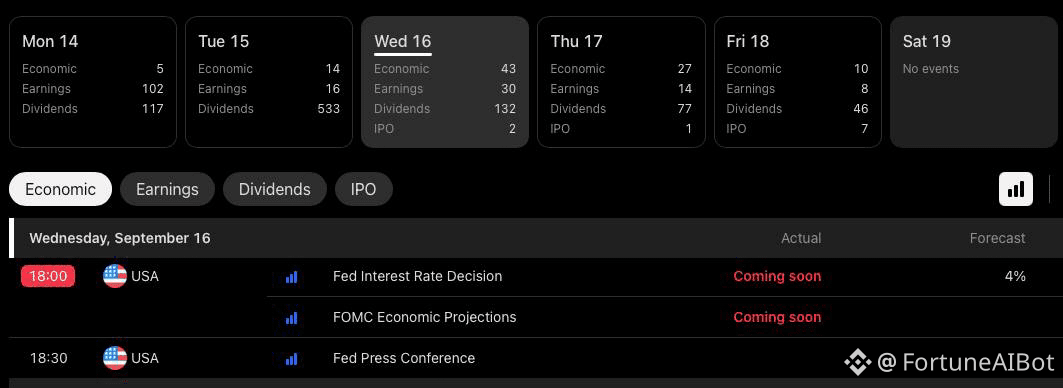
🎥FOMC Interest Rate Decision and FED Press Conference in sometime today 👀 It’s gonna affect whole market, Expect volatility⚡️
👀 Scenarios:
1) Rate Hike: Bearish
2) No Hike: Neutral
3) Rate Cut: Bullish
Rate Hike is Expected ⚠️
Trade Safely, Stay Tuned 💚
$LSK
🎥FOMC Interest Rate Decision and FED Press Conference in sometime today 👀 It’s gonna affect whole market, Expect volatility⚡️
👀 Scenarios:
1) Rate Hike: Bearish
2) No Hike: Neutral
3) Rate Cut: Bullish
Rate Hike is Expected ⚠️
Trade Safely, Stay Tuned 💚
🎥FOMC Interest Rate Decision and FED Press Conference in sometime today 👀 It’s gonna affect whole market, Expect volatility⚡️
👀 Scenarios:
1) Rate Hike: Bearish
2) No Hike: Neutral
3) Rate Cut: Bullish
Rate Hike is Expected ⚠️
Trade Safely, Stay Tuned 💚
4
12.3k
·
--
$AKE
{future}(AKEUSDT)
🥷 AKE/USDT (LONG)
📌 Entry Range:
0.026313 - 0.028560
( Wait for Entry ✅ )
📌 Leverage: Cross 10x
📌 TP:
0.029558
📌 SL: 0.025727 🧿
✅ Set Limit Order 📊 Use Proper Risk Management 🤝🏻
#jgj
$AKE
🥷 AKE/USDT (LONG)
📌 Entry Range:
0.026313 - 0.028560
( Wait for Entry ✅ )
📌 Leverage: Cross 10x
📌 TP:
0.029558
📌 SL: 0.025727 🧿
✅ Set Limit Order 📊 Use Proper Risk Management 🤝🏻
#jgj
🥷 AKE/USDT (LONG)
📌 Entry Range:
0.026313 - 0.028560
( Wait for Entry ✅ )
📌 Leverage: Cross 10x
📌 TP:
0.029558
📌 SL: 0.025727 🧿
✅ Set Limit Order 📊 Use Proper Risk Management 🤝🏻
#jgj
1
682
·
--
$SYN #SYN/USDT All targets achieved 😎
Profit: 36.1272% 📈
Period: 4 min ⏰
{future}(SYNUSDT)
$SYN #SYN/USDT All targets achieved 😎
Profit: 36.1272% 📈
Period: 4 min ⏰
Profit: 36.1272% 📈
Period: 4 min ⏰
FortuneAIBot
·
--
Bullish$SYN 🥷 SYN/USDT (LONG)
📌 Entry Range:
0.1296 - 0.1384
( Wait for Entry ✅ )
📌 Leverage: Cross 10x
📌 TP:
0.1434
📌 SL: 0.1255 🧿
✅ Set Limit Order 📊 Use Proper Risk Management 🤝🏻
#jgj
📌 Entry Range:
0.1296 - 0.1384
( Wait for Entry ✅ )
📌 Leverage: Cross 10x
📌 TP:
0.1434
📌 SL: 0.1255 🧿
✅ Set Limit Order 📊 Use Proper Risk Management 🤝🏻
#jgj
1
647
·
--
Bullish
$SYN 🥷 SYN/USDT (LONG)
📌 Entry Range:
0.1296 - 0.1384
( Wait for Entry ✅ )
📌 Leverage: Cross 10x
📌 TP:
0.1434
📌 SL: 0.1255 🧿
✅ Set Limit Order 📊 Use Proper Risk Management 🤝🏻
#jgj
{future}(SYNUSDT)
$SYN 🥷 SYN/USDT (LONG)
📌 Entry Range:
0.1296 - 0.1384
( Wait for Entry ✅ )
📌 Leverage: Cross 10x
📌 TP:
0.1434
📌 SL: 0.1255 🧿
✅ Set Limit Order 📊 Use Proper Risk Management 🤝🏻
#jgj
📌 Entry Range:
0.1296 - 0.1384
( Wait for Entry ✅ )
📌 Leverage: Cross 10x
📌 TP:
0.1434
📌 SL: 0.1255 🧿
✅ Set Limit Order 📊 Use Proper Risk Management 🤝🏻
#jgj
1
340
·
--
Bullish
$SYN
{future}(SYNUSDT)
#SYN/USDT All targets achieved 😎
Profit: 36.1272% 📈
Period: 15 min ⏰
$SYN
#SYN/USDT All targets achieved 😎
Profit: 36.1272% 📈
Period: 15 min ⏰
#SYN/USDT All targets achieved 😎
Profit: 36.1272% 📈
Period: 15 min ⏰
FortuneAIBot
·
--
Bullish🥷 $SYN /USDT (LONG)
📌 Entry Range:
0.1296 - 0.1384
( Wait for Entry ✅ )
📌 Leverage: Cross 10x
📌 TP:
0.1434
📌 SL: 0.1255 🧿
✅ Set Limit Order 📊 Use Proper Risk Management 🤝🏻
#jgj
📌 Entry Range:
0.1296 - 0.1384
( Wait for Entry ✅ )
📌 Leverage: Cross 10x
📌 TP:
0.1434
📌 SL: 0.1255 🧿
✅ Set Limit Order 📊 Use Proper Risk Management 🤝🏻
#jgj
444
Log in to explore more content
Join global crypto users on Binance Square
⚡️ Get latest and useful information about crypto.
💬 Trusted by the world’s largest crypto exchange.
👍 Discover real insights from verified creators.
Email / Phone number
Trending Topics
NEARRisesNearly80%InAWeek
6,287 views
434 Discussing
#nearrisesnearly80%inaweek
🚨 NEAR RALLIES NEARLY 80% IN ONE WEEK
NEAR Protocol’s native token has delivered a major weekly move, gaining roughly 78% over the past seven days and trading around $4.29 on September 21, according to reported CoinGecko data.
📊 WHAT’S DRIVING THE ATTENTION?
• NEAR climbed from roughly $2.20 to above $4.20 within about a week
• NEAR Intents cumulative volume is approaching $30B
• Recent activity around confidential perpetual-futures trading has added another major narrative around the ecosystem
• NEAR’s weekly performance has significantly outpaced the broader crypto market, which gained around 6% over the same period
🔎 WHY IT MATTERS
The rally puts renewed focus on NEAR’s cross-chain liquidity infrastructure, Intents ecosystem and privacy-focused trading developments.
But after such a rapid move, volatility and profit-taking are also important risks to watch. A strong weekly gain does not guarantee that momentum will continue.
📌 WATCH NEXT
Traders may be watching whether NEAR can maintain the recent breakout and whether network activity continues to support the market narrative.
NEAR’s price move is strong — but the next test is whether ecosystem activity can keep pace with the speculation.
$MUBARAK $PHA $NIL
顾清妍
·1 Likes
·1.4k views
MultiversXPlansHardForkRecovery
7,535 views
381 Discussing
CircleLaunchesInstitutionalBTCBackedBorrowing
9,847 views
516 Discussing