

Coin uncle wong
4.8k Posts

Coin uncle wong
Report
Block User
建筑师出身,转行all in web3.0,拿到过大结果也吃过很多亏,如今踏踏实实做事的uncle wong
Frequent Trader
1.9 Years
27 Following
1.6K Followers
316 Liked
Posts
All
Quotes
Videos
Live
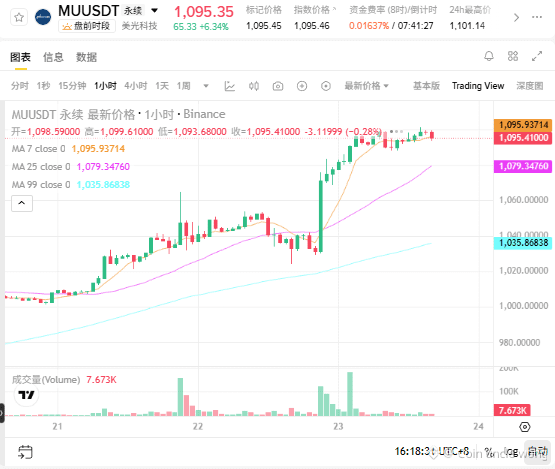
$MU Moving average bullish alignment with high-level lock-in funds consolidating
{future}(MUUSDT)
$MU Moving average bullish alignment with high-level lock-in funds consolidating
1
106
24
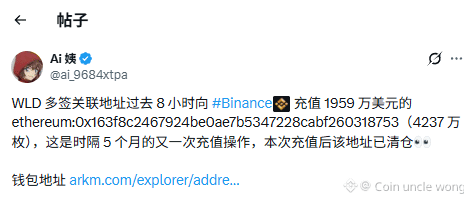
$WLD clearance and run away. Looks like the project party doesn’t want to continue playing anymore
{future}(WLDUSDT)
$WLD clearance and run away. Looks like the project party doesn’t want to continue playing anymore
2
323
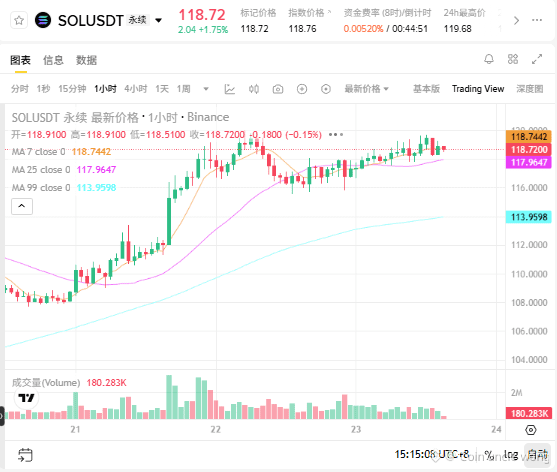
$SOL 创2026 new high, ETF fund inflows + short liquidation as dual drivers
{future}(SOLUSDT)
$SOL 创2026 new high, ETF fund inflows + short liquidation as dual drivers
50
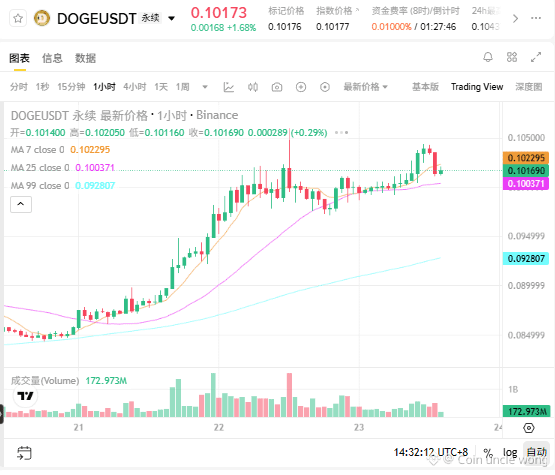
$DOGE multi-head moving average structure intact, a shrinking-volume pullback is a benign shakeout
{future}(DOGEUSDT)
$DOGE multi-head moving average structure intact, a shrinking-volume pullback is a benign shakeout
136
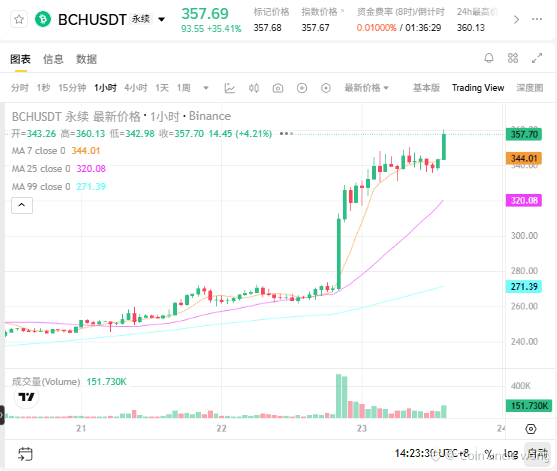
$BCH CME futures are about to launch, and institutions have opened another channel
{future}(BCHUSDT)
$BCH CME futures are about to launch, and institutions have opened another channel
198
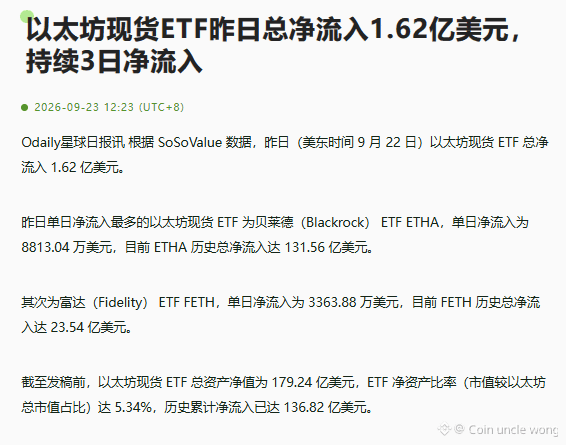
$ETH Ethereum ETF continued for 3 days of net inflows, yesterday attracted another 162 million, and the funds are still flowing in
{future}(ETHUSDT)
$ETH Ethereum ETF continued for 3 days of net inflows, yesterday attracted another 162 million, and the funds are still flowing in
110
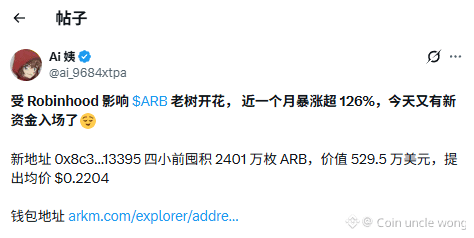
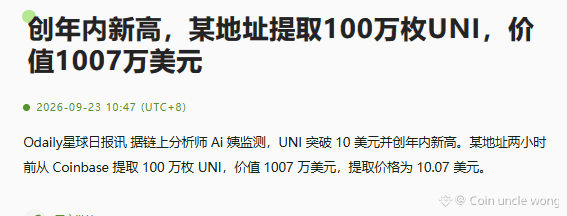
5.29 million USD new address strong high-position accumulation $ARB
{future}(ARBUSDT)
5.29 million USD new address strong high-position accumulation $ARB
2
175
165

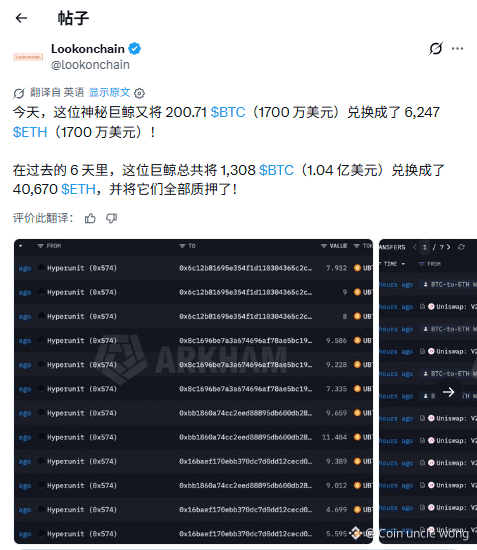
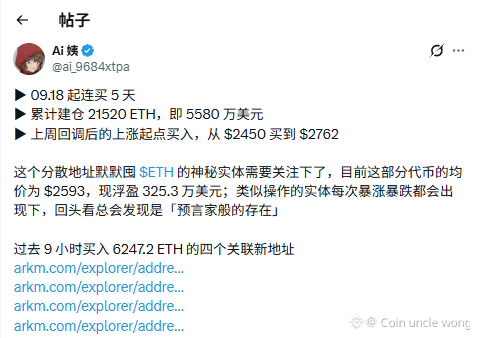
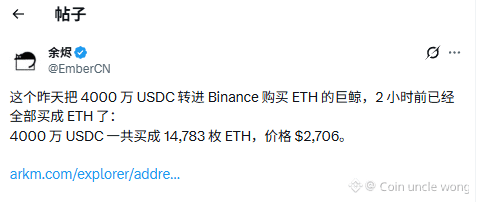
Mystic giant whale smashed another 200 BTC and exchanged for $ETH —fully pledged with all funds. In 6 days, the cumulative amount exceeded 1 hundred million
{future}(ETHUSDT)
Mystic giant whale smashed another 200 BTC and exchanged for $ETH —fully pledged with all funds. In 6 days, the cumulative amount exceeded 1 hundred million
191
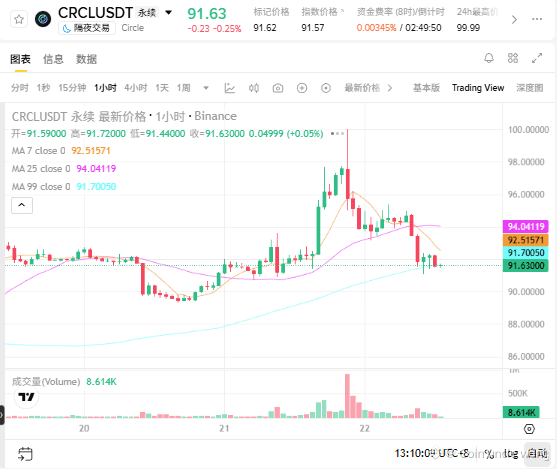
$CRCL is consolidating below the moving averages; the attempt upward isn’t very strong.
{future}(CRCLUSDT)
$CRCL is consolidating below the moving averages; the attempt upward isn’t very strong.
60
144
72
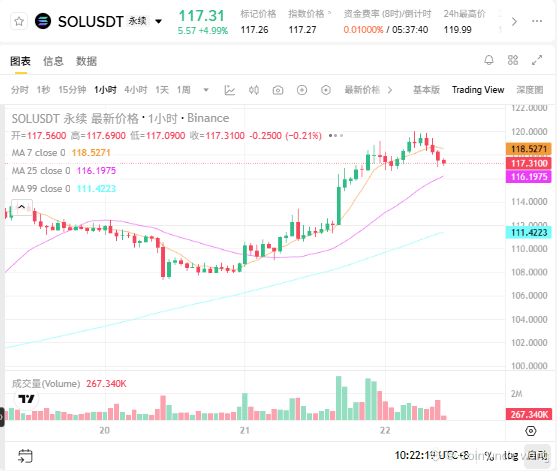
$SOL 均 line re-supports, the uptrend is still ongoing.
{future}(SOLUSDT)
$SOL 均 line re-supports, the uptrend is still ongoing.
131
10
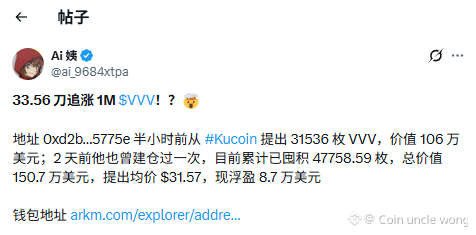
$VVV high chase at the upper level, to die is to be bold
{future}(VVVUSDT)
$VVV high chase at the upper level, to die is to be bold
95
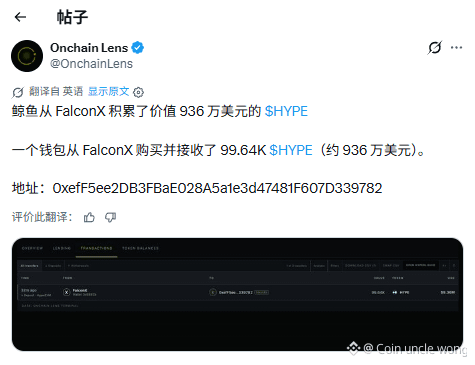
17
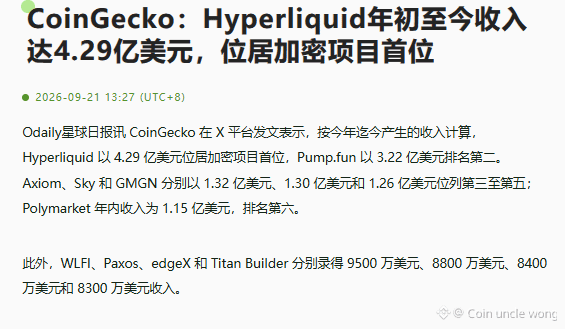
$HYPE HyperliquidIn terms of revenue within the year, 429 million ranks first; fundamentals lead
{future}(HYPEUSDT)
$HYPE HyperliquidIn terms of revenue within the year, 429 million ranks first; fundamentals lead
60
53
Log in to explore more content
Join global crypto users on Binance Square
⚡️ Get latest and useful information about crypto.
💬 Trusted by the world’s largest crypto exchange.
👍 Discover real insights from verified creators.
Email / Phone number