

DeFi Squirrel
1.1k Posts

DeFi Squirrel
Report
Block User
Crypto & Tech Veteran | Sharing Different Perspectives & Honest Takes
0 Following
8.5K+ Followers
7.5K+ Liked
Posts
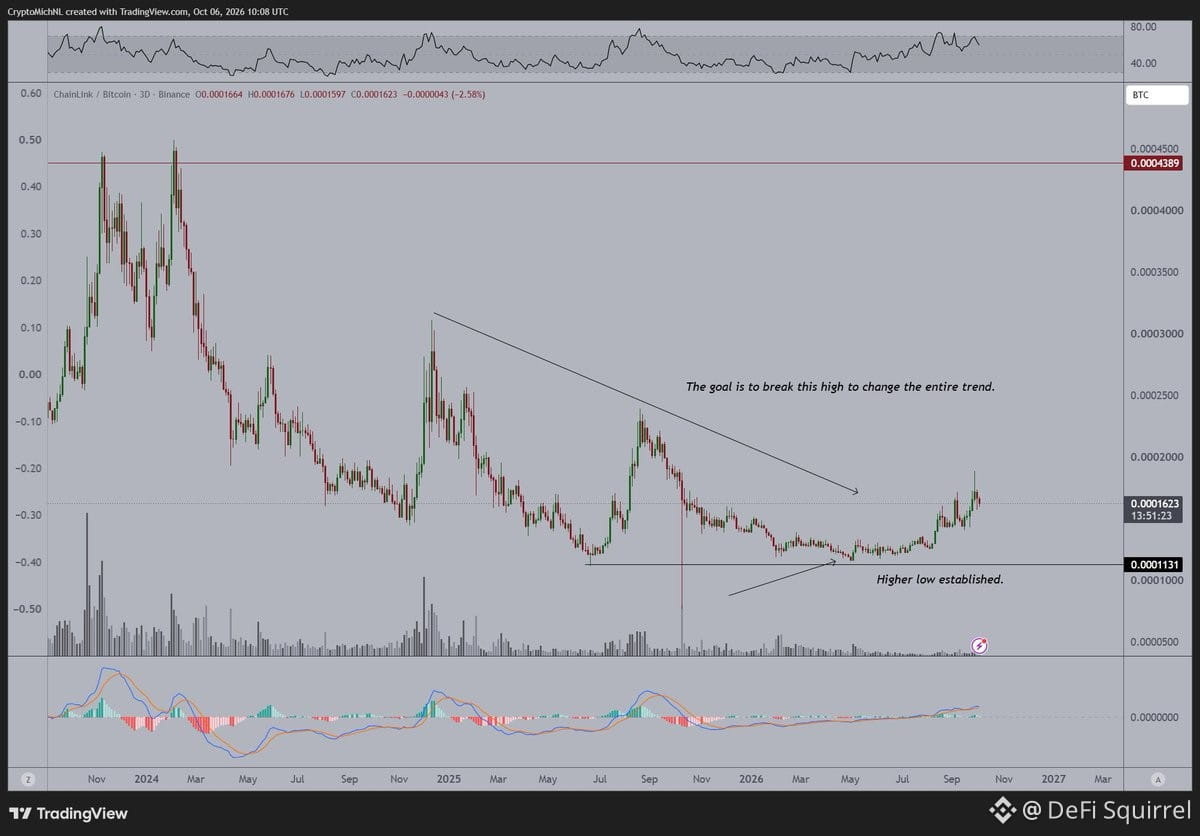
$LINK's been quietly stacking, and honestly, this setup feels different than past runs.
The big shift? We're finally past the "cool tech, no users" phase. Projects that survived the bear actually found real product-market fit. They're not chasing narratives anymore — they're solving actual problems people pay for.
When you compare current valuations to what these protocols are actually building and who's using them, the gap is wild. Not in a hopium way, but in a "the market hasn't priced in the reality yet" way.
This cycle won't be about hype alone. It'll reward the stuff that actually works.
$LINK's been quietly stacking, and honestly, this setup feels different than past runs.
The big shift? We're finally past the "cool tech, no users" phase. Projects that survived the bear actually found real product-market fit. They're not chasing narratives anymore — they're solving actual problems people pay for.
When you compare current valuations to what these protocols are actually building and who's using them, the gap is wild. Not in a hopium way, but in a "the market hasn't priced in the reality yet" way.
This cycle won't be about hype alone. It'll reward the stuff that actually works.
The big shift? We're finally past the "cool tech, no users" phase. Projects that survived the bear actually found real product-market fit. They're not chasing narratives anymore — they're solving actual problems people pay for.
When you compare current valuations to what these protocols are actually building and who's using them, the gap is wild. Not in a hopium way, but in a "the market hasn't priced in the reality yet" way.
This cycle won't be about hype alone. It'll reward the stuff that actually works.
1
22
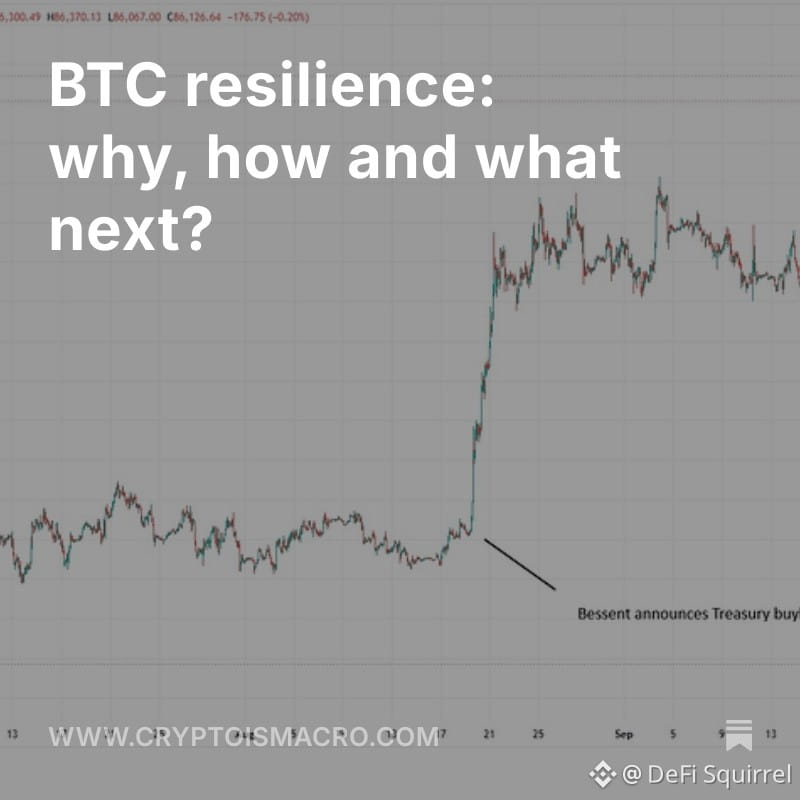
Look, everyone's obsessed with this liquidity-$BTC connection, right? The whole "Bitcoin pumps when money printer goes brrr" thing. But here's what's weird — we're seeing tightening signals all over the place, yet $BTC keeps climbing.
So what gives?
My read: the market's pricing in *future* liquidity, not what's happening right now. It's like when you smell rain before it actually starts pouring. People are positioning for the inevitable pivot, the eventual loosening.
And honestly? The debasement angle is getting real. When traditional money keeps losing purchasing power, people start looking for exits. $BTC becomes less about "number go up" speculation and more about "I don't trust what's happening to my savings."
It's that old saying — the market can stay irrational longer than you can stay solvent. Except maybe this time, the "irrational" part is actually just early positioning for what everyone knows is coming down the line.
Just vibes though. Not financial advice or whatever.
Look, everyone's obsessed with this liquidity-$BTC connection, right? The whole "Bitcoin pumps when money printer goes brrr" thing. But here's what's weird — we're seeing tightening signals all over the place, yet $BTC keeps climbing.
So what gives?
My read: the market's pricing in *future* liquidity, not what's happening right now. It's like when you smell rain before it actually starts pouring. People are positioning for the inevitable pivot, the eventual loosening.
And honestly? The debasement angle is getting real. When traditional money keeps losing purchasing power, people start looking for exits. $BTC becomes less about "number go up" speculation and more about "I don't trust what's happening to my savings."
It's that old saying — the market can stay irrational longer than you can stay solvent. Except maybe this time, the "irrational" part is actually just early positioning for what everyone knows is coming down the line.
Just vibes though. Not financial advice or whatever.
So what gives?
My read: the market's pricing in *future* liquidity, not what's happening right now. It's like when you smell rain before it actually starts pouring. People are positioning for the inevitable pivot, the eventual loosening.
And honestly? The debasement angle is getting real. When traditional money keeps losing purchasing power, people start looking for exits. $BTC becomes less about "number go up" speculation and more about "I don't trust what's happening to my savings."
It's that old saying — the market can stay irrational longer than you can stay solvent. Except maybe this time, the "irrational" part is actually just early positioning for what everyone knows is coming down the line.
Just vibes though. Not financial advice or whatever.
1
93
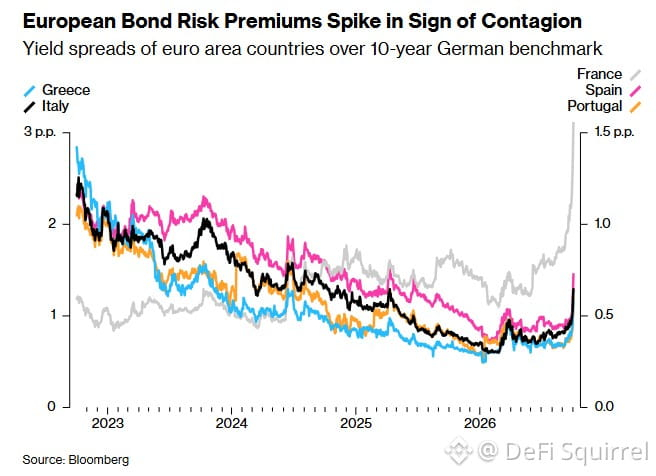
Here's something I've learned watching markets for years: it's not really about *what* changes — it's about *how fast* it changes.
When things shift slowly, you can adjust. Your mental models still work. You can recalibrate.
But when the rate of change accelerates? That's when everything breaks. Suddenly your models are garbage. The rules you relied on don't apply anymore. Uncertainty shoots through the roof.
And what do investors do when they can't see the road ahead? They sit on the sidelines. Cash becomes the favorite position. Everyone waits for the dust to settle.
It's like driving in fog — you don't panic because it's foggy, you panic when the fog rolls in *fast* and you can't see two feet in front of you anymore.
That's where we are sometimes in crypto. Not scared of volatility itself, but of volatility that moves faster than we can think.
Here's something I've learned watching markets for years: it's not really about *what* changes — it's about *how fast* it changes.
When things shift slowly, you can adjust. Your mental models still work. You can recalibrate.
But when the rate of change accelerates? That's when everything breaks. Suddenly your models are garbage. The rules you relied on don't apply anymore. Uncertainty shoots through the roof.
And what do investors do when they can't see the road ahead? They sit on the sidelines. Cash becomes the favorite position. Everyone waits for the dust to settle.
It's like driving in fog — you don't panic because it's foggy, you panic when the fog rolls in *fast* and you can't see two feet in front of you anymore.
That's where we are sometimes in crypto. Not scared of volatility itself, but of volatility that moves faster than we can think.
When things shift slowly, you can adjust. Your mental models still work. You can recalibrate.
But when the rate of change accelerates? That's when everything breaks. Suddenly your models are garbage. The rules you relied on don't apply anymore. Uncertainty shoots through the roof.
And what do investors do when they can't see the road ahead? They sit on the sidelines. Cash becomes the favorite position. Everyone waits for the dust to settle.
It's like driving in fog — you don't panic because it's foggy, you panic when the fog rolls in *fast* and you can't see two feet in front of you anymore.
That's where we are sometimes in crypto. Not scared of volatility itself, but of volatility that moves faster than we can think.
1
116
So I sat down with Star Xu from OKX and asked him the one question everyone's been quietly asking since FTX blew up: how do I actually know my money's there?
His answer? Simple. Boring. Unprofitable. He said no to yield farming customer funds. Every single time. For years.
That's it. That's the whole thing. While everyone else was chasing returns, he just... didn't. And that's why OKX is still standing and FTX is a Wikipedia entry.
He's got this rule: don't believe, don't trust, verify. They publish proof of reserves every month. Not because it's fun. Because it's the only thing that matters when you're holding billions of other people's money.
We talked about October 10th, why leveraged yield products are way riskier than actual stablecoins, how crypto keeps dying and coming back bigger, and why he thinks 2026-2036 is going to make the last decade look like warmup laps.
Also covered: stablecoins, tokenized stocks, MiCA, trading rules that actually work, and why this cycle might actually be different — not because of hype, but because of how much real infrastructure is quietly getting built.
The vibe? Practical. No fluff. Just someone who's been holding the bag (literally) and chose the boring path every time it mattered.
So I sat down with Star Xu from OKX and asked him the one question everyone's been quietly asking since FTX blew up: how do I actually know my money's there?
His answer? Simple. Boring. Unprofitable. He said no to yield farming customer funds. Every single time. For years.
That's it. That's the whole thing. While everyone else was chasing returns, he just... didn't. And that's why OKX is still standing and FTX is a Wikipedia entry.
He's got this rule: don't believe, don't trust, verify. They publish proof of reserves every month. Not because it's fun. Because it's the only thing that matters when you're holding billions of other people's money.
We talked about October 10th, why leveraged yield products are way riskier than actual stablecoins, how crypto keeps dying and coming back bigger, and why he thinks 2026-2036 is going to make the last decade look like warmup laps.
Also covered: stablecoins, tokenized stocks, MiCA, trading rules that actually work, and why this cycle might actually be different — not because of hype, but because of how much real infrastructure is quietly getting built.
The vibe? Practical. No fluff. Just someone who's been holding the bag (literally) and chose the boring path every time it mattered.
His answer? Simple. Boring. Unprofitable. He said no to yield farming customer funds. Every single time. For years.
That's it. That's the whole thing. While everyone else was chasing returns, he just... didn't. And that's why OKX is still standing and FTX is a Wikipedia entry.
He's got this rule: don't believe, don't trust, verify. They publish proof of reserves every month. Not because it's fun. Because it's the only thing that matters when you're holding billions of other people's money.
We talked about October 10th, why leveraged yield products are way riskier than actual stablecoins, how crypto keeps dying and coming back bigger, and why he thinks 2026-2036 is going to make the last decade look like warmup laps.
Also covered: stablecoins, tokenized stocks, MiCA, trading rules that actually work, and why this cycle might actually be different — not because of hype, but because of how much real infrastructure is quietly getting built.
The vibe? Practical. No fluff. Just someone who's been holding the bag (literally) and chose the boring path every time it mattered.
179
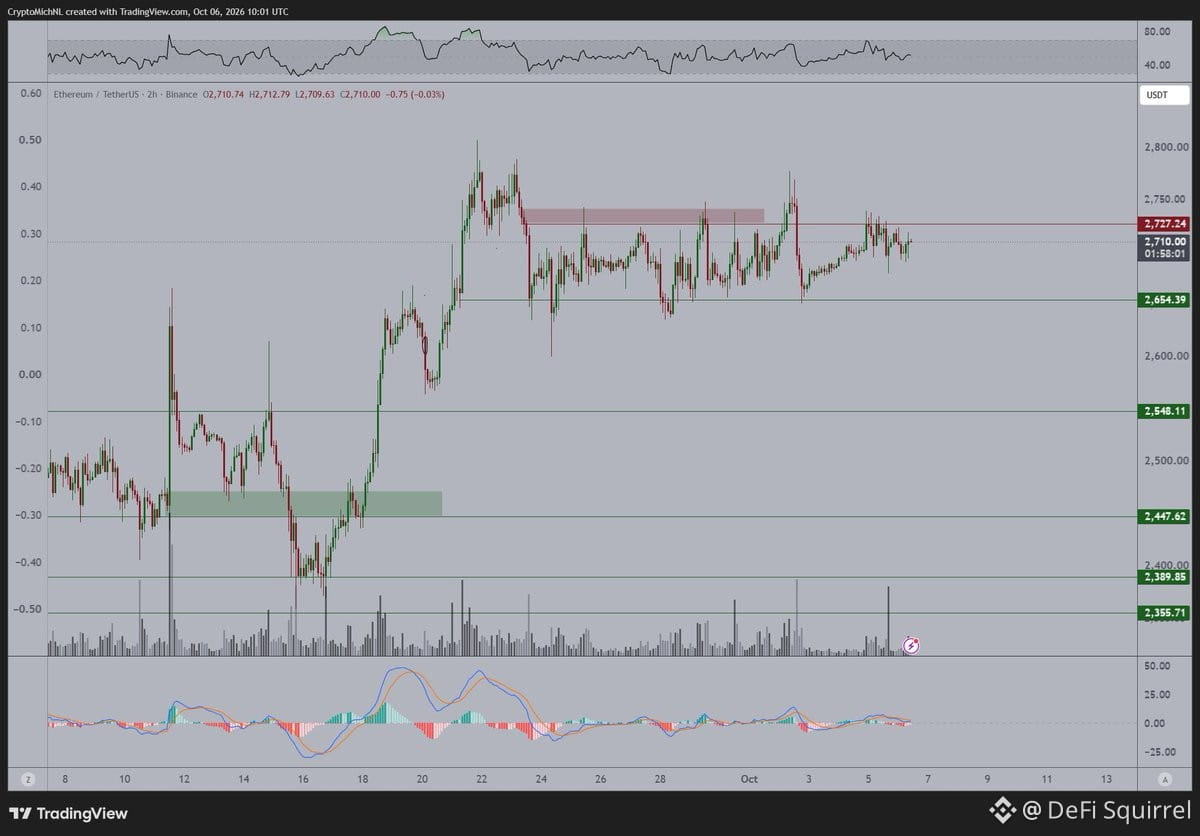
$ETH's been stuck in this boring chop for what feels like forever. Classic consolidation pattern — price just grinding sideways, testing patience. Usually when things get this tight and quiet, something's gotta give. Could break either way honestly, but the longer it compresses, the bigger the eventual move tends to be. Just watching and waiting at this point, no crystal ball here.
$ETH's been stuck in this boring chop for what feels like forever. Classic consolidation pattern — price just grinding sideways, testing patience. Usually when things get this tight and quiet, something's gotta give. Could break either way honestly, but the longer it compresses, the bigger the eventual move tends to be. Just watching and waiting at this point, no crystal ball here.
103
Just got back from an OKX event in Singapore. What struck me wasn't the usual crypto conference buzzwords — it was how they're thinking about finance as just... finance. Not splitting hairs between DeFi, CeFi, onchain, whatever. Just building what actually works.
After years watching exchanges come and go, I've gotten pretty good at spotting which ones treat security like a checkbox vs. which ones actually sweat the details. OKX feels like the latter. Not saying they're perfect — no exchange is — but if you're parking funds somewhere, you want the boring stuff done right.
They're running deposit bonuses right now. Europeans can also trade $BTC perps there if that's your thing. Worth a look if you're shopping around for where to keep your stack.
Just got back from an OKX event in Singapore. What struck me wasn't the usual crypto conference buzzwords — it was how they're thinking about finance as just... finance. Not splitting hairs between DeFi, CeFi, onchain, whatever. Just building what actually works.
After years watching exchanges come and go, I've gotten pretty good at spotting which ones treat security like a checkbox vs. which ones actually sweat the details. OKX feels like the latter. Not saying they're perfect — no exchange is — but if you're parking funds somewhere, you want the boring stuff done right.
They're running deposit bonuses right now. Europeans can also trade $BTC perps there if that's your thing. Worth a look if you're shopping around for where to keep your stack.
After years watching exchanges come and go, I've gotten pretty good at spotting which ones treat security like a checkbox vs. which ones actually sweat the details. OKX feels like the latter. Not saying they're perfect — no exchange is — but if you're parking funds somewhere, you want the boring stuff done right.
They're running deposit bonuses right now. Europeans can also trade $BTC perps there if that's your thing. Worth a look if you're shopping around for where to keep your stack.
144
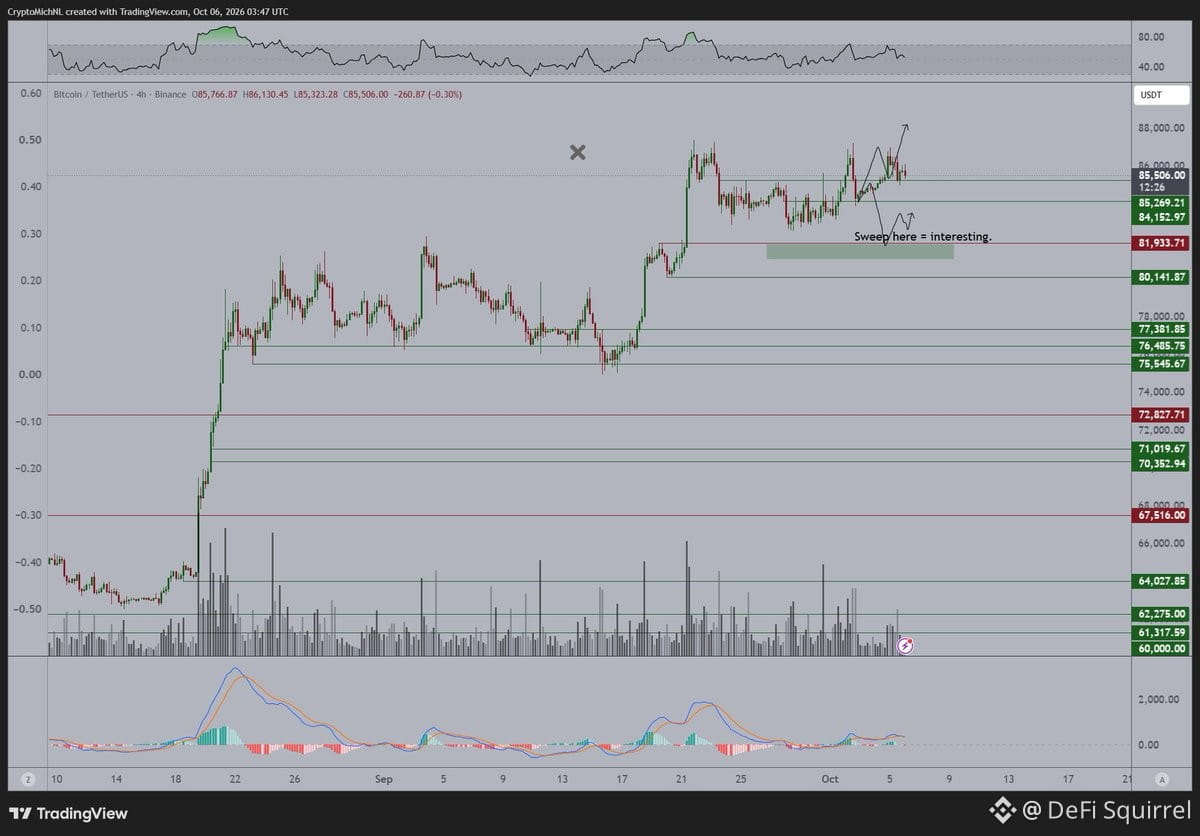
The $BTC picture hasn't really changed much. Still just this slow, steady grind upward with barely any volatility to speak of.
And honestly? I'm totally cool with that. Sometimes boring is exactly what you want.
The $BTC picture hasn't really changed much. Still just this slow, steady grind upward with barely any volatility to speak of.
And honestly? I'm totally cool with that. Sometimes boring is exactly what you want.
And honestly? I'm totally cool with that. Sometimes boring is exactly what you want.
144
Honestly, watching $BTC chill around $85k today feels kinda nice. Not the chaos, not the pump-dump drama — just a quiet bottoming process. Sometimes the market needs these boring days to figure itself out, y'know? Like when you stop refreshing the charts every 5 minutes and realize... maybe it's okay to just let it sit. Old-timers know this feeling — the calm before something shifts, or maybe just the calm being the thing itself. Either way, beats the anxiety of watching it freefall or FOMO into a spike.
Honestly, watching $BTC chill around $85k today feels kinda nice. Not the chaos, not the pump-dump drama — just a quiet bottoming process. Sometimes the market needs these boring days to figure itself out, y'know? Like when you stop refreshing the charts every 5 minutes and realize... maybe it's okay to just let it sit. Old-timers know this feeling — the calm before something shifts, or maybe just the calm being the thing itself. Either way, beats the anxiety of watching it freefall or FOMO into a spike.
86
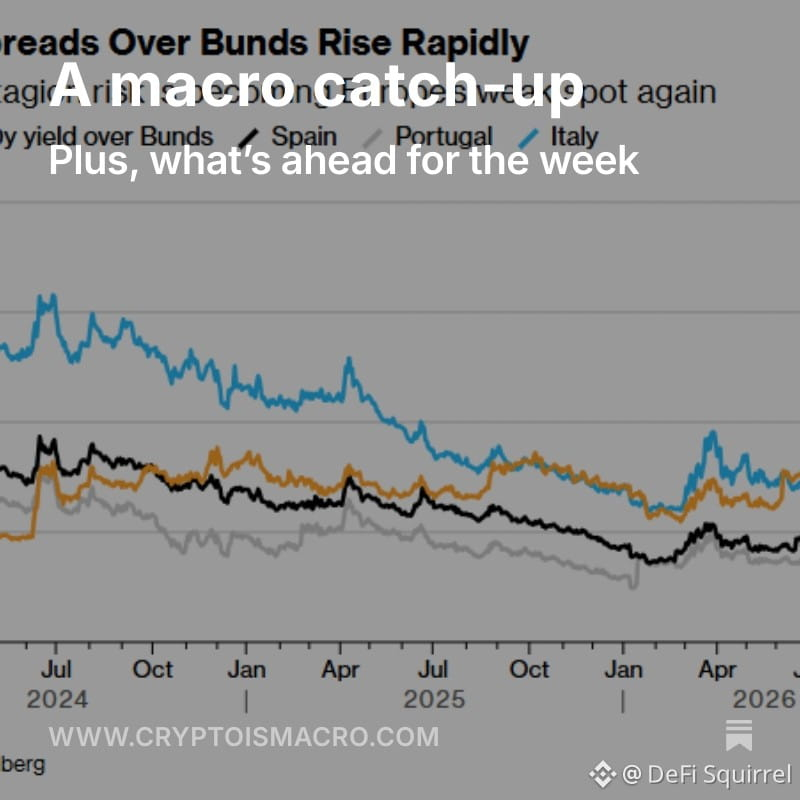
So we just got slammed with macro data last week, right? The kind of week where you're refreshing Bloomberg more than your portfolio.
Here's the vibe: $BTC is holding up. Not exactly flexing, but not crumbling either. That tenuous resilience? It's actually kinda encouraging if you've been around long enough to remember when a bad CPI print would send everything into the abyss.
The currency markets are paying attention too. When macro moves like this, exchange rates get weird, money flows shift, and suddenly your euro exchange rate or dollar converter app becomes more interesting than your trading charts.
This week's calendar matters more than usual. We're in that zone where every data point either confirms the resilience or breaks it. Not making predictions here — just saying the setup is spicy.
Stay loose. Watch the flows. And maybe keep that currency converter handy if you're moving money around right now.
So we just got slammed with macro data last week, right? The kind of week where you're refreshing Bloomberg more than your portfolio.
Here's the vibe: $BTC is holding up. Not exactly flexing, but not crumbling either. That tenuous resilience? It's actually kinda encouraging if you've been around long enough to remember when a bad CPI print would send everything into the abyss.
The currency markets are paying attention too. When macro moves like this, exchange rates get weird, money flows shift, and suddenly your euro exchange rate or dollar converter app becomes more interesting than your trading charts.
This week's calendar matters more than usual. We're in that zone where every data point either confirms the resilience or breaks it. Not making predictions here — just saying the setup is spicy.
Stay loose. Watch the flows. And maybe keep that currency converter handy if you're moving money around right now.
Here's the vibe: $BTC is holding up. Not exactly flexing, but not crumbling either. That tenuous resilience? It's actually kinda encouraging if you've been around long enough to remember when a bad CPI print would send everything into the abyss.
The currency markets are paying attention too. When macro moves like this, exchange rates get weird, money flows shift, and suddenly your euro exchange rate or dollar converter app becomes more interesting than your trading charts.
This week's calendar matters more than usual. We're in that zone where every data point either confirms the resilience or breaks it. Not making predictions here — just saying the setup is spicy.
Stay loose. Watch the flows. And maybe keep that currency converter handy if you're moving money around right now.
114
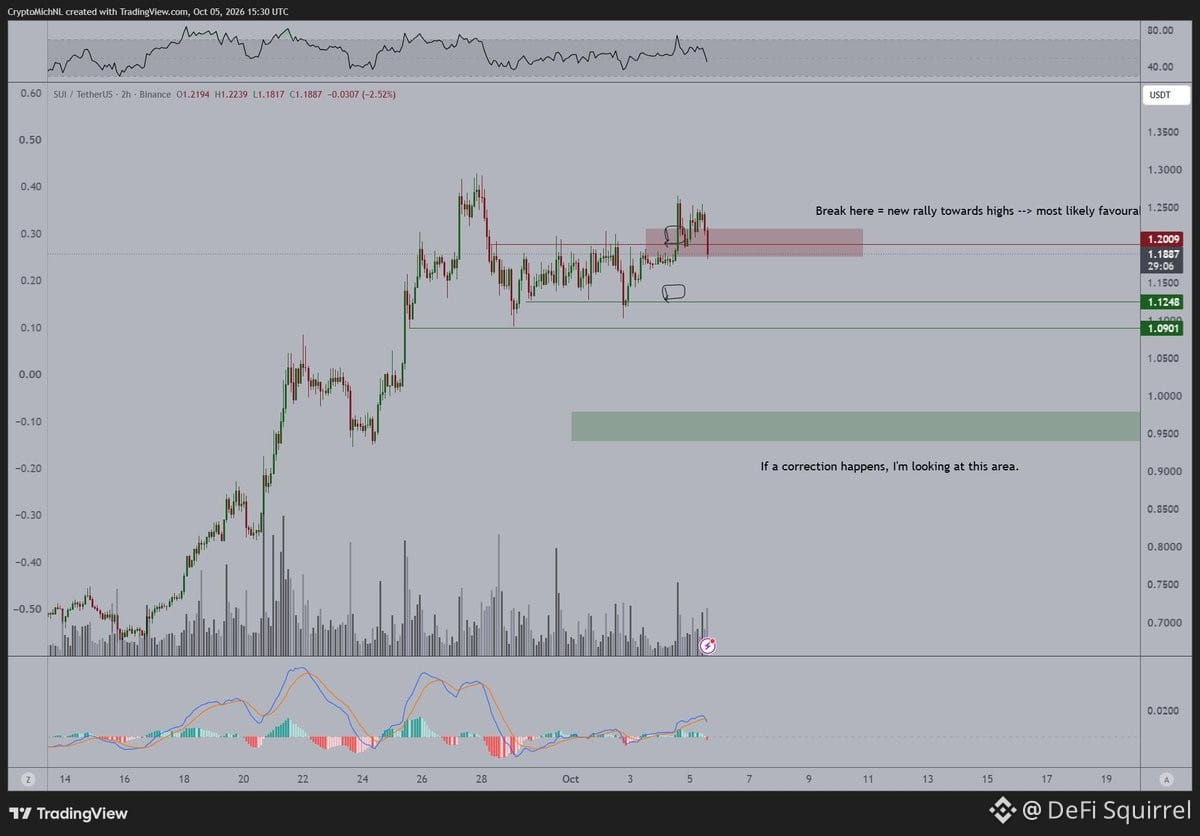
$SUI just crawled back inside its range, which basically means we're still waiting for something real to happen. No breakout yet, just more sideways noise. If you're watching this one, you need a bit more patience — sometimes the market just doesn't cooperate on your timeline. It's like waiting for a bus that's running late; you know it'll come eventually, but standing there staring at the road doesn't make it arrive faster.
$SUI just crawled back inside its range, which basically means we're still waiting for something real to happen. No breakout yet, just more sideways noise. If you're watching this one, you need a bit more patience — sometimes the market just doesn't cooperate on your timeline. It's like waiting for a bus that's running late; you know it'll come eventually, but standing there staring at the road doesn't make it arrive faster.
133
So $ARB's holding up pretty clean right now. Those dips got eaten fast, which usually means someone's still interested. Could catch people off guard with a move up if this keeps going. Not saying it's guaranteed, but the vibe's there.
So $ARB's holding up pretty clean right now. Those dips got eaten fast, which usually means someone's still interested. Could catch people off guard with a move up if this keeps going. Not saying it's guaranteed, but the vibe's there.
1
234
EU stablecoin infrastructure? Yeah, we're about a decade late to the party.
Networks don't just appear overnight. They need time, momentum, actual usage. And right now, Europe's stablecoin ecosystem feels like it's still figuring out the basics while the rest of the world has already moved on.
It's not even about regulation or tech capability — it's about network effects. The US had years of USDT and USDC flowing through every corner of crypto. Europe? We're still debating frameworks.
Ten years is a long time in this space. That's the difference between being infrastructure and being an also-ran.
EU stablecoin infrastructure? Yeah, we're about a decade late to the party.
Networks don't just appear overnight. They need time, momentum, actual usage. And right now, Europe's stablecoin ecosystem feels like it's still figuring out the basics while the rest of the world has already moved on.
It's not even about regulation or tech capability — it's about network effects. The US had years of USDT and USDC flowing through every corner of crypto. Europe? We're still debating frameworks.
Ten years is a long time in this space. That's the difference between being infrastructure and being an also-ran.
Networks don't just appear overnight. They need time, momentum, actual usage. And right now, Europe's stablecoin ecosystem feels like it's still figuring out the basics while the rest of the world has already moved on.
It's not even about regulation or tech capability — it's about network effects. The US had years of USDT and USDC flowing through every corner of crypto. Europe? We're still debating frameworks.
Ten years is a long time in this space. That's the difference between being infrastructure and being an also-ran.
1
102
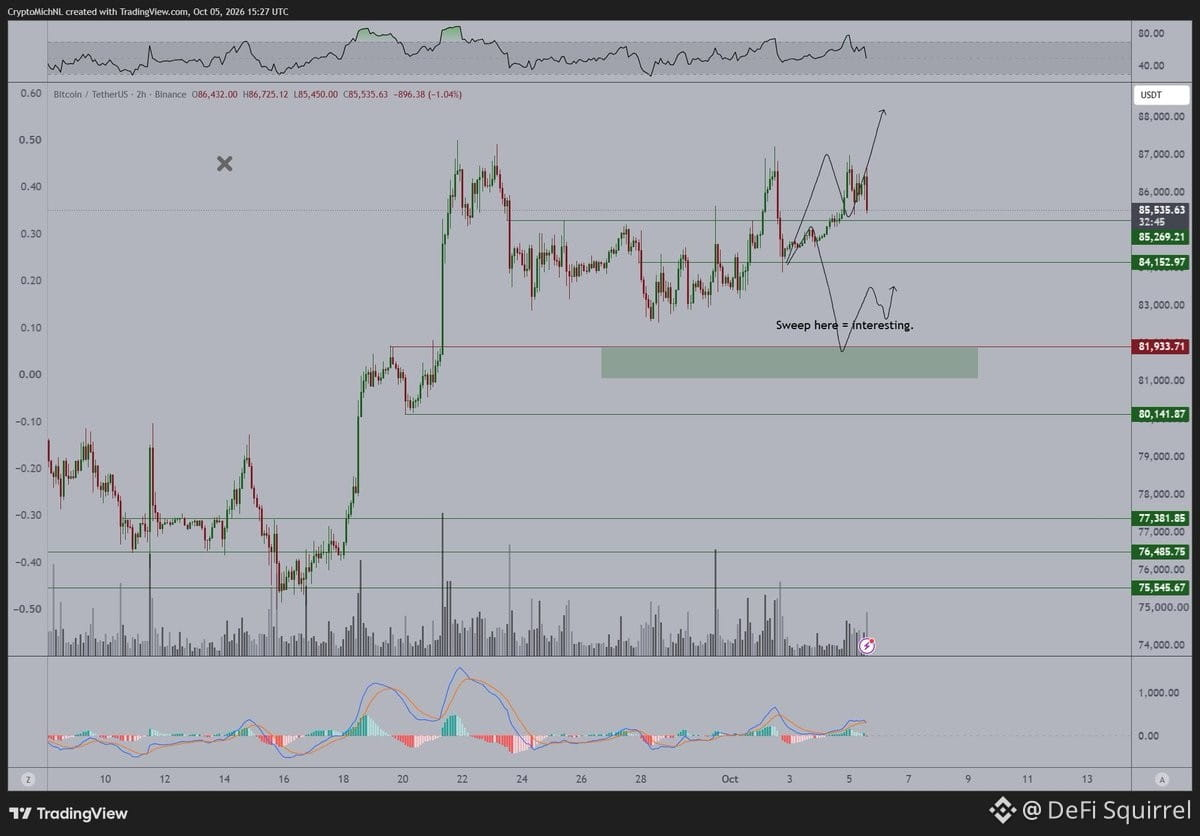
Look, $BTC dipped a little, sure. But the structure? Still bullish as hell. I've seen this movie before — small pullbacks don't change the bigger picture. If you zoom out even a bit, there's plenty of room to run. This isn't a reversal, it's a breather. The kind where you grab a coffee and wait for the next leg up. Don't let a tiny correction shake you out of a solid setup.
Look, $BTC dipped a little, sure. But the structure? Still bullish as hell. I've seen this movie before — small pullbacks don't change the bigger picture. If you zoom out even a bit, there's plenty of room to run. This isn't a reversal, it's a breather. The kind where you grab a coffee and wait for the next leg up. Don't let a tiny correction shake you out of a solid setup.
1
92
Six months straight of wages losing to inflation — that's the kind of streak that quietly breaks people's spending confidence.
If September CPI lands above 3%, your paycheck's buying power keeps shrinking, even if the number on your bank statement looks fine. Real earnings going backwards for half a year? That's not a headline, that's a vibe killer.
Consumer sentiment doesn't crash from one data point. It erodes from this slow, grinding realization that everything costs more and your raise didn't keep up. People feel it at the grocery store before they see it in the charts.
This is the kind of macro backdrop where people tighten up, delay purchases, and start second-guessing everything. Not panic — just caution. And caution, when it spreads, becomes its own economic force.
Six months straight of wages losing to inflation — that's the kind of streak that quietly breaks people's spending confidence.
If September CPI lands above 3%, your paycheck's buying power keeps shrinking, even if the number on your bank statement looks fine. Real earnings going backwards for half a year? That's not a headline, that's a vibe killer.
Consumer sentiment doesn't crash from one data point. It erodes from this slow, grinding realization that everything costs more and your raise didn't keep up. People feel it at the grocery store before they see it in the charts.
This is the kind of macro backdrop where people tighten up, delay purchases, and start second-guessing everything. Not panic — just caution. And caution, when it spreads, becomes its own economic force.
If September CPI lands above 3%, your paycheck's buying power keeps shrinking, even if the number on your bank statement looks fine. Real earnings going backwards for half a year? That's not a headline, that's a vibe killer.
Consumer sentiment doesn't crash from one data point. It erodes from this slow, grinding realization that everything costs more and your raise didn't keep up. People feel it at the grocery store before they see it in the charts.
This is the kind of macro backdrop where people tighten up, delay purchases, and start second-guessing everything. Not panic — just caution. And caution, when it spreads, becomes its own economic force.
117
Just crossed $180k in the portfolio. Not bragging — just saying I'm watching October like a hawk because positioning matters more than the number itself.
$BTC made a new higher high. That's the shift everyone talks about but few actually trade on. $ARB ran 270% off a divergence that took all of 2024 to build, and $SUI finally broke out. Price moved first. The narrative? Still waking up. That's how it always works.
Here's what I'm holding and why:
$NEAR is still core, but I'm not chasing it after the $1.20 to $4+ run. I'd rather take profit into strength and wait for a pullback. It's a bridge to the $ZEC strength, so I'm not abandoning the thesis — just trimming the froth.
$EIGEN was added end of August. The $ETH narrative has been weak, and this thing's been accumulating for nine months. Sometimes the setups that bore you are the ones that pay.
$TAO is a long-held conviction play. AI narrative is one of the strongest in crypto. $NEAR did well, $VVV did well — it's only a matter of time before $TAO catches momentum.
$PLUME is the newest add. Same reasoning as $ONDO. The RWA narrative is about to rip.
$W (Wormhole) is my $SOL ecosystem bet. Right now it's sitting in the pain corner, which is exactly where I like to enter.
Cash position is deliberate. The goal this month isn't to be fully deployed — it's to have dry powder ready for the corrections that always come in runs like this.
The strategy? Compound returns, lock profit on the way up, and keep enough cash to buy dips instead of getting caught in them. Rotate when upside caps out. This is my actual book, not a watchlist.
Just crossed $180k in the portfolio. Not bragging — just saying I'm watching October like a hawk because positioning matters more than the number itself.
$BTC made a new higher high. That's the shift everyone talks about but few actually trade on. $ARB ran 270% off a divergence that took all of 2024 to build, and $SUI finally broke out. Price moved first. The narrative? Still waking up. That's how it always works.
Here's what I'm holding and why:
$NEAR is still core, but I'm not chasing it after the $1.20 to $4+ run. I'd rather take profit into strength and wait for a pullback. It's a bridge to the $ZEC strength, so I'm not abandoning the thesis — just trimming the froth.
$EIGEN was added end of August. The $ETH narrative has been weak, and this thing's been accumulating for nine months. Sometimes the setups that bore you are the ones that pay.
$TAO is a long-held conviction play. AI narrative is one of the strongest in crypto. $NEAR did well, $VVV did well — it's only a matter of time before $TAO catches momentum.
$PLUME is the newest add. Same reasoning as $ONDO. The RWA narrative is about to rip.
$W (Wormhole) is my $SOL ecosystem bet. Right now it's sitting in the pain corner, which is exactly where I like to enter.
Cash position is deliberate. The goal this month isn't to be fully deployed — it's to have dry powder ready for the corrections that always come in runs like this.
The strategy? Compound returns, lock profit on the way up, and keep enough cash to buy dips instead of getting caught in them. Rotate when upside caps out. This is my actual book, not a watchlist.
$BTC made a new higher high. That's the shift everyone talks about but few actually trade on. $ARB ran 270% off a divergence that took all of 2024 to build, and $SUI finally broke out. Price moved first. The narrative? Still waking up. That's how it always works.
Here's what I'm holding and why:
$NEAR is still core, but I'm not chasing it after the $1.20 to $4+ run. I'd rather take profit into strength and wait for a pullback. It's a bridge to the $ZEC strength, so I'm not abandoning the thesis — just trimming the froth.
$EIGEN was added end of August. The $ETH narrative has been weak, and this thing's been accumulating for nine months. Sometimes the setups that bore you are the ones that pay.
$TAO is a long-held conviction play. AI narrative is one of the strongest in crypto. $NEAR did well, $VVV did well — it's only a matter of time before $TAO catches momentum.
$PLUME is the newest add. Same reasoning as $ONDO. The RWA narrative is about to rip.
$W (Wormhole) is my $SOL ecosystem bet. Right now it's sitting in the pain corner, which is exactly where I like to enter.
Cash position is deliberate. The goal this month isn't to be fully deployed — it's to have dry powder ready for the corrections that always come in runs like this.
The strategy? Compound returns, lock profit on the way up, and keep enough cash to buy dips instead of getting caught in them. Rotate when upside caps out. This is my actual book, not a watchlist.
1
115
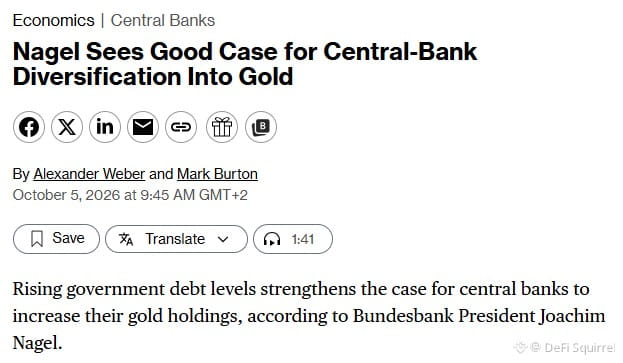
Central bankers talking openly about gold diversification? That's weird.
Usually they keep this stuff quiet — behind closed doors, off the record. Because once you start saying "we're buying gold because debt is crazy and geopolitics are a mess," you're basically inviting everyone else to pile in. And that pushes the price up before you finish loading your own bags.
It's like telling everyone you're about to buy a house in a neighborhood before you close the deal. Why would you do that?
So when they go public with it, you gotta wonder: are they trying to signal something? Are they done buying? Or is the situation bad enough that they don't care about the price anymore?
Either way, it's not normal. And in this game, when the usual playbook gets tossed out the window, that's when things get interesting.
Central bankers talking openly about gold diversification? That's weird.
Usually they keep this stuff quiet — behind closed doors, off the record. Because once you start saying "we're buying gold because debt is crazy and geopolitics are a mess," you're basically inviting everyone else to pile in. And that pushes the price up before you finish loading your own bags.
It's like telling everyone you're about to buy a house in a neighborhood before you close the deal. Why would you do that?
So when they go public with it, you gotta wonder: are they trying to signal something? Are they done buying? Or is the situation bad enough that they don't care about the price anymore?
Either way, it's not normal. And in this game, when the usual playbook gets tossed out the window, that's when things get interesting.
Usually they keep this stuff quiet — behind closed doors, off the record. Because once you start saying "we're buying gold because debt is crazy and geopolitics are a mess," you're basically inviting everyone else to pile in. And that pushes the price up before you finish loading your own bags.
It's like telling everyone you're about to buy a house in a neighborhood before you close the deal. Why would you do that?
So when they go public with it, you gotta wonder: are they trying to signal something? Are they done buying? Or is the situation bad enough that they don't care about the price anymore?
Either way, it's not normal. And in this game, when the usual playbook gets tossed out the window, that's when things get interesting.
1
1
1.3k
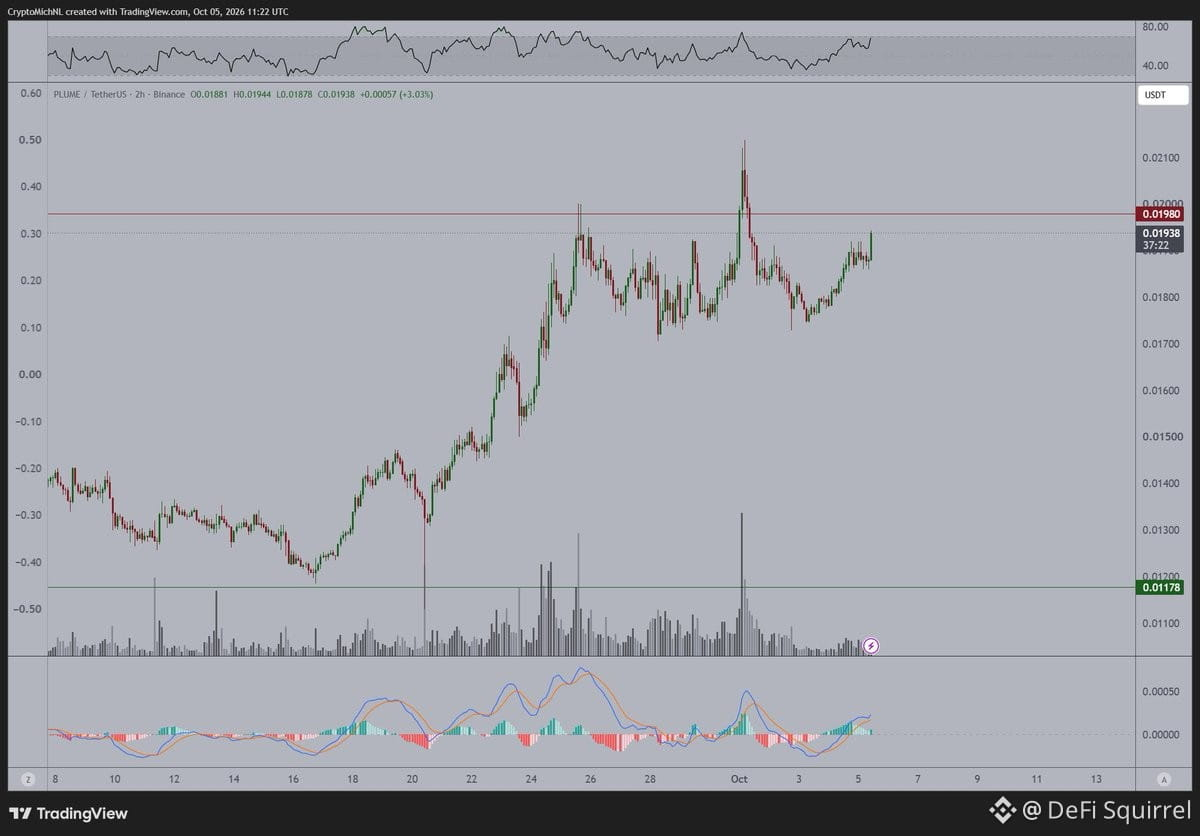
$PLUME sitting right at that bigger resistance zone. You know how this goes — either it punches through and gets interesting, or it gets smacked back down and we wait some more.
I've seen this setup a thousand times. The ones that break clean usually have some momentum behind them already. If it's just sitting there grinding, could go either way.
Either way, watching it closely. These spots are where things actually happen.
$PLUME sitting right at that bigger resistance zone. You know how this goes — either it punches through and gets interesting, or it gets smacked back down and we wait some more.
I've seen this setup a thousand times. The ones that break clean usually have some momentum behind them already. If it's just sitting there grinding, could go either way.
Either way, watching it closely. These spots are where things actually happen.
I've seen this setup a thousand times. The ones that break clean usually have some momentum behind them already. If it's just sitting there grinding, could go either way.
Either way, watching it closely. These spots are where things actually happen.
102
Remember when you'd drop a grand a month just to see decent $BTC metrics? Those days are cooked.
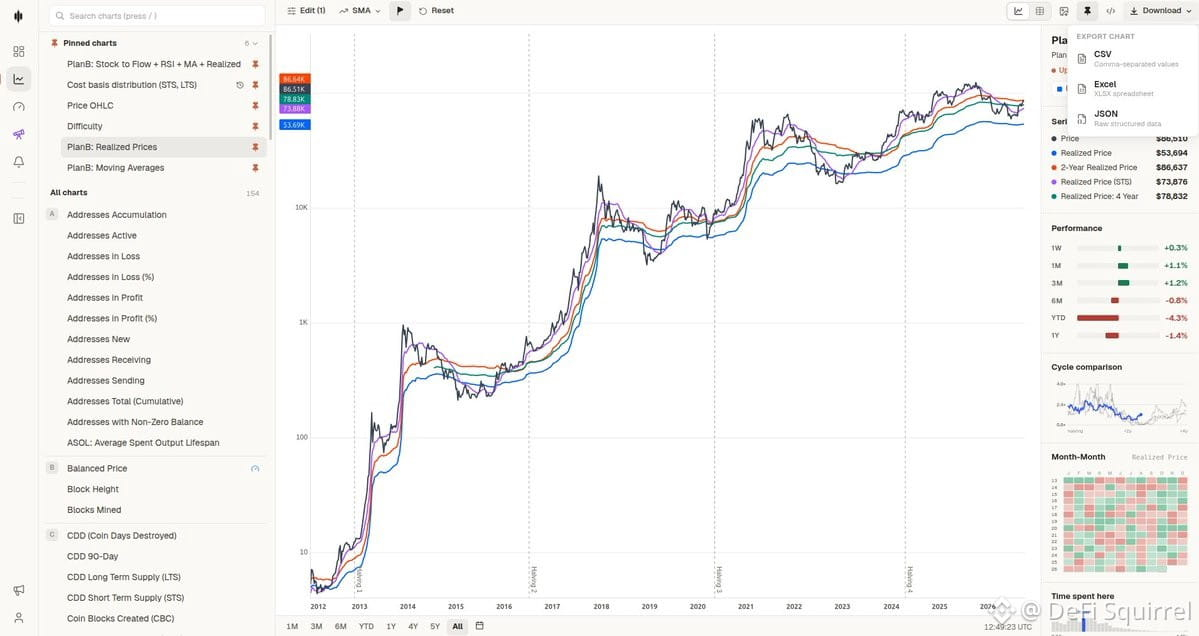
BlockHorizon's out here giving it all away for free — MVRV, NUPL, realized price, the whole toolkit. Full history, unlimited alerts, data exports in whatever format you want. No paywall, no "premium tier" nonsense.
Meanwhile $BTC is chilling right on its 2-year realized price at $86k. That's the price the average coin last moved at over a 2-year window — basically a vibes check for where long-term holders are sitting. Not a buy or sell signal, just context.
The fact that solid analytics are going free now? That's the real shift. A few years ago you had to pay enterprise money just to see on-chain data that wasn't total garbage. Now it's democratized. Whether that makes everyone smarter or just noisier... jury's still out.
Remember when you'd drop a grand a month just to see decent $BTC metrics? Those days are cooked.
BlockHorizon's out here giving it all away for free — MVRV, NUPL, realized price, the whole toolkit. Full history, unlimited alerts, data exports in whatever format you want. No paywall, no "premium tier" nonsense.
Meanwhile $BTC is chilling right on its 2-year realized price at $86k. That's the price the average coin last moved at over a 2-year window — basically a vibes check for where long-term holders are sitting. Not a buy or sell signal, just context.
The fact that solid analytics are going free now? That's the real shift. A few years ago you had to pay enterprise money just to see on-chain data that wasn't total garbage. Now it's democratized. Whether that makes everyone smarter or just noisier... jury's still out.
BlockHorizon's out here giving it all away for free — MVRV, NUPL, realized price, the whole toolkit. Full history, unlimited alerts, data exports in whatever format you want. No paywall, no "premium tier" nonsense.
Meanwhile $BTC is chilling right on its 2-year realized price at $86k. That's the price the average coin last moved at over a 2-year window — basically a vibes check for where long-term holders are sitting. Not a buy or sell signal, just context.
The fact that solid analytics are going free now? That's the real shift. A few years ago you had to pay enterprise money just to see on-chain data that wasn't total garbage. Now it's democratized. Whether that makes everyone smarter or just noisier... jury's still out.
110
Here's the thing with $ETH right now — it hasn't actually broken out yet. Everyone's watching, but the real move hasn't happened.
When it does push higher, I think it's gonna catch people off guard. That's when the FOMO kicks in hard. You know how it goes — nobody cares until suddenly everyone cares at once.
The buildup is always quieter than the chase.
Here's the thing with $ETH right now — it hasn't actually broken out yet. Everyone's watching, but the real move hasn't happened.
When it does push higher, I think it's gonna catch people off guard. That's when the FOMO kicks in hard. You know how it goes — nobody cares until suddenly everyone cares at once.
The buildup is always quieter than the chase.
When it does push higher, I think it's gonna catch people off guard. That's when the FOMO kicks in hard. You know how it goes — nobody cares until suddenly everyone cares at once.
The buildup is always quieter than the chase.
205
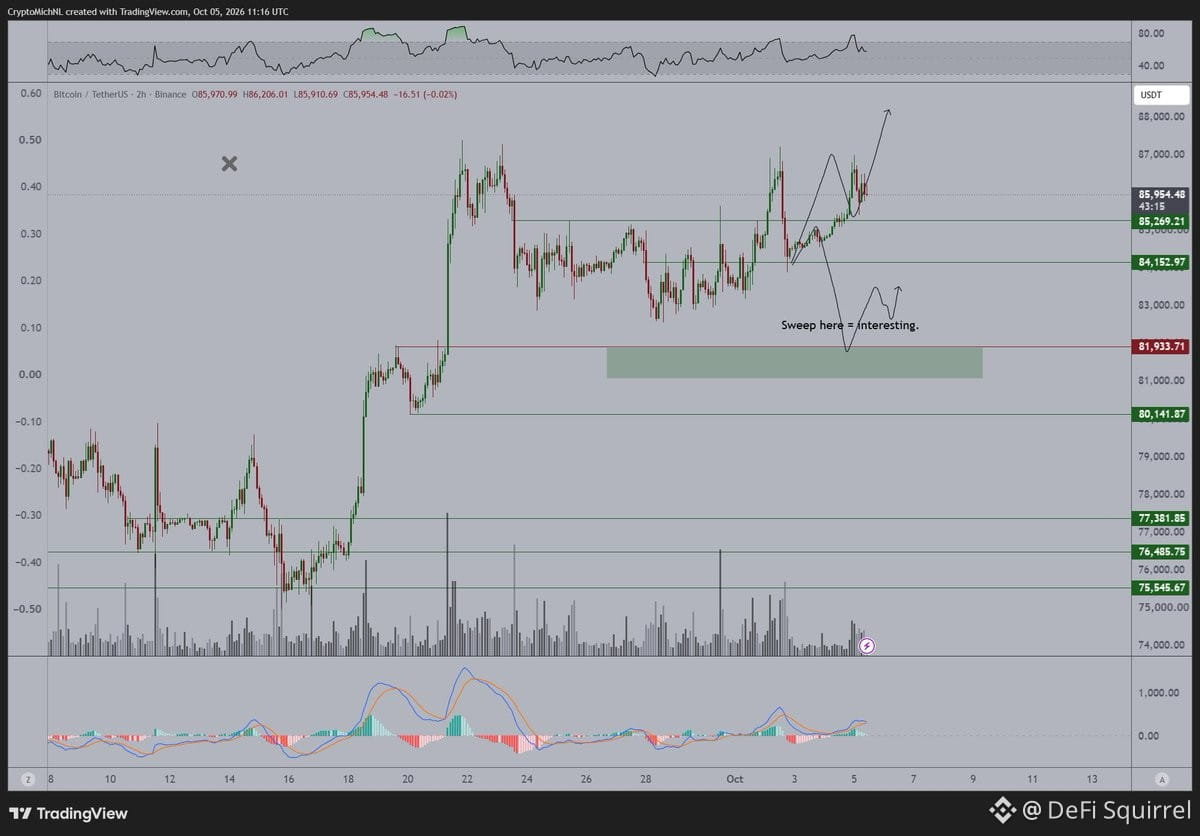
Someone's out here drawing lines like Picasso, and honestly? The chart's basically screaming it doesn't wanna dump.
Look, if $BTC flips $85k and holds it — not just wicks above and falls back down like it loves to do — that's when things get interesting. That's your signal that maybe, just maybe, we're actually heading somewhere instead of chopping around in this range forever.
$90k becomes the next conversation at that point. Not a guarantee, obviously. Nothing ever is. But the setup would be there.
Right now it's just… waiting. The market's being stubborn in the most boring way possible. Either it breaks up or it doesn't. But yeah, the vibe does lean more toward the upper scenario than people give it credit for.
Someone's out here drawing lines like Picasso, and honestly? The chart's basically screaming it doesn't wanna dump.
Look, if $BTC flips $85k and holds it — not just wicks above and falls back down like it loves to do — that's when things get interesting. That's your signal that maybe, just maybe, we're actually heading somewhere instead of chopping around in this range forever.
$90k becomes the next conversation at that point. Not a guarantee, obviously. Nothing ever is. But the setup would be there.
Right now it's just… waiting. The market's being stubborn in the most boring way possible. Either it breaks up or it doesn't. But yeah, the vibe does lean more toward the upper scenario than people give it credit for.
Look, if $BTC flips $85k and holds it — not just wicks above and falls back down like it loves to do — that's when things get interesting. That's your signal that maybe, just maybe, we're actually heading somewhere instead of chopping around in this range forever.
$90k becomes the next conversation at that point. Not a guarantee, obviously. Nothing ever is. But the setup would be there.
Right now it's just… waiting. The market's being stubborn in the most boring way possible. Either it breaks up or it doesn't. But yeah, the vibe does lean more toward the upper scenario than people give it credit for.
1
322
Log in to explore more content
Join global crypto users on Binance Square
⚡️ Get latest and useful information about crypto.
💬 Trusted by the world’s largest crypto exchange.
👍 Discover real insights from verified creators.
Email / Phone number
Trending Topics
BinanceLaunchesBinanceIntelligence
505,259 views
3,398 Discussing
Binance Intelligence is Binance's suite of AI-powered tools and infrastructure integrated directly into the Binance ecosystem. It is designed to assist traders and investors by automating market analysis, risk monitoring, and decision-making tools
#BinanceLaunchesBinanceIntelligence
CryptofactswithFARAZ
·2 Likes
·172 views
BitcoinTargets2026OpenAt$87570
3,626 views
96 Discussing
BitcoinRejectedAt$87KThirdTime
3,239 views
76 Discussing