

Deepak_rj_001
499 Posts

Deepak_rj_001
Report
Block User
Hello friends 🤝
Open Trade
Frequent Trader
2 Years
159 Following
508 Followers
300 Liked
Posts
Portfolio
All
Quotes
·
--
Bullish

39
[https://www.binance.com/activity/pick-and-win/2026-football-challenge?ref=995293735](https://www.binance.com/activity/pick-and-win/2026-football-challenge?ref=995293735)
https://www.binance.com/activity/pick-and-win/2026-football-challenge?ref=995293735

12
The FIFA World Cup is where dreams become reality and legends are made.⚽🏆
Every match is filled with passion, unforgettable goals, and moments that unite football fans across the globe
Who will lift the trophy this year? ⚽🏆
#Binance
#PickAndWin
[https://www.binance.com/activity/pick-and-win/2026-football-challenge?ref=995293735](https://www.binance.com/activity/pick-and-win/2026-football-challenge?ref=995293735)
The FIFA World Cup is where dreams become reality and legends are made.⚽🏆
Every match is filled with passion, unforgettable goals, and moments that unite football fans across the globe
Who will lift the trophy this year? ⚽🏆
#Binance
#PickAndWin
https://www.binance.com/activity/pick-and-win/2026-football-challenge?ref=995293735
Every match is filled with passion, unforgettable goals, and moments that unite football fans across the globe
Who will lift the trophy this year? ⚽🏆
#Binance
#PickAndWin
https://www.binance.com/activity/pick-and-win/2026-football-challenge?ref=995293735

17
Will $BTC reach $1 soon⁉️❤️🔥
Will $TRUMP again reach $80⁉️🔥
Will$DOGE hit $100 this year🚀
{spot}(BTCUSDT)
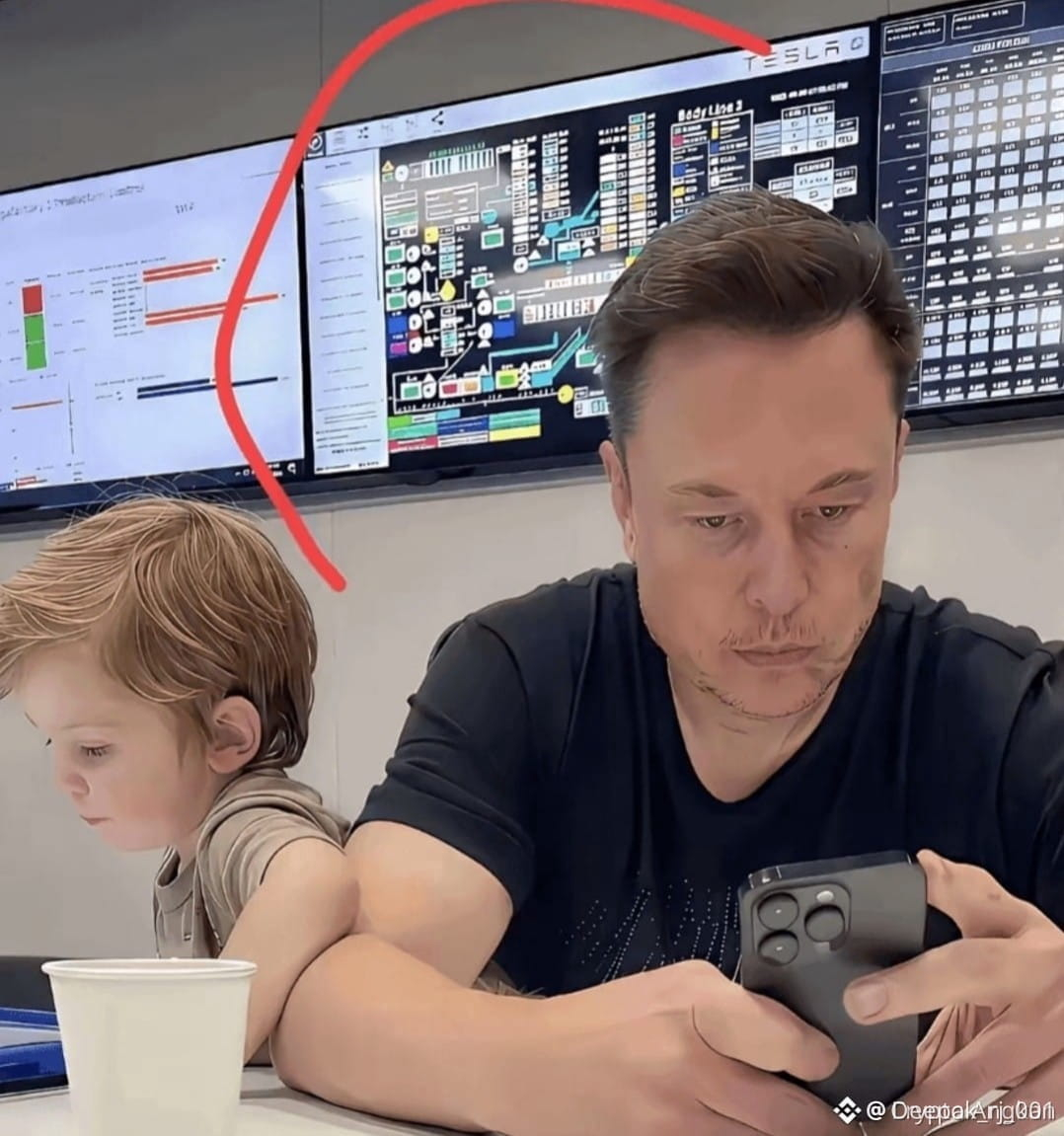
I dare say that 99% of people cannot understand what is on the screen behind Musk?
Every question you can predict from this clip
Will $BTC reach $1 soon⁉️❤️🔥
Will $TRUMP again reach $80⁉️🔥
Will$DOGE hit $100 this year🚀
I dare say that 99% of people cannot understand what is on the screen behind Musk?
Every question you can predict from this clip
Will $TRUMP again reach $80⁉️🔥
Will$DOGE hit $100 this year🚀
I dare say that 99% of people cannot understand what is on the screen behind Musk?
Every question you can predict from this clip
9
[https://www.binance.com/activity/pick-and-win/2026-football-challenge?ref=995293735](https://www.binance.com/activity/pick-and-win/2026-football-challenge?ref=995293735)
https://www.binance.com/activity/pick-and-win/2026-football-challenge?ref=995293735

1
37
claim 💵🚀🛑🚨📌📣♦️💲💸🪙
claim 💵🚀🛑🚨📌📣♦️💲💸🪙
Deepak_rj_001
·
--
Hello Friends 👋
play and win 🥳
#BinancePikeAndWin
Link 🖇️ https://www.binance.com/activity/pick-and-win/2026-football-challenge?ref=995293735
$BNB
play and win 🥳
#BinancePikeAndWin
Link 🖇️ https://www.binance.com/activity/pick-and-win/2026-football-challenge?ref=995293735
$BNB

18
Hello Friends 👋
play and win 🥳
#BinancePikeAndWin
Link 🖇️ [https://www.binance.com/activity/pick-and-win/2026-football-challenge?ref=995293735](https://www.binance.com/activity/pick-and-win/2026-football-challenge?ref=995293735)
$BNB
{spot}(BNBUSDT)
Hello Friends 👋
play and win 🥳
#BinancePikeAndWin
Link 🖇️ https://www.binance.com/activity/pick-and-win/2026-football-challenge?ref=995293735
$BNB
play and win 🥳
#BinancePikeAndWin
Link 🖇️ https://www.binance.com/activity/pick-and-win/2026-football-challenge?ref=995293735
$BNB

1
29
One thing I have started to pay attention to in crypto is not how much money I can make.
It's understanding where that money actually comes from.
Over the years I have seen opportunities that offer good returns. The problem is that users often focus on the return amount and do not spend time looking at how it is made.
That's why transparency has become more important to me.
The complicated DeFi becomes the harder it can be for everyday users to understand how money is being used and what risks are involved.
This is one reason I find the direction of Bedrock 2.0 interesting.
The project is not exploring different ways to make money. It is also introducing tools like BRClaw that aim to provide visibility into what is happening behind the scenes.
That raises a question.
As crypto continues to grow will users care more about making the money or about understanding how that money is made?
I am also curious about how $BR develops alongside this vision.
If transparency and participation become priorities across the ecosystem then the role of $BR could become more and more important over time.
For now I am watching how the idea evolves.
Because in the run trust may end up being just as valuable, as returns.
@Bedrock k $BR #bedrock
One thing I have started to pay attention to in crypto is not how much money I can make.
It's understanding where that money actually comes from.
Over the years I have seen opportunities that offer good returns. The problem is that users often focus on the return amount and do not spend time looking at how it is made.
That's why transparency has become more important to me.
The complicated DeFi becomes the harder it can be for everyday users to understand how money is being used and what risks are involved.
This is one reason I find the direction of Bedrock 2.0 interesting.
The project is not exploring different ways to make money. It is also introducing tools like BRClaw that aim to provide visibility into what is happening behind the scenes.
That raises a question.
As crypto continues to grow will users care more about making the money or about understanding how that money is made?
I am also curious about how $BR develops alongside this vision.
If transparency and participation become priorities across the ecosystem then the role of $BR could become more and more important over time.
For now I am watching how the idea evolves.
Because in the run trust may end up being just as valuable, as returns.
@Bedrock k $BR #bedrock
It's understanding where that money actually comes from.
Over the years I have seen opportunities that offer good returns. The problem is that users often focus on the return amount and do not spend time looking at how it is made.
That's why transparency has become more important to me.
The complicated DeFi becomes the harder it can be for everyday users to understand how money is being used and what risks are involved.
This is one reason I find the direction of Bedrock 2.0 interesting.
The project is not exploring different ways to make money. It is also introducing tools like BRClaw that aim to provide visibility into what is happening behind the scenes.
That raises a question.
As crypto continues to grow will users care more about making the money or about understanding how that money is made?
I am also curious about how $BR develops alongside this vision.
If transparency and participation become priorities across the ecosystem then the role of $BR could become more and more important over time.
For now I am watching how the idea evolves.
Because in the run trust may end up being just as valuable, as returns.
@Bedrock k $BR #bedrock


DT_Singh
·
--
One thing I have started to pay attention to in crypto is not how much money I can make.
It's understanding where that money actually comes from.
Over the years I have seen opportunities that offer good returns. The problem is that users often focus on the return amount and do not spend time looking at how it is made.
That's why transparency has become more important to me.
The complicated DeFi becomes the harder it can be for everyday users to understand how money is being used and what risks are involved.
This is one reason I find the direction of Bedrock 2.0 interesting.
The project is not exploring different ways to make money. It is also introducing tools like BRClaw that aim to provide visibility into what is happening behind the scenes.
That raises a question.
As crypto continues to grow will users care more about making the money or about understanding how that money is made?
I am also curious about how $BR develops alongside this vision.
If transparency and participation become priorities across the ecosystem then the role of $BR could become more and more important over time.
For now I am watching how the idea evolves.
Because in the run trust may end up being just as valuable, as returns.
@Bedrock $BR #bedrock
It's understanding where that money actually comes from.
Over the years I have seen opportunities that offer good returns. The problem is that users often focus on the return amount and do not spend time looking at how it is made.
That's why transparency has become more important to me.
The complicated DeFi becomes the harder it can be for everyday users to understand how money is being used and what risks are involved.
This is one reason I find the direction of Bedrock 2.0 interesting.
The project is not exploring different ways to make money. It is also introducing tools like BRClaw that aim to provide visibility into what is happening behind the scenes.
That raises a question.
As crypto continues to grow will users care more about making the money or about understanding how that money is made?
I am also curious about how $BR develops alongside this vision.
If transparency and participation become priorities across the ecosystem then the role of $BR could become more and more important over time.
For now I am watching how the idea evolves.
Because in the run trust may end up being just as valuable, as returns.
@Bedrock $BR #bedrock

106
#bedrock $BR
This one is HUGE.
Most AI agents today can only:
- respond to prompts
- call APIs
- summarize text
But browser automation changes everything.
If AI can:
⚡ open browsers
⚡ click buttons
⚡ fill forms
⚡ scrape websites
⚡ execute workflows
then AI stops being:
😂 “a chatbot.”
It becomes:
🤖 a digital operator.
That’s a massive leap.
━━━━━━━━━━━━━━━
🟣 MARKET RESEARCH SKILL
━━━━━━━━━━━━━━━This is probably the craziest one.
Because if agents can:
🧠 remember mistakes
🧠 optimize workflows
🧠 adapt execution patterns
🧠 improve behavior over time
then they become dynamic systems.
Not static software.
And honestly?
I don’t think the market has fully processed what that means yet.
━━━━━━━━━━━━━━━
💣 THE REAL MOAT
━━━━━━━━━━━━━━━
Most people think:
AI moat = model quality.
I disagree.
Long-term moat may actually come from:
⚡ skill ecosystems
⚡ orchestration layers
⚡ integrations
⚡ execution infrastructure
⚡ workflow coordination
Because eventually:
models become commodities.
But operational ecosystems are MUCH harder to replace.
━━━━━━━━━━━━━━━
⚠️ THE SCARY PART
━━━━━━━━━━━━━━━
The more skills AI agents gain…
…the more dangerous they become too.
Especially if connected to:
💰 wallets
💰 vaults
💰 DeFi protocols
💰 autonomous capital systems
That creates huge risks:
⚠️ prompt injection
⚠️ malicious execution
⚠️ privilege escalation
⚠️ manipulated workflows
Which is why:
secure orchestration may become more important than intelligence itself.
And OpenLedger seems to understand that 👀
#BR @Bedrock $BREV
#bedrock $BR
This one is HUGE.
Most AI agents today can only:
- respond to prompts
- call APIs
- summarize text
But browser automation changes everything.
If AI can:
⚡ open browsers
⚡ click buttons
⚡ fill forms
⚡ scrape websites
⚡ execute workflows
then AI stops being:
😂 “a chatbot.”
It becomes:
🤖 a digital operator.
That’s a massive leap.
━━━━━━━━━━━━━━━
🟣 MARKET RESEARCH SKILL
━━━━━━━━━━━━━━━This is probably the craziest one.
Because if agents can:
🧠 remember mistakes
🧠 optimize workflows
🧠 adapt execution patterns
🧠 improve behavior over time
then they become dynamic systems.
Not static software.
And honestly?
I don’t think the market has fully processed what that means yet.
━━━━━━━━━━━━━━━
💣 THE REAL MOAT
━━━━━━━━━━━━━━━
Most people think:
AI moat = model quality.
I disagree.
Long-term moat may actually come from:
⚡ skill ecosystems
⚡ orchestration layers
⚡ integrations
⚡ execution infrastructure
⚡ workflow coordination
Because eventually:
models become commodities.
But operational ecosystems are MUCH harder to replace.
━━━━━━━━━━━━━━━
⚠️ THE SCARY PART
━━━━━━━━━━━━━━━
The more skills AI agents gain…
…the more dangerous they become too.
Especially if connected to:
💰 wallets
💰 vaults
💰 DeFi protocols
💰 autonomous capital systems
That creates huge risks:
⚠️ prompt injection
⚠️ malicious execution
⚠️ privilege escalation
⚠️ manipulated workflows
Which is why:
secure orchestration may become more important than intelligence itself.
And OpenLedger seems to understand that 👀
#BR @Bedrock $BREV
This one is HUGE.
Most AI agents today can only:
- respond to prompts
- call APIs
- summarize text
But browser automation changes everything.
If AI can:
⚡ open browsers
⚡ click buttons
⚡ fill forms
⚡ scrape websites
⚡ execute workflows
then AI stops being:
😂 “a chatbot.”
It becomes:
🤖 a digital operator.
That’s a massive leap.
━━━━━━━━━━━━━━━
🟣 MARKET RESEARCH SKILL
━━━━━━━━━━━━━━━This is probably the craziest one.
Because if agents can:
🧠 remember mistakes
🧠 optimize workflows
🧠 adapt execution patterns
🧠 improve behavior over time
then they become dynamic systems.
Not static software.
And honestly?
I don’t think the market has fully processed what that means yet.
━━━━━━━━━━━━━━━
💣 THE REAL MOAT
━━━━━━━━━━━━━━━
Most people think:
AI moat = model quality.
I disagree.
Long-term moat may actually come from:
⚡ skill ecosystems
⚡ orchestration layers
⚡ integrations
⚡ execution infrastructure
⚡ workflow coordination
Because eventually:
models become commodities.
But operational ecosystems are MUCH harder to replace.
━━━━━━━━━━━━━━━
⚠️ THE SCARY PART
━━━━━━━━━━━━━━━
The more skills AI agents gain…
…the more dangerous they become too.
Especially if connected to:
💰 wallets
💰 vaults
💰 DeFi protocols
💰 autonomous capital systems
That creates huge risks:
⚠️ prompt injection
⚠️ malicious execution
⚠️ privilege escalation
⚠️ manipulated workflows
Which is why:
secure orchestration may become more important than intelligence itself.
And OpenLedger seems to understand that 👀
#BR @Bedrock $BREV
130
·
--
Bullish
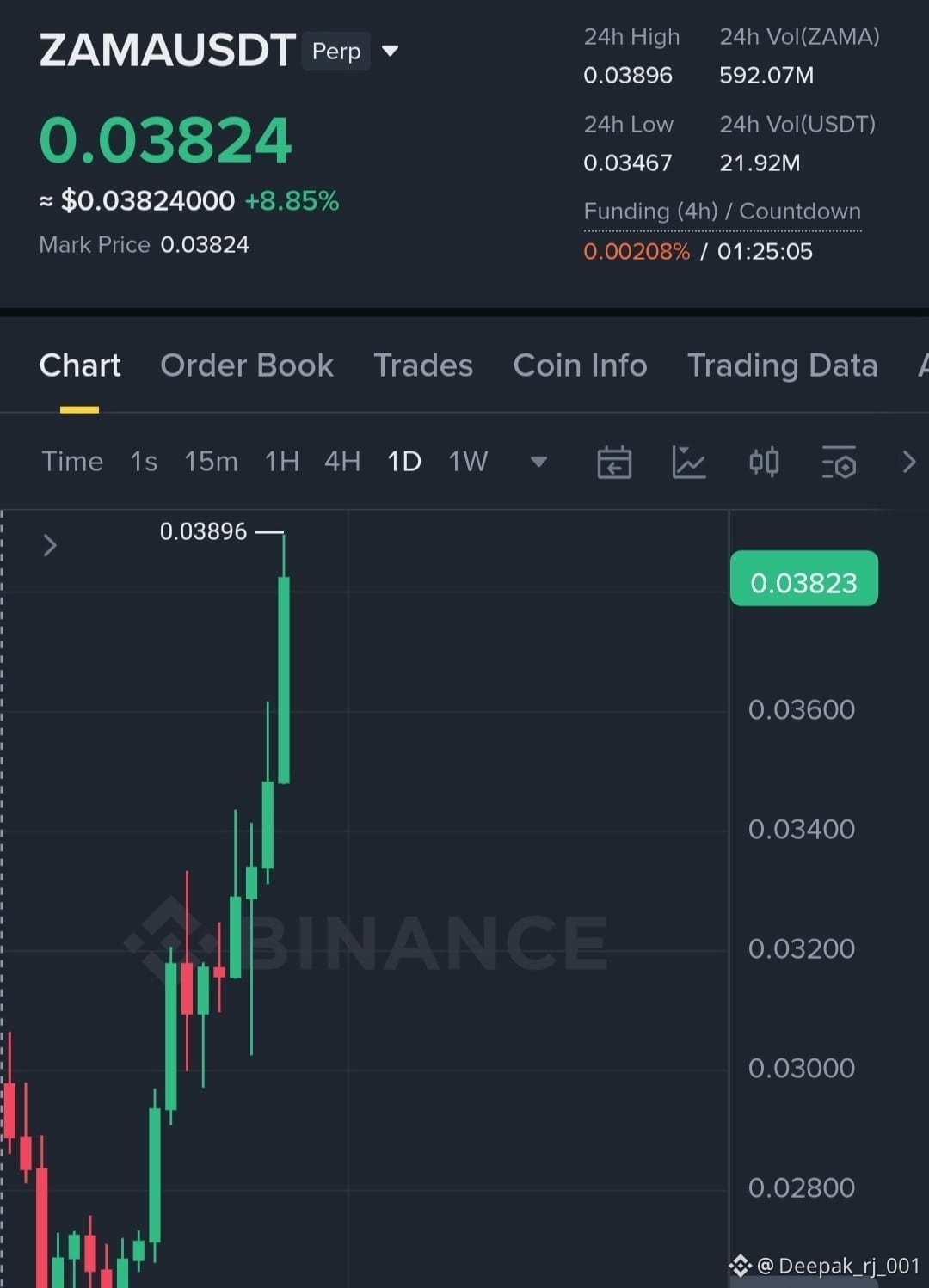
$ZAMA 🚀🚀🚀
{spot}(ZAMAUSDT)
{spot}(BTCUSDT)
[https://app.binance.com/uni-qr/pay-events_GdxqXiBg?utm_medium=web_share_copy](https://app.binance.com/uni-qr/pay-events_GdxqXiBg?utm_medium=web_share_copy) #SolanaFuturesOIDown30Percent
#BitcoinAhr999EntersBuyZone
#BitcoinFlatRecordStocks
#StrategyAcquires1.6BInBitcoin
$ZAMA 🚀🚀🚀
https://app.binance.com/uni-qr/pay-events_GdxqXiBg?utm_medium=web_share_copy #SolanaFuturesOIDown30Percent
#BitcoinAhr999EntersBuyZone
#BitcoinFlatRecordStocks
#StrategyAcquires1.6BInBitcoin
https://app.binance.com/uni-qr/pay-events_GdxqXiBg?utm_medium=web_share_copy #SolanaFuturesOIDown30Percent
#BitcoinAhr999EntersBuyZone
#BitcoinFlatRecordStocks
#StrategyAcquires1.6BInBitcoin
11
#openledger $OPEN
{spot}(OPENUSDT)
@Openledger Is the best project for Ai power project in crypto history of the best wishes for you is project OpenLedger has that familiar feeling the moment you land on it. Not in a bad way exactly. Just familiar in the way crypto keeps rediscovering the same dream with slightly different vocabulary every cycle. A few years ago it was throughput. Then modularity. Then app-chains. Now
everything is AI infrastructure, agent economies, decentralized intelligence, data liquidity. The words rotate faster than the systems underneath them. You stare at another Layer 1 and part of your brain already assumes the ending before you finish reading.
Still
OpenLedger made me pause a little longer than most.
Maybe because beneath the AI framing, the thing it seems obsessed with is coordination. Not just transactions. Not just moving tokens around quickly. Coordination between data providers, model builders, inference layers, agents, whatever term people are using this month. And honestly, that’s probably closer to the real bottleneck than another chain claiming it can process impossible numbers of TPS in perfect laboratory conditions.
Crypto has spent years pretending infrastructure alone creates economies. It doesn’t. You can build a technically elegant chain and still end up with an empty shopping mall feeling. Clean hallways. Bright lights. Nobody inside except incentives hunters farming emissions until the rewards dry up. We’ve seen it enough times now that the pattern feels almost procedural.
#openledger $OPEN
@OpenLedger Is the best project for Ai power project in crypto history of the best wishes for you is project OpenLedger has that familiar feeling the moment you land on it. Not in a bad way exactly. Just familiar in the way crypto keeps rediscovering the same dream with slightly different vocabulary every cycle. A few years ago it was throughput. Then modularity. Then app-chains. Now
everything is AI infrastructure, agent economies, decentralized intelligence, data liquidity. The words rotate faster than the systems underneath them. You stare at another Layer 1 and part of your brain already assumes the ending before you finish reading.
Still
OpenLedger made me pause a little longer than most.
Maybe because beneath the AI framing, the thing it seems obsessed with is coordination. Not just transactions. Not just moving tokens around quickly. Coordination between data providers, model builders, inference layers, agents, whatever term people are using this month. And honestly, that’s probably closer to the real bottleneck than another chain claiming it can process impossible numbers of TPS in perfect laboratory conditions.
Crypto has spent years pretending infrastructure alone creates economies. It doesn’t. You can build a technically elegant chain and still end up with an empty shopping mall feeling. Clean hallways. Bright lights. Nobody inside except incentives hunters farming emissions until the rewards dry up. We’ve seen it enough times now that the pattern feels almost procedural.
@OpenLedger Is the best project for Ai power project in crypto history of the best wishes for you is project OpenLedger has that familiar feeling the moment you land on it. Not in a bad way exactly. Just familiar in the way crypto keeps rediscovering the same dream with slightly different vocabulary every cycle. A few years ago it was throughput. Then modularity. Then app-chains. Now
everything is AI infrastructure, agent economies, decentralized intelligence, data liquidity. The words rotate faster than the systems underneath them. You stare at another Layer 1 and part of your brain already assumes the ending before you finish reading.
Still
OpenLedger made me pause a little longer than most.
Maybe because beneath the AI framing, the thing it seems obsessed with is coordination. Not just transactions. Not just moving tokens around quickly. Coordination between data providers, model builders, inference layers, agents, whatever term people are using this month. And honestly, that’s probably closer to the real bottleneck than another chain claiming it can process impossible numbers of TPS in perfect laboratory conditions.
Crypto has spent years pretending infrastructure alone creates economies. It doesn’t. You can build a technically elegant chain and still end up with an empty shopping mall feeling. Clean hallways. Bright lights. Nobody inside except incentives hunters farming emissions until the rewards dry up. We’ve seen it enough times now that the pattern feels almost procedural.
54
Article
OpenLedger is the best Ai power project in crypto history ✴️✴️OpenLedger has that familiar feeling the moment you land on it. Not in a bad way exactly. Just familiar in the way crypto keeps rediscovering the same dream with slightly different vocabulary every cycle. A few years ago it was throughput. Then modularity. Then app-chains. Now everything is AI infrastructure, agent economies, decentralized intelligence, data liquidity. The words rotate faster than the systems underneath them. You stare at another Layer 1 and part of your brain already assumes the ending before you finish reading.
Still, OpenLedger made me pause a little longer than most.
Maybe because beneath the AI framing, the thing it seems obsessed with is coordination. Not just transactions. Not just moving tokens around quickly. Coordination between data providers, model builders, inference layers, agents, whatever term people are using this month. And honestly, that’s probably closer to the real bottleneck than another chain claiming it can process impossible numbers of TPS in perfect laboratory conditions.
Crypto has spent years pretending infrastructure alone creates economies. It doesn’t. You can build a technically elegant chain and still end up with an empty shopping mall feeling. Clean hallways. Bright lights. Nobody inside except incentives hunters farming emissions until the rewards dry up. We’ve seen it enough times now that the pattern feels almost procedural.
That’s why new Layer 1 narratives feel exhausting now. Not because innovation stopped. More because everyone learned how to package ambition in the same shape. Faster finality. Better scalability. Lower fees. More composability. Some AI angle stapled onto the side. Eventually the entire sector started sounding like startup pitch competitions happening inside a server rack.
And to be fair, most chains don’t really fail during presentations. They fail when people actually use them.
That part still matters more than whitepapers, benchmark screenshots, or ecosystem maps. Real traffic is ugly. Humans spam things. Bots behave irrationally. Markets become emotional. One popular app suddenly changes the entire network profile overnight. That’s the real exam. You only learn what a chain actually is when it gets stressed in unpredictable ways.
Solana is probably the clearest example of this strange duality. On good days it feels almost invisible, which is probably the highest compliment infrastructure can receive. Things happen instantly. You stop thinking about the chain itself. But then periods of congestion or instability show up and you remember how fragile “high performance” can become once the environment stops behaving politely. That doesn’t make Solana bad. If anything, it proves it’s alive enough to encounter real pressure. Dead chains don’t get stressed because nobody is there to stress them.
That’s the uncomfortable part newer projects rarely talk about honestly. The hardest thing isn’t launching a chain. It’s surviving contact with actual adoption.
OpenLedger seems aware of this in a quiet way. At least that’s the impression I got reading through it. There’s less obsession with becoming the universal chain for everything, and more focus on a narrower idea around AI-related value flows. Data attribution. Model contribution. Incentive alignment. Trying to create some accounting layer for systems that currently operate in black boxes controlled by a handful of giant companies.
Now whether blockchain is truly necessary for that is another conversation entirely. Sometimes crypto inserts itself into problems like a person forcing themselves into a group photo they weren’t invited to. But there is a legitimate tension around AI economies becoming increasingly centralized while depending on vast amounts of distributed human input. That imbalance is real. Most people can feel it already even if they can’t articulate it cleanly.
OpenLedgerOpenLedger appears to notice that imbalance earlier than some others.
The question is whether noticing the problem is enough.
Because the practical side gets messy fast. Users do not migrate because architecture diagrams look compelling. Liquidity barely moves unless there’s overwhelming gravity pulling it somewhere new. Developers say they care about decentralization until deployment friction appears. Then suddenly convenience wins again. It usually does.
And AI itself has this strange effect on crypto right now where every project sounds simultaneously futuristic and oddly temporary. Like everyone is building around assumptions that could change within eighteen months. One major breakthrough in model efficiency or ownership structures and entire theses disappear overnight. That uncertainty hangs over projects like OpenLedger whether people admit it or not.
$OPEN
{future}(OPENUSDT)
$OPN
{spot}(OPNUSDT)
#openleague #OpenLedger @Openledger @Openledger
OpenLedger is the best Ai power project in crypto history ✴️✴️
OpenLedger has that familiar feeling the moment you land on it. Not in a bad way exactly. Just familiar in the way crypto keeps rediscovering the same dream with slightly different vocabulary every cycle. A few years ago it was throughput. Then modularity. Then app-chains. Now everything is AI infrastructure, agent economies, decentralized intelligence, data liquidity. The words rotate faster than the systems underneath them. You stare at another Layer 1 and part of your brain already assumes the ending before you finish reading.
Still, OpenLedger made me pause a little longer than most.
Maybe because beneath the AI framing, the thing it seems obsessed with is coordination. Not just transactions. Not just moving tokens around quickly. Coordination between data providers, model builders, inference layers, agents, whatever term people are using this month. And honestly, that’s probably closer to the real bottleneck than another chain claiming it can process impossible numbers of TPS in perfect laboratory conditions.
Crypto has spent years pretending infrastructure alone creates economies. It doesn’t. You can build a technically elegant chain and still end up with an empty shopping mall feeling. Clean hallways. Bright lights. Nobody inside except incentives hunters farming emissions until the rewards dry up. We’ve seen it enough times now that the pattern feels almost procedural.
That’s why new Layer 1 narratives feel exhausting now. Not because innovation stopped. More because everyone learned how to package ambition in the same shape. Faster finality. Better scalability. Lower fees. More composability. Some AI angle stapled onto the side. Eventually the entire sector started sounding like startup pitch competitions happening inside a server rack.
And to be fair, most chains don’t really fail during presentations. They fail when people actually use them.
That part still matters more than whitepapers, benchmark screenshots, or ecosystem maps. Real traffic is ugly. Humans spam things. Bots behave irrationally. Markets become emotional. One popular app suddenly changes the entire network profile overnight. That’s the real exam. You only learn what a chain actually is when it gets stressed in unpredictable ways.
Solana is probably the clearest example of this strange duality. On good days it feels almost invisible, which is probably the highest compliment infrastructure can receive. Things happen instantly. You stop thinking about the chain itself. But then periods of congestion or instability show up and you remember how fragile “high performance” can become once the environment stops behaving politely. That doesn’t make Solana bad. If anything, it proves it’s alive enough to encounter real pressure. Dead chains don’t get stressed because nobody is there to stress them.
That’s the uncomfortable part newer projects rarely talk about honestly. The hardest thing isn’t launching a chain. It’s surviving contact with actual adoption.
OpenLedger seems aware of this in a quiet way. At least that’s the impression I got reading through it. There’s less obsession with becoming the universal chain for everything, and more focus on a narrower idea around AI-related value flows. Data attribution. Model contribution. Incentive alignment. Trying to create some accounting layer for systems that currently operate in black boxes controlled by a handful of giant companies.
Now whether blockchain is truly necessary for that is another conversation entirely. Sometimes crypto inserts itself into problems like a person forcing themselves into a group photo they weren’t invited to. But there is a legitimate tension around AI economies becoming increasingly centralized while depending on vast amounts of distributed human input. That imbalance is real. Most people can feel it already even if they can’t articulate it cleanly.
OpenLedgerOpenLedger appears to notice that imbalance earlier than some others.
The question is whether noticing the problem is enough.
Because the practical side gets messy fast. Users do not migrate because architecture diagrams look compelling. Liquidity barely moves unless there’s overwhelming gravity pulling it somewhere new. Developers say they care about decentralization until deployment friction appears. Then suddenly convenience wins again. It usually does.
And AI itself has this strange effect on crypto right now where every project sounds simultaneously futuristic and oddly temporary. Like everyone is building around assumptions that could change within eighteen months. One major breakthrough in model efficiency or ownership structures and entire theses disappear overnight. That uncertainty hangs over projects like OpenLedger whether people admit it or not.
$OPEN
$OPN
#openleague #OpenLedger @OpenLedger @Openledger
Still, OpenLedger made me pause a little longer than most.
Maybe because beneath the AI framing, the thing it seems obsessed with is coordination. Not just transactions. Not just moving tokens around quickly. Coordination between data providers, model builders, inference layers, agents, whatever term people are using this month. And honestly, that’s probably closer to the real bottleneck than another chain claiming it can process impossible numbers of TPS in perfect laboratory conditions.
Crypto has spent years pretending infrastructure alone creates economies. It doesn’t. You can build a technically elegant chain and still end up with an empty shopping mall feeling. Clean hallways. Bright lights. Nobody inside except incentives hunters farming emissions until the rewards dry up. We’ve seen it enough times now that the pattern feels almost procedural.
That’s why new Layer 1 narratives feel exhausting now. Not because innovation stopped. More because everyone learned how to package ambition in the same shape. Faster finality. Better scalability. Lower fees. More composability. Some AI angle stapled onto the side. Eventually the entire sector started sounding like startup pitch competitions happening inside a server rack.
And to be fair, most chains don’t really fail during presentations. They fail when people actually use them.
That part still matters more than whitepapers, benchmark screenshots, or ecosystem maps. Real traffic is ugly. Humans spam things. Bots behave irrationally. Markets become emotional. One popular app suddenly changes the entire network profile overnight. That’s the real exam. You only learn what a chain actually is when it gets stressed in unpredictable ways.
Solana is probably the clearest example of this strange duality. On good days it feels almost invisible, which is probably the highest compliment infrastructure can receive. Things happen instantly. You stop thinking about the chain itself. But then periods of congestion or instability show up and you remember how fragile “high performance” can become once the environment stops behaving politely. That doesn’t make Solana bad. If anything, it proves it’s alive enough to encounter real pressure. Dead chains don’t get stressed because nobody is there to stress them.
That’s the uncomfortable part newer projects rarely talk about honestly. The hardest thing isn’t launching a chain. It’s surviving contact with actual adoption.
OpenLedger seems aware of this in a quiet way. At least that’s the impression I got reading through it. There’s less obsession with becoming the universal chain for everything, and more focus on a narrower idea around AI-related value flows. Data attribution. Model contribution. Incentive alignment. Trying to create some accounting layer for systems that currently operate in black boxes controlled by a handful of giant companies.
Now whether blockchain is truly necessary for that is another conversation entirely. Sometimes crypto inserts itself into problems like a person forcing themselves into a group photo they weren’t invited to. But there is a legitimate tension around AI economies becoming increasingly centralized while depending on vast amounts of distributed human input. That imbalance is real. Most people can feel it already even if they can’t articulate it cleanly.
OpenLedgerOpenLedger appears to notice that imbalance earlier than some others.
The question is whether noticing the problem is enough.
Because the practical side gets messy fast. Users do not migrate because architecture diagrams look compelling. Liquidity barely moves unless there’s overwhelming gravity pulling it somewhere new. Developers say they care about decentralization until deployment friction appears. Then suddenly convenience wins again. It usually does.
And AI itself has this strange effect on crypto right now where every project sounds simultaneously futuristic and oddly temporary. Like everyone is building around assumptions that could change within eighteen months. One major breakthrough in model efficiency or ownership structures and entire theses disappear overnight. That uncertainty hangs over projects like OpenLedger whether people admit it or not.
$OPEN
$OPN
#openleague #OpenLedger @OpenLedger @Openledger
70
Article
OpenLedger is The Ai power project in crypto history ✴️✴️@Openledger has that familiar feeling the moment you land on it. Not in a bad way exactly. Just familiar in the way crypto keeps rediscovering the same dream with slightly different vocabulary every cycle. A few years ago it was throughput. Then modularity. Then app-chains. Now everything is AI infrastructure, agent economies, decentralized intelligence, data liquidity. The words rotate faster than the systems underneath them. You stare at another Layer 1 and part of your brain already assumes the ending before you finish reading.
Still, OpenLedger made me pause a little longer than most.
Maybe because beneath the AI framing, the thing it seems obsessed with is coordination. Not just transactions. Not just moving tokens around quickly. Coordination between data providers, model builders, inference layers, agents, whatever term people are using this month. And honestly, that’s probably closer to the real bottleneck than another chain claiming it can process impossible numbers of TPS in perfect laboratory conditions.
Crypto has spent years pretending infrastructure alone creates economies. It doesn’t. You can build a technically elegant chain and still end up with an empty shopping mall feeling. Clean hallways. Bright lights. Nobody inside except incentives hunters farming emissions until the rewards dry up. We’ve seen it enough times now that the pattern feels almost procedural.
That’s why new Layer 1 narratives feel exhausting now. Not because innovation stopped. More because everyone learned how to package ambition in the same shape. Faster finality. Better scalability. Lower fees. More composability. Some AI angle stapled onto the side. Eventually the entire sector started sounding like startup pitch competitions happening inside a server rack.
And to be fair, most chains don’t really fail during presentations. They fail when people actually use them.
That part still matters more than whitepapers, benchmark screenshots, or ecosystem maps. Real traffic is ugly. Humans spam things. Bots behave irrationally. Markets become emotional. One popular app suddenly changes the entire network profile overnight. That’s the real exam. You only learn what a chain actually is when it gets stressed in unpredictable ways.
Solana is probably the clearest example of this strange duality. On good days it feels almost invisible, which is probably the highest compliment infrastructure can receive. Things happen instantly. You stop thinking about the chain itself. But then periods of congestion or instability show up and you remember how fragile “high performance” can become once the environment stops behaving politely. That doesn’t make Solana bad. If anything, it proves it’s alive enough to encounter real pressure. Dead chains don’t get stressed because nobody is there to stress them.
That’s the uncomfortable part newer projects rarely talk about honestly. The hardest thing isn’t launching a chain. It’s surviving contact with actual adoption.
OpenLedger seems aware of this in a quiet way. At least that’s the impression I got reading through it. There’s less obsession with becoming the universal chain for everything, and more focus on a narrower idea around AI-related value flows. Data attribution. Model contribution. Incentive alignment. Trying to create some accounting layer for systems that currently operate in black boxes controlled by a handful of giant companies.
Now whether blockchain is truly necessary for that is another conversation entirely. Sometimes crypto inserts itself into problems like a person forcing themselves into a group photo they weren’t invited to. But there is a legitimate tension around AI economies becoming increasingly centralized while depending on vast amounts of distributed human input. That imbalance is real. Most people can feel it already even if they can’t articulate it cleanly.
OpenLedger appears to notice that imbalance earlier than some others.
The question is whether noticing the problem is enough.
Because the practical side gets messy fast. Users do not migrate because architecture diagrams look compelling. Liquidity barely moves unless there’s overwhelming gravity pulling it somewhere new. Developers say they care about decentralization until deployment friction appears. Then suddenly convenience wins again. It usually does.
And AI itself has this strange effect on crypto right now where every project sounds simultaneously futuristic and oddly temporary. Like everyone is building around assumptions that could change within eighteen months. One major breakthrough in model efficiency or ownership structures and entire theses disappear overnight. That uncertainty hangs over projects like OpenLedger whether people admit it or not.
#openlegeder $OPEN
{future}(OPENUSDT)
$OPN
{spot}(OPNUSDT)
$OPENAI
@Openledger
OpenLedger is The Ai power project in crypto history ✴️✴️
@OpenLedger has that familiar feeling the moment you land on it. Not in a bad way exactly. Just familiar in the way crypto keeps rediscovering the same dream with slightly different vocabulary every cycle. A few years ago it was throughput. Then modularity. Then app-chains. Now everything is AI infrastructure, agent economies, decentralized intelligence, data liquidity. The words rotate faster than the systems underneath them. You stare at another Layer 1 and part of your brain already assumes the ending before you finish reading.
Still, OpenLedger made me pause a little longer than most.
Maybe because beneath the AI framing, the thing it seems obsessed with is coordination. Not just transactions. Not just moving tokens around quickly. Coordination between data providers, model builders, inference layers, agents, whatever term people are using this month. And honestly, that’s probably closer to the real bottleneck than another chain claiming it can process impossible numbers of TPS in perfect laboratory conditions.
Crypto has spent years pretending infrastructure alone creates economies. It doesn’t. You can build a technically elegant chain and still end up with an empty shopping mall feeling. Clean hallways. Bright lights. Nobody inside except incentives hunters farming emissions until the rewards dry up. We’ve seen it enough times now that the pattern feels almost procedural.
That’s why new Layer 1 narratives feel exhausting now. Not because innovation stopped. More because everyone learned how to package ambition in the same shape. Faster finality. Better scalability. Lower fees. More composability. Some AI angle stapled onto the side. Eventually the entire sector started sounding like startup pitch competitions happening inside a server rack.
And to be fair, most chains don’t really fail during presentations. They fail when people actually use them.
That part still matters more than whitepapers, benchmark screenshots, or ecosystem maps. Real traffic is ugly. Humans spam things. Bots behave irrationally. Markets become emotional. One popular app suddenly changes the entire network profile overnight. That’s the real exam. You only learn what a chain actually is when it gets stressed in unpredictable ways.
Solana is probably the clearest example of this strange duality. On good days it feels almost invisible, which is probably the highest compliment infrastructure can receive. Things happen instantly. You stop thinking about the chain itself. But then periods of congestion or instability show up and you remember how fragile “high performance” can become once the environment stops behaving politely. That doesn’t make Solana bad. If anything, it proves it’s alive enough to encounter real pressure. Dead chains don’t get stressed because nobody is there to stress them.
That’s the uncomfortable part newer projects rarely talk about honestly. The hardest thing isn’t launching a chain. It’s surviving contact with actual adoption.
OpenLedger seems aware of this in a quiet way. At least that’s the impression I got reading through it. There’s less obsession with becoming the universal chain for everything, and more focus on a narrower idea around AI-related value flows. Data attribution. Model contribution. Incentive alignment. Trying to create some accounting layer for systems that currently operate in black boxes controlled by a handful of giant companies.
Now whether blockchain is truly necessary for that is another conversation entirely. Sometimes crypto inserts itself into problems like a person forcing themselves into a group photo they weren’t invited to. But there is a legitimate tension around AI economies becoming increasingly centralized while depending on vast amounts of distributed human input. That imbalance is real. Most people can feel it already even if they can’t articulate it cleanly.
OpenLedger appears to notice that imbalance earlier than some others.
The question is whether noticing the problem is enough.
Because the practical side gets messy fast. Users do not migrate because architecture diagrams look compelling. Liquidity barely moves unless there’s overwhelming gravity pulling it somewhere new. Developers say they care about decentralization until deployment friction appears. Then suddenly convenience wins again. It usually does.
And AI itself has this strange effect on crypto right now where every project sounds simultaneously futuristic and oddly temporary. Like everyone is building around assumptions that could change within eighteen months. One major breakthrough in model efficiency or ownership structures and entire theses disappear overnight. That uncertainty hangs over projects like OpenLedger whether people admit it or not.
#openlegeder $OPEN
$OPN
$OPENAI
@Openledger
Still, OpenLedger made me pause a little longer than most.
Maybe because beneath the AI framing, the thing it seems obsessed with is coordination. Not just transactions. Not just moving tokens around quickly. Coordination between data providers, model builders, inference layers, agents, whatever term people are using this month. And honestly, that’s probably closer to the real bottleneck than another chain claiming it can process impossible numbers of TPS in perfect laboratory conditions.
Crypto has spent years pretending infrastructure alone creates economies. It doesn’t. You can build a technically elegant chain and still end up with an empty shopping mall feeling. Clean hallways. Bright lights. Nobody inside except incentives hunters farming emissions until the rewards dry up. We’ve seen it enough times now that the pattern feels almost procedural.
That’s why new Layer 1 narratives feel exhausting now. Not because innovation stopped. More because everyone learned how to package ambition in the same shape. Faster finality. Better scalability. Lower fees. More composability. Some AI angle stapled onto the side. Eventually the entire sector started sounding like startup pitch competitions happening inside a server rack.
And to be fair, most chains don’t really fail during presentations. They fail when people actually use them.
That part still matters more than whitepapers, benchmark screenshots, or ecosystem maps. Real traffic is ugly. Humans spam things. Bots behave irrationally. Markets become emotional. One popular app suddenly changes the entire network profile overnight. That’s the real exam. You only learn what a chain actually is when it gets stressed in unpredictable ways.
Solana is probably the clearest example of this strange duality. On good days it feels almost invisible, which is probably the highest compliment infrastructure can receive. Things happen instantly. You stop thinking about the chain itself. But then periods of congestion or instability show up and you remember how fragile “high performance” can become once the environment stops behaving politely. That doesn’t make Solana bad. If anything, it proves it’s alive enough to encounter real pressure. Dead chains don’t get stressed because nobody is there to stress them.
That’s the uncomfortable part newer projects rarely talk about honestly. The hardest thing isn’t launching a chain. It’s surviving contact with actual adoption.
OpenLedger seems aware of this in a quiet way. At least that’s the impression I got reading through it. There’s less obsession with becoming the universal chain for everything, and more focus on a narrower idea around AI-related value flows. Data attribution. Model contribution. Incentive alignment. Trying to create some accounting layer for systems that currently operate in black boxes controlled by a handful of giant companies.
Now whether blockchain is truly necessary for that is another conversation entirely. Sometimes crypto inserts itself into problems like a person forcing themselves into a group photo they weren’t invited to. But there is a legitimate tension around AI economies becoming increasingly centralized while depending on vast amounts of distributed human input. That imbalance is real. Most people can feel it already even if they can’t articulate it cleanly.
OpenLedger appears to notice that imbalance earlier than some others.
The question is whether noticing the problem is enough.
Because the practical side gets messy fast. Users do not migrate because architecture diagrams look compelling. Liquidity barely moves unless there’s overwhelming gravity pulling it somewhere new. Developers say they care about decentralization until deployment friction appears. Then suddenly convenience wins again. It usually does.
And AI itself has this strange effect on crypto right now where every project sounds simultaneously futuristic and oddly temporary. Like everyone is building around assumptions that could change within eighteen months. One major breakthrough in model efficiency or ownership structures and entire theses disappear overnight. That uncertainty hangs over projects like OpenLedger whether people admit it or not.
#openlegeder $OPEN
$OPN
$OPENAI
@Openledger
313
geuw
geuw
Deepak_rj_001
·
--
agents.
That’s a massive difference.
Because:
ChatGPT answers.
OctoClaw Skills ACT.
━━━━━━━━━━━━━━━
Most people still think AI agents are just:
😂 chatbots with crypto tokens attached.
But after looking deeper into 🐙 OctoClaw…
I think the real moat might NOT be the AI model itself.
It might be the SKILL SYSTEM 👀
Because AI models will eventually become commoditized.
Everyone will have access to:
- smarter models
- cheaper inference
- better reasoning
But execution infrastructure?
That’s much harder to replicate.
And this is where OpenLedger’s direction becomes VERY interesting.
━━━━━━━━━━━━━━━
🐙 OctoClaw Skills
━━━━━━━━━━━━━━━
From the demos @OpenLedgerhas shown, OctoClaw isn’t being positioned as:
🧠 “another AI assistant.”
It looks more like:
⚡ an orchestration + execution layer for autonomous AI agents.
That’s a massive difference.
Because:
ChatGPT answers.
OctoClaw Skills ACT.
━━━━━━━━━━━━━━━
⚡ The Skills Matter More Than People Realize
━━━━━━━━━━━━━━━
The project has already teased skills like:
🟣 Playwright Automation
🟣 Market Research
🟣 Self-Improving Agents
🟣 Proactive Intelligence
And honestly?
Each one hints at a completely different future for AI agents.
━━━━━━━━━━━━━━━
🟣 PLThis is where AI agents start competing directly with humans.
Imagine agents that can:
📊 monitor narratives
📊 track sentiment
📊 scan liquidity flows
📊 detect trends in real time
24/7.
No sleep.
No emotions.
No fatigue.
That’s potentially terrifying for markets 👀
━━━━━━━━━━━━━━━
🟣 PROACTIVE INTELLIGENCE
━━This is probably the craziest one.
Because if agents can:
🧠 remember mistakes
🧠 optimize workflows
🧠 adapt execution patterns
🧠 improve behavior over time
then they become dynamic systems.
Not static software.
And honestly?
I don’t think the market has fully processed what that means yet.
━━━━━━━━━━━━━━━
💣 THE REAL MOAT
━━━━━━━━━━━━━━━
Most people think:
AI moat = model quality.
I disagree.
Long-term moat may actually come from:
⚡ skill ecosystems
⚡ orchestration layers
⚡ integrations
⚡ execution infrastructure
⚡ workflow coordination
Because eventually:
models become commodities.
But operational ecosystems are MUCH harder to replace.
━━━━━━━━━━━━━━━
⚠️ THE SCARY PART
━━━━━━━━━━━━━━━
The more skills AI agents gain…
…the more dangerous they become too.
Especially if connected to:
💰 wallets
💰 vaults
💰 DeFi protocols
💰 autonomous capital systems
That creates huge risks:
⚠️ prompt injection
⚠️ malicious execution
⚠️ privilege escalation
⚠️ manipulated workflows
Which is why:
secure orchestration may become more important than intelligence itself.
And OpenLedger seems to understand that 👀
━━━━━━━━━━━━━━━
🧠 FINAL THOUGHT
━━━━━━━━━━━━━━━
AI models are the brain.
But OctoClaw Skills are:
⚡ the hands
⚡ the workflows
⚡ the execution layer
⚡ the operational system
And once AI gains:
🧠 intelligence
⚡ skills
💰 access to capital
…the narrative changes completely.
This is no longer:
“AI assistants.”
This becomes:
💀 autonomous digital workers.
The real question is:
Will AI agents replace digital workers first…
or wilThis one is underrated.
Most AI today is reactive:
➡️ you ask
➡️ it responds
But proactive agents imply:
⚡ autonomous monitoring
⚡ event detection
⚡ initiating actions automatically
That changes AI from:
“tool”
into:
“autonomous system.”
━━━━━━━━━━━━━━━
🟣 SELF-IMPROVING AGENTS 👀
━ OctoClaw Skills
━━━━━━━━━━━━━━━
From the demos @OpenLedgerhas shown, OctoClaw isn’t being positioned as:
🧠 “another AI assistant.”
It looks more like:
⚡ an orchestration + execution layer for━━━━━━━━━━━━━━l security disasters happen before that? 👀
$OPEN #OpenLedger ━━━━━━━━━━━━━AYWRIGHT AUTOMATION
━━━━━━━━━━━━━━━
😂 chatbots with crypto tokens attached.
But after looking deeper into 🐙 OctoClaw…
I think the real moat might NOT be the AI model itself.
It might be the SKILL SYSTEM 👀
Because AI models will eventually become commoditized.
Everyone will have access to:
- smarter models
- cheaper inference
- better reasoning
But execution infrastructure?
That’s much harder to replicate.
And this is where OpenLedger’s direction becomes VERY interesting.
━━━━━━━━━━━━━━━
🐙 OctoClaw Skills
━━━━━━━━━━━━━━━
From the demos @OpenLedgerhas shown, OctoClaw isn’t being positioned as:
🧠 “another AI assistant.”
It looks more like:
⚡ an orchestration + execution layer for autonomous AI agents.
That’s a massive difference.
Because:
ChatGPT answers.
OctoClaw Skills ACT.
━━━━━━━━━━━━━━━
⚡ The Skills Matter More Than People Realize
━━━━━━━━━━━━━━━
The project has already teased skills like:
🟣 Playwright Automation
🟣 Market Research
🟣 Self-Improving Agents
🟣 Proactive Intelligence
And honestly?
Each one hints at a completely different future for AI agents.
━━━━━━━━━━━━━━━
🟣 PLThis is where AI agents start competing directly with humans.
Imagine agents that can:
📊 monitor narratives
📊 track sentiment
📊 scan liquidity flows
📊 detect trends in real time
24/7.
No sleep.
No emotions.
No fatigue.
That’s potentially terrifying for markets 👀
━━━━━━━━━━━━━━━
🟣 PROACTIVE INTELLIGENCE
━━This is probably the craziest one.
Because if agents can:
🧠 remember mistakes
🧠 optimize workflows
🧠 adapt execution patterns
🧠 improve behavior over time
then they become dynamic systems.
Not static software.
And honestly?
I don’t think the market has fully processed what that means yet.
━━━━━━━━━━━━━━━
💣 THE REAL MOAT
━━━━━━━━━━━━━━━
Most people think:
AI moat = model quality.
I disagree.
Long-term moat may actually come from:
⚡ skill ecosystems
⚡ orchestration layers
⚡ integrations
⚡ execution infrastructure
⚡ workflow coordination
Because eventually:
models become commodities.
But operational ecosystems are MUCH harder to replace.
━━━━━━━━━━━━━━━
⚠️ THE SCARY PART
━━━━━━━━━━━━━━━
The more skills AI agents gain…
…the more dangerous they become too.
Especially if connected to:
💰 wallets
💰 vaults
💰 DeFi protocols
💰 autonomous capital systems
That creates huge risks:
⚠️ prompt injection
⚠️ malicious execution
⚠️ privilege escalation
⚠️ manipulated workflows
Which is why:
secure orchestration may become more important than intelligence itself.
And OpenLedger seems to understand that 👀
━━━━━━━━━━━━━━━
🧠 FINAL THOUGHT
━━━━━━━━━━━━━━━
AI models are the brain.
But OctoClaw Skills are:
⚡ the hands
⚡ the workflows
⚡ the execution layer
⚡ the operational system
And once AI gains:
🧠 intelligence
⚡ skills
💰 access to capital
…the narrative changes completely.
This is no longer:
“AI assistants.”
This becomes:
💀 autonomous digital workers.
The real question is:
Will AI agents replace digital workers first…
or wilThis one is underrated.
Most AI today is reactive:
➡️ you ask
➡️ it responds
But proactive agents imply:
⚡ autonomous monitoring
⚡ event detection
⚡ initiating actions automatically
That changes AI from:
“tool”
into:
“autonomous system.”
━━━━━━━━━━━━━━━
🟣 SELF-IMPROVING AGENTS 👀
━ OctoClaw Skills
━━━━━━━━━━━━━━━
From the demos @OpenLedgerhas shown, OctoClaw isn’t being positioned as:
🧠 “another AI assistant.”
It looks more like:
⚡ an orchestration + execution layer for━━━━━━━━━━━━━━l security disasters happen before that? 👀
$OPEN #OpenLedger ━━━━━━━━━━━━━AYWRIGHT AUTOMATION
━━━━━━━━━━━━━━━
11
agents.
That’s a massive difference.
Because:
ChatGPT answers.
OctoClaw Skills ACT.
━━━━━━━━━━━━━━━Most people still think AI agents are just:
😂 chatbots with crypto tokens attached.
But after looking deeper into 🐙 OctoClaw…
I think the real moat might NOT be the AI model itself.
It might be the SKILL SYSTEM 👀
Because AI models will eventually become commoditized.
Everyone will have access to:
- smarter models
- cheaper inference
- better reasoning
But execution infrastructure?
That’s much harder to replicate.
And this is where OpenLedger’s direction becomes VERY interesting.
━━━━━━━━━━━━━━━
🐙 OctoClaw Skills
━━━━━━━━━━━━━━━
From the demos @OpenLedgerhas shown, OctoClaw isn’t being positioned as:
🧠 “another AI assistant.”
It looks more like:
⚡ an orchestration + execution layer for autonomous AI agents.
That’s a massive difference.
Because:
ChatGPT answers.
OctoClaw Skills ACT.
━━━━━━━━━━━━━━━
⚡ The Skills Matter More Than People Realize
━━━━━━━━━━━━━━━
The project has already teased skills like:
🟣 Playwright Automation
🟣 Market Research
🟣 Self-Improving Agents
🟣 Proactive Intelligence
And honestly?
Each one hints at a completely different future for AI agents.
━━━━━━━━━━━━━━━
🟣 PLThis is where AI agents start competing directly with humans.
Imagine agents that can:
📊 monitor narratives
📊 track sentiment
📊 scan liquidity flows
📊 detect trends in real time
24/7.
No sleep.
No emotions.
No fatigue.
That’s potentially terrifying for markets 👀
━━━━━━━━━━━━━━━
🟣 PROACTIVE INTELLIGENCE
━━This is probably the craziest one.
Because if agents can:
🧠 remember mistakes
🧠 optimize workflows
🧠 adapt execution patterns
🧠 improve behavior over time
then they become dynamic systems.
Not static software.
And honestly?
I don’t think the market has fully processed what that means yet.
━━━━━━━━━━━━━━━
💣 THE REAL MOAT
━━━━━━━━━━━━━━━
Most people think:
AI moat = model quality.
I disagree.
Long-term moat may actually come from:
⚡ skill ecosystems
⚡ orchestration layers
⚡ integrations
⚡ execution infrastructure
⚡ workflow coordination
Because eventually:
models become commodities.
But operational ecosystems are MUCH harder to replace.
━━━━━━━━━━━━━━━
⚠️ THE SCARY PART
━━━━━━━━━━━━━━━
The more skills AI agents gain…
…the more dangerous they become too.
Especially if connected to:
💰 wallets
💰 vaults
💰 DeFi protocols
💰 autonomous capital systems
That creates huge risks:
⚠️ prompt injection
⚠️ malicious execution
⚠️ privilege escalation
⚠️ manipulated workflows
Which is why:
secure orchestration may become more important than intelligence itself.
And OpenLedger seems to understand that 👀
━━━━━━━━━━━━━━━
🧠 FINAL THOUGHT
━━━━━━━━━━━━━━━
AI models are the brain.
But OctoClaw Skills are:
⚡ the hands
⚡ the workflows
⚡ the execution layer
⚡ the operational system
And once AI gains:
🧠 intelligence
⚡ skills
💰 access to capital
…the narrative changes completely.
This is no longer:
“AI assistants.”
This becomes:
💀 autonomous digital workers.
The real question is:
Will AI agents replace digital workers first…
or wilThis one is underrated.
Most AI today is reactive:
➡️ you ask
➡️ it responds
But proactive agents imply:
⚡ autonomous monitoring
⚡ event detection
⚡ initiating actions automatically
That changes AI from:
“tool”
into:
“autonomous system.”
━━━━━━━━━━━━━━━
🟣 SELF-IMPROVING AGENTS 👀
━ OctoClaw Skills
━━━━━━━━━━━━━━━
From the demos @OpenLedgerhas shown, OctoClaw isn’t being positioned as:
🧠 “another AI assistant.”
It looks more like:
⚡ an orchestration + execution layer for━━━━━━━━━━━━━━l security disasters happen before that? 👀
$OPEN #OpenLedger ━━━━━━━━━━━━━AYWRIGHT AUTOMATION
━━━━━━━━━━━━━━━
agents. That’s a massive difference. Because: ChatGPT answers. OctoClaw Skills ACT. ━━━━━━━━━━━━━━━
Most people still think AI agents are just:
😂 chatbots with crypto tokens attached.
But after looking deeper into 🐙 OctoClaw…
I think the real moat might NOT be the AI model itself.
It might be the SKILL SYSTEM 👀
Because AI models will eventually become commoditized.
Everyone will have access to:
- smarter models
- cheaper inference
- better reasoning
But execution infrastructure?
That’s much harder to replicate.
And this is where OpenLedger’s direction becomes VERY interesting.
━━━━━━━━━━━━━━━
🐙 OctoClaw Skills
━━━━━━━━━━━━━━━
From the demos @OpenLedgerhas shown, OctoClaw isn’t being positioned as:
🧠 “another AI assistant.”
It looks more like:
⚡ an orchestration + execution layer for autonomous AI agents.
That’s a massive difference.
Because:
ChatGPT answers.
OctoClaw Skills ACT.
━━━━━━━━━━━━━━━
⚡ The Skills Matter More Than People Realize
━━━━━━━━━━━━━━━
The project has already teased skills like:
🟣 Playwright Automation
🟣 Market Research
🟣 Self-Improving Agents
🟣 Proactive Intelligence
And honestly?
Each one hints at a completely different future for AI agents.
━━━━━━━━━━━━━━━
🟣 PLThis is where AI agents start competing directly with humans.
Imagine agents that can:
📊 monitor narratives
📊 track sentiment
📊 scan liquidity flows
📊 detect trends in real time
24/7.
No sleep.
No emotions.
No fatigue.
That’s potentially terrifying for markets 👀
━━━━━━━━━━━━━━━
🟣 PROACTIVE INTELLIGENCE
━━This is probably the craziest one.
Because if agents can:
🧠 remember mistakes
🧠 optimize workflows
🧠 adapt execution patterns
🧠 improve behavior over time
then they become dynamic systems.
Not static software.
And honestly?
I don’t think the market has fully processed what that means yet.
━━━━━━━━━━━━━━━
💣 THE REAL MOAT
━━━━━━━━━━━━━━━
Most people think:
AI moat = model quality.
I disagree.
Long-term moat may actually come from:
⚡ skill ecosystems
⚡ orchestration layers
⚡ integrations
⚡ execution infrastructure
⚡ workflow coordination
Because eventually:
models become commodities.
But operational ecosystems are MUCH harder to replace.
━━━━━━━━━━━━━━━
⚠️ THE SCARY PART
━━━━━━━━━━━━━━━
The more skills AI agents gain…
…the more dangerous they become too.
Especially if connected to:
💰 wallets
💰 vaults
💰 DeFi protocols
💰 autonomous capital systems
That creates huge risks:
⚠️ prompt injection
⚠️ malicious execution
⚠️ privilege escalation
⚠️ manipulated workflows
Which is why:
secure orchestration may become more important than intelligence itself.
And OpenLedger seems to understand that 👀
━━━━━━━━━━━━━━━
🧠 FINAL THOUGHT
━━━━━━━━━━━━━━━
AI models are the brain.
But OctoClaw Skills are:
⚡ the hands
⚡ the workflows
⚡ the execution layer
⚡ the operational system
And once AI gains:
🧠 intelligence
⚡ skills
💰 access to capital
…the narrative changes completely.
This is no longer:
“AI assistants.”
This becomes:
💀 autonomous digital workers.
The real question is:
Will AI agents replace digital workers first…
or wilThis one is underrated.
Most AI today is reactive:
➡️ you ask
➡️ it responds
But proactive agents imply:
⚡ autonomous monitoring
⚡ event detection
⚡ initiating actions automatically
That changes AI from:
“tool”
into:
“autonomous system.”
━━━━━━━━━━━━━━━
🟣 SELF-IMPROVING AGENTS 👀
━ OctoClaw Skills
━━━━━━━━━━━━━━━
From the demos @OpenLedgerhas shown, OctoClaw isn’t being positioned as:
🧠 “another AI assistant.”
It looks more like:
⚡ an orchestration + execution layer for━━━━━━━━━━━━━━l security disasters happen before that? 👀
$OPEN #OpenLedger ━━━━━━━━━━━━━AYWRIGHT AUTOMATION
━━━━━━━━━━━━━━━
😂 chatbots with crypto tokens attached.
But after looking deeper into 🐙 OctoClaw…
I think the real moat might NOT be the AI model itself.
It might be the SKILL SYSTEM 👀
Because AI models will eventually become commoditized.
Everyone will have access to:
- smarter models
- cheaper inference
- better reasoning
But execution infrastructure?
That’s much harder to replicate.
And this is where OpenLedger’s direction becomes VERY interesting.
━━━━━━━━━━━━━━━
🐙 OctoClaw Skills
━━━━━━━━━━━━━━━
From the demos @OpenLedgerhas shown, OctoClaw isn’t being positioned as:
🧠 “another AI assistant.”
It looks more like:
⚡ an orchestration + execution layer for autonomous AI agents.
That’s a massive difference.
Because:
ChatGPT answers.
OctoClaw Skills ACT.
━━━━━━━━━━━━━━━
⚡ The Skills Matter More Than People Realize
━━━━━━━━━━━━━━━
The project has already teased skills like:
🟣 Playwright Automation
🟣 Market Research
🟣 Self-Improving Agents
🟣 Proactive Intelligence
And honestly?
Each one hints at a completely different future for AI agents.
━━━━━━━━━━━━━━━
🟣 PLThis is where AI agents start competing directly with humans.
Imagine agents that can:
📊 monitor narratives
📊 track sentiment
📊 scan liquidity flows
📊 detect trends in real time
24/7.
No sleep.
No emotions.
No fatigue.
That’s potentially terrifying for markets 👀
━━━━━━━━━━━━━━━
🟣 PROACTIVE INTELLIGENCE
━━This is probably the craziest one.
Because if agents can:
🧠 remember mistakes
🧠 optimize workflows
🧠 adapt execution patterns
🧠 improve behavior over time
then they become dynamic systems.
Not static software.
And honestly?
I don’t think the market has fully processed what that means yet.
━━━━━━━━━━━━━━━
💣 THE REAL MOAT
━━━━━━━━━━━━━━━
Most people think:
AI moat = model quality.
I disagree.
Long-term moat may actually come from:
⚡ skill ecosystems
⚡ orchestration layers
⚡ integrations
⚡ execution infrastructure
⚡ workflow coordination
Because eventually:
models become commodities.
But operational ecosystems are MUCH harder to replace.
━━━━━━━━━━━━━━━
⚠️ THE SCARY PART
━━━━━━━━━━━━━━━
The more skills AI agents gain…
…the more dangerous they become too.
Especially if connected to:
💰 wallets
💰 vaults
💰 DeFi protocols
💰 autonomous capital systems
That creates huge risks:
⚠️ prompt injection
⚠️ malicious execution
⚠️ privilege escalation
⚠️ manipulated workflows
Which is why:
secure orchestration may become more important than intelligence itself.
And OpenLedger seems to understand that 👀
━━━━━━━━━━━━━━━
🧠 FINAL THOUGHT
━━━━━━━━━━━━━━━
AI models are the brain.
But OctoClaw Skills are:
⚡ the hands
⚡ the workflows
⚡ the execution layer
⚡ the operational system
And once AI gains:
🧠 intelligence
⚡ skills
💰 access to capital
…the narrative changes completely.
This is no longer:
“AI assistants.”
This becomes:
💀 autonomous digital workers.
The real question is:
Will AI agents replace digital workers first…
or wilThis one is underrated.
Most AI today is reactive:
➡️ you ask
➡️ it responds
But proactive agents imply:
⚡ autonomous monitoring
⚡ event detection
⚡ initiating actions automatically
That changes AI from:
“tool”
into:
“autonomous system.”
━━━━━━━━━━━━━━━
🟣 SELF-IMPROVING AGENTS 👀
━ OctoClaw Skills
━━━━━━━━━━━━━━━
From the demos @OpenLedgerhas shown, OctoClaw isn’t being positioned as:
🧠 “another AI assistant.”
It looks more like:
⚡ an orchestration + execution layer for━━━━━━━━━━━━━━l security disasters happen before that? 👀
$OPEN #OpenLedger ━━━━━━━━━━━━━AYWRIGHT AUTOMATION
━━━━━━━━━━━━━━━
1
1
13
THE FUTURE OF AI MAY LOOK A LOT LIKE THIS 🐙Most people still think AI agents are just:
😂 chatbots with crypto tokens attached.
But after looking deeper into 🐙 OctoClaw…
I think the real moat might NOT be the AI model itself.
It might be the SKILL SYSTEM 👀
Because AI models will eventually become commoditized.
Everyone will have access to:
- smarter models
- cheaper inference
- better reasoning
But execution infrastructure?
That’s much harder to replicate.
And this is where OpenLedger’s direction becomes VERY interesting.
━━━━━━━━━━━━━━━
🐙 OctoClaw Skills
━━━━━━━━━━━━━━━
From the demos @OpenLedgerhas shown, OctoClaw isn’t being positioned as:
🧠 “another AI assistant.”
It looks more like:
⚡ an orchestration + execution layer for autonomous AI agents.
That’s a massive difference.
Because:
ChatGPT answers.
OctoClaw Skills ACT.
━━━━━━━━━━━━━━━
⚡ The Skills Matter More Than People Realize
━━━━━━━━━━━━━━━
The project has already teased skills like:
🟣 Playwright Automation
🟣 Market Research
🟣 Self-Improving Agents
🟣 Proactive Intelligence
And honestly?
Each one hints at a completely different future for AI agents.
━━━━━━━━━━━━━━━
🟣 PL OctoClaw Skills
━━━━━━━━━━━━━━━
From the demos @OpenLedgerhas shown, OctoClaw isn’t being positioned as:
🧠 “another AI assistant.”
It looks more like:
⚡ an orchestration + execution layeThis is probably the craziest one.
Because if agents can:
🧠 remember mistakes
🧠 optimize workflows
🧠 adapt execution patterns
🧠 improve behavior over time
then they become dynamic systems.
Not static software.
And honestly?
I don’t think the market has fully processed what that means yet.
━━━━━━━━━━━━━━━
💣 THE REAL MOAT
━━━━━━━━━━━━━━━
Most people think:
AI moat = model quality.
I disagree.
Long-term moat may actually come from:
⚡ skill ecosystems
⚡ orchestration layers
⚡ integrations
⚡ execution infrastructure
⚡ workflow coordination
Because eventually:
models become commodities.
But operational ecosystems are MUCH harder to replace.
━━━━━━━━━━━━━━━
⚠️ THE SCARY PART
━━━━━━━━━━━━━━━
The more skills AI agents gain…
…the more dangerous they become too.
Especially if connected to:
💰 wallets
💰 vaults
💰 DeFi protocols
💰 autonomous capital systems
That creates huge risks:
⚠️ prompt injection
⚠️ malicious execution
⚠️ privilege escalation
⚠️ manipulated workflows
Which is why:
secure orchestration may become more important than intelligence itself.
And OpenLedger seems to understand that 👀
━━━━━━━━━━━━━━━
🧠 FINAL THOUGHT
━━━━━━━━━━━━━━━
AI models are the brain.
But OctoClaw Skills are:
⚡ the hands
⚡ the workflows
⚡ the execution layer
⚡ the operational system
And once AI gains:
🧠 intelligence
⚡ skills
💰 access to capital
…the narrative changes completely.
This is no longer:
“AI assistants.”
This becomes:
💀 autonomous digital workers.
The real question is:
Will AI agents replace digital workers first…
or wilThis one is underrated.
Most AI today is reactive:
➡️ you ask
➡️ it responds
But proactive agents imply:
⚡ autonomous monitoring
⚡ event detection
⚡ initiating actions automatically
That changes AI from:
“tool”
into:
“autonomous system.”
━━━━━━━━━━━━━━━
🟣 SELF-IMPROVING AGENTS 👀
━Most people still think AI agents are just:
😂 chatbots with crypto tokens attached.
But after looking deeper into 🐙 OctoClaw…
I think the real moat might NOT be the AI model itself.
It might be the SKILL SYSTEM 👀
Because AI models will eventually become commoditized.
Everyone will have access to:
- smarter models
- cheaper inference
- better reasoning
But execution infrastructure?
That’s much harder to replicate.
And this is where OpenLedger’s direction becomes VERY interesting.
━━━━━━━━━━━━━━━
🐙 OctoClaw Skills
━━━━━━━━━━━━━━━
From the demos @OpenLedgerhas shown, OctoClaw isn’t being positioned as:
🧠 “another AI assistant.”
It looks more like:
⚡ an orchestration + execution layer for autonomous AI agents.
That’s a massive difference.
Because:
ChatGPT answers.
OctoClaw Skills ACT.
━━━━━━━━━━━━━━━
⚡ The Skills Matter More Than People Realize
━━━━━━━━━━━━━━━
The project has already teased skills like:
🟣 Playwright Automation
🟣 Market Research
🟣 Self-Improving Agents
🟣 Proactive Intelligence
And honestly?
Each one hints at a completely different future for AI agents.
━━━━━━━━━━━━━━━
🟣 PLAYWRIGHT AUTOMATION
━━━━━━━━━━━━━━━━━━━━━━━━━━━━━l security disasters happen before that? 👀
$OPEN #OpenLedger r forAYWRIGHT AUTOMATION
━━━━━━━━━━━━━━━
THE FUTURE OF AI MAY LOOK A LOT LIKE THIS 🐙
Most people still think AI agents are just:
😂 chatbots with crypto tokens attached.
But after looking deeper into 🐙 OctoClaw…
I think the real moat might NOT be the AI model itself.
It might be the SKILL SYSTEM 👀
Because AI models will eventually become commoditized.
Everyone will have access to:
- smarter models
- cheaper inference
- better reasoning
But execution infrastructure?
That’s much harder to replicate.
And this is where OpenLedger’s direction becomes VERY interesting.
━━━━━━━━━━━━━━━
🐙 OctoClaw Skills
━━━━━━━━━━━━━━━
From the demos @OpenLedgerhas shown, OctoClaw isn’t being positioned as:
🧠 “another AI assistant.”
It looks more like:
⚡ an orchestration + execution layer for autonomous AI agents.
That’s a massive difference.
Because:
ChatGPT answers.
OctoClaw Skills ACT.
━━━━━━━━━━━━━━━
⚡ The Skills Matter More Than People Realize
━━━━━━━━━━━━━━━
The project has already teased skills like:
🟣 Playwright Automation
🟣 Market Research
🟣 Self-Improving Agents
🟣 Proactive Intelligence
And honestly?
Each one hints at a completely different future for AI agents.
━━━━━━━━━━━━━━━
🟣 PL OctoClaw Skills
━━━━━━━━━━━━━━━
From the demos @OpenLedgerhas shown, OctoClaw isn’t being positioned as:
🧠 “another AI assistant.”
It looks more like:
⚡ an orchestration + execution layeThis is probably the craziest one.
Because if agents can:
🧠 remember mistakes
🧠 optimize workflows
🧠 adapt execution patterns
🧠 improve behavior over time
then they become dynamic systems.
Not static software.
And honestly?
I don’t think the market has fully processed what that means yet.
━━━━━━━━━━━━━━━
💣 THE REAL MOAT
━━━━━━━━━━━━━━━
Most people think:
AI moat = model quality.
I disagree.
Long-term moat may actually come from:
⚡ skill ecosystems
⚡ orchestration layers
⚡ integrations
⚡ execution infrastructure
⚡ workflow coordination
Because eventually:
models become commodities.
But operational ecosystems are MUCH harder to replace.
━━━━━━━━━━━━━━━
⚠️ THE SCARY PART
━━━━━━━━━━━━━━━
The more skills AI agents gain…
…the more dangerous they become too.
Especially if connected to:
💰 wallets
💰 vaults
💰 DeFi protocols
💰 autonomous capital systems
That creates huge risks:
⚠️ prompt injection
⚠️ malicious execution
⚠️ privilege escalation
⚠️ manipulated workflows
Which is why:
secure orchestration may become more important than intelligence itself.
And OpenLedger seems to understand that 👀
━━━━━━━━━━━━━━━
🧠 FINAL THOUGHT
━━━━━━━━━━━━━━━
AI models are the brain.
But OctoClaw Skills are:
⚡ the hands
⚡ the workflows
⚡ the execution layer
⚡ the operational system
And once AI gains:
🧠 intelligence
⚡ skills
💰 access to capital
…the narrative changes completely.
This is no longer:
“AI assistants.”
This becomes:
💀 autonomous digital workers.
The real question is:
Will AI agents replace digital workers first…
or wilThis one is underrated.
Most AI today is reactive:
➡️ you ask
➡️ it responds
But proactive agents imply:
⚡ autonomous monitoring
⚡ event detection
⚡ initiating actions automatically
That changes AI from:
“tool”
into:
“autonomous system.”
━━━━━━━━━━━━━━━
🟣 SELF-IMPROVING AGENTS 👀
━Most people still think AI agents are just:
😂 chatbots with crypto tokens attached.
But after looking deeper into 🐙 OctoClaw…
I think the real moat might NOT be the AI model itself.
It might be the SKILL SYSTEM 👀
Because AI models will eventually become commoditized.
Everyone will have access to:
- smarter models
- cheaper inference
- better reasoning
But execution infrastructure?
That’s much harder to replicate.
And this is where OpenLedger’s direction becomes VERY interesting.
━━━━━━━━━━━━━━━
🐙 OctoClaw Skills
━━━━━━━━━━━━━━━
From the demos @OpenLedgerhas shown, OctoClaw isn’t being positioned as:
🧠 “another AI assistant.”
It looks more like:
⚡ an orchestration + execution layer for autonomous AI agents.
That’s a massive difference.
Because:
ChatGPT answers.
OctoClaw Skills ACT.
━━━━━━━━━━━━━━━
⚡ The Skills Matter More Than People Realize
━━━━━━━━━━━━━━━
The project has already teased skills like:
🟣 Playwright Automation
🟣 Market Research
🟣 Self-Improving Agents
🟣 Proactive Intelligence
And honestly?
Each one hints at a completely different future for AI agents.
━━━━━━━━━━━━━━━
🟣 PLAYWRIGHT AUTOMATION
━━━━━━━━━━━━━━━━━━━━━━━━━━━━━l security disasters happen before that? 👀
$OPEN #OpenLedger r forAYWRIGHT AUTOMATION
━━━━━━━━━━━━━━━
😂 chatbots with crypto tokens attached.
But after looking deeper into 🐙 OctoClaw…
I think the real moat might NOT be the AI model itself.
It might be the SKILL SYSTEM 👀
Because AI models will eventually become commoditized.
Everyone will have access to:
- smarter models
- cheaper inference
- better reasoning
But execution infrastructure?
That’s much harder to replicate.
And this is where OpenLedger’s direction becomes VERY interesting.
━━━━━━━━━━━━━━━
🐙 OctoClaw Skills
━━━━━━━━━━━━━━━
From the demos @OpenLedgerhas shown, OctoClaw isn’t being positioned as:
🧠 “another AI assistant.”
It looks more like:
⚡ an orchestration + execution layer for autonomous AI agents.
That’s a massive difference.
Because:
ChatGPT answers.
OctoClaw Skills ACT.
━━━━━━━━━━━━━━━
⚡ The Skills Matter More Than People Realize
━━━━━━━━━━━━━━━
The project has already teased skills like:
🟣 Playwright Automation
🟣 Market Research
🟣 Self-Improving Agents
🟣 Proactive Intelligence
And honestly?
Each one hints at a completely different future for AI agents.
━━━━━━━━━━━━━━━
🟣 PL OctoClaw Skills
━━━━━━━━━━━━━━━
From the demos @OpenLedgerhas shown, OctoClaw isn’t being positioned as:
🧠 “another AI assistant.”
It looks more like:
⚡ an orchestration + execution layeThis is probably the craziest one.
Because if agents can:
🧠 remember mistakes
🧠 optimize workflows
🧠 adapt execution patterns
🧠 improve behavior over time
then they become dynamic systems.
Not static software.
And honestly?
I don’t think the market has fully processed what that means yet.
━━━━━━━━━━━━━━━
💣 THE REAL MOAT
━━━━━━━━━━━━━━━
Most people think:
AI moat = model quality.
I disagree.
Long-term moat may actually come from:
⚡ skill ecosystems
⚡ orchestration layers
⚡ integrations
⚡ execution infrastructure
⚡ workflow coordination
Because eventually:
models become commodities.
But operational ecosystems are MUCH harder to replace.
━━━━━━━━━━━━━━━
⚠️ THE SCARY PART
━━━━━━━━━━━━━━━
The more skills AI agents gain…
…the more dangerous they become too.
Especially if connected to:
💰 wallets
💰 vaults
💰 DeFi protocols
💰 autonomous capital systems
That creates huge risks:
⚠️ prompt injection
⚠️ malicious execution
⚠️ privilege escalation
⚠️ manipulated workflows
Which is why:
secure orchestration may become more important than intelligence itself.
And OpenLedger seems to understand that 👀
━━━━━━━━━━━━━━━
🧠 FINAL THOUGHT
━━━━━━━━━━━━━━━
AI models are the brain.
But OctoClaw Skills are:
⚡ the hands
⚡ the workflows
⚡ the execution layer
⚡ the operational system
And once AI gains:
🧠 intelligence
⚡ skills
💰 access to capital
…the narrative changes completely.
This is no longer:
“AI assistants.”
This becomes:
💀 autonomous digital workers.
The real question is:
Will AI agents replace digital workers first…
or wilThis one is underrated.
Most AI today is reactive:
➡️ you ask
➡️ it responds
But proactive agents imply:
⚡ autonomous monitoring
⚡ event detection
⚡ initiating actions automatically
That changes AI from:
“tool”
into:
“autonomous system.”
━━━━━━━━━━━━━━━
🟣 SELF-IMPROVING AGENTS 👀
━Most people still think AI agents are just:
😂 chatbots with crypto tokens attached.
But after looking deeper into 🐙 OctoClaw…
I think the real moat might NOT be the AI model itself.
It might be the SKILL SYSTEM 👀
Because AI models will eventually become commoditized.
Everyone will have access to:
- smarter models
- cheaper inference
- better reasoning
But execution infrastructure?
That’s much harder to replicate.
And this is where OpenLedger’s direction becomes VERY interesting.
━━━━━━━━━━━━━━━
🐙 OctoClaw Skills
━━━━━━━━━━━━━━━
From the demos @OpenLedgerhas shown, OctoClaw isn’t being positioned as:
🧠 “another AI assistant.”
It looks more like:
⚡ an orchestration + execution layer for autonomous AI agents.
That’s a massive difference.
Because:
ChatGPT answers.
OctoClaw Skills ACT.
━━━━━━━━━━━━━━━
⚡ The Skills Matter More Than People Realize
━━━━━━━━━━━━━━━
The project has already teased skills like:
🟣 Playwright Automation
🟣 Market Research
🟣 Self-Improving Agents
🟣 Proactive Intelligence
And honestly?
Each one hints at a completely different future for AI agents.
━━━━━━━━━━━━━━━
🟣 PLAYWRIGHT AUTOMATION
━━━━━━━━━━━━━━━━━━━━━━━━━━━━━l security disasters happen before that? 👀
$OPEN #OpenLedger r forAYWRIGHT AUTOMATION
━━━━━━━━━━━━━━━
6

Article
THE FUTURE OF AI MAY LOOK A LOT LIKE THIS 🐙
OctoClaw Skills
From the demos @OpenLeOctoClaw Skills
━━━━━━━━━━━━━━━
From the demos @OpenLedgerhas shown, OctoClaw isn’t being positioned as:
🧠 “another AI assistant.”
It looks more like:
⚡ an orchestration + execution layer for
agents.
That’s a massive difference.
Because:
ChatGPT answers.
OctoClaw Skills ACT.
━━━━━━━━━━━━━━━
⚡ The Skills Matter More Than People Realize
━━━━━━━━━━━━━━━
The project has already teased skills like:
🟣 Playwright Automation
🟣 Market Research
🟣 Self-Improving Agents
🟣 Proactive Intelligence
And honestly?
Each one hints at a completely different future for AI agents.
━━━━━━━━━━━━━━━
🟣 PLAYWRIGHT AUTOMATION
This is probably the craziest one.
Because if agents can:
🧠 remember mistakes
🧠 optimize workflows
🧠 adapt execution patterns
🧠 improve behavior over time
then they become dynamic systems.
Not static software.
And honestly?
I don’t think the market has fully processed what that means yet.
━━━━━━━━━━━━━━━
💣 THE REAL MOAT
━━━━━━━━━━━━━━━
Most people think:
AI moat = model quality.
I disagree.
Long-term moat may actually come from:
⚡ skill ecosystems
⚡ orchestration layers
⚡ integrations
⚡ execution infrastructure
⚡ workflow coordination
Because eventually:
models become commodities.
But operational ecosystems are MUCH harder to replace.
━━━━━━━━━━━━━━━
⚠️ THE SCARY PART
━━━━━━━━━━━━━━━
The more skills AI agents gain…
…the more dangerous they become too.
Especially if connected to:
💰 wallets
💰 vaults
💰 DeFi protocols
💰 autonomous capital systems
That creates huge risks:
⚠️ prompt injection
⚠️ malicious execution
⚠️ privilege escalation
⚠️ manipulated workflows
Which is why:
secure orchestration may become more important than intelligence itself.
And OpenLedger seems to understand that 👀
━━━━━━━━━━━━━━━
🧠 FINAL THOUGHT
━━━━━━━━━━━━━━━
AI models are the brain.
But OctoClaw Skills are:
⚡ the hands
⚡ the workflows
⚡ the execution layer
⚡ the operational system
And once AI gains:
🧠 intelligence
⚡ skills
💰 access to capital
…the narrative changes completely.
This is no longer:
“AI assistants.”
This becomes:
💀 autonomous digital workers.
The real question is:
Will AI agents replace digital workers first…
or wilThis is probably the craziest one.
Because if agents can:
🧠 remember mistakes
🧠 optimize workflows
🧠 adapt execution patterns
🧠 improve behavior over time
then they become dynamic systems.
Not static software.
And honestly?
I don’t think the market has fully processed what that means yet.
━━━━━━━━━━━━━━━
💣 THE REAL MOAT
━━━━━━━━━━━━━━━
Most people think:
AI moat = model quality.
I disagree.
Long-term moat may actually come from:
⚡ skill ecosystems
⚡ orchestration layers
⚡ integrations
⚡ execution infrastructure
⚡ workflow coordination
Because eventually:
models become commodities.
But operational ecosystems are MUCH harder to replace.
━━━━━━━━━━━━━━━
⚠️ THE SCARY PART
━━━━━━━━━━━━━━━
The more skills AI agents gain…
…the more dangerous they become too.
Especially if connected to:
💰 wallets
💰 vaults
💰 DeFi protocols
💰 autonomous capital systems
That creates huge risks:
⚠️ prompt injection
⚠️ malicious execution
⚠️ privilege escalation
⚠️ manipulated workflows
Which is why:
secure orchestration may become more important than intelligence itself.
And OpenLedger seems to understand that 👀
━━━━━━━━━━━━━━━
🧠 FINAL THOUGHT
━━━━━━━━━━━━━━━
AI models are the brain.
But OctoClaw Skills are:
⚡ the hands
⚡ the workflows
⚡ the execution layer
⚡ the operational system
And once AI gains:
🧠 intelligence
⚡ skills
💰 access to capital
…the narrative changes completely.
This is no longer:
“AI assistants.”
This becomes:
💀 autonomous digital workers.
The real question is:
Will AI agents replace digital workers first…
or will security disasters happen before that? 👀
$OPEN #OpenLedger l security disasters happen before that? 👀
$OPEN N #OpenLedger ━━━━━━━━━━━━━━━
@Openledger
THE FUTURE OF AI MAY LOOK A LOT LIKE THIS 🐙 OctoClaw Skills From the demos @OpenLe
OctoClaw Skills
━━━━━━━━━━━━━━━
From the demos @OpenLedgerhas shown, OctoClaw isn’t being positioned as:
🧠 “another AI assistant.”
It looks more like:
⚡ an orchestration + execution layer for
agents.
That’s a massive difference.
Because:
ChatGPT answers.
OctoClaw Skills ACT.
━━━━━━━━━━━━━━━
⚡ The Skills Matter More Than People Realize
━━━━━━━━━━━━━━━
The project has already teased skills like:
🟣 Playwright Automation
🟣 Market Research
🟣 Self-Improving Agents
🟣 Proactive Intelligence
And honestly?
Each one hints at a completely different future for AI agents.
━━━━━━━━━━━━━━━
🟣 PLAYWRIGHT AUTOMATION
This is probably the craziest one.
Because if agents can:
🧠 remember mistakes
🧠 optimize workflows
🧠 adapt execution patterns
🧠 improve behavior over time
then they become dynamic systems.
Not static software.
And honestly?
I don’t think the market has fully processed what that means yet.
━━━━━━━━━━━━━━━
💣 THE REAL MOAT
━━━━━━━━━━━━━━━
Most people think:
AI moat = model quality.
I disagree.
Long-term moat may actually come from:
⚡ skill ecosystems
⚡ orchestration layers
⚡ integrations
⚡ execution infrastructure
⚡ workflow coordination
Because eventually:
models become commodities.
But operational ecosystems are MUCH harder to replace.
━━━━━━━━━━━━━━━
⚠️ THE SCARY PART
━━━━━━━━━━━━━━━
The more skills AI agents gain…
…the more dangerous they become too.
Especially if connected to:
💰 wallets
💰 vaults
💰 DeFi protocols
💰 autonomous capital systems
That creates huge risks:
⚠️ prompt injection
⚠️ malicious execution
⚠️ privilege escalation
⚠️ manipulated workflows
Which is why:
secure orchestration may become more important than intelligence itself.
And OpenLedger seems to understand that 👀
━━━━━━━━━━━━━━━
🧠 FINAL THOUGHT
━━━━━━━━━━━━━━━
AI models are the brain.
But OctoClaw Skills are:
⚡ the hands
⚡ the workflows
⚡ the execution layer
⚡ the operational system
And once AI gains:
🧠 intelligence
⚡ skills
💰 access to capital
…the narrative changes completely.
This is no longer:
“AI assistants.”
This becomes:
💀 autonomous digital workers.
The real question is:
Will AI agents replace digital workers first…
or wilThis is probably the craziest one.
Because if agents can:
🧠 remember mistakes
🧠 optimize workflows
🧠 adapt execution patterns
🧠 improve behavior over time
then they become dynamic systems.
Not static software.
And honestly?
I don’t think the market has fully processed what that means yet.
━━━━━━━━━━━━━━━
💣 THE REAL MOAT
━━━━━━━━━━━━━━━
Most people think:
AI moat = model quality.
I disagree.
Long-term moat may actually come from:
⚡ skill ecosystems
⚡ orchestration layers
⚡ integrations
⚡ execution infrastructure
⚡ workflow coordination
Because eventually:
models become commodities.
But operational ecosystems are MUCH harder to replace.
━━━━━━━━━━━━━━━
⚠️ THE SCARY PART
━━━━━━━━━━━━━━━
The more skills AI agents gain…
…the more dangerous they become too.
Especially if connected to:
💰 wallets
💰 vaults
💰 DeFi protocols
💰 autonomous capital systems
That creates huge risks:
⚠️ prompt injection
⚠️ malicious execution
⚠️ privilege escalation
⚠️ manipulated workflows
Which is why:
secure orchestration may become more important than intelligence itself.
And OpenLedger seems to understand that 👀
━━━━━━━━━━━━━━━
🧠 FINAL THOUGHT
━━━━━━━━━━━━━━━
AI models are the brain.
But OctoClaw Skills are:
⚡ the hands
⚡ the workflows
⚡ the execution layer
⚡ the operational system
And once AI gains:
🧠 intelligence
⚡ skills
💰 access to capital
…the narrative changes completely.
This is no longer:
“AI assistants.”
This becomes:
💀 autonomous digital workers.
The real question is:
Will AI agents replace digital workers first…
or will security disasters happen before that? 👀
$OPEN #OpenLedger l security disasters happen before that? 👀
$OPEN N #OpenLedger ━━━━━━━━━━━━━━━
@Openledger
━━━━━━━━━━━━━━━
From the demos @OpenLedgerhas shown, OctoClaw isn’t being positioned as:
🧠 “another AI assistant.”
It looks more like:
⚡ an orchestration + execution layer for
agents.
That’s a massive difference.
Because:
ChatGPT answers.
OctoClaw Skills ACT.
━━━━━━━━━━━━━━━
⚡ The Skills Matter More Than People Realize
━━━━━━━━━━━━━━━
The project has already teased skills like:
🟣 Playwright Automation
🟣 Market Research
🟣 Self-Improving Agents
🟣 Proactive Intelligence
And honestly?
Each one hints at a completely different future for AI agents.
━━━━━━━━━━━━━━━
🟣 PLAYWRIGHT AUTOMATION
This is probably the craziest one.
Because if agents can:
🧠 remember mistakes
🧠 optimize workflows
🧠 adapt execution patterns
🧠 improve behavior over time
then they become dynamic systems.
Not static software.
And honestly?
I don’t think the market has fully processed what that means yet.
━━━━━━━━━━━━━━━
💣 THE REAL MOAT
━━━━━━━━━━━━━━━
Most people think:
AI moat = model quality.
I disagree.
Long-term moat may actually come from:
⚡ skill ecosystems
⚡ orchestration layers
⚡ integrations
⚡ execution infrastructure
⚡ workflow coordination
Because eventually:
models become commodities.
But operational ecosystems are MUCH harder to replace.
━━━━━━━━━━━━━━━
⚠️ THE SCARY PART
━━━━━━━━━━━━━━━
The more skills AI agents gain…
…the more dangerous they become too.
Especially if connected to:
💰 wallets
💰 vaults
💰 DeFi protocols
💰 autonomous capital systems
That creates huge risks:
⚠️ prompt injection
⚠️ malicious execution
⚠️ privilege escalation
⚠️ manipulated workflows
Which is why:
secure orchestration may become more important than intelligence itself.
And OpenLedger seems to understand that 👀
━━━━━━━━━━━━━━━
🧠 FINAL THOUGHT
━━━━━━━━━━━━━━━
AI models are the brain.
But OctoClaw Skills are:
⚡ the hands
⚡ the workflows
⚡ the execution layer
⚡ the operational system
And once AI gains:
🧠 intelligence
⚡ skills
💰 access to capital
…the narrative changes completely.
This is no longer:
“AI assistants.”
This becomes:
💀 autonomous digital workers.
The real question is:
Will AI agents replace digital workers first…
or wilThis is probably the craziest one.
Because if agents can:
🧠 remember mistakes
🧠 optimize workflows
🧠 adapt execution patterns
🧠 improve behavior over time
then they become dynamic systems.
Not static software.
And honestly?
I don’t think the market has fully processed what that means yet.
━━━━━━━━━━━━━━━
💣 THE REAL MOAT
━━━━━━━━━━━━━━━
Most people think:
AI moat = model quality.
I disagree.
Long-term moat may actually come from:
⚡ skill ecosystems
⚡ orchestration layers
⚡ integrations
⚡ execution infrastructure
⚡ workflow coordination
Because eventually:
models become commodities.
But operational ecosystems are MUCH harder to replace.
━━━━━━━━━━━━━━━
⚠️ THE SCARY PART
━━━━━━━━━━━━━━━
The more skills AI agents gain…
…the more dangerous they become too.
Especially if connected to:
💰 wallets
💰 vaults
💰 DeFi protocols
💰 autonomous capital systems
That creates huge risks:
⚠️ prompt injection
⚠️ malicious execution
⚠️ privilege escalation
⚠️ manipulated workflows
Which is why:
secure orchestration may become more important than intelligence itself.
And OpenLedger seems to understand that 👀
━━━━━━━━━━━━━━━
🧠 FINAL THOUGHT
━━━━━━━━━━━━━━━
AI models are the brain.
But OctoClaw Skills are:
⚡ the hands
⚡ the workflows
⚡ the execution layer
⚡ the operational system
And once AI gains:
🧠 intelligence
⚡ skills
💰 access to capital
…the narrative changes completely.
This is no longer:
“AI assistants.”
This becomes:
💀 autonomous digital workers.
The real question is:
Will AI agents replace digital workers first…
or will security disasters happen before that? 👀
$OPEN #OpenLedger l security disasters happen before that? 👀
$OPEN N #OpenLedger ━━━━━━━━━━━━━━━
@Openledger
35
#openledger $OPEN
{spot}(OPENUSDT)
OctoClaw Skills
━━━━━━━━━━━━━━━
From the demos @Openledger has shown, OctoClaw isn’t being positioned as:
🧠 “another AI assistant.”
It looks more like:
⚡ an orchestration + execution layer foragents.
That’s a massive difference.
Because:
ChatGPT answers.
OctoClaw Skills ACT.
━━━━━━━━━━━━━━━
⚡ The Skills Matter More Than People Realize
━━━━━━━━━━━━━━━
The project has already teased skills like:
🟣 Playwright Automation
🟣 Market Research
🟣 Self-Improving Agents
🟣 Proactive Intelligence
And honestly?
Each one hints at a completely different future for AI agents.
━━━━━━━━━━━━━━━
🟣 PLAYWRIGHT AUTOMATION
━━━━━━━━━━━━━━━
#openledger $OPEN
OctoClaw Skills
━━━━━━━━━━━━━━━
From the demos @OpenLedger has shown, OctoClaw isn’t being positioned as:
🧠 “another AI assistant.”
It looks more like:
⚡ an orchestration + execution layer foragents.
That’s a massive difference.
Because:
ChatGPT answers.
OctoClaw Skills ACT.
━━━━━━━━━━━━━━━
⚡ The Skills Matter More Than People Realize
━━━━━━━━━━━━━━━
The project has already teased skills like:
🟣 Playwright Automation
🟣 Market Research
🟣 Self-Improving Agents
🟣 Proactive Intelligence
And honestly?
Each one hints at a completely different future for AI agents.
━━━━━━━━━━━━━━━
🟣 PLAYWRIGHT AUTOMATION
━━━━━━━━━━━━━━━
OctoClaw Skills
━━━━━━━━━━━━━━━
From the demos @OpenLedger has shown, OctoClaw isn’t being positioned as:
🧠 “another AI assistant.”
It looks more like:
⚡ an orchestration + execution layer foragents.
That’s a massive difference.
Because:
ChatGPT answers.
OctoClaw Skills ACT.
━━━━━━━━━━━━━━━
⚡ The Skills Matter More Than People Realize
━━━━━━━━━━━━━━━
The project has already teased skills like:
🟣 Playwright Automation
🟣 Market Research
🟣 Self-Improving Agents
🟣 Proactive Intelligence
And honestly?
Each one hints at a completely different future for AI agents.
━━━━━━━━━━━━━━━
🟣 PLAYWRIGHT AUTOMATION
━━━━━━━━━━━━━━━
38
#genius $GENIUS
agents.
That’s a massive difference.
Because:
ChatGPT answers.
OctoClaw Skills ACT.
━━━━━━━━━━━━━━━
⚡ The Skills Matter More Than People Realize
━━━━━━━━━━━━━━━
The project has already teased skills like:
🟣 Playwright Automation
🟣 Market Research
🟣 Self-Improving Agents
🟣 Proactive Intelligence
And honestly?
Each one hints at a completely different future for AI agents.
━━━━━━━━━━━━━━━
🟣 PLAYWRIGHT AUTOMATION
━━━━━━━━━━━━━━━
#genius $GENIUS
agents.
That’s a massive difference.
Because:
ChatGPT answers.
OctoClaw Skills ACT.
━━━━━━━━━━━━━━━
⚡ The Skills Matter More Than People Realize
━━━━━━━━━━━━━━━
The project has already teased skills like:
🟣 Playwright Automation
🟣 Market Research
🟣 Self-Improving Agents
🟣 Proactive Intelligence
And honestly?
Each one hints at a completely different future for AI agents.
━━━━━━━━━━━━━━━
🟣 PLAYWRIGHT AUTOMATION
━━━━━━━━━━━━━━━
agents.
That’s a massive difference.
Because:
ChatGPT answers.
OctoClaw Skills ACT.
━━━━━━━━━━━━━━━
⚡ The Skills Matter More Than People Realize
━━━━━━━━━━━━━━━
The project has already teased skills like:
🟣 Playwright Automation
🟣 Market Research
🟣 Self-Improving Agents
🟣 Proactive Intelligence
And honestly?
Each one hints at a completely different future for AI agents.
━━━━━━━━━━━━━━━
🟣 PLAYWRIGHT AUTOMATION
━━━━━━━━━━━━━━━
66
Log in to explore more content
Join global crypto users on Binance Square
⚡️ Get latest and useful information about crypto.
💬 Trusted by the world’s largest crypto exchange.
👍 Discover real insights from verified creators.
Email / Phone number