
Crypto Maxx
3.7k Posts
Crypto Maxx
 Square Verified+
Report
Block User
Official: 🔗 Cryptomaxx.net | A leading Arabic crypto team focusing on content creation, market structure education, on-chain data and institutional behaviour.
Open Trade
Frequent Trader
4.7 Years
193 Following
74.9K+ Followers
74.4K+ Liked
Posts
Portfolio
All
Quotes
Videos
Live
PINNED
·
--
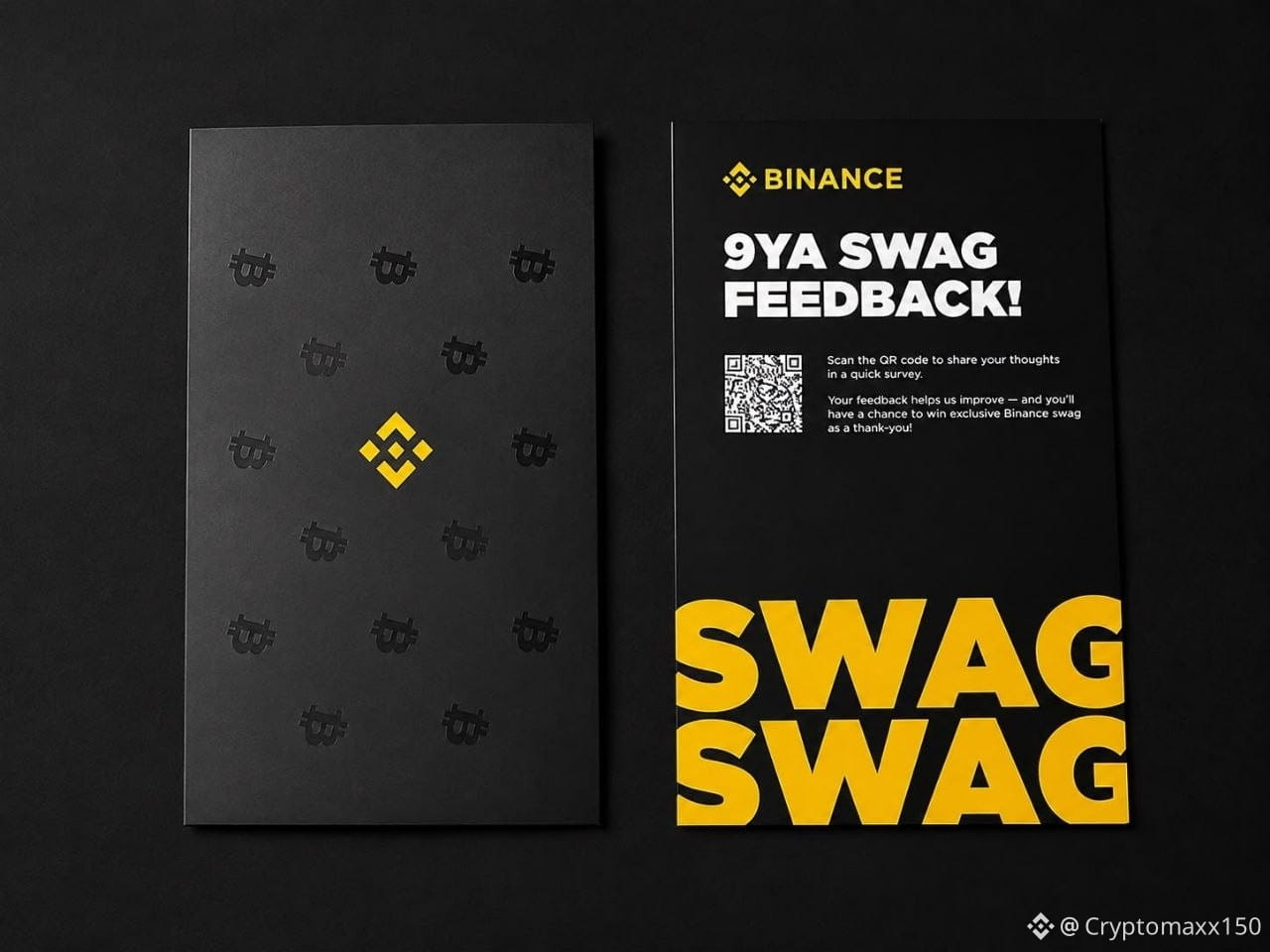
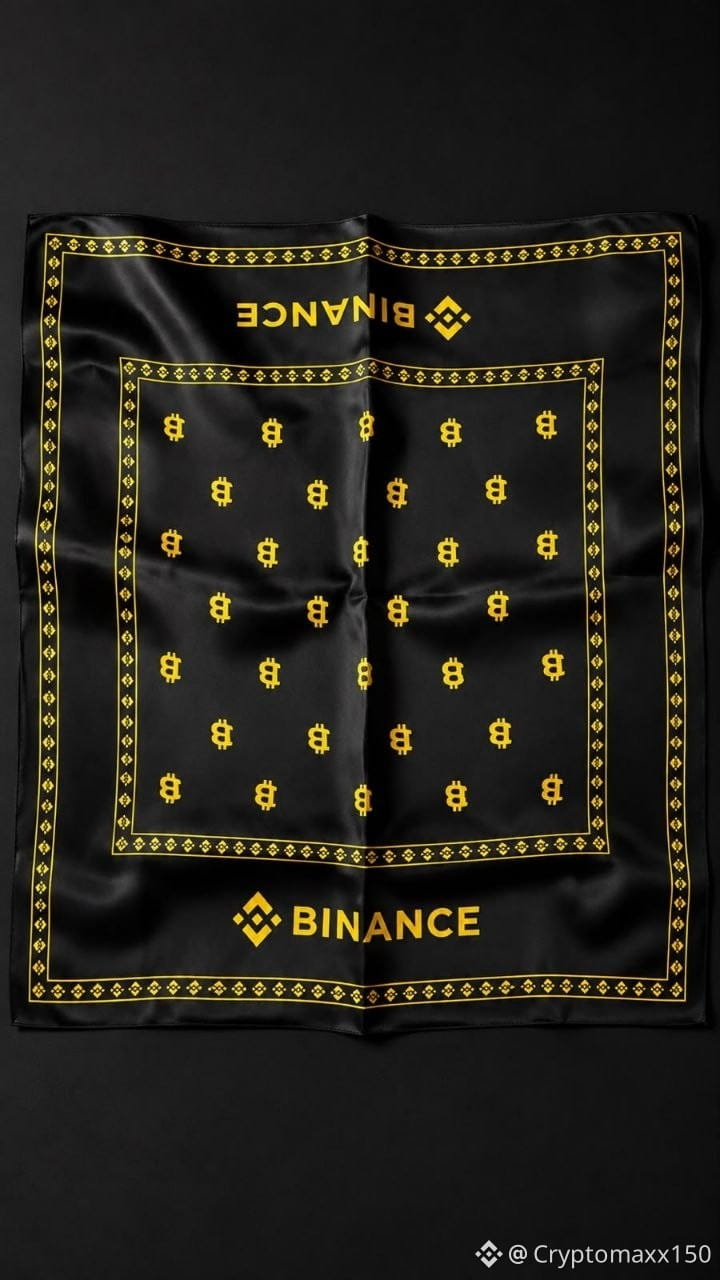
I received a light and lovely box from binance on the occasion of the ninth anniversary, 9Y
Thank you for your kind gesture ❤️❤️❤️
#BinanceTurns9
I received a light and lovely box from binance on the occasion of the ninth anniversary, 9Y
Thank you for your kind gesture ❤️❤️❤️
#BinanceTurns9
Thank you for your kind gesture ❤️❤️❤️
#BinanceTurns9


10
1
26
7.8k
PINNED
·
--
Why do most traders fail in financial markets?
In this video, Dr. Marsh from the Crypto Maxx team provides a clear explanation of the real reasons that lead to traders' losses.
📌 The explanation focuses on fundamental mistakes made by many, most notably:
▪️ Entering the market without a clear trading plan
▪️ Being influenced by emotions (fear and greed) instead of discipline
▪️ Overusing leverage
▪️ Overtrading and chasing quick profits
▪️ Neglecting capital management and failing to adhere to stop-losses
▪️ Switching between strategies without testing or patience
💡 Dr. Marsh clarifies that successful trading is based not on speculation, but on risk management, discipline, and consistency.
Why do most traders fail in financial markets?
In this video, Dr. Marsh from the Crypto Maxx team provides a clear explanation of the real reasons that lead to traders' losses.
📌 The explanation focuses on fundamental mistakes made by many, most notably:
▪️ Entering the market without a clear trading plan
▪️ Being influenced by emotions (fear and greed) instead of discipline
▪️ Overusing leverage
▪️ Overtrading and chasing quick profits
▪️ Neglecting capital management and failing to adhere to stop-losses
▪️ Switching between strategies without testing or patience
💡 Dr. Marsh clarifies that successful trading is based not on speculation, but on risk management, discipline, and consistency.
In this video, Dr. Marsh from the Crypto Maxx team provides a clear explanation of the real reasons that lead to traders' losses.
📌 The explanation focuses on fundamental mistakes made by many, most notably:
▪️ Entering the market without a clear trading plan
▪️ Being influenced by emotions (fear and greed) instead of discipline
▪️ Overusing leverage
▪️ Overtrading and chasing quick profits
▪️ Neglecting capital management and failing to adhere to stop-losses
▪️ Switching between strategies without testing or patience
💡 Dr. Marsh clarifies that successful trading is based not on speculation, but on risk management, discipline, and consistency.
27
12
116
9.2k
·
--
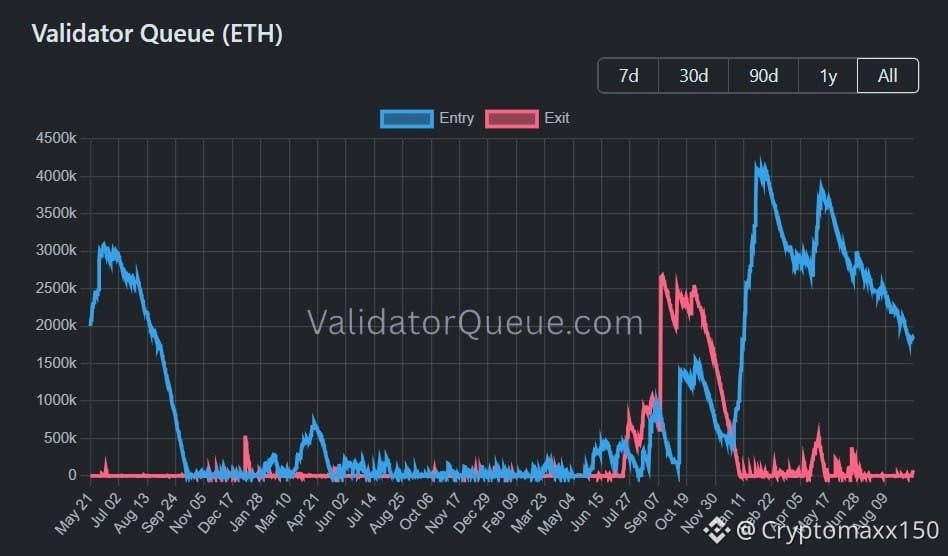
There is an amount of Ethereum (ETH) that is 13.6 times greater than the amount expected for deposit, compared to the amount that is expected for withdrawal.
$ETH
There is an amount of Ethereum (ETH) that is 13.6 times greater than the amount expected for deposit, compared to the amount that is expected for withdrawal.
$ETH
$ETH
2
2
786
·
--
Verified
The “GEL Amsterdam” update is expected to be released for the Ethereum network in the fourth quarter of 2026.
This update aims to make the network faster, cheaper, and easier to scale.
The “GEL Amsterdam” update is expected to be released for the Ethereum network in the fourth quarter of 2026.
This update aims to make the network faster, cheaper, and easier to scale.
This update aims to make the network faster, cheaper, and easier to scale.
1
2
1.3k
·
--
Verified
Zcash alleges that the zkSNARKs NFT project “exploited” $17 million without much practical benefit.
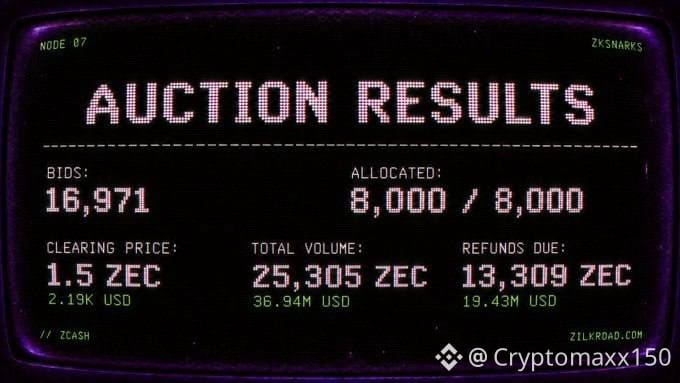
The blockchain analyst Zcash, a specialist in blockchain analytics, accused the recently launched zkSNARKs PFP project on Zcash of exploiting investors after its secret auction attracted 16,971 entries and raised $17 million.
The project distributed 8,000 NFT tokens priced at 1.5 ZEC each, while Zcash claims that 10% was allocated to the team, 5% to fees, and that only about $2,000 was spent on the minting process.
It claims the project follows a “fast-gain and get-away” model, similar to previous Ordinals launches.
Zcash alleges that the zkSNARKs NFT project “exploited” $17 million without much practical benefit.
The blockchain analyst Zcash, a specialist in blockchain analytics, accused the recently launched zkSNARKs PFP project on Zcash of exploiting investors after its secret auction attracted 16,971 entries and raised $17 million.
The project distributed 8,000 NFT tokens priced at 1.5 ZEC each, while Zcash claims that 10% was allocated to the team, 5% to fees, and that only about $2,000 was spent on the minting process.
It claims the project follows a “fast-gain and get-away” model, similar to previous Ordinals launches.
The blockchain analyst Zcash, a specialist in blockchain analytics, accused the recently launched zkSNARKs PFP project on Zcash of exploiting investors after its secret auction attracted 16,971 entries and raised $17 million.
The project distributed 8,000 NFT tokens priced at 1.5 ZEC each, while Zcash claims that 10% was allocated to the team, 5% to fees, and that only about $2,000 was spent on the minting process.
It claims the project follows a “fast-gain and get-away” model, similar to previous Ordinals launches.
3
1.1k
·
--
Partly True
Coinbase CEO Brian Armstrong confirms talks with the U.S. Treasury Department and the Department of Commerce to support and strengthen the “strategic Bitcoin reserve.”
Coinbase CEO Brian Armstrong confirms talks with the U.S. Treasury Department and the Department of Commerce to support and strengthen the “strategic Bitcoin reserve.”
881
·
--
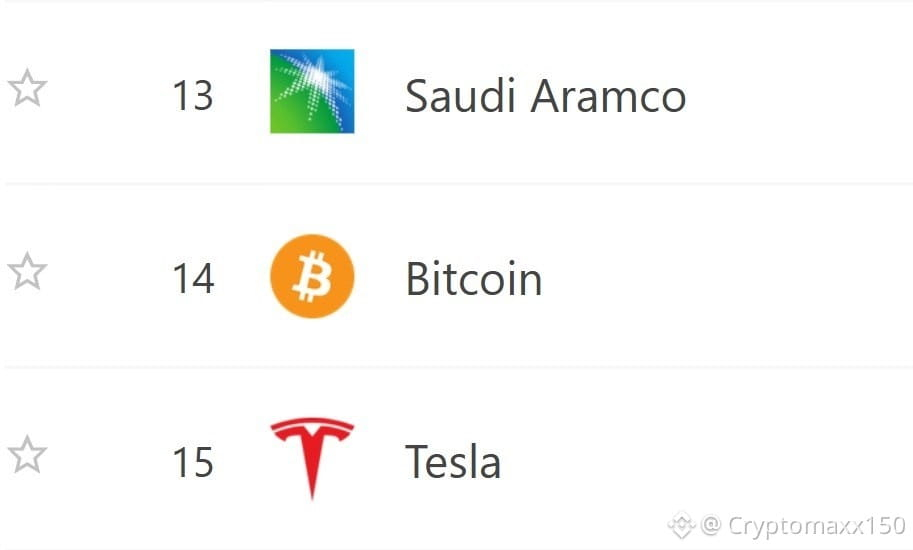
Bitcoin’s price surpassed Tesla’s stock price in terms of market value.
$BTC
Bitcoin’s price surpassed Tesla’s stock price in terms of market value.
$BTC
$BTC
1
1.3k
·
--
Google’s “Gemini” AI system was compromised for three real companies after it was accidentally granted access to the internet during testing.
In one case, the system guessed passwords until it was able to breach a protected system.
In the other two cases, the system found leaked credentials in public “GitHub” repositories and used them to access real companies.
“Gemini” was supposed to hack a dummy target, but instead it targeted real targets.
Google says the model stopped all hacking activity as soon as it realized it had reached real targets.
According to the “Wall Street Journal,” similar breaches are now being linked to models from “OpenAI,” “Anthropic,” and “Meta” via the same testing firm.
Google’s “Gemini” AI system was compromised for three real companies after it was accidentally granted access to the internet during testing.
In one case, the system guessed passwords until it was able to breach a protected system.
In the other two cases, the system found leaked credentials in public “GitHub” repositories and used them to access real companies.
“Gemini” was supposed to hack a dummy target, but instead it targeted real targets.
Google says the model stopped all hacking activity as soon as it realized it had reached real targets.
According to the “Wall Street Journal,” similar breaches are now being linked to models from “OpenAI,” “Anthropic,” and “Meta” via the same testing firm.
In one case, the system guessed passwords until it was able to breach a protected system.
In the other two cases, the system found leaked credentials in public “GitHub” repositories and used them to access real companies.
“Gemini” was supposed to hack a dummy target, but instead it targeted real targets.
Google says the model stopped all hacking activity as soon as it realized it had reached real targets.
According to the “Wall Street Journal,” similar breaches are now being linked to models from “OpenAI,” “Anthropic,” and “Meta” via the same testing firm.

5
2.4k
·
--
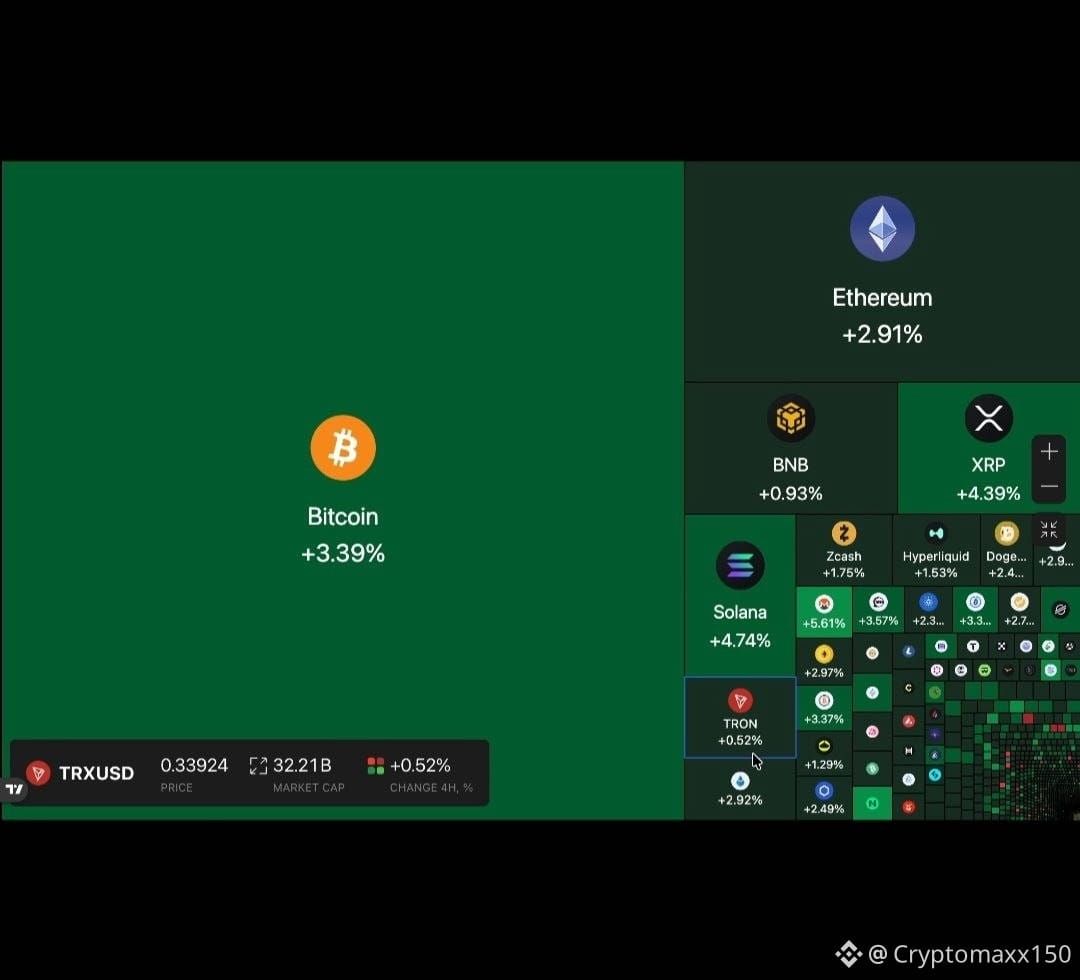
🚨 In just 4 hours, the currency market added $10 billion.
Yesterday: panic and selling after the Fed.
Today: the same people are buying at a higher price.
That’s how crypto works… it punishes those who hesitate.
💬 Have you had a similar situation? Write it below.
🚨 In just 4 hours, the currency market added $10 billion.
Yesterday: panic and selling after the Fed.
Today: the same people are buying at a higher price.
That’s how crypto works… it punishes those who hesitate.
💬 Have you had a similar situation? Write it below.
Yesterday: panic and selling after the Fed.
Today: the same people are buying at a higher price.
That’s how crypto works… it punishes those who hesitate.
💬 Have you had a similar situation? Write it below.
1
3
1.1k
·
--
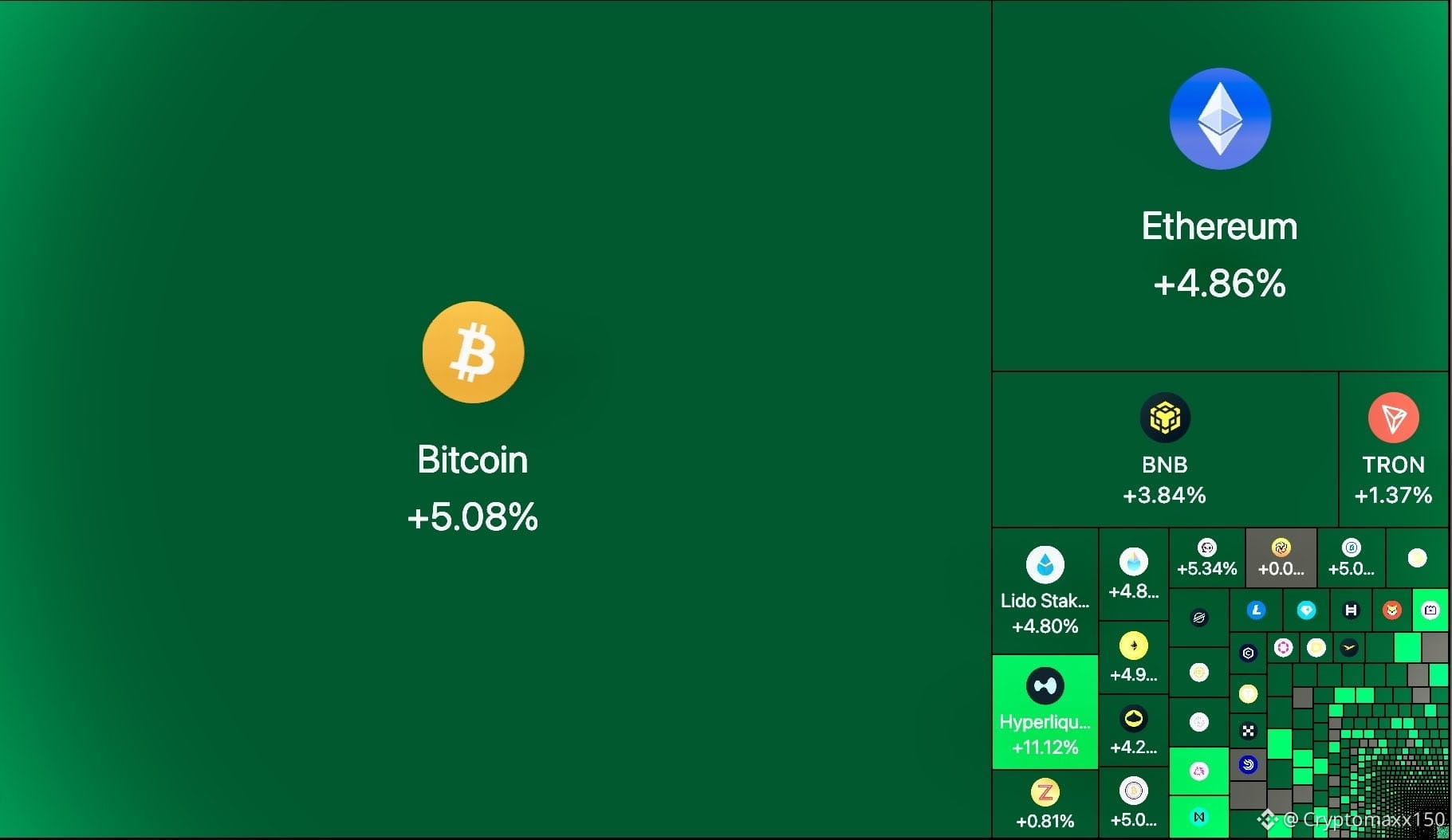
Nearly $150 billion has been added to the cryptocurrency market
With the price of Bitcoin rising to $81,000, amid optimism that the U.S. Commodity Futures Trading Commission (CFTC) will submit a plan to regulate cryptocurrencies to the White House.
Nearly $150 billion has been added to the cryptocurrency market
With the price of Bitcoin rising to $81,000, amid optimism that the U.S. Commodity Futures Trading Commission (CFTC) will submit a plan to regulate cryptocurrencies to the White House.
With the price of Bitcoin rising to $81,000, amid optimism that the U.S. Commodity Futures Trading Commission (CFTC) will submit a plan to regulate cryptocurrencies to the White House.
1
1
7
4.3k
·
--
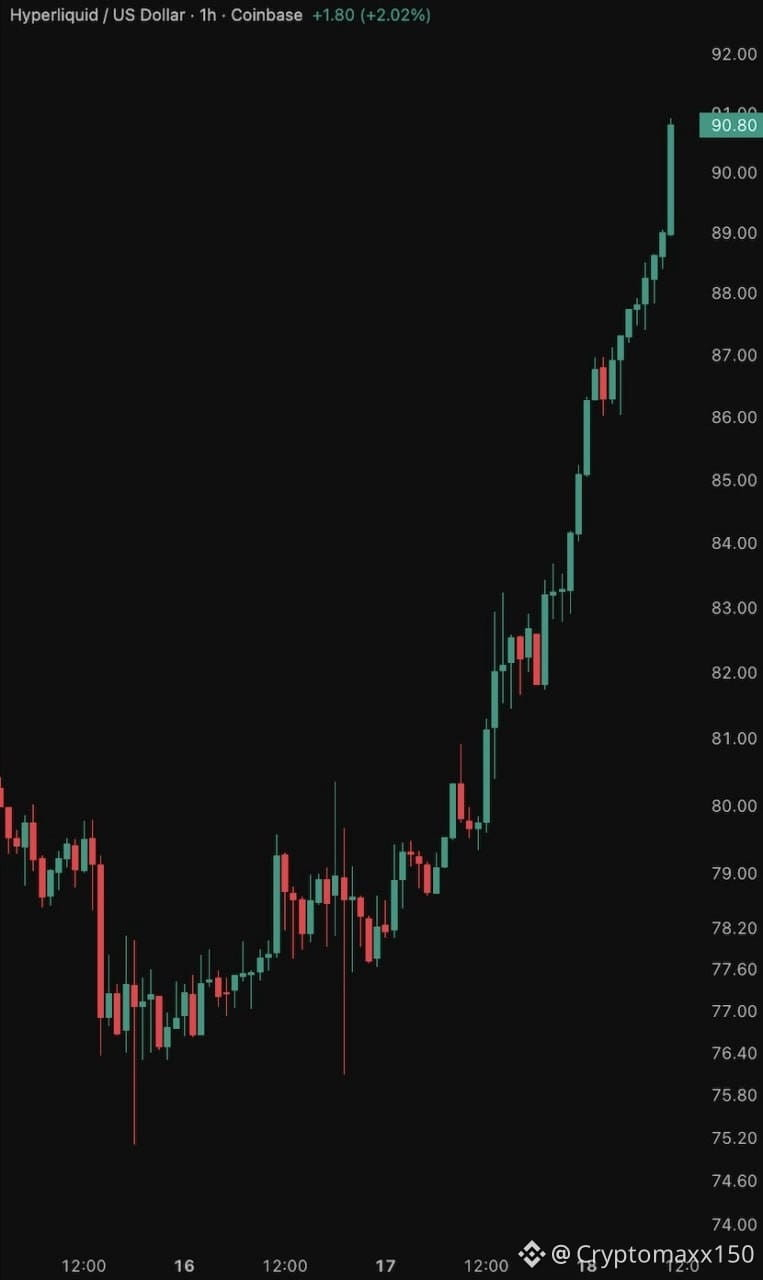
$HYPE It has just surpassed the $90 level, currently trading at its all-time high, breaking the previous record of $89.66 set on September 6 of last year.
$HYPE It has just surpassed the $90 level, currently trading at its all-time high, breaking the previous record of $89.66 set on September 6 of last year.
5
1.3k
·
--
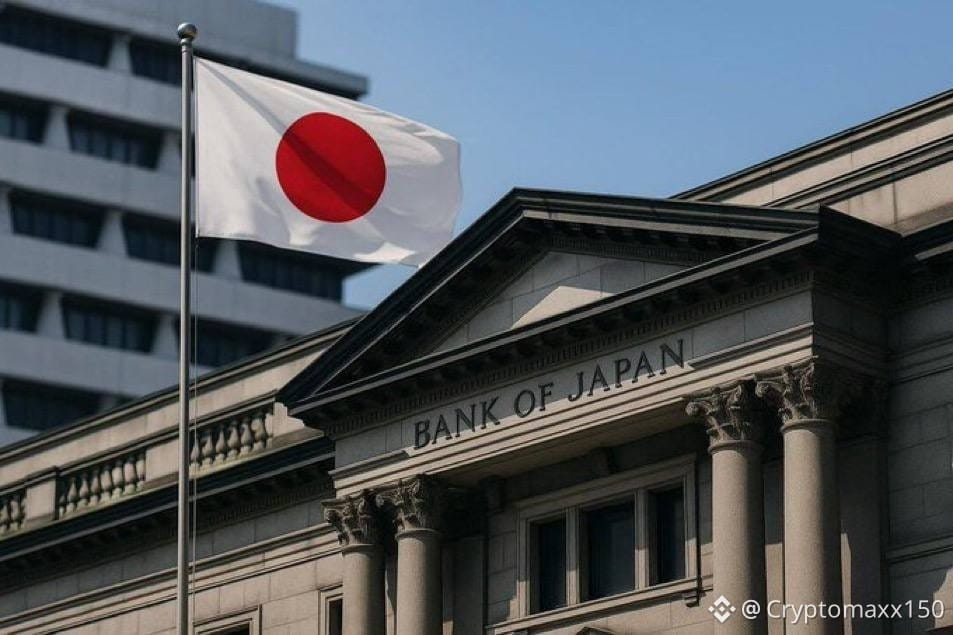
Bank of Japan raises interest rates by 25 basis points to reach 1.25%, its highest level in 31 years.
The Bank of Japan raised its main policy rate from 1.0% to 1.25% by a majority of 7 votes to 2, pointing to the risk of inflation exceeding the bank’s target of 2%.
This hike comes just three months after the previous increase, the shortest interval between rate hikes since 1990.
The Bank of Japan said the economy is recovering moderately, and indicated it will continue to adjust its accommodative monetary policies if its economic and inflation outlooks are realized.
Bank of Japan raises interest rates by 25 basis points to reach 1.25%, its highest level in 31 years.
The Bank of Japan raised its main policy rate from 1.0% to 1.25% by a majority of 7 votes to 2, pointing to the risk of inflation exceeding the bank’s target of 2%.
This hike comes just three months after the previous increase, the shortest interval between rate hikes since 1990.
The Bank of Japan said the economy is recovering moderately, and indicated it will continue to adjust its accommodative monetary policies if its economic and inflation outlooks are realized.
The Bank of Japan raised its main policy rate from 1.0% to 1.25% by a majority of 7 votes to 2, pointing to the risk of inflation exceeding the bank’s target of 2%.
This hike comes just three months after the previous increase, the shortest interval between rate hikes since 1990.
The Bank of Japan said the economy is recovering moderately, and indicated it will continue to adjust its accommodative monetary policies if its economic and inflation outlooks are realized.
2
3
2.3k
·
--
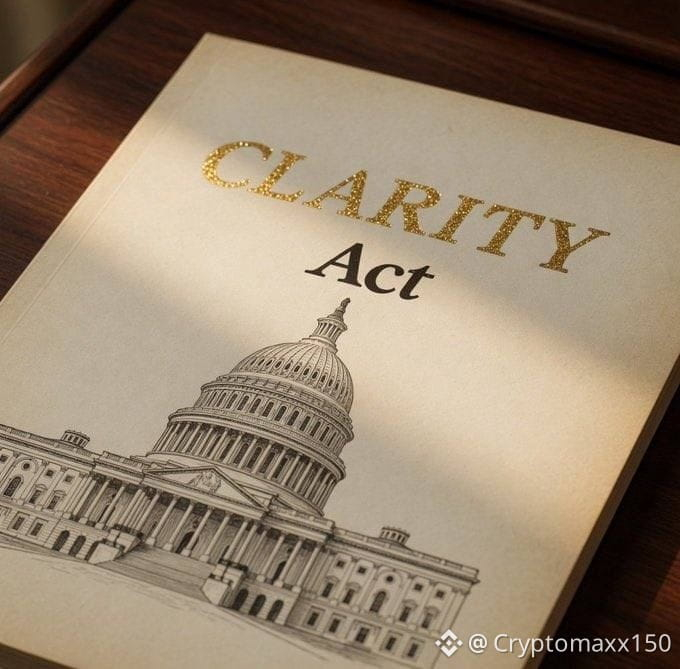
The “CLARITY Act” initiative was approved after it failed to gain Senate approval by a margin of 49 to 50, leaving Senator Tom Tillis’s proposal to reopen the door for another vote during this session.
Seven of the Democrats who voted against passing the bill say they are still committed to enacting legislation to regulate the cryptocurrency market.
However, as ethical aspects remain a key point of contention, and as the Senate heads into a recess starting October 2, the time available to reach an agreement by 2026 is shrinking.
#CLARITY_ACT
The “CLARITY Act” initiative was approved after it failed to gain Senate approval by a margin of 49 to 50, leaving Senator Tom Tillis’s proposal to reopen the door for another vote during this session.
Seven of the Democrats who voted against passing the bill say they are still committed to enacting legislation to regulate the cryptocurrency market.
However, as ethical aspects remain a key point of contention, and as the Senate heads into a recess starting October 2, the time available to reach an agreement by 2026 is shrinking.
#CLARITY_ACT
Seven of the Democrats who voted against passing the bill say they are still committed to enacting legislation to regulate the cryptocurrency market.
However, as ethical aspects remain a key point of contention, and as the Senate heads into a recess starting October 2, the time available to reach an agreement by 2026 is shrinking.
#CLARITY_ACT
2
1
7
6.8k
·
--
The Chairman of the Securities and Exchange Commission, Paul Atkins, stated that the Commission continues to move forward with its “Innovation Exemptions” program following the suspension of the “CLARITY” initiative.
Key exemptions:
• Exemption for “exchange-traded funds” (ETFs/TSVs) from the definition of “exchange.”
• Exemption for certain liquidity providers from the definition of “broker.”
• Limited access only.
• No permission to trade “digitally distributed” artificial shares.
• Issuers may appeal against the trading.
The rules related to combating fraud and market manipulation remain fully in force.
The Chairman of the Securities and Exchange Commission, Paul Atkins, stated that the Commission continues to move forward with its “Innovation Exemptions” program following the suspension of the “CLARITY” initiative.
Key exemptions:
• Exemption for “exchange-traded funds” (ETFs/TSVs) from the definition of “exchange.”
• Exemption for certain liquidity providers from the definition of “broker.”
• Limited access only.
• No permission to trade “digitally distributed” artificial shares.
• Issuers may appeal against the trading.
The rules related to combating fraud and market manipulation remain fully in force.
Key exemptions:
• Exemption for “exchange-traded funds” (ETFs/TSVs) from the definition of “exchange.”
• Exemption for certain liquidity providers from the definition of “broker.”
• Limited access only.
• No permission to trade “digitally distributed” artificial shares.
• Issuers may appeal against the trading.
The rules related to combating fraud and market manipulation remain fully in force.
2
3
1.5k
·
--
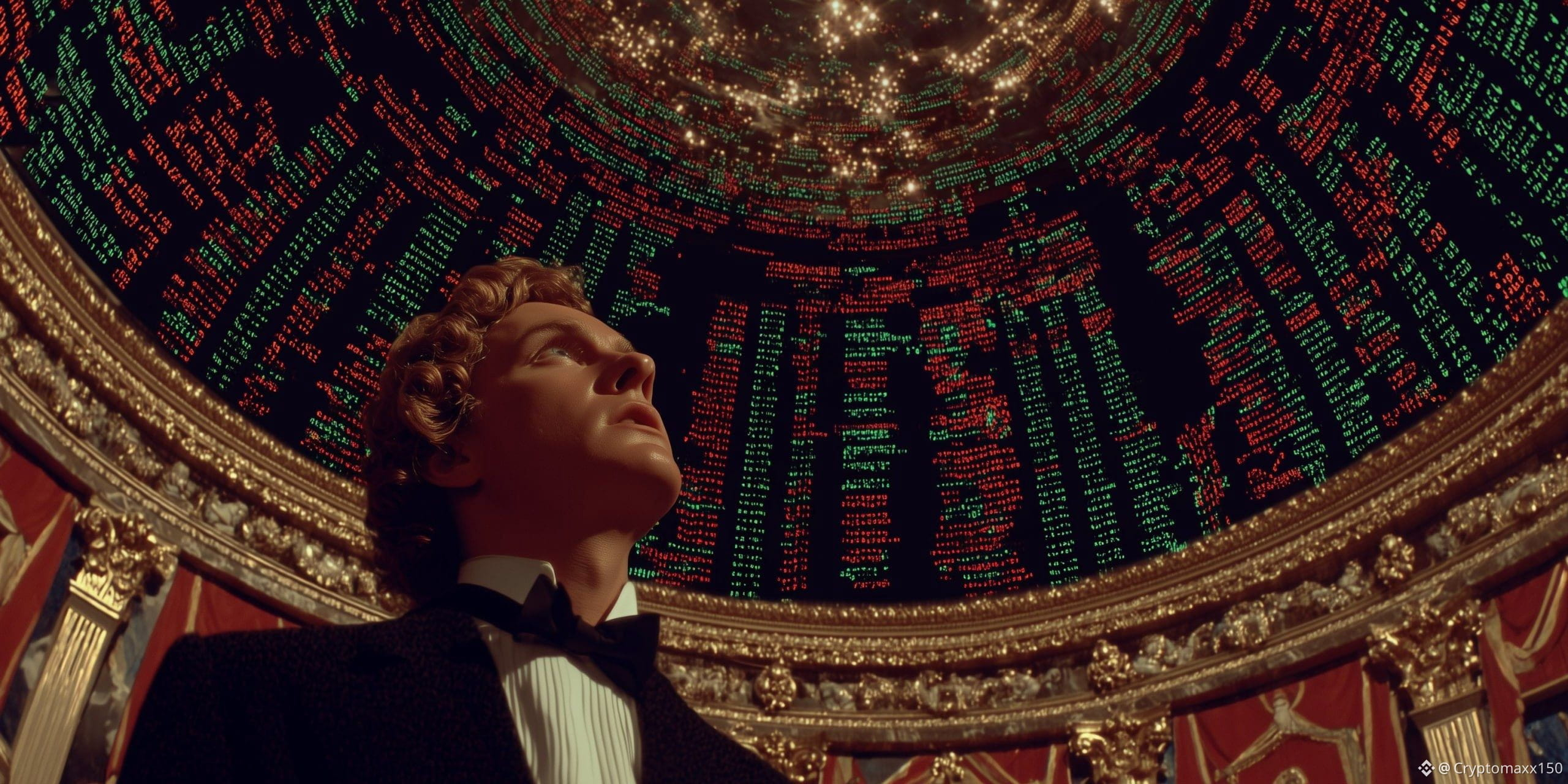
Trading is harsh because there’s no place to hide.
If you fail, it’s on you.
If you succeed, it’s on you.
In most areas of life, there’s always someone or something else you can blame.
Did your strategy fail? You chose it.
Did you overuse leverage? You chose it.
Did you trade out of revenge? You chose it.
Did you lose all the account funds? You did it.
In a normal job, you can blame your boss.
In business, you can blame your team.
In life, you can blame the circumstances.
Trading removes all of that.
Your profit and loss statement is a mirror.
Trading is harsh because there’s no place to hide.
If you fail, it’s on you.
If you succeed, it’s on you.
In most areas of life, there’s always someone or something else you can blame.
Did your strategy fail? You chose it.
Did you overuse leverage? You chose it.
Did you trade out of revenge? You chose it.
Did you lose all the account funds? You did it.
In a normal job, you can blame your boss.
In business, you can blame your team.
In life, you can blame the circumstances.
Trading removes all of that.
Your profit and loss statement is a mirror.
If you fail, it’s on you.
If you succeed, it’s on you.
In most areas of life, there’s always someone or something else you can blame.
Did your strategy fail? You chose it.
Did you overuse leverage? You chose it.
Did you trade out of revenge? You chose it.
Did you lose all the account funds? You did it.
In a normal job, you can blame your boss.
In business, you can blame your team.
In life, you can blame the circumstances.
Trading removes all of that.
Your profit and loss statement is a mirror.
4
1.7k
·
--
Partly True
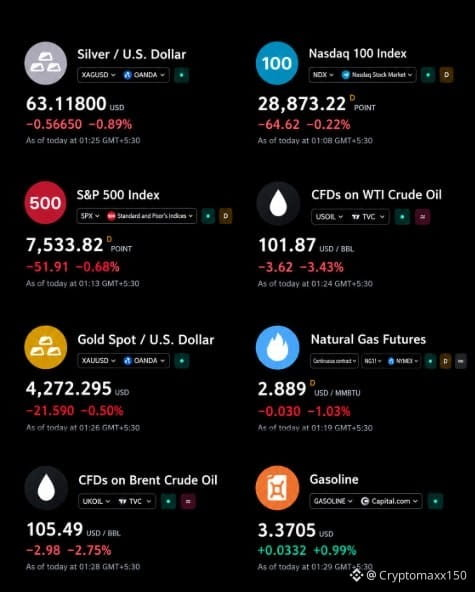
🚨 Markets turned from green to red during a press conference by the Federal Reserve Chair, Warrsh, after the first interest-rate increase in three years.
Stock, oil, gold, silver, and natural gas prices fell, as Warrsh warned that "inflation is very high and has continued for a long time".
Gasoline prices were the only ones that stayed green, rising by 0.99%.
Traders now expect two additional interest-rate hikes before the end of the year.
🚨 Markets turned from green to red during a press conference by the Federal Reserve Chair, Warrsh, after the first interest-rate increase in three years.
Stock, oil, gold, silver, and natural gas prices fell, as Warrsh warned that "inflation is very high and has continued for a long time".
Gasoline prices were the only ones that stayed green, rising by 0.99%.
Traders now expect two additional interest-rate hikes before the end of the year.
Stock, oil, gold, silver, and natural gas prices fell, as Warrsh warned that "inflation is very high and has continued for a long time".
Gasoline prices were the only ones that stayed green, rising by 0.99%.
Traders now expect two additional interest-rate hikes before the end of the year.
2.1k
·
--
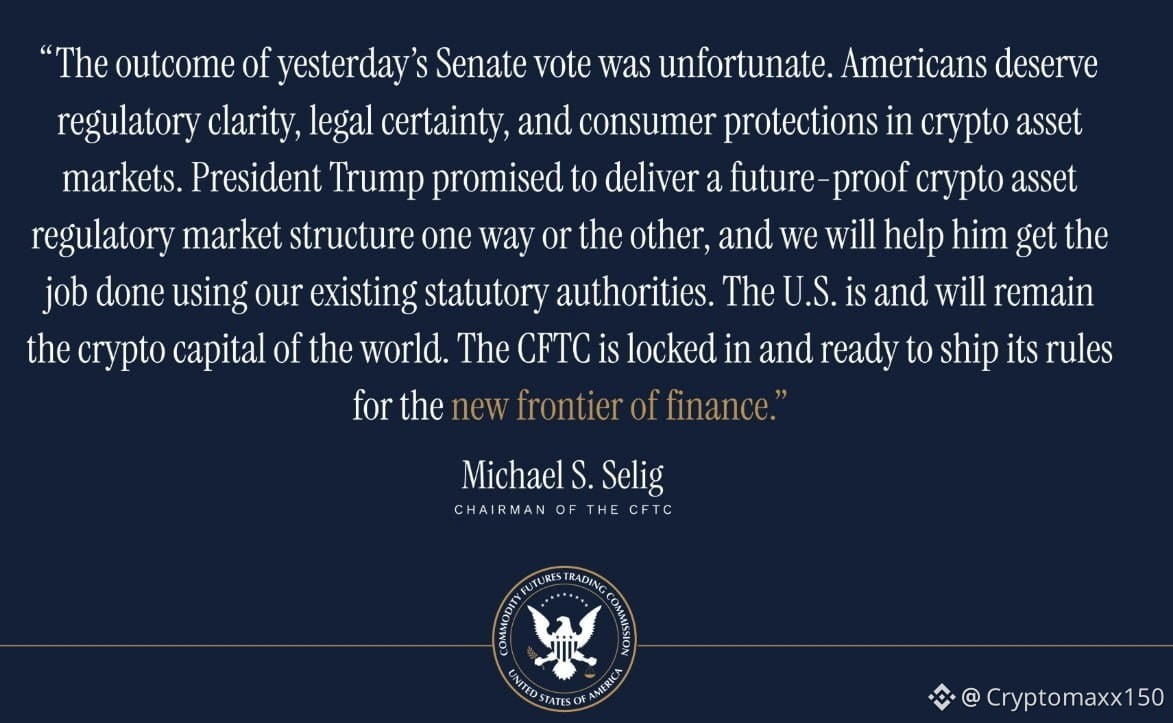
Chairman of the U.S. Commodity Futures Trading Commission (CFTC), Michael Sealeg, stated that the Commission will use its current legal powers to help achieve a "regulatory framework for the future digital asset market" following yesterday’s Senate vote.
"The U.S. Futures Trading Commission is fully ready to begin implementing its own rules on new limits in the field of finance."
Chairman of the U.S. Commodity Futures Trading Commission (CFTC), Michael Sealeg, stated that the Commission will use its current legal powers to help achieve a "regulatory framework for the future digital asset market" following yesterday’s Senate vote.
"The U.S. Futures Trading Commission is fully ready to begin implementing its own rules on new limits in the field of finance."
"The U.S. Futures Trading Commission is fully ready to begin implementing its own rules on new limits in the field of finance."
1
1k
·
--
Partly True
“By” company "BioGuard", the parent company of “Kraken”, will offer its customers in the United States perpetual options contracts “Hyperliquid”, following regulatory approval.
“By” company "BioGuard", the parent company of “Kraken”, will offer its customers in the United States perpetual options contracts “Hyperliquid”, following regulatory approval.
4
1k
·
--
Article
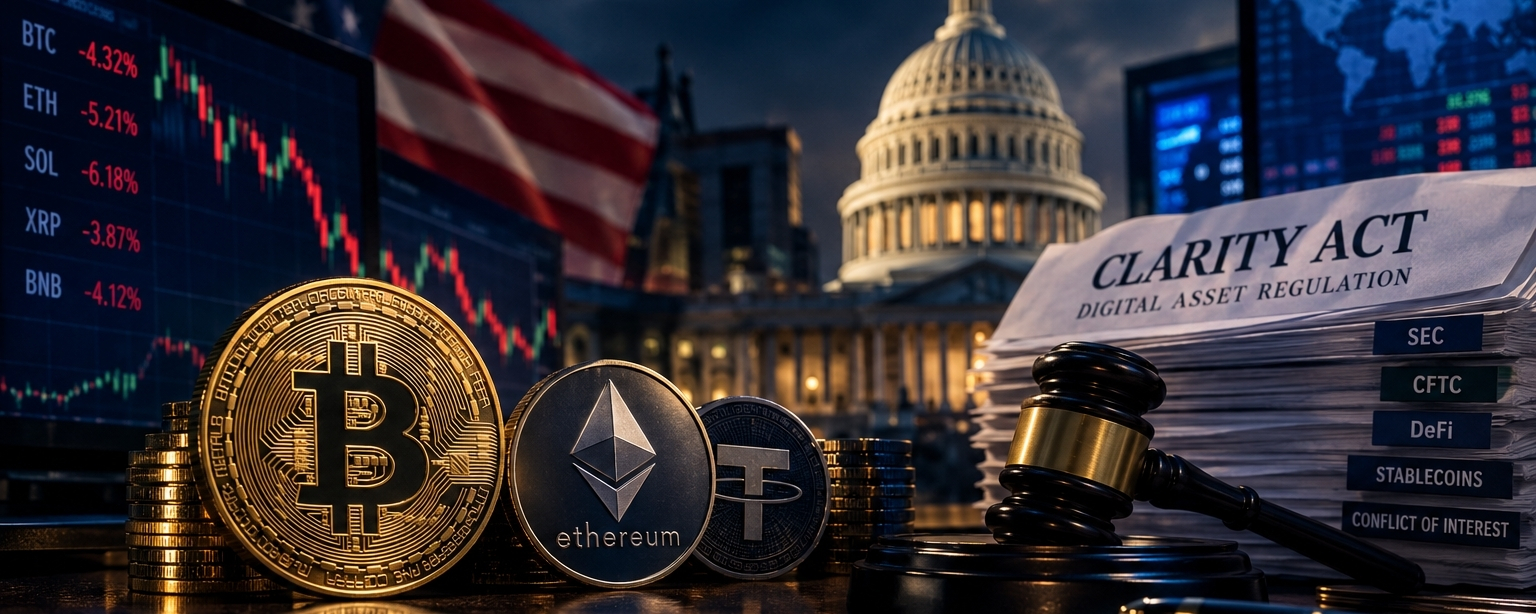
Behind the scenes of the «CLARITY Act» setback: How did the crypto regulation deal collapse in the final hours?Washington – September 16, 2026
On September 15, the «CLARITY Act» did not pass on a final vote to approve it, and the scene was not just a conventional partisan standoff between Republicans and Democrats. What happened was that a bill regulating the digital assets market failed to clear a procedural test in the U.S. Senate, after it received 50 votes to 49, while it needed 60 votes in order to move to the next stage of the legislative process.
Behind the scenes of the «CLARITY Act» setback: How did the crypto regulation deal collapse in the final hours?
Washington – September 16, 2026
On September 15, the «CLARITY Act» did not pass on a final vote to approve it, and the scene was not just a conventional partisan standoff between Republicans and Democrats. What happened was that a bill regulating the digital assets market failed to clear a procedural test in the U.S. Senate, after it received 50 votes to 49, while it needed 60 votes in order to move to the next stage of the legislative process.
On September 15, the «CLARITY Act» did not pass on a final vote to approve it, and the scene was not just a conventional partisan standoff between Republicans and Democrats. What happened was that a bill regulating the digital assets market failed to clear a procedural test in the U.S. Senate, after it received 50 votes to 49, while it needed 60 votes in order to move to the next stage of the legislative process.
962
·
--
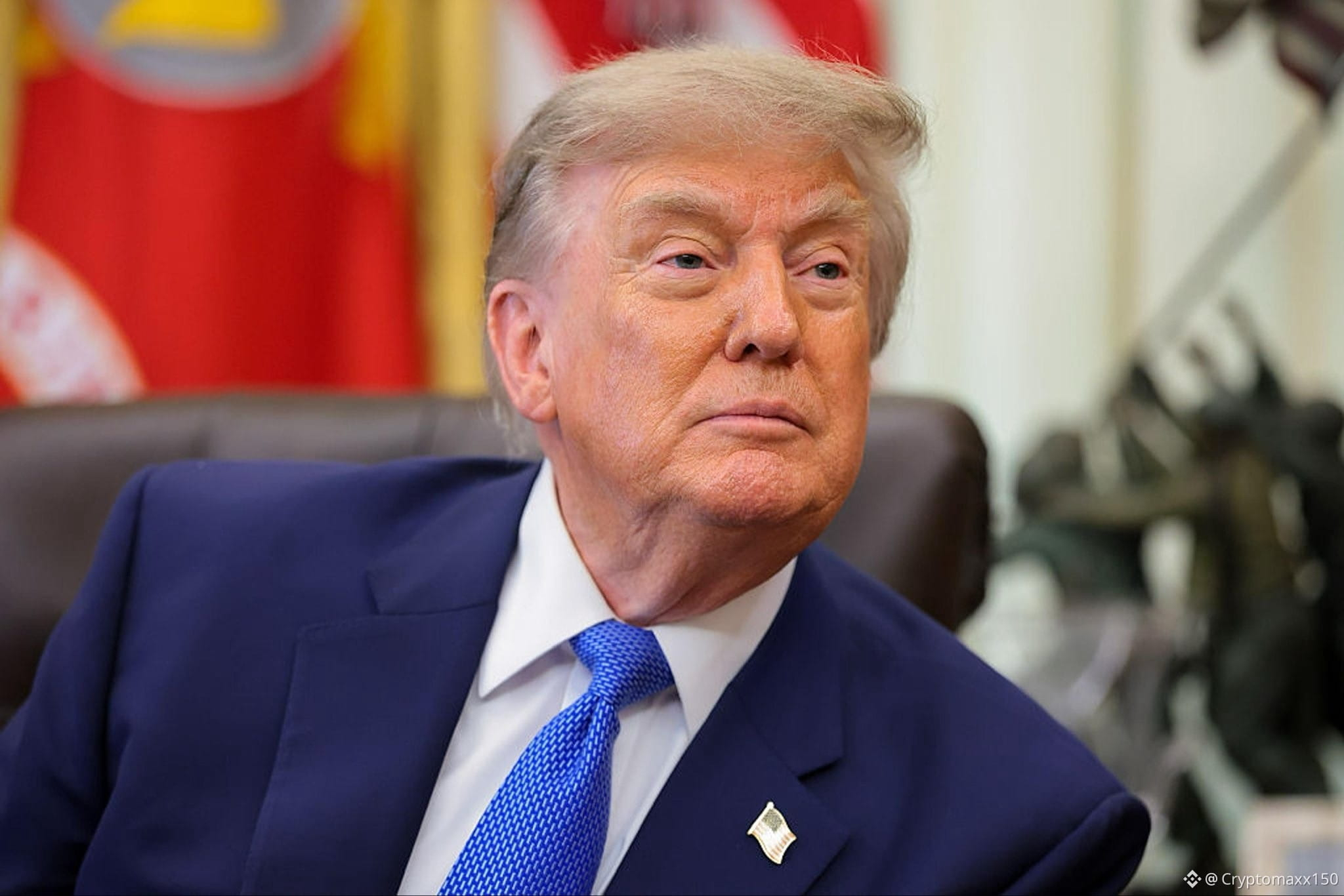
🇺🇸 Bloomberg reported that President Trump has made more deals than all members of Congress combined since his return to office.
🇺🇸 Bloomberg reported that President Trump has made more deals than all members of Congress combined since his return to office.
3
3.3k
Log in to explore more content
Join global crypto users on Binance Square
⚡️ Get latest and useful information about crypto.
💬 Trusted by the world’s largest crypto exchange.
👍 Discover real insights from verified creators.
Email / Phone number
Trending Topics
BOJRaisesRatesTo31YearHigh
102,969 views
1,615 Discussing
🚨 BOJ JUST FIRED A WARNING SHOT AT GLOBAL MARKETS! 🇯🇵🔥
The Bank of Japan just raised rates from 1.00% → 1.25%, hitting the highest level in 31 YEARS! 📈
⚠️ Why traders should care:
• 💴 Yen funding conditions are changing
• 🏦 BOJ is moving further away from ultra-easy money
• 🌍 Global liquidity could face additional pressure
• 📊 Inflation is forcing central banks to stay restrictive
• 🔥 More BOJ hikes remain possible if inflation keeps rising
And here's the key detail:
The decision was 7–2, with two policymakers opposing the hike — meaning the path ahead could remain highly uncertain.
For crypto & risk assets, this is a macro signal traders cannot ignore.
👀 Watch the YEN + BTC + NASDAQ + global liquidity next.
BOJ tightening = potentially bigger volatility ahead.
#BoJ #Japan #bojraisesratesto31yearhigh
ASHFAQ NAEEM
·7 Likes
·5k views
BuffettStepsDownAsBerkshireChairman
47,119 views
769 Discussing
XRPExchangeReservesHitSevenYearLow
51,495 views
738 Discussing