
CRYPTOFACIL
944 Posts
CRYPTOFACIL
Report
Block User
No espaço da CRYPTOFACIL, compartilhamos nossos estudos, análises, guias educacionais e insights. Valorizamos o conhecimento com foco no aprendizado contínuo.
Open Trade
Frequent Trader
4.6 Years
117 Following
653 Followers
2.7K+ Liked
Posts
Portfolio
All
Quotes
·
--
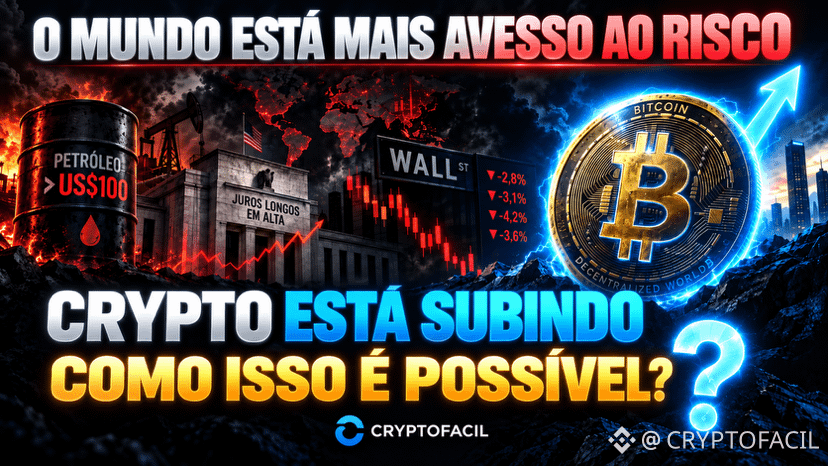
CRYPTO IS GOING DOWN, BUT THE WORLD IS MORE HESITANT TOWARD RISK. HOW IS THAT POSSIBLE?
Today we saw an interesting contrast: oil above US$100, long-term yields pressured, US stocks falling, and AN INCREASE IN RISK AVERSION.
Even so, the $BTC remains in the US$78–79k range.
“In theory,” this environment should put pressure on risk assets.
But the $BTC is showing RESISTANCE.
Is the market pricing in something?
Or could this strength still be only temporary?
I’d like to hear your take on this.
CRYPTO IS GOING DOWN, BUT THE WORLD IS MORE HESITANT TOWARD RISK. HOW IS THAT POSSIBLE?
Today we saw an interesting contrast: oil above US$100, long-term yields pressured, US stocks falling, and AN INCREASE IN RISK AVERSION.
Even so, the $BTC remains in the US$78–79k range.
“In theory,” this environment should put pressure on risk assets.
But the $BTC is showing RESISTANCE.
Is the market pricing in something?
Or could this strength still be only temporary?
I’d like to hear your take on this.
Today we saw an interesting contrast: oil above US$100, long-term yields pressured, US stocks falling, and AN INCREASE IN RISK AVERSION.
Even so, the $BTC remains in the US$78–79k range.
“In theory,” this environment should put pressure on risk assets.
But the $BTC is showing RESISTANCE.
Is the market pricing in something?
Or could this strength still be only temporary?
I’d like to hear your take on this.
2
2
761
·
--
WHY DO YOU INVEST IN CRYPTOCURRENCIES?
Today someone asked me this question.
And they came with an interesting challenge:
“When you buy a stock, there’s a company behind it. It produces, sells, and generates revenue.
When you invest in fixed income, you’re lending money in exchange for interest.
But when you buy a cryptocurrency… what exactly are you investing in?”
The question makes sense.
When I buy a stock, I buy a small stake in a company.
When I buy a token, I buy a digital asset tied to a network, protocol, or ecosystem.
So why invest in Crypto?
Because I believe that blockchain, tokenization, digital payments, the transfer of value, and other applications built on these networks can take up an increasingly larger space in the global financial system.
If that happens, some of these assets may gain relevance and value.
But it’s important to understand that this is not guaranteed.
Crypto is still a YOUNG market, with projects that may grow a lot and others that may simply disappear.
That’s why I don’t see cryptocurrencies as substitutes for stocks or fixed income.
I SEE THEM AS EXPOSURE TO A TECHNOLOGICAL AND FINANCIAL TRANSFORMATION THAT IS STILL BEING BUILT.
In my case, the thesis is simple:
if a relevant portion of the world’s money, assets, and transactions migrates to digital infrastructures based on blockchain, I WANT and I will have some exposure to that movement.
That’s why I invest in cryptocurrencies.
WHY DO YOU INVEST IN CRYPTOCURRENCIES?
Today someone asked me this question.
And they came with an interesting challenge:
“When you buy a stock, there’s a company behind it. It produces, sells, and generates revenue.
When you invest in fixed income, you’re lending money in exchange for interest.
But when you buy a cryptocurrency… what exactly are you investing in?”
The question makes sense.
When I buy a stock, I buy a small stake in a company.
When I buy a token, I buy a digital asset tied to a network, protocol, or ecosystem.
So why invest in Crypto?
Because I believe that blockchain, tokenization, digital payments, the transfer of value, and other applications built on these networks can take up an increasingly larger space in the global financial system.
If that happens, some of these assets may gain relevance and value.
But it’s important to understand that this is not guaranteed.
Crypto is still a YOUNG market, with projects that may grow a lot and others that may simply disappear.
That’s why I don’t see cryptocurrencies as substitutes for stocks or fixed income.
I SEE THEM AS EXPOSURE TO A TECHNOLOGICAL AND FINANCIAL TRANSFORMATION THAT IS STILL BEING BUILT.
In my case, the thesis is simple:
if a relevant portion of the world’s money, assets, and transactions migrates to digital infrastructures based on blockchain, I WANT and I will have some exposure to that movement.
That’s why I invest in cryptocurrencies.
Today someone asked me this question.
And they came with an interesting challenge:
“When you buy a stock, there’s a company behind it. It produces, sells, and generates revenue.
When you invest in fixed income, you’re lending money in exchange for interest.
But when you buy a cryptocurrency… what exactly are you investing in?”
The question makes sense.
When I buy a stock, I buy a small stake in a company.
When I buy a token, I buy a digital asset tied to a network, protocol, or ecosystem.
So why invest in Crypto?
Because I believe that blockchain, tokenization, digital payments, the transfer of value, and other applications built on these networks can take up an increasingly larger space in the global financial system.
If that happens, some of these assets may gain relevance and value.
But it’s important to understand that this is not guaranteed.
Crypto is still a YOUNG market, with projects that may grow a lot and others that may simply disappear.
That’s why I don’t see cryptocurrencies as substitutes for stocks or fixed income.
I SEE THEM AS EXPOSURE TO A TECHNOLOGICAL AND FINANCIAL TRANSFORMATION THAT IS STILL BEING BUILT.
In my case, the thesis is simple:
if a relevant portion of the world’s money, assets, and transactions migrates to digital infrastructures based on blockchain, I WANT and I will have some exposure to that movement.
That’s why I invest in cryptocurrencies.
4
2
1.9k
·
--
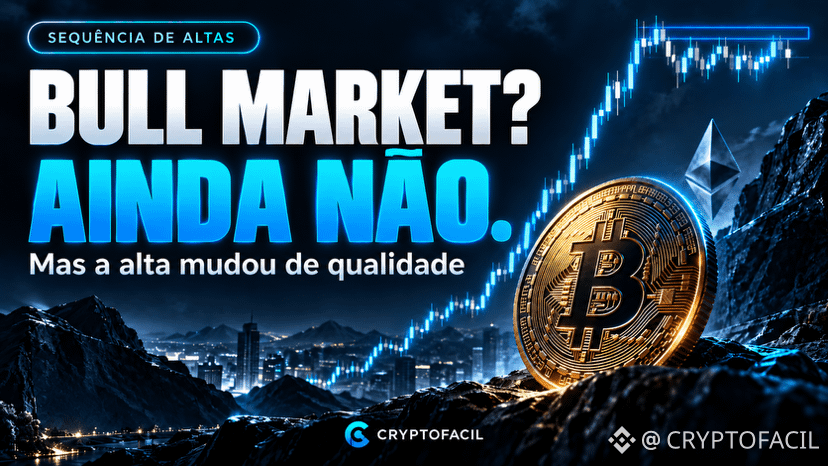
The EU still would not call this sequence of highs a major bull market.
But I no longer see the move from the past few weeks only as a quick recovery or a short squeeze.
What draws my attention now is the market’s ability to RISE, CORRECT, and HOLD higher levels.
My take on the last 3 weeks:
1st PHASE — AUGUST 19 TO 25
$BTC broke out strongly and moved out of the $ 60k region toward $ 80k.
The move could have been explained by a combination of an improving macro backdrop, buying in the spot market, inflows via ETFs, and liquidation of short positions.
RECOVERY + SHORT SQUEEZE WAS STILL A PLAUSIBLE READING.
2nd PHASE — END OF AUGUST
After such a rapid surge, it would be natural to expect a deeper correction.
BUT THE MARKET DID NOT GIVE BACK THE GAIN.
BTC found buyers and has kept trading in a range.
3rd PHASE — EARLY SEPTEMBER
INSTITUTIONAL MONEY CONTINUES TO FLOW IN.
In the last week, US spot BTC ETFs recorded approximately $ 987 million in net inflows.
In the $ETH spot ETFs, there were another $ 218 million.
And it was the third consecutive week of positive inflows for both.
IT IS THIS COMBINATION of PRICES + SUSTAINED HIGHS + NEW FLOWS that, for me, STARTS TO CHANGE THE WAY I READ THE MARKET.
I think this move shows signs of a possible more structural shift in behavior, but I do NOT consider a large confirmed bull market.
$BTC continues to face an important technical region: $ 82 / 83k.
More than the size of the highs, I’m noticing this sequence:
RISES → CORRECTS → FINDS BUYERS → SUSTAINS A NEW LEVEL.
If this behavior continues, I believe we’ll have much stronger evidence that the market is no longer just living through a recovery and is starting to build a trend of STRONG UPTREND.
FOR NOW, IT’S NOT A CONFIRMED BULL MARKET.
BUT IT ALSO NO LONGER LOOKS LIKE JUST A RALLY.
The EU still would not call this sequence of highs a major bull market.
But I no longer see the move from the past few weeks only as a quick recovery or a short squeeze.
What draws my attention now is the market’s ability to RISE, CORRECT, and HOLD higher levels.
My take on the last 3 weeks:
1st PHASE — AUGUST 19 TO 25
$BTC broke out strongly and moved out of the $ 60k region toward $ 80k.
The move could have been explained by a combination of an improving macro backdrop, buying in the spot market, inflows via ETFs, and liquidation of short positions.
RECOVERY + SHORT SQUEEZE WAS STILL A PLAUSIBLE READING.
2nd PHASE — END OF AUGUST
After such a rapid surge, it would be natural to expect a deeper correction.
BUT THE MARKET DID NOT GIVE BACK THE GAIN.
BTC found buyers and has kept trading in a range.
3rd PHASE — EARLY SEPTEMBER
INSTITUTIONAL MONEY CONTINUES TO FLOW IN.
In the last week, US spot BTC ETFs recorded approximately $ 987 million in net inflows.
In the $ETH spot ETFs, there were another $ 218 million.
And it was the third consecutive week of positive inflows for both.
IT IS THIS COMBINATION of PRICES + SUSTAINED HIGHS + NEW FLOWS that, for me, STARTS TO CHANGE THE WAY I READ THE MARKET.
I think this move shows signs of a possible more structural shift in behavior, but I do NOT consider a large confirmed bull market.
$BTC continues to face an important technical region: $ 82 / 83k.
More than the size of the highs, I’m noticing this sequence:
RISES → CORRECTS → FINDS BUYERS → SUSTAINS A NEW LEVEL.
If this behavior continues, I believe we’ll have much stronger evidence that the market is no longer just living through a recovery and is starting to build a trend of STRONG UPTREND.
FOR NOW, IT’S NOT A CONFIRMED BULL MARKET.
BUT IT ALSO NO LONGER LOOKS LIKE JUST A RALLY.
But I no longer see the move from the past few weeks only as a quick recovery or a short squeeze.
What draws my attention now is the market’s ability to RISE, CORRECT, and HOLD higher levels.
My take on the last 3 weeks:
1st PHASE — AUGUST 19 TO 25
$BTC broke out strongly and moved out of the $ 60k region toward $ 80k.
The move could have been explained by a combination of an improving macro backdrop, buying in the spot market, inflows via ETFs, and liquidation of short positions.
RECOVERY + SHORT SQUEEZE WAS STILL A PLAUSIBLE READING.
2nd PHASE — END OF AUGUST
After such a rapid surge, it would be natural to expect a deeper correction.
BUT THE MARKET DID NOT GIVE BACK THE GAIN.
BTC found buyers and has kept trading in a range.
3rd PHASE — EARLY SEPTEMBER
INSTITUTIONAL MONEY CONTINUES TO FLOW IN.
In the last week, US spot BTC ETFs recorded approximately $ 987 million in net inflows.
In the $ETH spot ETFs, there were another $ 218 million.
And it was the third consecutive week of positive inflows for both.
IT IS THIS COMBINATION of PRICES + SUSTAINED HIGHS + NEW FLOWS that, for me, STARTS TO CHANGE THE WAY I READ THE MARKET.
I think this move shows signs of a possible more structural shift in behavior, but I do NOT consider a large confirmed bull market.
$BTC continues to face an important technical region: $ 82 / 83k.
More than the size of the highs, I’m noticing this sequence:
RISES → CORRECTS → FINDS BUYERS → SUSTAINS A NEW LEVEL.
If this behavior continues, I believe we’ll have much stronger evidence that the market is no longer just living through a recovery and is starting to build a trend of STRONG UPTREND.
FOR NOW, IT’S NOT A CONFIRMED BULL MARKET.
BUT IT ALSO NO LONGER LOOKS LIKE JUST A RALLY.
1
2
435
·
--
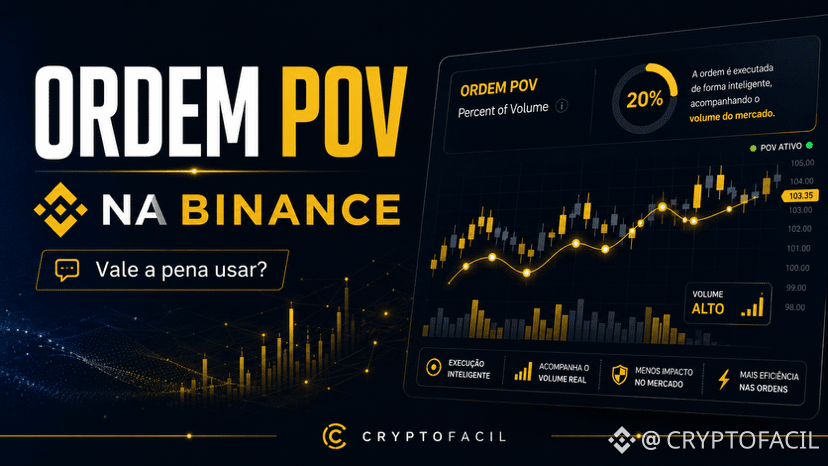
Has anyone here already used an order of the POV type?
Link from #Binance
[ORDEM DO TIPO POV](https://www.binance.com/pt-BR/support/faq/detail/b5b7a1b4182b4cd696454da2e0629687?utm_source=new_share&ref=CPA_00TX35C9ZT&utm_medium=web_share_copy)
I’m studying this order model more thoroughly and I’d really like to hear from anyone who has used it in practice.
Is it worth it?
In which situations do you usually use it?
What results or benefits are you getting with this type of order?
Anyone who has tested it, share your experience here. I think it can help a lot those who are still trying to understand when POV really makes sense.
Has anyone here already used an order of the POV type?
Link from #Binance
ORDEM DO TIPO POV
I’m studying this order model more thoroughly and I’d really like to hear from anyone who has used it in practice.
Is it worth it?
In which situations do you usually use it?
What results or benefits are you getting with this type of order?
Anyone who has tested it, share your experience here. I think it can help a lot those who are still trying to understand when POV really makes sense.
Link from #Binance
ORDEM DO TIPO POV
I’m studying this order model more thoroughly and I’d really like to hear from anyone who has used it in practice.
Is it worth it?
In which situations do you usually use it?
What results or benefits are you getting with this type of order?
Anyone who has tested it, share your experience here. I think it can help a lot those who are still trying to understand when POV really makes sense.
1
1
310
·
--
Verified
Article
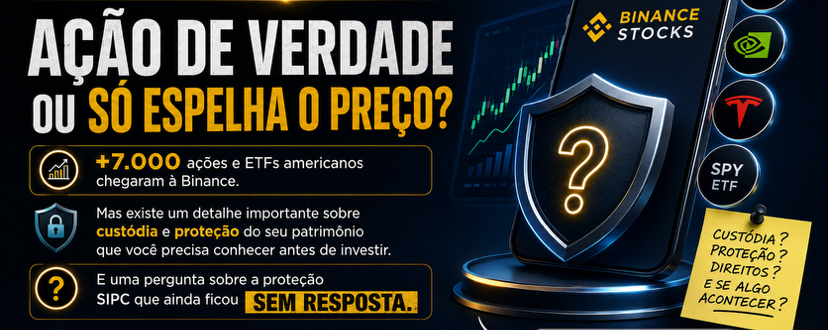
BINANCE STOCKS: REAL STOCK OR JUST A PRICE MIRROR?Binance Stocks = real stock/ETF, with custody via Alpaca.
bStocks = last read token in action.
The ease of buying is interesting, but understanding who holds your assets and what protections actually apply is just as important as choosing the asset.
Binance has started offering access to more than 7,000 American stocks and ETFs, including in fractional form. But there are different products within the platform, and they don’t have the same structure or the same risks.
BINANCE STOCKS
Here we’re talking about real stocks and ETFs, not simply a token that follows the price.
BINANCE STOCKS: REAL STOCK OR JUST A PRICE MIRROR?
Binance Stocks = real stock/ETF, with custody via Alpaca.
bStocks = last read token in action.
The ease of buying is interesting, but understanding who holds your assets and what protections actually apply is just as important as choosing the asset.
Binance has started offering access to more than 7,000 American stocks and ETFs, including in fractional form. But there are different products within the platform, and they don’t have the same structure or the same risks.
BINANCE STOCKS
Here we’re talking about real stocks and ETFs, not simply a token that follows the price.
bStocks = last read token in action.
The ease of buying is interesting, but understanding who holds your assets and what protections actually apply is just as important as choosing the asset.
Binance has started offering access to more than 7,000 American stocks and ETFs, including in fractional form. But there are different products within the platform, and they don’t have the same structure or the same risks.
BINANCE STOCKS
Here we’re talking about real stocks and ETFs, not simply a token that follows the price.
1
1
594
·
--
Disputed
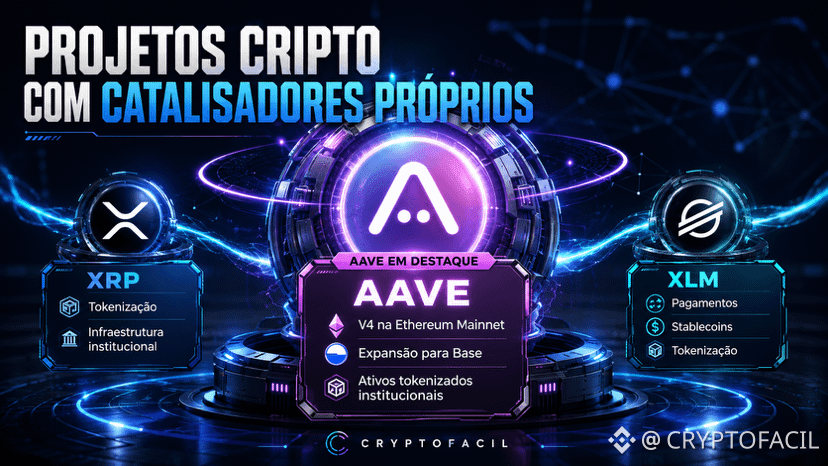
CRYPTO PROJECTS WITH THEIR OWN CATALYSTS
Not all the altcoins that are moving are only dependent on the overall market recovery and/or the $BTC
Some have their own catalysts happening right now, and among them, $AAVE is the one that draws the most attention.
AAVE, on 20/August/26, formally saw the proposal emerge to activate Aave V4 on the Ethereum Mainnet. In other words, there is a project-specific foundation happening, independently of the short squeeze that propelled much of the market.
That’s exactly why I consider AAVE one of the interesting altcoins to watch at this moment.
Two other projects that also have their own catalysts: $XRP e XLM.
Having one’s own catalysts doesn’t guarantee appreciation. But it shows that something is happening within the project beyond simply following the BTC rally.
And for me, that difference deserves attention.
CRYPTO PROJECTS WITH THEIR OWN CATALYSTS
Not all the altcoins that are moving are only dependent on the overall market recovery and/or the $BTC
Some have their own catalysts happening right now, and among them, $AAVE is the one that draws the most attention.
AAVE, on 20/August/26, formally saw the proposal emerge to activate Aave V4 on the Ethereum Mainnet. In other words, there is a project-specific foundation happening, independently of the short squeeze that propelled much of the market.
That’s exactly why I consider AAVE one of the interesting altcoins to watch at this moment.
Two other projects that also have their own catalysts: $XRP e XLM.
Having one’s own catalysts doesn’t guarantee appreciation. But it shows that something is happening within the project beyond simply following the BTC rally.
And for me, that difference deserves attention.
Not all the altcoins that are moving are only dependent on the overall market recovery and/or the $BTC
Some have their own catalysts happening right now, and among them, $AAVE is the one that draws the most attention.
AAVE, on 20/August/26, formally saw the proposal emerge to activate Aave V4 on the Ethereum Mainnet. In other words, there is a project-specific foundation happening, independently of the short squeeze that propelled much of the market.
That’s exactly why I consider AAVE one of the interesting altcoins to watch at this moment.
Two other projects that also have their own catalysts: $XRP e XLM.
Having one’s own catalysts doesn’t guarantee appreciation. But it shows that something is happening within the project beyond simply following the BTC rally.
And for me, that difference deserves attention.
2
3
624
·
--
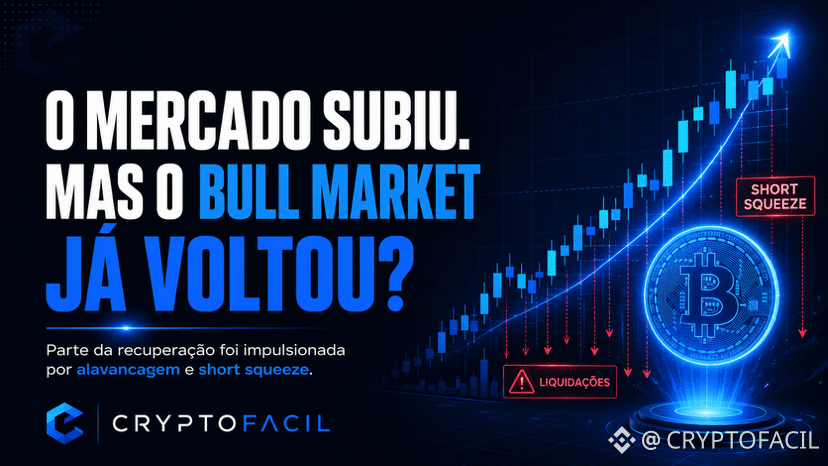
ALTA FORTE draws attention, but on its own, doesn’t confirm a new bull market.
A relevant part of this recovery was AMPLIFIED by leverage and short squeeze.
Many traders were positioned for the drop, and when the price started to rise, those positions were LIQUIDATED, generating forced buys and further accelerating the move.
This doesn’t mean the rally is “false.” It only means that not all of the move came from a structural change in the market.
The most important point now is to watch whether, after this CLEANUP of leveraged positions, the market can sustain prices with capital inflows, real demand, and fundamentals.
Strong upside is a POSITIVE sign.
Confirmation is another thing.
ALTA FORTE draws attention, but on its own, doesn’t confirm a new bull market.
A relevant part of this recovery was AMPLIFIED by leverage and short squeeze.
Many traders were positioned for the drop, and when the price started to rise, those positions were LIQUIDATED, generating forced buys and further accelerating the move.
This doesn’t mean the rally is “false.” It only means that not all of the move came from a structural change in the market.
The most important point now is to watch whether, after this CLEANUP of leveraged positions, the market can sustain prices with capital inflows, real demand, and fundamentals.
Strong upside is a POSITIVE sign.
Confirmation is another thing.
A relevant part of this recovery was AMPLIFIED by leverage and short squeeze.
Many traders were positioned for the drop, and when the price started to rise, those positions were LIQUIDATED, generating forced buys and further accelerating the move.
This doesn’t mean the rally is “false.” It only means that not all of the move came from a structural change in the market.
The most important point now is to watch whether, after this CLEANUP of leveraged positions, the market can sustain prices with capital inflows, real demand, and fundamentals.
Strong upside is a POSITIVE sign.
Confirmation is another thing.
2
3
1.4k
·
--
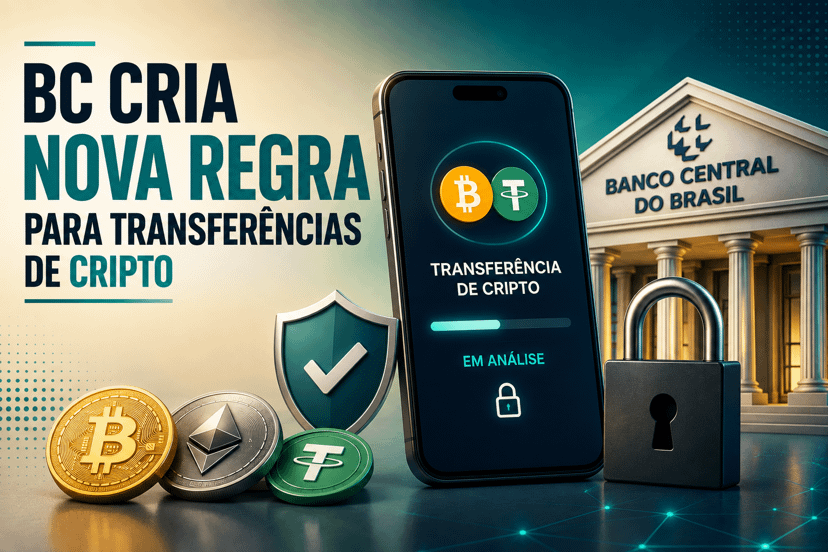
🚨 CENTRAL BANK CRYPTO HOLDING UP TO 24H FOR SOME TRANSFERS. UNDERSTAND WHEN THE RULE APPLIES.
The Central Bank published BCB Resolution No. 584/2026, which creates a precautionary hold of up to 24 hours for certain transfers of virtual assets.
📅 The rule takes effect on 1/January/2027
But WATCH OUT: this does not mean that every crypto transaction will be required to wait 24 hours.
Let’s simplify:
👉 Did you send BRL from your bank to the exchange to buy crypto?
This new hold is not about that BRL transfer.
👉 Did you buy or sell BTC, XRP, USDT, or another crypto within the exchange itself?
This also is not the kind of trading covered.
👉 Did you sell your crypto, keep a BRL balance, and transfer the BRL back to your bank account in Brazil?
This specific rule also does not deal with that BRL withdrawal.
So when can it AFFECT us?
Mainly when we withdraw our own cryptocurrency from the platform and transfer it as crypto to certain destinations.
For example:
➡️ USDT, BTC, or other crypto to your own wallet;
➡️ crypto to certain providers or platforms abroad.
Above US$ 10 thousand, individually or considering the daily accumulated amount provided for by the rule, the covered transactions may be kept under precautionary hold for up to 24 hours.
Even below that amount, there may be a hold when fraud-prevention mechanisms identify risk.
⚠️ And “up to 24 hours” does not necessarily mean waiting the full 24 hours: after the analysis, the operation may be released earlier.
IN SHORT: if you use the exchange only to put in BRL, buy and sell crypto, and then switch back to BRL in your bank, this specific hold is not the main impact for you.
The change matters more for people who move their own cryptocurrencies out of the platform.
💬 POLL:
Is the up to 24h hold a necessary measure?
🚨 CENTRAL BANK CRYPTO HOLDING UP TO 24H FOR SOME TRANSFERS. UNDERSTAND WHEN THE RULE APPLIES.
The Central Bank published BCB Resolution No. 584/2026, which creates a precautionary hold of up to 24 hours for certain transfers of virtual assets.
📅 The rule takes effect on 1/January/2027
But WATCH OUT: this does not mean that every crypto transaction will be required to wait 24 hours.
Let’s simplify:
👉 Did you send BRL from your bank to the exchange to buy crypto?
This new hold is not about that BRL transfer.
👉 Did you buy or sell BTC, XRP, USDT, or another crypto within the exchange itself?
This also is not the kind of trading covered.
👉 Did you sell your crypto, keep a BRL balance, and transfer the BRL back to your bank account in Brazil?
This specific rule also does not deal with that BRL withdrawal.
So when can it AFFECT us?
Mainly when we withdraw our own cryptocurrency from the platform and transfer it as crypto to certain destinations.
For example:
➡️ USDT, BTC, or other crypto to your own wallet;
➡️ crypto to certain providers or platforms abroad.
Above US$ 10 thousand, individually or considering the daily accumulated amount provided for by the rule, the covered transactions may be kept under precautionary hold for up to 24 hours.
Even below that amount, there may be a hold when fraud-prevention mechanisms identify risk.
⚠️ And “up to 24 hours” does not necessarily mean waiting the full 24 hours: after the analysis, the operation may be released earlier.
IN SHORT: if you use the exchange only to put in BRL, buy and sell crypto, and then switch back to BRL in your bank, this specific hold is not the main impact for you.
The change matters more for people who move their own cryptocurrencies out of the platform.
💬 POLL:
Is the up to 24h hold a necessary measure?
The Central Bank published BCB Resolution No. 584/2026, which creates a precautionary hold of up to 24 hours for certain transfers of virtual assets.
📅 The rule takes effect on 1/January/2027
But WATCH OUT: this does not mean that every crypto transaction will be required to wait 24 hours.
Let’s simplify:
👉 Did you send BRL from your bank to the exchange to buy crypto?
This new hold is not about that BRL transfer.
👉 Did you buy or sell BTC, XRP, USDT, or another crypto within the exchange itself?
This also is not the kind of trading covered.
👉 Did you sell your crypto, keep a BRL balance, and transfer the BRL back to your bank account in Brazil?
This specific rule also does not deal with that BRL withdrawal.
So when can it AFFECT us?
Mainly when we withdraw our own cryptocurrency from the platform and transfer it as crypto to certain destinations.
For example:
➡️ USDT, BTC, or other crypto to your own wallet;
➡️ crypto to certain providers or platforms abroad.
Above US$ 10 thousand, individually or considering the daily accumulated amount provided for by the rule, the covered transactions may be kept under precautionary hold for up to 24 hours.
Even below that amount, there may be a hold when fraud-prevention mechanisms identify risk.
⚠️ And “up to 24 hours” does not necessarily mean waiting the full 24 hours: after the analysis, the operation may be released earlier.
IN SHORT: if you use the exchange only to put in BRL, buy and sell crypto, and then switch back to BRL in your bank, this specific hold is not the main impact for you.
The change matters more for people who move their own cryptocurrencies out of the platform.
💬 POLL:
Is the up to 24h hold a necessary measure?
Proteção contra fraudes
25%
Controle excessivo
75%
4 votes • Voting closed
4
2
597
·
--
Verified
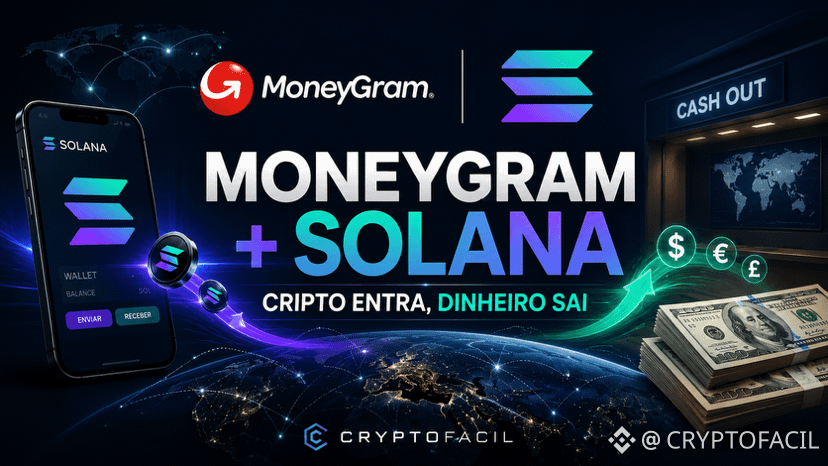
MONEYGRAM EXPANDS TO SOLANA: CRYPTO ENTERS, MONEY LEAVES
On August 11, 2026, MoneyGram announced that MoneyGram Ramps is already live on SOLANA. The information was published by MoneyGram itself and also by the Solana Foundation. (MoneyGram Corporate)
In practice, wallets and applications built on SOLANA will be able to connect digital assets to traditional money using MoneyGram’s global infrastructure.
📌 Cash deposits in more than 25 countries
📌 Cash withdrawals in more than 170 countries and territories
📌 Integration available within the Solana Developer Platform
📌 Rift is the first Solana wallet to integrate the service. (Solana)
And there’s more: MoneyGram has been expanding its presence in the ecosystem. On June 22, it also became a validator for the Solana network. (MoneyGram Corporate)
💡 And could this help with the appreciation of the $SOL ?
In my view, it can contribute, because it increases network utility, makes it easier to move between crypto and traditional money, and can bring more users, applications, and volume to the Solana ecosystem.
But it’s important to separate things: network adoption does not automatically mean the $SOL will increase in value.
For this kind of integration to have a more consistent impact on price, it needs to turn into recurring usage—more economic activity, more demand for the network, and greater institutional participation.
For me, this is exactly the kind of news I like to follow: less hype and more infrastructure being genuinely used.
💬 Do you think integrations like this can make a bigger long-term difference for the $SOL than simply increasing the number of transactions?
MONEYGRAM EXPANDS TO SOLANA: CRYPTO ENTERS, MONEY LEAVES
On August 11, 2026, MoneyGram announced that MoneyGram Ramps is already live on SOLANA. The information was published by MoneyGram itself and also by the Solana Foundation. (MoneyGram Corporate)
In practice, wallets and applications built on SOLANA will be able to connect digital assets to traditional money using MoneyGram’s global infrastructure.
📌 Cash deposits in more than 25 countries
📌 Cash withdrawals in more than 170 countries and territories
📌 Integration available within the Solana Developer Platform
📌 Rift is the first Solana wallet to integrate the service. (Solana)
And there’s more: MoneyGram has been expanding its presence in the ecosystem. On June 22, it also became a validator for the Solana network. (MoneyGram Corporate)
💡 And could this help with the appreciation of the $SOL ?
In my view, it can contribute, because it increases network utility, makes it easier to move between crypto and traditional money, and can bring more users, applications, and volume to the Solana ecosystem.
But it’s important to separate things: network adoption does not automatically mean the $SOL will increase in value.
For this kind of integration to have a more consistent impact on price, it needs to turn into recurring usage—more economic activity, more demand for the network, and greater institutional participation.
For me, this is exactly the kind of news I like to follow: less hype and more infrastructure being genuinely used.
💬 Do you think integrations like this can make a bigger long-term difference for the $SOL than simply increasing the number of transactions?
On August 11, 2026, MoneyGram announced that MoneyGram Ramps is already live on SOLANA. The information was published by MoneyGram itself and also by the Solana Foundation. (MoneyGram Corporate)
In practice, wallets and applications built on SOLANA will be able to connect digital assets to traditional money using MoneyGram’s global infrastructure.
📌 Cash deposits in more than 25 countries
📌 Cash withdrawals in more than 170 countries and territories
📌 Integration available within the Solana Developer Platform
📌 Rift is the first Solana wallet to integrate the service. (Solana)
And there’s more: MoneyGram has been expanding its presence in the ecosystem. On June 22, it also became a validator for the Solana network. (MoneyGram Corporate)
💡 And could this help with the appreciation of the $SOL ?
In my view, it can contribute, because it increases network utility, makes it easier to move between crypto and traditional money, and can bring more users, applications, and volume to the Solana ecosystem.
But it’s important to separate things: network adoption does not automatically mean the $SOL will increase in value.
For this kind of integration to have a more consistent impact on price, it needs to turn into recurring usage—more economic activity, more demand for the network, and greater institutional participation.
For me, this is exactly the kind of news I like to follow: less hype and more infrastructure being genuinely used.
💬 Do you think integrations like this can make a bigger long-term difference for the $SOL than simply increasing the number of transactions?
CRYPTOFACIL
·
--
MONEYGRAM JOINS AS A VALIDATOR ON SOLANA
MoneyGram officially entered as an active validator on the SOLANA network today, June 22, 2026.
This means the company will now participate in the blockchain operation, assisting in transaction processing and network security.
The key point is that MoneyGram isn't a native crypto player. It's a traditional international payments and remittance company.
This move comes just weeks after the launch of MGUSD, their dollar-pegged stablecoin for use in their global payments network.
The news isn't about the price of $SOL .
It's about infrastructure.
Traditional payment companies are starting to leverage blockchain and stablecoins as a real part of the financial machinery.
Note: MoneyGram is a traditional American international remittance company, similar to Western Union.
MoneyGram officially entered as an active validator on the SOLANA network today, June 22, 2026.
This means the company will now participate in the blockchain operation, assisting in transaction processing and network security.
The key point is that MoneyGram isn't a native crypto player. It's a traditional international payments and remittance company.
This move comes just weeks after the launch of MGUSD, their dollar-pegged stablecoin for use in their global payments network.
The news isn't about the price of $SOL .
It's about infrastructure.
Traditional payment companies are starting to leverage blockchain and stablecoins as a real part of the financial machinery.
Note: MoneyGram is a traditional American international remittance company, similar to Western Union.
1
3
653
·
--
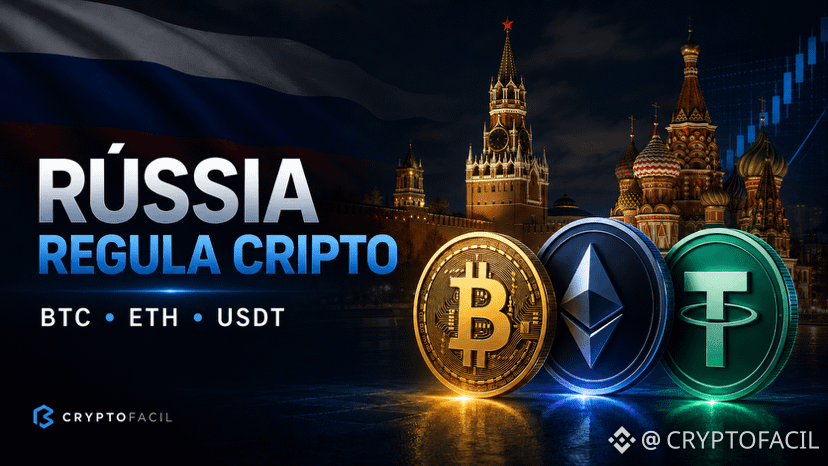
RUSSIA ADVANCES REGULATION AND RELEASES $BTC , $ETH AND $USDT FOR COMMON INVESTORS
The Central Bank of Russia today,
11/August/2026, published a proposal to allow unqualified investors to trade Bitcoin, Ethereum and USDT within a regulated market.
The idea is to restrict initial access to assets considered more liquid and established, using criteria such as market capitalization, trading volume, and price history.
📌 The common investor must pass a knowledge test and will have an annual investment limit per intermediary.
Meanwhile, qualified investors will have access to a broader range of cryptoassets.
Important: the proposal is still open to public consultation and may be adjusted before final implementation.
For me, the most relevant point is that yet another large market is moving on from debating whether to regulate crypto and is instead defining how the common investor will be able to access it.
💬 Do you see this move as another important step toward institutional adoption of cryptocurrencies?
RUSSIA ADVANCES REGULATION AND RELEASES $BTC , $ETH AND $USDT FOR COMMON INVESTORS
The Central Bank of Russia today,
11/August/2026, published a proposal to allow unqualified investors to trade Bitcoin, Ethereum and USDT within a regulated market.
The idea is to restrict initial access to assets considered more liquid and established, using criteria such as market capitalization, trading volume, and price history.
📌 The common investor must pass a knowledge test and will have an annual investment limit per intermediary.
Meanwhile, qualified investors will have access to a broader range of cryptoassets.
Important: the proposal is still open to public consultation and may be adjusted before final implementation.
For me, the most relevant point is that yet another large market is moving on from debating whether to regulate crypto and is instead defining how the common investor will be able to access it.
💬 Do you see this move as another important step toward institutional adoption of cryptocurrencies?
The Central Bank of Russia today,
11/August/2026, published a proposal to allow unqualified investors to trade Bitcoin, Ethereum and USDT within a regulated market.
The idea is to restrict initial access to assets considered more liquid and established, using criteria such as market capitalization, trading volume, and price history.
📌 The common investor must pass a knowledge test and will have an annual investment limit per intermediary.
Meanwhile, qualified investors will have access to a broader range of cryptoassets.
Important: the proposal is still open to public consultation and may be adjusted before final implementation.
For me, the most relevant point is that yet another large market is moving on from debating whether to regulate crypto and is instead defining how the common investor will be able to access it.
💬 Do you see this move as another important step toward institutional adoption of cryptocurrencies?
1
2
188
·
--
Verified
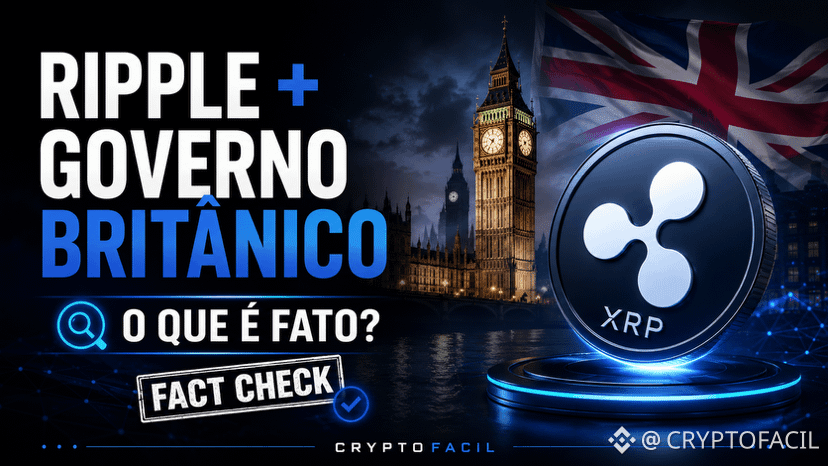
RIPPLE + BRITISH GOVERNMENT RETURNED TO GO VIRAL TODAY.
BUT WHAT REALLY HAPPENED????
Today, an idea circulated again on social media that Ripple may have achieved a kind of “integration with the British government”.
The report HAS some basis, but it’s not new and it’s being EXAGGERATED.
📌 The original fact happened on July 13: Ripple began INTEGRATING an initiative with 54 institutions, created in the context of the UK government’s strategy to accelerate the tokenization of financial markets.
The group also includes names like BlackRock, JPMorgan, Morgan Stanley, Coinbase, and Circle, and it works on topics such as tokenized assets and digital public bonds.
🚨 What DIDN’T happen: the UK government did not announce today an EXCLUSIVE partnership with Ripple and did not choose or endorse <a>$XRP </a> as an official currency or infrastructure.
In other words: Ripple’s involvement is REAL and RELEVANT. The interpretation that the government “adopted XRP” ISN’T.
For me, the original news is positive enough already. We don’t need to overhype it to recognize that Ripple’s presence alongside major institutions in an initiative of this scale is yet another step forward in its approach to the traditional financial market.
💬 Did you also understand from today’s news that it was a new deal with the British government?
RIPPLE + BRITISH GOVERNMENT RETURNED TO GO VIRAL TODAY.
BUT WHAT REALLY HAPPENED????
Today, an idea circulated again on social media that Ripple may have achieved a kind of “integration with the British government”.
The report HAS some basis, but it’s not new and it’s being EXAGGERATED.
📌 The original fact happened on July 13: Ripple began INTEGRATING an initiative with 54 institutions, created in the context of the UK government’s strategy to accelerate the tokenization of financial markets.
The group also includes names like BlackRock, JPMorgan, Morgan Stanley, Coinbase, and Circle, and it works on topics such as tokenized assets and digital public bonds.
🚨 What DIDN’T happen: the UK government did not announce today an EXCLUSIVE partnership with Ripple and did not choose or endorse <a>$XRP </a> as an official currency or infrastructure.
In other words: Ripple’s involvement is REAL and RELEVANT. The interpretation that the government “adopted XRP” ISN’T.
For me, the original news is positive enough already. We don’t need to overhype it to recognize that Ripple’s presence alongside major institutions in an initiative of this scale is yet another step forward in its approach to the traditional financial market.
💬 Did you also understand from today’s news that it was a new deal with the British government?
BUT WHAT REALLY HAPPENED????
Today, an idea circulated again on social media that Ripple may have achieved a kind of “integration with the British government”.
The report HAS some basis, but it’s not new and it’s being EXAGGERATED.
📌 The original fact happened on July 13: Ripple began INTEGRATING an initiative with 54 institutions, created in the context of the UK government’s strategy to accelerate the tokenization of financial markets.
The group also includes names like BlackRock, JPMorgan, Morgan Stanley, Coinbase, and Circle, and it works on topics such as tokenized assets and digital public bonds.
🚨 What DIDN’T happen: the UK government did not announce today an EXCLUSIVE partnership with Ripple and did not choose or endorse <a>$XRP </a> as an official currency or infrastructure.
In other words: Ripple’s involvement is REAL and RELEVANT. The interpretation that the government “adopted XRP” ISN’T.
For me, the original news is positive enough already. We don’t need to overhype it to recognize that Ripple’s presence alongside major institutions in an initiative of this scale is yet another step forward in its approach to the traditional financial market.
💬 Did you also understand from today’s news that it was a new deal with the British government?
1
7
1.7k
·
--
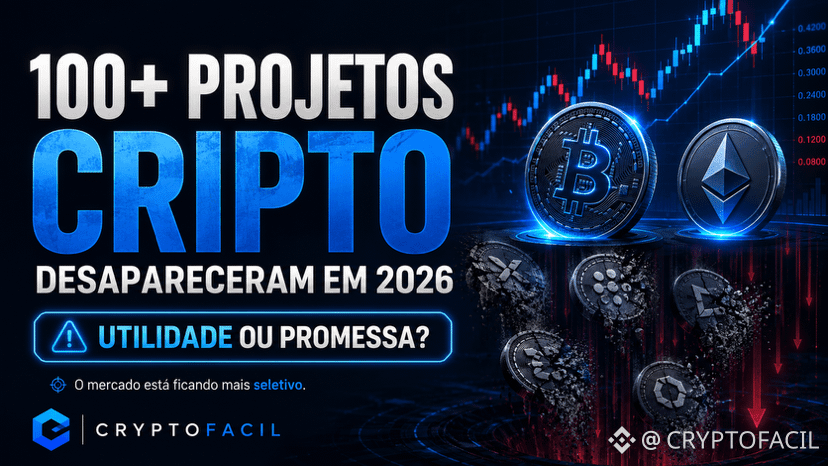
MORE THAN 100 CRYPTO PROJECTS HAVE DISAPPEARED IN 2026.
IS THE MARKET SEPARATING UTILITY FROM PROMISE???
More than 100 projects closed, collapsed, or simply disappeared in 2026, according to a survey published by CoinDesk.
For me, this reinforces an important shift in the market: narrative alone is becoming less and less enough.
Projects that can’t generate users, revenue, real activity, or sustainable utility tend to suffer far more when capital becomes selective.
It’s a kind of “natural selection” for the sector.
And maybe this is one of the biggest lessons of this cycle: it’s not enough for the token to go up. The project needs a reason to keep existing.
💬 Do you think this shakeout strengthens the crypto market, or will we still see many good projects disappear along with the bad ones?
MORE THAN 100 CRYPTO PROJECTS HAVE DISAPPEARED IN 2026.
IS THE MARKET SEPARATING UTILITY FROM PROMISE???
More than 100 projects closed, collapsed, or simply disappeared in 2026, according to a survey published by CoinDesk.
For me, this reinforces an important shift in the market: narrative alone is becoming less and less enough.
Projects that can’t generate users, revenue, real activity, or sustainable utility tend to suffer far more when capital becomes selective.
It’s a kind of “natural selection” for the sector.
And maybe this is one of the biggest lessons of this cycle: it’s not enough for the token to go up. The project needs a reason to keep existing.
💬 Do you think this shakeout strengthens the crypto market, or will we still see many good projects disappear along with the bad ones?
IS THE MARKET SEPARATING UTILITY FROM PROMISE???
More than 100 projects closed, collapsed, or simply disappeared in 2026, according to a survey published by CoinDesk.
For me, this reinforces an important shift in the market: narrative alone is becoming less and less enough.
Projects that can’t generate users, revenue, real activity, or sustainable utility tend to suffer far more when capital becomes selective.
It’s a kind of “natural selection” for the sector.
And maybe this is one of the biggest lessons of this cycle: it’s not enough for the token to go up. The project needs a reason to keep existing.
💬 Do you think this shakeout strengthens the crypto market, or will we still see many good projects disappear along with the bad ones?
1
2
805
·
--
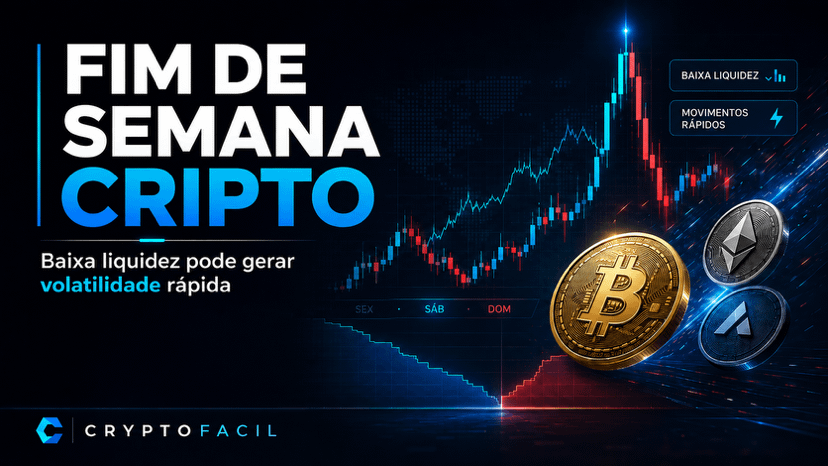
WEEKEND: LOW LIQUIDITY CAN BRING SURPRISES !!!!
On weekends, the crypto market usually has LOWER liquidity.
With less money circulating in the order books, large orders, liquidations, or whale movements can trigger sharp rises or drops, without necessarily meaning a change in trend.
That’s why I usually place some PLANNED BUY and SELL orders to try to take advantage of occasional price moves that may happen precisely during these low-liquidity periods.
📊 POLL: do you also follow along, noticing the low liquidity on weekends?
WEEKEND: LOW LIQUIDITY CAN BRING SURPRISES !!!!
On weekends, the crypto market usually has LOWER liquidity.
With less money circulating in the order books, large orders, liquidations, or whale movements can trigger sharp rises or drops, without necessarily meaning a change in trend.
That’s why I usually place some PLANNED BUY and SELL orders to try to take advantage of occasional price moves that may happen precisely during these low-liquidity periods.
📊 POLL: do you also follow along, noticing the low liquidity on weekends?
On weekends, the crypto market usually has LOWER liquidity.
With less money circulating in the order books, large orders, liquidations, or whale movements can trigger sharp rises or drops, without necessarily meaning a change in trend.
That’s why I usually place some PLANNED BUY and SELL orders to try to take advantage of occasional price moves that may happen precisely during these low-liquidity periods.
📊 POLL: do you also follow along, noticing the low liquidity on weekends?
Compra/venda: final de semana
50%
Não negocia no final de semana
50%
2 votes • Voting closed
1
3
142
·
--
Verified
Article
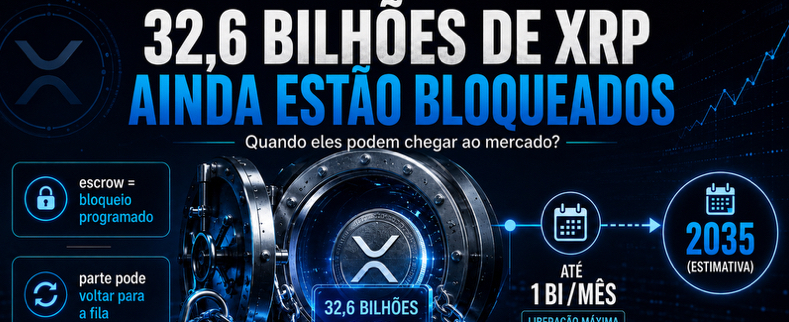
32.6 BILLION XRP ARE STILL LOCKED. WHEN CAN THEY REACH THE MARKET?This question came up in a comment on one of my posts about $XRP . I found the point interesting and decided to look at the numbers and make a projection based on the scenario we have today.
A
it was created with approximately 100 billion tokens.
According to Ripple, on 30/06/2026:
➡️ 62.33 billion XRP already distributed
➡️ about 5.06 billion are in Ripple’s own wallets, outside escrow (scheduled lock)
➡️ 32.6 billion were still locked in escrow
📌 How does this release work?
32.6 BILLION XRP ARE STILL LOCKED. WHEN CAN THEY REACH THE MARKET?
This question came up in a comment on one of my posts about $XRP . I found the point interesting and decided to look at the numbers and make a projection based on the scenario we have today.
A
it was created with approximately 100 billion tokens.
According to Ripple, on 30/06/2026:
➡️ 62.33 billion XRP already distributed
➡️ about 5.06 billion are in Ripple’s own wallets, outside escrow (scheduled lock)
➡️ 32.6 billion were still locked in escrow
📌 How does this release work?
A
it was created with approximately 100 billion tokens.
According to Ripple, on 30/06/2026:
➡️ 62.33 billion XRP already distributed
➡️ about 5.06 billion are in Ripple’s own wallets, outside escrow (scheduled lock)
➡️ 32.6 billion were still locked in escrow
📌 How does this release work?
2
2
1k
·
--
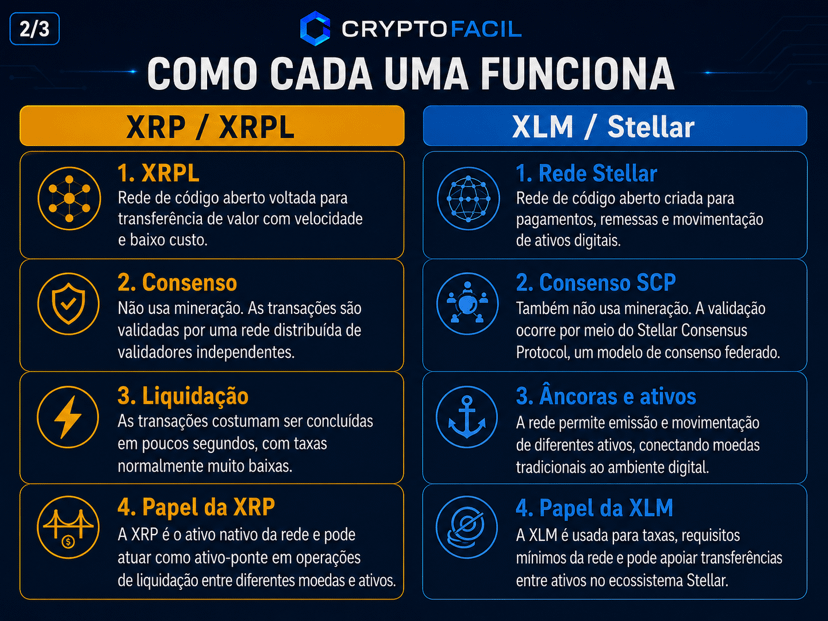
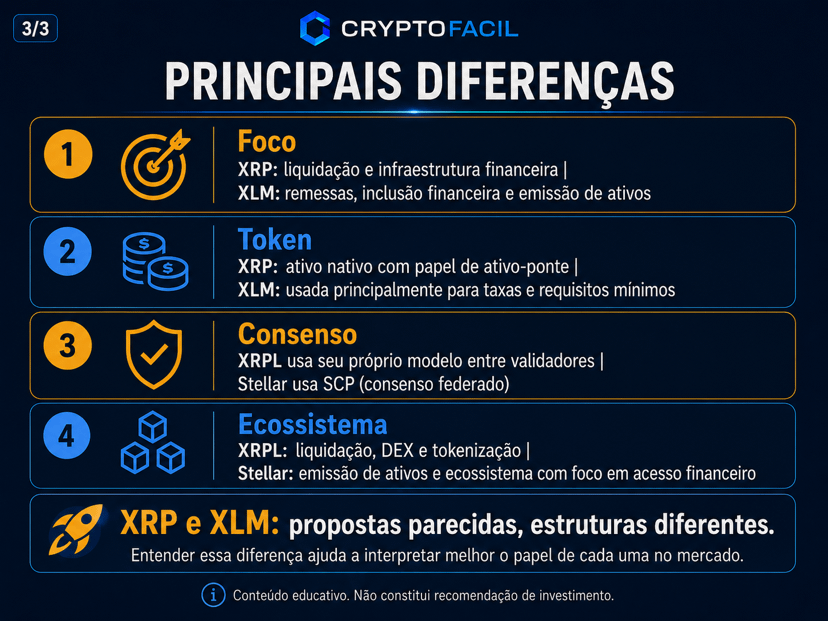
$XRP x $XLM : what really differentiates the two networks?
At first glance, XRP and XLM may seem to perform similar functions, since both move value quickly, with low fees and without mining. But when we look at the structure of each network, the differences become much clearer.
$XRP operates on the XRP Ledger (XRPL), a network focused on transferring and settling value. Transactions are validated by a distributed network of validators and are usually completed in a matter of seconds. XRP is the native asset of the XRPL and can even act as a bridge asset, connecting coins and other assets in settlement operations.
XLM, on the other hand, is the native asset of Stellar, a network built with a strong focus on payments, remittances, and moving different digital assets. Its consensus uses the Stellar Consensus Protocol (SCP), and the network allows other assets to be issued and moved within its own ecosystem.
And here is a DIFFERENCE I consider IMPORTANT: on Stellar, a transfer does not necessarily have to use XLM as the transferred asset. Stablecoins and other tokens can circulate through the network, while XLM performs functions such as paying transaction fees and meeting the network’s minimum requirements.
On XRPL, XRP is also used for fees, but its role can go further: it can directly participate in liquidity and conversion between different assets, in addition to integrating the XRPL’s native DEX.
That’s why I don’t see XRP and XLM as simply two competing coins.
They tackle similar problems, but with different structures, ecosystems, and roles for their tokens.
And for investors, this difference is far more important than simply comparing which coin is worth more.
📊 POLL: when thinking about long-term potential, which project captures your attention more?
$XRP x $XLM : what really differentiates the two networks?
At first glance, XRP and XLM may seem to perform similar functions, since both move value quickly, with low fees and without mining. But when we look at the structure of each network, the differences become much clearer.
$XRP operates on the XRP Ledger (XRPL), a network focused on transferring and settling value. Transactions are validated by a distributed network of validators and are usually completed in a matter of seconds. XRP is the native asset of the XRPL and can even act as a bridge asset, connecting coins and other assets in settlement operations.
XLM, on the other hand, is the native asset of Stellar, a network built with a strong focus on payments, remittances, and moving different digital assets. Its consensus uses the Stellar Consensus Protocol (SCP), and the network allows other assets to be issued and moved within its own ecosystem.
And here is a DIFFERENCE I consider IMPORTANT: on Stellar, a transfer does not necessarily have to use XLM as the transferred asset. Stablecoins and other tokens can circulate through the network, while XLM performs functions such as paying transaction fees and meeting the network’s minimum requirements.
On XRPL, XRP is also used for fees, but its role can go further: it can directly participate in liquidity and conversion between different assets, in addition to integrating the XRPL’s native DEX.
That’s why I don’t see XRP and XLM as simply two competing coins.
They tackle similar problems, but with different structures, ecosystems, and roles for their tokens.
And for investors, this difference is far more important than simply comparing which coin is worth more.
📊 POLL: when thinking about long-term potential, which project captures your attention more?
At first glance, XRP and XLM may seem to perform similar functions, since both move value quickly, with low fees and without mining. But when we look at the structure of each network, the differences become much clearer.
$XRP operates on the XRP Ledger (XRPL), a network focused on transferring and settling value. Transactions are validated by a distributed network of validators and are usually completed in a matter of seconds. XRP is the native asset of the XRPL and can even act as a bridge asset, connecting coins and other assets in settlement operations.
XLM, on the other hand, is the native asset of Stellar, a network built with a strong focus on payments, remittances, and moving different digital assets. Its consensus uses the Stellar Consensus Protocol (SCP), and the network allows other assets to be issued and moved within its own ecosystem.
And here is a DIFFERENCE I consider IMPORTANT: on Stellar, a transfer does not necessarily have to use XLM as the transferred asset. Stablecoins and other tokens can circulate through the network, while XLM performs functions such as paying transaction fees and meeting the network’s minimum requirements.
On XRPL, XRP is also used for fees, but its role can go further: it can directly participate in liquidity and conversion between different assets, in addition to integrating the XRPL’s native DEX.
That’s why I don’t see XRP and XLM as simply two competing coins.
They tackle similar problems, but with different structures, ecosystems, and roles for their tokens.
And for investors, this difference is far more important than simply comparing which coin is worth more.
📊 POLL: when thinking about long-term potential, which project captures your attention more?
XRP
54%
XLM
19%
As DUAS
19%
NENHUMA delas
8%
111 votes • Voting closed
9
10
4.1k
·
--
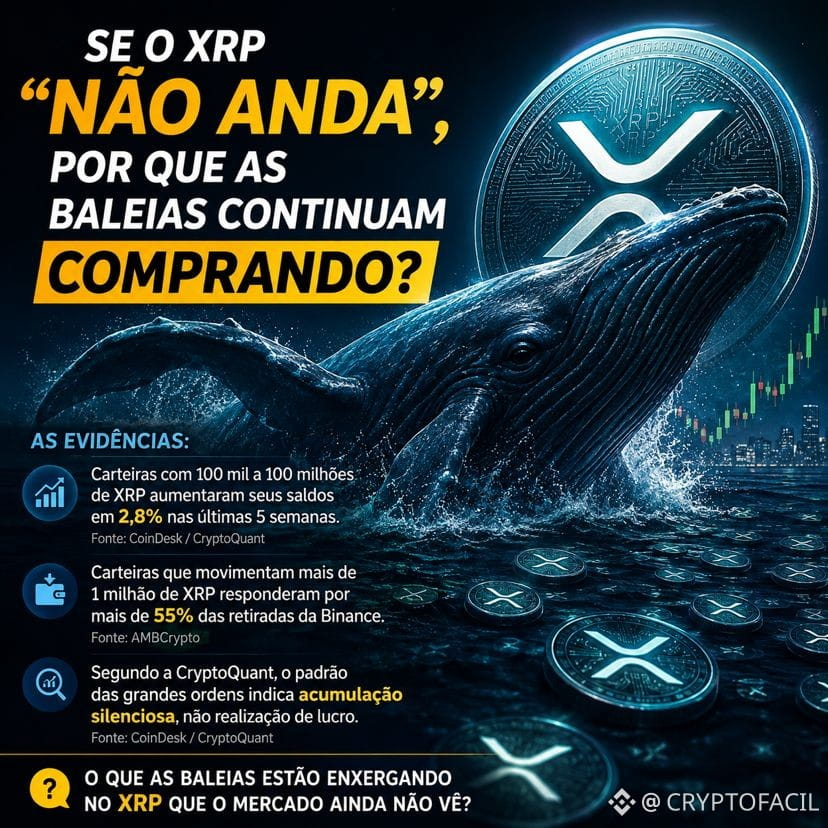
Se $XRP “isn’t moving,” why are whales still accumulating?
While many investors like me and you lose patience, the on-chain data shows a different movement from the big players.
📊 EVIDENCE:
• Wallets holding from 100 thousand to 100 million XRP increased their balances by 2.8% over the last 5 weeks. (CoinDesk)
• Wallets that move more than 1 million XRP accounted for over 55% of withdrawals from Binance, reducing the supply available for sale on exchanges. (AMBCrypto)
• According to CryptoQuant, the pattern of large orders indicates SILENT ACCUMULATION. (CoinDesk)
⚠️ CAUTION: This doesn’t mean that $XRP will rise immediately.
But it shows that while part of the market only looks at price, large investors are still increasing exposure.
In your opinion: what are the WHALES seeing in $XRP that the market still doesn’t see?
Se $XRP “isn’t moving,” why are whales still accumulating?
While many investors like me and you lose patience, the on-chain data shows a different movement from the big players.
📊 EVIDENCE:
• Wallets holding from 100 thousand to 100 million XRP increased their balances by 2.8% over the last 5 weeks. (CoinDesk)
• Wallets that move more than 1 million XRP accounted for over 55% of withdrawals from Binance, reducing the supply available for sale on exchanges. (AMBCrypto)
• According to CryptoQuant, the pattern of large orders indicates SILENT ACCUMULATION. (CoinDesk)
⚠️ CAUTION: This doesn’t mean that $XRP will rise immediately.
But it shows that while part of the market only looks at price, large investors are still increasing exposure.
In your opinion: what are the WHALES seeing in $XRP that the market still doesn’t see?
While many investors like me and you lose patience, the on-chain data shows a different movement from the big players.
📊 EVIDENCE:
• Wallets holding from 100 thousand to 100 million XRP increased their balances by 2.8% over the last 5 weeks. (CoinDesk)
• Wallets that move more than 1 million XRP accounted for over 55% of withdrawals from Binance, reducing the supply available for sale on exchanges. (AMBCrypto)
• According to CryptoQuant, the pattern of large orders indicates SILENT ACCUMULATION. (CoinDesk)
⚠️ CAUTION: This doesn’t mean that $XRP will rise immediately.
But it shows that while part of the market only looks at price, large investors are still increasing exposure.
In your opinion: what are the WHALES seeing in $XRP that the market still doesn’t see?
CRYPTOFACIL
·
--
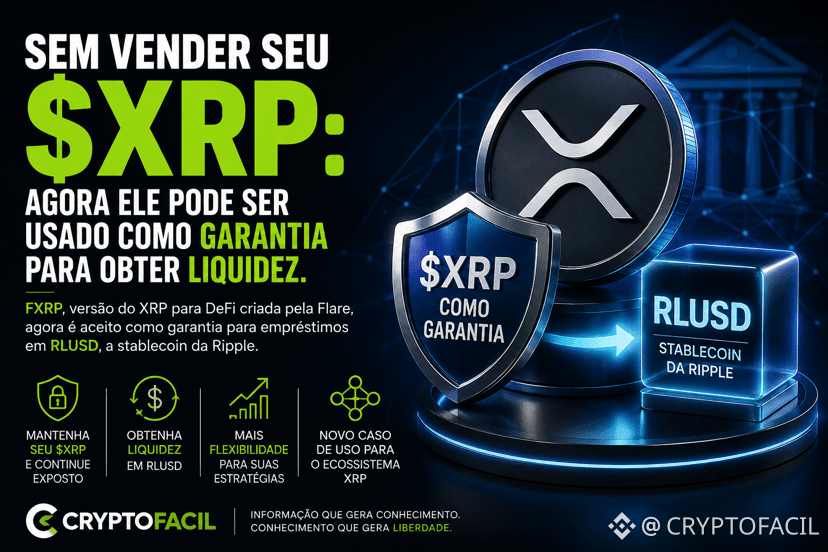
🚨 Without needing to sell $XRP , it’s now possible to use it as collateral to access liquidity.
FXRP (the XRP version for DeFi created by Flare) is now accepted as collateral for loans in RLUSD, Ripple’s stablecoin.
In practice, this allows the investor to maintain their position in $XRP while accessing liquidity, without needing to sell the asset.
📌 Why does this news matter?
Because it expands the utility of the XRP ecosystem. The more real use cases an asset has, the greater its potential for adoption over time.
⚠️ IMPORTANT: this doesn’t mean immediate or automatic price appreciation. It’s more of a step forward in the ecosystem’s evolution, but the impact on price will depend on adoption, liquidity, and the actual use of this new feature.
In my opinion, the main users of this solution should be funds, experienced investors, traders, and DeFi participants who use credit and capital management strategies.
As for me, as a long-term investor, this update doesn’t change my strategy. I remain focused on accumulating and holding my position.
💬 What about you? Would you use $XRP as collateral to access liquidity?
FXRP (the XRP version for DeFi created by Flare) is now accepted as collateral for loans in RLUSD, Ripple’s stablecoin.
In practice, this allows the investor to maintain their position in $XRP while accessing liquidity, without needing to sell the asset.
📌 Why does this news matter?
Because it expands the utility of the XRP ecosystem. The more real use cases an asset has, the greater its potential for adoption over time.
⚠️ IMPORTANT: this doesn’t mean immediate or automatic price appreciation. It’s more of a step forward in the ecosystem’s evolution, but the impact on price will depend on adoption, liquidity, and the actual use of this new feature.
In my opinion, the main users of this solution should be funds, experienced investors, traders, and DeFi participants who use credit and capital management strategies.
As for me, as a long-term investor, this update doesn’t change my strategy. I remain focused on accumulating and holding my position.
💬 What about you? Would you use $XRP as collateral to access liquidity?
5
4
640
·
--
Verified
🚨 Without needing to sell $XRP , it’s now possible to use it as collateral to access liquidity.
FXRP (the XRP version for DeFi created by Flare) is now accepted as collateral for loans in RLUSD, Ripple’s stablecoin.
In practice, this allows the investor to maintain their position in $XRP while accessing liquidity, without needing to sell the asset.
📌 Why does this news matter?
Because it expands the utility of the XRP ecosystem. The more real use cases an asset has, the greater its potential for adoption over time.
⚠️ IMPORTANT: this doesn’t mean immediate or automatic price appreciation. It’s more of a step forward in the ecosystem’s evolution, but the impact on price will depend on adoption, liquidity, and the actual use of this new feature.
In my opinion, the main users of this solution should be funds, experienced investors, traders, and DeFi participants who use credit and capital management strategies.
As for me, as a long-term investor, this update doesn’t change my strategy. I remain focused on accumulating and holding my position.
💬 What about you? Would you use $XRP as collateral to access liquidity?
🚨 Without needing to sell $XRP , it’s now possible to use it as collateral to access liquidity.
FXRP (the XRP version for DeFi created by Flare) is now accepted as collateral for loans in RLUSD, Ripple’s stablecoin.
In practice, this allows the investor to maintain their position in $XRP while accessing liquidity, without needing to sell the asset.
📌 Why does this news matter?
Because it expands the utility of the XRP ecosystem. The more real use cases an asset has, the greater its potential for adoption over time.
⚠️ IMPORTANT: this doesn’t mean immediate or automatic price appreciation. It’s more of a step forward in the ecosystem’s evolution, but the impact on price will depend on adoption, liquidity, and the actual use of this new feature.
In my opinion, the main users of this solution should be funds, experienced investors, traders, and DeFi participants who use credit and capital management strategies.
As for me, as a long-term investor, this update doesn’t change my strategy. I remain focused on accumulating and holding my position.
💬 What about you? Would you use $XRP as collateral to access liquidity?
FXRP (the XRP version for DeFi created by Flare) is now accepted as collateral for loans in RLUSD, Ripple’s stablecoin.
In practice, this allows the investor to maintain their position in $XRP while accessing liquidity, without needing to sell the asset.
📌 Why does this news matter?
Because it expands the utility of the XRP ecosystem. The more real use cases an asset has, the greater its potential for adoption over time.
⚠️ IMPORTANT: this doesn’t mean immediate or automatic price appreciation. It’s more of a step forward in the ecosystem’s evolution, but the impact on price will depend on adoption, liquidity, and the actual use of this new feature.
In my opinion, the main users of this solution should be funds, experienced investors, traders, and DeFi participants who use credit and capital management strategies.
As for me, as a long-term investor, this update doesn’t change my strategy. I remain focused on accumulating and holding my position.
💬 What about you? Would you use $XRP as collateral to access liquidity?
4
1
4
819
·
--
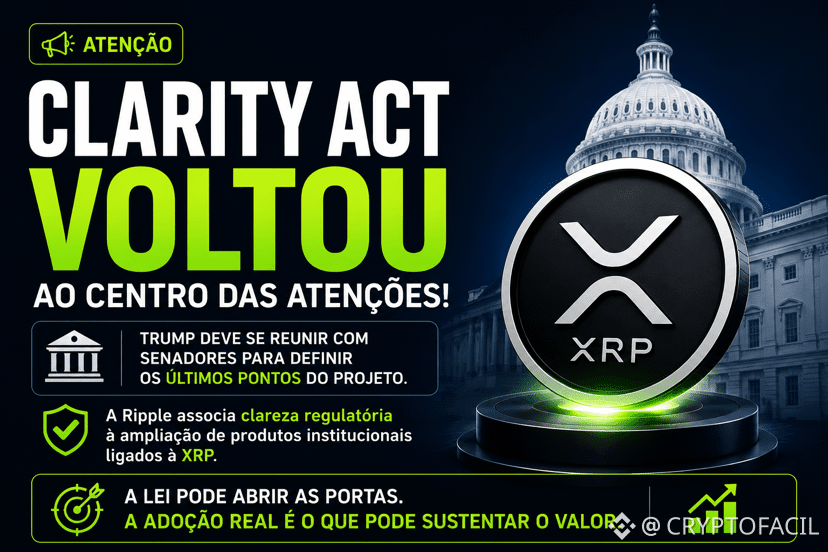
CLARITY ACT RETURNS TO THE CENTER OF ATTENTION
Negotiations for the CLARITY Act have entered the FINAL STRETCH ahead of the U.S. Congress recess.
According to information released today, Donald Trump is expected to meet with senators to discuss the project’s latest points, while Ripple executives argue that passage of the law would increase PROTECTION for consumers and bring more regulatory clarity to the crypto market.
Ripple itself links this regulatory clarity to the expansion of institutional products tied to <a>$XRP .</a>
This could create a more favorable environment for the asset, but it does not represent a guarantee of demand or appreciation.
Regulation can open the doors. Real adoption is what will be able to sustain value.
CLARITY ACT RETURNS TO THE CENTER OF ATTENTION
Negotiations for the CLARITY Act have entered the FINAL STRETCH ahead of the U.S. Congress recess.
According to information released today, Donald Trump is expected to meet with senators to discuss the project’s latest points, while Ripple executives argue that passage of the law would increase PROTECTION for consumers and bring more regulatory clarity to the crypto market.
Ripple itself links this regulatory clarity to the expansion of institutional products tied to <a>$XRP .</a>
This could create a more favorable environment for the asset, but it does not represent a guarantee of demand or appreciation.
Regulation can open the doors. Real adoption is what will be able to sustain value.
Negotiations for the CLARITY Act have entered the FINAL STRETCH ahead of the U.S. Congress recess.
According to information released today, Donald Trump is expected to meet with senators to discuss the project’s latest points, while Ripple executives argue that passage of the law would increase PROTECTION for consumers and bring more regulatory clarity to the crypto market.
Ripple itself links this regulatory clarity to the expansion of institutional products tied to <a>$XRP .</a>
This could create a more favorable environment for the asset, but it does not represent a guarantee of demand or appreciation.
Regulation can open the doors. Real adoption is what will be able to sustain value.
2
7
2.2k
·
--
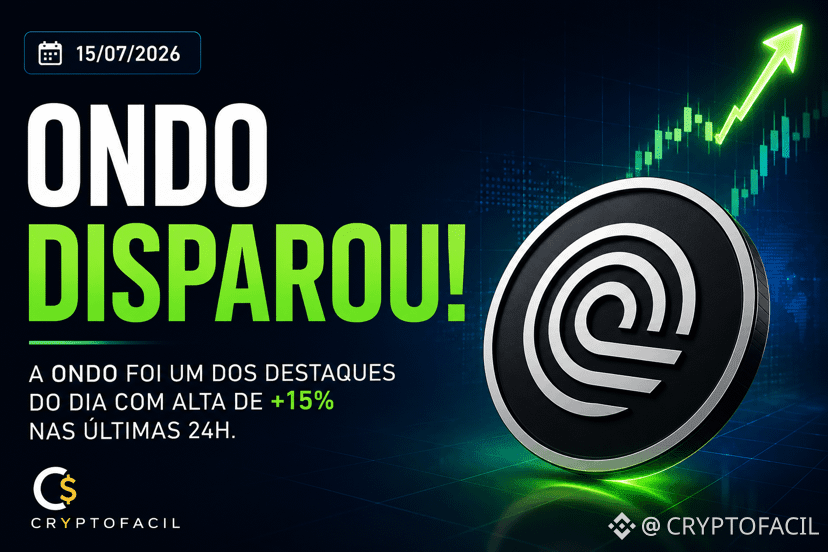
ONDO SURPRISED TODAY. AND THE REASON CAN EXPLAIN A LOT.
The $ONDO was one of the big highlights in the market today.
And this time, there was an important reason.
Ondo Finance announced the launch of the first tokenized shares based on DTCC infrastructure—the institution responsible for settling most stock trades in the United States.
More than that, Ondo is participating in DTCC’s largest tokenization initiative alongside giants such as:
• J.P. Morgan
• BlackRock
• Goldman Sachs
• Nasdaq
• NYSE
This move reinforces a trend I’ve been following for quite some time: the convergence between the traditional financial market and blockchain technology.
This doesn’t mean the ONDO token will keep rising continuously. The market remains volatile, and the project still faces challenges.
But seeing $ONDO as part of the infrastructure built by some of the world’s largest financial institutions is an advancement that deserves attention.
In my opinion, this could be one of the most important milestones in Ondo Finance’s history so far.
ONDO SURPRISED TODAY. AND THE REASON CAN EXPLAIN A LOT.
The $ONDO was one of the big highlights in the market today.
And this time, there was an important reason.
Ondo Finance announced the launch of the first tokenized shares based on DTCC infrastructure—the institution responsible for settling most stock trades in the United States.
More than that, Ondo is participating in DTCC’s largest tokenization initiative alongside giants such as:
• J.P. Morgan
• BlackRock
• Goldman Sachs
• Nasdaq
• NYSE
This move reinforces a trend I’ve been following for quite some time: the convergence between the traditional financial market and blockchain technology.
This doesn’t mean the ONDO token will keep rising continuously. The market remains volatile, and the project still faces challenges.
But seeing $ONDO as part of the infrastructure built by some of the world’s largest financial institutions is an advancement that deserves attention.
In my opinion, this could be one of the most important milestones in Ondo Finance’s history so far.
The $ONDO was one of the big highlights in the market today.
And this time, there was an important reason.
Ondo Finance announced the launch of the first tokenized shares based on DTCC infrastructure—the institution responsible for settling most stock trades in the United States.
More than that, Ondo is participating in DTCC’s largest tokenization initiative alongside giants such as:
• J.P. Morgan
• BlackRock
• Goldman Sachs
• Nasdaq
• NYSE
This move reinforces a trend I’ve been following for quite some time: the convergence between the traditional financial market and blockchain technology.
This doesn’t mean the ONDO token will keep rising continuously. The market remains volatile, and the project still faces challenges.
But seeing $ONDO as part of the infrastructure built by some of the world’s largest financial institutions is an advancement that deserves attention.
In my opinion, this could be one of the most important milestones in Ondo Finance’s history so far.
CRYPTOFACIL
·
--
RWA SAIU DO DISCURSO E ENTROU NA MESA DOS REGULADORES
Tokenization of REAL assets just got another significant signal.
On June 20, 2026, a statement from the SEC of the Philippines surfaced during Philippine Blockchain Week 2026: the regulator asserted that the country already has the legal foundation and regulatory maturity to accept tokenized assets.
It’s not a global approval.
It’s not "all systems go".
But it’s ANOTHER RELEVANT signal.
Because RWA isn’t just about creating a token that represents real estate, a government bond, a commodity, or a stock; the real challenge is:
to provide legal validity, liquidity, and trust so that REAL WORLD assets can circulate on the blockchain.
That’s why projects tied to this thesis, like $ONDO , Chainlink $LINK , Stellar $XLM , among others, are likely to gain attention as regulators begin to pave the way for this market.
The question now is simple:
Will RWA be the next big bridge between traditional markets and crypto, or just another pretty narrative to sell tokens?
Tokenization of REAL assets just got another significant signal.
On June 20, 2026, a statement from the SEC of the Philippines surfaced during Philippine Blockchain Week 2026: the regulator asserted that the country already has the legal foundation and regulatory maturity to accept tokenized assets.
It’s not a global approval.
It’s not "all systems go".
But it’s ANOTHER RELEVANT signal.
Because RWA isn’t just about creating a token that represents real estate, a government bond, a commodity, or a stock; the real challenge is:
to provide legal validity, liquidity, and trust so that REAL WORLD assets can circulate on the blockchain.
That’s why projects tied to this thesis, like $ONDO , Chainlink $LINK , Stellar $XLM , among others, are likely to gain attention as regulators begin to pave the way for this market.
The question now is simple:
Will RWA be the next big bridge between traditional markets and crypto, or just another pretty narrative to sell tokens?
5
7
2k
·
--
WHAT IS AN INVESTOR’S HORIZON IN CRYPTO?
In my view, investing in cryptocurrencies with the long term in mind means having a horizon of 5 to 10 years.
But that doesn’t mean buying a coin today and only coming back to look at it a decade from now.
Long term is not ABANDONMENT; it’s monitoring.
Over those years, the price will rise, fall, and often test our conviction.
What really needs to be MONITORED isn’t just the price—it’s the INVESTMENT THESIS.
I constantly follow points like:
✅ Is network adoption still growing?
✅ Is the project still evolving technically?
✅ Are there new real-world use cases?
✅ Does developer activity remain strong?
✅ Is the tokenomics still healthy?
✅ Does the project maintain an advantage over competitors?
✅ Does network security remain solid?
✅ Does the regulatory environment favor—or harm—its evolution?
✅ Is the team still delivering what it promises? Etc…
If those answers stay positive, a PRICE DROP may represent just another market cycle and, often, an opportunity to increase your position.
But if the fundamentals start to DETERIORATE, maybe it’s time to reassess the thesis, regardless of the price.
That’s why I believe the true long-term investor doesn’t just watch charts—they track the PROJECT’S EVOLUTION.
Because, in the end, it’s not just time that makes an investment work. It’s the ability to identify whether the thesis stays alive throughout that entire period.
And you?
When you buy a cryptocurrency, do you think in days, months… or years?
POLL: When you buy a cryptocurrency, your goal is:
WHAT IS AN INVESTOR’S HORIZON IN CRYPTO?
In my view, investing in cryptocurrencies with the long term in mind means having a horizon of 5 to 10 years.
But that doesn’t mean buying a coin today and only coming back to look at it a decade from now.
Long term is not ABANDONMENT; it’s monitoring.
Over those years, the price will rise, fall, and often test our conviction.
What really needs to be MONITORED isn’t just the price—it’s the INVESTMENT THESIS.
I constantly follow points like:
✅ Is network adoption still growing?
✅ Is the project still evolving technically?
✅ Are there new real-world use cases?
✅ Does developer activity remain strong?
✅ Is the tokenomics still healthy?
✅ Does the project maintain an advantage over competitors?
✅ Does network security remain solid?
✅ Does the regulatory environment favor—or harm—its evolution?
✅ Is the team still delivering what it promises? Etc…
If those answers stay positive, a PRICE DROP may represent just another market cycle and, often, an opportunity to increase your position.
But if the fundamentals start to DETERIORATE, maybe it’s time to reassess the thesis, regardless of the price.
That’s why I believe the true long-term investor doesn’t just watch charts—they track the PROJECT’S EVOLUTION.
Because, in the end, it’s not just time that makes an investment work. It’s the ability to identify whether the thesis stays alive throughout that entire period.
And you?
When you buy a cryptocurrency, do you think in days, months… or years?
POLL: When you buy a cryptocurrency, your goal is:
In my view, investing in cryptocurrencies with the long term in mind means having a horizon of 5 to 10 years.
But that doesn’t mean buying a coin today and only coming back to look at it a decade from now.
Long term is not ABANDONMENT; it’s monitoring.
Over those years, the price will rise, fall, and often test our conviction.
What really needs to be MONITORED isn’t just the price—it’s the INVESTMENT THESIS.
I constantly follow points like:
✅ Is network adoption still growing?
✅ Is the project still evolving technically?
✅ Are there new real-world use cases?
✅ Does developer activity remain strong?
✅ Is the tokenomics still healthy?
✅ Does the project maintain an advantage over competitors?
✅ Does network security remain solid?
✅ Does the regulatory environment favor—or harm—its evolution?
✅ Is the team still delivering what it promises? Etc…
If those answers stay positive, a PRICE DROP may represent just another market cycle and, often, an opportunity to increase your position.
But if the fundamentals start to DETERIORATE, maybe it’s time to reassess the thesis, regardless of the price.
That’s why I believe the true long-term investor doesn’t just watch charts—they track the PROJECT’S EVOLUTION.
Because, in the end, it’s not just time that makes an investment work. It’s the ability to identify whether the thesis stays alive throughout that entire period.
And you?
When you buy a cryptocurrency, do you think in days, months… or years?
POLL: When you buy a cryptocurrency, your goal is:

🔘 Fazer trade
25%
🔘 Investir no longo prazo
75%
🔘 Um pouco dos dois
0%
4 votes • Voting closed
2
3
200
Log in to explore more content
Join global crypto users on Binance Square
⚡️ Get latest and useful information about crypto.
💬 Trusted by the world’s largest crypto exchange.
👍 Discover real insights from verified creators.
Email / Phone number
Trending Topics
CPIWatch
87.2M views
503,627 Discussing
Share & Win Traffic Reward in our Trending Hashtag Campaign
✨Topic: Will CPI Trigger Rate Hike?
👉How to Join:
Publish a short post or article with hashtag #CPIWatch
Create content based on the below two angles:
- Nonfarm payrolls beat expectations and CPI is around the corner, do you think the Fed will hike or hold the rate?
- Bullish or bearish? Share your take and showcase your stocks or gold trade/holdings with our trade sharing widget.
🚀Campaign Period:
- 2026-09-11 3:00 - 2026-09-12 9:00 UTC
🎁Reward:
- Qualified posts that comply with the above guidelines and contain more than 100 words will be reviewed and may receive a random traffic boost of 500 to 3,000 views. You will receive a notification from your feed secretary if your post is selected.
- Get a chance to have your article featured on Binance Square Official
Need ideas for your post? Visit the topic page #CPIWatch or the Square Guide on How to Post for Better Reach.
Binance Square Official
·593 Likes
·1.6M views
EtherRalliesAsBearishBetsLiquidate
7,940 views
256 Discussing
EthereumHits$2600FirstTimeInSevenMonths
1,481 views
32 Discussing