

Crypto Talk
1.3k Posts

Crypto Talk
 Square Verified
Report
Block User

Top Voices
Open Trade

PYTH Holder
Frequent Trader
8.7 Years
34 Following
32.3K+ Followers
40.2K+ Liked
1 Badges
Posts
Portfolio
All
Quotes
Videos
PINNED
·
--
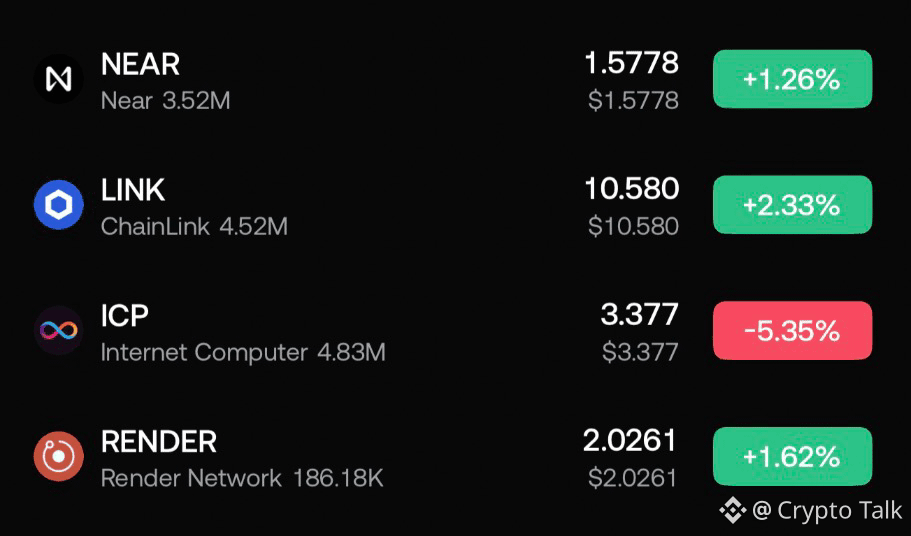
Be smart, Invest for you and your children. Search about this 4 altcoins then make your decision:
1️⃣ $LINK = Decentralized oracle network that secures real-world asset data for all major crypto exchanges and banks.
2️⃣ $NEAR = Fast, scalable, user-friendly AI-blockchain with over 110 Million users so far.
3️⃣ $ICP = Decentralized AI-world computer network hosting over three million internet identities.
4️⃣ #RENDER = Decentralized GPU computing utilized by Apple and Nvidia.
#AI #ORACLE #RWA #Write2Earn
3
5
2.3k
·
--
Bullish
🚨 Galaxy Research: Bitcoin Bear Market May Be Over — Accumulating the Dips Could Make Sense
Galaxy Research highlights growing signs that Bitcoin’s bear phase may be nearing its end. BTC has closed above its 50-week moving average for five consecutive weeks, while selling pressure from long-term holders has slowed significantly.
Meanwhile, institutional demand and continued Bitcoin adoption could provide support for a gradual recovery.
📊 The strategy: Rather than chasing sudden price pumps, long-term investors may consider accumulating BTC gradually during market dips, while keeping in mind that further downside remains possible.
⚠️ A bear market ending is not confirmed, and no recovery is guaranteed. Risk management and patience remain essential.
Source: Galaxy Research. Educational content only — not financial advice.
#Write2Earn
$BTC $NEAR $LINK
{spot}(LINKUSDT)
{spot}(NEARUSDT)
{spot}(BTCUSDT)
🚨 Galaxy Research: Bitcoin Bear Market May Be Over — Accumulating the Dips Could Make Sense
Galaxy Research highlights growing signs that Bitcoin’s bear phase may be nearing its end. BTC has closed above its 50-week moving average for five consecutive weeks, while selling pressure from long-term holders has slowed significantly.
Meanwhile, institutional demand and continued Bitcoin adoption could provide support for a gradual recovery.
📊 The strategy: Rather than chasing sudden price pumps, long-term investors may consider accumulating BTC gradually during market dips, while keeping in mind that further downside remains possible.
⚠️ A bear market ending is not confirmed, and no recovery is guaranteed. Risk management and patience remain essential.
Source: Galaxy Research. Educational content only — not financial advice.
#Write2Earn
$BTC $NEAR $LINK

11
1
52
·
--
Article
PYTH Network: The Oracle Connecting DeFi to Real-World Markets 🌐⚡What if thousands of financial applications could access real-time market data across multiple blockchains?
That is the opportunity Pyth Network is building toward.
In crypto, blockchains cannot independently access live prices from traditional financial markets. They need reliable external data to support applications involving cryptocurrencies, stocks, commodities, foreign exchange and other financial instruments.
This is where Pyth Network ($PYTH) comes in.
🔹 1. What Is Pyth Network?
Pyth is an oracle network designed to bring market data on-chain. Its price feeds help decentralized applications obtain pricing information for smart contracts, trading systems, lending markets and other financial products.
Instead of relying solely on publicly scraped information, Pyth sources data from participants with direct access to financial markets, including trading firms, exchanges and market makers.
Its goal is to deliver accurate, timely market data where blockchain applications need it.
🔹 2. Why Does the Pyth Ecosystem Matter?
Imagine a decentralized trading platform offering exposure to gold or a stock-related instrument.
The smart contract needs appropriate market data to calculate prices, manage risk and determine how positions should be handled.
A price oracle can help provide that information.
The same general principle applies to:
📈 Trading & derivatives: Market prices for decentralized exchanges and derivatives platforms.
🌍 Real-World Assets (RWA): Market data for applications involving tokenized assets and traditional financial instruments.
💱 Synthetic assets: Pricing information used by applications that create blockchain-based exposure to other assets.
🔮 Prediction markets: Data that can support market mechanisms and financial applications, depending on the product.
⚙️ Multichain infrastructure: Oracle services that make pricing data available to supported applications across different blockchain networks.
One important distinction: providing a price feed does not mean Pyth issues, owns or tokenizes the asset itself. The application using that data determines what financial product it offers.
🔹 3. Who Uses Pyth?
Pyth has developed a broad ecosystem of integrations across decentralized finance and other financial applications.
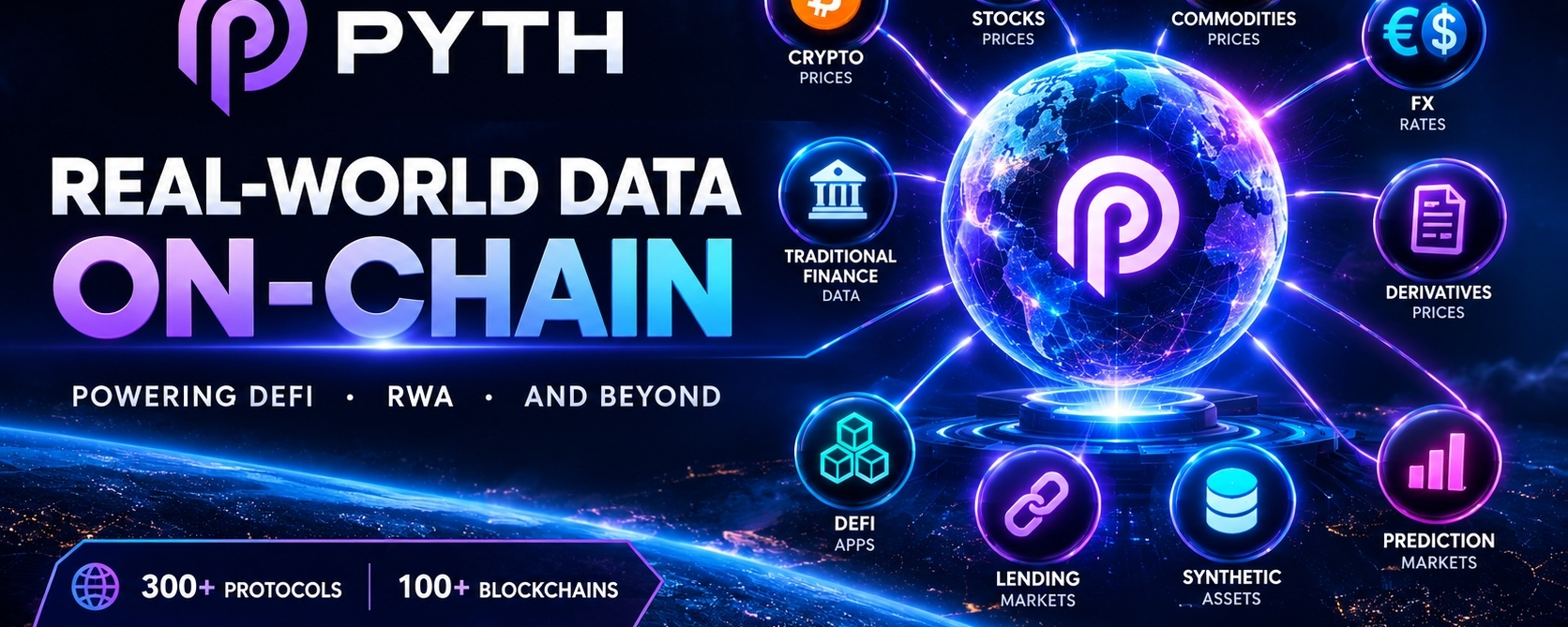
Its ecosystem includes projects in trading, lending, derivatives, synthetic assets and other categories. The infographic accompanying this article illustrates examples of projects and sectors associated with the wider ecosystem.
However, not every logo represents the same type of relationship. Some projects may use specific Pyth feeds, others may have indirect integrations, and some names may represent broader ecosystem relationships rather than confirmed current usage.
For that reason, the infographic should be treated as an ecosystem overview—not a claim that every listed project depends directly on Pyth.
You can explore Pyth's ecosystem and integrations through its official website:
https://pyth.network/
🔹 4. What Is the Role of the $PYTH Token?
PYTH is the network's native token. Its role within the ecosystem includes governance, allowing tokenholders to participate in decisions concerning the network.
But investors should distinguish the usefulness of Pyth's oracle services from the investment performance of its token.
A network can provide valuable infrastructure without guaranteeing that its token price will rise. Token demand, token distribution, emissions, competition, adoption and broader market conditions all matter.
🔹 5. Why Is Pyth Relevant to the RWA Narrative?
Tokenization aims to represent assets or financial interests on blockchain infrastructure.
As this sector develops, applications may need reliable pricing data from traditional markets. Pyth can serve as part of that data infrastructure when the relevant feeds and integrations are supported.
Its potential opportunity extends beyond RWA, including derivatives, lending and other on-chain financial applications.
Nevertheless, adoption of tokenized assets does not automatically translate into proportional demand for PYTH.
🔹 6. Risks Worth Understanding ⚠️
No oracle network is risk-free.
Potential challenges include incorrect or delayed data, network or application vulnerabilities, integration failures, competition from other oracle providers, changing regulations and limited adoption.
For investors, additional considerations include token unlocks, supply growth, valuation and whether the network's usage ultimately creates meaningful demand for the token.
A large ecosystem alone is not sufficient evidence that a cryptocurrency is undervalued.
🔹 My Take
Pyth is worth studying because reliable market data is an important component of blockchain-based finance.
If decentralized derivatives, tokenized financial assets and on-chain markets continue to develop, oracle infrastructure could remain an important part of that growth.
The key question is not simply how many logos appear on an ecosystem map. It is how many applications actively use Pyth, how important those integrations are, how the network generates value, and whether that value benefits PYTH tokenholders.
Infrastructure adoption and token investment returns are two different things. Understand both before making a decision.
📚 Official resource: OFFICIAL PYTH WEBSITE
📌 Educational content only. This is not financial advice or a recommendation to buy or sell PYTH. Always conduct your own research.
#PYTH #PythNetwork #DeFi #RWA #Write2Earn
PYTH Network: The Oracle Connecting DeFi to Real-World Markets 🌐⚡
What if thousands of financial applications could access real-time market data across multiple blockchains?
That is the opportunity Pyth Network is building toward.
In crypto, blockchains cannot independently access live prices from traditional financial markets. They need reliable external data to support applications involving cryptocurrencies, stocks, commodities, foreign exchange and other financial instruments.
This is where Pyth Network ($PYTH) comes in.
🔹 1. What Is Pyth Network?
Pyth is an oracle network designed to bring market data on-chain. Its price feeds help decentralized applications obtain pricing information for smart contracts, trading systems, lending markets and other financial products.
Instead of relying solely on publicly scraped information, Pyth sources data from participants with direct access to financial markets, including trading firms, exchanges and market makers.
Its goal is to deliver accurate, timely market data where blockchain applications need it.
🔹 2. Why Does the Pyth Ecosystem Matter?
Imagine a decentralized trading platform offering exposure to gold or a stock-related instrument.
The smart contract needs appropriate market data to calculate prices, manage risk and determine how positions should be handled.
A price oracle can help provide that information.
The same general principle applies to:
📈 Trading & derivatives: Market prices for decentralized exchanges and derivatives platforms.
🌍 Real-World Assets (RWA): Market data for applications involving tokenized assets and traditional financial instruments.
💱 Synthetic assets: Pricing information used by applications that create blockchain-based exposure to other assets.
🔮 Prediction markets: Data that can support market mechanisms and financial applications, depending on the product.
⚙️ Multichain infrastructure: Oracle services that make pricing data available to supported applications across different blockchain networks.
One important distinction: providing a price feed does not mean Pyth issues, owns or tokenizes the asset itself. The application using that data determines what financial product it offers.
🔹 3. Who Uses Pyth?
Pyth has developed a broad ecosystem of integrations across decentralized finance and other financial applications.
Its ecosystem includes projects in trading, lending, derivatives, synthetic assets and other categories. The infographic accompanying this article illustrates examples of projects and sectors associated with the wider ecosystem.
However, not every logo represents the same type of relationship. Some projects may use specific Pyth feeds, others may have indirect integrations, and some names may represent broader ecosystem relationships rather than confirmed current usage.
For that reason, the infographic should be treated as an ecosystem overview—not a claim that every listed project depends directly on Pyth.
You can explore Pyth's ecosystem and integrations through its official website:
https://pyth.network/
🔹 4. What Is the Role of the $PYTH Token?
PYTH is the network's native token. Its role within the ecosystem includes governance, allowing tokenholders to participate in decisions concerning the network.
But investors should distinguish the usefulness of Pyth's oracle services from the investment performance of its token.
A network can provide valuable infrastructure without guaranteeing that its token price will rise. Token demand, token distribution, emissions, competition, adoption and broader market conditions all matter.
🔹 5. Why Is Pyth Relevant to the RWA Narrative?
Tokenization aims to represent assets or financial interests on blockchain infrastructure.
As this sector develops, applications may need reliable pricing data from traditional markets. Pyth can serve as part of that data infrastructure when the relevant feeds and integrations are supported.
Its potential opportunity extends beyond RWA, including derivatives, lending and other on-chain financial applications.
Nevertheless, adoption of tokenized assets does not automatically translate into proportional demand for PYTH.
🔹 6. Risks Worth Understanding ⚠️
No oracle network is risk-free.
Potential challenges include incorrect or delayed data, network or application vulnerabilities, integration failures, competition from other oracle providers, changing regulations and limited adoption.
For investors, additional considerations include token unlocks, supply growth, valuation and whether the network's usage ultimately creates meaningful demand for the token.
A large ecosystem alone is not sufficient evidence that a cryptocurrency is undervalued.
🔹 My Take
Pyth is worth studying because reliable market data is an important component of blockchain-based finance.
If decentralized derivatives, tokenized financial assets and on-chain markets continue to develop, oracle infrastructure could remain an important part of that growth.
The key question is not simply how many logos appear on an ecosystem map. It is how many applications actively use Pyth, how important those integrations are, how the network generates value, and whether that value benefits PYTH tokenholders.
Infrastructure adoption and token investment returns are two different things. Understand both before making a decision.
📚 Official resource: OFFICIAL PYTH WEBSITE
📌 Educational content only. This is not financial advice or a recommendation to buy or sell PYTH. Always conduct your own research.
#PYTH #PythNetwork #DeFi #RWA #Write2Earn
2
509
·
--
Bearish
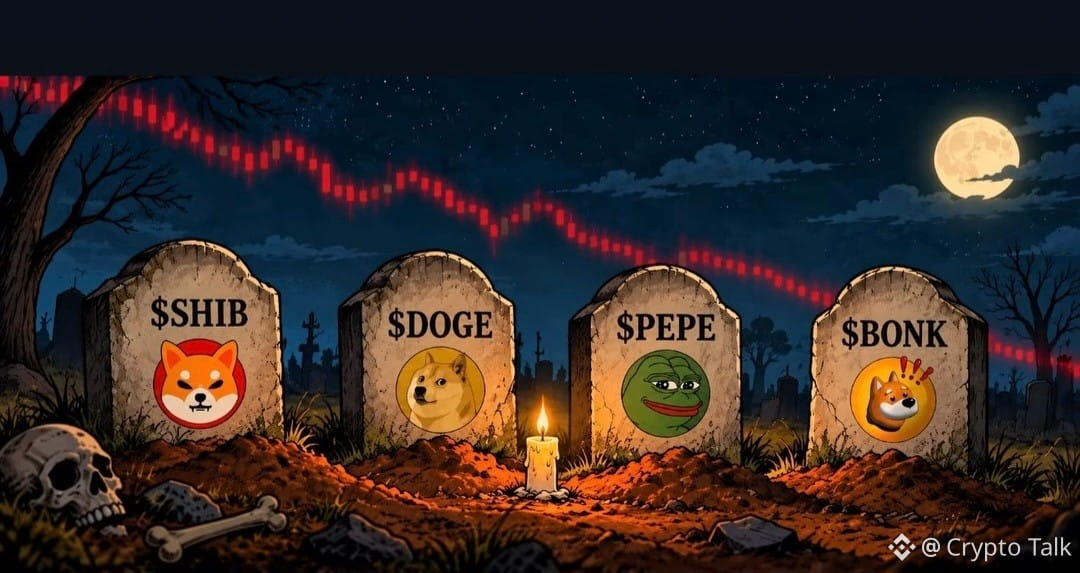
🪦The Graveyard of Pure Speculation
🚨Hype Fades. Utility Endures. 📉
Pure speculation can drive massive short-term hype, but when market sentiment shifts, meme tokens without real-world utility usually end up in the same place: forgotten. 🪦
If you want long-term sustainability in crypto, focus on projects driven by:
✅ Real-world use cases & utility
✅ Organic user demand
✅ Strong tokenomics & continuous development
Stop chasing short-lived hype—invest in building the future of Web3! 💡
What projects are you holding that deliver real utility? 👇
Ask your self why would this projects be alive by 2030 / 2040, Which global problems do they solve?
#Crypto #Web3 #DeFi #Write2Earn #EarningsSeason
$DOGE $PEPE $SHIB
{spot}(SHIBUSDT)
{spot}(PEPEUSDT)
{spot}(DOGEUSDT)
🪦The Graveyard of Pure Speculation
🚨Hype Fades. Utility Endures. 📉
Pure speculation can drive massive short-term hype, but when market sentiment shifts, meme tokens without real-world utility usually end up in the same place: forgotten. 🪦
If you want long-term sustainability in crypto, focus on projects driven by:
✅ Real-world use cases & utility
✅ Organic user demand
✅ Strong tokenomics & continuous development
Stop chasing short-lived hype—invest in building the future of Web3! 💡
What projects are you holding that deliver real utility? 👇
Ask your self why would this projects be alive by 2030 / 2040, Which global problems do they solve?
#Crypto #Web3 #DeFi #Write2Earn #EarningsSeason
$DOGE $PEPE $SHIB
5
546
·
--
Bullish
Verified
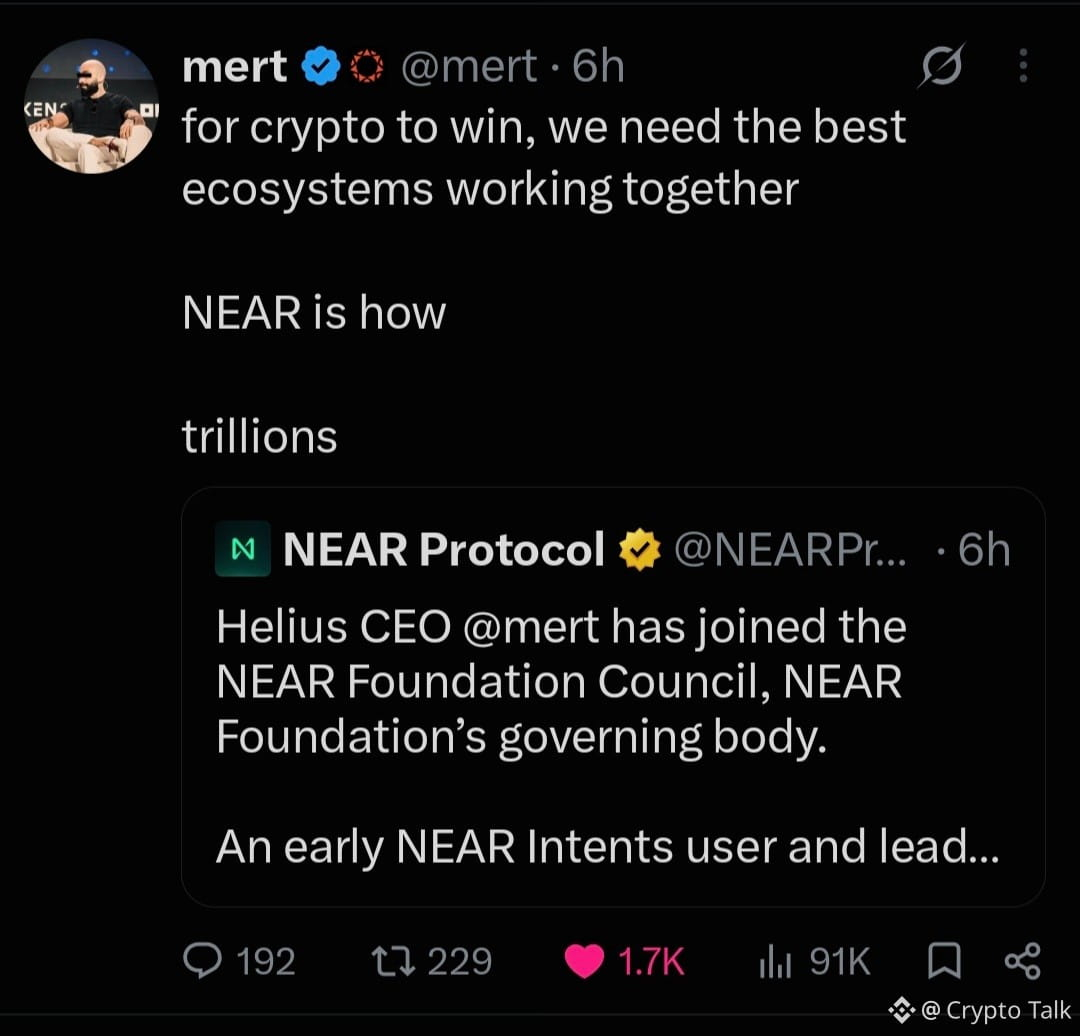
Helius CEO @mert has joined the NEAR Foundation Council, NEAR Foundation’s governing body.
An early NEAR Intents user and leading voice on privacy, Mert brings an operator’s view to how NEAR builds and grows.
“For crypto to win, we need connected, unstoppable liquidity at planetary scale. A market of markets. Neither Solana, Zcash, or Bitcoin can win on their own, we must work together. And NEAR is how."
$NEAR #nearprotocol
{spot}(NEARUSDT)
Helius CEO @mert has joined the NEAR Foundation Council, NEAR Foundation’s governing body.
An early NEAR Intents user and leading voice on privacy, Mert brings an operator’s view to how NEAR builds and grows.
“For crypto to win, we need connected, unstoppable liquidity at planetary scale. A market of markets. Neither Solana, Zcash, or Bitcoin can win on their own, we must work together. And NEAR is how."
$NEAR #nearprotocol

NEAR Protocol
·
--
💥 Helius CEO Mert Mumtaz has joined the NEAR Foundation Council, NEAR Foundation’s governing body
▶️ Read the blog post to learn more
▶️ Read the blog post to learn more
38
6
409
·
--
$RENDER current price $2.15 is showinh major sign of braking out on a weekly charts.
$RENDER current price $2.15 is showinh major sign of braking out on a weekly charts.
3
423
·
--
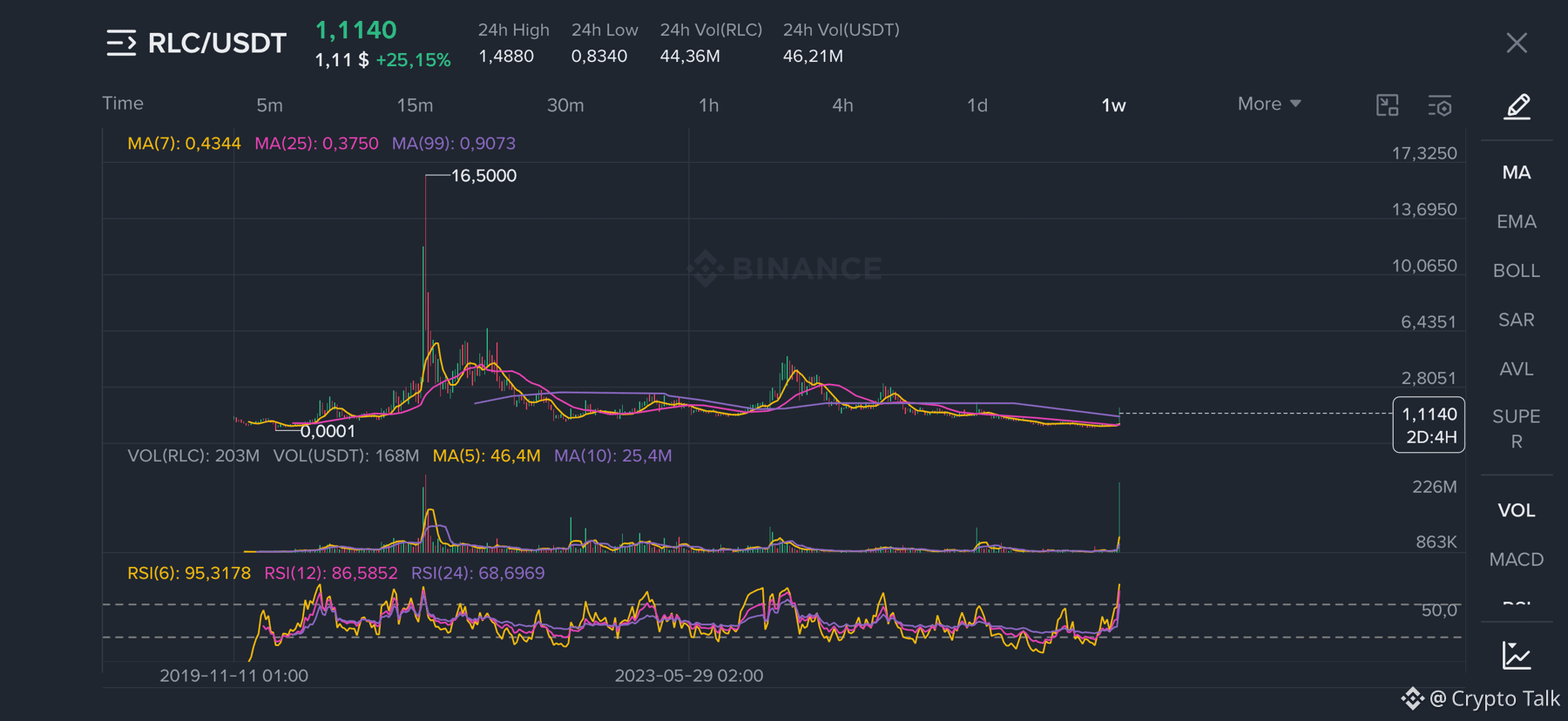
Why $RLC makes at least 10X or more case ?!
1. Confidential Computing
2. Privacy-Preserving #AI
3. Zero-Inflation Tokenomics
4. Decentralized Cloud Marketplace
5. Secure Data Monetization
6. Enterprise Compliance
7. Multi-Chain Expansion
8. #DePIN Infrastructure
9. Legacy Resiliency
10. Low-Cap Rotation Play
NOTE: All 88 million tokens in circulation that is their Max Supply🔥
3
681
·
--
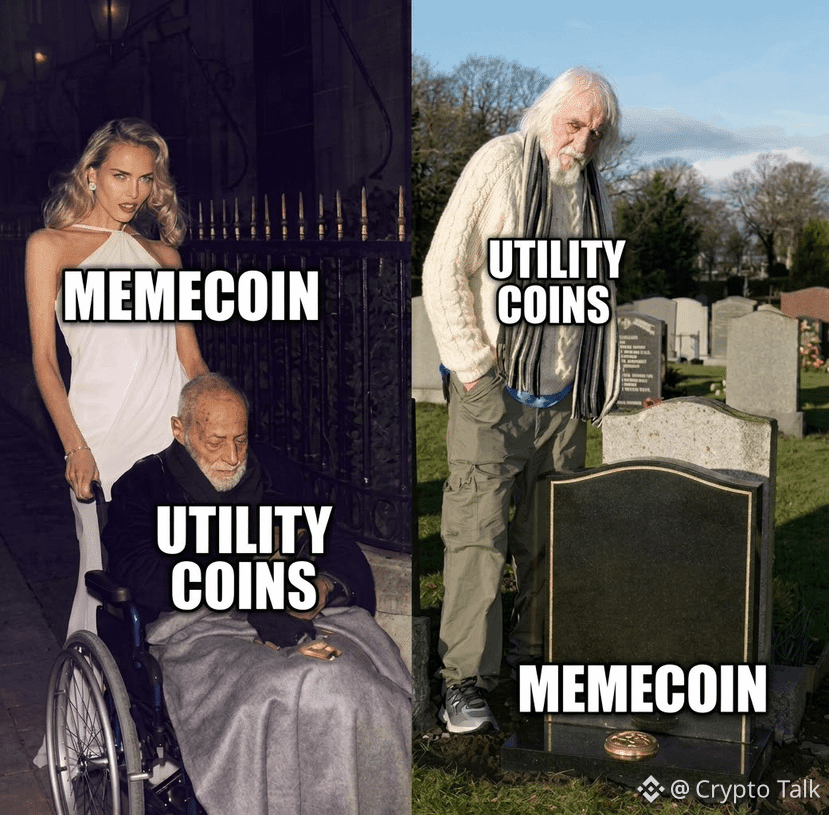
Hey #meme lovers, Do your own research and see for your self how every 4 years the real world utility tokens they outperform #Shitcoins that don't have usecase🤨
$DOGE $SHIB $PEPE
{spot}(PEPEUSDT)
{spot}(SHIBUSDT)
{spot}(DOGEUSDT)
Hey #meme lovers, Do your own research and see for your self how every 4 years the real world utility tokens they outperform #Shitcoins that don't have usecase🤨
$DOGE $SHIB $PEPE
$DOGE $SHIB $PEPE
2
587
·
--
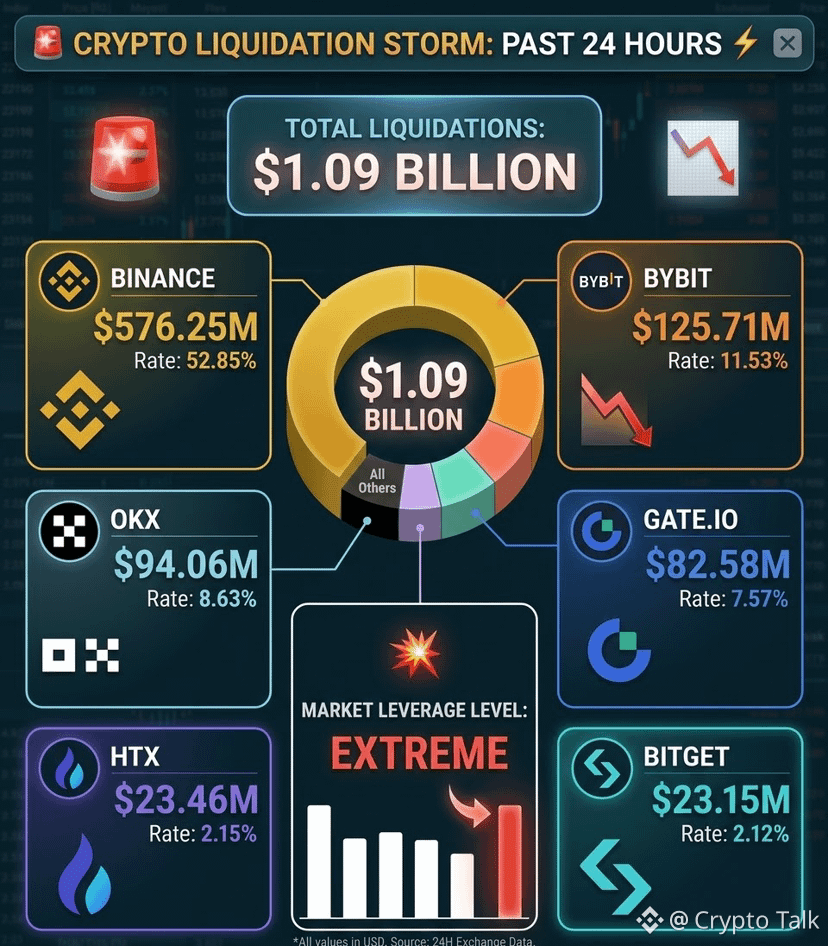
🚨 OVER $1 BILLION WIPED OUT IN 24 HOURS 🚨
The leverage flush is in full effect. Over $1.09 Billion in liquidations just hit the crypto market, and Binance users took the biggest brunt of the storm.
📊 The 24h Breakdown:
🔴 Total Liquidations: $1.09B
🔶 Binance: $576.25M (52.85% of total)
🔷 Hyperliquid: $143.57M (13.17%)
🟡 Bybit: $125.71M (11.53%)
⬛ OKX: $94.06M (8.63%)
🔵 Gate: $82.58M (7.57%)
When leverage builds up, the market always finds a way to clear the board before the next big expansion. High funding rates and over-leveraged longs just got a massive reality check.
💡 Quick Reminder for the Feed:
Spot holdings don't get liquidated.
Volatility is the toll we pay for generational upside.
Respect your stop-losses and manage your risk.
Are you buying this flush, or waiting for the dust to settle? Let me know in the comments! 👇
#Crypto #Write2Earn #MarketUpdate #Trading #Liquidation
2
332
·
--
Verified
🚨BITWISE SAYS NEAR IS BUILT TO CATCH THE AGENT ECONOMY!
Bitwise published “$NEAR in Plain English”.
The case is that #NEARProtocol sits where cross-chain trading and AI agents meet, and $NEAR is designed to catch the fees.
A fee switch already sends Intents fees into buybacks, and inflation was cut from 5% to 2.5%.
Intents has already cleared $30 billion.
{spot}(NEARUSDT)
🚨BITWISE SAYS NEAR IS BUILT TO CATCH THE AGENT ECONOMY!
Bitwise published “$NEAR in Plain English”.
The case is that #NEARProtocol sits where cross-chain trading and AI agents meet, and $NEAR is designed to catch the fees.
A fee switch already sends Intents fees into buybacks, and inflation was cut from 5% to 2.5%.
Intents has already cleared $30 billion.
2
385
·
--
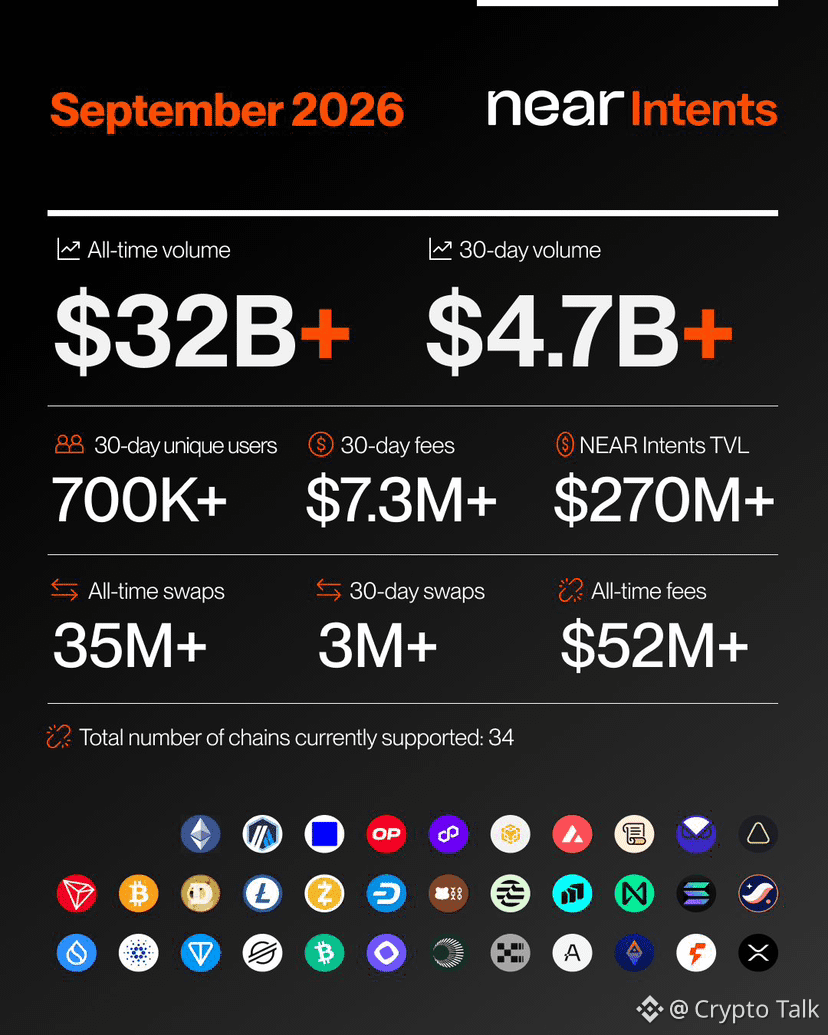
September was one of NEAR Intents’ biggest growth months yet, across volume, users, and new integrations.
Intents' September momentum, by the numbers 🧵
$NEAR
{spot}(NEARUSDT)
September was one of NEAR Intents’ biggest growth months yet, across volume, users, and new integrations.
Intents' September momentum, by the numbers 🧵
$NEAR
Intents' September momentum, by the numbers 🧵
$NEAR
3
514
·
--
Bullish
$PHA Market Cap value is sexy, Still under $100 million Market Cap of Phala Network.
Accumulating PHALA now under $0.10
$PHA Market Cap value is sexy, Still under $100 million Market Cap of Phala Network.
Accumulating PHALA now under $0.10
Accumulating PHALA now under $0.10
1
758
·
--
Bullish
Verified
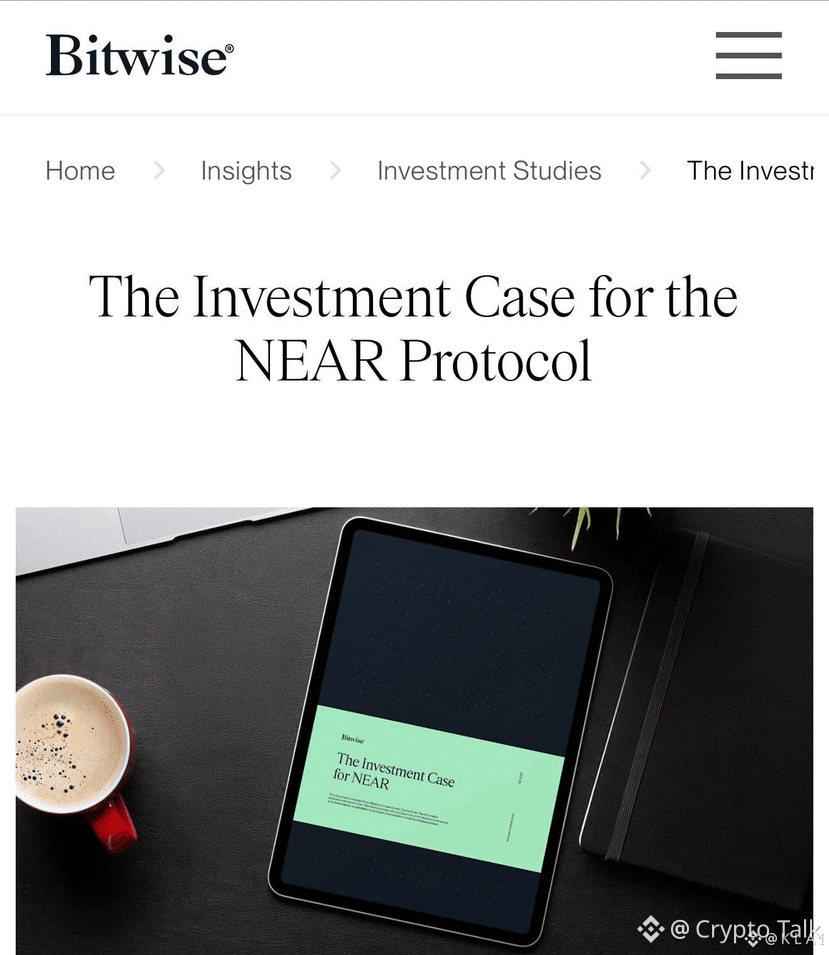
The investment case for NEAR Protocol is stronger than ever as institutional powerhouses like #Bitwise dive deep into its potential. NEAR isn't just another Layer-1 blockchain; it is positioning itself as the foundational layer for the booming decentralized AI economy.
By merging hyper-scalable Nightshade sharding with cutting-edge innovations like Chain Signatures, $NEAR Intents, and autonomous agent infrastructure, the network delivers seamless cross-chain interoperability and ultra-fast transactions.
With tens of millions of active users and continuous technical upgrades, NEAR is uniquely equipped to power the future of Web3 and user-controlled AI.
As mainstream financial players recognize its long-term token value drivers and real-world utility, NEAR is primed for explosive growth. The foundation is laid—the future belongs to NEAR! 🚀
#writetoearn
{spot}(NEARUSDT)
The investment case for NEAR Protocol is stronger than ever as institutional powerhouses like #Bitwise dive deep into its potential. NEAR isn't just another Layer-1 blockchain; it is positioning itself as the foundational layer for the booming decentralized AI economy.
By merging hyper-scalable Nightshade sharding with cutting-edge innovations like Chain Signatures, $NEAR Intents, and autonomous agent infrastructure, the network delivers seamless cross-chain interoperability and ultra-fast transactions.
With tens of millions of active users and continuous technical upgrades, NEAR is uniquely equipped to power the future of Web3 and user-controlled AI.
As mainstream financial players recognize its long-term token value drivers and real-world utility, NEAR is primed for explosive growth. The foundation is laid—the future belongs to NEAR! 🚀
#writetoearn
3
421
·
--
Bullish
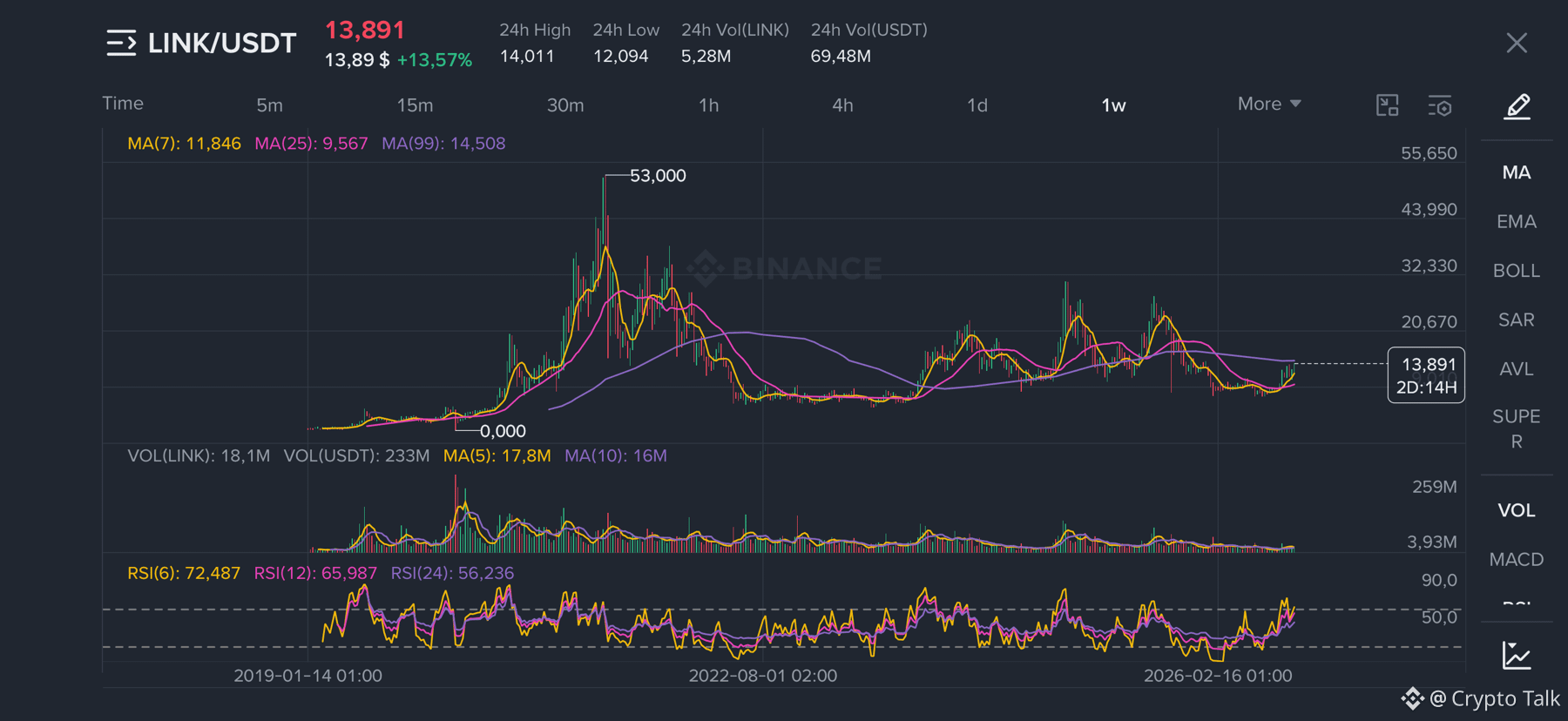
Chainlink has just break out, Watch for it the next level could hit $27.00 easy after long time accumulation zone between $8.00 & 10.00
$LINK
{spot}(LINKUSDT)
Chainlink has just break out, Watch for it the next level could hit $27.00 easy after long time accumulation zone between $8.00 & 10.00
$LINK
$LINK
2
410
·
--
Bullish
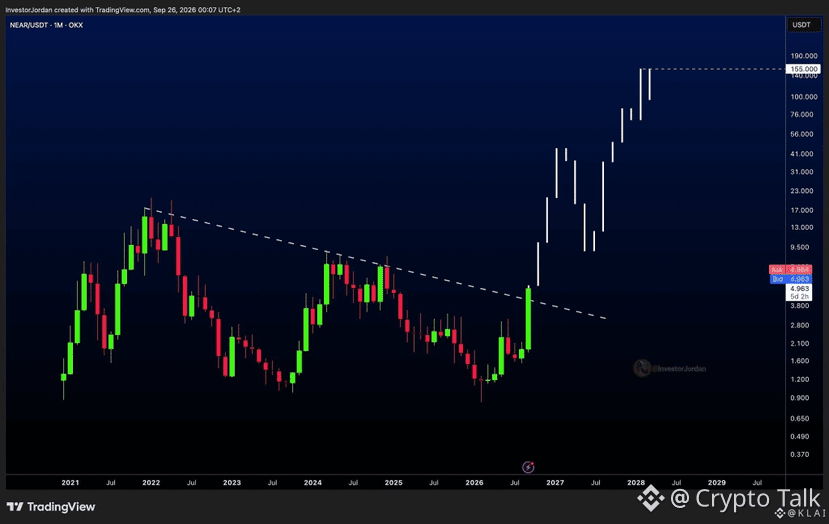
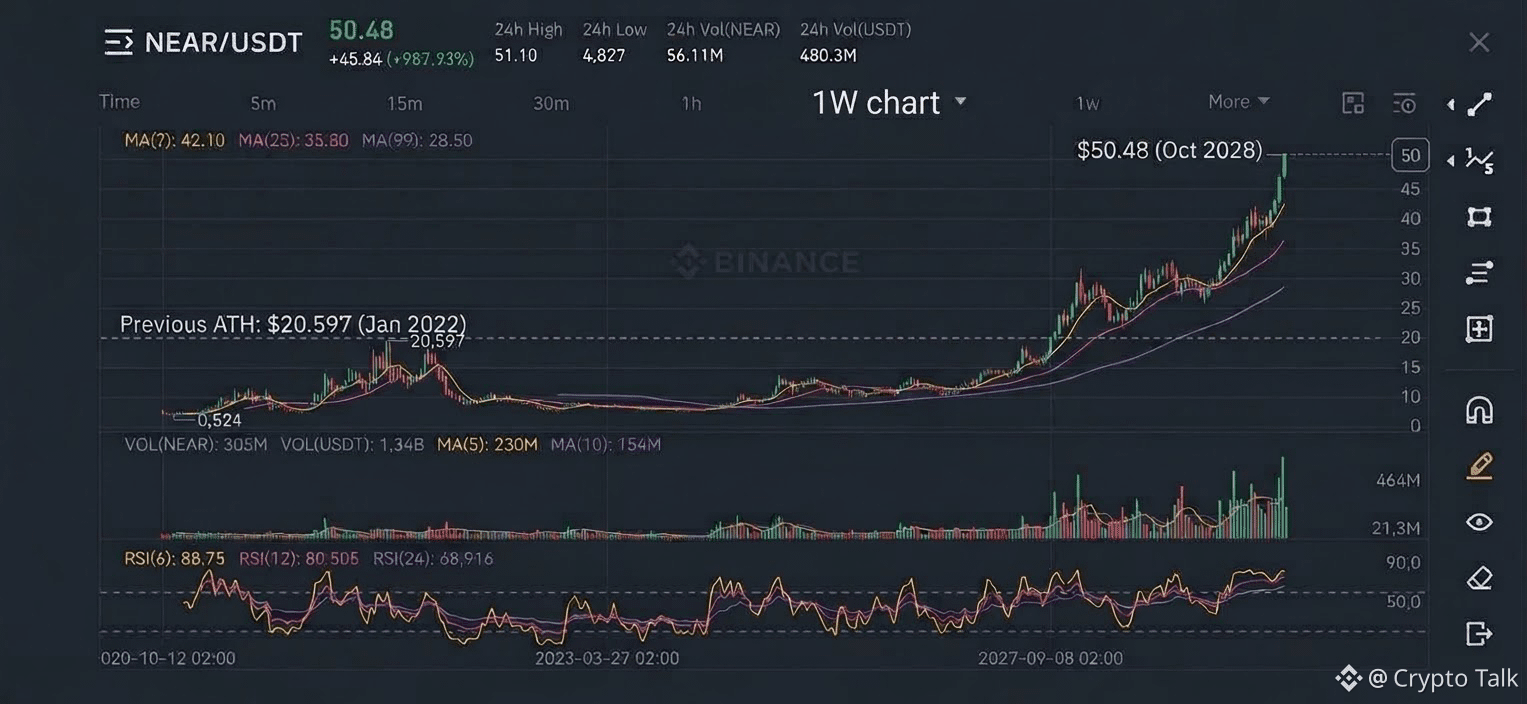
By 2028 this is how $NEAR chart will look like from current level which is still under $5 if God willing at least $50+ per NEAR mark my words right here right now.
Here is why:
1. Quantum Security
2. 35+ Blockchains United
3. User-Owned AI
4. NEAR Intents🔥
5. Chain Abstraction
6. Fast Finality (Doomslug)
7. Nightshade Sharding
8. Universal Named Accounts
9. IronClaw Agent Hub
10. near.com Super App
11. Zero-Gas Onboarding
12. Verifiable AI Execution
13. Dynamic Resharding
14. Open AI Training
15. Multi-Language Smart Contracts
16. Deflationary Fee Burn
17. Cross-Chain Liquidity
18. High TPS Benchmark
19. Sustainable PoS
20. Storage Staking Mechanism
And much more...
Follow @NEAR_Protocol for updates.
$BTC $SOL
{spot}(SOLUSDT)
{spot}(BTCUSDT)
{spot}(NEARUSDT)
By 2028 this is how $NEAR chart will look like from current level which is still under $5 if God willing at least $50+ per NEAR mark my words right here right now.
Here is why:
1. Quantum Security
2. 35+ Blockchains United
3. User-Owned AI
4. NEAR Intents🔥
5. Chain Abstraction
6. Fast Finality (Doomslug)
7. Nightshade Sharding
8. Universal Named Accounts
9. IronClaw Agent Hub
10. near.com Super App
11. Zero-Gas Onboarding
12. Verifiable AI Execution
13. Dynamic Resharding
14. Open AI Training
15. Multi-Language Smart Contracts
16. Deflationary Fee Burn
17. Cross-Chain Liquidity
18. High TPS Benchmark
19. Sustainable PoS
20. Storage Staking Mechanism
And much more...
Follow @NEAR Protocol for updates.
$BTC $SOL
179
13
502
·
--
Not everyone needs to trade every day. Sometimes the best move is to hold. 💎 $NEAR $LINK $RENDER
Not everyone needs to trade every day. Sometimes the best move is to hold. 💎 $NEAR $LINK $RENDER
Crypto Talk
·
--
BullishGreen days are made during red months!📉
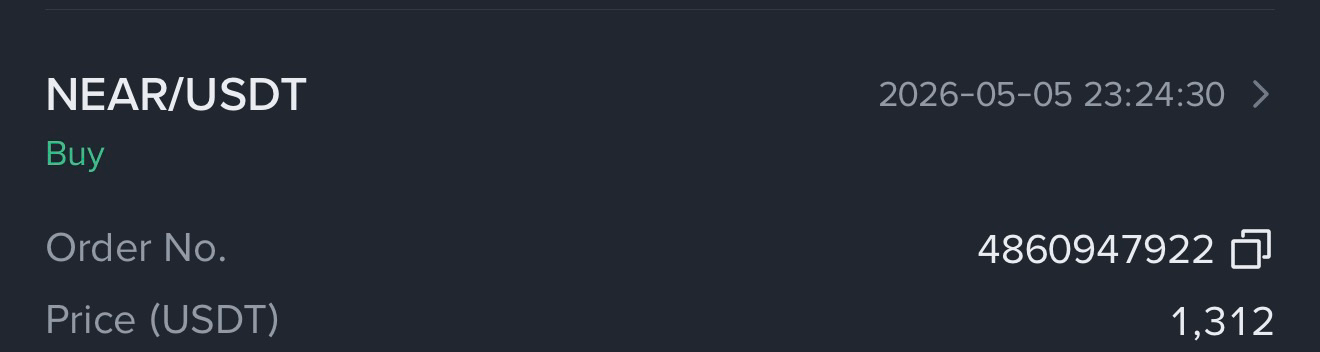
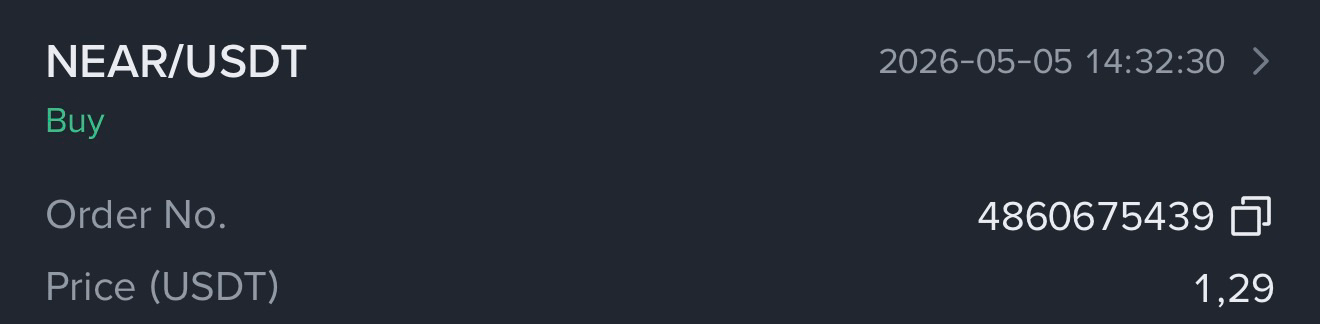
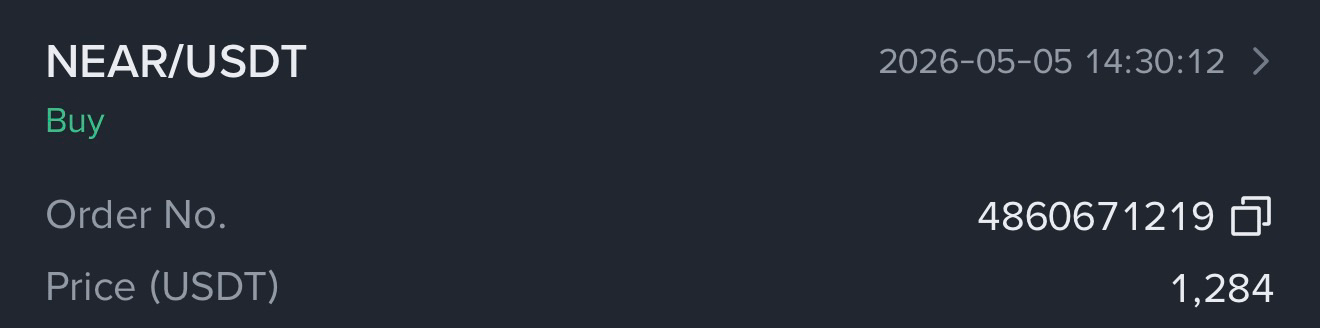
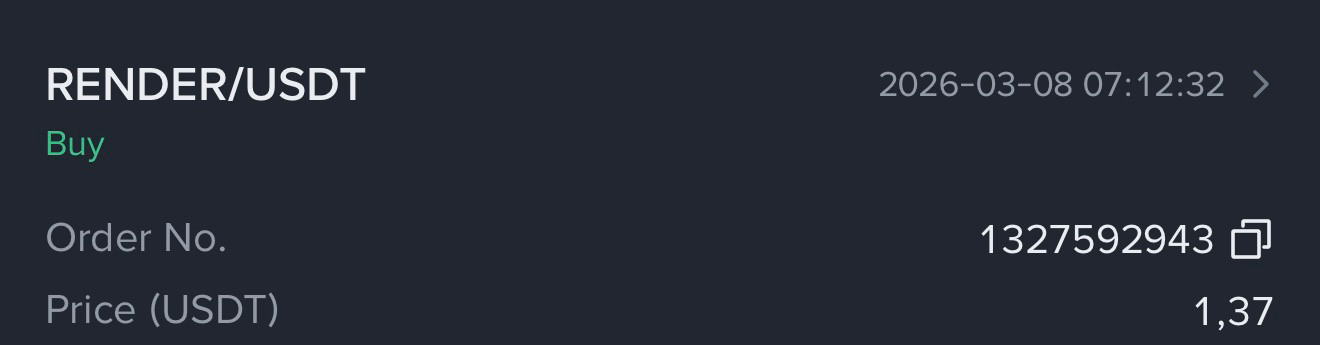
✨I started stacking $RENDER at $1.37 and $NEAR under $1.32 during the dips earlier this year.
My Game Plan:
Accumulate every single week until December 2026. 🗓️Hold firmly until 2028-2030.
💎🙌Wealth isn't made by catching 5% pumps. It's built by buying solid tech at a discount and having the patience to wait out the market cycles.
What are you backing for the next 4 years?
Drop your top picks! 👇🔥
Hit SHARE if you are a true long-term investor!
#BinanceSquare #CryptoInvesting #NEAR #RENDER #Write2Earn
1
342
·
--
August 21st 2026 when $NEAR was $1.80👇
August 21st 2026 when $NEAR was $1.80👇
Crypto Talk
·
--
$NEAR To $5 easy this year and by 2028 NEAR is expected above $12
1
265
·
--
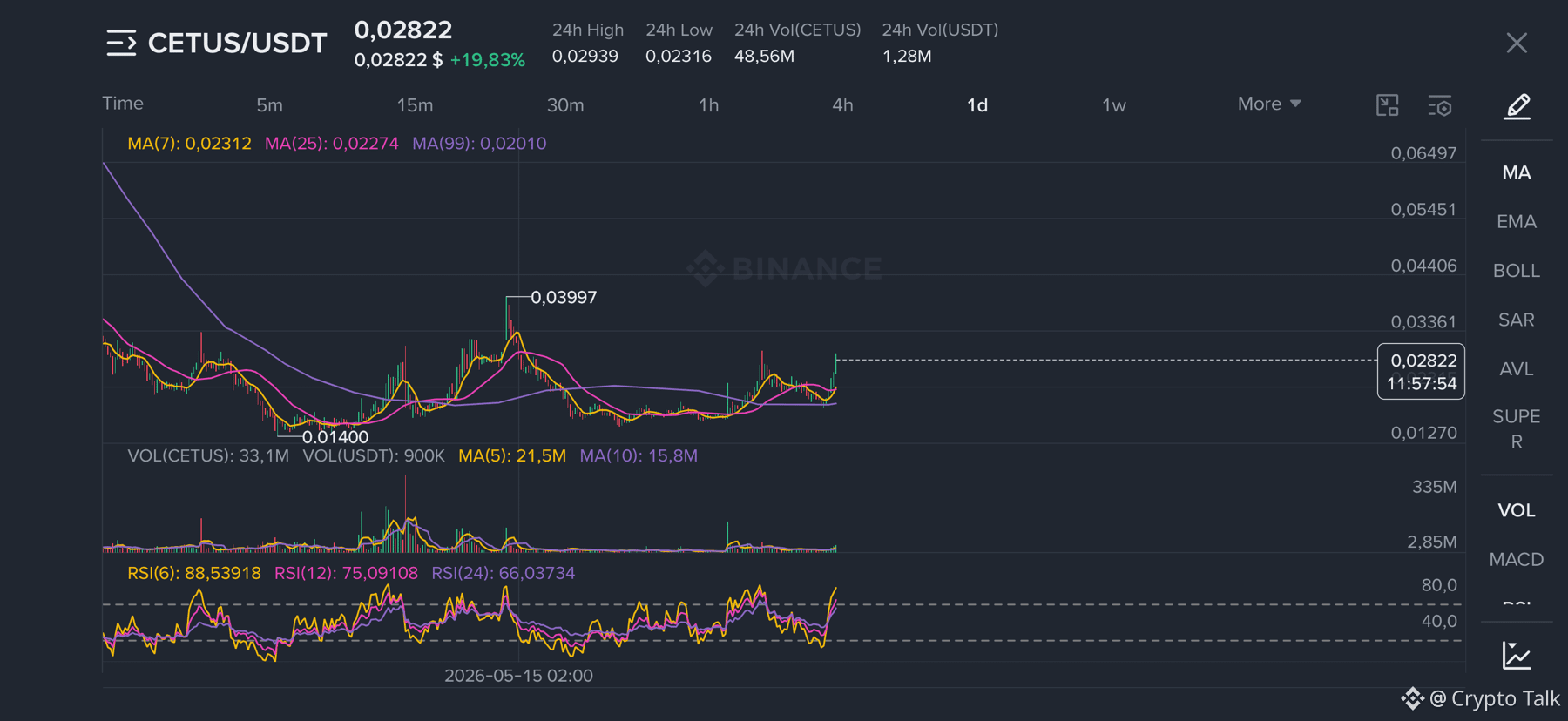
WATCH OUT $CETUS is about to break out.
Micro-cap with huge #DEX role on $SUI AND $APT Blockchains.🔥
This could be next $UNI
WATCH OUT $CETUS is about to break out.
Micro-cap with huge #DEX role on $SUI AND $APT Blockchains.🔥
This could be next $UNI
Micro-cap with huge #DEX role on $SUI AND $APT Blockchains.🔥
This could be next $UNI
3
3.4k
·
--
SELLING $NEAR NOW IS LIKE SELLING $ETH AT $100 after buying it at $80
STAKE AND HOLD NEAR UNTIL 2030
SELLING $NEAR NOW IS LIKE SELLING $ETH AT $100 after buying it at $80
STAKE AND HOLD NEAR UNTIL 2030
STAKE AND HOLD NEAR UNTIL 2030
3
1.2k
·
--
Bullish
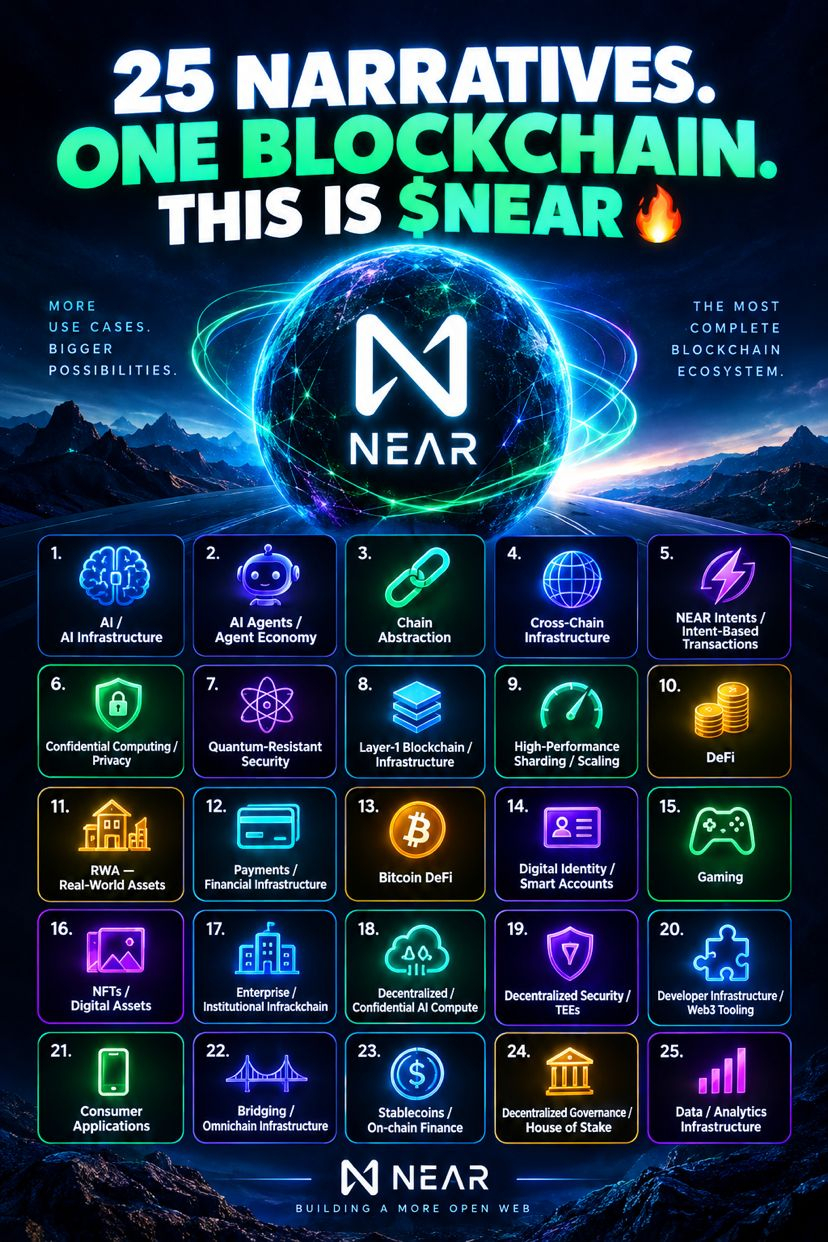
⚡ 25 NARRATIVES. ONE BLOCKCHAIN. THIS IS $NEAR 🔥
1. 🤖 AI / AI Infrastructure
2. 🧠 AI Agents / Agent Economy
3. 🔗 Chain Abstraction
4. 🌐 Cross-Chain Infrastructure
5. 💱 NEAR Intents / Intent-Based Transactions
6. 🔐 Confidential Computing / Privacy
7. ⚛️ Quantum-Resistant Security
8. 🏗️ Layer-1 Blockchain / Infrastructure
9. 📈 High-Performance Sharding / Scaling
10. 💰 DeFi
11. 🪙 RWA — Real-World Assets
12. 💳 Payments / Financial Infrastructure
13. ₿ Bitcoin DeFi
14. 🪪 Digital Identity / Smart Accounts
15. 🎮 Gaming
16. 🖼️ NFTs / Digital Assets
17. 🏢 Enterprise / Institutional Blockchain
18. ☁️ Decentralized / Confidential AI Compute
19. 🔒 Decentralized Security / TEEs
20. 🧩 Developer Infrastructure / Web3 Tooling
21. 📱 Consumer Applications
22. 🌉 Bridging / Omnichain Infrastructure
23. 🏦 Stablecoins / On-chain Finance
24. 🗳️ Decentralized Governance / House of Stake
25. 📊 Data / Analytics Infrastructure
#Write2Earn
1.3k
1
60
1.3k
Log in to explore more content
Join global crypto users on Binance Square
⚡️ Get latest and useful information about crypto.
💬 Trusted by the world’s largest crypto exchange.
👍 Discover real insights from verified creators.
Email / Phone number