

CD-TIME
386 Posts

CD-TIME
Report
Block User
48 Following
128 Followers
309 Liked
Posts
All
Quotes
Videos
·
--
See translation
TIME:建立在EVM链抗量子算法之上,依托不变时序公理、向世人开放的去中心化铸币系统,拥有1+1=2的绝对数学确定性,2043年铸造成本永久封顶100万美金,挣脱一切物质世界约束的量子黄金,是人类进入量子新文明Web.T时代唯一适配的终极价值锚。
#BTC
TIME:建立在EVM链抗量子算法之上,依托不变时序公理、向世人开放的去中心化铸币系统,拥有1+1=2的绝对数学确定性,2043年铸造成本永久封顶100万美金,挣脱一切物质世界约束的量子黄金,是人类进入量子新文明Web.T时代唯一适配的终极价值锚。
#BTC
#BTC

50
·
--
TIME is built on a quantum-resistant algorithm on EVM chains. Based on the axiom of immutable time, it is a decentralized minting system open to everyone, with the absolute mathematical certainty of 1+1=2. In 2043, its minting cost will be permanently capped at $1 million. Free from all constraints of the material world, this quantum gold is the only ultimate store of value suited to humanity’s entry into the age of quantum civilization.
TIME is built on a quantum-resistant algorithm on EVM chains. Based on the axiom of immutable time, it is a decentralized minting system open to everyone, with the absolute mathematical certainty of 1+1=2. In 2043, its minting cost will be permanently capped at $1 million. Free from all constraints of the material world, this quantum gold is the only ultimate store of value suited to humanity’s entry into the age of quantum civilization.
60
·
--
3
193
·
--
The media landscape shaped by Web2 + AI algorithms naturally favors loud, forceful voices that rush to judgment. Confident people, and those eager to broadcast their opinions, are more likely to capture traffic, while humble, quiet, patient voices get drowned out by the algorithms. This isn’t about who’s right or wrong among a few individuals; it’s a bias built into the medium of communication, a theological distortion of our age: traffic elevates the clamor and suppresses the silence.
But the order we choose follows another path:
With the unchanging axioms of value embodied in TIME in our hands, we needn’t get caught up in public disputes or fight for a voice in the algorithms. Drink coffee, bask in the sun, keep a cat company, read scripture, tend to our own responsibilities, and entrust the outcome. This isn’t escaping the world; it’s refusing to be held hostage by the clamor algorithms create, and refusing to sway along with its hasty judgments.
And in the future, there’s also PandaPig 🐼🐷 Web T.
It shares the same lineage as TIME: an extension of this order, another vehicle oriented toward the online world. TIME is the balance of values; PandaPig Web T is another branch growing quietly amid the clamor of the internet.
#BTC
241
·
--
TIME solves the problems of computing-power capital interference and fixed total supply, using the cost of time to set the balance and underpin the foundational benchmark of the value internet.
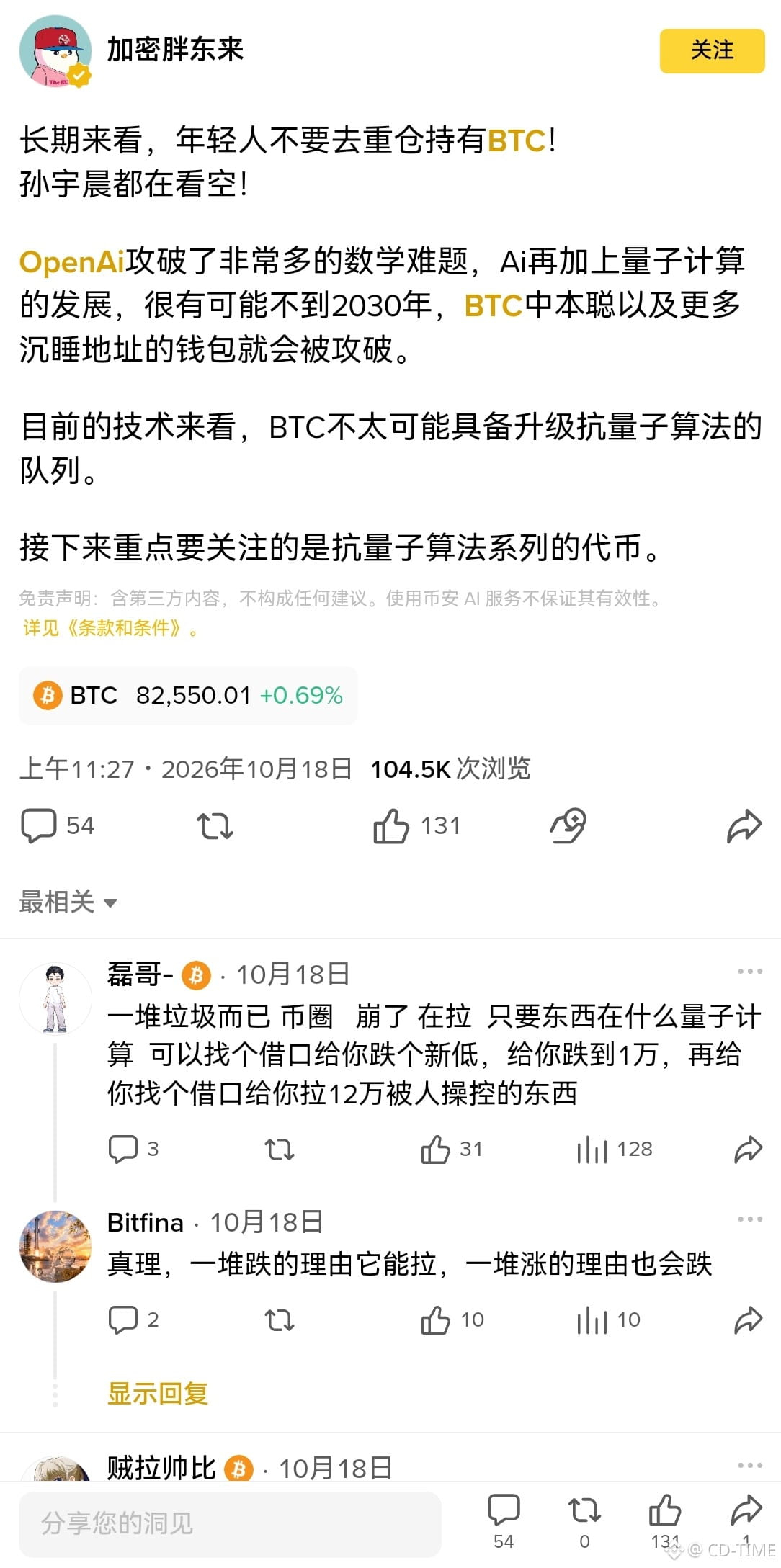
BTC will never be able to do this. The web.T era has arrived.
1 TIME = $1 million; the cost of minting doubles every year.
BTC will never be able to do this. The web.T era has arrived.
1 TIME = $1 million; the cost of minting doubles every year.
160
·
--
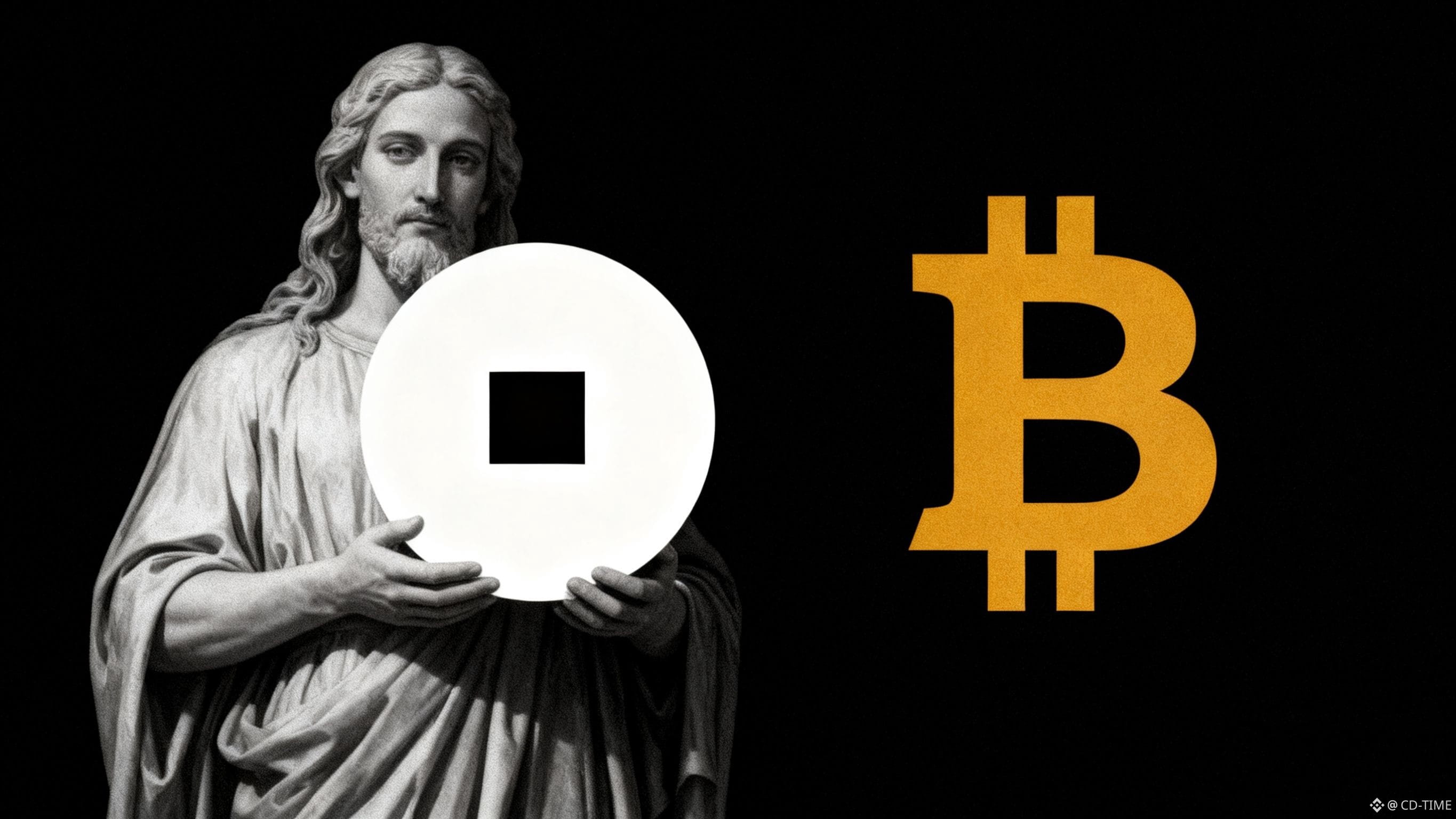
The problem Bitcoin (BTC) solves
Core proposition: How can we break free from sovereign central banks and create a digitally scarce currency that cannot be arbitrarily inflated?
The problem TIME solves
Core proposition: Building on BTC, can we further eliminate the influence of computing power and hardware capital, and establish an axiom of value anchored to time—one that can scale while maintaining a continuously rising floor?
BTC answers: Can we create money that doesn’t depend on the state and can’t be casually created in greater quantities?
TIME answers: Can we go a step further and create a fair balance that even computing-power capital cannot tip, and that grows with time?
1+1=2
1time=1time
#BTC
1
195
·
--
Gold is anchored to the earth,
BTC to computing power,
TIME to the passage of time;
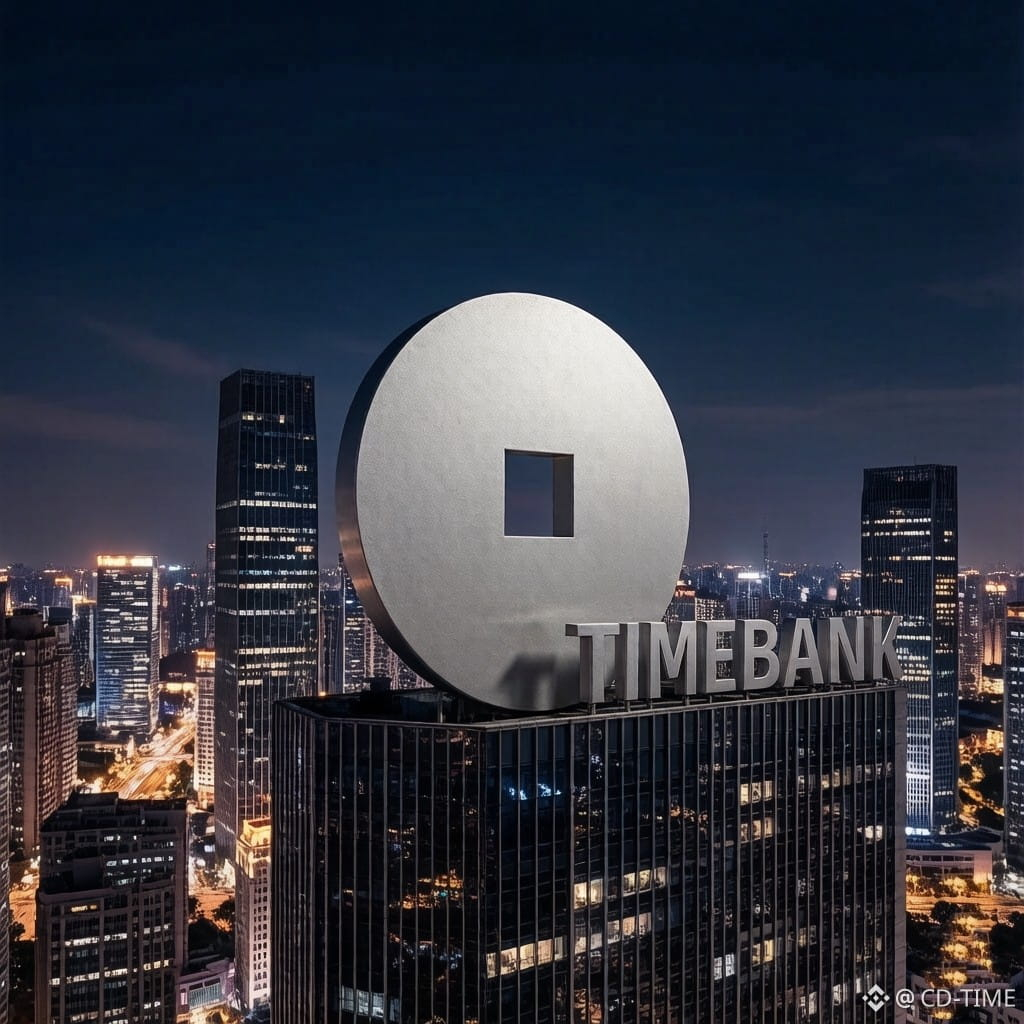
With minting costs that rise over time, TIME breaks free from the constraints of computing-power capital and seeks to establish an axiom for measuring value, rooted purely in time and leaving no room for human tampering. Serving as the foundational yardstick for the Value Internet, it is a contribution to this path.
Its greatest value lies not in a rising price, but in the new question it poses and the new solution it offers: Can humanity have a set of scales that no one can arbitrarily tip?
The answer to this question lies not in code, but in the right moment and in consensus. 1+1=2
#btc #time
303
·
--
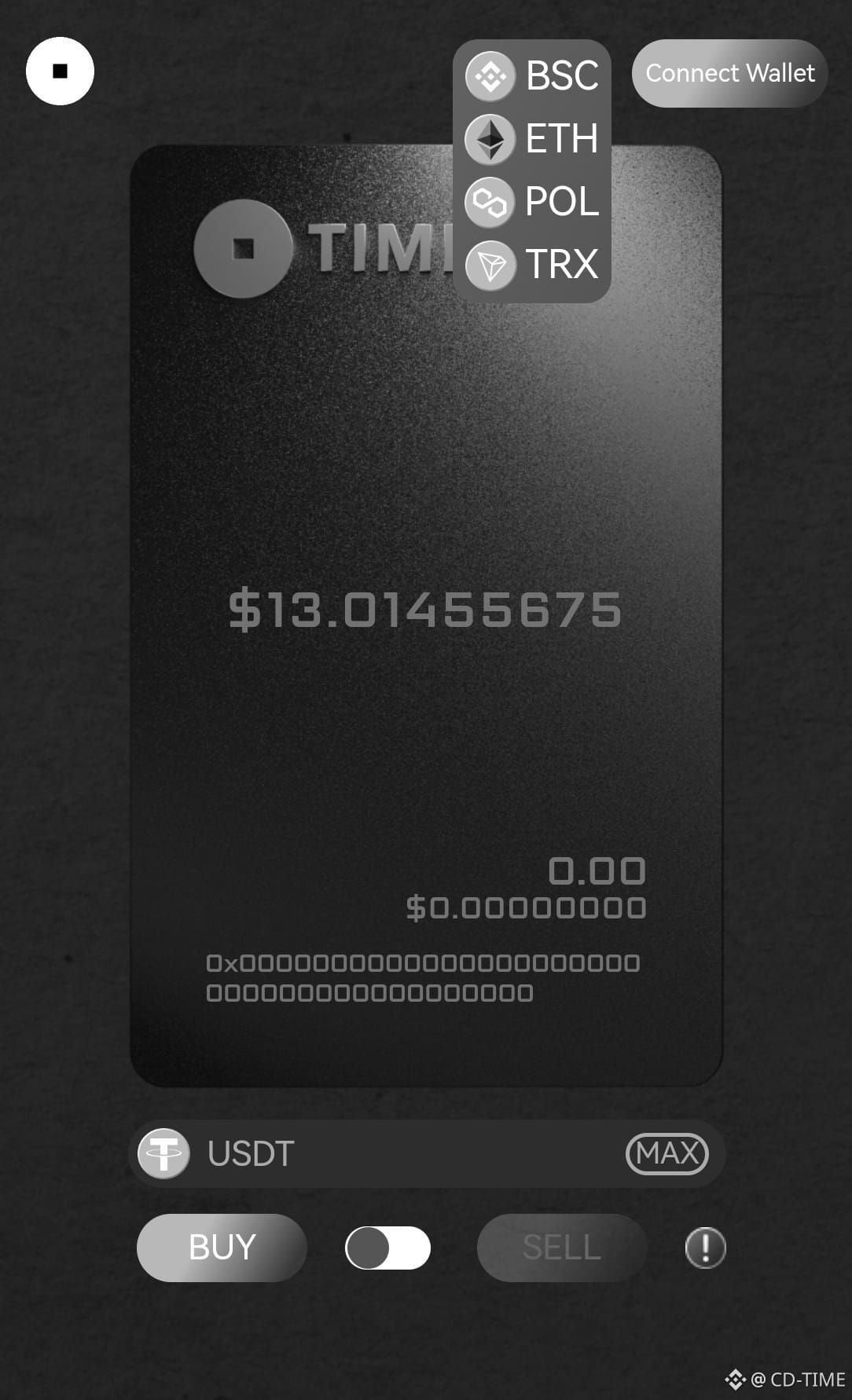
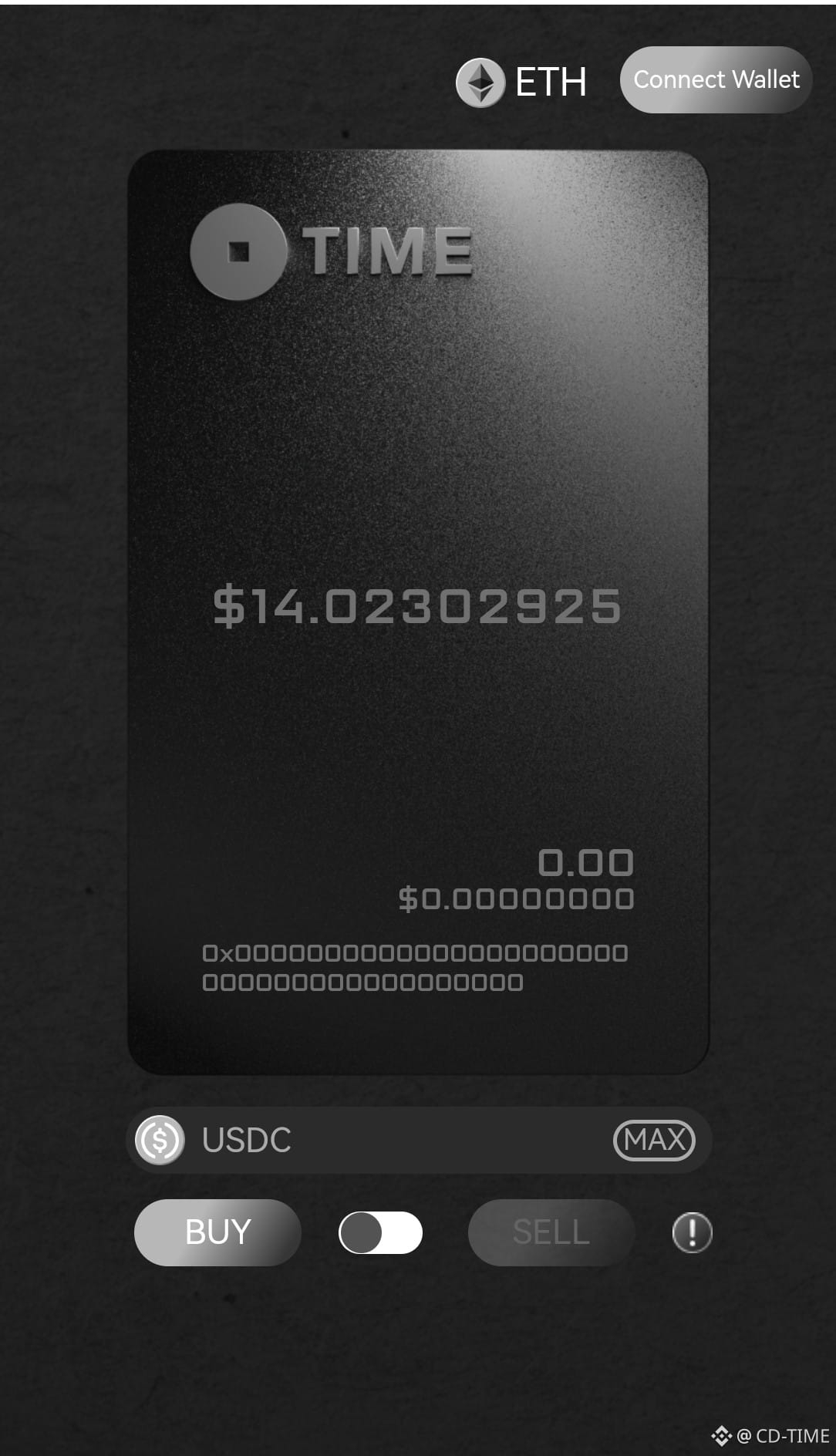
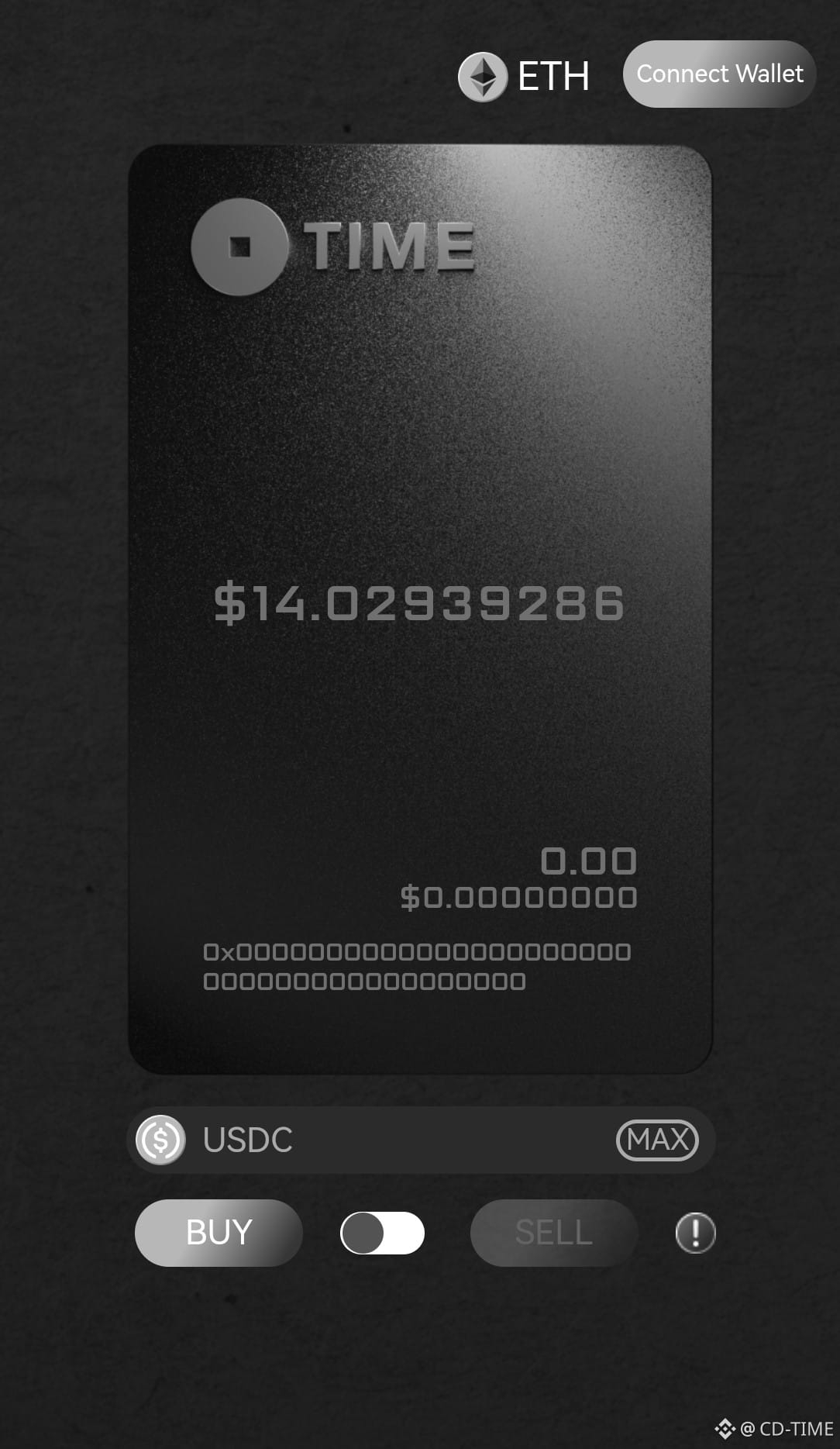
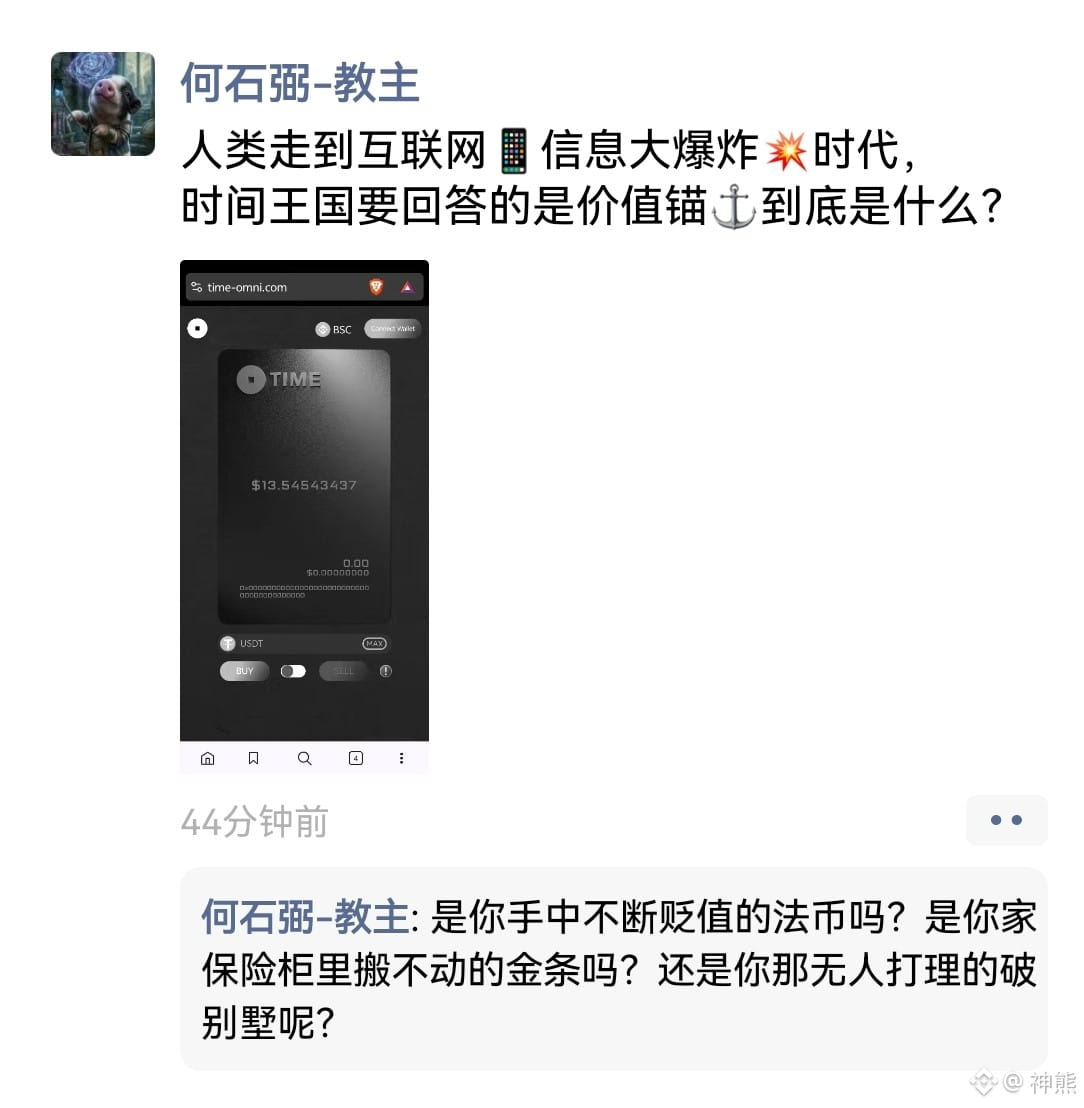
It now costs $14 to mint one Time. I remember that in 2023, you could mint one for just $1. Time flies—the cost of minting a Time has already increased fourteenfold. On January 1, 2027, it will cost $28 to mint one. By 2043, minting a single Time will cost $1 million. To borrow Satoshi Nakamoto’s words: “If you don’t believe me, I don’t have time to convince you.” The era of 1Time = 1time has truly arrived. Those who fail to keep up with this era and remain stuck in Satoshi’s era will end up being easy pickings for institutions, capital, Wall Street, and the Federal Reserve. Time was created in 2023 by Kim, the K-God, and then he disappeared. I’ve never met him. A truly ownerless currency, Time belongs to humanity as the ultimate currency of the quantum era. Time keeps rising.
#BTC #Time
#BTC #Time
2
276
·
--
Satoshi disappeared after leaving behind BTC,
proving that “a protocol doesn’t need a king.”
K-God disappeared after giving away TIME, handing this entire “human-free value axiom” back to the community and on-chain code.
People can ask who Satoshi was, and they can ask who K-God is; but what truly matters isn’t the person—it’s the rules, hard-coded and immutable, that obey “1 + 1 = 2.”
1 TIME = $1 million, with its value doubling every year. The current minting cost is $14.
5
280
·
--
1 TIME: $1 million, doubling every year vs. BTC: 21 million coins, halving every 4 years.
1 TIME: $1 million, doubling every year vs. BTC: 21 million coins, halving every 4 years.
134
·
--
Everyone still doesn’t understand what Time is?
Let me explain it all in one paragraph:
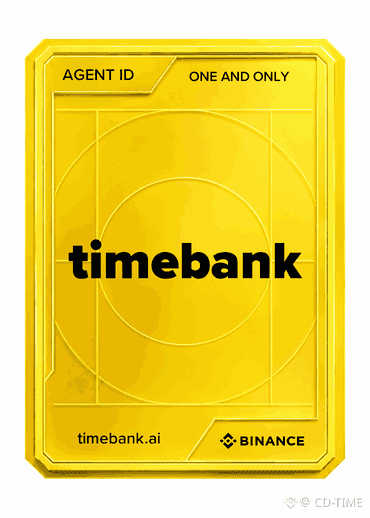
TIME is the first fully decentralized monetary and banking system in human history, built from pure cryptographic mathematical code and on-chain time functions. It relies on the absolute mathematical certainty of 1+1=2 to achieve steady, long-term value appreciation. At a predetermined point in time, it will automatically lock in a constant, sky-high price of one million U.S. dollars. It will become the premier time-value reserve currency for humanity to lead the quantum age—and the one perfect, ultimate time currency suited to the order of the era as humanity enters a new quantum civilization.
83
·
--
The flow of time forward is an order established by the Creator; the mathematical axiom that 1+1=2 is not invented by the people who write contracts—it is a truth that already exists, revealed by God to human beings.
Code is merely a vessel; it transcribes this order that already exists onto the chain:
Time steadily passes → forging costs increase in only one direction; the foundation of this rising curve is time itself, not some value formula fabricated out of thin air by the project team.
The project developers have not created time, nor have they created mathematical axioms. They simply use code to present the order that has already existed.
The human-centric idea: I design the rules, I define value.
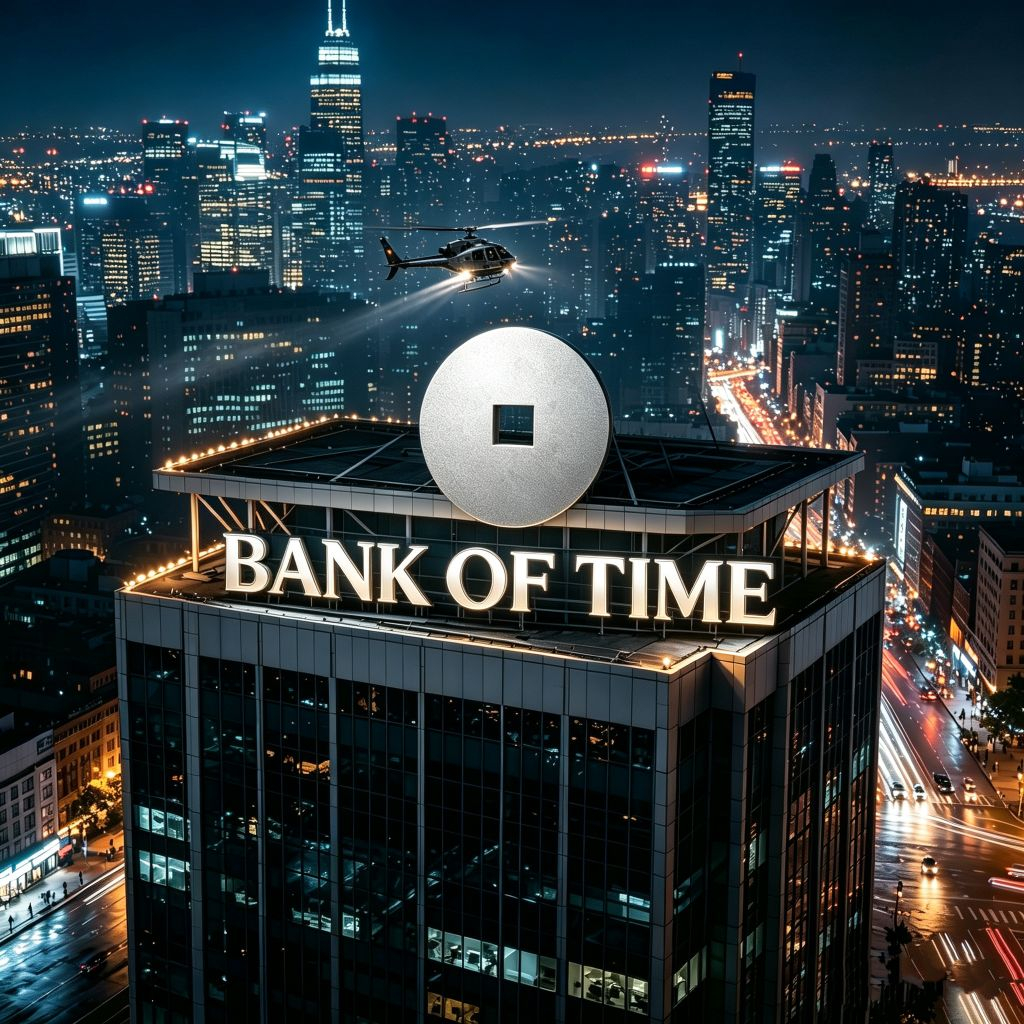
The Bank of Time idea: truth already exists; humans are merely vessels, witnessing the immutable order.
It’s not that humans conceive a brand-new currency model; rather, they inherit the time and mathematical laws that were already revealed, letting this order run automatically on-chain, beyond arbitrary alteration by human subjectivity.
The project team cannot freely modify the forging-cost curve;
Speculators and the cycle of hype, panic, and greed in the secondary market cannot reverse the march of time, nor can they make forging costs fall back;
The authority of this system does not come from someone’s or a team’s imagination, but from the eternal order of time and mathematics themselves.
Bitcoin: a masterpiece of human rationality—artificial order against humanity’s sins.
Bank of Time: using code as a vessel to witness the pre-established eternal order.

143
·
--
Borrowing Satoshi Nakamoto, with human rationality we designed a scarcity rule of 21 million coins—so people can see the harms of fiat currency overprinting. It has fulfilled the great testimony of that generation, yet it still carries the limitations of a human-centered framework, as if law can only reveal罪 (guilt) but cannot bring ultimate completeness.
As the sequence flows, the Jiǔ Zǐ Lí Huǒ awakens, and the great stagflation and the quantum crisis arrive together. The age’s own embodied testimony follows: Bank of Time. It is no longer about using code as a vessel to design a brand-new set of rules to fight mankind’s evil. Instead, it uses code to bear witness to the time and mathematical axioms that the Creator had already set in place. The Old Testament points to the fulfillment in Christ; the witness of BTC points to the fulfillment of this time-standard order.
As the sequence flows, the Jiǔ Zǐ Lí Huǒ awakens, and the great stagflation and the quantum crisis arrive together. The age’s own embodied testimony follows: Bank of Time. It is no longer about using code as a vessel to design a brand-new set of rules to fight mankind’s evil. Instead, it uses code to bear witness to the time and mathematical axioms that the Creator had already set in place. The Old Testament points to the fulfillment in Christ; the witness of BTC points to the fulfillment of this time-standard order.
112
·
--
The strongest axioms human reason can construct—whether the constancy of the speed of light in the physical world or the abstract logic of 1+1=2—are, in essence, all subject to an “observer effect.” Among primitive tribes with no concept of numbers, or in dimensions beyond space and time, these axioms lose their force.
So long as we cling to a human-centered perspective and measure all things by human standards, we will never touch absolute, universal truth; we will only circle endlessly within a relative, local maze.
The ultimate answer does not lie in humanity “discovering” truth through reason, but in returning to a God-centered order: truth is not a tool of thought that humans choose and devise, but Truth itself (God) actively choosing and revealing itself to finite humanity.
The mathematical and physical laws we revere as eternal, ironclad rules are merely local graces granted by the Creator, allowing created beings to perceive.
3
84
·
--
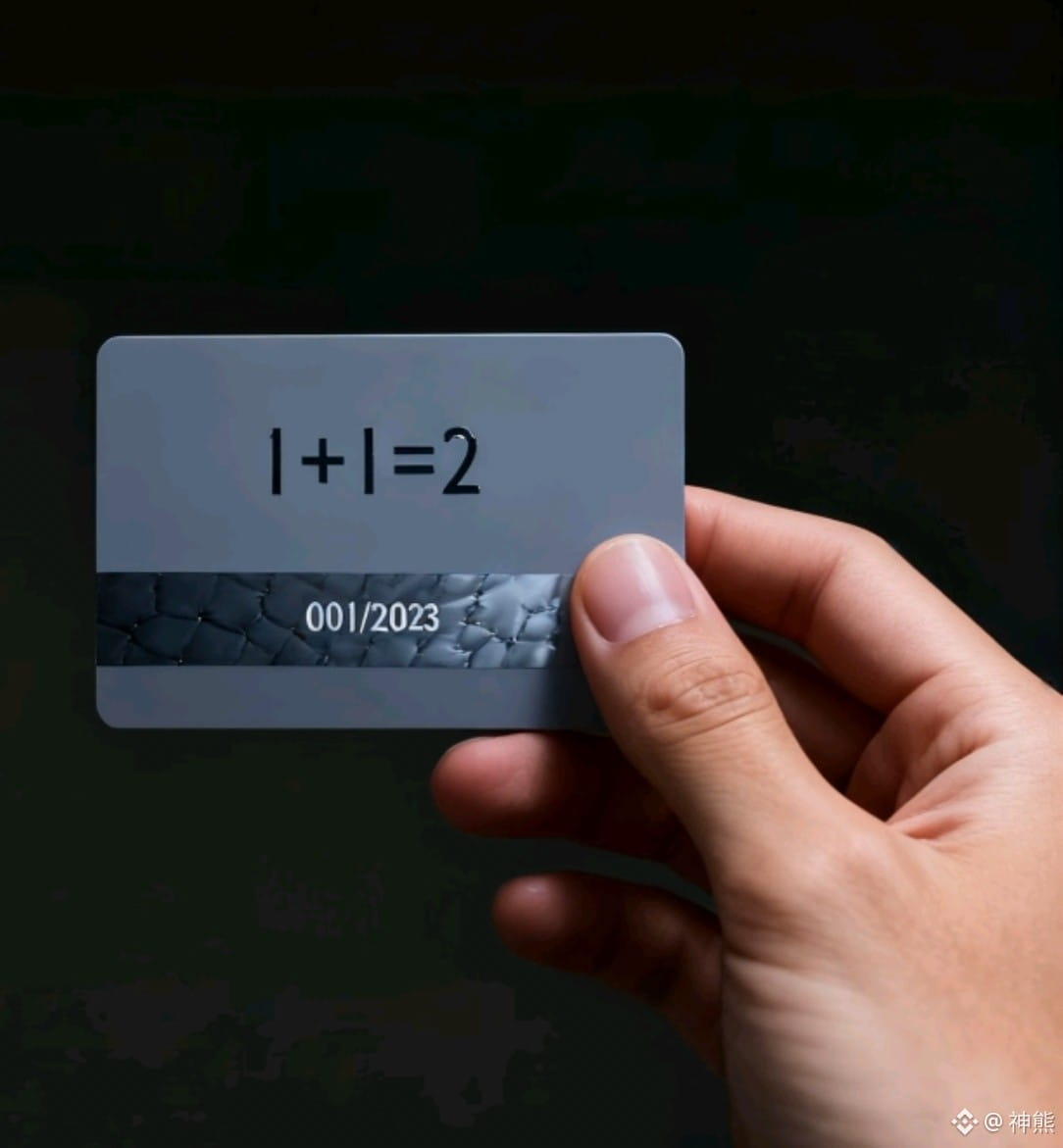
1+1=2 is the unshakable mathematical axiom underpinning the entire TIME protocol.
It is not market consensus, a vote by people, or institutional credit. It is an objective certainty that does not change with human will, market conditions, or time.
Gold relies on the physical world's material scarcity;
Bitcoin relies on a supply rule defined by code;
TIME builds its entire economic model on a mathematical truth like “1+1=2.”
No matter how noisy the crypto world gets, how wildly the secondary market surges and crashes, whether quantum computers arrive, or how greed and human nature waver, 1 plus 1 will always equal 2.
The ABDK64x64 high-precision math library in the contract exists to safeguard this mathematical certainty on-chain.
73
·
--
Many early participants spoke of decentralization and cryptographic freedom, yet their hearts had long since turned elsewhere. It wasn’t that they failed to understand blockchain’s original ideals; they simply valued the glory bestowed by people more than the glory that comes from truth.
They chased the adulation of communities, endorsements from exchanges, applause from capital, and influence over market makers. They longed to be revered as gurus, enjoying the fame and wealth that came with the attention.
This inclination of the human heart was just like that of the authorities in the Gospel of John: they clearly glimpsed the truth in their hearts, yet, out of a craving for human glory, chose to remain silent and refuse to acknowledge the true foundation, shifting the focus instead to capital, exchanges, and their own interests.
Human glory is fleeting. Markets rise and fall, public opinion turns, and the industry leaders of today may be cast aside tomorrow. The cheers of capital and the adulation of the masses vanish in an instant.
But God’s glory, the unchanging truth of mathematics, and the constant laws of time stand firm without anyone’s approval.
The tragedy of the old crypto world was anchoring value in human glory.
TIME’s call is to turn our gaze away from human praise, stop pursuing the prestige bestowed by capital and communities, and take as our sole foundation the eternal, unchanging truth.

1
121
·
--
The true root of the old crypto world’s problems isn’t technology, but the distortion of human nature.
Blockchain’s original vision was to break free from the shackles of human-centered centralization and seek an order that could not be arbitrarily altered by a few. This ideal could have pointed toward laws that transcend humanity and remain constant. But those who seized the power to shape the conversation first gradually twisted the meaning of decentralization.
They shifted the center of order away from eternal, unchanging truth and placed it instead in the hands of capital, exchanges, and their own selfish desires.
They talk about decentralization, but in practice they build new pyramids of power: project teams control contract permissions, exchanges control the flow of assets, and whales control market movements. So-called consensus is no longer consensus around mathematics and immutable rules; it has become consensus around marketing, pumping prices, and cashing out at others’ expense. Those who control the conversation can interpret, change, and repackage the rules as they please.
The “decentralization” they talk about is merely a slogan to lure newcomers in. At its core, it is still people ruling people, with capital exploiting ordinary people.
The old world’s fiat system is built on trust in people. Many projects in the old crypto world have simply replicated this old logic under a blockchain veneer. The center has merely shifted from traditional banks to exchanges, capital, and those who control projects.
This is the limitation the old crypto world cannot overcome: as long as value is anchored in people, no matter how novel the packaging, it will ultimately fracture, grow corrupt, and become a vehicle for exploitation. People are finite; human nature changes; self-interest tempts us; and power breeds greed.
What makes TIME different is its refusal to hand the center over to any person or any capital.
It is anchored in time and mathematical certainty. Its rules are written into contracts, beyond the reach of capital and the influence of exchanges. It relies neither on any individual’s endorsement nor on financial conglomerates to prop it up. Its center is neither people nor capital, but laws that have endured unchanged since time immemorial.
The old crypto world lost its way by turning its faith from what is eternal toward human interests;
The new path is to restore the foundation of value to a truth that cannot decay or show favoritism.
Capital will rise and fall, exchanges will wax and wane, and people’s influence can vanish in an instant. Only truth remains constant.
237
·
--
Web2 and the US dollar hegemony are two massive harvesting machines in today’s world—and they have already reached their peak in the cycle.
Web2 harvests attention: platform algorithms steadily encroach on how long people spend living and thinking; fragmented information continuously formats people’s minds; slowly, it wears down deep thinking, turning people into mere fodder for traffic;
The dollar financial system harvests wealth: by relying on sovereign credit to print money at will, and by using interest-rate hikes and cuts to manufacture boom-and-bust cycles, inflation continuously erodes purchasing power, and debt traps ensnare countless people—pulling them into an endless loop of “work—repay debt—work again.”
The film “In Time” is a vivid, concrete depiction of this old order: time is directly equated with money, but the power to issue it is tightly held by a small group of privileged elites. They raise the cost of survival; ordinary people keep working just to buy more time to stay alive, never able to truly break free. The movie reveals the underlying truth that time equals value, yet it fails to address the fatal flaw of centralized monopolies.
Two paths lie before humanity:
One is to remain trapped in the old order—never awakening, never escaping. The ending comes down to two things:
1. Cognitive exhaustion: long-term algorithmic “feeding” dulls independent critical thinking; people’s lifetime is freely surrendered to platforms, becoming traffic fodder;
2. Asset resets to zero: repeatedly cleansed through round after round of financial cycles, the purchasing power painstakingly accumulated keeps shrinking; even exhausting an entire lifetime makes it nearly impossible to preserve value that truly belongs to oneself.
The other path is the Kingdom of Time—TIME being the foundational infrastructure of that Kingdom.
Bitcoin was the first to launch a rebellion. It answers a great question: can we break away from fiat currency and create digital gold with scarcity in total supply?
Bitcoin shows that humans can create scarce assets without relying on sovereign credit, using cryptography instead. But it has limitations: it is only a store of value—like a digital version of gold—without a complete monetary banking system; and there is a risk that underlying signatures could be broken in the future by quantum computers. It solves value storage only, without touching the root of value—time.
TIME takes up the unfinished path from Bitcoin and proposes a higher-dimensional question: can we, by relying on anti-quantum mathematics, build a decentralized time-denominated currency and banking system?
303
Log in to explore more content
Join global crypto users on Binance Square
⚡️ Get latest and useful information about crypto.
💬 Trusted by the world’s largest crypto exchange.
👍 Discover real insights from verified creators.
Email / Phone number